Desks for Home Schooling
Desks for Home Schooling create a dedicated workspace that helps keep students focused and organized throughout the school day. Whether setting up a quiet corner or designing a complete study area, the right desk can make learning at home more comfortable and productive. Explore a wide range of sizes and styles to find options that fit your space and support your child’s educational needs.
Sort
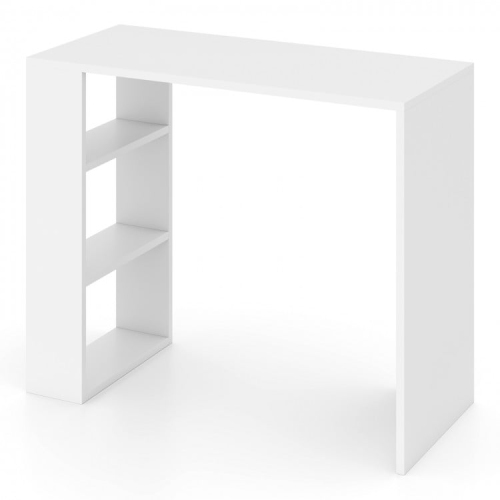
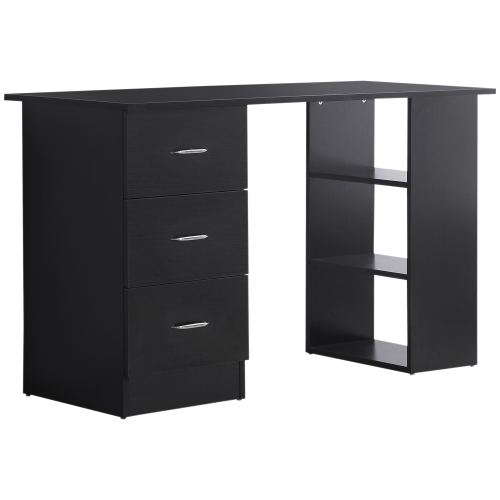
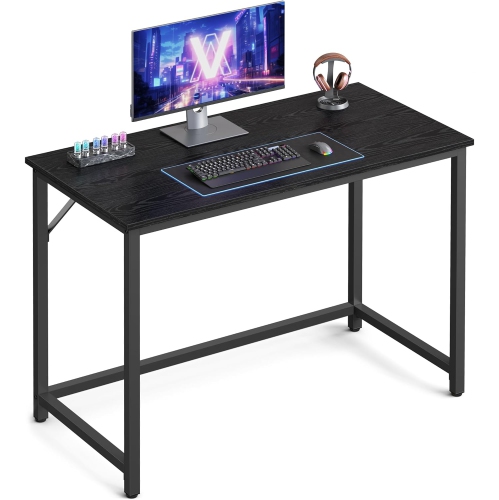
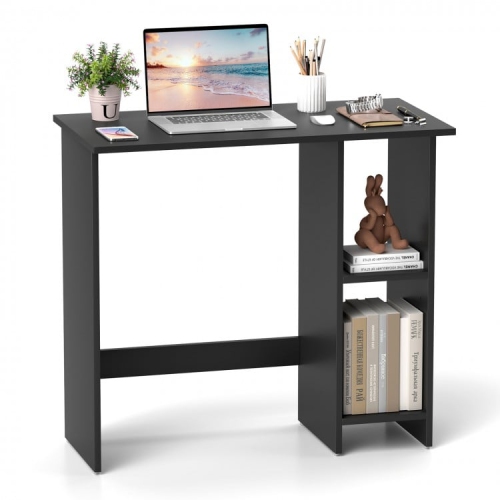





A desk that fits the learner and the room
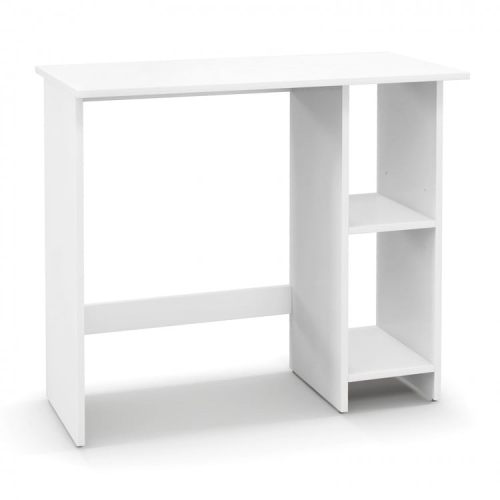
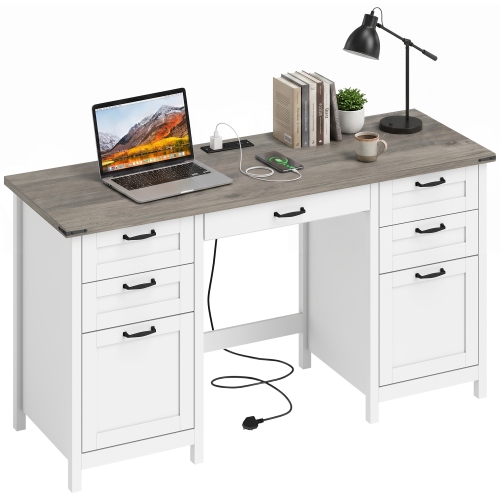
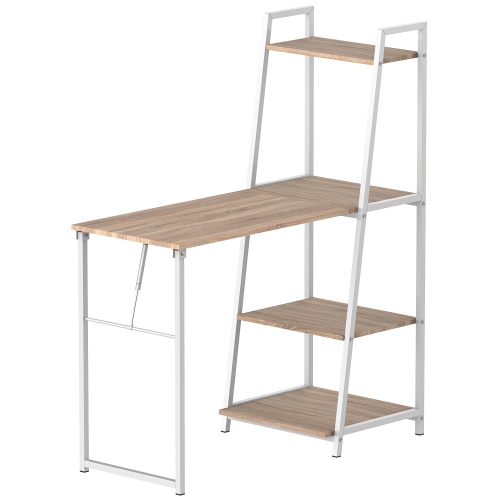
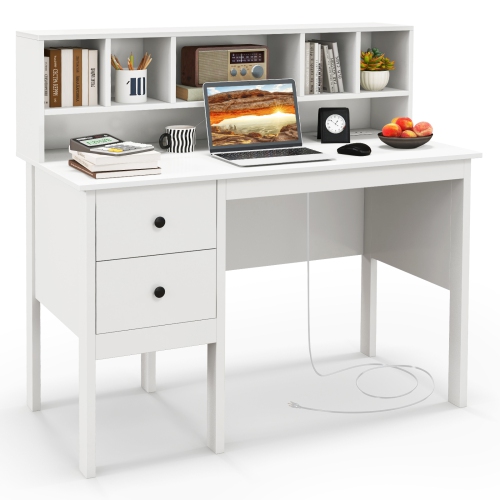
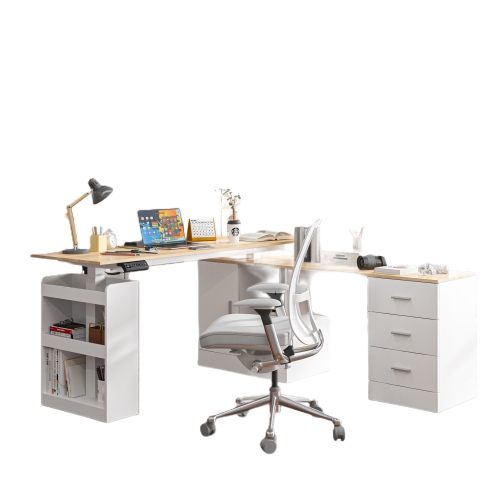
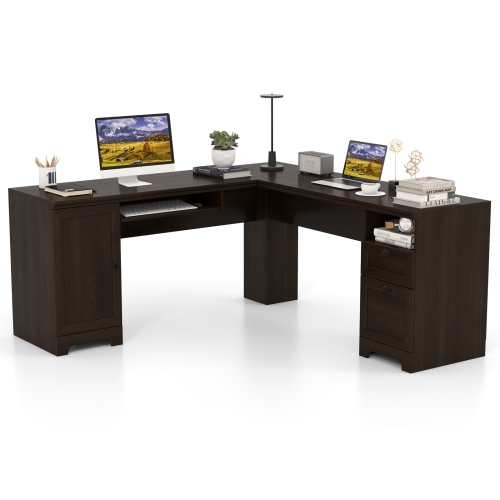
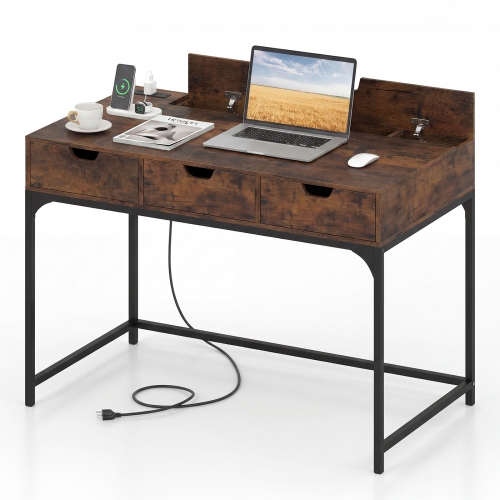
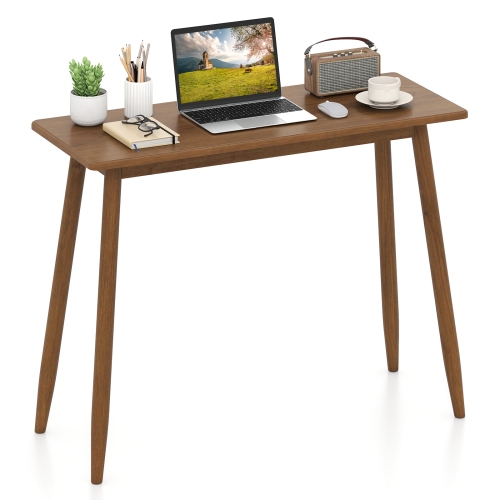
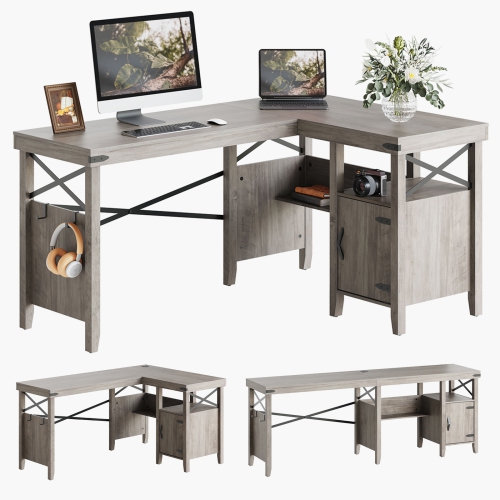
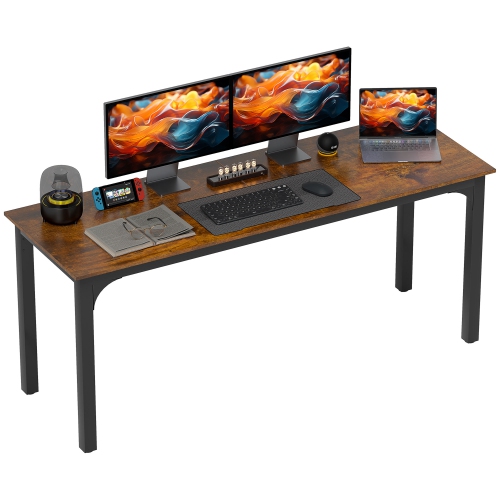
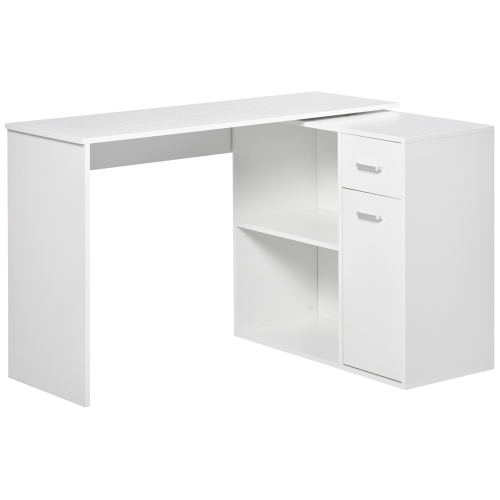
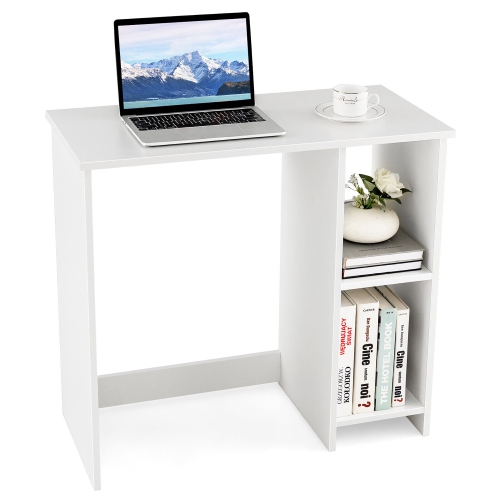
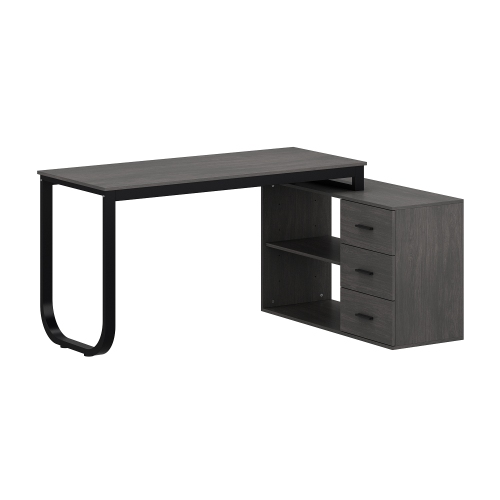
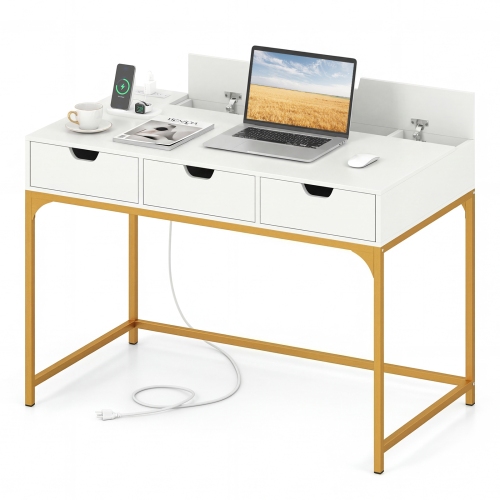
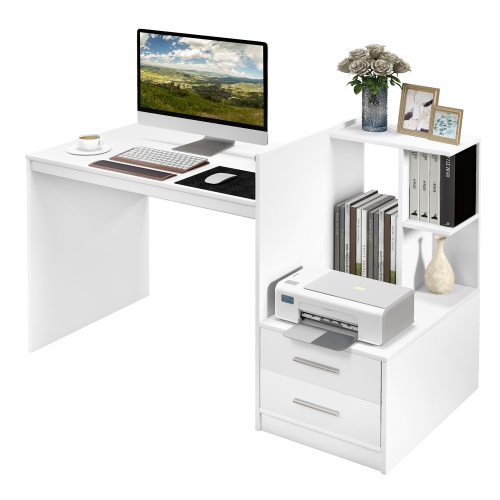
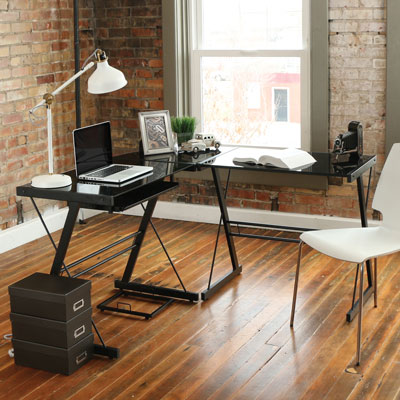
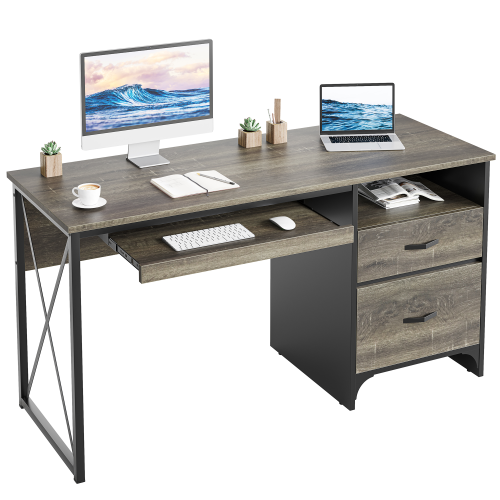
Desks for home schooling provide a dedicated surface for reading, writing, online lessons, and the hands-on projects that often share the same school day. The right fit depends on the learner’s size, the work being done, and the space the desk will occupy. A child practising handwriting needs room to rest both forearms comfortably, while an older student may need space for a laptop, an open textbook, and a notebook at the same time. Desk height works together with chair height: a comfortable arrangement generally allows relaxed shoulders, elbows near the work surface, and feet supported by the floor or a footrest. Adjustable-height desks offer flexibility when several children share a workspace or when a desk needs to accommodate a growing learner, although the adjustment range and method vary by design. A compact rectangular desk can fit neatly along a bedroom wall, while a deeper surface provides more separation between a screen and a writing area. Corner and L-shaped desks make use of adjoining walls and can keep computer work on one side and paper-based activities on the other. Their larger footprint also means allowing enough room for the chair to move without blocking a doorway or storage cabinet. For siblings learning together, separate desks can give each child a defined work area, while a longer shared surface may suit activities that involve discussion or adult help. Fold-away and wall-mounted designs can serve rooms that need to return to another use after lessons, provided their mounting requirements, load limits, and opening clearance suit the space. The desk’s usable surface matters more than its outer dimensions alone. Raised shelves, built-in compartments, and monitor stands can occupy space that might otherwise hold a workbook or drawing paper. A practical home schooling desk leaves enough clear space for everyday tasks without making supplies difficult for a seated learner to reach.
Materials and construction influence how a desk feels in daily use, how much upkeep it needs, and how well it handles repeated activity. Solid wood can bring warmth and a substantial feel to a study area, with care requirements that depend on the wood and finish. Wood veneer provides a real-wood surface over a supporting core, while laminate and melamine finishes offer varied colours and a surface that is often straightforward to wipe clean. These finishes are not interchangeable, and resistance to scratches, moisture, and heat depends on the particular construction. Engineered wood desks may use particleboard or medium-density fibreboard beneath a finished surface; protected edges and well-fitted joints are worth considering in a workspace where books and school supplies move around frequently. Metal frames can provide firm support, but overall stability also depends on the joints, bracing, assembly, and floor beneath the desk. A desk that feels steady during typing may still move during vigorous erasing or craft work, making a secure base especially useful for younger learners. Rounded corners and smooth edges can be practical in a small room where children pass close to the work surface. Drawers help separate pencils, chargers, and loose worksheets, while open shelves keep frequently used materials visible. Under-desk storage needs to leave adequate knee and leg room, particularly when a learner changes position throughout the day. Drawer movement, accessible adjustment points, and folding mechanisms also deserve attention wherever small hands will be nearby. Care is usually simplest when spills are wiped up promptly with a soft cloth and a cleaner approved for the finish. A protective mat can help keep glue, marker ink, and modelling materials off the desktop, though it should lie flat for writing. Assembly instructions and stated weight limits remain important for everyday use, and furniture with anchoring requirements needs the appropriate installation. Loose fittings, damaged edges, or an uneven base can affect the experience long before the desktop itself shows much wear.
A home schooling desk also needs to work with the routines around it. In a living room or shared family space, closed drawers and a nearby shelf can make it easier to put lessons away without moving every supply to another room. In a bedroom, a defined work surface can keep school materials separate from the bed and leave unfinished assignments undisturbed. Younger learners often benefit from supplies within easy reach, while older students may need more room for reference books, a keyboard, or a second screen. A laptop used on its own leaves more desktop space, but a separate keyboard and mouse require additional depth, especially if the screen is raised on a stand. Cable openings, trays, and clips can help route cords away from the writing area, although the desk still needs a sensible position relative to power outlets. Cords should not stretch across a walkway or interfere with chair movement. Lighting is another practical consideration: a desk lamp needs a stable spot, and light falling across the page should not be blocked by the learner’s writing hand. Screen placement also matters when a nearby window creates glare. For families who spend more time spreading out maps, art materials, or shared worksheets than using a computer, study tables for homeschooling offer another style of learning surface to consider. A broad tabletop can accommodate collaborative work, whereas a desk with dedicated storage may better suit a learner who prefers everything close at hand. Neither arrangement needs to hold every school supply at once; keeping less-used materials elsewhere can preserve valuable working room. Space for a chair to slide back, a clear route through the room, and access for an adult helping with lessons all contribute to a workable layout. Whether used for full-time home education, occasional online classes, or independent assignments, a well-proportioned desk supports the practical details of learning at home: a book held open, a worksheet laid flat, and enough room to move comfortably from one task to the next.
Top selling and popular products
-
 Your price for this item is $304.99
-
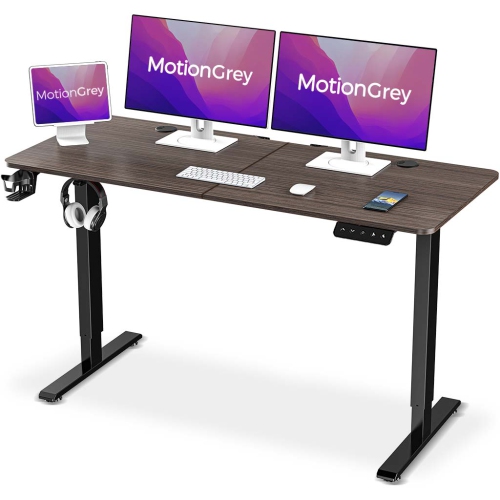 Your price for this item is $142.92
-
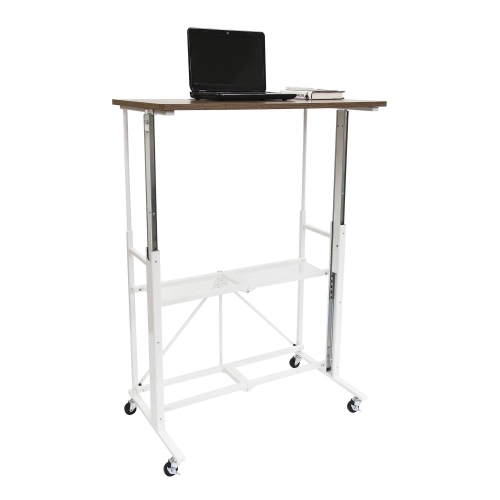 Your price for this item is $248.99
-
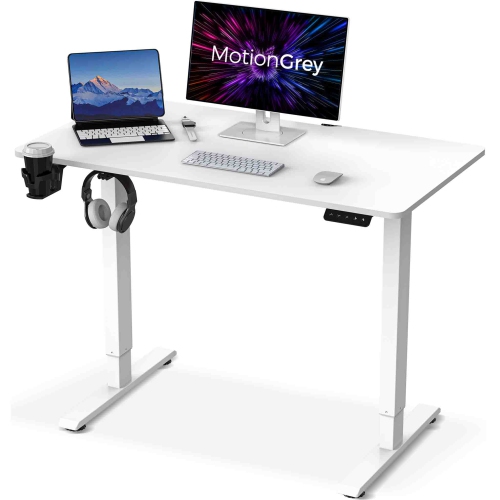 Your price for this item is $133.91
-
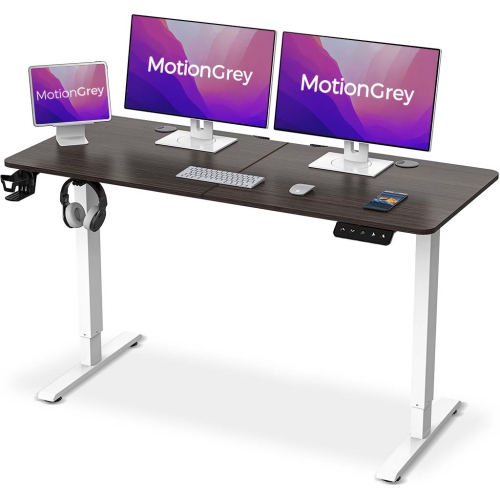 Your price for this item is $158.99
-
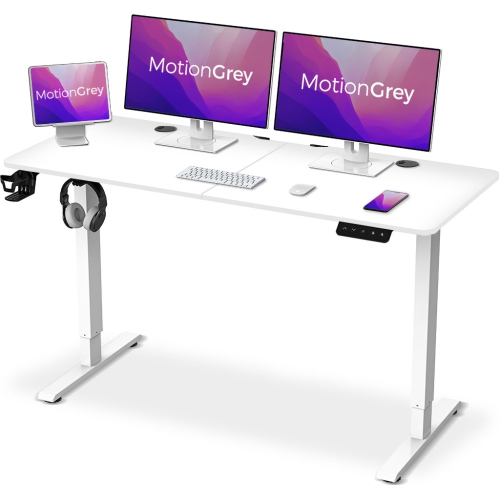 Your price for this item is $142.94
-
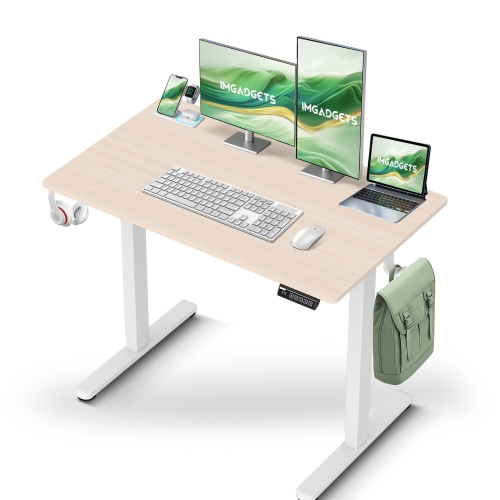 Your price for this item is $119.99
-
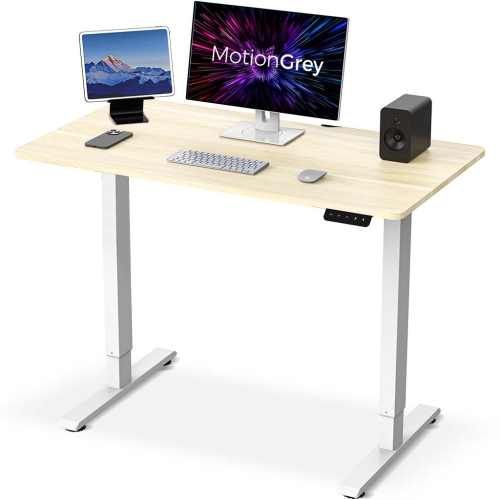 Your price for this item is $133.91
Discover more categories related to Desks for Home Schooling
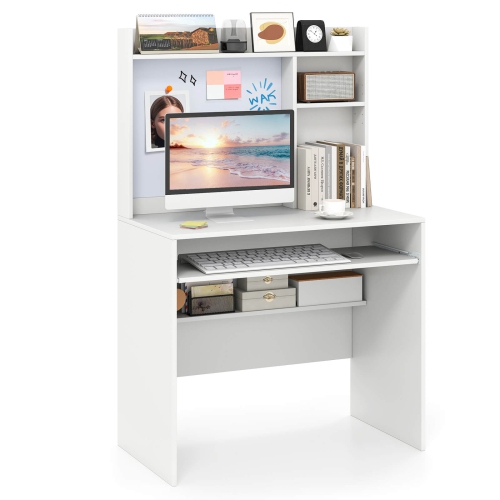
Top Collections:
Pokemon Centers, Best Cameras for Sports Photography, Kindle Devices, Samsung Galaxy Phones, Canon G7X Cameras, Pokémon 30th Celebration Cards, Refurbished Apple Laptops, iPhone 15 Apple, Laptops for Students, Budget Smartphones
Some products may be subject to Environmental Handling Fees
(EHF) depending on your province.
Learn more about EHFs.