Dessert Stands
Elevate your dessert presentation with our exquisite collection of dessert stands. Perfect for showcasing cakes, pastries, and other sweet treats, these stylish stands add a touch of elegance to any occasion. Whether you're hosting a party, celebrating a special event, or simply indulging in some home-baked goodies, our diverse range of dessert stands offers something for every taste and decor. Discover the perfect centerpiece for your dessert table and make your culinary creations stand out beautifully.
Sort
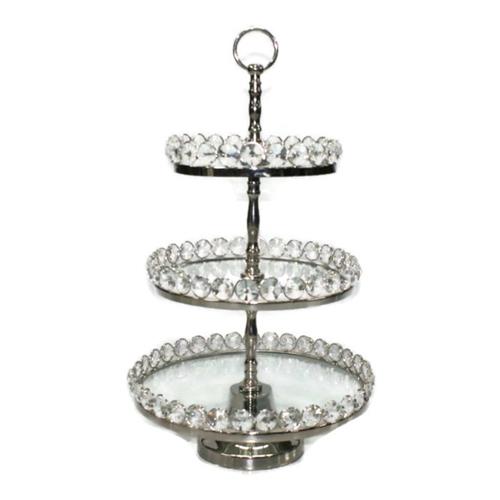
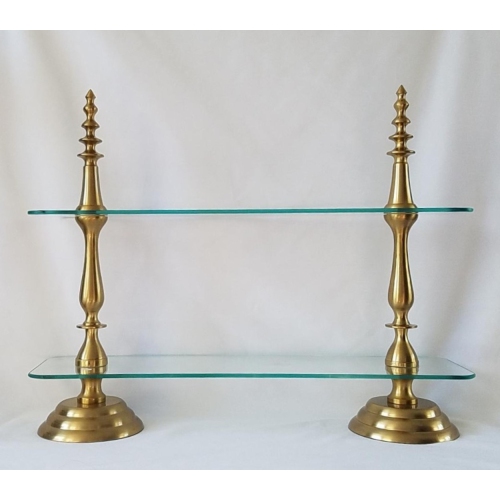
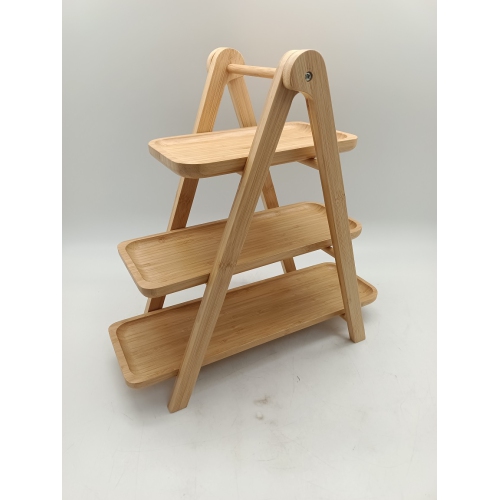
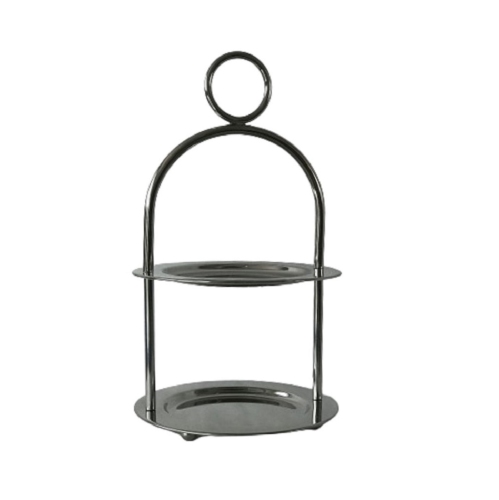
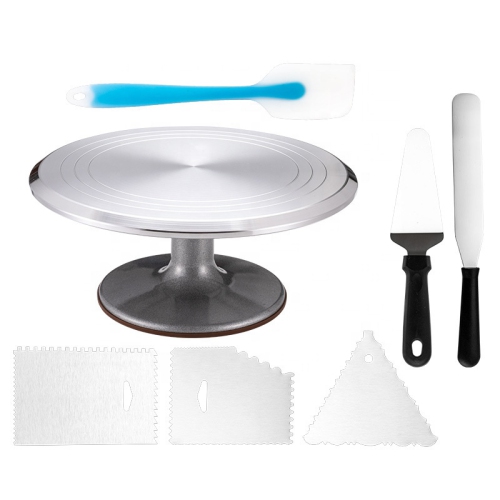
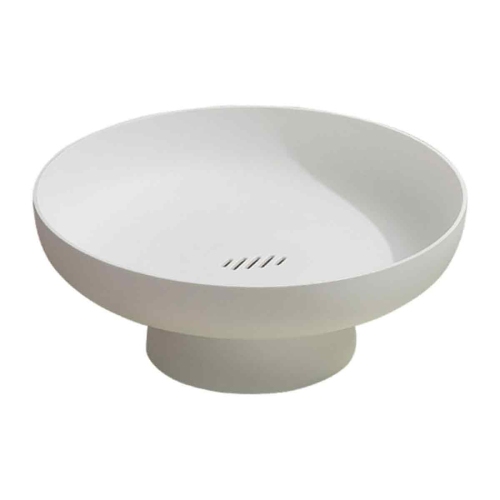
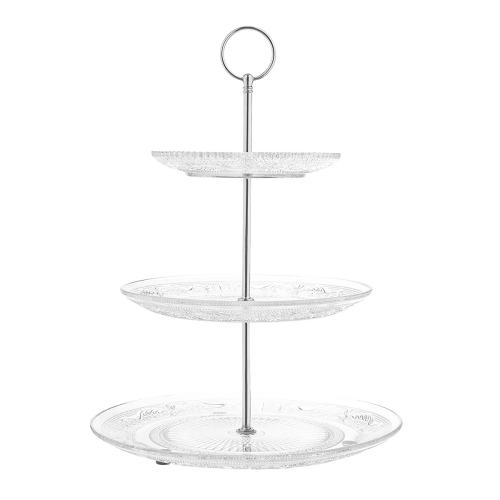
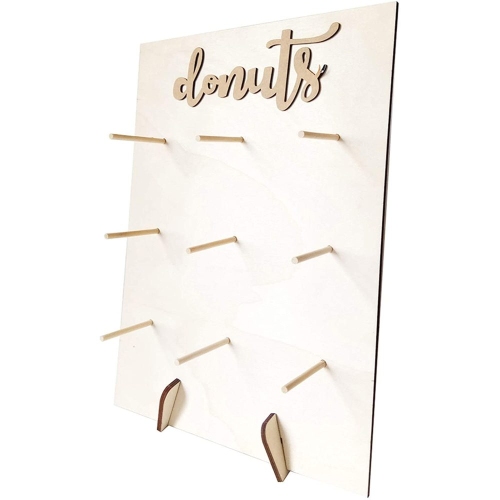
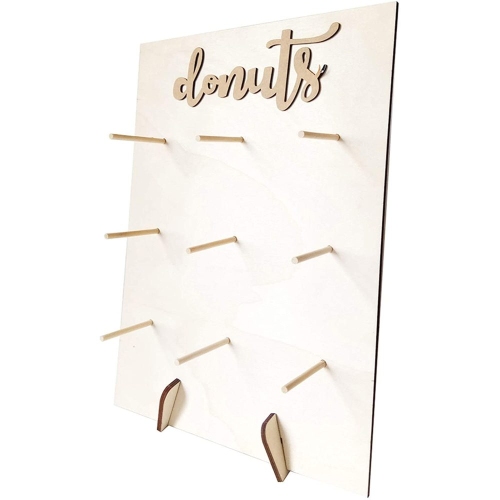
Sweet treats take centre stage without crowding the table
Dessert stands lift cakes, cupcakes, pastries, and other sweet treats above the tabletop, making a spread easier to see and giving each dessert a distinct place. A single pedestal stand creates a focal point for a birthday cake or a neatly arranged ring of tarts, while tiered dessert stands hold individual portions on several levels. That added height can help make the most of a smaller serving table, leaving room below for plates, napkins, and serving utensils. The right shape depends as much on the food as on the look of the table. A broad, flat cake stand suits a whole cake supported by a cake board, while trays with a shallow raised edge can help keep cookies and wrapped treats contained. Cupcake stands need enough space between tiers for icing and toppers, not just the height of the cake itself. For macarons, petit fours, or chocolate-covered strawberries, an open arrangement makes it easier to pick up a portion without brushing against neighbouring treats. Round stands bring a familiar shape to a dining table, while square and rectangular platforms can sit neatly along a buffet or kitchen island. A group of stands in different heights creates a layered display, but guests still need a clear path to reach each level. Taller designs work best where they will not block conversation or sit in the way of passing dishes. Lower platforms are often more practical for a seated gathering or a table where children will be choosing their own desserts. Beyond celebrations, a modest pedestal can give homemade muffins or a few pastries a dedicated spot for a family brunch. Dessert stands are useful for home bakers, frequent hosts, and anyone who enjoys bringing a little structure to a serving table without turning every gathering into a formal event. Their appeal lies in that balance of presentation and everyday function: the dessert takes centre stage, and the rest of the table stays organized.
Material and construction influence how a dessert stand looks, feels, and holds up to repeated use. Glass offers a clear or reflective surface that lets the colours of fruit, icing, and pastry stand out, while ceramic and porcelain provide a more substantial backdrop in plain finishes or patterned designs. These materials can be straightforward to wipe clean when their finishes are intact, though edges and rims need protection from knocks during washing and storage. Metal dessert stands can range from slim, open frames to broad pedestal designs; their finish and construction determine whether they suit direct food contact and how they should be cleaned. Wood and bamboo bring visible grain and a softer look to the table, but they generally need prompt cleaning and thorough drying rather than soaking. Acrylic and other plastic designs can be lighter to carry and easier to handle when setting up several serving areas, although abrasive cloths and cleaners may leave scratches. Marble has a substantial feel and natural variation, but its weight matters when moving a filled stand, and acidic foods can mark some stone surfaces. Regardless of material, a flat platform, secure connections, and a steady base matter more than appearance alone. A heavy top does not automatically make a stand stable, especially if its base is narrow. Size should account for the full footprint of the dessert, including the cake board, icing, and any decorations that extend beyond the edges. A stand that barely fits the cake may leave little room for handling or serving. For tiered designs, both the spacing and the usable area of each tray affect capacity; a display that holds many small cookies may accommodate far fewer generously iced cupcakes. Stated weight limits also matter, particularly for dense cakes or several filled tiers. Food-contact suitability should be confirmed for the actual serving surface, with appropriate food-safe liners or plates used where directed. Removable trays and simple joins can make cleaning easier, while elaborate edges and closely spaced supports may take more attention to keep free of crumbs and icing.
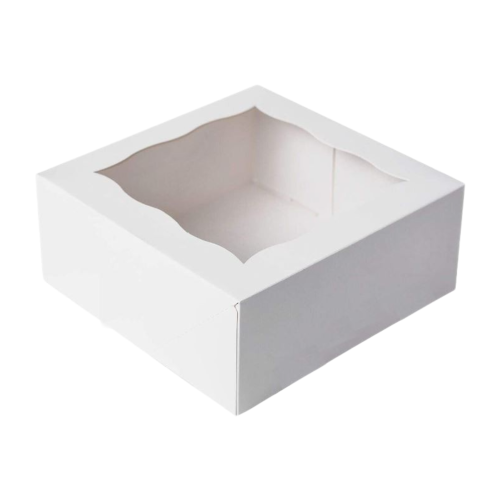
Intended use helps distinguish a stand for occasional entertaining from one that will become part of a regular serving routine. For a whole celebration cake, easy access around the perimeter is valuable, and transferring the cake to a suitable cutting surface may be preferable to slicing directly on a stand that could scratch or become unsteady. For a self-serve dessert table, sturdy lower tiers and comfortable spacing let guests lift a cupcake or take a cookie without reaching over delicate decorations. Matching stands can give a wedding reception or anniversary gathering a unified look, while a mix of simple shapes can feel equally at home at a baby shower, birthday party, or casual get-together. A covered cake stand adds another practical feature: a dome can shield food from dust and incidental contact between servings. Its interior height and width need to clear the dessert without touching the icing, and a cover does not replace refrigeration for foods that require it. Storage deserves attention, too. A tall pedestal needs clear cupboard space, while a stand with removable tiers may pack away more easily between gatherings. Detachable parts should fit firmly when reassembled, and any screws or connectors need a designated storage spot so they are not misplaced. Care instructions vary by material, finish, and construction, so dishwasher suitability should be checked rather than assumed. Washing removable parts separately when directed, drying them fully, and placing a soft layer between stacked components can help preserve their surfaces. When desserts are being shared beyond the table, Dessert Boxes provide a separate way to package portions for guests to take home; a display stand itself is not a substitute for a secure transport container. As a gift, a dessert stand can suit a keen baker, a new household, or a host who regularly serves homemade treats. A versatile size and manageable weight are often more useful than an elaborate design, especially when cupboard space is limited. With proportions suited to the food and care requirements suited to the household, a dessert stand can earn its place at both milestone celebrations and smaller shared meals.
Material and construction influence how a dessert stand looks, feels, and holds up to repeated use. Glass offers a clear or reflective surface that lets the colours of fruit, icing, and pastry stand out, while ceramic and porcelain provide a more substantial backdrop in plain finishes or patterned designs. These materials can be straightforward to wipe clean when their finishes are intact, though edges and rims need protection from knocks during washing and storage. Metal dessert stands can range from slim, open frames to broad pedestal designs; their finish and construction determine whether they suit direct food contact and how they should be cleaned. Wood and bamboo bring visible grain and a softer look to the table, but they generally need prompt cleaning and thorough drying rather than soaking. Acrylic and other plastic designs can be lighter to carry and easier to handle when setting up several serving areas, although abrasive cloths and cleaners may leave scratches. Marble has a substantial feel and natural variation, but its weight matters when moving a filled stand, and acidic foods can mark some stone surfaces. Regardless of material, a flat platform, secure connections, and a steady base matter more than appearance alone. A heavy top does not automatically make a stand stable, especially if its base is narrow. Size should account for the full footprint of the dessert, including the cake board, icing, and any decorations that extend beyond the edges. A stand that barely fits the cake may leave little room for handling or serving. For tiered designs, both the spacing and the usable area of each tray affect capacity; a display that holds many small cookies may accommodate far fewer generously iced cupcakes. Stated weight limits also matter, particularly for dense cakes or several filled tiers. Food-contact suitability should be confirmed for the actual serving surface, with appropriate food-safe liners or plates used where directed. Removable trays and simple joins can make cleaning easier, while elaborate edges and closely spaced supports may take more attention to keep free of crumbs and icing.
Intended use helps distinguish a stand for occasional entertaining from one that will become part of a regular serving routine. For a whole celebration cake, easy access around the perimeter is valuable, and transferring the cake to a suitable cutting surface may be preferable to slicing directly on a stand that could scratch or become unsteady. For a self-serve dessert table, sturdy lower tiers and comfortable spacing let guests lift a cupcake or take a cookie without reaching over delicate decorations. Matching stands can give a wedding reception or anniversary gathering a unified look, while a mix of simple shapes can feel equally at home at a baby shower, birthday party, or casual get-together. A covered cake stand adds another practical feature: a dome can shield food from dust and incidental contact between servings. Its interior height and width need to clear the dessert without touching the icing, and a cover does not replace refrigeration for foods that require it. Storage deserves attention, too. A tall pedestal needs clear cupboard space, while a stand with removable tiers may pack away more easily between gatherings. Detachable parts should fit firmly when reassembled, and any screws or connectors need a designated storage spot so they are not misplaced. Care instructions vary by material, finish, and construction, so dishwasher suitability should be checked rather than assumed. Washing removable parts separately when directed, drying them fully, and placing a soft layer between stacked components can help preserve their surfaces. When desserts are being shared beyond the table, Dessert Boxes provide a separate way to package portions for guests to take home; a display stand itself is not a substitute for a secure transport container. As a gift, a dessert stand can suit a keen baker, a new household, or a host who regularly serves homemade treats. A versatile size and manageable weight are often more useful than an elaborate design, especially when cupboard space is limited. With proportions suited to the food and care requirements suited to the household, a dessert stand can earn its place at both milestone celebrations and smaller shared meals.
Top selling and popular products
-
 Your price for this item is $69.95
 -
 Your price for this item is $130
 -
 Your price for this item is $150
 -
 Your price for this item is $150
 -
 Your price for this item is $109.99
 -
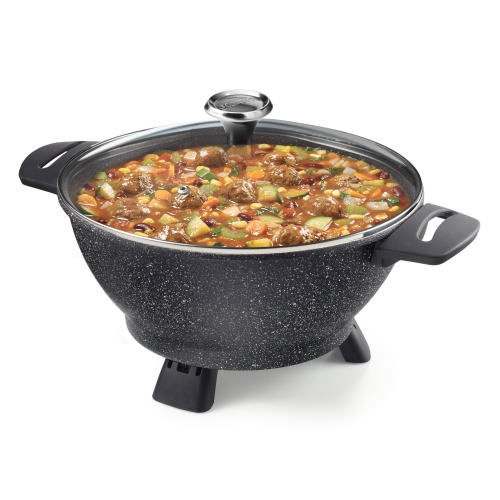 Your price for this item is $79.99
 -
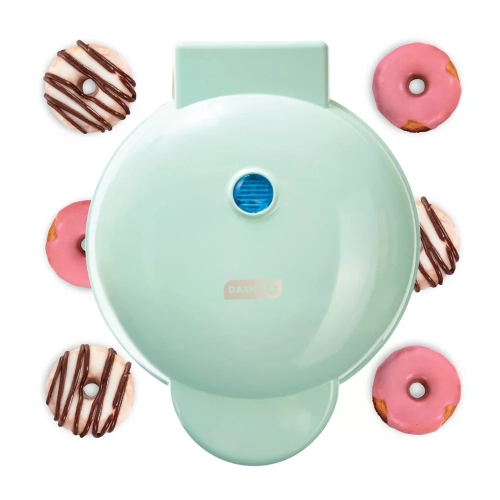 Your price for this item is $87.99
 -
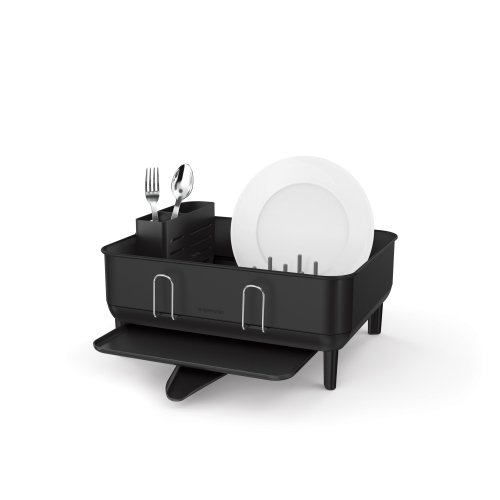 Your price for this item is $120
Discover more categories related to Dessert Stands
Top Collections:
Pokemon Centers, Kindle Devices, Budget 4K TVs, Canon G7X Cameras, Apple iPhones 16, iPhone 15 Apple, Refurbished Apple Laptops, Motorola Razr Phones, Flip Phones, Needoh Sale
Some products may be subject to Environmental Handling Fees
(EHF) depending on your province.
Learn more about EHFs.