Dining Stools
Upgrade your dining experience with our selection of stylish and functional dining stools. Whether you're looking to add a modern touch to your kitchen island or create a cozy breakfast nook, our range of dining stools offers a variety of designs to suit every taste and space. From sleek metal frames to plush upholstered seats, these versatile pieces are perfect for casual meals, entertaining guests, or simply relaxing with a cup of coffee. Browse our collection today and find the perfect dining stools to elevate your home decor.
Sort






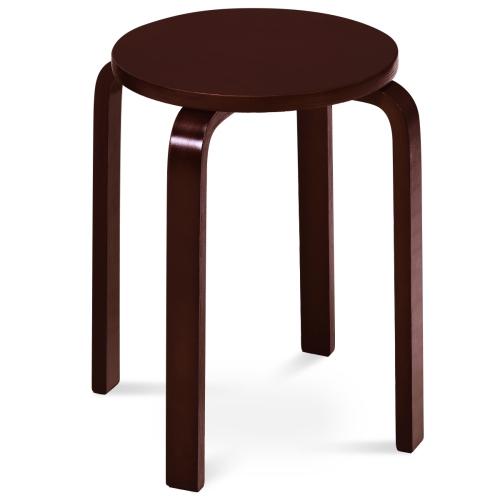


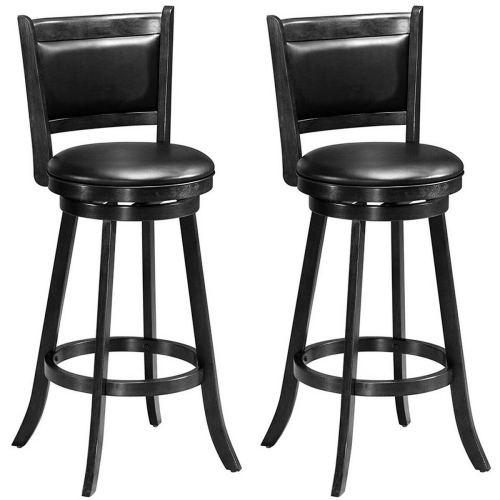
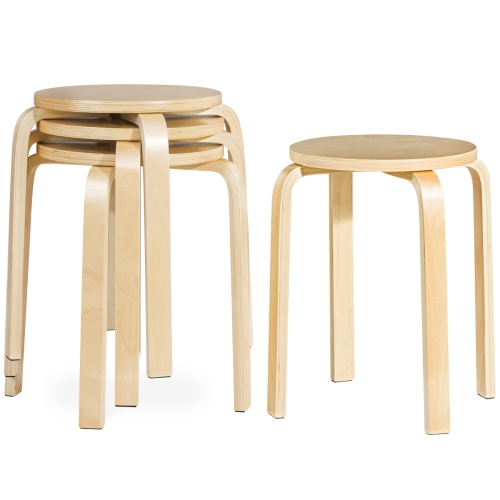

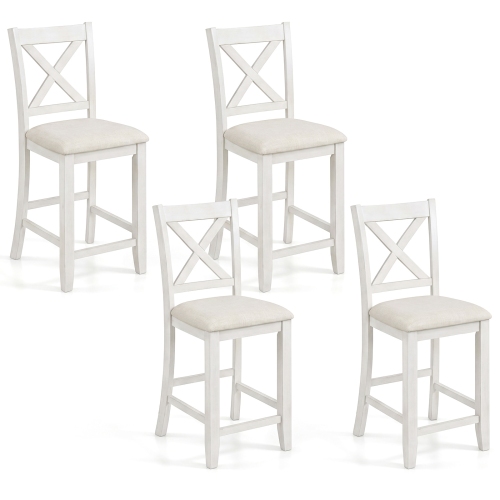
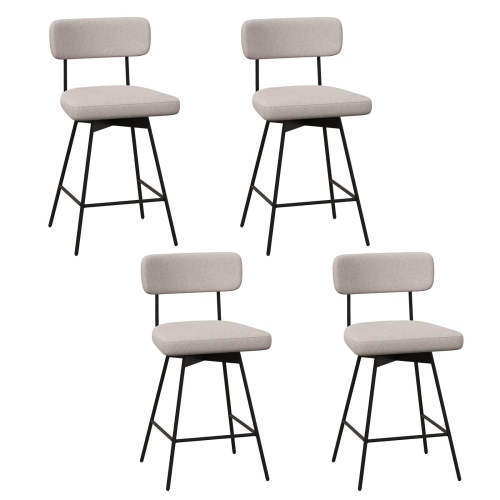
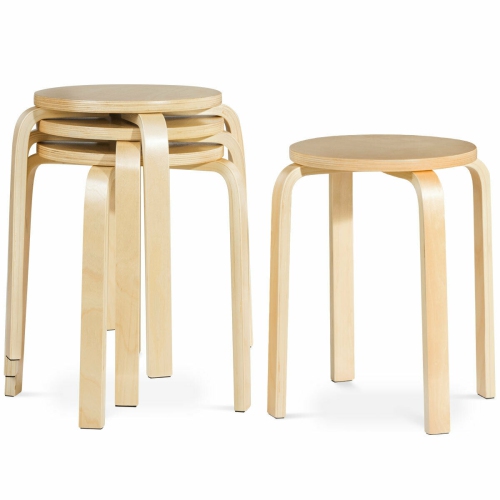


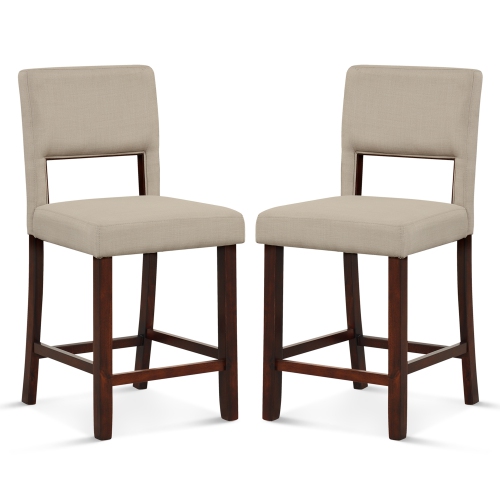
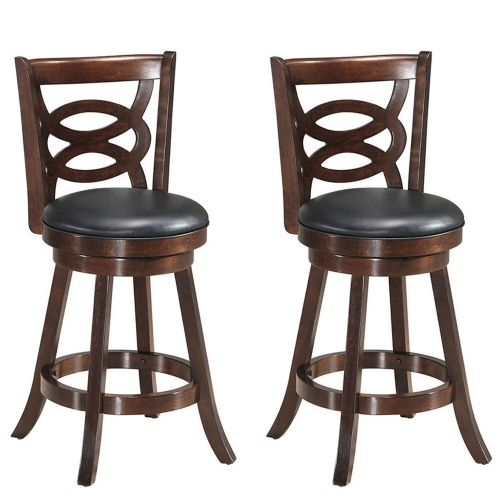
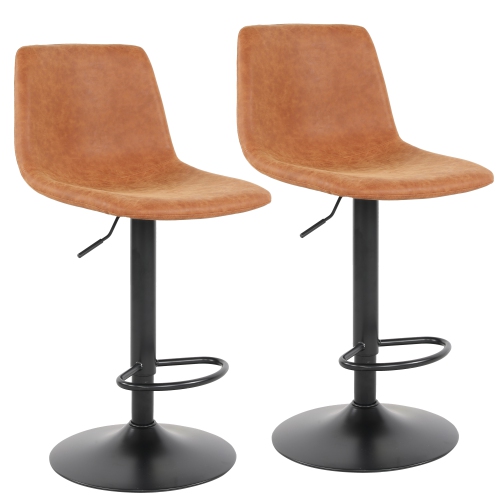

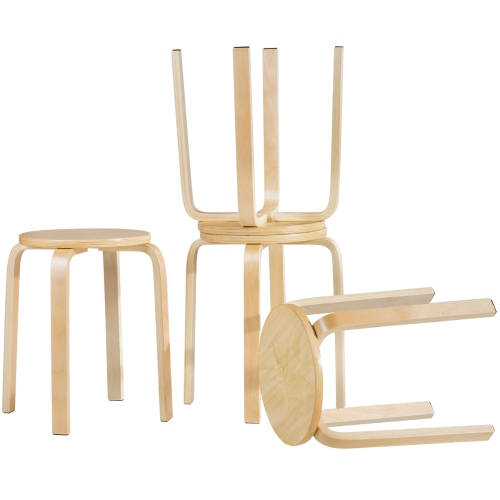
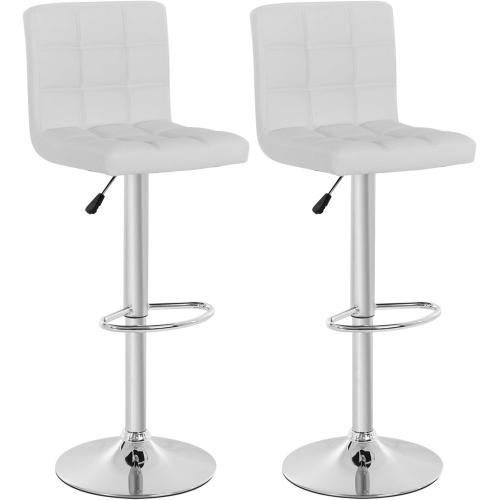
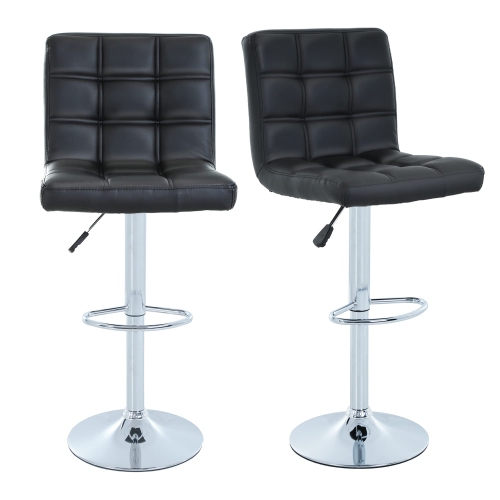
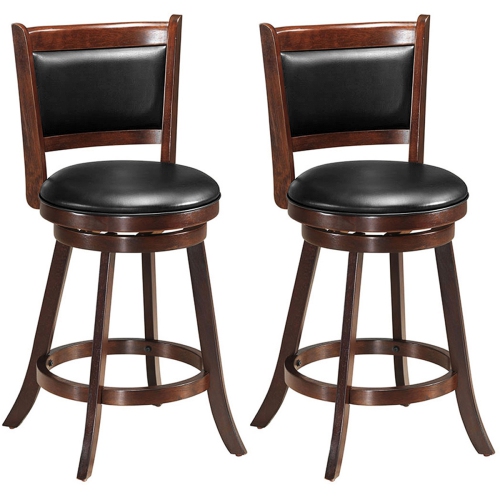
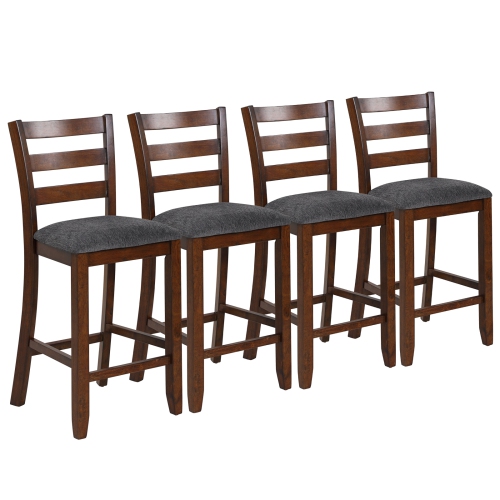

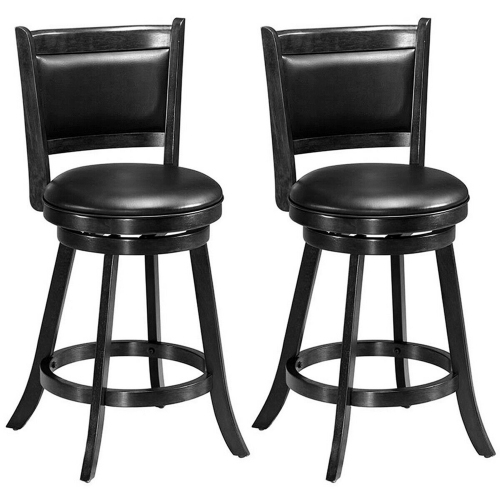


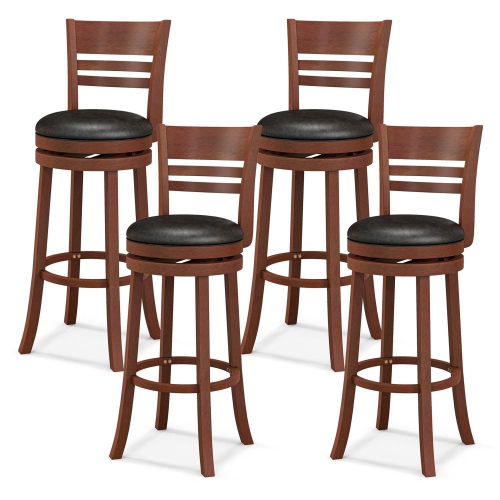
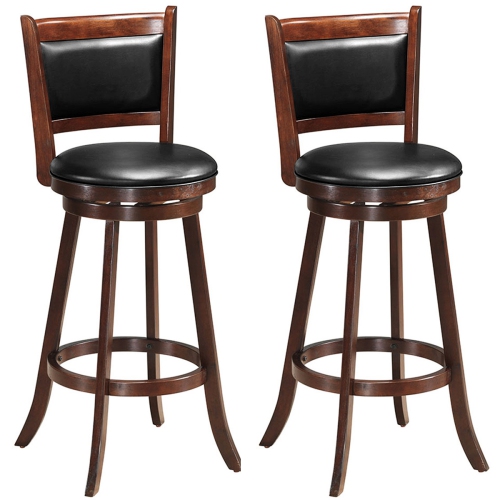
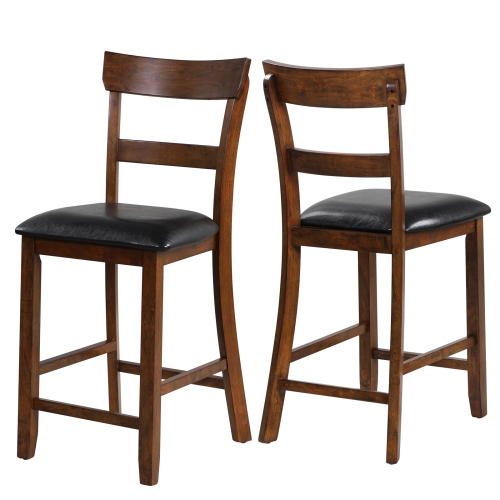
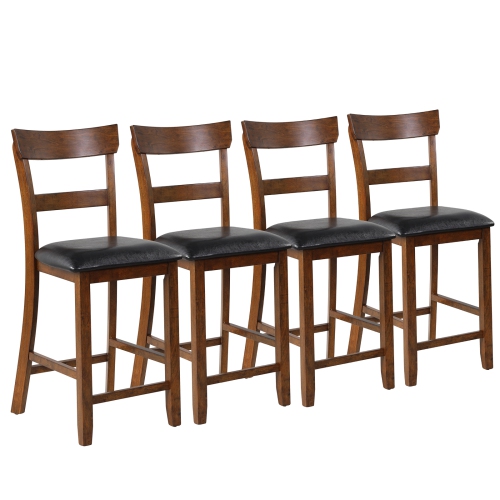

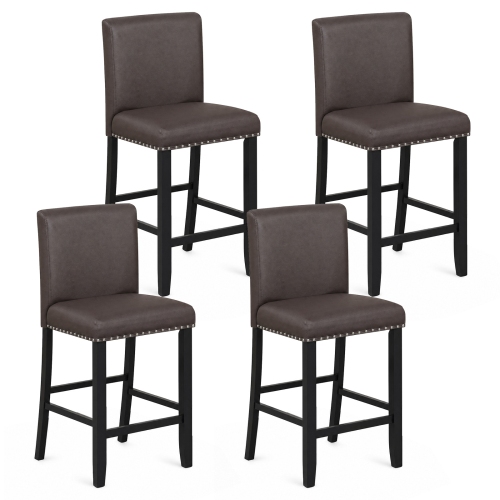
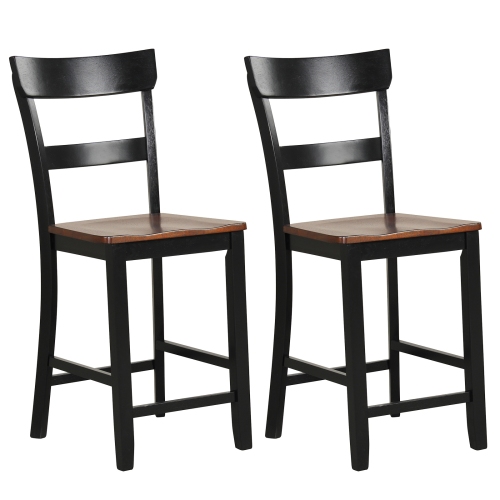

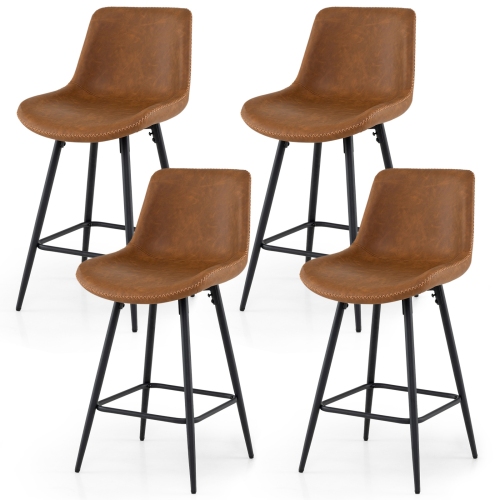

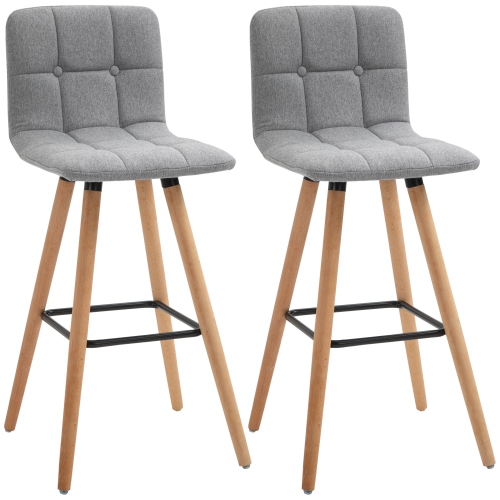

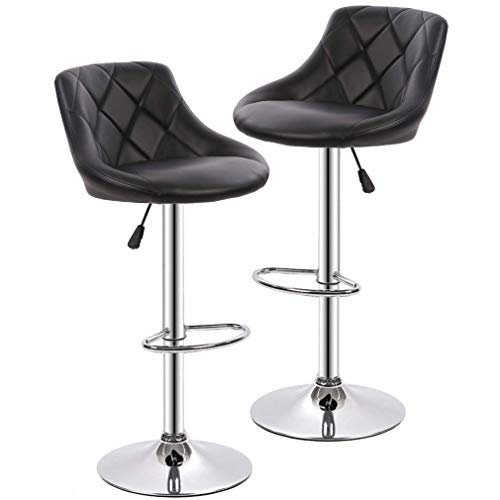



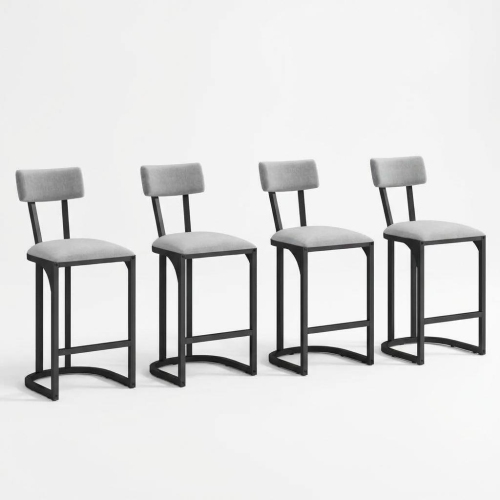

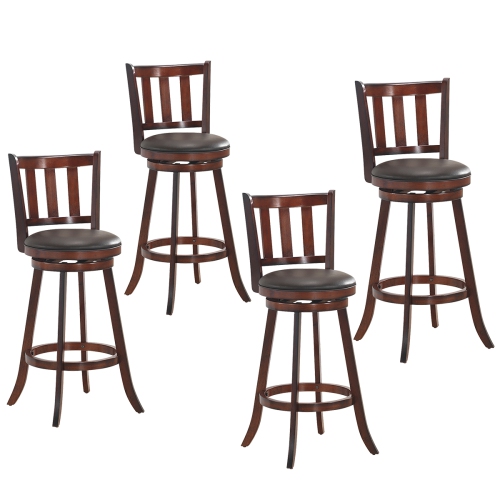
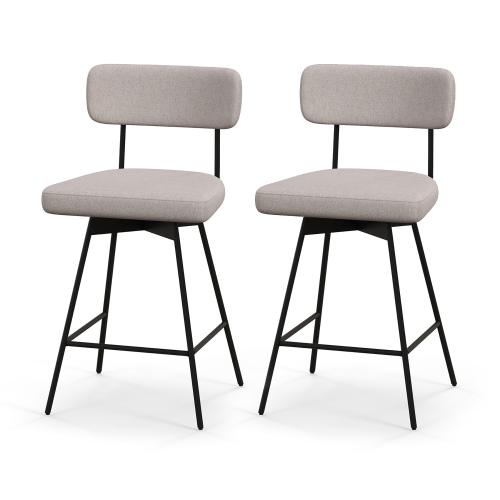
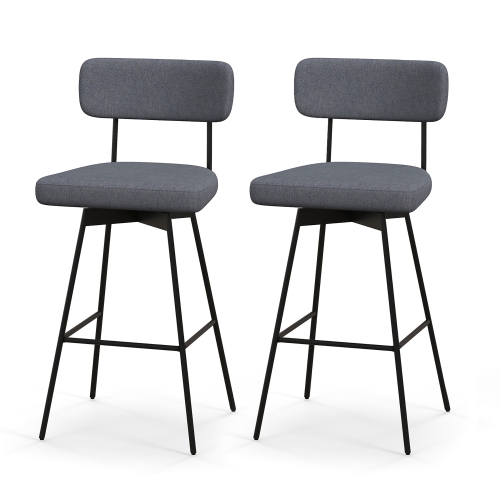
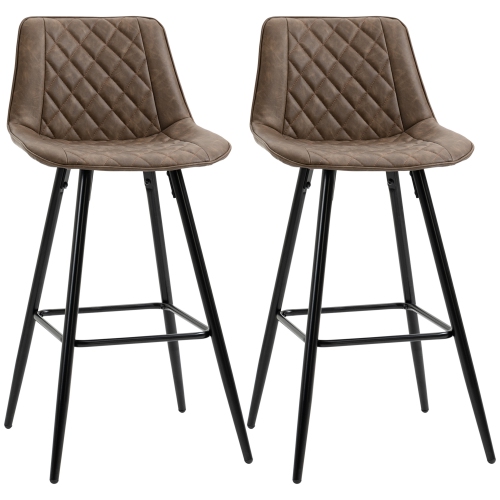


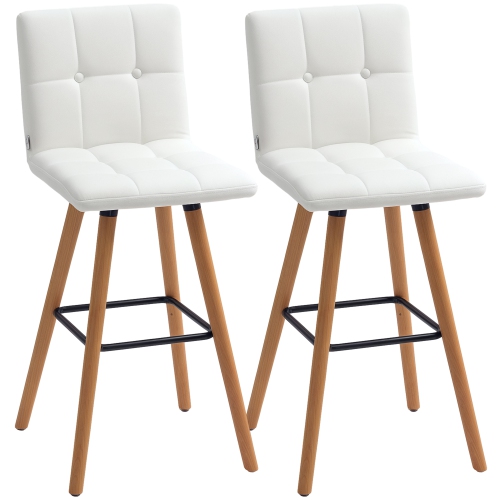

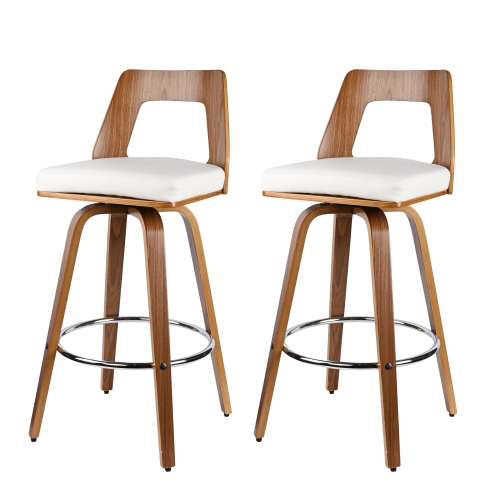

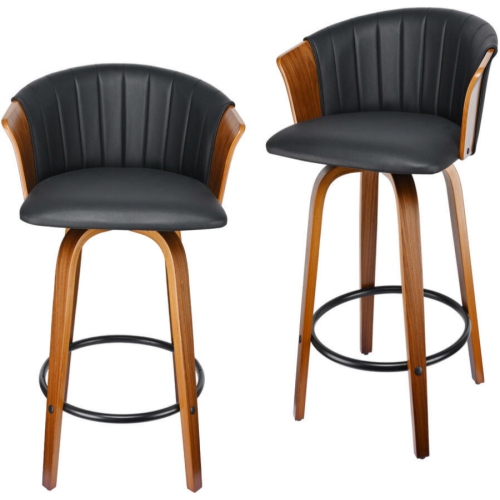
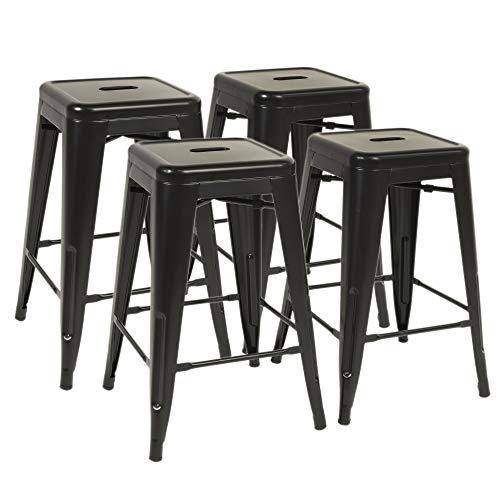
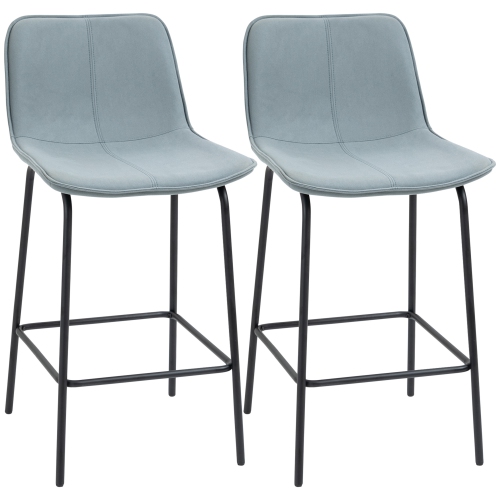
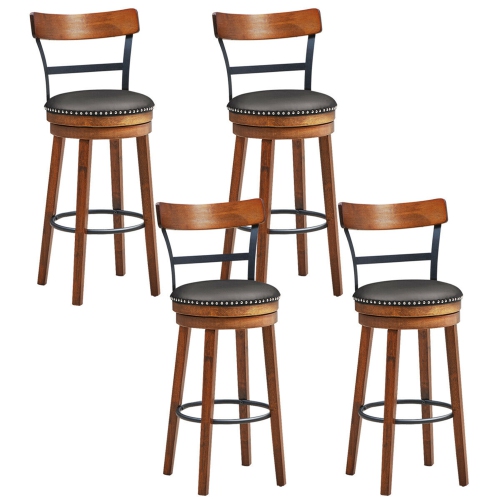


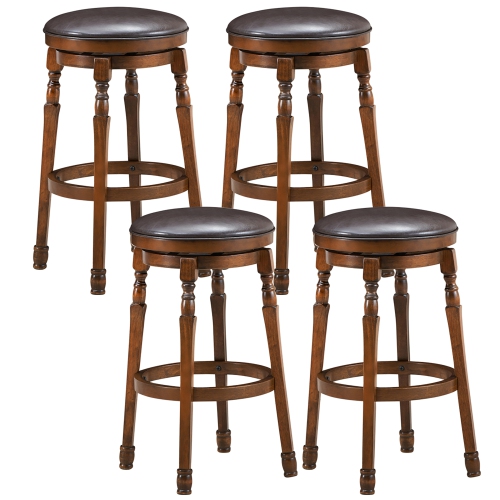
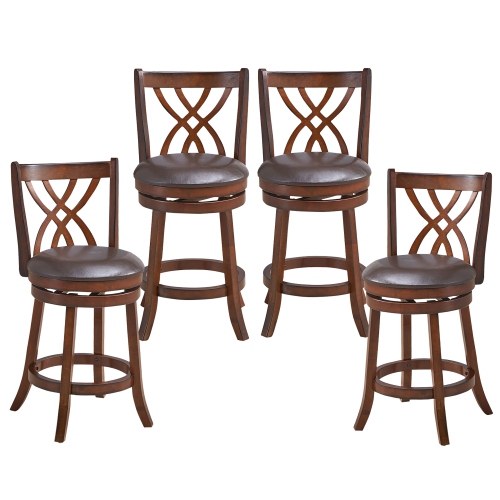
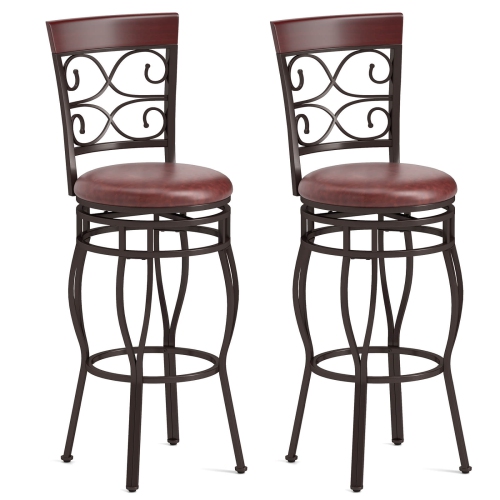
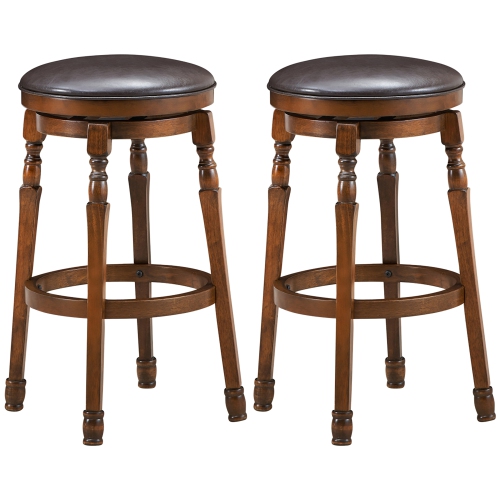
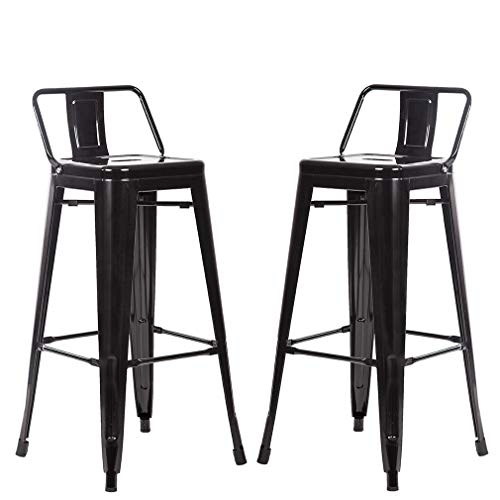

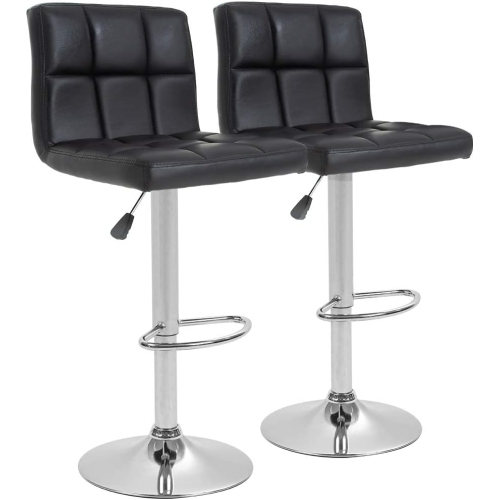
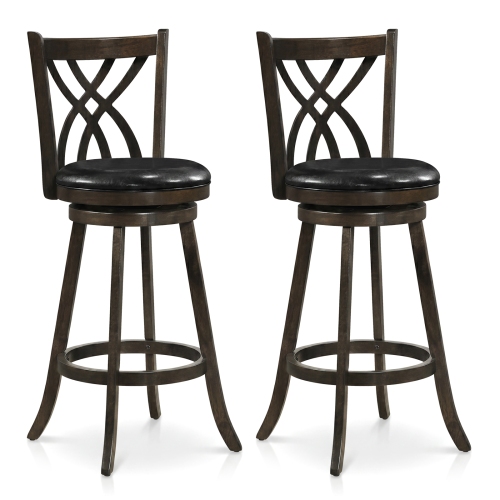

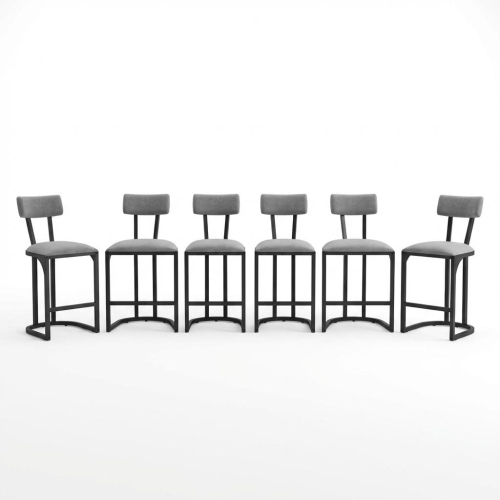
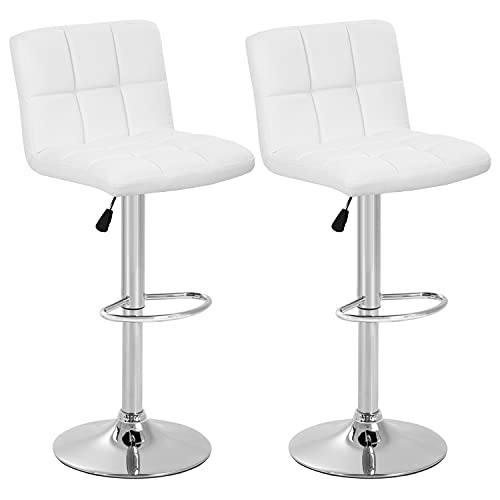


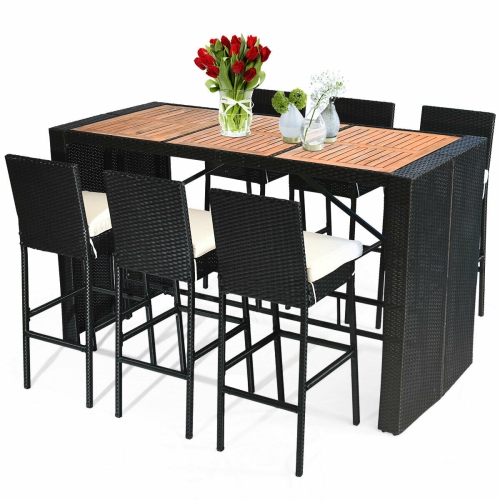
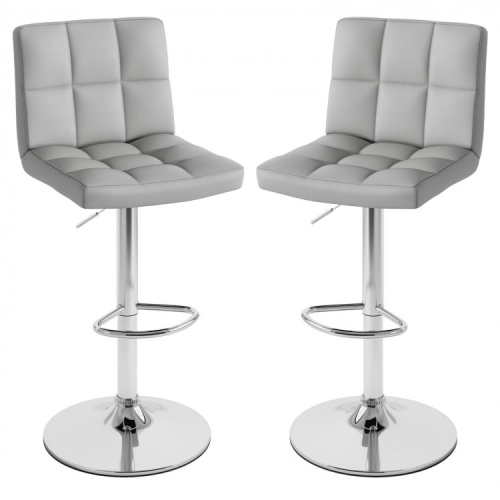


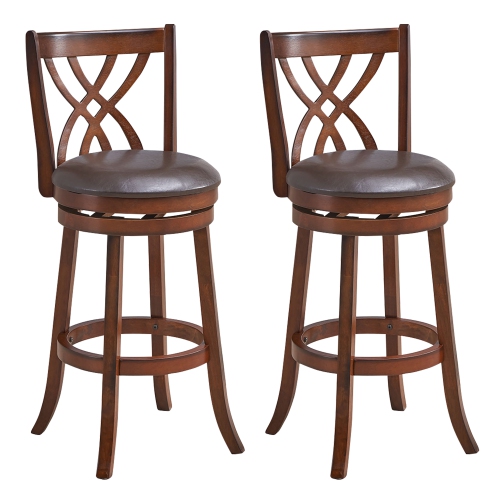
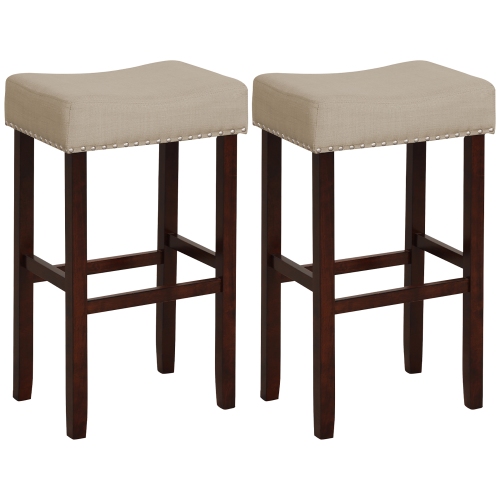

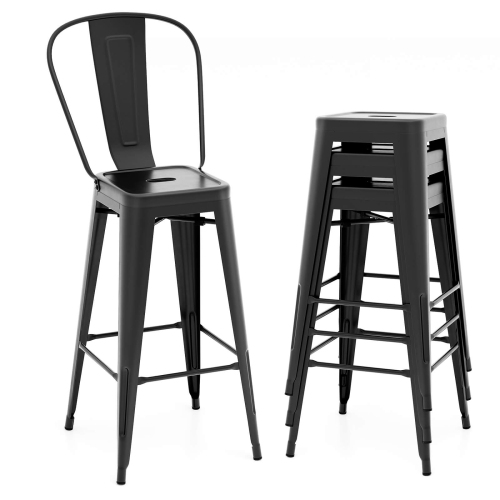


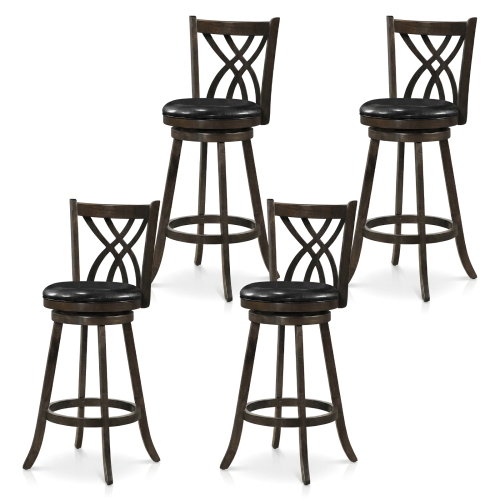
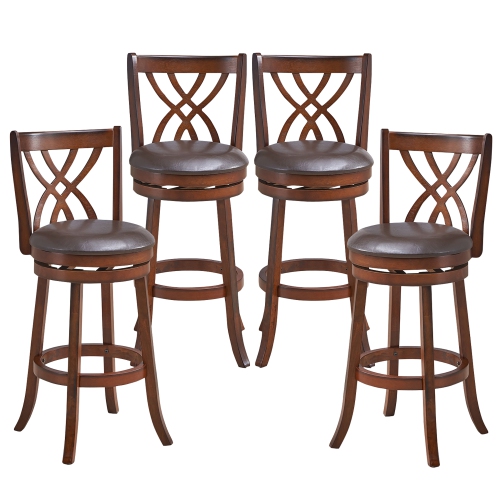
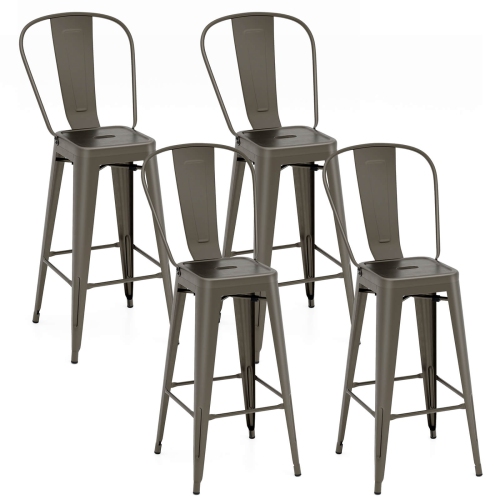
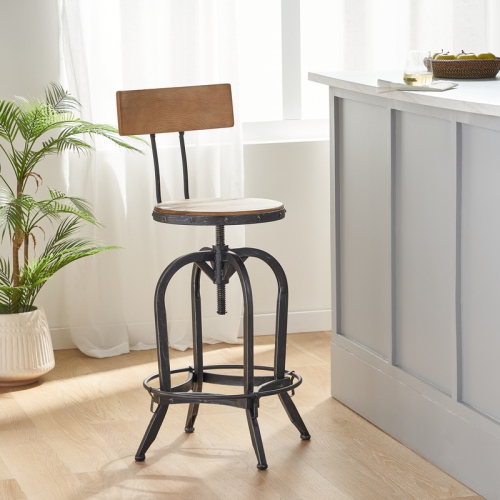
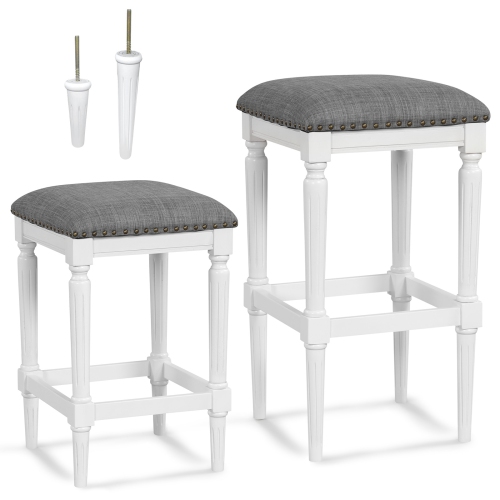
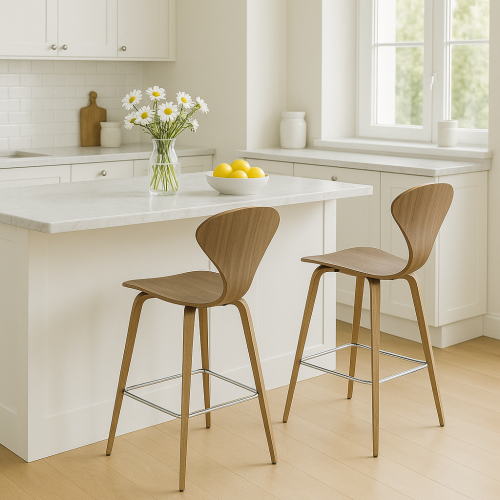
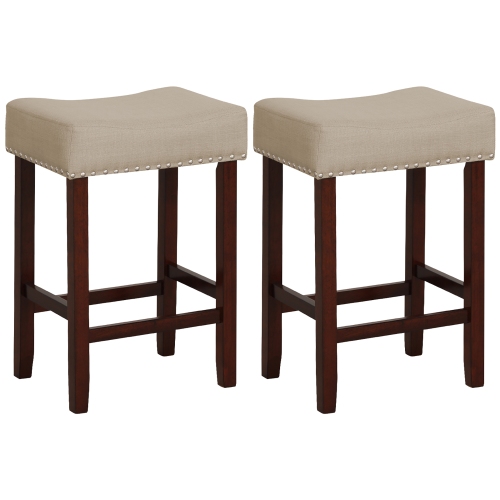
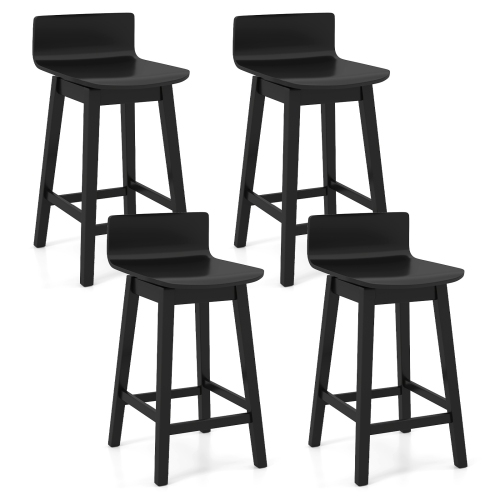
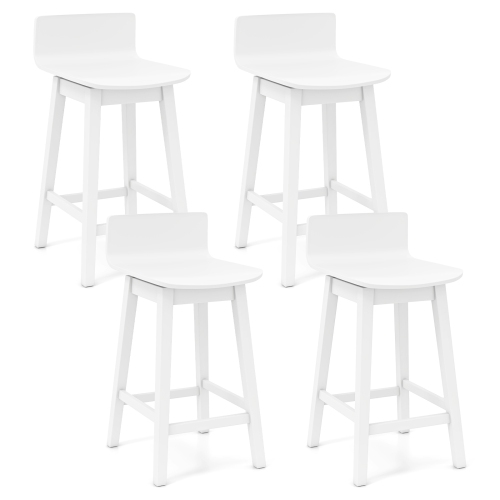
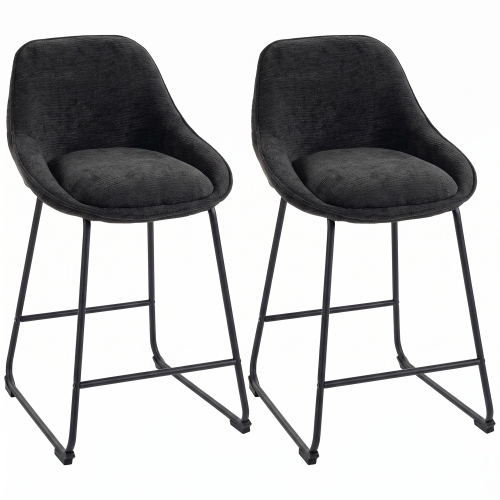


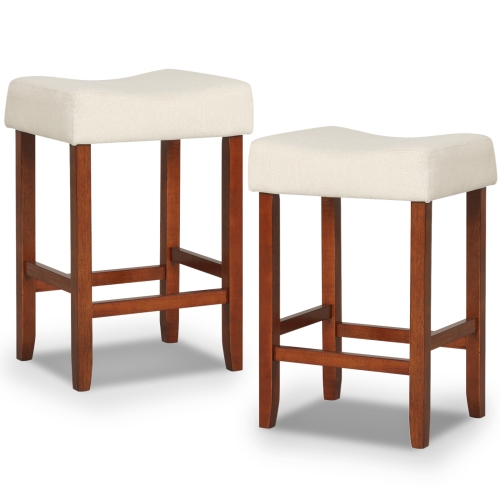
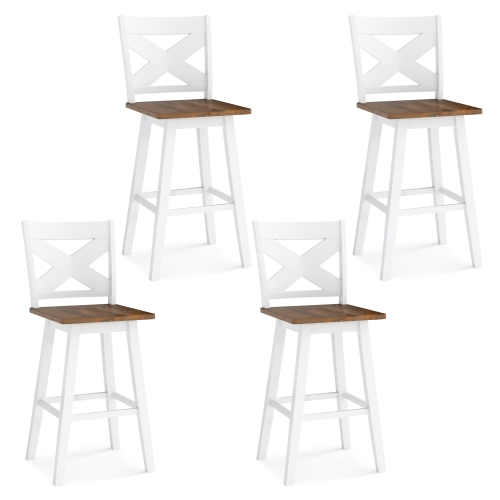

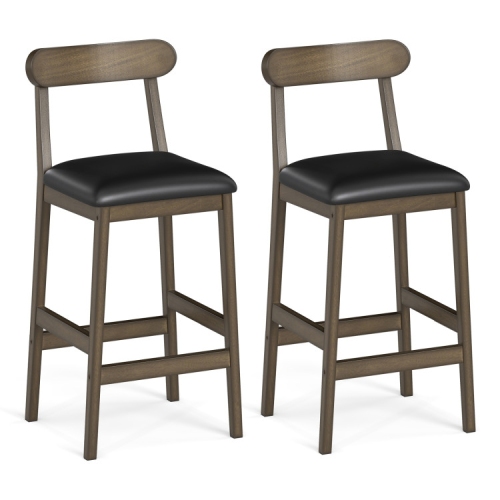


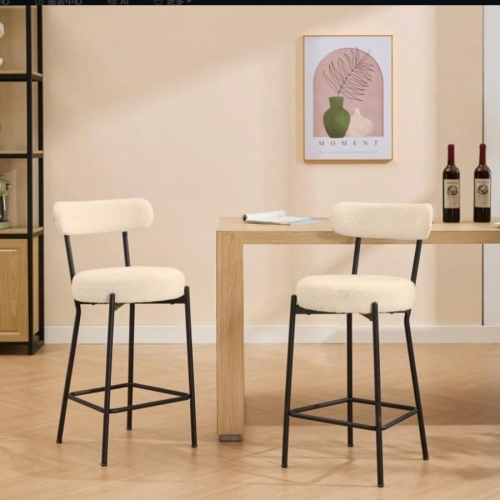


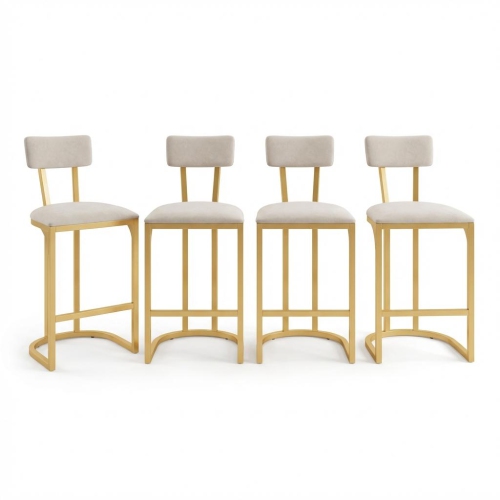

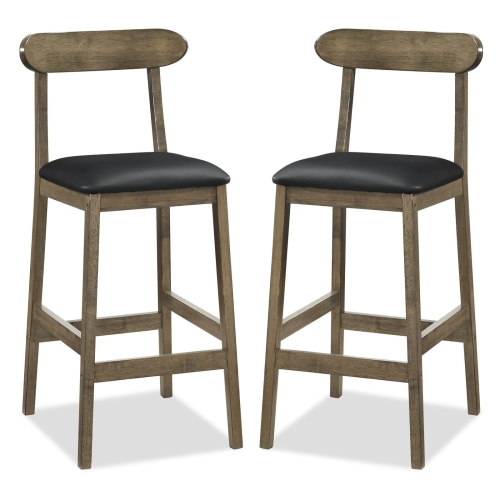
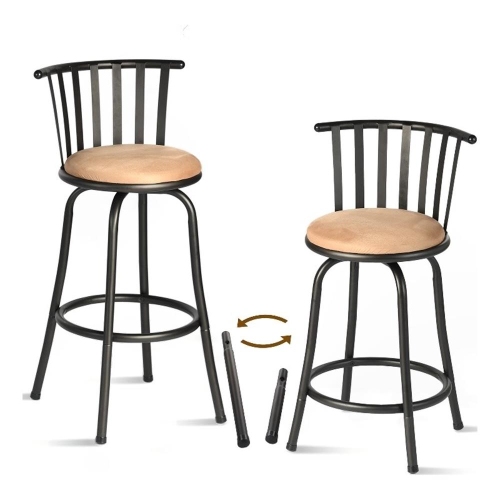

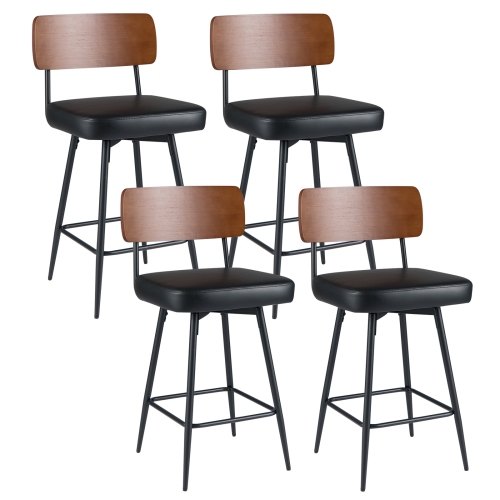
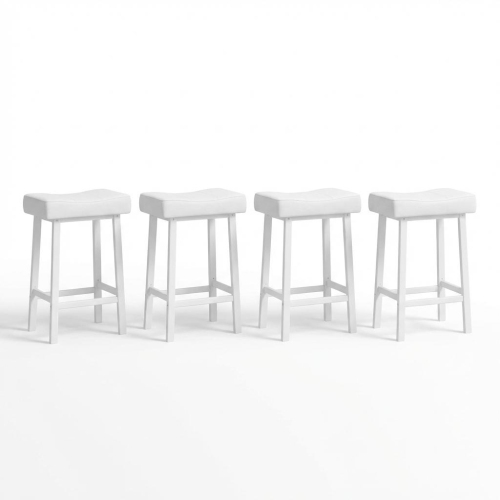
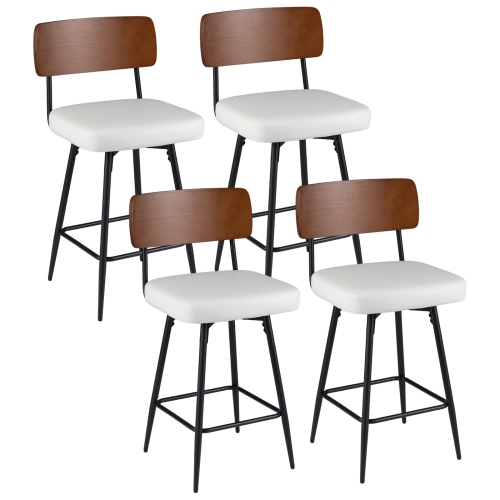


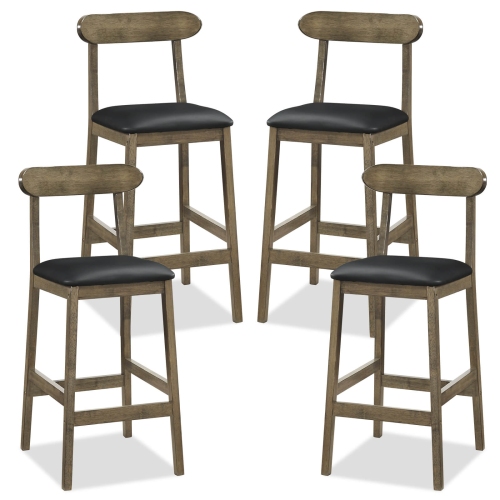
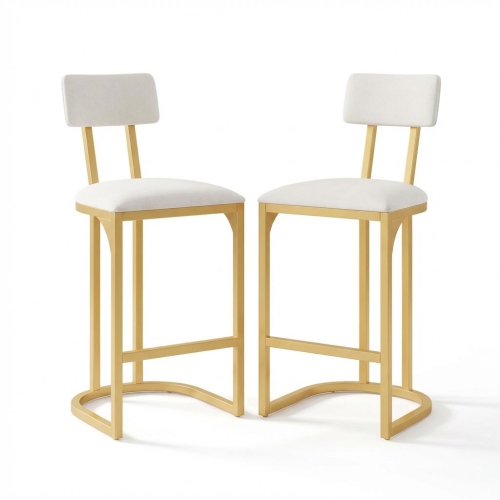


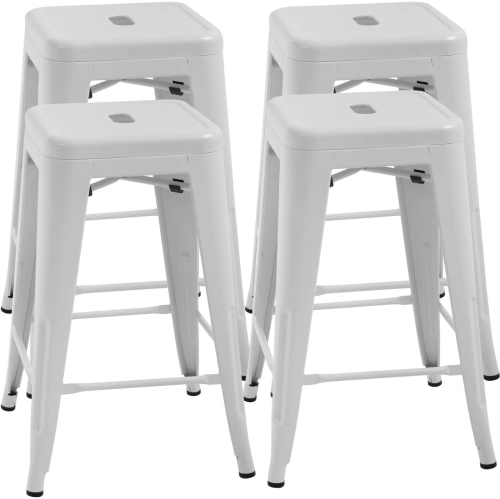
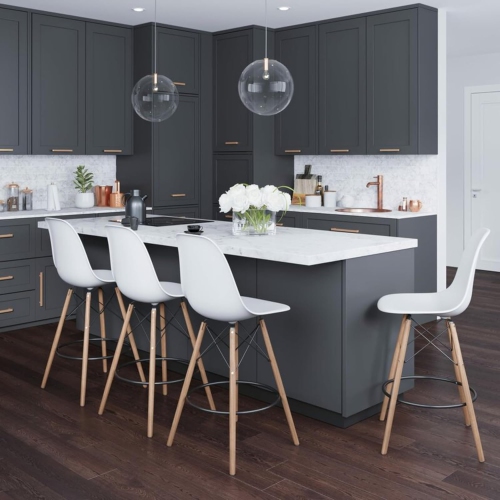
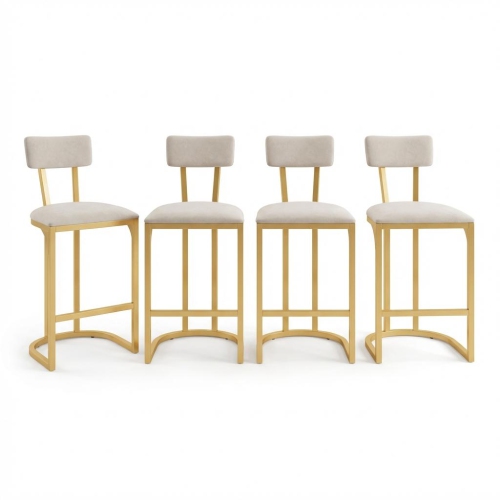
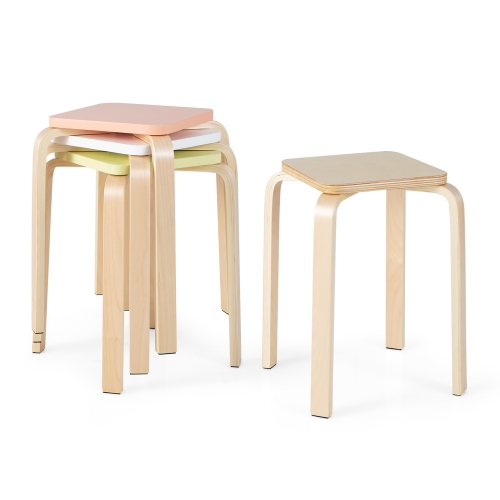

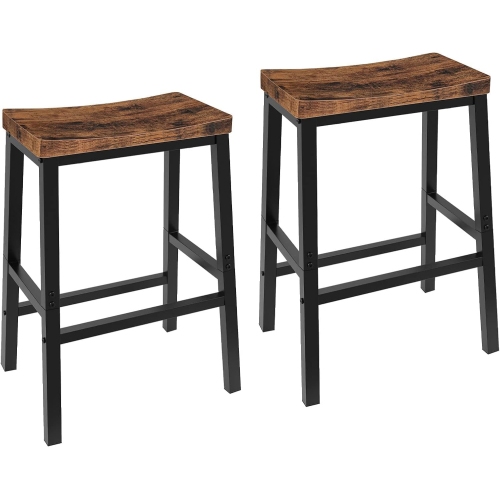
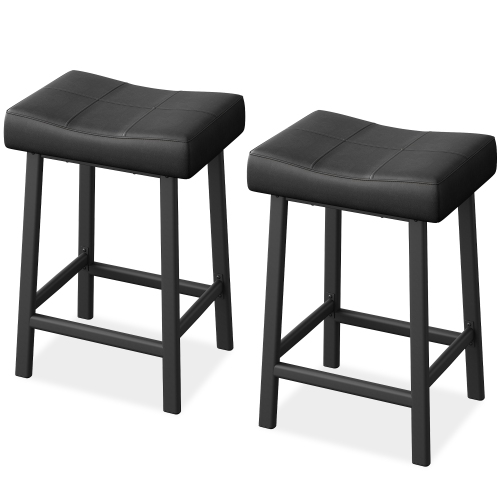


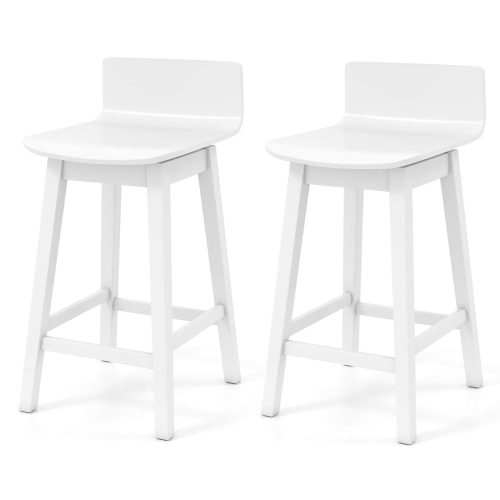
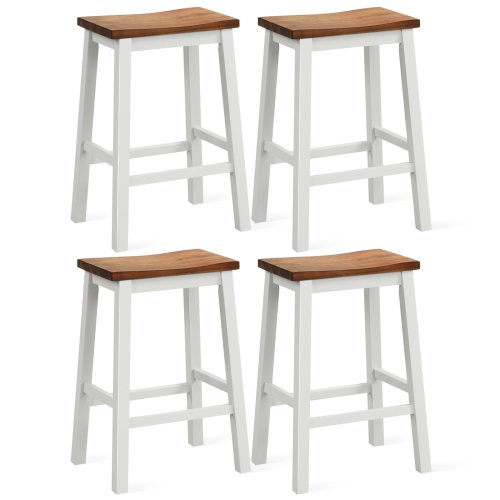

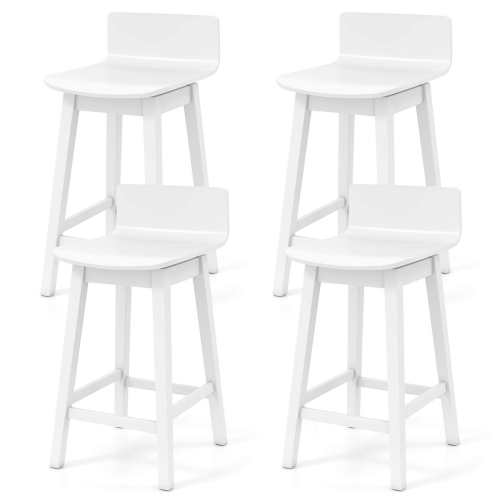
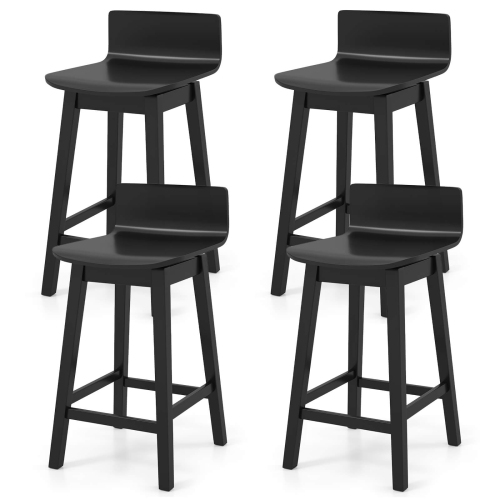
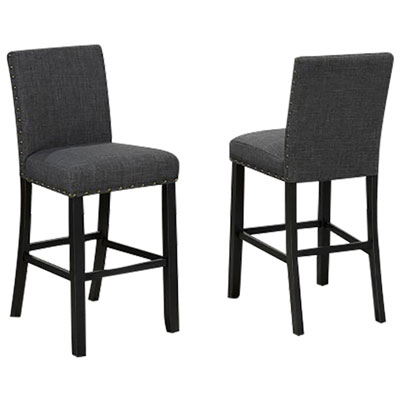
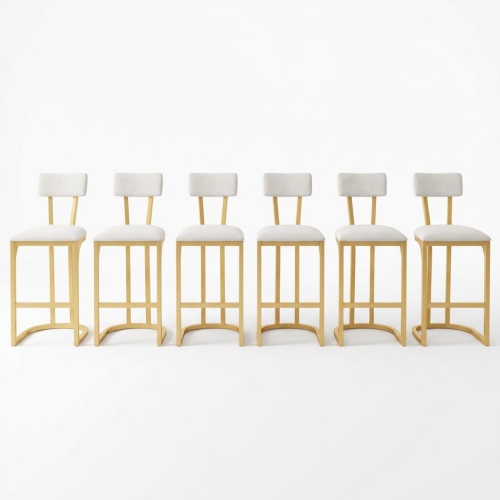
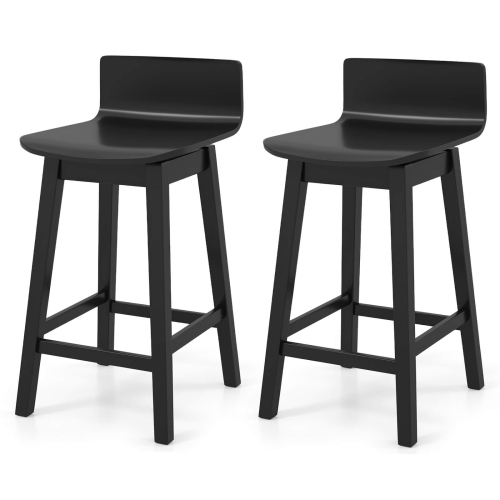


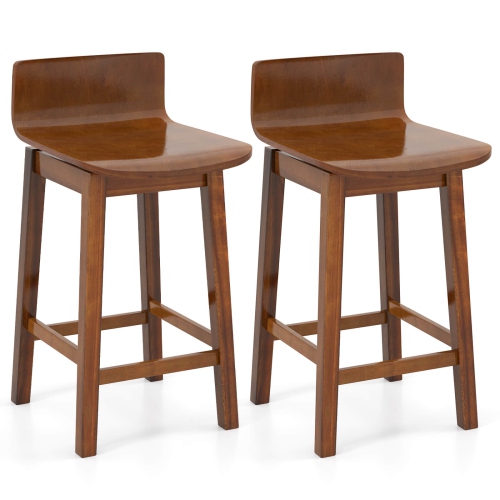


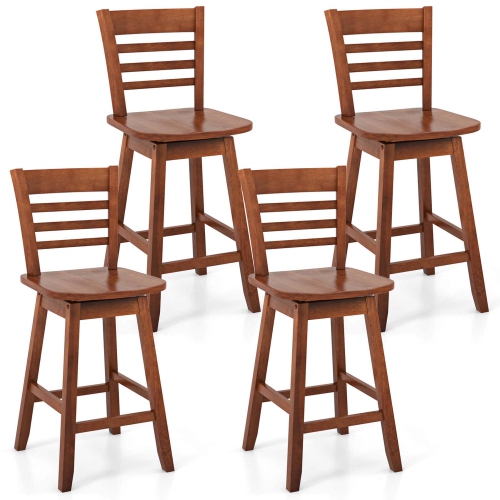
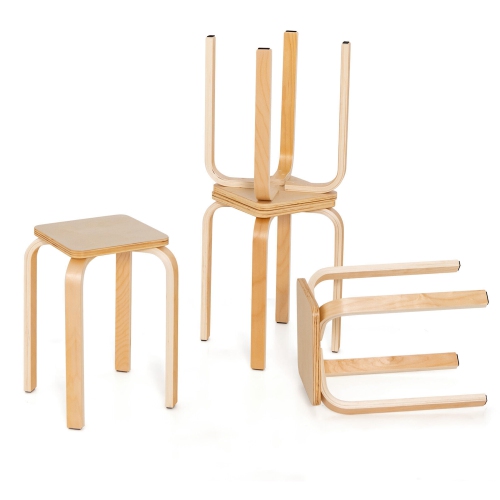


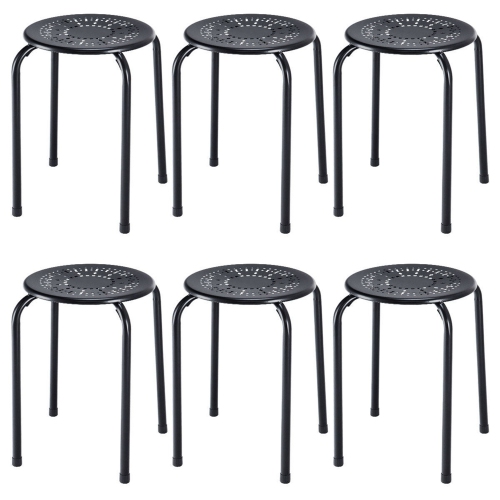


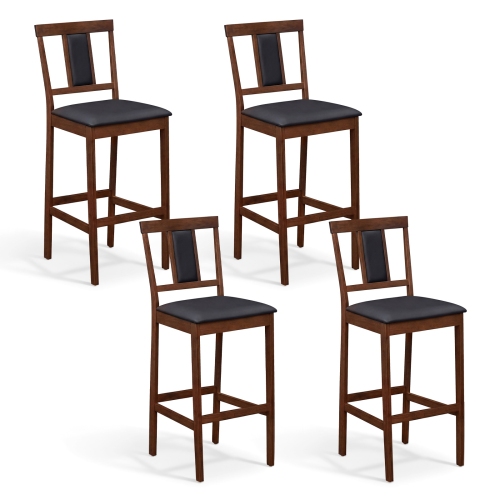

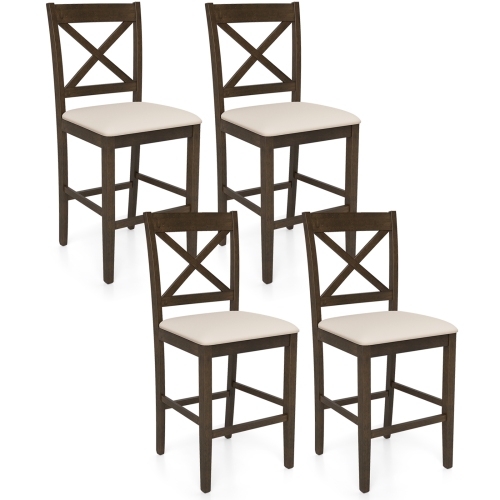
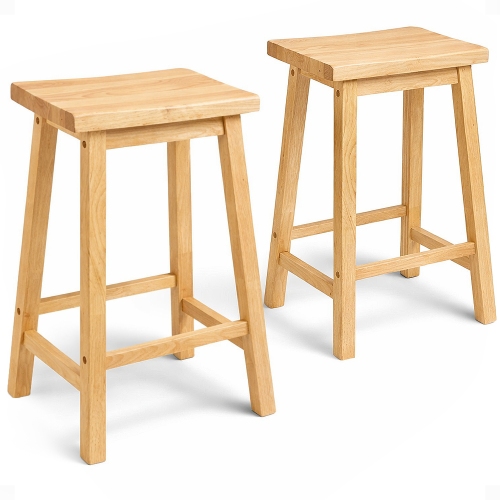
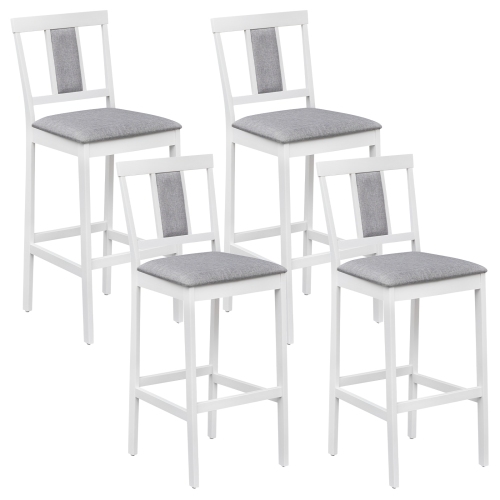

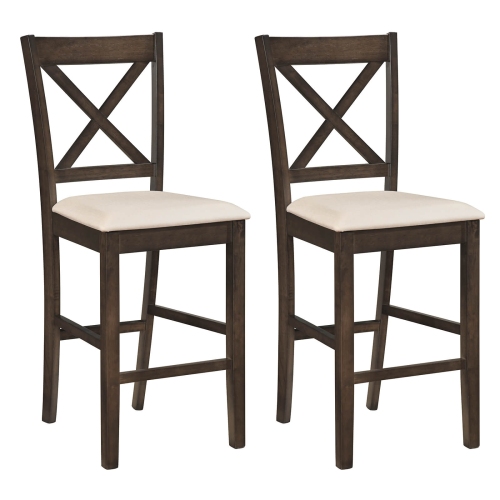

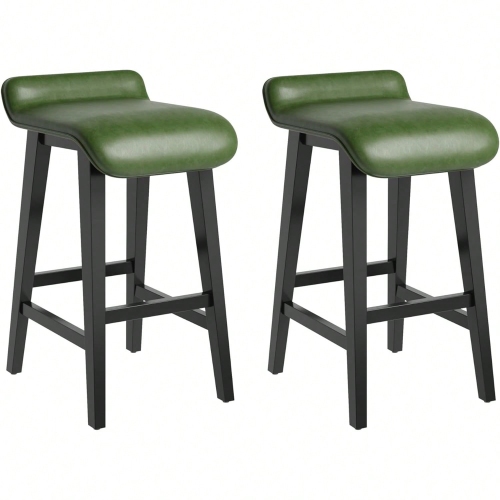
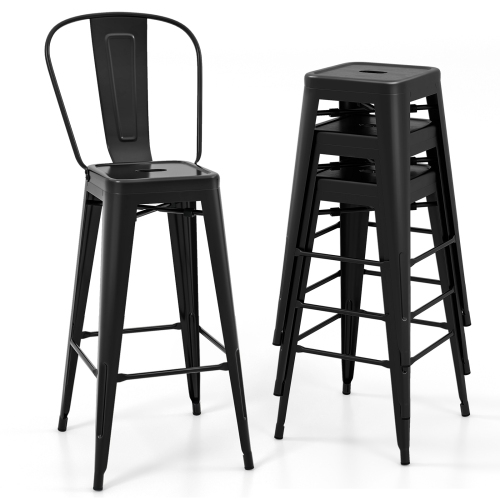


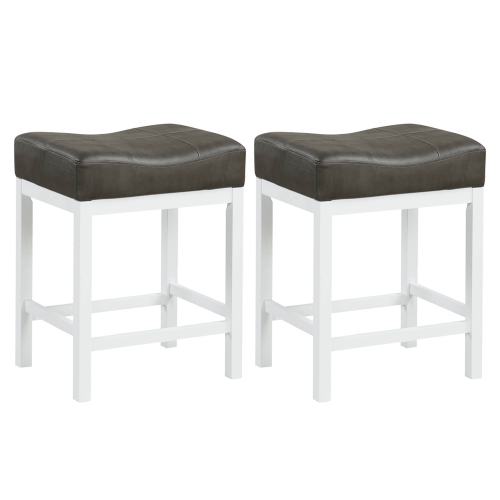
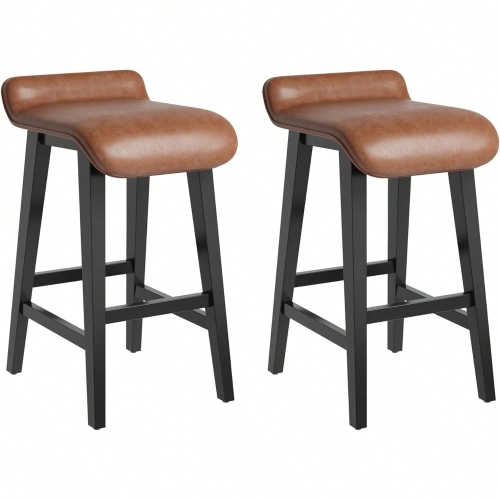
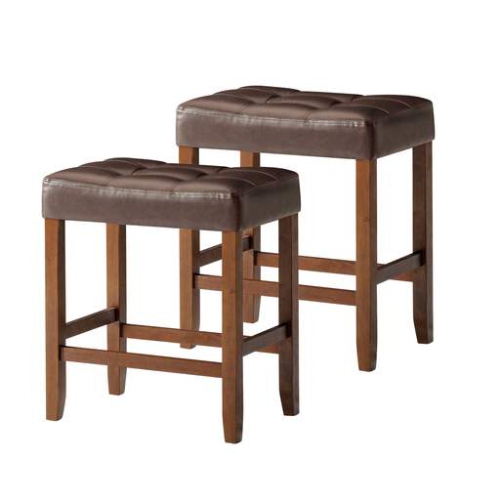
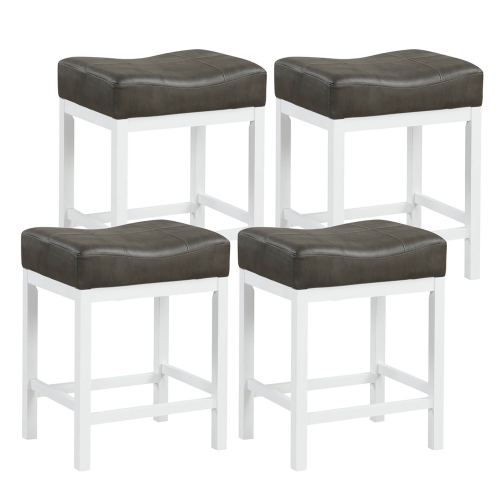


Comfortable seating starts with the right height and clearance
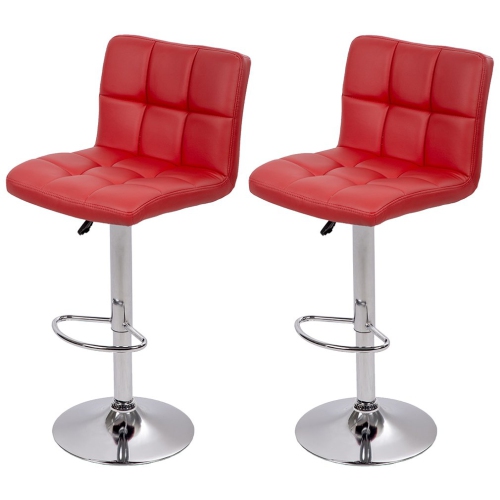
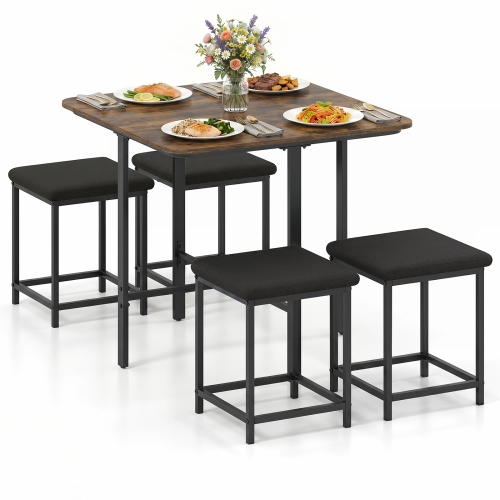
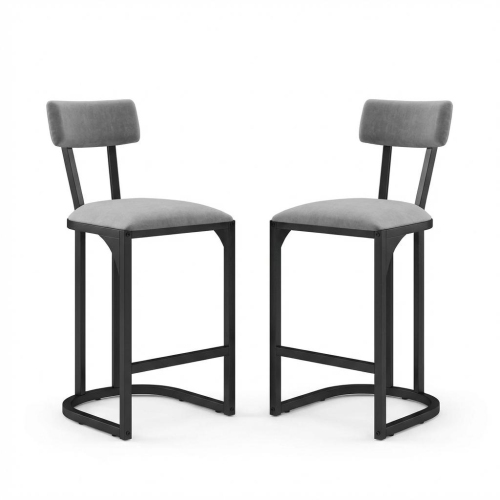
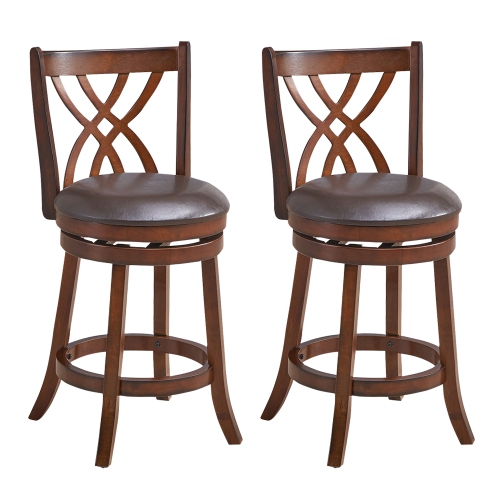
Dining stools bring compact, flexible seating to dining tables, breakfast counters, kitchen islands, and raised eating areas. Their smaller profiles can leave a room feeling less crowded than a full set of dining chairs, particularly where the kitchen and dining space share the same floor area. The main distinction between dining-height, counter-height, and bar-height stools is seat height, measured from the floor to the top of the seat rather than the backrest. Dining-height stools typically have seats around 17 to 19 inches high for standard tables approximately 28 to 30 inches high. Counter-height stools commonly measure 24 to 26 inches at the seat and suit surfaces around 35 to 36 inches high. Bar-height stools generally have seats around 28 to 30 inches high for raised surfaces approximately 40 to 42 inches high. These are typical pairings, not a substitute for checking actual measurements: roughly 10 to 12 inches between the seat and the tabletop or counter surface usually provides comfortable legroom. A thick tabletop, a low apron beneath a dining table, or a shallow counter overhang can reduce usable space even when the overall heights appear compatible. Width matters just as much when several people sit together. Allowing approximately 24 to 30 inches along the eating surface for each person gives a useful starting point, with wider seats, armrests, and swivel designs often needing more room. The full footprint also deserves attention, since splayed legs may extend beyond the seat and narrow the path behind it. In a compact apartment, backless dining stools that tuck beneath the table can keep the route between the kitchen and living area clear. At an island used for meals, homework, and conversation, stools with supportive backs may be more comfortable for longer stretches. Matching the stool to both the surface and the way the space is used makes the seating feel like a natural part of the room.
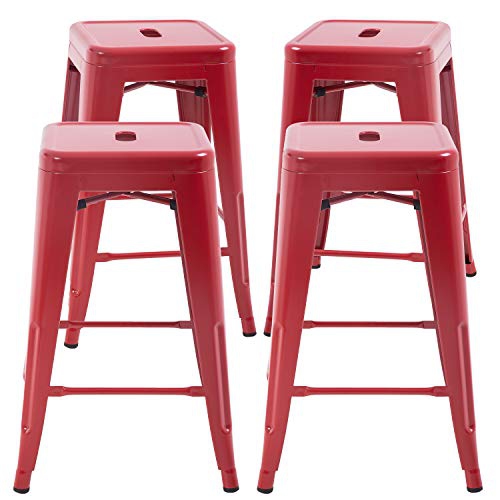
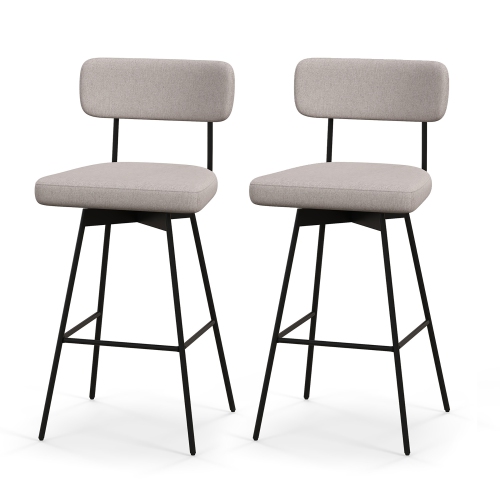
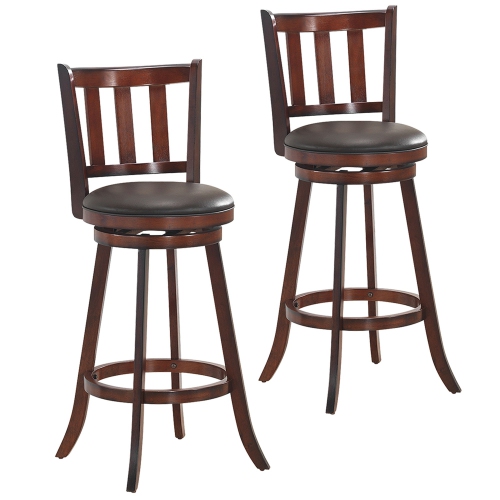
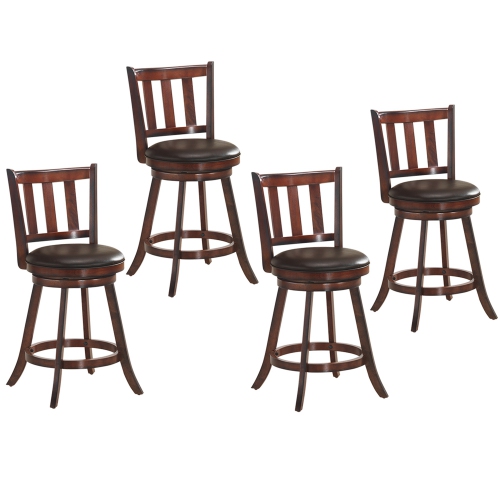
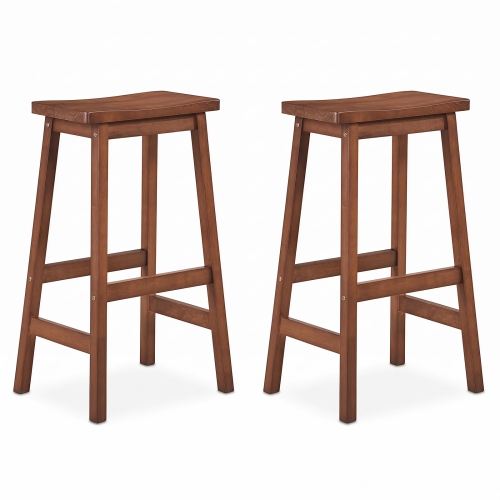
Materials give dining stools much of their character while influencing weight, upkeep, and how they stand up to daily use. Wood brings visible grain and warmth to a dining area, whether paired with a painted table, stone-look counter, or simple cabinetry. Within the broader range of dining seating, wood stools can provide a cohesive look alongside other timber furniture or introduce a contrasting tone to a mostly neutral kitchen. Solid wood may develop small marks with use, while veneered components need particular care around edges and prolonged moisture exposure. Protective finishes affect stain resistance and cleaning requirements, so material alone does not tell the whole story. Metal frames often create a slimmer outline and can work well in frequently used eating areas, although the coating, welds, and overall construction determine how well a stool handles everyday wear. Moulded seats offer smooth surfaces and may have fewer seams where crumbs can collect. Upholstered dining stools add softness for lingering over a meal, with fabric texture and colour helping connect an open dining space to nearby living room furniture. Tightly woven upholstery can be practical for regular use, but stain resistance varies and should not be assumed. Leather and leather-look coverings also differ in their care needs and resistance to scratching or cracking. For households where breakfast includes sticky fingers and the occasional splash of juice, accessible surfaces and simple shapes can make routine cleaning easier. Spills are best addressed promptly using the cleaning method specified for the material; soaking seams or using abrasive cleaners can damage finishes and coverings. Felt pads or suitable floor protectors can reduce scraping, provided they fit securely and stay free of trapped grit. Long-term durability also depends on sound joints, appropriate weight capacity, and hardware that remains properly tightened. A stool that feels steady when someone sits down, shifts position, or rests their feet is better suited to the repeated movement of everyday dining.
Comfort comes from the relationship between seat shape, support, and movement, not simply the presence of a cushion. A gently contoured seat can distribute weight more comfortably than a flat, narrow surface, while a rounded front edge may reduce pressure behind the knees. Seat depth should allow a person to sit against the backrest without the front edge pressing into their legs. On taller dining stools, a well-positioned footrest gives feet somewhere secure to rest instead of leaving them dangling. Backless designs are useful where seating needs to disappear beneath a counter, but low or full backrests offer additional support for people who spend longer at the table. Armrests can add comfort, though their height needs to clear the underside of the eating surface if the stool is meant to tuck away. Swivel seats make it easier to turn towards a conversation or move away from an island without dragging the entire stool across the floor. They also need clearance from neighbouring seats, walls, and counter edges throughout their rotation. Adjustable-height designs can accommodate different users or compatible surface heights, but their adjustment range, base size, and operating mechanism all affect suitability. For someone who finds climbing onto a tall seat difficult, dining-height seating may be more accessible than a raised bar arrangement. Young children need seating appropriate to their age and stage; an adult dining stool is not a substitute for a suitable high chair or booster arrangement. Across the room, coordinated stools create a calm, continuous line, while contrasting seats can distinguish an island from the main dining table. Matching every finish is less important than keeping proportions balanced and repeating a colour, texture, or shape elsewhere in the space. A slim metal frame beside substantial cabinetry, a softly padded seat against a smooth countertop, or a wood seat alongside painted furniture can each feel intentional. The most useful dining stools balance that visual appeal with enough room to sit, turn, eat, and move comfortably through the surrounding space.
Top selling and popular products
-
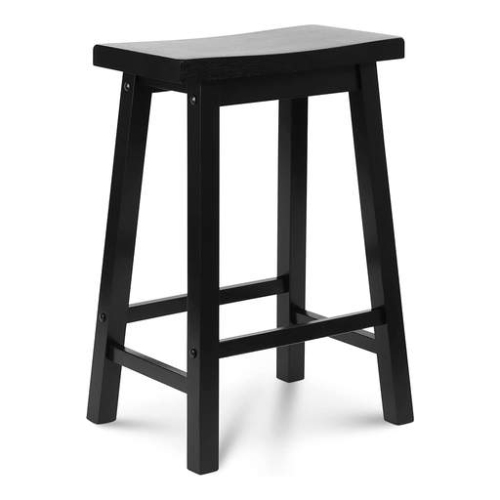 Your price for this item is $93.99
-
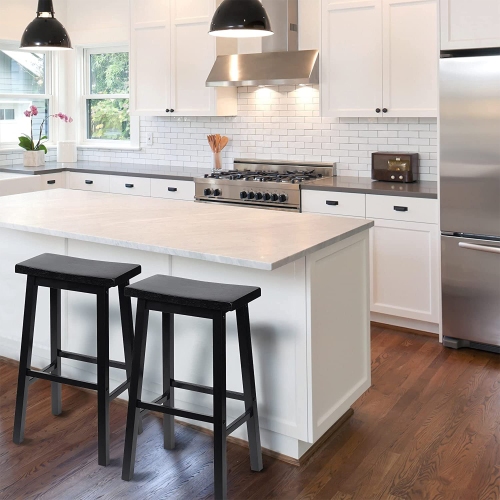 Your price for this item is $563.99
-
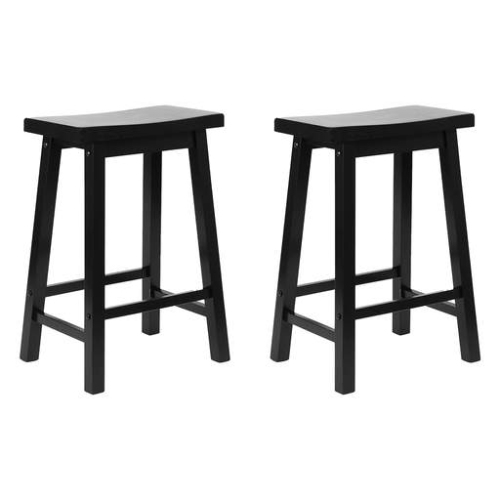 Your price for this item is $224.99
-
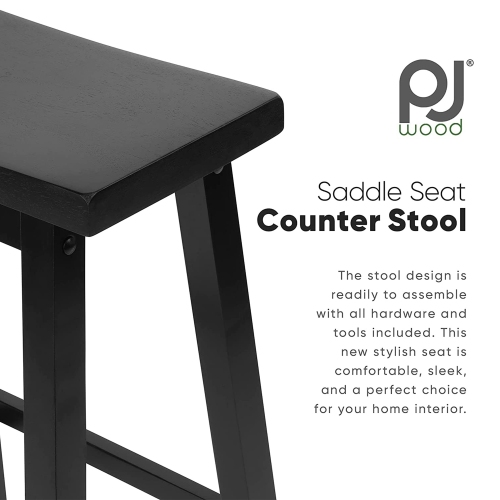 Your price for this item is $202.99
-
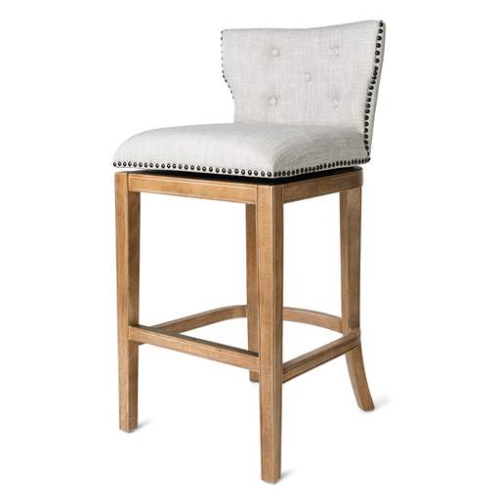 Your price for this item is $508.99
-
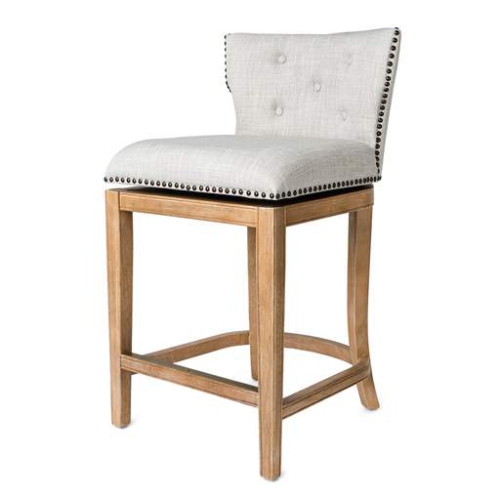 Your price for this item is $559.99
-
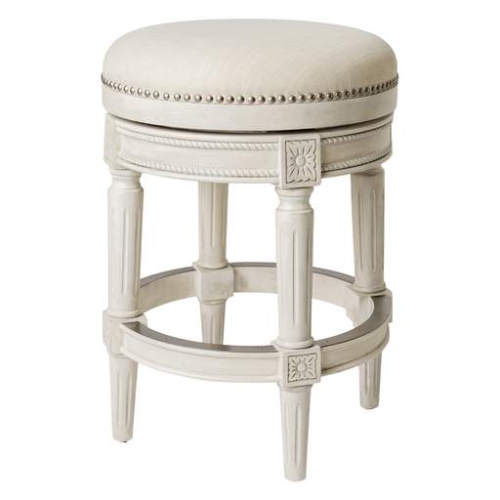 Your price for this item is $359.99
-
 Your price for this item is $298.99
Discover more categories related to Dining Stools
Top Collections:
Pokemon Centers, Best Black Friday Deals This Year, Best Black Friday Deals On Electronics, Kindle Devices, Best Budget Office Chairs, Best Black Friday Deals On Apple Products, Best Cameras for Sports Photography, Pokémon 30th Celebration Cards, Dyson Airwrap, Canon G7X Cameras
Some products may be subject to Environmental Handling Fees
(EHF) depending on your province.
Learn more about EHFs.