Disposable Dust Bags
Disposable dust bags are an essential tool for keeping your home clean and dust-free. These bags are designed to be used once and then thrown away, ensuring that your home remains free of dust and dirt. They are also easy to use and replace, making them a great choice for busy households. Here are some great options available.
Sort
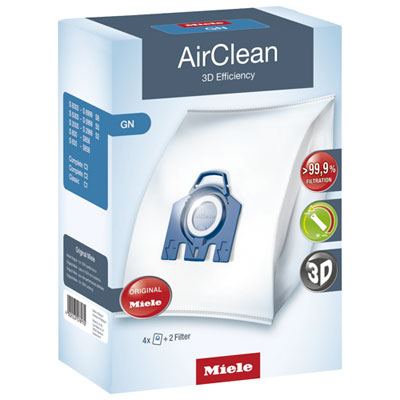
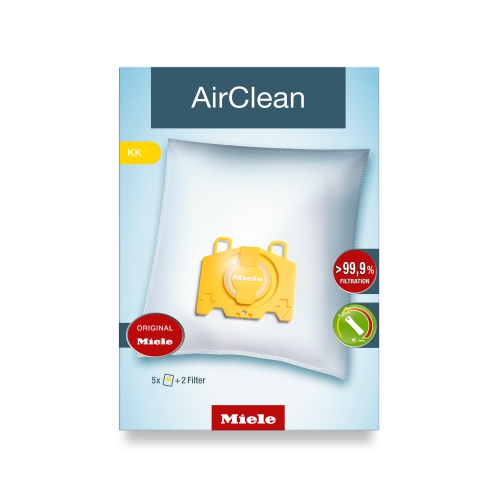
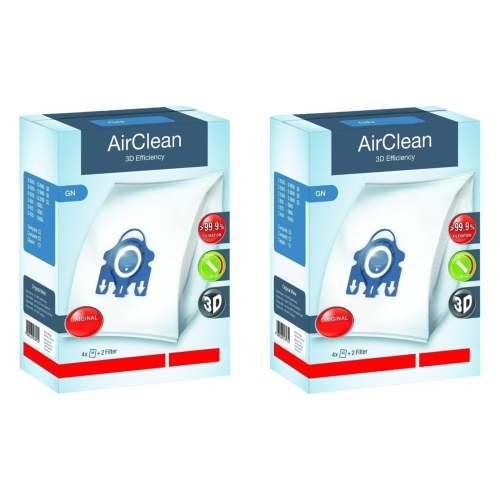
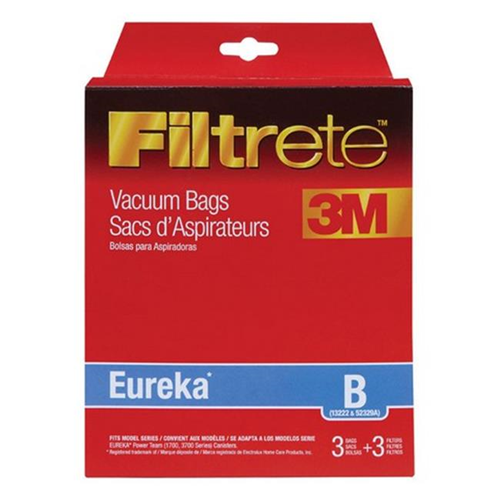
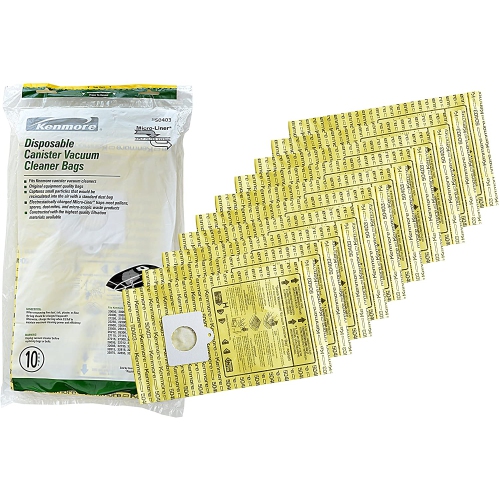
Compatibility and filtration shape cleaner vacuum maintenance
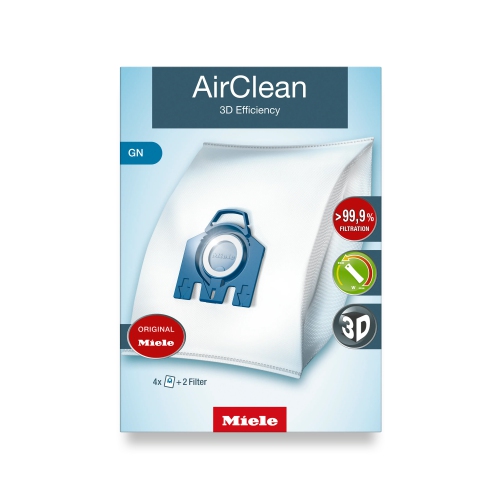
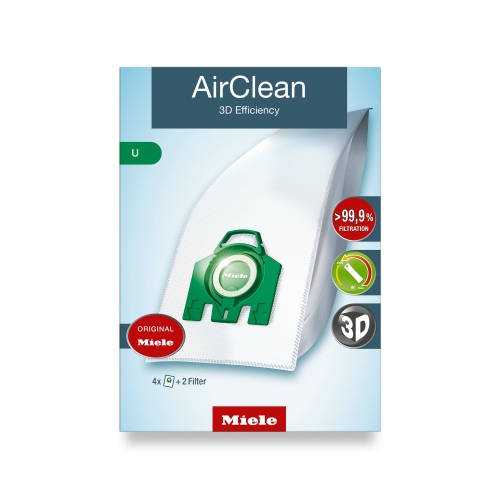
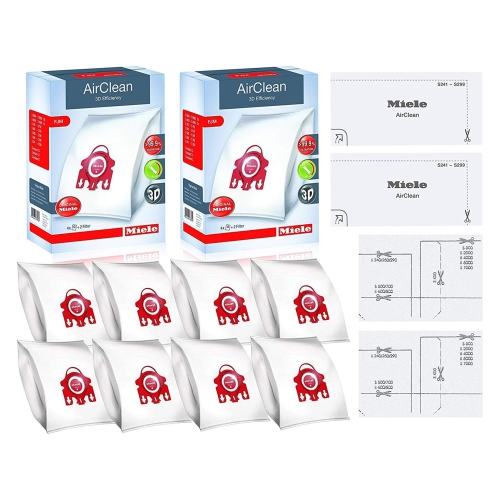
Disposable dust bags are single-use collection pouches designed to make vacuuming, workshop clean-up, and automated floor-care maintenance more contained and convenient. Instead of emptying loose debris from a dust cup or transferring collected material by hand, you remove the filled bag and place it directly into a waste bin. Depending on the appliance and intended use, these bags may be made from multi-ply paper, microlined fabric, fleece, or other purpose-built materials that help capture fine dirt, household dust, pollen, pet hair, and larger debris. They are commonly used with robot vacuum auto-empty docks, upright and canister vacuums, shop and wet/dry vacuums, and dust extraction systems for renovation or woodworking tasks. Each type is shaped for a particular inlet, collar, compartment, and airflow pattern, so compatibility is the most important consideration before placing an order. Check the vacuum’s brand, model, series number, and user manual, then compare the bag’s opening shape and attachment style with the original bag. A similar-looking pouch may not seal properly if its cardboard collar, rubber fitting, or mounting plate is different. A close fit helps prevent dust from escaping around the inlet and allows the appliance to maintain steady suction. For automated cleaning docks, the bag must sit securely in the dock compartment so the robot can empty itself without triggering an obstruction or collection warning. For canister and upright vacuums, look for bags that match the manufacturer’s specified capacity and fitting. Workshop and dust extraction bags may use stronger fleece or layered construction to handle sawdust, drywall dust, wood shavings, and other jobsite debris, while household vacuum bags are generally designed for routine dry floor and upholstery cleaning. This makes disposable dust bags useful for busy households, pet owners, allergy-conscious cleaning routines, landlords preparing a property between occupants, and anyone who prefers a cleaner alternative to shaking out a reusable container. They can also be a practical addition to a home-maintenance kit or a thoughtful gift for someone moving into a new home, setting up a workshop, or adding a robot vacuum to their cleaning routine.
Filtration and closure design have a direct effect on how cleanly a bag performs. Microlined fabric and multi-ply paper can help hold smaller particles inside the pouch rather than allowing them to pass back into the room through the exhaust or escape during removal. A self-sealing collar, sliding flap, or integrated closure can be especially helpful when the bag is full, since it reduces the chance of a dust cloud forming as the opening is detached from the vacuum inlet. This is useful after cleaning fireplace ash, sanding residue, pet hair, or fine particles that settle quickly on shelves and floors. Capacity is another practical detail: a larger bag may be convenient for a shop vacuum or an auto-empty dock used frequently, while a compact bag may suit a smaller canister or a robot dock with limited storage space. Consider how often the appliance runs, the size of the area being cleaned, and the type of debris it collects. Homes with several pets or high-traffic entryways may fill bags faster than smaller spaces with mostly hard flooring. In a workshop, heavy debris can occupy the bag quickly, even when the material is not especially fine. Bags should also be selected according to the job. Most standard disposable dust bags are intended for dry pick-up only and should not be used to collect liquids unless the packaging specifically states that they are rated for wet use. Moisture can weaken paper and some fabric materials, cause tearing, or reduce airflow through the bag. When a vacuum is used for both wet and dry clean-up, follow the appliance instructions and change to the correct collection method before picking up spills. It is also wise to replace a bag when it reaches the marked fill line, when suction drops, or when the appliance indicates that airflow is restricted. An overfilled bag can place extra strain on the motor and reduce the effectiveness of the vacuum’s filtration system. Keeping a supply of correctly fitted replacements nearby helps prevent interruptions during a deep clean, renovation project, or seasonal household reset as the weather warms and again during the cooler months when indoor cleaning becomes more frequent.
Safe removal is simple when the bag is handled slowly and kept upright. Turn off and unplug a traditional vacuum before opening its compartment, or follow the shutdown instructions for an automated dock. Hold the bag by its collar rather than pulling on the pouch itself, then ease it straight off the inlet port to avoid tearing the material or disturbing the dust inside. If the bag includes a self-sealing flap or closure, engage it before carrying the bag to the bin. Place the sealed bag directly into the appropriate waste container, and wipe the compartment or surrounding gasket if any loose dust is visible. Do not reuse a disposable bag unless it is specifically designed for repeated use, since cutting it open or emptying it can release the particles it was intended to contain and may prevent the collar from sealing properly the next time. Replacing the bag is also a good opportunity to inspect the vacuum’s permanent filter, hose, and inlet for blockages. Disposable dust bags help protect the primary filter by collecting much of the fine material before it reaches the filtration stage, but they do not eliminate the need for routine appliance maintenance. Keep spare bags stored flat or in their original packaging, away from moisture and sharp objects, and organize them by appliance so the correct size is easy to find. For shoppers comparing household cleaning accessories, the broader selection of Vacuum Filter Bags can help with finding a suitable format for a particular machine. With the right match, dependable filtration, adequate capacity, and careful disposal, disposable dust bags can make everyday vacuuming feel more orderly while helping keep collected dirt and fine debris contained from the floor to the bin.
Filtration and closure design have a direct effect on how cleanly a bag performs. Microlined fabric and multi-ply paper can help hold smaller particles inside the pouch rather than allowing them to pass back into the room through the exhaust or escape during removal. A self-sealing collar, sliding flap, or integrated closure can be especially helpful when the bag is full, since it reduces the chance of a dust cloud forming as the opening is detached from the vacuum inlet. This is useful after cleaning fireplace ash, sanding residue, pet hair, or fine particles that settle quickly on shelves and floors. Capacity is another practical detail: a larger bag may be convenient for a shop vacuum or an auto-empty dock used frequently, while a compact bag may suit a smaller canister or a robot dock with limited storage space. Consider how often the appliance runs, the size of the area being cleaned, and the type of debris it collects. Homes with several pets or high-traffic entryways may fill bags faster than smaller spaces with mostly hard flooring. In a workshop, heavy debris can occupy the bag quickly, even when the material is not especially fine. Bags should also be selected according to the job. Most standard disposable dust bags are intended for dry pick-up only and should not be used to collect liquids unless the packaging specifically states that they are rated for wet use. Moisture can weaken paper and some fabric materials, cause tearing, or reduce airflow through the bag. When a vacuum is used for both wet and dry clean-up, follow the appliance instructions and change to the correct collection method before picking up spills. It is also wise to replace a bag when it reaches the marked fill line, when suction drops, or when the appliance indicates that airflow is restricted. An overfilled bag can place extra strain on the motor and reduce the effectiveness of the vacuum’s filtration system. Keeping a supply of correctly fitted replacements nearby helps prevent interruptions during a deep clean, renovation project, or seasonal household reset as the weather warms and again during the cooler months when indoor cleaning becomes more frequent.
Safe removal is simple when the bag is handled slowly and kept upright. Turn off and unplug a traditional vacuum before opening its compartment, or follow the shutdown instructions for an automated dock. Hold the bag by its collar rather than pulling on the pouch itself, then ease it straight off the inlet port to avoid tearing the material or disturbing the dust inside. If the bag includes a self-sealing flap or closure, engage it before carrying the bag to the bin. Place the sealed bag directly into the appropriate waste container, and wipe the compartment or surrounding gasket if any loose dust is visible. Do not reuse a disposable bag unless it is specifically designed for repeated use, since cutting it open or emptying it can release the particles it was intended to contain and may prevent the collar from sealing properly the next time. Replacing the bag is also a good opportunity to inspect the vacuum’s permanent filter, hose, and inlet for blockages. Disposable dust bags help protect the primary filter by collecting much of the fine material before it reaches the filtration stage, but they do not eliminate the need for routine appliance maintenance. Keep spare bags stored flat or in their original packaging, away from moisture and sharp objects, and organize them by appliance so the correct size is easy to find. For shoppers comparing household cleaning accessories, the broader selection of Vacuum Filter Bags can help with finding a suitable format for a particular machine. With the right match, dependable filtration, adequate capacity, and careful disposal, disposable dust bags can make everyday vacuuming feel more orderly while helping keep collected dirt and fine debris contained from the floor to the bin.
Top selling and popular products
-
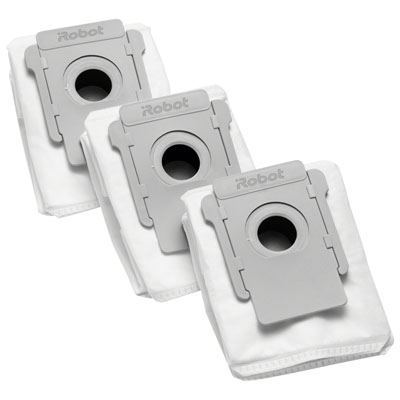 Your price for this item is $19.99
 -
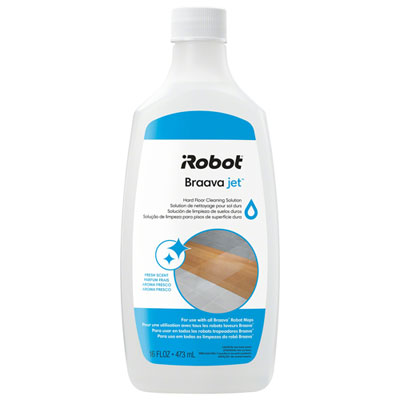 Your price for this item is $9.99
 -
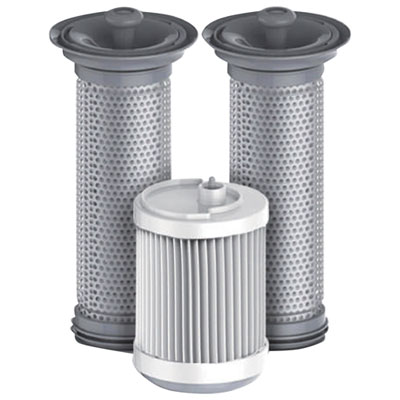 Your price for this item is $39.99
 -
 Your price for this item is $129
 -
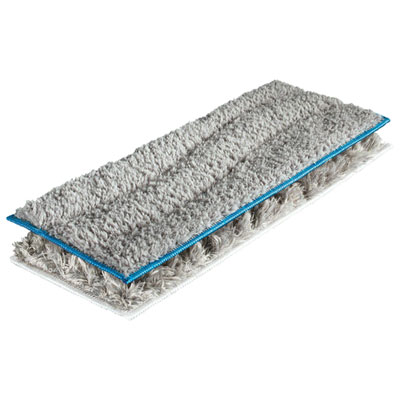 Your price for this item is $25.99
 -
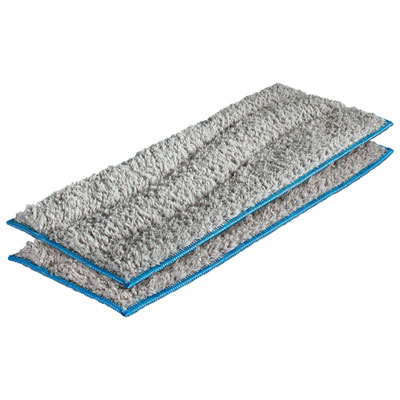 Your price for this item is $34.99
 -
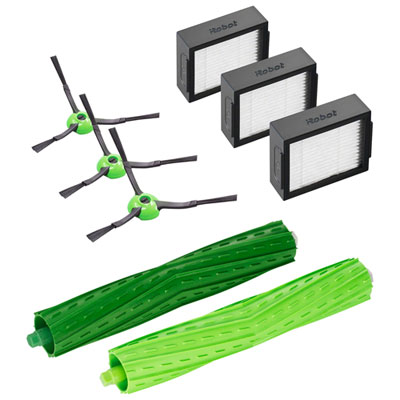 Your price for this item is $69.99
 -
 Your price for this item is $30.99
Discover more categories related to Disposable Dust Bags
Top Collections:
Best Laptops for Video Editing, Pokemon Centers, Samsung Z Fold, Kindle Devices, Best Cell Phones Under $300, Best Laptops for Writers, Best Budget Office Chairs, Best Cell Phones Under $500, Best Laptop Computers for Students, iPhone 15 Apple
Some products may be subject to Environmental Handling Fees
(EHF) depending on your province.
Learn more about EHFs.