Diy Toolkits
Elevate your home improvement projects with a comprehensive selection of DIY toolkits. Perfect for both seasoned handypersons and enthusiastic beginners, these versatile kits are designed to equip you with the essential tools needed for a wide range of tasks. Whether you're tackling a small repair or embarking on a major renovation, having the right toolkit at your disposal can make all the difference. Explore our diverse collection and find the perfect set that matches your needs, helping you achieve professional results with ease and efficiency. Transform your creative vision into reality and enjoy the satisfaction of a job well done.
Sort







Why the right tools matter more than piece count
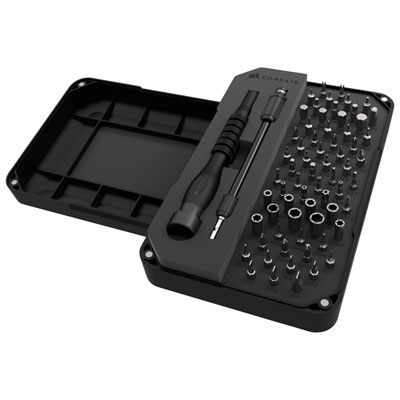
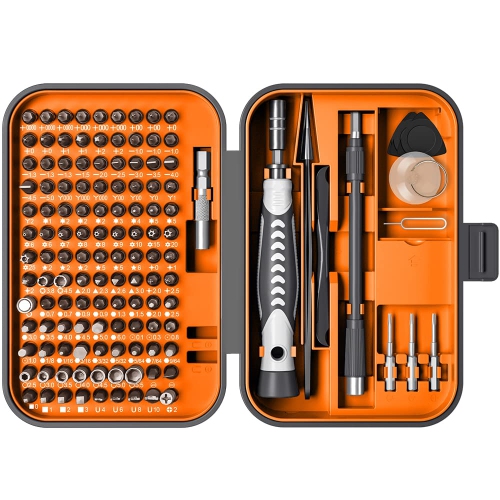
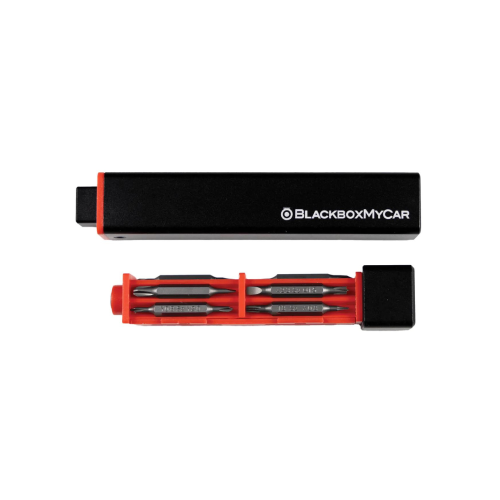
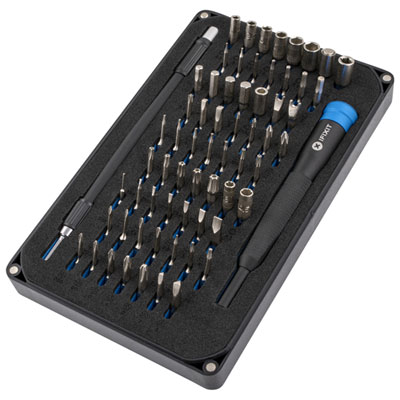
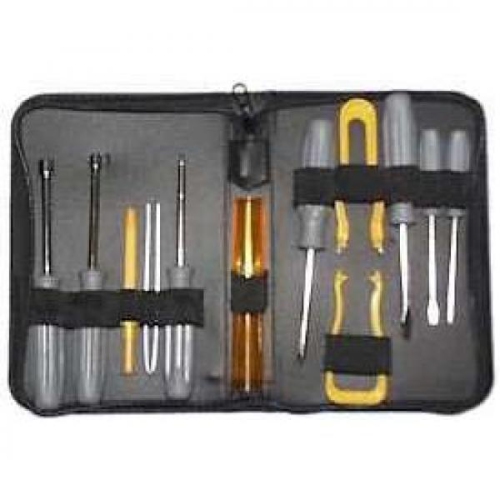
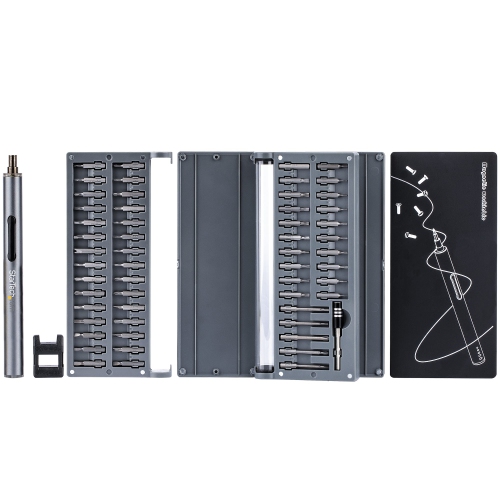
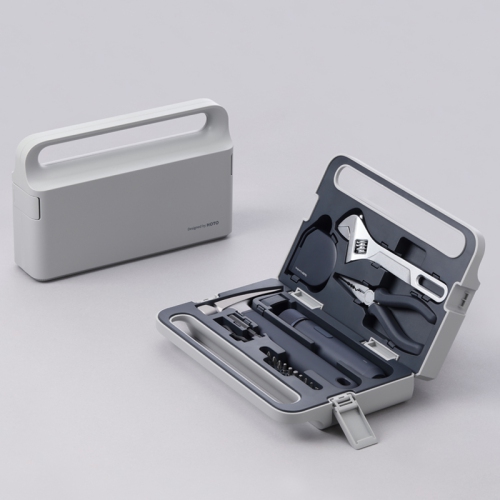
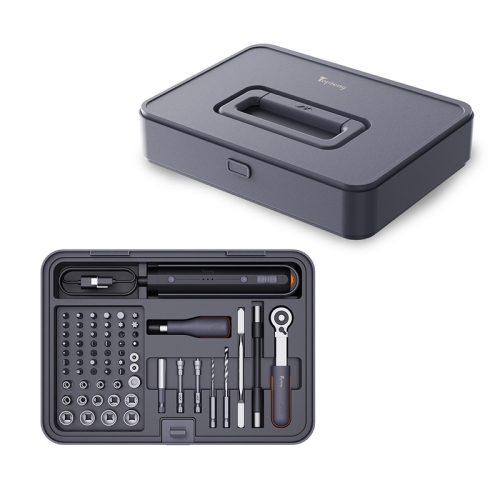
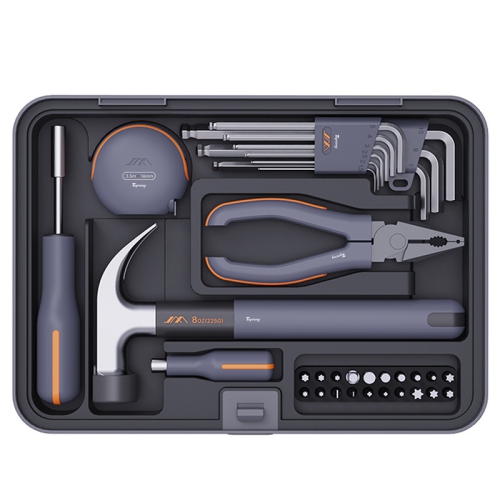
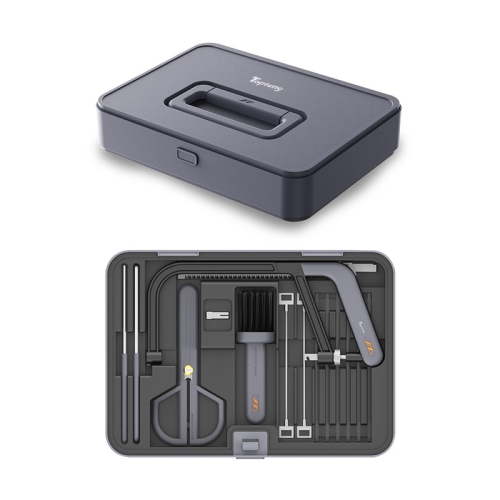
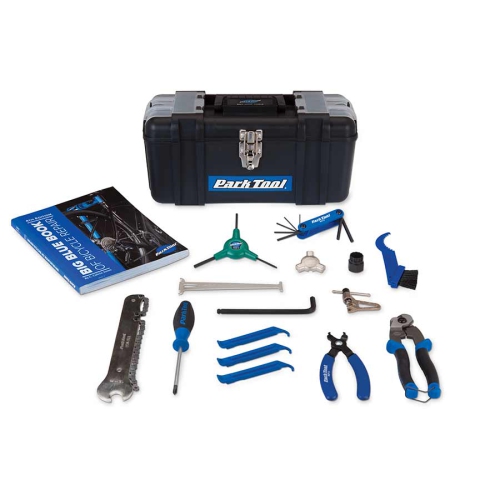
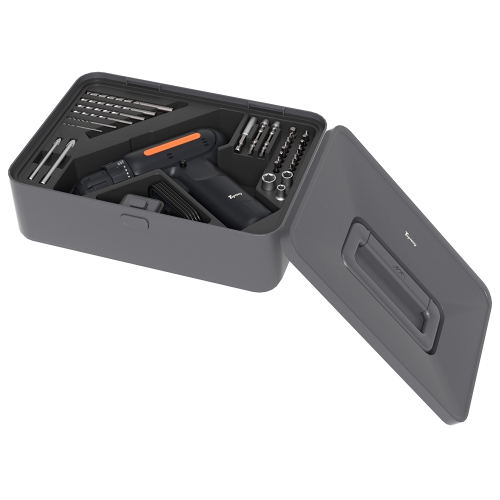
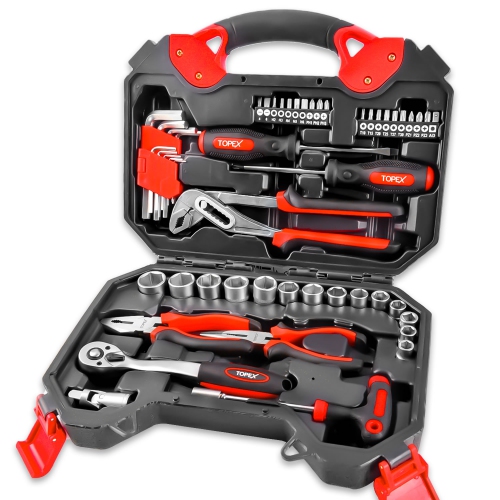
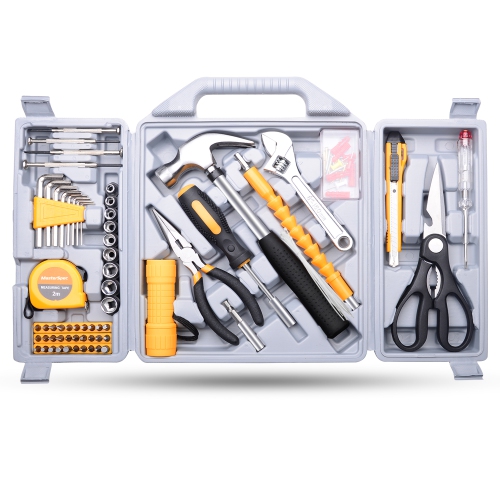
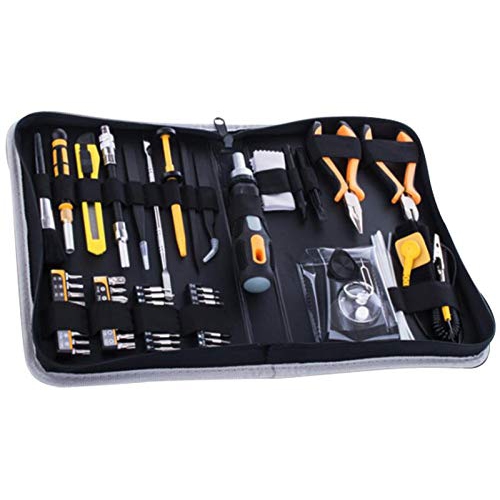
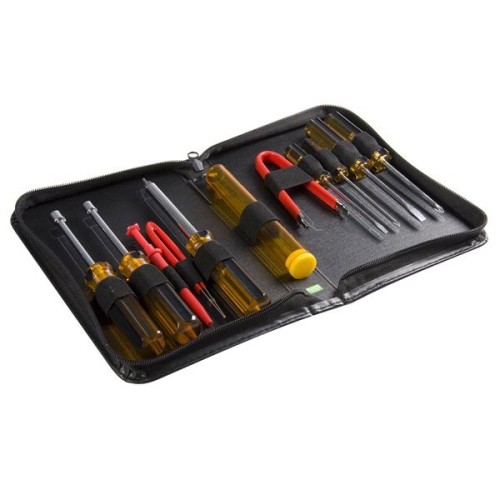
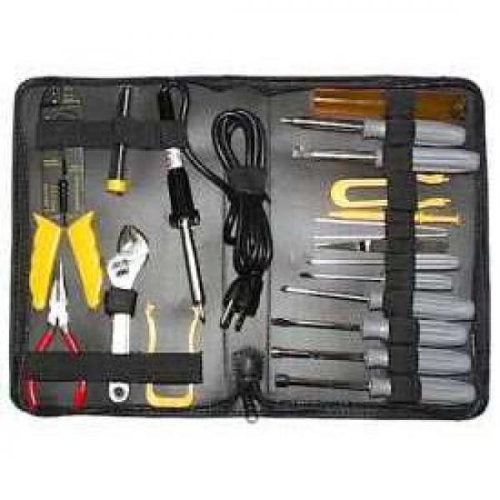
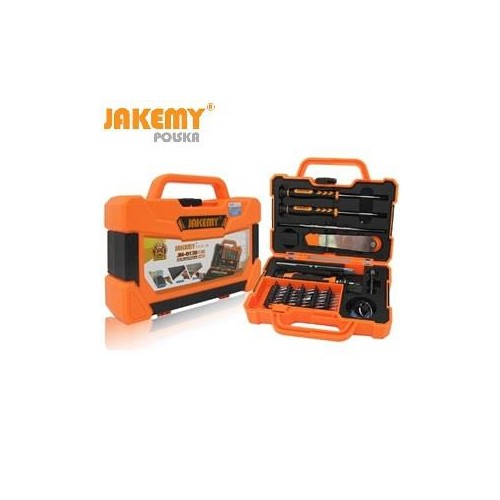
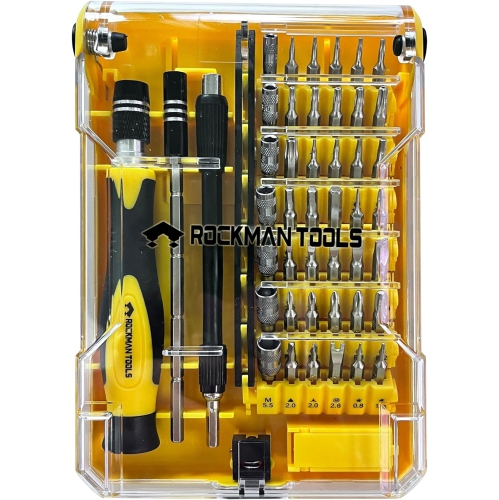
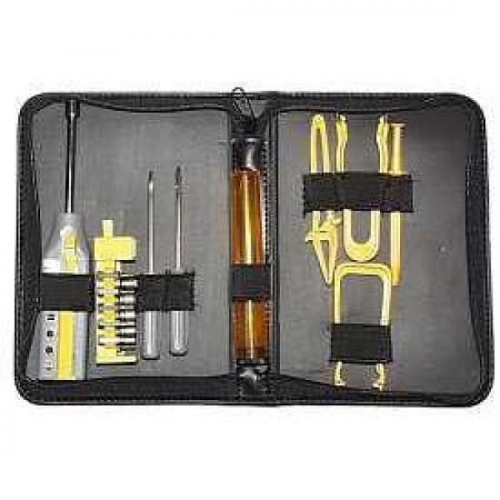
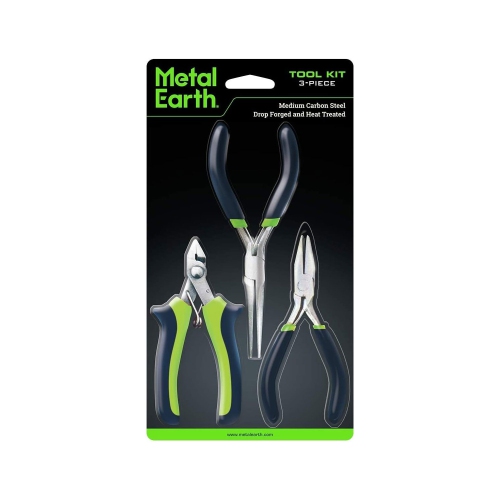
DIY toolkits bring commonly used hand tools together in one organized set for household maintenance, furniture assembly, and small improvement projects. A practical general-purpose toolkit typically includes a claw hammer, a tape measure, screwdrivers or a multi-bit driver, pliers, an adjustable wrench, a utility knife, and a compact level. Each covers a different need: a hammer drives and removes nails, a tape measure checks dimensions, screwdrivers tighten matching fasteners, and pliers grip parts that are difficult to hold by hand. A level helps check alignment when positioning a picture or shelf, while an adjustable wrench fits a range of suitable nuts and bolts. For everyday household tasks, a 16-ounce claw hammer and a tape measure with a reach of 16 or 25 feet are common starting points, although comfortable handling matters more than choosing the largest option. Tape markings in both metric and imperial units are useful when furniture dimensions, room measurements, and hardware specifications use different systems. Screwdriver selection deserves particular attention in Canadian homes, where Robertson square-drive screws are common alongside Phillips and slotted fasteners. Hex keys are also useful for flat-pack furniture, while Torx bits suit certain hardware and equipment. Matching the driver’s tip and size to the fastener helps reduce slipping and damage to the screw head. The most useful home tool kit is not necessarily the one with the highest piece count; a large assortment may include many small bits or duplicate accessories rather than a wider range of tools. A clearly described selection makes it easier to judge whether a set suits tightening cabinet handles, assembling a desk, or taking measurements for a wall display. Basic household toolkits are well suited to renters, first-time homeowners, and anyone who would rather keep everyday essentials together than search separate drawers for a screwdriver. More specialized tasks, such as detailed electronics work or bicycle maintenance, call for tools matched to those applications rather than a general household assortment.
Materials, construction, and grip design influence how a DIY toolkit feels in use and how well it stands up to repeated jobs. Steel is common for working parts, with alloy steels such as chrome vanadium often used in wrenches, sockets, and drivers. Material names alone do not establish quality: heat treatment, machining accuracy, joint construction, and surface finish also affect performance. Well-formed screwdriver tips should fit the intended fastener closely, and plier jaws should meet evenly without excessive looseness at the pivot. Protective finishes can help resist corrosion, but exposed metal still benefits from clean, dry storage. Handles may combine a rigid core with textured rubber or another soft-grip covering to improve comfort and control. The right fit depends on hand size, grip strength, and the task. A bulky handle can feel secure during a firm turn yet be awkward inside a narrow drawer opening; a small precision handle gives finer control but is not intended for the same turning force as a full-size driver. Hammer balance matters as much as weight, especially during repeated use, and a secure head-to-handle connection is an important construction detail. Tape measures benefit from legible markings, a dependable lock, and a case that sits comfortably in the hand. For utility knives, a positive blade lock and protected storage help keep the cutting edge controlled when it is not in use. A compact level should have easy-to-read vials and a straight, undamaged reference surface. Durability also depends on using each tool for its intended purpose rather than treating a screwdriver as a pry bar or extending a wrench handle for extra leverage. Wiping away dust and residue after a job, following any manufacturer guidance for moving joints, and replacing worn blades or damaged bits help maintain dependable performance. Loose handles, chipped striking surfaces, and distorted jaws are signs that a tool needs attention before further use.
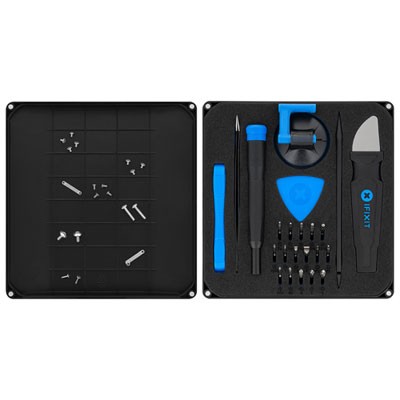
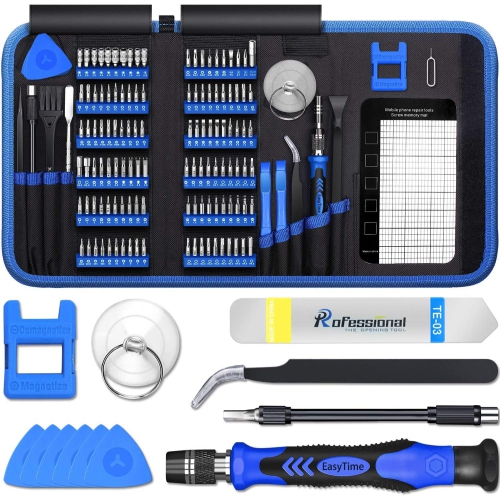
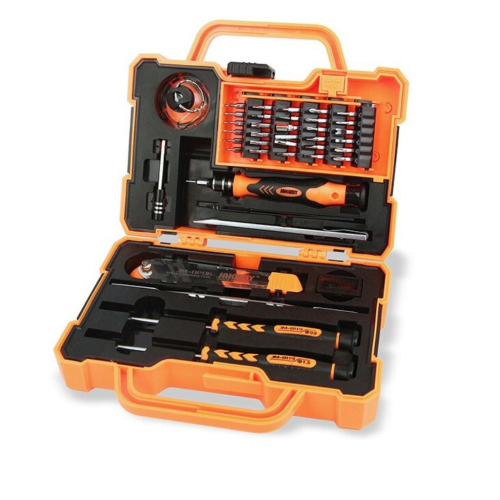
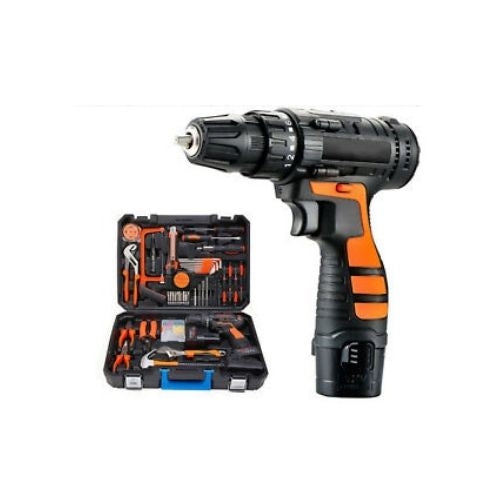
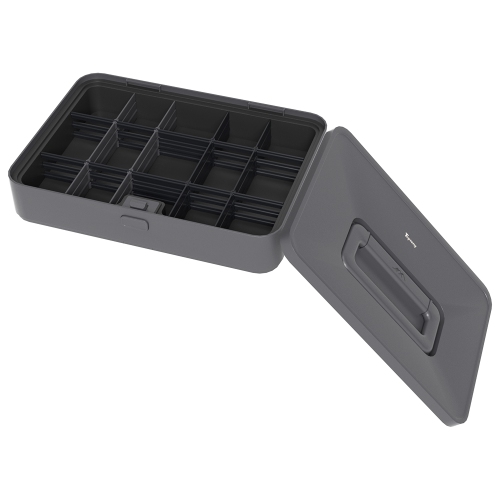
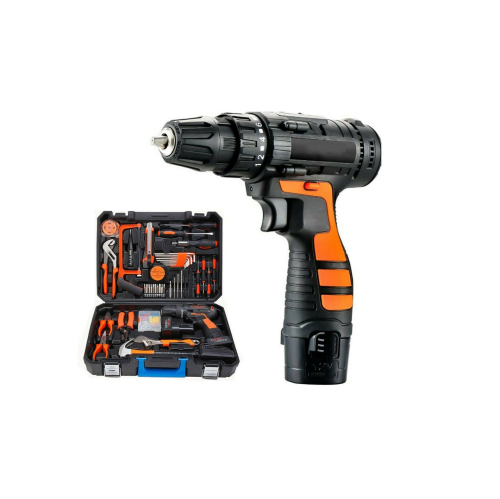
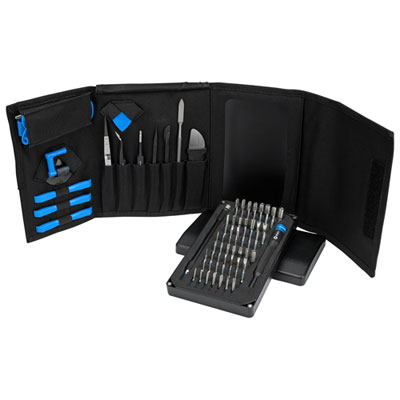
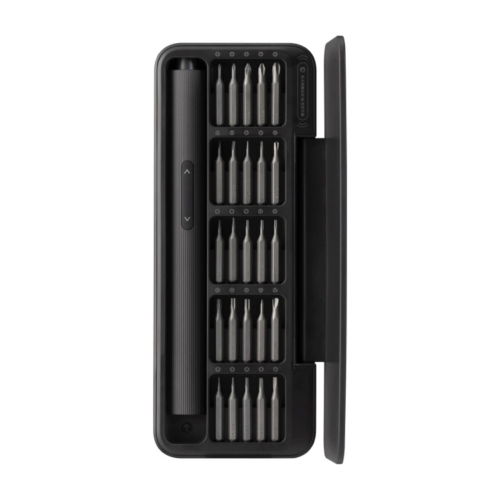
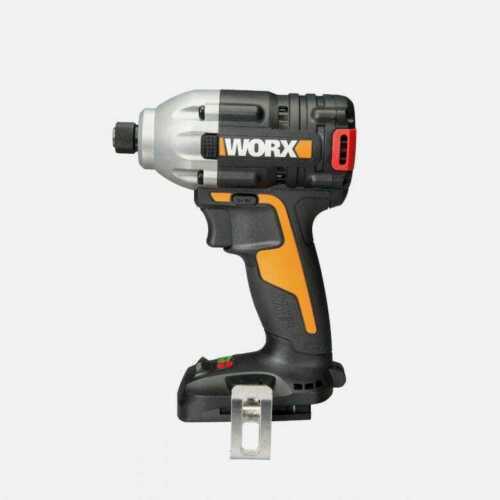
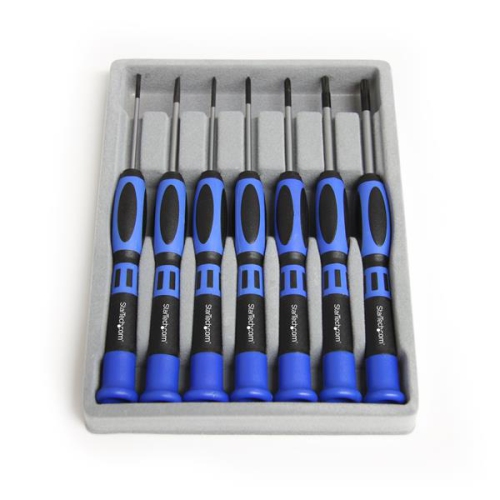
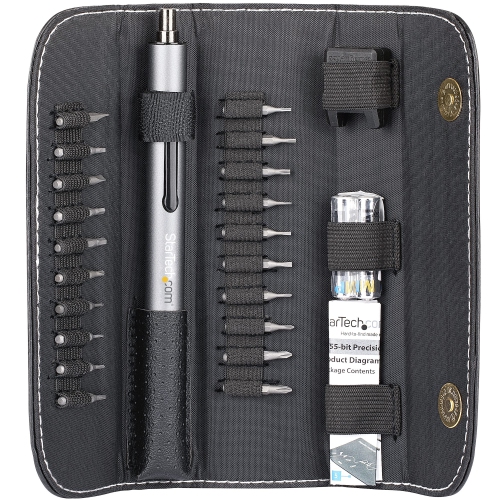
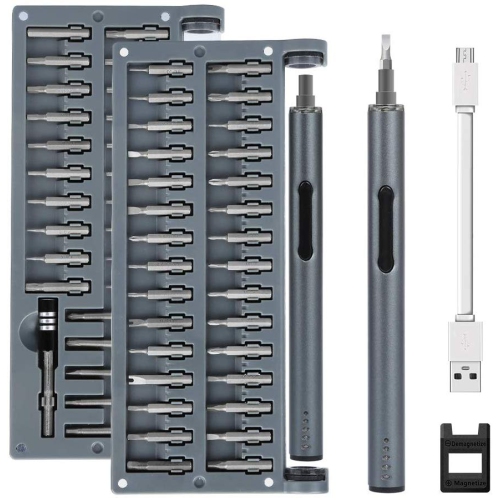
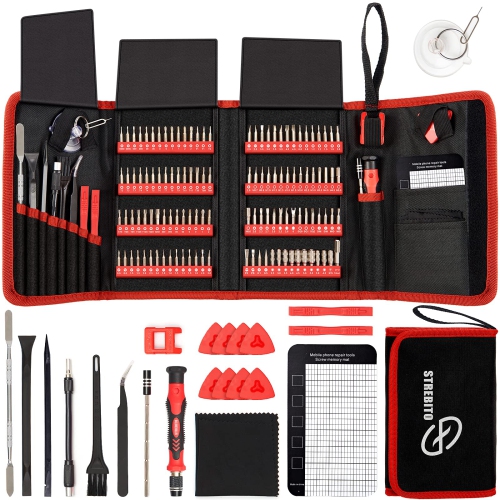
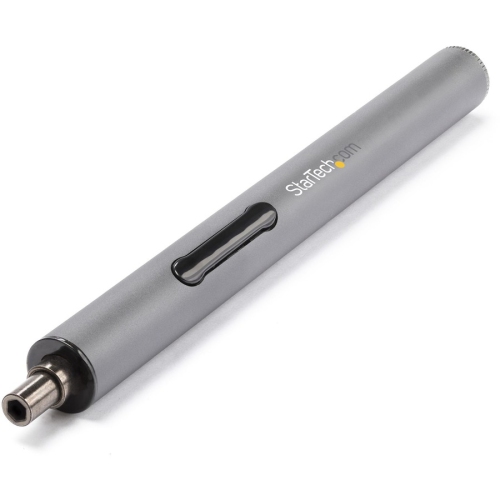
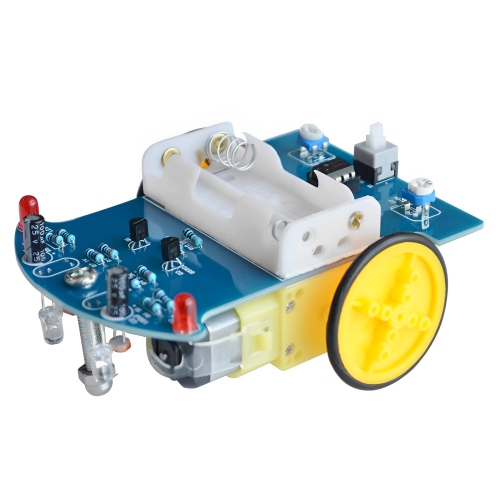
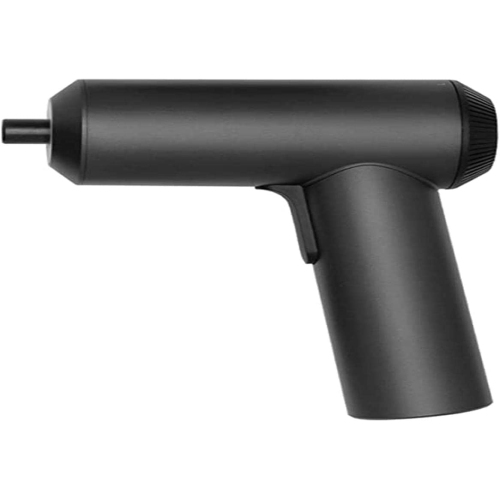
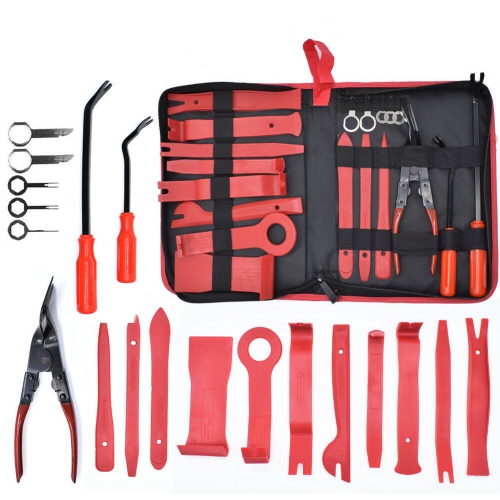
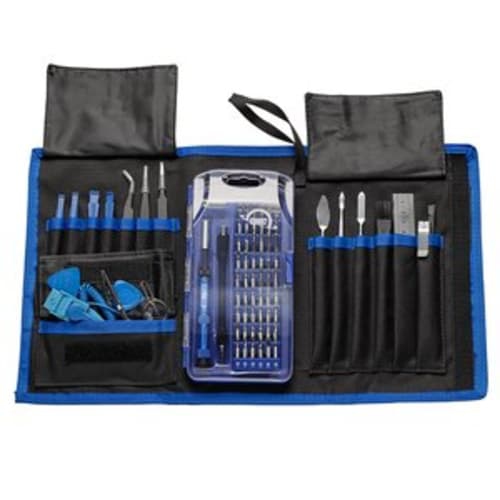
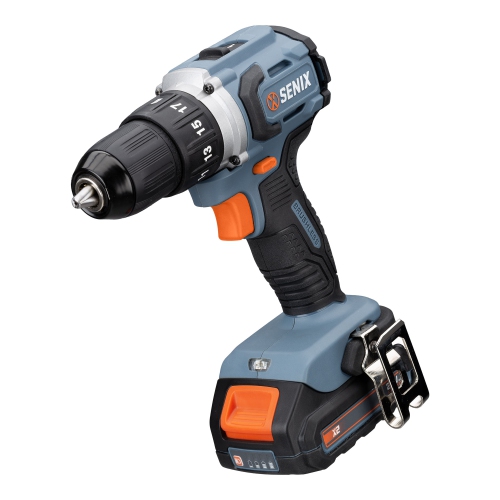
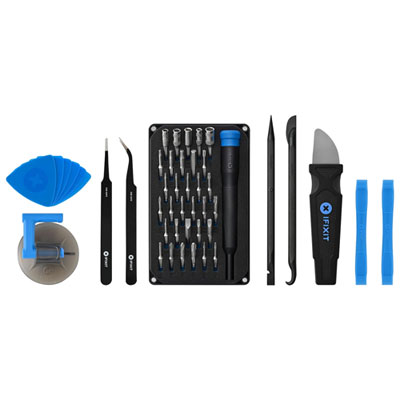
Storage often determines whether a toolkit stays useful long after the first project. A moulded carrying case gives each tool a defined place, making a missing socket or driver easier to spot before everything is put away. A soft-sided tool bag offers more flexibility for adding tools over time, although smaller accessories may need separate pockets or containers to prevent them from settling at the bottom. Secure closures, sturdy handles, and manageable overall weight matter when carrying a set between rooms or storing it on a shelf. For an apartment, a compact kit that fits neatly in a cupboard may be more practical than a broad assortment in a heavy case. For someone who regularly assembles furniture or adjusts household fittings, full-size handles and a useful range of driver bits may matter more than the smallest possible footprint. Precision toolkits serve a different purpose, with smaller drivers and accessories intended for delicate fasteners and components; they are not direct substitutes for household repair tools. Sets that include cordless tools introduce further considerations, including battery compatibility, charger requirements, tool weight, and whether the included accessories suit the intended material. A toolkit can also make a thoughtful housewarming gift or a practical addition to a first home, particularly when its contents are clearly labelled and easy to return to their places. For people more interested in making a defined project than maintaining household fittings, DIY Kits offer a related category to explore, with the distinction that project kits and general-purpose toolkits serve different needs. Whichever type of work is planned, tools are only one part of the setup: suitable eye protection, a stable work surface, and hardware rated for the application may also be needed. Wall-mounted projects require attention to the wall material and concealed wiring or pipes, while electrical, gas, and structural work may require a qualified professional. A thoughtfully matched toolkit supports manageable everyday tasks without suggesting that every repair belongs on a household to-do list.
Materials, construction, and grip design influence how a DIY toolkit feels in use and how well it stands up to repeated jobs. Steel is common for working parts, with alloy steels such as chrome vanadium often used in wrenches, sockets, and drivers. Material names alone do not establish quality: heat treatment, machining accuracy, joint construction, and surface finish also affect performance. Well-formed screwdriver tips should fit the intended fastener closely, and plier jaws should meet evenly without excessive looseness at the pivot. Protective finishes can help resist corrosion, but exposed metal still benefits from clean, dry storage. Handles may combine a rigid core with textured rubber or another soft-grip covering to improve comfort and control. The right fit depends on hand size, grip strength, and the task. A bulky handle can feel secure during a firm turn yet be awkward inside a narrow drawer opening; a small precision handle gives finer control but is not intended for the same turning force as a full-size driver. Hammer balance matters as much as weight, especially during repeated use, and a secure head-to-handle connection is an important construction detail. Tape measures benefit from legible markings, a dependable lock, and a case that sits comfortably in the hand. For utility knives, a positive blade lock and protected storage help keep the cutting edge controlled when it is not in use. A compact level should have easy-to-read vials and a straight, undamaged reference surface. Durability also depends on using each tool for its intended purpose rather than treating a screwdriver as a pry bar or extending a wrench handle for extra leverage. Wiping away dust and residue after a job, following any manufacturer guidance for moving joints, and replacing worn blades or damaged bits help maintain dependable performance. Loose handles, chipped striking surfaces, and distorted jaws are signs that a tool needs attention before further use.
Storage often determines whether a toolkit stays useful long after the first project. A moulded carrying case gives each tool a defined place, making a missing socket or driver easier to spot before everything is put away. A soft-sided tool bag offers more flexibility for adding tools over time, although smaller accessories may need separate pockets or containers to prevent them from settling at the bottom. Secure closures, sturdy handles, and manageable overall weight matter when carrying a set between rooms or storing it on a shelf. For an apartment, a compact kit that fits neatly in a cupboard may be more practical than a broad assortment in a heavy case. For someone who regularly assembles furniture or adjusts household fittings, full-size handles and a useful range of driver bits may matter more than the smallest possible footprint. Precision toolkits serve a different purpose, with smaller drivers and accessories intended for delicate fasteners and components; they are not direct substitutes for household repair tools. Sets that include cordless tools introduce further considerations, including battery compatibility, charger requirements, tool weight, and whether the included accessories suit the intended material. A toolkit can also make a thoughtful housewarming gift or a practical addition to a first home, particularly when its contents are clearly labelled and easy to return to their places. For people more interested in making a defined project than maintaining household fittings, DIY Kits offer a related category to explore, with the distinction that project kits and general-purpose toolkits serve different needs. Whichever type of work is planned, tools are only one part of the setup: suitable eye protection, a stable work surface, and hardware rated for the application may also be needed. Wall-mounted projects require attention to the wall material and concealed wiring or pipes, while electrical, gas, and structural work may require a qualified professional. A thoughtfully matched toolkit supports manageable everyday tasks without suggesting that every repair belongs on a household to-do list.
Top selling and popular products
-
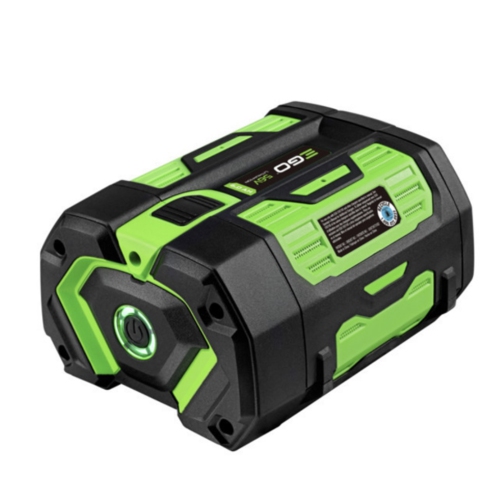 Your price for this item is $374.99
 -
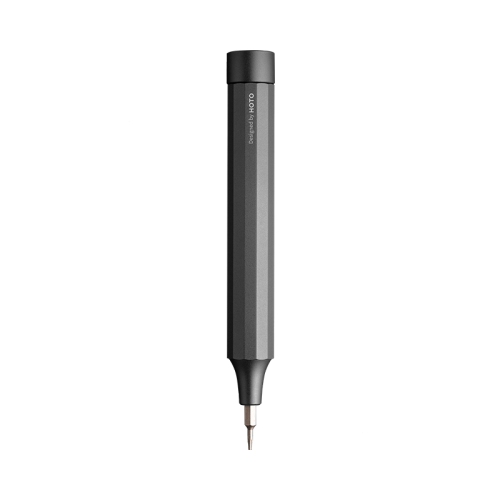 Your price for this item is $31.99
 -
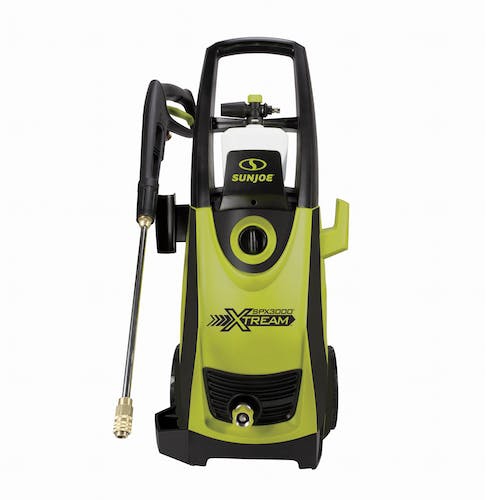 Your price for this item is $344.99
 -
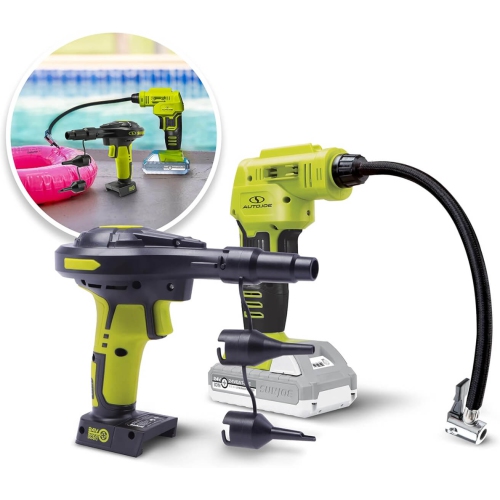 Your price for this item is $114.99
 -
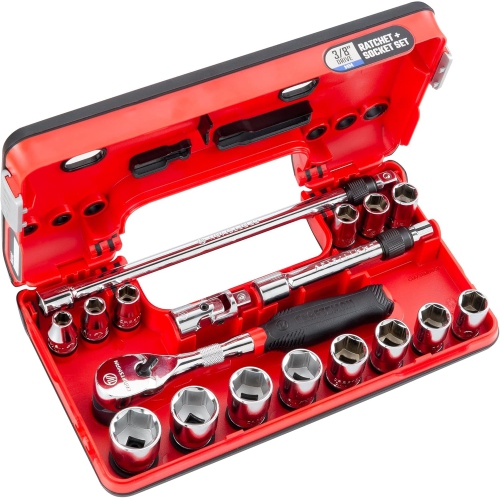 Your price for this item is $129.99
 -
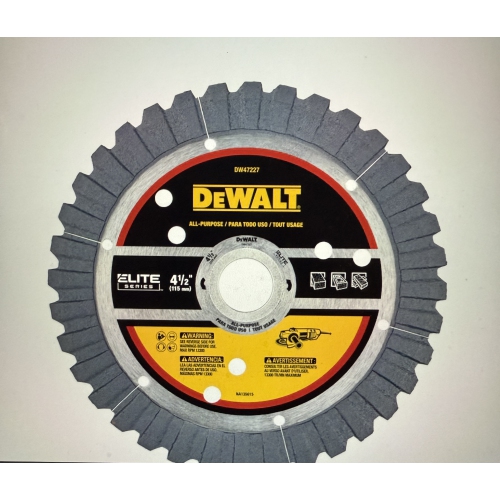 Your price for this item is $29.99
 -
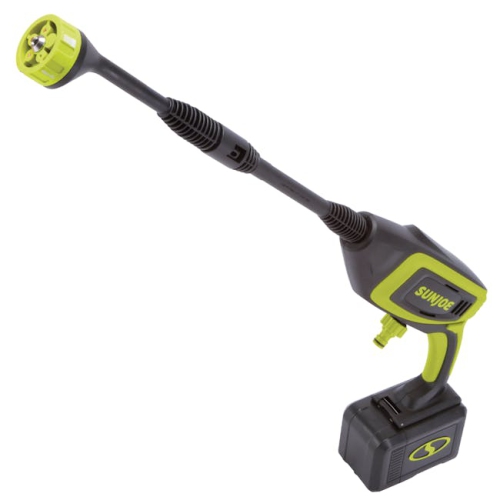 Your price for this item is $133.99
 -
 Your price for this item is $99.99
Discover more categories related to Diy Toolkits
Top Collections:
Pokemon Centers, Kindle Devices, Best Budget Office Chairs, Apple iPhones 16, Best Laptops for Writers, iPhone 15 Apple, Canon G7X Cameras, Refurbished Apple Laptops, Alarm Clock, Motorola Razr Phones
Some products may be subject to Environmental Handling Fees
(EHF) depending on your province.
Learn more about EHFs.