Diy Tools
Whether you're a seasoned DIY enthusiast or just starting out on your home improvement journey, having the right tools is essential. Our collection of DIY tools is designed to make any project a breeze, no matter how big or small. From power tools to hand tools, we've got everything you need to tackle any task with confidence. Browse through our wide selection and discover the perfect tools to help you bring your vision to life.
Sort
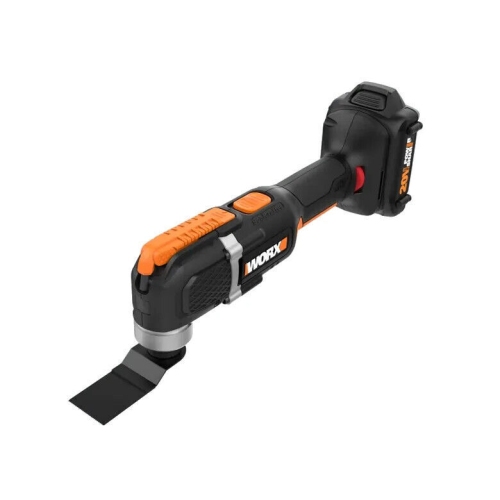
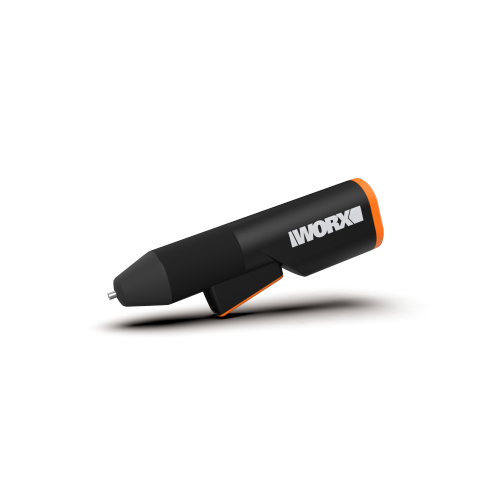
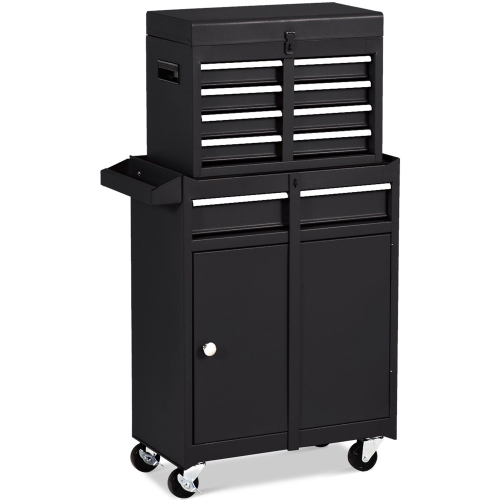
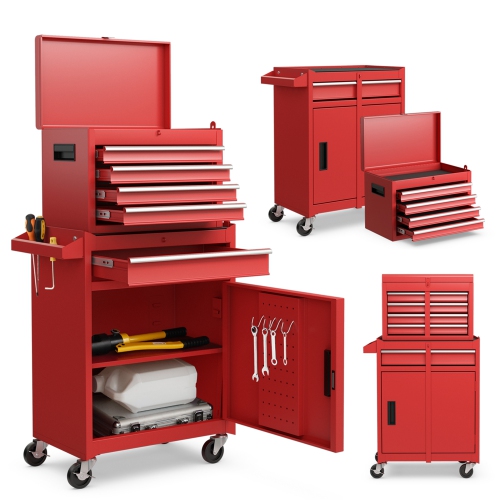
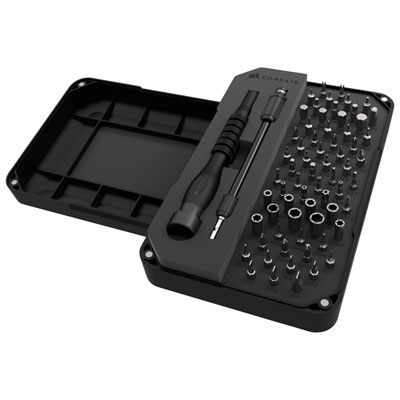

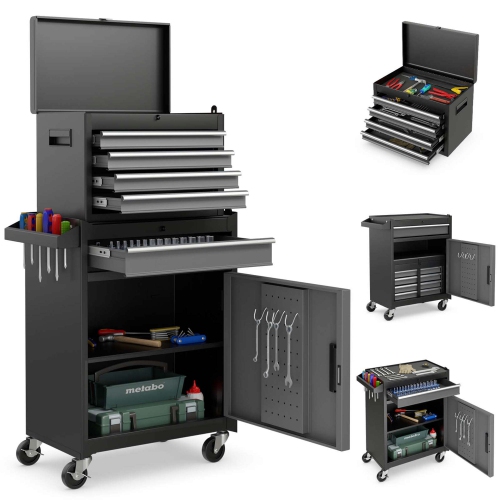
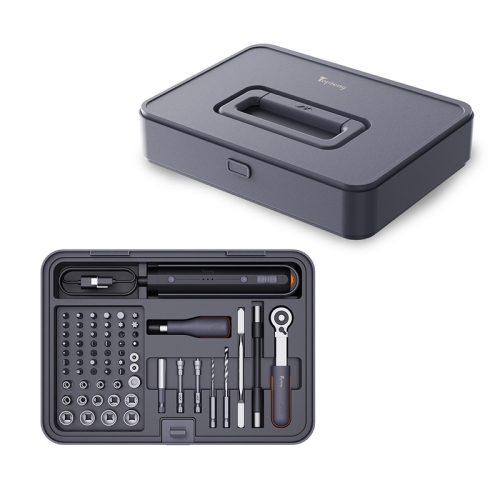


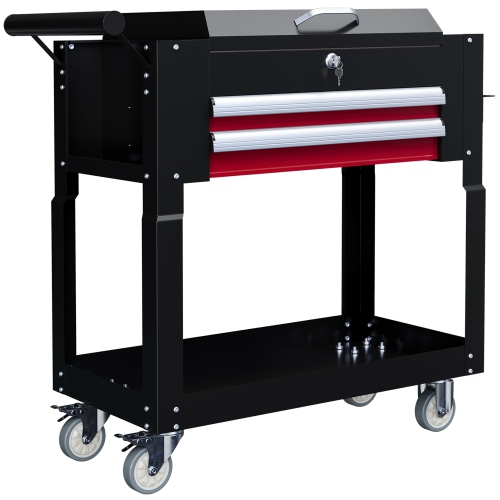
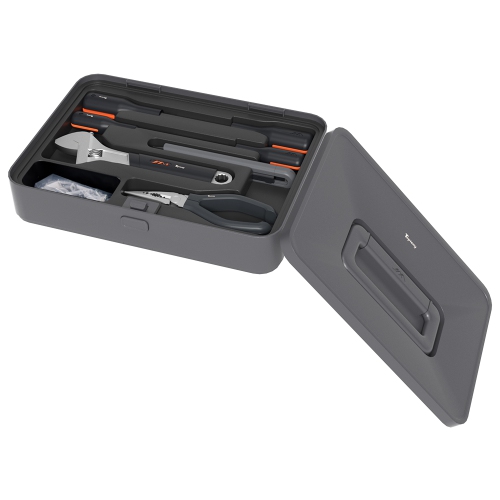
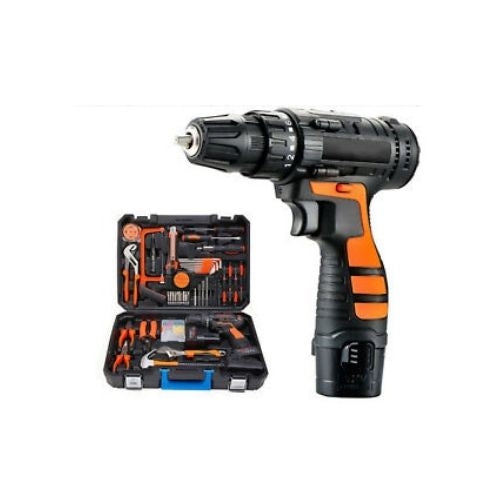
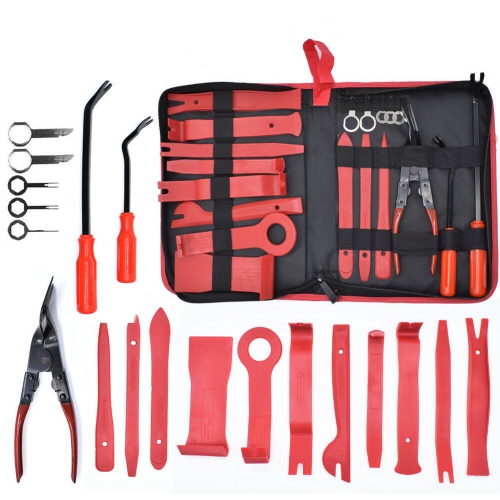
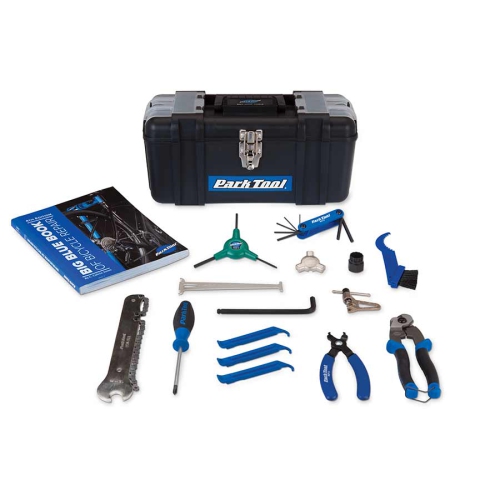
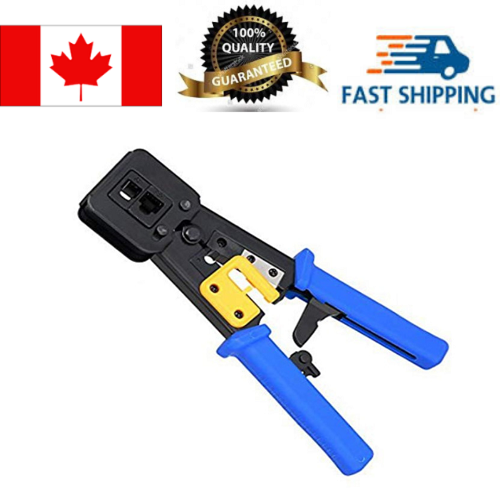
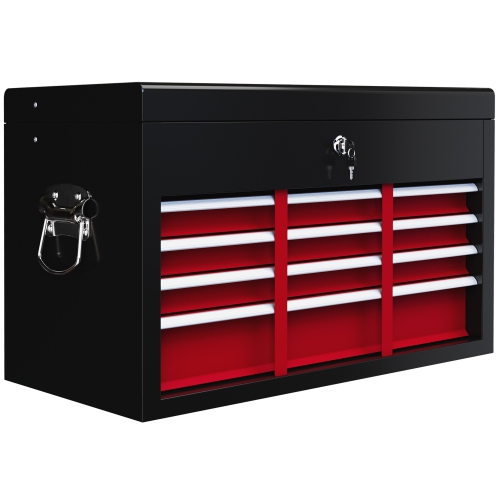
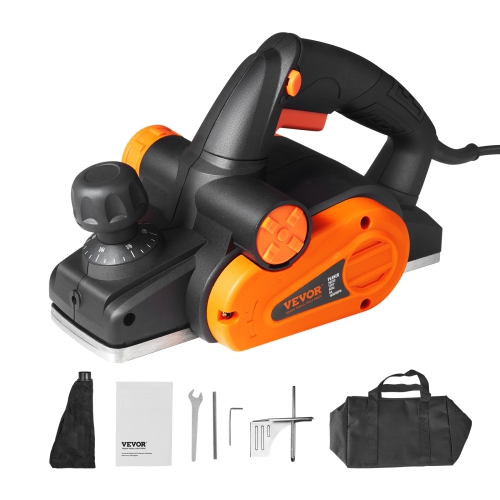

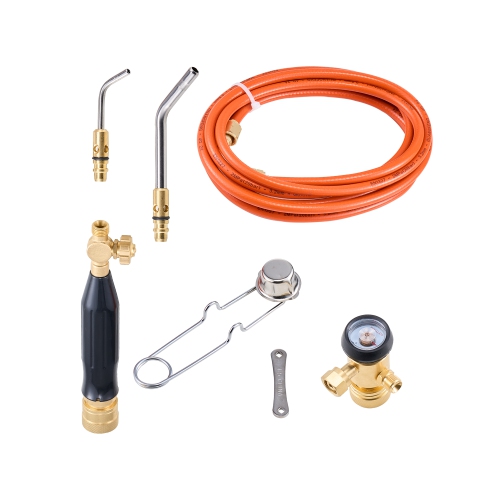

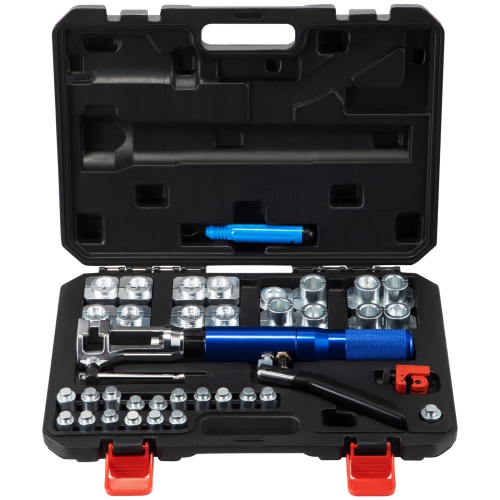
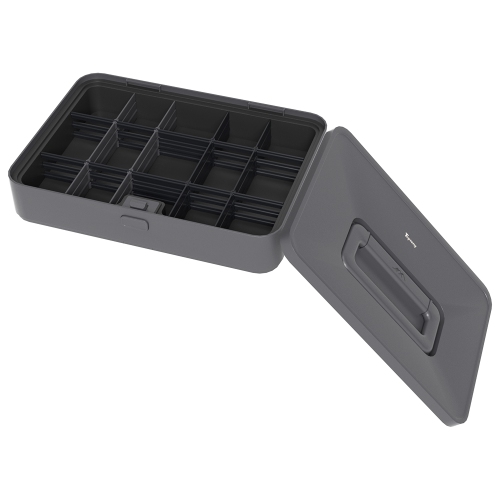

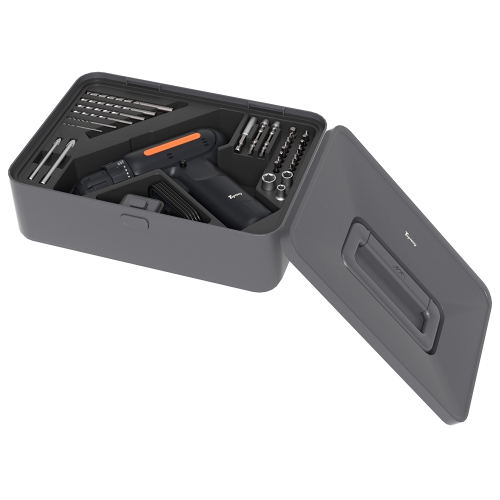

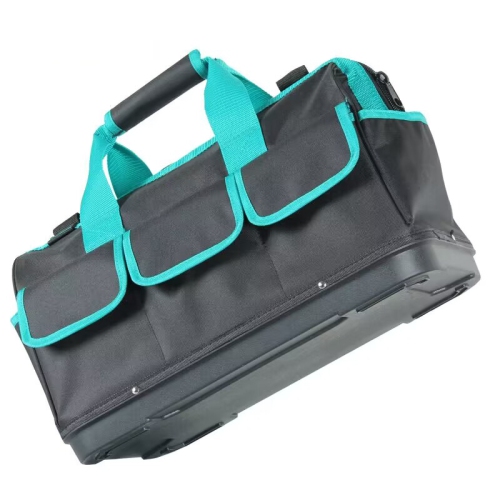
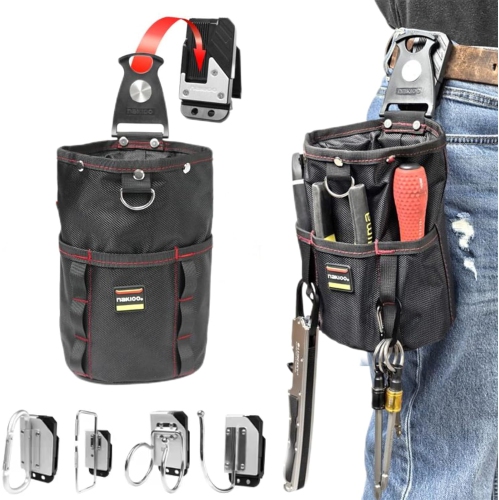
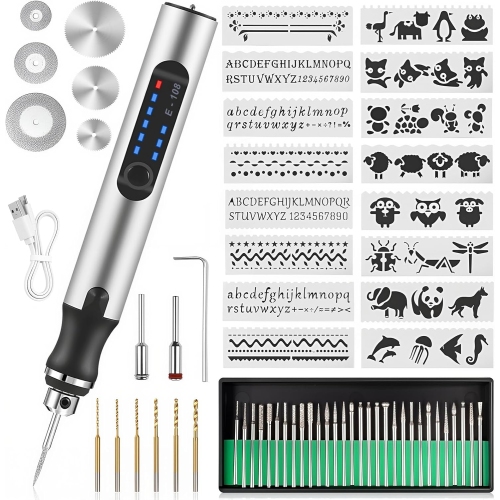
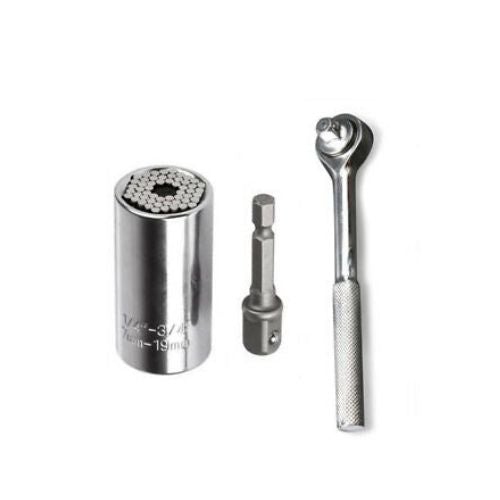


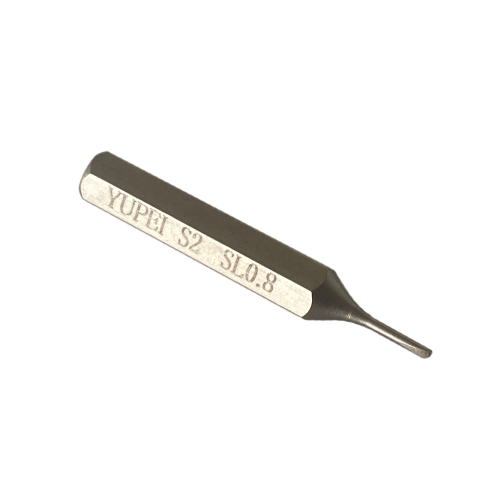
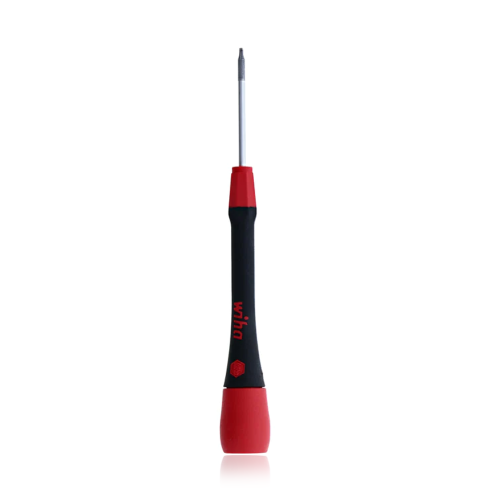
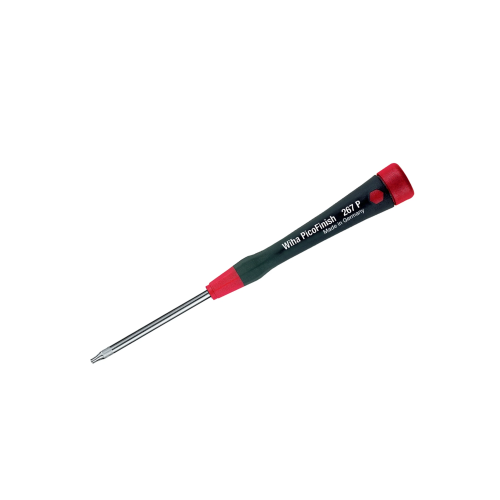
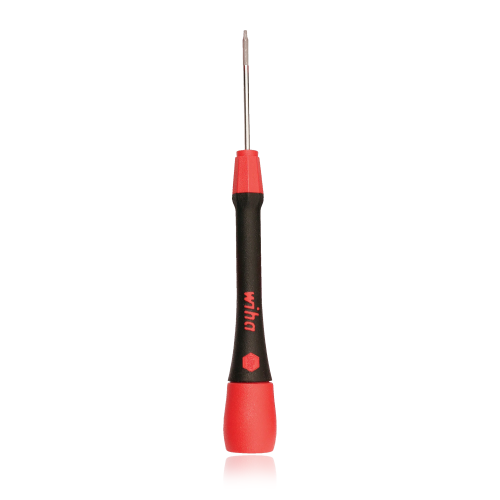
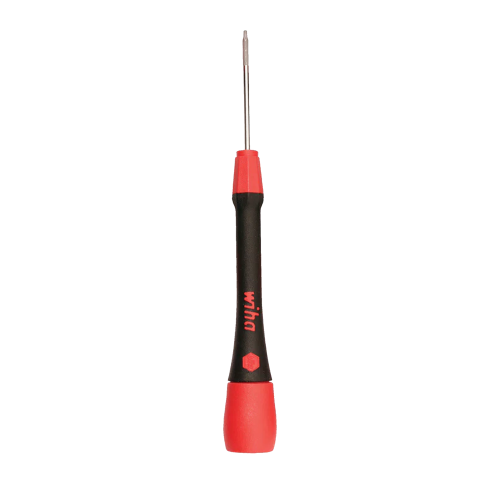
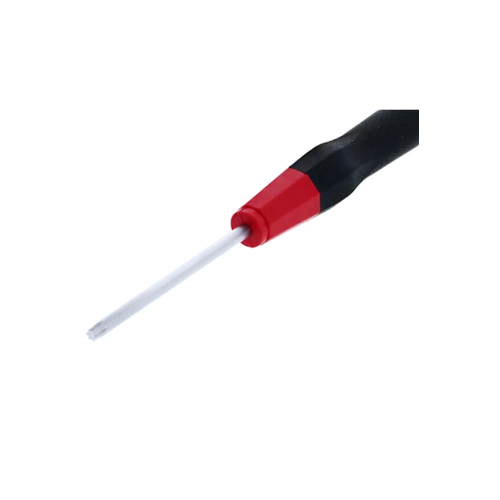
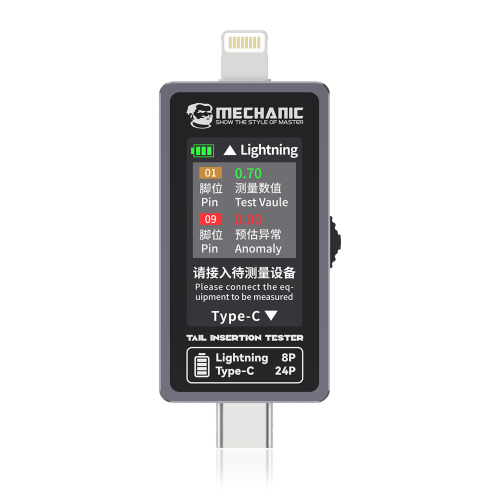
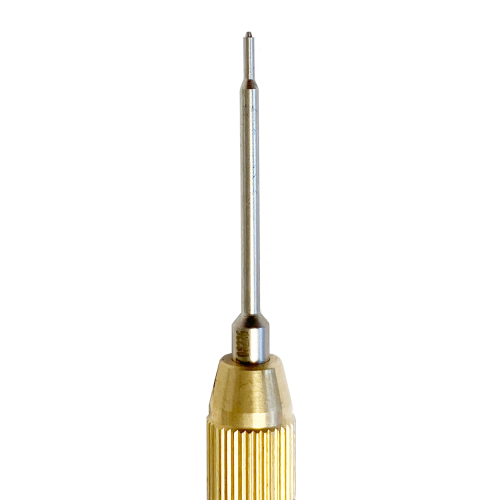
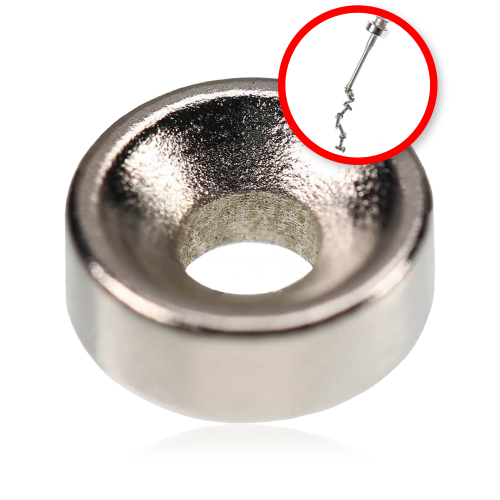
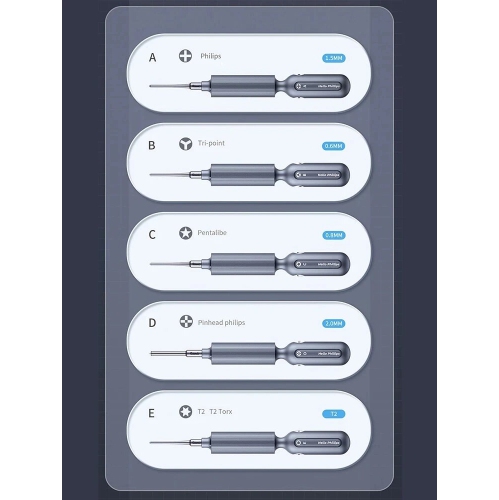
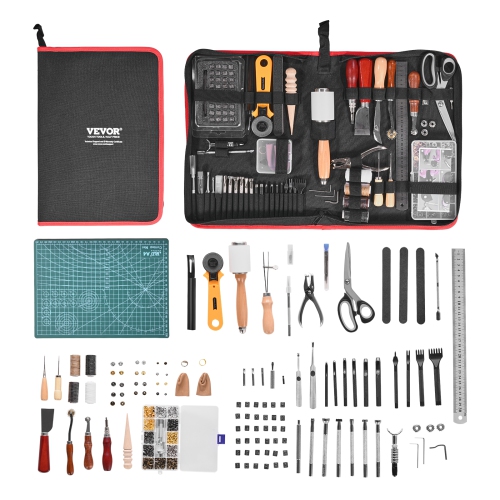
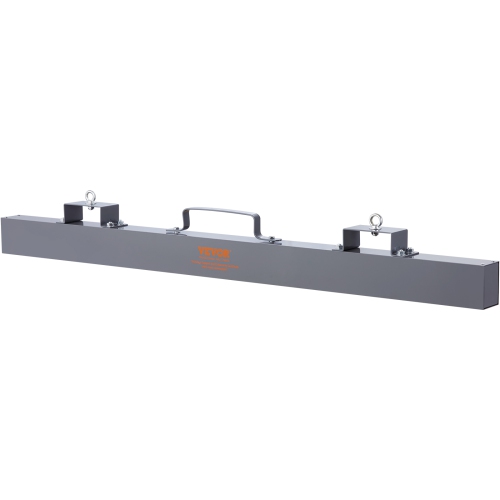
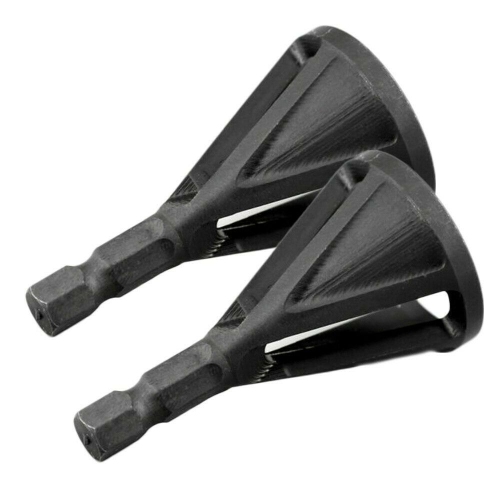
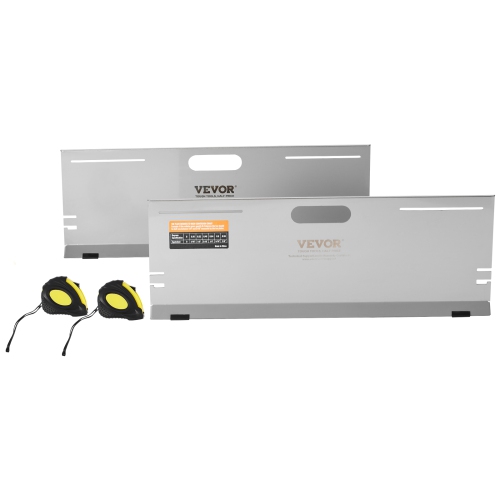
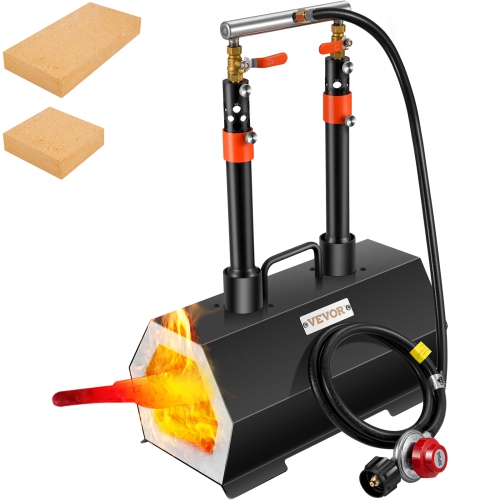
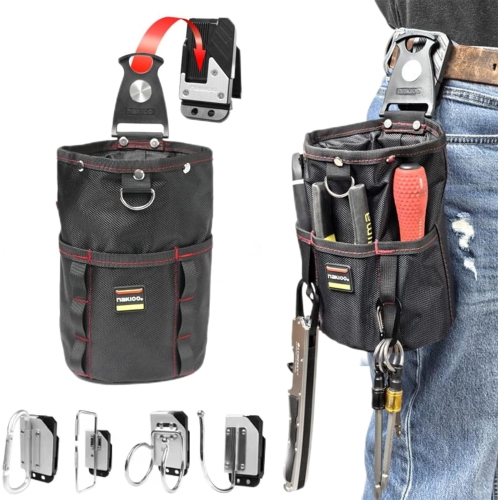

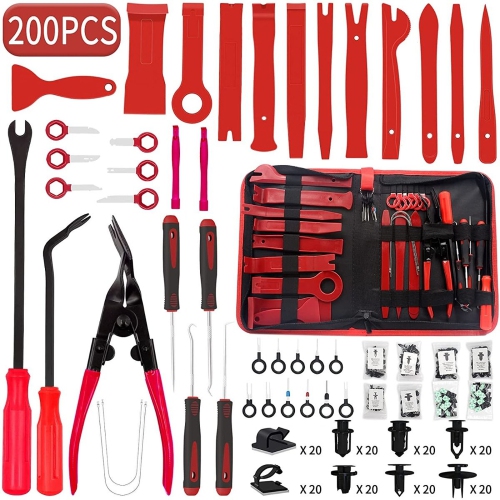
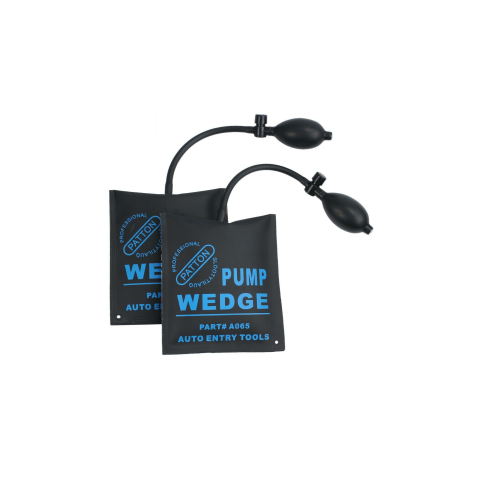
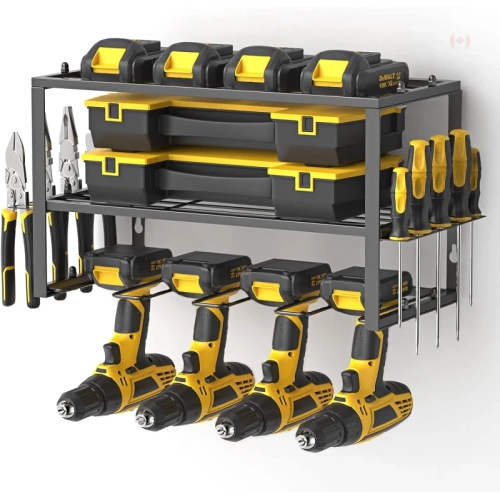
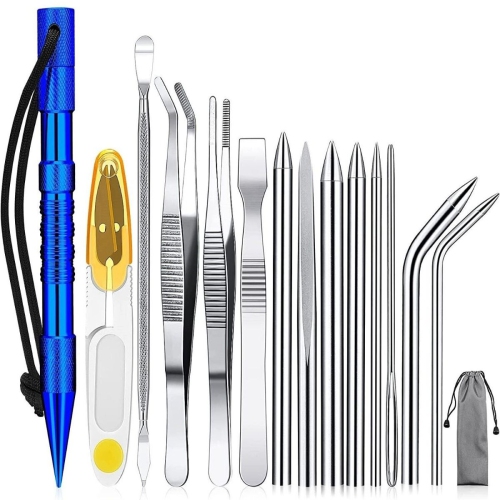
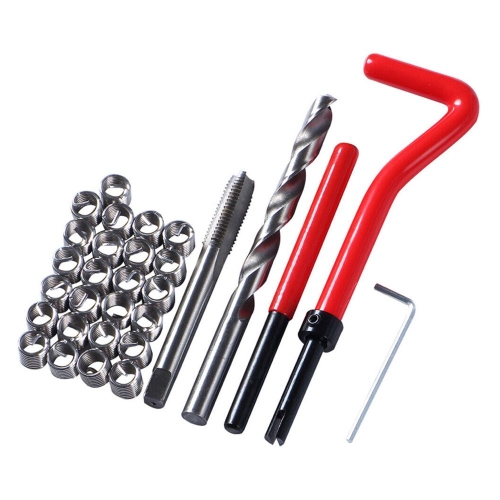
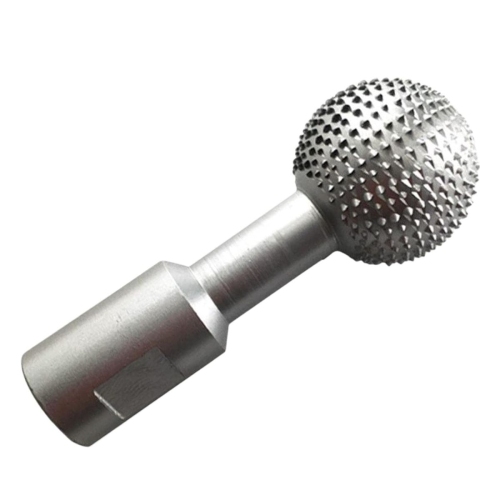
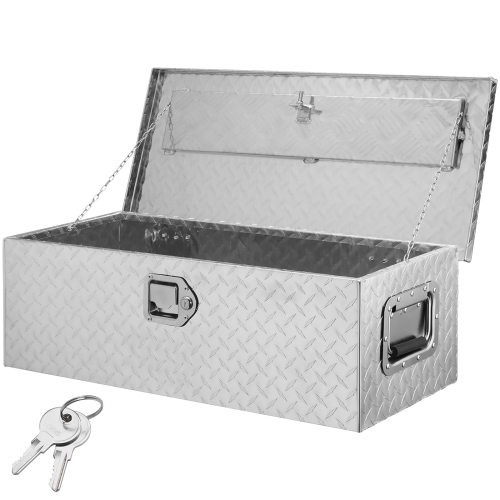
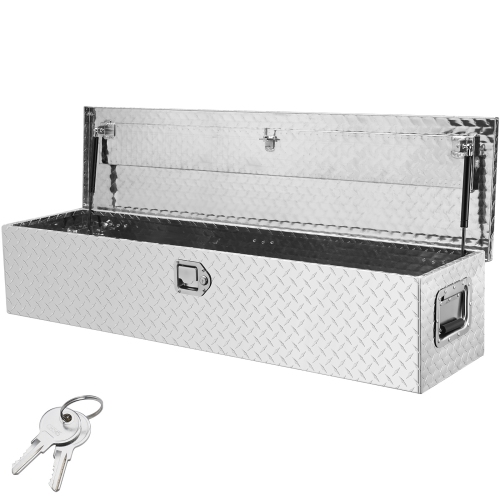
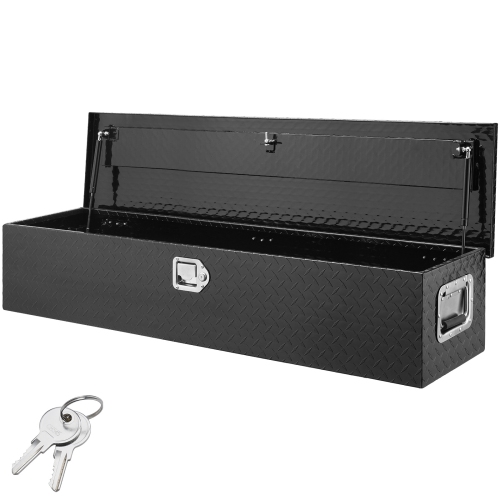
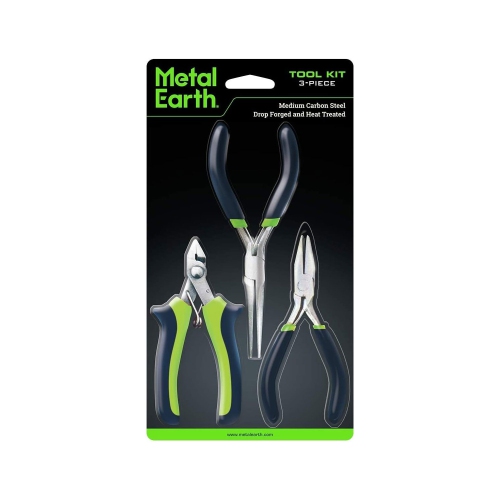
Tools for confident repairs, renovations, and creative projects
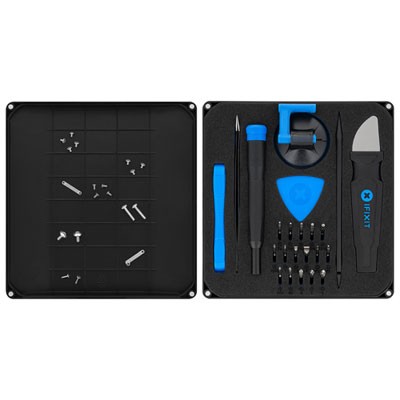
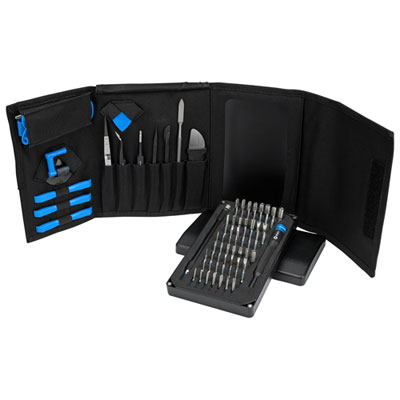
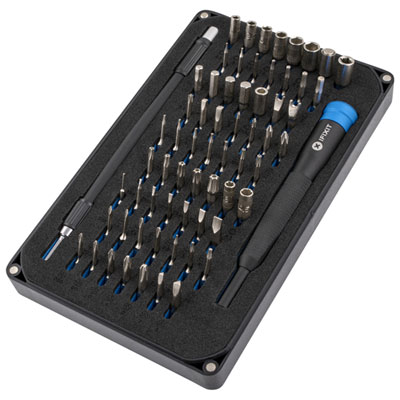
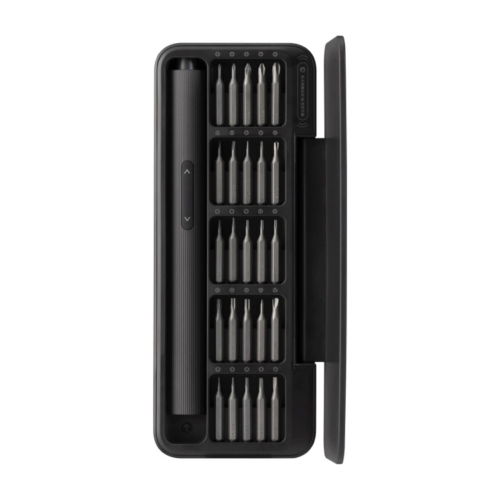
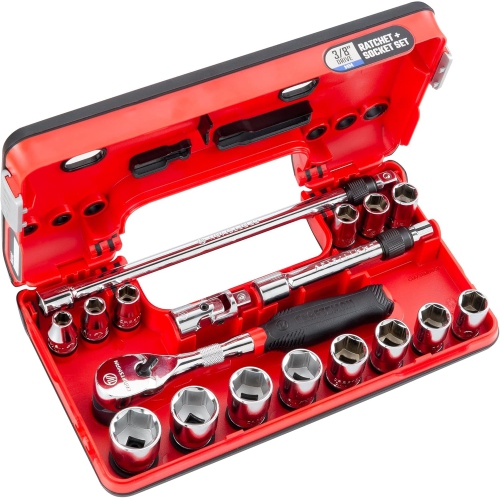
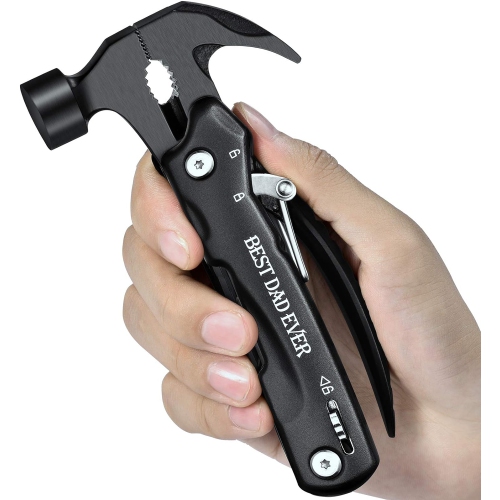
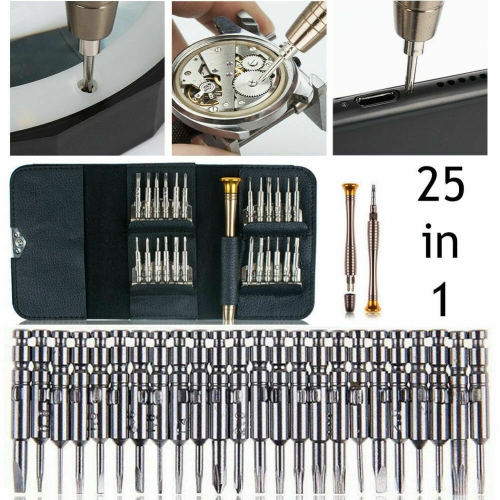
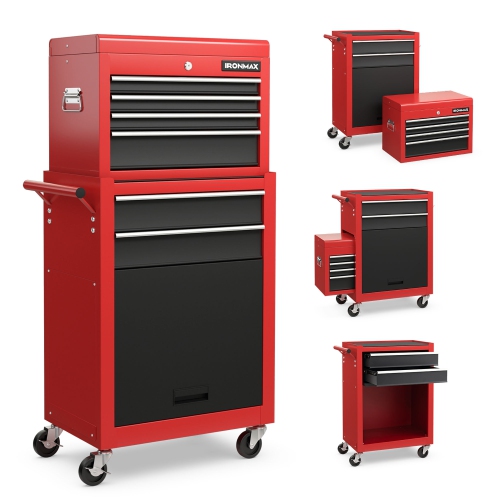
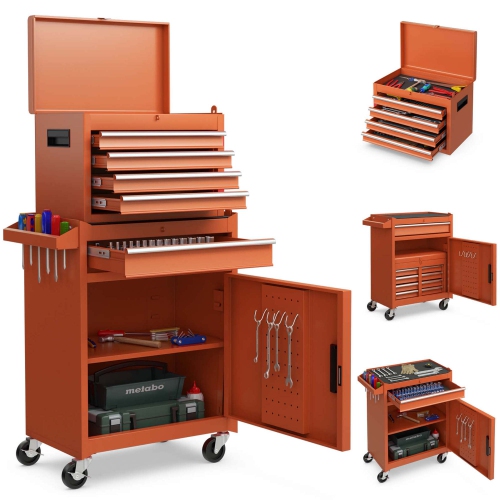
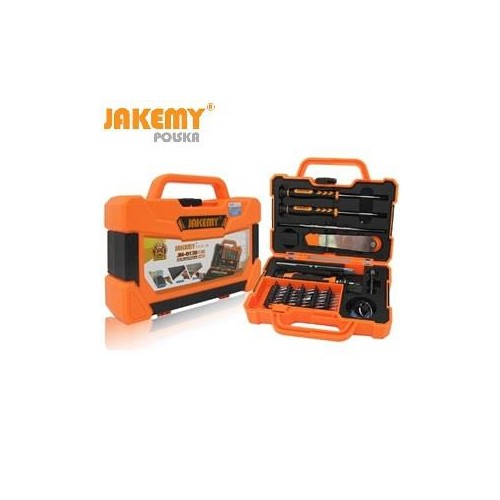
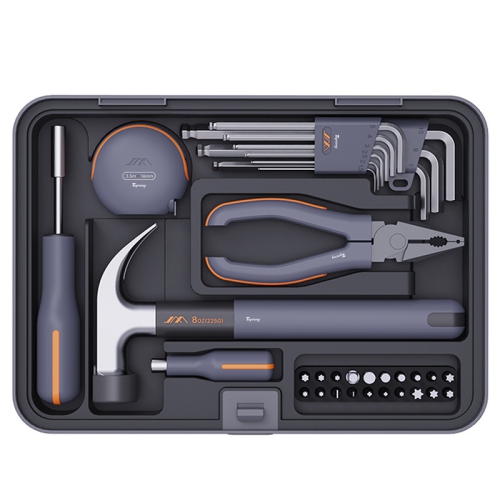
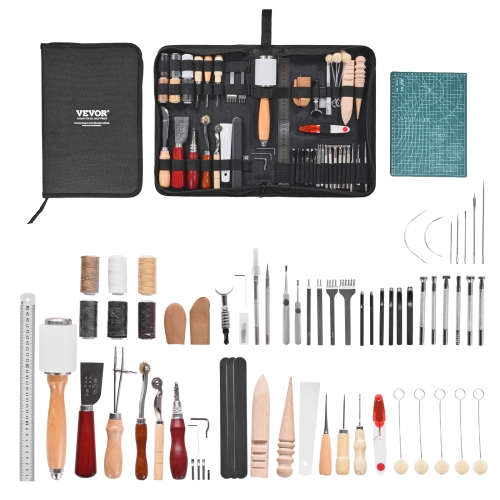
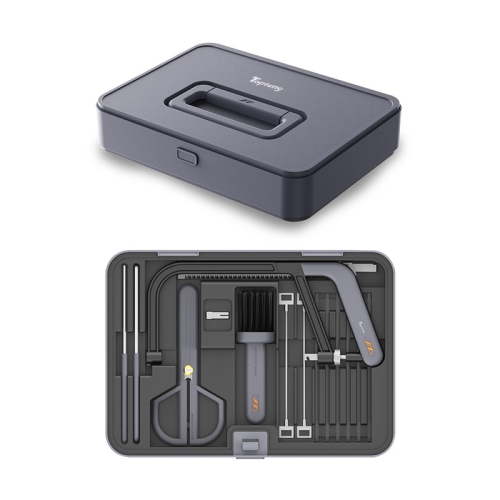
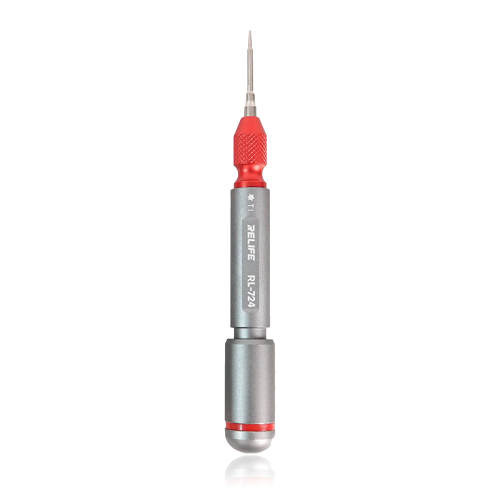
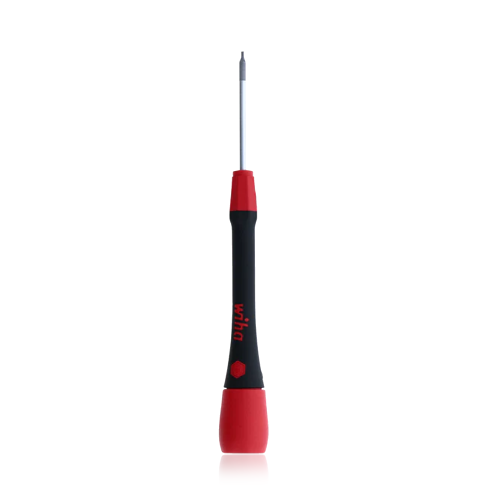
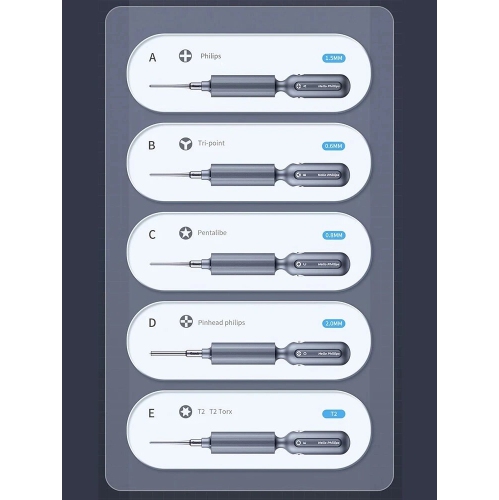
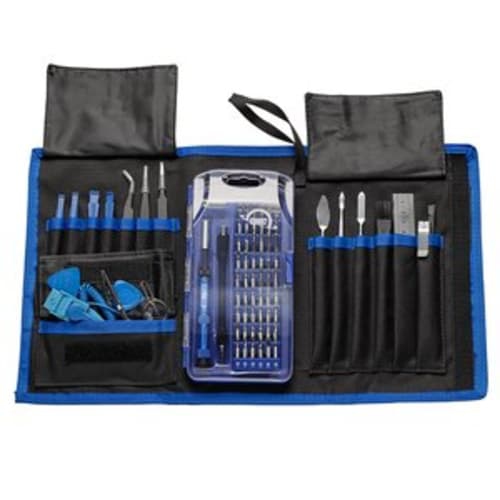
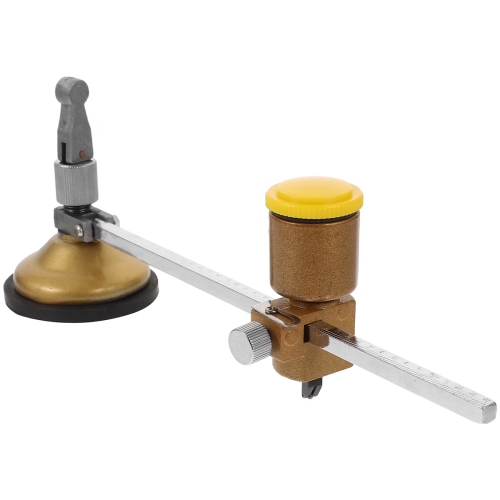
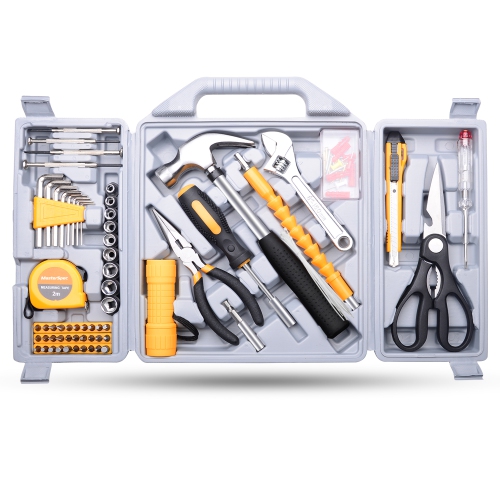
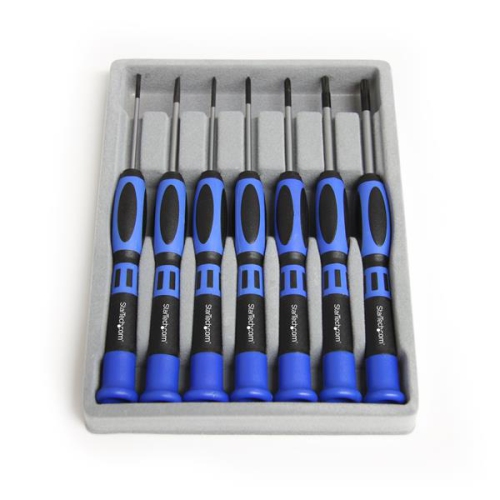
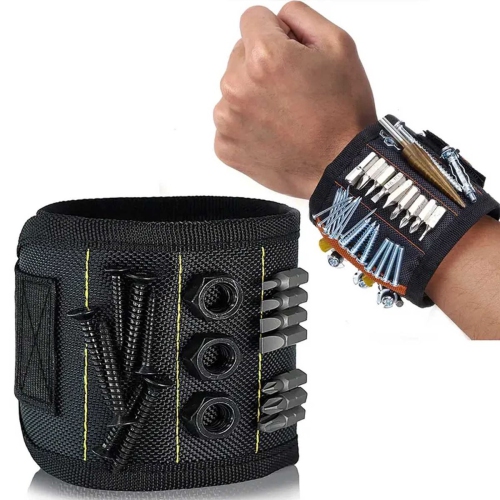
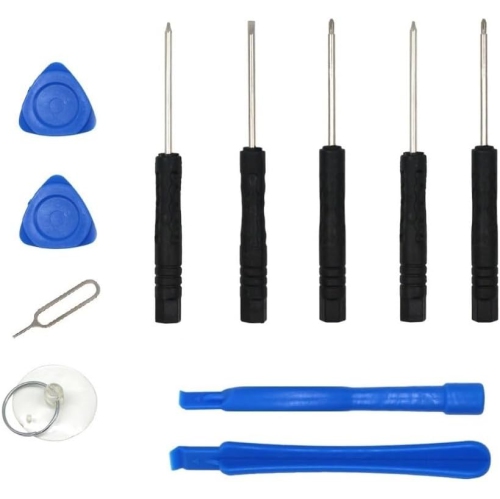
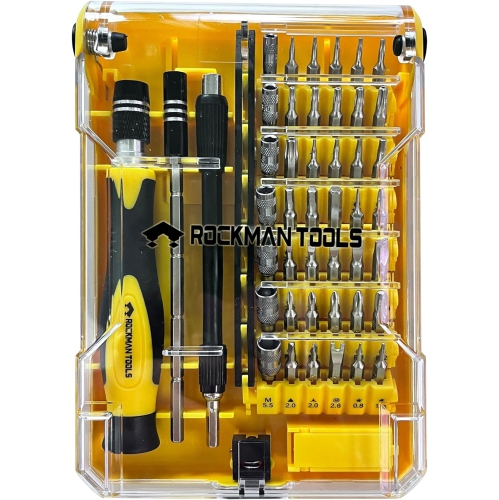
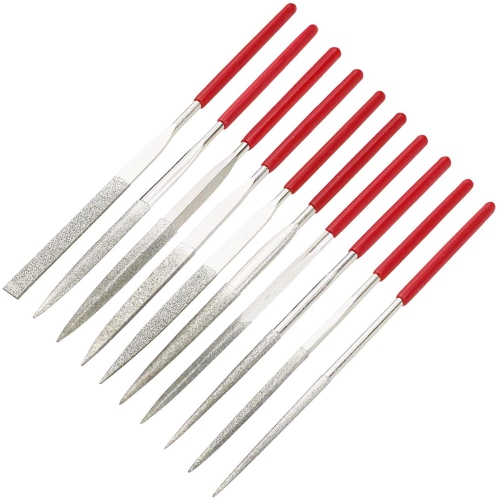
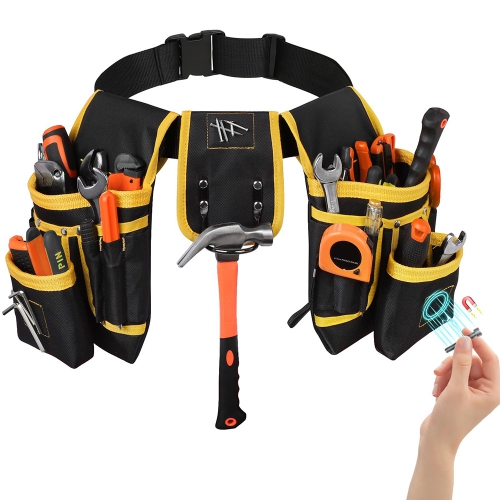
DIY tools can make everyday repairs, decorating projects, and creative builds feel more manageable, whether you are assembling furniture, refreshing a room, or taking on a larger home improvement project. A practical collection usually begins with dependable hand tools that are easy to reach for and simple to use: a claw hammer for driving and removing nails, a screwdriver set with Phillips and flat-head options, a tape measure for checking dimensions, pliers for gripping and twisting, an adjustable wrench for tightening fasteners, and a utility knife for opening packaging or making controlled cuts. A spirit level helps keep shelves, frames, and cabinets straight, while a speed square can make marking angles and cuts more precise. These basics are useful in apartments, houses, workshops, and garages alike, and they can help new homeowners feel prepared for small fixes that arise over time. For a broader selection, explore Home Improvement Tools to find equipment suited to repairs, maintenance, woodworking, decorating, and other hands-on tasks. When choosing DIY tools, consider how often they will be used, the materials involved, the available storage space, and the comfort of the handle or grip. A tool that feels balanced in the hand is easier to control during a longer project, while clear markings and straightforward adjustments can be especially helpful for beginners. It is also worth checking whether accessories, replacement parts, or compatible attachments are readily available, since a useful tool collection often grows gradually as new projects come up.
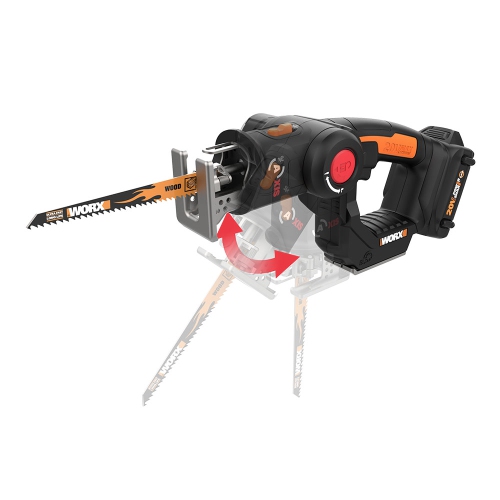
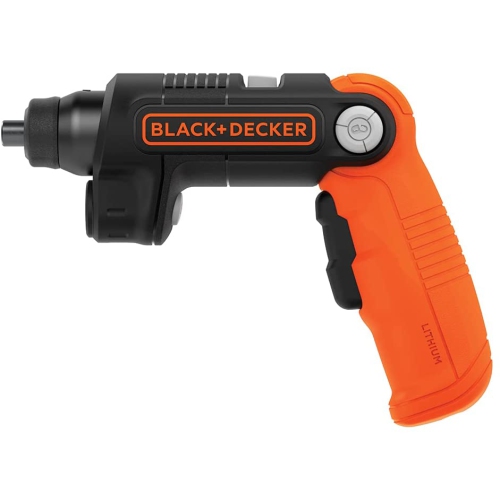
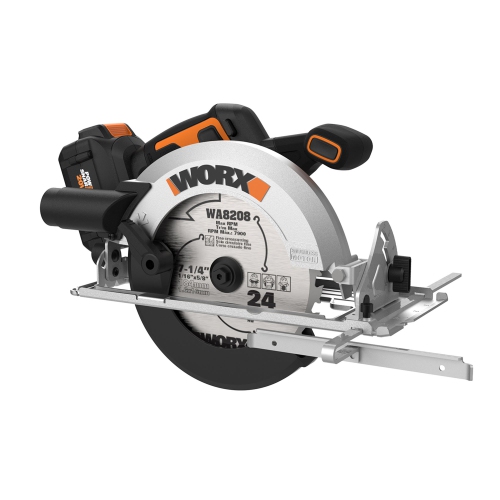
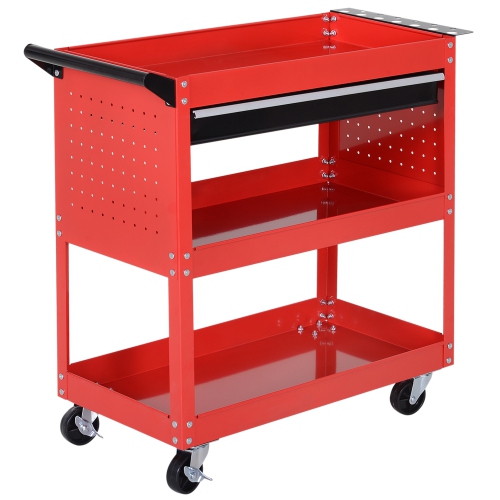
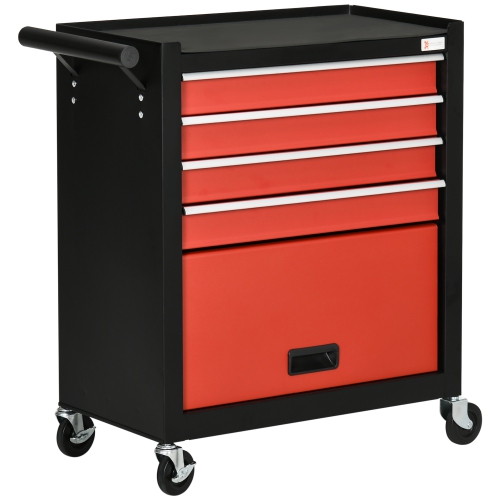
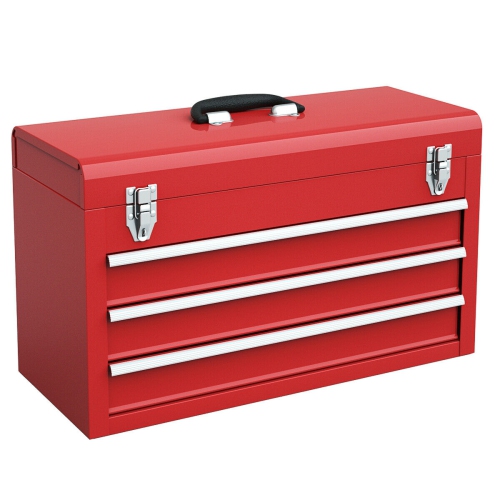
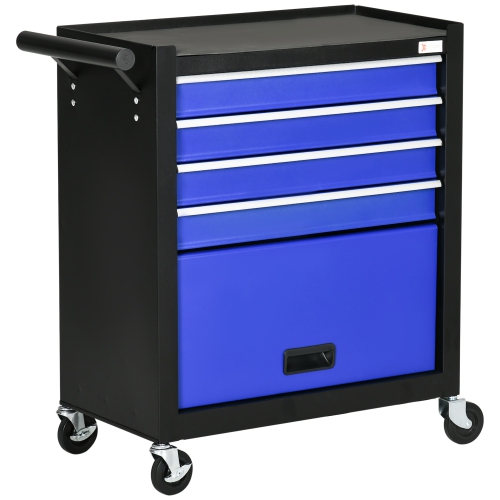
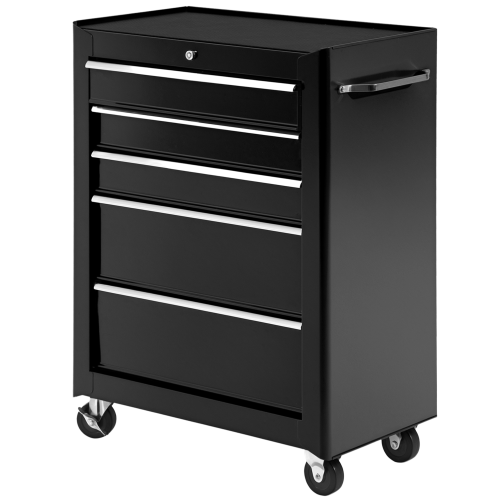
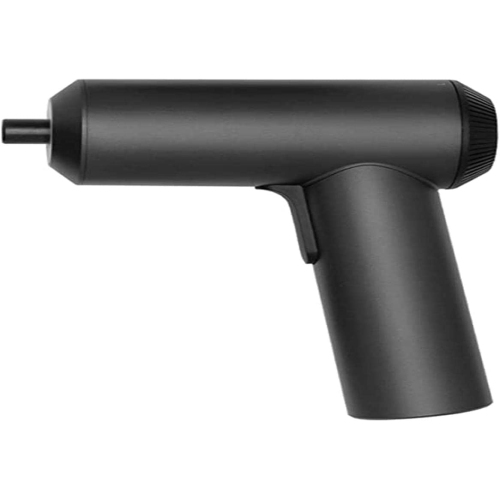
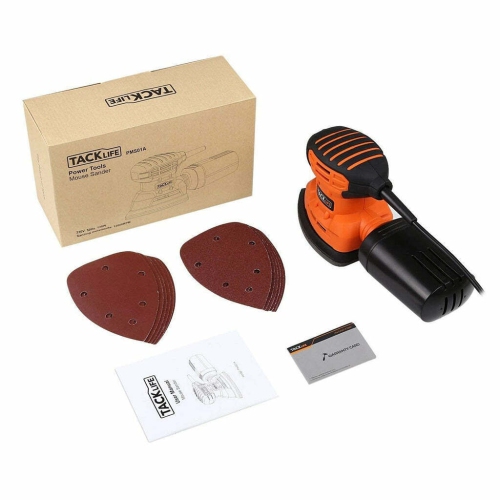
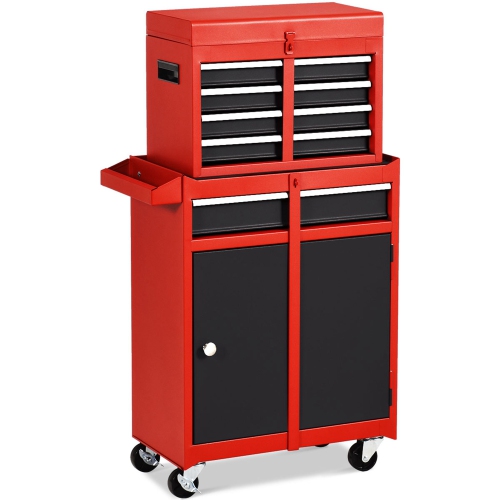
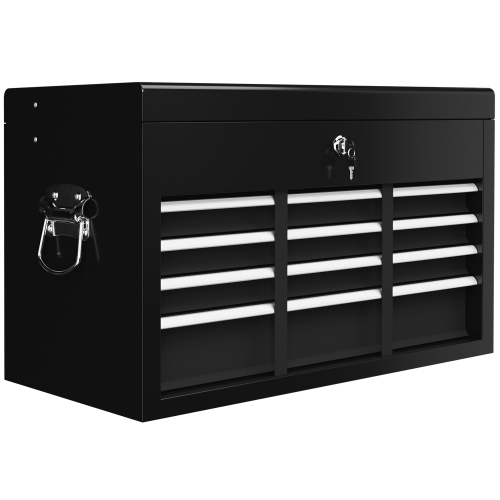
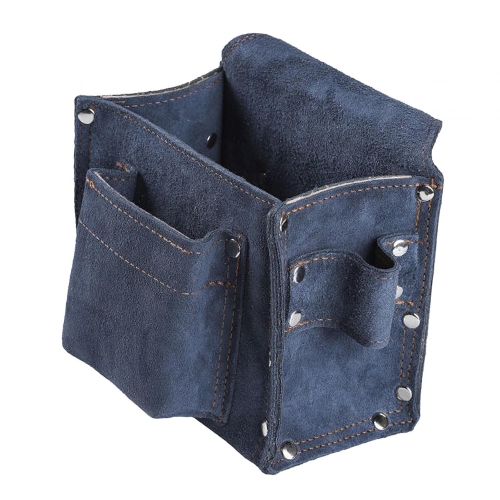
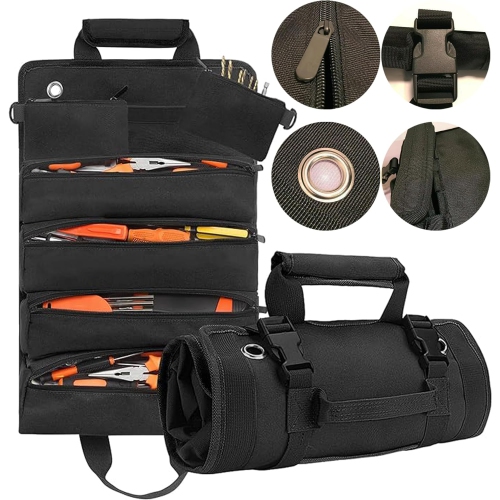
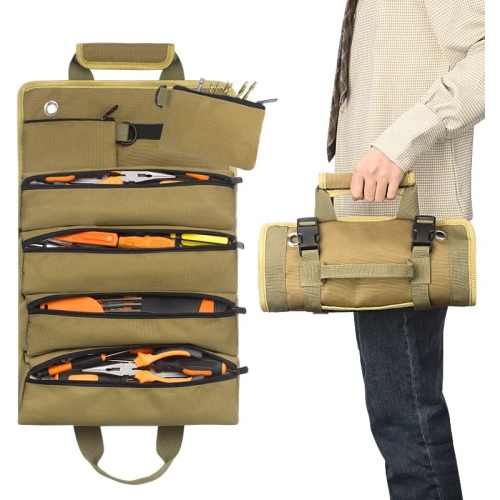
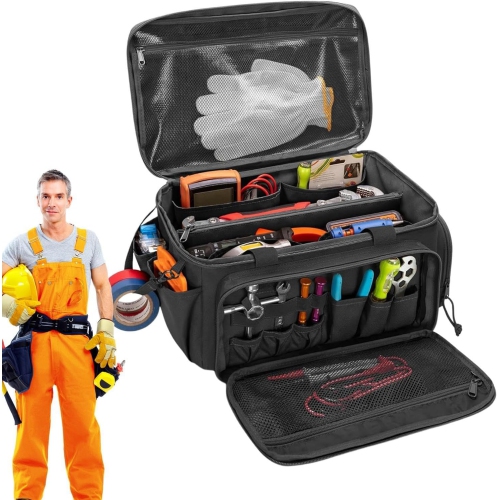
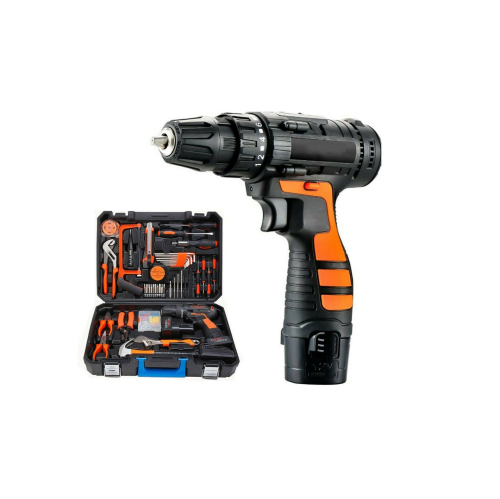
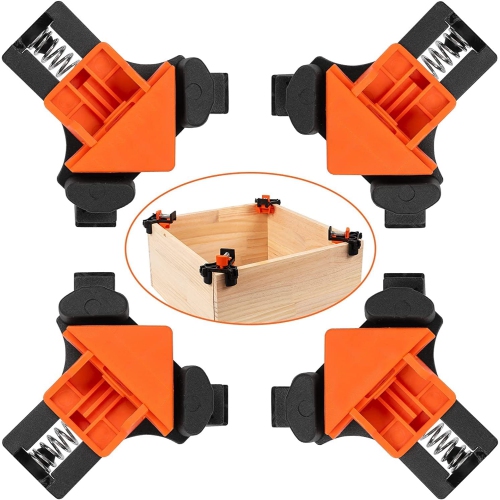
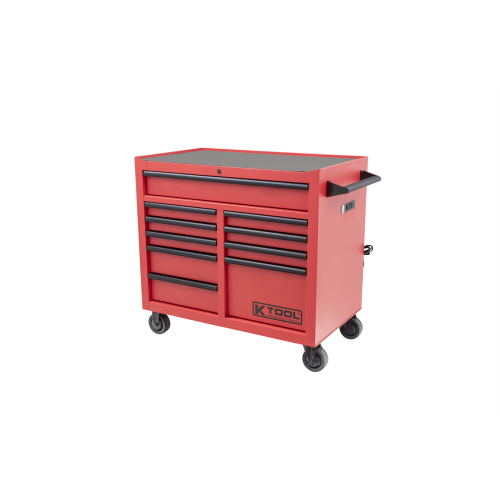
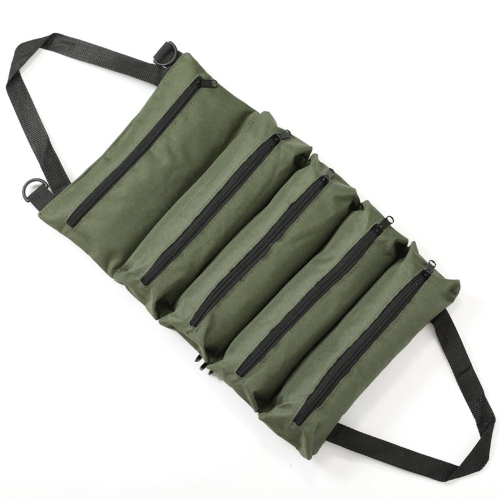
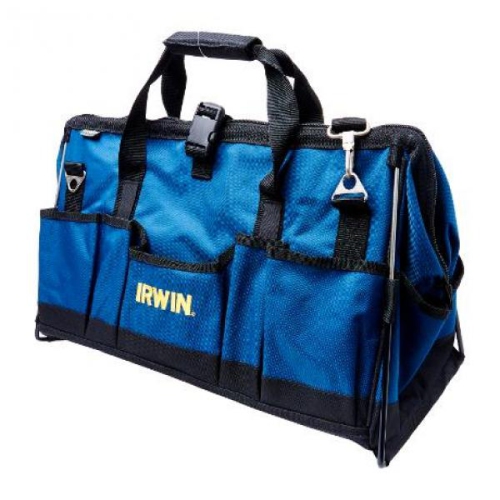
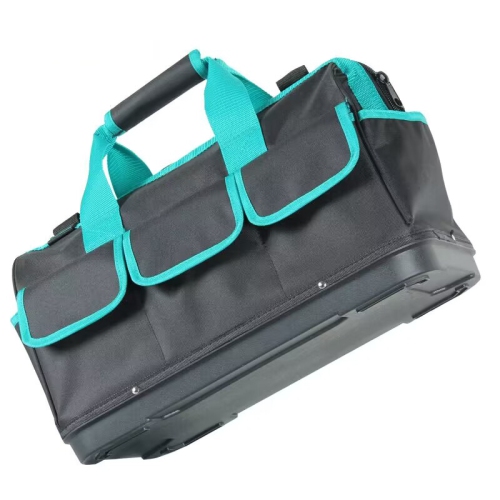
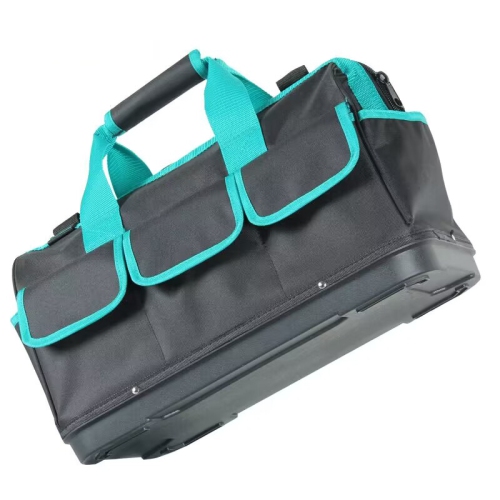
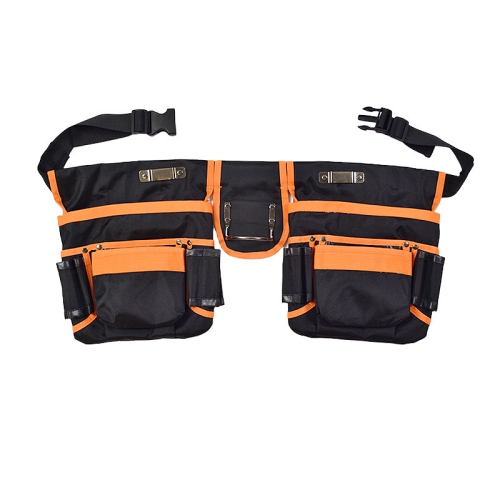
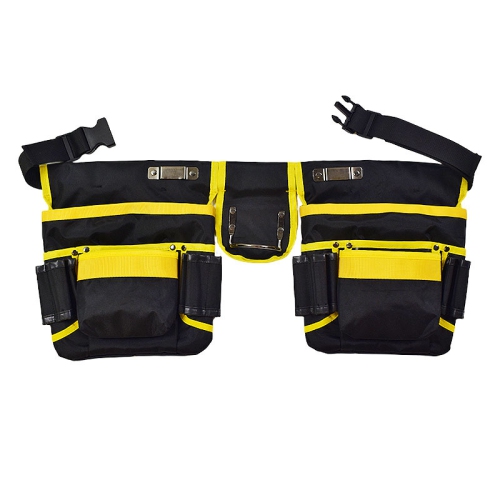
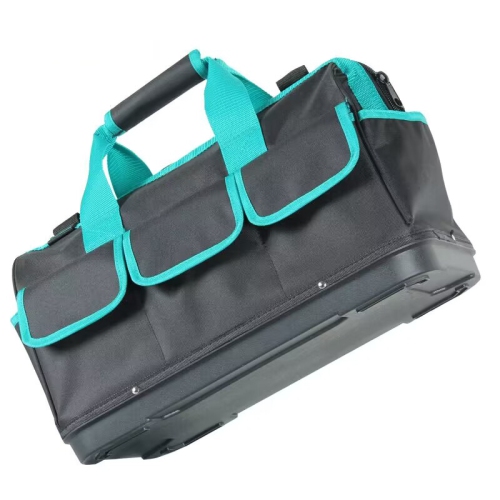
Power tools can add speed and versatility when a project involves repeated fastening, drilling, cutting, or sanding. A cordless drill and driver is often a practical first addition because it can create pilot holes, install screws, and handle a range of household tasks with the right bits. Look for a comfortable design, adjustable speed settings, a clutch for controlling torque, and a battery system that suits the expected workload. For cutting projects, a jigsaw can help create straight lines, curves, and openings in suitable materials, while a circular saw is designed for longer, straighter cuts when used with appropriate support and careful measuring. An orbital sander can smooth rough wood and help prepare surfaces for paint or stain, making it useful for furniture touch-ups, shelving, and small renovation projects. Clamps or a bench vice can hold materials securely while you work, improving control and helping keep cuts and joins consistent. Tool storage matters just as much as the tools themselves: a toolbox, soft-sided bag, drawer organiser, or wall-mounted system can keep bits, blades, fasteners, and measuring tools together instead of scattered across a work surface. During the warmer part of the year, DIY tools may be used for outdoor repairs, deck maintenance, planters, and shed projects; as the weather cools, they can be just as useful for indoor painting, shelving, furniture assembly, and small repairs around the home. If you are buying a gift, a versatile hand-tool set, compact drill, measuring kit, or organised storage solution can be thoughtful for a first-time homeowner, student, renter, hobbyist, or anyone who enjoys learning practical skills.
Safety and suitability should guide every DIY tool purchase and every project. Safety glasses help protect eyes from dust, chips, and debris, while hearing protection is important when using louder power equipment. Work gloves may provide additional grip for certain tasks, but they should never interfere with moving parts, and loose clothing, jewellery, and long hair should be kept away from rotating or cutting equipment. Read the instructions before use, select the correct bit or blade for the material, inspect cords and batteries, and make sure the work area is well lit and free from clutter. A stud finder can help locate framing behind drywall before mounting shelves or televisions, but it should be used alongside careful measuring and an understanding of what may be hidden inside a wall. For cutting or sanding, secure the material firmly and allow the tool to do the work rather than forcing it. Beginners may want to start with smaller projects, such as hanging artwork, repairing a loose cabinet handle, building a simple shelf, or refinishing a small piece of furniture, before moving on to more demanding work. Experienced DIYers may value higher capacity, more precise controls, interchangeable accessories, and tools that can keep pace with regular workshop use. The best collection is not necessarily the largest one; it is the set that matches your projects, space, comfort level, and confidence. With a few reliable essentials, sensible safety equipment, and a place to keep everything organised, DIY tools can turn a bare workbench into a practical starting point for repairs and creative projects throughout the seasons.
Power tools can add speed and versatility when a project involves repeated fastening, drilling, cutting, or sanding. A cordless drill and driver is often a practical first addition because it can create pilot holes, install screws, and handle a range of household tasks with the right bits. Look for a comfortable design, adjustable speed settings, a clutch for controlling torque, and a battery system that suits the expected workload. For cutting projects, a jigsaw can help create straight lines, curves, and openings in suitable materials, while a circular saw is designed for longer, straighter cuts when used with appropriate support and careful measuring. An orbital sander can smooth rough wood and help prepare surfaces for paint or stain, making it useful for furniture touch-ups, shelving, and small renovation projects. Clamps or a bench vice can hold materials securely while you work, improving control and helping keep cuts and joins consistent. Tool storage matters just as much as the tools themselves: a toolbox, soft-sided bag, drawer organiser, or wall-mounted system can keep bits, blades, fasteners, and measuring tools together instead of scattered across a work surface. During the warmer part of the year, DIY tools may be used for outdoor repairs, deck maintenance, planters, and shed projects; as the weather cools, they can be just as useful for indoor painting, shelving, furniture assembly, and small repairs around the home. If you are buying a gift, a versatile hand-tool set, compact drill, measuring kit, or organised storage solution can be thoughtful for a first-time homeowner, student, renter, hobbyist, or anyone who enjoys learning practical skills.
Safety and suitability should guide every DIY tool purchase and every project. Safety glasses help protect eyes from dust, chips, and debris, while hearing protection is important when using louder power equipment. Work gloves may provide additional grip for certain tasks, but they should never interfere with moving parts, and loose clothing, jewellery, and long hair should be kept away from rotating or cutting equipment. Read the instructions before use, select the correct bit or blade for the material, inspect cords and batteries, and make sure the work area is well lit and free from clutter. A stud finder can help locate framing behind drywall before mounting shelves or televisions, but it should be used alongside careful measuring and an understanding of what may be hidden inside a wall. For cutting or sanding, secure the material firmly and allow the tool to do the work rather than forcing it. Beginners may want to start with smaller projects, such as hanging artwork, repairing a loose cabinet handle, building a simple shelf, or refinishing a small piece of furniture, before moving on to more demanding work. Experienced DIYers may value higher capacity, more precise controls, interchangeable accessories, and tools that can keep pace with regular workshop use. The best collection is not necessarily the largest one; it is the set that matches your projects, space, comfort level, and confidence. With a few reliable essentials, sensible safety equipment, and a place to keep everything organised, DIY tools can turn a bare workbench into a practical starting point for repairs and creative projects throughout the seasons.
Top selling and popular products
-
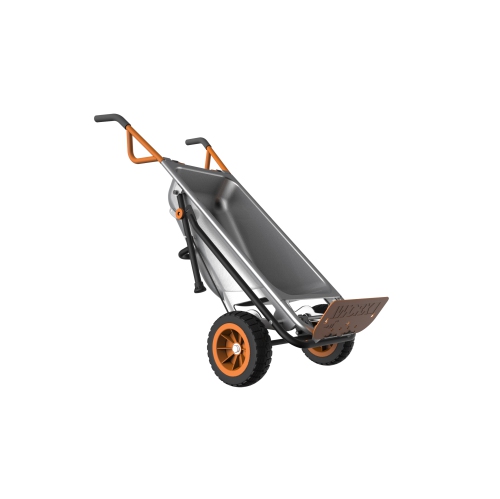 Your price for this item is $329.99
 -
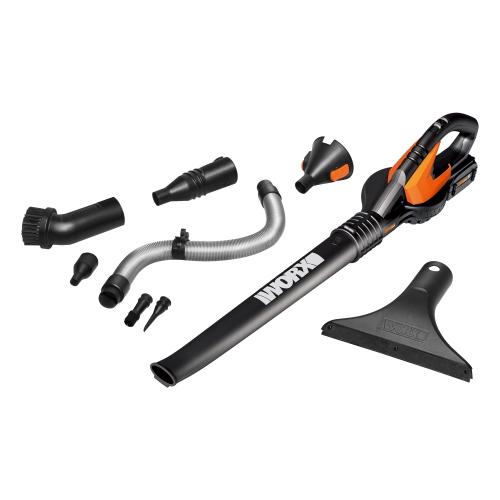 Your price for this item is $189.99
 -
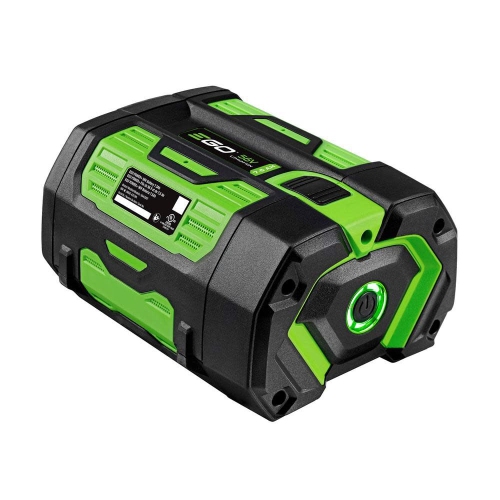 Your price for this item is $449.99
 -
 Your price for this item is $359.99
 -
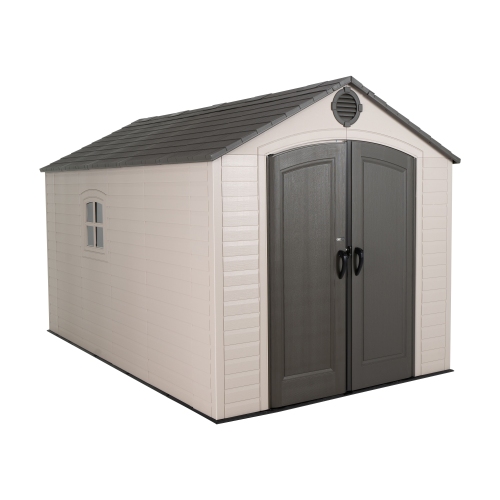 Your price for this item is $3028.99
 -
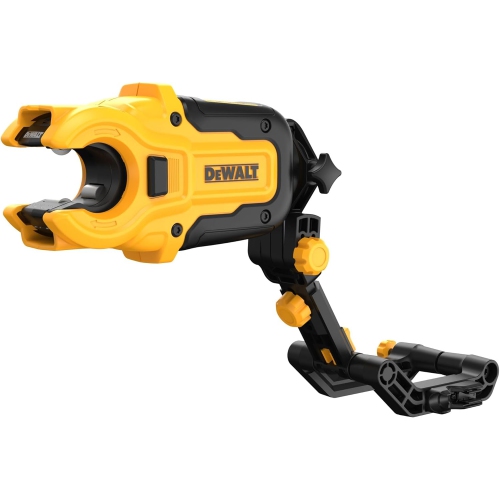 Your price for this item is $94.99
 -
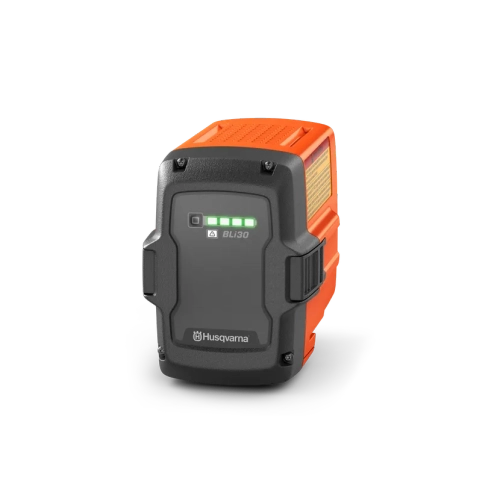 Your price for this item is $299.99
 -
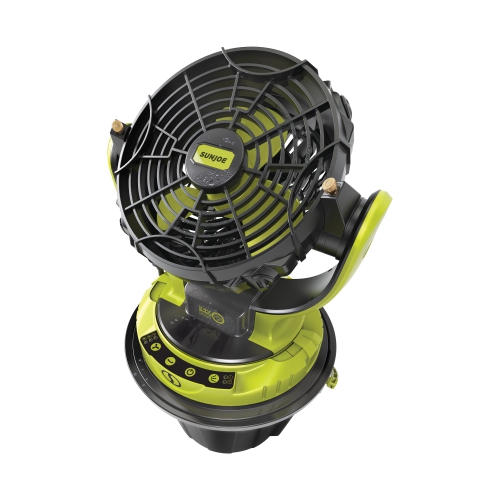 Your price for this item is $189.99
Discover more categories related to Diy Tools
Top Collections:
Pokemon Centers, Kindle Devices, Best Budget Office Chairs, Apple iPhones 16, Best Laptops for Writers, iPhone 15 Apple, Canon G7X Cameras, Refurbished Apple Laptops, Alarm Clock, Motorola Razr Phones
Some products may be subject to Environmental Handling Fees
(EHF) depending on your province.
Learn more about EHFs.