Dog Exercise Equipment
For pet owners looking to keep their furry friends active and healthy, our collection of dog exercise equipment offers a variety of options to suit every pup's needs. From agility training sets to interactive toys and portable playpens, you'll find everything you need to create a fun and engaging workout routine for your canine companion. Whether you're looking to improve your dog's physical fitness, mental stimulation, or simply provide them with hours of entertainment, our range of dog exercise equipment has something for every breed and size. Browse through our selection and discover the perfect tools to help your dog stay happy, healthy, and full of energy.
Sort

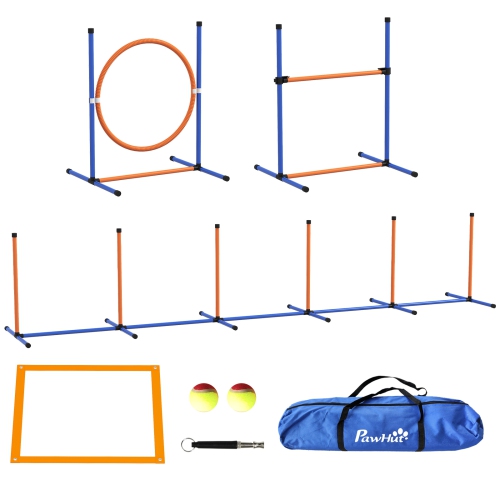
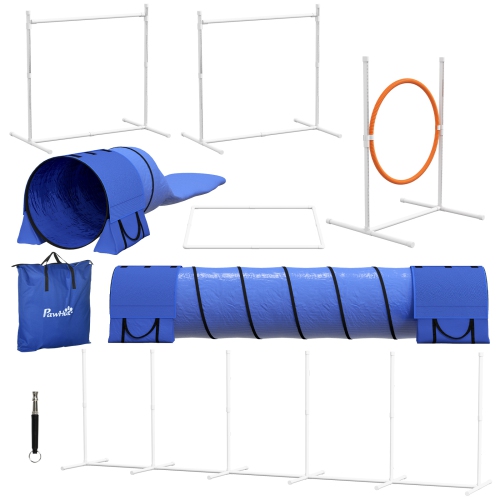
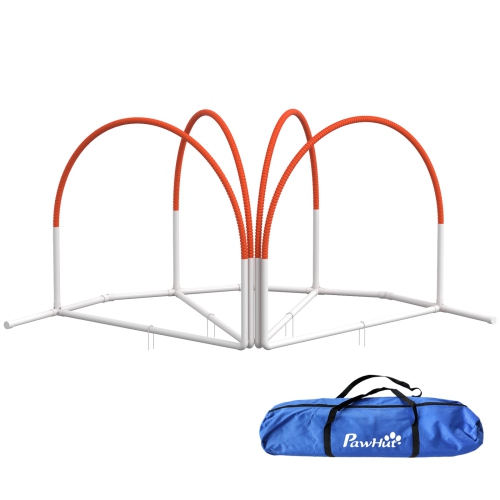

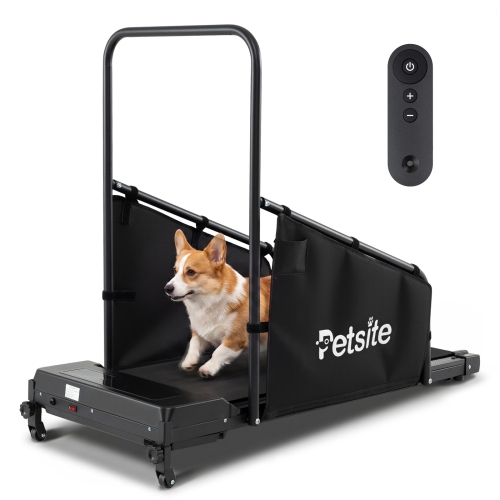


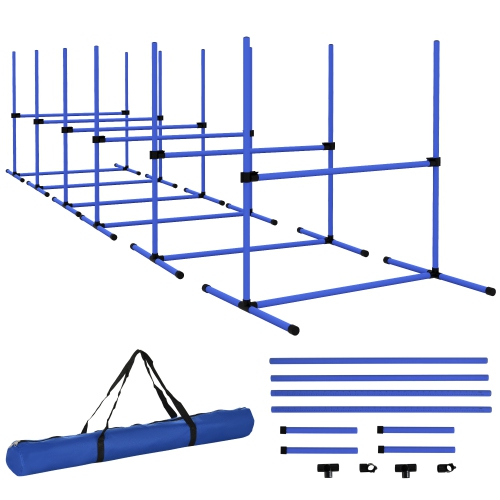

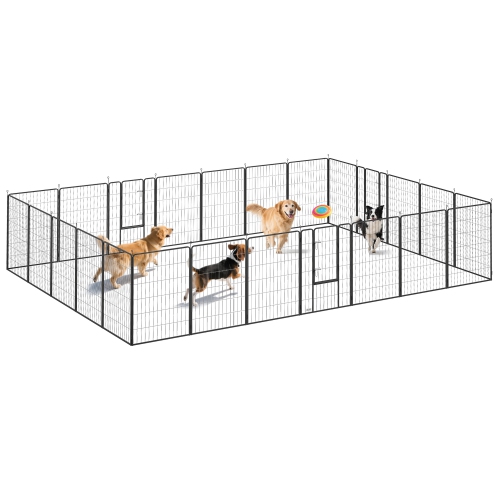

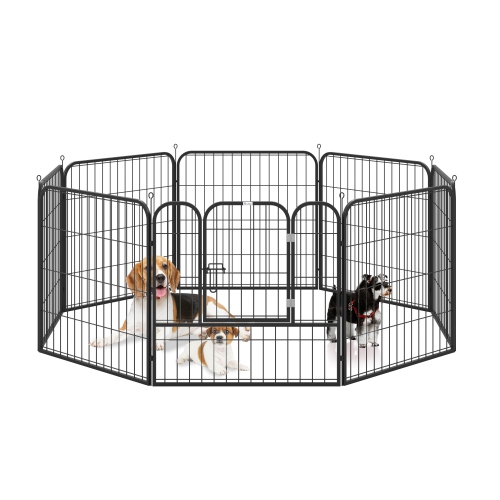
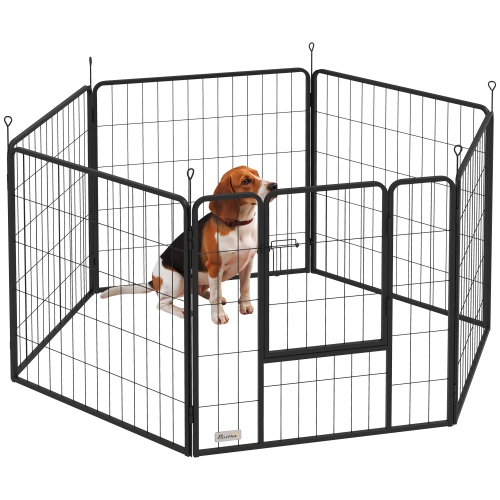


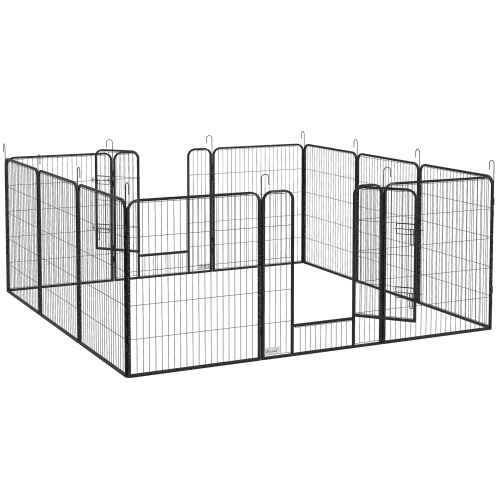

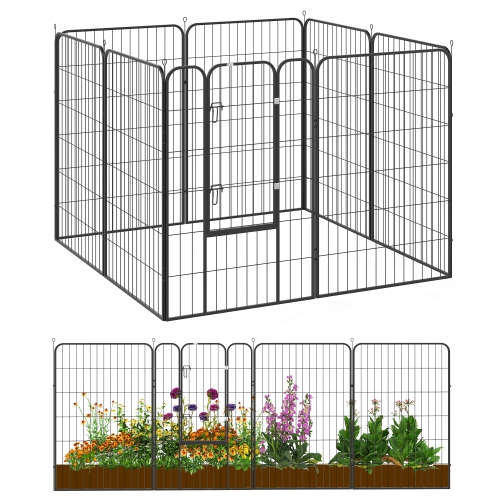
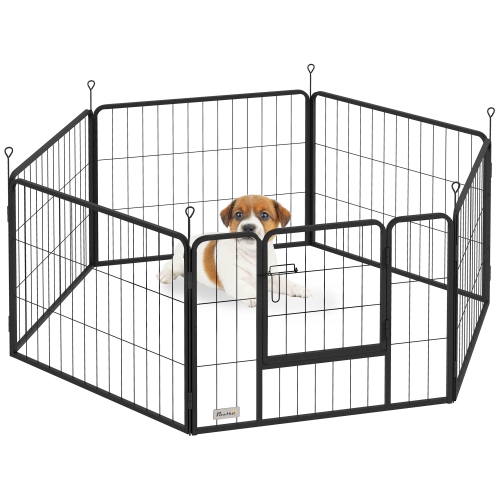
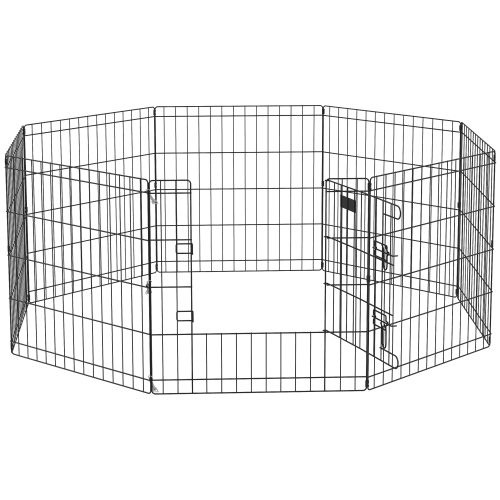
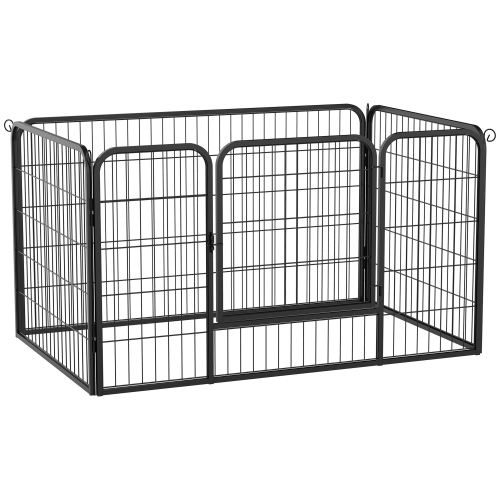
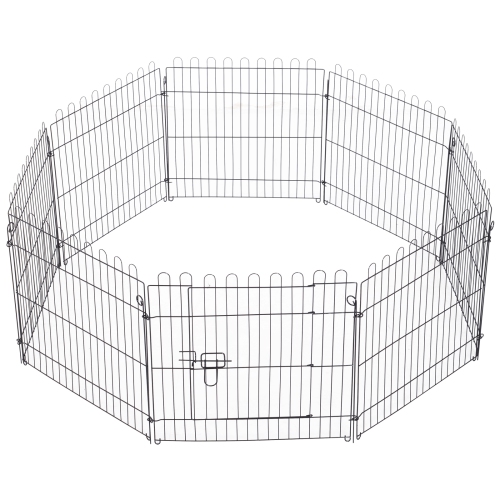
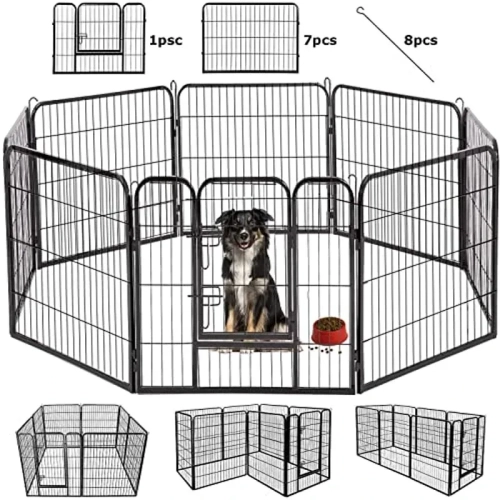
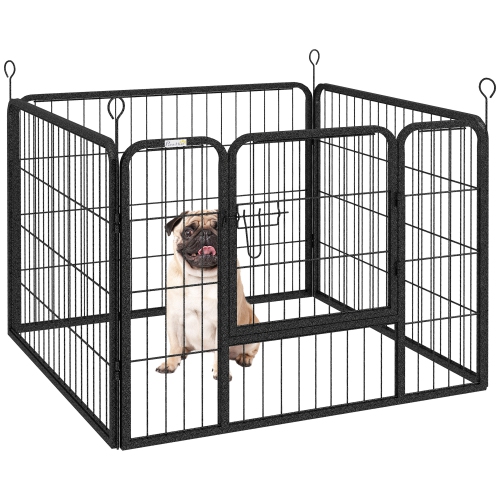


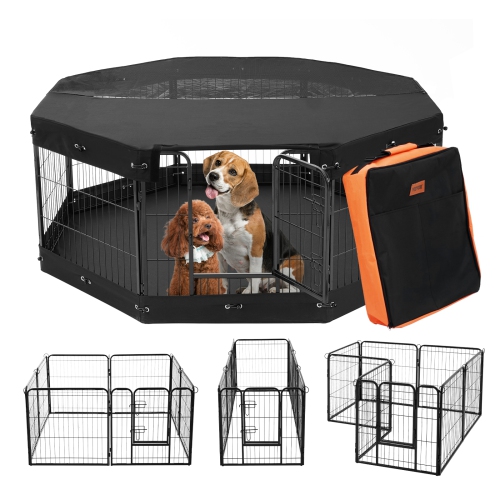


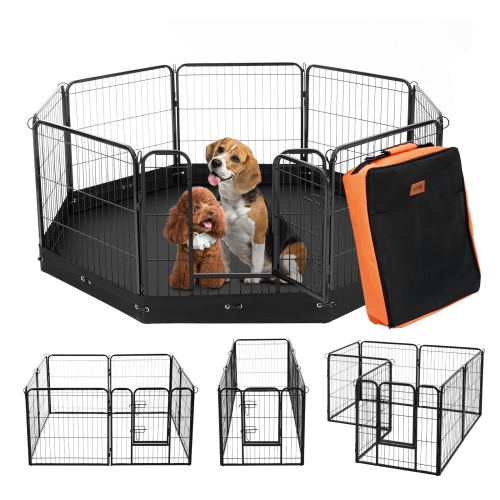
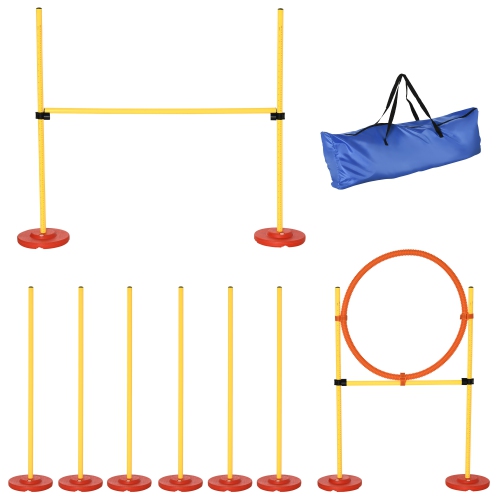


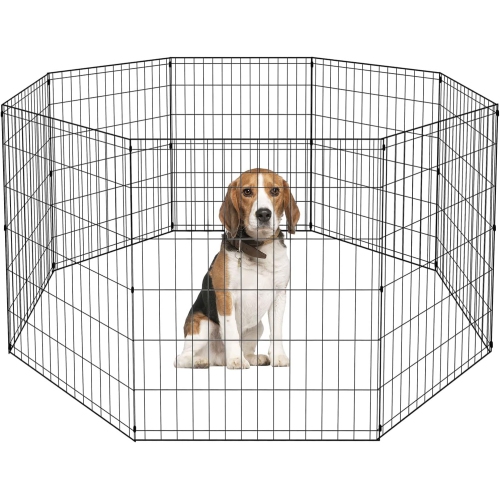
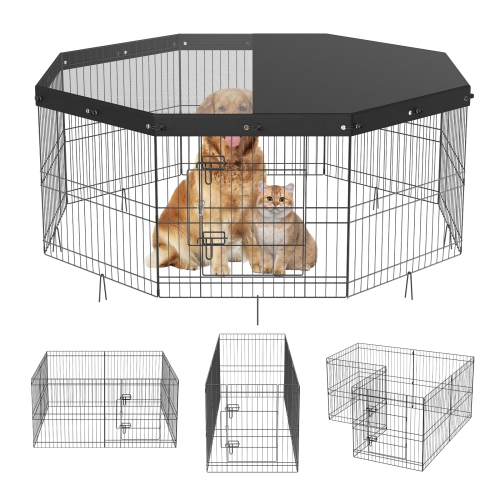

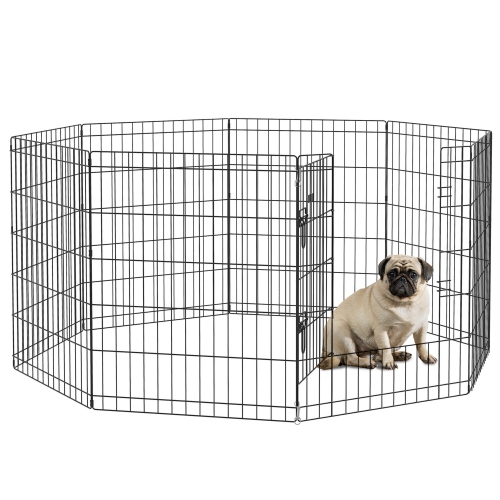
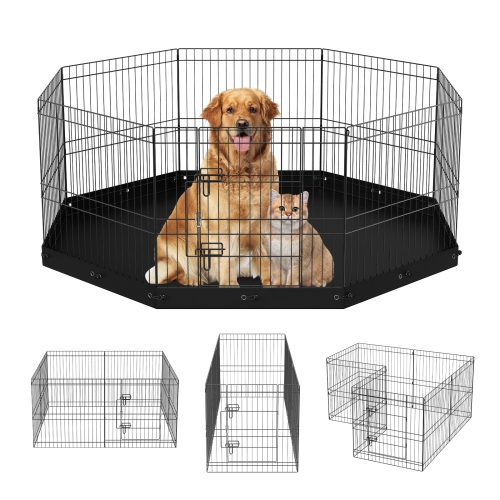


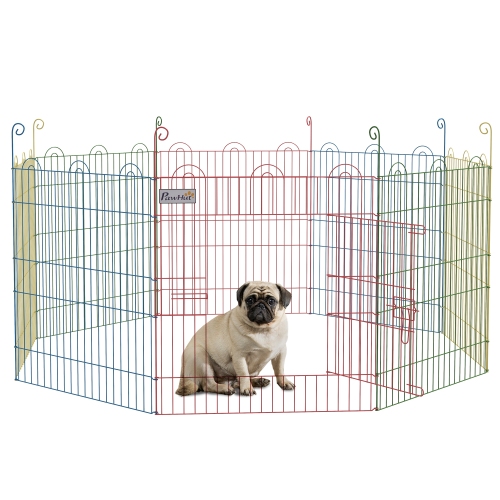
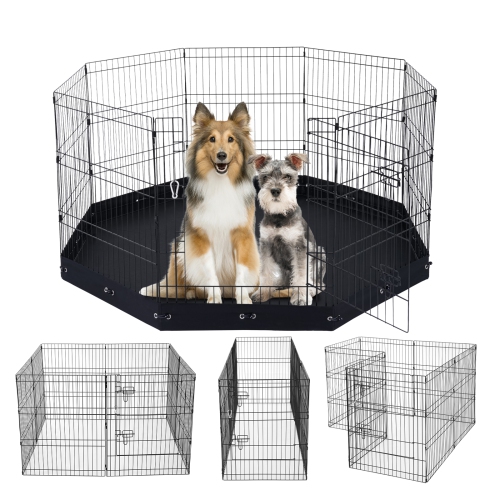


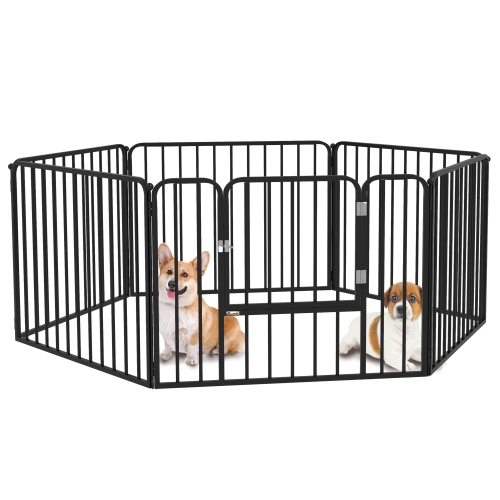

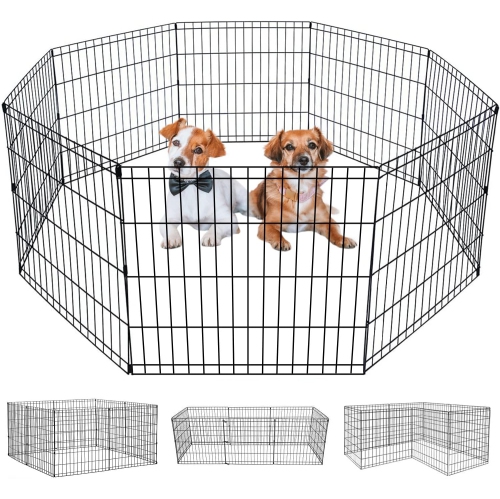
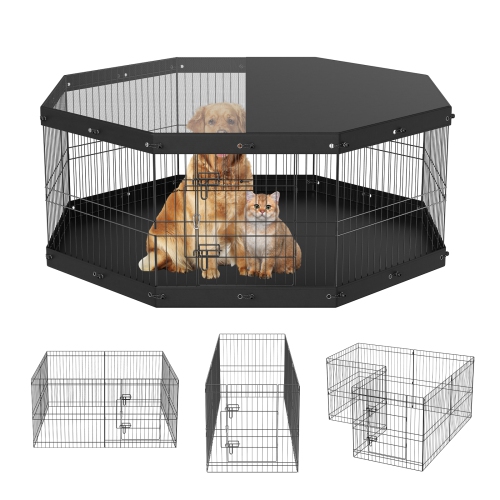
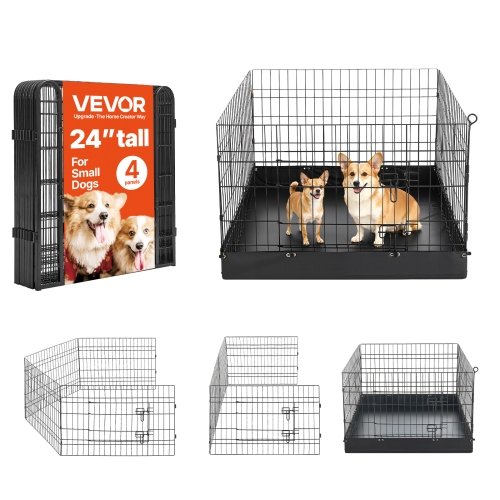
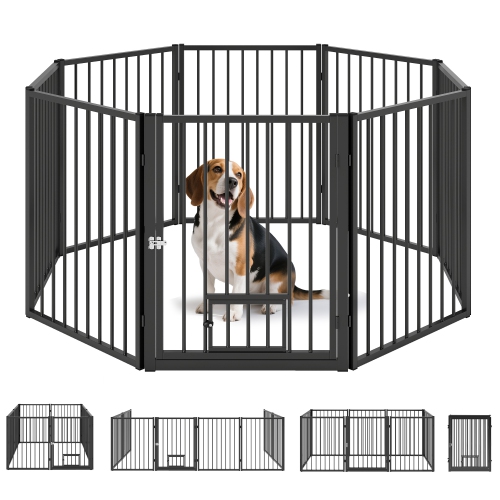
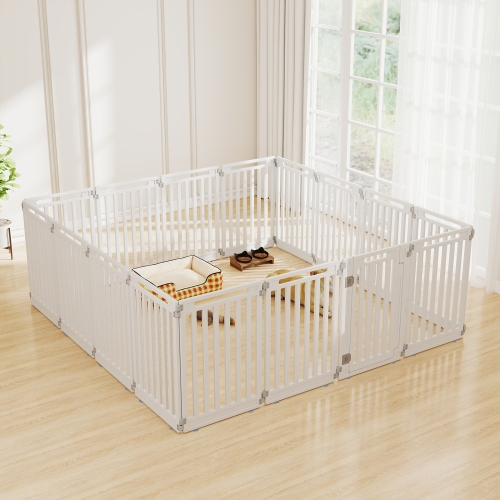
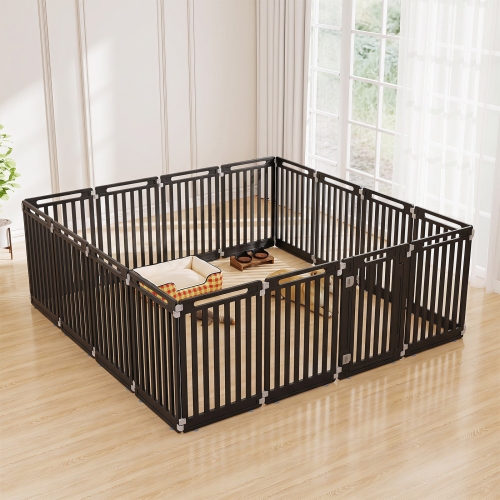

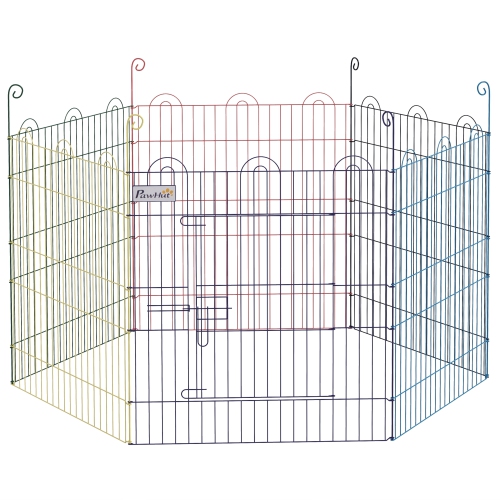

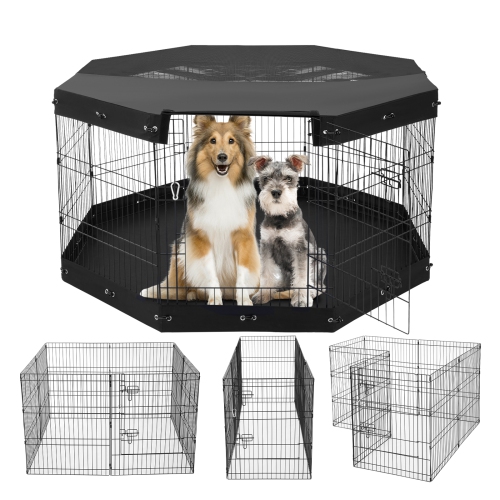
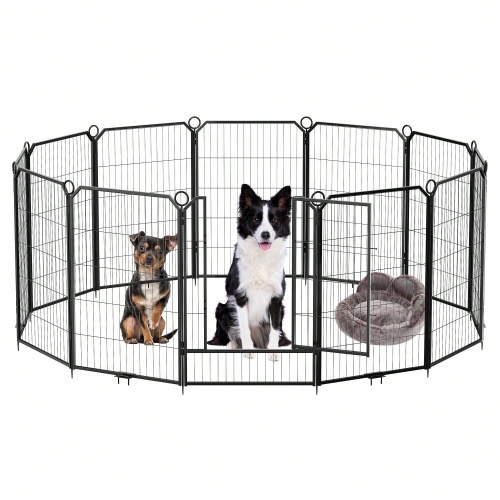
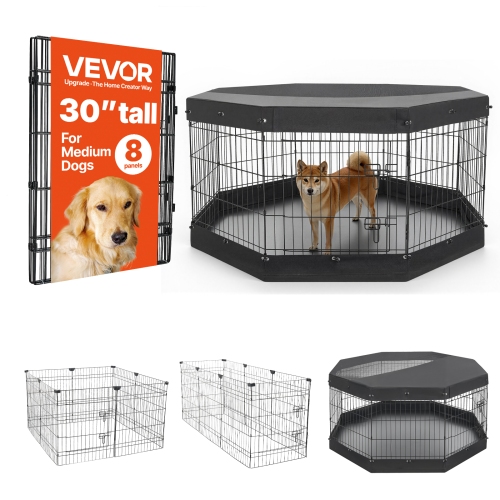
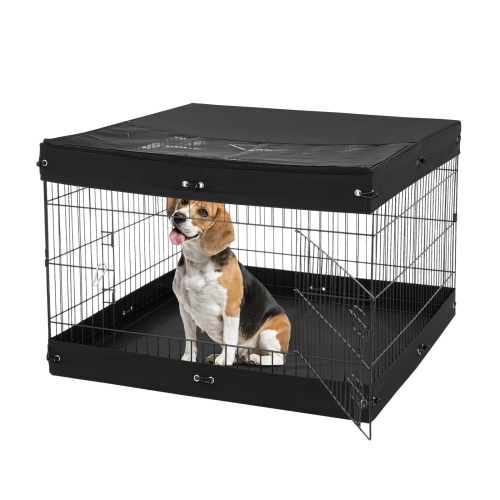
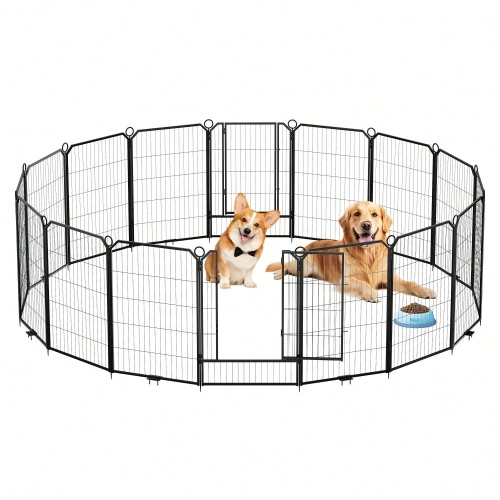
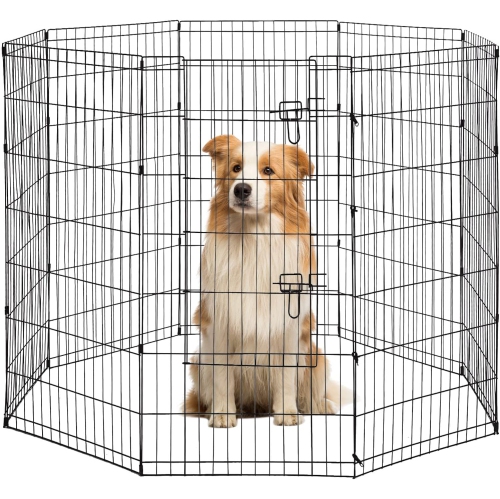
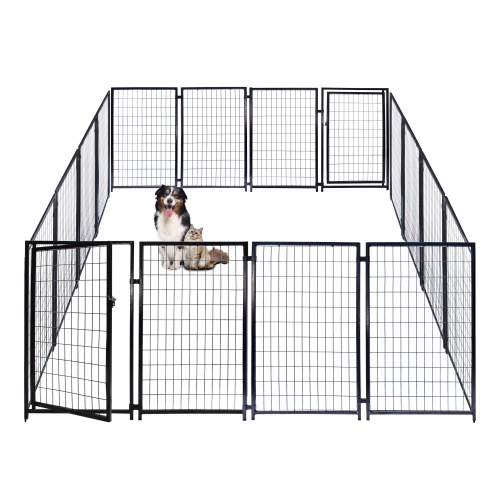

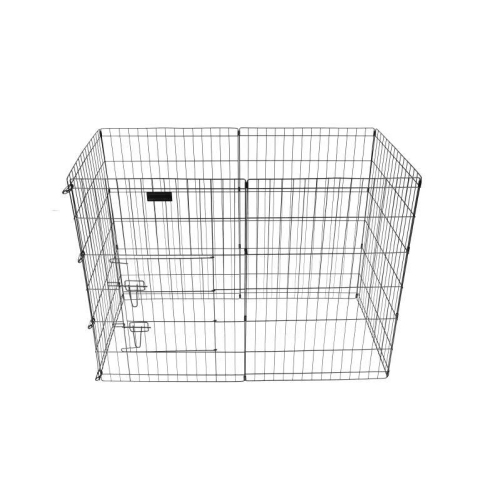
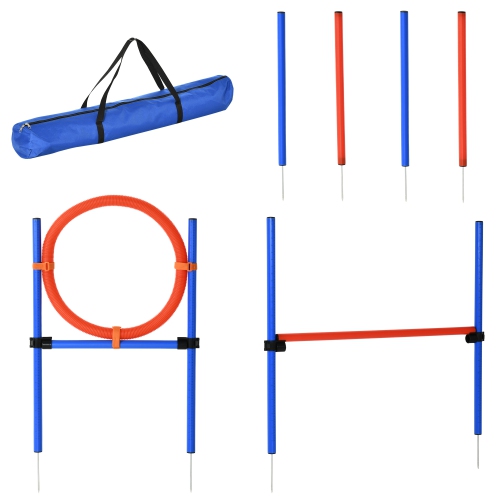

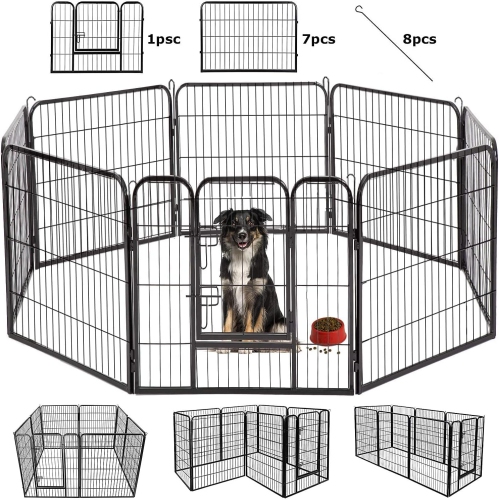
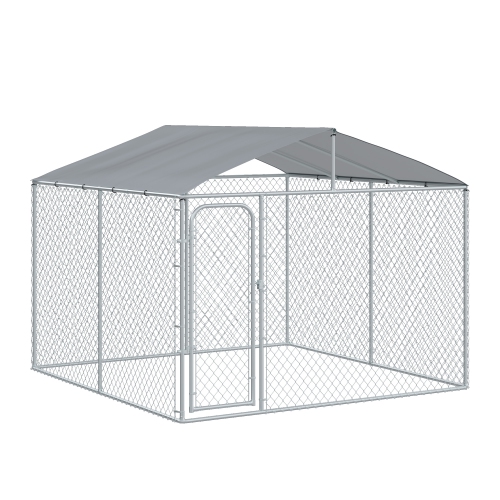
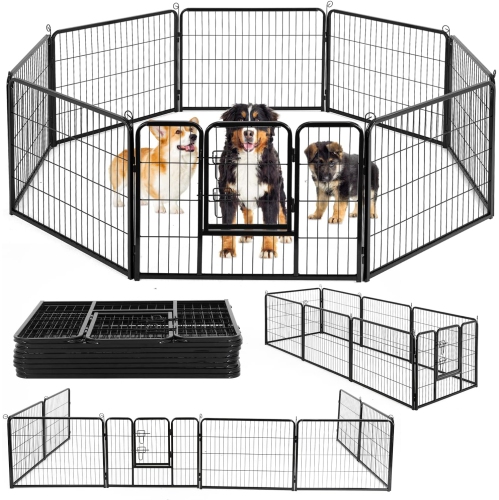
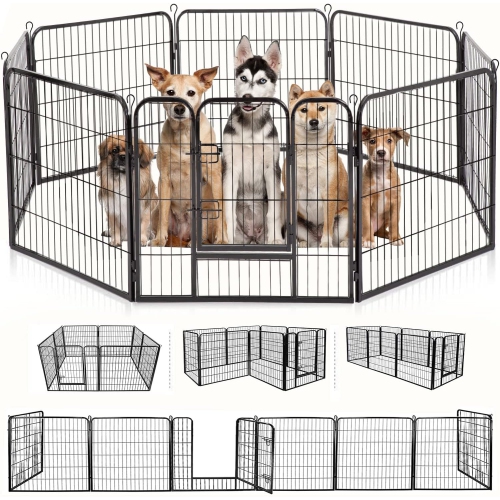
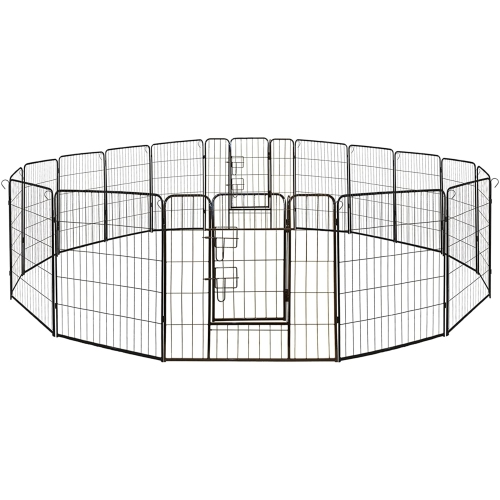

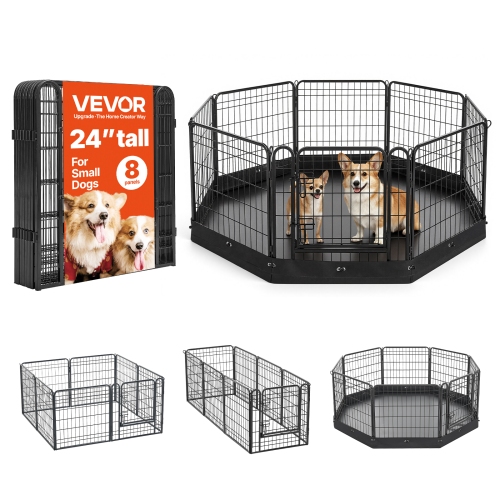
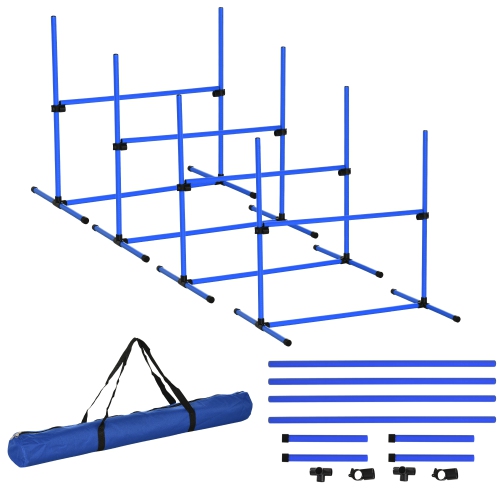

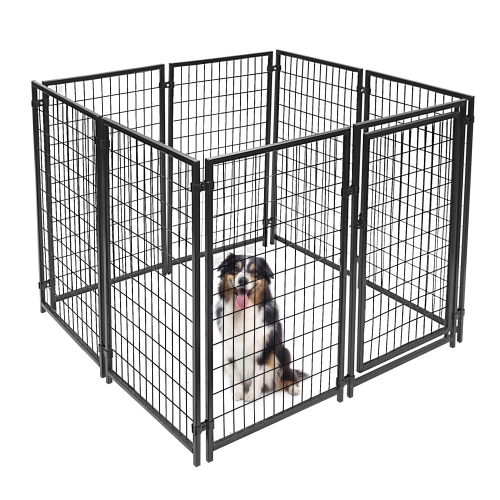
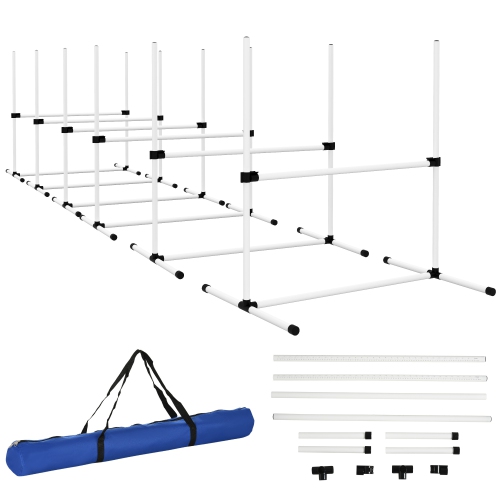
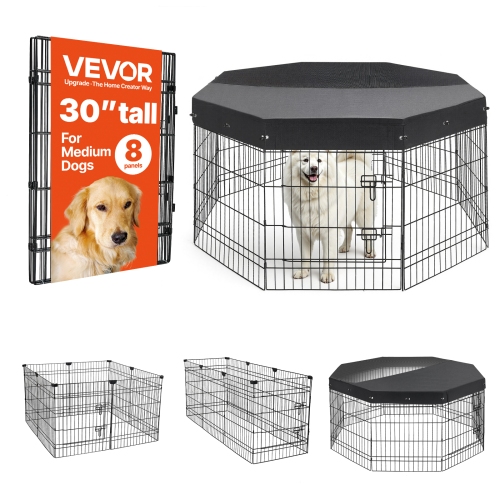
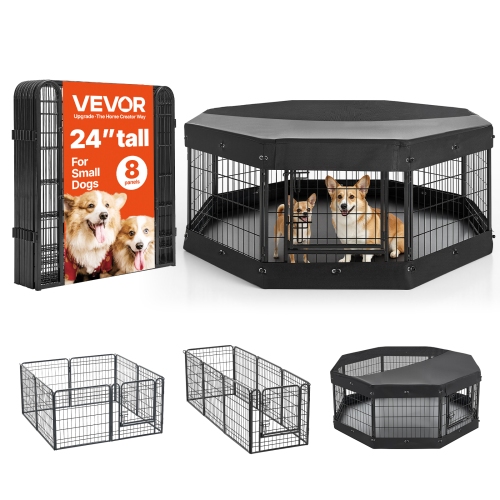
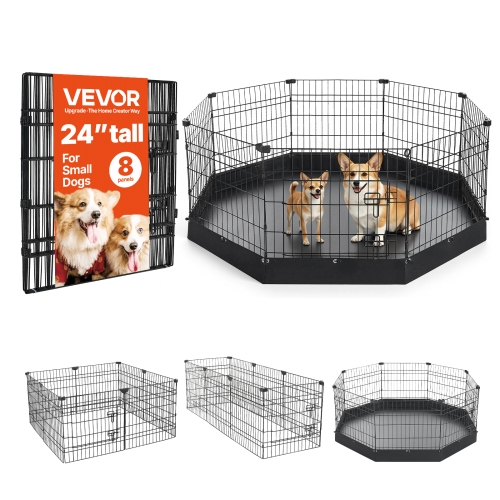
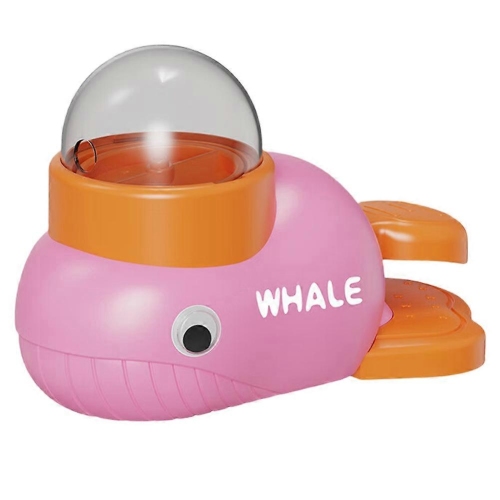
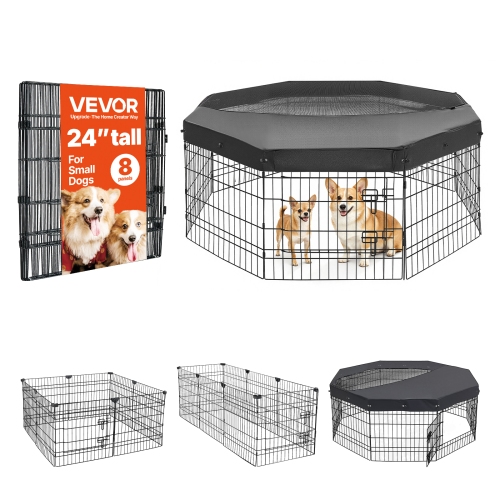
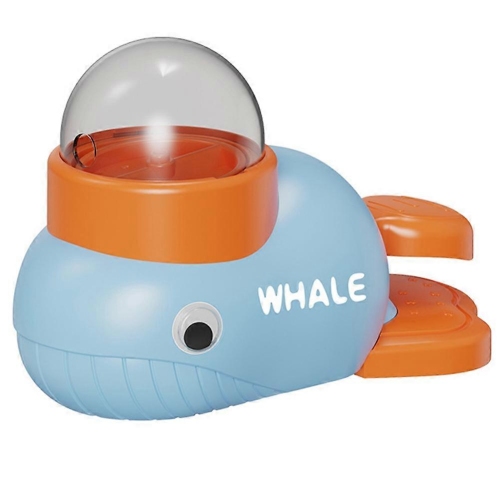
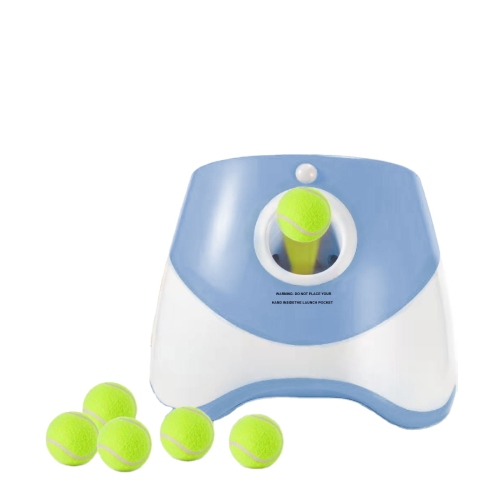
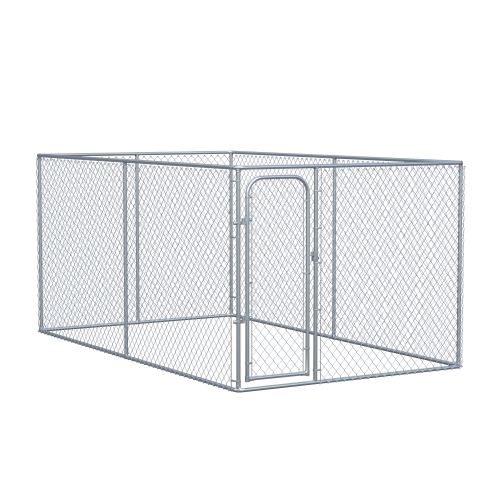
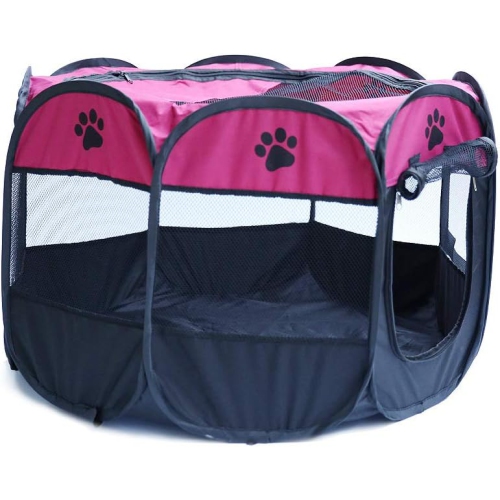
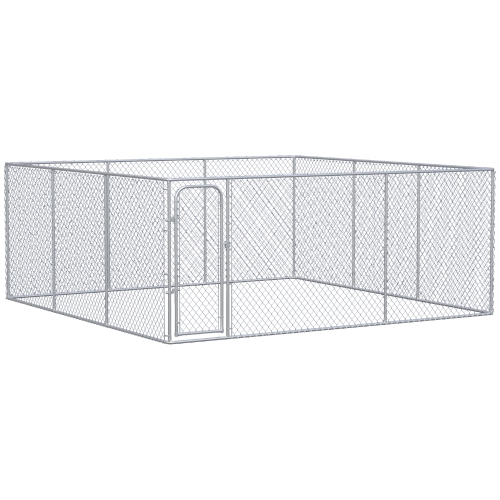
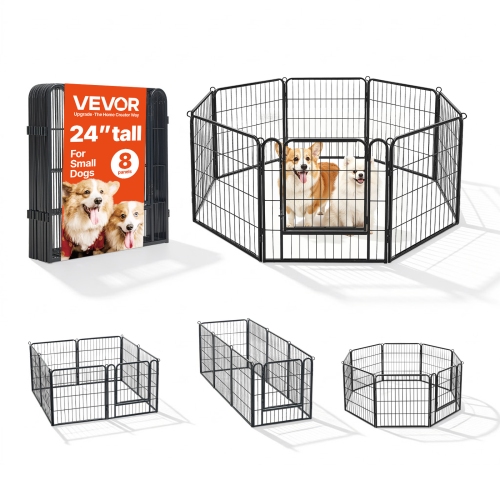
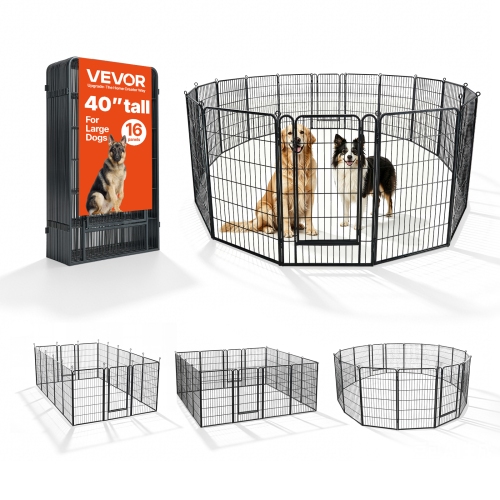


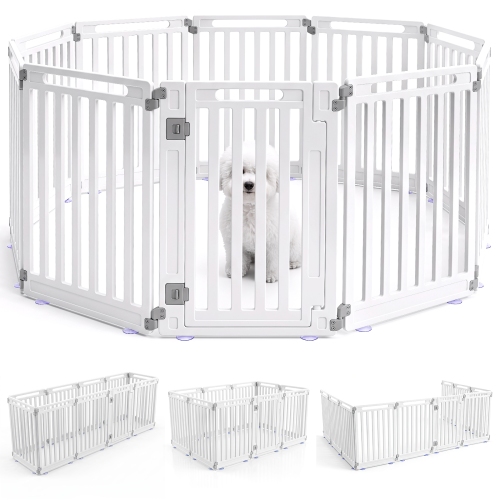
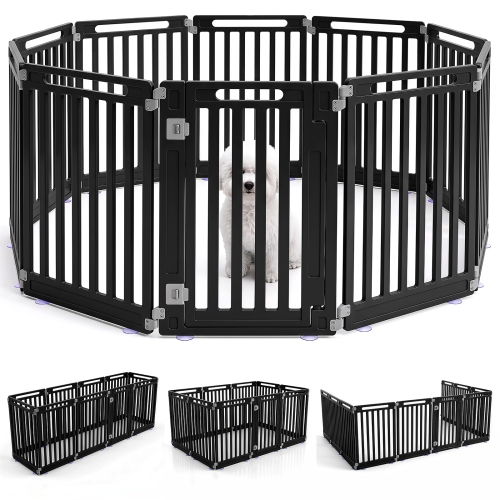
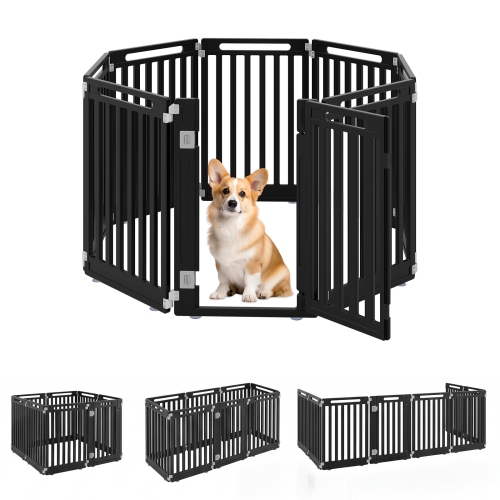
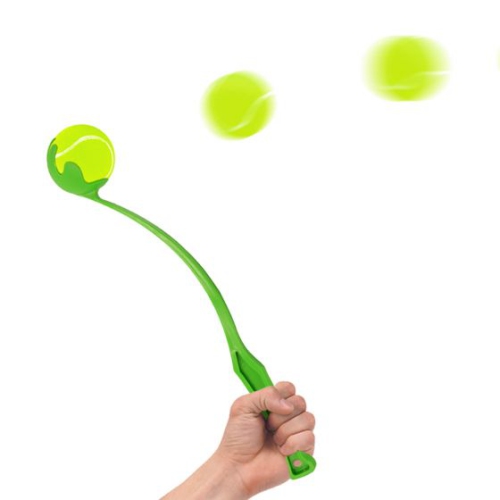
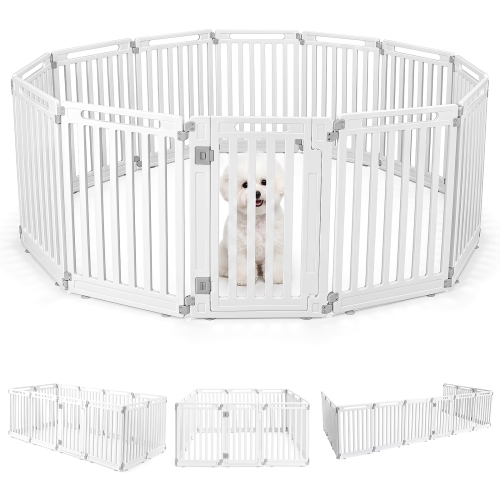
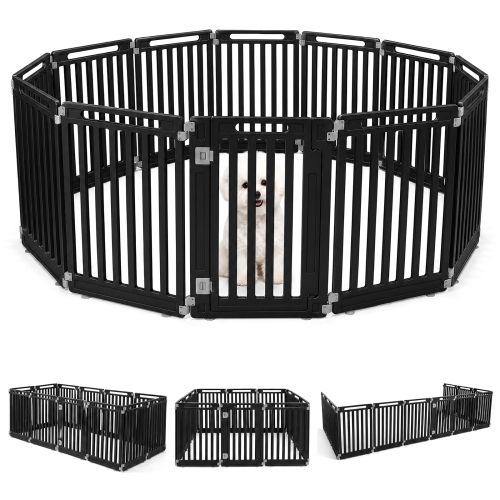
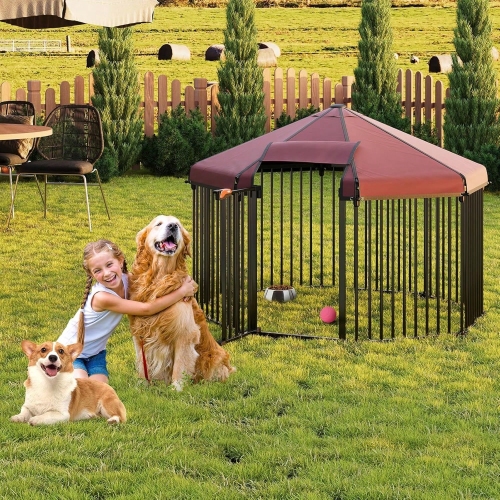
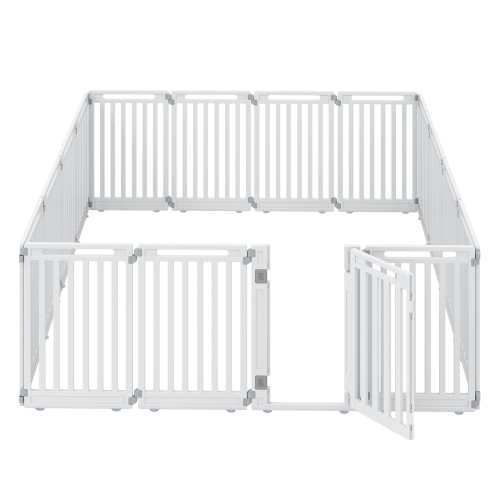
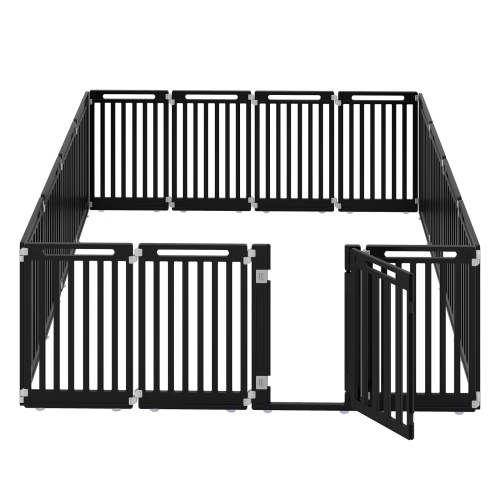
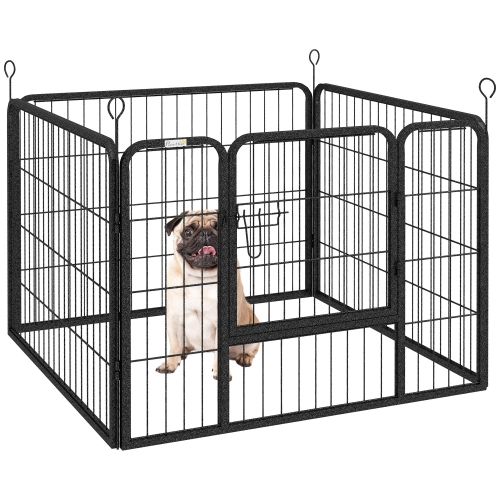
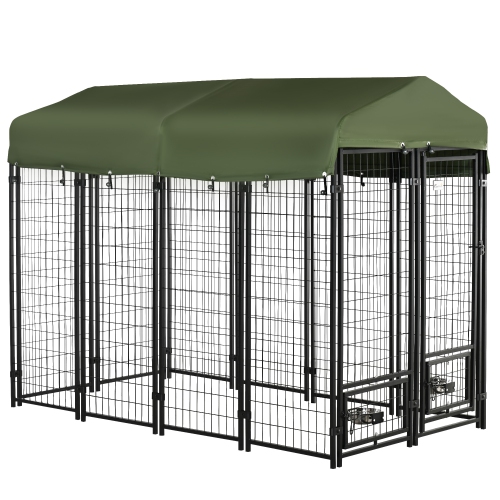

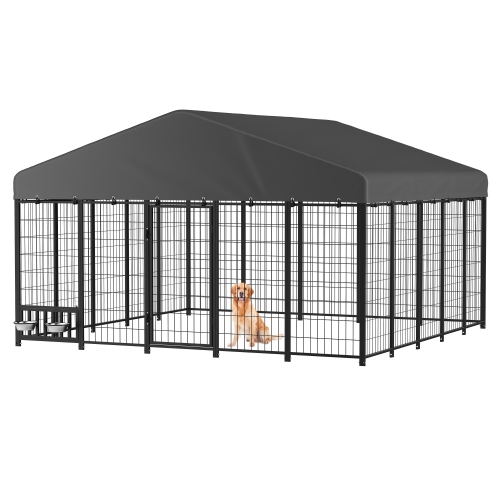
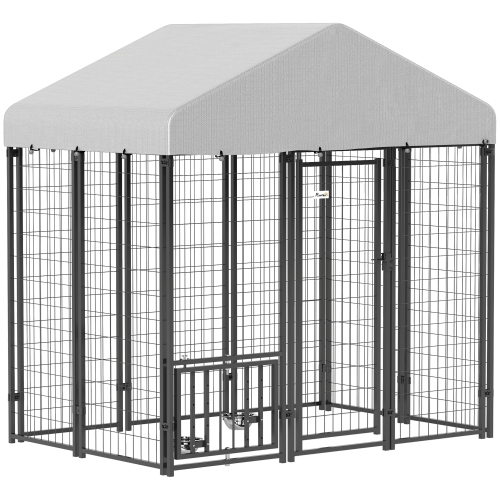

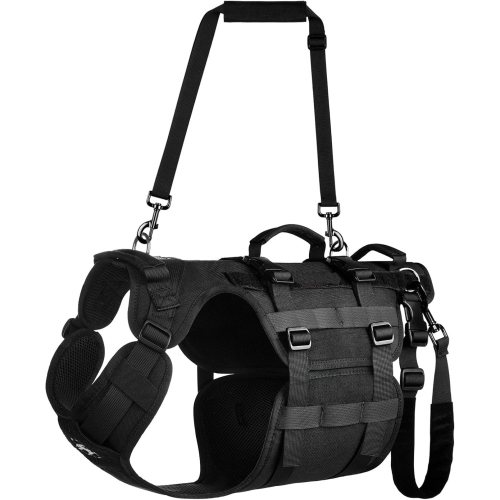


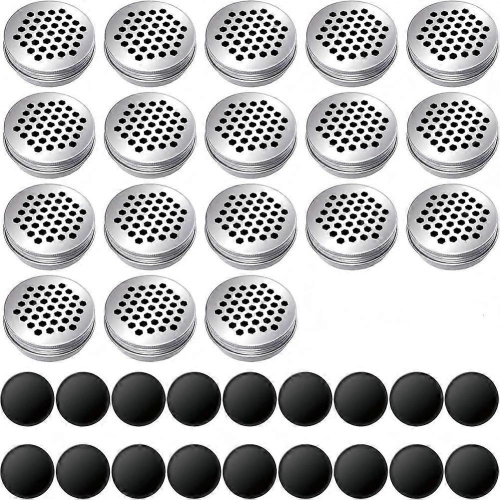
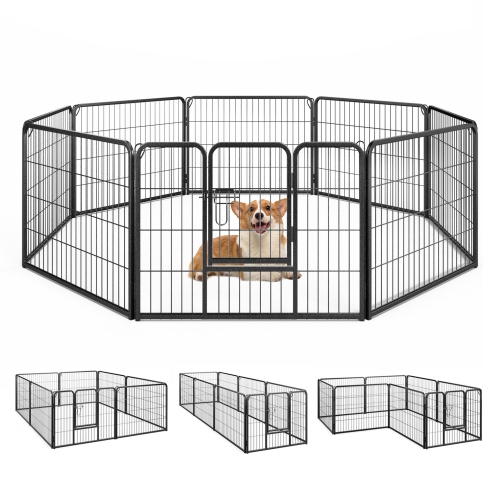
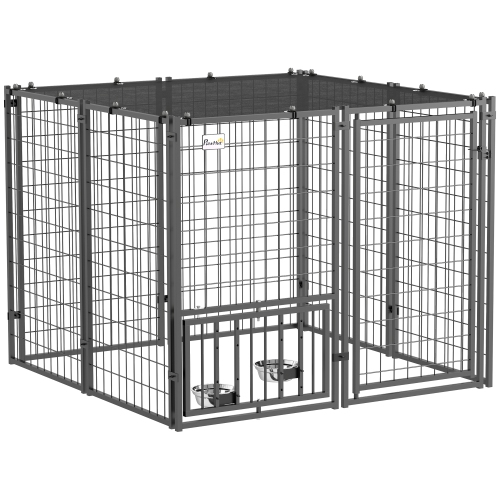
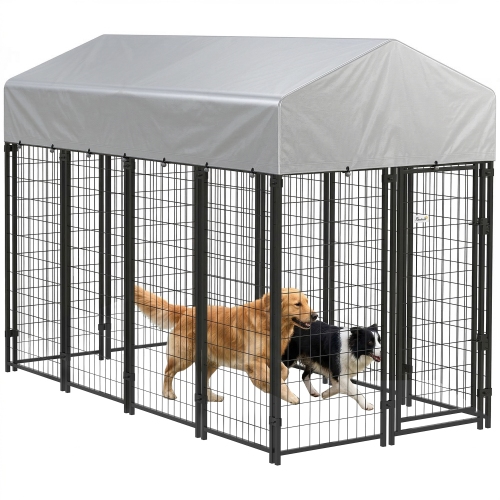
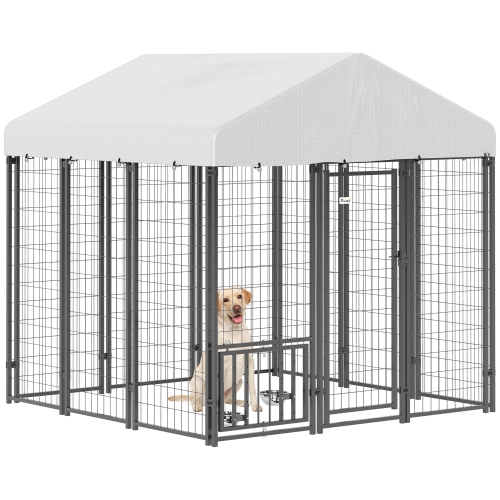
Active play that fits your dog’s abilities and space
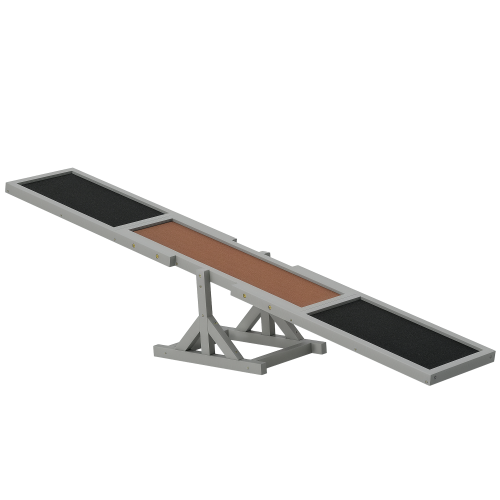
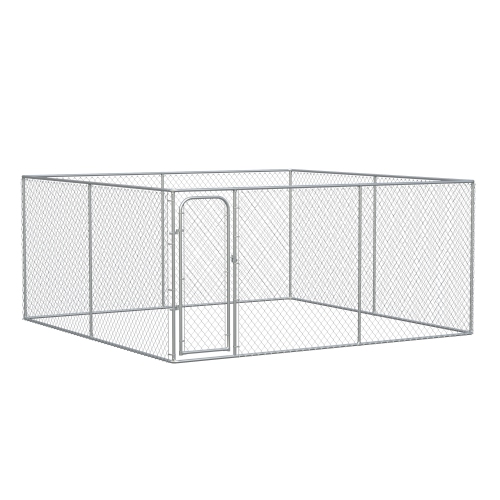
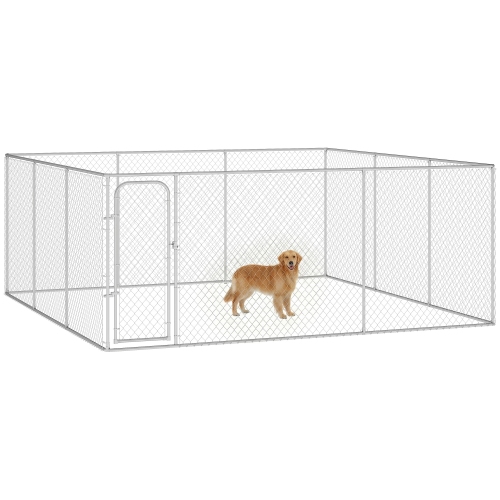
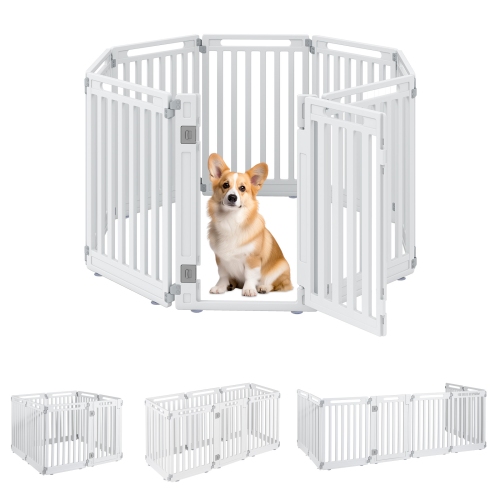
Dog exercise equipment includes treadmills, agility tunnels, hurdles, chase toys, and balance equipment designed to support movement, coordination, and active play. These tools give everyday activity more variety, whether a dog enjoys following a moving toy across the grass or concentrating on careful steps over a low obstacle. Different types of equipment serve different purposes: a treadmill provides a controlled walking surface, agility equipment encourages movement through a sequence of obstacles, and balance pads introduce small changes in footing that challenge body awareness. The best fit depends on the dog’s size, age, health, confidence, and usual activity level, as well as the space where the equipment will be used. A young adult dog with plenty of energy may enjoy short sessions of chasing and recall practice, while an older dog may be more comfortable with gentle walking and simple ground-level activities. Puppies need age-appropriate movement rather than repetitive jumping or strenuous conditioning, particularly while they are still growing. Exercise equipment can complement walks, sniffing outings, and social interaction, but it does not replace those experiences. It can also give a familiar routine a useful indoor option during the cooler months, when slippery paths or an early sunset make some outdoor activities less practical. In a home with limited floor space, compact equipment that folds or packs away may be easier to work into daily life than a large permanent setup. A fenced yard offers room for longer movement patterns, although secure boundaries and suitable footing still matter. For households with more than one dog, equipment should suit each animal individually; the same opening, running surface, or obstacle height may not work for both a small terrier and a tall retriever. A few well-matched pieces can create opportunities for shared activity without turning every play session into a demanding workout. Comfort, willing participation, and an appropriate level of effort matter more than speed or the number of repetitions completed.
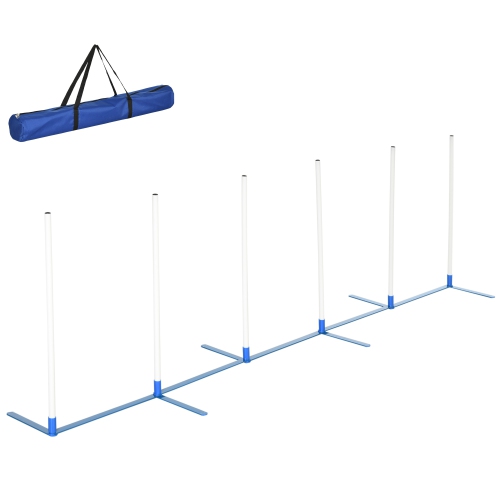
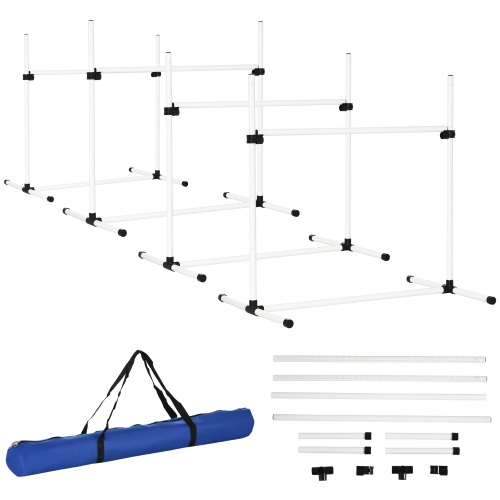
Dog treadmills are intended for supervised walking or running on a moving belt, with suitability determined by the machine’s dimensions and the dog’s natural stride. Weight capacity is only part of the fit: the usable belt needs enough length and width for comfortable movement without crowding the edges. Adjustable speed, accessible controls, and an emergency stop are important considerations, along with the noise and motion a dog will need to get used to. A treadmill should never be used with a dog left unattended or tethered in a way that prevents a safe exit. It is not an automatic substitute for outdoor exercise, and dogs with health or mobility concerns need veterinary advice before beginning a new conditioning routine. Agility equipment offers a different kind of activity, combining physical movement with attention to a handler’s cues. Tunnels provide a passage to move through, weave poles encourage changes of direction, and adjustable hurdles allow obstacle height to be matched to the dog’s abilities. Ground-level introductions can help a hesitant dog become familiar with the setup before any greater challenge is added. Related Pet Agility Equipment brings this obstacle-based approach into focus for shoppers interested in practising movement sequences and shared training activities. Tunnel diameter should allow comfortable clearance, while secure supports and properly fitted anchors help prevent equipment from shifting during use. Chase equipment, including flirt poles, encourages a dog to follow a lure attached to a line. This can make active play possible in a relatively small area, but enough clearance is needed for the dog, handler, and moving lure. Low, controlled movements are generally more manageable than repeated high leaps or abrupt turns. Balance discs, pads, and paw pods are intended for slower, deliberate activity rather than high-speed play. Their shape, firmness, texture, and load rating influence how stable or challenging they feel underfoot. Equipment used for rehabilitation or targeted strengthening should be selected with a veterinarian or qualified canine rehabilitation professional, rather than treated as a way to diagnose or manage an injury at home.
Materials and construction make a noticeable difference to how dog exercise equipment handles regular use. Tunnel fabric needs to tolerate contact with claws, and reinforced seams can help withstand repeated entries and exits. Frames should have smooth edges, secure connections, and a stable base suited to the intended surface. For outdoor setups, the manufacturer’s stated resistance to moisture and sunlight matters, but that does not necessarily mean equipment can remain outside through rain, frost, or snow. Metal components, fabric panels, and plastic fittings may each have different storage requirements. Indoor equipment benefits from non-slip contact points and a floor surface that gives paws reliable traction; a lightweight obstacle on polished flooring can move unexpectedly even during an otherwise gentle session. Exercise surfaces should be free of sharp debris, and outdoor ground should be checked for holes, slick patches, or uneven spots before activity begins. Care is usually straightforward when it follows the material-specific instructions: remove dirt and hair, clean contact surfaces with a suitable product, and let washable components dry fully before packing them away. Inflatable equipment needs regular checks for punctures, valve damage, and changes in firmness, while chase toys need inspection for frayed lines or loose attachments. Damaged parts should be taken out of use, particularly when they could be swallowed or catch a paw. Exercise equipment is not necessarily designed to withstand chewing, so storage out of reach helps separate supervised activity from unsupervised access. Practical details also shape whether a setup gets used regularly. Carry bags, manageable component weights, and simple assembly can make it easier to bring equipment into the yard for a brief session and clear the space afterwards. For a gift, the recipient’s available space, interest in training, and dog’s measurements are more useful starting points than breed alone. A person who enjoys practising cues with their dog may appreciate equipment that supports that shared routine, provided it matches the animal’s needs. Across all types, short, comfortable sessions with rest and access to drinking water help keep activity enjoyable, while reluctance, limping, or unusual fatigue are reasons to stop and seek veterinary advice when appropriate.
Top selling and popular products
-
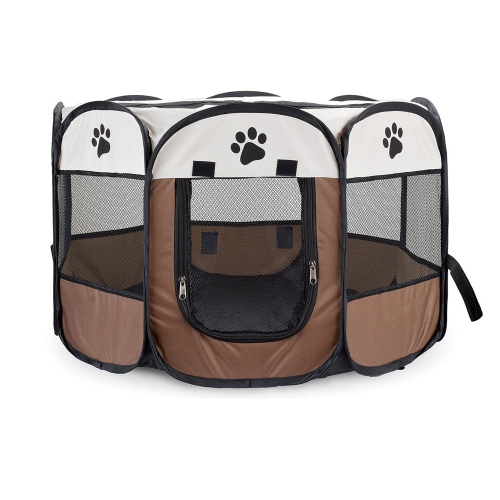 Your price for this item is $25.99
-
 Your price for this item is $139.99
-
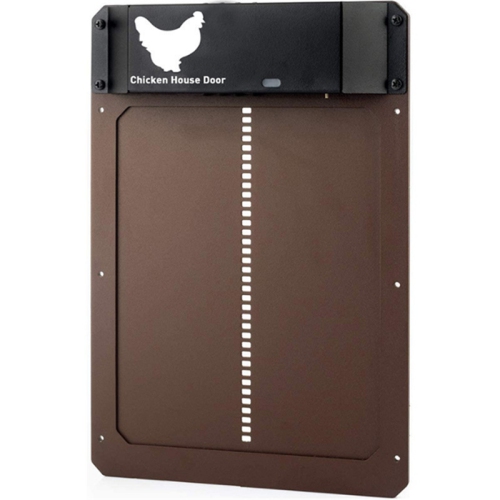 Your price for this item is $75.99
-
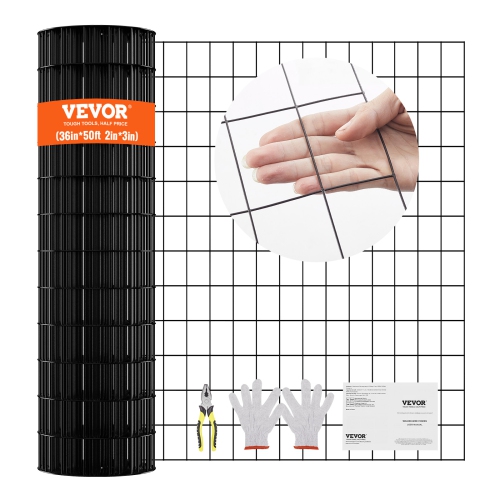 Your price for this item is $65.9
-
 Your price for this item is $31.99
-
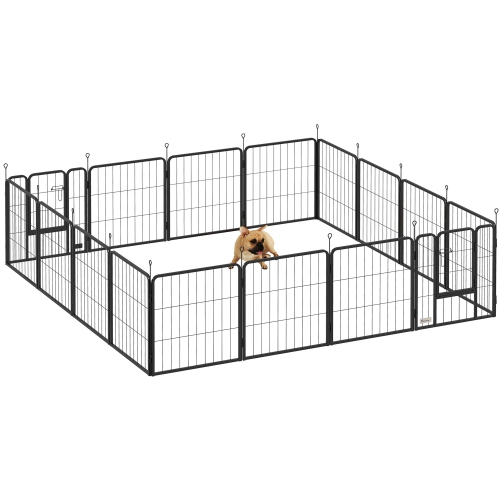 Your price for this item is $156.99
-
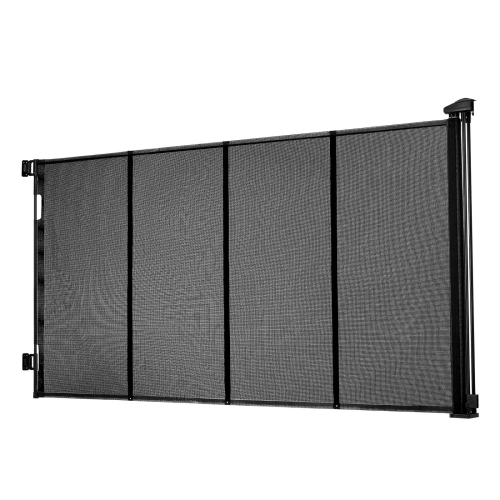 Your price for this item is $69.9
-
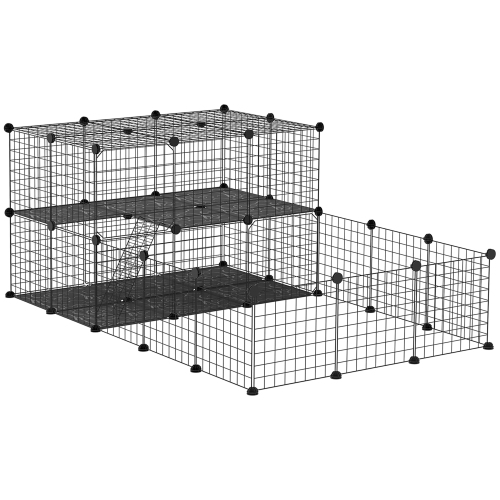 Your price for this item is $84.99
Discover more categories related to Dog Exercise Equipment
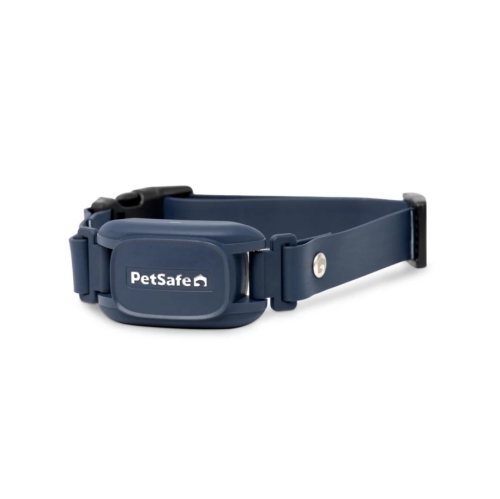
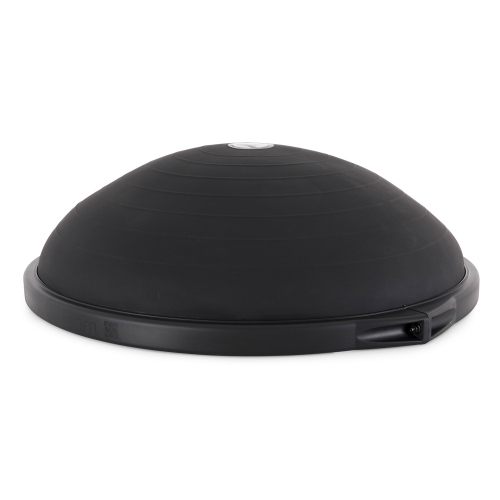
Top Collections:
Pokemon Centers, Kindle Devices, Best Budget Office Chairs, Canon G7X Cameras, Apple iPhones 16, Samsung Galaxy Phones, Refurbished Apple Laptops, Laptops for Students, iPhone 15 Apple, Budget Smartphones
Some products may be subject to Environmental Handling Fees
(EHF) depending on your province.
Learn more about EHFs.