Dog Nail Grinders
Keeping your furry friend's nails in tip-top shape is an essential part of their overall well-being. With our selection of dog nail grinders, you can easily and safely maintain your pup's nails at home. Say goodbye to the stress and hassle of traditional nail clippers and hello to a more efficient and comfortable grooming experience for both you and your pet. Whether you have a small breed or a larger one, our range of dog nail grinders offers different options to suit your needs. Shop from our collection today and give your four-legged companion the care they deserve.
Sort
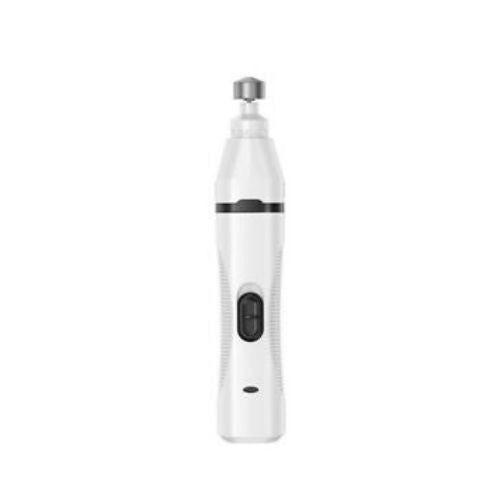
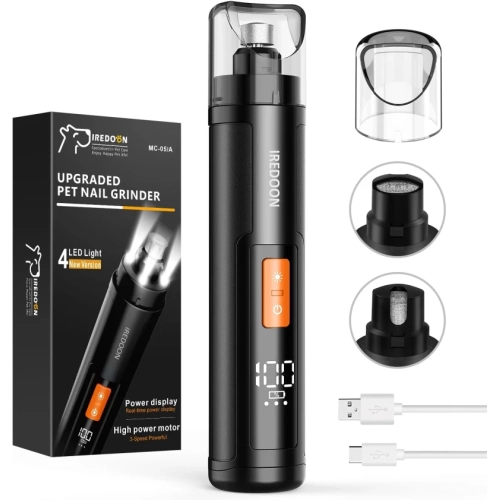
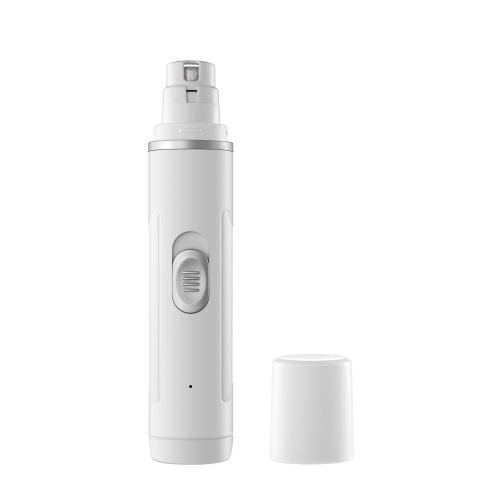
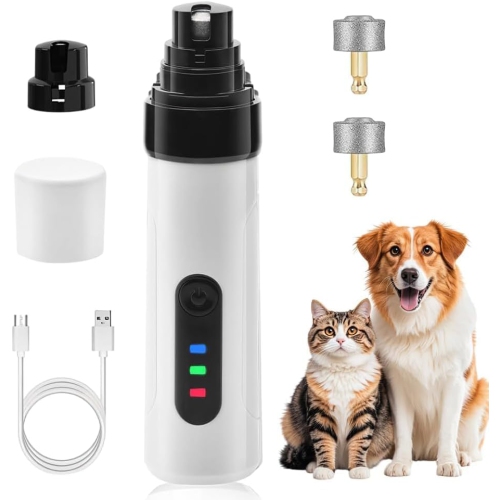


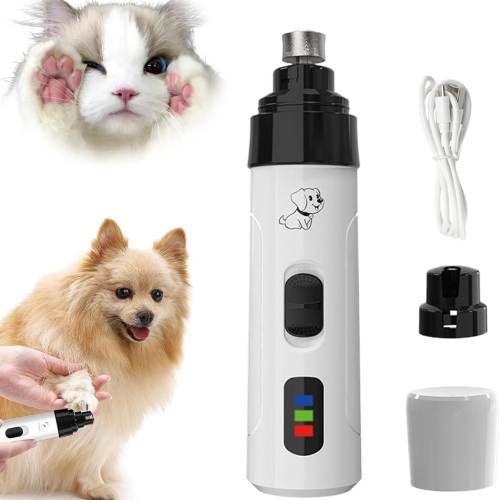
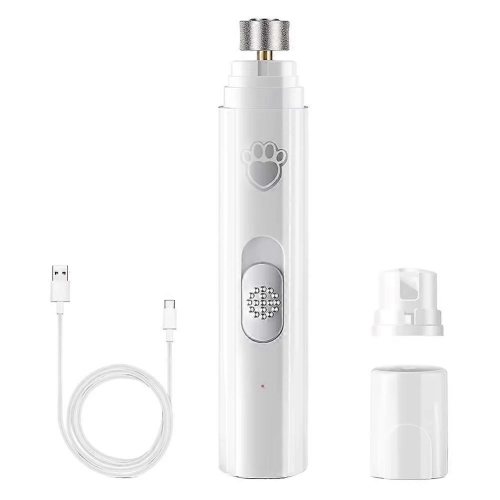
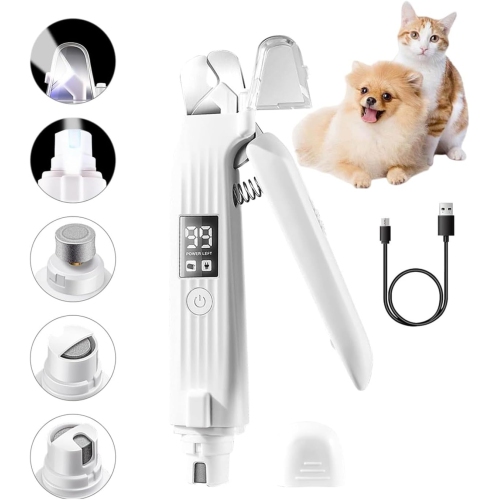
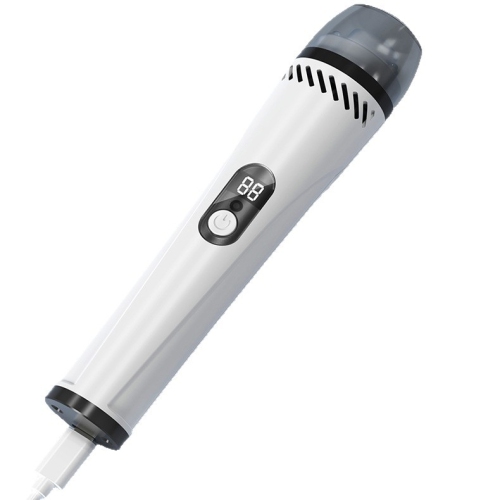
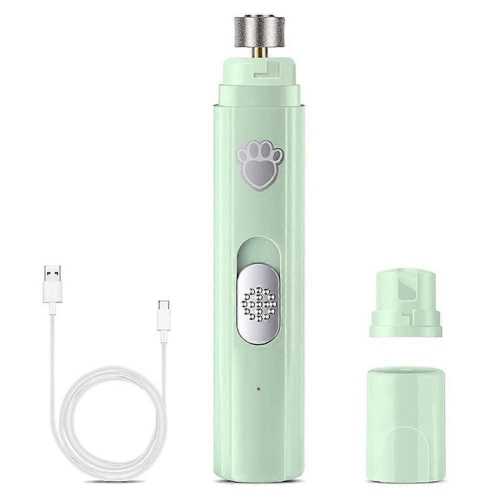
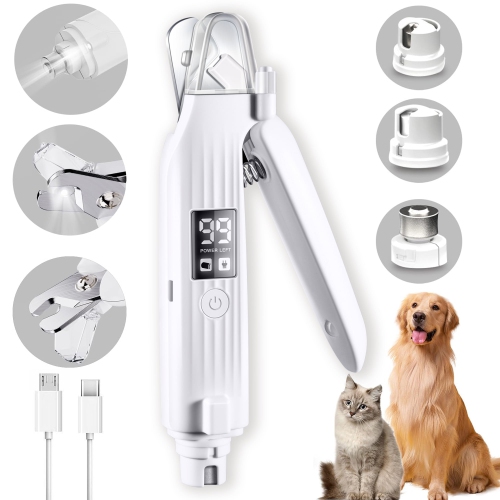
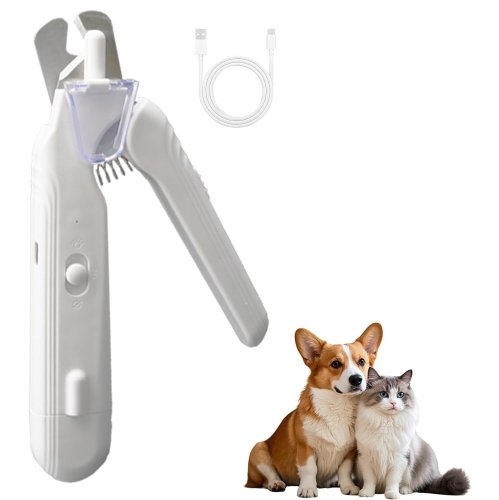
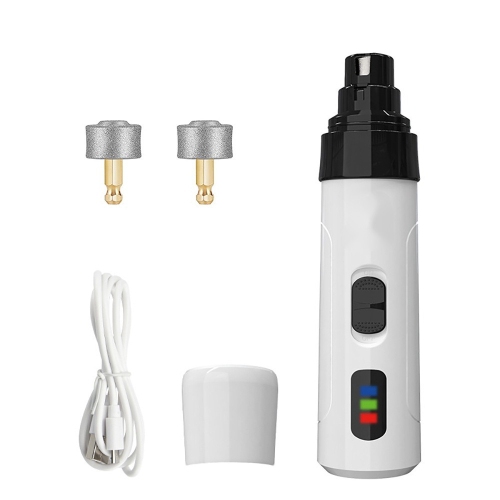
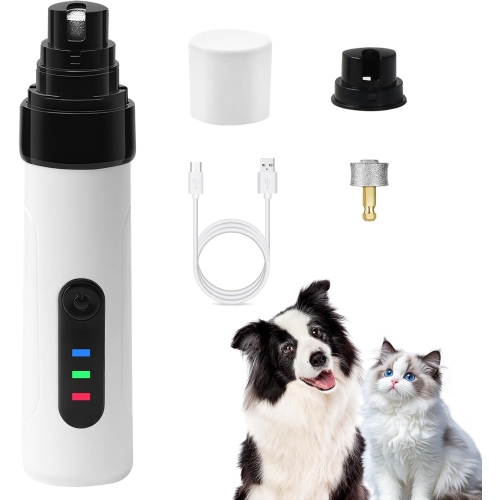
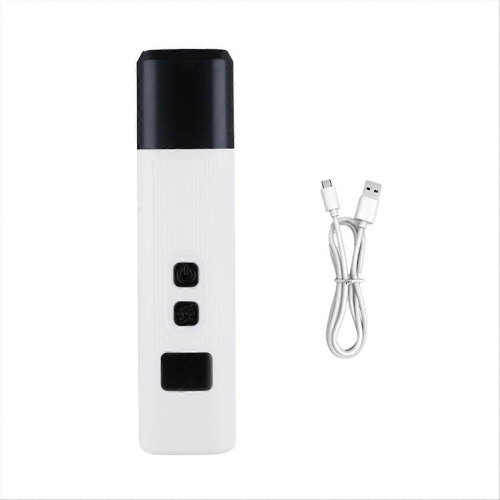
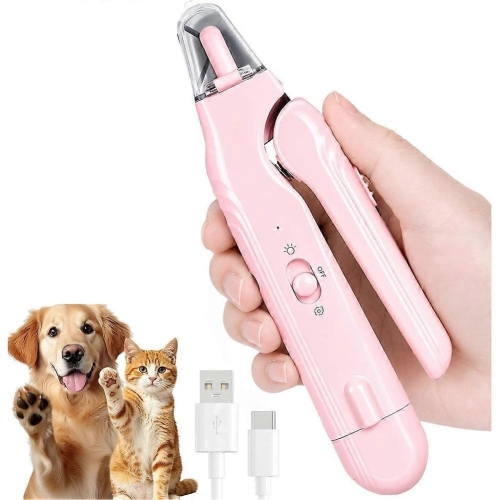
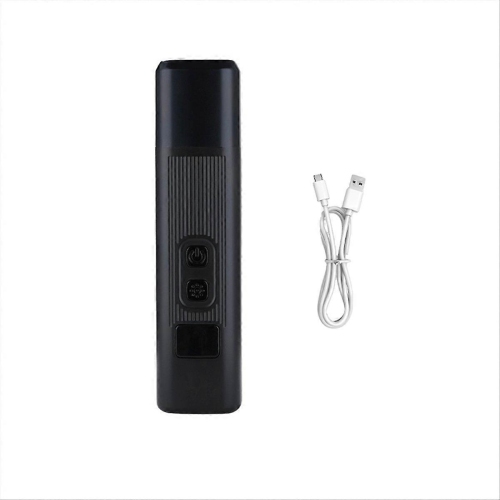
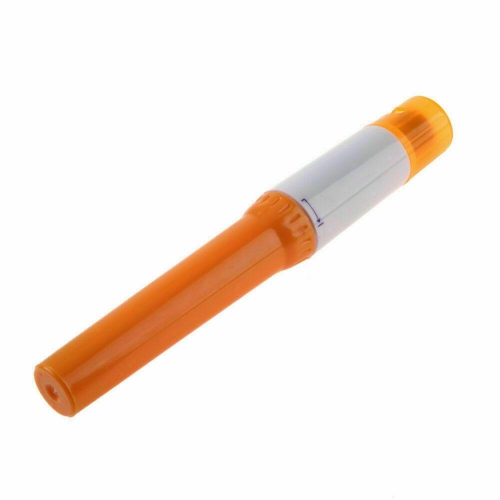
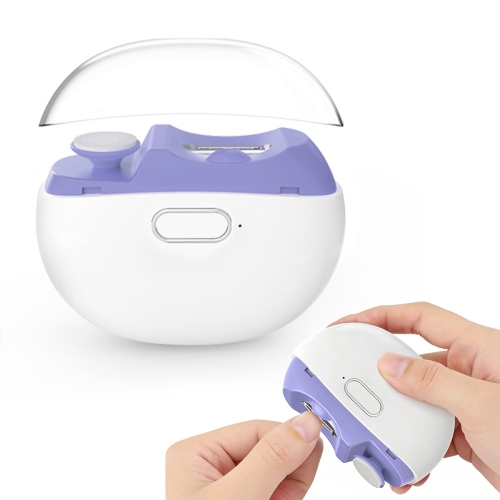

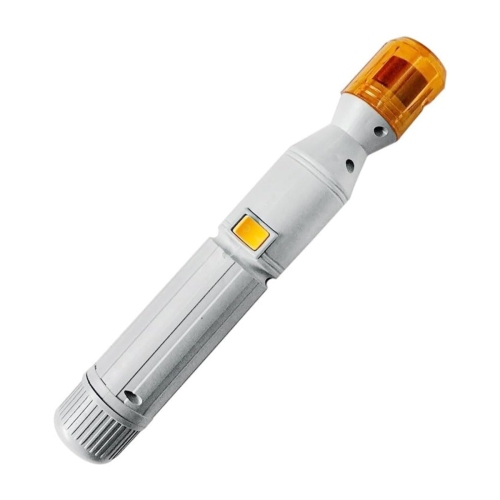
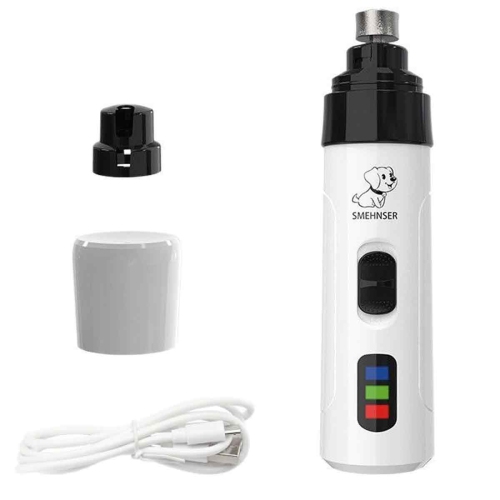
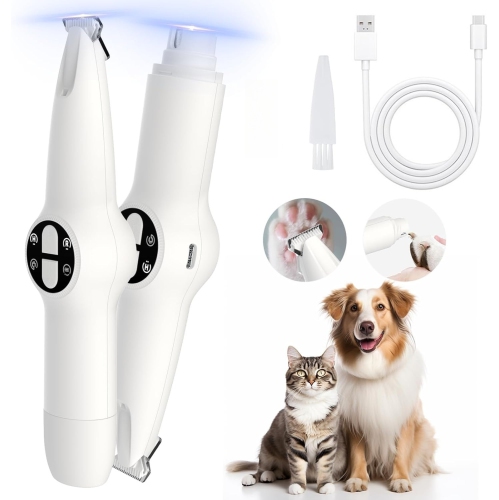
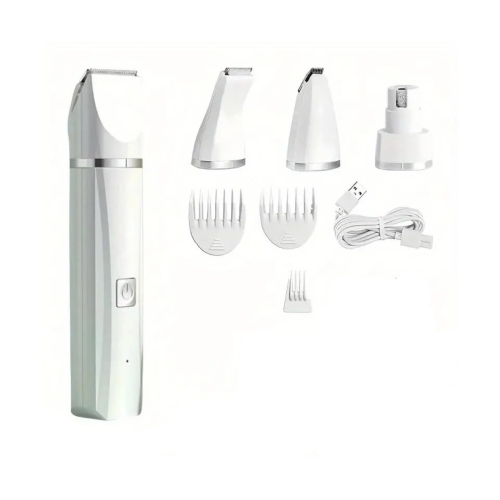
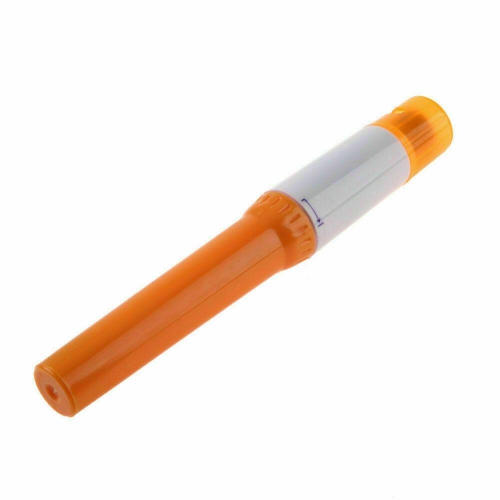
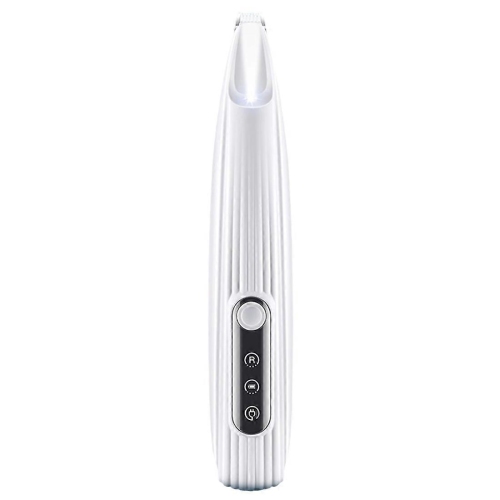
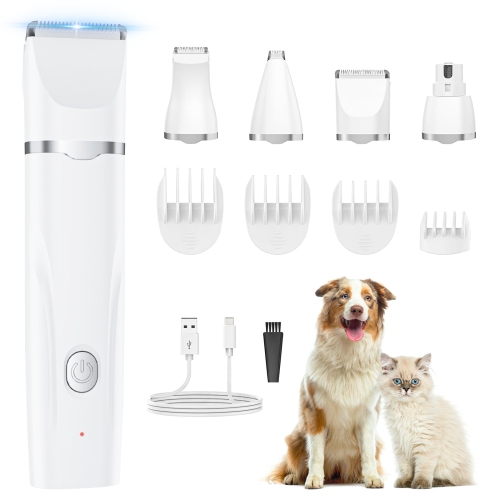
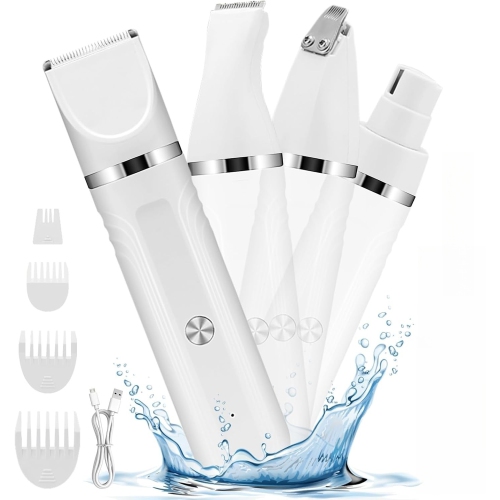
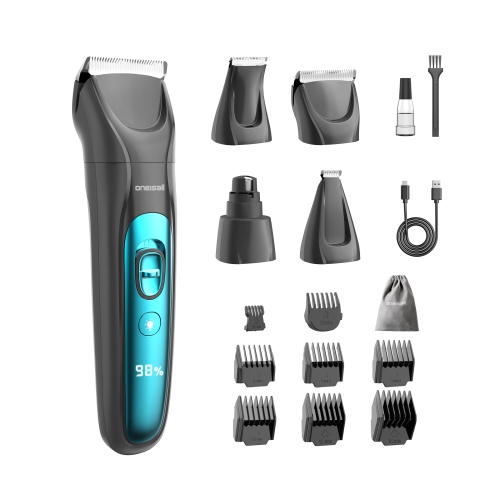
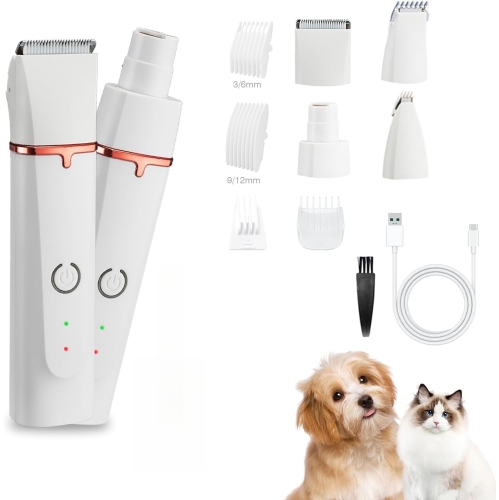
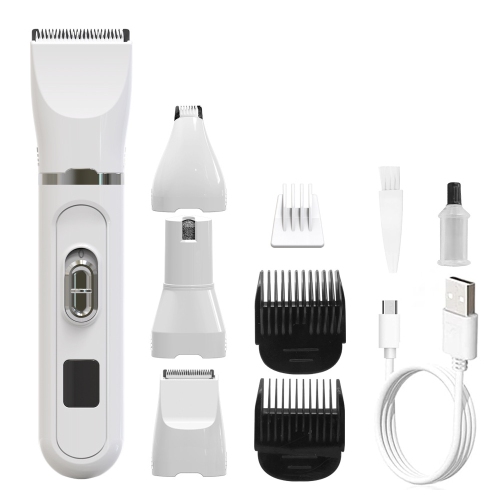
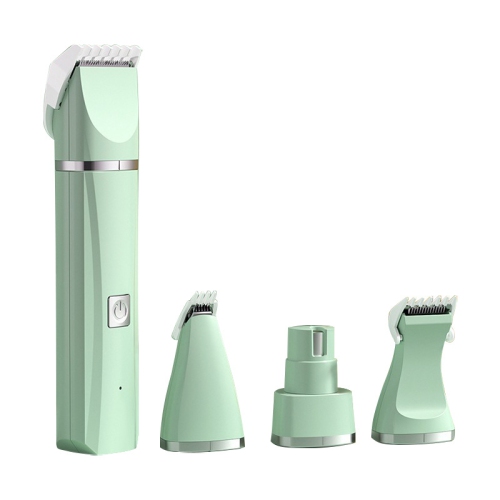


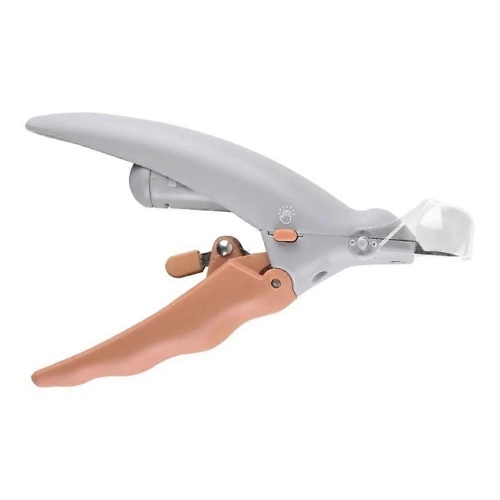
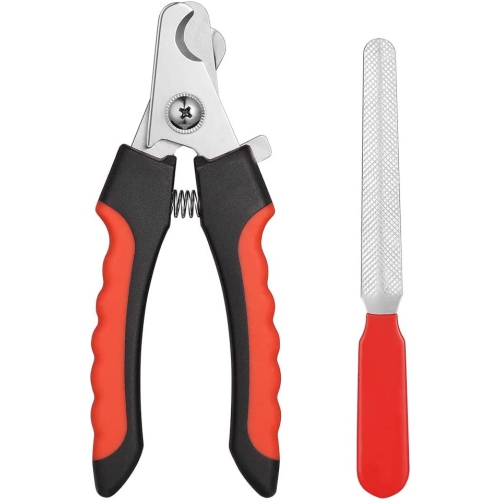

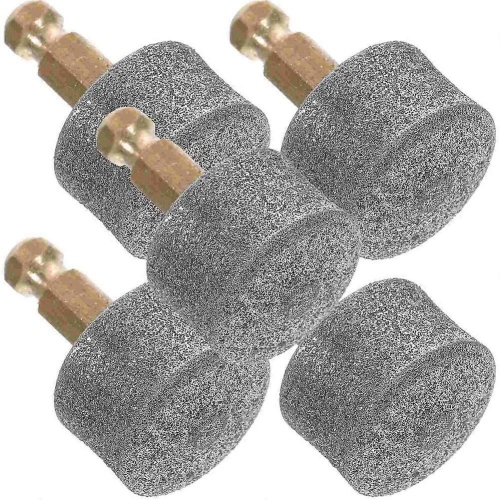
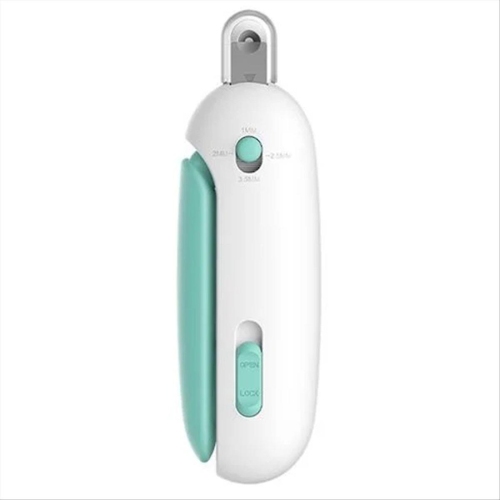
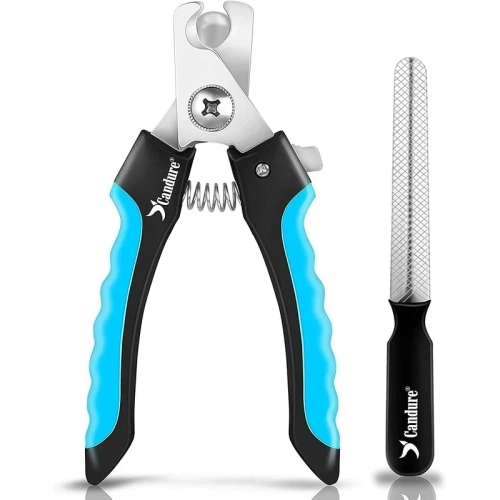
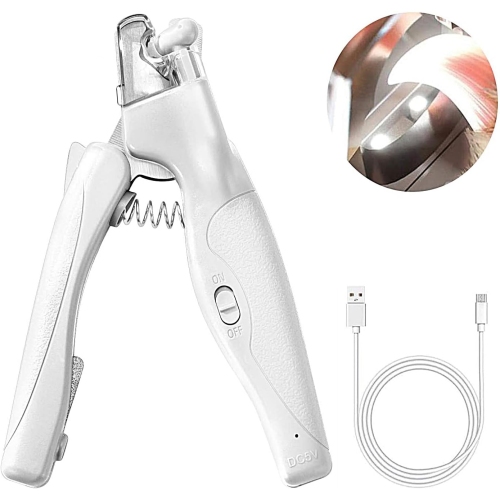

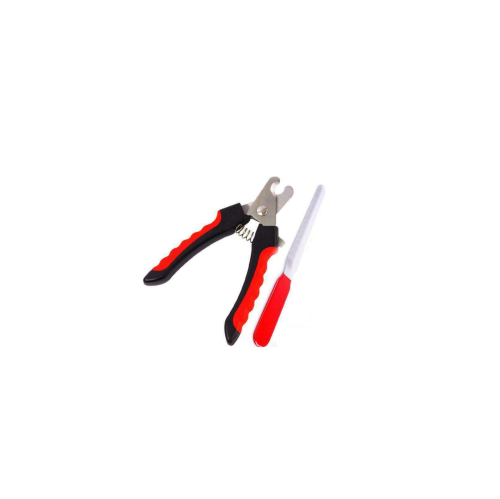
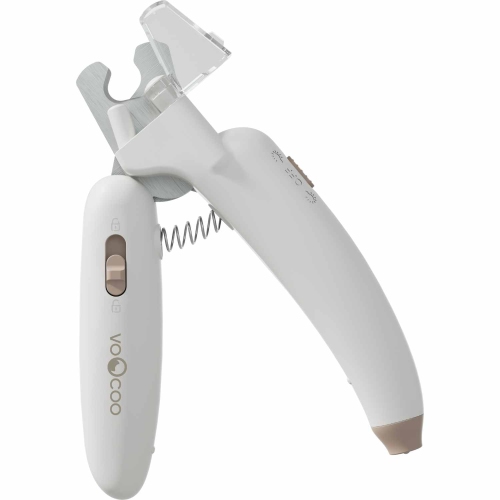
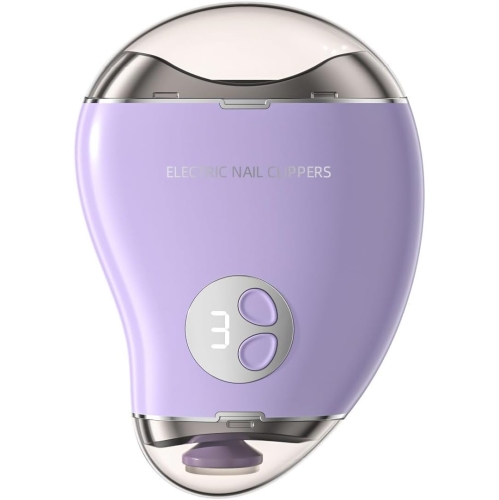
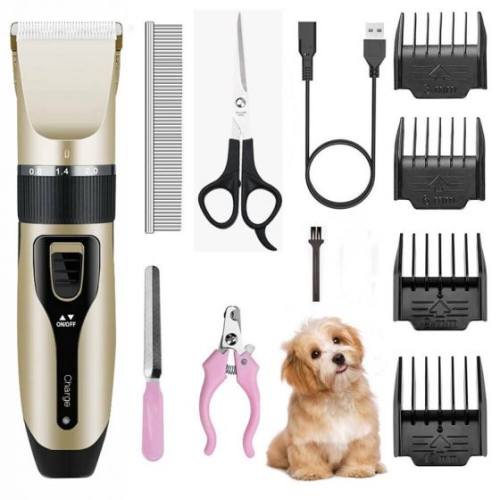
How gradual filing helps smooth your dog’s nails
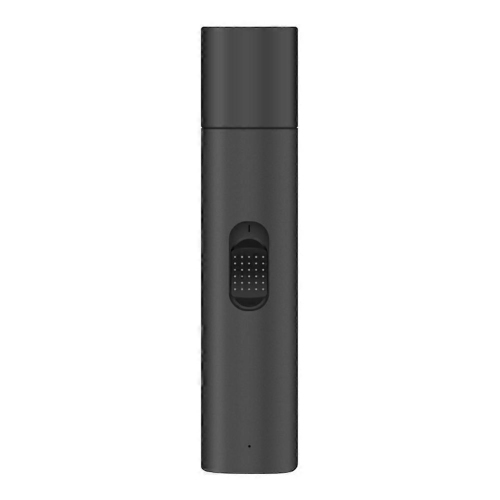
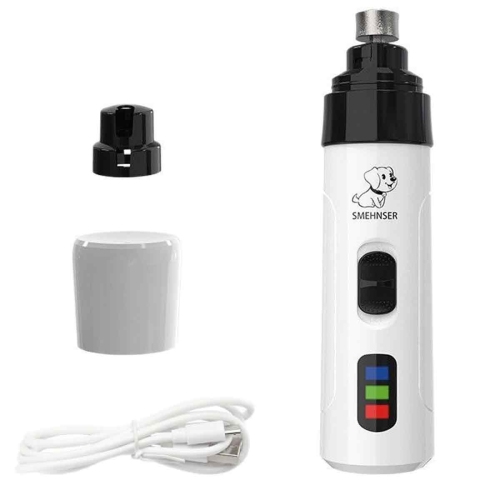
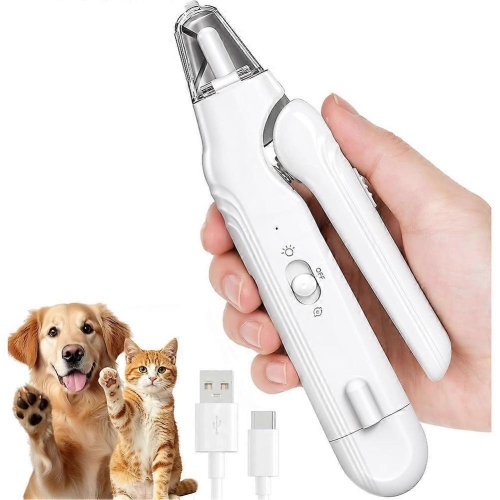
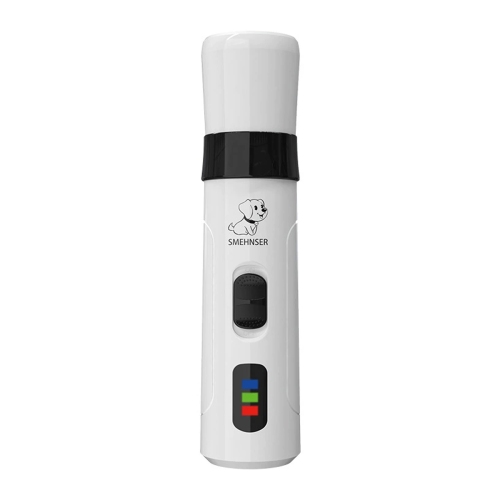
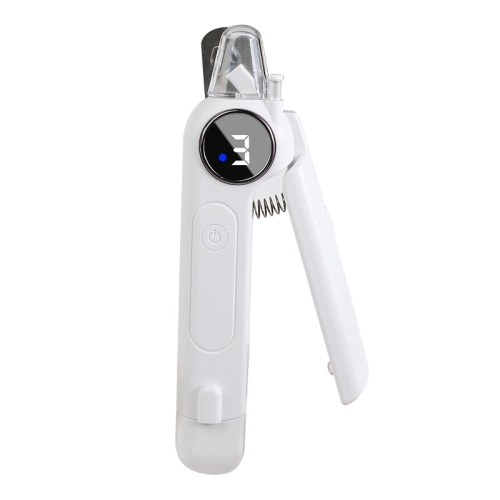
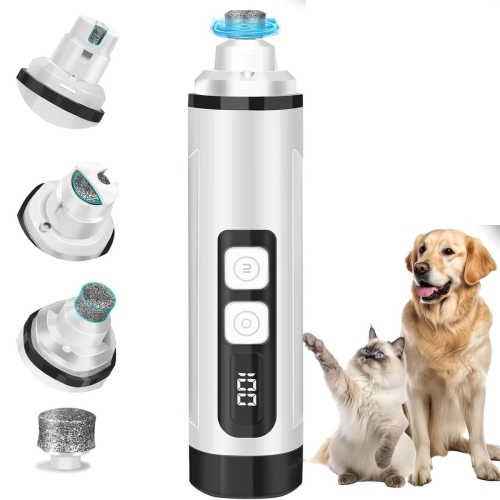
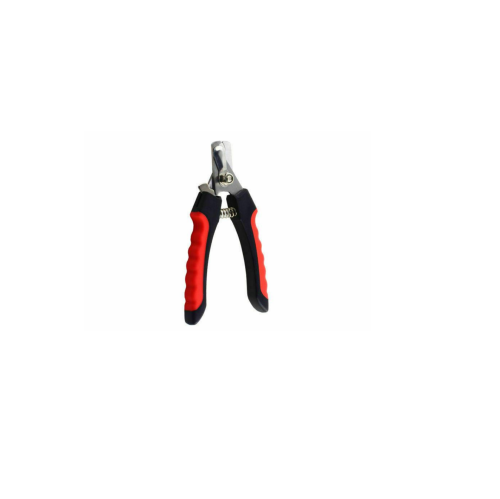
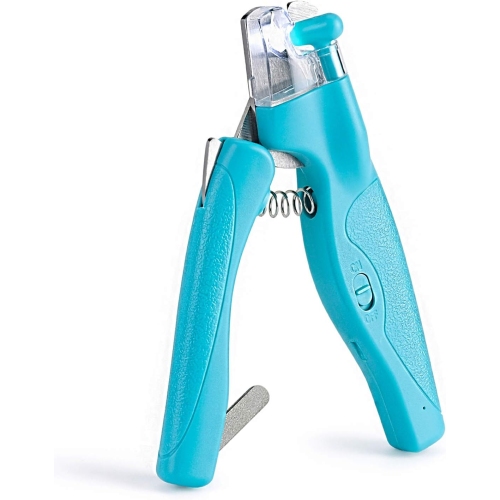
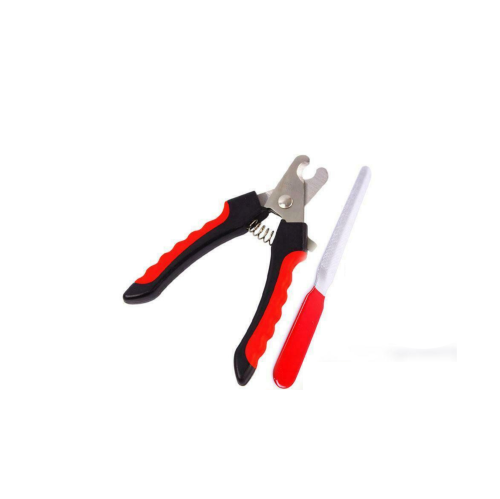
A dog nail grinder is an electric grooming tool that uses a rotating abrasive surface to gradually file and smooth a dog’s nails. Rather than removing the tip in a single cut, it takes away small amounts of nail, giving the person holding it control over the shape and finish. Dog nail grinders can be useful for routine grooming, rounding off sharp edges after clipping, or maintaining nail length between professional appointments. Compared with Animal Nail Clippers, which cut through the nail with a blade, grinders offer a slower approach that may suit people who prefer working in small increments. Neither method is automatically comfortable for every dog: some tolerate the brief pressure of clipping better, while others are more accepting of gradual filing. A smooth finish can help reduce snagging on blankets, upholstery, and clothing, although nail maintenance cannot prevent every scratch or protect every surface. The right tool depends more on nail thickness, paw size, and a dog’s response to sound and vibration than on breed alone. A small dog may have surprisingly firm nails, while a larger dog may need only light finishing after a trim. Grinders are also relevant for dogs whose nails do not wear evenly through everyday activity, including dewclaws that do not normally contact the ground. Regular attention makes changes in nail length and condition easier to notice, but a grinder is intended for grooming healthy nails, not treating damaged or painful ones. A cracked nail, swelling around a toe, persistent limping, or unusual sensitivity calls for veterinary advice rather than more filing. For households already using clippers, a grinder can serve as a complementary finishing tool rather than a complete replacement. For others, gradual filing may become the main method of nail maintenance, provided the dog remains comfortable and the tool is appropriate for the task.
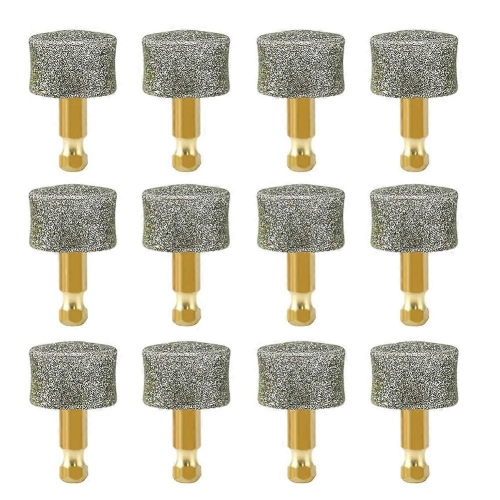
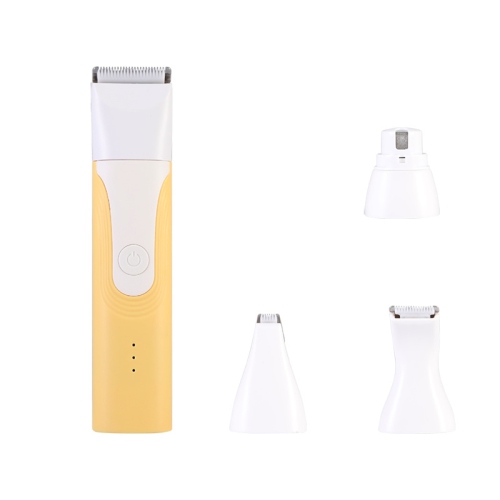
The grinding surface, motor, and shape of the tool all affect how it feels in use. Diamond-coated heads and replaceable sanding bands are common abrasive formats, with different textures suited to removing nail material or refining the edge. A coarser surface can work more quickly, while a finer one can leave a smoother finish; the appropriate choice depends on the nail and the manufacturer’s directions. Protective caps with differently sized openings can help limit the exposed grinding area, making it easier to position a small nail without bringing surrounding fur close to the rotating head. An opening still needs to accommodate the nail comfortably, and a guard does not replace careful handling. Adjustable speed settings offer flexibility for thin nails, thicker claws, and light finishing work. Motor strength also matters: a tool that struggles against a thick nail may make the session longer, but greater speed is not necessarily better for a sensitive dog. Noise and vibration deserve separate attention because a quiet-sounding motor can still transmit a noticeable sensation through the nail. Low-noise descriptions are useful considerations, not a guarantee that a nervous dog will accept the tool. A slim body, textured grip, and manageable weight can make the grinder easier to control while the other hand supports a paw. This becomes especially noticeable when working around a tucked dewclaw or holding a small toe steady. Cordless designs allow more freedom around a seated or reclining dog, while corded designs require attention to cable placement and access to an outlet. For rechargeable grinders, battery runtime, charging time, and the supplied charging accessories influence everyday convenience. A built-in light can improve visibility around the nail, but it should not be relied on to reveal the sensitive quick, particularly through dark or opaque nails. Securely fitted attachments, straightforward controls, and accessible replacement abrasives also contribute to long-term usefulness. These practical details often matter more than a long feature list, especially when the goal is a calm, predictable grooming routine.
Comfortable handling and simple upkeep are important parts of owning a dog nail grinder. For a dog unfamiliar with powered grooming tools, the sound of the motor and the feeling of vibration can be separate hurdles. Brief introductions with the grinder switched off, followed by hearing it at a comfortable distance, can help make the tool less unfamiliar. Rewards and pauses may support that process, but a dog that pulls away, trembles, or becomes distressed may need a slower introduction or help from a qualified groomer. There is no need to finish every nail in one sitting. A stable, non-slip resting spot and gentle support beneath each toe can make positioning easier without forcing the paw into an awkward angle. Long fur needs to stay clear of the rotating attachment, and loose clothing or jewellery can also get caught. During filing, short, light contact helps limit heat caused by friction; holding the abrasive surface against one spot for too long can become uncomfortable. Gradual removal offers control, but a grinder can still reach the quick, the living tissue inside the nail that contains blood vessels and nerves. Dark nails make that boundary harder to judge, so uncertainty about length is a good reason to consult a groomer or veterinarian. Care of the tool is more straightforward when nail dust can be brushed away from the head and guard according to the manufacturer’s instructions. Abrasives that are worn, clogged, or damaged may file less effectively and should be maintained or replaced as directed. The motor housing and charging connections generally need protection from water unless the manufacturer explicitly states otherwise. Clean, dry storage, secure attachment fitting, and charging with compatible equipment help keep the grinder ready for its next use. For experienced dog owners, new pet households, and people maintaining nails between grooming visits, a well-matched grinder offers a practical way to manage length and smooth rough tips. Its value comes from consistent control, suitable attachments, and a pace that respects the individual dog, rather than from trying to complete the task as quickly as possible.
Top selling and popular products
-
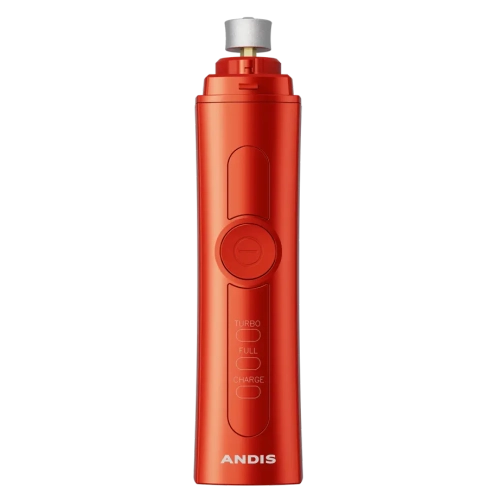 Your price for this item is $52.99
-
 Your price for this item is $159.99
-
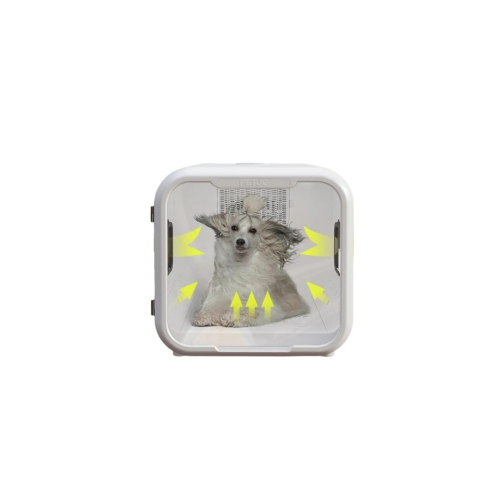 Your price for this item is $329.99
-
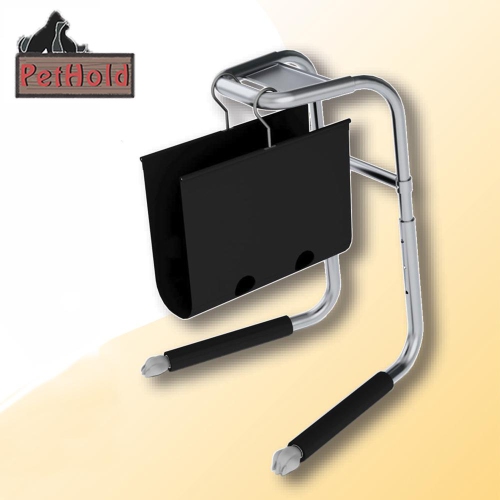 Your price for this item is $115
-
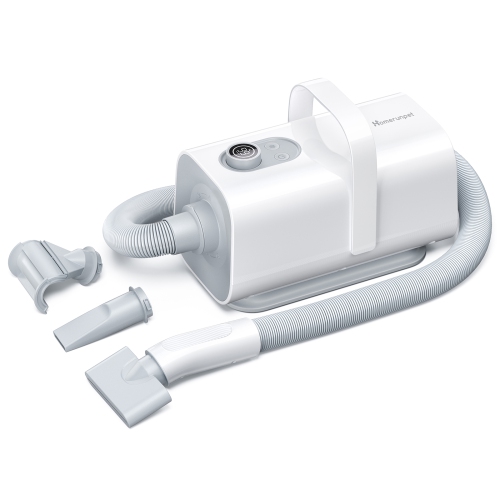 Your price for this item is $189.99
-
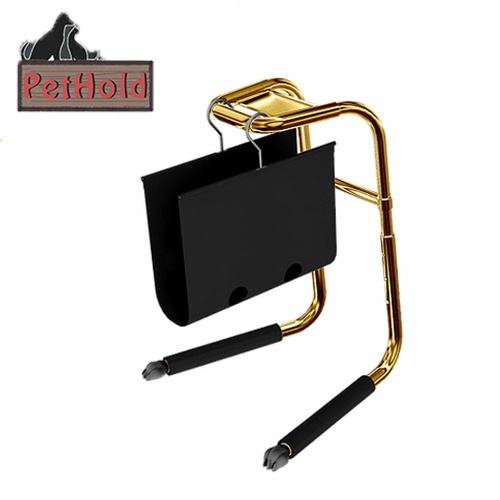 Your price for this item is $125
-
 Your price for this item is $46.99
-
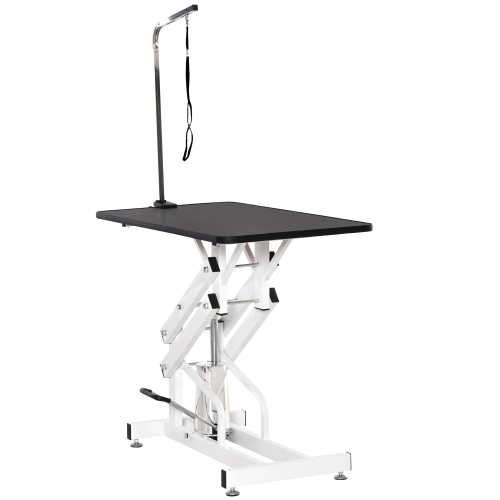 Your price for this item is $329.99
Discover more categories related to Dog Nail Grinders
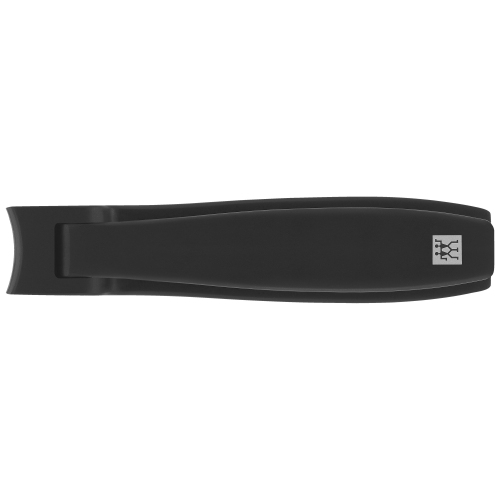
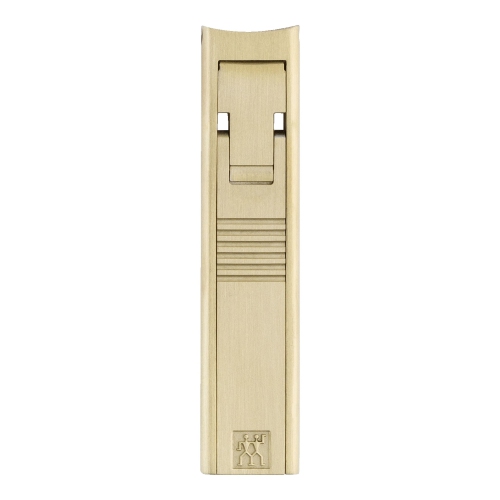

Top Collections:
Pokemon Centers, Kindle Devices, Best Budget Office Chairs, Canon G7X Cameras, Apple iPhones 16, Samsung Galaxy Phones, Refurbished Apple Laptops, Laptops for Students, iPhone 15 Apple, Budget Smartphones
Some products may be subject to Environmental Handling Fees
(EHF) depending on your province.
Learn more about EHFs.