Dorm Room Shoe Racks
Dorm room shoe racks help keep your space organized and clutter-free, making it easy to find the right pair for any occasion. With a variety of sizes and styles available, these storage solutions are designed to fit seamlessly into compact living areas. Whether you need extra space for sneakers, sandals, or boots, dorm room shoe racks offer practical options for maximizing every inch of your room. Explore selections that make organizing your footwear simple and efficient.
Sort
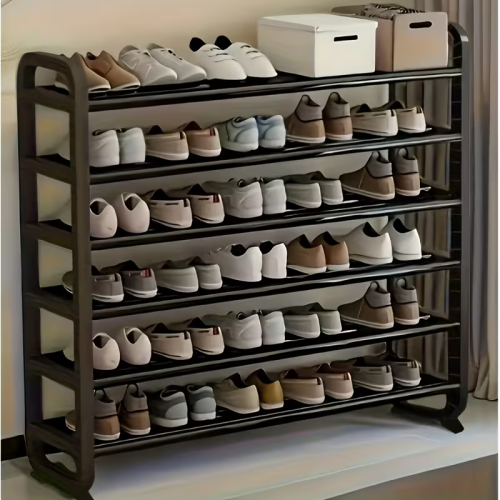
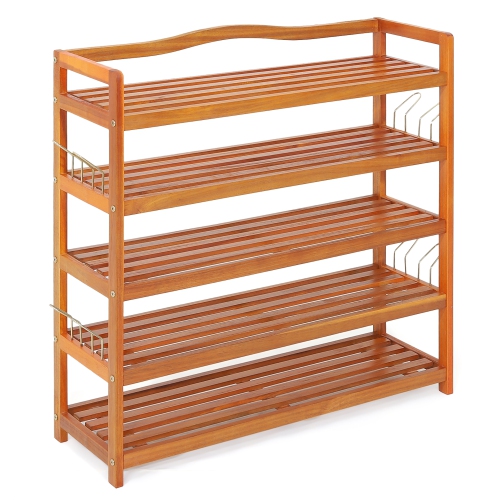
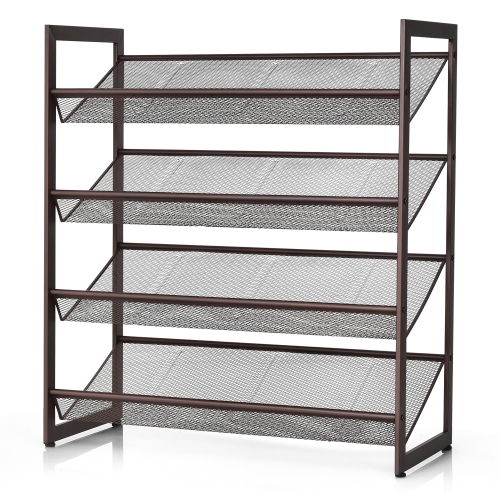
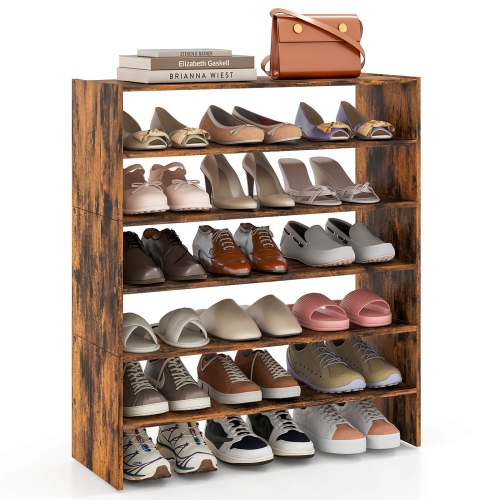
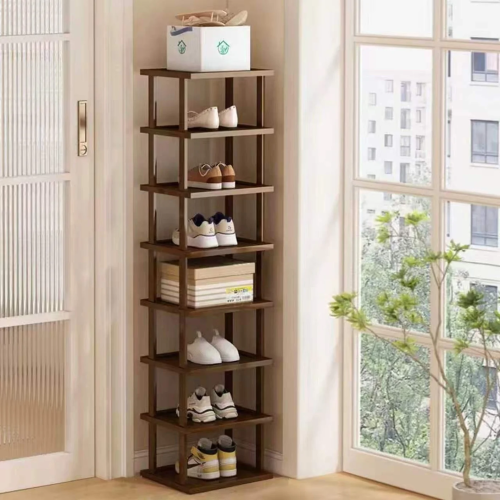
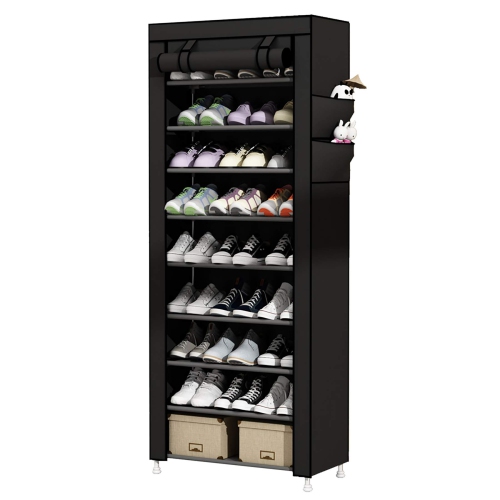
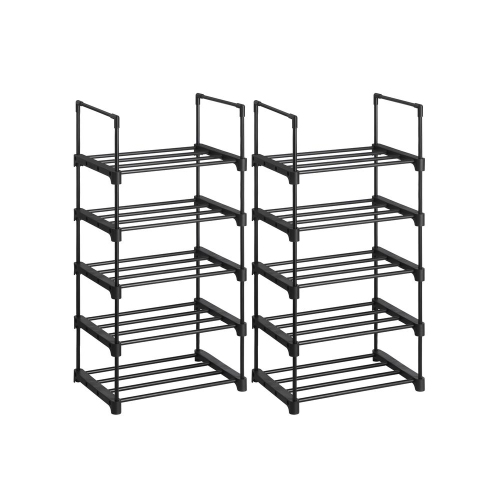
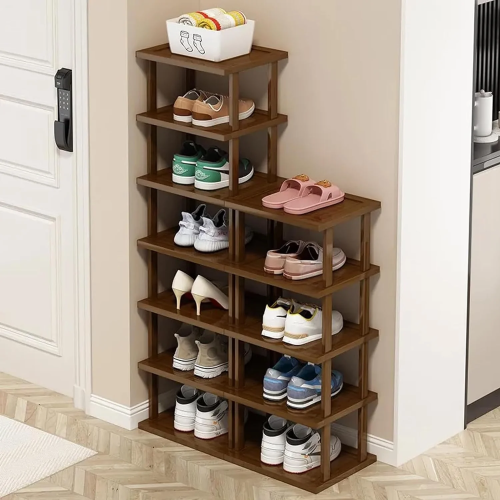
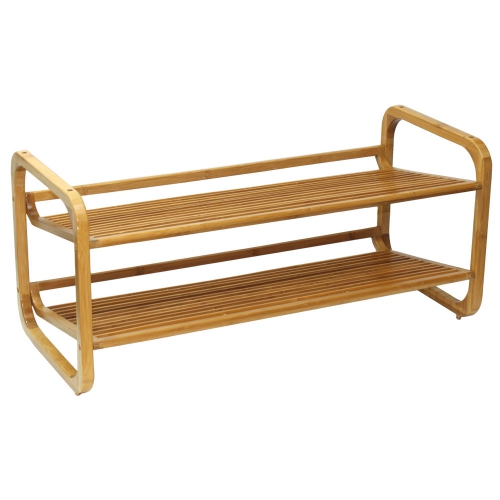
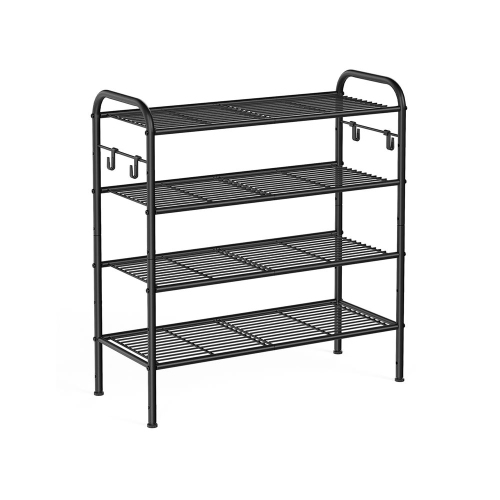
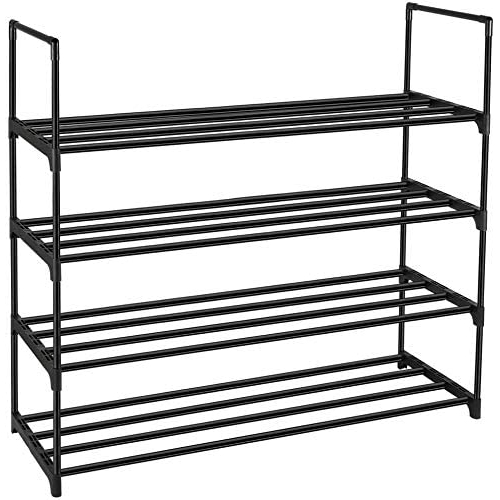
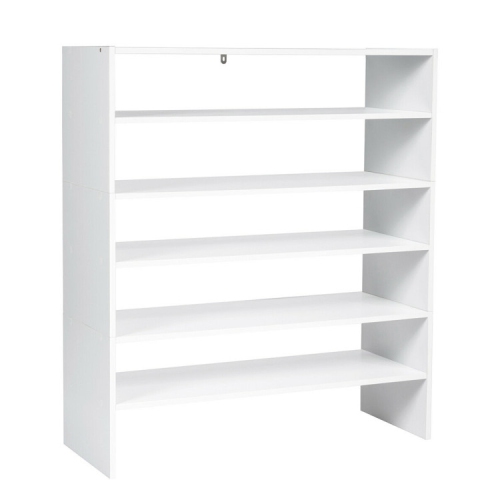
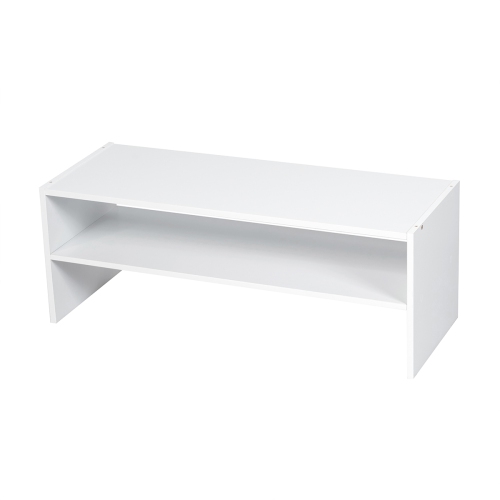
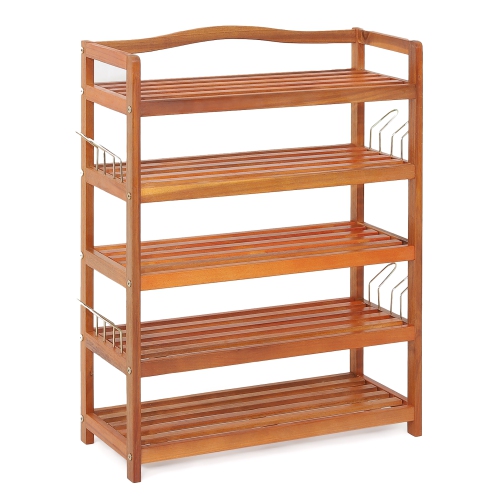
Shoe storage that leaves room for student life
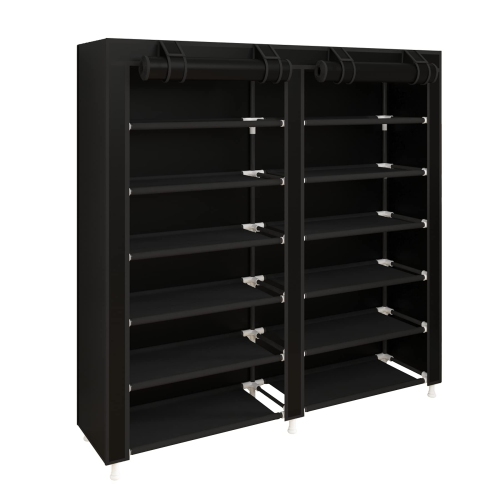
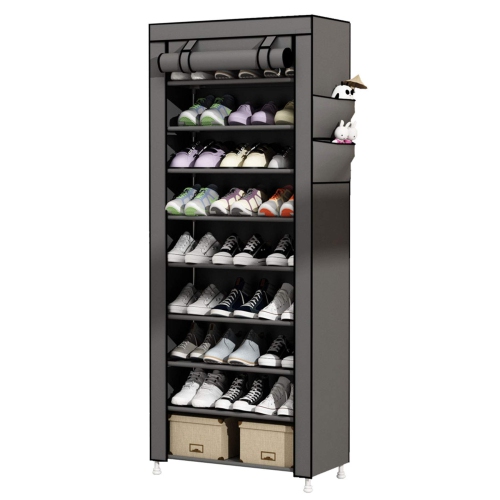
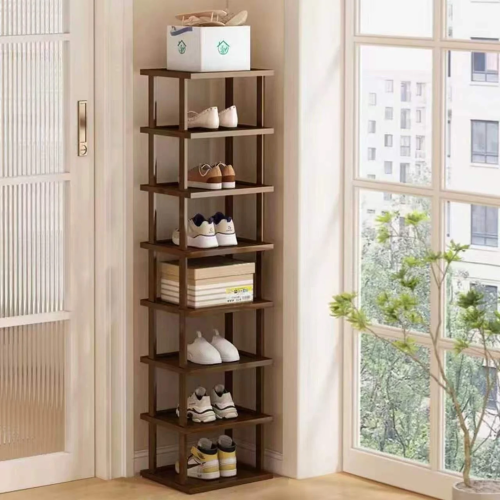
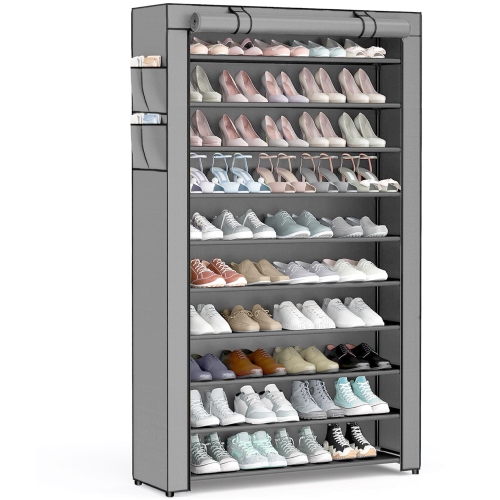
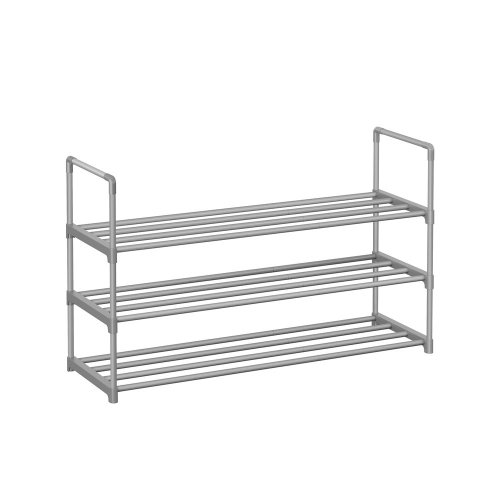
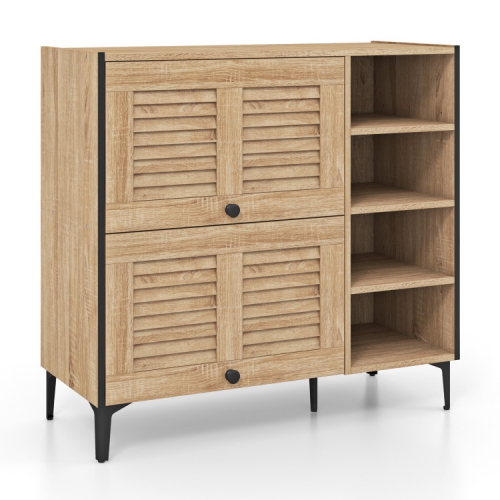
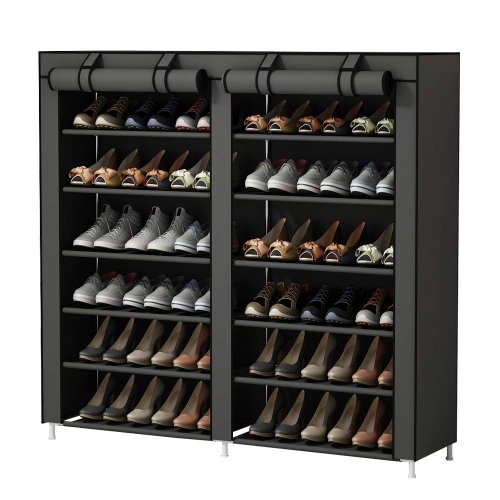
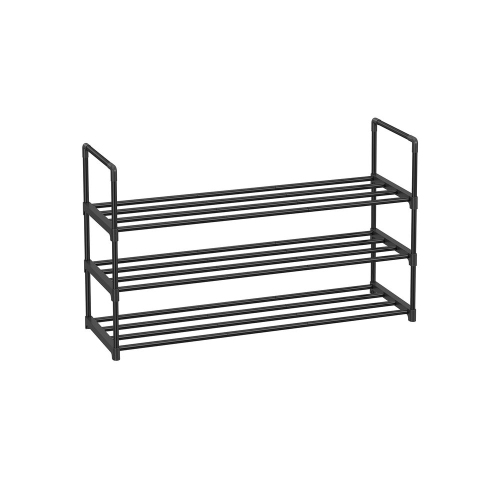
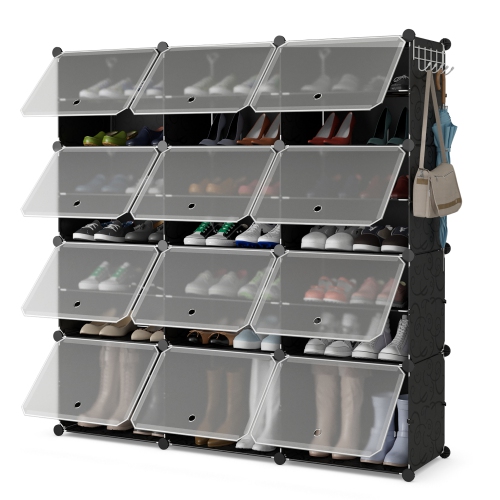
Dorm room shoe racks give everyday footwear a defined place without taking over the limited floor space needed for studying, dressing, and moving around a shared room. The most useful styles for compact student housing include low freestanding racks, narrow tiered shelves, stackable designs, and hanging organizers, with the right fit depending on the room layout and the shoes being stored. A low rack can sit beneath hanging clothes in a wardrobe, while a slim vertical rack makes use of a corner that would otherwise be difficult to furnish. Over-the-door organizers keep footwear off the floor, although the hooks need to match the door’s thickness and leave enough clearance for it to close properly. Where space beneath a bed is accessible, a low-profile rack or covered shoe organizer can keep less frequently worn pairs out of the main walkway. Bed supports, drawers, and bed-frame crossbars can reduce that usable space, so the full opening matters more than the height of the bed alone. Width and depth are just as important when fitting storage inside a closet: shoes may extend beyond the shelf, and closet doors still need room to swing or slide. A rack that looks compact on its own can feel much larger once trainers and boots are in place. For layouts with a small landing area beside the door, Shoe Racks for Small Dorm Entryways can help keep frequently worn pairs close at hand without spreading them across the room. In a shared residence, a clear storage footprint also makes it easier to keep each person’s belongings together. The aim is not necessarily to fit the largest possible rack into the smallest gap, but to give shoes an accessible home while keeping drawers, doors, and walking routes clear. A little room to reach in and lift out a pair can make a compact setup much easier to use every day.
Materials and shelf construction affect how a dorm shoe rack handles repeated use, cleaning, and moves between rooms. Metal frames can provide a relatively slim structure, while the quality of the joints, fasteners, and shelf supports helps determine how steady the assembled rack feels. Wood and bamboo designs bring a furniture-like finish that can sit comfortably beside a desk or wardrobe, but standing moisture should be wiped away promptly and cleaning should follow the care instructions. Plastic shelves are often straightforward to wipe down, though their load limits and connections still deserve attention. Fabric shelving and hanging pockets can be useful where portability matters; reinforced seams, supported shelf panels, and secure hanging points are worth looking at when footwear will be taken out and put back several times a day. Open rails allow air to move around shoes, while solid shelves provide more continuous support for smaller footwear and narrow heels. Neither design suits every collection equally well. A pair of wide athletic shoes takes up more shelf space than slim flats, and high-top shoes or ankle boots may need more clearance than a standard tier provides. Stated pair capacities are therefore most helpful as a starting point rather than a guarantee for every shoe size and style. Removable or adjustable shelves can accommodate taller footwear, provided the rack is designed for that arrangement. For stacked units, compatible connectors and the manufacturer’s stacking limits matter more than simply matching the width. Heavier footwear belongs on lower shelves where the design permits, and tall furniture may require securing in accordance with its instructions and residence rules. Routine care can stay simple: remove loose grit before placing shoes on the rack, let damp footwear dry before putting it into enclosed storage, and wipe shelves as their material allows. Removable liners or trays can make cleaning easier when they fit securely and do not obstruct the rack’s supports. After a move, checking connections before loading the shelves helps keep a frequently handled rack ready for daily use.
The most practical dorm room shoe storage reflects the way a student actually uses the room. Someone moving between lectures, a fitness centre, and a part-time job may want separate spaces for everyday trainers, workout shoes, and smarter footwear, rather than a tall tower filled with pairs that rarely leave the room. A low shelf near the entrance can make the daily change of shoes easy, while a closet rack keeps dress shoes and occasional-use pairs away from the busiest part of the floor. In a room shared by two people, assigning a shelf or section to each person creates a clear boundary without requiring separate pieces of furniture. It also makes it easier to see when a pair has been left in the walkway. Hanging pockets can separate lightweight shoes, but pocket dimensions and the organizer’s total weight limit need to suit the intended contents; bulky footwear may fit better on open shelving. Over-the-door storage also needs to leave handles, locks, and any required door-closing hardware unobstructed. Freestanding designs avoid loading a door, although taller styles may need an approved way to secure them. For students who expect to move, a rack that disassembles into manageable pieces can be easier to transport, especially when its fasteners and assembly instructions are kept together. Tool-free construction may simplify setup, but secure connections remain important. A neutral finish can blend with supplied residence furniture, while a contrasting colour can help define a personal storage area in a shared space. Shoe racks can also make useful gifts for students preparing for residence, particularly when the room measurements and housing rules are known in advance. A thoughtfully sized rack is more useful than an oversized organizer chosen only for its capacity. Whether placed inside a wardrobe, beneath an accessible bed, or beside the room entrance, good shoe storage keeps the pairs used most often visible and within reach, leaving the rest of the room easier to enjoy.
Top selling and popular products
-
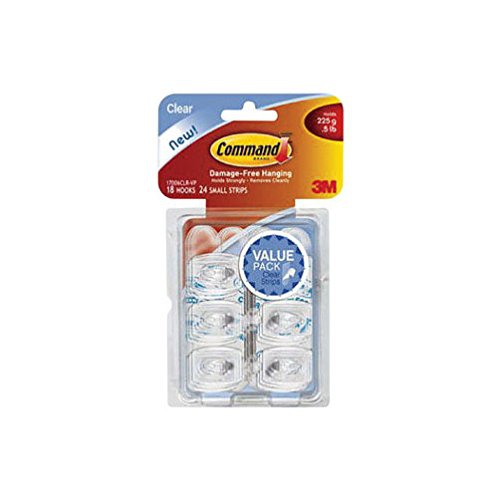 Your price for this item is $146.99
-
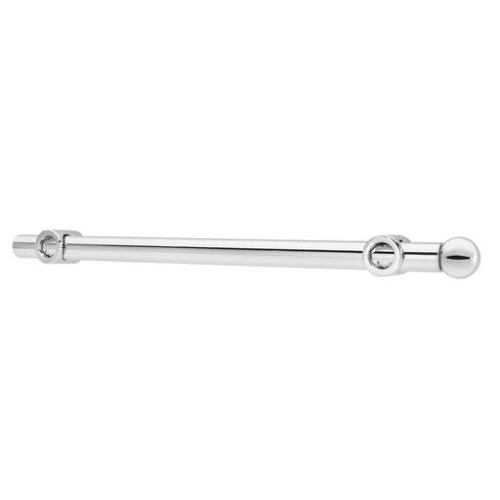 Your price for this item is $86.99
-
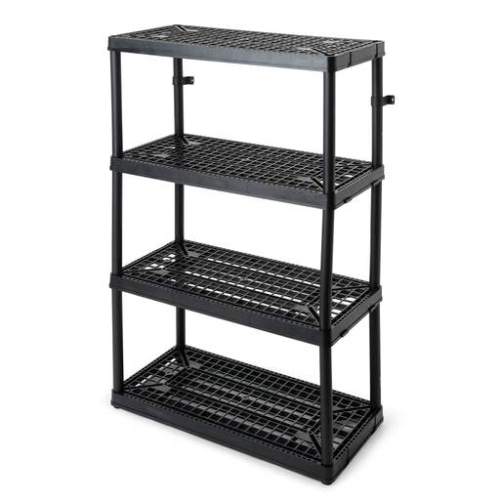 Your price for this item is $133.99
-
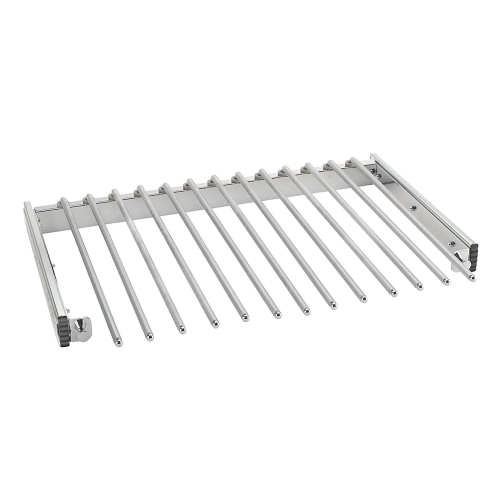 Your price for this item is $297.99
-
 Your price for this item is $116.99
-
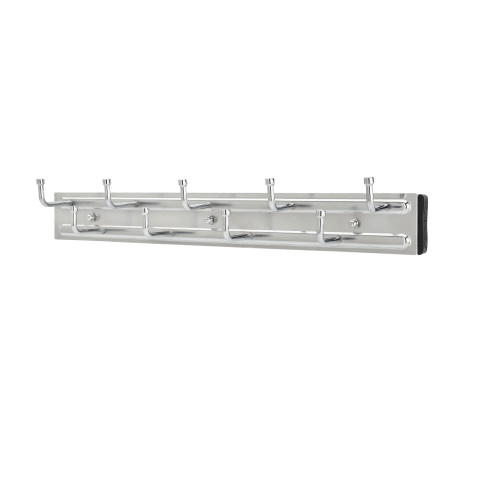 Your price for this item is $66.99
-
 Your price for this item is $88.99
-
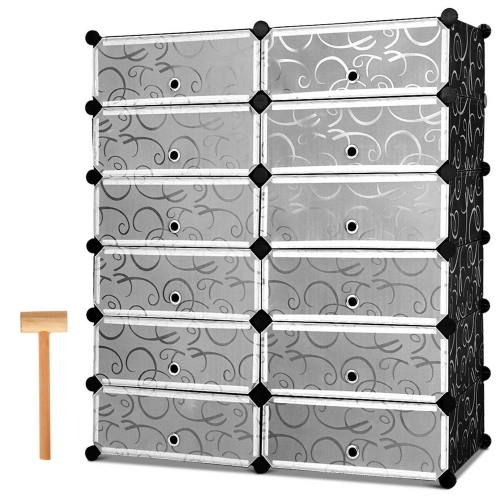 Your price for this item is $88.99
Discover more categories related to Dorm Room Shoe Racks
Top Collections:
Best Black Friday Deals This Year, Best Black Friday Deals On Electronics, Kindle Devices, Best Black Friday Deals On Apple Products, Best Budget Office Chairs, Best Cameras for Sports Photography, Dyson Airwrap, Canon G7X Cameras, Best Laptops for Writers, Samsung Galaxy Phones
Some products may be subject to Environmental Handling Fees
(EHF) depending on your province.
Learn more about EHFs.