Student Apartment Shoe Racks
Student Apartment Shoe Racks help keep entryways and closets organized, making it easier to find the right pair before heading out to class or work. Ideal for maximizing limited space, these racks offer a convenient solution for arranging shoes in a neat and accessible way. Whether you need to store sneakers, sandals, or boots, Student Apartment Shoe Racks provide practical options designed to fit a variety of room layouts and storage needs. Explore different styles and sizes to find the perfect addition to your student apartment.
Sort
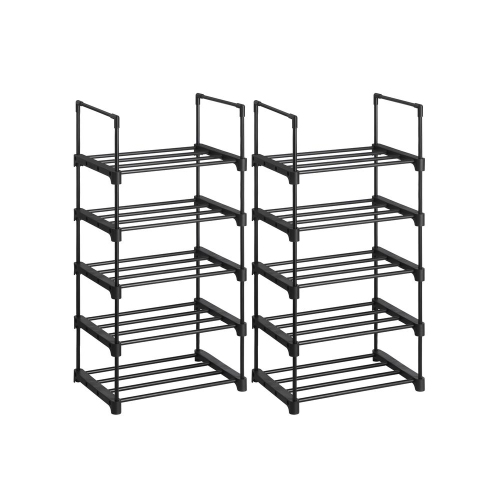
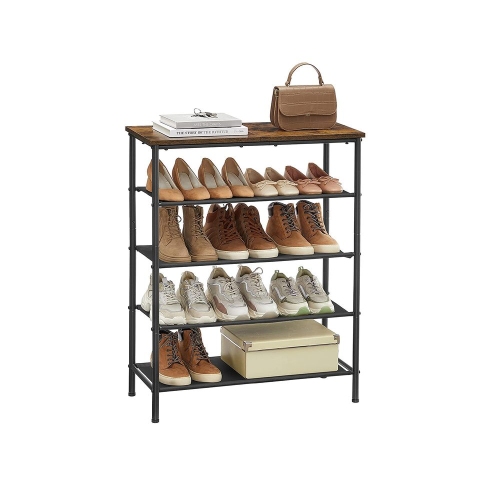
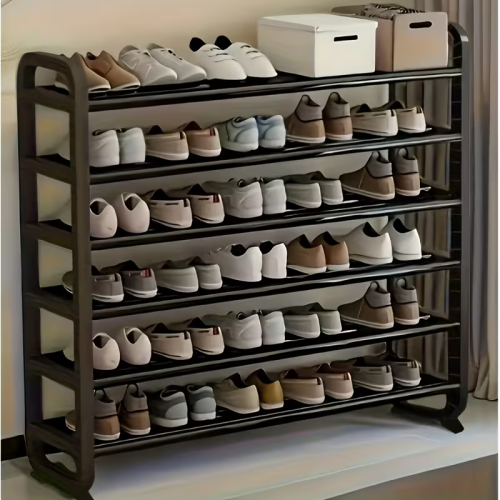
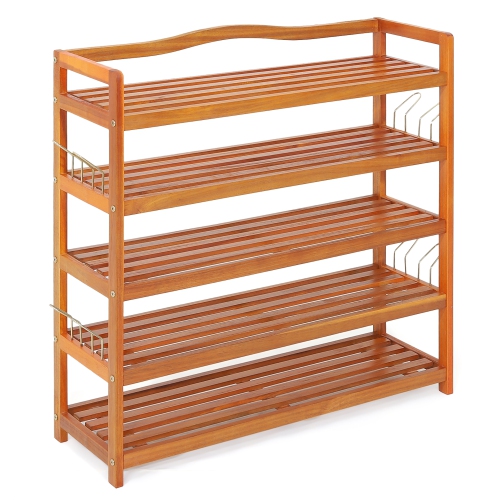
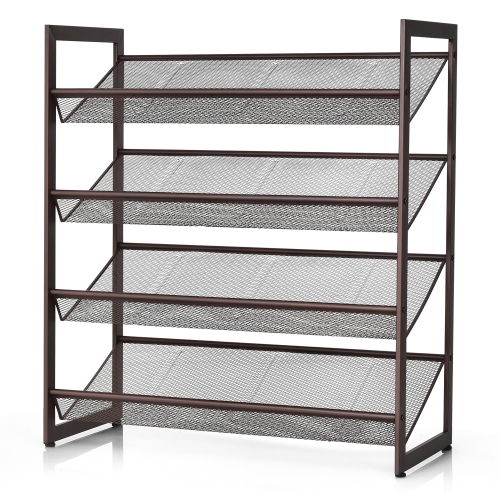
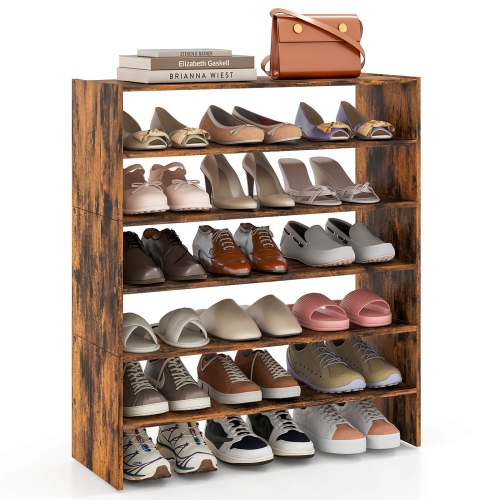
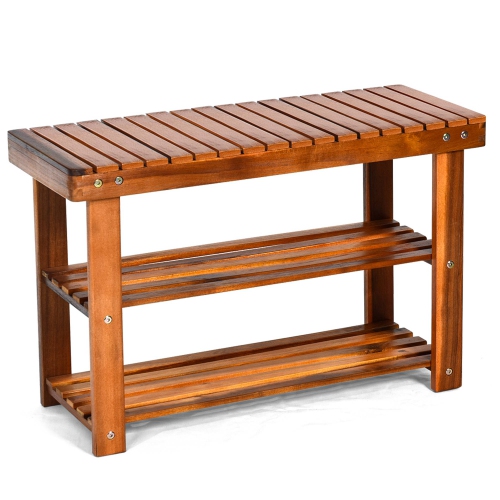
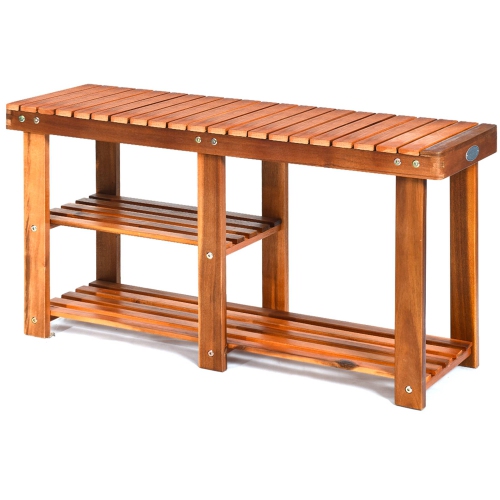
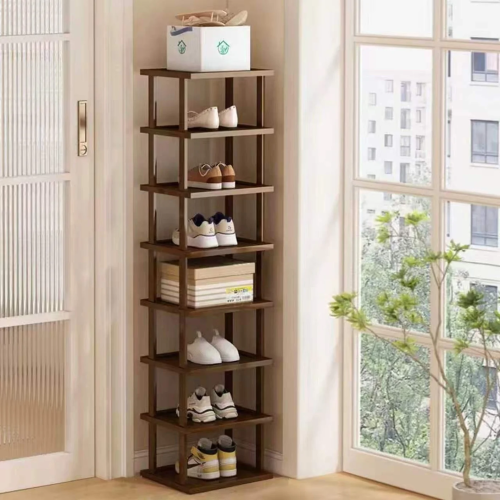
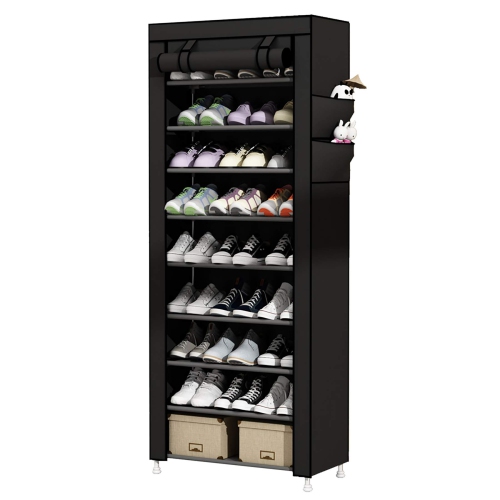
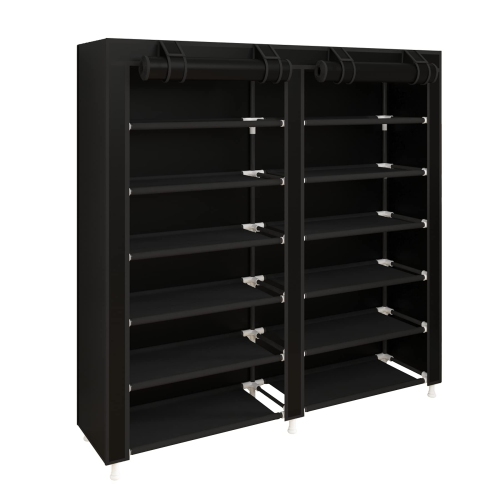
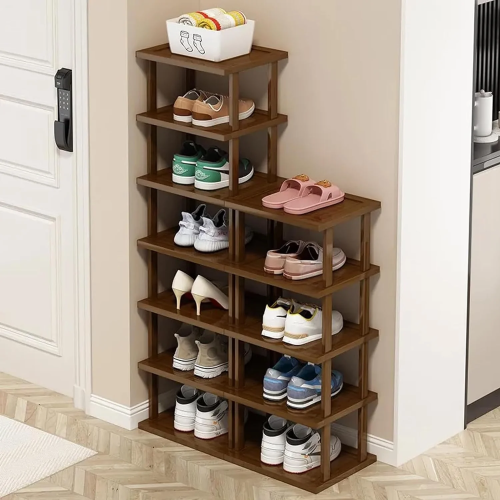
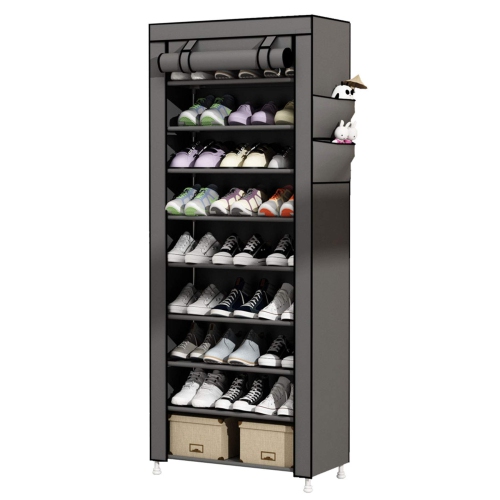
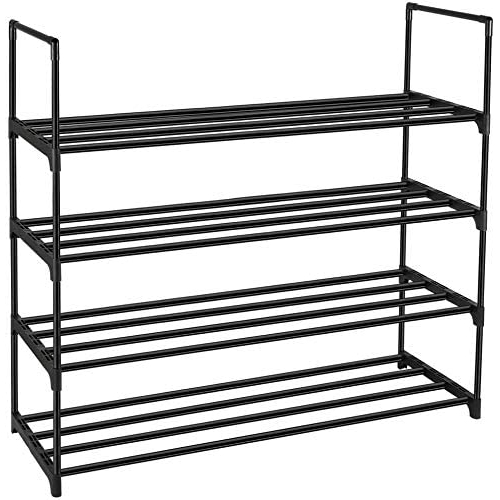
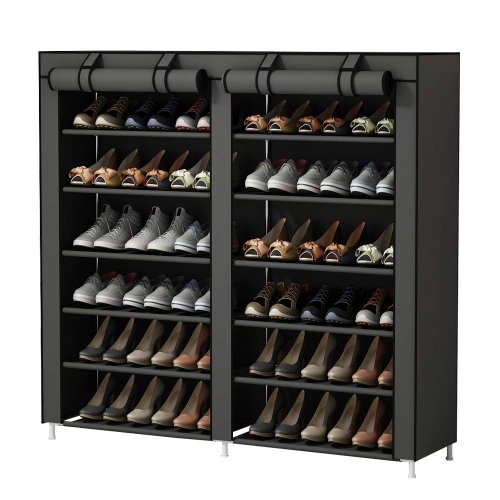
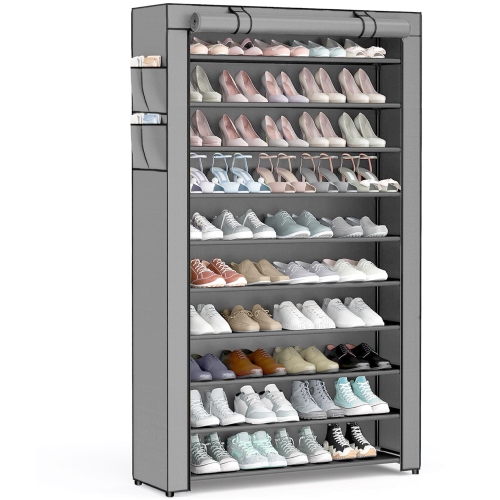
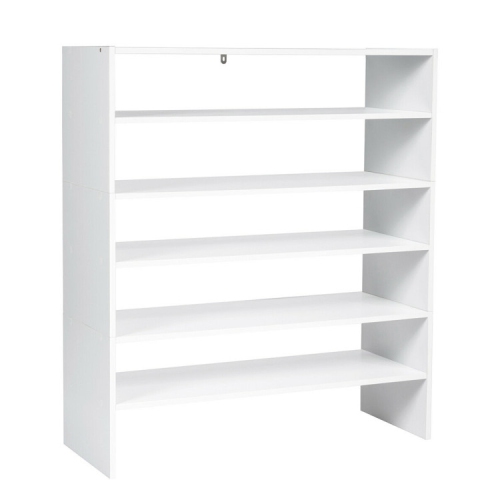
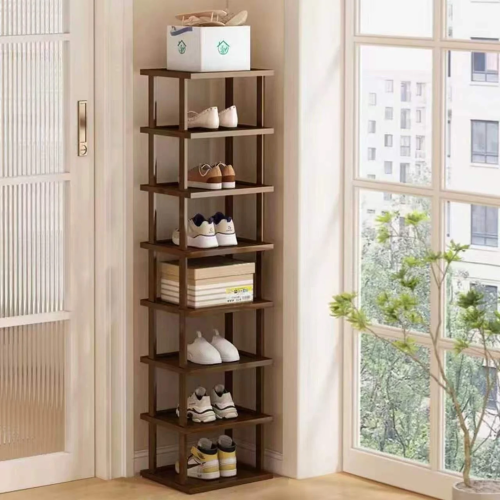
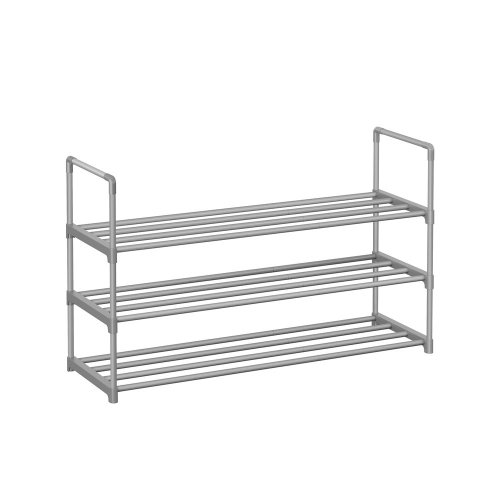
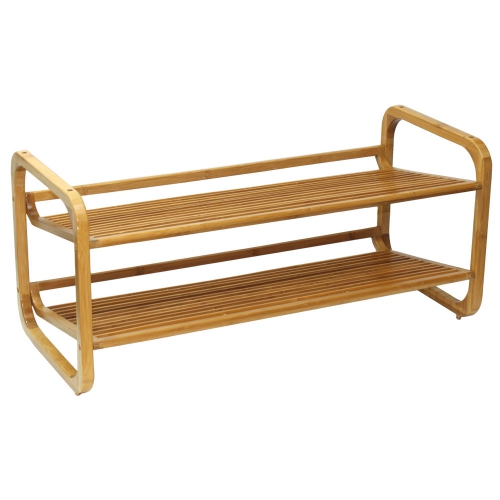
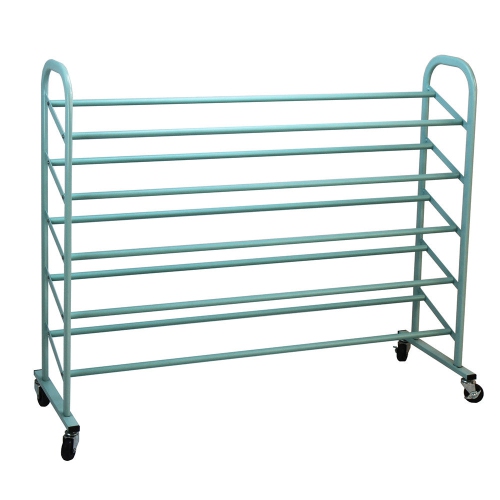
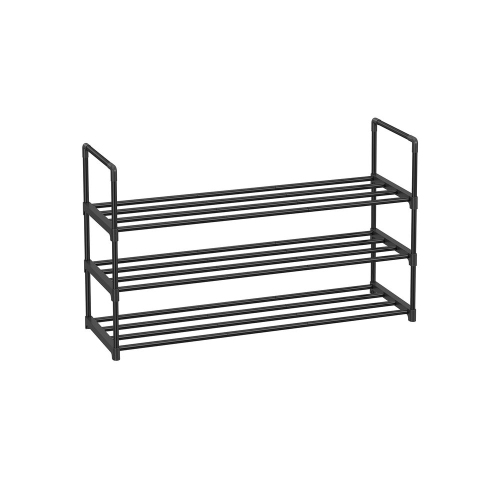
Room for everyday shoes without crowding your apartment
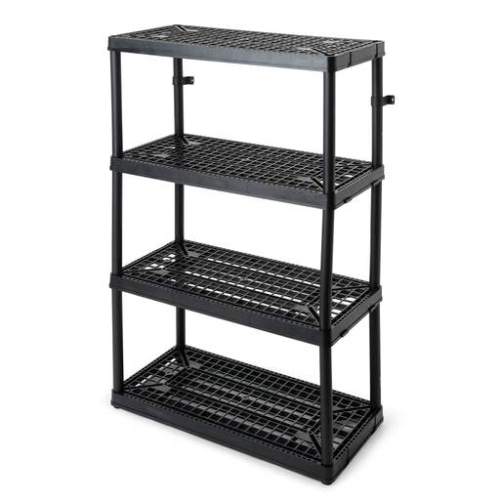
Student apartment shoe racks keep everyday footwear together without taking over the entrance, bedroom or closet. In a small rental, the most useful rack balances a compact footprint with enough shelf space for the shoes that actually get worn: sneakers for class, trainers for the gym, slippers for home and a pair kept ready for presentations or evenings out. Slim freestanding racks, tiered shelves and compact stackable designs serve different layouts, but their value comes down to fit and access rather than the number of tiers alone. A narrow rack beside the door can create a convenient landing spot, while a low unit beneath a closet rail makes use of space that might otherwise sit empty. Overall width, depth and height matter, along with clearance for doors, drawers and hanging clothes. A rack that fits against a wall still needs room in front for someone to bend down and retrieve a pair. Baseboard trim can also prevent a frame from sitting flush, which matters in a tight hallway. Shoe capacity is best treated as an estimate because footwear varies considerably in size and shape. Chunky trainers and larger shoes need more shelf width than flats, and tall boots may need an open upper shelf or adjustable spacing. For roommates, a rack with clearly separated levels can give each person a place without mixing everyone’s footwear into one pile. Open shelves make pairs easy to spot before leaving for a lecture, a shift or a study session. Keeping the busiest pairs within easy reach also reduces the temptation to leave them scattered across the floor. Where a rack sits near the entrance, its footprint should leave a clear walking route and allow the door to open fully. In a bedroom, a lower profile can help the storage blend in beside a dresser rather than becoming the room’s main feature. The right proportions make a modest rack useful without asking a small apartment to accommodate another bulky piece of furniture.
Materials and shelf construction affect how a shoe rack looks, feels and holds up to daily use. Metal frames can provide a slim profile, while solid shelves offer more continuous support for narrow heels and smaller shoes than widely spaced bars. Powder-coated steel is generally straightforward to wipe clean, although chips in the finish deserve attention, especially around joints and shelf edges. Plastic components are often light and easy to clean, but the strength of their connectors and shelves matters when the rack is fully loaded. Wood and bamboo can bring a warmer finish to a bedroom or entryway; care depends on the surface treatment, so cleaning directions are worth checking before using sprays or a damp cloth. Engineered wood also benefits from prompt attention to spills and gentle cleaning around exposed edges. Fabric shelves and covers keep the overall structure light, though they may need brushing, vacuuming or spot cleaning rather than a thorough wipe-down. Removable fabric sections are only machine washable when the care instructions say so. Beyond the material itself, useful details include secure shelf connections, feet that sit evenly and a frame that does not twist when a pair is removed. Weight limits apply to the rack as a whole and sometimes to individual shelves, so heavier footwear should be distributed accordingly. Shelf depth deserves a close look: shoes that project well beyond the front can interfere with a walkway even when the frame itself fits. Angled shelves can make footwear easier to see, but a front lip helps prevent shoes from sliding forward. Flat shelves provide flexibility for different shoe shapes, and adjustable tiers can accommodate taller pairs without wasting the height above shorter ones. A bench-style shoe rack adds a place to sit while fastening shoes, provided it is designed and rated for seating. An ordinary storage shelf should never be treated as a seat. These construction details make the difference between a rack that simply looks tidy and one that stays practical through repeated daily use.
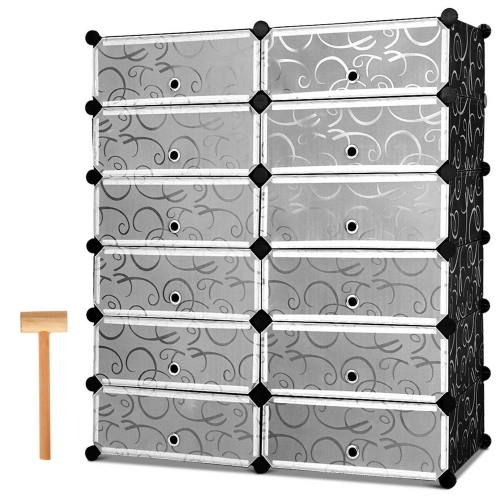
Student living also puts a premium on furniture that is manageable to assemble, rearrange and move. Tool-free connections can simplify setup, although a secure fit matters more than assembly speed, and some designs still require basic tools. Flat-pack and folding racks can be easier to transport between apartments, particularly when moving involves stairs, narrow doorways or a small vehicle. Stackable and expandable styles offer flexibility, but only compatible sections should be combined, within the manufacturer’s stated limits. Tall or stacked units may require wall restraint; the installation requirements and the rental agreement both matter when choosing a place for them. A lower, wider rack may be a more suitable choice where the required restraint cannot be installed. Open and covered designs also suit different routines. An open rack is convenient for frequently worn shoes, while a covered rack can keep visual clutter contained in a bedroom that doubles as a study space. Covers need enough clearance to open comfortably, and footwear should be clean and dry before being enclosed. Underbed organizers and hanging door storage can supplement a rack when floor space is limited, leaving accessible shelves for daily pairs rather than asking one unit to hold everything. Over-door storage needs compatible door thickness and closing clearance, while underbed storage needs room to pull out without shifting other furniture. Students comparing storage for residence rooms and shared apartments can also explore Dorm Room Shoe Racks. For an apartment, finishes and colours can coordinate with an existing desk, bed frame or entryway furniture without requiring a matching set. A compact shoe rack can also make a practical gift for a student setting up a first rental, especially when the available space and preferred style are known. Enough room to see each pair, reach it easily and put it back without rearranging the whole shelf makes the rack part of an everyday routine rather than another storage problem to work around.
Top selling and popular products
-
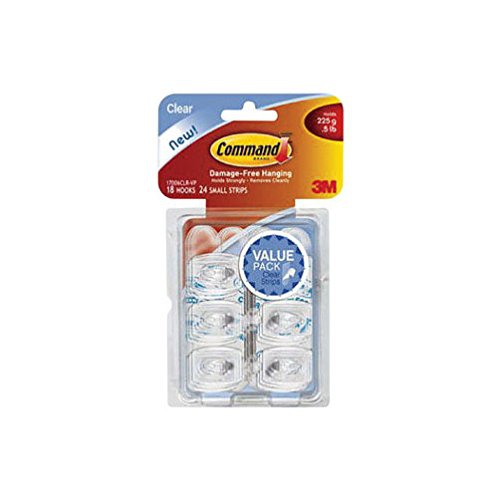 Your price for this item is $146.99
-
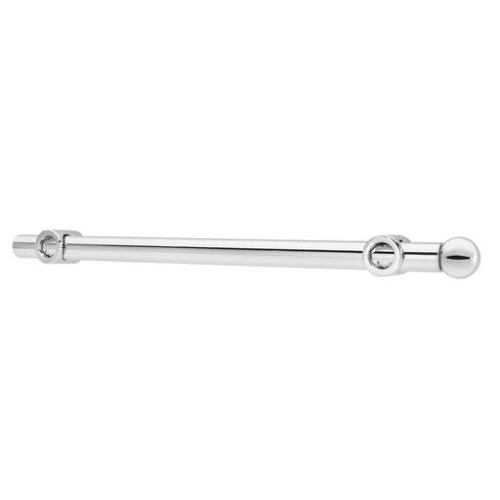 Your price for this item is $86.99
-
 Your price for this item is $133.99
-
 Your price for this item is $297.99
-
 Your price for this item is $116.99
-
 Your price for this item is $66.99
-
 Your price for this item is $88.99
-
 Your price for this item is $88.99
Discover more categories related to Student Apartment Shoe Racks
Top Collections:
Best Black Friday Deals This Year, Best Black Friday Deals On Electronics, Kindle Devices, Best Black Friday Deals On Apple Products, Best Budget Office Chairs, Best Cameras for Sports Photography, Dyson Airwrap, Canon G7X Cameras, Best Laptops for Writers, Samsung Galaxy Phones
Some products may be subject to Environmental Handling Fees
(EHF) depending on your province.
Learn more about EHFs.