Dorm Room Storage Essentials
Maximize every inch of your college living space with dorm room storage essentials designed to keep your room organized and clutter-free. From move-in day to finals week, having the right storage solutions makes it easy to find what you need and enjoy a tidy environment. Explore options that help you store clothing, school supplies, electronics, and personal items efficiently so you can focus on making the most of your college experience. Find dorm room storage essentials that fit your style and space, creating a comfortable and functional place to call home.
Sort

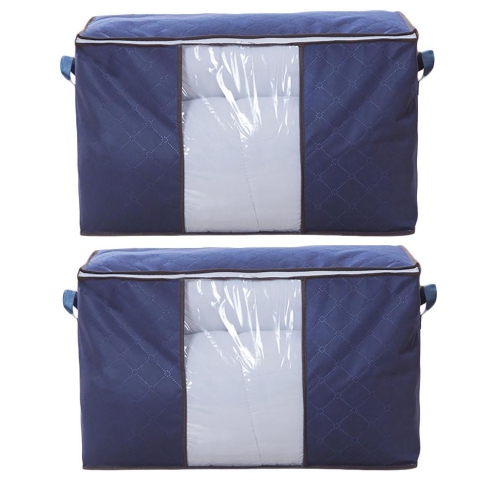
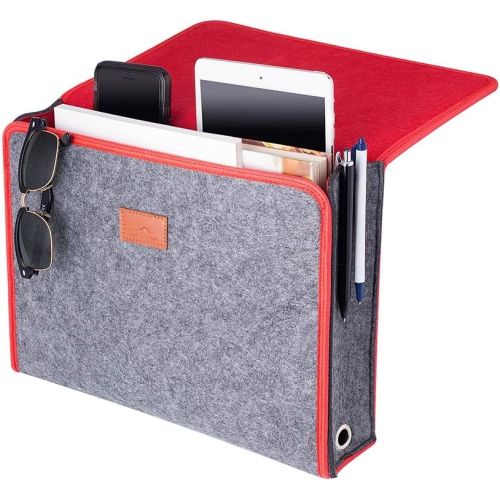
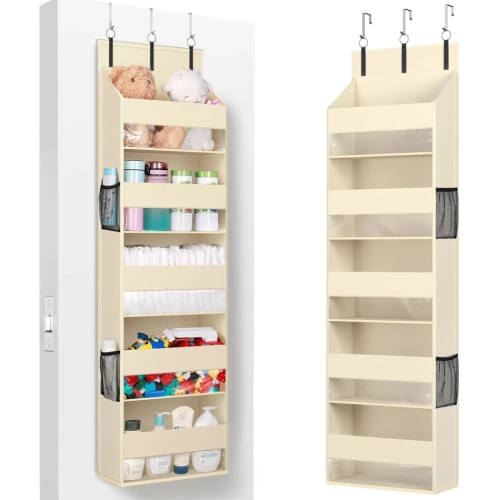
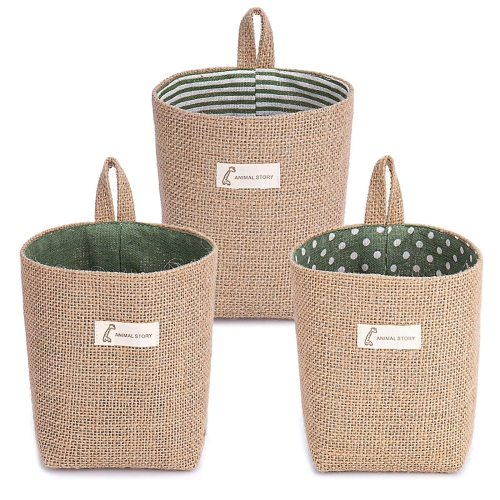
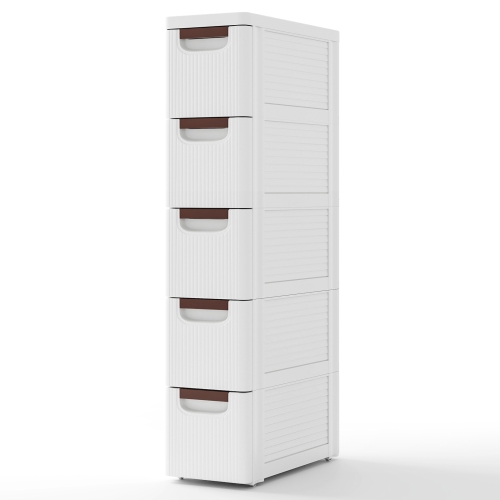
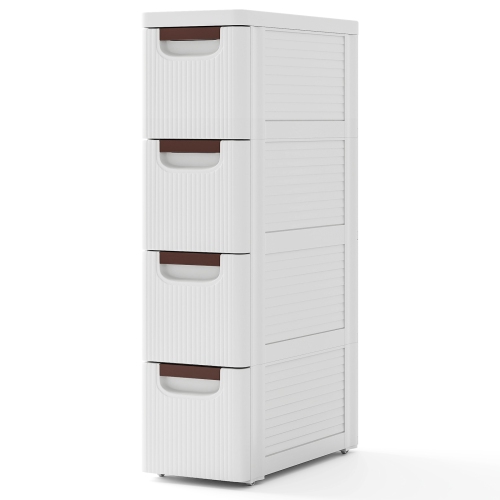
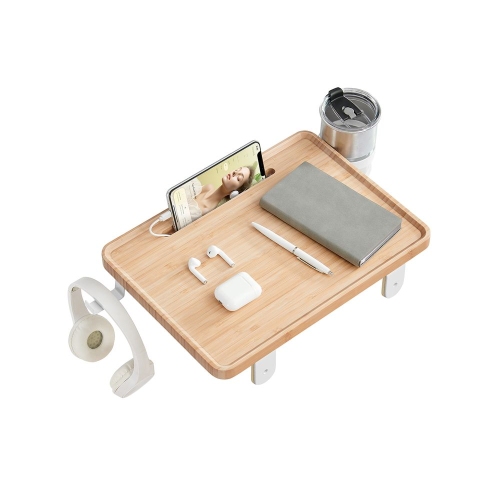
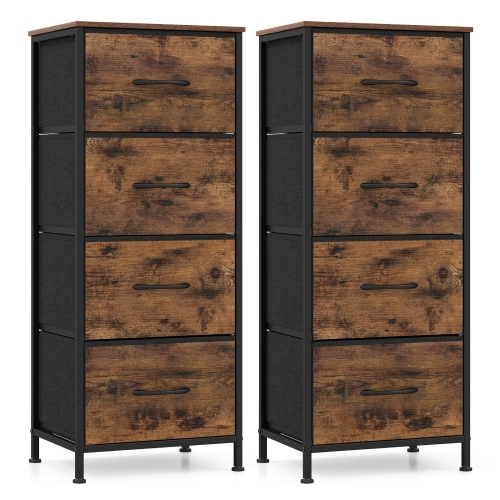
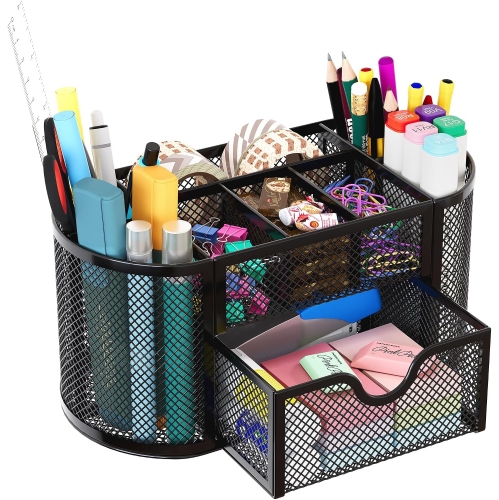
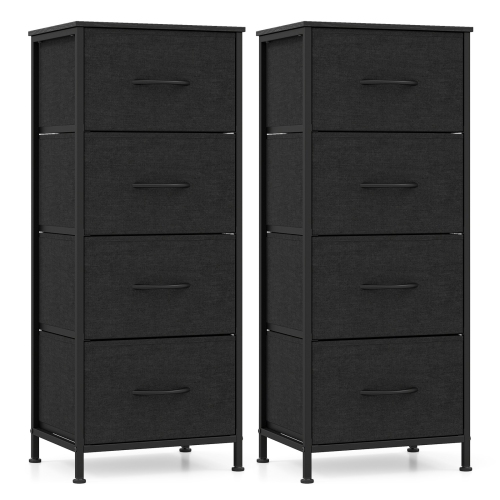
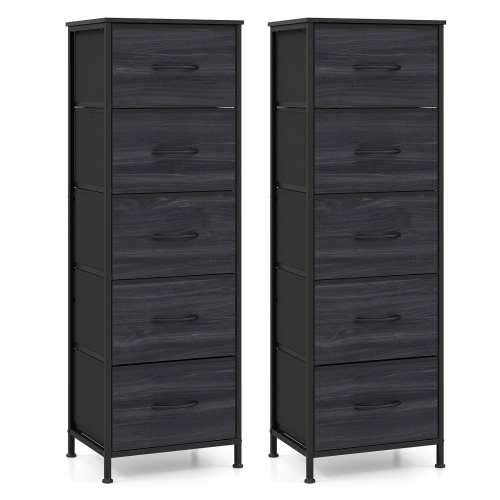
Small-space storage that leaves room for everyday dorm life
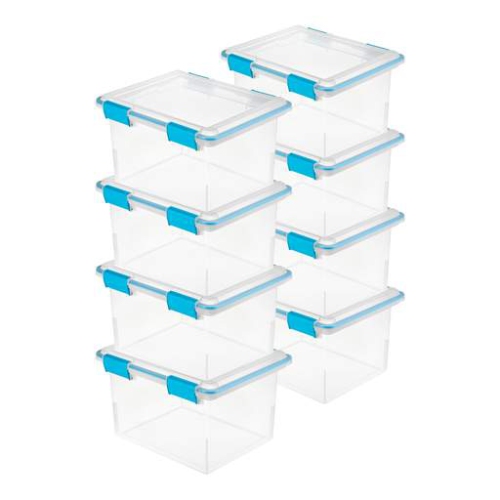
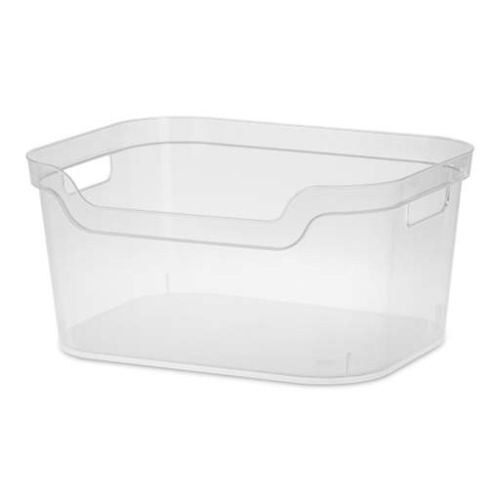
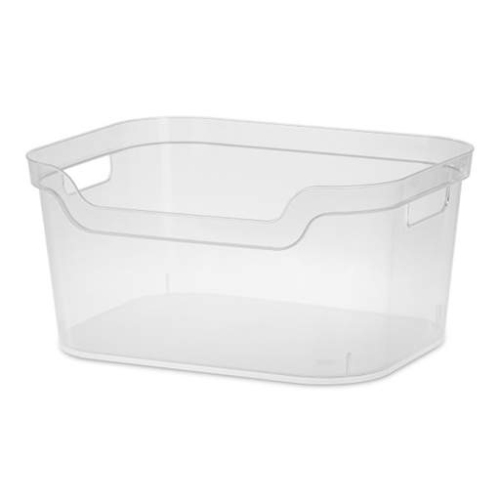
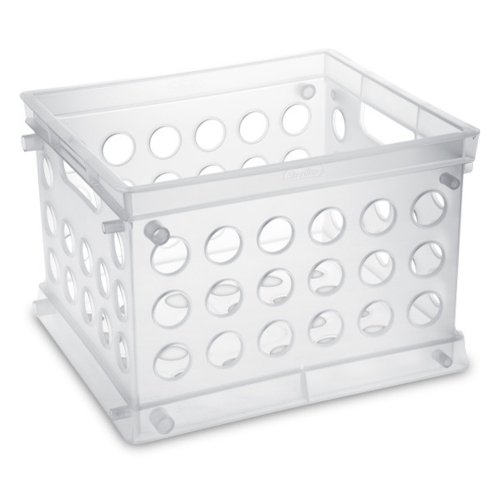
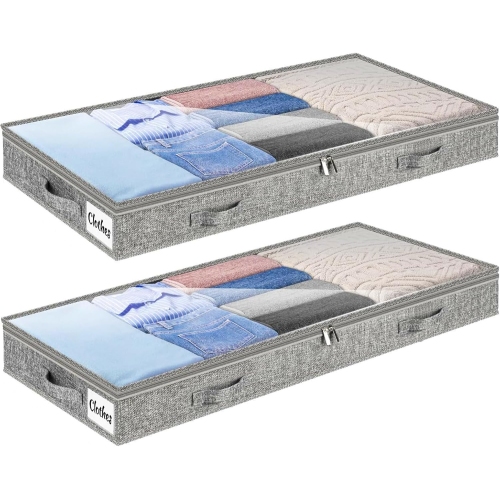
Dorm room storage essentials include under-bed containers, slim hangers, over-the-door organizers, bedside caddies, stackable drawers, rolling carts, shower caddies, and laundry hampers. Each serves a different purpose in a room where sleeping, studying, dressing, and relaxing often share the same small footprint. The most useful combinations give frequently used belongings an accessible home while keeping walkways, doors, and desk surfaces clear. Under-bed storage makes use of a space that might otherwise collect loose shoes and forgotten bags. Low-profile containers suit folded clothing, spare bedding, and towels, while zippered fabric bags can help protect clean textiles from dust. Clear sides make contents easier to identify; opaque finishes offer a more uniform appearance when storage remains visible. Fit depends on more than the height beneath the bed frame: wheels, handles, lids, and the space needed to pull a container out all affect everyday use. A container that fits underneath but cannot slide past a nearby desk or dresser offers limited convenience. Soft-sided designs can be easier to manoeuvre through narrow gaps, while rigid containers provide structure for belongings that need more protection. In the wardrobe, slim hangers reduce bulk along the rail, and hanging shelves create separate compartments for folded clothing and accessories. Matching hanger shapes can make a crowded rail easier to browse, although heavier garments still need suitable support. Shoe organizers and door-mounted pockets extend storage vertically, leaving more floor space for moving around. Their usefulness depends on door clearance, hook thickness, and the weight the door or mounting point can safely support. In a shared room, separate compartments also help roommates keep belongings distinct without dividing every shelf. Simple details such as visible labels, comfortable handles, and compartments sized for everyday possessions can make the difference between storage that gets used and a pile that gradually returns to the floor. A suitcase can also hold infrequently used belongings between trips, provided its contents remain easy to remove when it is time to pack.
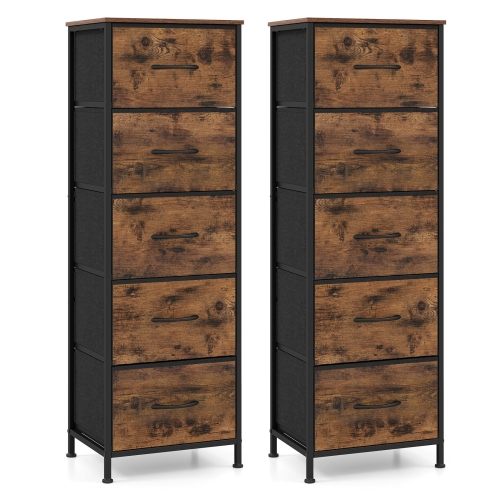
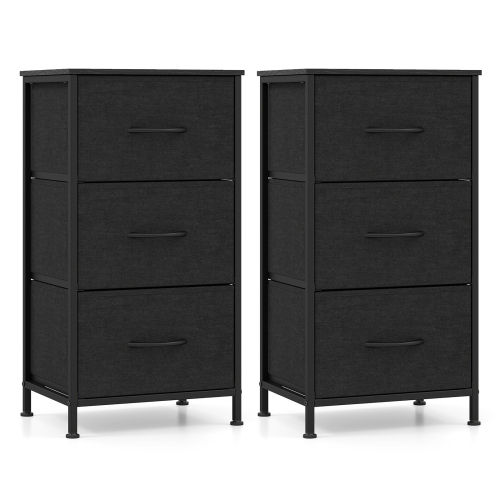
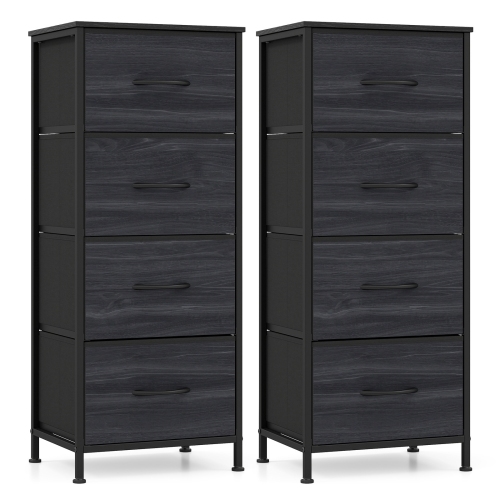
Around a study area, dorm room storage works best when it supports the way the space is actually used. Shallow drawer organizers keep pens, charging cables, and small stationery from disappearing beneath notebooks, while upright files separate course materials without spreading them across the desktop. A clear work surface leaves room for a laptop and an open textbook, and small compartments make it easier to put things away between classes. Stackable drawers and modular shelving provide flexible storage, but their overall dimensions matter as much as their capacity. Deep units can interrupt a walking route, and tall units need appropriate stability and any anchoring required by the manufacturer and residence rules. Heavy books belong on shelves designed to support their weight, with heavier belongings positioned lower down. Adjustable compartments are helpful when the same space needs to hold binders, headphones, and personal accessories. A narrow rolling cart can serve as a bedside station or a movable supply area, especially when locking castors keep it steady during use. Smooth-rolling wheels, sturdy handles, and trays with raised edges are useful details when moving belongings across a room. Beside the bed, a hanging caddy keeps a phone, glasses, and a paperback within reach without requiring a separate table. Secure attachment and a shape suited to the bed frame help prevent sagging or interference with bedding. Cables should remain clear of wheels and moving parts, and electronics need ventilation rather than being packed into enclosed compartments while operating. Storage ottomans add concealed space and occasional seating when designed and rated for that purpose; they should not be treated as steps. Lift-up lids also need enough clearance to open comfortably. Materials influence both appearance and upkeep: coated metal can be straightforward to wipe clean, fabric bins soften the look of open shelving, and finished wood or composite panels create a more furniture-like effect. Smooth edges, sound joints, reliable drawer stops, and clearly stated weight limits are useful indicators of suitability for regular handling.
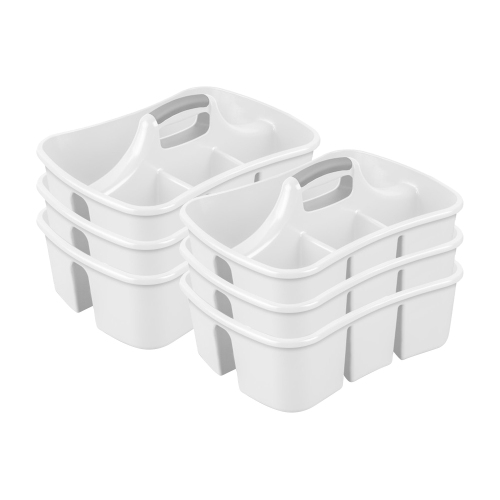
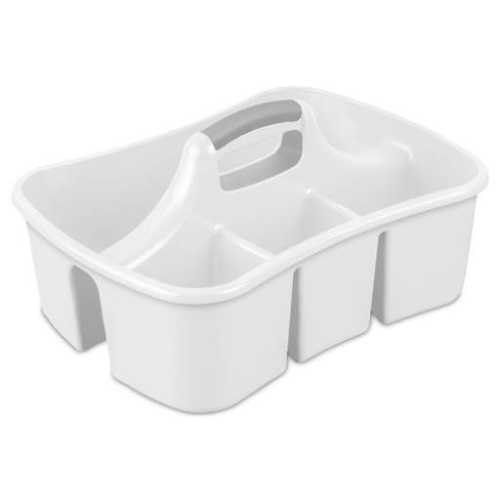
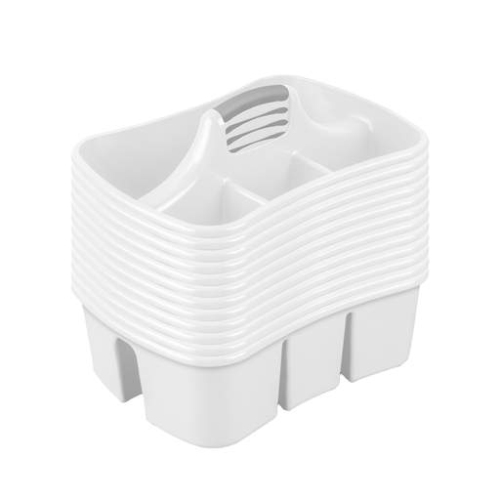
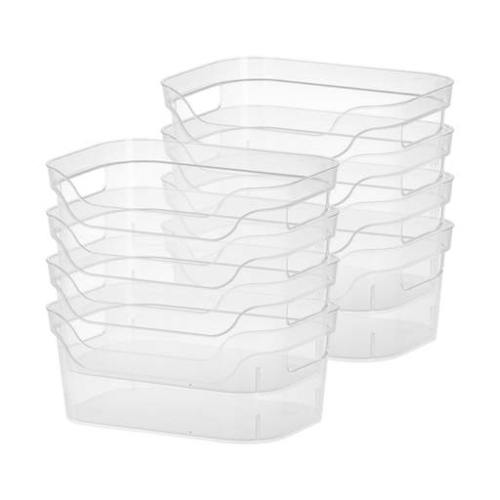
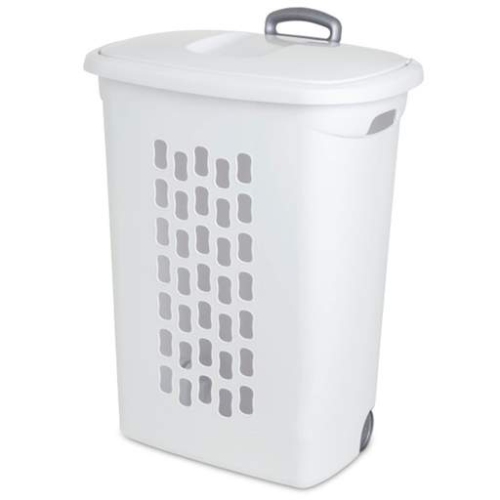
Bathroom and laundry storage brings another set of practical needs, particularly when facilities are shared down the hall. A shower caddy keeps toiletries together for the walk between bedroom and bathroom, with drainage openings helping water escape instead of collecting around bottles. Open mesh designs are lightweight and allow airflow, while rigid designs can provide a stable base and separate compartments. Comfortable handles and enough room for full-height bottles matter more than extra pockets that are difficult to reach. Caddies and containers used in damp areas still need regular cleaning and thorough drying, following the care directions for their materials. Laundry hampers benefit from a balance of capacity and portability: a large opening simplifies daily use, but an overfilled hamper can be awkward on stairs or through narrow doorways. Reinforced handles, secure seams, and washable liners are helpful for repeated trips, while backpack-style bags leave hands free for opening doors. Damp towels should dry before being enclosed with other laundry. Separate storage for clean bedding, toiletries, and cleaning supplies keeps different routines from overlapping, and food belongs apart from cleaning products. Across the room, removable fabric inserts and wipeable surfaces make routine care more manageable, although finishes and textiles may require different cleaning methods. Collapsible bins and nesting containers are convenient for students who move between residence and home, since they take up less space when empty. Neutral finishes can blend with existing furniture, while colour-coded containers make shared storage easier to navigate. For students moving into residence, or families choosing a practical gift, a coordinated selection of storage can be useful without assuming that every room has the same layout. Room measurements, residence policies, and existing furniture remain important considerations. Thoughtfully chosen Dorm Storage Solutions bring these everyday needs together, helping clothing, study supplies, toiletries, and laundry stay organized without making a compact room feel crowded.
Top selling and popular products
-
 Your price for this item is $698.99
-
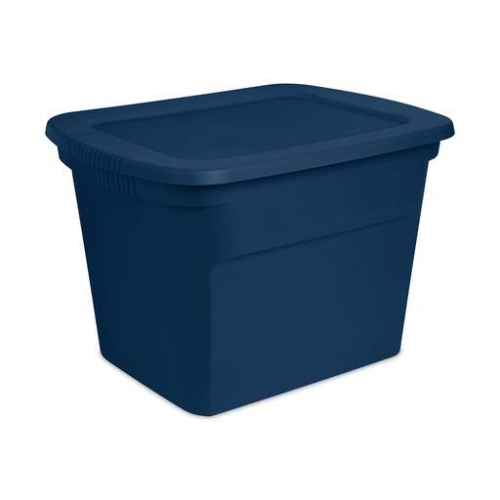 Your price for this item is $1146.99
-
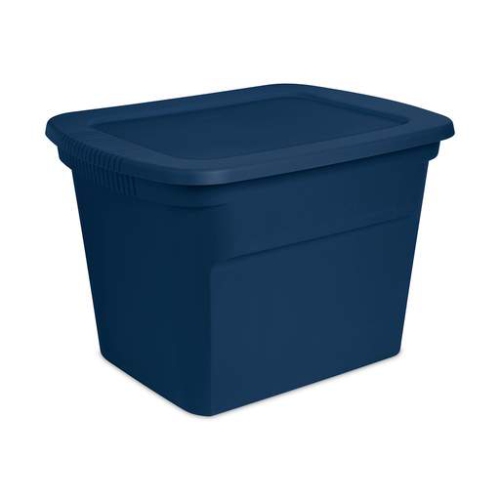 Your price for this item is $859.99
-
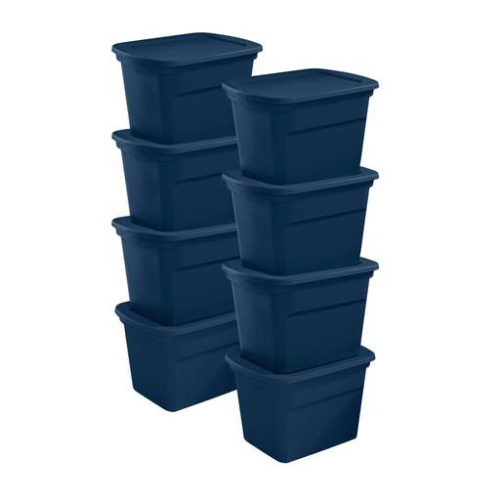 Your price for this item is $296.99
-
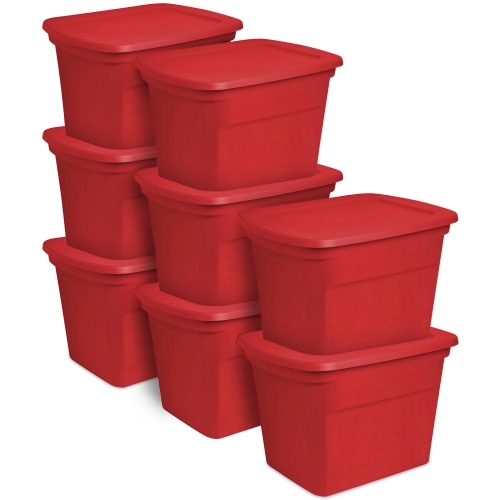 Your price for this item is $244.99
-
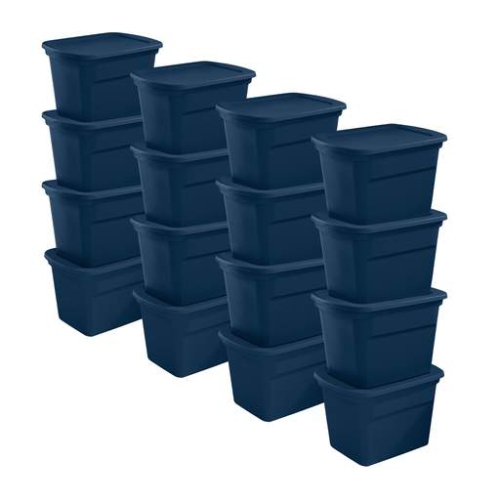 Your price for this item is $573.99
-
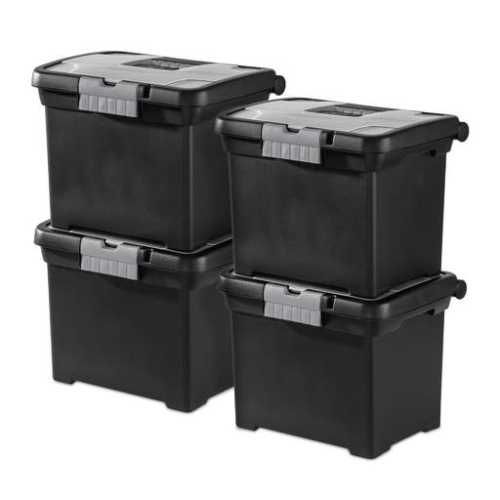 Your price for this item is $178.99
-
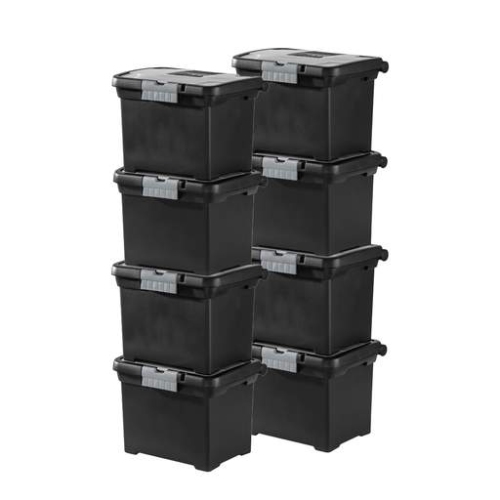 Your price for this item is $348.99
Discover more categories related to Dorm Room Storage Essentials

Top Collections:
Best Black Friday Deals This Year, Best Black Friday Deals On Electronics, Kindle Devices, Pokemon Centers, Best Black Friday Deals On Apple Products, Best Cameras for Sports Photography, Dyson Airwrap, Pokémon 30th Celebration Cards, Apple iPhone 17 Pro, Canon G7X Cameras
Some products may be subject to Environmental Handling Fees
(EHF) depending on your province.
Learn more about EHFs.