Storage Ideas for Dorm Rooms
Maximize every inch of your space with smart storage ideas for dorm rooms. Whether you're looking to organize clothes, books, or school supplies, the right storage solutions can help keep your room tidy and functional. Discover creative ways to make the most of limited square footage and transform your dorm into a comfortable, clutter-free retreat perfect for both studying and relaxing.
Sort

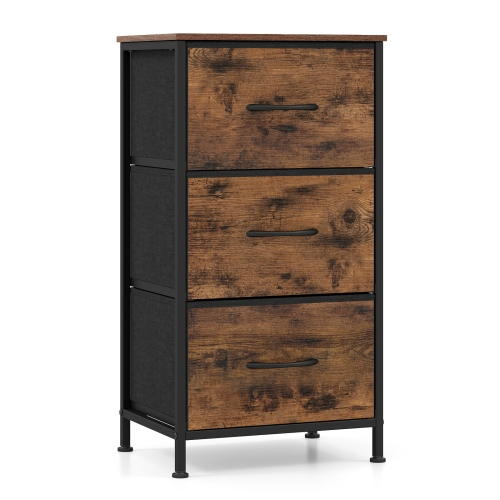
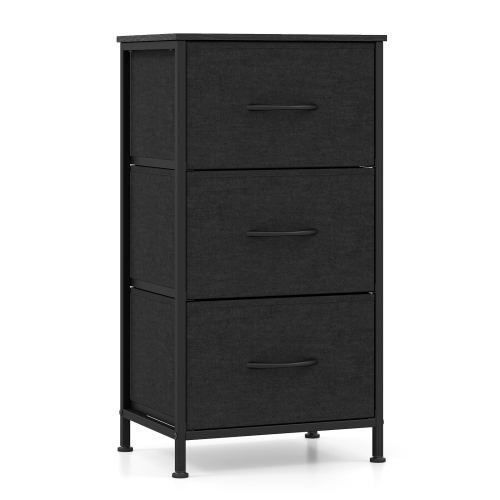
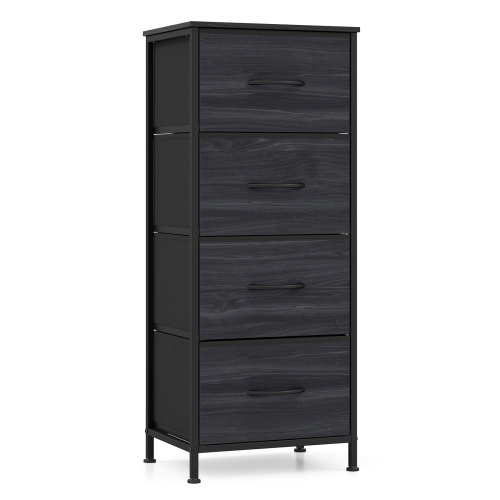
More usable storage without crowding your dorm floor
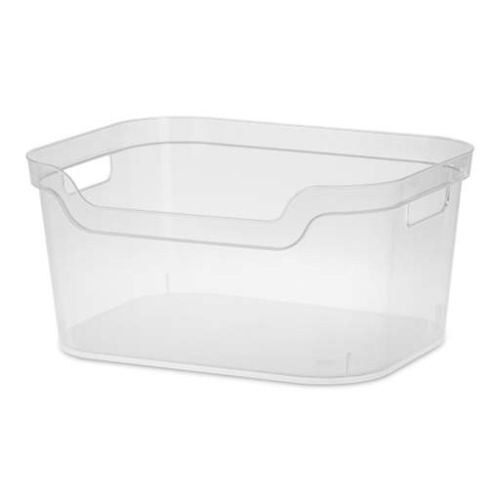
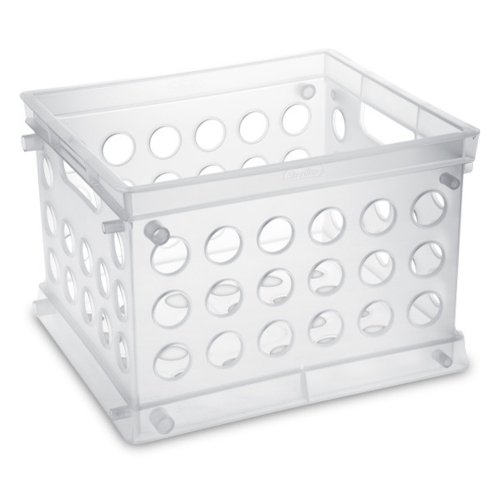
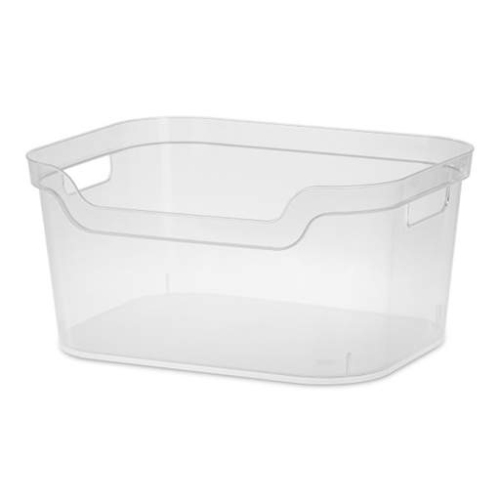
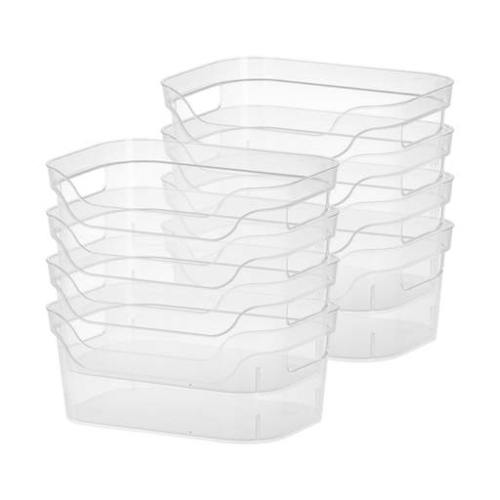
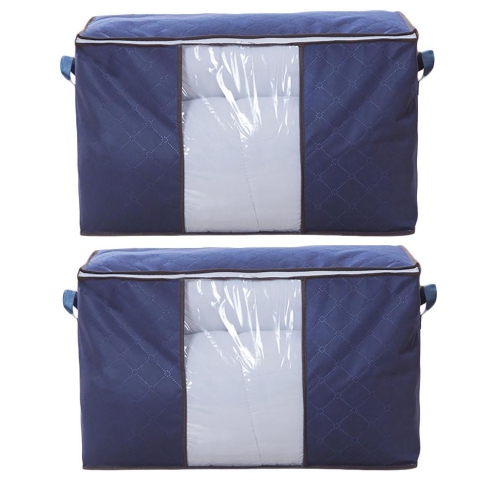
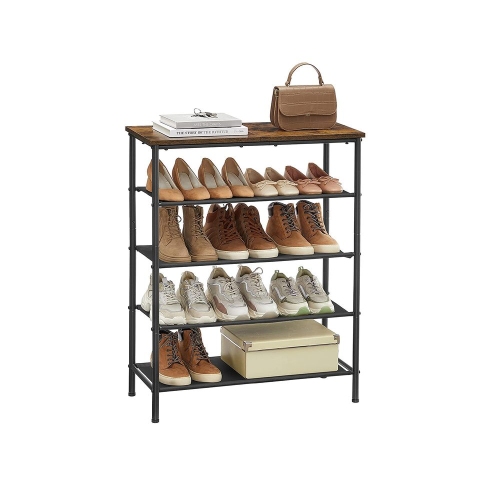
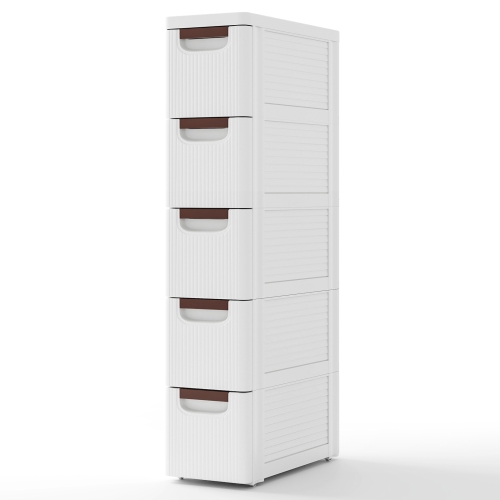
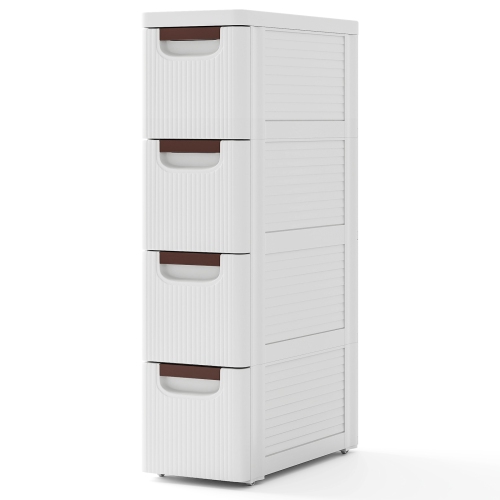
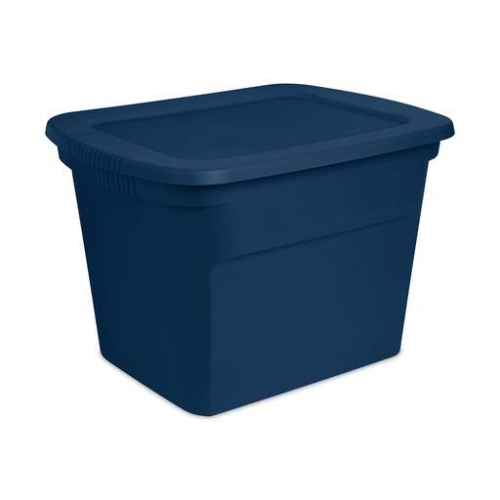
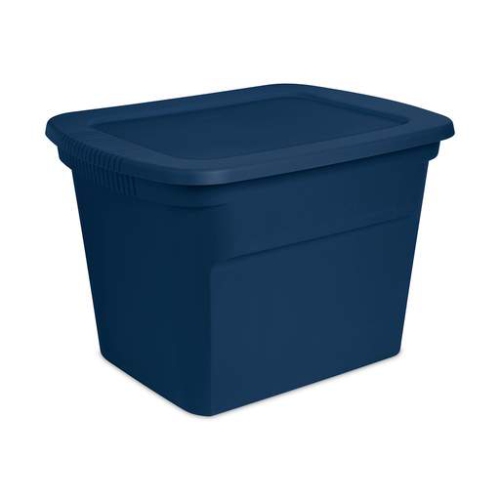
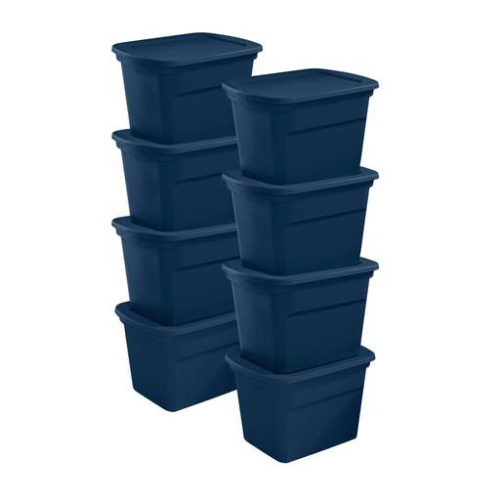
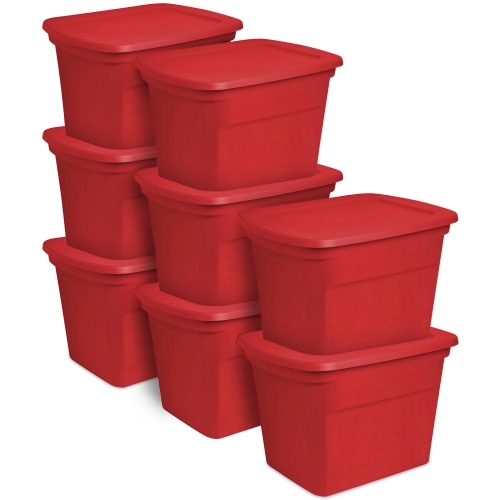
The most useful storage ideas for dorm rooms make better use of the space already there: the clearance beneath a bed, the height inside a wardrobe, the back of a door, and the corners around a desk. In a room that serves as a bedroom, study area, and shared living space, compact storage helps keep everyday belongings accessible without crowding the floor. Under-bed storage containers are suited to folded clothing, extra bedding, shoes, and belongings that do not need a place on the desktop. Fit matters as much as capacity. A container needs enough clearance to slide beneath the bed frame, but it also needs room to pull out without hitting a desk leg or neighbouring furniture. Wheels can make heavier contents easier to reach, while sturdy handles are useful on carpet, where rolling may be less smooth. Clear plastic makes contents visible at a glance; opaque containers keep the view quieter; and soft-sided storage can suit lightweight textiles when a rigid box would be awkward to manoeuvre. Zippered covers and fitted lids help keep stored belongings separate from dust, though clothing and linens should be clean and completely dry before being packed away. For beds with limited clearance, risers are only suitable when permitted by the residence and compatible with the frame and its supported weight. Lofted or bunked beds may have different restrictions, so extra height should never be assumed to be appropriate. Stackable drawers offer another way to divide clothing, toiletries, and study supplies into smaller groups, provided the arrangement remains stable and does not block access. A shallow container for frequently worn shoes and a separate bag for spare bedding can be more practical than one deep bin that needs unpacking every time something is missing. Students moving away from home for the first time often benefit from storage with an obvious purpose, especially when a shared room leaves little space for sorting through mixed belongings. The aim is usable capacity, not simply filling every gap.
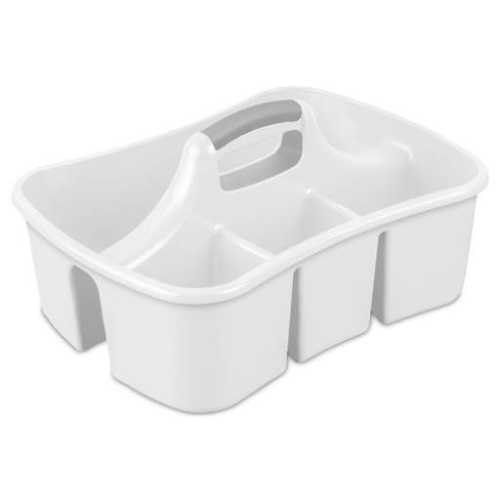
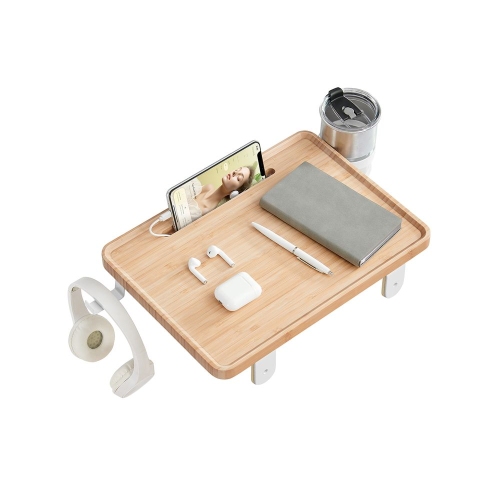
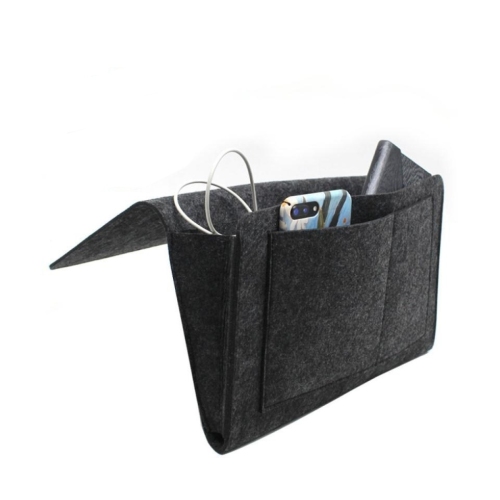
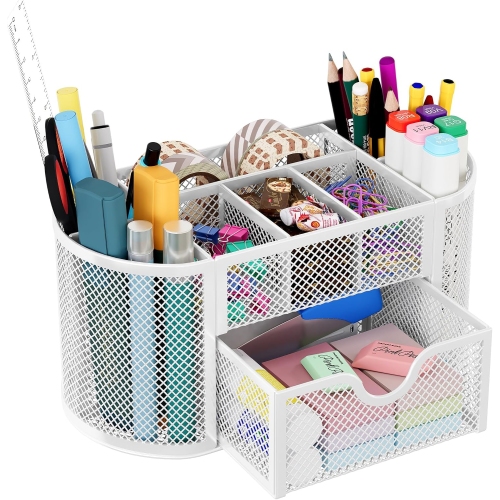
Vertical storage is especially valuable where floor space is limited, but its usefulness depends on how comfortably belongings can be reached. Hanging wardrobe organizers can create compartments for folded tops and accessories, while tiered hangers group similar garments without requiring a separate shelf. Their dimensions should leave room for clothes below and allow the wardrobe door to close freely. Over-the-door organizers turn an otherwise unused surface into storage for small toiletries, stationery, or lightweight accessories. Bracket thickness, door clearance, and the weight of the contents all affect the fit; an organizer that interferes with a latch or scrapes against the frame is unlikely to work well in daily use. Pocket depth also matters. Small belongings can disappear inside oversized compartments, while narrow pockets may not accommodate larger bottles. Wall hooks can keep bags, keys, and frequently used clothing off a chair, but mounting methods need to suit the surface and residence rules. Removable adhesive hooks have their own load limits and removal instructions, so they should not be treated as a universal solution for heavy belongings. Around a study area, desktop drawers, upright file holders, and compact shelves give notebooks and loose papers a defined place without covering the writing surface. A desk hutch can use the space above the desktop, provided its footprint fits securely and leaves comfortable room for a screen, lamp, and open textbook. Electronics still need the ventilation and cable clearance specified by their manufacturers. A narrow rolling cart can sit beside a desk or bed and hold frequently used supplies, then move aside when access is needed. Locking castors are helpful where a cart needs to stay put, while raised shelf edges can help contain smaller belongings. Bedside caddies offer accessible storage for glasses, a phone, or a notebook when there is no room for a nightstand, as long as their attachment suits the bed structure. In a shared dorm room, these compact storage options work best when they keep walkways clear and do not intrude on a roommate’s drawers, door access, or study space.
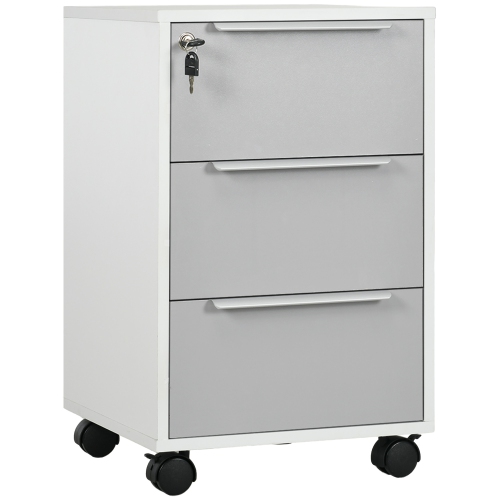
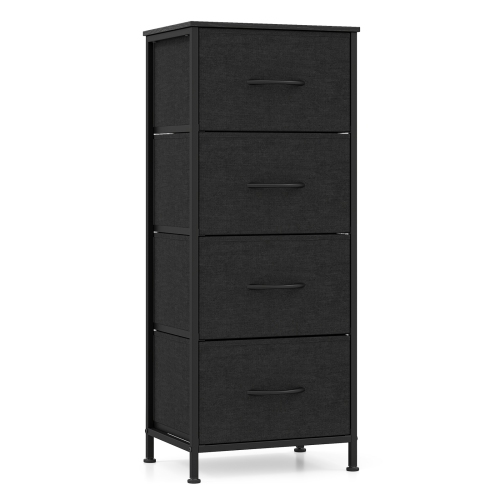
Materials and construction influence how dorm storage looks, feels, and holds up to repeated use. Plastic containers are generally easy to wipe clean, but lid fit, handle strength, and the weight of the contents matter more than appearance alone. Fabric bins have a softer look and can fold down for transport, although their sides may need reinforcement to hold their shape when filled. Metal shelving and carts can suit frequently handled supplies, with smooth edges and secure joints contributing to comfortable daily use. Wood and engineered wood storage can coordinate with existing furniture, but care requirements vary by finish; spills should be addressed promptly, and cleaning should follow the manufacturer’s directions. Storage used for toiletries benefits from an easily cleaned interior, while compartments holding towels or laundry need enough airflow for their intended use. Damp towels should not be tucked into closed containers. Multifunctional furniture can be useful when it genuinely replaces something else: a storage ottoman may provide seating as well as space for spare bedding, while a compact drawer unit may also serve as a bedside surface if its height and construction suit that role. Seating requires a stated weight capacity, and storage furniture should not be used as a step. When comparing Dorm Storage Solutions, a coordinated mix of shallow containers, divided drawers, and accessible open storage often serves daily routines better than several oversized pieces. Matching colours or similar finishes can make a busy room feel more cohesive, while simple labels help distinguish shared supplies from personal belongings. Storage can also be a thoughtful gift for a student preparing for residence, particularly when room dimensions and housing rules are already known. Fold-flat bins and adaptable organizers are easier to accommodate than furniture chosen without measurements. Durable seams, secure fasteners, and drawers that open smoothly are worth considering for belongings that will be packed, unpacked, and moved between home and campus. Good dorm storage supports those routines while leaving enough room to study, rest, and comfortably share the space.
Top selling and popular products
-
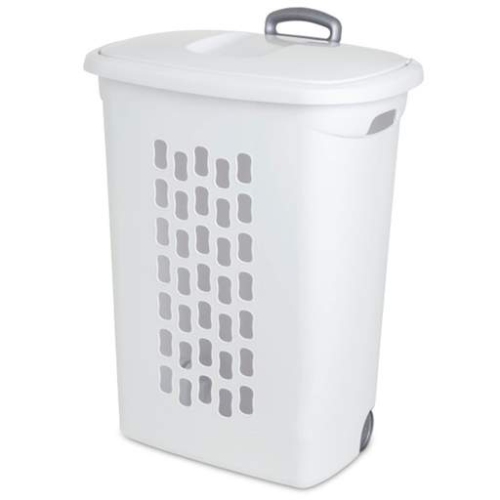 Your price for this item is $698.99
-
 Your price for this item is $1146.99
-
 Your price for this item is $859.99
-
 Your price for this item is $296.99
-
 Your price for this item is $244.99
-
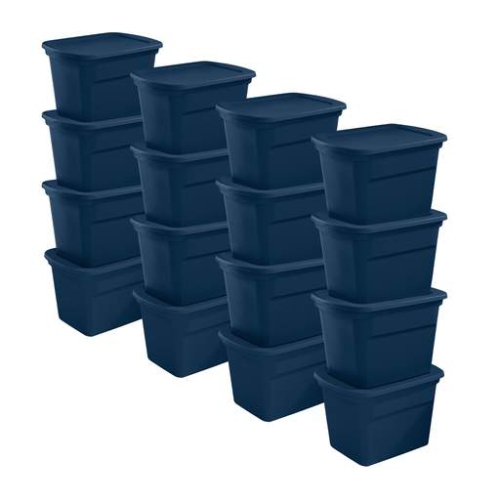 Your price for this item is $573.99
-
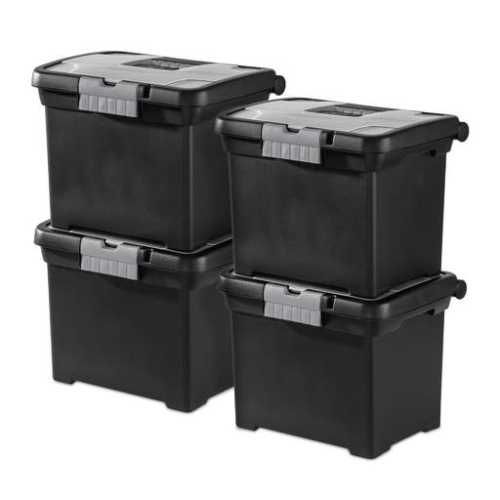 Your price for this item is $178.99
-
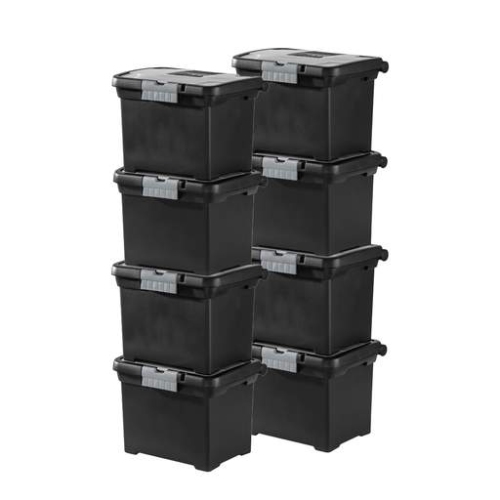 Your price for this item is $348.99
Discover more categories related to Storage Ideas for Dorm Rooms
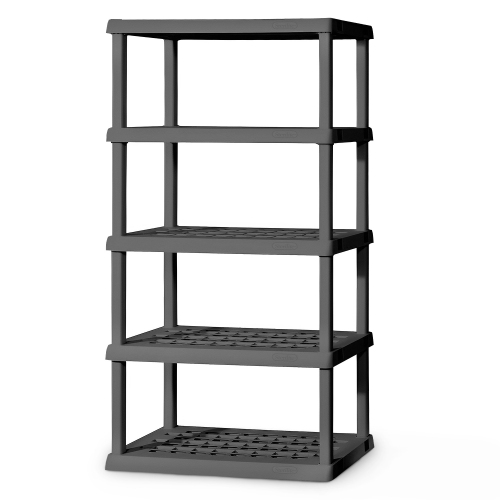
Top Collections:
Best Black Friday Deals This Year, Best Black Friday Deals On Electronics, Kindle Devices, Pokemon Centers, Best Black Friday Deals On Apple Products, Best Cameras for Sports Photography, Dyson Airwrap, Pokémon 30th Celebration Cards, Apple iPhone 17 Pro, Canon G7X Cameras
Some products may be subject to Environmental Handling Fees
(EHF) depending on your province.
Learn more about EHFs.