Double Mattresses
Upgrade your sleeping experience with a comfortable and spacious double mattress. Perfect for couples, guest rooms, or solo sleepers craving extra room to stretch out, a double mattress provides the ideal balance between size and functionality. Whether you prefer memory foam, innerspring, or hybrid designs, there is a double mattress option to suit your unique needs and preferences. Say goodbye to restless nights and hello to a restful slumber on a quality double mattress that promises comfort and support night after night.
Sort
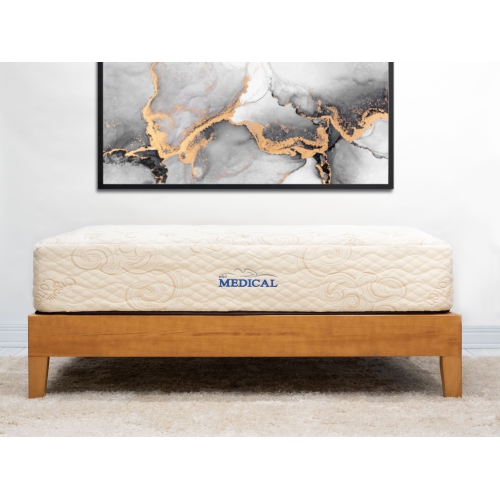


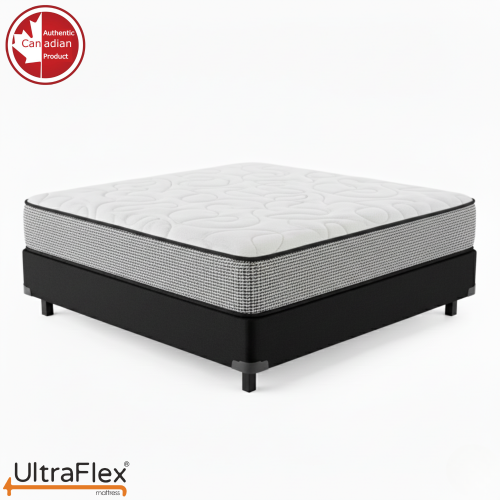
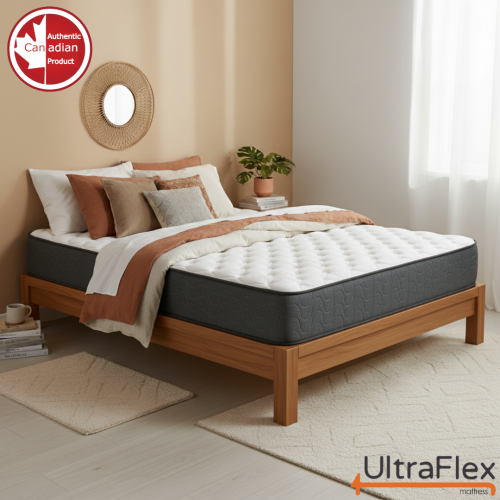

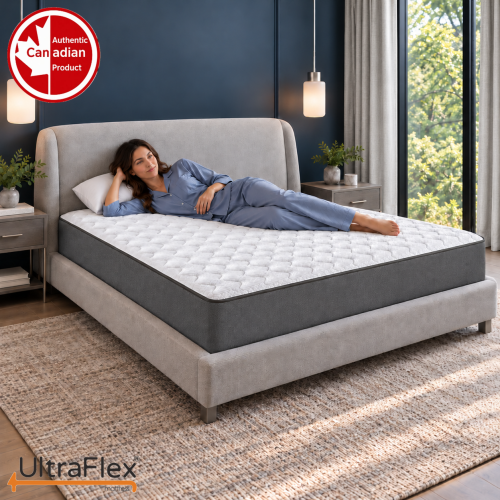


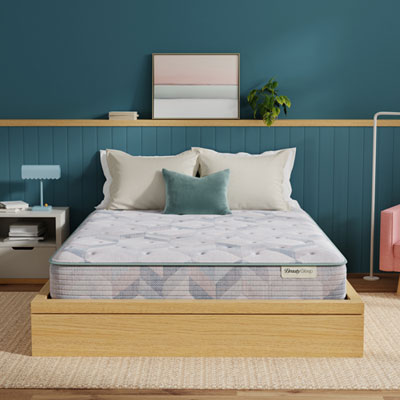

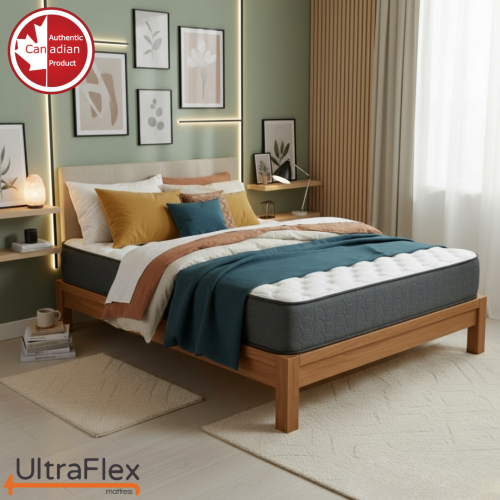
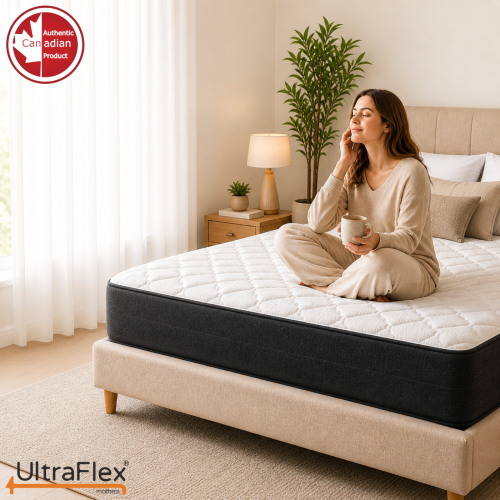
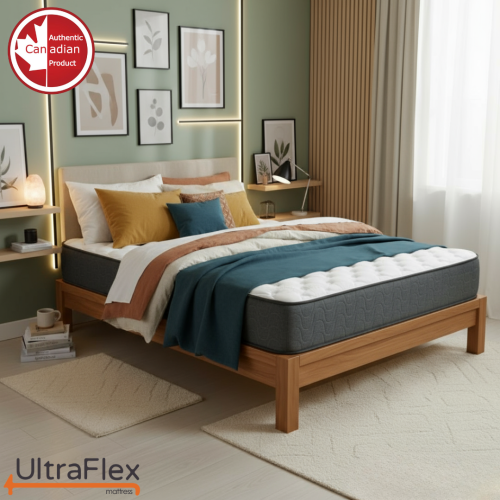

Room to stretch without taking over your bedroom
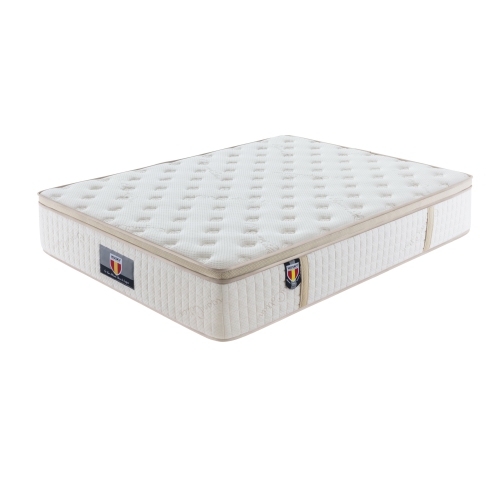
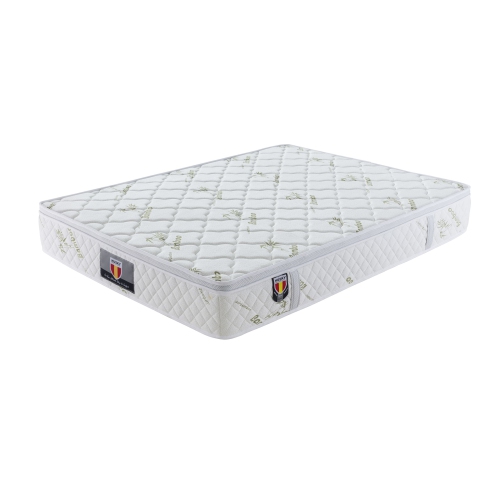
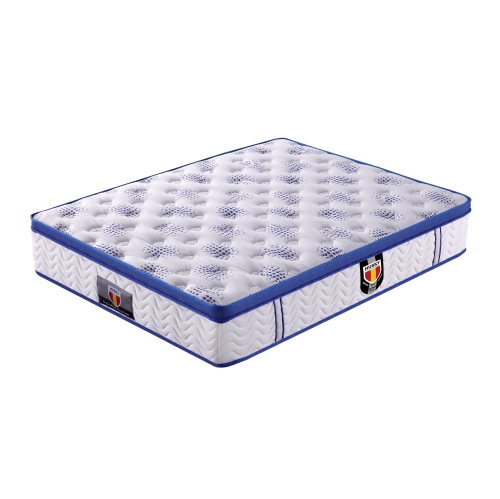
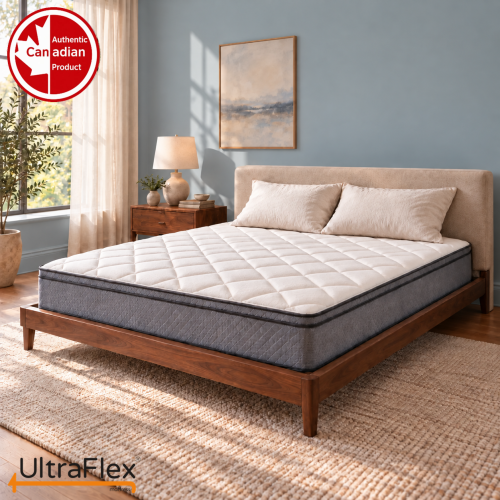
Double mattresses offer a comfortable middle ground between a narrow single bed and a larger queen, making them a practical choice for bedrooms where sleeping space and floor space both matter. A standard double mattress measures approximately 54 inches wide by 75 inches long, or 137 cm by 191 cm. Also called a full-size mattress, it gives a single sleeper room to stretch out without taking up as much space as a queen, which typically measures 60 inches by 80 inches. This size works well for teenagers moving beyond a twin bed, adults furnishing a smaller bedroom, and guest rooms that also need to accommodate a desk or storage cabinet. Two adults can share a double, although its width leaves about 27 inches per person, so it can feel close for regular use, particularly when either sleeper changes position frequently. Taller sleepers may also find the standard 75-inch length restrictive. The mattress dimensions are only part of the room-planning picture: a bed frame, upholstered headboard, or projecting footboard can make the complete bed noticeably larger. Leaving enough clearance to open drawers, reach a wardrobe, and walk beside the bed helps keep a compact room functional. For a narrower sleeping surface, Twin Mattresses can leave more room for other furniture, while a double provides extra width at a similar standard length. Bedding labelled double or full generally corresponds to this mattress size, but fitted-sheet depth matters as much as width and length. A thick mattress, especially one topped with an additional comfort layer, may need deeper pockets to keep the corners secure. Checking the mattress height also helps establish a comfortable overall bed height once the foundation and frame are included. A low frame with a thick mattress can feel quite different from a tall base supporting a thinner mattress, even when both beds have the same sleeping area.
The feel of a double mattress depends on its construction, comfort layers, and firmness rather than its size alone. Memory foam responds gradually to weight and contours around areas such as the shoulders and hips, creating a more cushioned, close-fitting sensation. Other cushioning foams can feel quicker to respond, making it easier to change position without the same settling-in effect. Latex often has a springier feel, though its firmness varies with the formulation and design. Innerspring mattresses use a coil support system, while hybrids combine coils with substantial foam or latex comfort layers. Individually wrapped coils can respond more locally to movement, and the materials above them also influence how much movement reaches the other side of the bed. That distinction can matter when a double is shared by someone who turns frequently and someone who wakes easily. Edge support deserves attention too: a stable perimeter can make sitting to put on socks more comfortable and help the sleeping surface feel usable closer to its sides. Firmness descriptions are useful starting points, but the same mattress can feel different depending on a sleeper’s weight, proportions, and usual position. Side sleepers often appreciate cushioning that lets the shoulder and hip settle without creating a sharp pressure point. Back sleepers may prefer a balance of contouring and steady support, while stomach sleepers often need enough resistance beneath the midsection to avoid excessive sinking. Someone who alternates between positions may favour a surface that responds readily rather than holding a deep impression around the body. A plush quilted top does not necessarily mean the underlying mattress lacks support, just as a firm surface does not automatically make it more durable. Foam density, layer thickness, coil design, and the quality of the cover all contribute to performance. Breathable cover fabrics and internal airflow can also affect how the surface feels through the night. For a guest room, a balanced feel may accommodate a wider range of preferences than an exceptionally soft or rigid surface, though no single firmness suits everyone.
A double mattress performs best on a compatible, supportive base, whether that is a platform bed, an appropriate foundation, or another frame approved for its construction. Slat spacing and any centre-support requirements are worth checking before placing the mattress on an existing bed. Gaps that are too wide can leave sections unsupported, and a worn or bowed foundation can affect the feel of a new sleeping surface. Compatibility with an adjustable base should also be confirmed rather than assumed, because not every mattress is designed to bend. For a mattress delivered compressed, the manufacturer’s instructions establish how to unpack it and how much time it needs to regain its intended shape. Keeping the room well ventilated during unpacking can help any initial packaging odours dissipate. Day-to-day care is usually straightforward: a well-fitting mattress protector helps shield the surface from spills, perspiration, and everyday marks, while regular laundering of sheets keeps bedding fresh. A removable cover is not necessarily machine washable, so its care label remains important. When spot cleaning is permitted, using only the recommended amount of moisture and allowing the area to dry fully helps avoid leaving dampness inside the layers. Rotation can help distribute wear when the manufacturer recommends it, but flipping is appropriate only for mattresses designed with two usable sleeping sides. Most single-sided constructions need their comfort layers facing upward. During a move, using a protective mattress bag and following handling instructions can help prevent tears, dirt, and damage from excessive bending. Over time, visible sagging, persistent impressions, damaged edges, or a noticeable loss of support may signal that the mattress is no longer performing as intended. Lifespan varies with construction, sleeper weight, frequency of use, and the support underneath, so a guest-room mattress and one used every night may wear differently. Matching the construction to its intended use, then supporting and caring for it properly, helps a double mattress remain a comfortable part of a bedroom without overwhelming the space.
Top selling and popular products
-
 Your price for this item is $1199
-
 Your price for this item is $644
-
 Your price for this item is $696.5
-
 Your price for this item is $591.5
-
 Your price for this item is $906.5
-
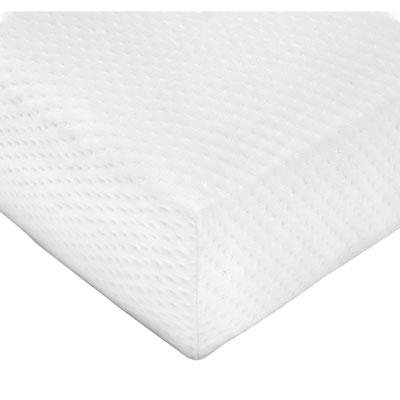 Your price for this item is $159.99
-
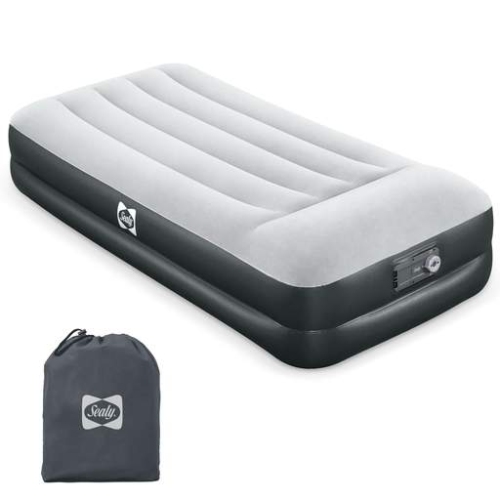 Your price for this item is $133.99
-
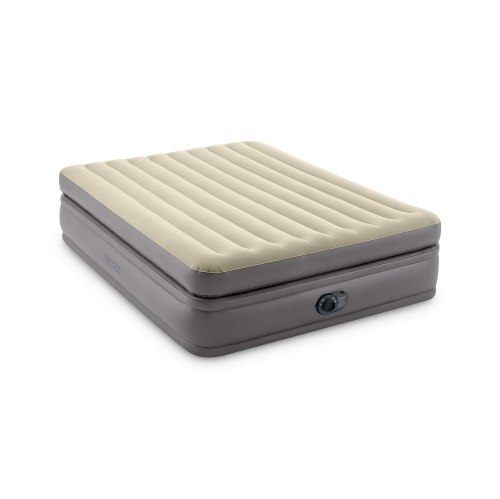 Your price for this item is $239.99
Discover more categories related to Double Mattresses

Top Collections:
Best Black Friday Deals This Year, Best Black Friday Deals On Electronics, Kindle Devices, Best Black Friday Deals On Apple Products, Best Budget Office Chairs, Best Cameras for Sports Photography, Dyson Airwrap, Canon G7X Cameras, Best Laptops for Writers, Samsung Galaxy Phones
Some products may be subject to Environmental Handling Fees
(EHF) depending on your province.
Learn more about EHFs.