Durable Dining Room Rugs
Elevate your dining space with Durable Dining Room Rugs designed to withstand the demands of daily life while adding style and comfort to your home. Whether you’re hosting family gatherings or enjoying everyday meals, these rugs offer a reliable foundation for your dining area. Explore a variety of sizes, patterns, and colors to find the perfect match for your decor, all while ensuring lasting performance underfoot. Discover how Durable Dining Room Rugs can enhance both the look and functionality of your dining room.
Sort
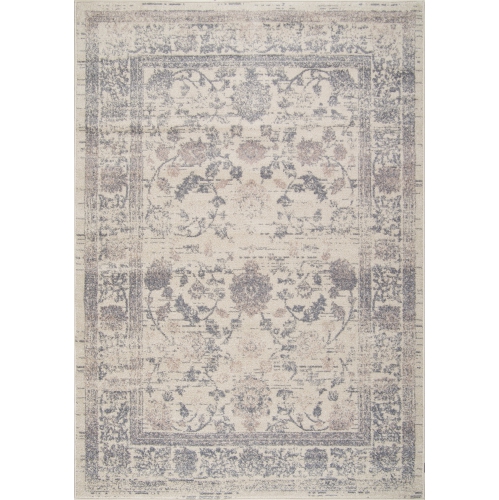
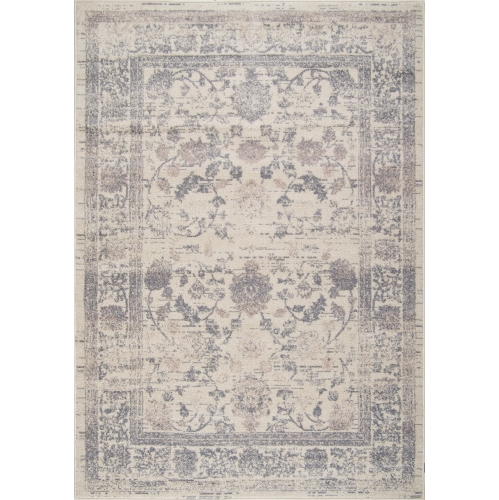
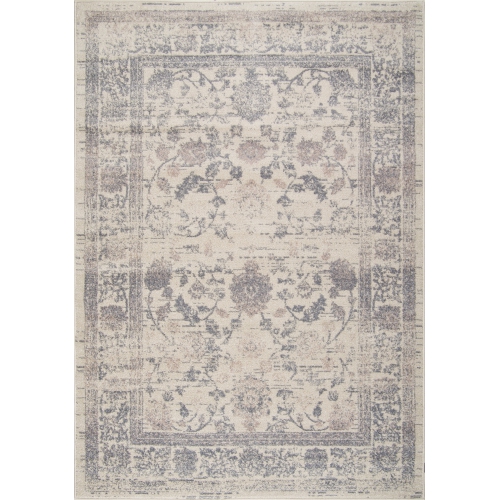
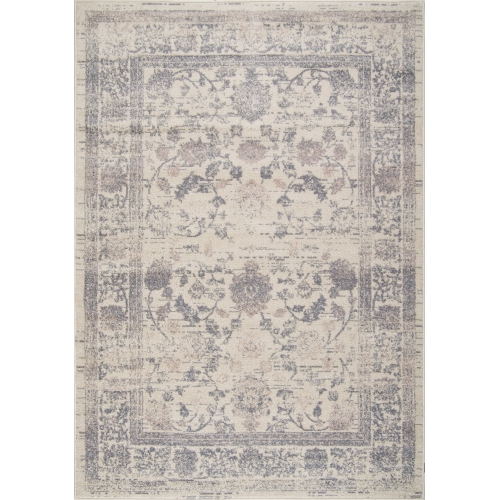

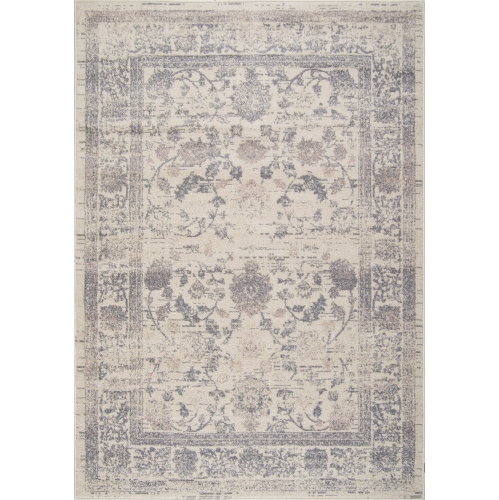
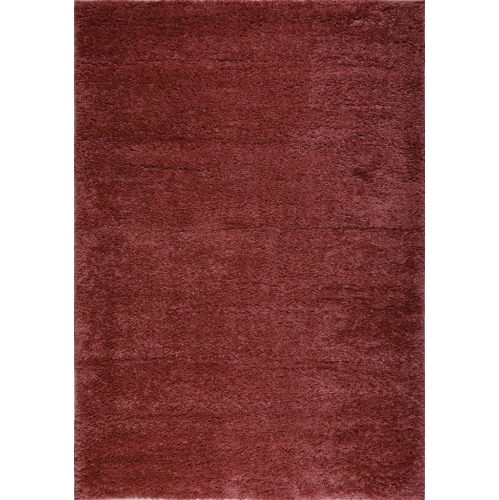
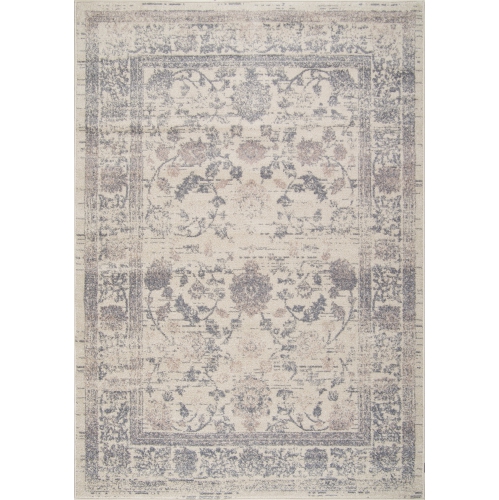
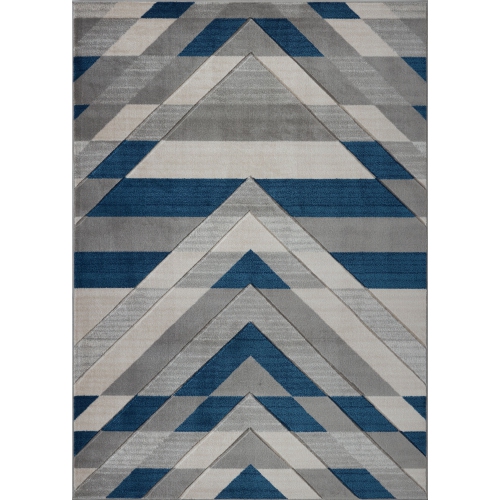
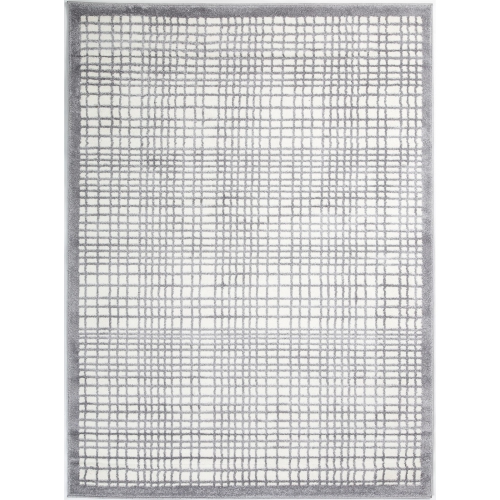

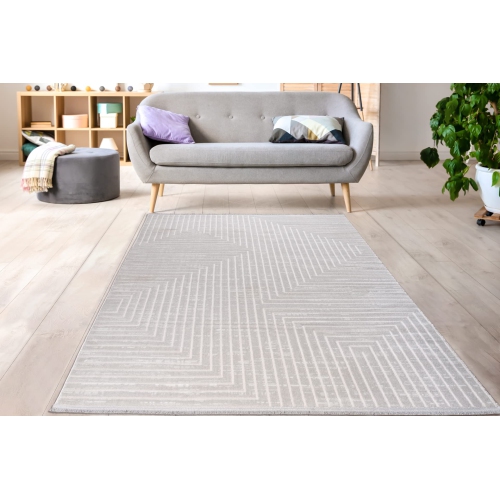

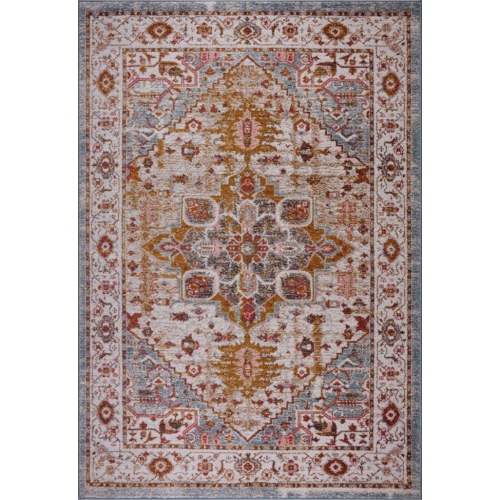


Why low-pile rugs work well beneath dining chairs
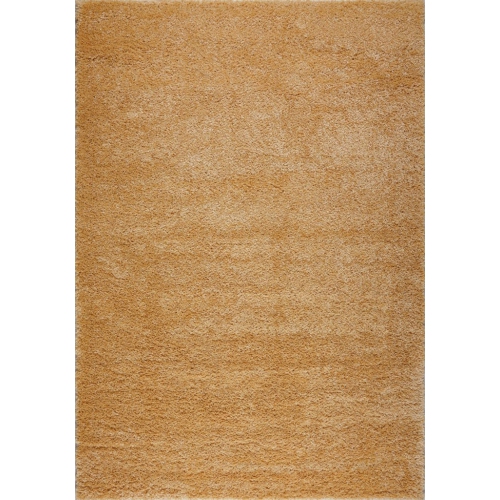
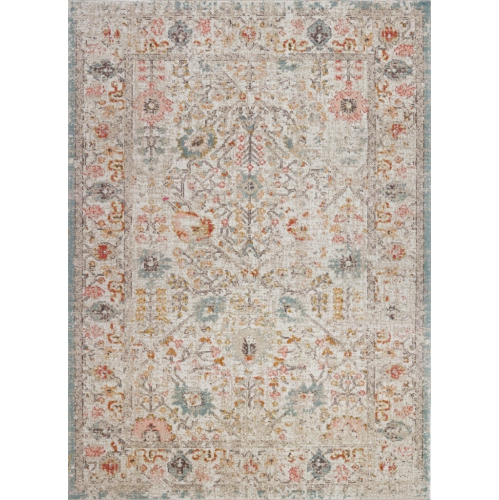
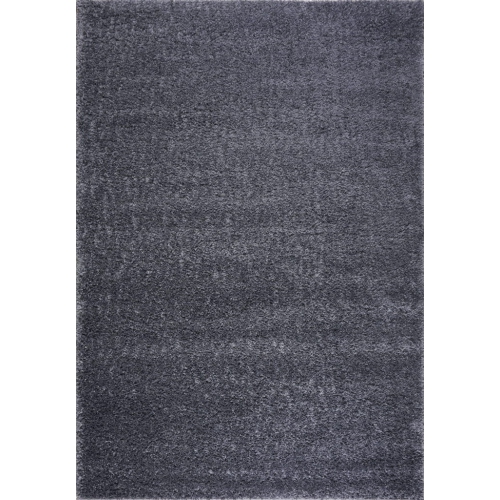
Durable dining room rugs combine a resilient surface, secure construction, and manageable care with a pile that lets chairs move comfortably. Low-pile and flatwoven designs are especially practical beneath a dining table because chair legs are less likely to catch in the surface, while crumbs are easier to reach during regular vacuuming. Durability depends on more than thickness: a densely constructed rug with neatly finished edges can stand up to daily meals better than a plush rug that compresses under chair legs or traps food deep between its fibres. Polypropylene is a common choice for busy dining areas because the fibre resists moisture absorption and many everyday stains, although oily spills still need prompt attention. Polyester can offer softness and strong colour retention, with performance depending on the weave, backing, and care requirements. Nylon is known for resilience under repeated foot traffic, while wool offers natural spring and a textured appearance that suits both relaxed and more formal rooms. Wool still needs careful treatment when food or drinks spill, and some shedding can occur, particularly when a rug is new. Cotton flatweaves can feel light and casual, but washability and resistance to shifting vary by construction. No material is completely stain-proof, and a stain-resistant treatment does not replace regular cleaning. In a dining area used for breakfast, homework, and family dinners, a tightly woven surface often makes more sense than a deep, fluffy pile. For households with pets, a smooth surface without prominent loops may also reduce opportunities for claws to snag. Backing, edge binding, and the way the rug lies on the floor all contribute to everyday performance. A rug that stays flat, holds its shape, and allows chairs to slide without excessive resistance is well suited to the repeated movement around a dining table. These practical details matter just as much as the fibre name when comparing rugs for a room that gets used several times a day.
The right proportions help a dining rug handle that movement without putting its edges directly beneath chair legs. A useful starting point is to allow approximately 60 to 75 cm of rug beyond each side of the tabletop, then check the space with chairs pulled out to a normal sitting position. Larger chairs or a more generous seating arrangement may need additional clearance. All chair legs should ideally remain on the rug while someone sits down or gets up; a rear leg dropping over the edge can make the chair feel uneven and repeatedly stress the rug’s border. For an extendable table, sizing around the configuration used most often helps balance daily comfort with the available floor space. A rectangular rug usually follows the footprint of a long table, while a round rug can echo a round table and provide consistent clearance around its perimeter. The shape is less important than leaving enough usable surface beneath every seat. Nearby sideboards, doorways, and walking routes also affect the fit, especially in compact dining rooms where a larger rug could interfere with a door swing or narrow a passage. In open-plan spaces, Dining Room Rugs can define the eating area without adding a physical divider between the table and the rest of the room. Colour and pattern help establish that boundary while influencing how everyday wear looks. Mid-tone colours, small-scale patterns, and subtle variations in the weave can make minor marks less conspicuous than a very pale, uniform surface. A patterned rug beneath plain chairs can add interest without competing with the furniture, while a quieter texture can balance a table with pronounced wood grain. The appearance should still support practical use: heavy fringe, raised decorative sections, and thick borders may sit directly in the path of moving chairs. A lower-profile finish keeps the focus on the dining setting while making the space easier to use.
Care requirements are especially important when a dining table doubles as a place for crafts, schoolwork, or a quick snack between meals. A washable rug can be useful in these settings, but the care label needs to confirm whether the whole rug is machine washable, whether a removable cover requires separate treatment, and what equipment capacity is needed. A large rug may not fit a household washing machine even when its material is washable, and drying instructions matter for preserving its shape and backing. Rugs intended for spot cleaning need a different routine, with spills blotted promptly using a clean, absorbent cloth rather than rubbed into the fibres. Any cleaning solution should suit the material and be tested in an inconspicuous area before wider use. Excess water can affect some backings, encourage odours, or damage the floor beneath, so thorough drying is part of proper care. Regular vacuuming removes crumbs and grit that can work into the surface and contribute to wear, particularly along the routes between the kitchen, table, and doorway. Vacuum settings should match the construction; rotating brush bars may be unsuitable for loose weaves, fringed edges, or certain wool rugs. A compatible rug pad adds grip and cushioning, and can help limit movement as chairs are pushed back. Its material should be suitable for both the rug backing and the floor finish, since not every pad works with every surface. Keeping the pad slightly inside the rug’s edges helps it remain concealed and avoids adding an exposed lip. Chair glides appropriate for use on rugs can reduce catching, while occasional rotation, where the room layout allows, can distribute wear from a favourite seat or a frequently used walkway. For a household that hosts long dinners, feeds young children, or uses the dining area throughout the day, the most practical rug is one whose construction, dimensions, and cleaning needs fit those habits. A durable surface should make room for everyday dining without demanding delicate handling after every meal.
Top selling and popular products
-
 Your price for this item is $130.55
-
 Your price for this item is $129.15
-
 Your price for this item is $130.55
-
 Your price for this item is $129.15
-
 Your price for this item is $129.15
-
 Your price for this item is $130.55
-
 Your price for this item is $144.99
-
 Your price for this item is $103.99
Discover more categories related to Durable Dining Room Rugs

Top Collections:
Best Black Friday Deals This Year, Best Black Friday Deals On Electronics, Kindle Devices, Dyson Airwrap, Best Cameras for Sports Photography, Best Budget Office Chairs, Canon G7X Cameras, PS5 Pro Consoles, Best Black Friday Deals On Apple Products, XBOX One S Consoles
Some products may be subject to Environmental Handling Fees
(EHF) depending on your province.
Learn more about EHFs.