Traditional Dining Room Rugs
Transform your dining space with Traditional Dining Room Rugs that bring timeless charm and elegance to every meal. These classic designs are perfect for creating a warm and inviting atmosphere, complementing a variety of dining room décors. Whether you’re hosting family gatherings or enjoying everyday dinners, Traditional Dining Room Rugs add an extra layer of comfort and style to your home. Discover the ideal rug to suit your taste and enhance your dining experience.
Sort
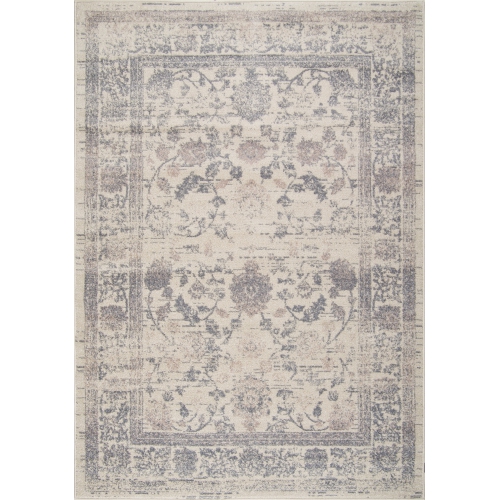
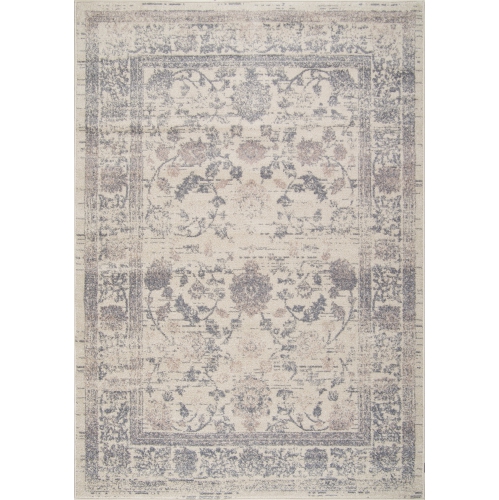
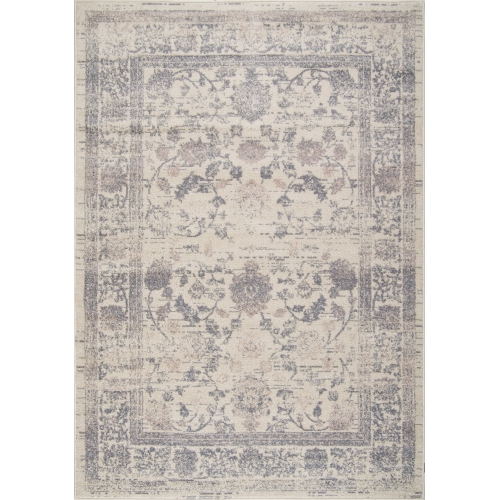

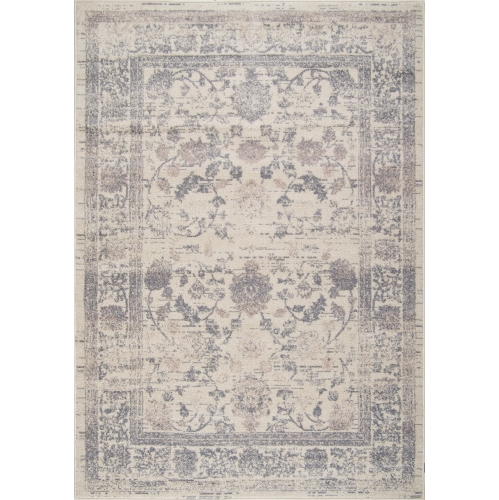
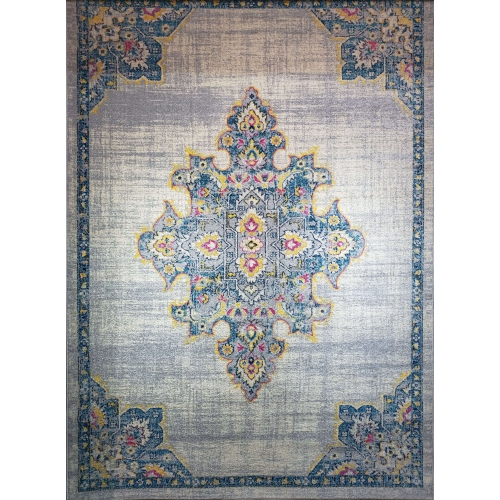
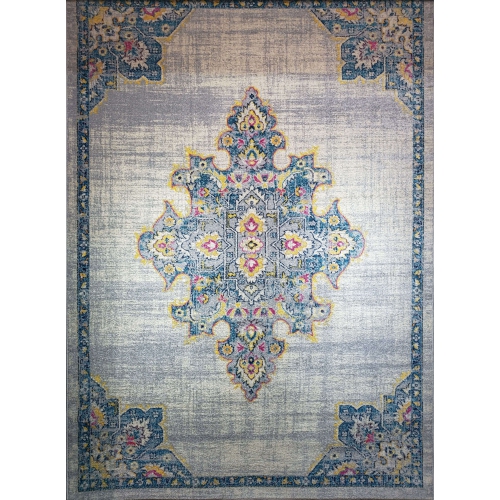
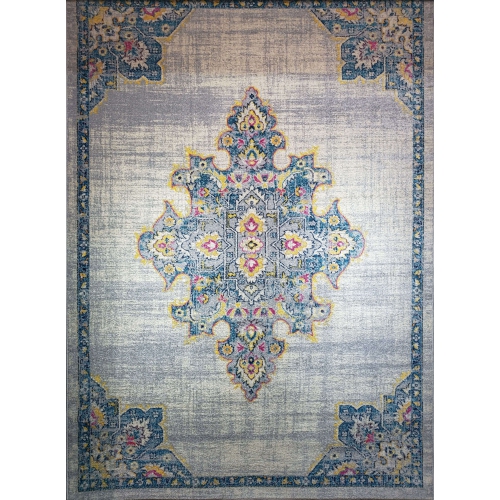
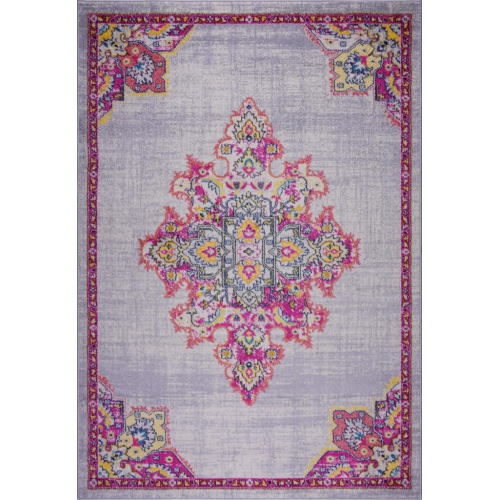


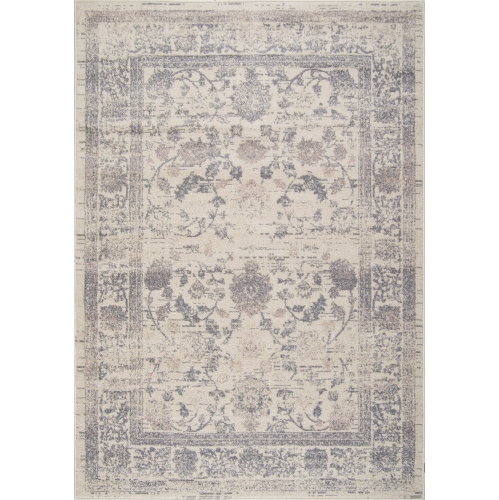


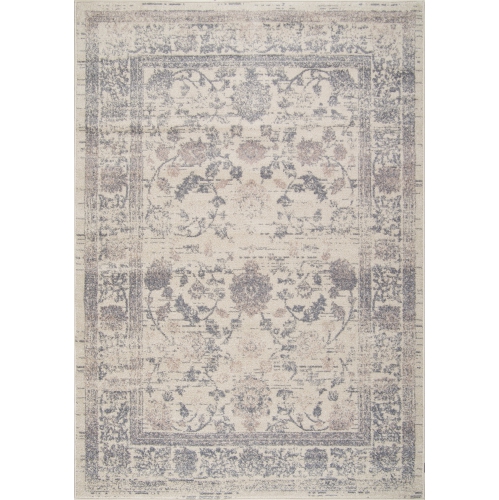


Timeless patterns with room for every chair
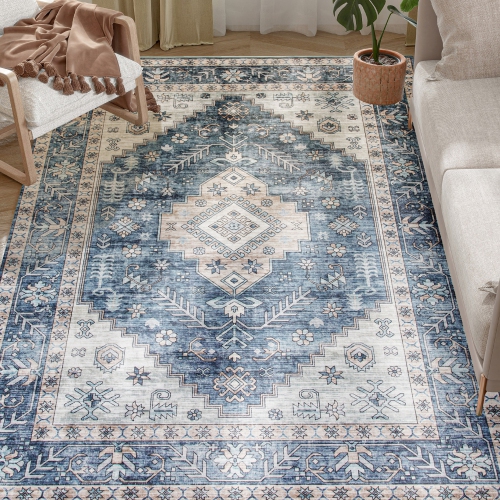
Traditional dining room rugs bring pattern, colour, and a sense of structure to the space where meals are shared. Often inspired by Persian, Oriental, and European designs, they can feature central medallions, scrolling vines, floral motifs, or detailed borders that frame a dining table. Some patterns have crisp outlines and rich contrast, while others use softly faded effects for a more understated appearance. Deep red, navy, ivory, and warm brown are familiar choices, but muted blue, sage, and soft grey can give traditional designs a lighter feel. These rugs work naturally with carved wood furniture, upholstered chairs, and antique-style sideboards, yet they can also soften the straight lines of a simple contemporary dining set. The relationship between the rug and the table matters as much as the pattern itself. A rug that looks generous beneath a table may feel too small once everyone pulls out a chair. As a general starting point, allowing roughly 24 to 30 inches of rug beyond each edge of the tabletop helps keep chair legs supported during ordinary use, though larger chairs may need more room. Measurements are best considered with the table in its usual position, including any extension leaves used regularly. Rectangular rugs tend to echo long dining tables, while round rugs can create a balanced outline beneath round tables. A square rug can also suit a square table in a room with similar proportions. Nearby doorways, floor vents, sideboards, and walkways affect the fit, especially in compact dining areas. Leaving some visible flooring around the rug gives its border room to stand out without crowding the space. With a medallion design, centring the table over the main motif creates an orderly arrangement; an all-over pattern offers more flexibility when the table sits slightly off-centre. The most successful fit makes the dining area feel connected while leaving enough space for people to move comfortably behind occupied chairs.
Materials and construction influence how a traditional dining room rug feels underfoot and how it handles daily meals. Wool has a resilient texture and can retain its appearance well with suitable care, although some wool rugs shed loose fibres, particularly early in use. Cotton often appears in flatwoven designs that have a lighter, more casual character; whether a cotton rug can be washed depends on its construction, size, backing, and care label. Polypropylene and polyester are common synthetic options, with many designs offering practical stain resistance, though no fibre makes a rug immune to spills or wear. Viscose can add a delicate sheen that changes with the direction of the pile, but it is generally more sensitive to moisture and may call for greater care in a dining space. Texture also affects everyday comfort. A lower pile usually allows chairs to slide more easily than a thick, plush surface and makes crumbs easier to reach with a vacuum. Flatwoven rugs have little pile to compress, although a lightweight construction may need extra help staying in place. A suitable rug pad can add cushioning and reduce movement; its material should be compatible with both the rug backing and the floor finish. Keeping the pad slightly smaller than the rug helps it remain hidden without lifting the edges. Bound edges and neatly finished corners are useful details in an area where chair legs move repeatedly across the same spots. Care routines should follow the manufacturer’s directions, including any restrictions on rotating brushes, cleaning solutions, or machine washing. Promptly blotting a spill with a clean, absorbent cloth is generally gentler than rubbing it into the fibres. Cleaning products are best tested in an inconspicuous area first, particularly on richly coloured patterns. Regular vacuuming, attention to the floor beneath the rug, and occasional rotation where practical can help manage dust and uneven wear. In a busy household, an easy-care construction may be a better match than a more delicate rug, even when both have a similar traditional design.
Colour and pattern can make a dining room feel composed without requiring every piece of furniture to match. A burgundy rug with small touches of blue can connect a dark wood table to blue upholstered chairs, while an ivory-ground floral pattern can brighten the look of substantial furniture. Repeating one or two colours in curtains, artwork, or seat cushions creates continuity without turning the room into a matched set. Pattern scale makes a noticeable difference once the table is in place: a large central motif may be partly hidden, whereas repeating flowers or small geometric details remain visible around the chairs. A pronounced border can give the entire dining arrangement a clear outline, particularly in an open-concept space where the rug helps distinguish the eating area from nearby seating. In rooms with patterned wallpaper or richly textured upholstery, a quieter traditional design can provide balance. Against plain walls and simple furniture, a more detailed rug can carry much of the room’s visual interest. Those drawn to a similarly polished look can also explore Elegant Dining Room Rugs for another approach to framing the dining space. Practical details still shape how well a design suits the household. A varied, medium-toned pattern may make small marks less noticeable between cleanings, while a pale field or very dark solid area can show different kinds of debris more readily. Families with young children, people with pets, and households that use the dining table for homework or crafts may place particular value on straightforward care and a stable surface. For rooms used mainly for shared meals with guests, texture and intricate detailing may take greater priority. In either setting, a traditional rug can lend character to familiar furniture and make an ordinary meal feel more settled, with a comfortable foundation that supports the way the room is used every day.
Top selling and popular products
-
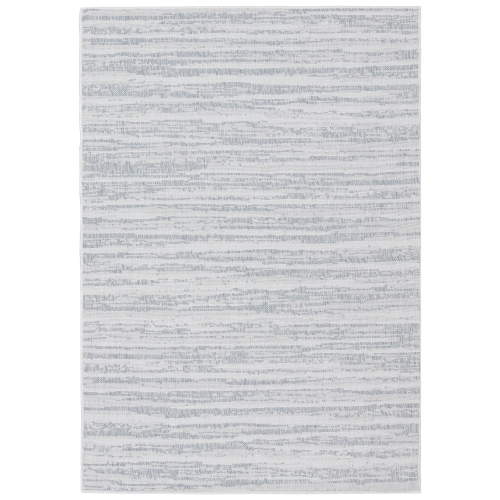 Your price for this item is $129.15
-
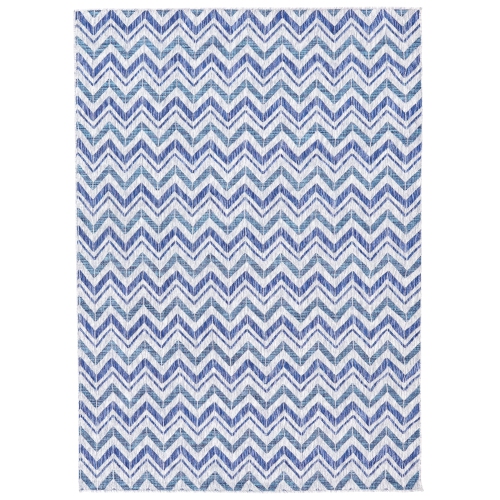 Your price for this item is $129.15
-
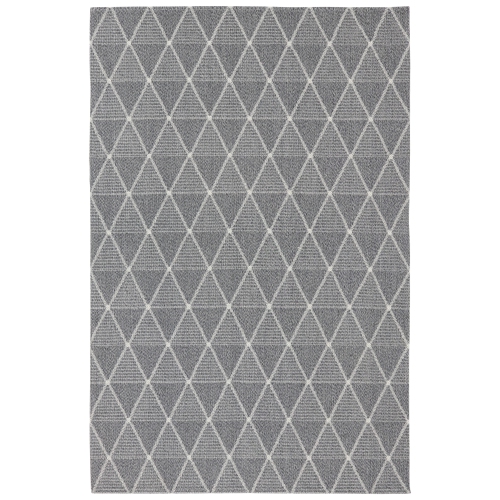 Your price for this item is $130.55
-
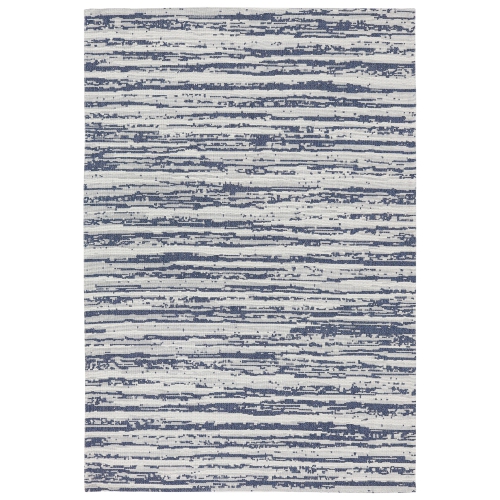 Your price for this item is $130.55
-
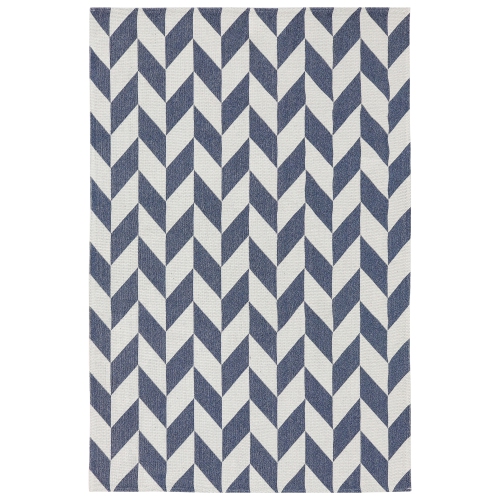 Your price for this item is $130.55
-
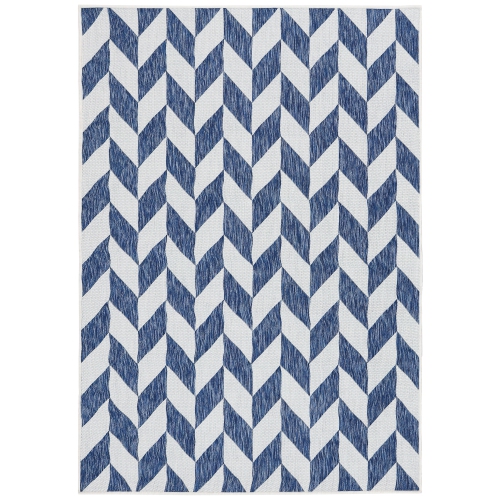 Your price for this item is $129.15
-
 Your price for this item is $111.99
-
 Your price for this item is $124.99
Discover more categories related to Traditional Dining Room Rugs

Top Collections:
Pokemon Centers, Kindle Devices, Best Cameras for Sports Photography, Pokémon 30th Celebration Cards, Apple iPhones 16, Canon G7X Cameras, iPhone 15 Apple, Flip Phones, Samsung Galaxy Phones, Alarm Clock
Some products may be subject to Environmental Handling Fees
(EHF) depending on your province.
Learn more about EHFs.