Electric Chainsaw
Discover the power and precision of electric chainsaws, perfect for tackling a variety of cutting tasks with ease and efficiency. Whether you're a seasoned professional or a weekend warrior, these versatile tools offer the convenience of corded or battery-powered operation, ensuring you have the flexibility to work in any environment. Designed for both safety and performance, electric chain saws are an excellent choice for pruning trees, cutting firewood, or managing storm cleanup. With their lightweight design and reduced noise levels compared to gas-powered models, they provide a user-friendly experience that makes yard work less daunting and more enjoyable. Explore our selection today and find the ideal electric chain saw to suit your needs.





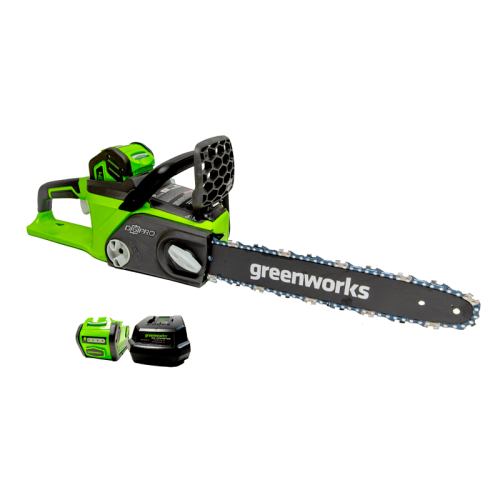

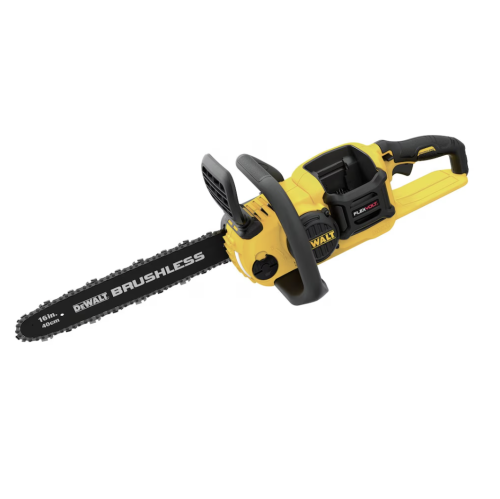
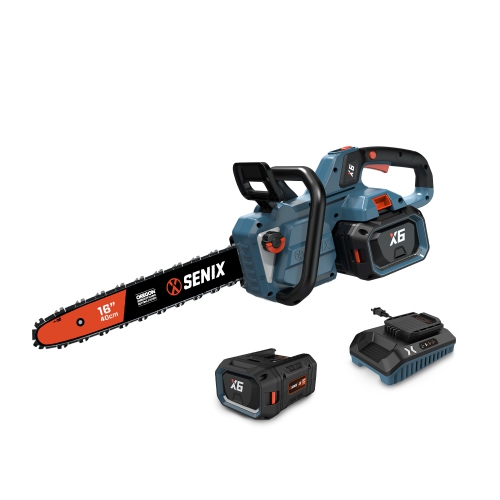
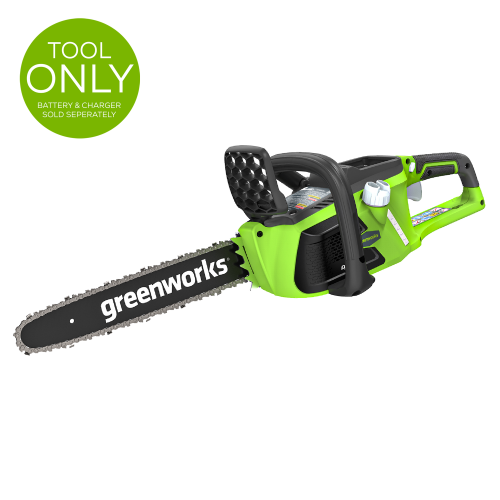

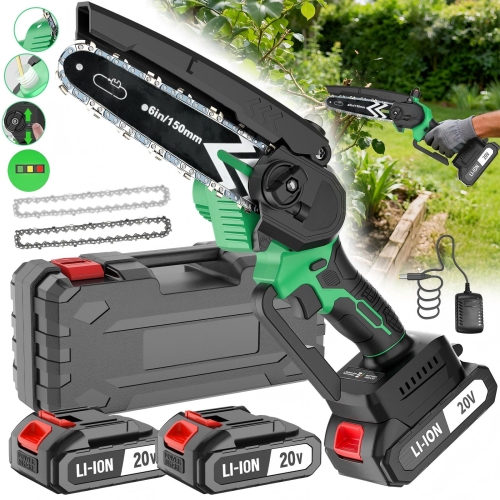

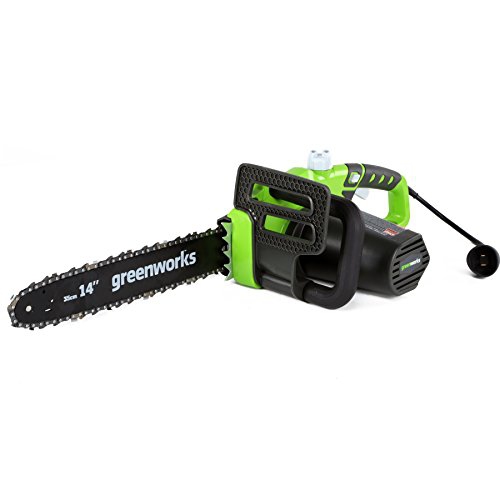

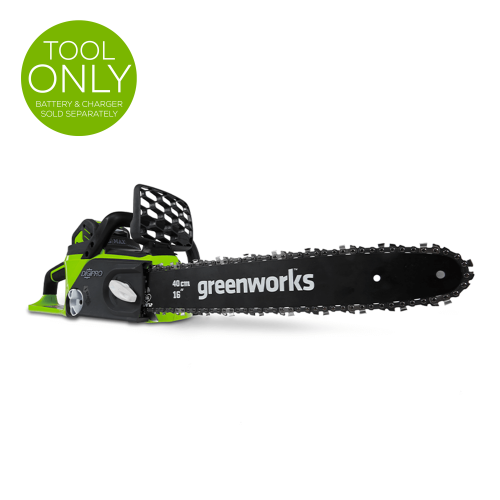
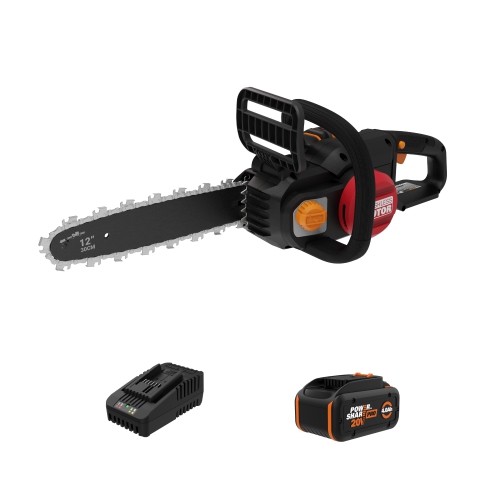
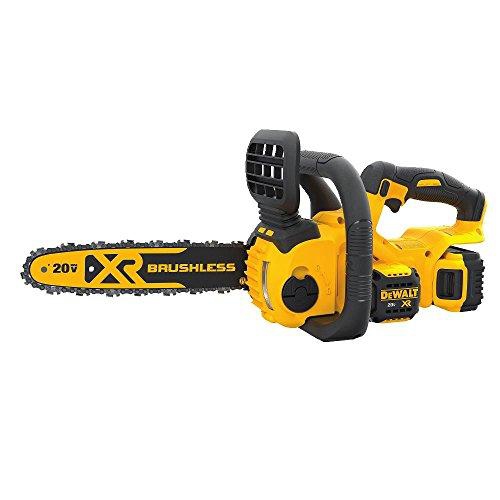
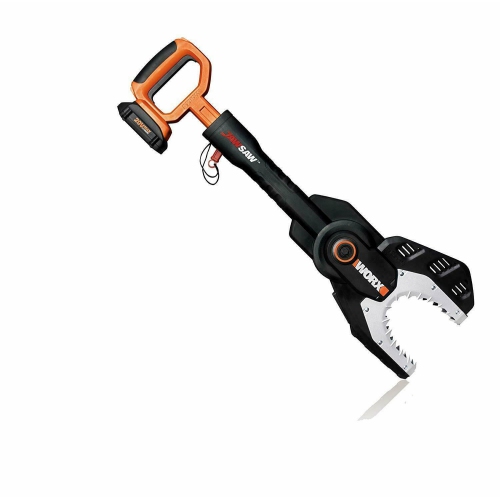
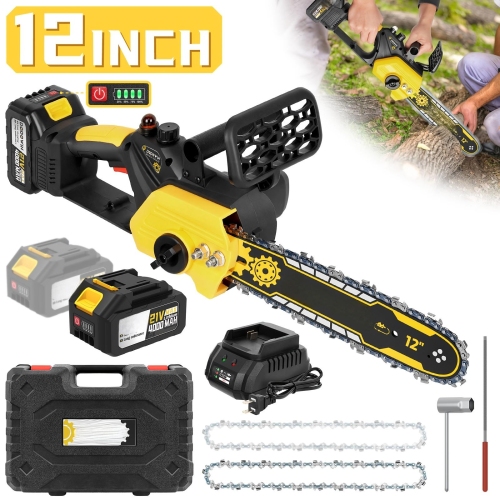
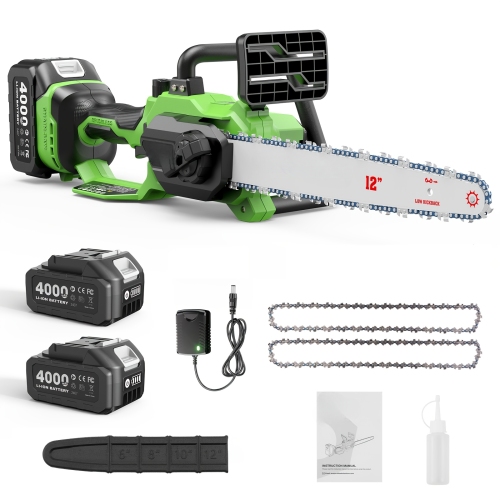

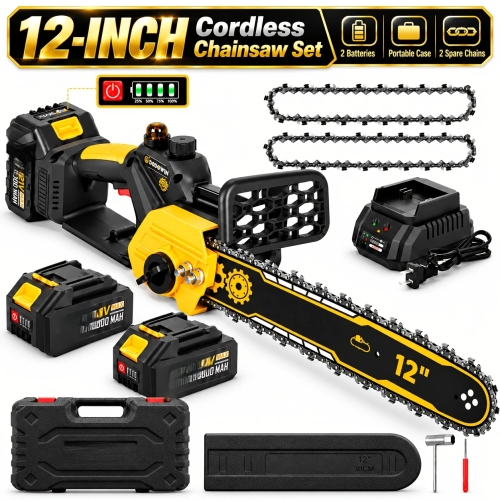
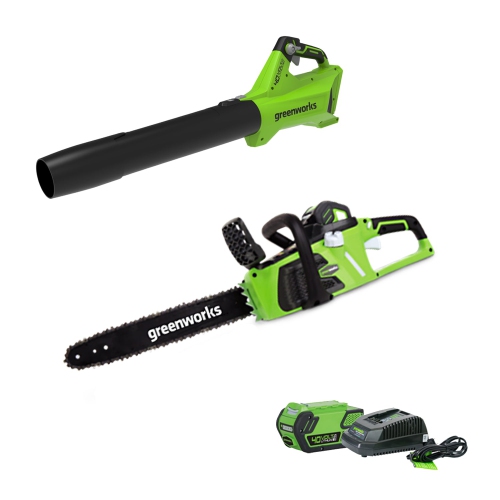
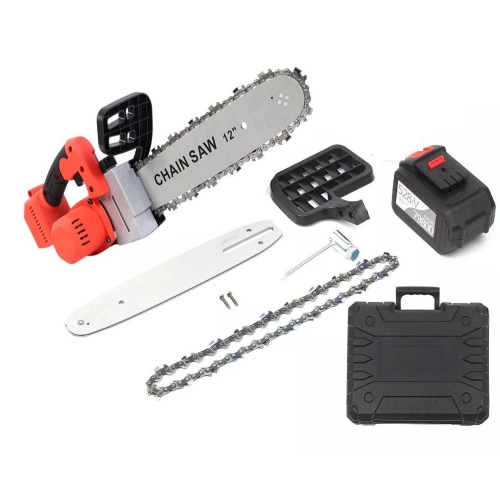
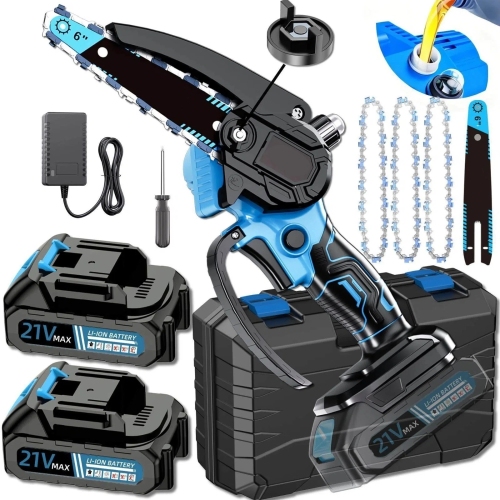
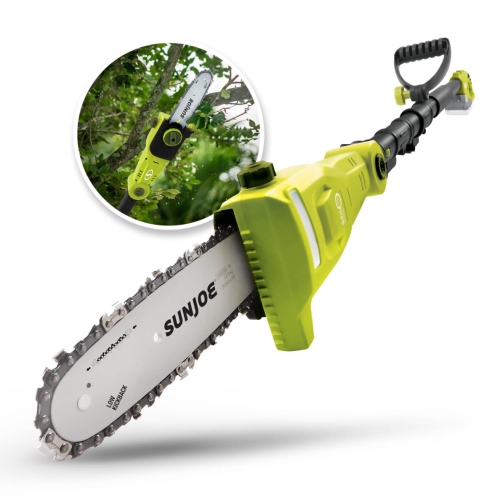
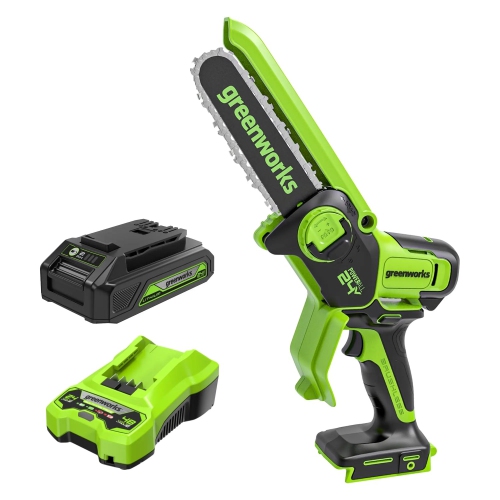
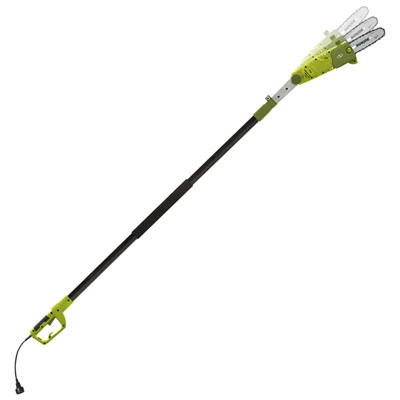
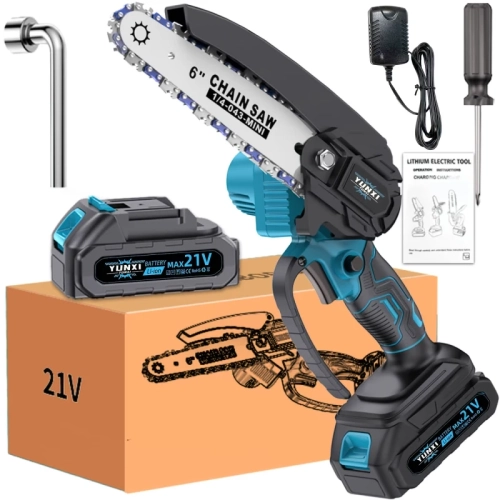

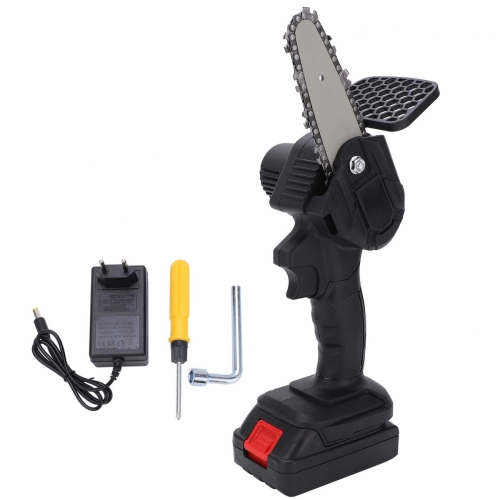
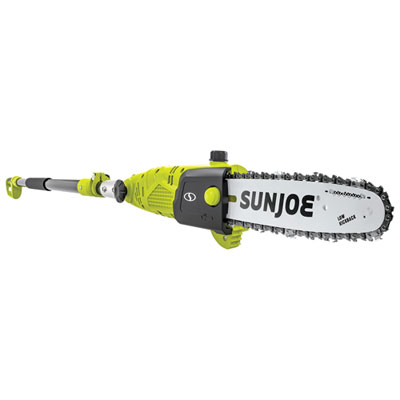

How corded and cordless saws suit different cutting tasks
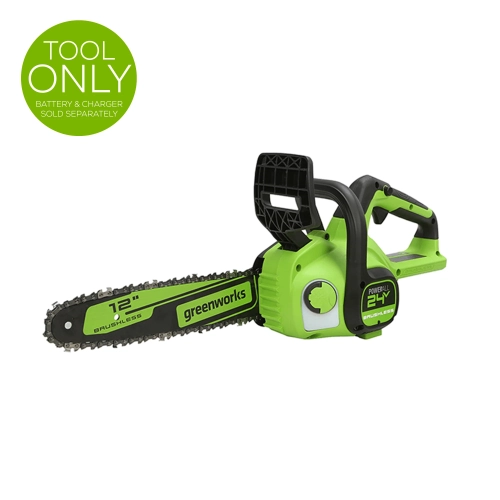
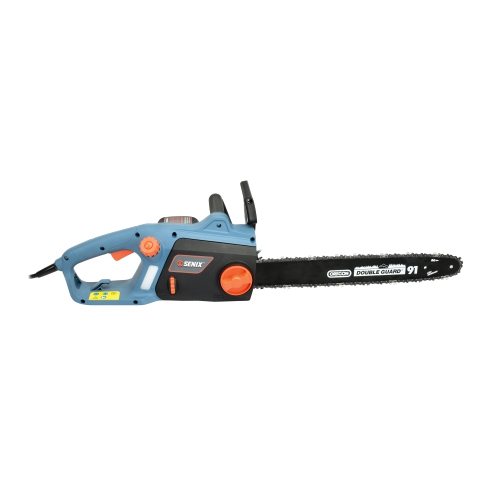
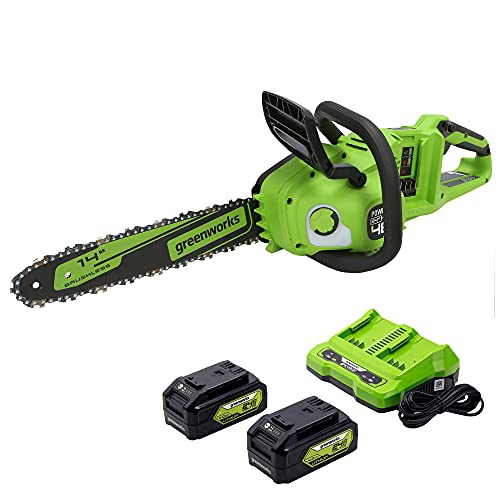
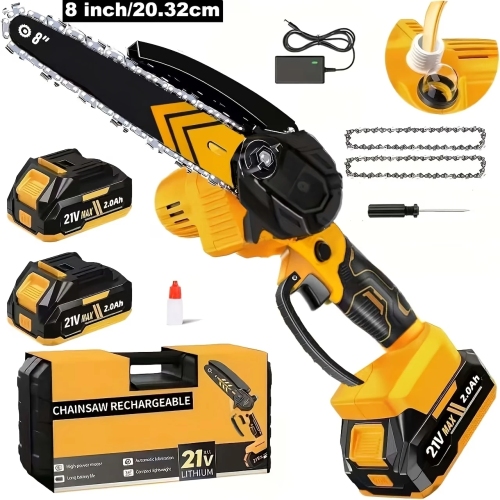
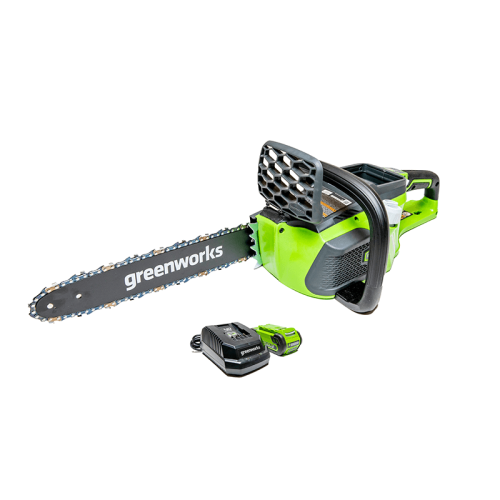
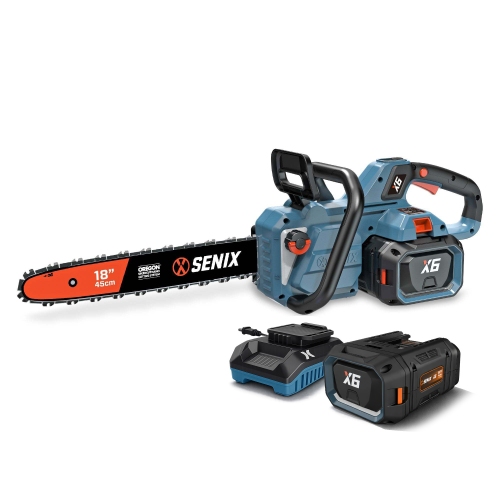
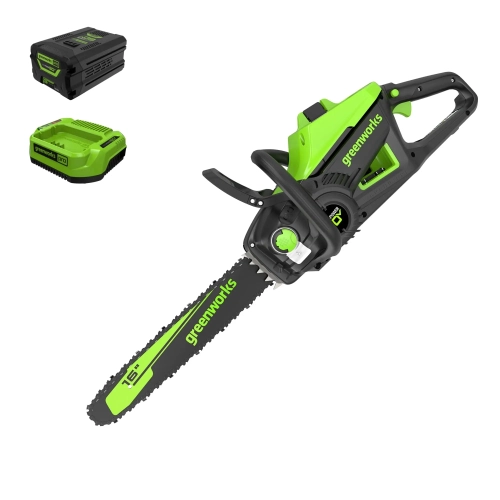
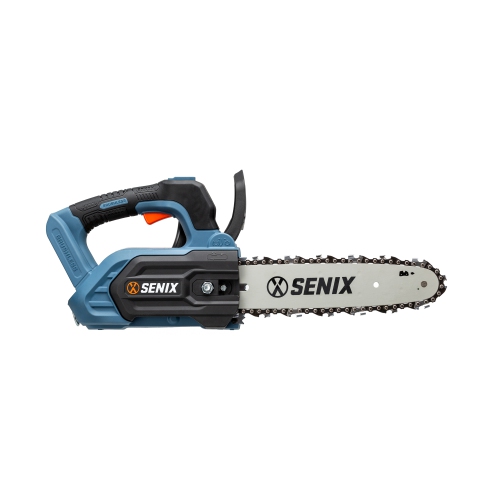
Bar length, motor performance and handling help distinguish electric chainsaws intended for lighter property maintenance from those designed for more substantial cutting. The guide bar supports the moving chain, and its length helps define the saw’s intended cutting range alongside the manufacturer’s stated limits. A shorter bar can be easier to manoeuvre around modest pieces of wood, while a longer bar adds reach and may also add weight. Extra length is not a substitute for suitable power or sound cutting technique. For example, reducing a few narrow, already-fallen branches into manageable lengths is a different job from making repeated cuts through thick logs. Corded saws may list electrical input in amperes or watts, while cordless saws commonly list battery voltage and capacity in amp-hours. These figures describe different aspects of the power system and should not be treated as directly interchangeable measures of cutting performance. A higher voltage alone does not guarantee faster cutting, and a larger battery may extend working time while also increasing the weight carried in the hands. Brushless motors can offer efficient operation and reduce maintenance associated with motor brushes, but overall results still depend on the complete saw design. For cordless tools, compatibility matters as much as capacity: batteries and chargers need to belong to the manufacturer-approved system, not simply carry a similar voltage label. Package contents also deserve attention because a cordless tool may be supplied with or without a battery and charger. Comfortable fit comes from the complete working weight, balance and handle layout, including how securely both handles can be held while wearing appropriate gloves. Grippy handles and accessible controls can support confident handling, but they do not remove the risks associated with the chain. A chain brake and other safety features are important considerations, not guarantees against injury. Standard rear-handle chainsaws are intended for two-handed use; compact size or low weight does not make one-handed cutting appropriate. Overhead work, cutting from a ladder, large-tree felling and branches under tension call for qualified professional help rather than simply a more powerful saw.
The durability of an electric chainsaw depends on its construction, correct use and routine attention to the cutting system. Chains are typically made from steel, and the guide bar must withstand repeated contact with a fast-moving chain. Housings may combine tough plastics with metal components to balance strength and weight, while handle construction and assembly quality affect how solid the tool feels during use. Even a sturdy saw will struggle with a dull chain, poor lubrication or incorrect tension. Automatic chain oiling helps deliver lubricant during operation, but it does not eliminate the need to check the oil level and use the bar-and-chain oil specified by the manufacturer. A visible oil reservoir or accessible filler can make those checks less awkward. Tool-free tension adjustment can be convenient, although any adjustment still needs to follow the manual with the power disconnected or battery removed. A sharp, correctly fitted chain should cut without excessive forcing; fine dust instead of chips, unusual vibration or a tendency to pull sideways can indicate that inspection or servicing is needed. Replacement chains must match the required pitch, gauge and drive-link count, not just the nominal bar length. Keeping the chain away from soil, stones and metal helps protect its cutting edges, while clearing accumulated chips from the areas identified in the manual supports reliable operation. Storage also matters: a bar cover protects the cutting attachment when the saw is not in use, and batteries require the charging and storage conditions specified by their manufacturer. Protective equipment belongs alongside the tool in any planned setup, including eye and hearing protection, chainsaw-rated leg protection, suitable gloves and sturdy protective footwear. Secure support for the wood and a clear work area are just as important as the saw’s specifications. For someone moving from occasional hand-saw work to powered cutting, manageable weight, straightforward controls and suitable training are more valuable than choosing the longest bar. An electric chainsaw that matches the user’s experience and the actual workload offers a practical balance of cutting capability, handling and ongoing care.
Top selling and popular products
-
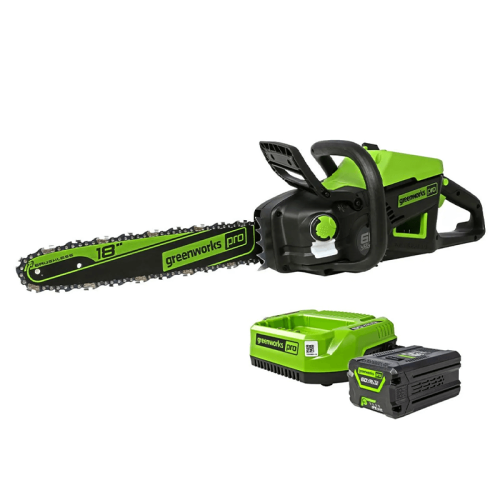 Your price for this item is $379.99
-
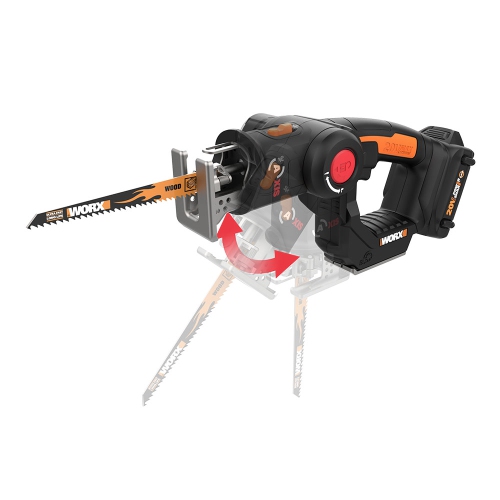 Your price for this item is $179.99
-
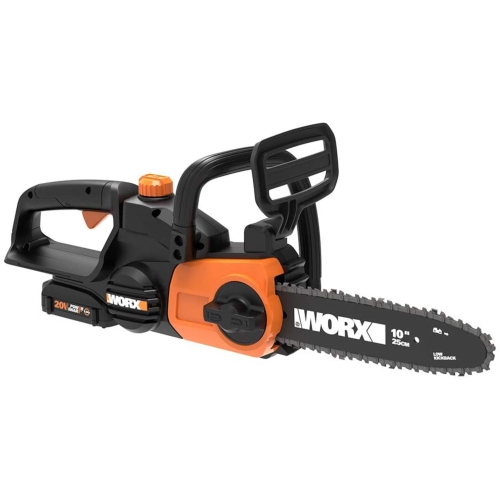 Your price for this item is $199
-
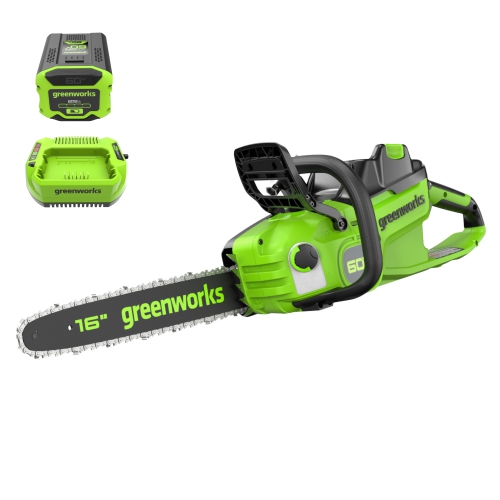 Your price for this item is $299.99
-
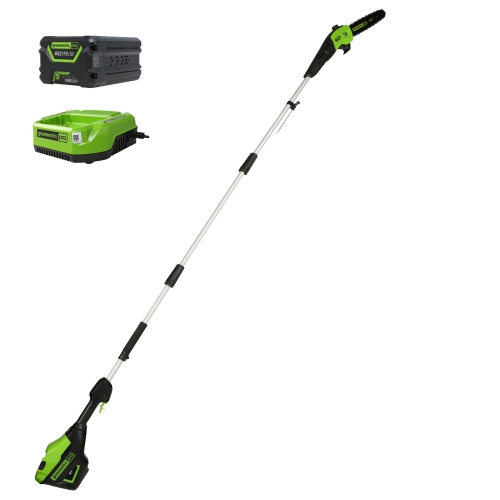 Your price for this item is $329.99
-
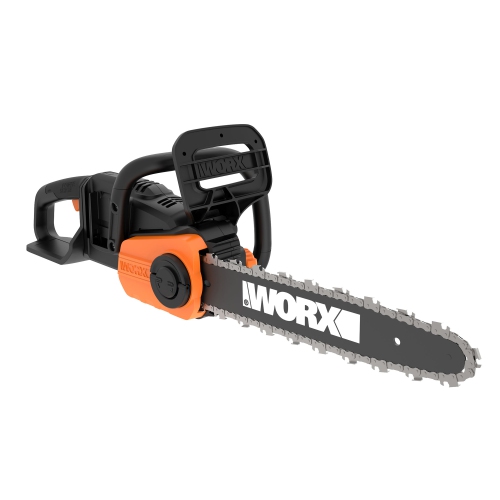 Your price for this item is $449.99
-
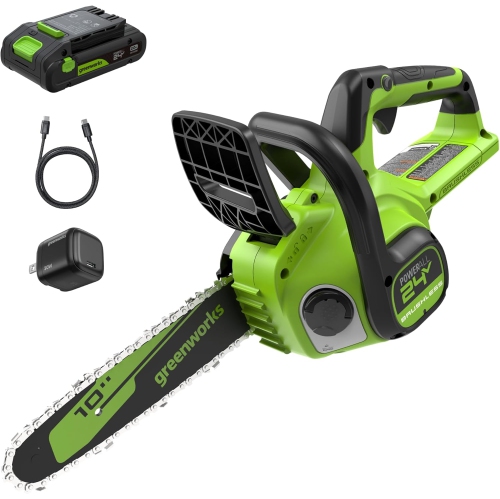 Your price for this item is $199.99
-
 Your price for this item is $149.99