Chainsaw Tools
If you're looking to tackle tough outdoor tasks with ease, this chainsaw tool selection is here to help you power through cutting and trimming projects effortlessly. Whether you're a seasoned pro or a DIY enthusiast, these powerful tools are designed to make your yard work a breeze. From compact models for light pruning to heavy-duty options for felling trees, we have the perfect chainsaw tool to match your needs. Explore this range to find the ideal combination of performance, durability, and convenience for your outdoor projects.
Sort



Maintenance essentials for sharpening, cleaning, adjustment, and field repairs
Chainsaw tools help keep routine maintenance organized, whether a saw is used for clearing fallen branches, preparing firewood, managing a rural property, or handling occasional outdoor repairs. The right selection can make small jobs more manageable and help users inspect, adjust, clean, and maintain equipment before it is needed. A scrench, also called a bar wrench, is one of the most practical pieces to have nearby because it commonly combines a socket for bar nuts, a spark plug wrench, and a flathead screwdriver for chain-tension adjustments. Round files are used to sharpen the cutting teeth on a chain, while flat files help maintain the depth gauges, also known as rakers, that control how deeply each cutter enters the wood. File diameter must match the chain pitch and cutter design, so checking the saw or chain specifications before purchasing is important. Common file sizes include 3/16-inch and 7/32-inch, but the correct size varies. A file guide can help maintain a consistent angle and depth, which is useful for people who want repeatable results rather than relying on hand positioning alone. A stump vise is another helpful option for field maintenance: it can be driven into a cut stump to hold the guide bar securely and create a stable work surface when a bench is not available. Together, these tools can be useful for experienced saw users, homeowners who maintain wooded lots, property managers, and anyone assembling a practical outdoor tool kit. They may also make a thoughtful gift for someone who has recently added a chainsaw to their workshop, although the recipient’s saw type and chain specifications should always guide the selection.
Different chainsaw tools suit different power systems and maintenance routines. Gas-powered saws may require equipment for spark, fuel, and engine checks, while battery-powered saws generally call for a different approach focused on chain condition, bar care, battery storage, and charger compatibility. A tachometer can connect to a spark plug wire to check engine speed on compatible gas-powered equipment, helping users identify whether an engine is operating within the manufacturer’s recommended range. A spark tester provides an inline way to check whether the ignition system and spark plug are producing a visible spark during troubleshooting. A fuel filter extractor, usually shaped as a small hooked wire, can help retrieve a fuel line or filter from inside a tank when replacement is required. These repair-oriented tools may appeal to mechanically confident users, small engine hobbyists, and people who prefer to diagnose basic issues before arranging professional service. For everyday upkeep, a bar cleaner can clear packed sawdust, resin, and debris from the guide bar groove, while a grease gun can lubricate the sprocket nose on compatible bars. Keeping the groove and nose area clear is particularly useful after cutting damp wood or resinous branches, when residue can collect quickly. Felling wedges are designed to be placed in the back-cut to help prevent a tree from pinching the guide bar and, when used correctly as part of a planned felling technique, to influence the direction of the fall. They should be selected for the job and used with appropriate protective equipment, adequate clearance, and a clear understanding of the tree’s lean, condition, and surroundings. A product assortment may include individual files, gauges, vises, cleaners, wedges, diagnostic tools, or multi-piece kits, so comparing the intended task with the contents of each option can help avoid paying for tools that will remain unused.
When choosing chainsaw tools, start by considering the saw’s power source, chain pitch, guide bar design, engine configuration, and the kind of work performed most often. A person who trims storm-damaged limbs around a home may value a compact sharpening and adjustment kit that fits neatly in a garage cabinet or vehicle toolbox. Someone who cuts firewood during the cooler months may prefer a fuller maintenance setup with files, a file guide, bar-cleaning accessories, lubricant, and a stump vise for work away from a workshop. Users who handle larger trees or spend long periods in the field may look for durable materials, visible markings, comfortable grips, and storage cases that keep small components together. A kit can be convenient for building a collection from scratch, while individual tools may be better for replacing a misplaced file, adding a second scrench, or matching a particular chain specification. It is also worth checking whether accessories are intended for a specific bar size or saw model, and whether the package includes consumable items that may need regular replacement. For households comparing a gas-powered saw with a quieter, simpler battery-powered setup, an Electric Chainsaw can be considered alongside the maintenance tools suited to that system. Whatever the application, chainsaw tools are most useful when they are kept clean, stored in a dry location, and used according to the equipment manufacturer’s instructions. Protective eyewear, hearing protection, gloves, sturdy footwear, and suitable leg protection remain important when operating a chainsaw, and major engine, electrical, or cutting-system repairs are best left to a qualified technician when the work exceeds the user’s experience. With the right combination of adjustment, sharpening, cleaning, lubrication, and diagnostic accessories, a chainsaw setup can be easier to prepare for outdoor work throughout the changing seasons.
Different chainsaw tools suit different power systems and maintenance routines. Gas-powered saws may require equipment for spark, fuel, and engine checks, while battery-powered saws generally call for a different approach focused on chain condition, bar care, battery storage, and charger compatibility. A tachometer can connect to a spark plug wire to check engine speed on compatible gas-powered equipment, helping users identify whether an engine is operating within the manufacturer’s recommended range. A spark tester provides an inline way to check whether the ignition system and spark plug are producing a visible spark during troubleshooting. A fuel filter extractor, usually shaped as a small hooked wire, can help retrieve a fuel line or filter from inside a tank when replacement is required. These repair-oriented tools may appeal to mechanically confident users, small engine hobbyists, and people who prefer to diagnose basic issues before arranging professional service. For everyday upkeep, a bar cleaner can clear packed sawdust, resin, and debris from the guide bar groove, while a grease gun can lubricate the sprocket nose on compatible bars. Keeping the groove and nose area clear is particularly useful after cutting damp wood or resinous branches, when residue can collect quickly. Felling wedges are designed to be placed in the back-cut to help prevent a tree from pinching the guide bar and, when used correctly as part of a planned felling technique, to influence the direction of the fall. They should be selected for the job and used with appropriate protective equipment, adequate clearance, and a clear understanding of the tree’s lean, condition, and surroundings. A product assortment may include individual files, gauges, vises, cleaners, wedges, diagnostic tools, or multi-piece kits, so comparing the intended task with the contents of each option can help avoid paying for tools that will remain unused.
When choosing chainsaw tools, start by considering the saw’s power source, chain pitch, guide bar design, engine configuration, and the kind of work performed most often. A person who trims storm-damaged limbs around a home may value a compact sharpening and adjustment kit that fits neatly in a garage cabinet or vehicle toolbox. Someone who cuts firewood during the cooler months may prefer a fuller maintenance setup with files, a file guide, bar-cleaning accessories, lubricant, and a stump vise for work away from a workshop. Users who handle larger trees or spend long periods in the field may look for durable materials, visible markings, comfortable grips, and storage cases that keep small components together. A kit can be convenient for building a collection from scratch, while individual tools may be better for replacing a misplaced file, adding a second scrench, or matching a particular chain specification. It is also worth checking whether accessories are intended for a specific bar size or saw model, and whether the package includes consumable items that may need regular replacement. For households comparing a gas-powered saw with a quieter, simpler battery-powered setup, an Electric Chainsaw can be considered alongside the maintenance tools suited to that system. Whatever the application, chainsaw tools are most useful when they are kept clean, stored in a dry location, and used according to the equipment manufacturer’s instructions. Protective eyewear, hearing protection, gloves, sturdy footwear, and suitable leg protection remain important when operating a chainsaw, and major engine, electrical, or cutting-system repairs are best left to a qualified technician when the work exceeds the user’s experience. With the right combination of adjustment, sharpening, cleaning, lubrication, and diagnostic accessories, a chainsaw setup can be easier to prepare for outdoor work throughout the changing seasons.
Top selling and popular products
-
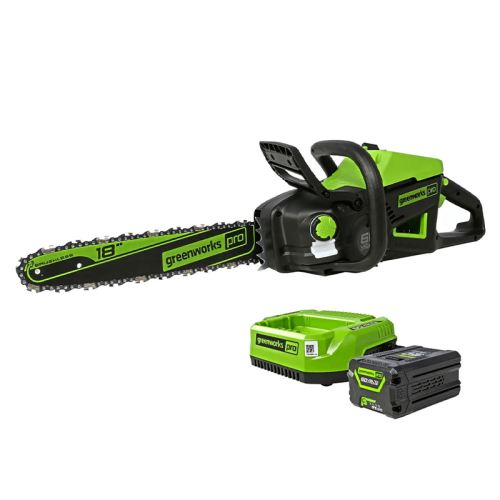 Your price for this item is $389.99
 -
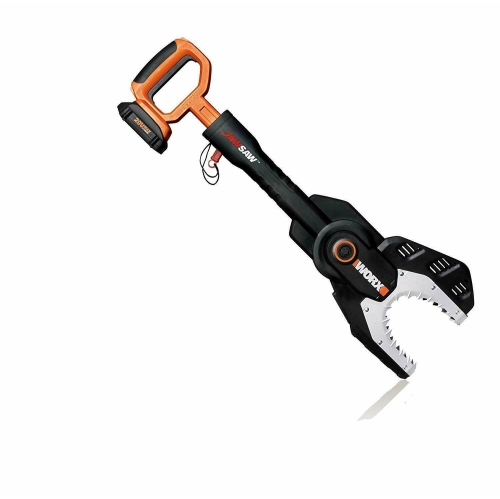 Your price for this item is $279.99
 -
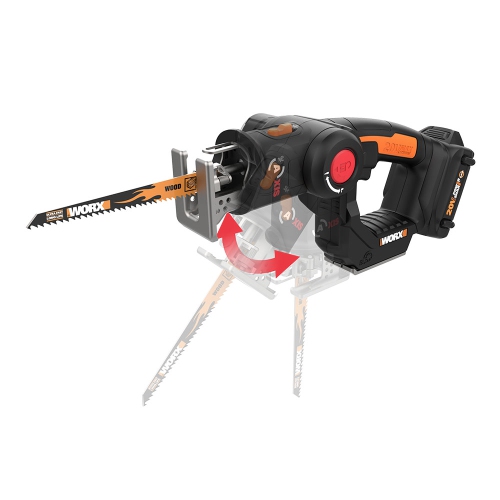 Your price for this item is $179.99
 -
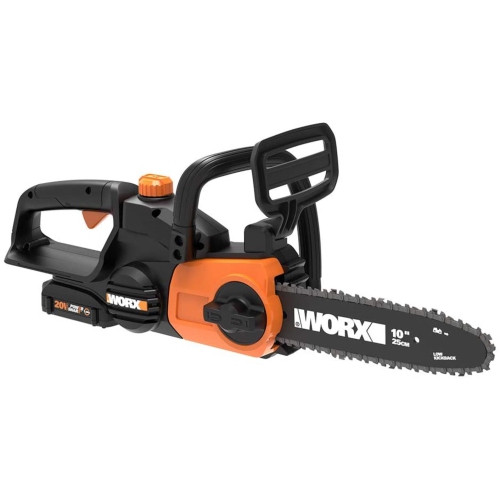 Your price for this item is $244.99
 -
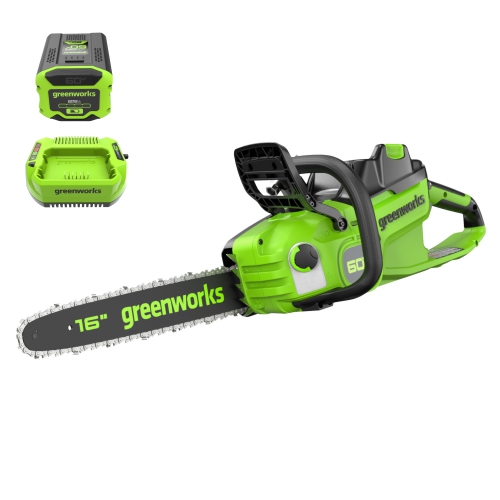 Your price for this item is $299.99
 -
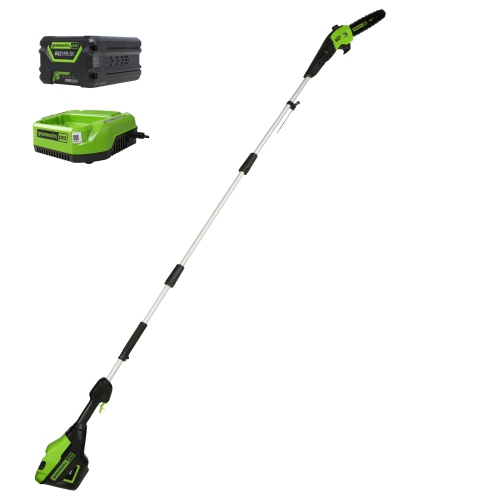 Your price for this item is $299.99
 -
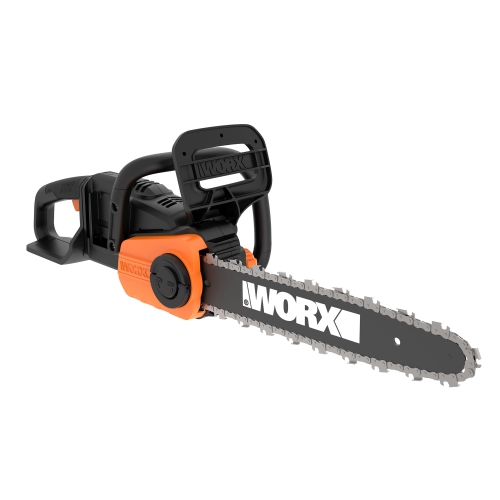 Your price for this item is $449.99
 -
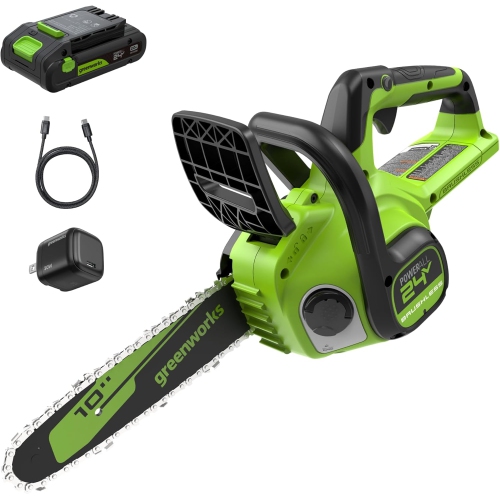 Your price for this item is $189.99
Discover more categories related to Chainsaw Tools
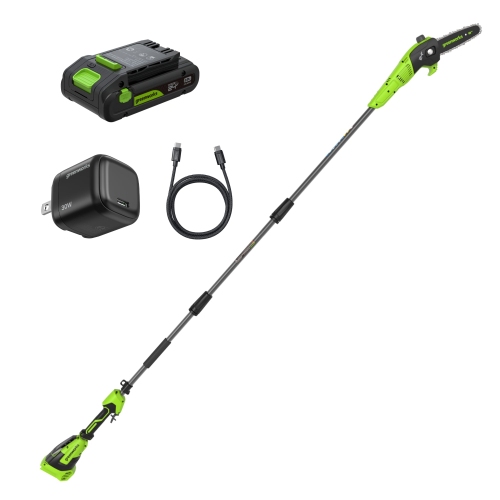
Top Collections:
Pokemon Centers, Kindle Devices, Best Budget Office Chairs, Apple iPhones 16, Best Laptops for Writers, iPhone 15 Apple, Canon G7X Cameras, Refurbished Apple Laptops, Alarm Clock, Motorola Razr Phones
Some products may be subject to Environmental Handling Fees
(EHF) depending on your province.
Learn more about EHFs.