Electric Timers
Electric timers are essential tools that bring convenience and efficiency to your daily routine. Whether you're looking to automate lighting, manage appliances, or streamline your home or office schedule, these versatile devices offer a simple solution to save time and energy. With a range of options available, from programmable digital timers to easy-to-use mechanical models, finding the perfect fit for your needs has never been easier. Explore our selection to discover how electric timers can enhance your lifestyle by providing precise control over your environment with just a few clicks or turns of a dial.
Sort
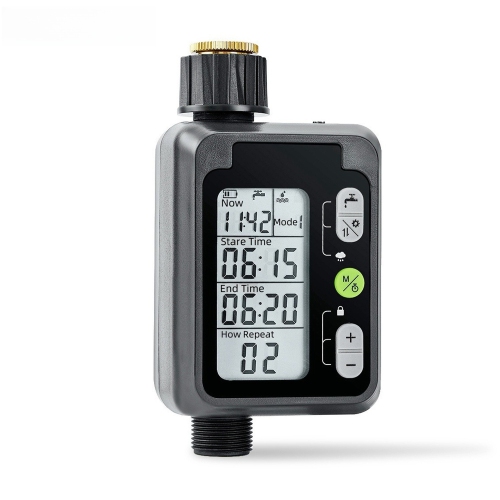
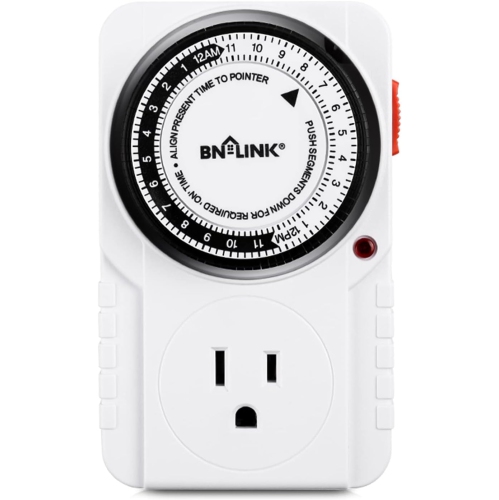



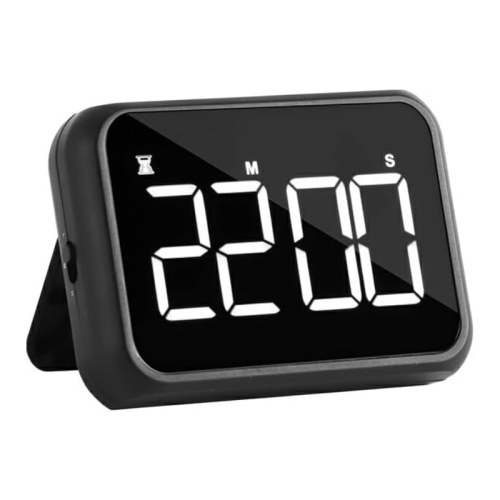
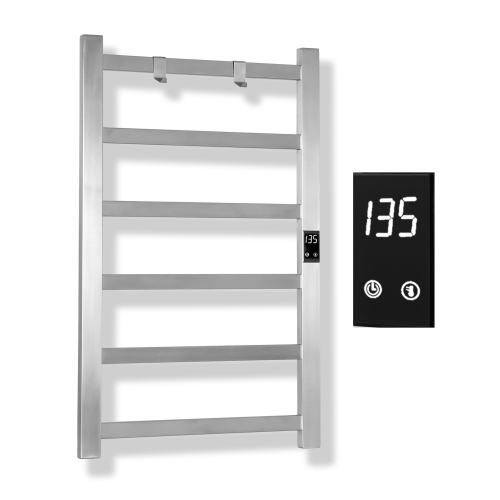
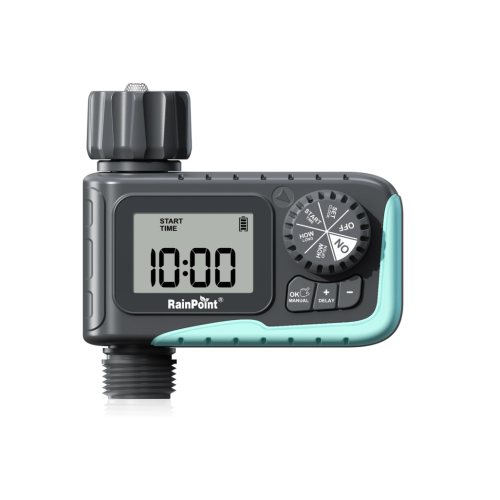
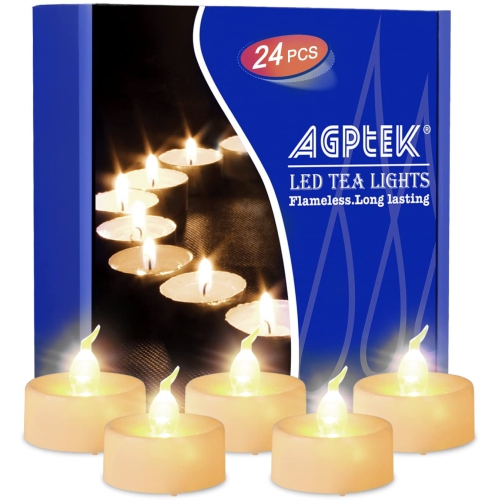

Practical ways to schedule lights, appliances and connected devices
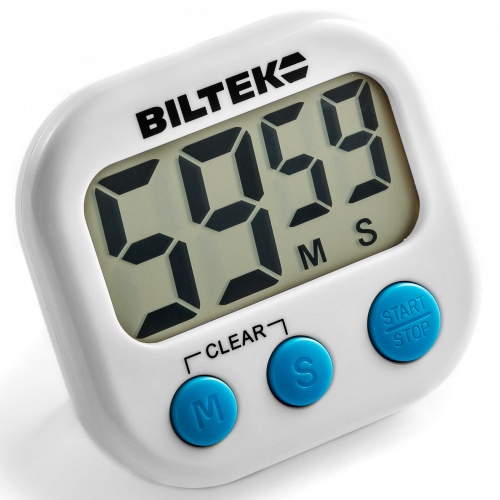
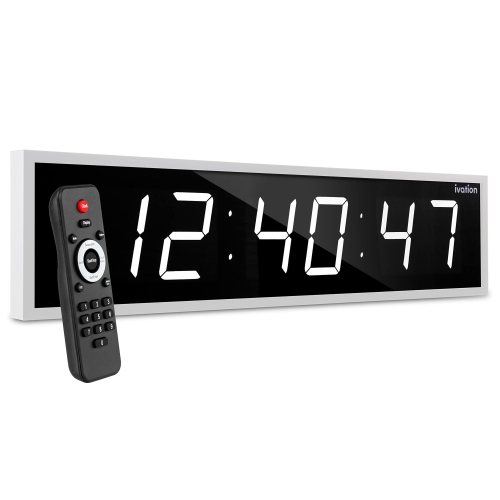
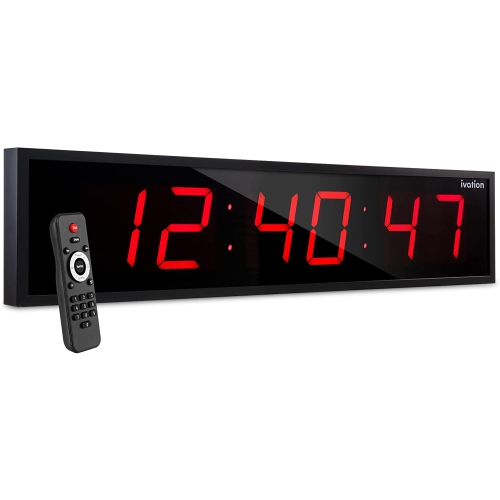
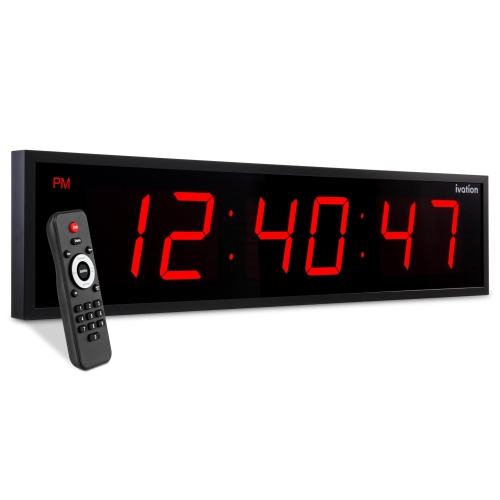
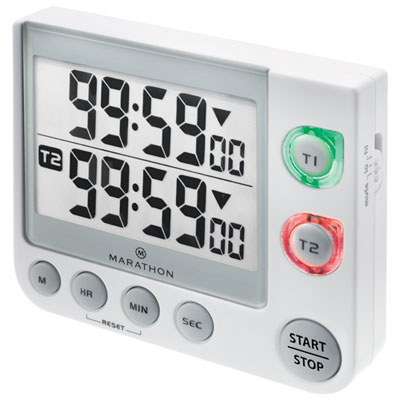
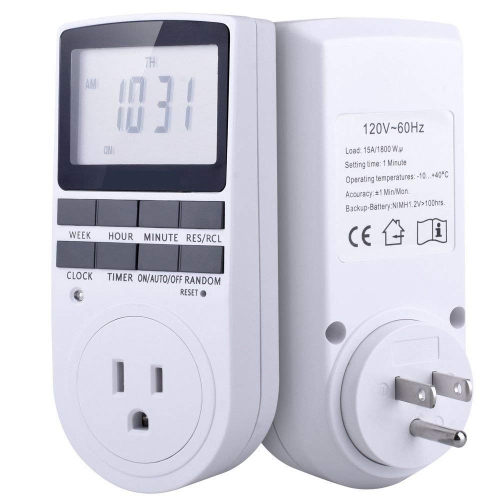
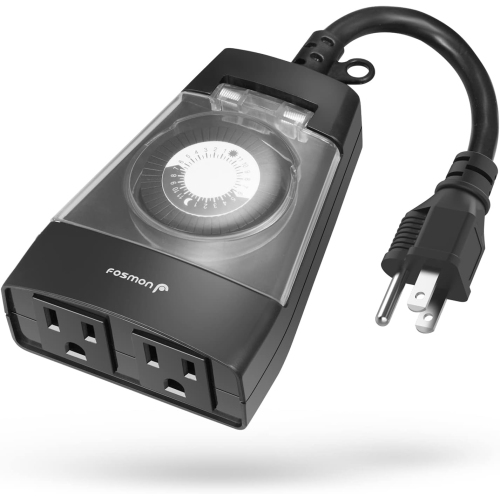
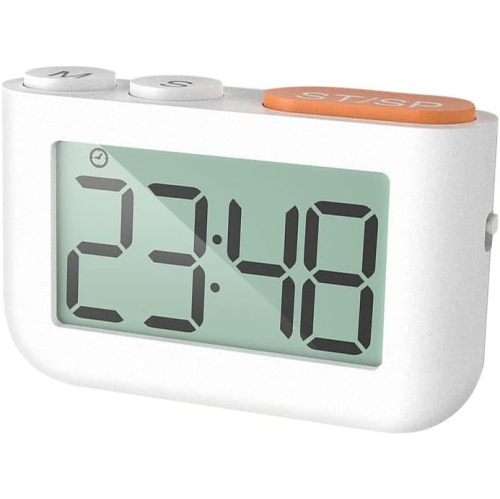
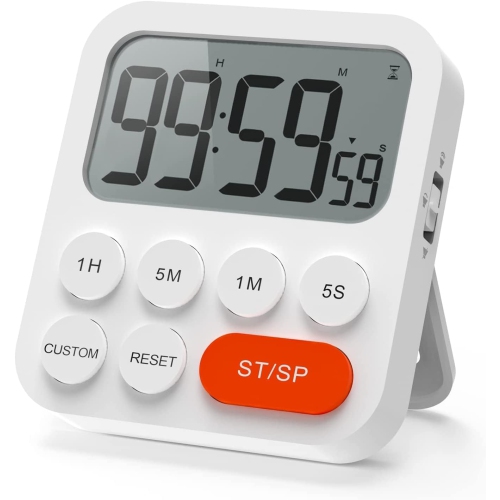
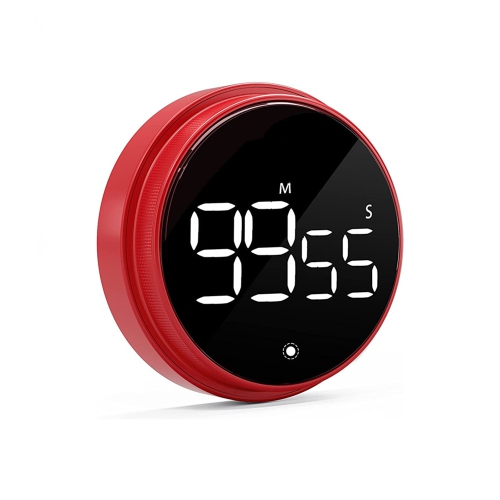
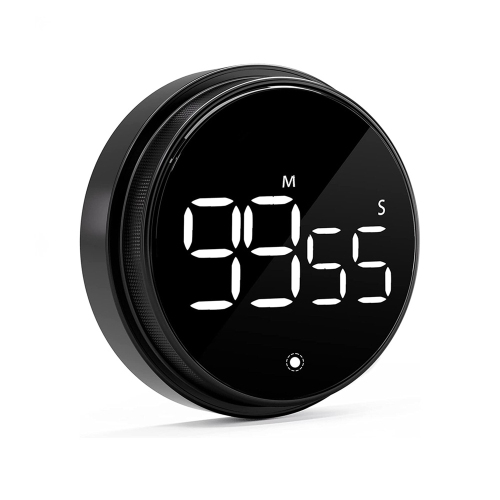
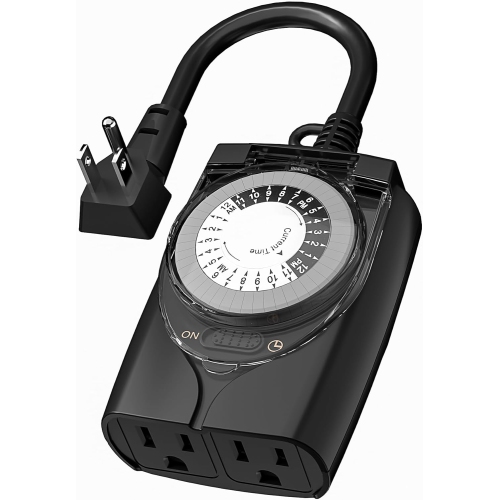
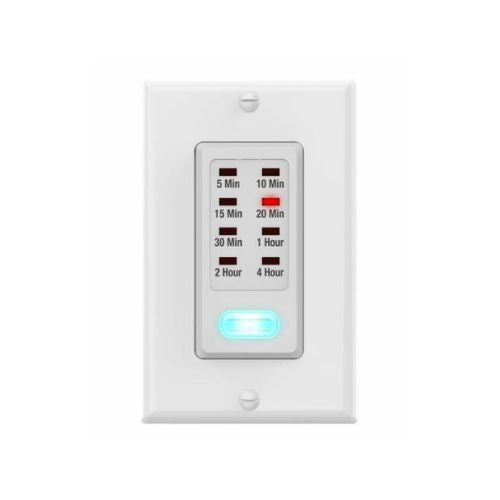
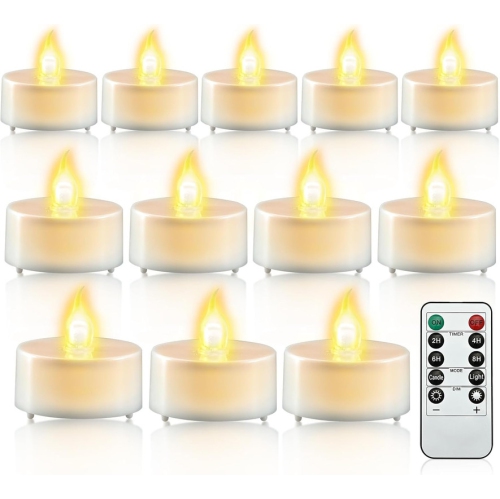
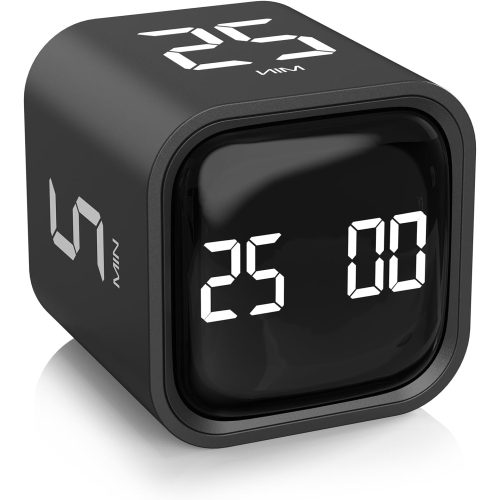
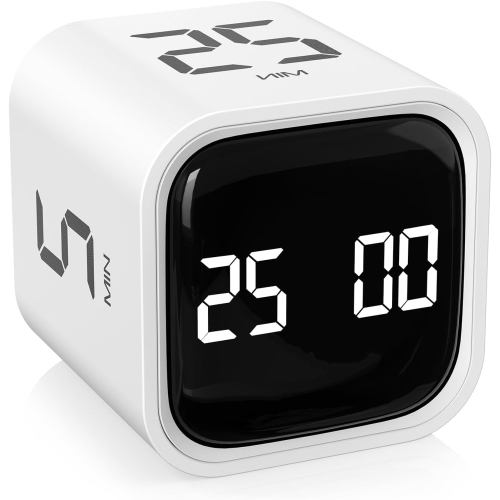
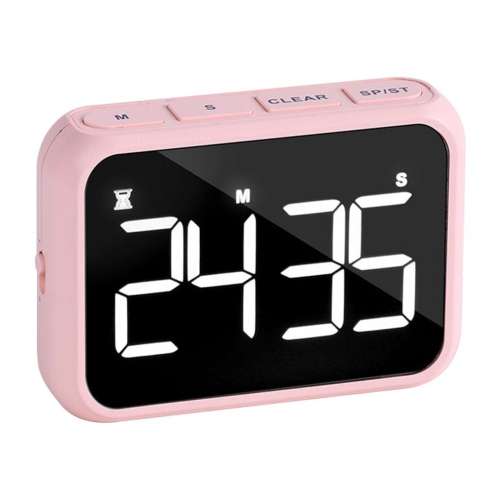
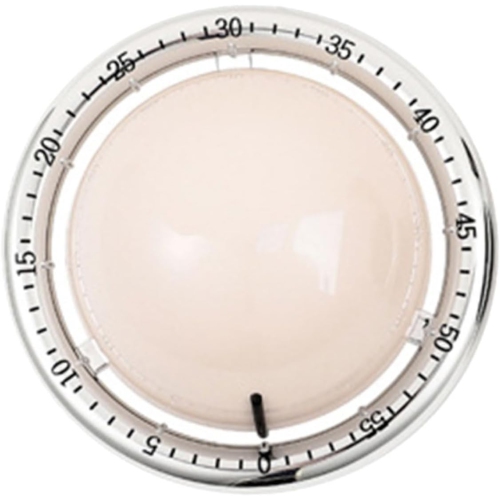
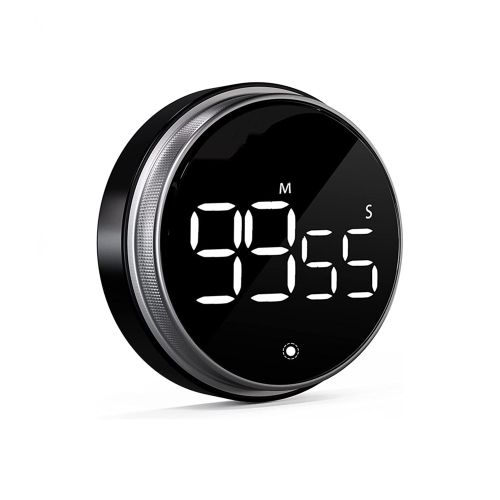
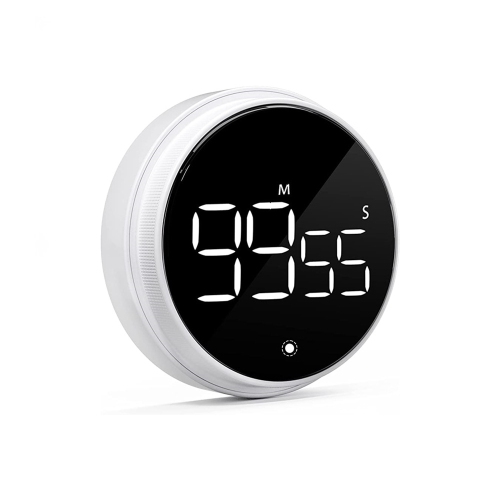
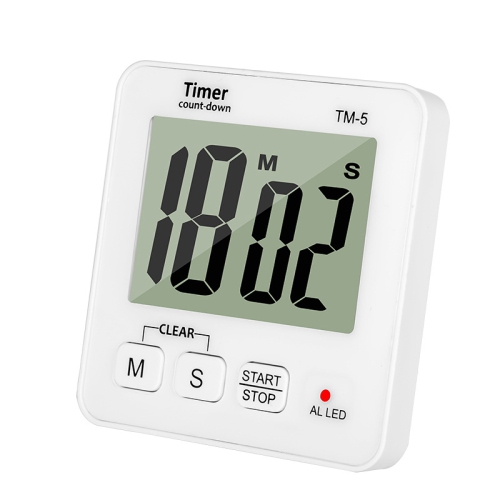
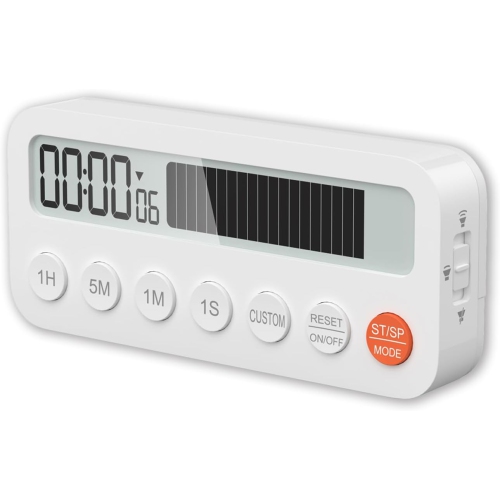
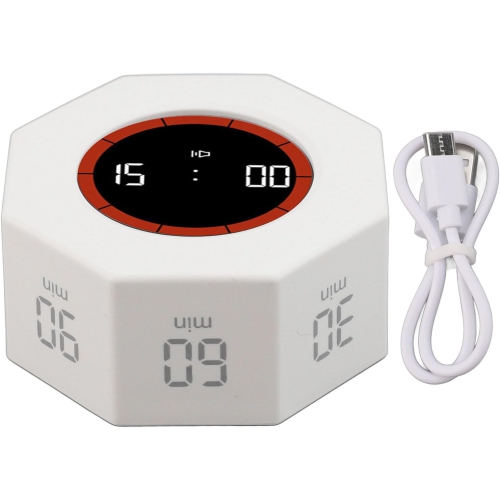
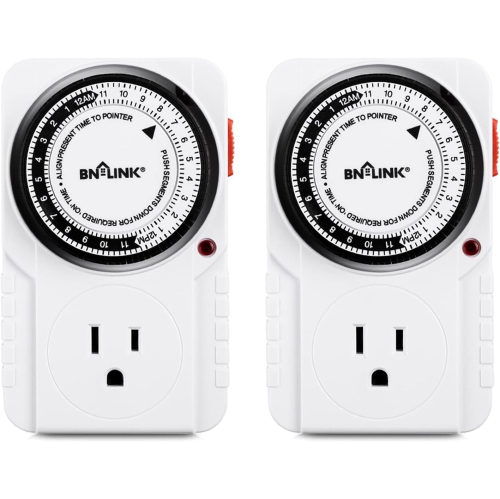
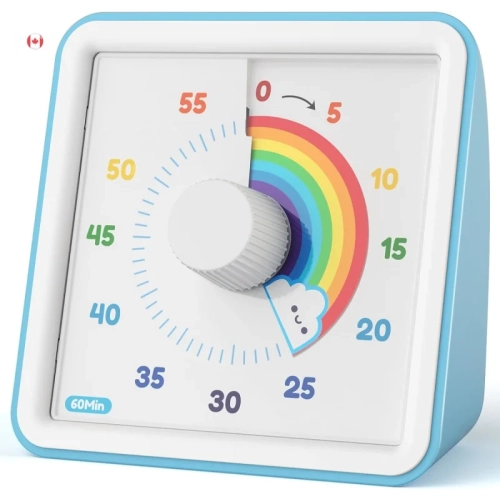
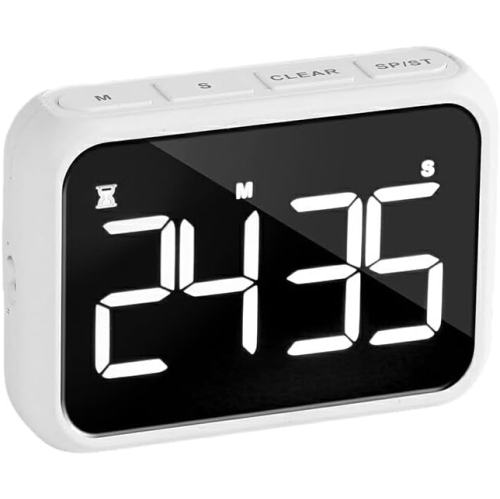
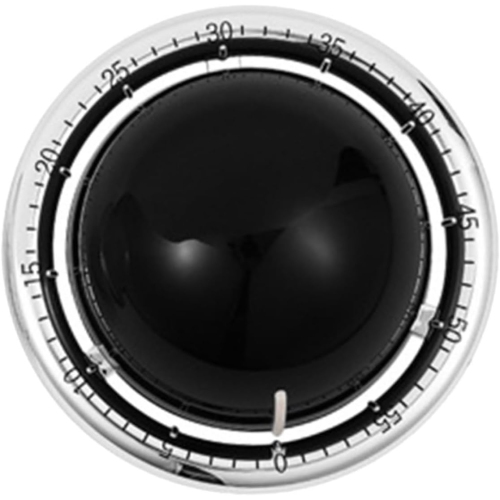
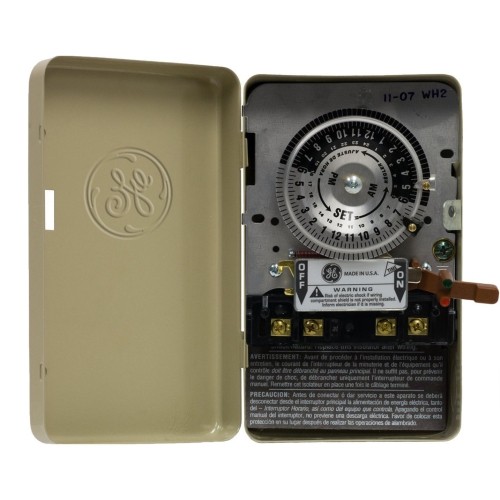
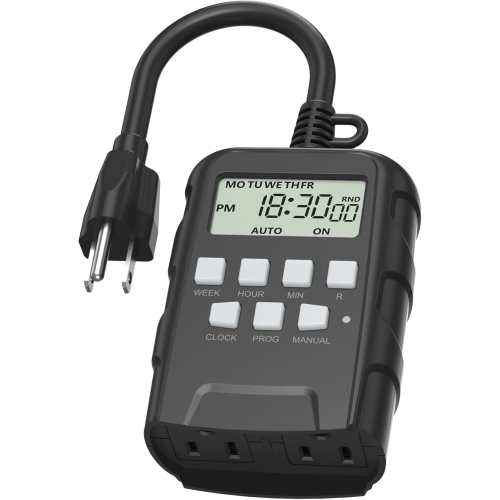
Electric timers make it easier to control lights, appliances and other connected devices according to a schedule, without relying on memory or leaving equipment running longer than necessary. A plug-in timer sits between an outlet and a device, allowing a lamp, fan, seasonal light display or other compatible appliance to turn on and off at a selected time. Some models use a simple dial and movable pins for a repeating 24-hour cycle, while digital timers provide more precise programming, multiple on/off periods and schedules that vary by day. Countdown timers work differently: instead of following a daily programme, they switch a connected device off after a selected period, making them useful for bathroom fans, heat lamps, utility-room lighting and other equipment that should not be left running indefinitely. In-wall timers replace a standard wall switch and can offer countdown operation, programmable schedules or automatic control based on a real-time clock. When comparing electric timers, start with the device you plan to control and the way you expect to use it. A lamp beside a living-room chair may only need a straightforward indoor plug-in timer, while several lights operating at different times may benefit from a digital model with independent settings. For broader household automation, explore Appliance Timers to find options designed around everyday appliances and routines.
Compatibility is one of the most important purchase considerations. Check the timer’s electrical rating and compare it with the connected device’s requirements, including voltage, amperage and the type of load being controlled. Resistive loads, such as some heaters, behave differently from tungsten or incandescent lighting, LED bulbs and motor-driven equipment such as fans or pumps. A timer that works well with a table lamp may not be suitable for a motor or heating appliance, so the packaging and product specifications should always be reviewed before use. Pay attention to the maximum wattage, maximum amperage and any separate ratings for LED, incandescent, fluorescent or motor loads. For outdoor use, choose a model specifically rated for exterior conditions, with suitable protection from moisture and changing temperatures. Outdoor-rated timers can help manage landscape lighting, seasonal decorations, garden equipment or an engine block heater during the cooler months, but an outdoor rating does not mean the timer should be submerged or exposed carelessly to standing water. Indoor timers are intended for dry, protected spaces such as bedrooms, kitchens, offices and living rooms. Consider the outlet arrangement as well: a compact design may leave the second receptacle available, while a larger unit may cover both outlets. Digital displays can be convenient for checking settings at a glance, especially when daylight saving time changes or schedules span midnight. Features such as randomised on/off patterns may make a home appear occupied while residents are away, and battery backup can preserve programming during a brief power interruption. Wi-Fi-enabled timers may offer app-based control and remote scheduling, but they may require a compatible network, account or hub. Simpler mechanical timers can be a practical choice for anyone who prefers tactile controls, a lower-complexity setup or a repeating routine that does not need frequent changes.
The best electric timer is one that fits naturally into the routine it is meant to support. A family might use one to switch on a hallway lamp before arriving home, while a student could schedule a desk lamp around study hours and a traveller could create an irregular lighting pattern while away. They can also be useful gifts for new homeowners, renters settling into a first apartment or anyone building a more organised household routine. During the cooler months, a timer can help coordinate entryway lighting, decorative lights and other seasonal equipment, while outdoor-rated models can be paired with compatible devices in a sheltered exterior location. In warmer weather, timers may be useful for patio lighting, fans or other equipment that follows a regular evening schedule. Countdown models are especially helpful in spaces where a device is commonly forgotten, such as a bathroom, workshop or garage. Before installing an in-wall timer, turn off power at the electrical panel and confirm that the wiring and electrical box meet the requirements in the instructions. Many digital in-wall models need a neutral white wire, while some older homes may not have one available in the switch box. Electrical work that involves household wiring should be completed by a qualified professional when the installation is outside your experience or local requirements. For plug-in models, keep cords fully inserted, avoid overloading the timer, and make sure vents, heaters and other high-temperature equipment have the clearances specified by the manufacturer. Reviewing the schedule after setup is worthwhile: confirm the clock, check each programmed start and stop time, and observe the first complete cycle to ensure the connected device responds as intended. With the right rating, location and programming method, an electric timer can bring dependable control to ordinary daily tasks without adding another chore to remember.
Compatibility is one of the most important purchase considerations. Check the timer’s electrical rating and compare it with the connected device’s requirements, including voltage, amperage and the type of load being controlled. Resistive loads, such as some heaters, behave differently from tungsten or incandescent lighting, LED bulbs and motor-driven equipment such as fans or pumps. A timer that works well with a table lamp may not be suitable for a motor or heating appliance, so the packaging and product specifications should always be reviewed before use. Pay attention to the maximum wattage, maximum amperage and any separate ratings for LED, incandescent, fluorescent or motor loads. For outdoor use, choose a model specifically rated for exterior conditions, with suitable protection from moisture and changing temperatures. Outdoor-rated timers can help manage landscape lighting, seasonal decorations, garden equipment or an engine block heater during the cooler months, but an outdoor rating does not mean the timer should be submerged or exposed carelessly to standing water. Indoor timers are intended for dry, protected spaces such as bedrooms, kitchens, offices and living rooms. Consider the outlet arrangement as well: a compact design may leave the second receptacle available, while a larger unit may cover both outlets. Digital displays can be convenient for checking settings at a glance, especially when daylight saving time changes or schedules span midnight. Features such as randomised on/off patterns may make a home appear occupied while residents are away, and battery backup can preserve programming during a brief power interruption. Wi-Fi-enabled timers may offer app-based control and remote scheduling, but they may require a compatible network, account or hub. Simpler mechanical timers can be a practical choice for anyone who prefers tactile controls, a lower-complexity setup or a repeating routine that does not need frequent changes.
The best electric timer is one that fits naturally into the routine it is meant to support. A family might use one to switch on a hallway lamp before arriving home, while a student could schedule a desk lamp around study hours and a traveller could create an irregular lighting pattern while away. They can also be useful gifts for new homeowners, renters settling into a first apartment or anyone building a more organised household routine. During the cooler months, a timer can help coordinate entryway lighting, decorative lights and other seasonal equipment, while outdoor-rated models can be paired with compatible devices in a sheltered exterior location. In warmer weather, timers may be useful for patio lighting, fans or other equipment that follows a regular evening schedule. Countdown models are especially helpful in spaces where a device is commonly forgotten, such as a bathroom, workshop or garage. Before installing an in-wall timer, turn off power at the electrical panel and confirm that the wiring and electrical box meet the requirements in the instructions. Many digital in-wall models need a neutral white wire, while some older homes may not have one available in the switch box. Electrical work that involves household wiring should be completed by a qualified professional when the installation is outside your experience or local requirements. For plug-in models, keep cords fully inserted, avoid overloading the timer, and make sure vents, heaters and other high-temperature equipment have the clearances specified by the manufacturer. Reviewing the schedule after setup is worthwhile: confirm the clock, check each programmed start and stop time, and observe the first complete cycle to ensure the connected device responds as intended. With the right rating, location and programming method, an electric timer can bring dependable control to ordinary daily tasks without adding another chore to remember.
Top selling and popular products
-
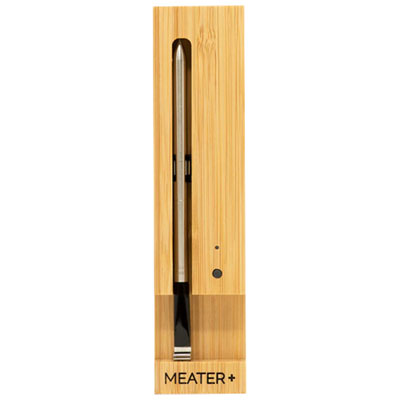 Your price for this item is $149.99
 -
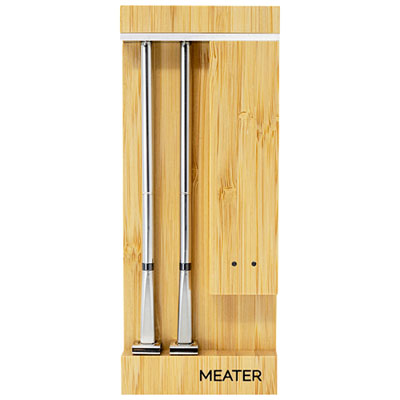 Your price for this item is $269.99
 -
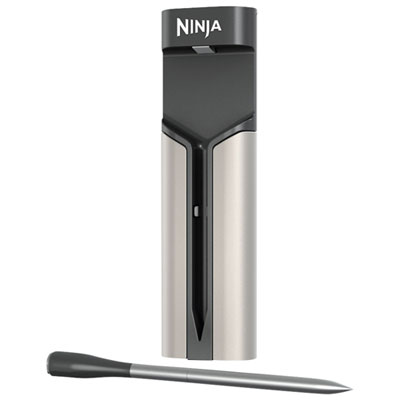 Your price for this item is $99.99
 -
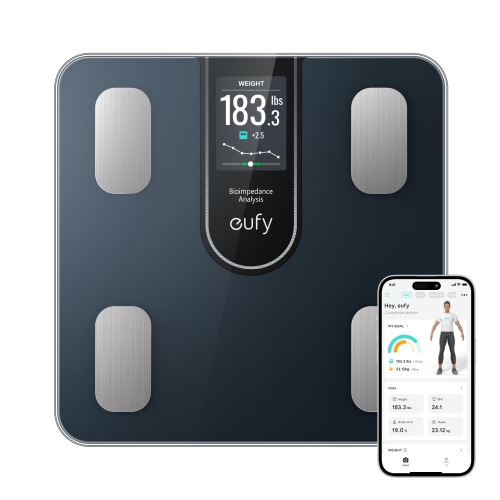 Your price for this item is $69.74
 -
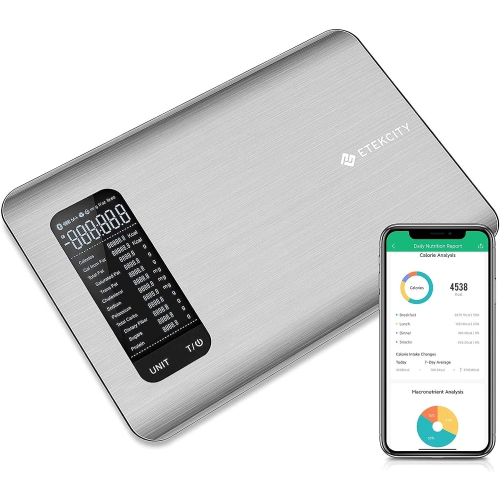 Your price for this item is $45.99
 -
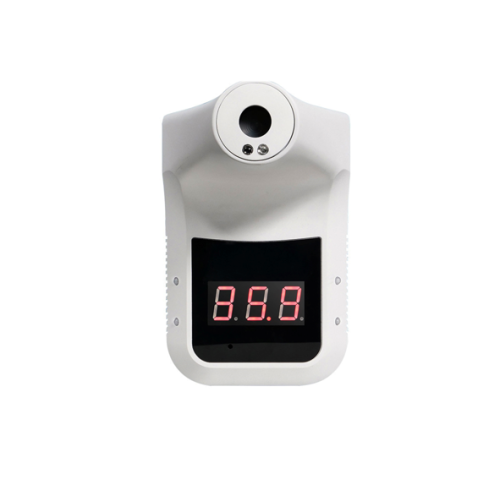 Your price for this item is $149.99
 -
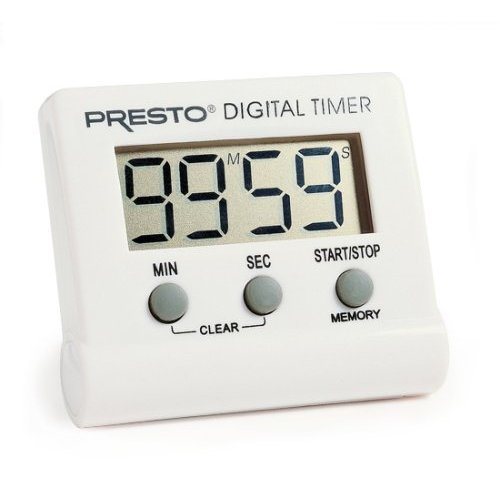 Your price for this item is $12.99
 -
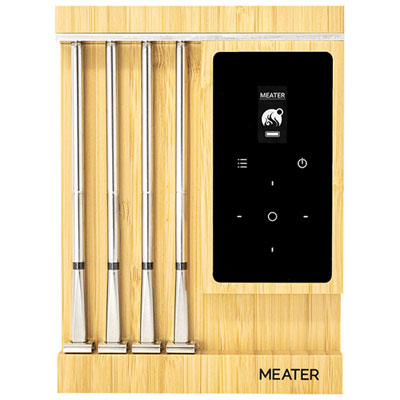 Your price for this item is $479.99
Discover more categories related to Electric Timers

Top Collections:
Pokemon Centers, Kindle Devices, Best Budget Office Chairs, Apple iPhones 16, Best Laptops for Writers, iPhone 15 Apple, Canon G7X Cameras, Refurbished Apple Laptops, Alarm Clock, Motorola Razr Phones
Some products may be subject to Environmental Handling Fees
(EHF) depending on your province.
Learn more about EHFs.