Appliance Timers
Discover the convenience and efficiency that appliance timers bring to your home. These handy devices are designed to help you manage your household tasks with ease, ensuring that your appliances operate exactly when you need them to. Whether you're looking to automate your morning coffee routine or ensure your lights turn on at the perfect time, appliance timers offer a seamless solution for energy management and enhanced lifestyle flexibility. With a variety of options available, finding the right timer to suit your specific needs has never been easier. Embrace the modern way of living with appliance timers and enjoy the benefits of a more organized and efficient home environment.
Sort
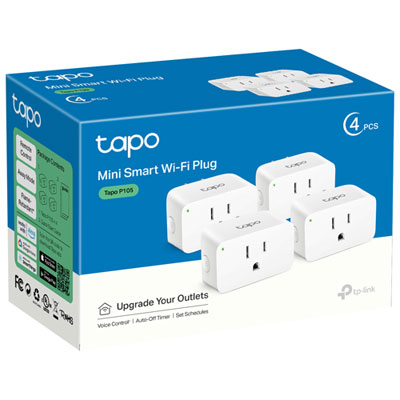
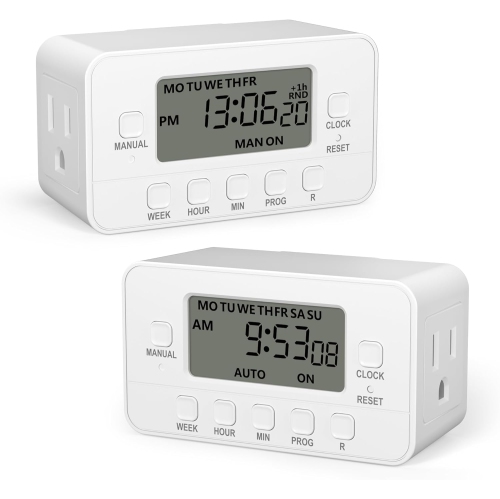
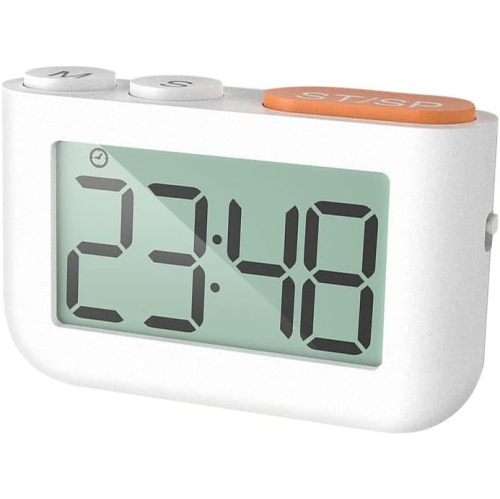
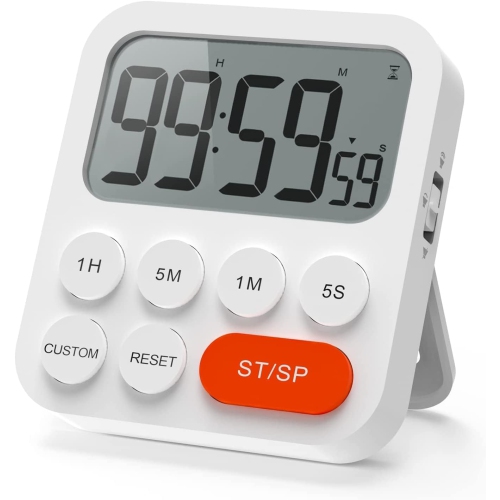
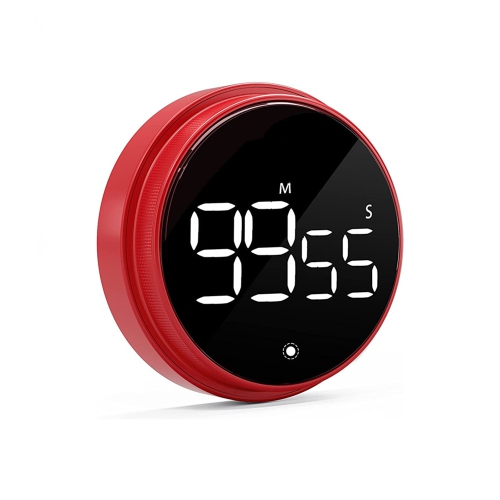
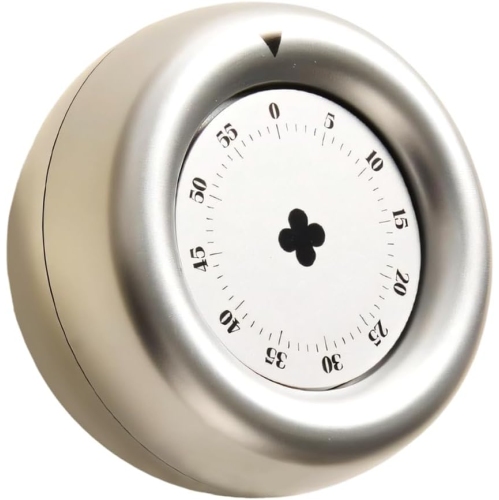
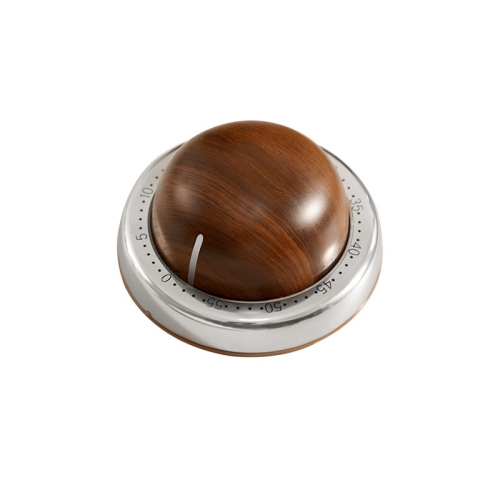
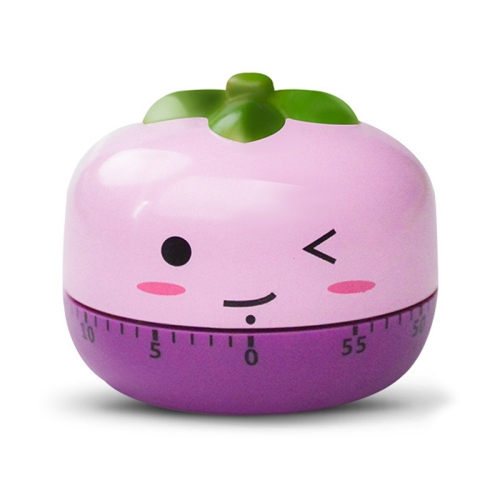
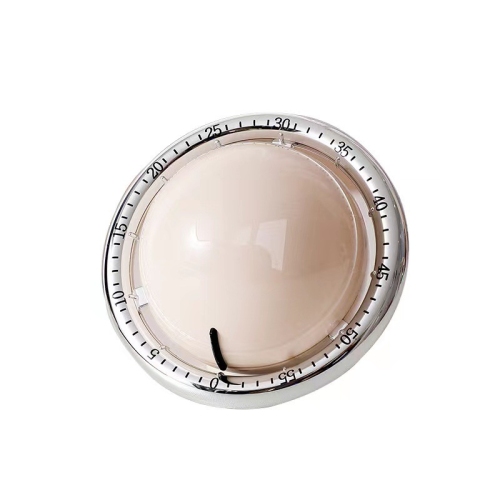
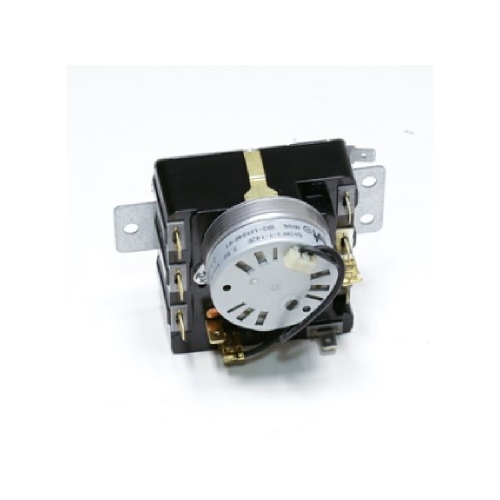
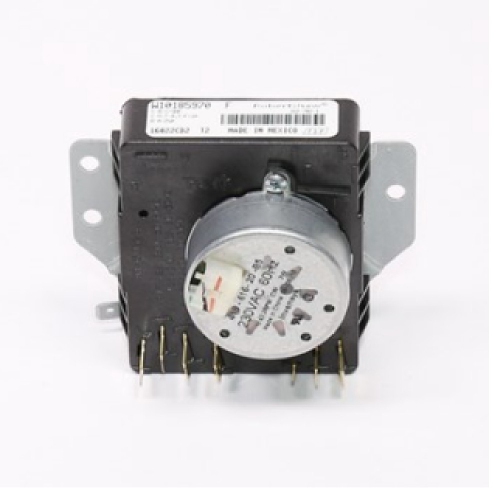
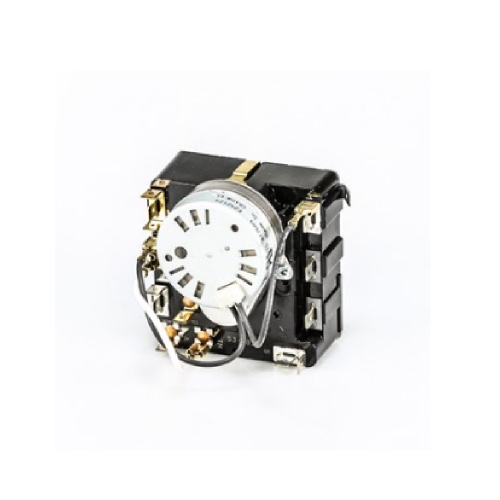
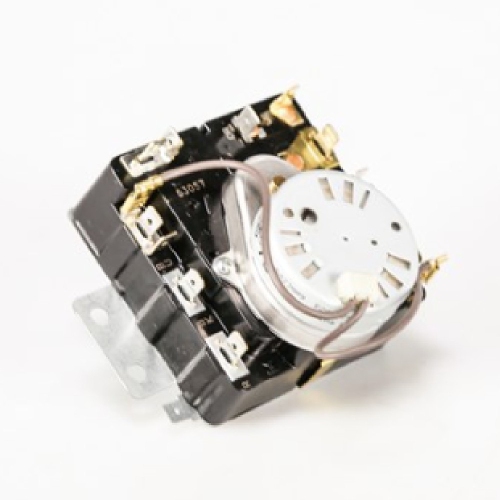
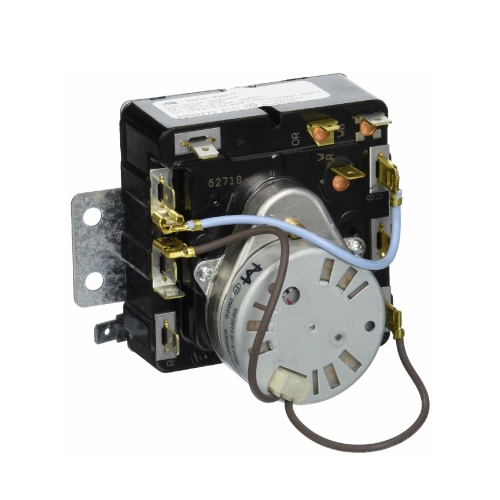
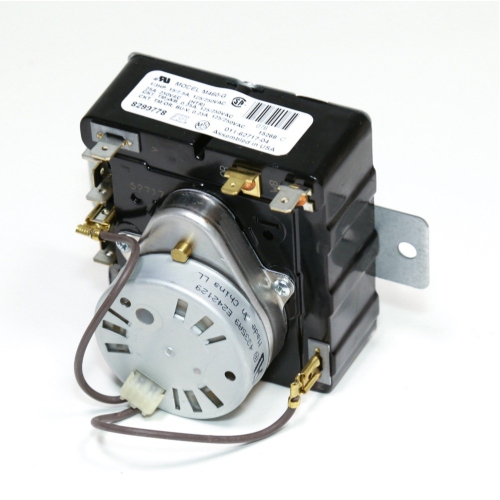
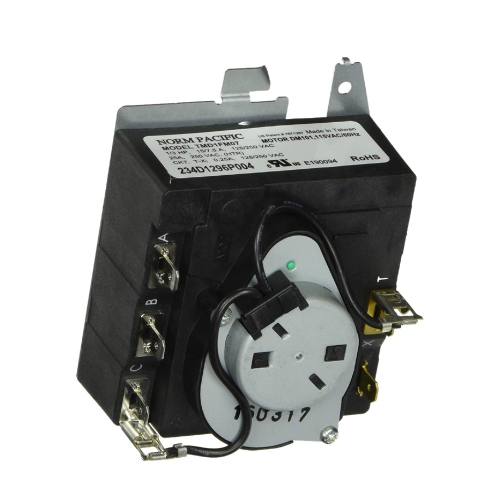
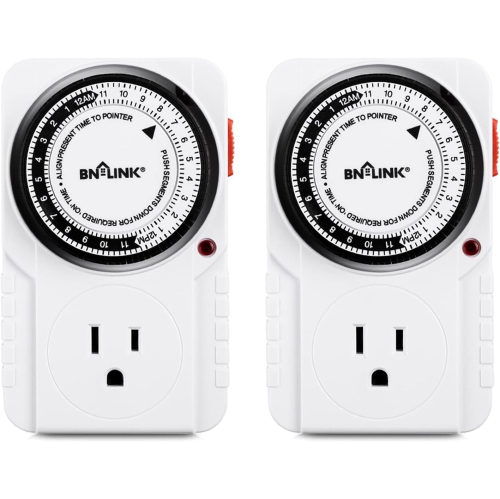



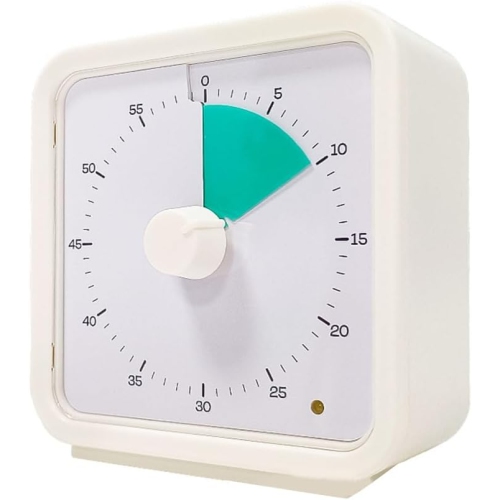
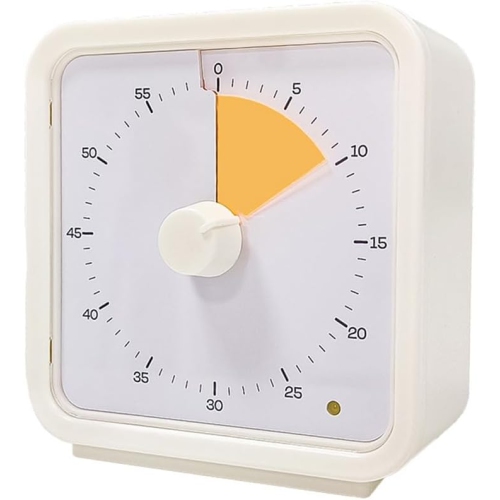
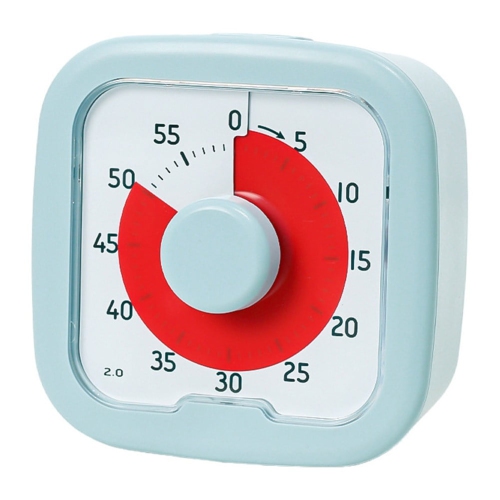

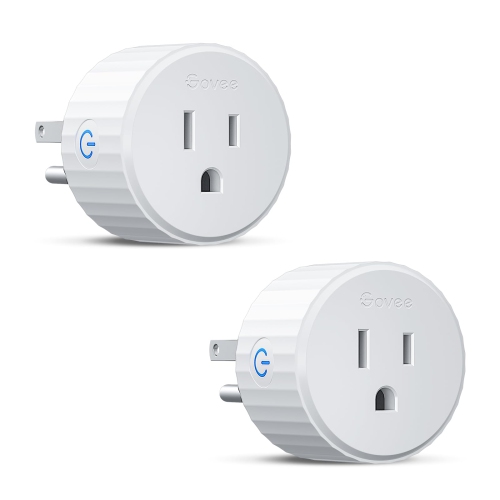
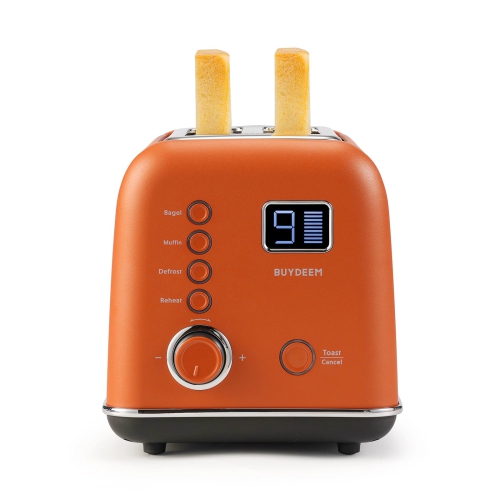
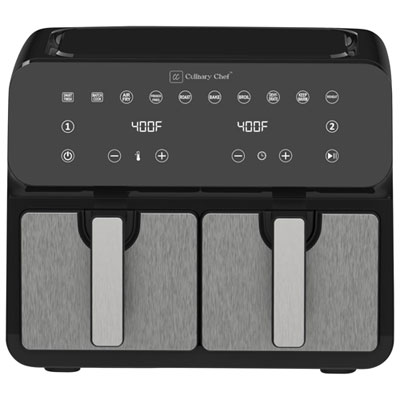
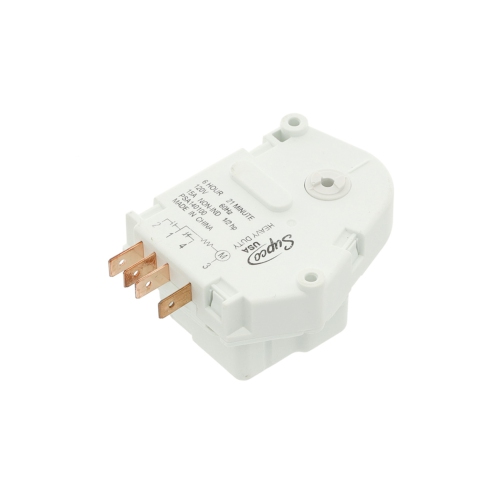
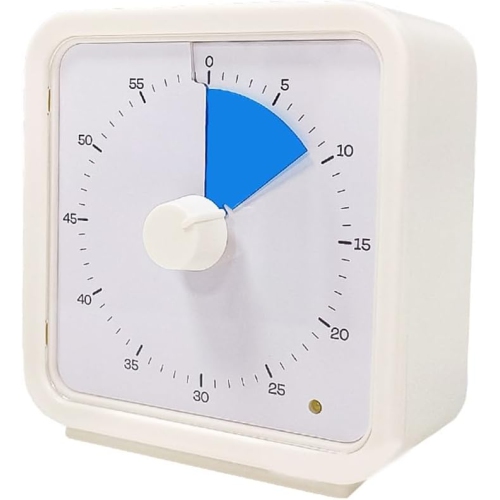
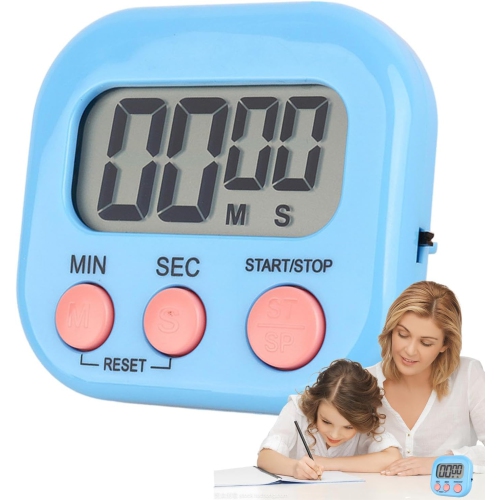
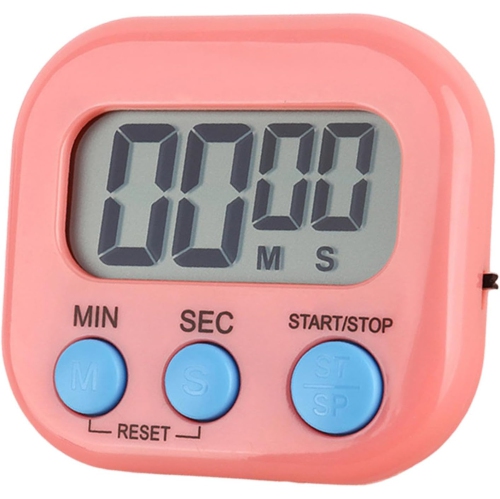
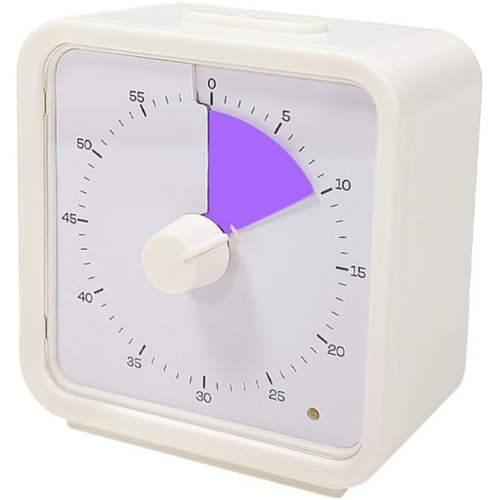
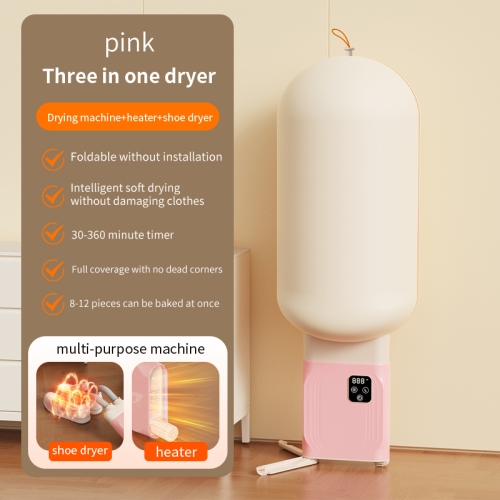
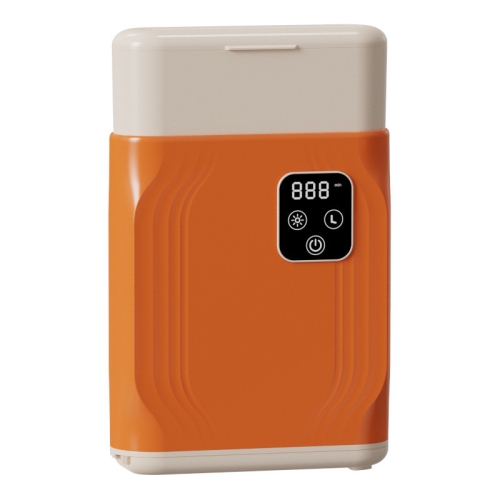
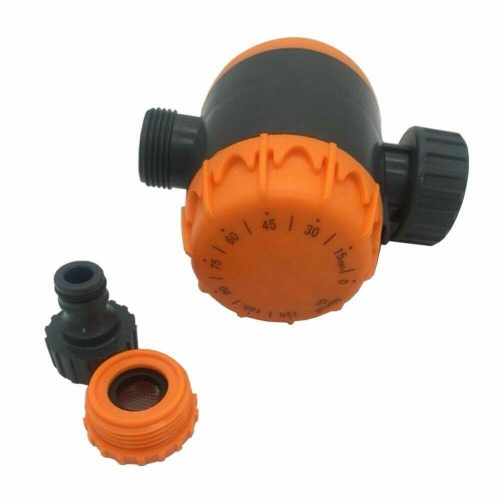
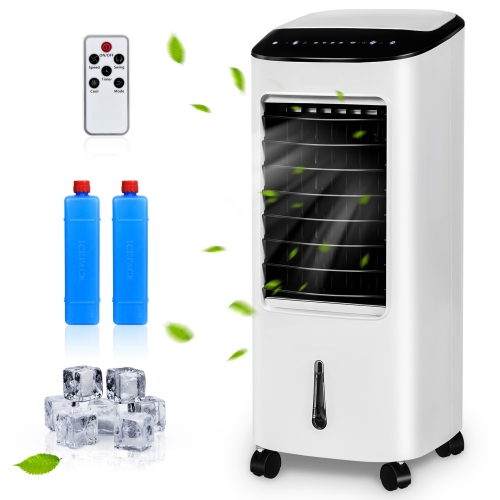
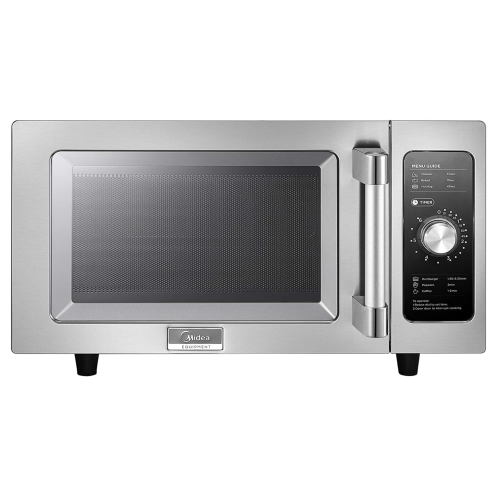
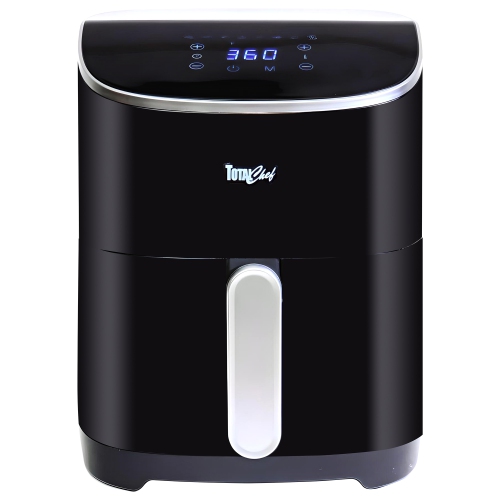
How timer types support routines, shutoffs, and repairs
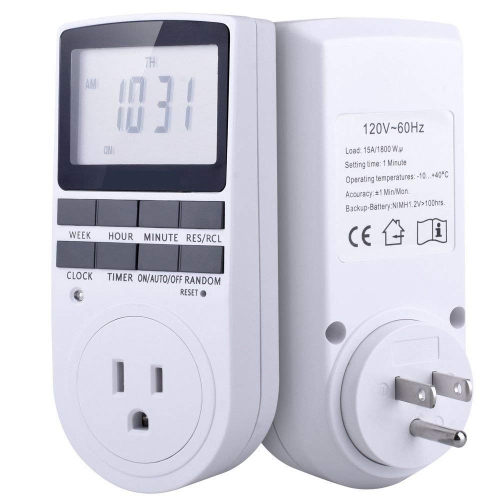
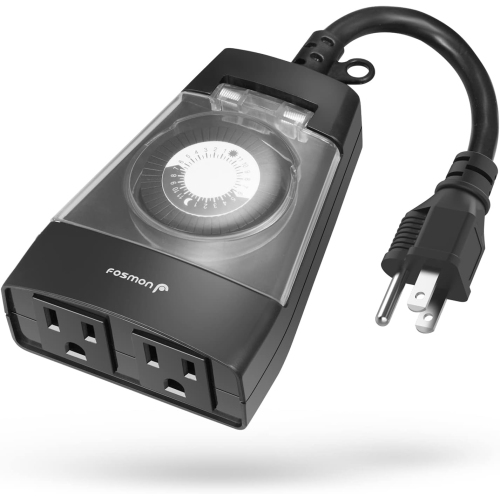
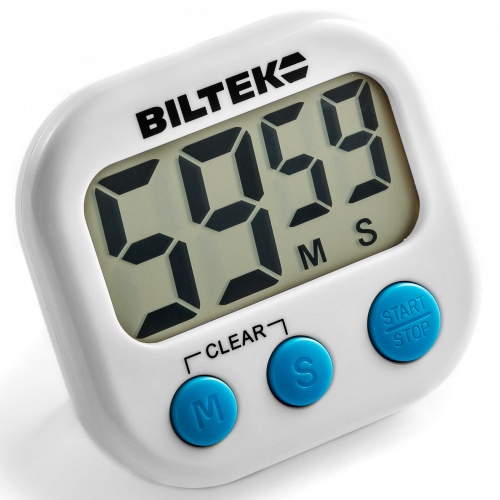
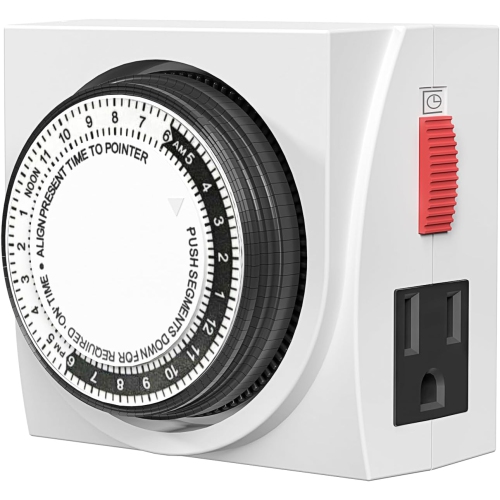
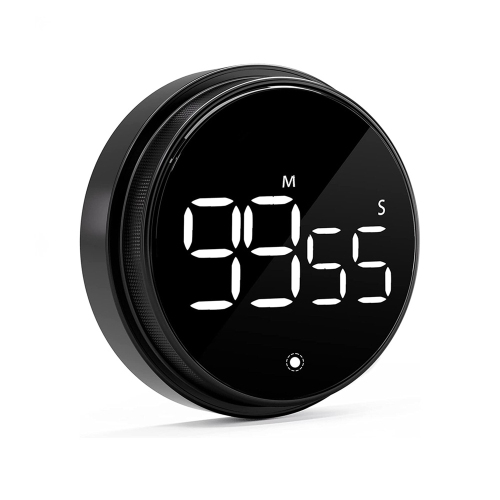
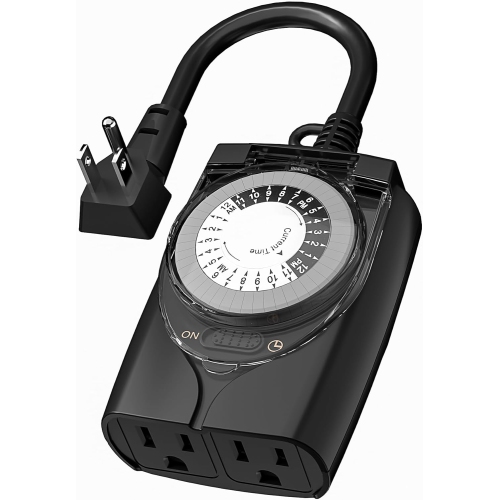
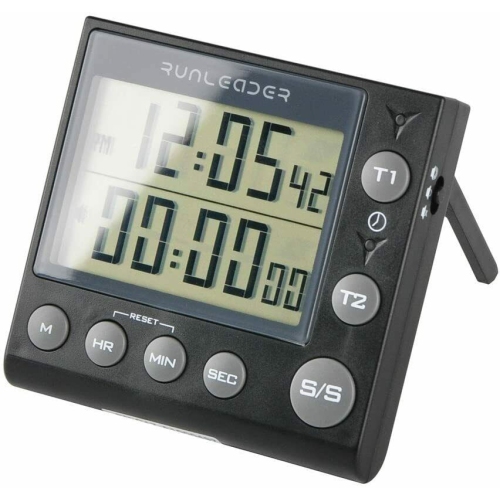
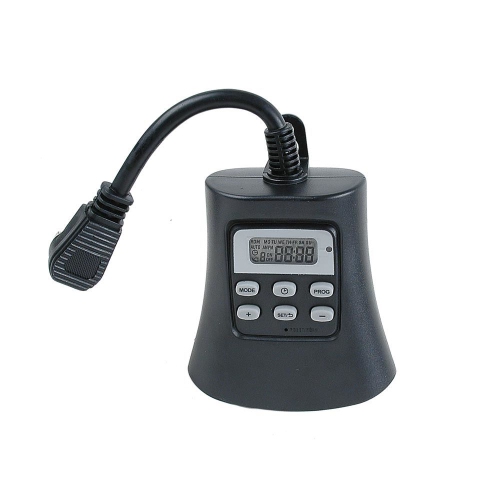
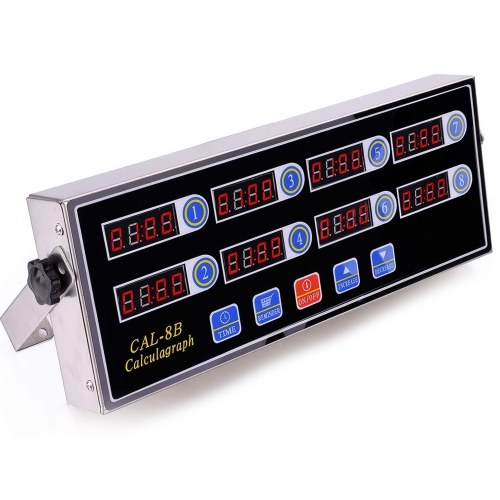
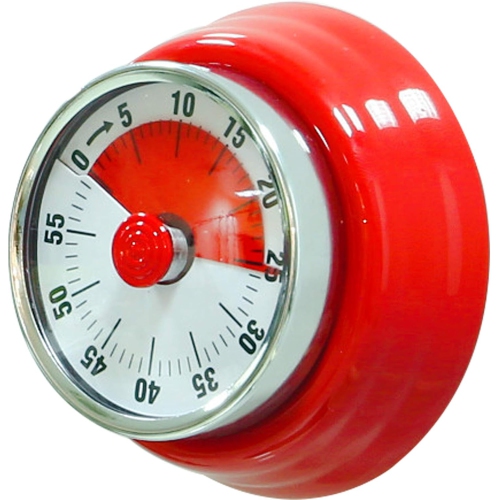
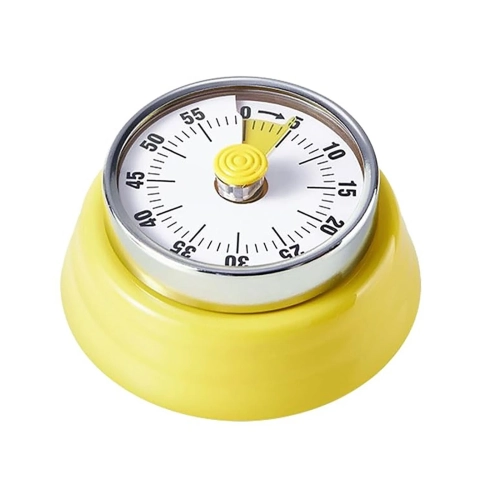
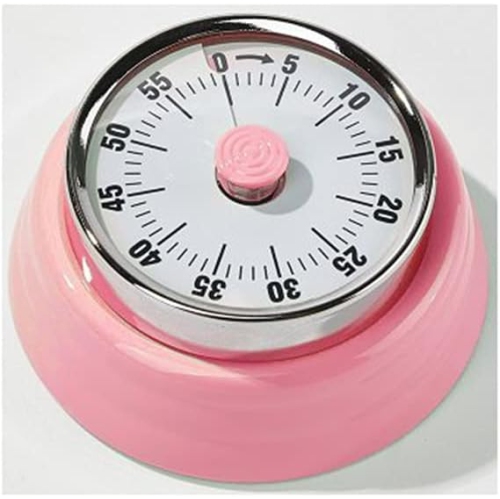
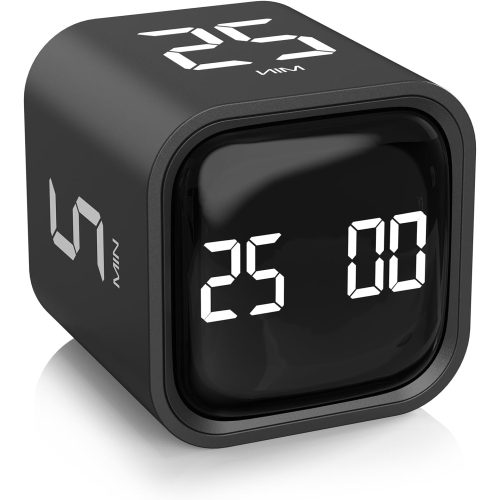
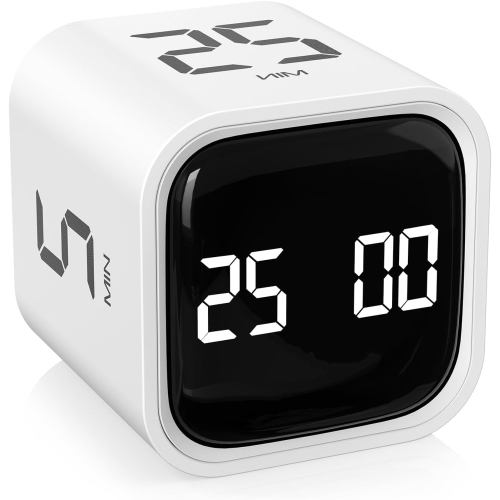
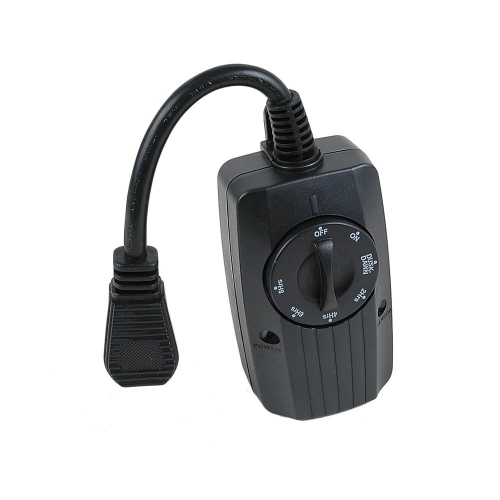
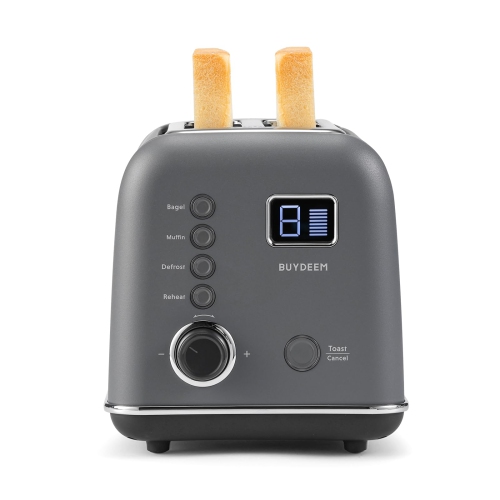
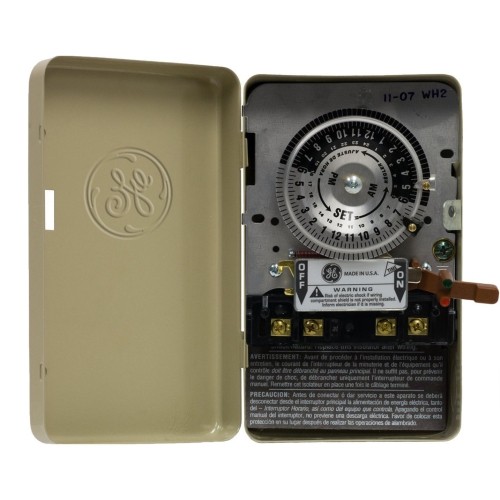
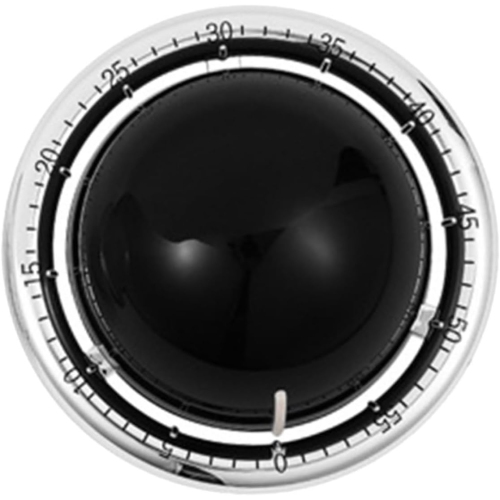
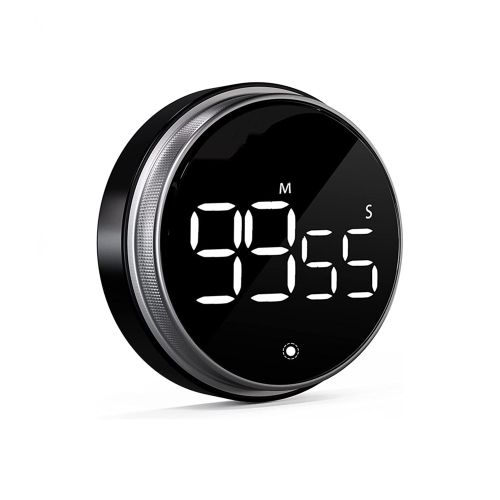
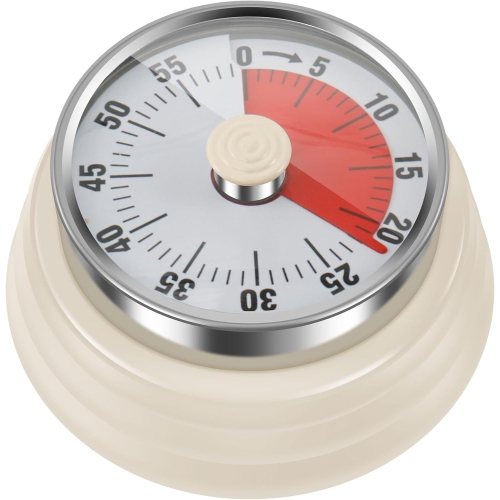
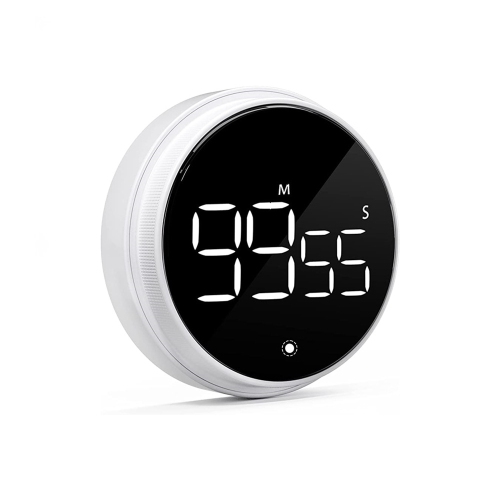
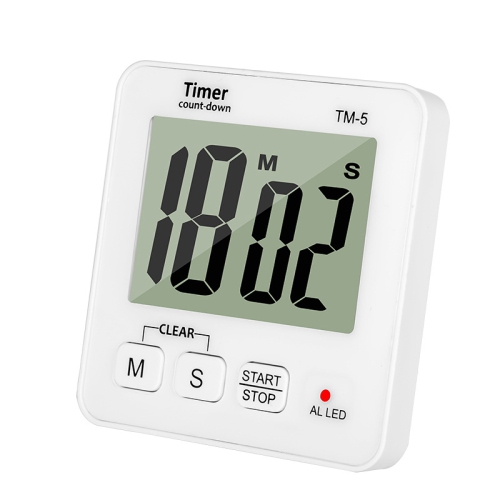
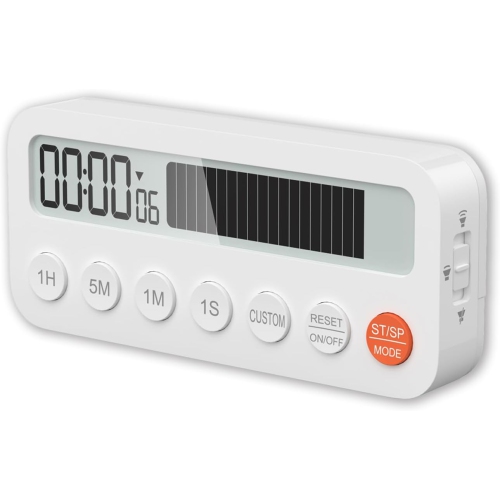
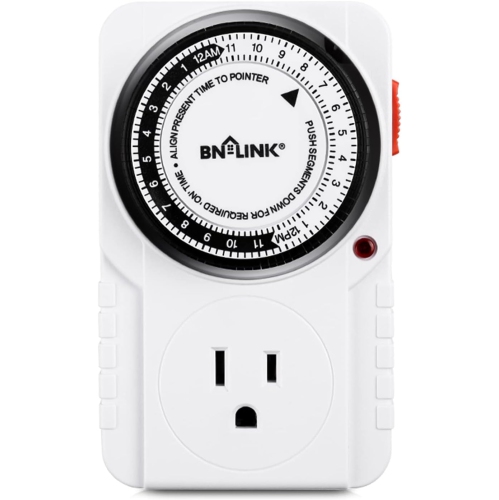
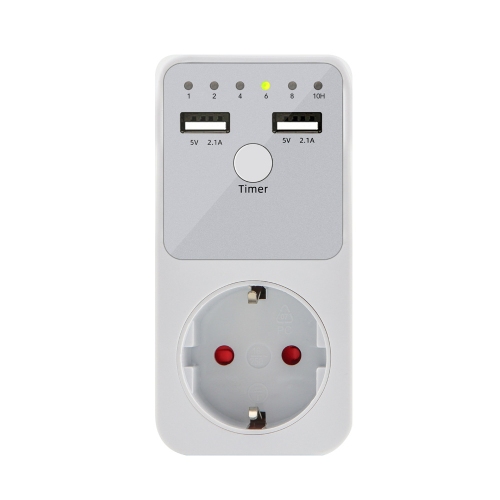
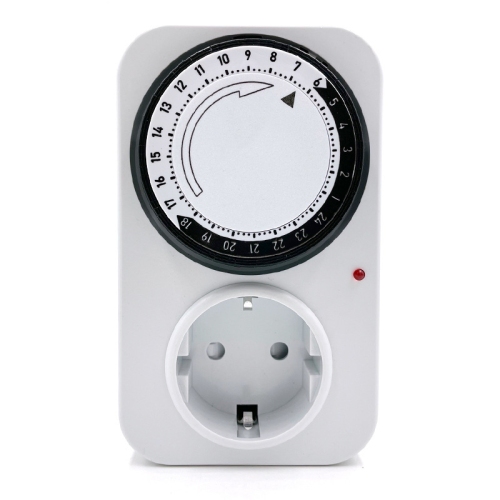
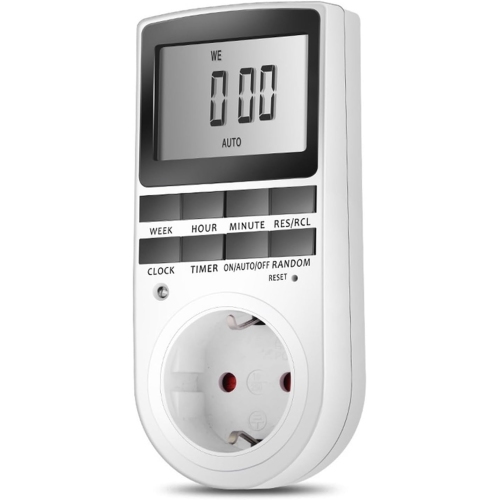
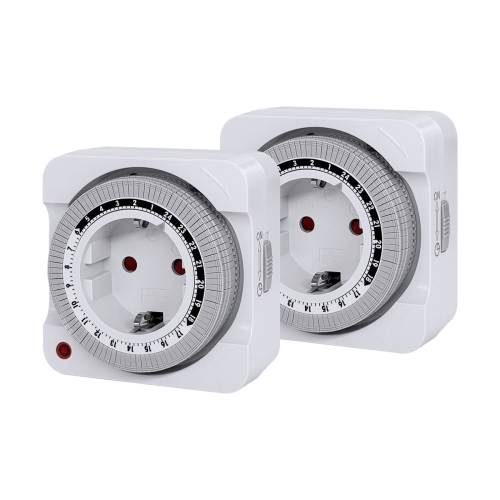
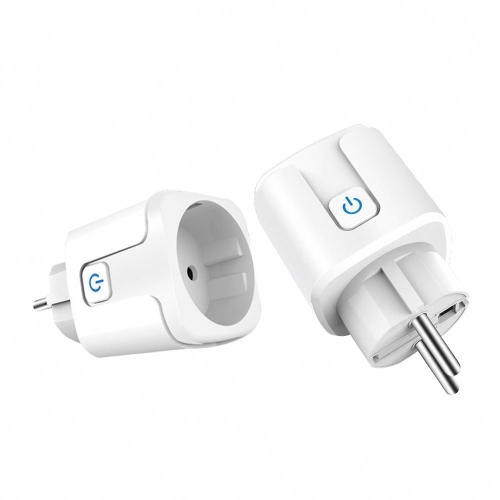
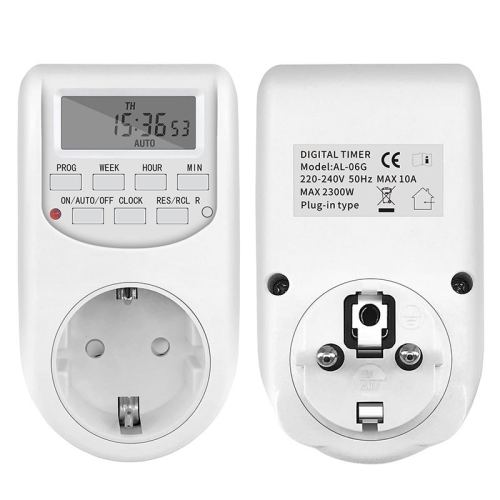
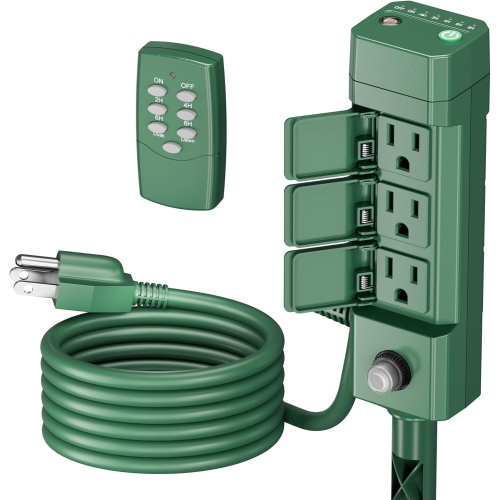
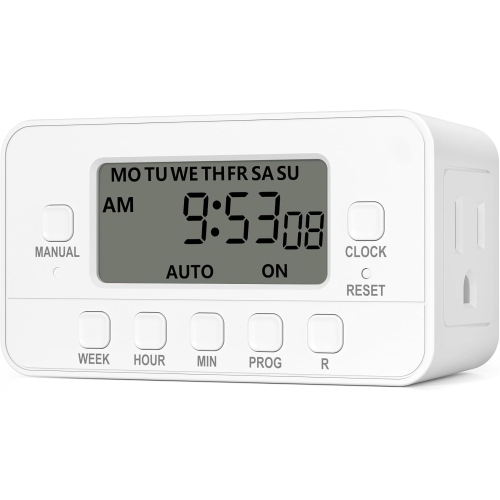
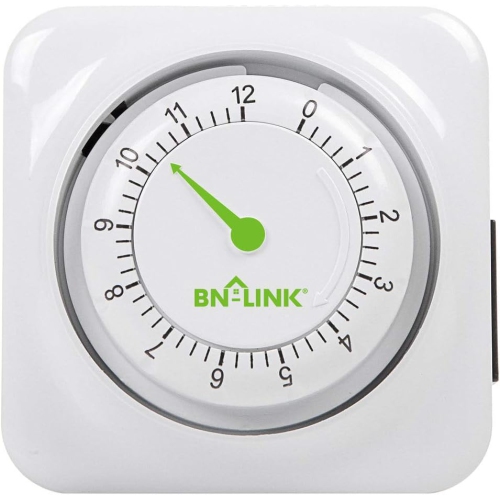
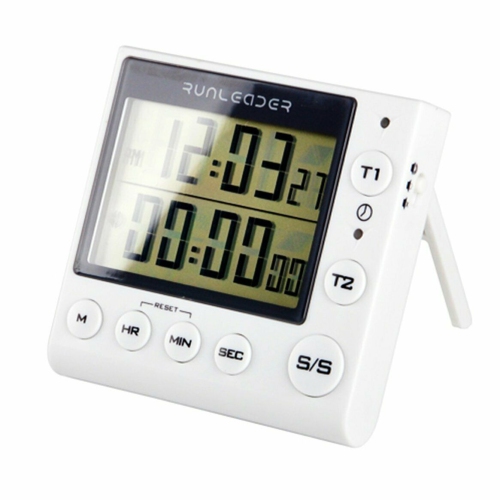
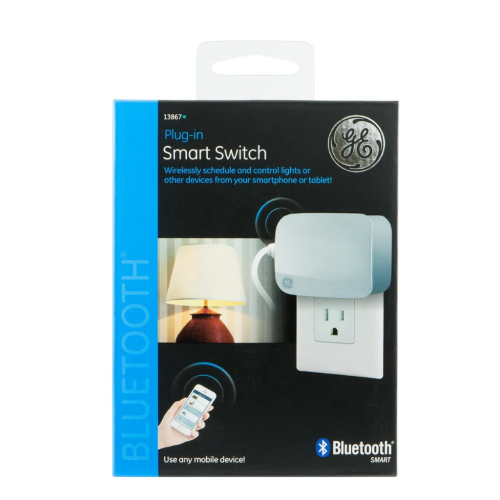
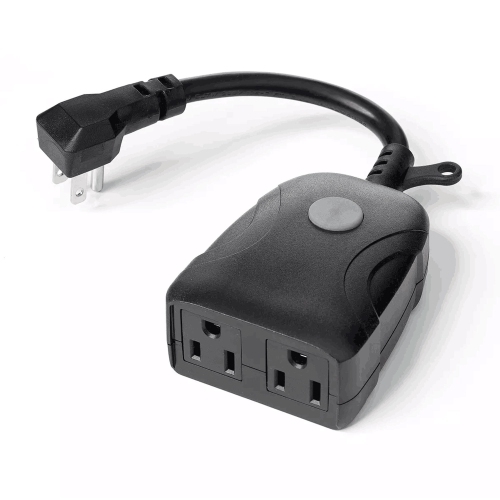
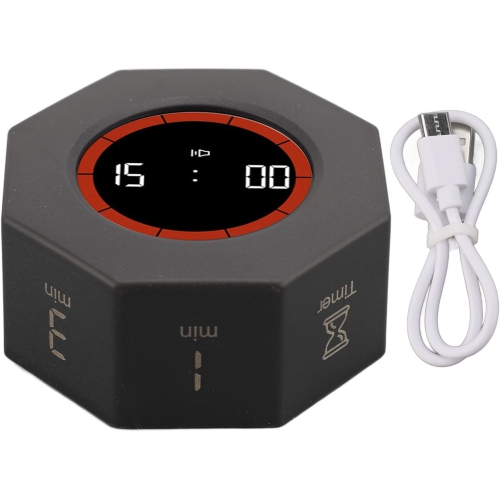
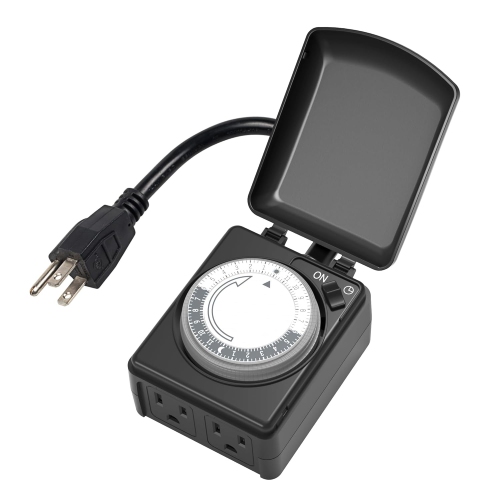
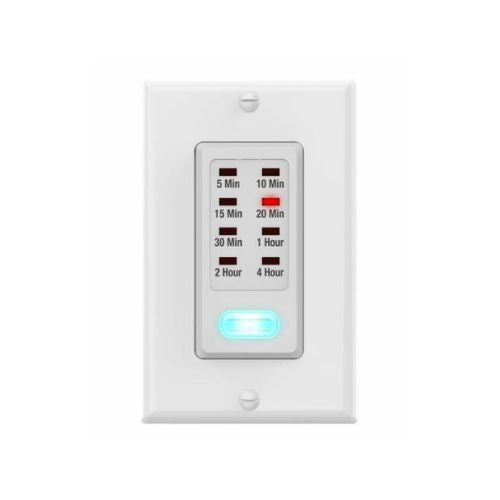
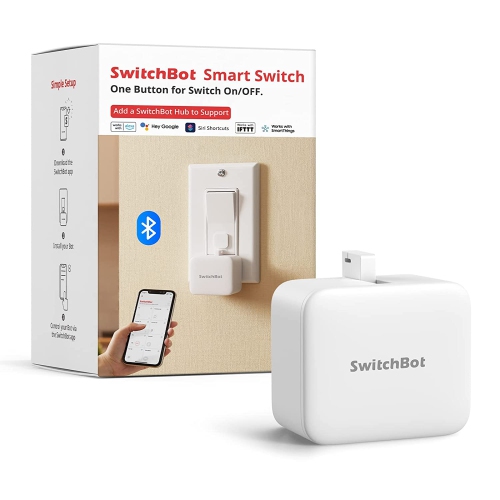
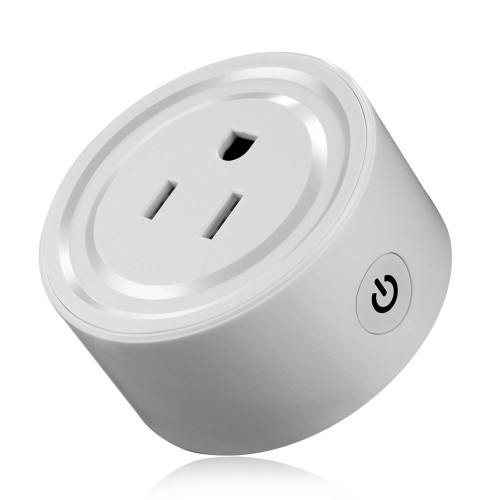
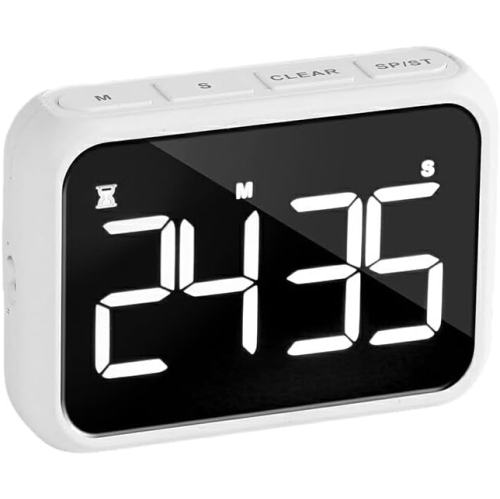
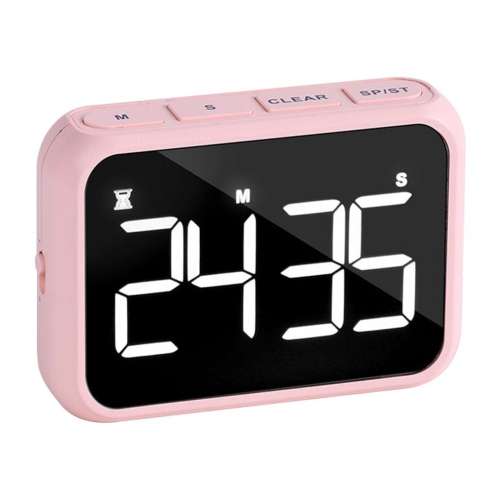
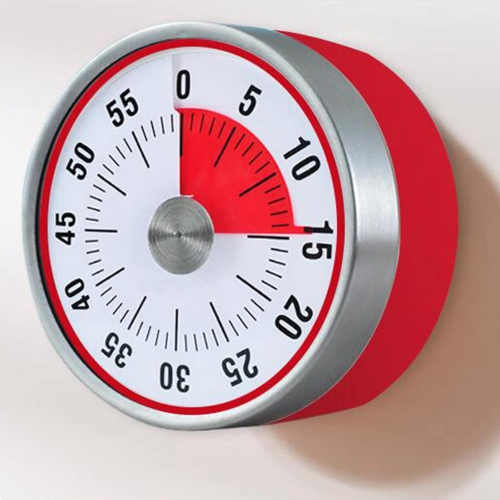
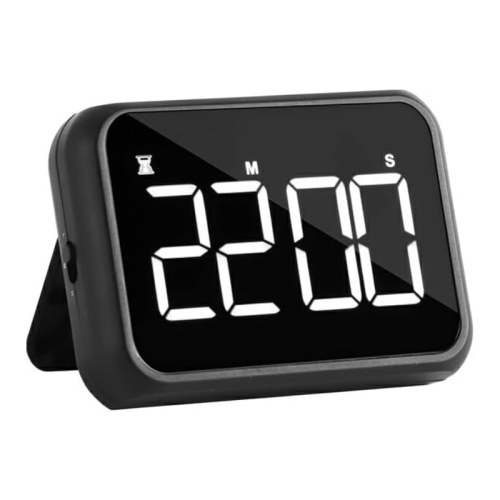
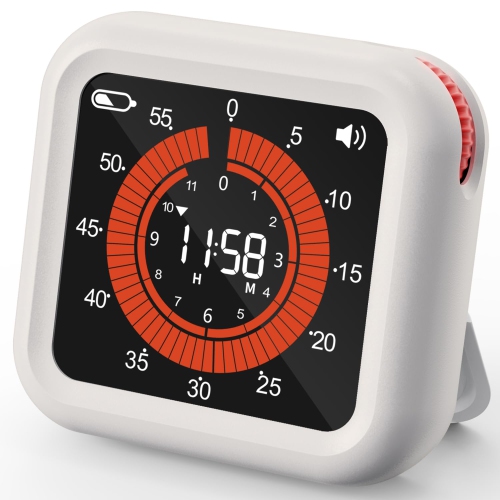
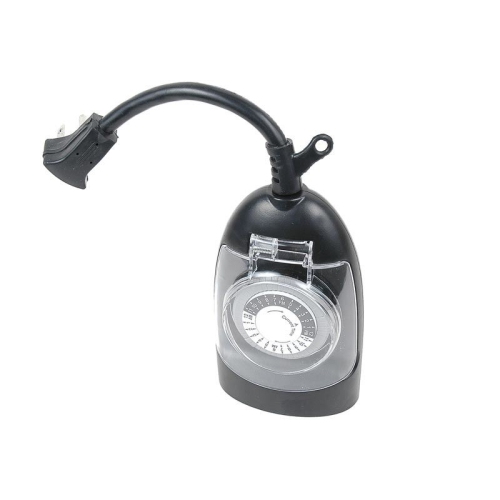
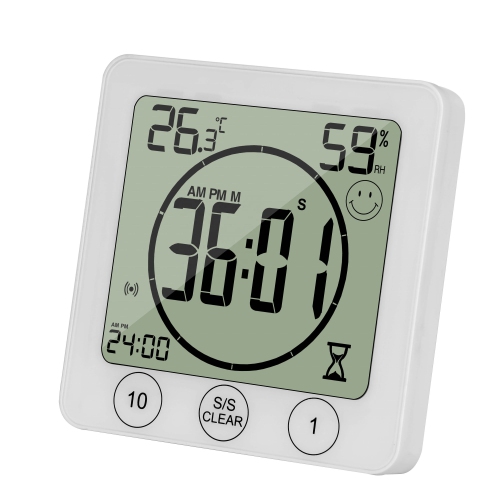
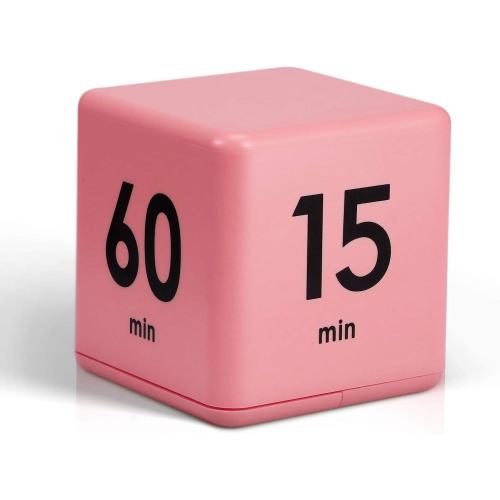
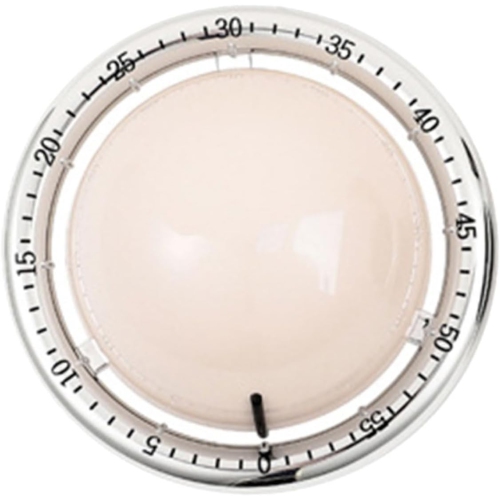
Appliance timers are practical control devices that help manage when an appliance or connected device turns on, runs, or switches off. They range from straightforward plug-in models with a 24-hour dial to programmable digital timers with multiple settings for different days of the week. Some are designed for lamps and small household devices, while others are made to control ventilation, lighting, heating accessories, or appliance functions for a set period. Choosing the right type starts with identifying what you want to control and how precise the schedule needs to be. A mechanical timer can be a convenient choice when you want a simple repeating routine, such as switching a light on at a similar time each evening or turning a device off after a predictable interval. These timers typically use movable pins, tabs, or a rotating dial, making them easy to set without navigating a screen. Digital timers offer more flexibility for households with changing routines, including weekday and weekend schedules, multiple on-and-off periods, countdown functions, and clearer controls for fine adjustments. An in-wall countdown timer is another option for installations where automatic shutoff is useful, such as bathroom fans or lighting controlled from a wall switch. Because in-wall models involve electrical connections, installation should follow the manufacturer’s instructions and local electrical requirements, and may be best handled by a qualified professional.
Appliance timers can help create a more consistent household routine in a variety of settings. They may be useful for someone who wants a light or small appliance to operate on a regular schedule while away from home, for a household that prefers a fan to run for a set period after a shower, or for anyone who wants an automatic shutoff instead of relying on memory. They can also add convenience to everyday tasks by coordinating appliances with morning routines, meal preparation, work schedules, or quiet hours. During the cooler months, a timer may be used to maintain a predictable schedule for certain household equipment, while as the weather warms it can help manage fans, lamps, or other devices used at different times of day. Appliance timers can make thoughtful gifts for new homeowners, students setting up their first residence, older adults who appreciate straightforward controls, or anyone organizing a busy household. When selecting one, consider the appliance’s voltage, amperage, wattage, plug style, and whether it requires a grounded connection. Check that the timer is rated for the intended load and environment; a timer meant for a small indoor device may not be appropriate for high-power equipment, heating elements, damp locations, or outdoor use. It is also worth checking the timer’s scheduling range, minimum interval, battery backup, display readability, memory retention during a power outage, and whether it supports a repeating daily or weekly programme. A clearly labelled control panel and easy-to-read display can make a noticeable difference, particularly when settings need to be adjusted in low light or by more than one person in the home.
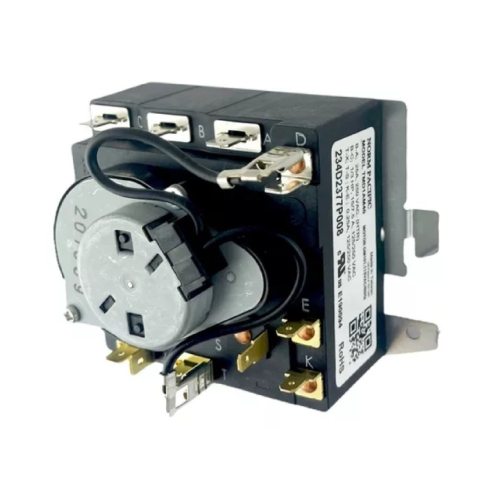
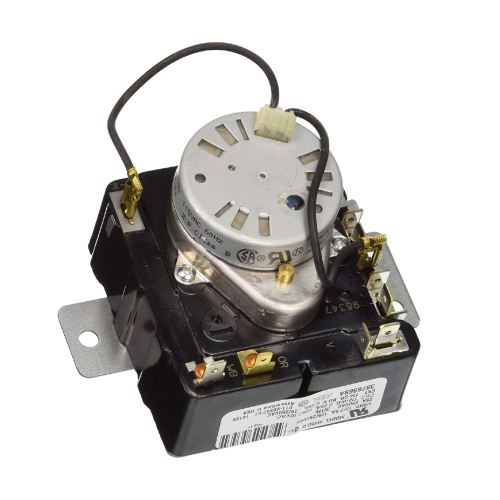
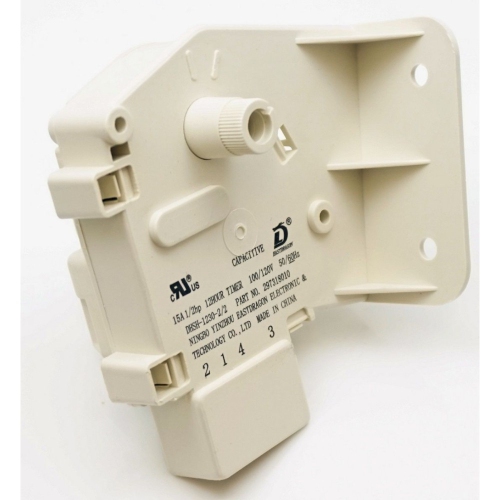
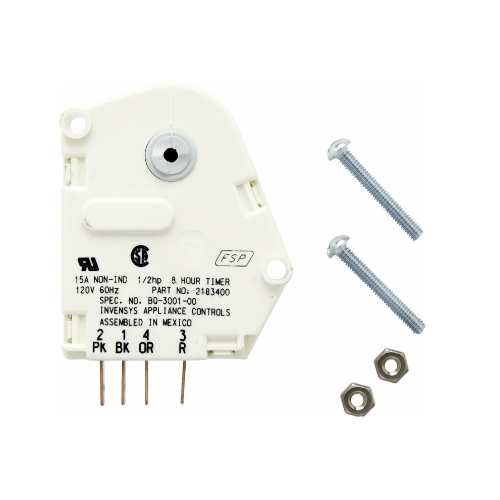
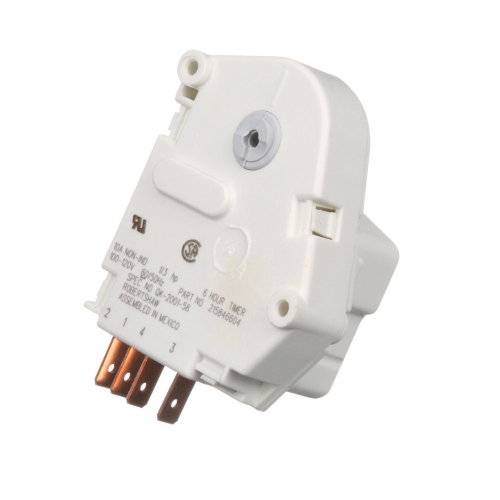
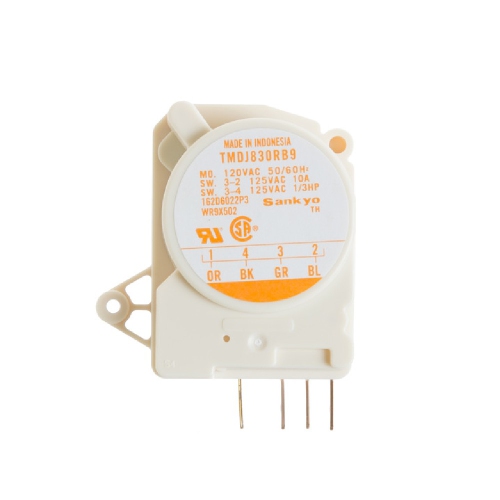
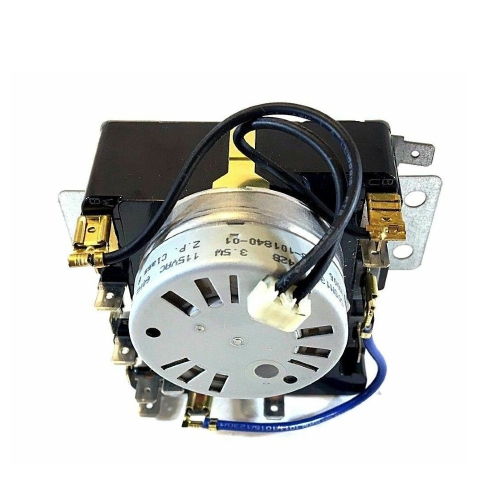
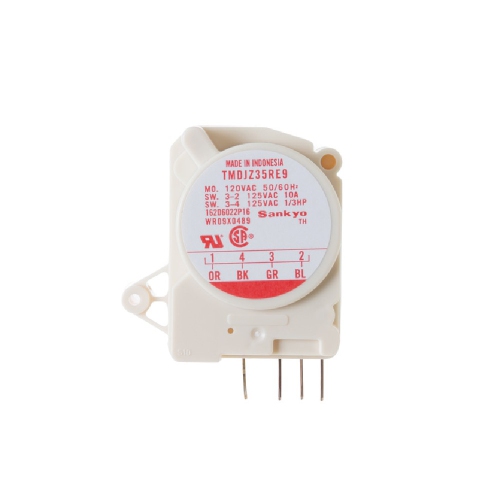
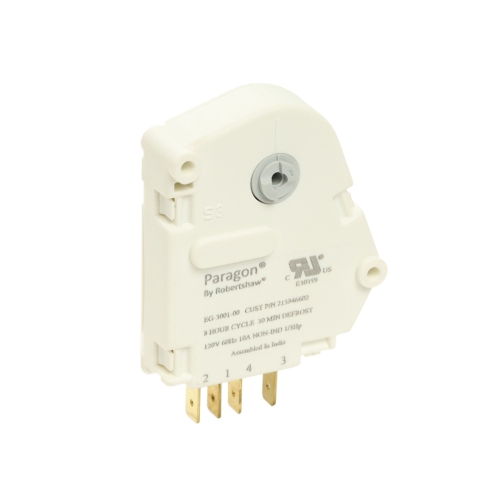
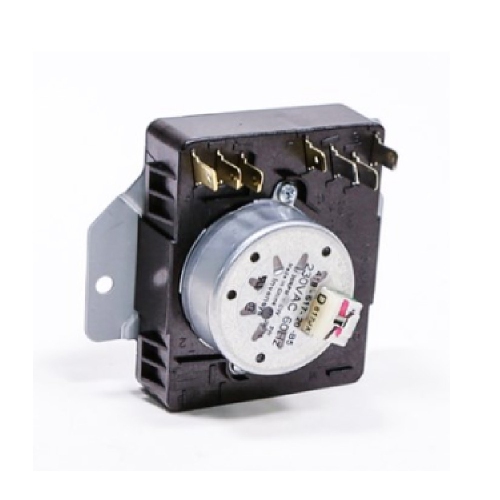
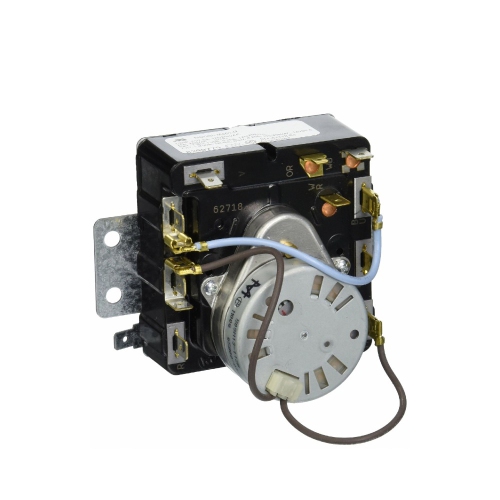
Some appliance timers are not external plug-in accessories at all. Major appliances can use internal mechanical or electronic timer modules to control cooking periods, wash cycles, drying stages, or other programmed functions. If an internal timer stops working, the appliance may fail to start, run continuously, stop before completing its cycle, or display behaviour that does not match the selected setting. Identifying the correct replacement requires careful attention to the appliance type, model number, timer configuration, wiring harness, connector layout, and compatibility information. A timer that looks similar may not provide the same functions or fit the same appliance, so matching the part to the exact model is important. For older or discontinued appliances, a specialized repair service may sometimes rebuild an internal mechanical timer or module when a new replacement is difficult to find; for many modern plug-in timers, replacing the complete unit is often more practical than attempting a repair. Safety should always come first. Disconnect the appliance from its power source before inspecting, removing, or replacing an internal timer, and never work on exposed wiring unless you have the appropriate training and tools. Gas appliances, high-voltage components, hardwired installations, and equipment with stored electrical energy require extra caution and may need professional service. For households specifically looking to manage drying cycles or replace a control component associated with a clothes dryer, explore Dryer Timers. Reviewing the product specifications, installation requirements, intended load, and return or compatibility details before purchase helps ensure the timer suits the appliance and the routine it is meant to support.
Appliance timers can help create a more consistent household routine in a variety of settings. They may be useful for someone who wants a light or small appliance to operate on a regular schedule while away from home, for a household that prefers a fan to run for a set period after a shower, or for anyone who wants an automatic shutoff instead of relying on memory. They can also add convenience to everyday tasks by coordinating appliances with morning routines, meal preparation, work schedules, or quiet hours. During the cooler months, a timer may be used to maintain a predictable schedule for certain household equipment, while as the weather warms it can help manage fans, lamps, or other devices used at different times of day. Appliance timers can make thoughtful gifts for new homeowners, students setting up their first residence, older adults who appreciate straightforward controls, or anyone organizing a busy household. When selecting one, consider the appliance’s voltage, amperage, wattage, plug style, and whether it requires a grounded connection. Check that the timer is rated for the intended load and environment; a timer meant for a small indoor device may not be appropriate for high-power equipment, heating elements, damp locations, or outdoor use. It is also worth checking the timer’s scheduling range, minimum interval, battery backup, display readability, memory retention during a power outage, and whether it supports a repeating daily or weekly programme. A clearly labelled control panel and easy-to-read display can make a noticeable difference, particularly when settings need to be adjusted in low light or by more than one person in the home.
Some appliance timers are not external plug-in accessories at all. Major appliances can use internal mechanical or electronic timer modules to control cooking periods, wash cycles, drying stages, or other programmed functions. If an internal timer stops working, the appliance may fail to start, run continuously, stop before completing its cycle, or display behaviour that does not match the selected setting. Identifying the correct replacement requires careful attention to the appliance type, model number, timer configuration, wiring harness, connector layout, and compatibility information. A timer that looks similar may not provide the same functions or fit the same appliance, so matching the part to the exact model is important. For older or discontinued appliances, a specialized repair service may sometimes rebuild an internal mechanical timer or module when a new replacement is difficult to find; for many modern plug-in timers, replacing the complete unit is often more practical than attempting a repair. Safety should always come first. Disconnect the appliance from its power source before inspecting, removing, or replacing an internal timer, and never work on exposed wiring unless you have the appropriate training and tools. Gas appliances, high-voltage components, hardwired installations, and equipment with stored electrical energy require extra caution and may need professional service. For households specifically looking to manage drying cycles or replace a control component associated with a clothes dryer, explore Dryer Timers. Reviewing the product specifications, installation requirements, intended load, and return or compatibility details before purchase helps ensure the timer suits the appliance and the routine it is meant to support.
Top selling and popular products
-
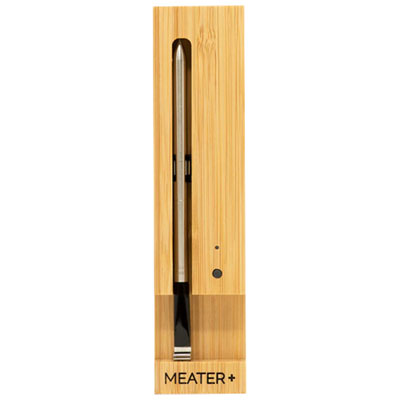 Your price for this item is $149.99
 -
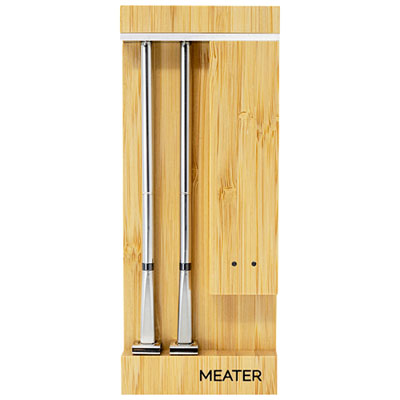 Your price for this item is $269.99
 -
 Your price for this item is $99.99
 -
 Your price for this item is $69.74
 -
 Your price for this item is $45.99
 -
 Your price for this item is $149.99
 -
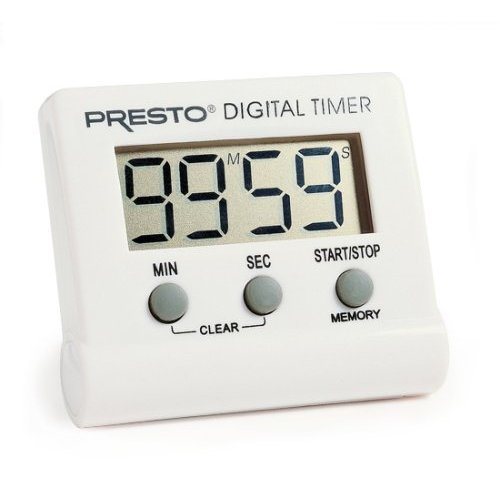 Your price for this item is $12.99
 -
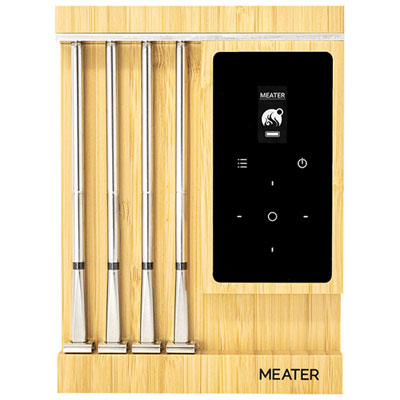 Your price for this item is $479.99
Discover more categories related to Appliance Timers
Top Collections:
Pokemon Centers, Kindle Devices, Best Budget Office Chairs, Apple iPhones 16, Best Laptops for Writers, iPhone 15 Apple, Canon G7X Cameras, Refurbished Apple Laptops, Alarm Clock, Motorola Razr Phones
Some products may be subject to Environmental Handling Fees
(EHF) depending on your province.
Learn more about EHFs.