Flush Toilets
Flush toilets are an essential component of modern bathroom design, offering both functionality and style to any home. At Best Buy Canada, our selection of flush toilets caters to a variety of preferences and needs, ensuring that you find the perfect fit for your space. Whether you're renovating your bathroom or building a new one, explore options that combine efficiency with contemporary aesthetics. Discover flush toilets that not only enhance the look of your bathroom but also provide reliable performance for everyday use.
Sort
Why a louder flush isn’t always a better flush
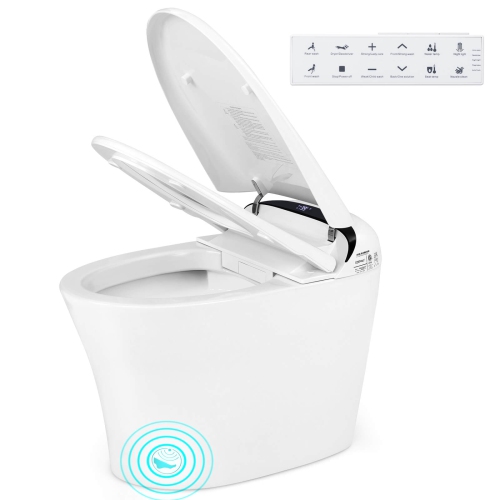
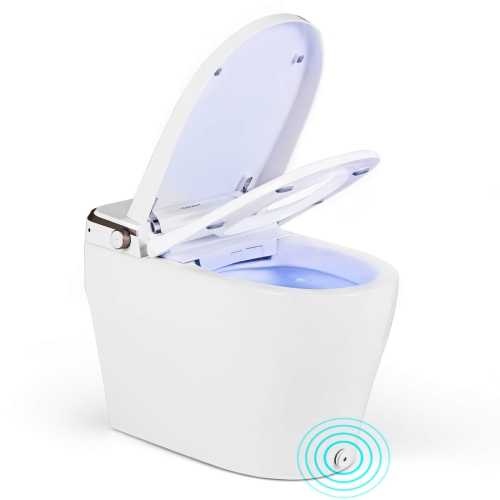
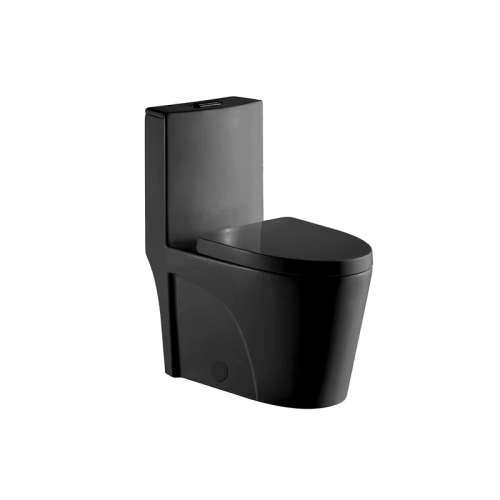
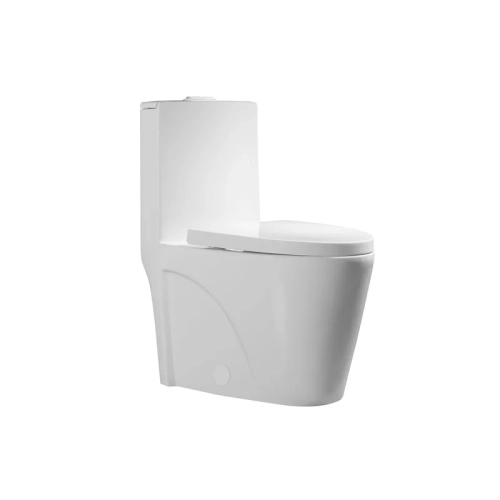
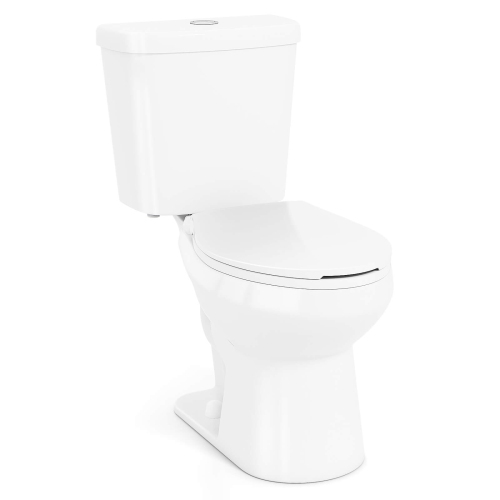
Flush toilets are everyday bathroom fixtures that use water to move waste from the bowl through a trap and into a household drainage system. The water left in the bowl helps form a seal against sewer gases, while the flushing mechanism clears the bowl and restores that seal for the next use. Most residential designs use a tank mounted behind or above the bowl, although some installations use a concealed tank or a different water delivery system. Gravity-flush toilets rely on water falling from the tank to create the flow needed to carry waste through the trapway. Their relatively simple construction makes them a familiar choice for family bathrooms, guest bathrooms, and powder rooms. Pressure-assisted toilets use compressed air within a sealed vessel to strengthen the flush; they can suit demanding use, though the flush is often more noticeable in a bathroom beside a bedroom or home office. Dual-flush toilets offer separate settings for liquid and solid waste, with the amount of water used depending on the model. Dual-flush describes the choice of flush volumes rather than a separate bowl style, so it can appear across different toilet designs. Flush volume is usually stated in litres per flush, and that figure is most useful alongside information about flushing performance, bowl rinsing, and the suitability of the plumbing connection. A forceful sound alone does not establish how effectively a toilet clears waste. Bowl shape, the route of water into the bowl, and trapway design all play a part. For a busy household, consistent clearing and a straightforward flush control can matter more than an elaborate appearance. In a guest bathroom, an easy-to-recognize lever or clearly marked buttons make the fixture intuitive to use. These practical details help distinguish flush toilets intended for daily residential use from fixtures built around specialized installation requirements, without losing sight of the main purpose: dependable sanitation and comfortable use.
The fit of a flush toilet involves much more than whether its base fits into an open patch of floor. In a typical floor-mounted installation, the rough-in is the distance from the finished wall behind the toilet, excluding the baseboard, to the centre of the drain connection. A 12-inch rough-in is common, but other dimensions exist, particularly in older homes or altered bathrooms. Matching that measurement helps avoid a fixture that sits too far from the wall or cannot connect as intended. Overall depth also matters: an elongated bowl offers a longer seating area, while a round-front bowl can leave more room between the toilet and a nearby door or vanity. Compact elongated designs may offer a middle ground, but their actual measurements remain important. A door that swings across the front of the bowl, a drawer that opens beside it, and space to reach the shut-off valve are small details that affect everyday comfort. Seat height deserves the same attention. A taller seat may make sitting down and standing up easier for some adults with limited mobility, while a lower seat can feel more natural for shorter users or households with children. Bowl height and finished seat height are not always the same measurement, so specifications need to be read with that distinction in mind. One-piece toilets join the tank and bowl into a single body, creating a continuous profile with fewer exterior joints to wipe. Two-piece toilets have a separate tank and bowl, which can make the components easier to move individually during installation. A skirted base conceals the outline of the trapway for a smoother exterior, although access to mounting points and water connections varies. Wall-hung toilets leave the floor beneath the bowl open, but require a suitable in-wall support carrier and compatible concealed components. Their installation is substantially different from replacing a standard floor-mounted toilet. For renovations, drain position, finished flooring, structural support, and local plumbing requirements can shape the choice just as strongly as appearance.
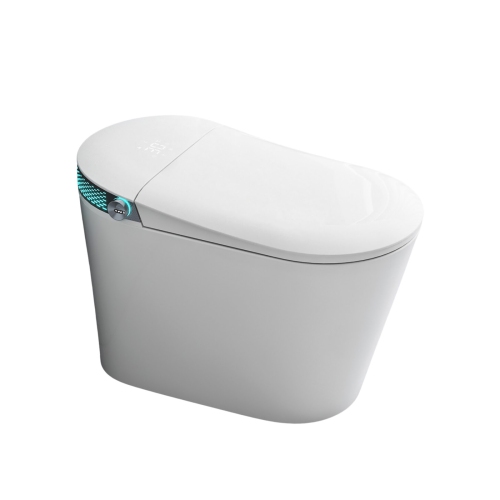
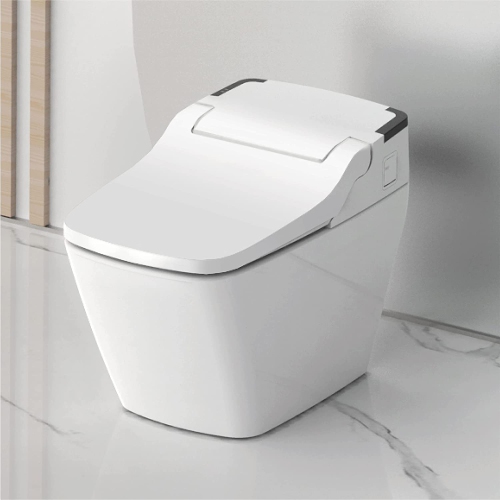
Glazed vitreous china is a common material for flush toilets because its hard, smooth surface suits regular bathroom cleaning and repeated contact with water. The glaze provides a practical finish, but the ceramic body can still crack or chip from impact, and excessive force on mounting hardware can cause damage. Durability also depends on the working parts inside the tank, including the fill valve, flush valve, seals, and any model-specific flushing components. Access to compatible replacement parts is a useful consideration for a fixture expected to remain in place for years. Seats may be made from plastic or finished wood-based materials, with differences in weight, feel, and care requirements. A slow-closing hinge reduces slamming, while a removable seat can make the area around its mounting points easier to clean. Seat shape and mounting dimensions need to match the bowl; an elongated seat is not interchangeable with a round-front seat simply because the colour is similar. For routine care, a non-abrasive cleaner and a soft cloth or suitable toilet brush generally help preserve the finish, subject to the manufacturer’s directions. Harsh abrasives can mark surfaces, and some in-tank cleaning tablets can damage seals or other components. In homes with hard water, mineral deposits around the waterline and rinse openings may need periodic attention with an approved cleaning treatment. A toilet that runs between uses, refills unexpectedly, or develops moisture around its base needs attention rather than repeated adjustments to the flush control. Wet wipes, including those labelled flushable, paper towels, and personal care materials can create blockages and are better kept out of the drainage system. Standard gravity-flush toilets generally operate without an electrical connection, whereas some fixtures add powered controls or comfort features. Where those functions are relevant, Electric Toilets represent a related category with model-specific power and installation requirements. For an everyday flush toilet, accessible controls, a comfortable seat, suitable dimensions, and manageable cleaning surfaces contribute to a bathroom that works well for its users. A carefully matched fixture can serve a compact condo powder room, a shared family bathroom, or a quieter guest space without making routine use complicated.
The fit of a flush toilet involves much more than whether its base fits into an open patch of floor. In a typical floor-mounted installation, the rough-in is the distance from the finished wall behind the toilet, excluding the baseboard, to the centre of the drain connection. A 12-inch rough-in is common, but other dimensions exist, particularly in older homes or altered bathrooms. Matching that measurement helps avoid a fixture that sits too far from the wall or cannot connect as intended. Overall depth also matters: an elongated bowl offers a longer seating area, while a round-front bowl can leave more room between the toilet and a nearby door or vanity. Compact elongated designs may offer a middle ground, but their actual measurements remain important. A door that swings across the front of the bowl, a drawer that opens beside it, and space to reach the shut-off valve are small details that affect everyday comfort. Seat height deserves the same attention. A taller seat may make sitting down and standing up easier for some adults with limited mobility, while a lower seat can feel more natural for shorter users or households with children. Bowl height and finished seat height are not always the same measurement, so specifications need to be read with that distinction in mind. One-piece toilets join the tank and bowl into a single body, creating a continuous profile with fewer exterior joints to wipe. Two-piece toilets have a separate tank and bowl, which can make the components easier to move individually during installation. A skirted base conceals the outline of the trapway for a smoother exterior, although access to mounting points and water connections varies. Wall-hung toilets leave the floor beneath the bowl open, but require a suitable in-wall support carrier and compatible concealed components. Their installation is substantially different from replacing a standard floor-mounted toilet. For renovations, drain position, finished flooring, structural support, and local plumbing requirements can shape the choice just as strongly as appearance.
Glazed vitreous china is a common material for flush toilets because its hard, smooth surface suits regular bathroom cleaning and repeated contact with water. The glaze provides a practical finish, but the ceramic body can still crack or chip from impact, and excessive force on mounting hardware can cause damage. Durability also depends on the working parts inside the tank, including the fill valve, flush valve, seals, and any model-specific flushing components. Access to compatible replacement parts is a useful consideration for a fixture expected to remain in place for years. Seats may be made from plastic or finished wood-based materials, with differences in weight, feel, and care requirements. A slow-closing hinge reduces slamming, while a removable seat can make the area around its mounting points easier to clean. Seat shape and mounting dimensions need to match the bowl; an elongated seat is not interchangeable with a round-front seat simply because the colour is similar. For routine care, a non-abrasive cleaner and a soft cloth or suitable toilet brush generally help preserve the finish, subject to the manufacturer’s directions. Harsh abrasives can mark surfaces, and some in-tank cleaning tablets can damage seals or other components. In homes with hard water, mineral deposits around the waterline and rinse openings may need periodic attention with an approved cleaning treatment. A toilet that runs between uses, refills unexpectedly, or develops moisture around its base needs attention rather than repeated adjustments to the flush control. Wet wipes, including those labelled flushable, paper towels, and personal care materials can create blockages and are better kept out of the drainage system. Standard gravity-flush toilets generally operate without an electrical connection, whereas some fixtures add powered controls or comfort features. Where those functions are relevant, Electric Toilets represent a related category with model-specific power and installation requirements. For an everyday flush toilet, accessible controls, a comfortable seat, suitable dimensions, and manageable cleaning surfaces contribute to a bathroom that works well for its users. A carefully matched fixture can serve a compact condo powder room, a shared family bathroom, or a quieter guest space without making routine use complicated.
Top selling and popular products
-
 Your price for this item is $109.31
 -
 Your price for this item is $200.83
 -
 Your price for this item is $90
 -
 Your price for this item is $100
 -
 Your price for this item is $100
 -
 Your price for this item is $426.55
 -
 Your price for this item is $300
 -
 Your price for this item is $120
Discover more categories related to Flush Toilets
Top Collections:
Pokemon Centers, Kindle Devices, Best Budget Office Chairs, Apple iPhones 16, Canon G7X Cameras, iPhone 15 Apple, Alarm Clock, Refurbished Apple Laptops, Flip Phones, Best Laptops for Writers
Some products may be subject to Environmental Handling Fees
(EHF) depending on your province.
Learn more about EHFs.