Electric Yard Blowers
Are you tired of spending hours raking leaves and debris in your yard? Look no further than our selection of electric yard blowers to make your outdoor cleanup a breeze. With powerful motors and versatile features, these electric blowers are designed to efficiently clear your lawn, driveway, or patio with ease. Say goodbye to manual labor and hello to a more convenient way to keep your outdoor spaces tidy all year round.
Sort
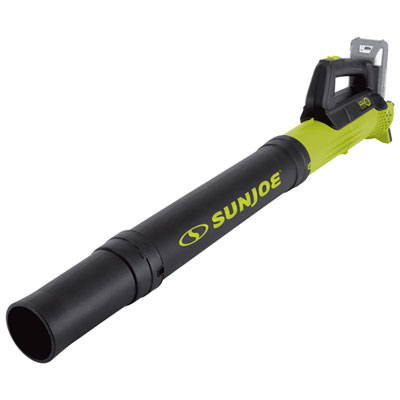

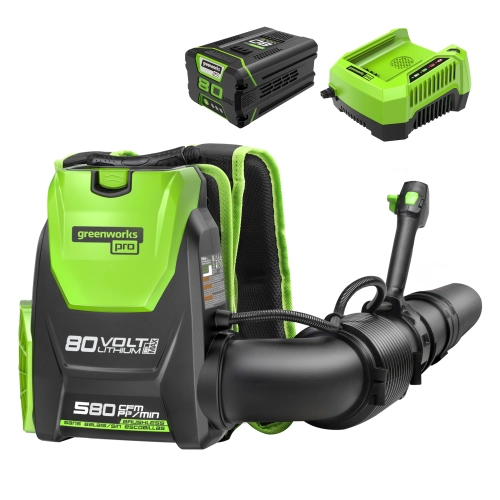
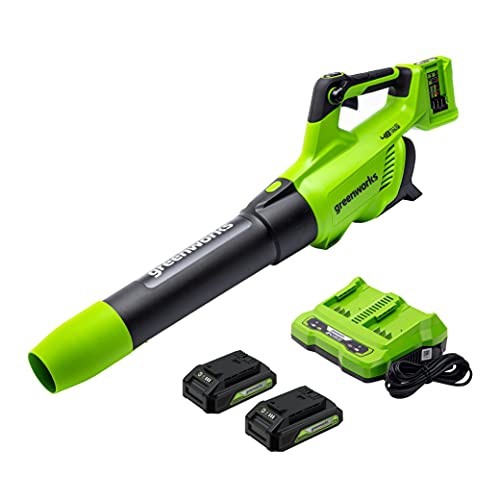
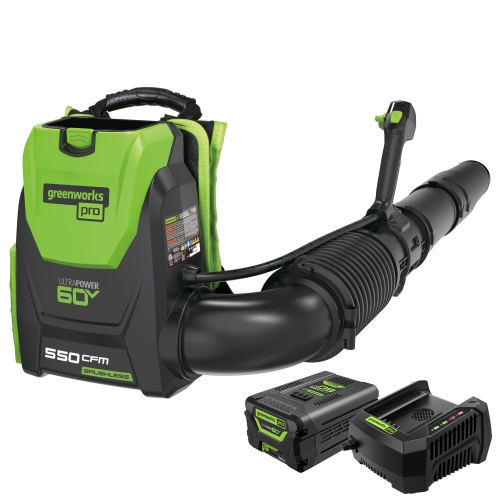
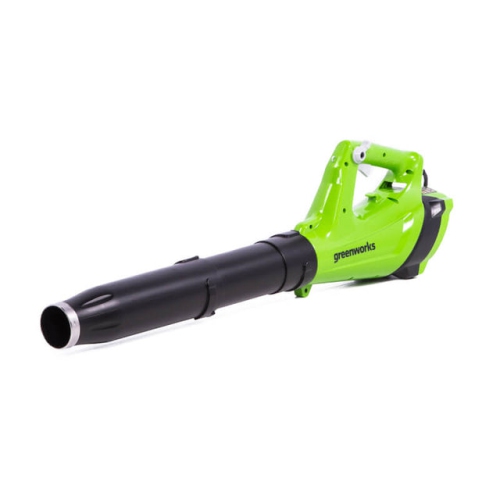
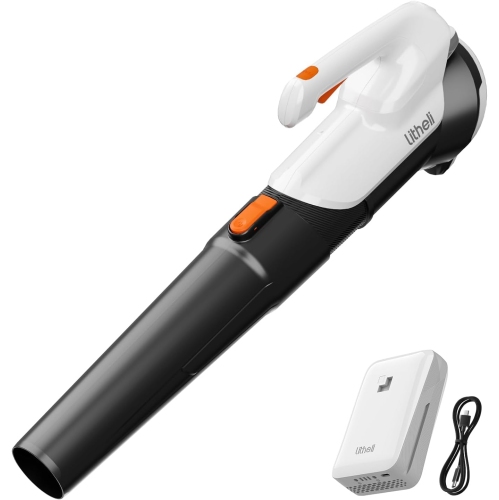
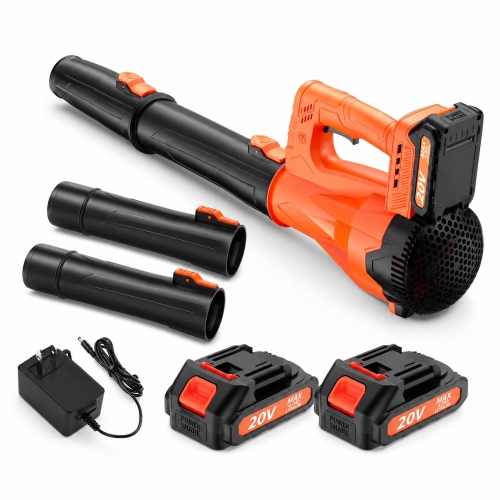

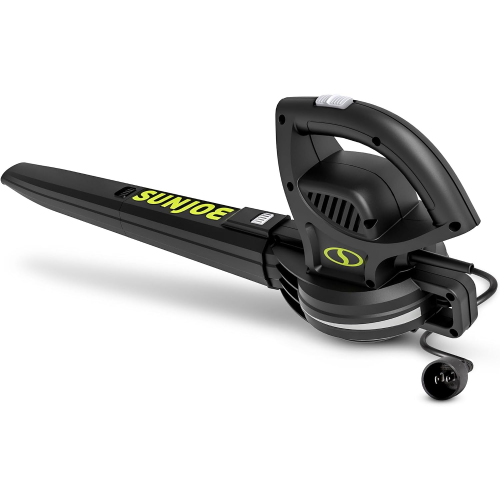
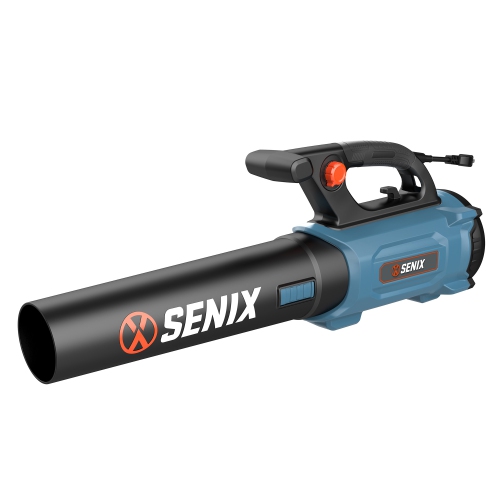
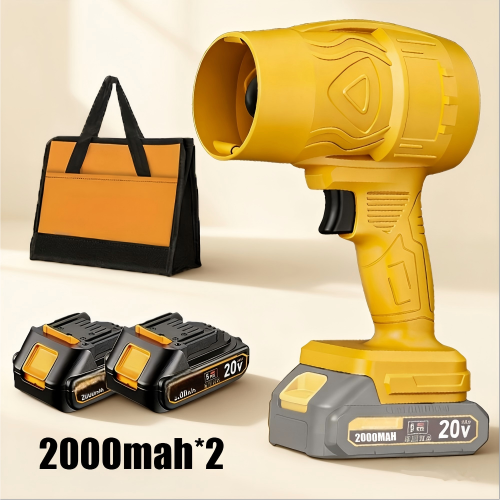

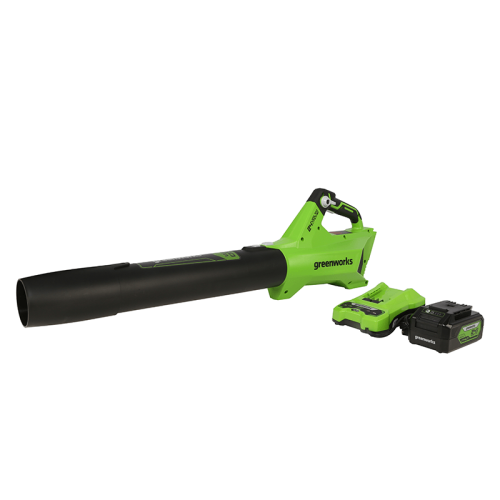
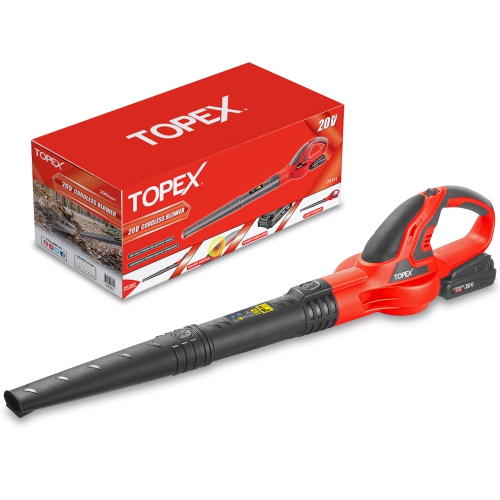
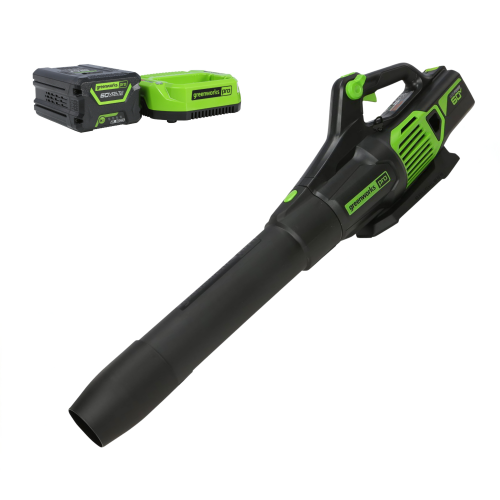
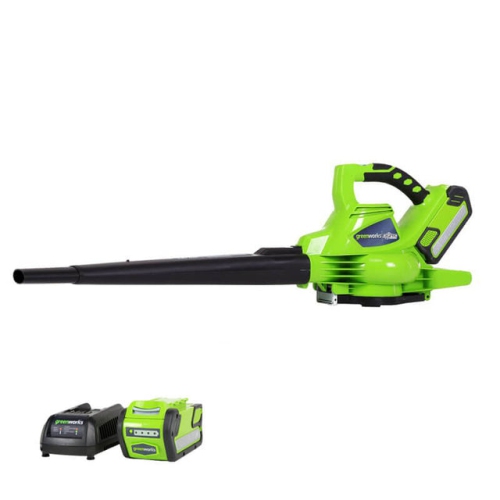
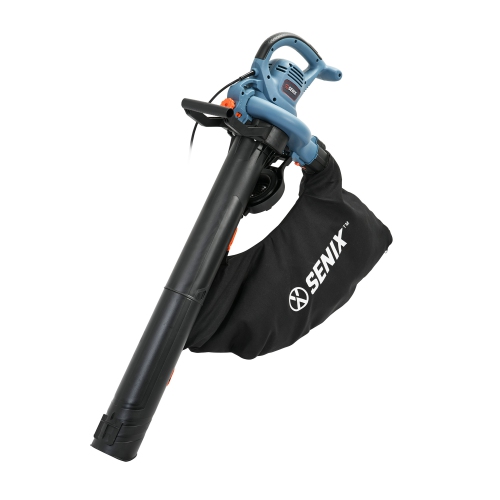
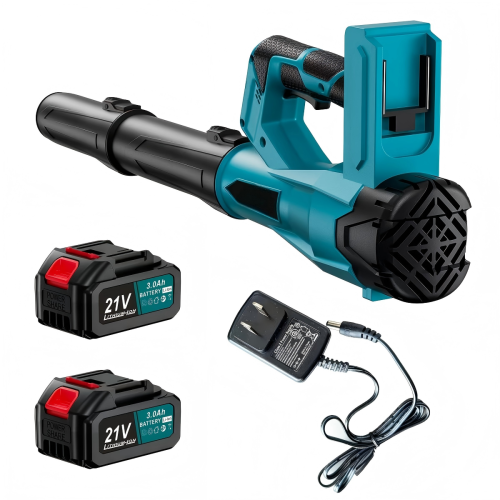
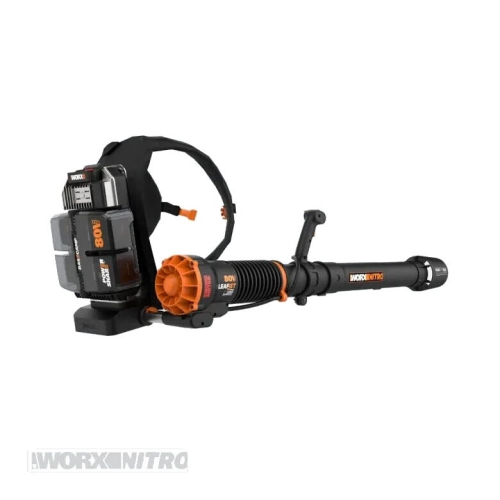
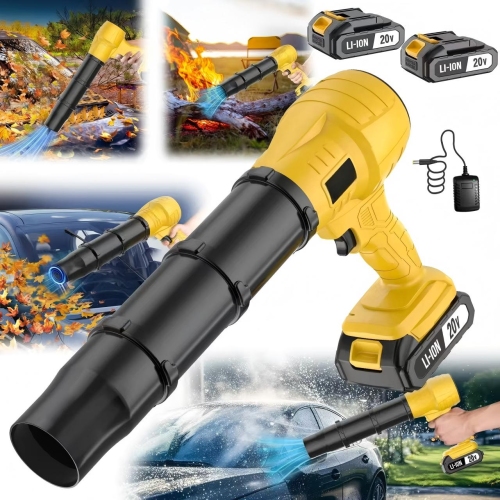
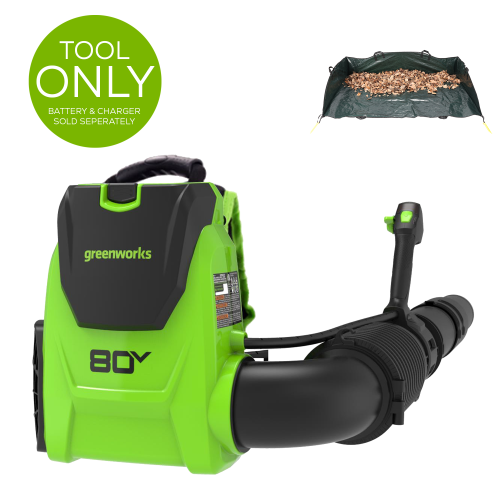
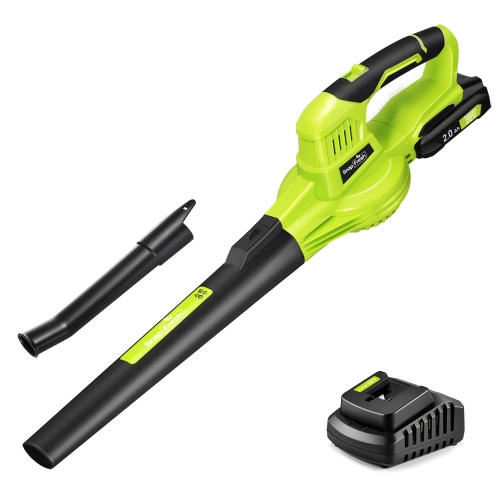
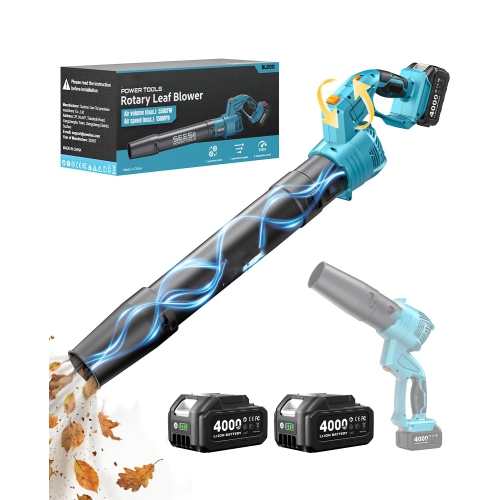
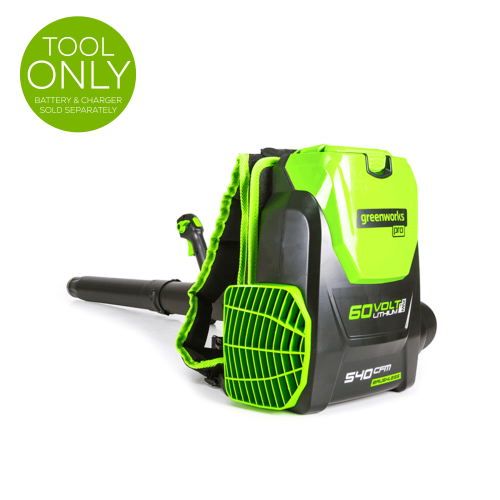

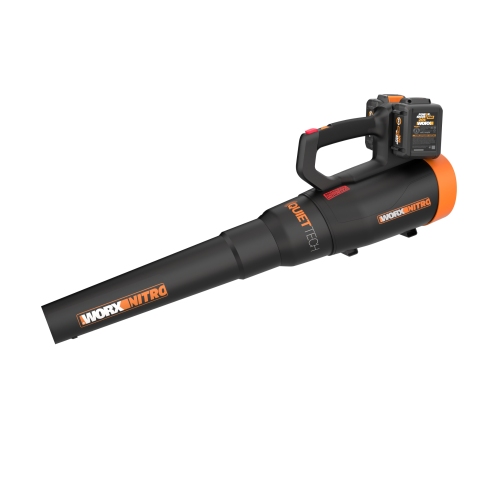
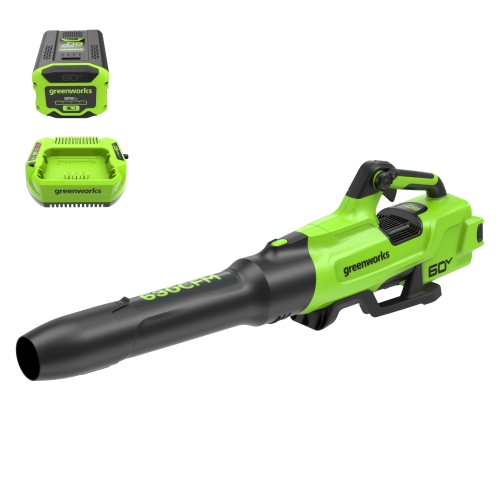
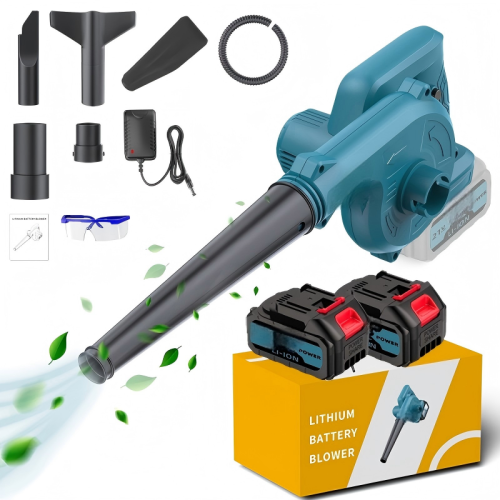
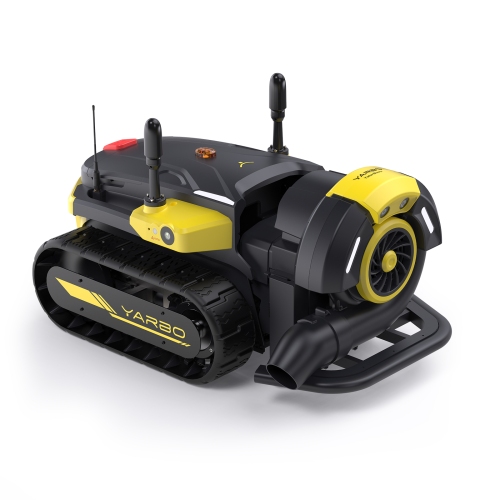
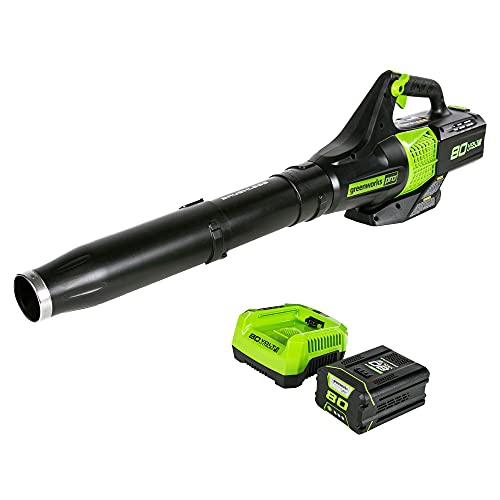
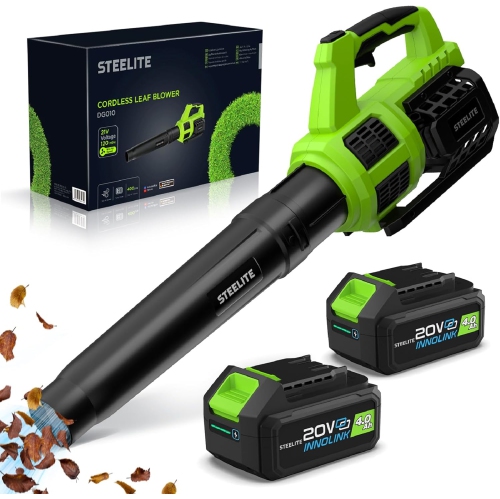
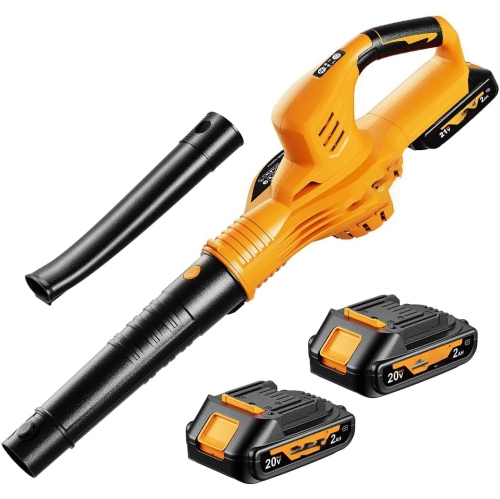

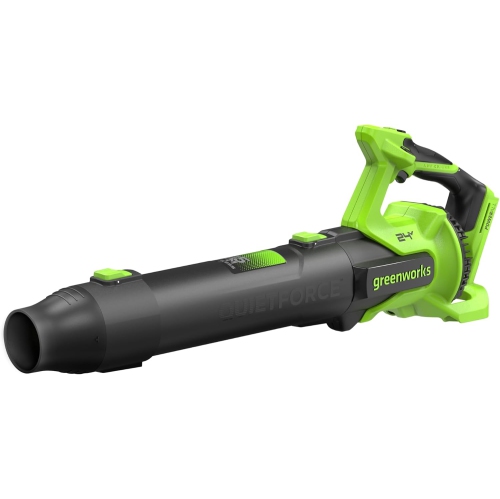
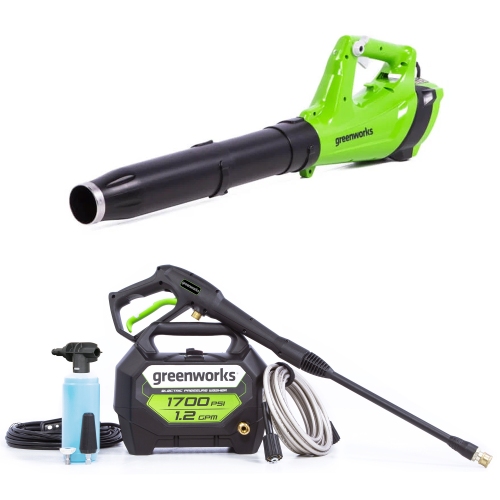
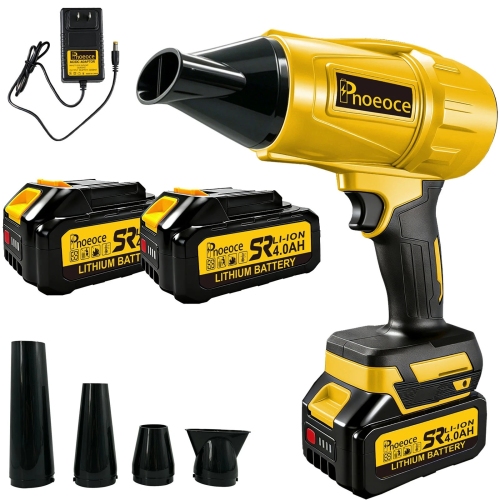
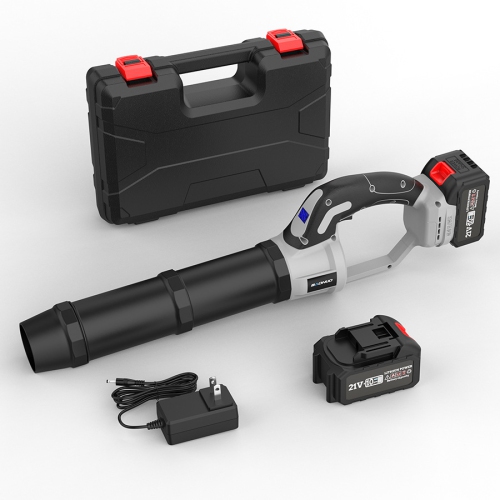
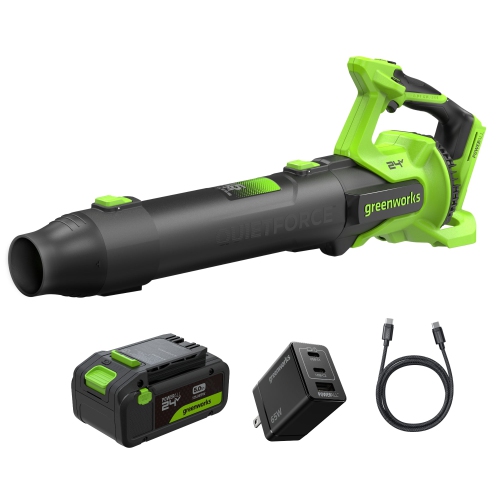
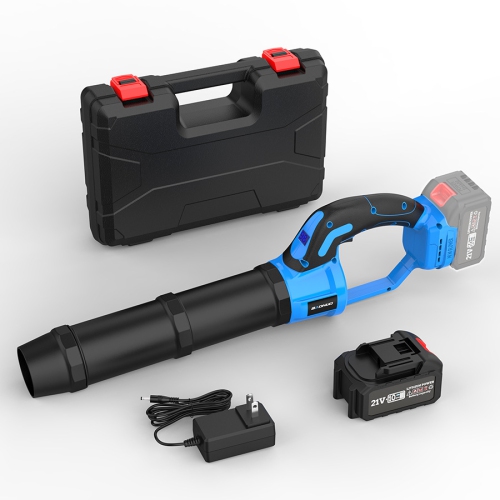
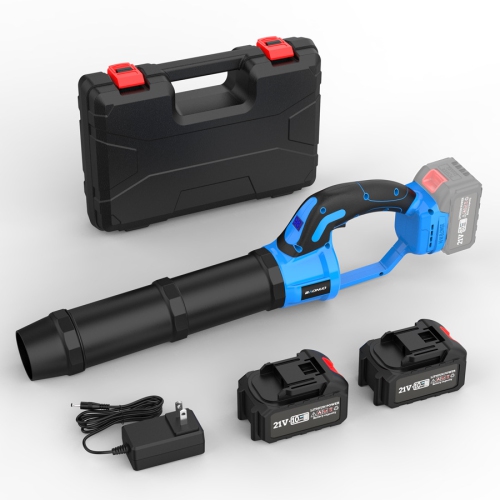
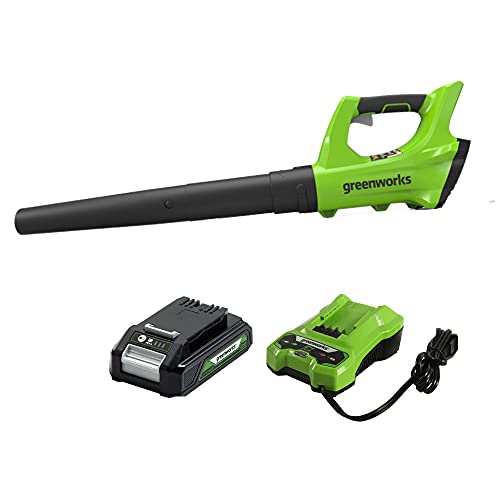
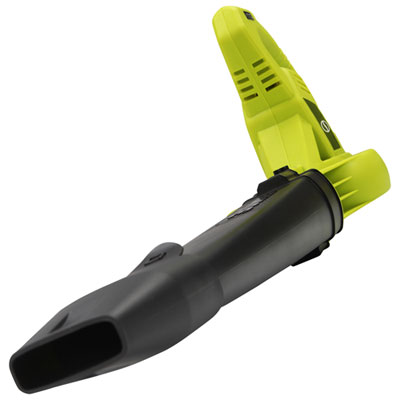
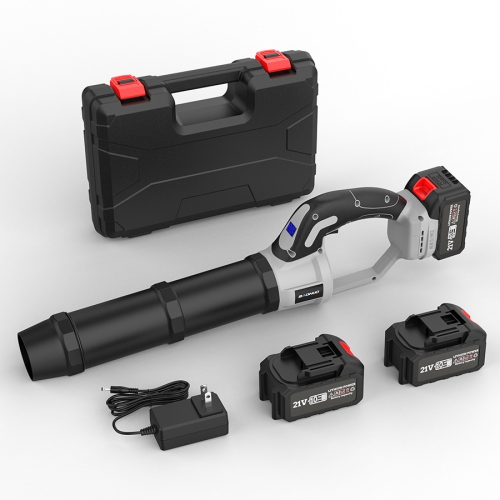
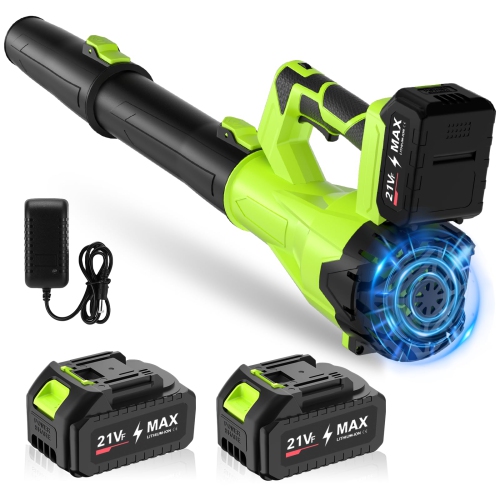
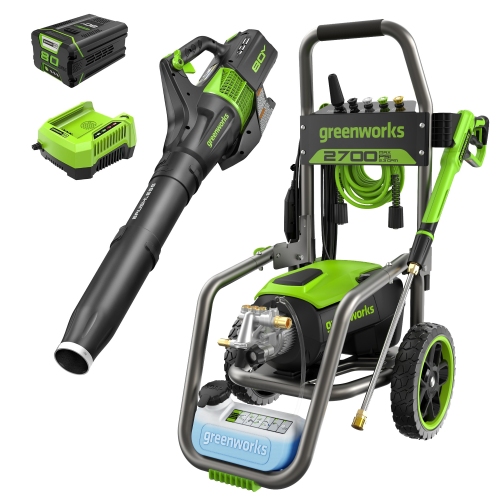
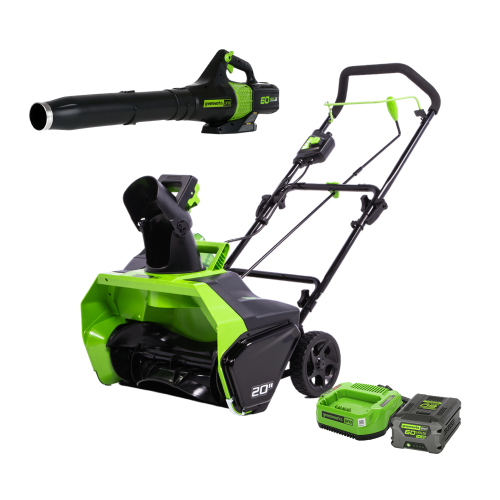
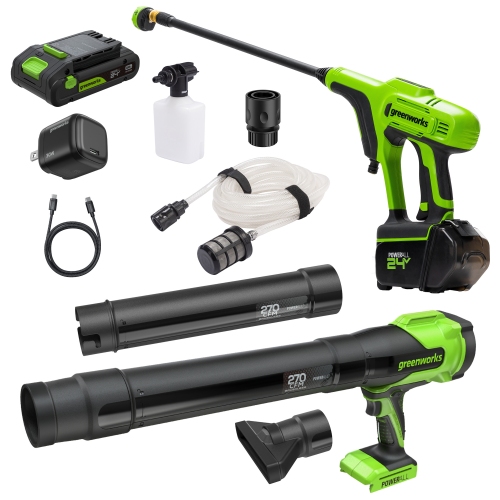
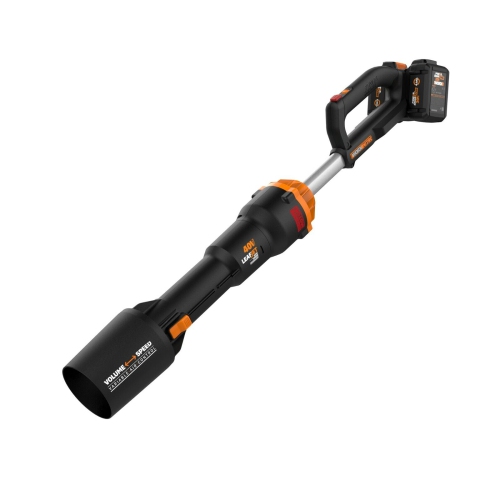
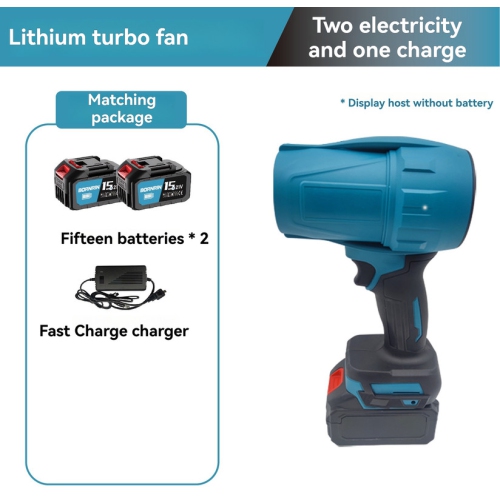

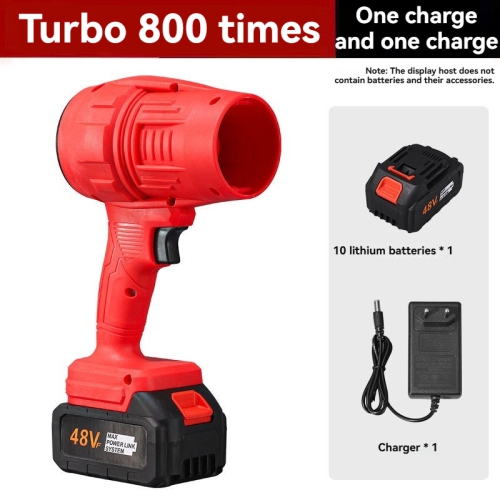
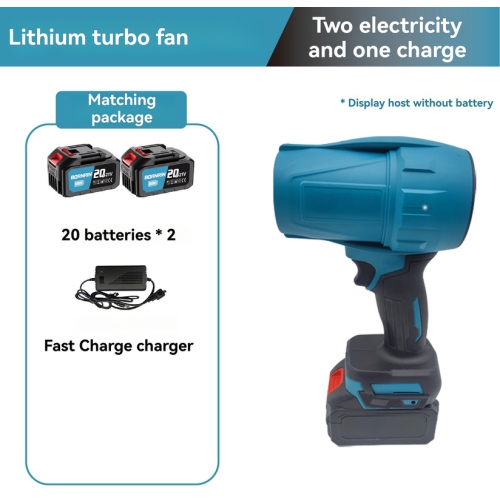
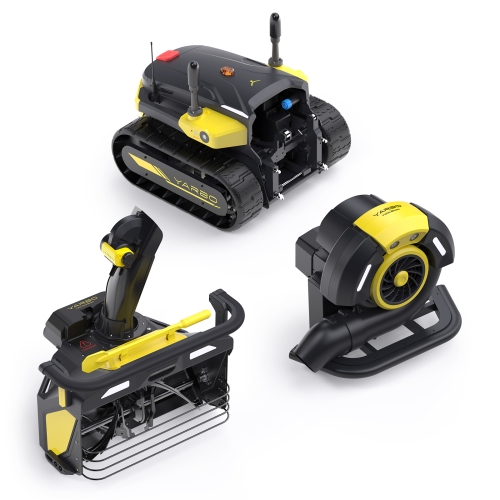
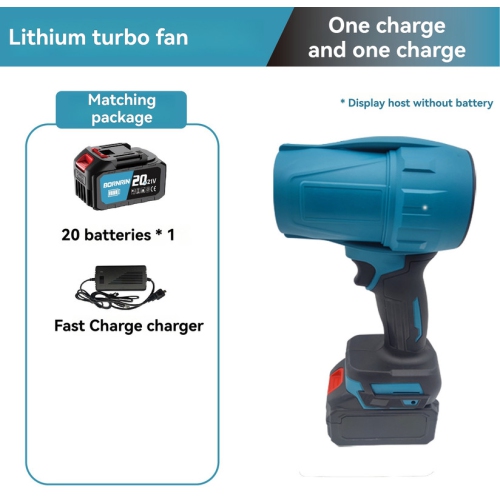
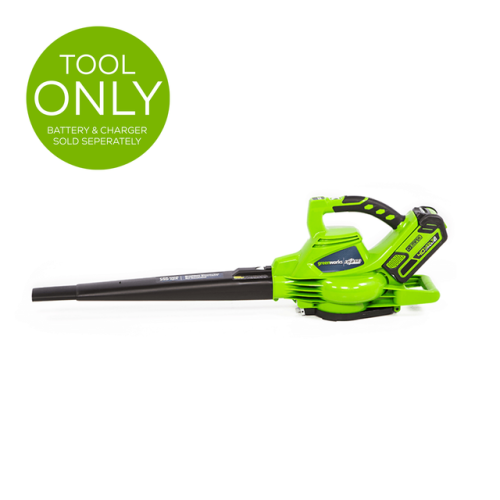
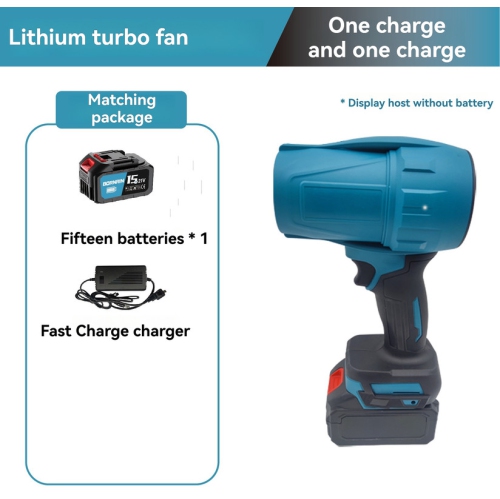
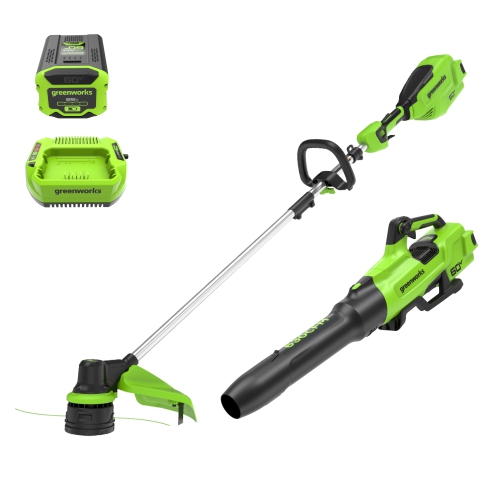
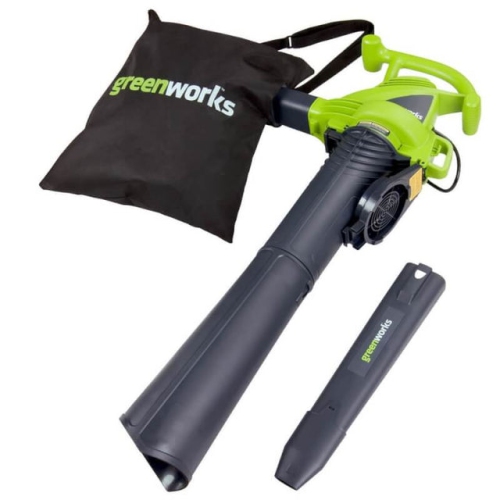
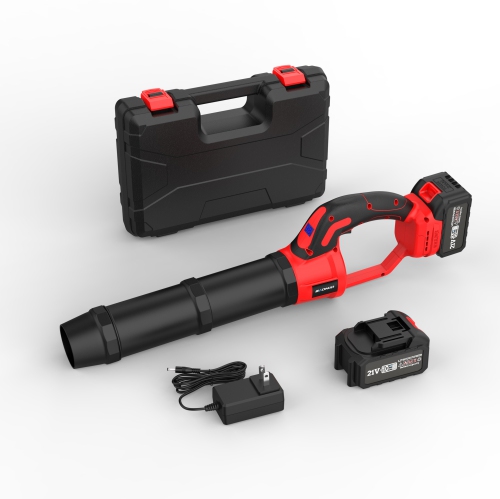
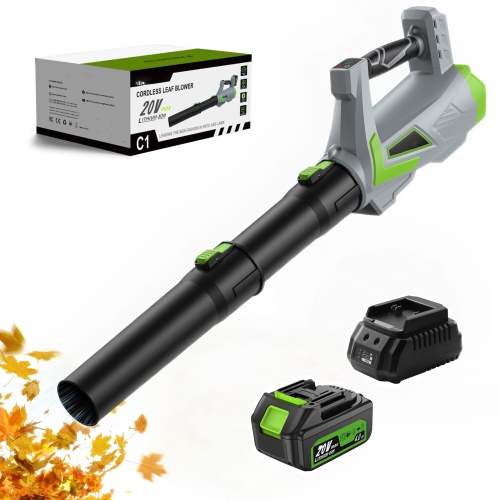
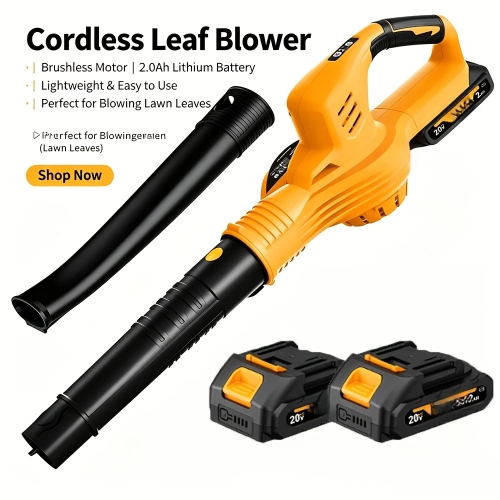
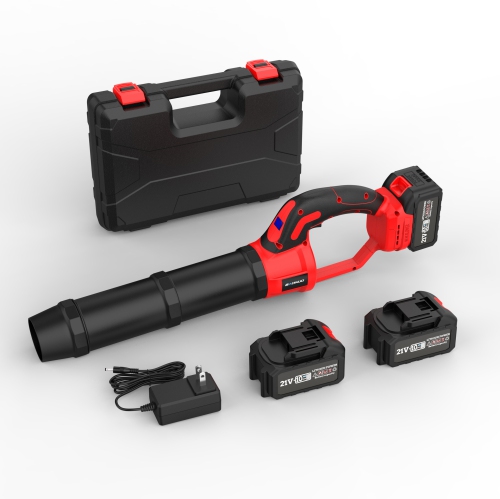
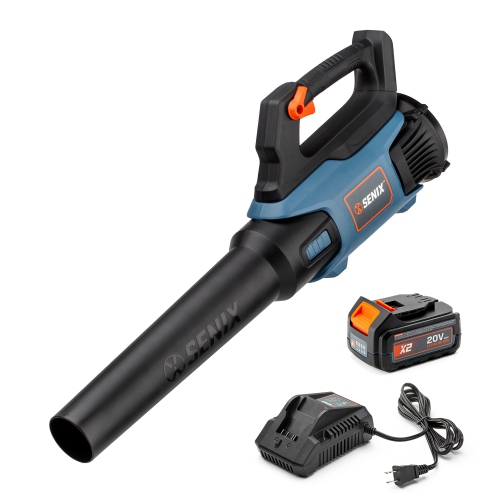
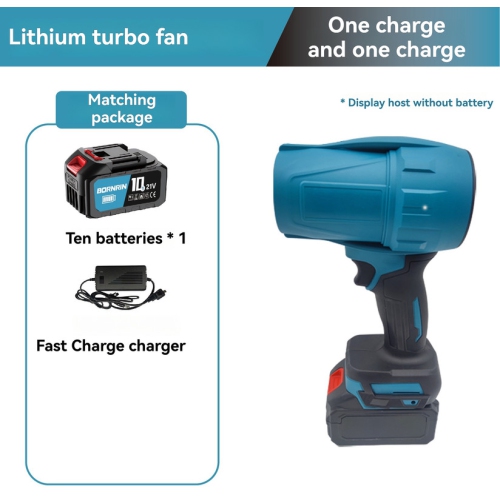
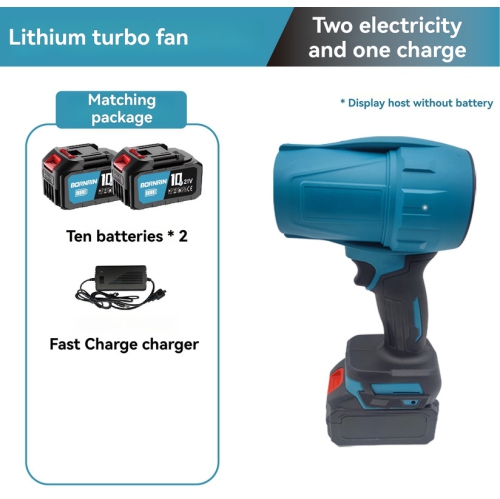
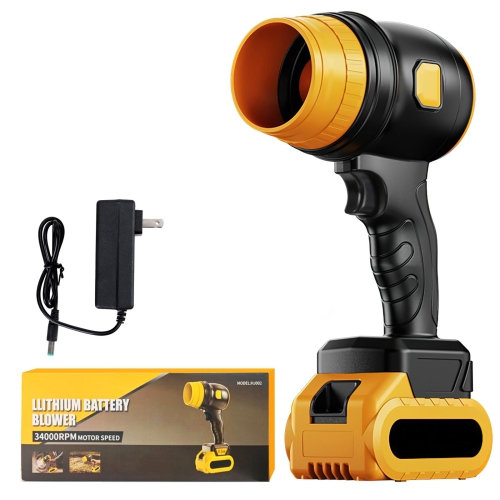
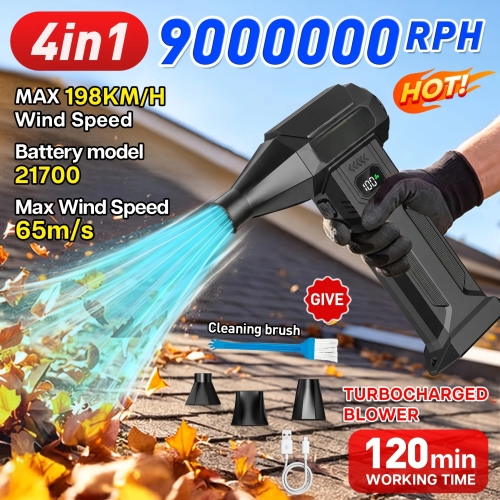
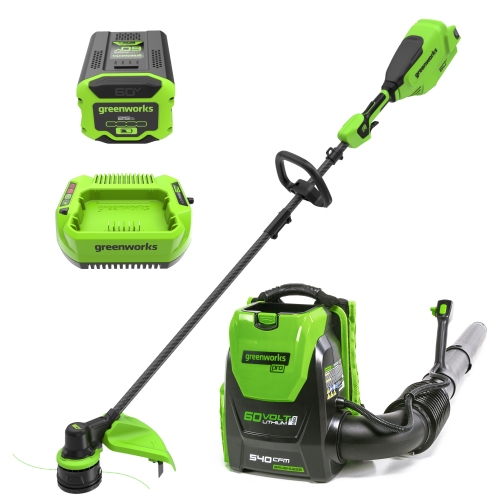
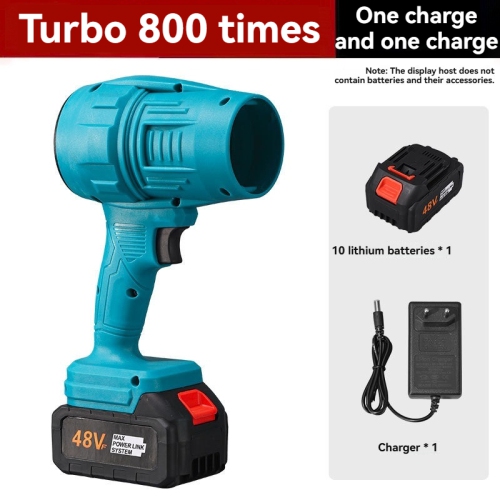
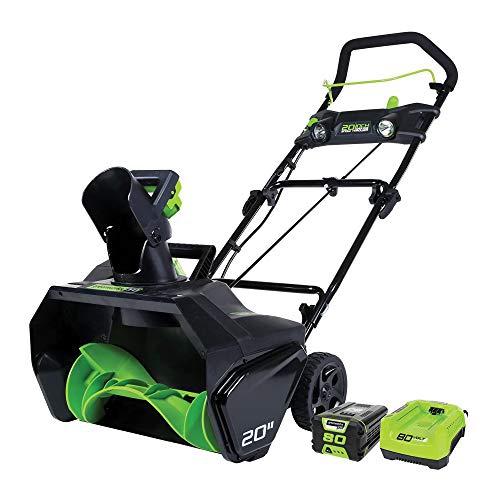

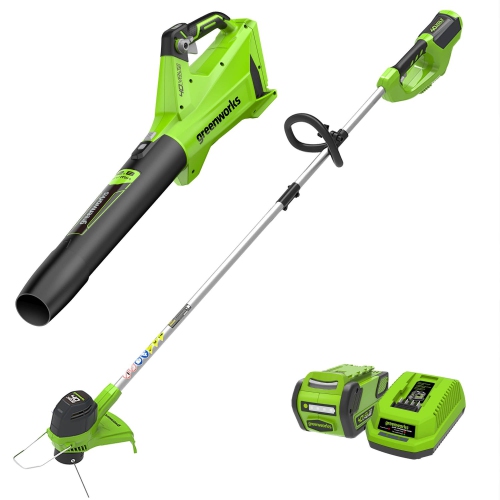
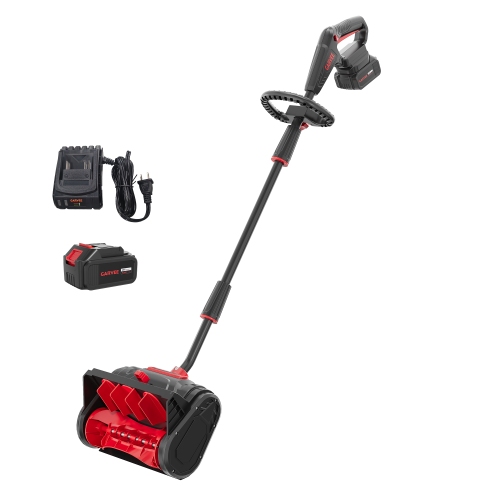
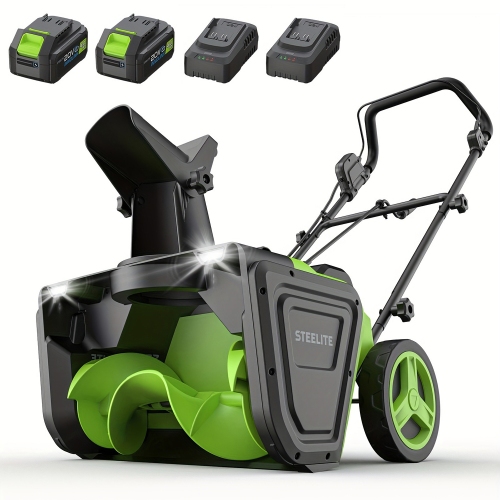
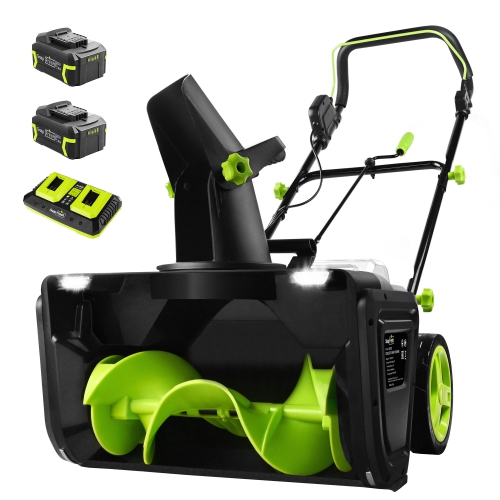


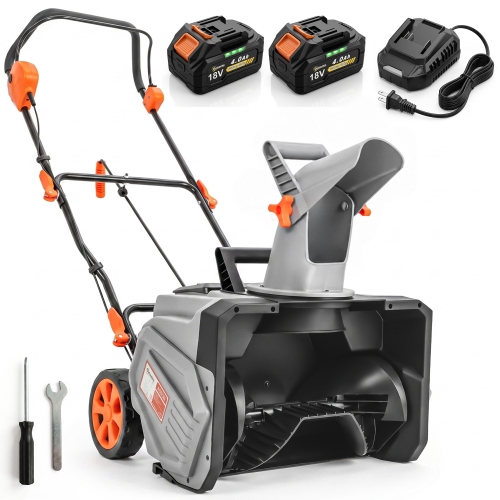
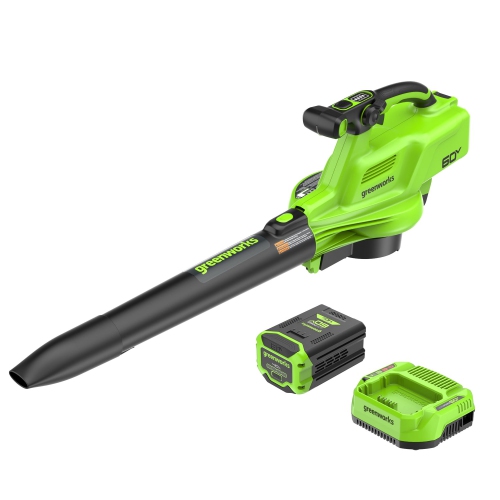
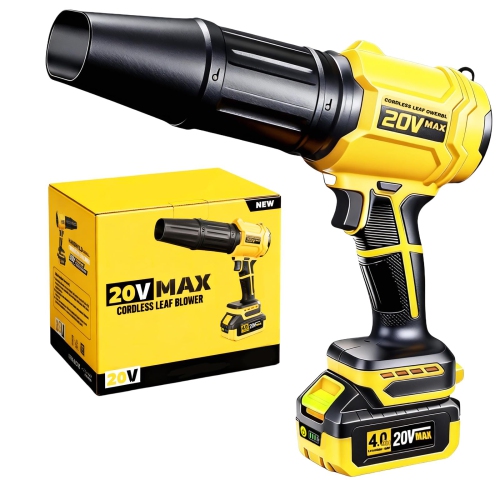
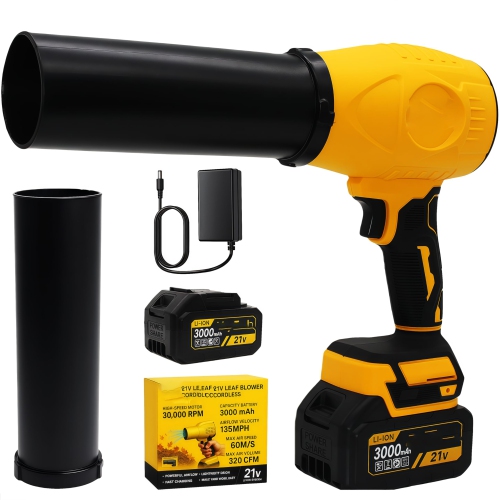
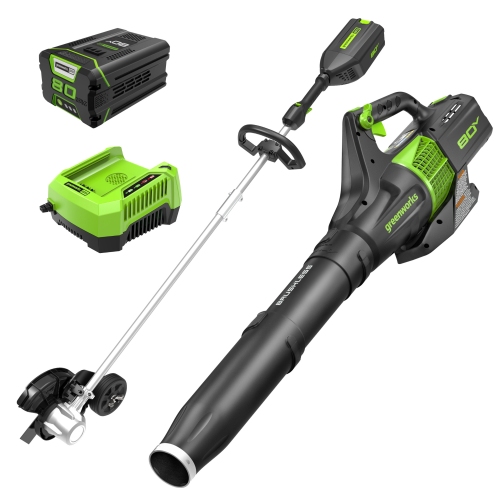
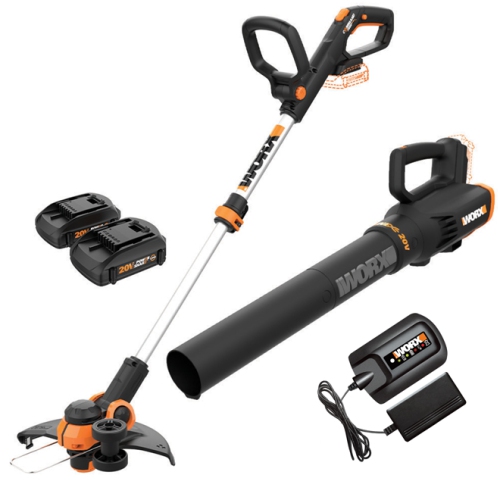
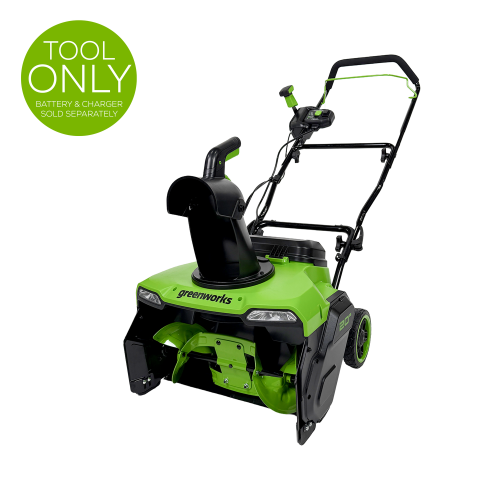

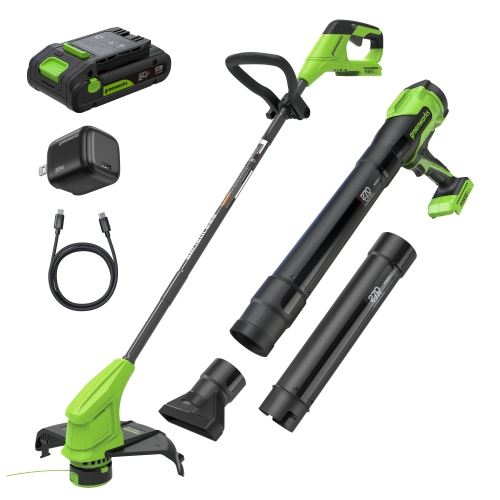
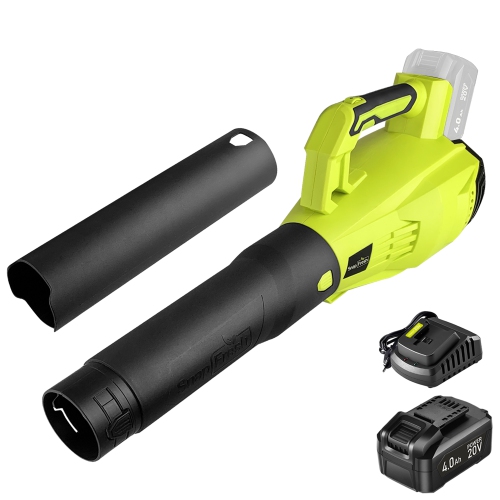
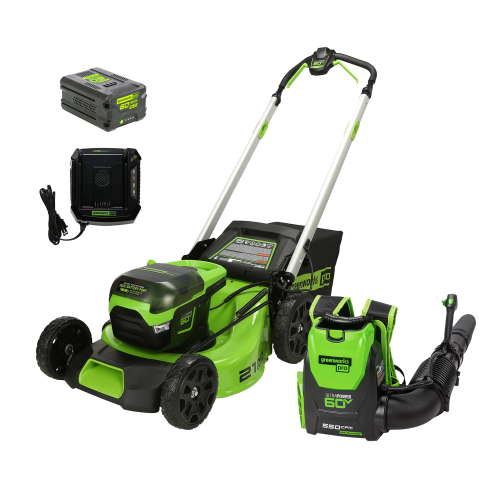


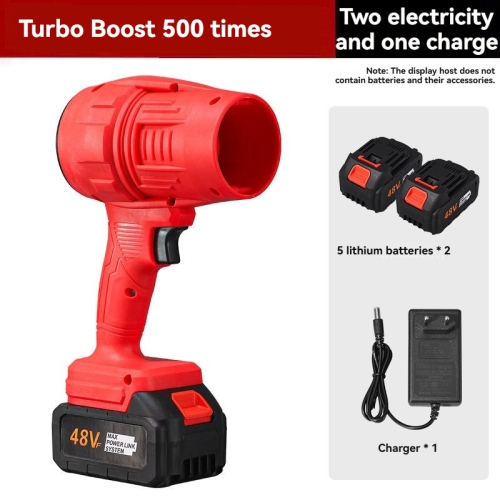
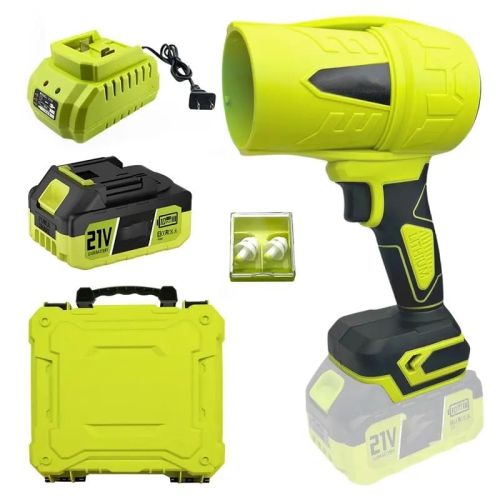
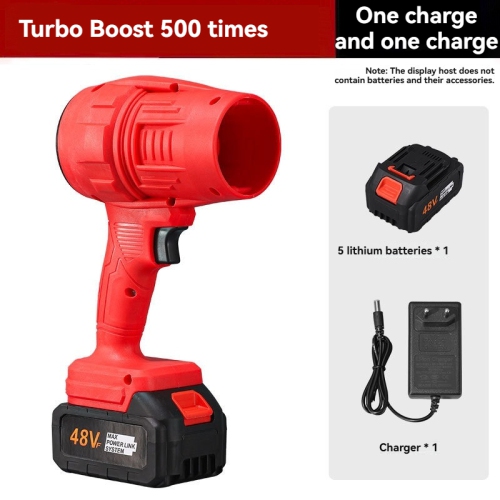

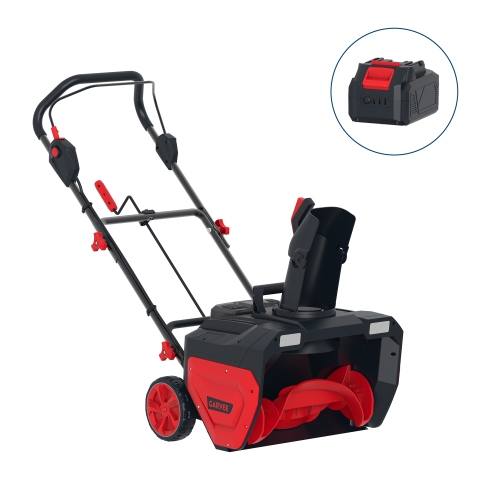
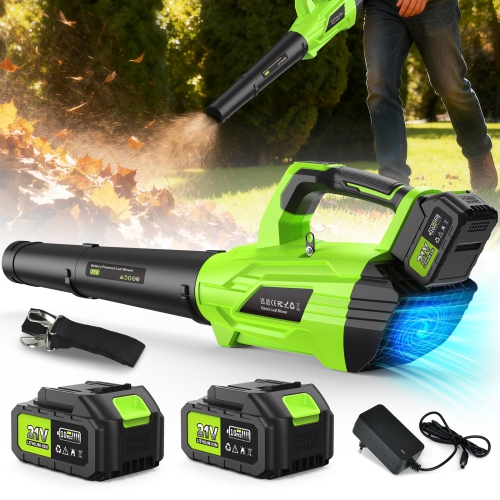
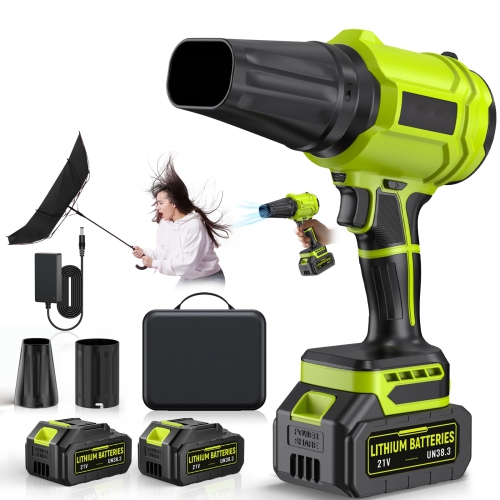
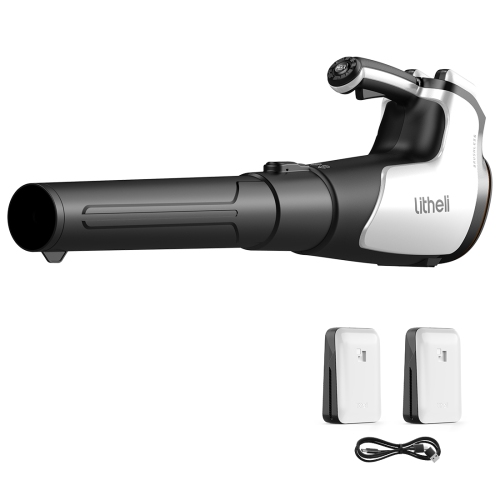
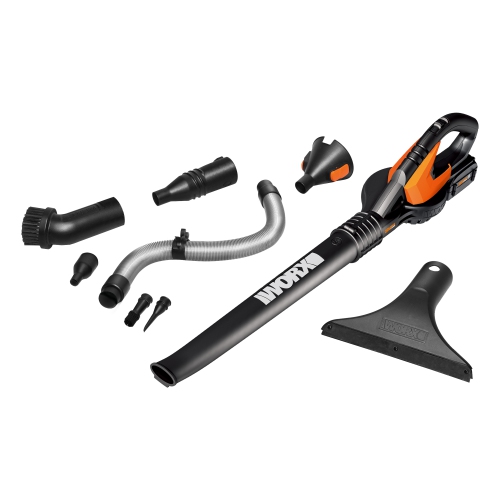
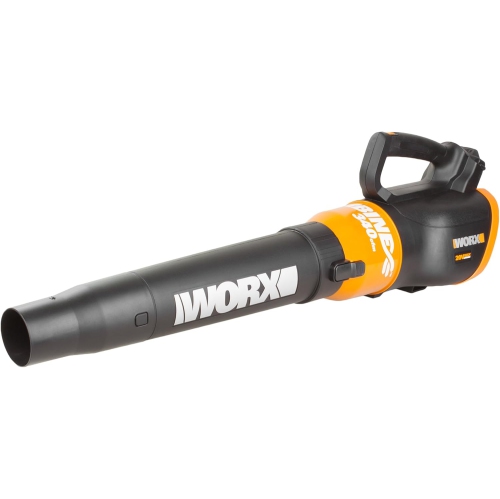
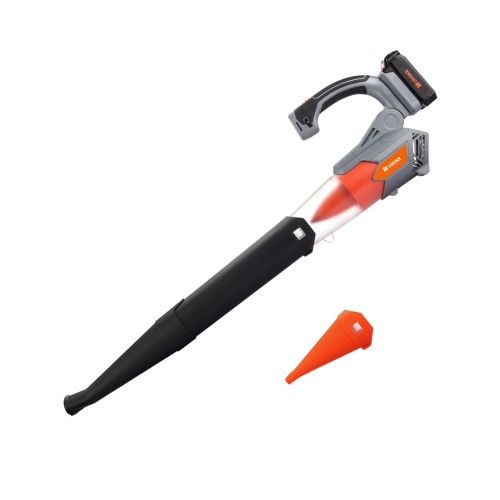
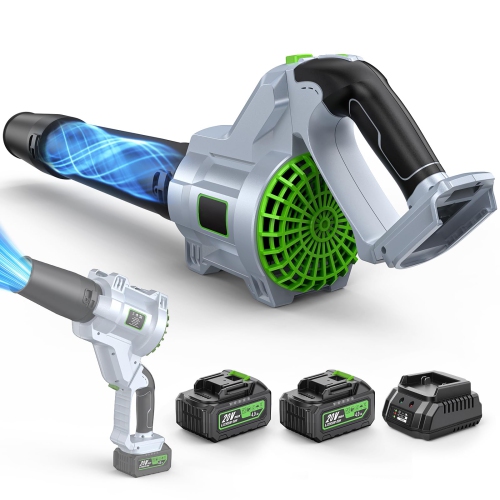
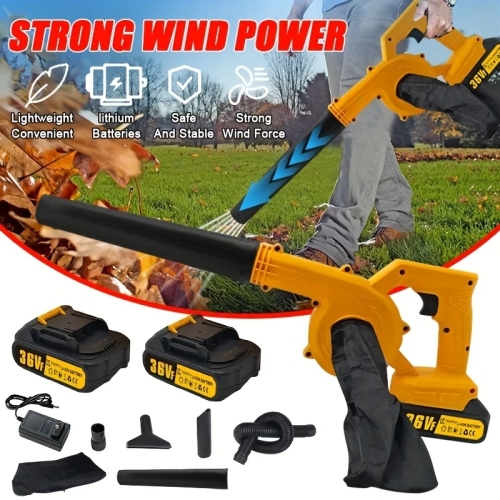
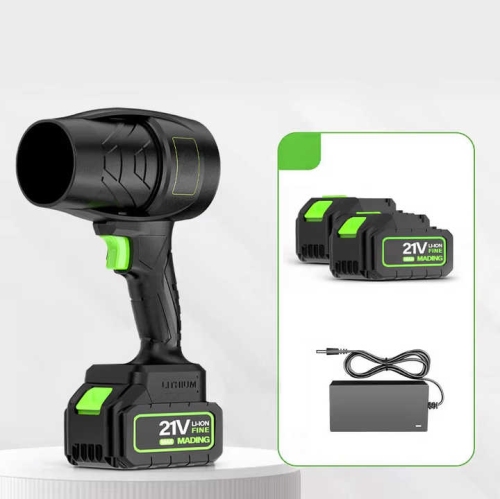
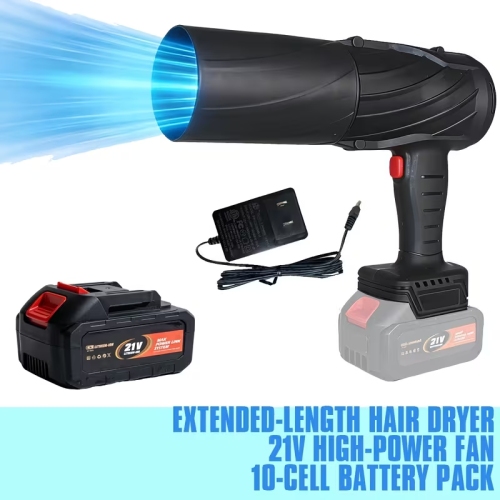
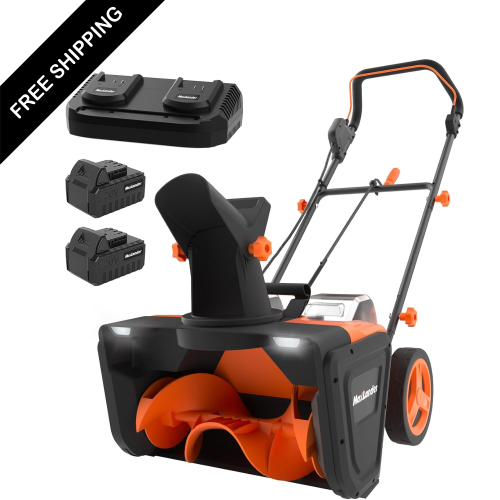
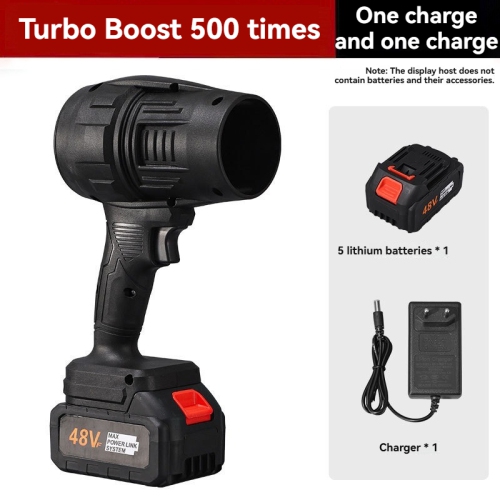
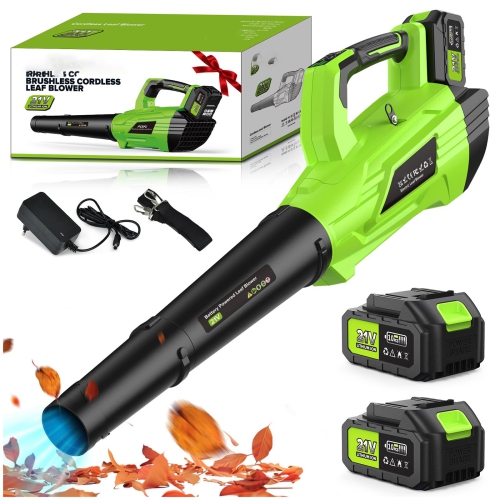
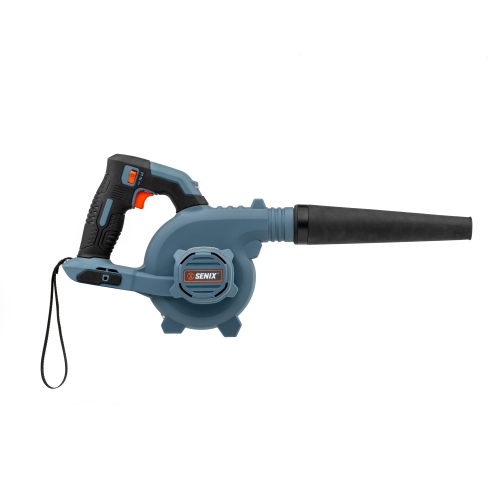
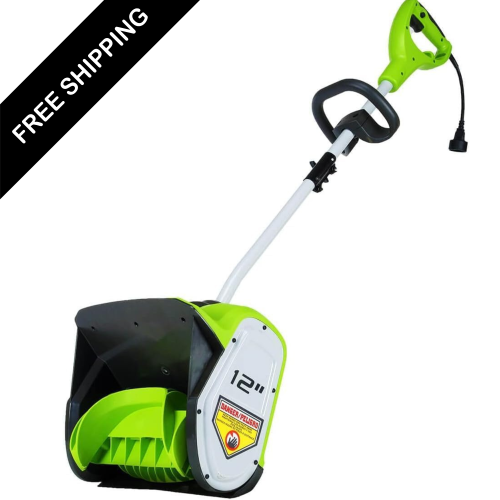
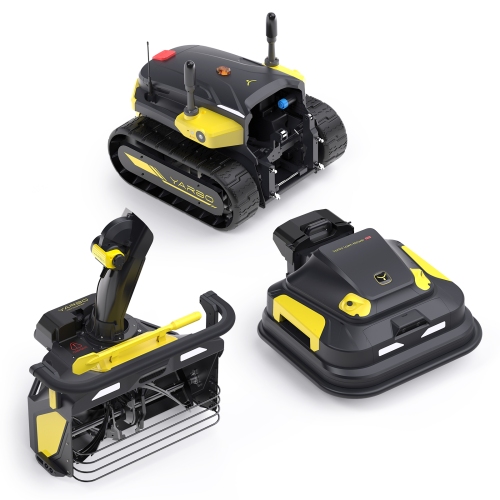
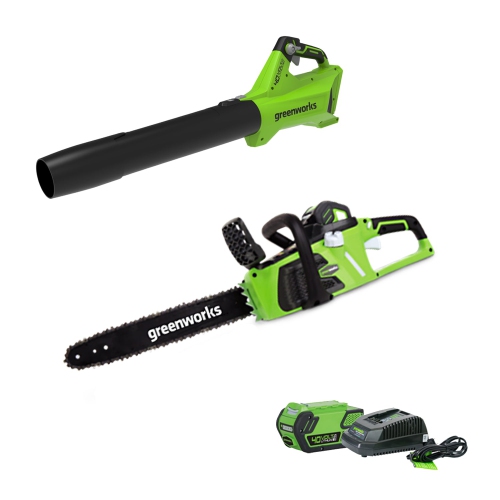
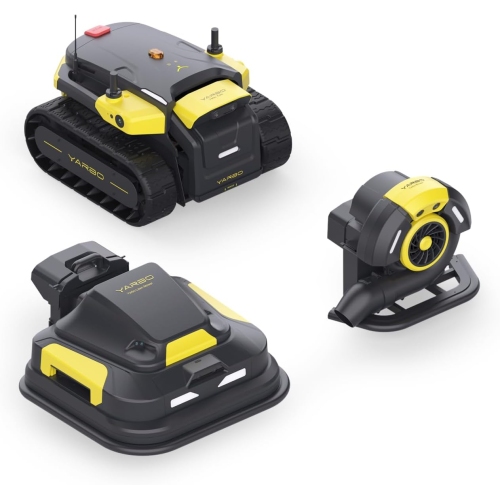

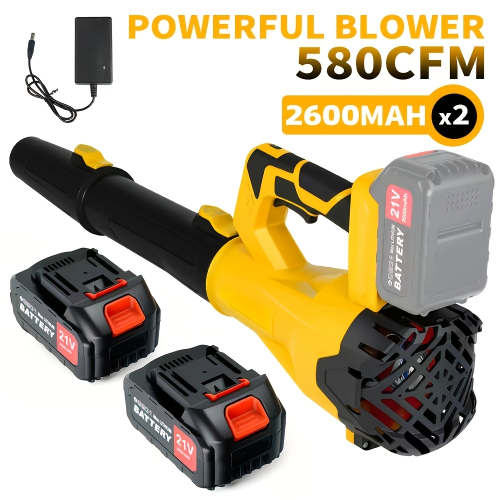
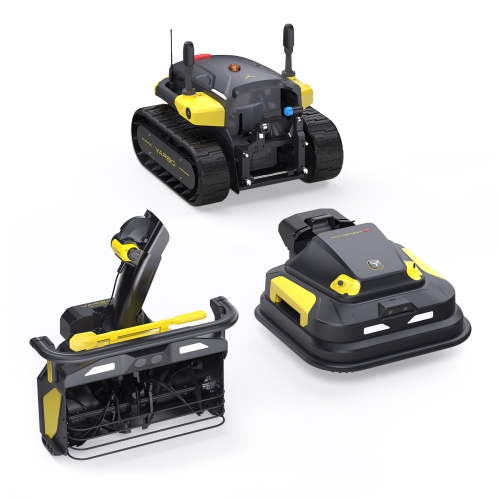

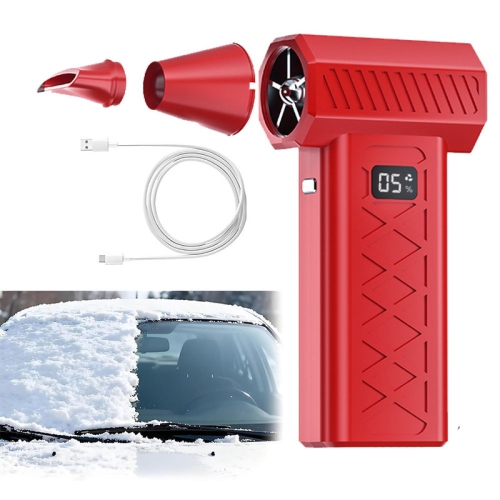
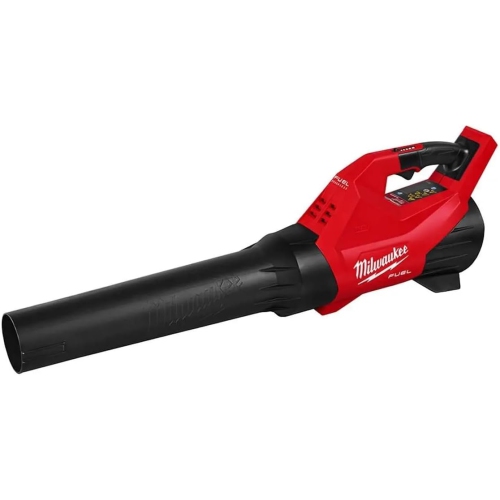
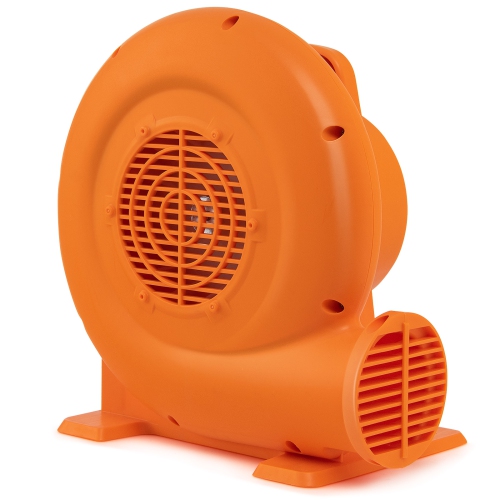
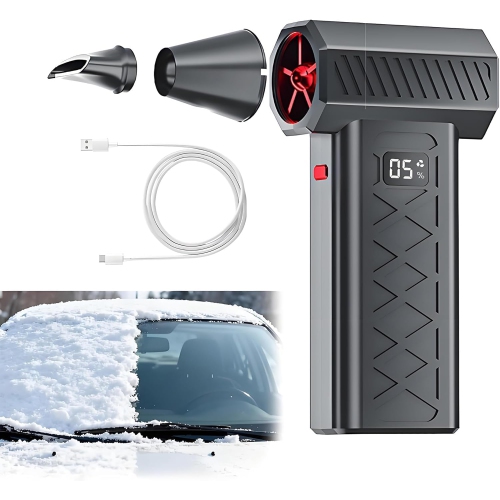


How power source and airflow shape your yard cleanup
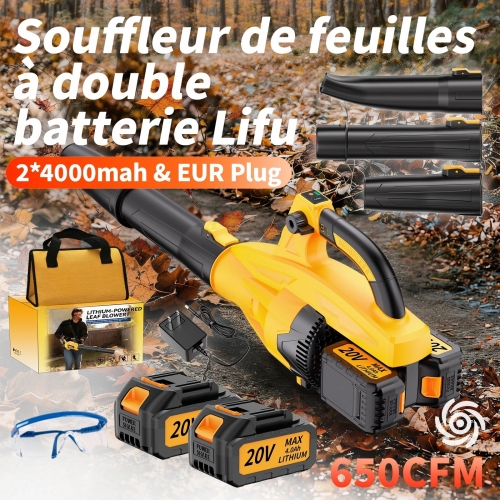
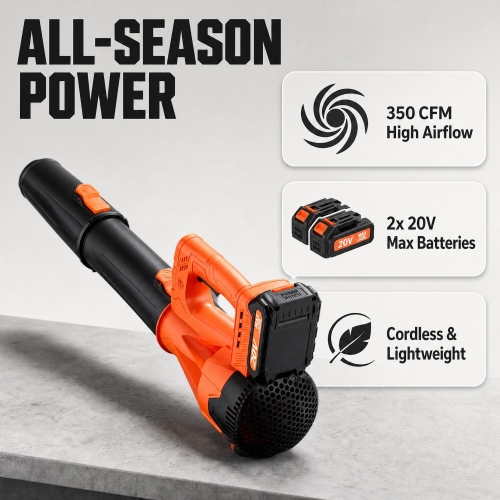
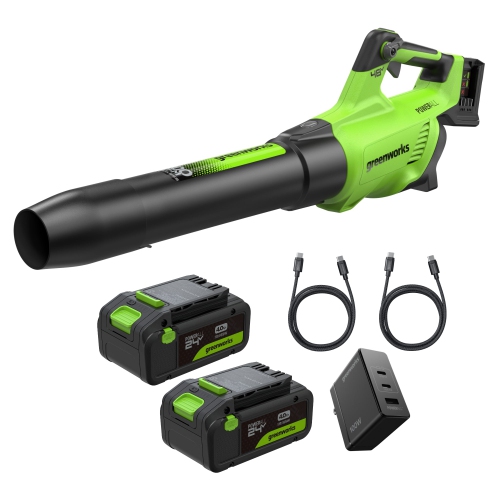
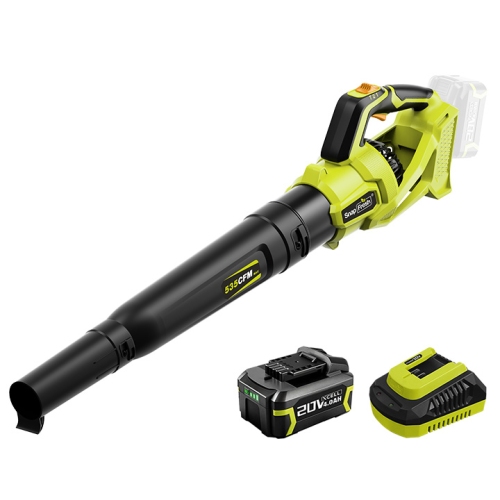
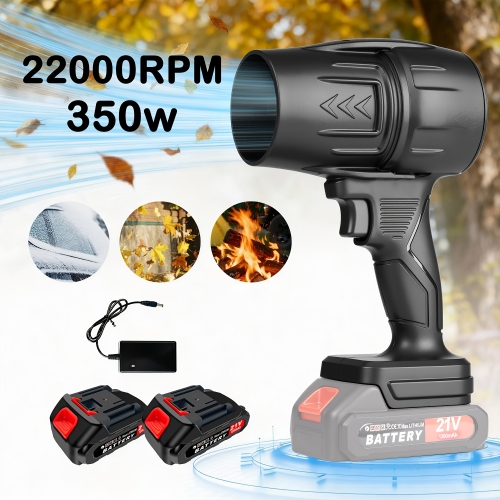
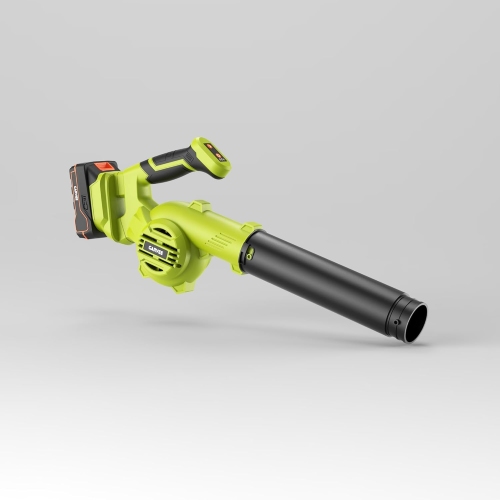
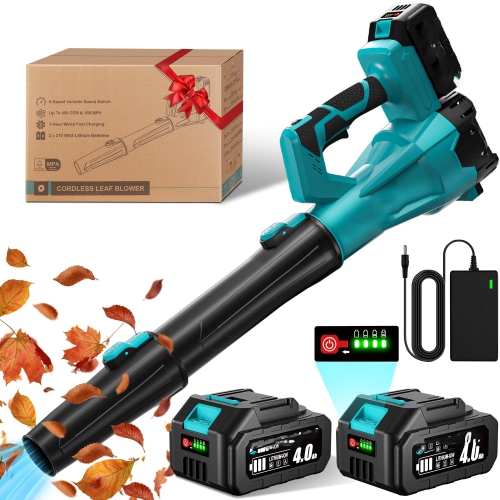
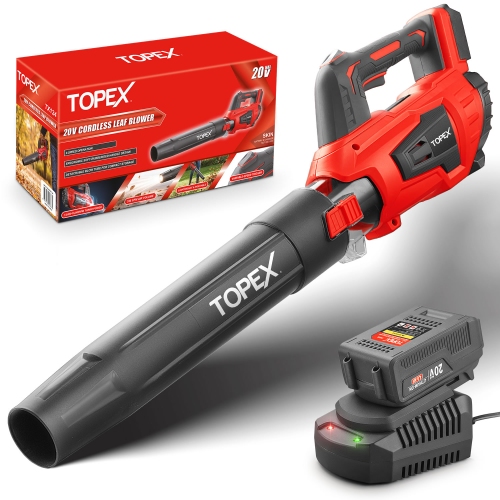
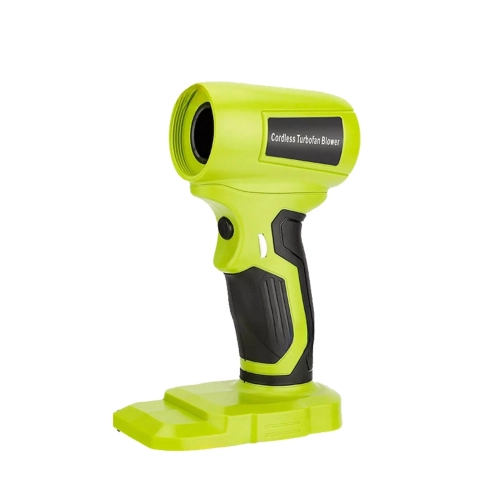
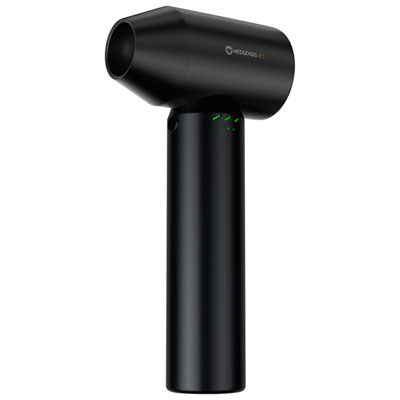
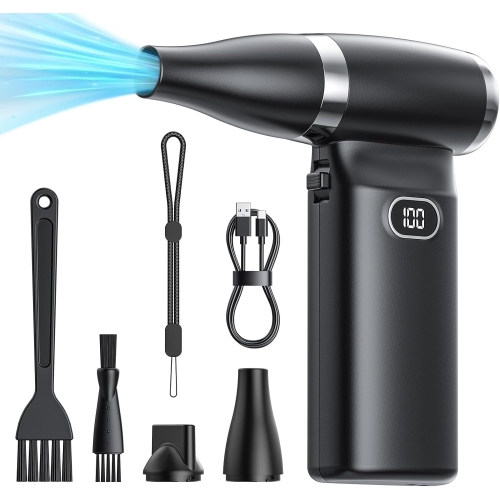
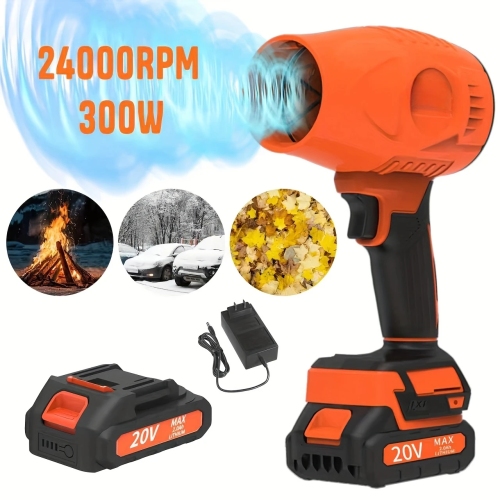
Electric yard blowers use a motor-driven fan to move leaves, grass clippings, and loose debris from lawns, driveways, patios, and walkways. Also called electric leaf blowers, they come in two main types: corded models that plug into an electrical outlet and cordless models powered by rechargeable batteries. Both suit routine outdoor tidying without the fuel mixing, spark plugs, or engine oil associated with petrol-powered equipment. The most useful choice depends on the area being cleared, the material being moved, and how far the work extends from an outlet. A compact corded blower can suit a paved courtyard or short driveway, while a battery-powered blower offers freedom to move around trees, garden beds, and detached sheds without managing a trailing cable. For a broader view of the category, Leaf Blowers includes options for different outdoor spaces and clearing tasks. Performance is usually described through air volume and air speed. Air volume, often measured in cubic feet per minute, or CFM, indicates how much air the blower moves; higher volume generally helps push a wider layer of leaves across an open surface. Air speed describes how quickly air exits the nozzle and can help loosen material caught along pavement joints or lawn edges. Neither number tells the whole story on its own, since nozzle design, surface conditions, and the weight of the debris also affect results. Dry leaves scattered across a deck need less force than damp leaves pressed into grass. Variable speed control makes that difference easier to manage, allowing gentle airflow beside planted borders and stronger airflow over a driveway. A concentrated nozzle can help direct air into corners, while a wider outlet may suit broad sweeping passes. Electric yard blowers are useful for homeowners maintaining small gardens, people clearing paths around larger properties, and anyone who wants to reduce repetitive sweeping after mowing or trimming. Their main purpose is moving loose material into manageable piles, rather than collecting everything automatically.
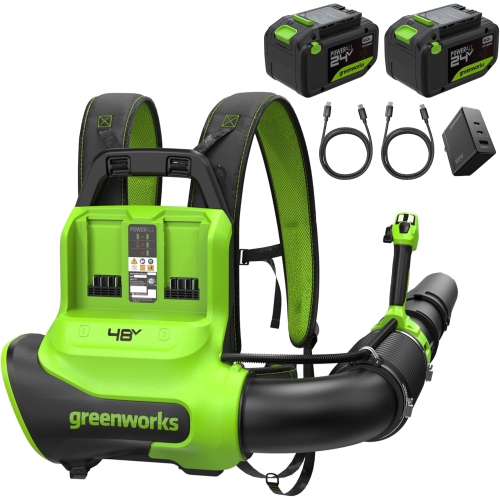
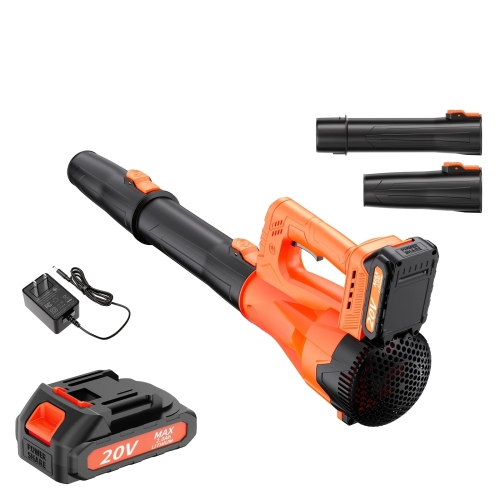
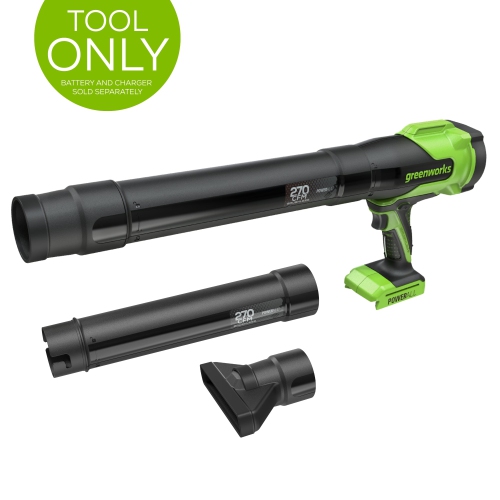
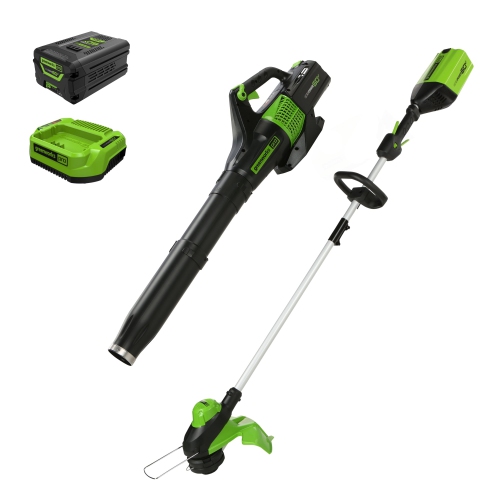
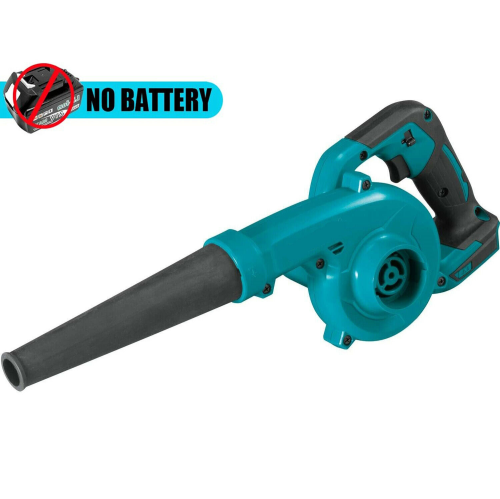
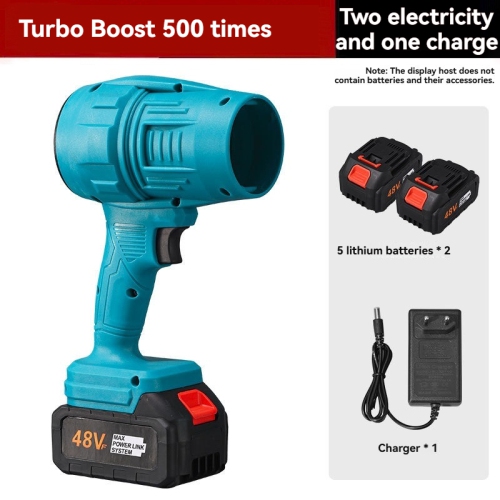
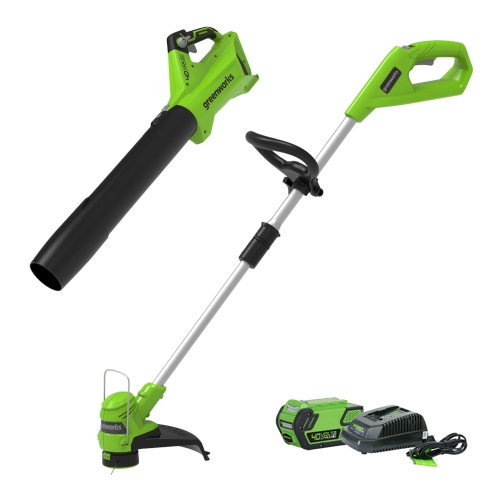
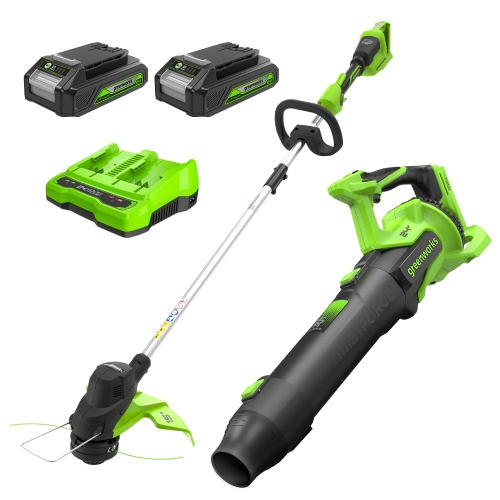
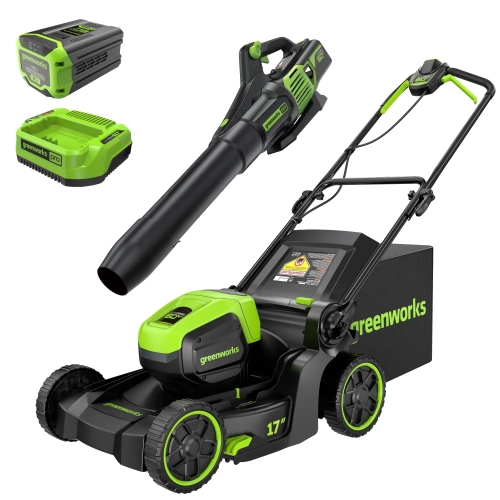
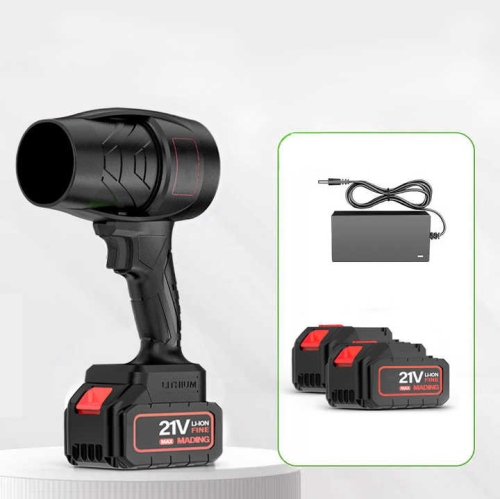
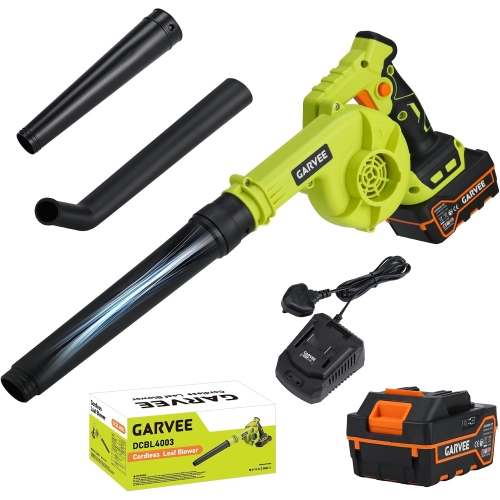
Corded and cordless electric yard blowers offer different kinds of convenience, so the layout of the property matters as much as its size. A corded blower can keep operating without battery charging breaks, provided there is a suitable power supply within reach. It requires an outdoor-rated extension cord with the wire gauge and maximum length specified by the manufacturer, and the connection should be protected by a ground fault circuit interrupter. A cable that works neatly along a straight driveway may be awkward around patio furniture, steps, or densely planted beds. Cordless blowers remove that tether, making them practical for front-to-backyard work or clearing a path beyond the reach of a nearby outlet. Battery runtime varies with the blower, battery capacity, speed setting, and workload; sustained high-power operation usually drains a charge faster than lighter sweeping. Battery voltage alone is not a reliable measure of clearing performance, and amp-hour ratings are most useful when comparing compatible batteries within the same system. Compatibility deserves close attention because batteries and chargers are not interchangeable simply because they look similar or display the same voltage. The package contents also matter: some configurations include a battery and charger, while others contain the tool only. Handling is another important difference that specifications can overlook. Total operating weight includes the fitted battery, and a larger battery may extend runtime while making the tool more tiring to hold. A well-positioned handle, a comfortable grip, and balanced weight can make steady side-to-side passes easier on the wrist and forearm. An adjustable tube, where provided, helps place the outlet near the working surface without requiring an awkward bend. For longer sessions, a compatible shoulder strap or a backpack-style design may distribute weight more comfortably. These details are particularly relevant for someone maintaining several separate outdoor areas or choosing a practical gift for a keen gardener. A suitable blower should match the recipient’s usual tasks, storage space, and existing battery system rather than simply having the highest advertised power.
Durability and ease of care depend on both construction and everyday treatment. Electric yard blowers commonly use moulded plastic housings and tubes to keep weight manageable, with reinforced sections or protective bumpers on some designs. Firm tube connections, accessible controls, and an intake that can be kept clear of leaves are useful details for regular yard work. Brushless motors, where fitted, eliminate carbon brush wear and can improve efficiency, although overall service life still depends on design, workload, and care. After use, disconnect the power source before removing trapped material or cleaning the tool, and follow the manufacturer’s directions for wiping the housing and clearing ventilation openings. Hosing down an electric blower is generally unsuitable unless the manufacturer expressly permits it. Store the tool in a dry, secure location, with batteries and chargers kept within their specified storage temperatures and away from moisture. Outdoor use does not automatically mean a blower is suitable for rain or wet conditions. A blower with vacuum and mulching functions can offer an additional way to gather suitable leaves, but those features require the correct attachments and are not intended for stones, wet sludge, or every type of garden debris. For ordinary blowing, working in short, controlled passes toward a collection point is often more effective than scattering leaves with continuous maximum airflow. A rake can loosen matted patches before blowing, and a broom may still be the better choice for fine dust near doors or open windows. Eye protection, closed footwear, and hearing protection appropriate to the tool’s noise rating help make routine use safer. Electric motors can still produce substantial noise, so local bylaws and permitted operating hours remain relevant. Keep children, pets, and bystanders clear of the work area, and direct debris away from vehicles, windows, roads, and neighbouring properties. Used for the surfaces and materials described in their instructions, electric yard blowers can make regular outdoor cleanup more manageable while leaving room for gentler hand tools around delicate plants and confined spaces.
Top selling and popular products
-
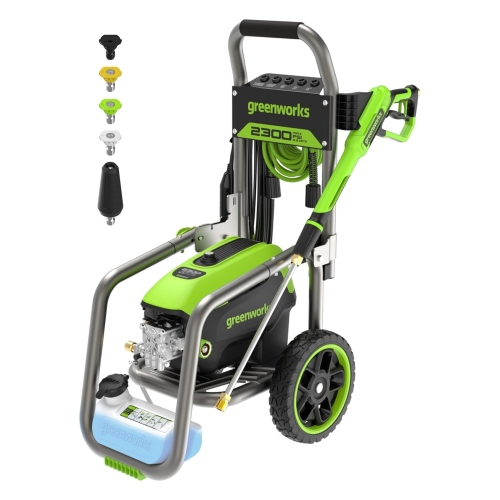 Your price for this item is $569.99
-
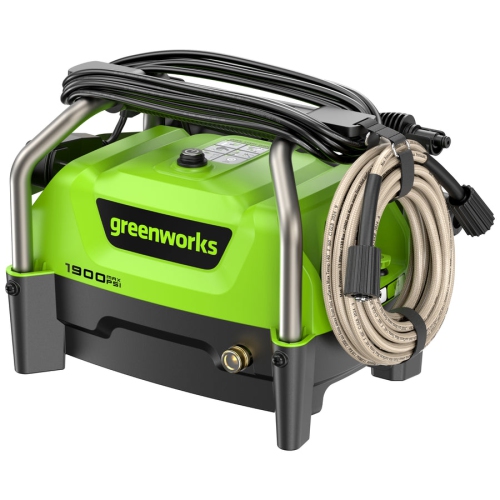 Your price for this item is $199.99
-
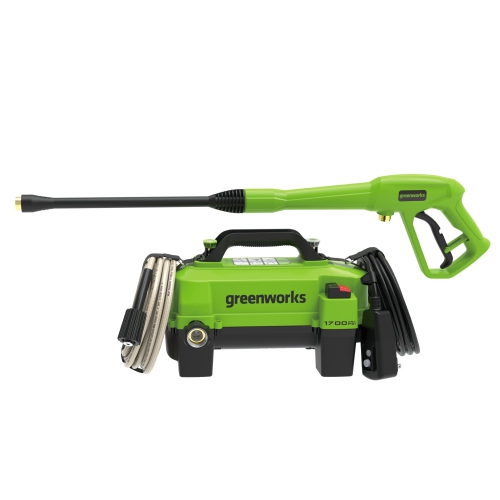 Your price for this item is $179.99
-
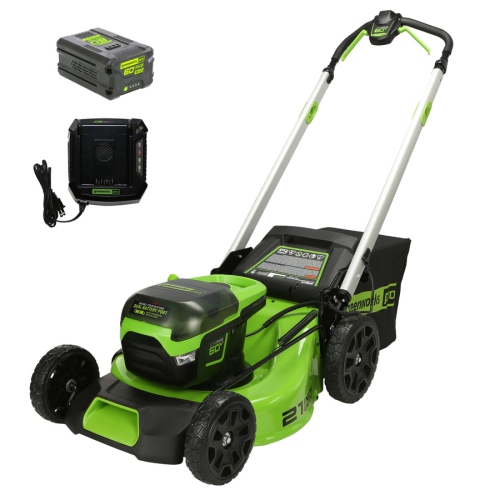 Your price for this item is $839.99
-
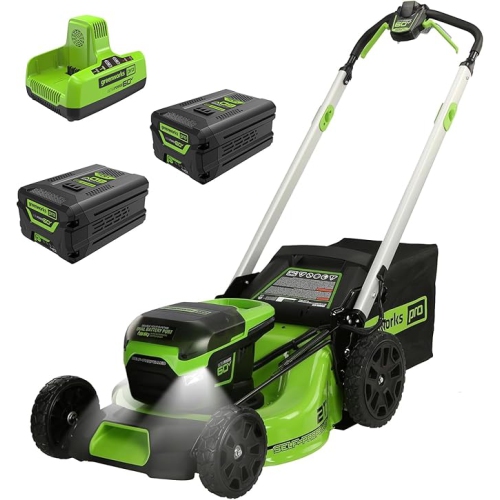 Your price for this item is $939.99
-
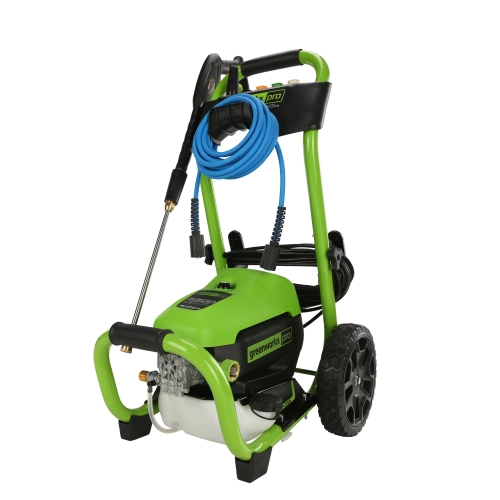 Your price for this item is $459.99
-
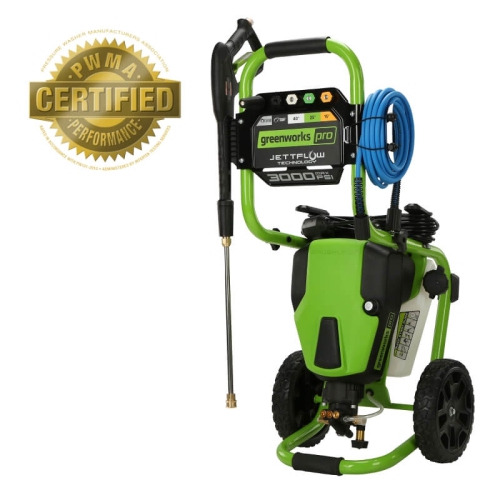 Your price for this item is $539.99
-
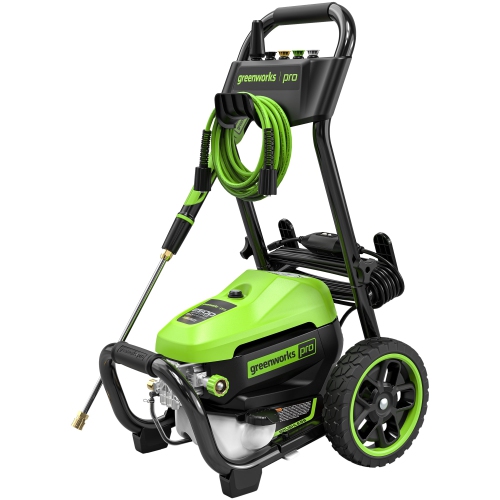 Your price for this item is $569.99
Discover more categories related to Electric Yard Blowers
Top Collections:
Best Black Friday Deals This Year, Best Black Friday Deals On Electronics, Kindle Devices, Pokemon Centers, Best Black Friday Deals On Apple Products, Best Cameras for Sports Photography, Dyson Airwrap, Pokémon 30th Celebration Cards, Apple iPhone 17 Pro, Canon G7X Cameras
Some products may be subject to Environmental Handling Fees
(EHF) depending on your province.
Learn more about EHFs.