Electricity Usage Meters
Looking to keep tabs on your electricity consumption and take control of your energy usage? Look no further than our wide selection of electricity usage meters. These handy devices provide you with real-time information on how much electricity your appliances and devices are using, helping you make more informed decisions about your energy consumption. Whether you're looking to reduce your carbon footprint or simply want to save on your monthly bills, our range of electricity usage meters has got you covered. From compact and portable options to more advanced models with additional features, find the perfect meter to suit your needs and start monitoring your energy usage today.
Sort
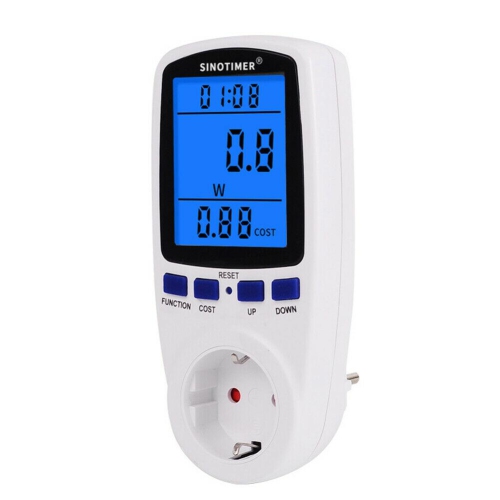
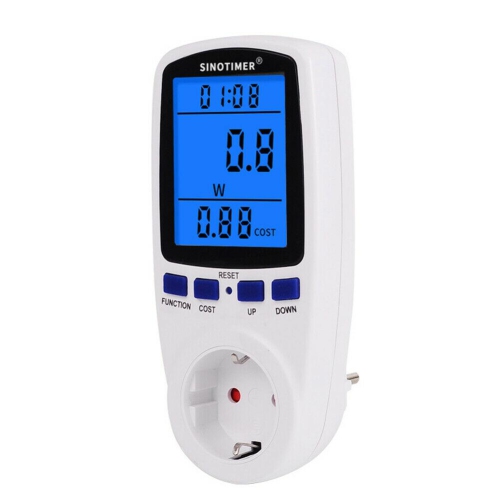

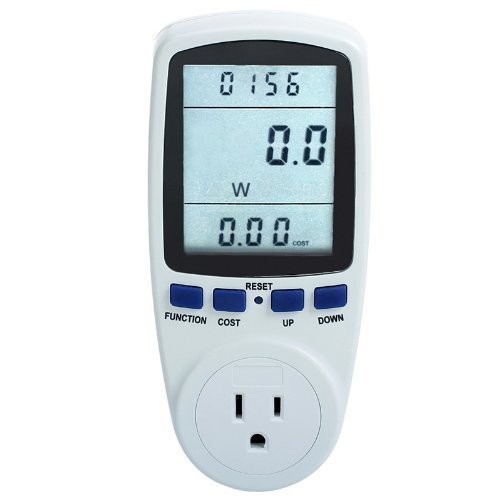
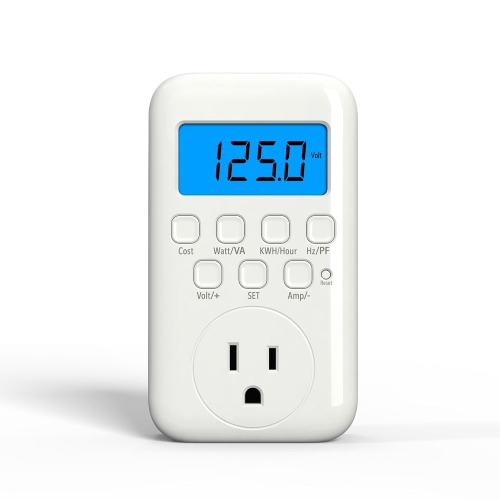
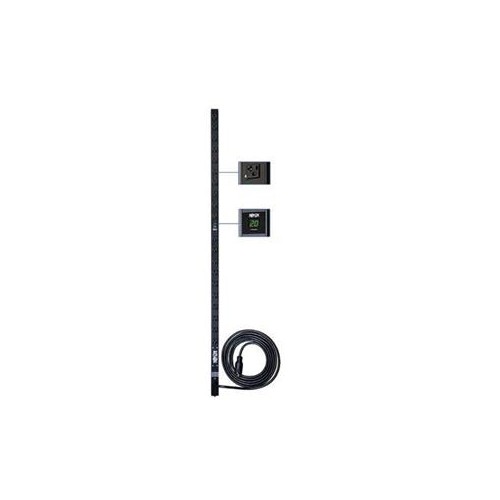
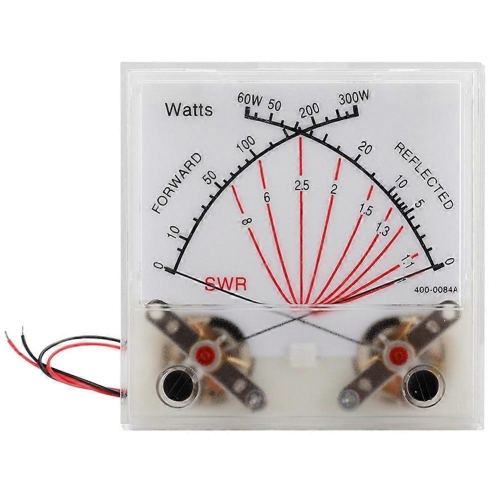
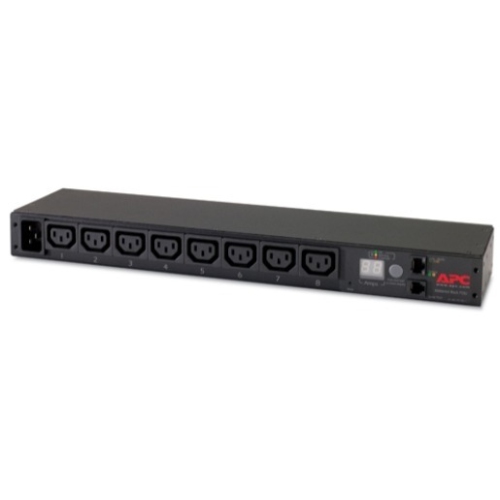
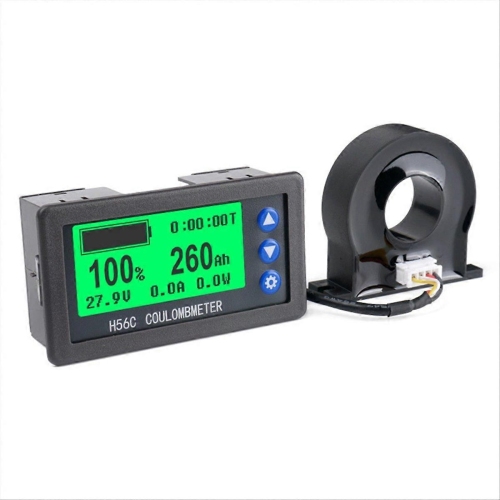
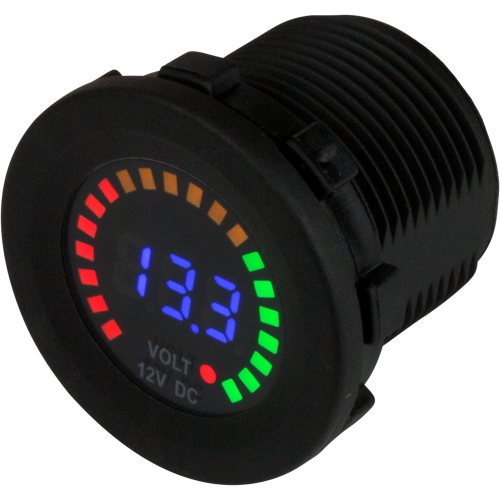
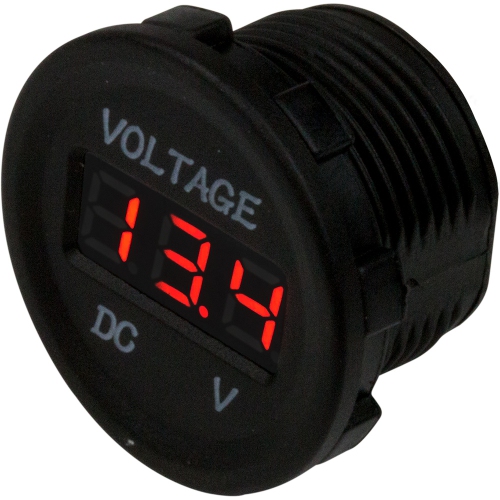
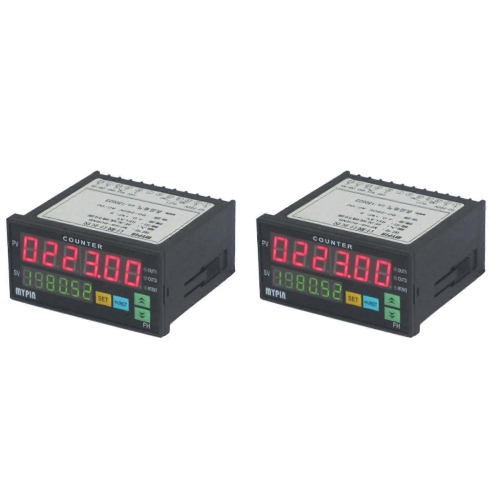
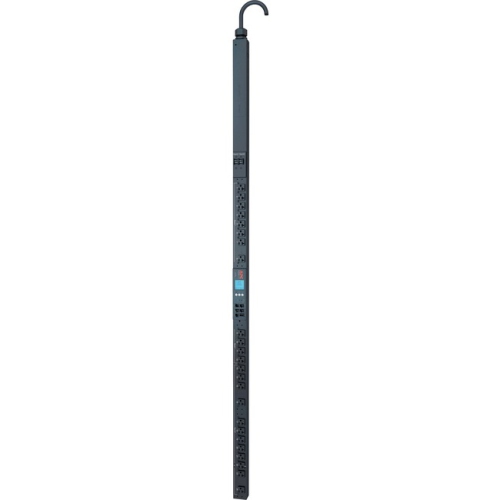
What your appliances and circuits really consume over time
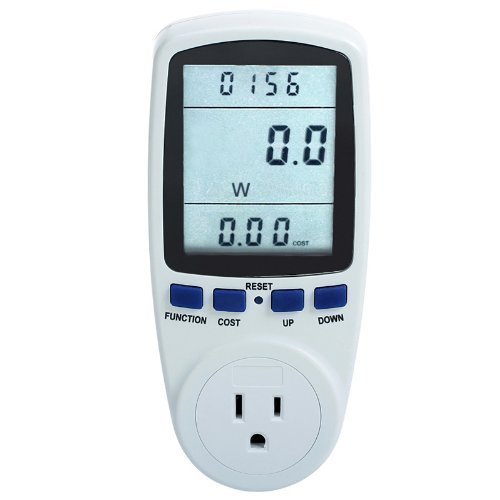
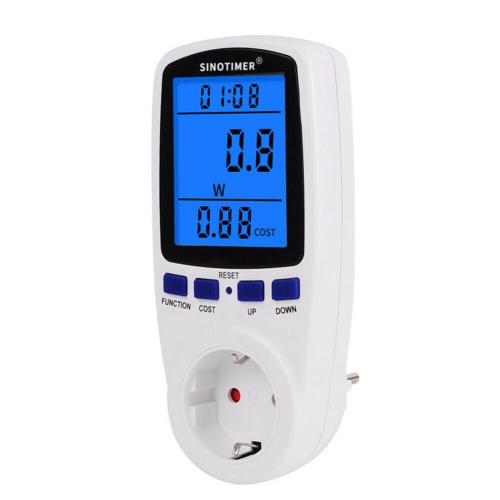
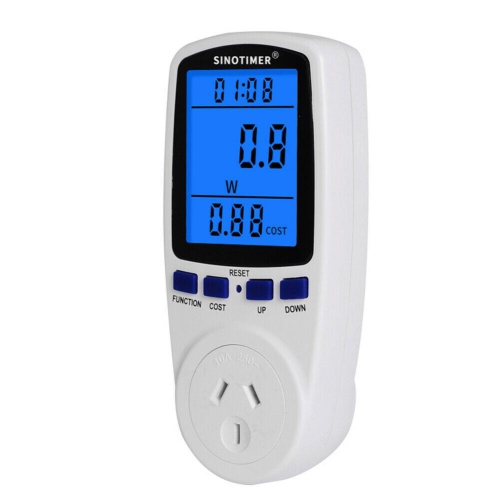
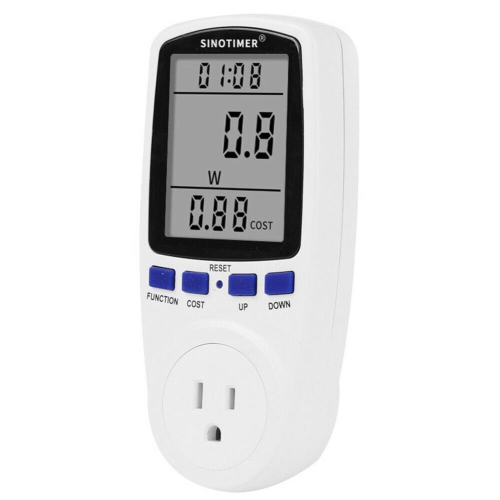
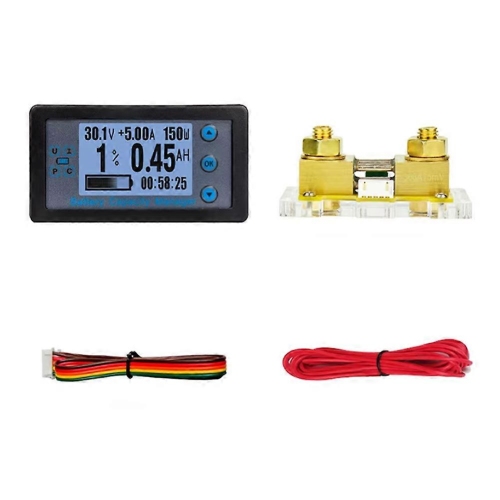
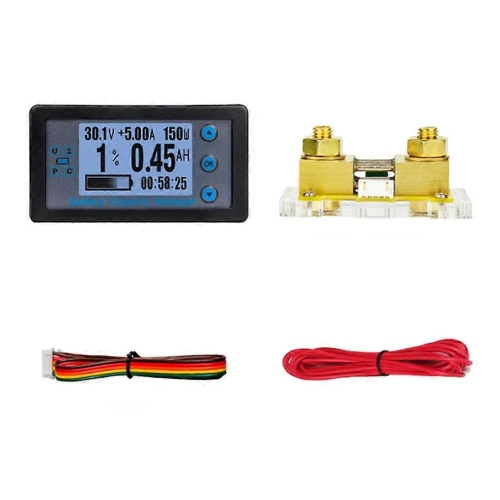
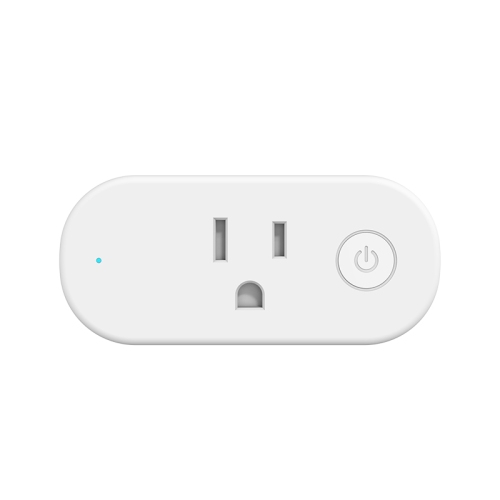
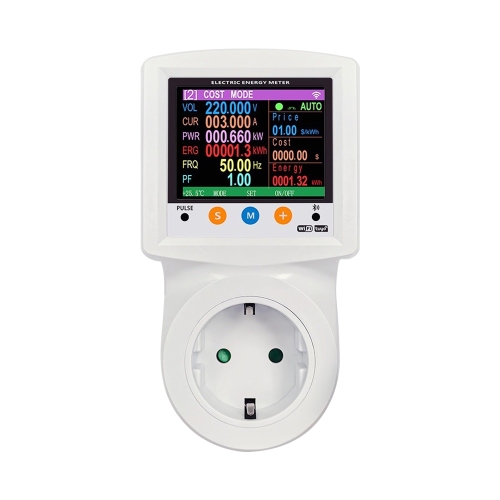
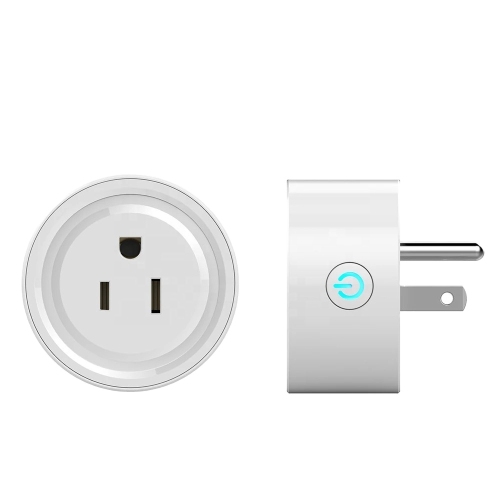
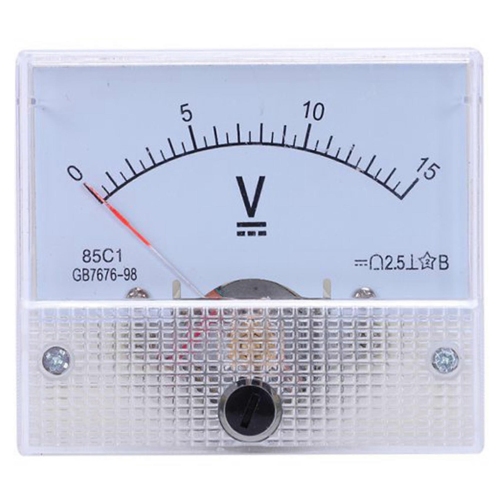
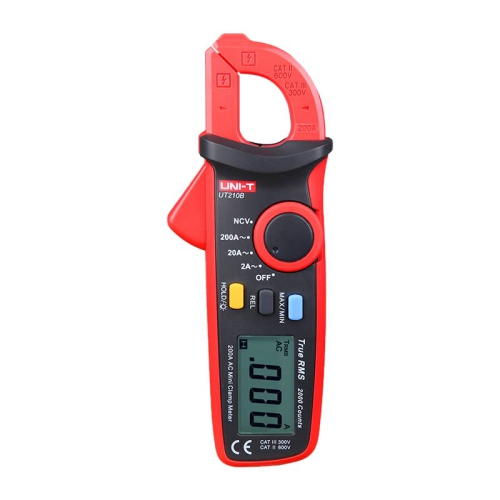
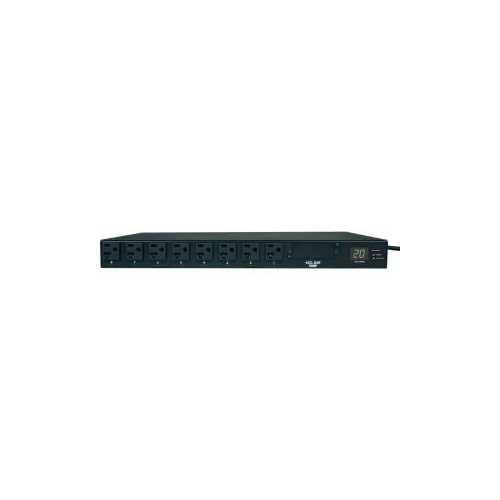
Electricity usage meters are practical tools for understanding how much power individual appliances, equipment, or household circuits draw during everyday use. Depending on the design, a meter may display voltage, current, instantaneous power in watts, accumulated energy in kilowatt-hours (kWh), operating time, and an estimated cost based on the utility rate entered by the user. Plug-in electricity usage meters are designed for straightforward testing at a standard wall outlet: connect the meter between the outlet and one appliance, then review the reading on the built-in screen. This setup is useful for comparing the energy demands of refrigerators, freezers, dehumidifiers, space heaters, televisions, gaming systems, desktop computers, coffee makers, and other cord-connected devices. A reading taken when an appliance starts can also reveal a brief power surge, while a longer measurement can show how much energy the appliance uses over several hours or days. For more information about related measuring equipment and displays, browse Digital Power Meters. When comparing readings, it helps to distinguish between watts and kilowatt-hours. Watts indicate the rate at which a device is drawing power at a particular moment, while kilowatt-hours represent the total amount consumed over time. An appliance that runs briefly at a high wattage may have a different overall cost than a lower-wattage device that operates continuously. Entering the electricity rate from a utility bill can make the meter’s cost estimate more useful, although billing structures may include time-of-use pricing, delivery charges, taxes, or other fees that are not reflected in a simple calculation. Checking the meter’s supported voltage, maximum current, measurement range, display format, and plug configuration helps ensure that it suits the intended appliance. Features such as minimum and maximum readings, overload warnings, accumulated totals, backlit screens, and memory retention can make it easier to collect useful information without standing beside the appliance for the entire test.
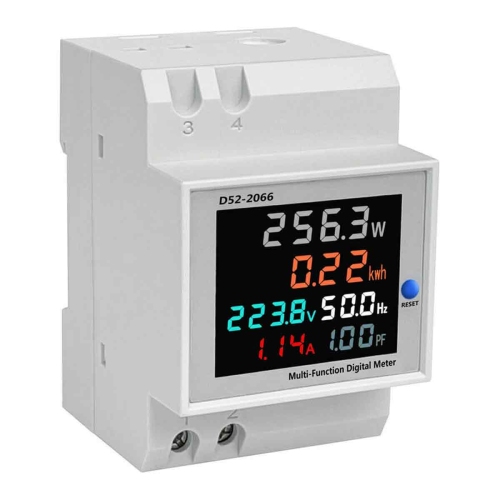
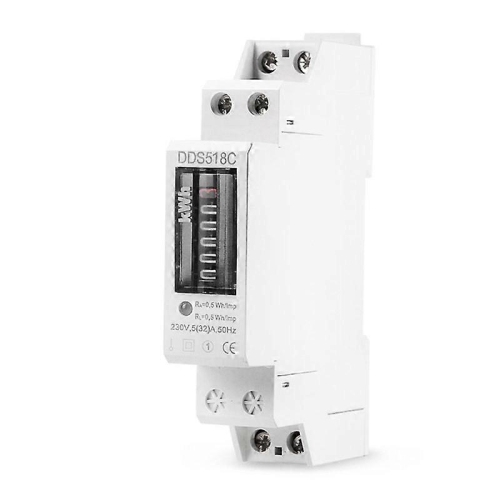
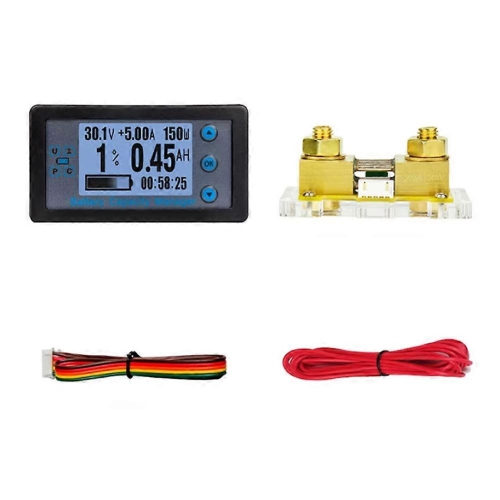
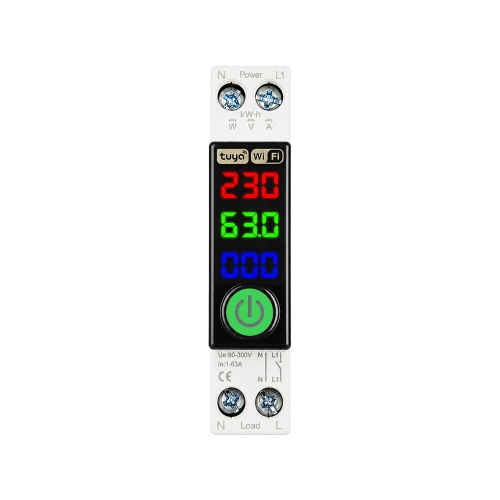
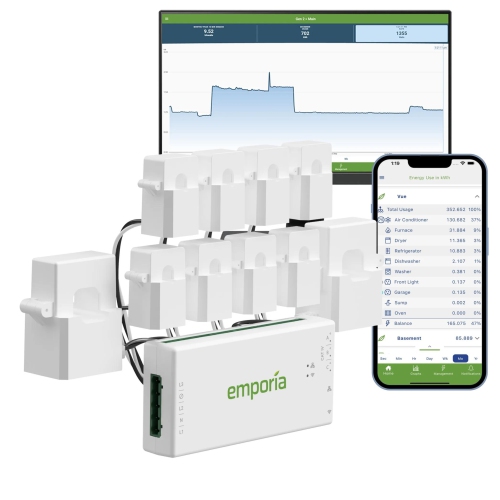
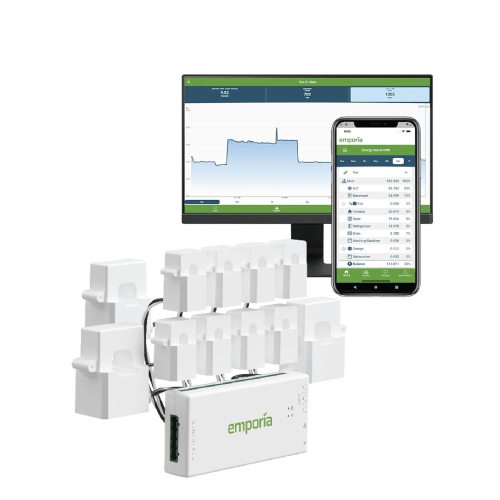
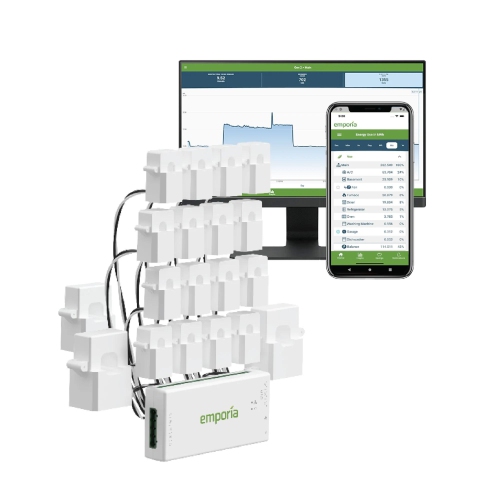
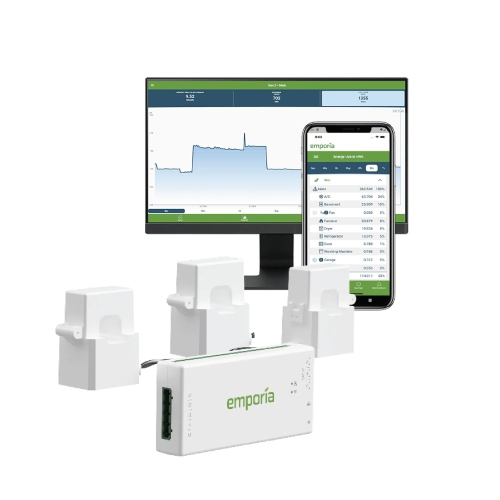
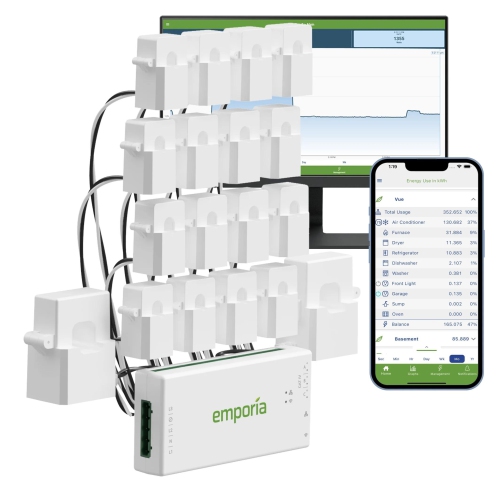
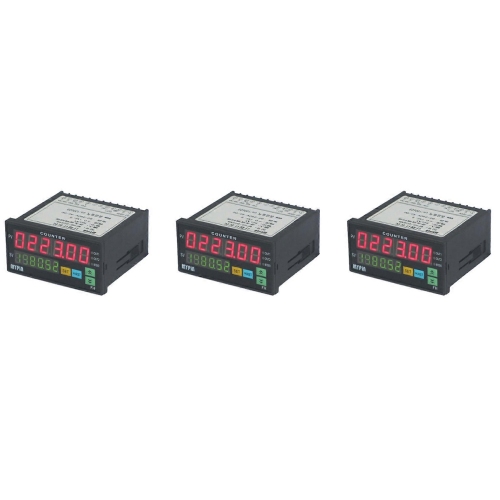
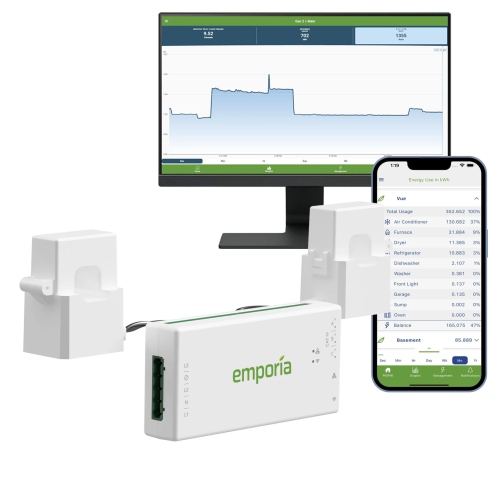
Electricity usage meters are also available for broader monitoring, including meters intended for a distribution panel, a DIN rail installation, or a whole-home electrical system. These options can track a circuit or multiple loads rather than a single plug-in appliance, making them more suitable for workshops, rental properties, home offices, cabins, and households that want a wider view of their electrical demand. Some whole-home monitors use current transformers that clamp around conductors inside the electrical panel and send readings to a mobile app, where users can view real-time activity, review historical patterns, receive alerts, or compare usage at different times of day. Panel-mounted and DIN rail meters may provide a clear digital display at the installation point, but installation inside an electrical box or service panel should be completed by a licensed electrician or another qualified professional. Always follow the manufacturer’s instructions, confirm compatibility with the electrical system, and never remove a panel cover or handle exposed wiring without the appropriate training and authorization. For simple household testing, a plug-in model is often the most accessible choice; for circuit-level information, a permanently installed meter may offer more relevant data; and for remote visibility, an app-connected monitor can be convenient when the electrical panel is located in a basement, utility room, garage, or other less accessible area. These meters can be useful for homeowners investigating an unexpectedly high bill, landlords checking equipment in a rental unit, hobbyists testing workshop tools, and families trying to understand which devices contribute most to their regular electricity use. They can also make a thoughtful gift for someone moving into a first home, setting up a home office, renovating a workshop, or managing a small property, since the device supports practical observation rather than requiring specialised knowledge to begin. During the cooler months, users may monitor portable heaters, heated blankets, humidifiers, or other seasonal equipment; as the weather warms, the same meter can help assess fans, air conditioners, pool equipment, or garage tools. For the clearest results, record the appliance’s wattage when it starts, note its average reading during normal operation, and leave it connected long enough to capture standby periods and automatic cycling. Comparing those readings with the appliance’s label or manual can help identify whether the device is operating as expected, while overload protection and current-limit information can help users avoid connecting equipment beyond the meter’s rating. With the right format and measuring range, an electricity usage meter turns an invisible part of daily life into readable information that can support household planning, equipment checks, and informed purchasing decisions.
Electricity usage meters are also available for broader monitoring, including meters intended for a distribution panel, a DIN rail installation, or a whole-home electrical system. These options can track a circuit or multiple loads rather than a single plug-in appliance, making them more suitable for workshops, rental properties, home offices, cabins, and households that want a wider view of their electrical demand. Some whole-home monitors use current transformers that clamp around conductors inside the electrical panel and send readings to a mobile app, where users can view real-time activity, review historical patterns, receive alerts, or compare usage at different times of day. Panel-mounted and DIN rail meters may provide a clear digital display at the installation point, but installation inside an electrical box or service panel should be completed by a licensed electrician or another qualified professional. Always follow the manufacturer’s instructions, confirm compatibility with the electrical system, and never remove a panel cover or handle exposed wiring without the appropriate training and authorization. For simple household testing, a plug-in model is often the most accessible choice; for circuit-level information, a permanently installed meter may offer more relevant data; and for remote visibility, an app-connected monitor can be convenient when the electrical panel is located in a basement, utility room, garage, or other less accessible area. These meters can be useful for homeowners investigating an unexpectedly high bill, landlords checking equipment in a rental unit, hobbyists testing workshop tools, and families trying to understand which devices contribute most to their regular electricity use. They can also make a thoughtful gift for someone moving into a first home, setting up a home office, renovating a workshop, or managing a small property, since the device supports practical observation rather than requiring specialised knowledge to begin. During the cooler months, users may monitor portable heaters, heated blankets, humidifiers, or other seasonal equipment; as the weather warms, the same meter can help assess fans, air conditioners, pool equipment, or garage tools. For the clearest results, record the appliance’s wattage when it starts, note its average reading during normal operation, and leave it connected long enough to capture standby periods and automatic cycling. Comparing those readings with the appliance’s label or manual can help identify whether the device is operating as expected, while overload protection and current-limit information can help users avoid connecting equipment beyond the meter’s rating. With the right format and measuring range, an electricity usage meter turns an invisible part of daily life into readable information that can support household planning, equipment checks, and informed purchasing decisions.
Top selling and popular products
-
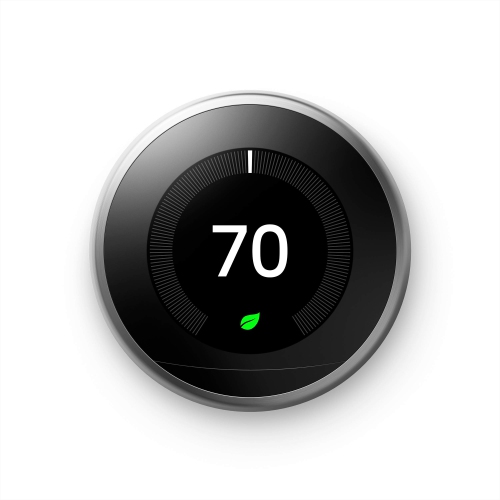 Your price for this item is $303.46
 -
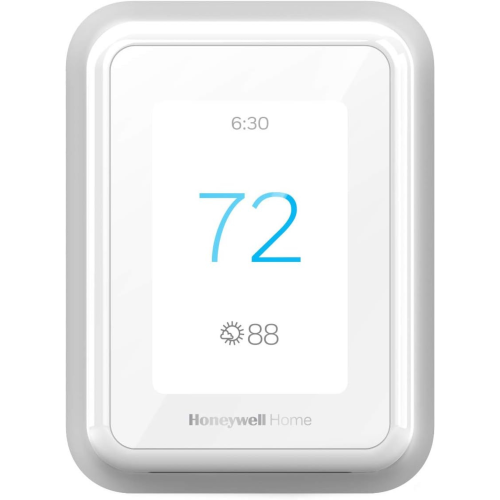 Your price for this item is $219.99
 -
 Your price for this item is $114.99
 -
 Your price for this item is $399.99
 -
 Your price for this item is $542.64
 -
 Your price for this item is $109.99
 -
 Your price for this item is $249
 -
 Your price for this item is $31.47
Discover more categories related to Electricity Usage Meters
Top Collections:
Pokemon Centers, Kindle Devices, Best Budget Office Chairs, Canon G7X Cameras, Apple iPhones 16, Samsung Galaxy Phones, Refurbished Apple Laptops, Laptops for Students, iPhone 15 Apple, Budget Smartphones
Some products may be subject to Environmental Handling Fees
(EHF) depending on your province.
Learn more about EHFs.