Energy Monitors
Discover the power of insight with energy monitors, your key to understanding and optimizing home energy consumption. These innovative devices offer a window into how much electricity your household appliances and electronics are using, helping you make informed decisions about your energy usage. Whether you're looking to reduce your carbon footprint or cut down on utility bills, energy monitors provide real-time data to empower smarter choices. Embrace a more sustainable lifestyle and take control of your home's energy efficiency with the right tools at your fingertips.
Sort
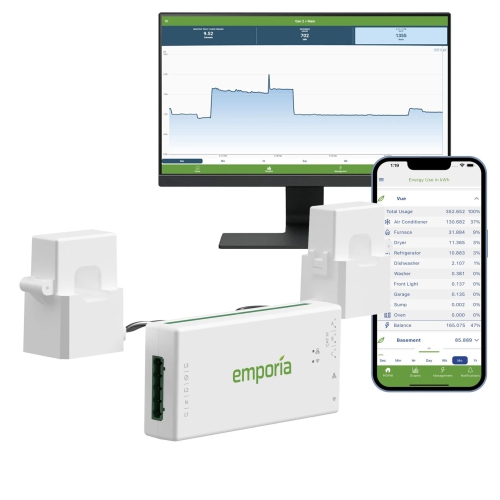
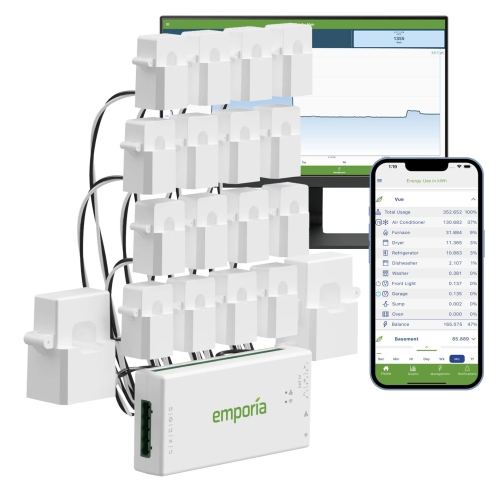
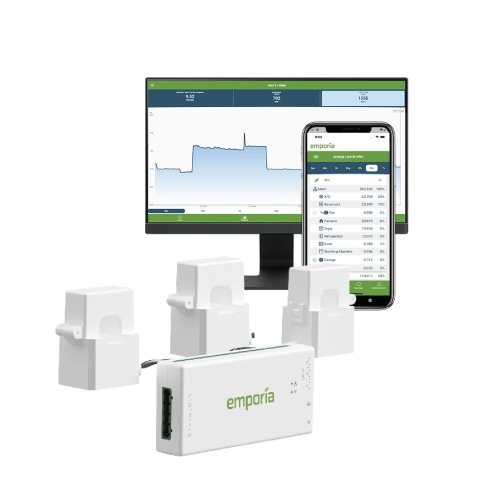
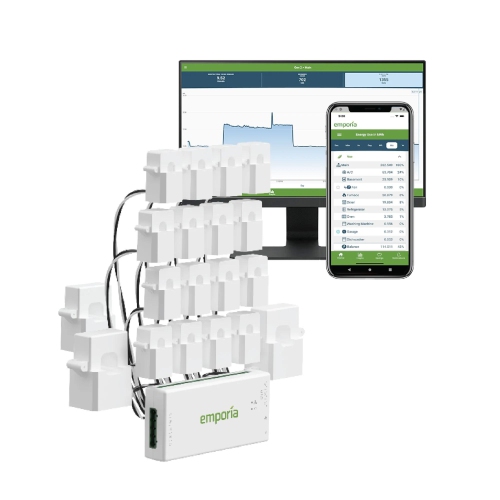












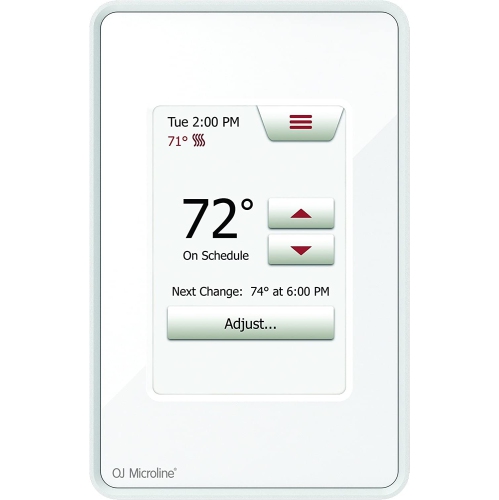
What your appliances reveal about everyday electricity use
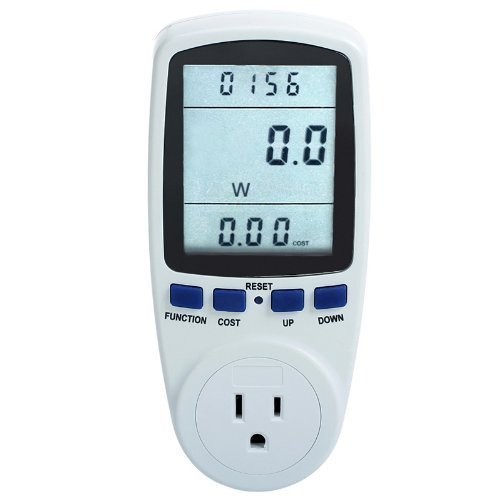
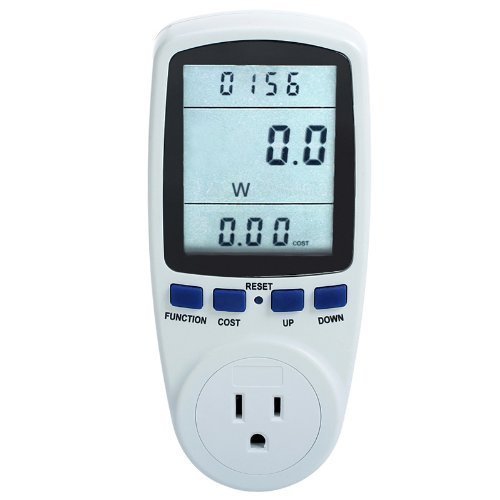
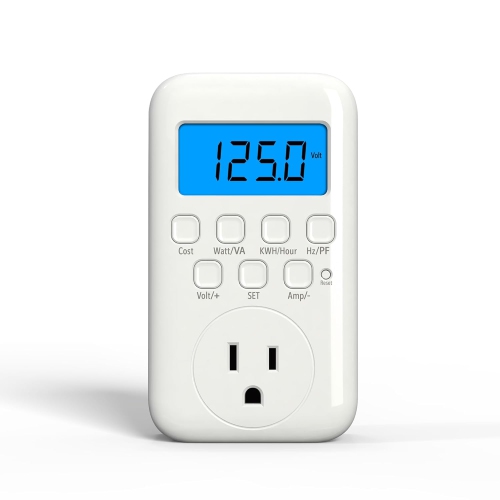
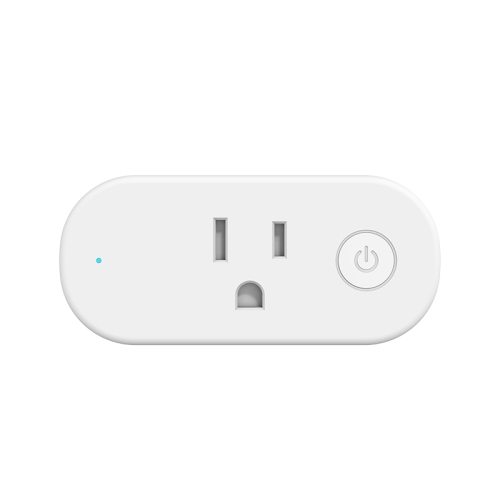
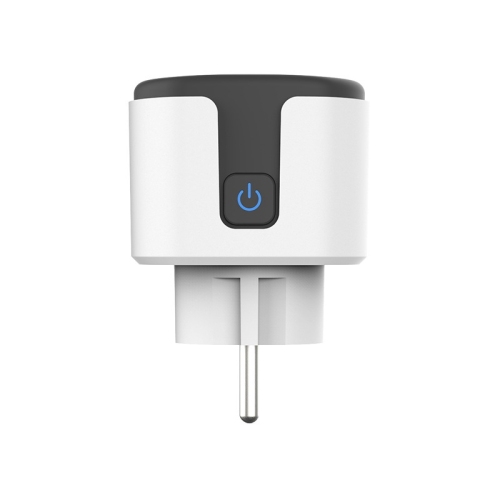
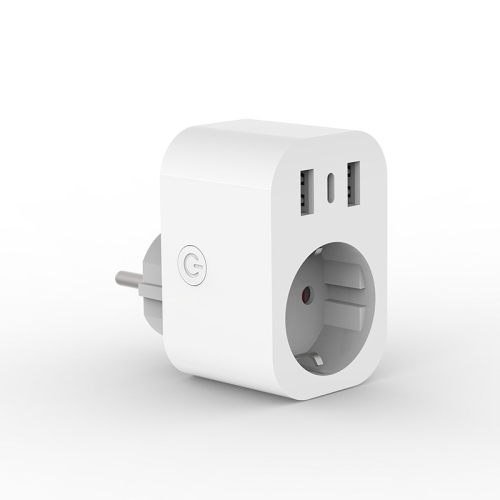
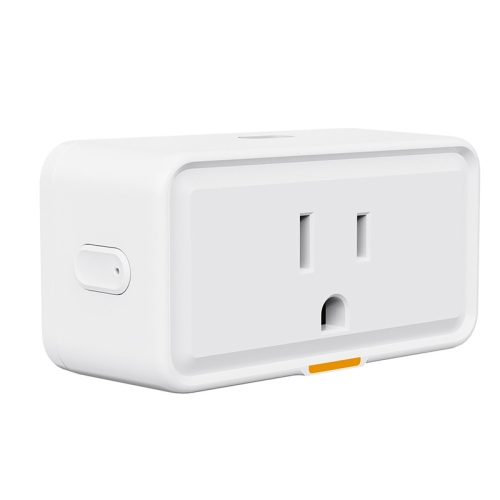
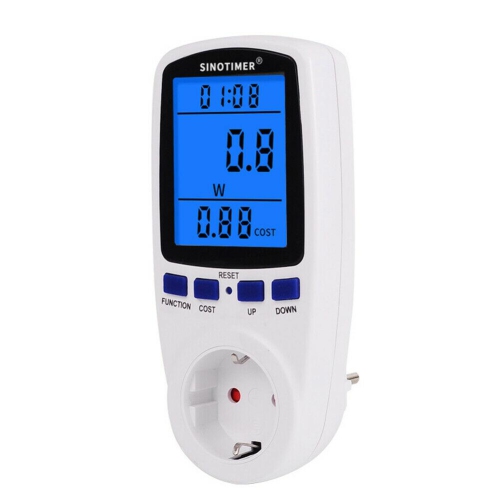
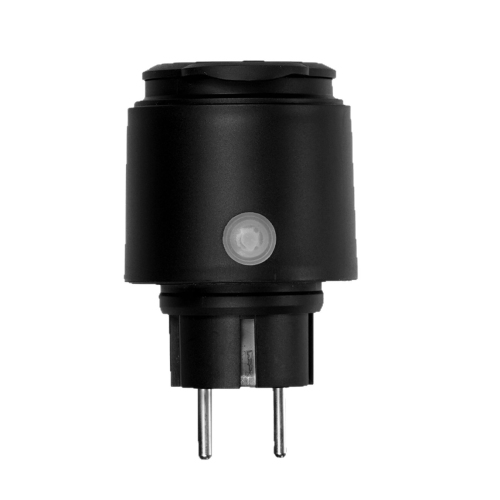
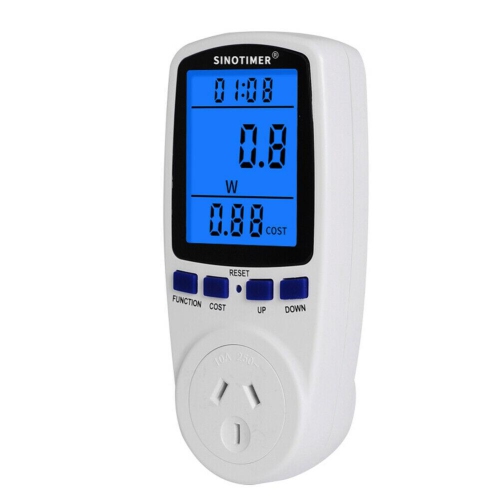
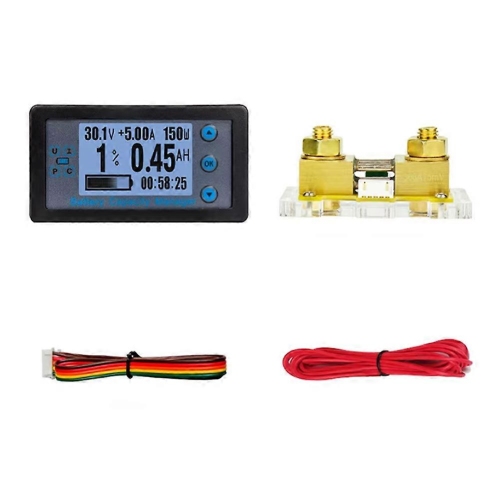
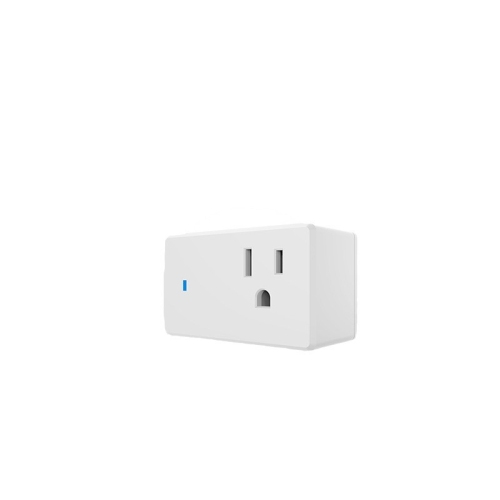
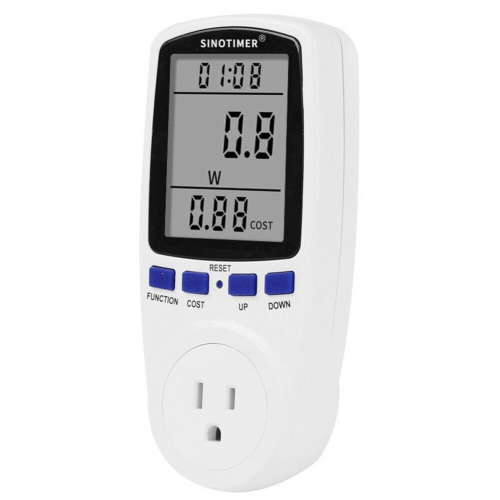
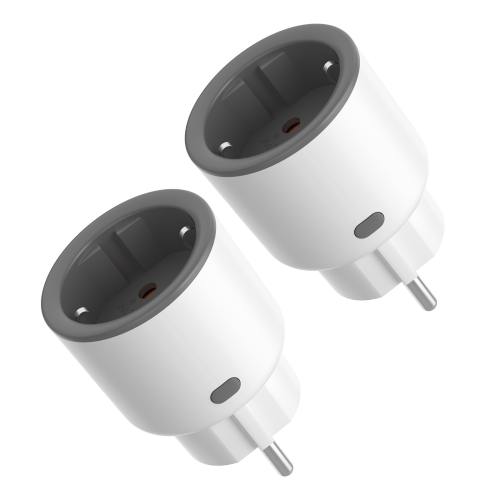
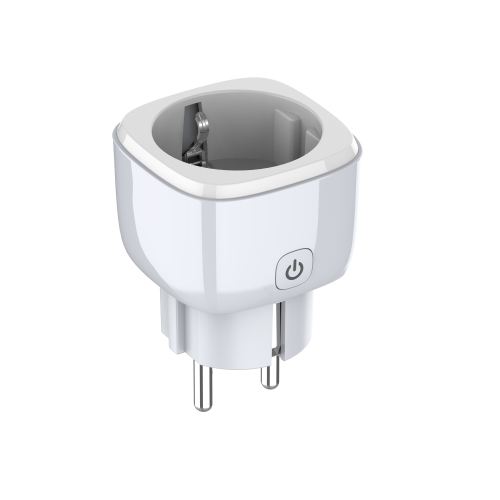
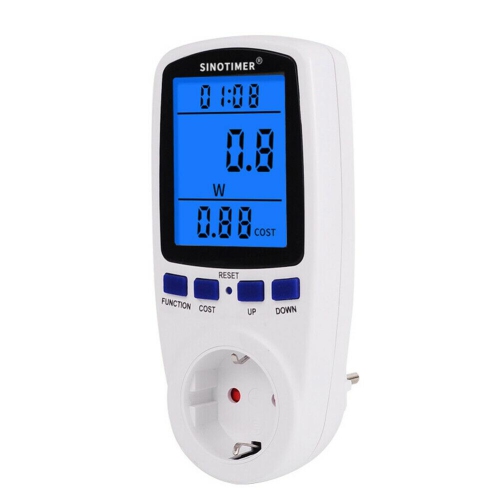
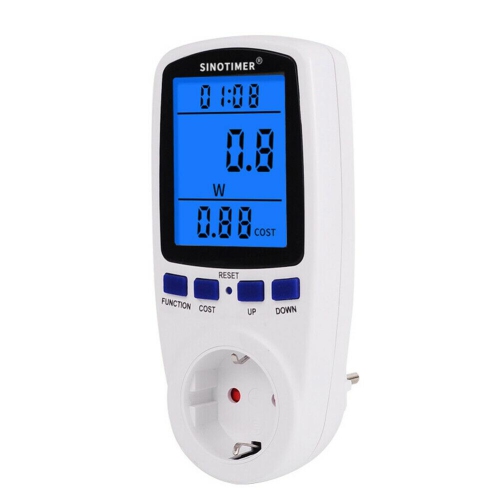
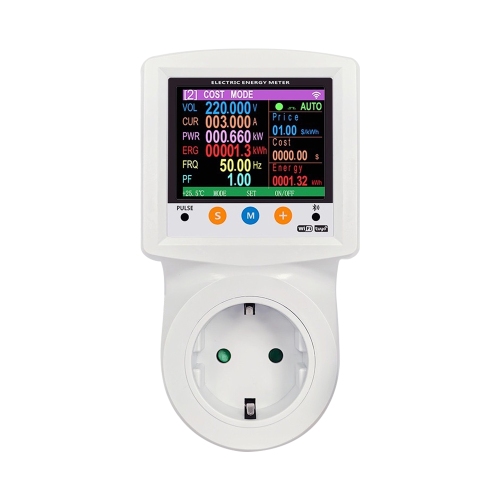
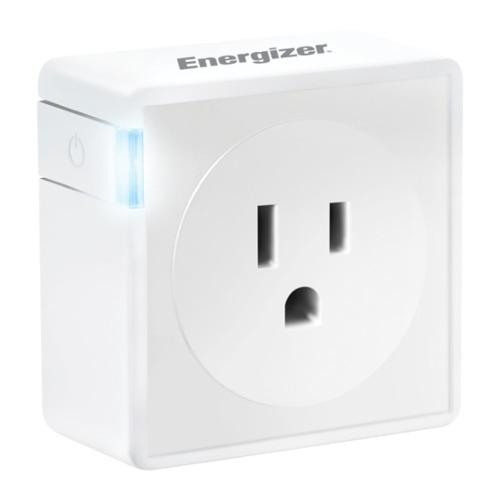
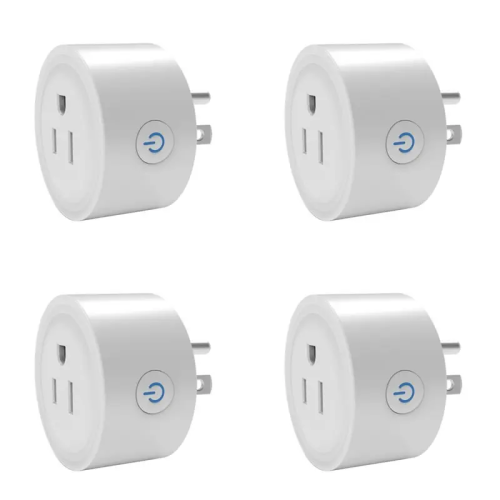
Energy monitors make it easier to understand how electricity is being used throughout a home, apartment, workshop, cottage, or small office. Rather than waiting for a utility bill to reveal the total, these devices can provide a closer look at consumption as it happens. Depending on the type, an energy monitor may measure one appliance through a wall outlet, track several circuits from the electrical panel, or present broader household information through a dedicated display or mobile app. This practical information can help identify appliances that draw more power than expected, compare usage patterns from one day to the next, and understand how everyday routines affect electricity costs. A plug-in energy monitor is a useful choice for checking individual items such as a freezer, dehumidifier, space heater, gaming setup, aquarium, or home office equipment. It can show running wattage, accumulated kilowatt-hours, and estimated operating costs, giving you a clearer sense of what happens after an appliance has been left on for several hours. During the cooler months, this type of measurement can be especially helpful around portable heaters, heated blankets, humidifiers, and other equipment that may run for longer periods. Since plug-in models are generally straightforward to use, they can also be a thoughtful practical gift for someone moving into a first home, setting up a workshop, or trying to better understand the electrical demands of a busy household.
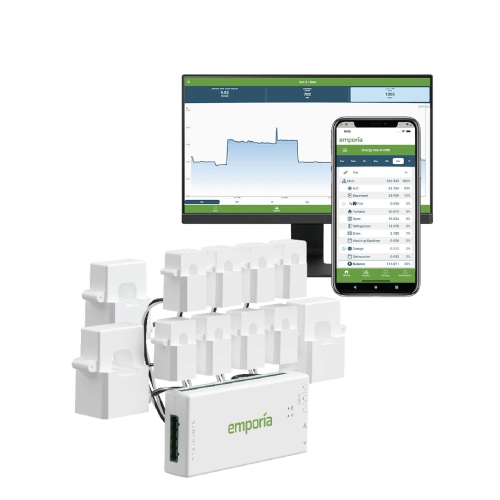
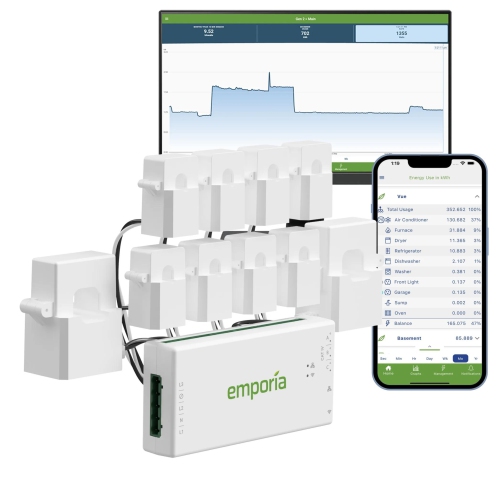
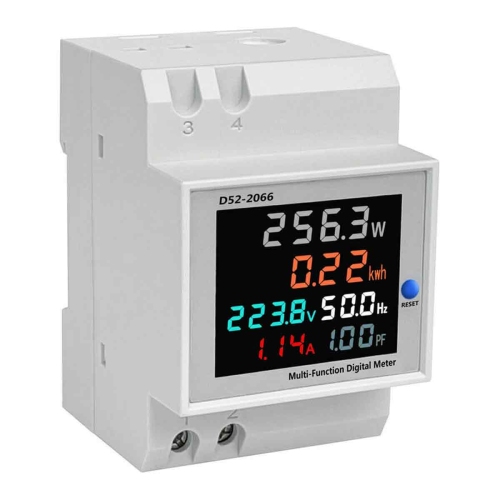
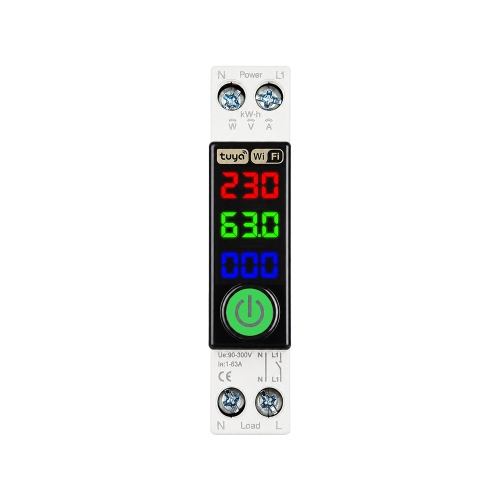
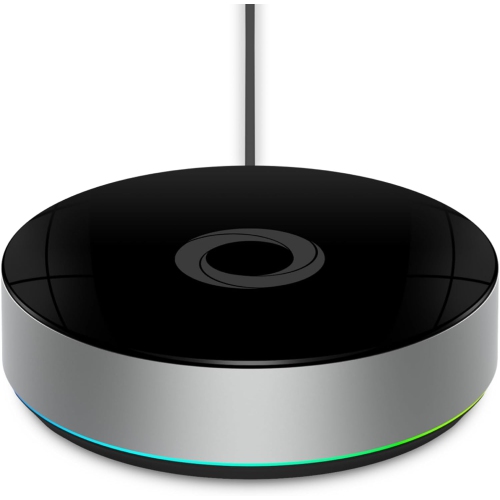
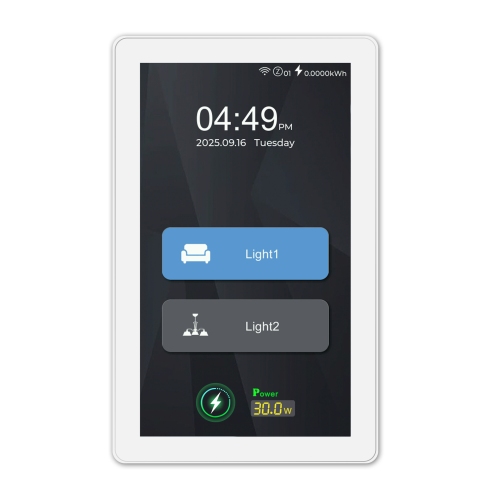
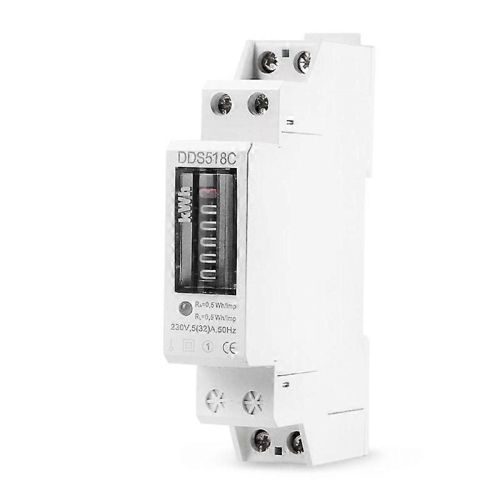
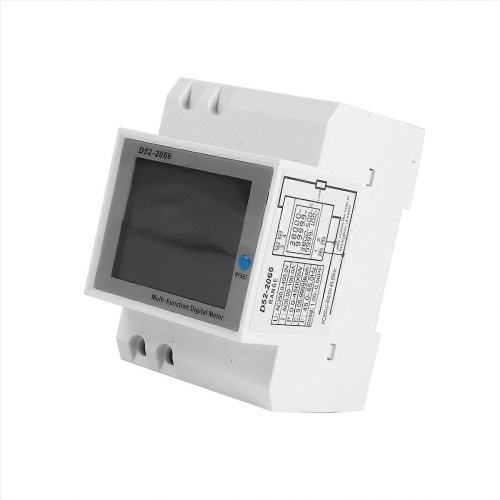
For a wider view, whole-home energy monitors use sensors connected to circuits in the main electrical panel. These systems can show overall consumption and, depending on the model, provide separate readings for selected circuits such as heating, laundry, cooking, or electric vehicle charging. Installation requirements vary, and equipment that connects inside an electrical panel should be installed according to the manufacturer’s instructions and local electrical requirements. In many cases, it is best to have a licensed electrician complete the work, particularly when the panel is crowded, access is limited, or the system includes multiple current sensors. Once installed, a whole-home monitor can reveal patterns that are easy to miss from a single outlet. You might notice a sharp increase when the clothes dryer, oven, and water heater operate together, or see a steady overnight draw from equipment that was assumed to be idle. A clear display or app may allow you to review live readings, daily totals, historical charts, alerts, and estimated costs. These details are useful for homeowners who want a better understanding of their electrical system, landlords checking usage in a permitted setting, and families looking for a simple way to discuss household energy habits. If a home has solar generation, choose a compatible monitor that can distinguish electricity produced, electricity consumed, and power sent to or received from the grid. Compatibility with the electrical service, panel type, number of circuits, Wi-Fi network, and preferred app should be checked before purchase.
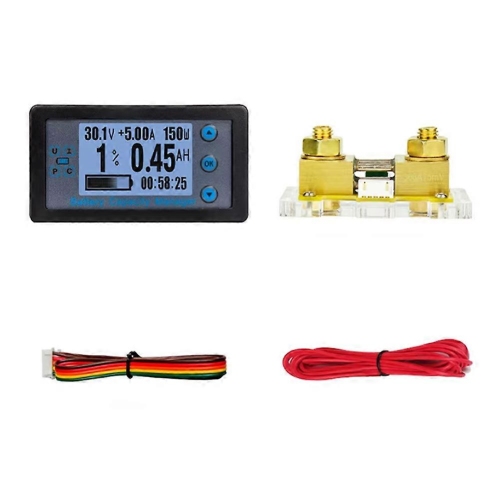
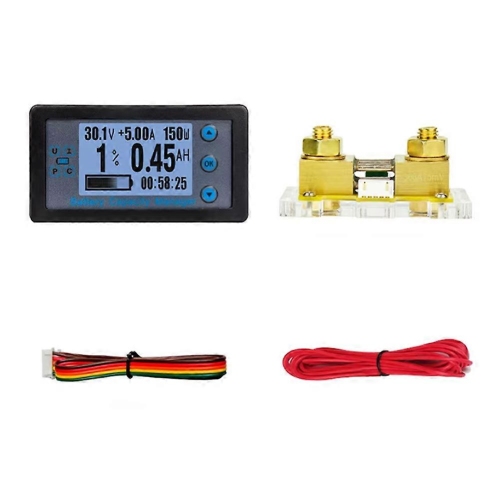
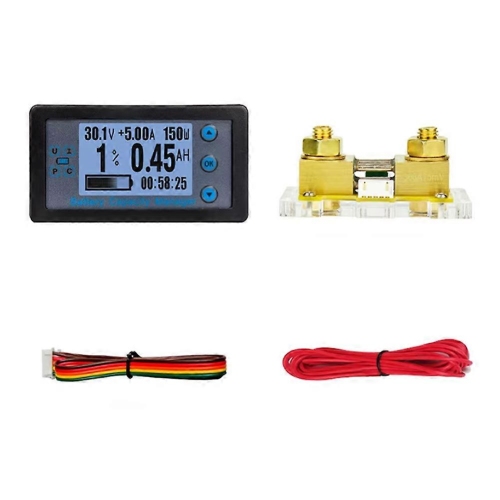
When comparing energy monitors, start with the level of detail you actually need. A compact plug-in meter is often the most suitable option for occasional testing or for learning about one appliance at a time, while a panel-mounted system is better suited to ongoing household tracking. Look for readable measurements, a display or app that is easy to navigate, useful history views, and alerts that can draw attention to unusual consumption. Some models store information locally, while others depend on an internet connection for remote access, so review connectivity and data requirements before setting up the monitor. Measurement range and accuracy matter as well, especially when checking equipment with changing loads such as refrigerators, pumps, computers, or heat-producing appliances. It can be helpful to take readings under different conditions: record a refrigerator during a quiet afternoon, observe a kettle or microwave while it is operating, and compare a home office before and after sleep settings are enabled. An energy monitor should not be used to open, modify, or troubleshoot live wiring unless the work is being performed by a qualified professional. For vehicle and starter-battery applications, energy monitoring serves a different purpose from household electricity tracking; dedicated Battery Monitoring Systems are designed to keep watch over battery condition and related readings. Choosing the right category, installation method, measurement features, and viewing options will help ensure that an energy monitor provides information that is easy to understand and useful in everyday life.
Top selling and popular products
-
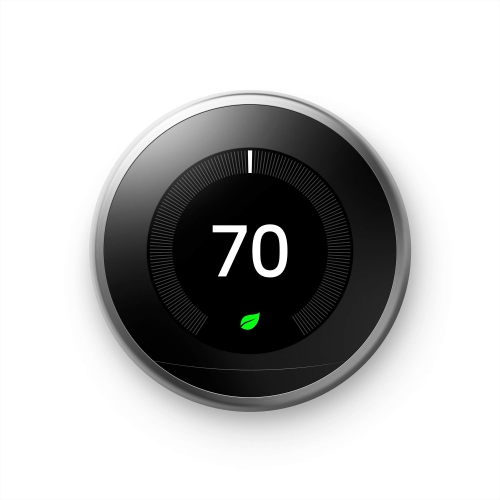 Your price for this item is $303.46
-
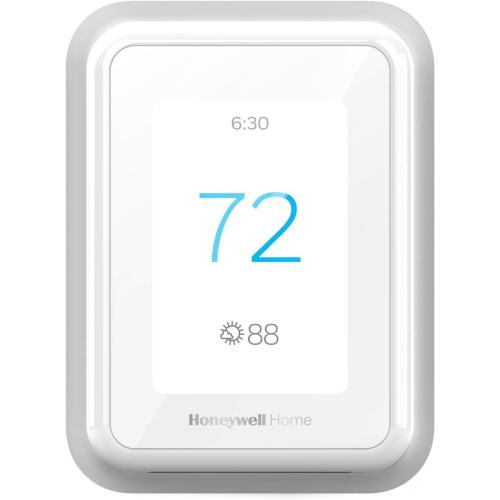 Your price for this item is $219.99
-
 Your price for this item is $114.99
-
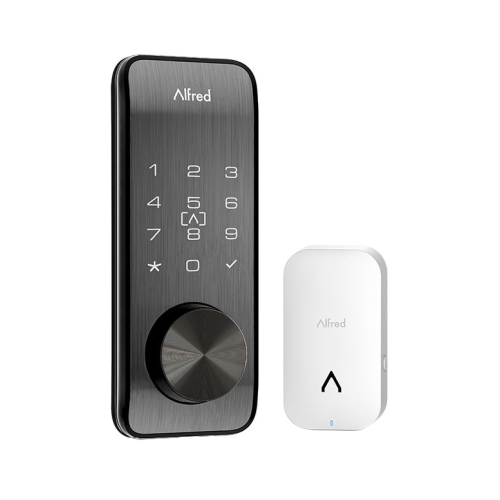 Your price for this item is $399.99
-
 Your price for this item is $542.64
-
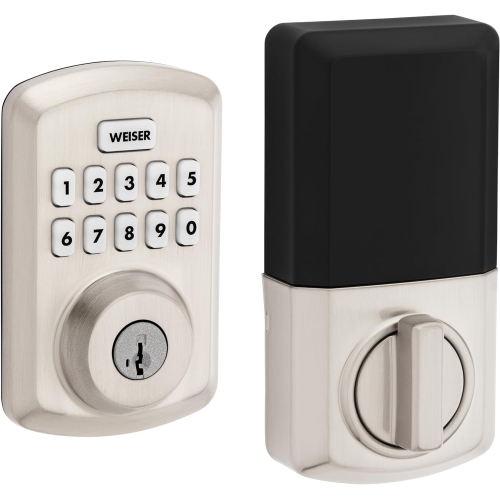 Your price for this item is $109.99
-
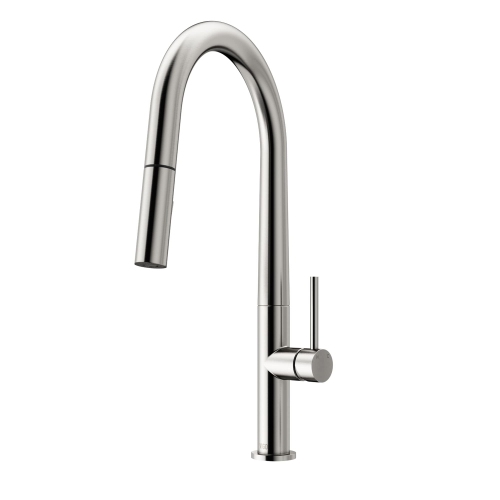 Your price for this item is $249
-
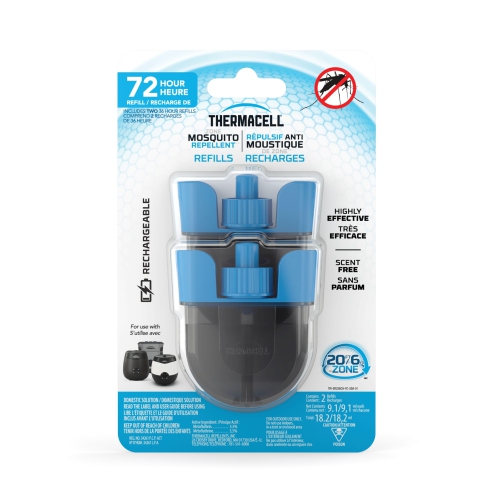 Your price for this item is $31.47
Discover more categories related to Energy Monitors
Top Collections:
Pokemon Centers, Kindle Devices, Best Budget Office Chairs, Canon G7X Cameras, Apple iPhones 16, Samsung Galaxy Phones, Refurbished Apple Laptops, Laptops for Students, iPhone 15 Apple, Budget Smartphones
Some products may be subject to Environmental Handling Fees
(EHF) depending on your province.
Learn more about EHFs.