Elite Storage Cabinets
Maximize your storage space while adding a touch of sophistication to your home or office with our Elite storage cabinets. Whether you need to declutter your living room, tidy up your workspace, or streamline your garage, our Elite storage cabinets are the perfect solution. Here are some great options for you.
Sort
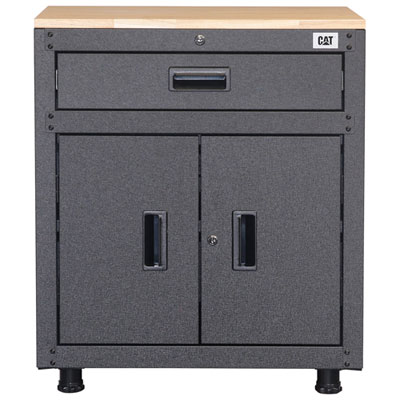
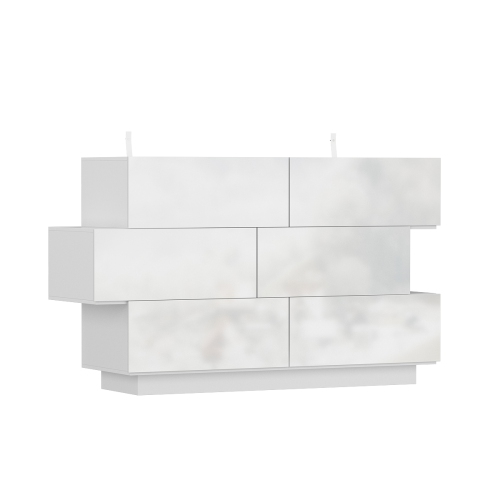
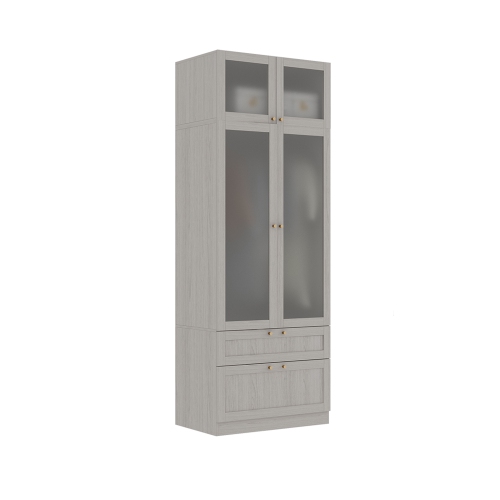
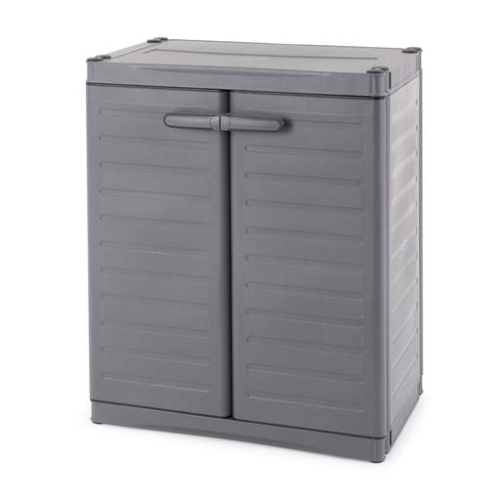
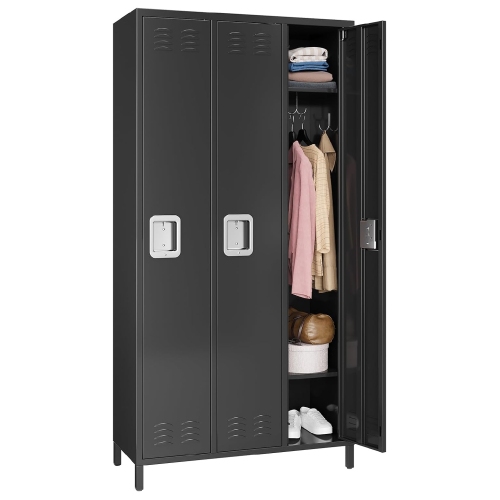
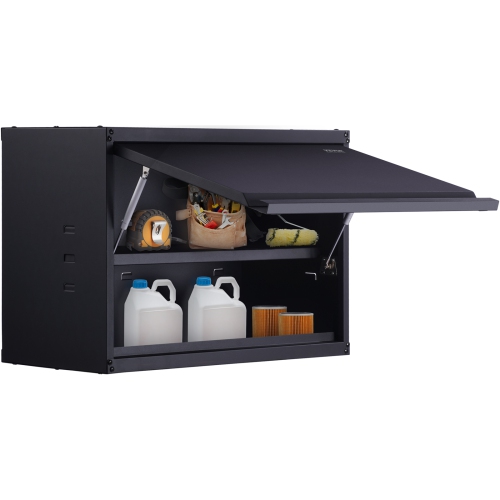
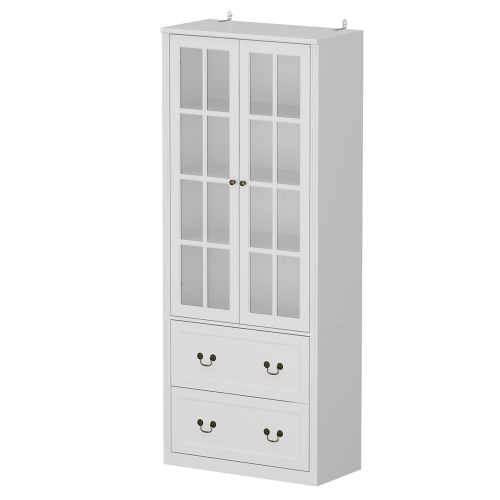
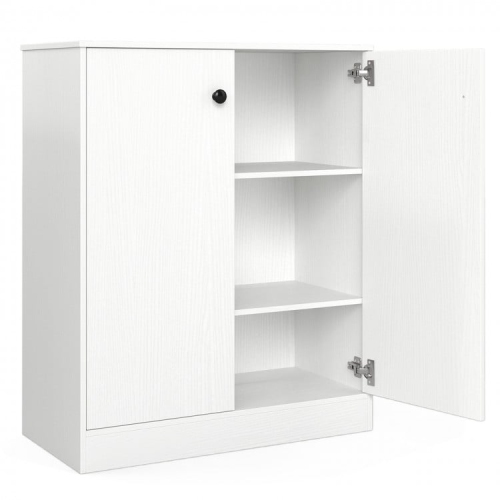
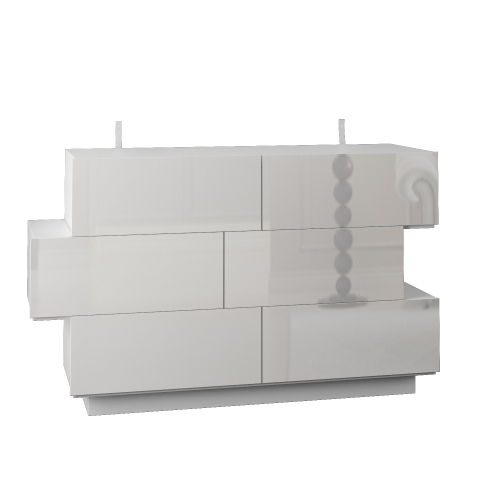
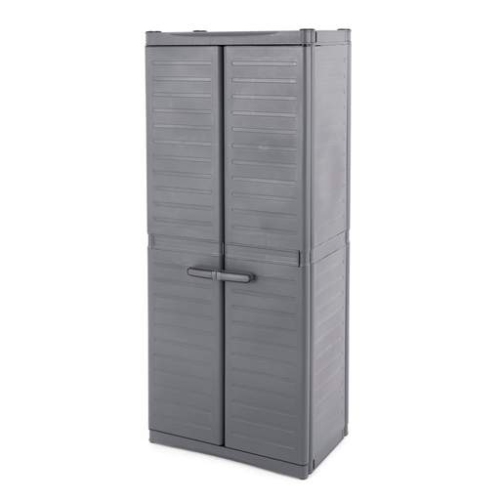
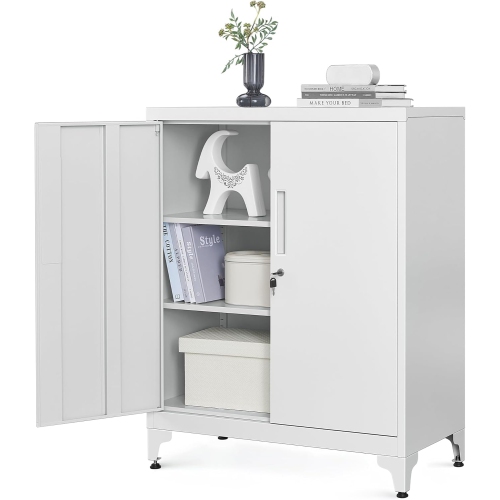
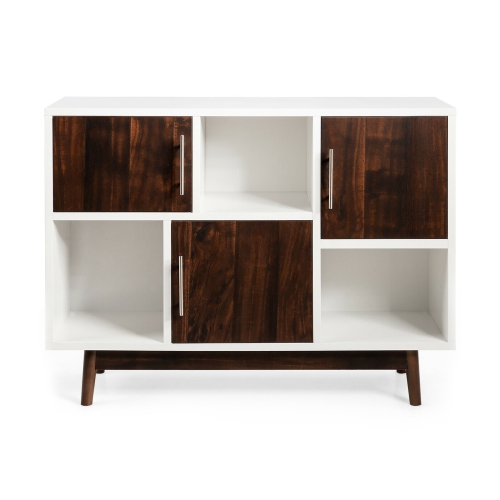
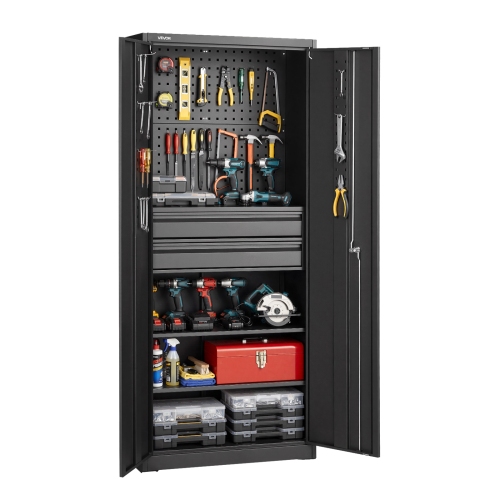
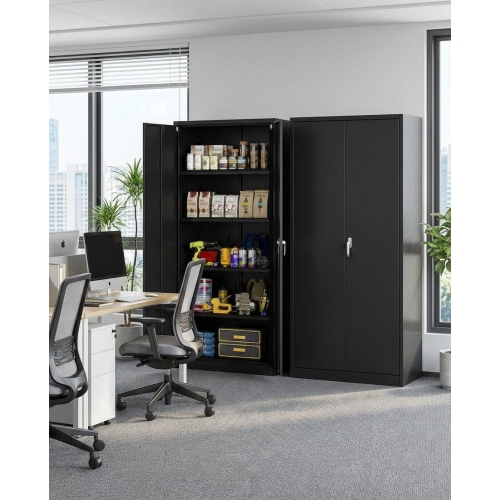
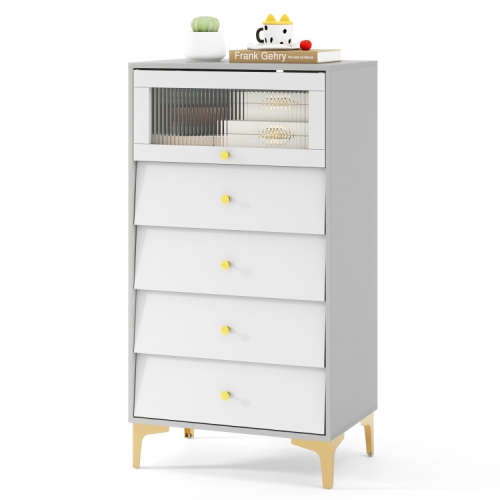
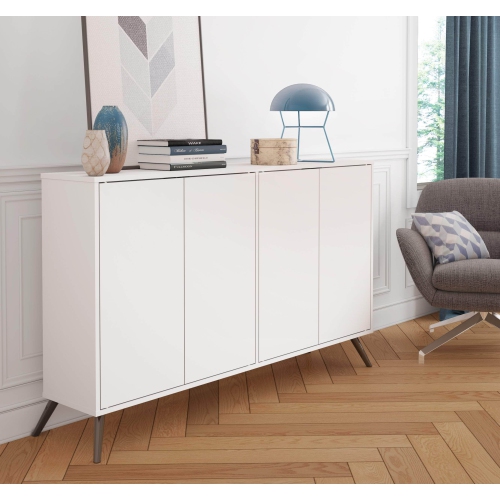
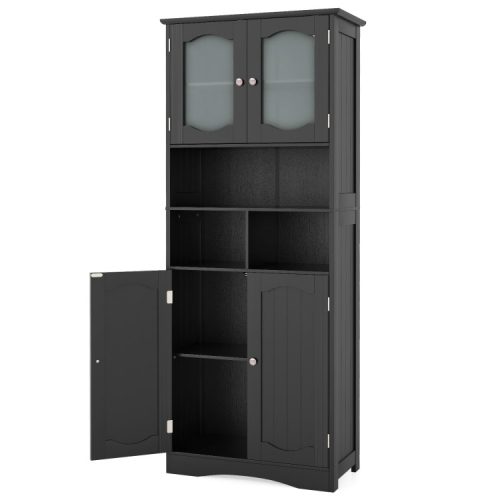
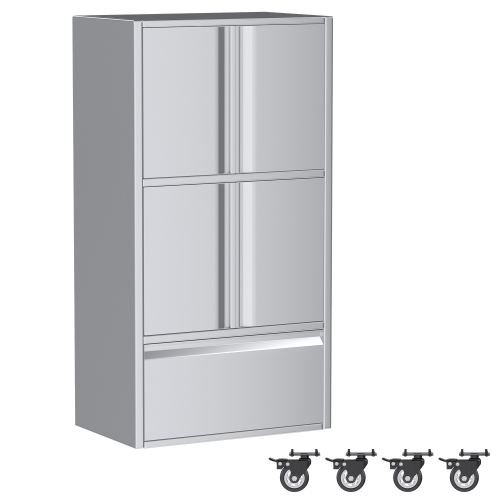
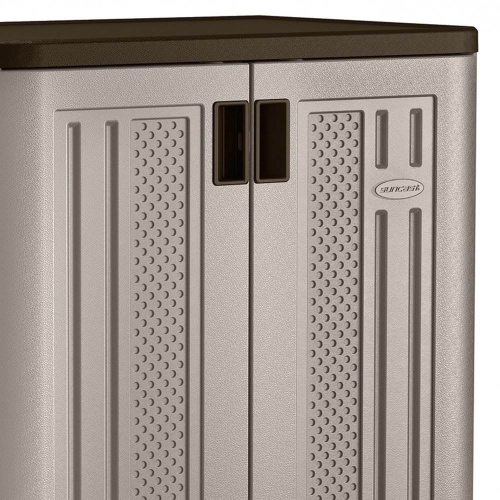
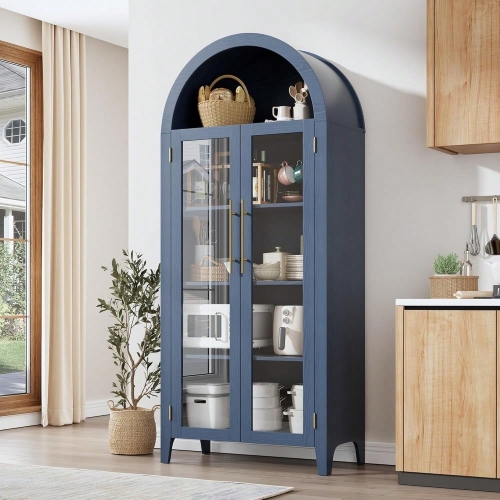
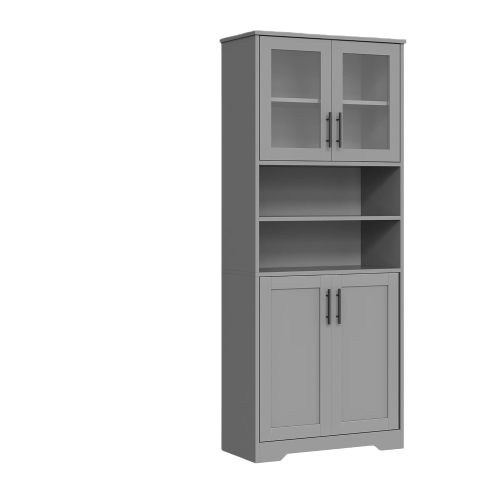
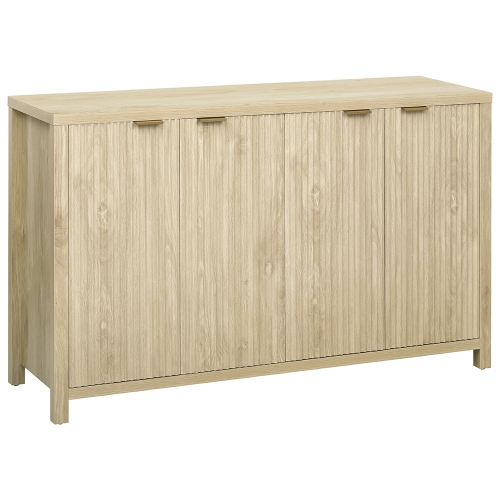
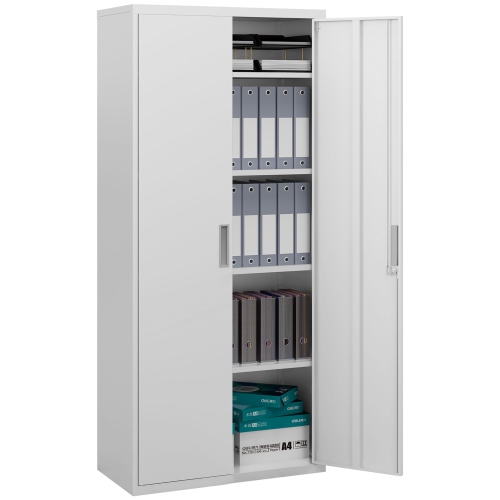
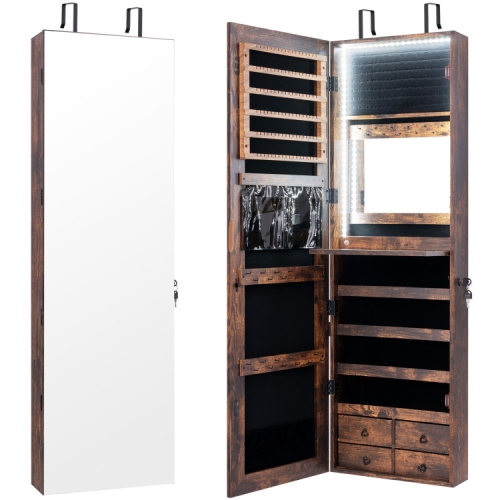
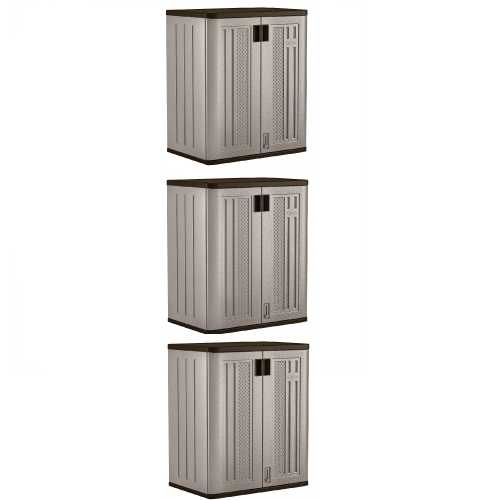
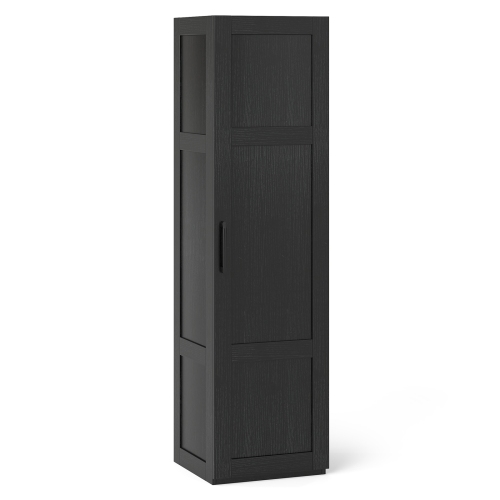
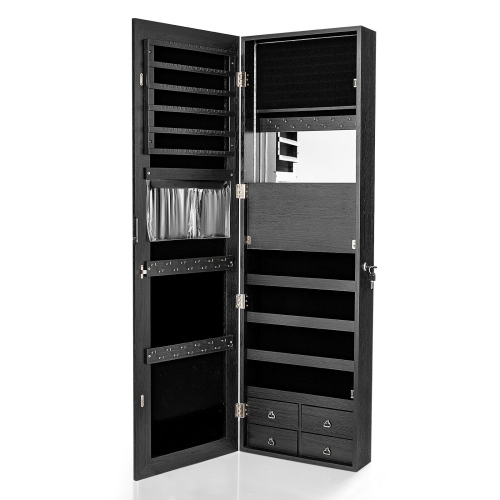
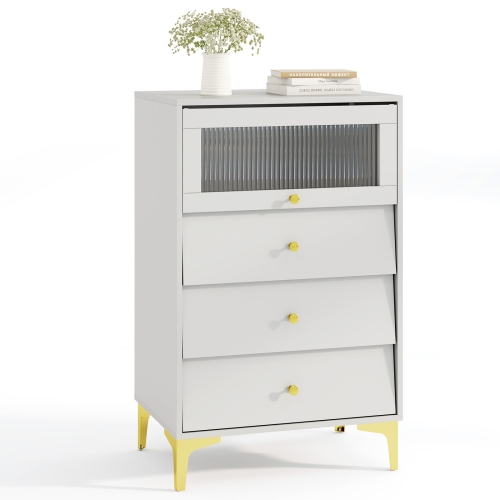
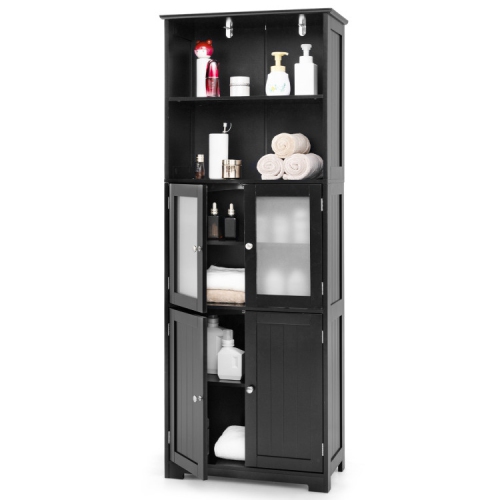
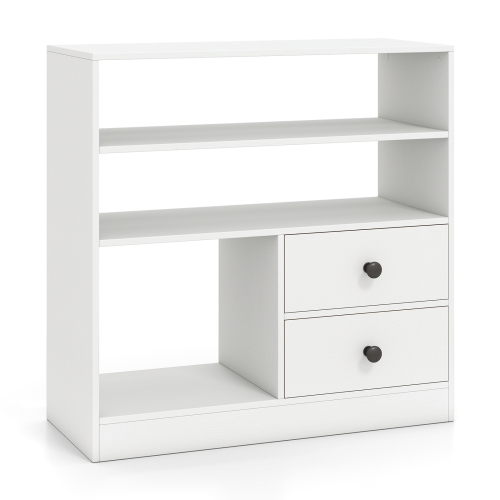

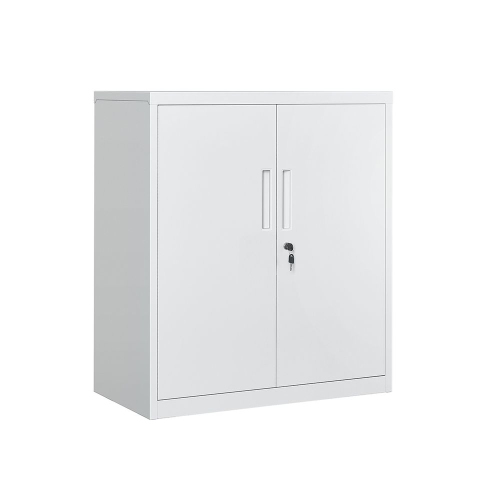
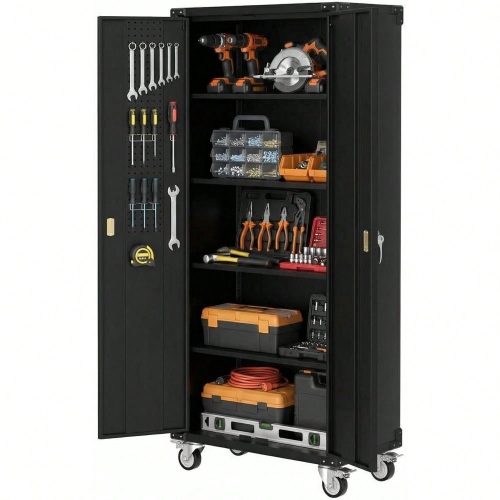
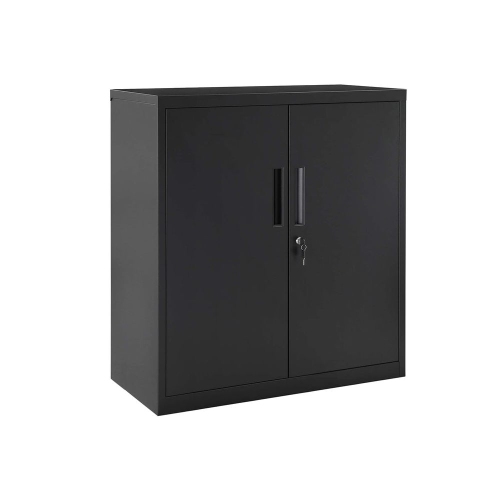
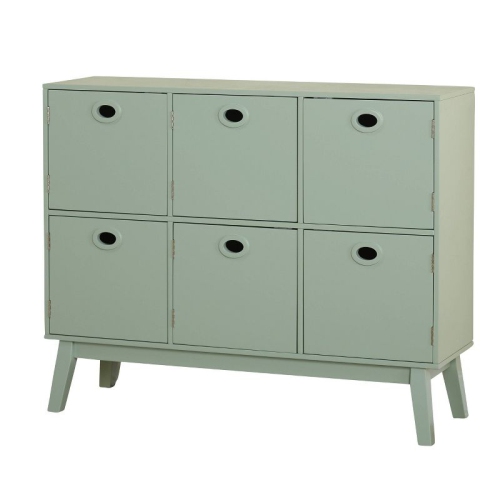
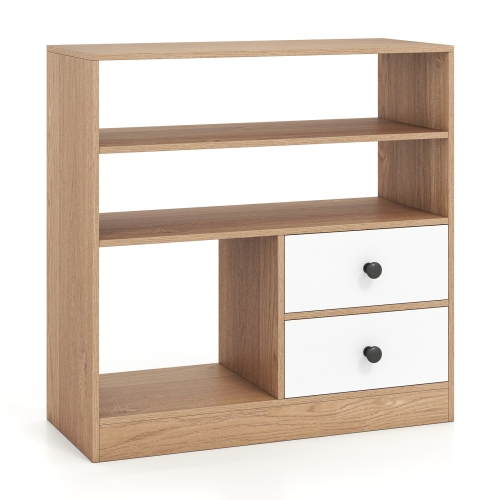
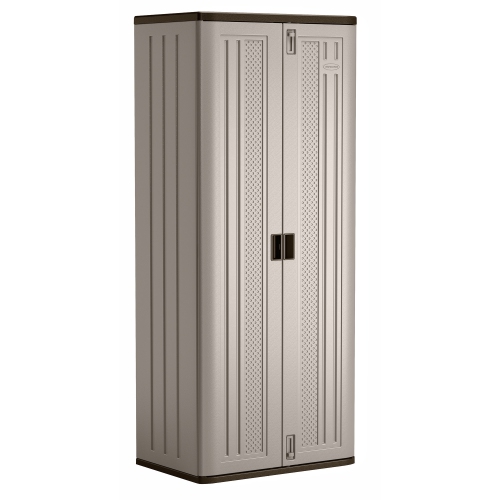
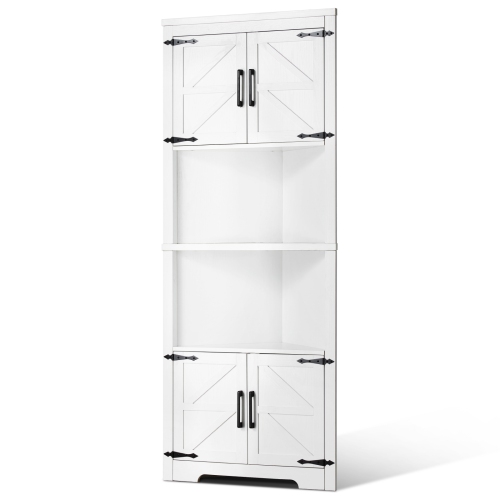
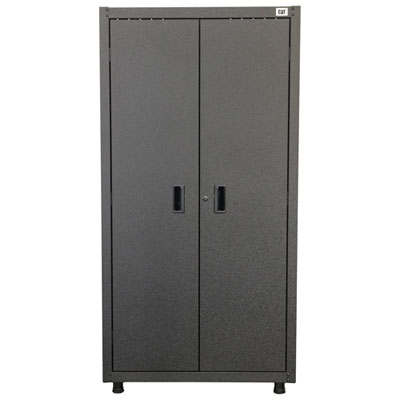
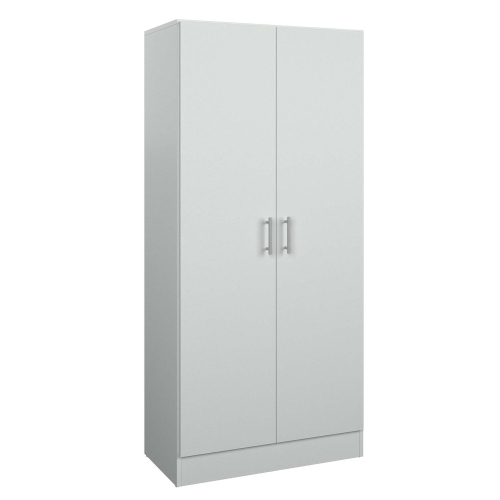
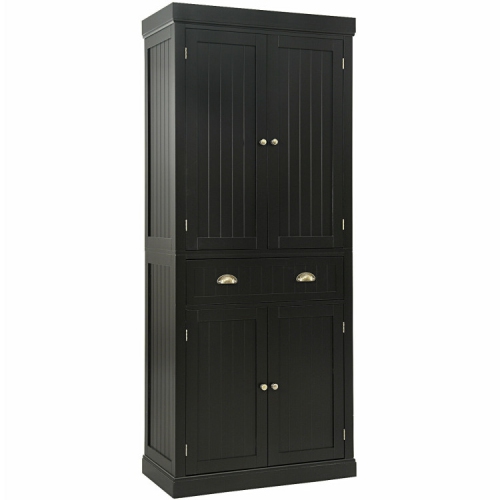
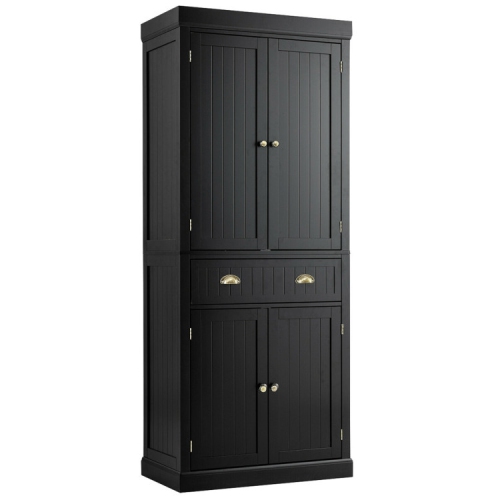
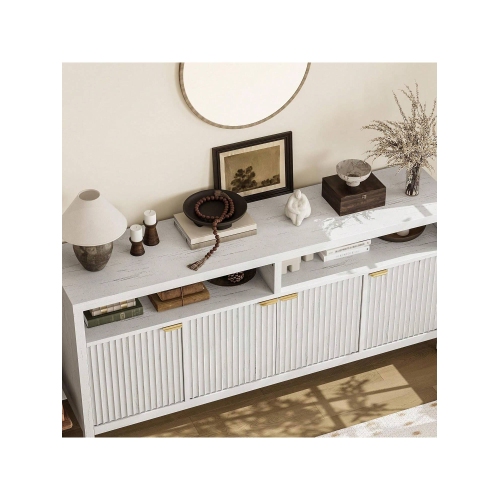
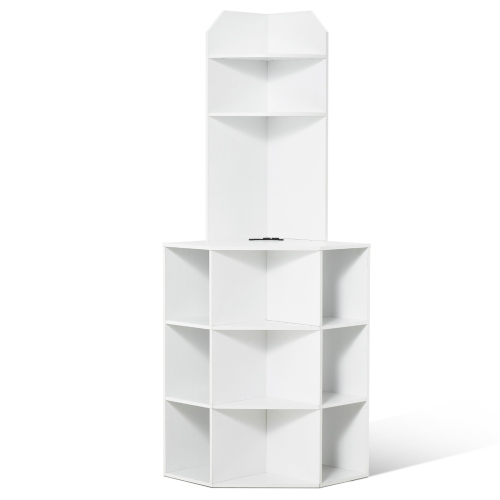
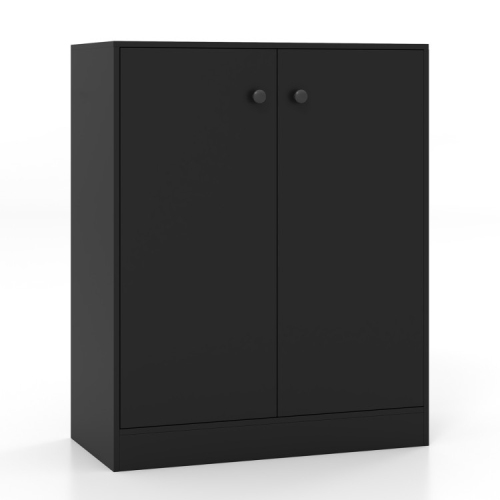
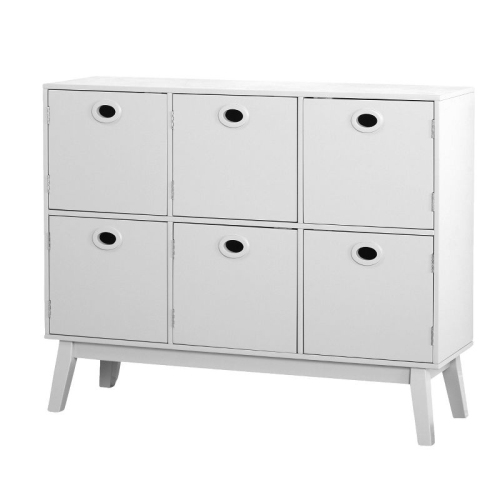
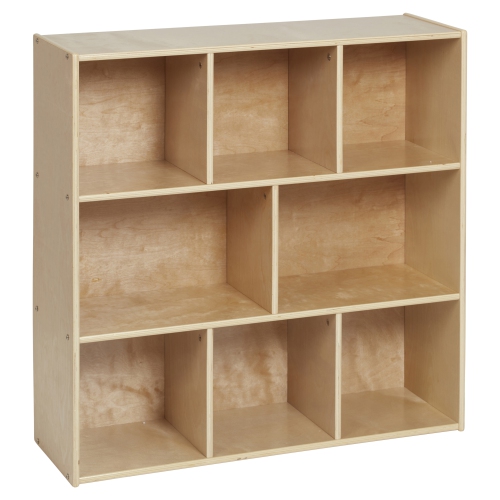
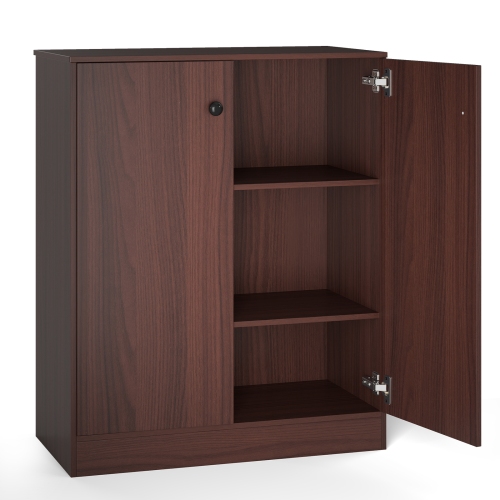
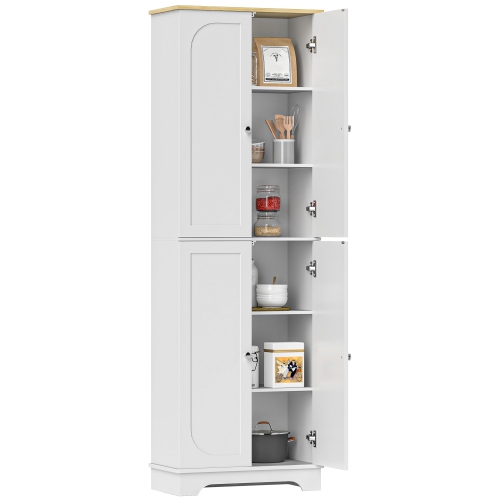
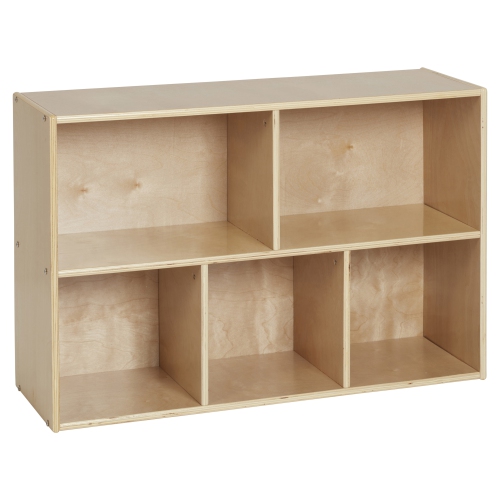
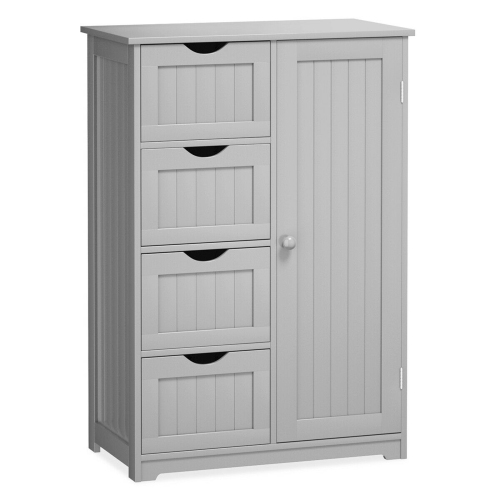
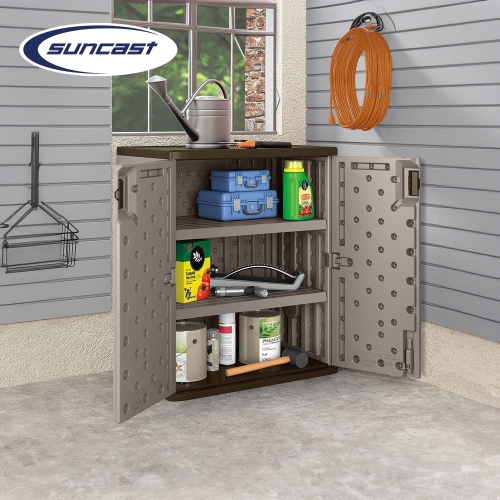
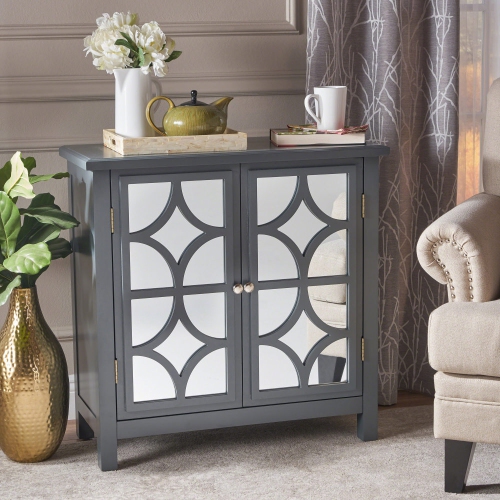
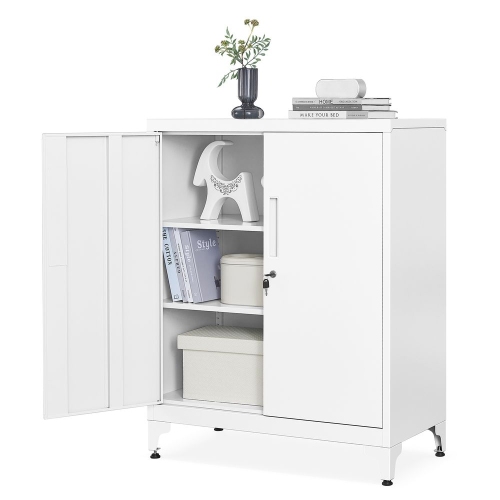
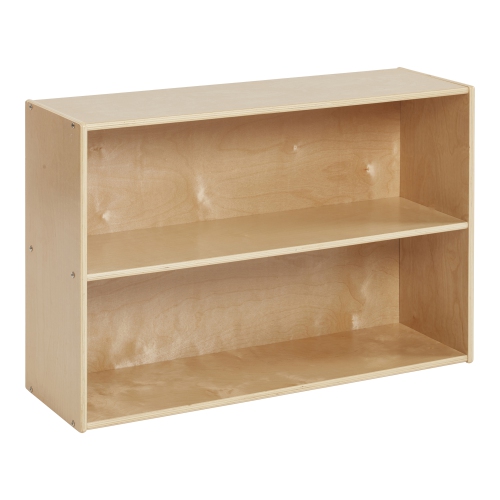

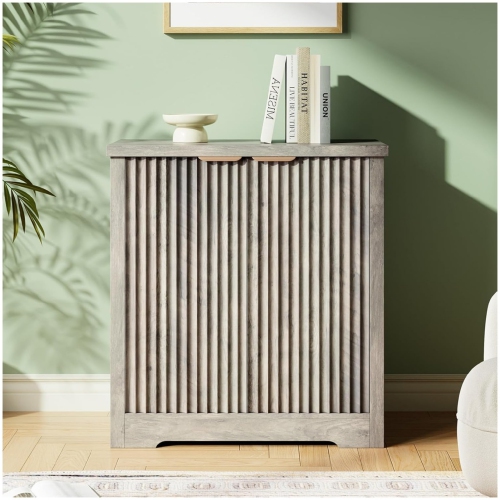
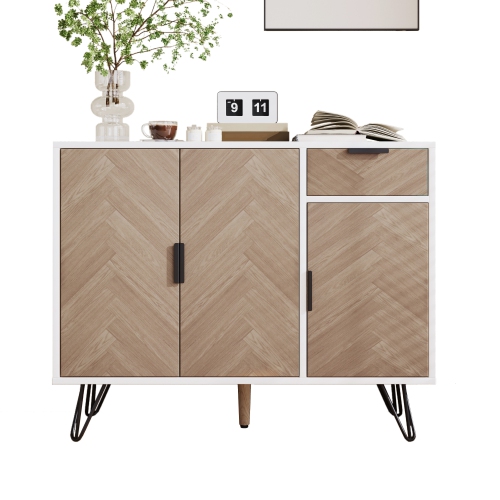
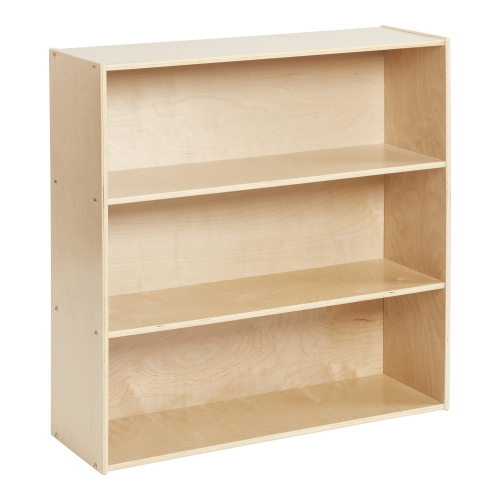
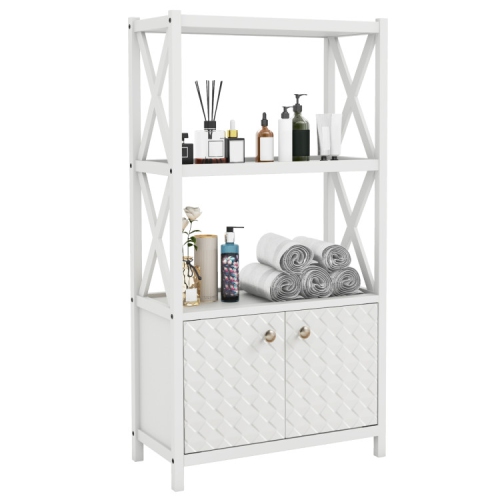
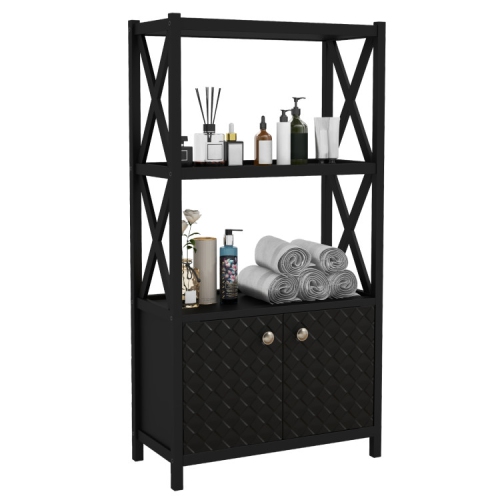
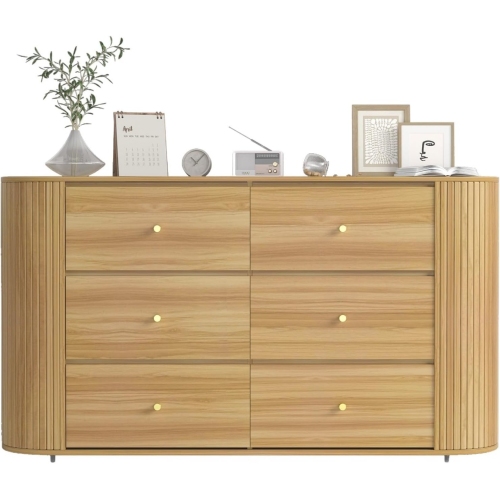
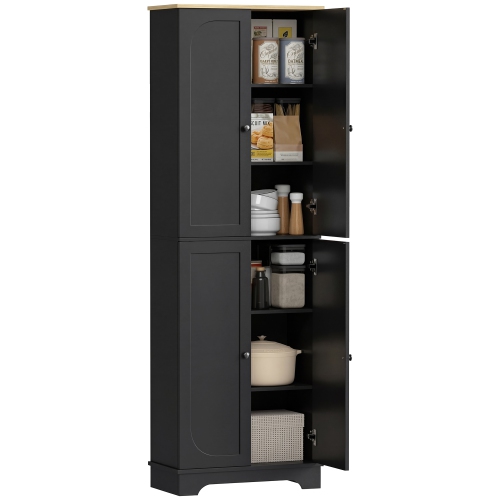
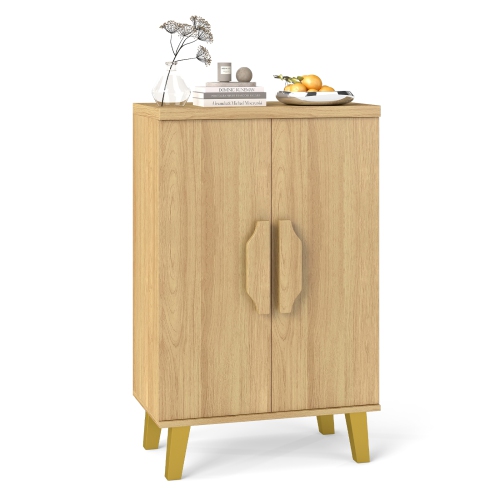
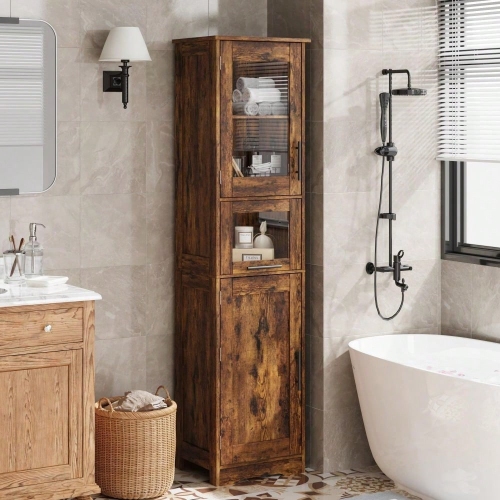
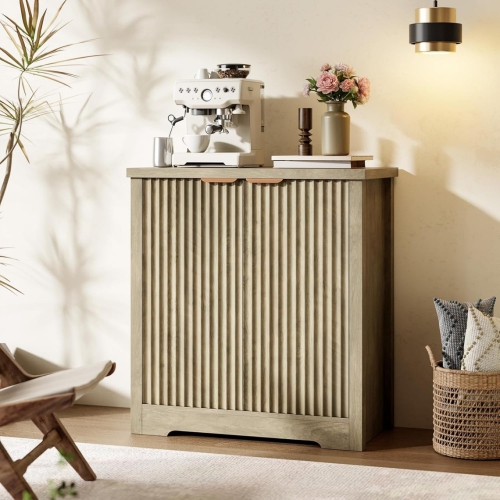
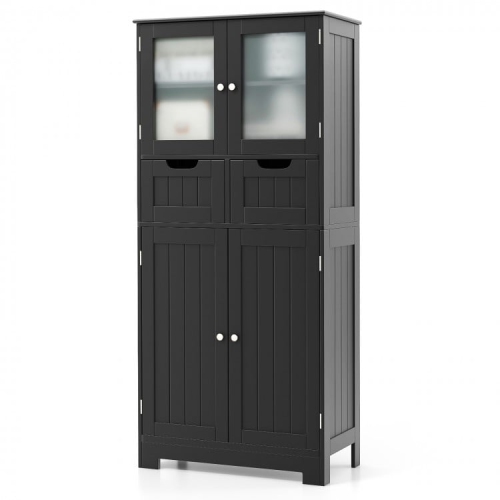
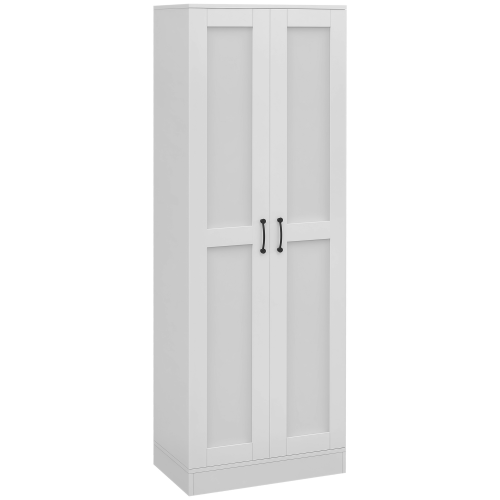
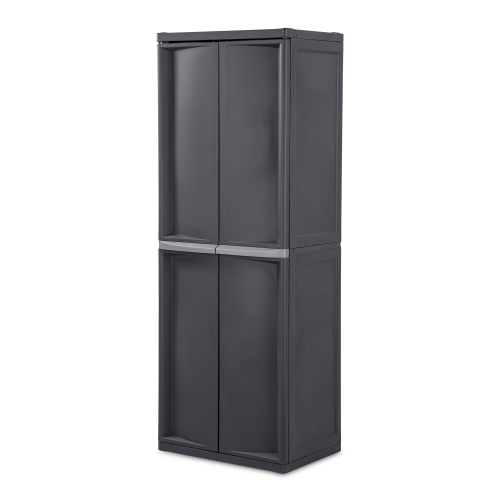
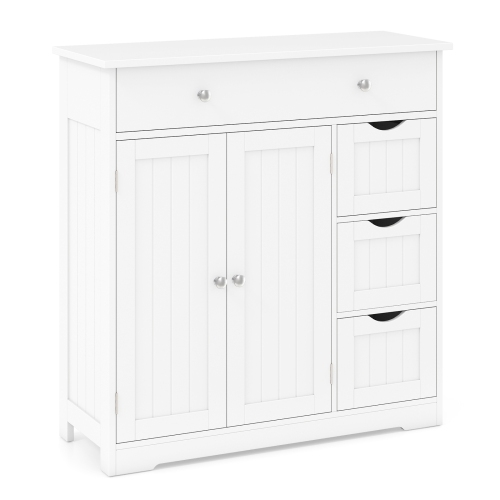
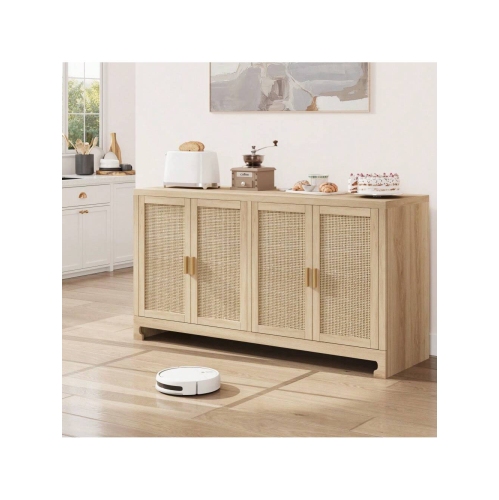
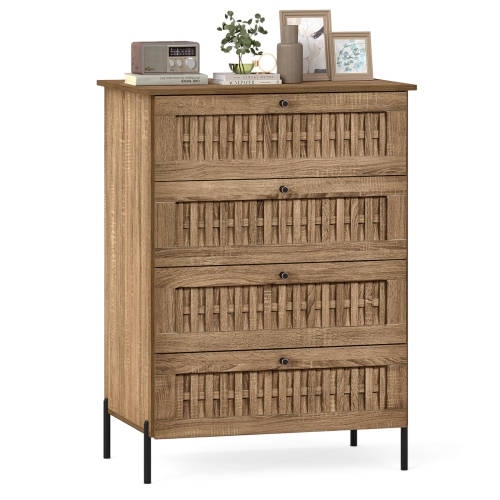
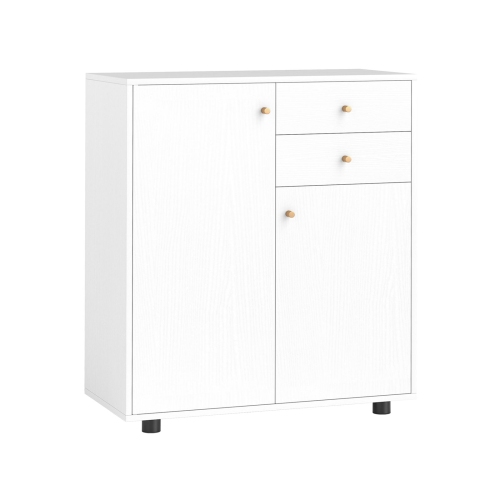
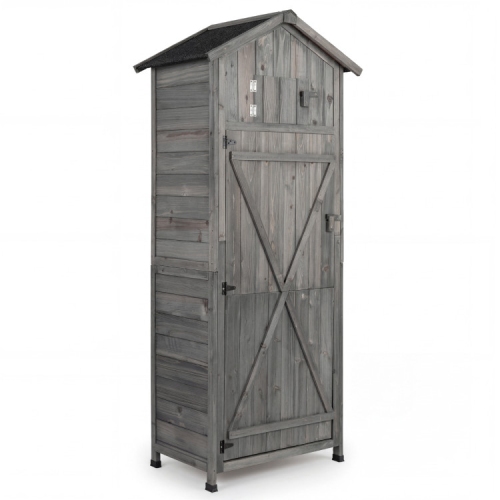
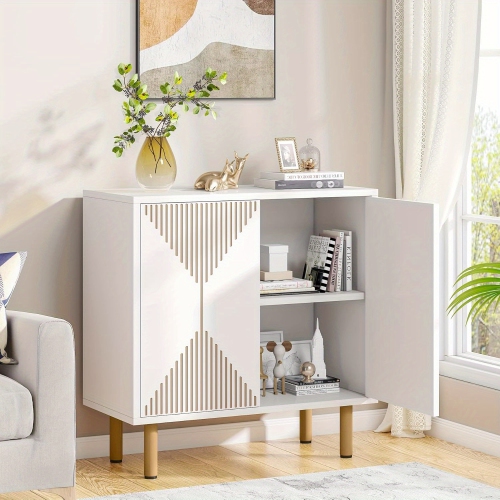
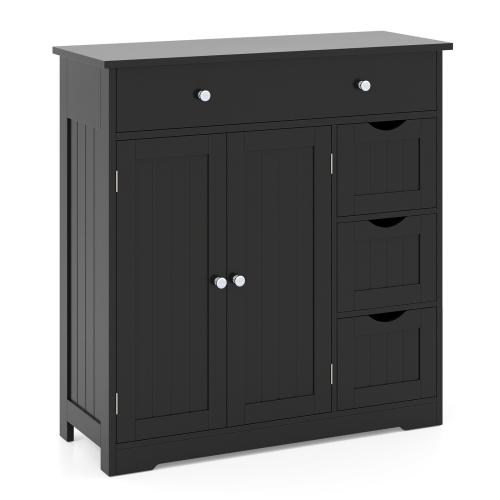
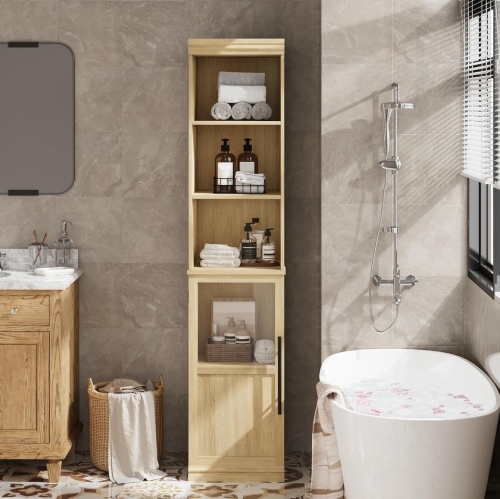
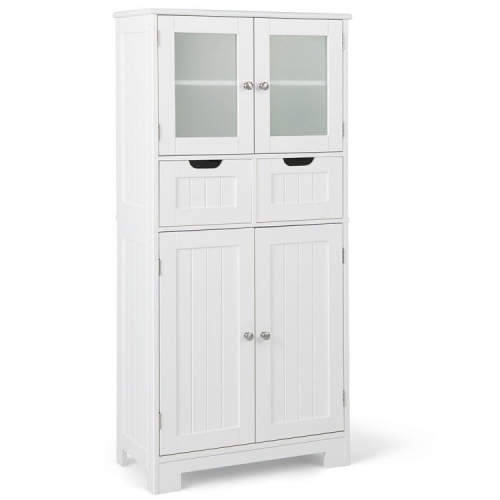
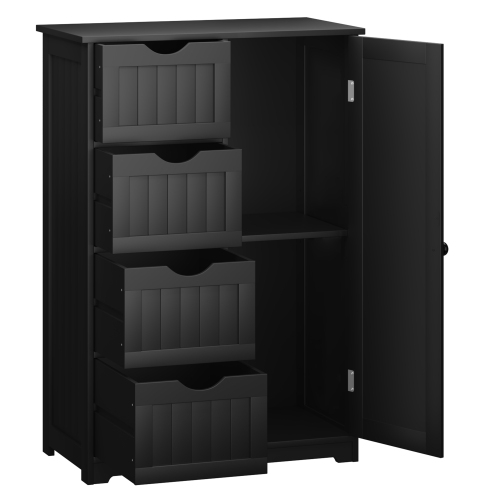
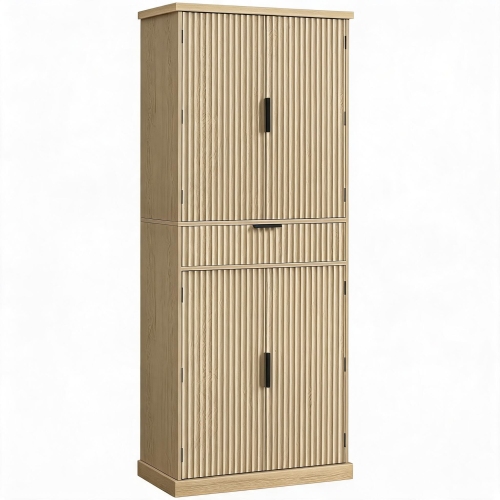
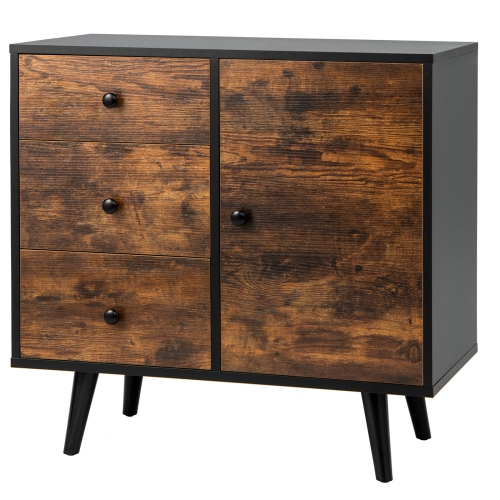
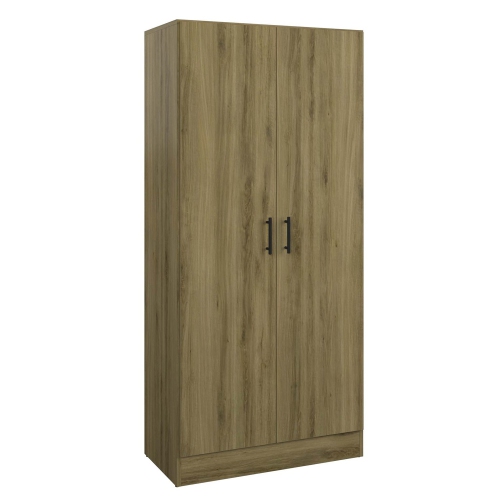
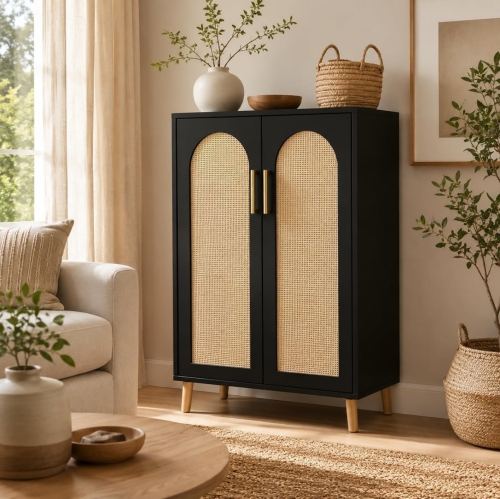
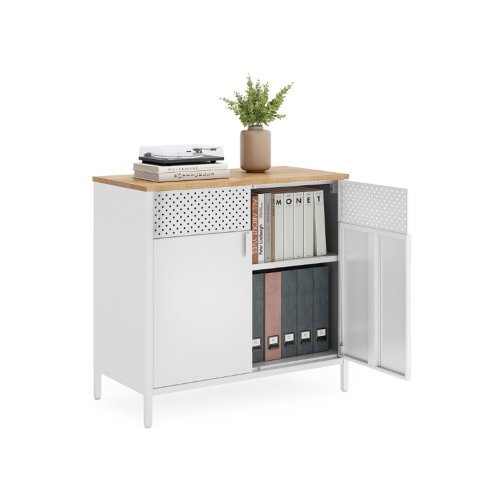
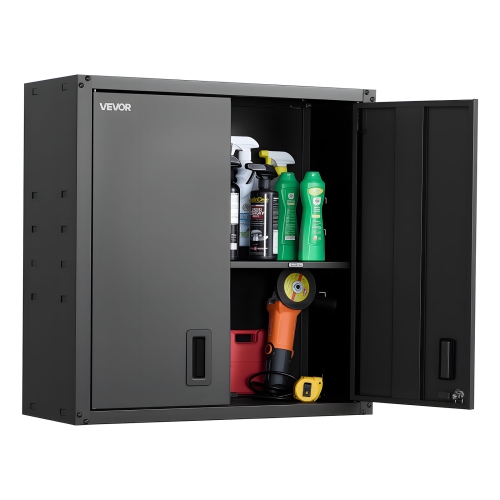
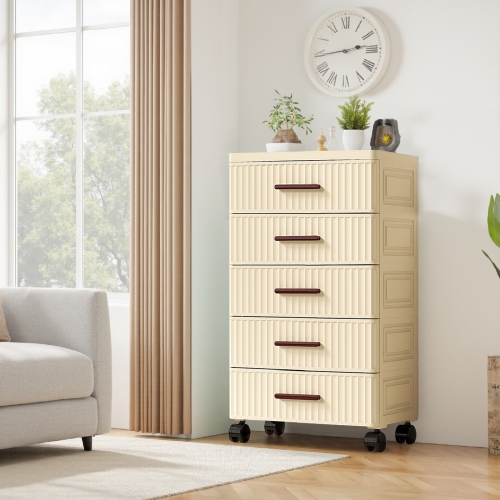
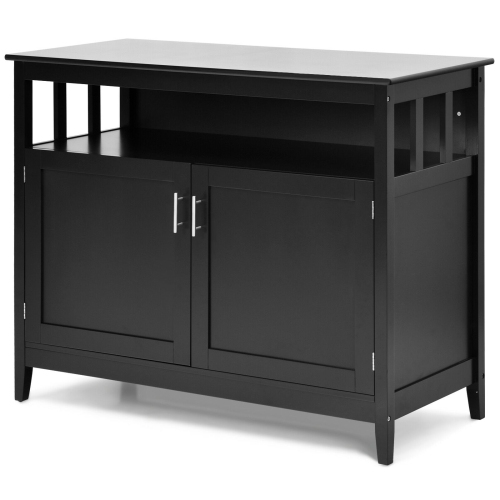
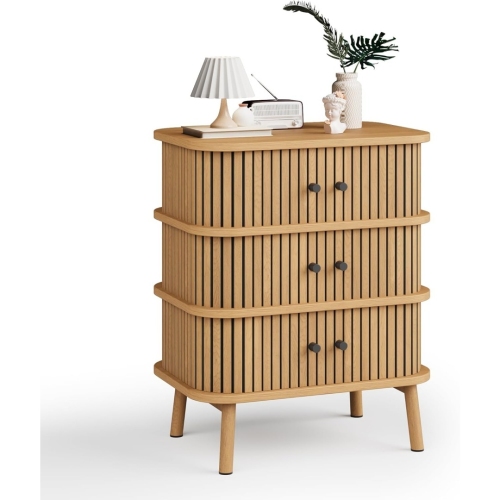
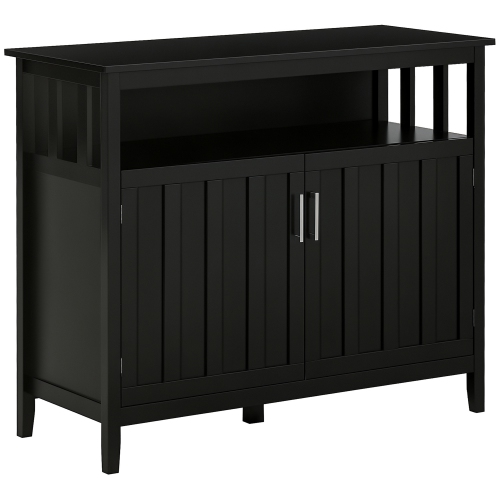
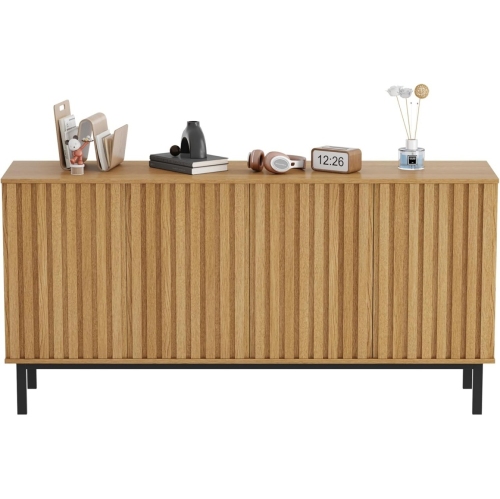
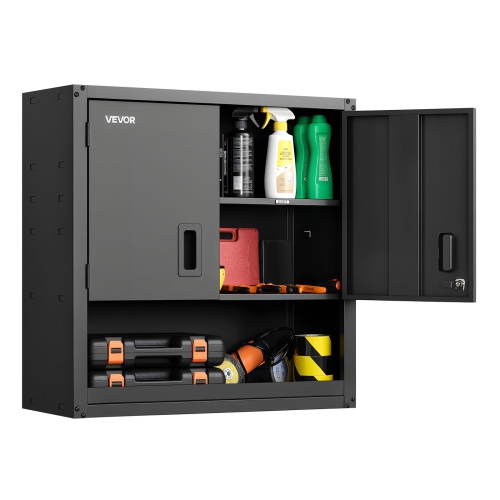
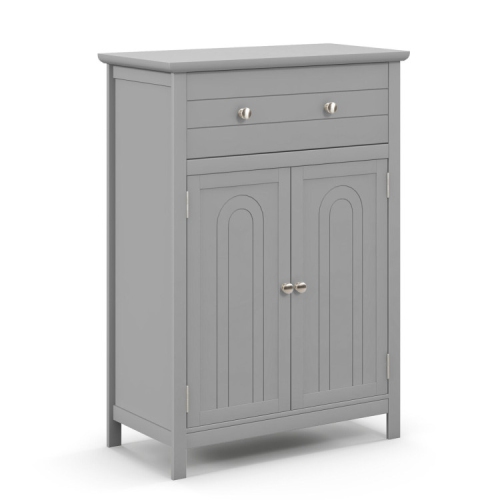
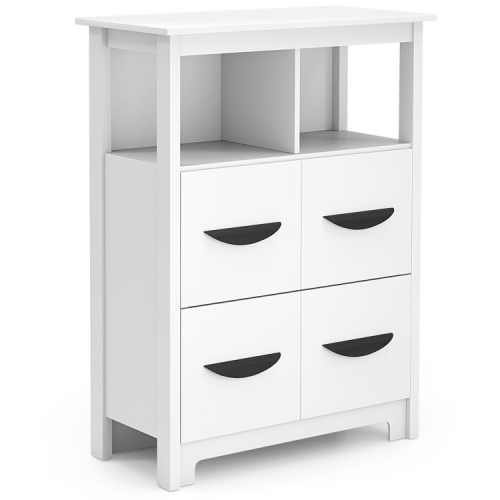
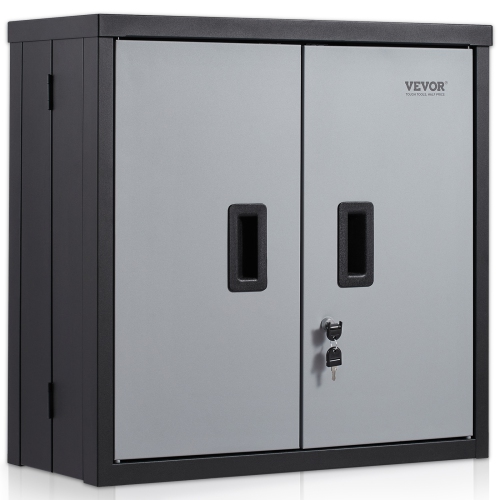
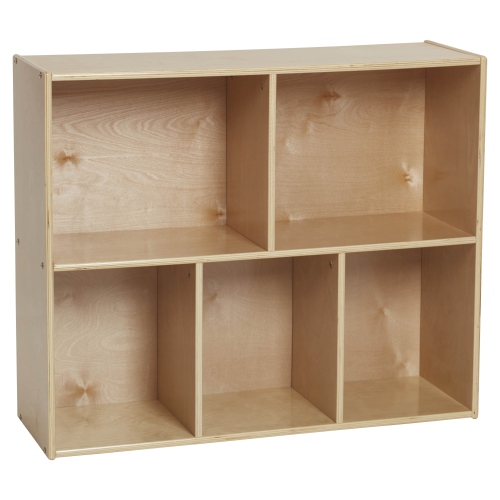
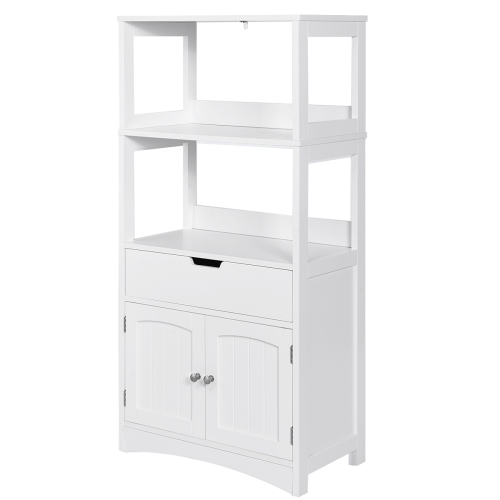
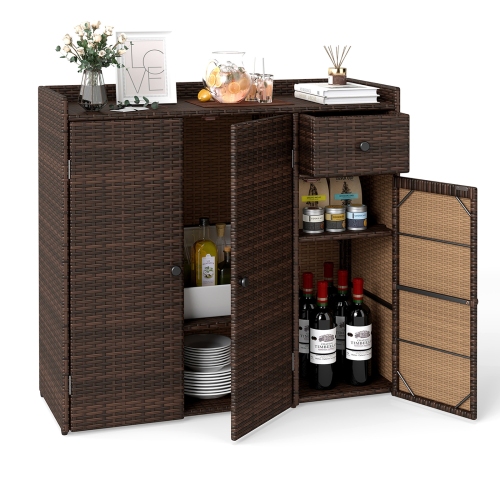
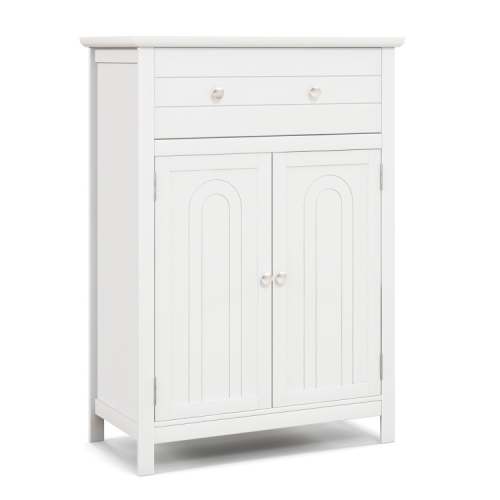
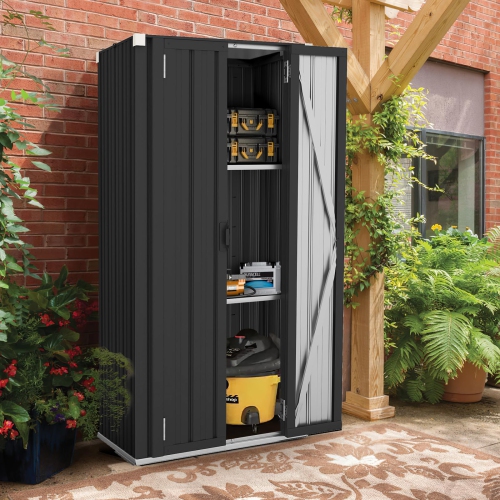
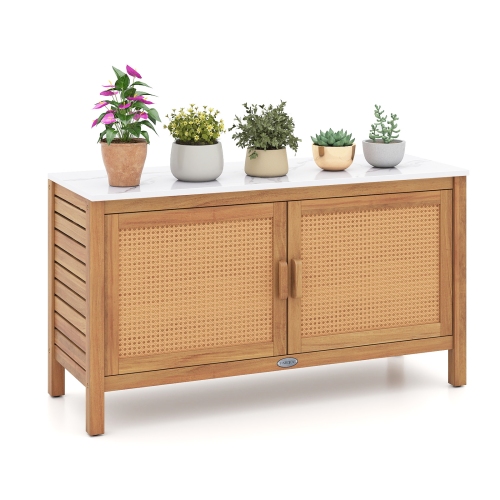
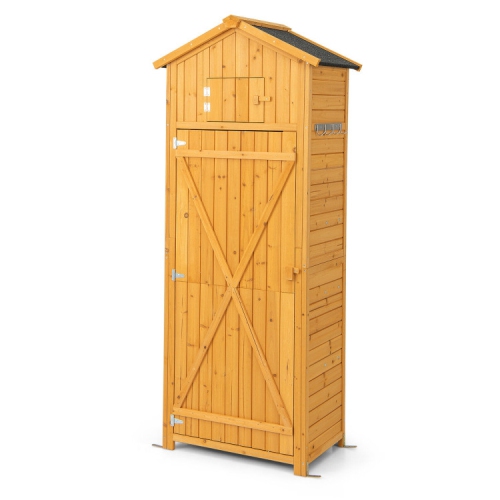
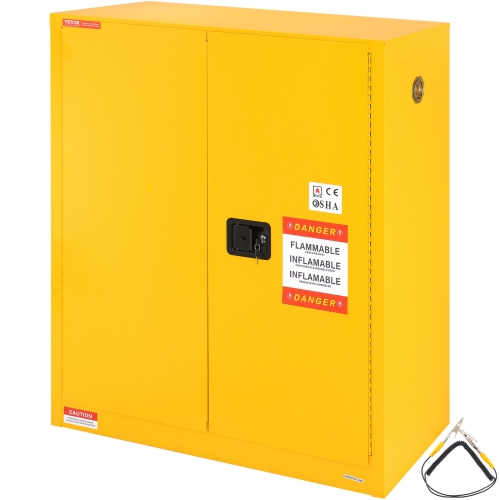
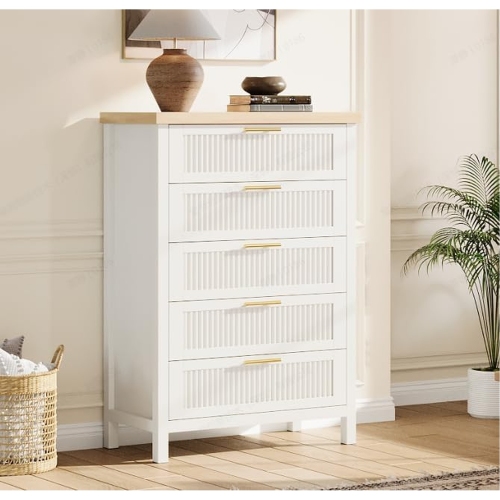
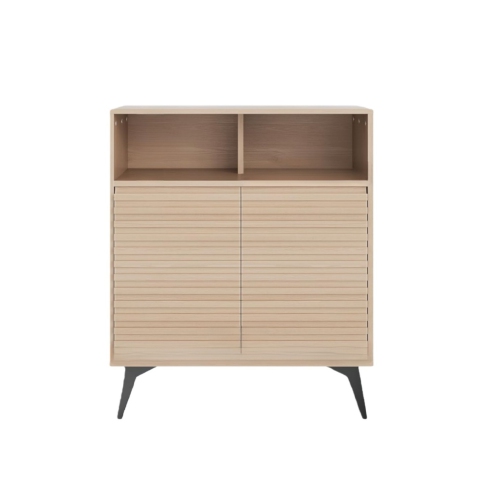
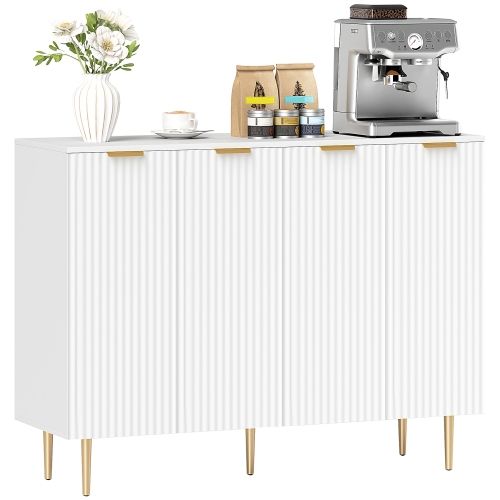
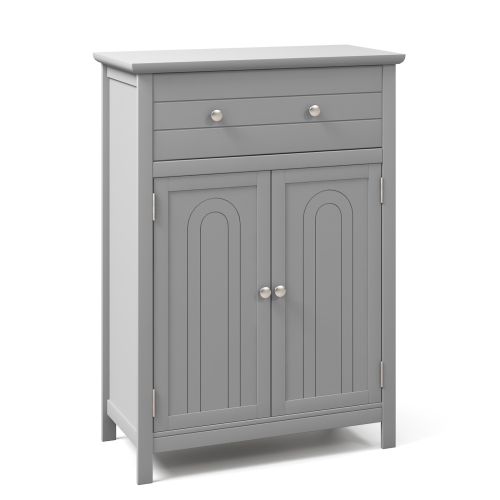
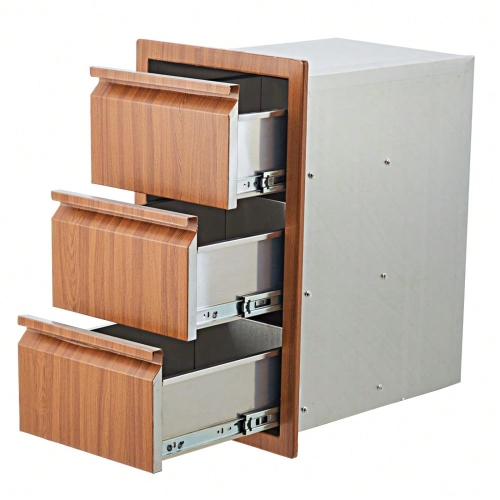
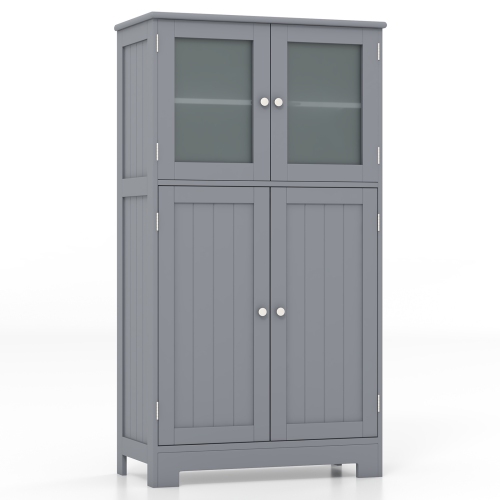
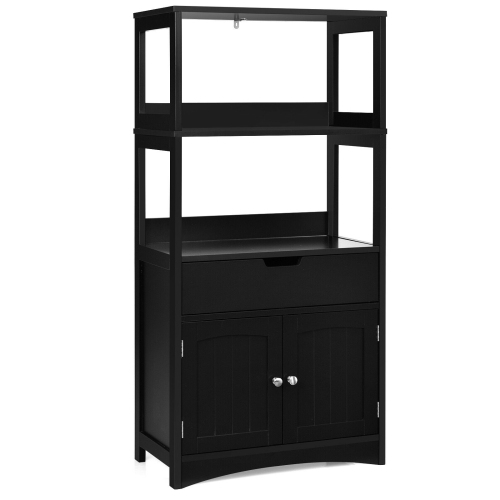
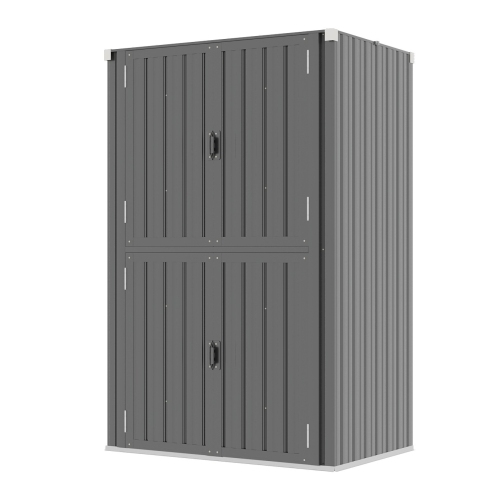
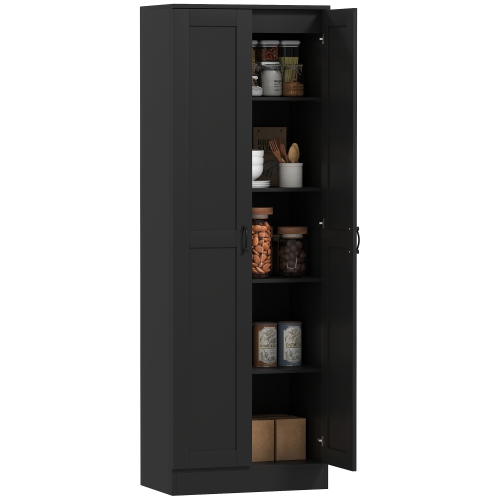
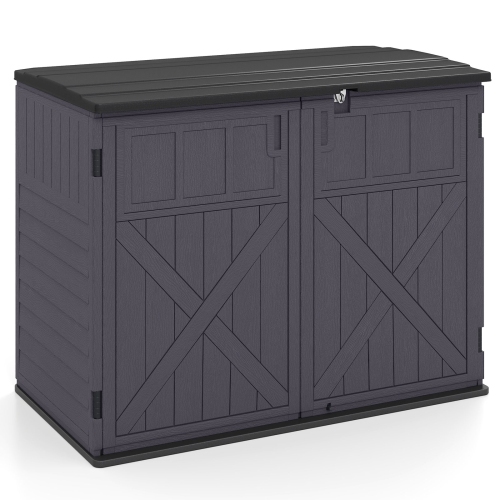
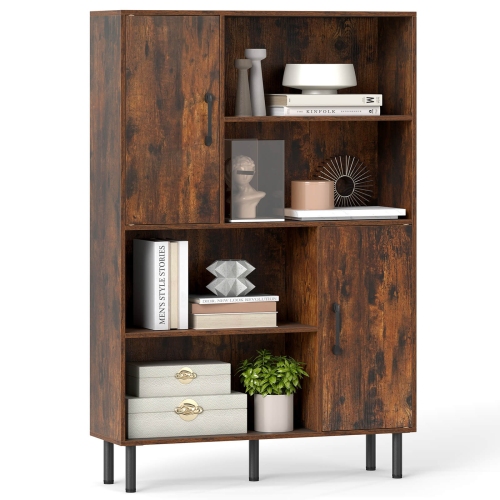
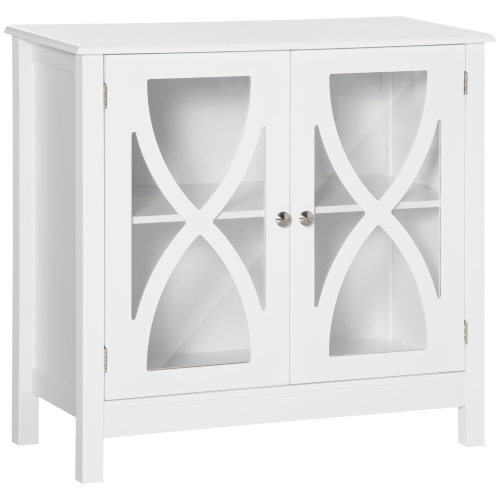
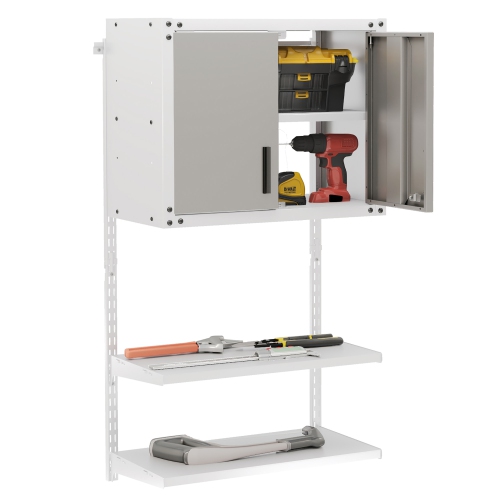
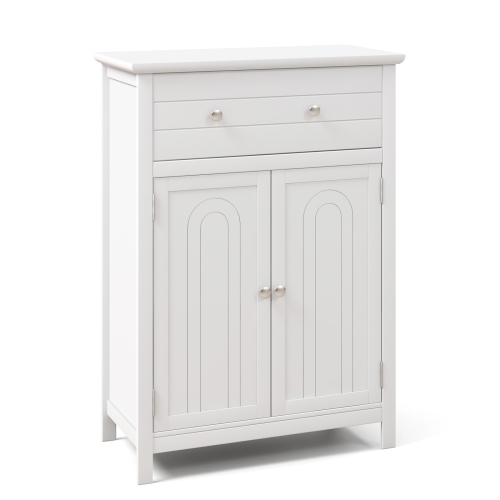
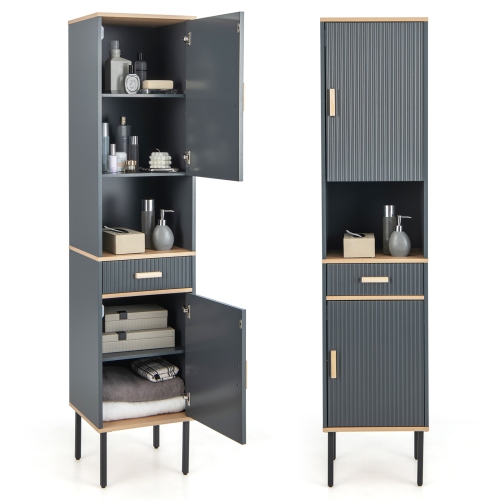
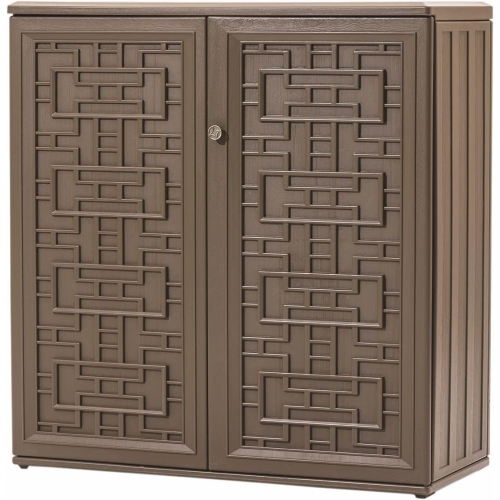
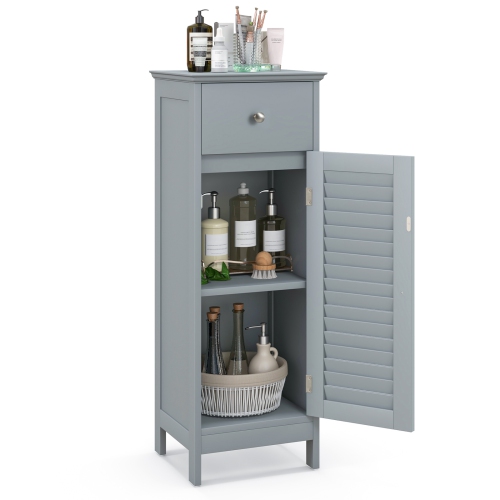
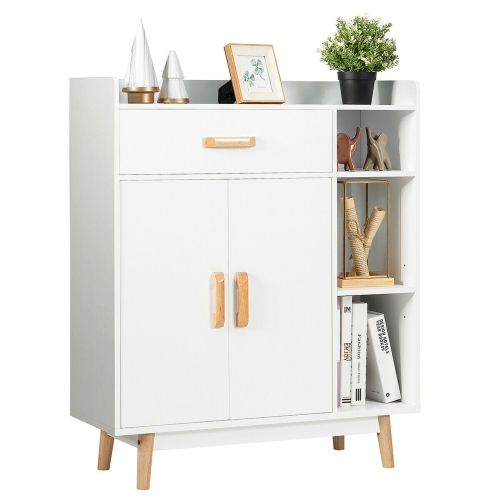
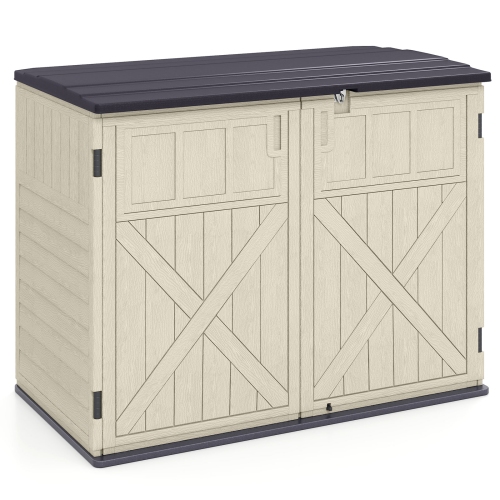
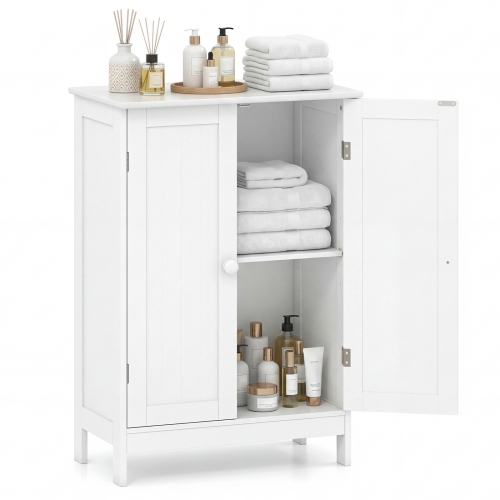
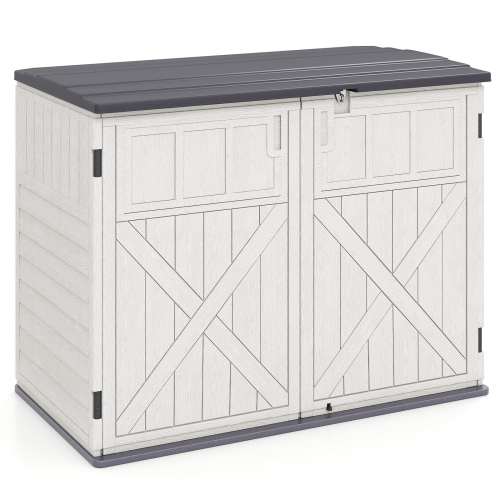
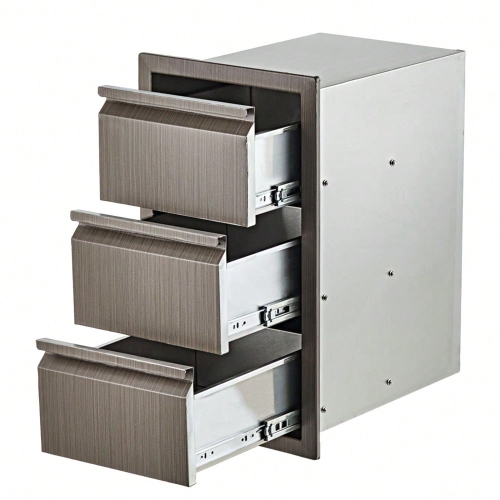
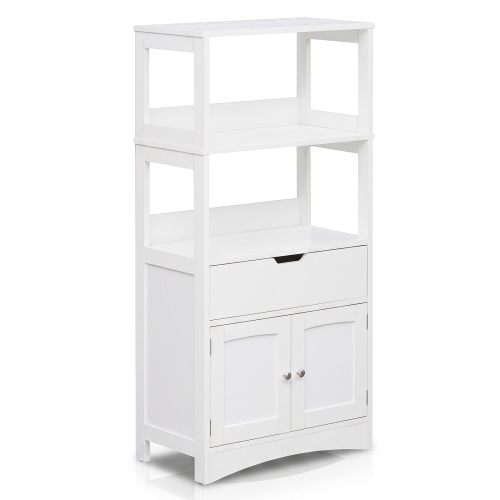
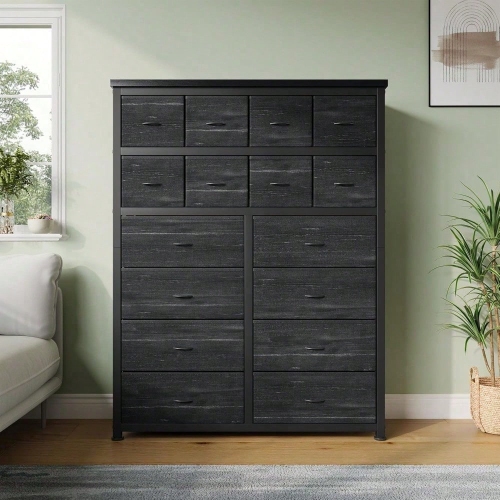
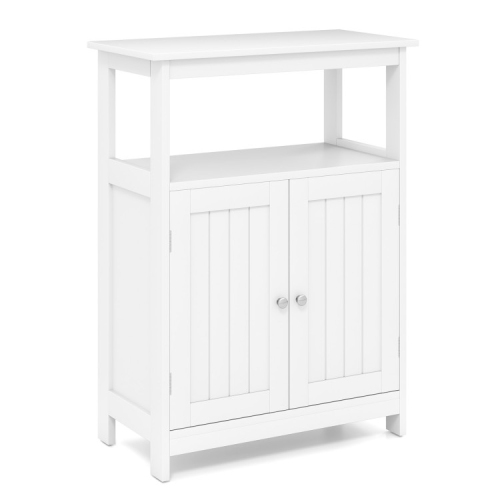
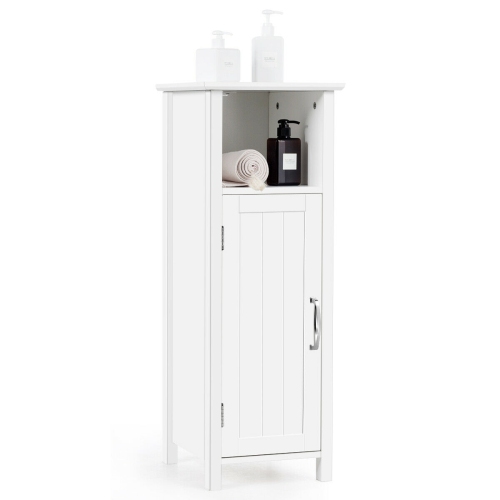
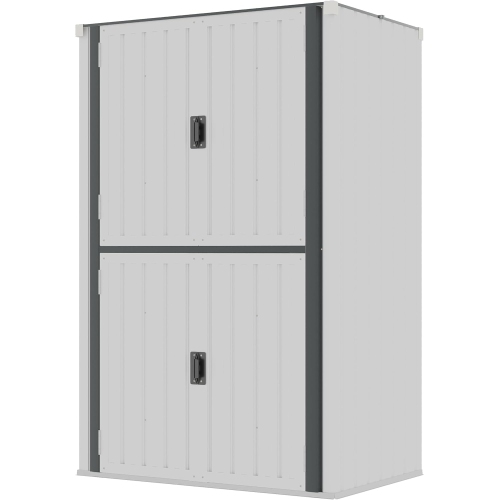
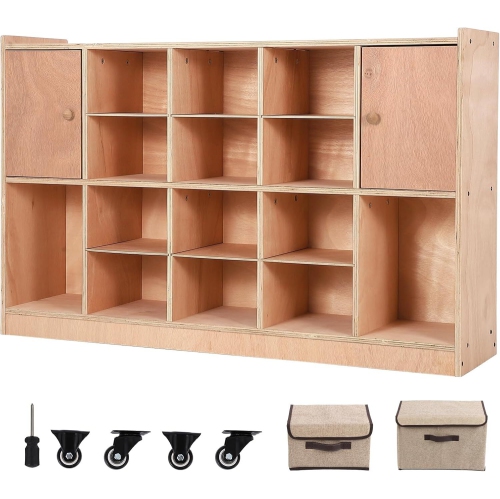
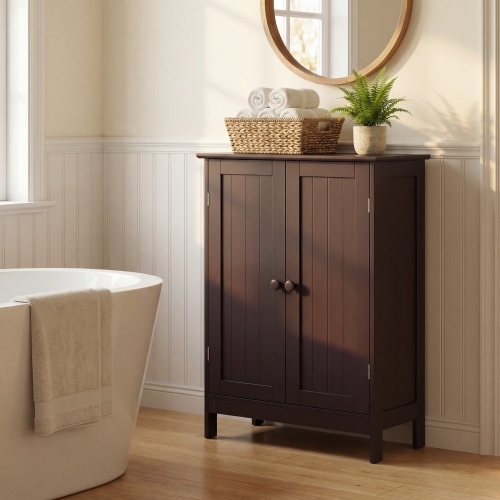
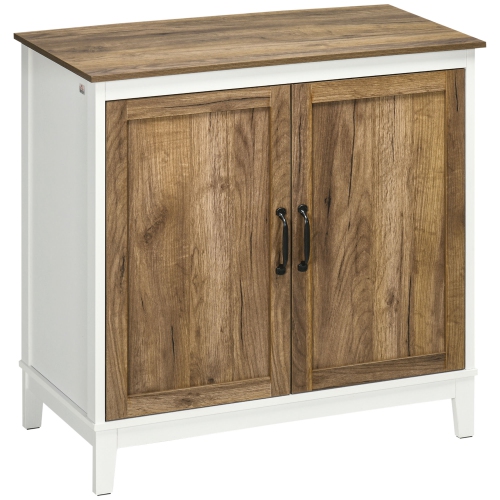
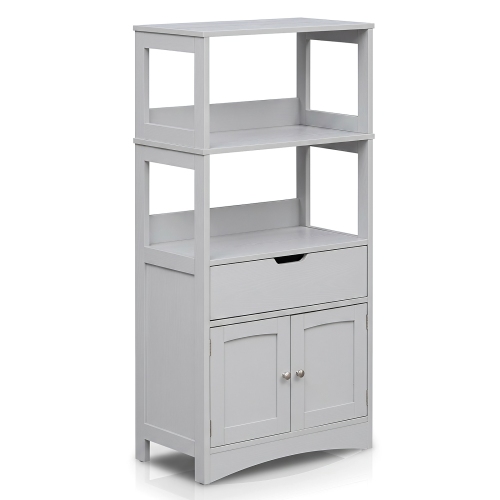
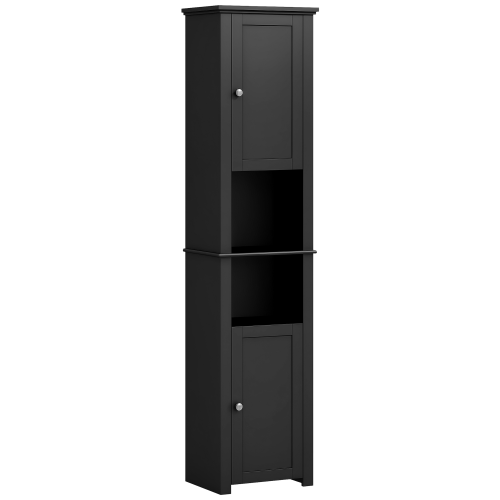
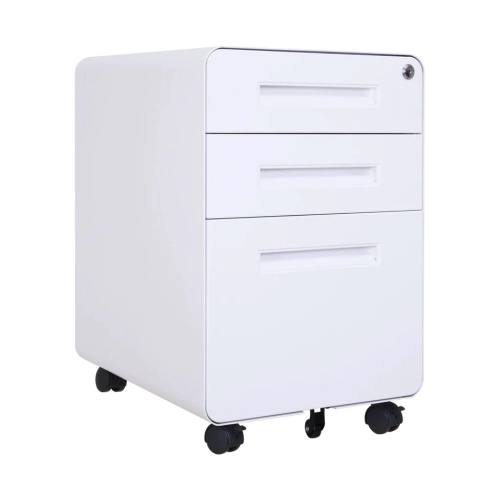
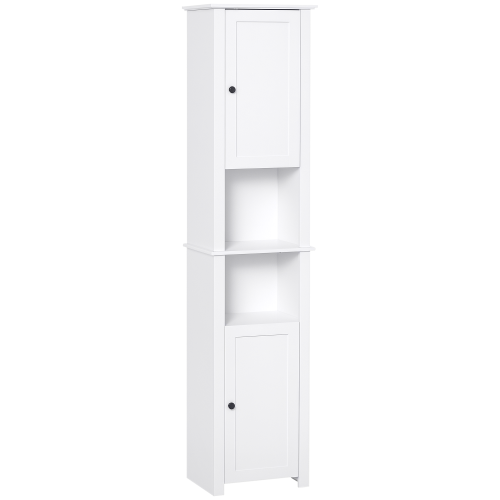
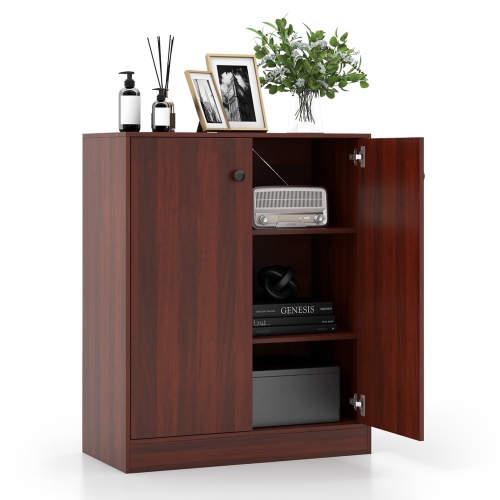
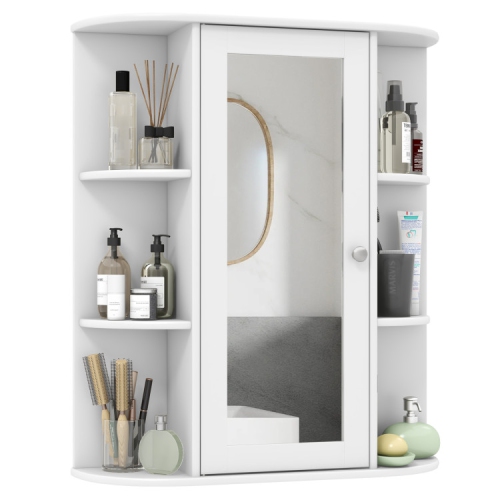
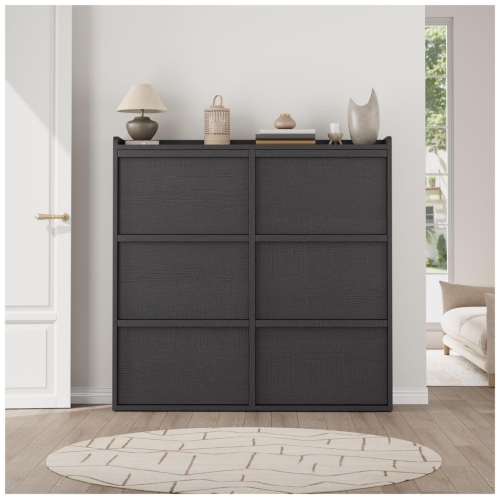
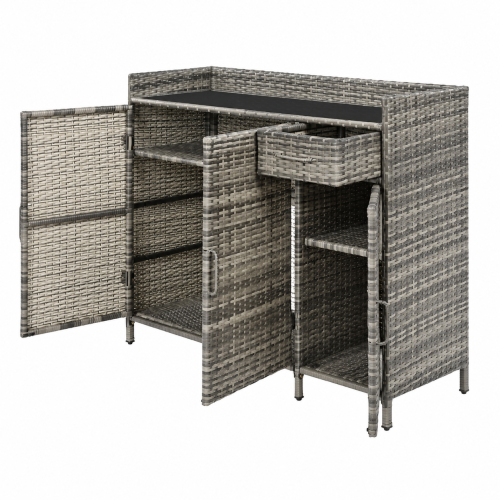
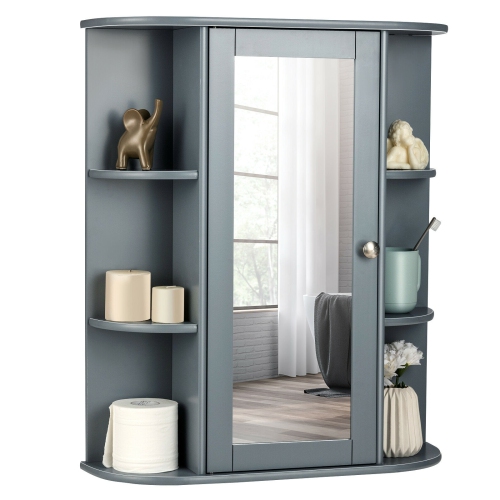

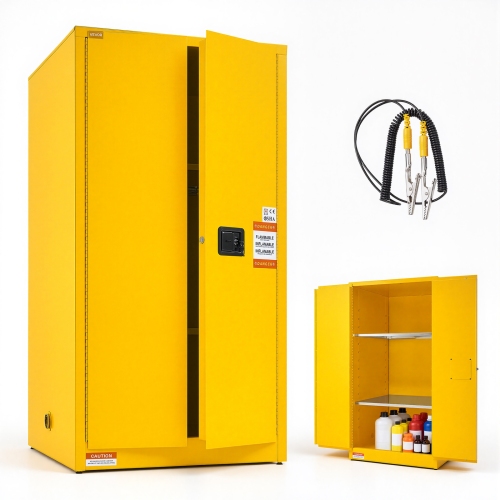
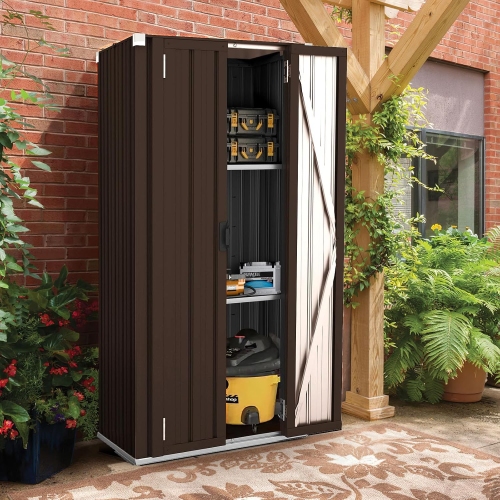
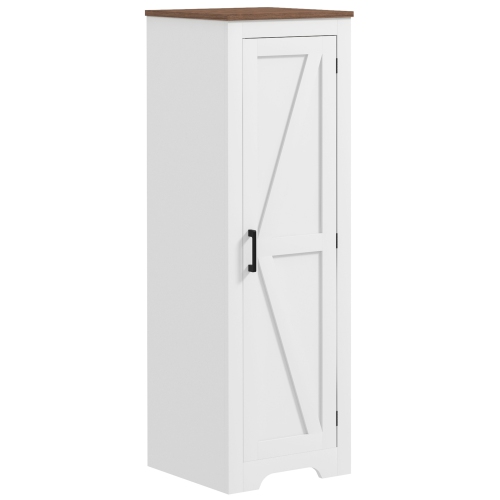
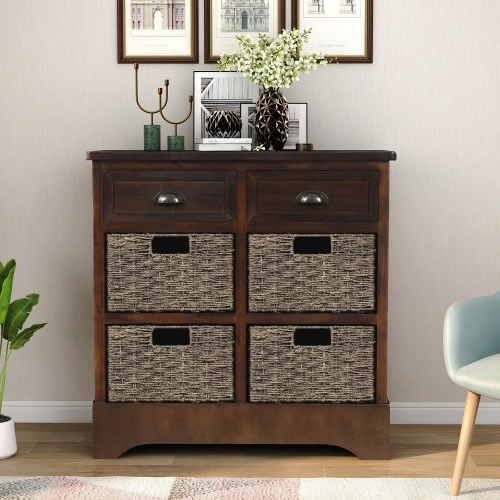
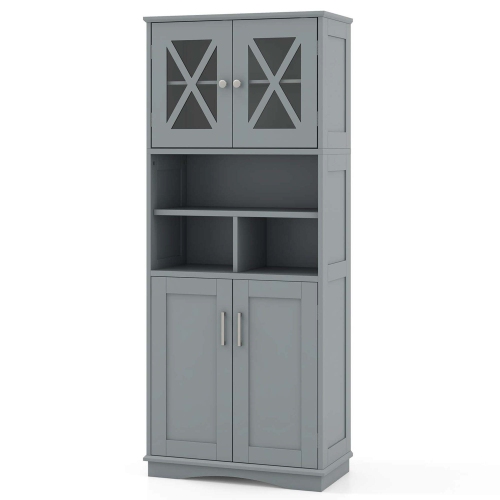
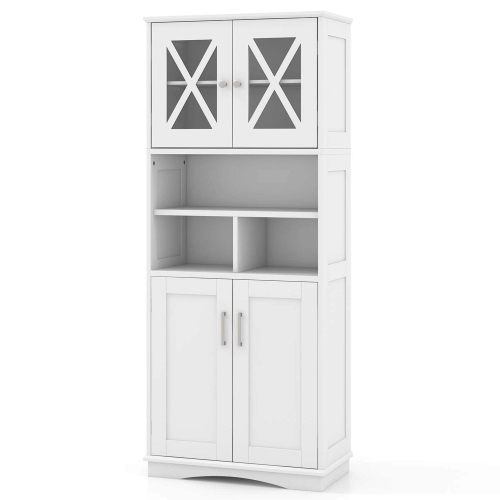
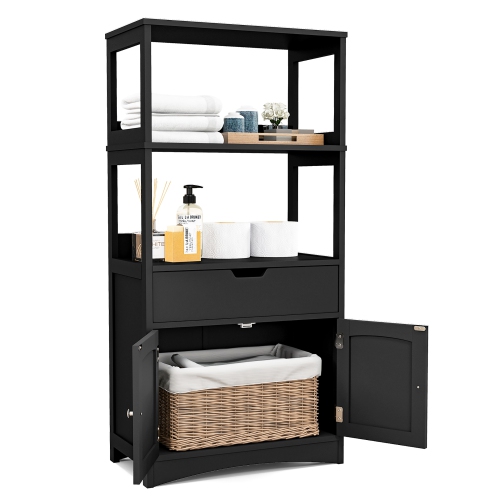
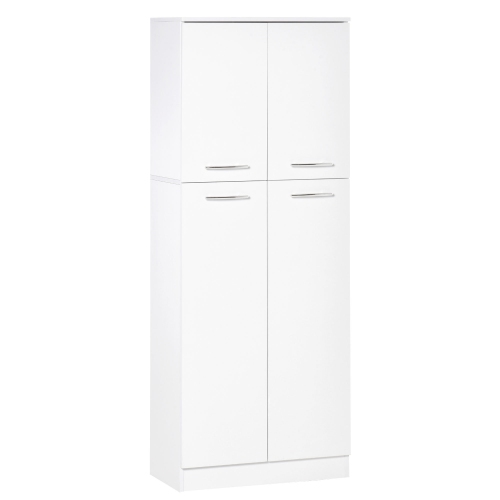
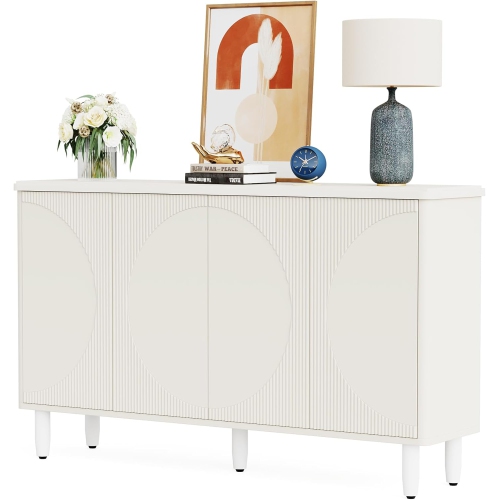
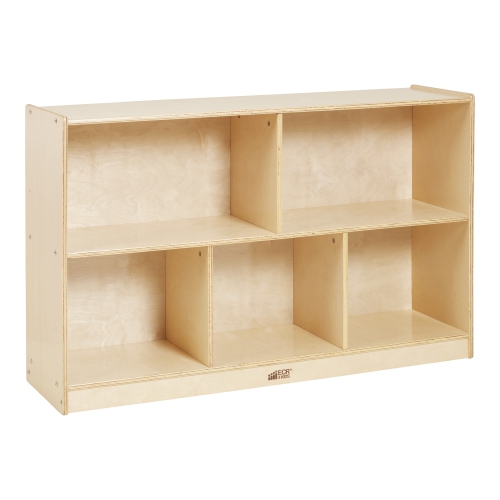
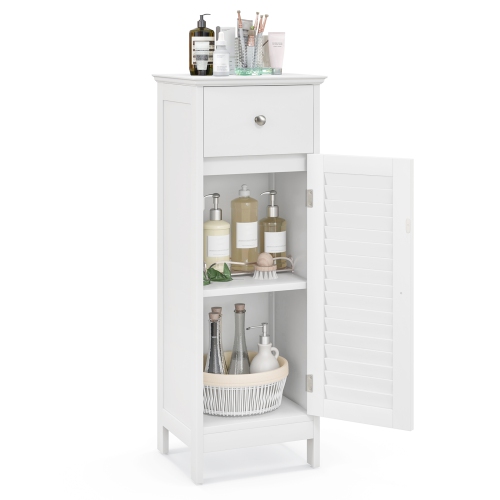
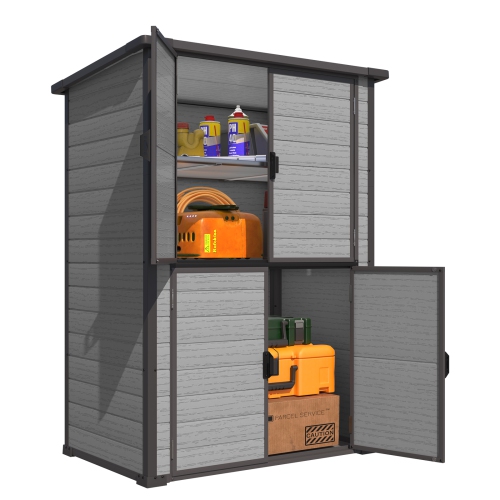
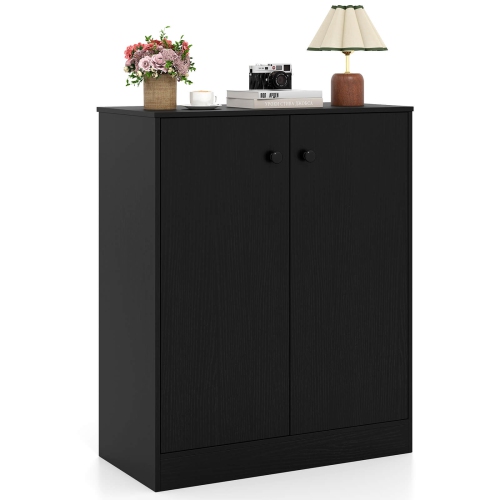
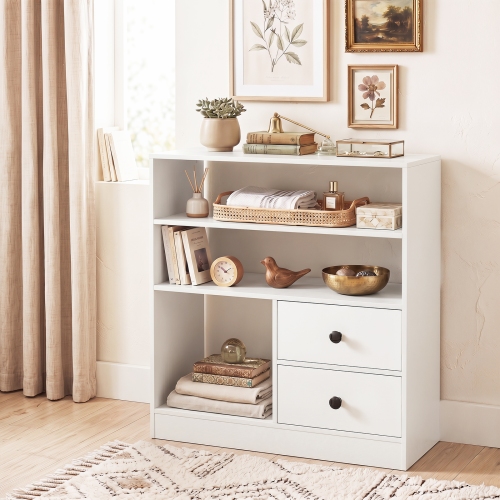
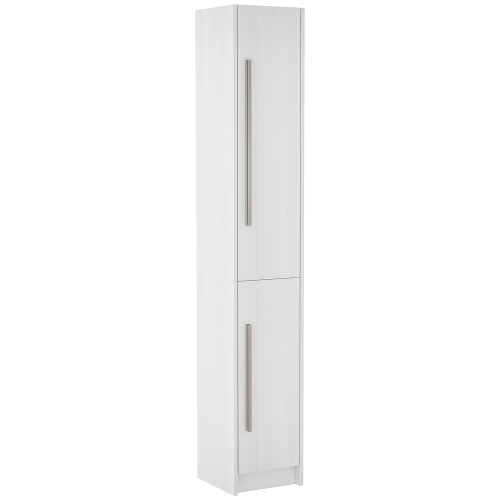
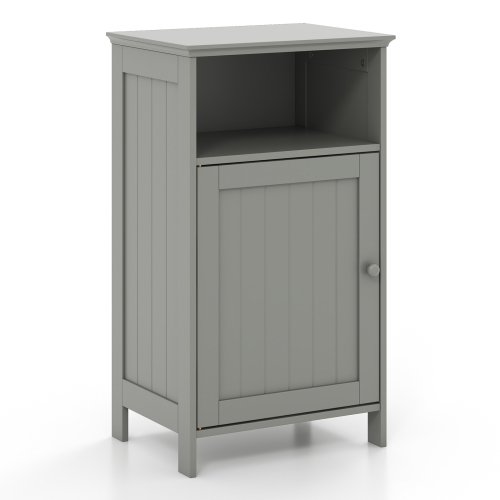
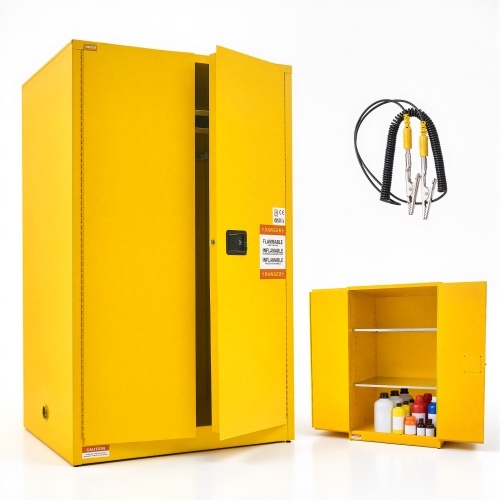
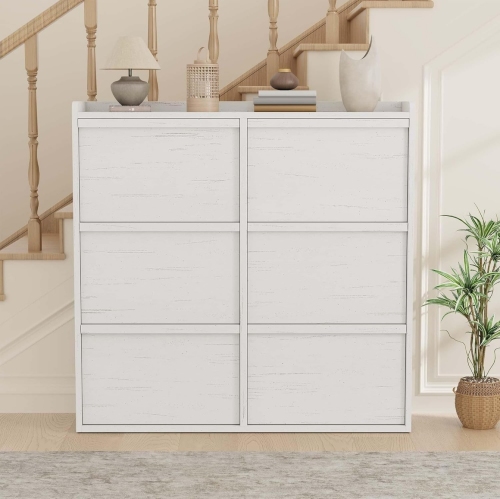
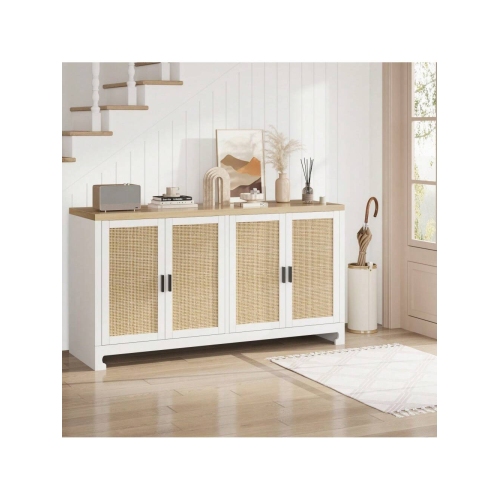
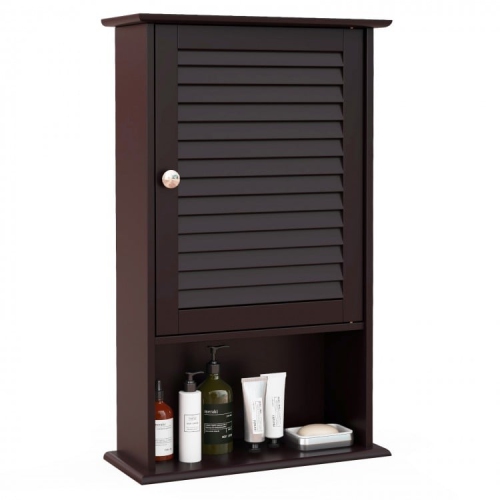
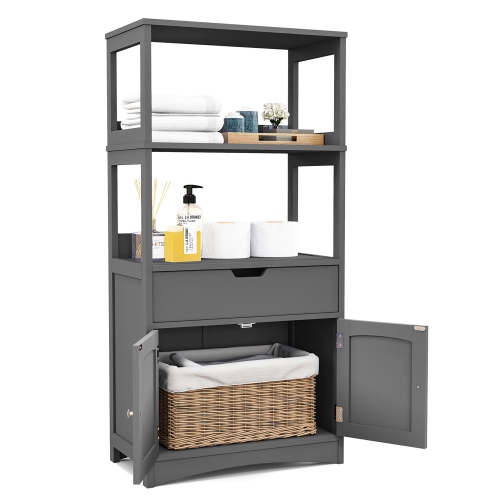
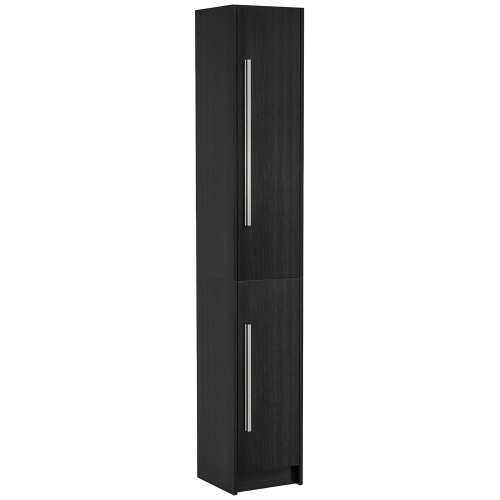
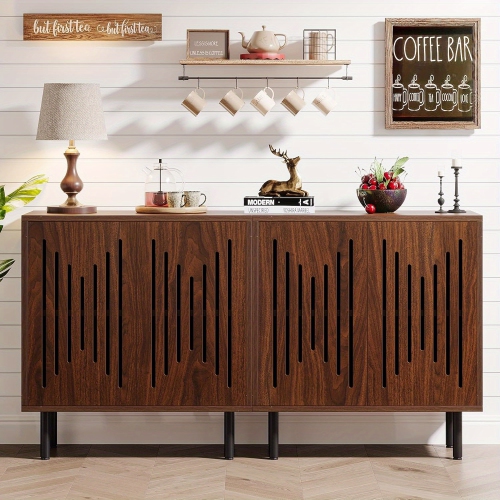
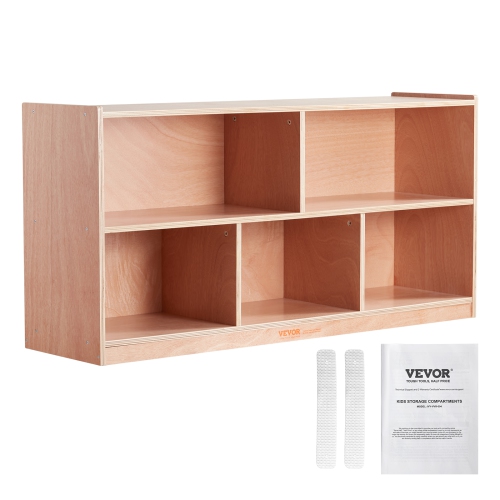
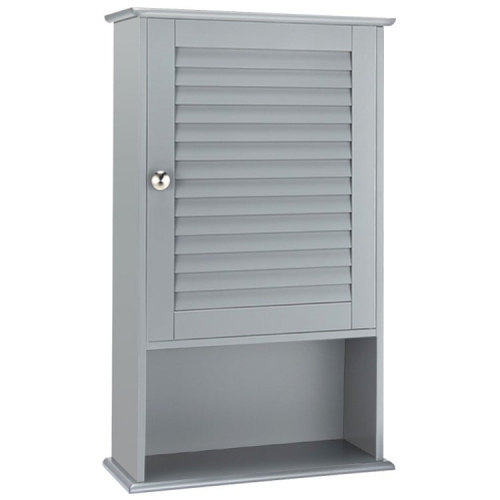
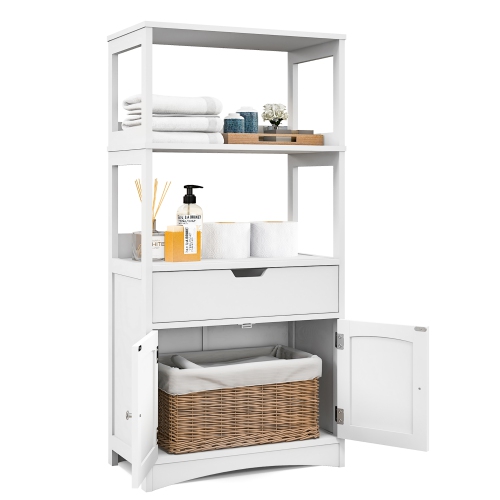
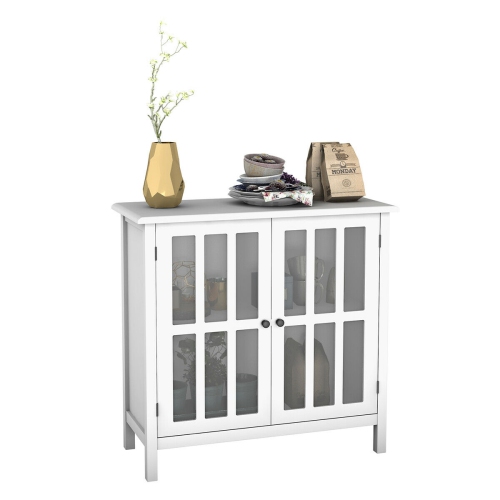
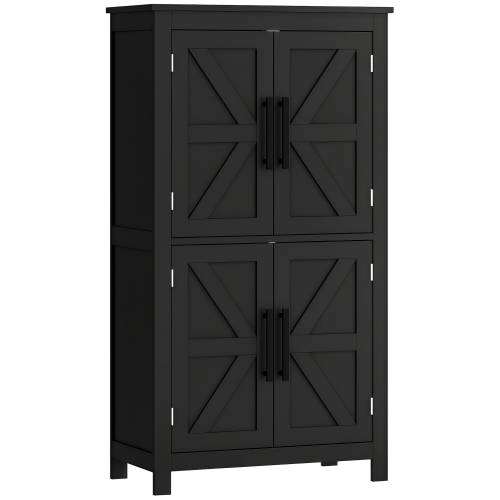
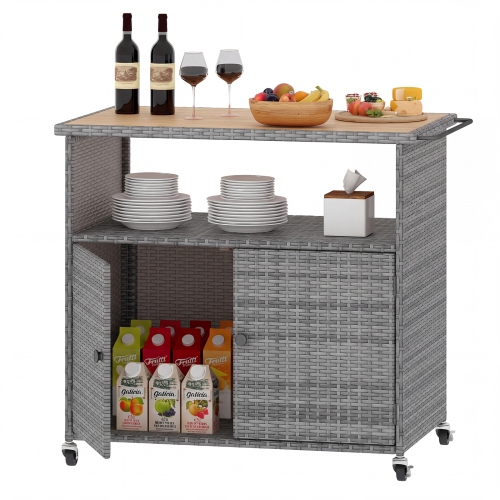
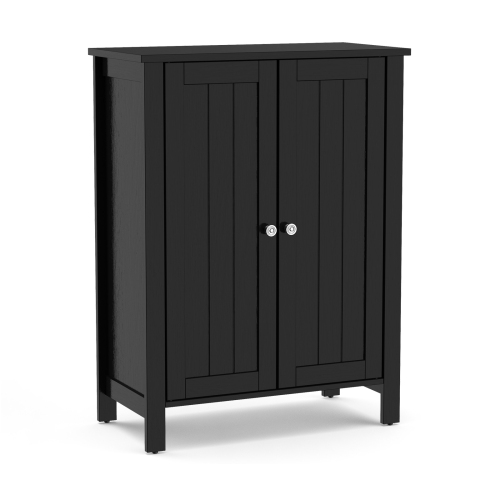
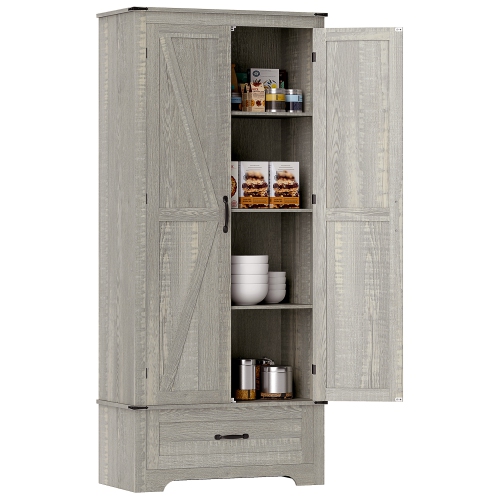
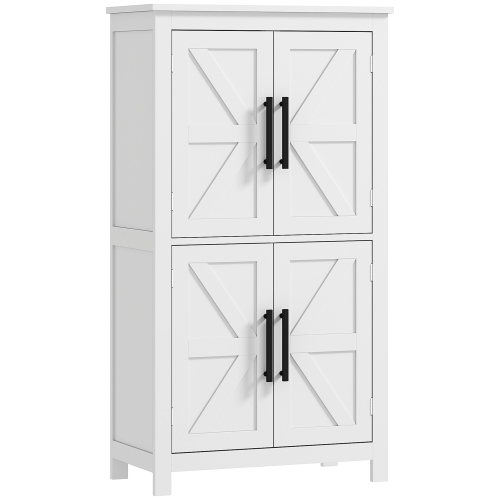
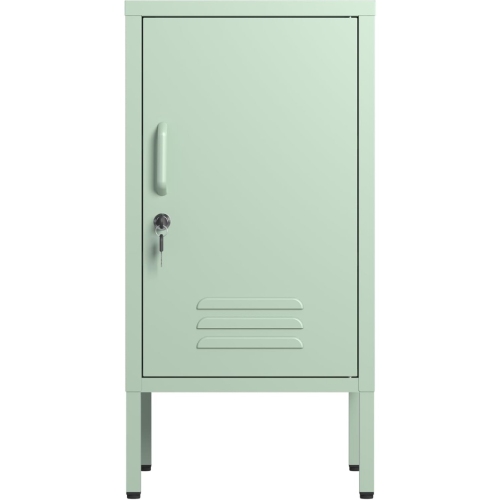
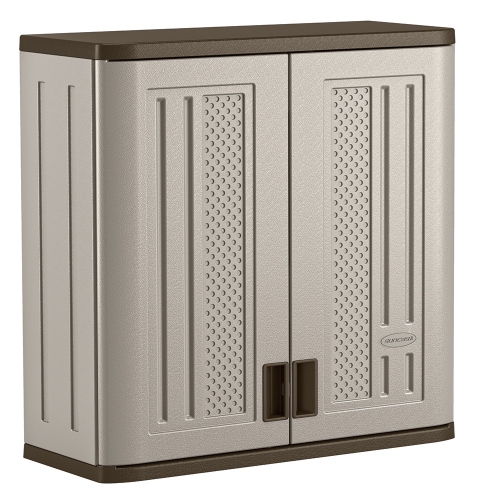
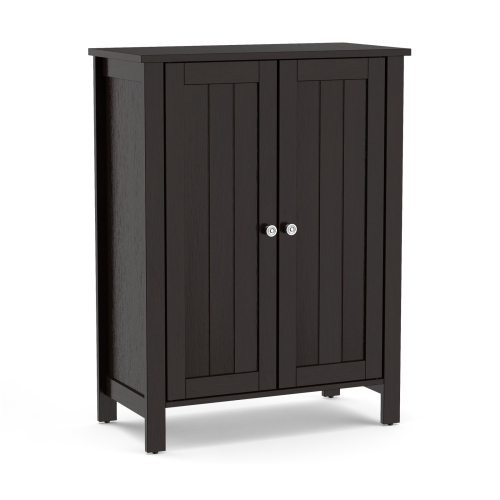
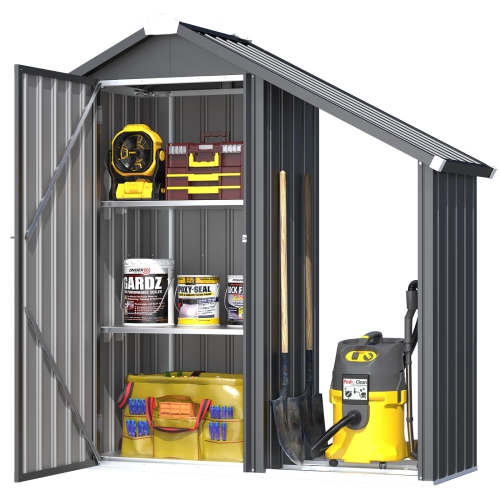
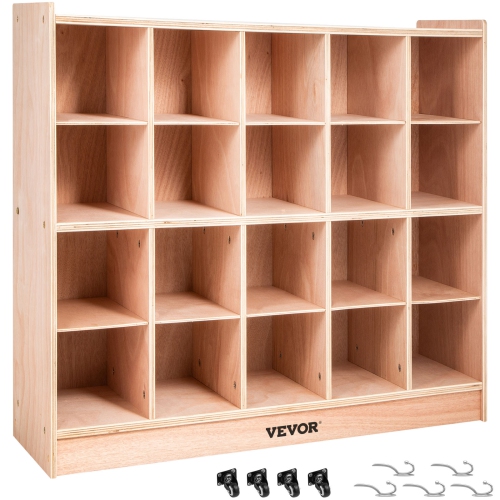
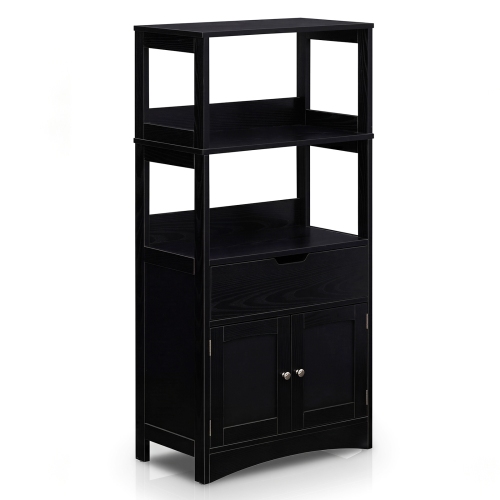


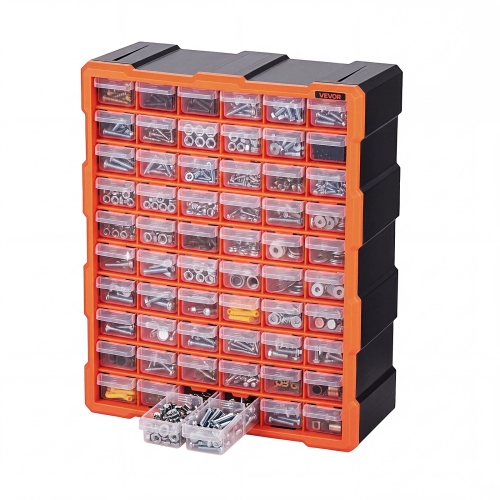
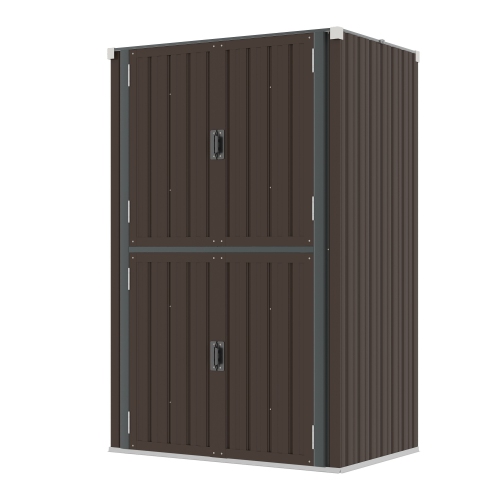
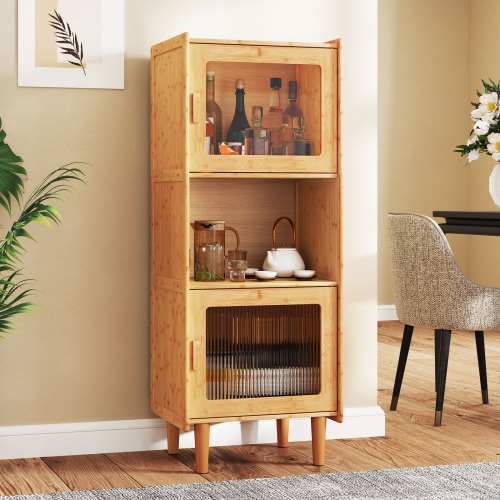
Less countertop clutter starts behind closed doors
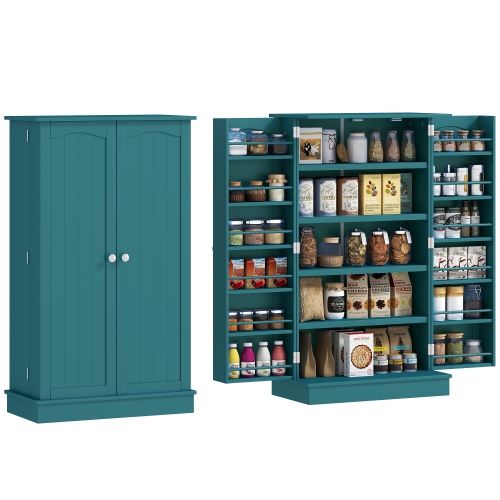
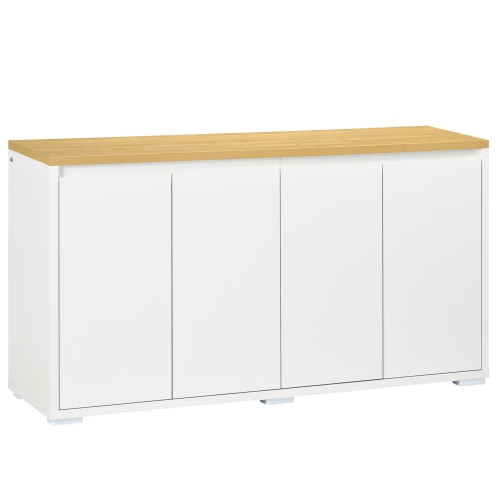
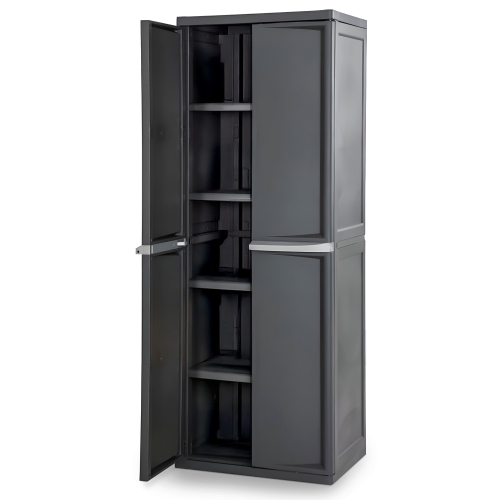
Elite storage cabinets provide enclosed space for organizing household supplies, office materials, and everyday belongings without leaving everything on display. Their appeal lies in the balance between useful capacity and a tidy appearance: doors conceal mismatched containers, adjustable shelves can accommodate belongings of different heights, and a well-proportioned cabinet can make an underused wall more practical. In a laundry room, enclosed storage gives folded linens and cleaning supplies separate places; in a home office, it keeps paper, stationery, and equipment accessories from spreading across the desk. A utility room may need space for taller supplies, while a living area benefits from storage that blends with nearby furniture. The interior layout matters as much as the exterior dimensions. Closely spaced shelves suit smaller containers, deeper shelves accommodate bulkier belongings, and a tall compartment can be useful for upright equipment when the cabinet is designed for that purpose. Materials influence both appearance and everyday performance. Engineered wood with a laminate surface offers a furniture-like finish that can coordinate with shelving, desks, and other cabinetry. Its edges and joints deserve attention, particularly anywhere that may be exposed to splashes or frequent cleaning. Steel construction brings a different character, with a rigid feel suited to utility spaces and work areas, though panel thickness, reinforcement, and the shelf design all affect strength. A powder-coated finish can help protect a metal surface, but it does not make every cabinet suitable for damp locations or outdoor use. Neutral colours and simple door fronts tend to sit comfortably alongside existing furnishings, while visible handles and hardware can give an otherwise understated cabinet a more substantial presence. For shared households, the greatest benefit is often having a clear home for frequently used belongings, with less sorting through piles and fewer supplies left on counters. That makes enclosed storage useful for busy families, people working from home, and anyone bringing more order to a multipurpose room.
A cabinet’s fit depends on more than whether its listed width matches an empty stretch of wall. Overall height, depth, door movement, and the space needed to stand comfortably in front of it all contribute to how useful it will feel once installed. In a narrow laundry room, a deeper cabinet may hold more but interfere with appliance access; beside a desk, an outward-opening door may compete with a chair. Baseboards, wall trim, electrical outlets, and nearby door frames can also affect placement. Interior measurements are especially important because exterior dimensions include the cabinet structure, and hinges or a centre divider may reduce usable space. Adjustable shelves offer flexibility, but the distance between adjustment points determines how closely the layout can match the contents. A cabinet with several shallow storage levels serves a different purpose from one divided into a few tall compartments, even when their outside measurements are similar. For bulkier household belongings or a longer stretch of usable wall, Large Storage Cabinets provide another way to consider capacity alongside room layout. Greater size is not automatically more practical, however. A modest-depth cabinet can make frequently used supplies easier to see and reach, while deep shelves may work better with labelled containers that slide out for access. The arrangement inside also affects daily convenience: heavier contents belong lower down, frequently handled supplies are easier to manage within comfortable reach, and lighter belongings can occupy upper shelves. Manufacturer-stated shelf capacities remain the reference for loading, including any requirement to distribute weight evenly rather than concentrate it in one spot. Lockable doors, where included, can help control access to documents or supplies, but a lock alone does not establish suitability for hazardous materials or secure valuables. Storage requirements should match the cabinet’s intended use, especially in homes with children or shared workspaces.
Durability becomes most noticeable in the small details used every day: how smoothly the doors move, whether shelves remain level under their intended load, and how securely the handles attach. Sound connections between panels, appropriate shelf supports, and properly adjusted hinges help a cabinet feel steady rather than loose or awkward. Assembly quality matters with flat-packed furniture, since an out-of-square cabinet can leave doors uneven or prevent them from closing cleanly. The installation requirements also deserve space in the room plan. Tall cabinets may require wall anchoring, and any supplied restraint system needs to be installed according to the manufacturer’s directions with fixings appropriate to the wall construction. Anchoring does not increase shelf capacity, and a cabinet should never be treated as a climbing surface. Where levelling adjustments are provided, they can help address a slightly uneven floor and improve door alignment. Care is usually straightforward, but the finish should determine the cleaning method. A soft cloth and a suitable mild cleaner can remove everyday marks, followed by drying where the manufacturer recommends it. Saturating engineered wood, leaving spills along panel edges, or using abrasive pads can damage surfaces that otherwise need little upkeep. Metal cabinets also benefit from prompt drying after cleaning, with attention to scratches or damaged coating that may expose the underlying material. Periodically checking handles, hinges, shelf supports, and accessible fasteners can catch minor loosening before it affects regular use. Inside, washable shelf liners may be useful where permitted, provided they do not trap moisture or interfere with door closure. Containers with clear labels help preserve the cabinet’s usefulness after the initial organizing is finished, particularly when several people share the space. A practical layout leaves enough room to lift supplies out without unloading an entire shelf and avoids pushing seldom-used belongings into inaccessible corners. The right storage cabinet supports the routines already happening around it, offering suitable capacity, dependable construction, and a finish that is manageable to maintain. Those qualities matter more over time than an impressive exterior alone.
Top selling and popular products
-
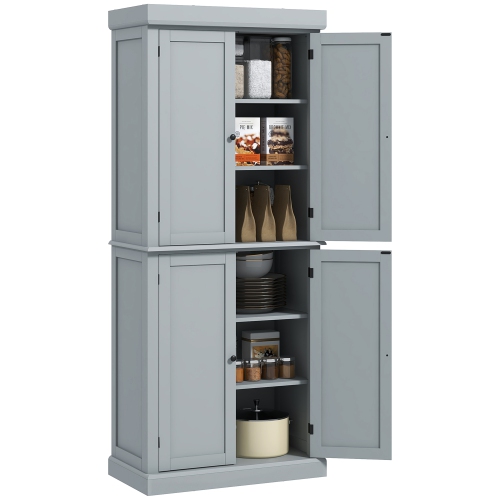 Your price for this item is $285
-
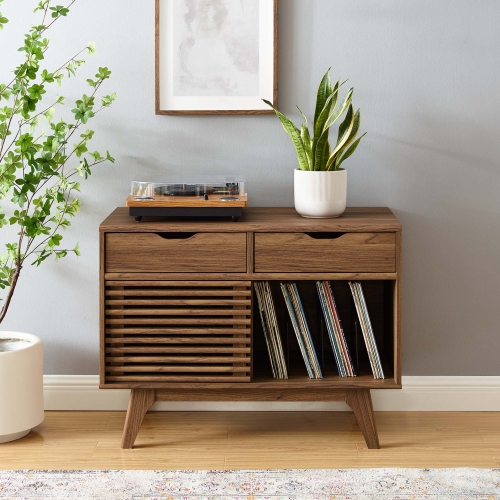 Your price for this item is $452.93
-
 Your price for this item is $155.99
-
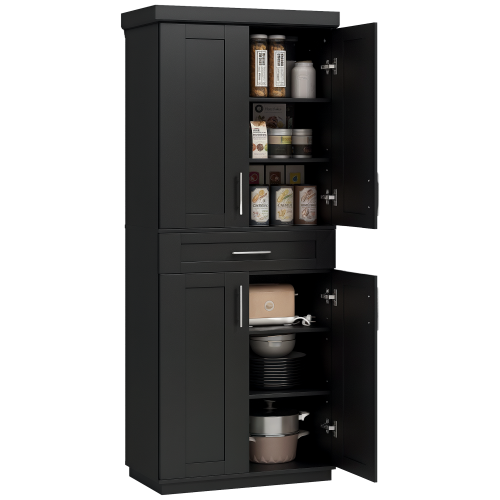 Your price for this item is $269.99
-
 Your price for this item is $12.97
-
 Your price for this item is $155.99
-
 Your price for this item is $885.06
-
 Your price for this item is $132.99
Discover more categories related to Elite Storage Cabinets
Top Collections:
Best Black Friday Deals This Year, Best Black Friday Deals On Electronics, Kindle Devices, Dyson Airwrap, Best Cameras for Sports Photography, Best Budget Office Chairs, Canon G7X Cameras, PS5 Pro Consoles, Best Black Friday Deals On Apple Products, XBOX One S Consoles
Some products may be subject to Environmental Handling Fees
(EHF) depending on your province.
Learn more about EHFs.