Emergency Rechargeable Flashlights
Emergency Rechargeable Flashlights are essential tools for staying prepared during unexpected power outages, outdoor adventures, or late-night tasks. Designed for reliability and convenience, these flashlights offer a dependable source of illumination whenever you need it most. With a variety of styles and sizes to choose from, finding the right emergency rechargeable flashlight is simple and straightforward. Explore options that fit your needs and ensure you're ready for any situation with the right lighting solution.
Sort
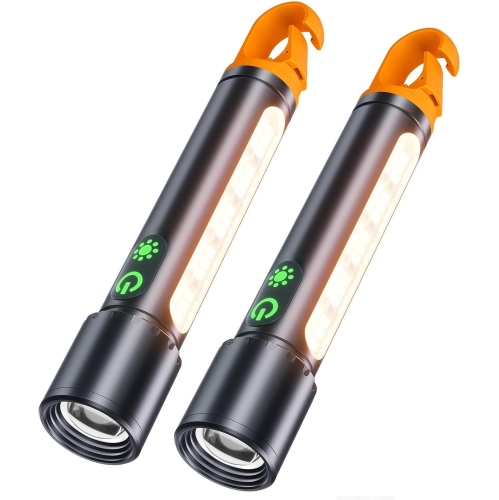
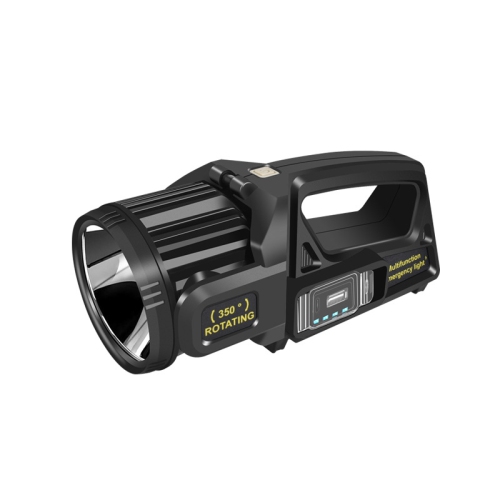
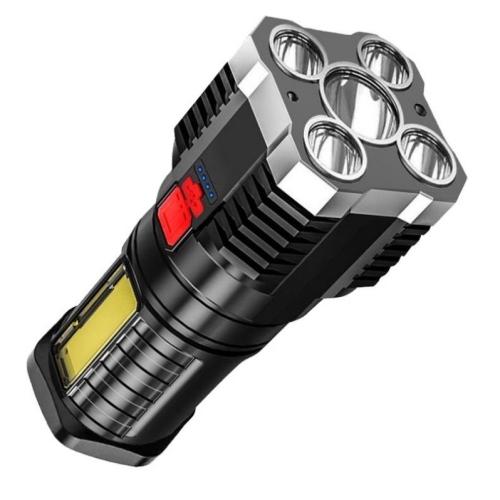
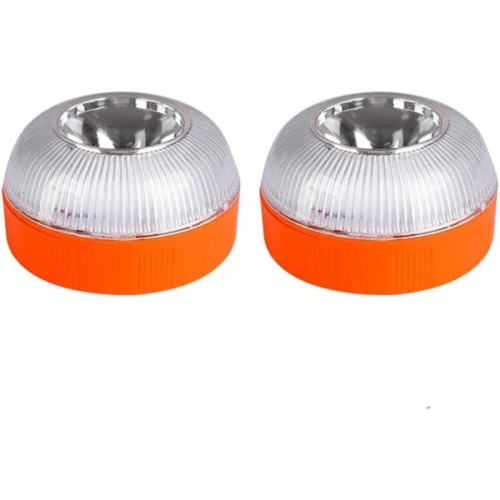
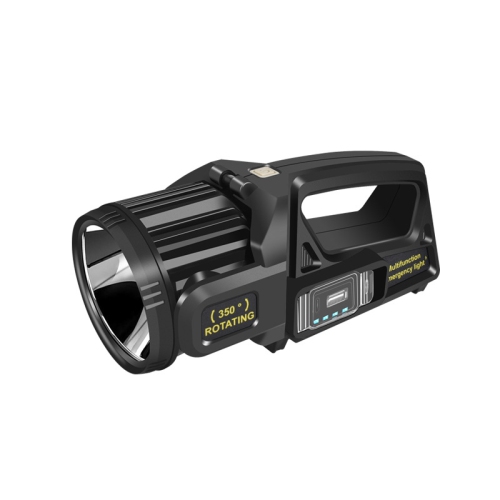
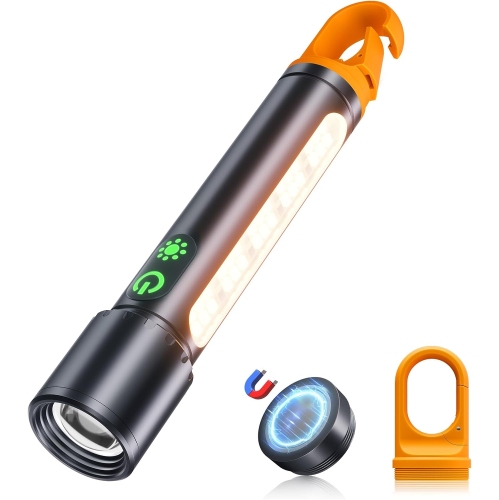
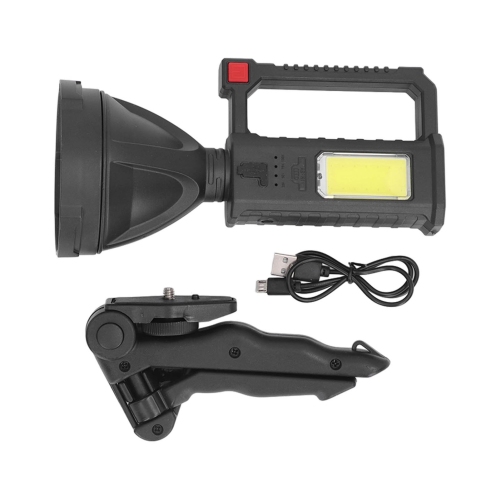
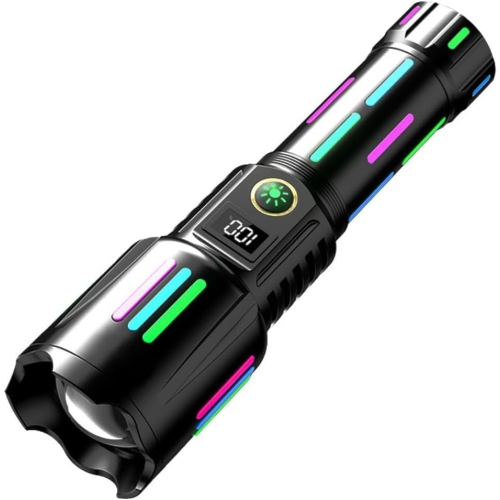
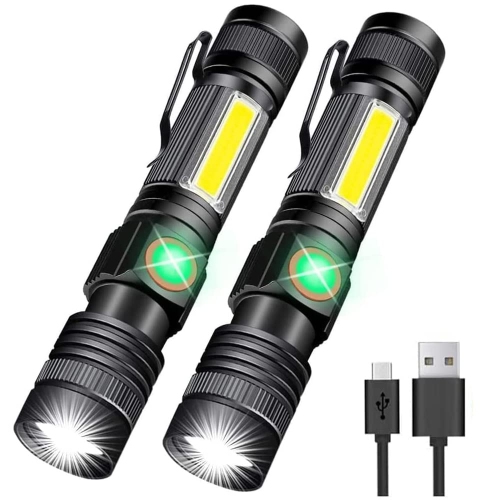
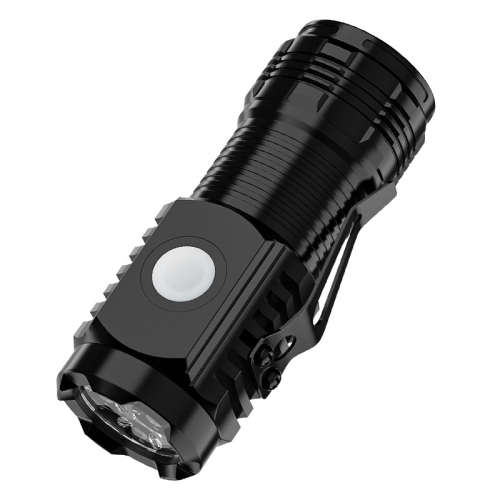
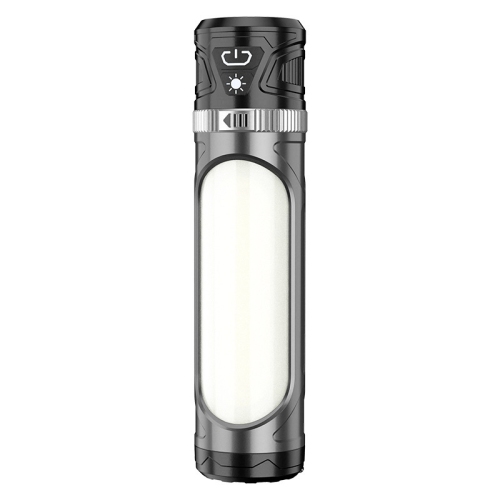
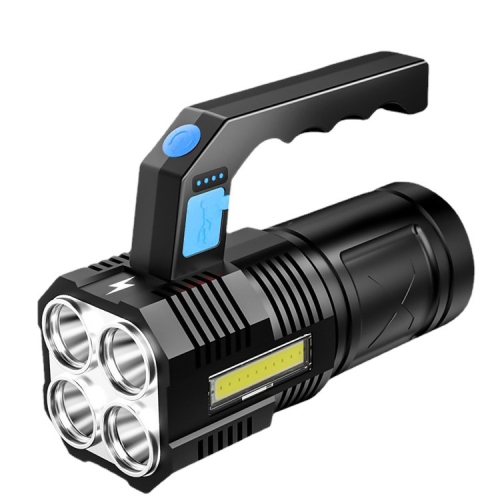
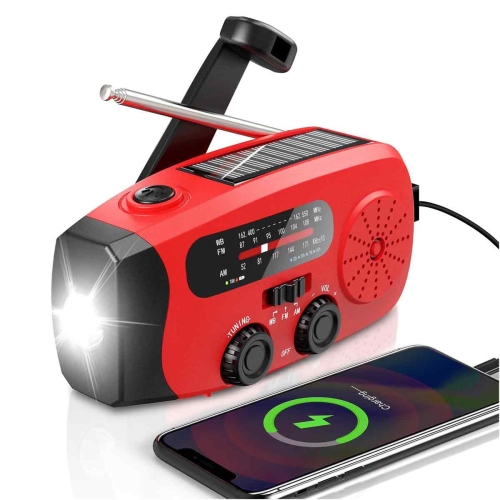
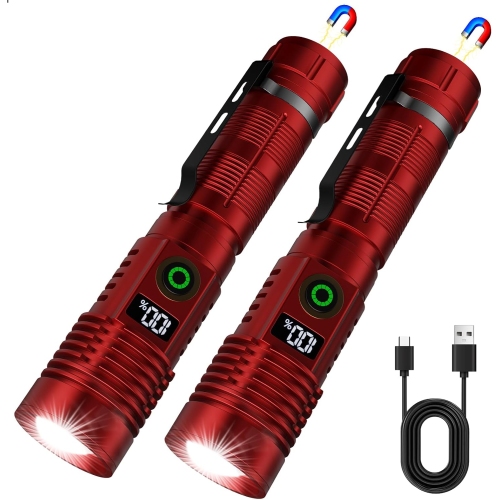
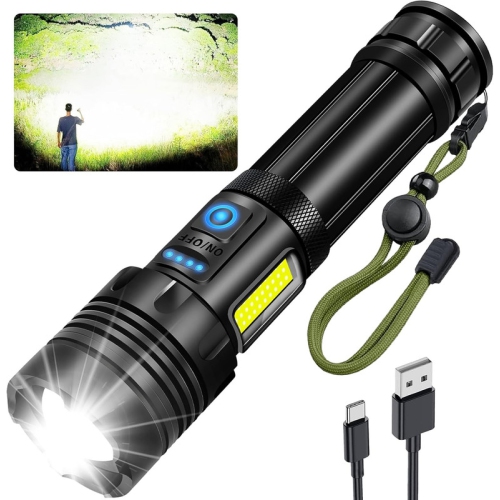
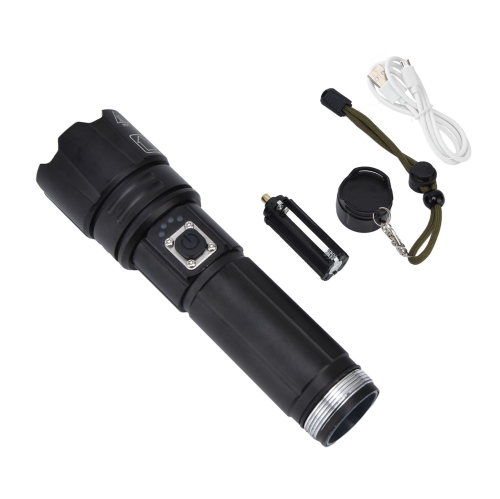
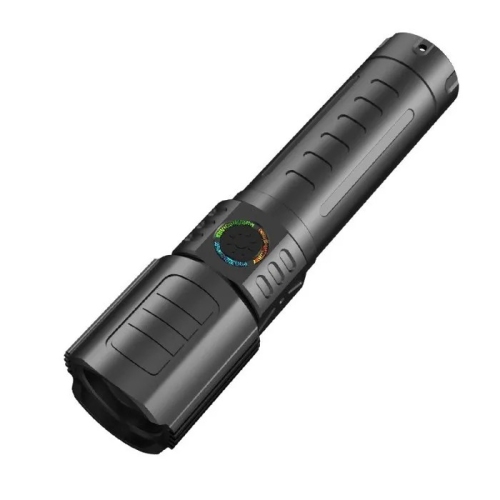
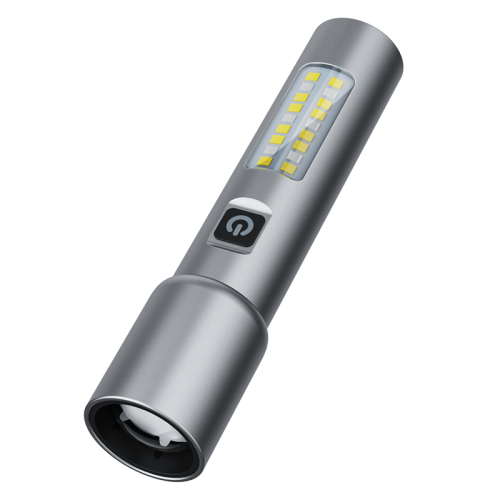
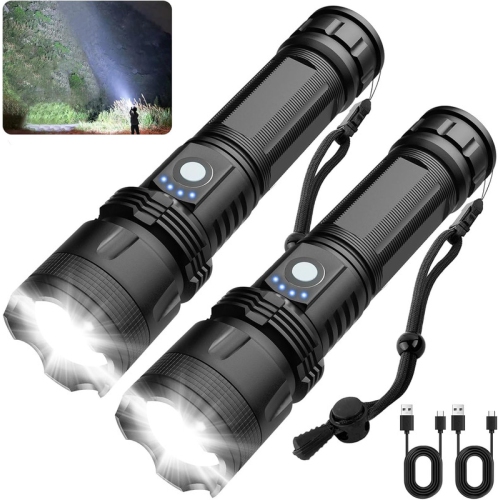
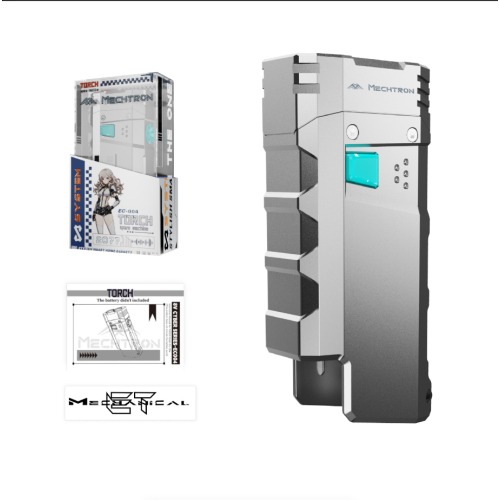
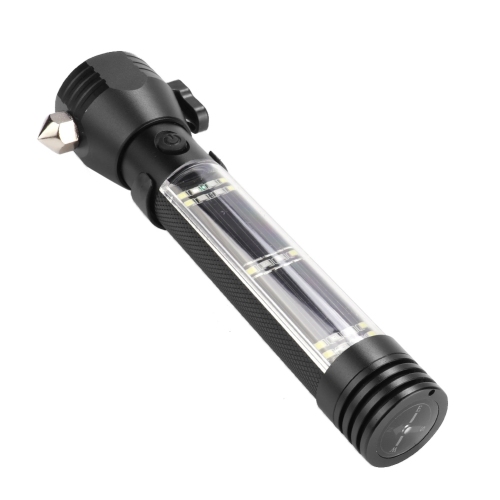
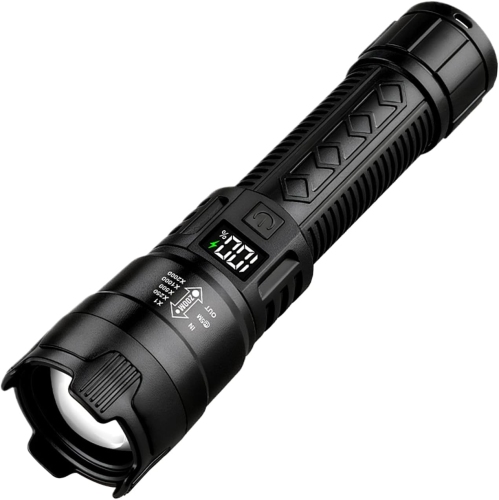
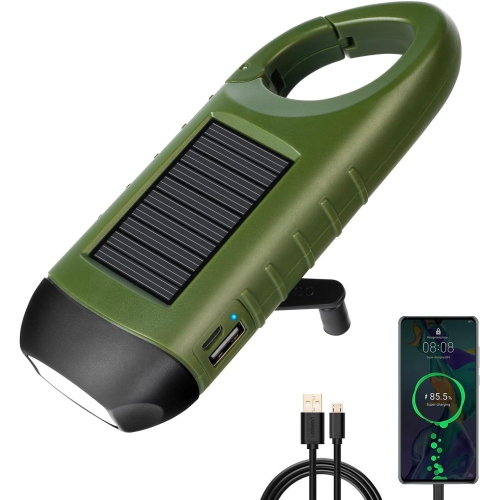
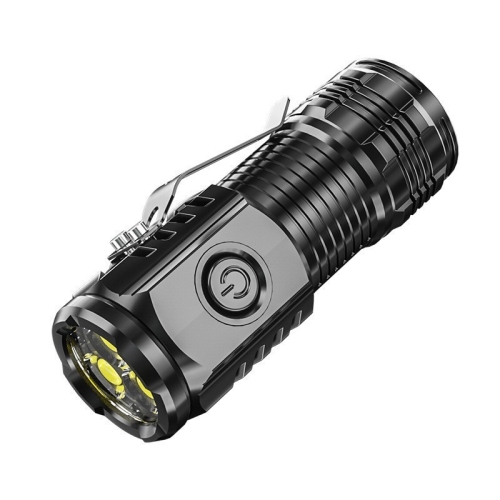
Dependable outage lighting takes more than brightness
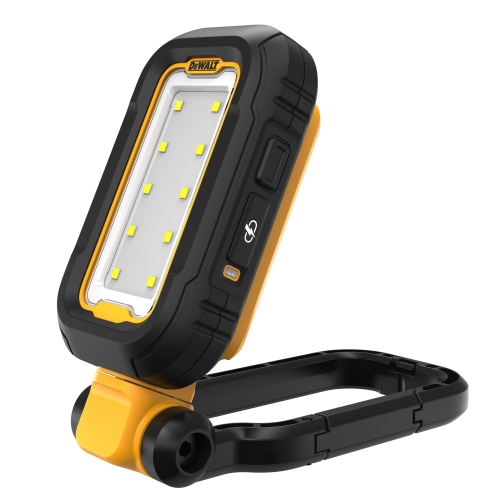
Emergency rechargeable flashlights are portable lights with batteries that can be recharged for repeated use, providing illumination during power outages and other situations where household lighting is unavailable. Their usefulness comes down to more than maximum brightness: a dependable light should be easy to find, comfortable to hold, and suited to the space it needs to illuminate. A broad flood beam spreads light across nearby surfaces, making it useful for finding supplies in a cupboard, checking a utility room, or moving through a dark hallway. A more concentrated beam helps illuminate objects farther away, while an adjustable beam offers flexibility between close work and longer-distance viewing. Lumens describe total light output, but beam shape and intensity influence how that light appears in use. A very bright centre spot may reach farther without lighting the surrounding area evenly. Multiple brightness settings allow the same flashlight to provide stronger illumination for a brief inspection or gentler light for reading labels and moving around a bedroom. Handheld designs give users control over the direction of the beam, while models with a side light can illuminate a broader work surface. A stable, flat base may allow a compatible flashlight to stand upright, and a suitable clip or magnetic base can free both hands when attached securely. Plug-in emergency lights serve a different role: models specifically equipped with a power-failure function can switch on automatically when their outlet loses power. Some also detach for handheld use, combining a familiar storage location with portable lighting. For households assembling an emergency kit, rechargeable flashlights for emergencies provide a dedicated light source that does not depend on a phone’s remaining charge. The most useful format is one that suits everyday storage habits and can be operated confidently when the room is dark.
Battery capacity, charging method, and runtime shape how a rechargeable emergency flashlight fits into a household’s preparations. A larger battery can support longer use, but capacity alone does not establish runtime; light output, electronics, battery condition, and operating mode also matter. Advertised runtime should be read alongside the brightness setting used for the measurement, since the longest figure often applies to a low-output mode rather than maximum brightness. Some high-output lights reduce their output as they warm up or as the battery discharges, so sustained illumination can be more informative than a brief peak brightness claim. A low setting is especially useful when only enough light to locate a door handle or read a note is needed. Charging arrangements vary from a cable connected directly to the flashlight to a separate cradle or a removable battery charged in a compatible charger. USB-C charging can simplify cable organization, although the required power source, cable, and charging specifications still need to match the manufacturer’s directions. A charging indicator makes it easier to distinguish a full battery from one that is still charging, while a battery-level display can help show when a recharge is due. A flashlight with a built-in battery offers a self-contained design; one with a user-replaceable battery may allow a compatible spare to be kept ready. Battery replacement should always follow the specified type and installation requirements, particularly where rechargeable lithium-ion cells are involved. Charging also depends on having a working power source. A compatible power bank may provide another charging option during an outage, but a depleted flashlight cannot recharge from an unpowered wall outlet. Models that can charge a phone offer an additional function, with the trade-off that supplying power to another device reduces the energy left for lighting. Keeping the battery charged and checking its condition periodically supports readiness more reliably than leaving a light untouched in a drawer.
Materials, handling, and storage details make a noticeable difference when a flashlight becomes part of an emergency kit. Aluminium housings can provide a solid feel and good resistance to everyday knocks, while durable plastic bodies may reduce weight and be comfortable to carry. Neither material alone guarantees toughness: construction quality, lens protection, seals, and the manufacturer’s stated impact resistance all contribute. Water-resistance ratings describe tested conditions rather than unlimited protection. Splash resistance is not the same as suitability for immersion, and an IP rating should be interpreted according to its specific level. Charging-port covers and battery compartments need to be properly closed where required to maintain the stated protection. A textured grip can help keep the light steady, while a wrist strap adds security when carrying other supplies. Size and weight matter too. A compact light is easier to tuck into a bedside drawer or small emergency pouch, whereas a larger body may offer a more substantial grip and room for a larger battery. Controls deserve equal attention: a clearly defined switch, straightforward brightness selection, and an accessible steady-light mode can be easier to use than a complicated sequence of presses. A lockout feature may help prevent accidental activation inside a bag. For older adults or anyone with reduced hand strength, an easy-to-press button and a manageable grip can be particularly useful. Families may prefer separate lights stored in familiar, accessible locations rather than relying on one flashlight for the entire home. A rechargeable flashlight can also make a practical housewarming gift or an addition to a student’s household supplies, especially when its operation is simple. Routine care is uncomplicated but important: wipe away dirt with a soft cloth, keep charging connections clean and dry, and follow the storage and charging directions supplied with the light. Rechargeable batteries can lose charge during storage, so occasional checks help keep a rarely used flashlight ready. A secure, consistent storage spot near essential supplies makes that preparation easier to maintain.
Top selling and popular products
-
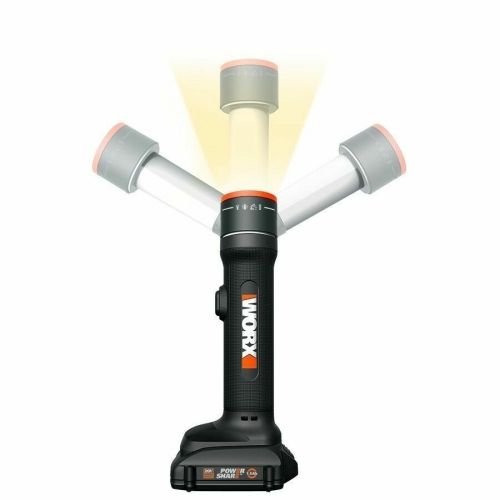 Your price for this item is $129.99
-
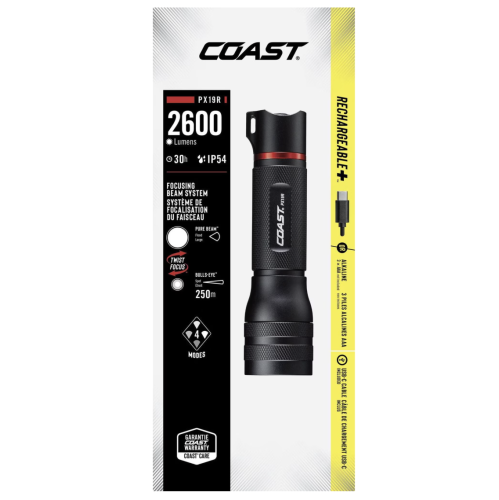 Your price for this item is $39.99
-
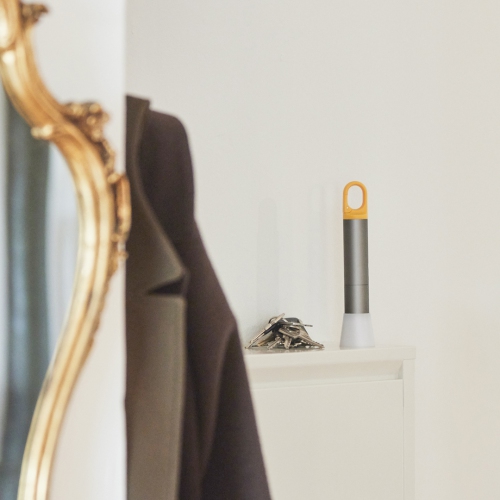 Your price for this item is $64.99
-
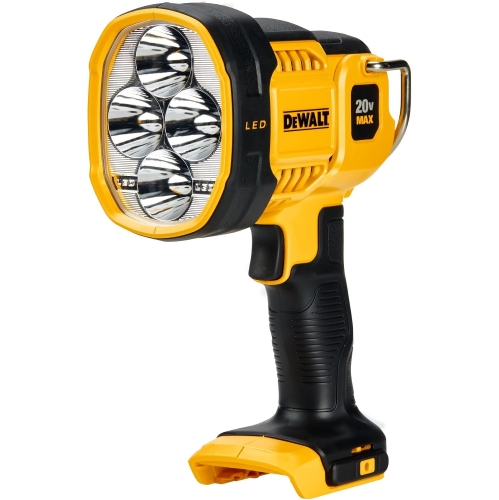 Your price for this item is $74.99
-
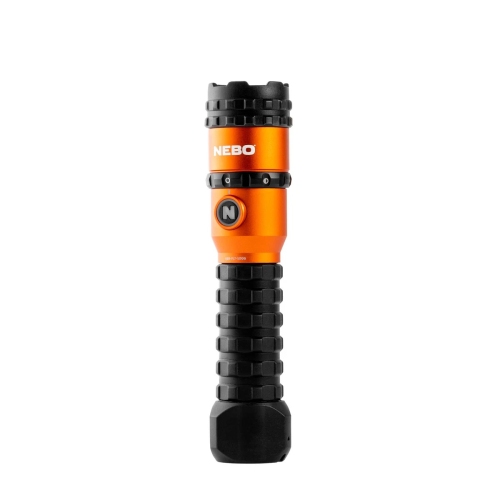 Your price for this item is $104.99
-
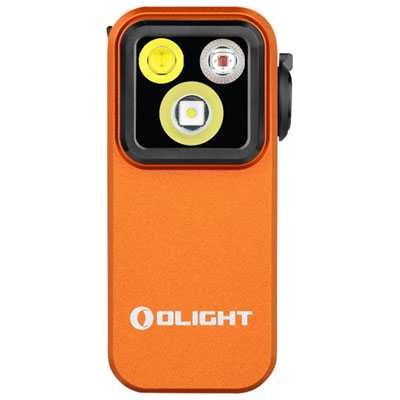 Your price for this item is $49.99
-
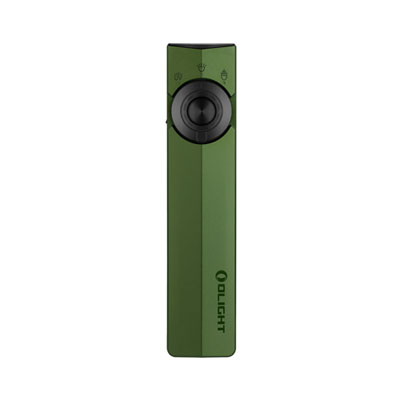 Your price for this item is $139.99
-
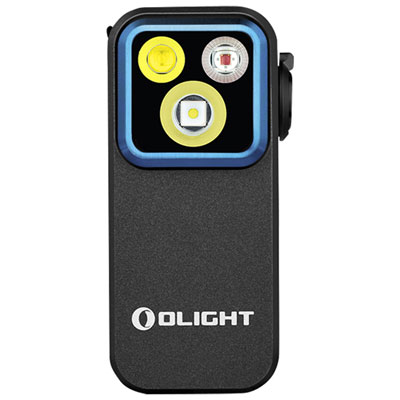 Your price for this item is $49.99
Discover more categories related to Emergency Rechargeable Flashlights
Top Collections:
Best Black Friday Deals This Year, Best Black Friday Deals On Electronics, Kindle Devices, Pokemon Centers, Best Black Friday Deals On Apple Products, Best Cameras for Sports Photography, Dyson Airwrap, Pokémon 30th Celebration Cards, Apple iPhone 17 Pro, Canon G7X Cameras
Some products may be subject to Environmental Handling Fees
(EHF) depending on your province.
Learn more about EHFs.