High Lumen Rechargeable Flashlights
High Lumen Rechargeable Flashlights deliver powerful illumination and reliable performance for a wide range of activities, from outdoor adventures to emergency situations. These flashlights are designed for users who need bright, consistent lighting and the convenience of rechargeable power. Explore a selection of High Lumen Rechargeable Flashlights that combine advanced technology with user-friendly features, making them an essential tool for home, work, or travel. Find the ideal flashlight to suit your needs and experience dependable brightness whenever you need it most.
Sort
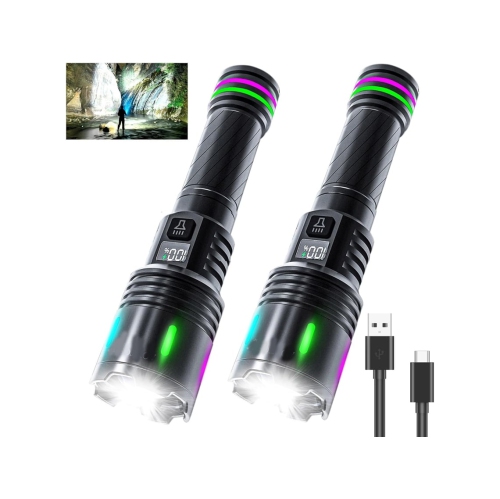
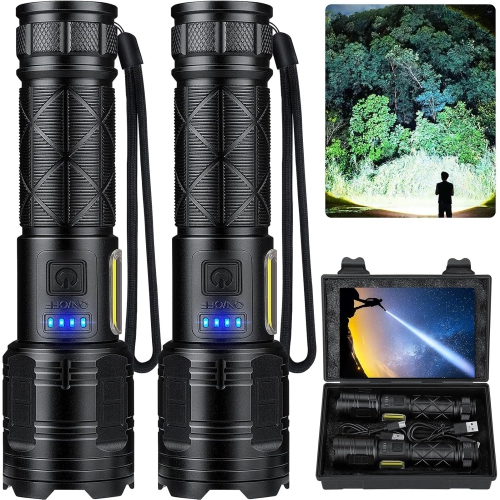
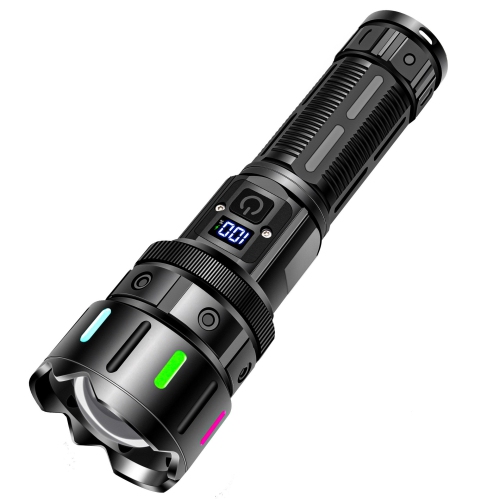
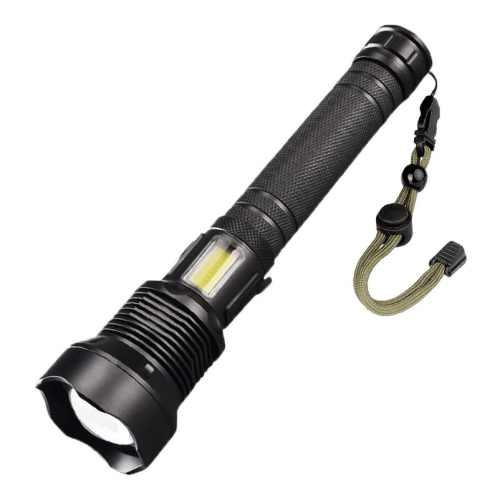
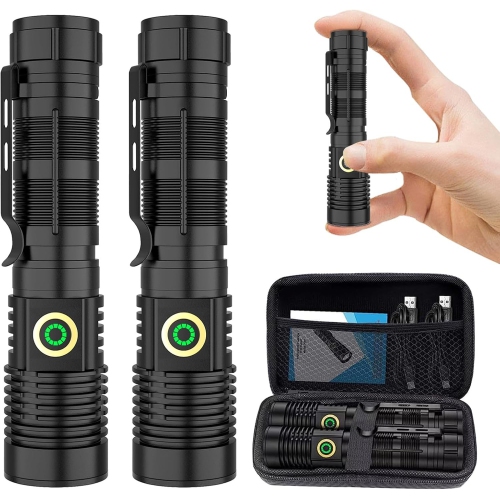
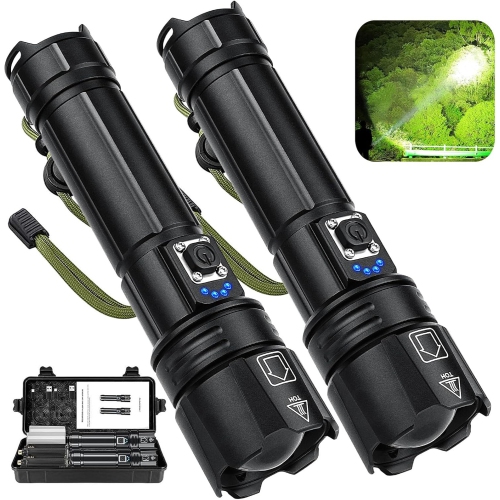
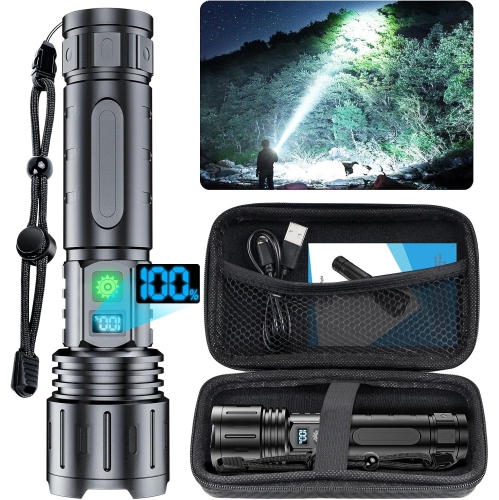
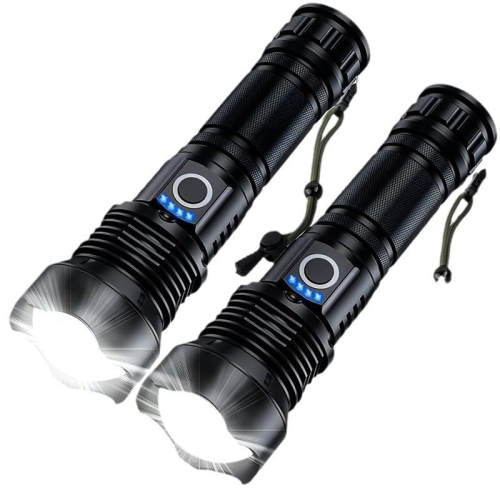
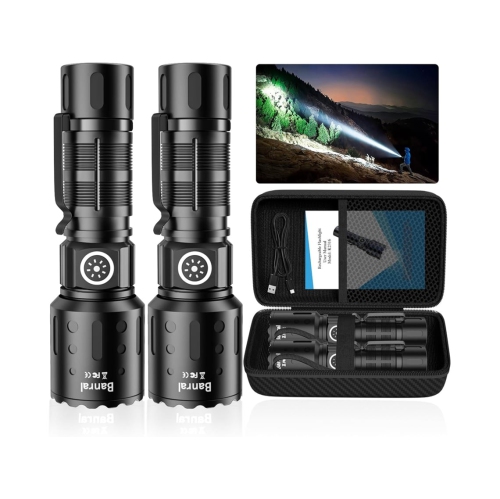
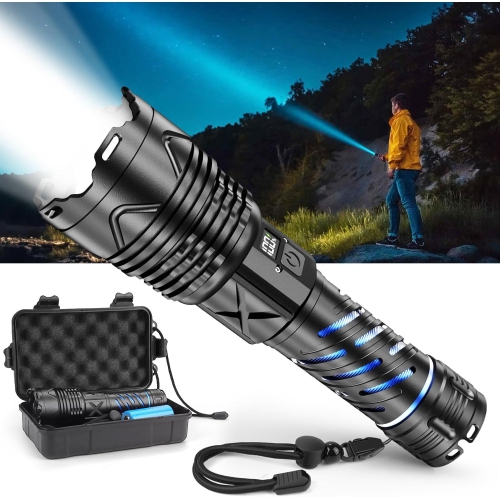
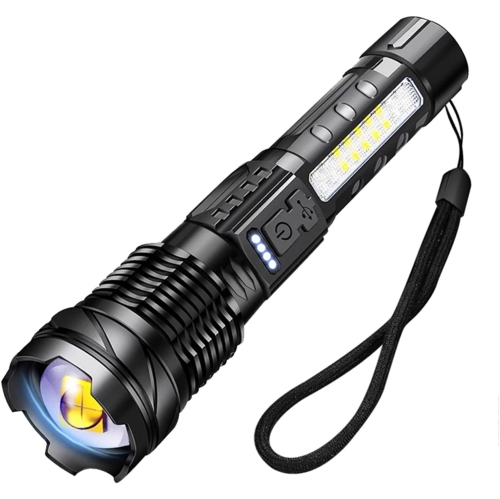
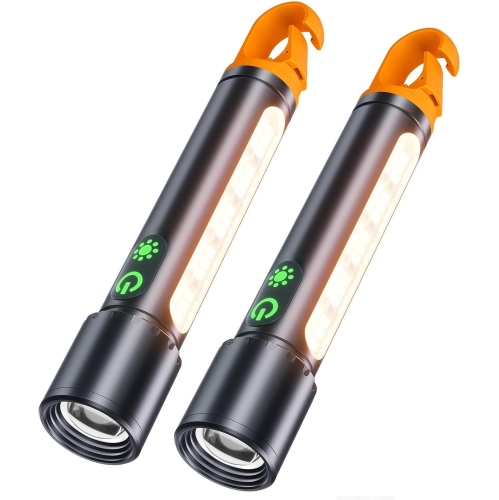
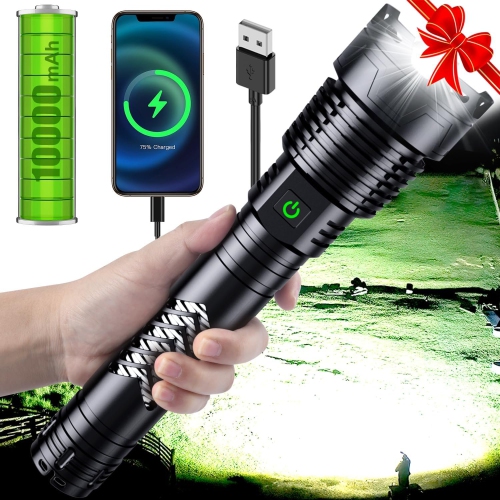
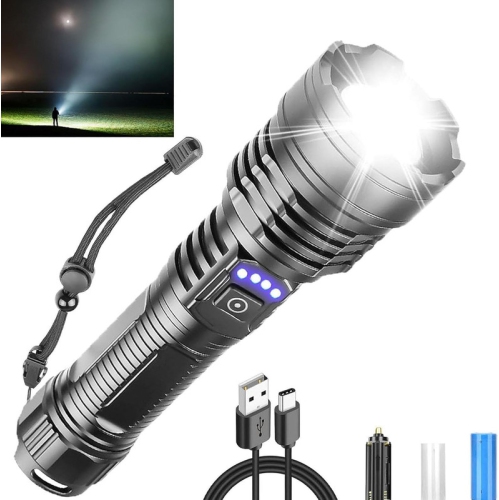
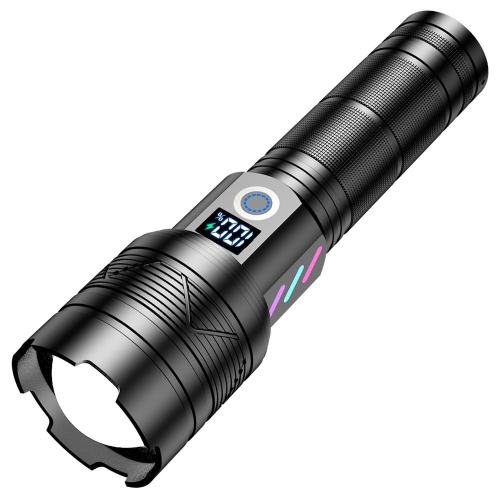
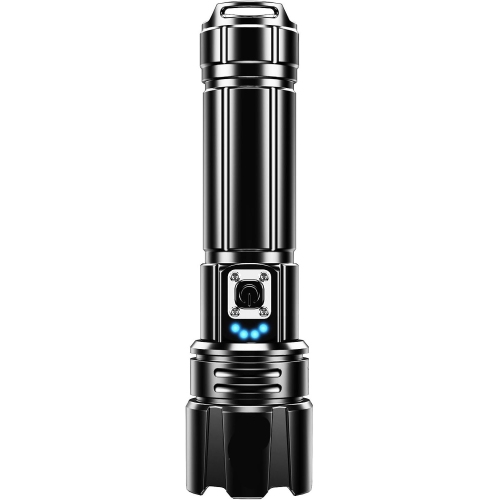
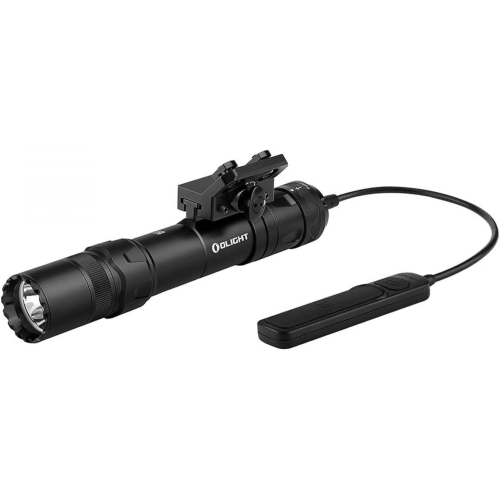
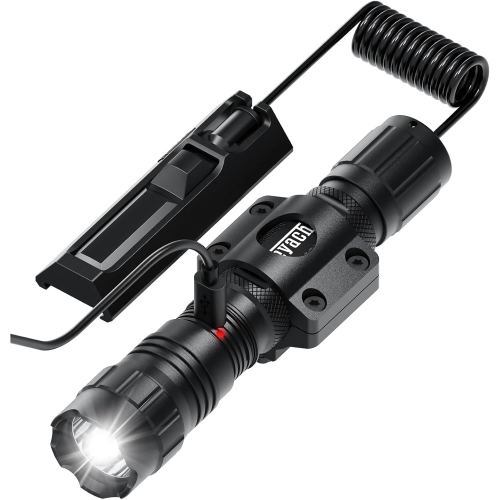
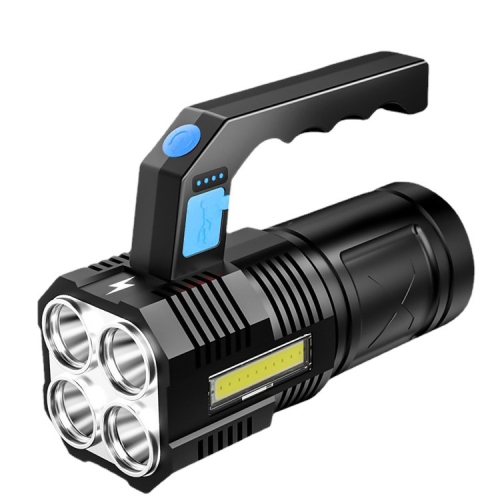
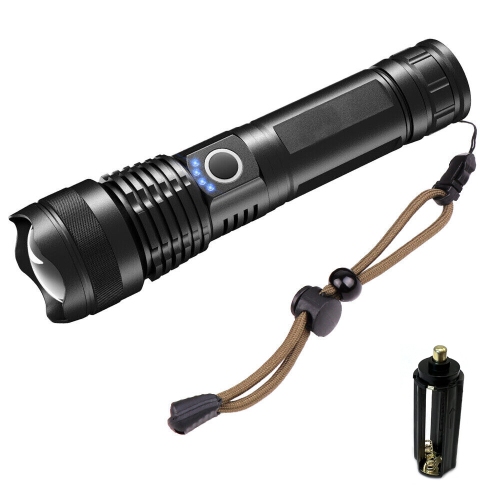
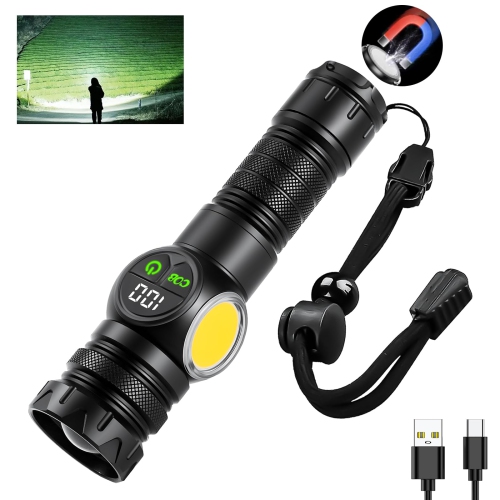
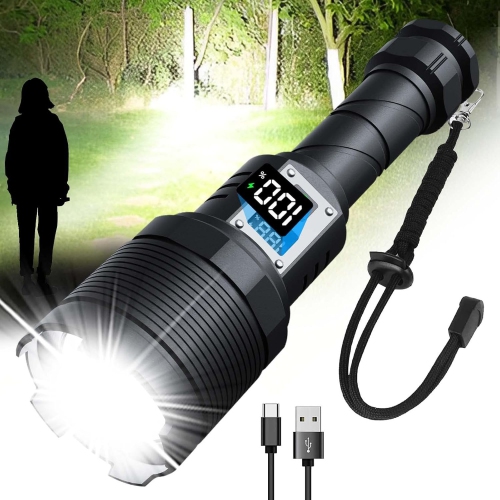
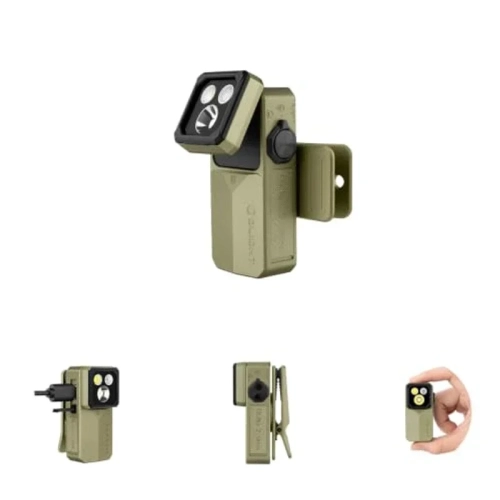
Why flashlight performance goes beyond the lumen count
High lumen rechargeable flashlights combine bright LED illumination with batteries that can be charged between uses, making them useful for tasks ranging from checking an unlit storage area to finding the next trail marker after dark. Lumens describe the total amount of visible light a flashlight produces, but that number tells only part of the story. Beam shape, reach, runtime and handling all affect how useful the light feels in practice. A broad flood beam spreads illumination across a work area, helping reveal tools on a garage floor or the contents of a deep cupboard. A concentrated beam puts more intensity into a smaller area, making distant objects easier to distinguish. Some designs combine a bright central spot with surrounding spill light, so the path ahead remains visible without losing sight of nearby obstacles. Higher lumen output does not automatically mean greater beam distance; candela, which measures light intensity in a particular direction, also matters. A flashlight rated at several thousand lumens may produce a wide wash of light rather than a narrow, long-reaching beam. Adjustable focus or separate beam settings can add flexibility, although the usefulness of either depends on the task. Maximum output is often intended for brief bursts, with brightness stepping down as the light manages heat or battery charge falls. Sustained output and runtime at a practical setting can therefore matter more than the highest figure on the packaging. Lower modes are useful for reading labels, checking a fuse panel or moving through a dark room without excessive glare. Light quality makes a difference, too: higher colour rendering can make wiring colours, fabric shades and small surface details easier to distinguish. For home maintenance, camping, walking and professional inspections, a balanced combination of brightness, beam control and comfortable handling often delivers more useful illumination than maximum output alone.
Rechargeable power adds convenience to a flashlight used regularly, whether it stays beside a toolbox, travels in a backpack or forms part of a household emergency kit. Within the broader range of Rechargeable Flashlights, high lumen designs can place greater demands on battery capacity, charging arrangements and heat management. USB-C charging is a common feature, but charging speed depends on the flashlight’s supported input as well as the cable and power source. A compatible connector alone does not guarantee fast charging. Some flashlights charge through a port on the body, while others use a dedicated dock or a removable rechargeable battery. An integrated battery keeps the charging routine straightforward; a user-replaceable battery can make extended use more practical when a correctly specified spare is carried. Battery compatibility matters because similar-looking cells can differ in size, voltage and protection requirements. Runtime figures are most useful when tied to a particular brightness setting, since a low mode may last much longer than a high-output mode. Battery indicators help show when charging is needed, and a display may provide more detailed status information on designs equipped with one. Controls are equally important during everyday use. A large button can be easier to locate by touch, while a tail switch may suit a firm, one-handed grip. Mode memory can return the light to a previously used setting, and a lockout function helps prevent accidental activation inside a bag. Size and weight influence whether a flashlight remains comfortable in a pocket or feels better carried in a pack. Pocket clips, wrist straps and textured grips can help keep it secure, while a stable tail or magnetic base can support hands-free tasks where the design permits. A magnetic mount is particularly useful when illuminating the inside of a steel cabinet, although its holding strength depends on the contact surface and the flashlight’s weight.
Construction and care help determine how well a high lumen rechargeable flashlight stands up to repeated use. Aluminium bodies are common because they combine relatively low weight with effective heat transfer, while polymer components can provide a lighter feel and comfortable grip surfaces. Knurling, raised ribs and a body shape that resists rolling can make a noticeable difference on a crowded workbench. Impact-resistance ratings offer useful context for accidental drops, but they do not make a flashlight immune to damage. Water- and dust-resistance ratings also describe specific tested conditions rather than unlimited protection. An IP rating should be read alongside the manufacturer’s instructions, particularly where charging-port covers, removable end caps or seals are involved. Keeping those contact surfaces clean and closing covers fully helps maintain the intended protection. Dirt around a lens can scatter light, while grit in threads or switches can affect operation; gentle cleaning with a soft cloth and care consistent with the instructions helps preserve performance. Charging ports should be clean and dry before a cable is connected. High-output LEDs and their surrounding housings can become hot, so an operating flashlight needs space to release heat and should not be left switched on against fabric or inside a closed bag. Bright beams should never be directed into anyone’s eyes or towards drivers, and a low setting is usually more comfortable for close work. For an emergency kit, a familiar charging routine and an occasional function check help keep the flashlight ready when needed. As a practical gift, this type of light can suit a camper, a home repair enthusiast or someone whose work involves inspecting poorly lit spaces. The best fit depends on how it will be carried and used: a manageable body, clear controls and useful lower settings can be just as valuable as an impressive burst of light when checking a distant corner or illuminating a larger area.
Top selling and popular products
-
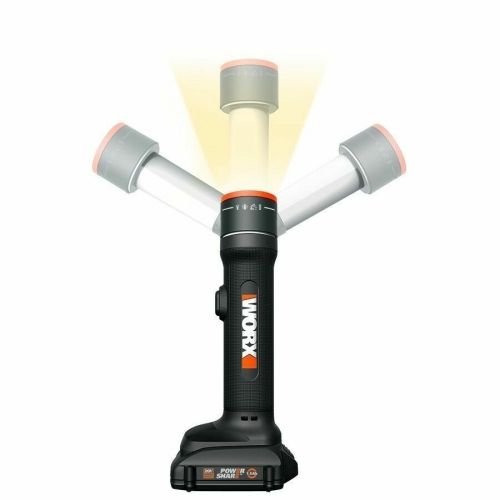 Your price for this item is $129.99
-
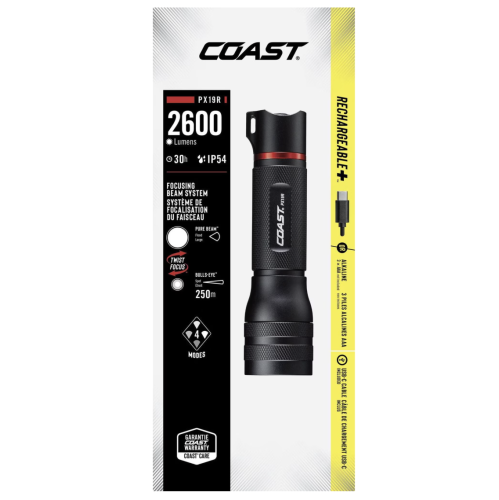 Your price for this item is $39.99
-
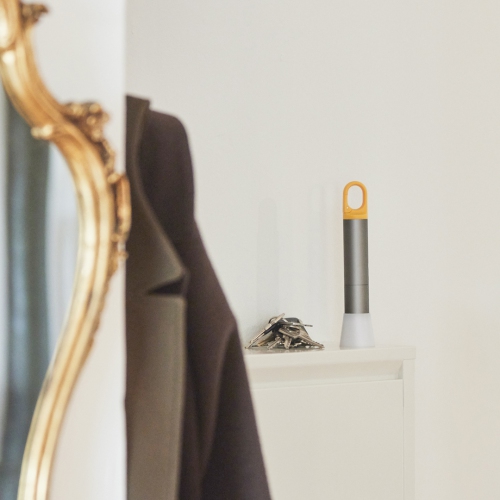 Your price for this item is $64.99
-
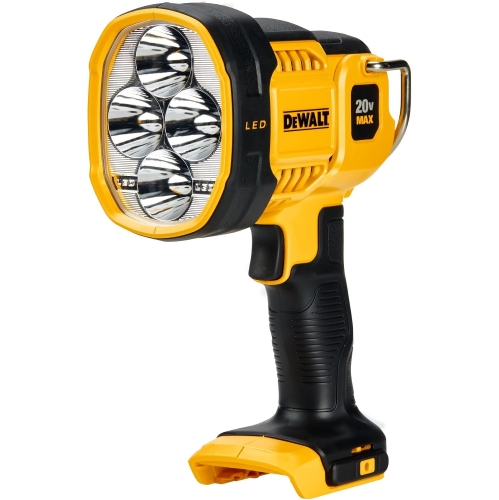 Your price for this item is $74.99
-
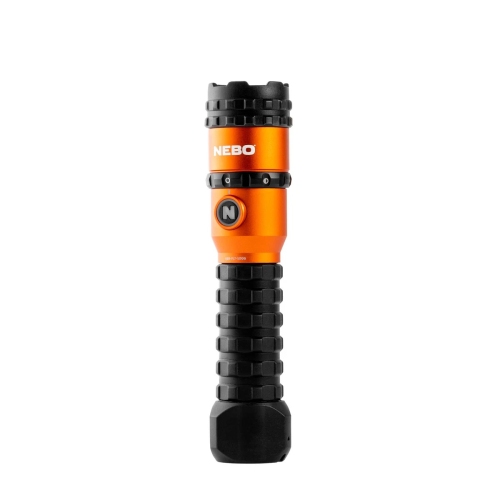 Your price for this item is $104.99
-
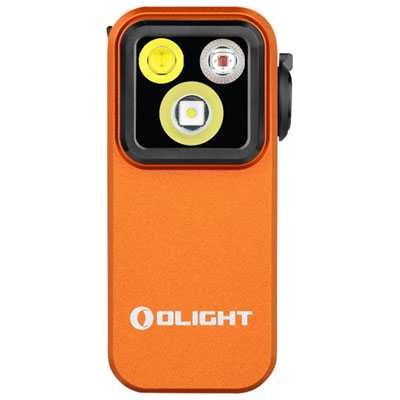 Your price for this item is $49.99
-
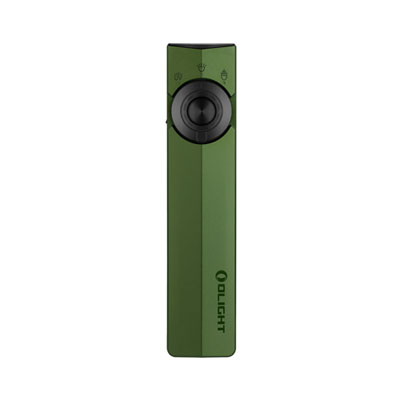 Your price for this item is $139.99
-
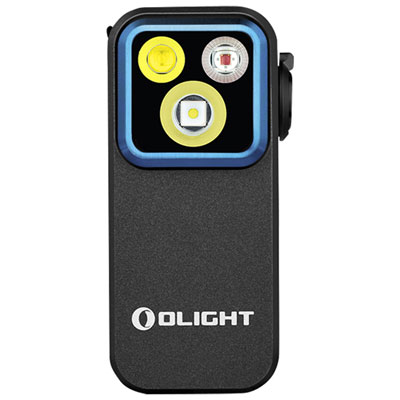 Your price for this item is $49.99
Discover more categories related to High Lumen Rechargeable Flashlights
Top Collections:
Best Black Friday Deals This Year, Best Black Friday Deals On Electronics, Kindle Devices, Pokemon Centers, Best Black Friday Deals On Apple Products, Best Cameras for Sports Photography, Dyson Airwrap, Pokémon 30th Celebration Cards, Apple iPhone 17 Pro, Canon G7X Cameras
Some products may be subject to Environmental Handling Fees
(EHF) depending on your province.
Learn more about EHFs.