End Table Legs Wood
If you're looking for a piece of furniture that can serve multiple purposes in your home, consider an end table. It can be used as a lamp stand, a footrest, or even as a surface for your laptop and tablet. End tables come in all shapes and sizes, but one of the most important aspects to consider when selecting one is the type of wood used for the legs. Here are some of our favorites.
Sort
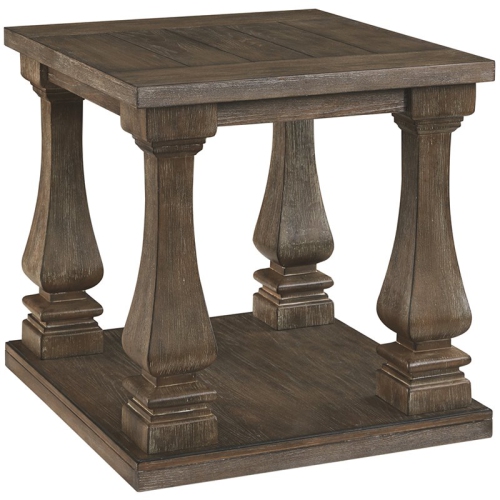
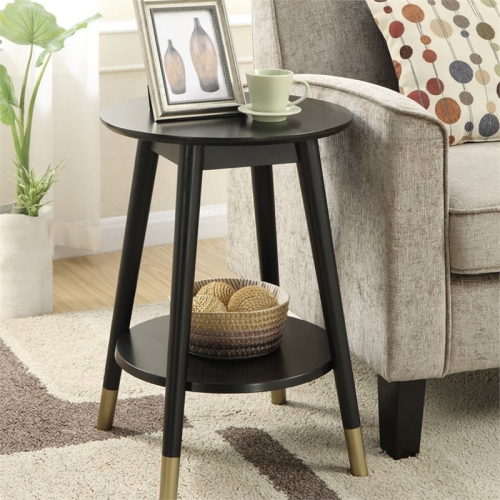
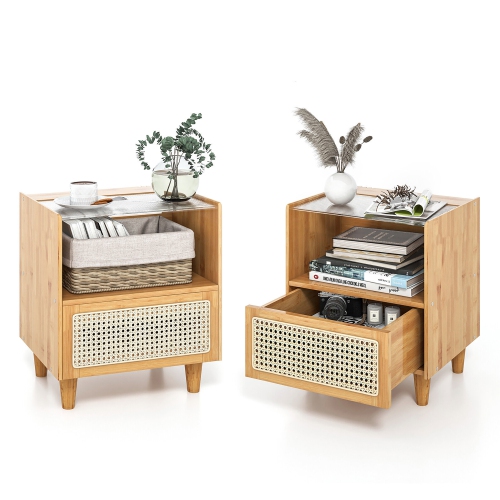
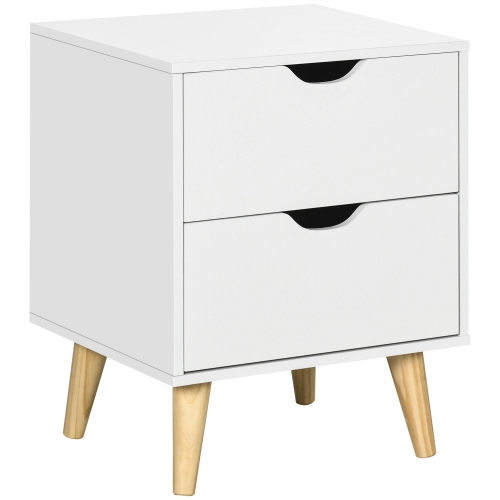
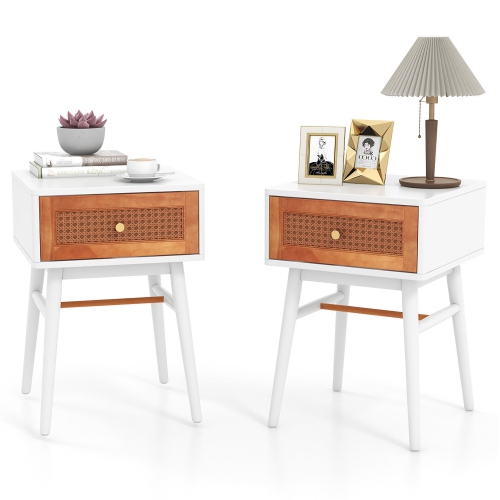
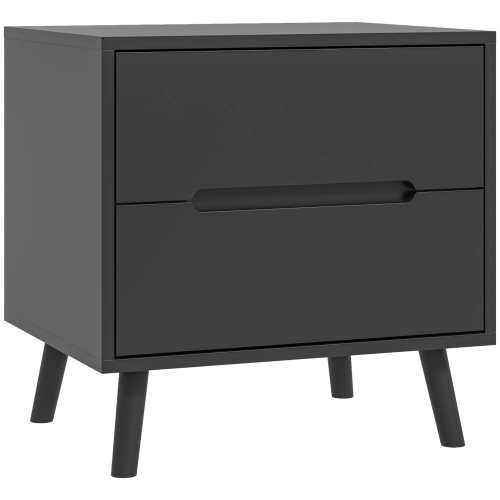
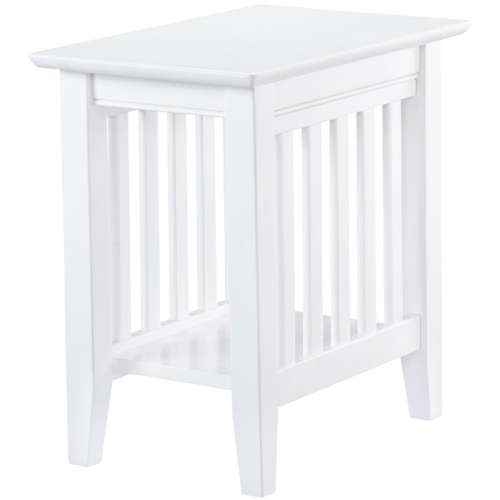
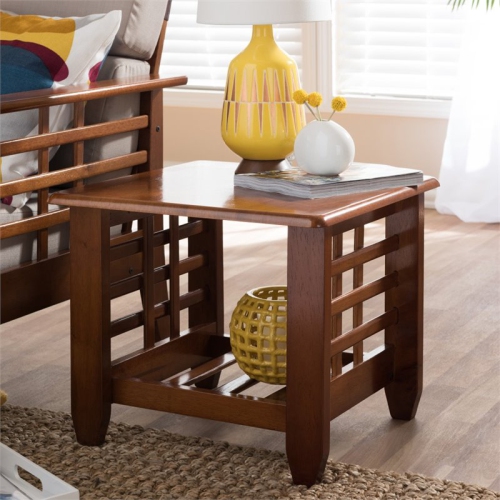
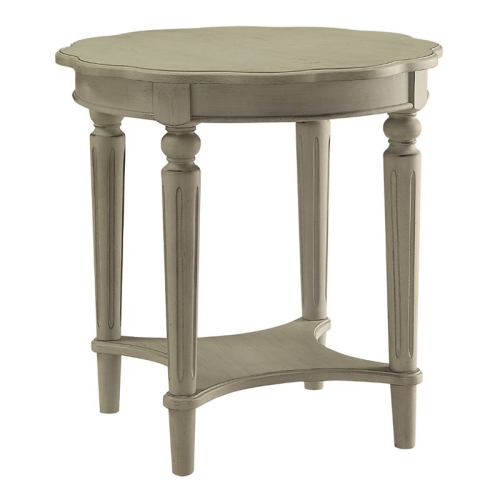
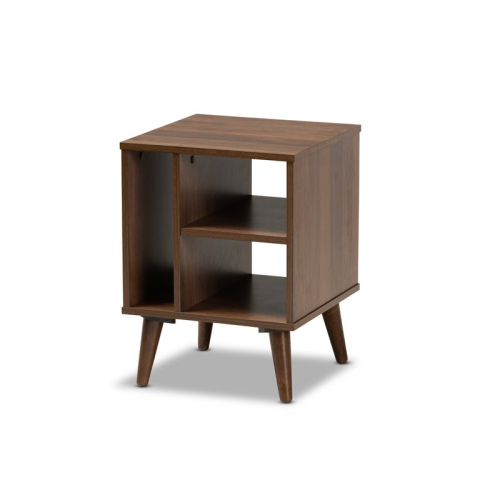
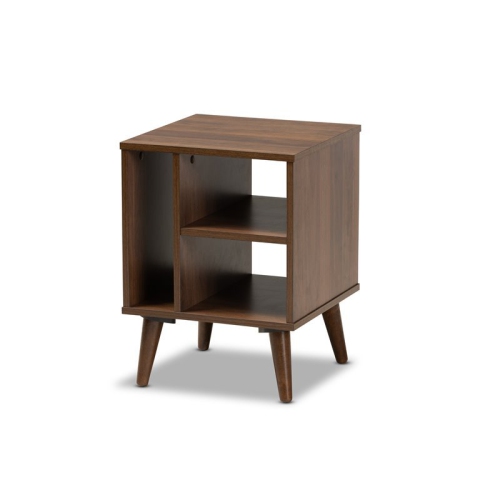
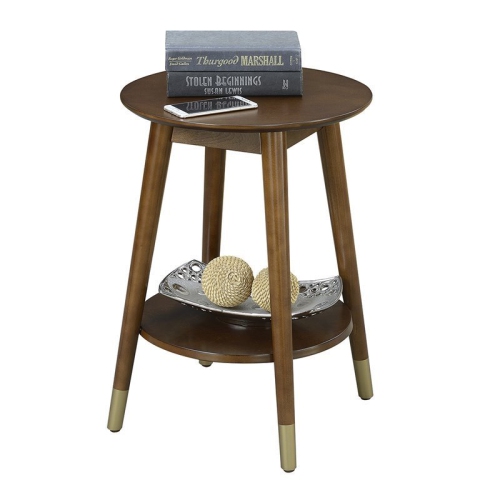
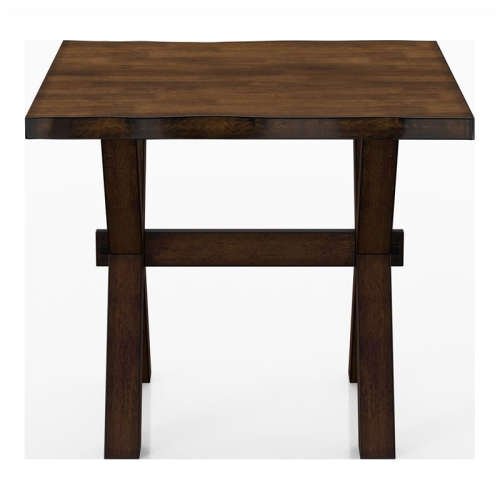
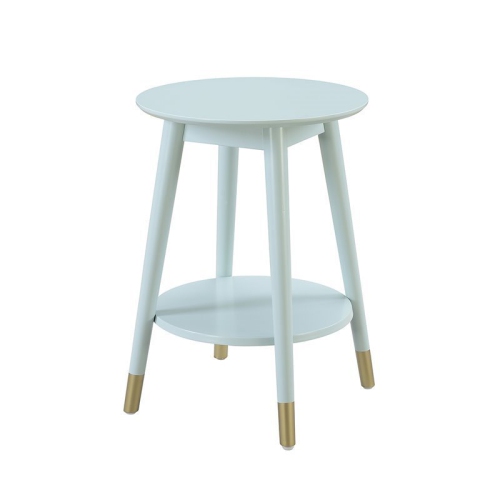
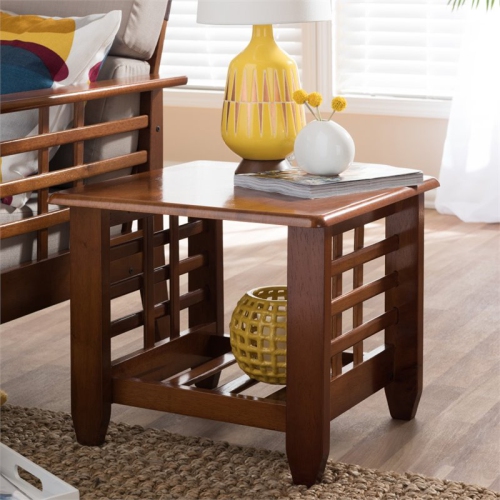
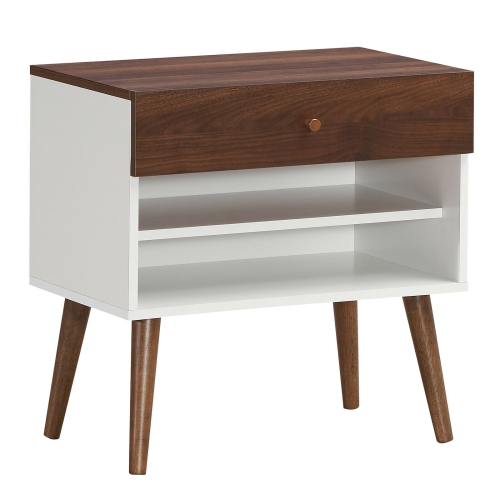
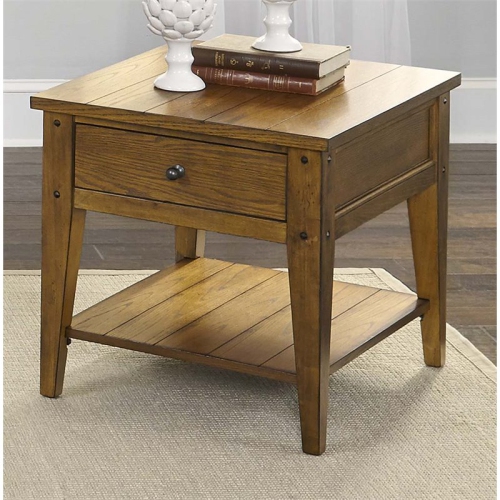
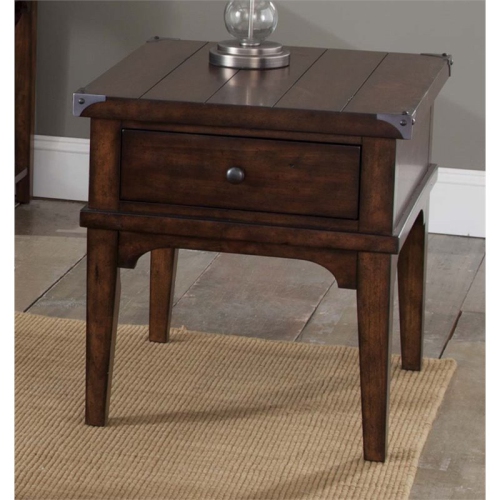
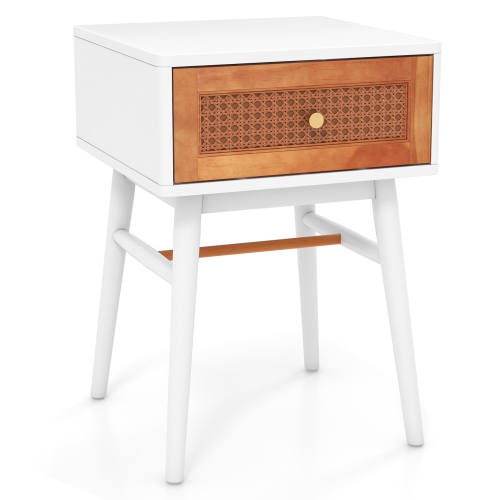
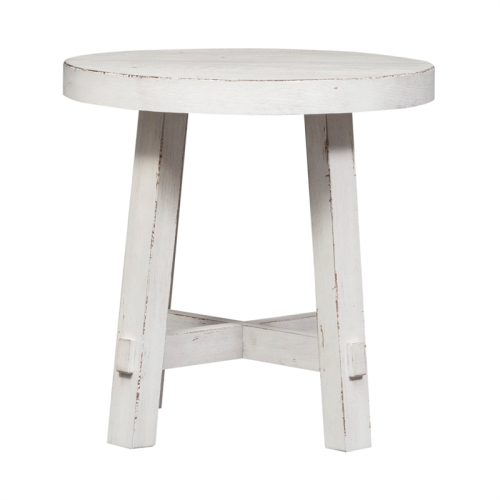

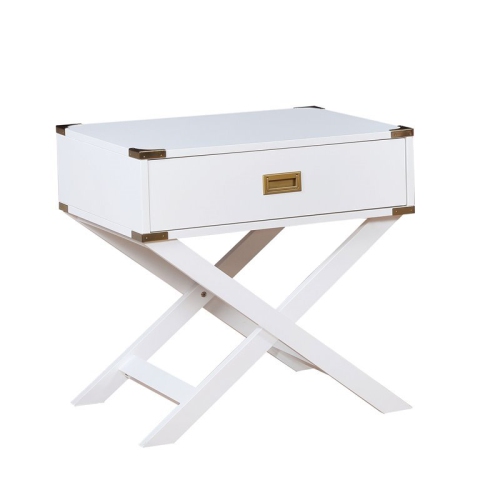
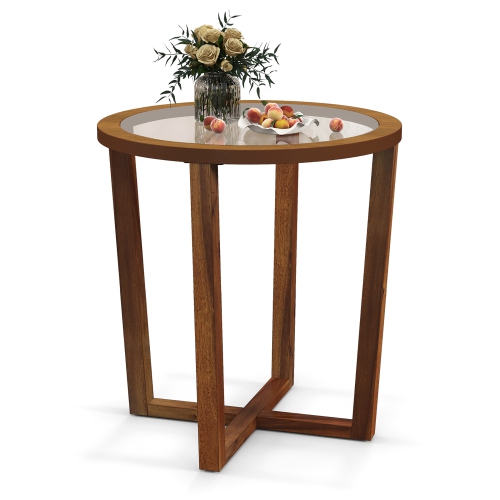
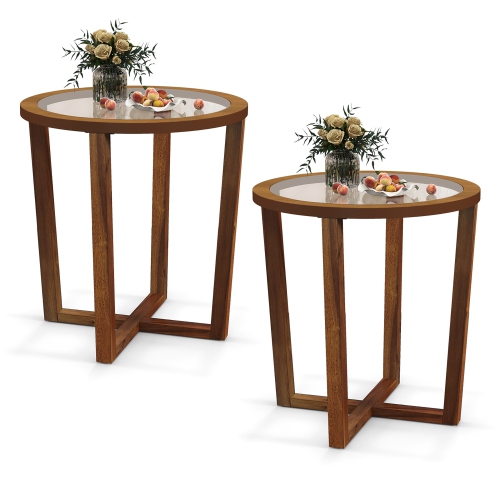
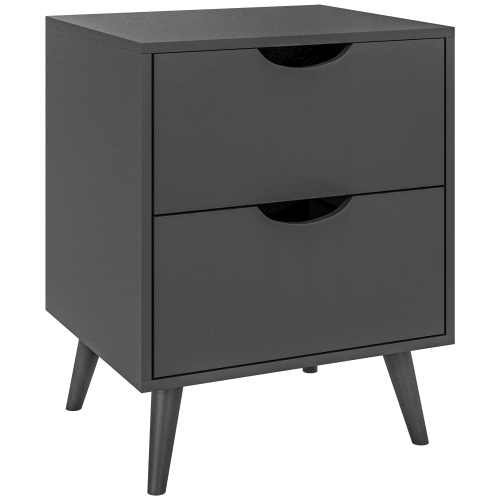
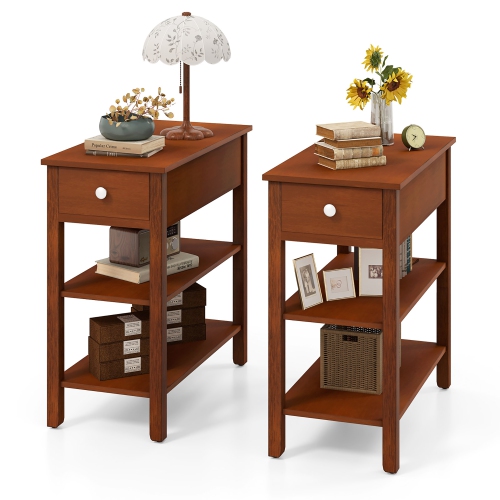
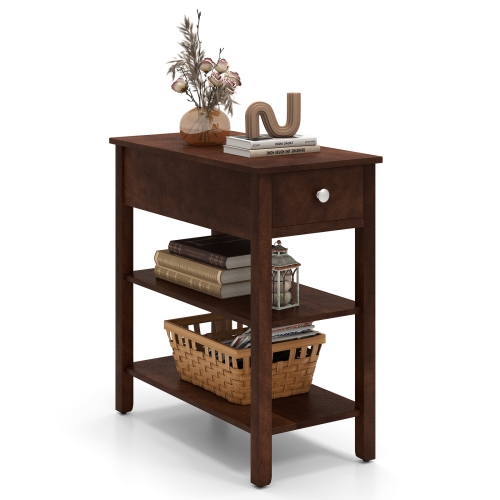
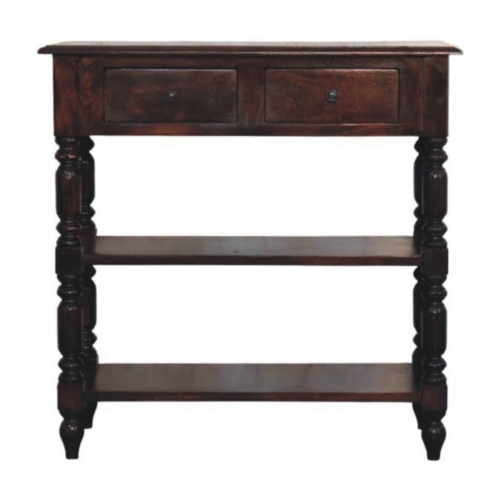
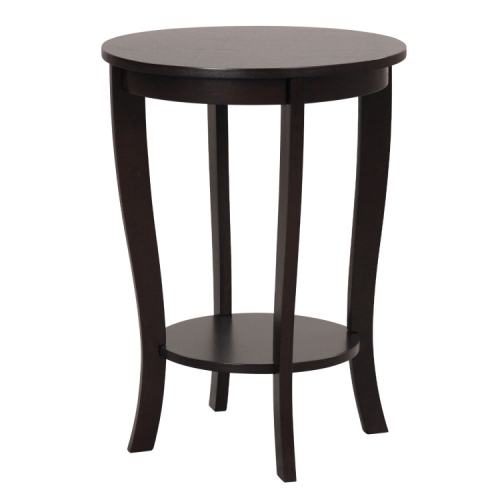
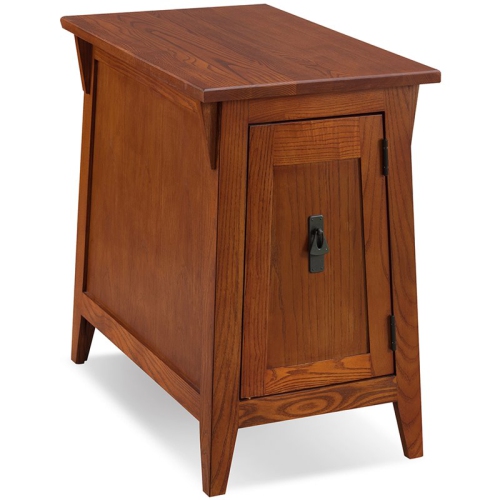
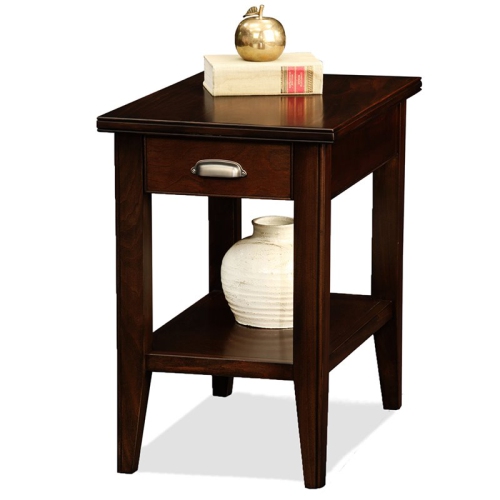
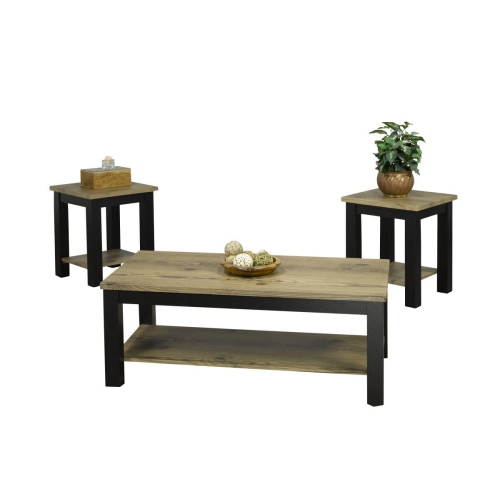
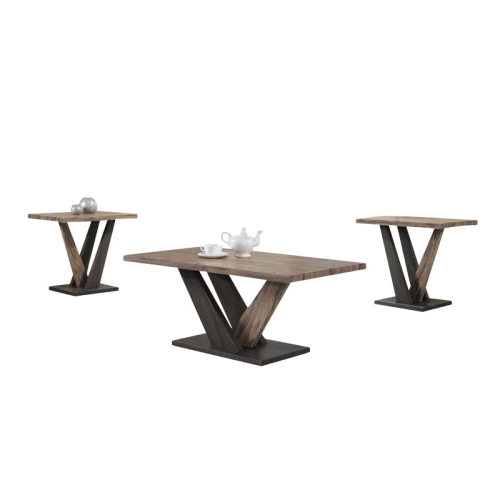
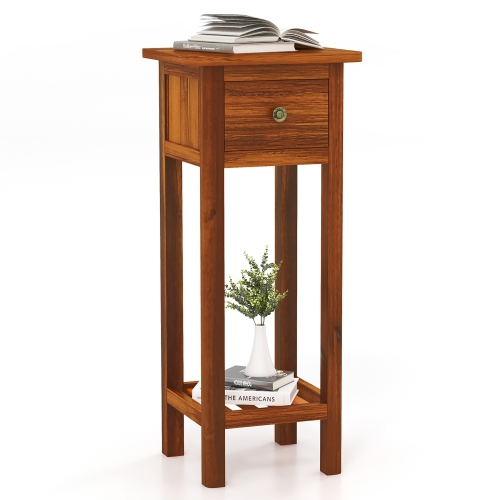
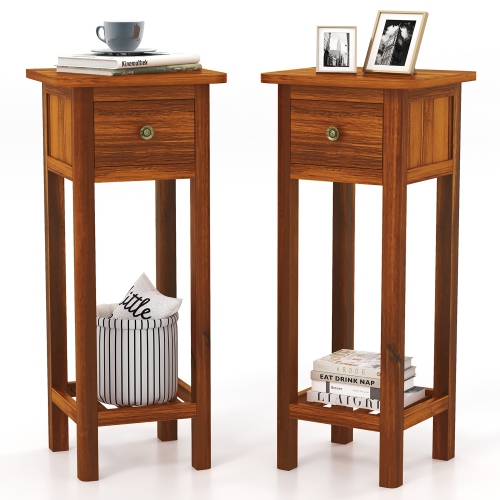
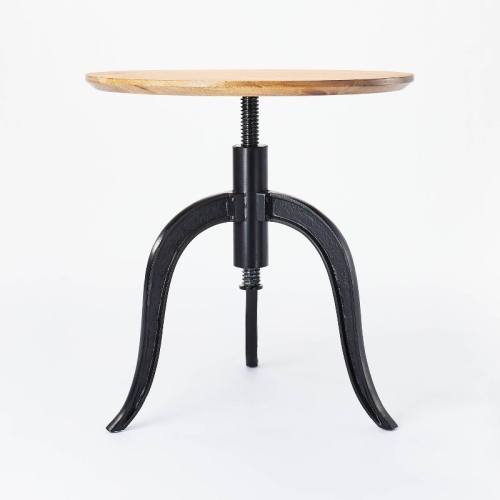
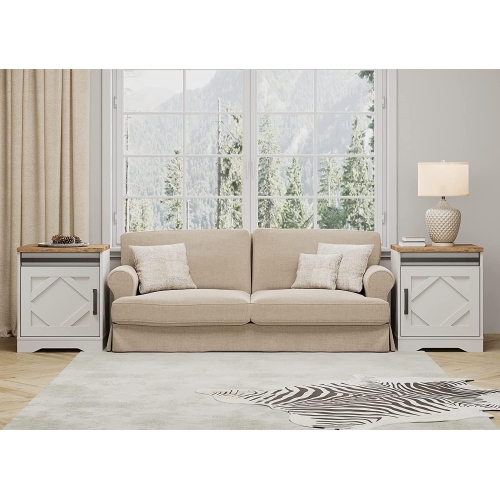
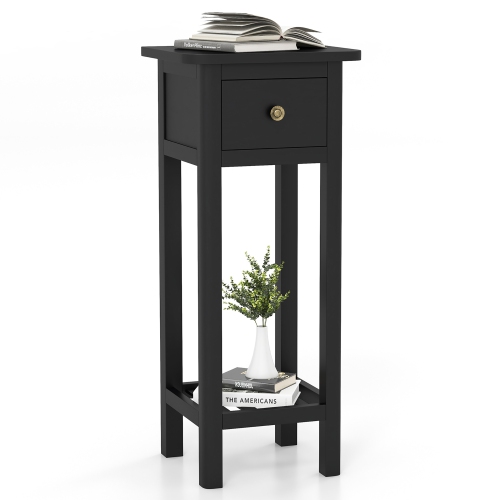
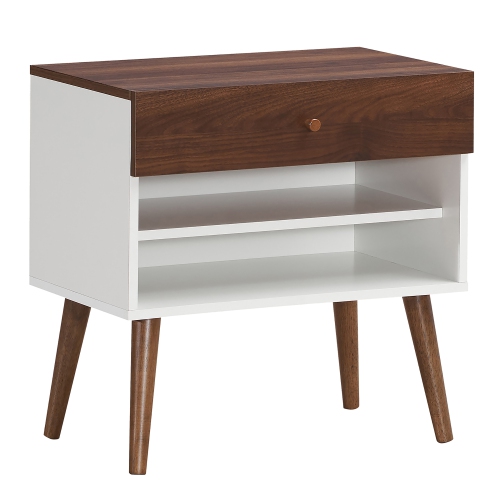
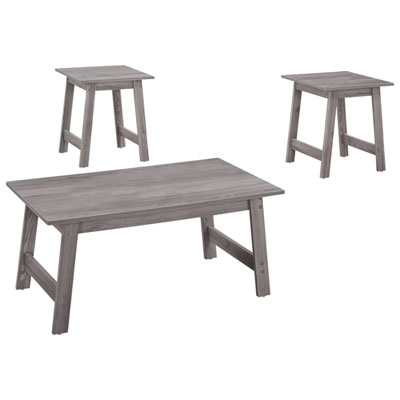
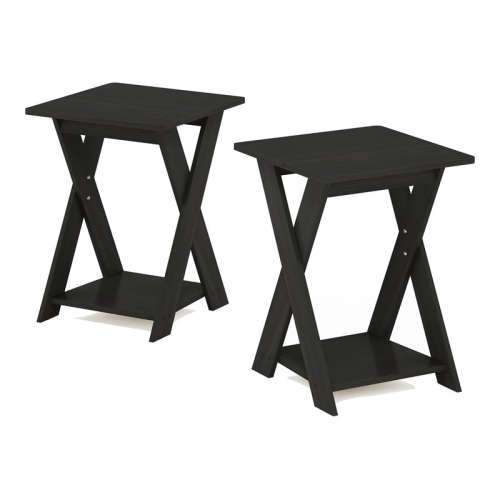
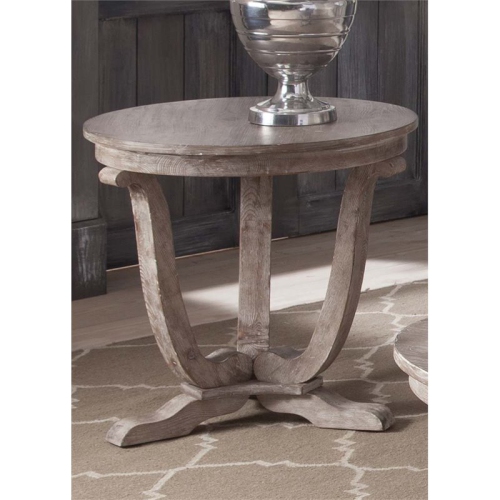
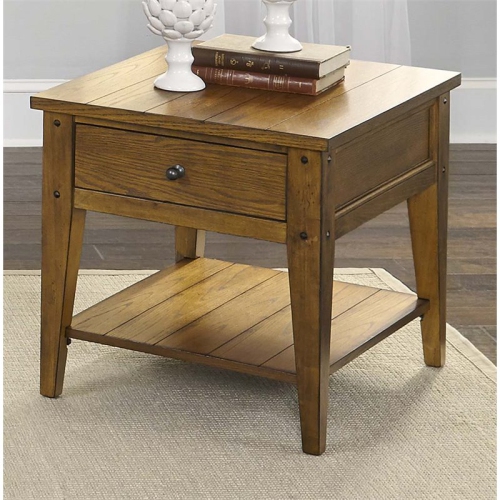
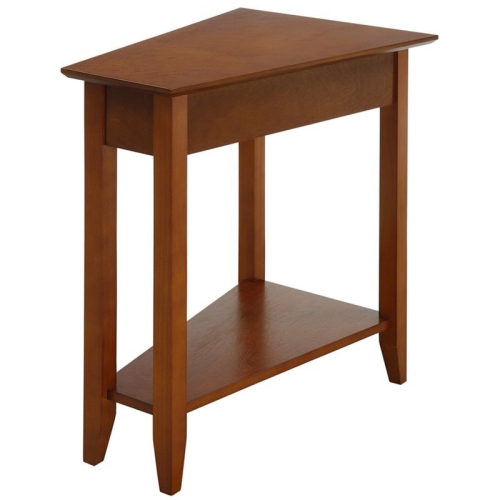
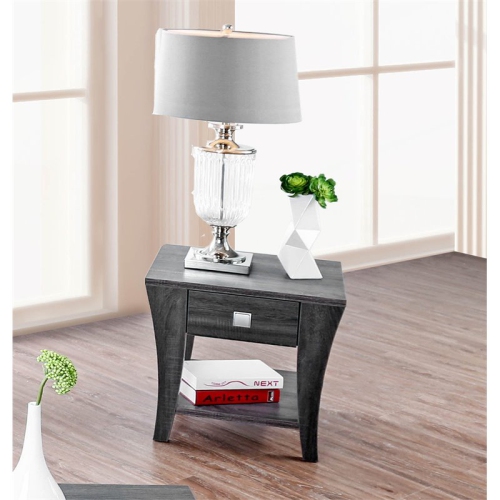
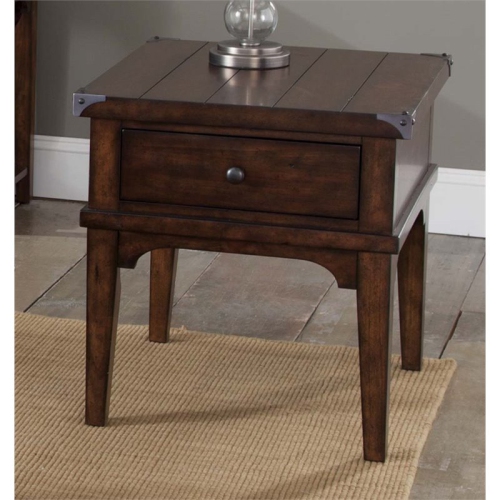
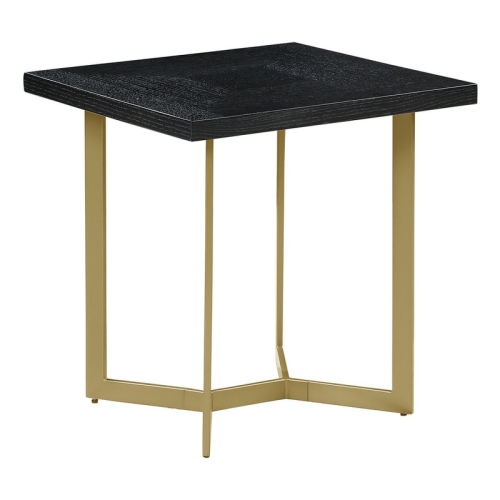
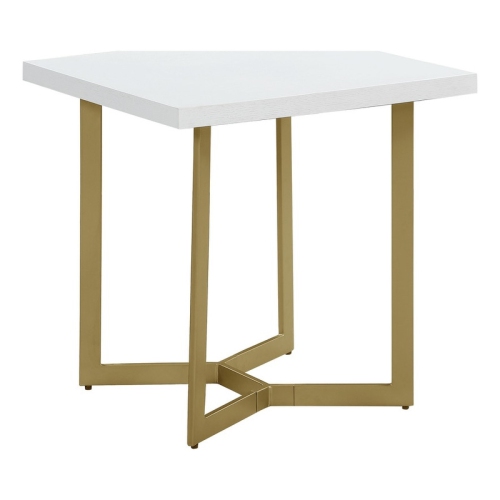
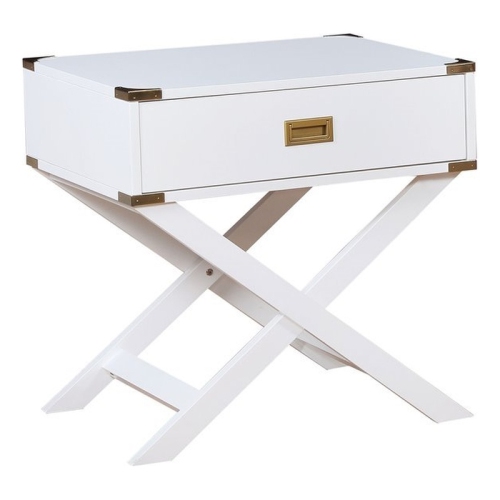
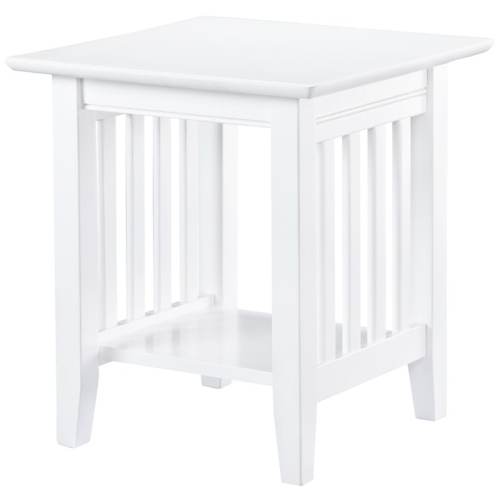
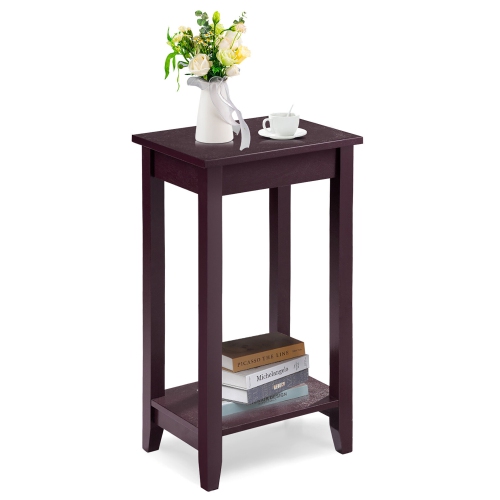

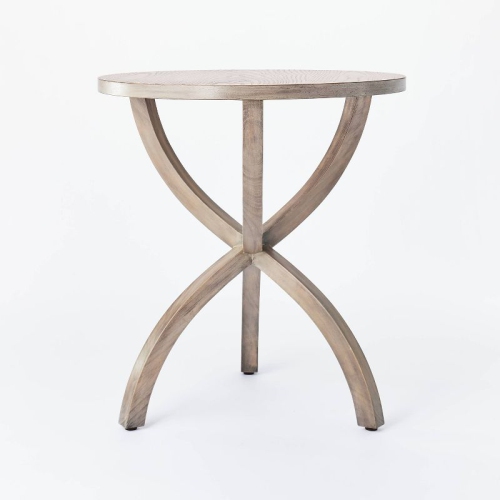
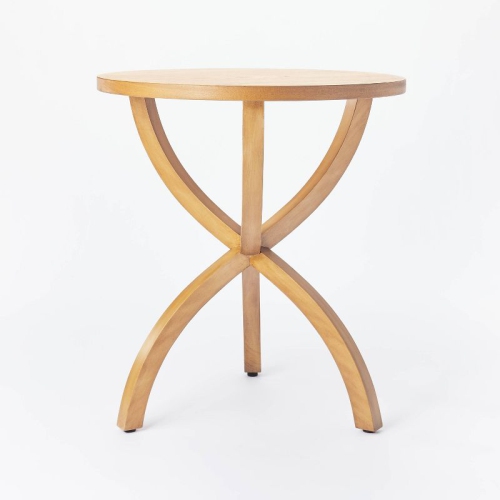
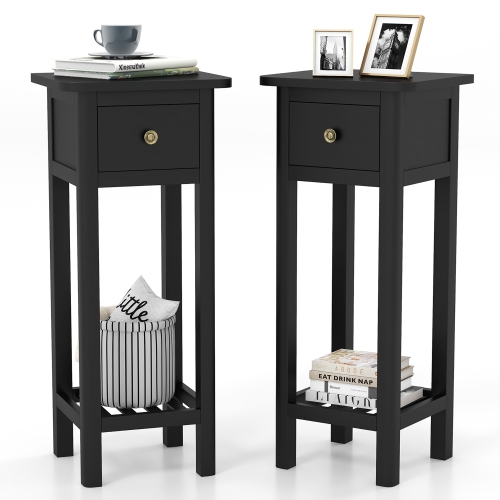
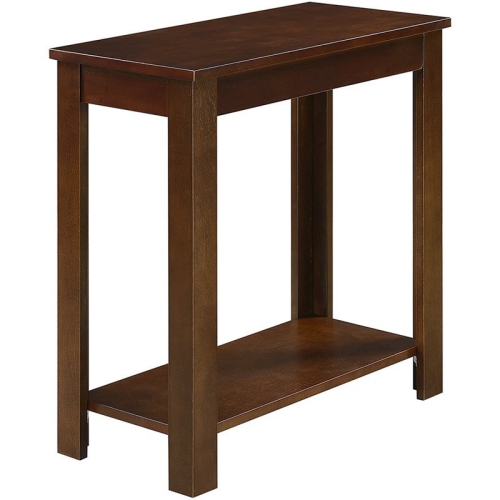
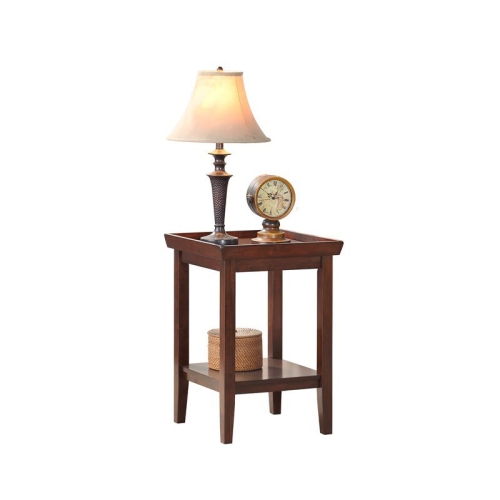
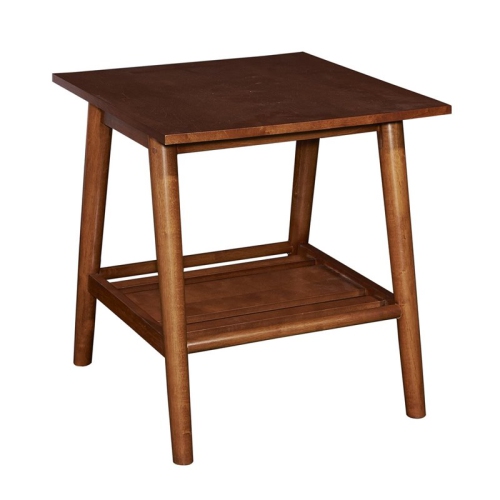
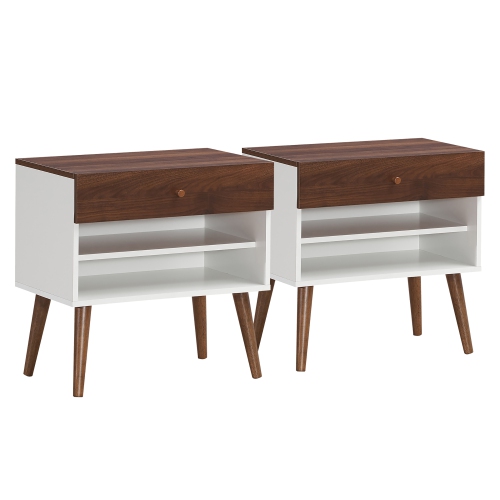
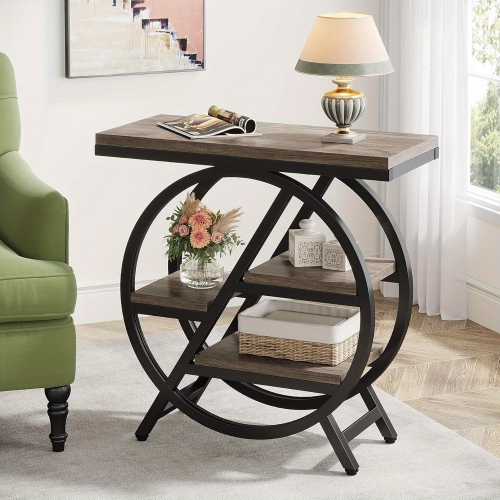


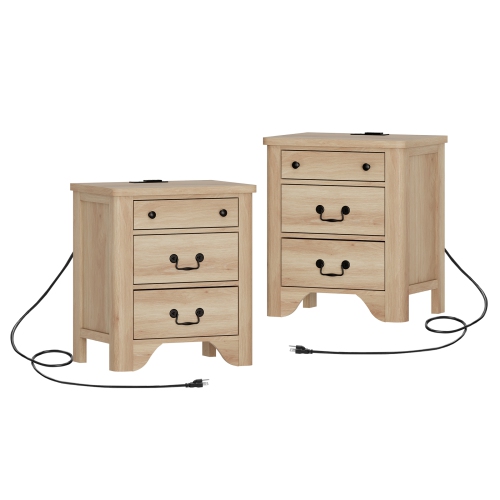
How wood legs shape end table height, style, and stability
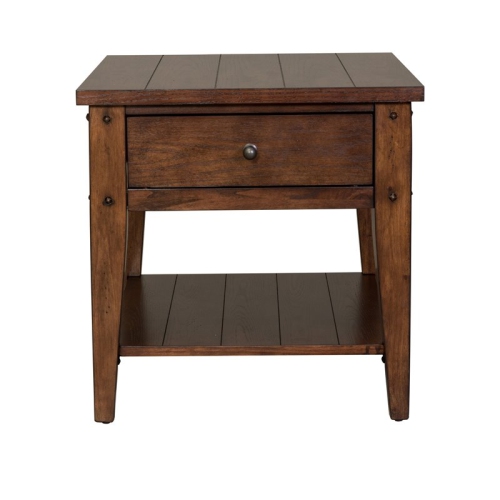
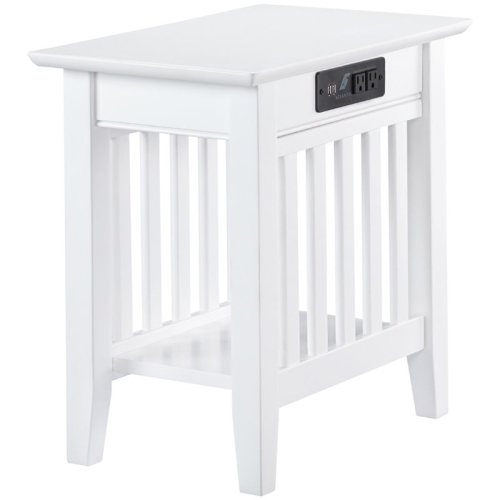
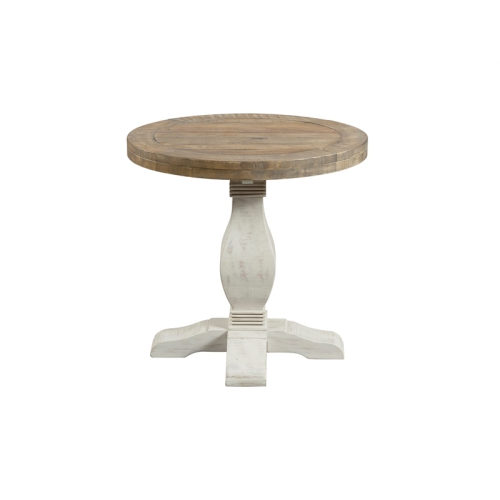
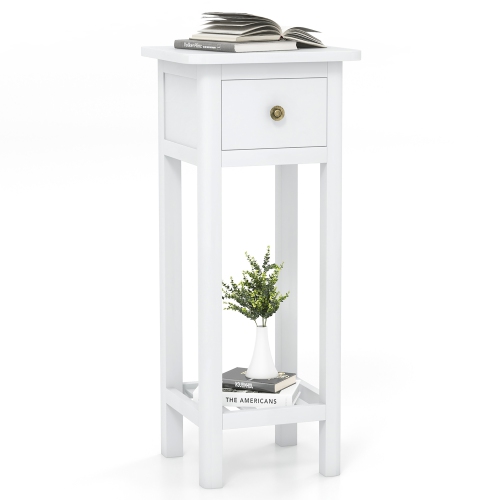
Wood end table legs are a practical starting point for creating, updating, or repairing a compact table for the living room, bedroom, hallway, reading corner, or home office. They can give a simple tabletop a completely different character, whether the desired look is warm and relaxed, clean and contemporary, or detailed and traditional. Standard end table leg heights commonly range from 16 to 28 inch, although the right measurement depends on the tabletop thickness and the table’s intended use. A table beside a sofa is often most comfortable when its surface sits close to the seat height, making it easy to place a mug, book, lamp, remote, or pair of reading glasses within reach. A shorter design can work well beside a low lounge chair, while a taller table may suit a bed, narrow entryway bench, or occasional seating area. Before ordering, measure from the floor to the top of the finished tabletop rather than choosing legs based on length alone. Remember to account for the thickness of the wood, mounting plates, brackets, and any feet or glides. A quick sketch or a piece of scrap material taped together at the proposed height can help reveal whether the finished proportions will feel balanced in the room.
The wood species and leg profile also influence both appearance and performance. Pine is a popular choice for casual, cottage, farmhouse, and budget-conscious projects, with a relatively light colour and grain that readily accepts paint, stain, or a clear finish. Hard maple, red oak, walnut, and cherry offer different grain patterns, tones, and levels of visual formality, making them useful when the legs need to complement an existing dining set, cabinet, flooring, or wood accent wall. Hardwood legs can be a strong choice for tables that will receive frequent use, while softer wood may be well suited to a decorative side table or a project where painting is part of the plan. Tapered legs have a streamlined profile that pairs naturally with modern, Scandinavian, and mid-century-inspired rooms. Straight legs create a straightforward, versatile foundation, while turned, fluted, or carved shapes bring more traditional detail to a room. Bun feet and shorter decorative supports can create a grounded look for a low occasional table, though they need to be paired with a tabletop that is proportionate to their compact height. When comparing options, look closely at the leg’s thickness, mounting surface, grain direction, and weight capacity, not just the finish shown in a photograph. Four matching legs are generally the simplest solution for a new build, while individual legs can be useful for replacing a damaged support, adding a centre support, or combining different components in a custom design. Ready-to-finish sets may include mounting plates, screws, or other hardware, but contents vary, so confirm what is included and choose fasteners suited to the tabletop material.
Wood end table legs can suit experienced makers as well as people tackling a first furniture project. Someone furnishing a new apartment may use them to turn a prepared tabletop into a useful bedside table without committing to a large piece of furniture. A homeowner refreshing a family room can replace dated supports and create a more current silhouette while keeping a tabletop with sentimental value. They are also helpful for hobbyists who enjoy selecting a slab, repurposing a well-preserved panel, or matching a new table to an existing set. For a stable result, position the legs evenly near the corners while leaving enough room for the mounting hardware, pre-drill when recommended, and tighten screws gradually so the tabletop is not stressed. Check that the floor is level and add protective glides where needed to reduce movement and help prevent marks on hard flooring. A light sanding followed by the appropriate stain, paint, oil, or clear coat can bring out the grain and make the finished table easier to maintain; always follow the directions for the chosen wood and finish. These components can also make a thoughtful gift for a new homeowner, a furniture enthusiast, or someone setting up a workshop, particularly when paired with a suitable tabletop or finishing supplies. For a coordinated living room arrangement, a side table made with wood legs can sit naturally beside Coffee Tables With Wooden Legs, echoing the same material and profile without requiring every piece to match exactly. During the cooler months, a well-placed end table beside a reading chair becomes a dependable landing spot for a warm drink, a small lamp, and a stack of books, while a carefully chosen wood finish adds the kind of texture that makes a room feel comfortable and lived in.
The wood species and leg profile also influence both appearance and performance. Pine is a popular choice for casual, cottage, farmhouse, and budget-conscious projects, with a relatively light colour and grain that readily accepts paint, stain, or a clear finish. Hard maple, red oak, walnut, and cherry offer different grain patterns, tones, and levels of visual formality, making them useful when the legs need to complement an existing dining set, cabinet, flooring, or wood accent wall. Hardwood legs can be a strong choice for tables that will receive frequent use, while softer wood may be well suited to a decorative side table or a project where painting is part of the plan. Tapered legs have a streamlined profile that pairs naturally with modern, Scandinavian, and mid-century-inspired rooms. Straight legs create a straightforward, versatile foundation, while turned, fluted, or carved shapes bring more traditional detail to a room. Bun feet and shorter decorative supports can create a grounded look for a low occasional table, though they need to be paired with a tabletop that is proportionate to their compact height. When comparing options, look closely at the leg’s thickness, mounting surface, grain direction, and weight capacity, not just the finish shown in a photograph. Four matching legs are generally the simplest solution for a new build, while individual legs can be useful for replacing a damaged support, adding a centre support, or combining different components in a custom design. Ready-to-finish sets may include mounting plates, screws, or other hardware, but contents vary, so confirm what is included and choose fasteners suited to the tabletop material.
Wood end table legs can suit experienced makers as well as people tackling a first furniture project. Someone furnishing a new apartment may use them to turn a prepared tabletop into a useful bedside table without committing to a large piece of furniture. A homeowner refreshing a family room can replace dated supports and create a more current silhouette while keeping a tabletop with sentimental value. They are also helpful for hobbyists who enjoy selecting a slab, repurposing a well-preserved panel, or matching a new table to an existing set. For a stable result, position the legs evenly near the corners while leaving enough room for the mounting hardware, pre-drill when recommended, and tighten screws gradually so the tabletop is not stressed. Check that the floor is level and add protective glides where needed to reduce movement and help prevent marks on hard flooring. A light sanding followed by the appropriate stain, paint, oil, or clear coat can bring out the grain and make the finished table easier to maintain; always follow the directions for the chosen wood and finish. These components can also make a thoughtful gift for a new homeowner, a furniture enthusiast, or someone setting up a workshop, particularly when paired with a suitable tabletop or finishing supplies. For a coordinated living room arrangement, a side table made with wood legs can sit naturally beside Coffee Tables With Wooden Legs, echoing the same material and profile without requiring every piece to match exactly. During the cooler months, a well-placed end table beside a reading chair becomes a dependable landing spot for a warm drink, a small lamp, and a stack of books, while a carefully chosen wood finish adds the kind of texture that makes a room feel comfortable and lived in.
Top selling and popular products
-
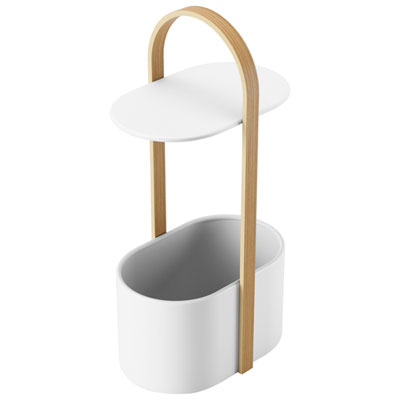 Your price for this item is $69.98
 -
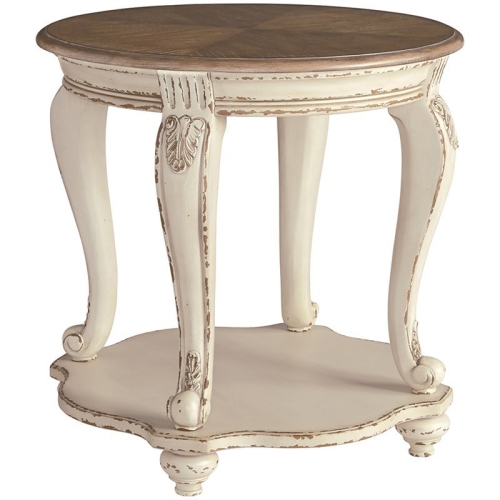 Your price for this item is $369
 -
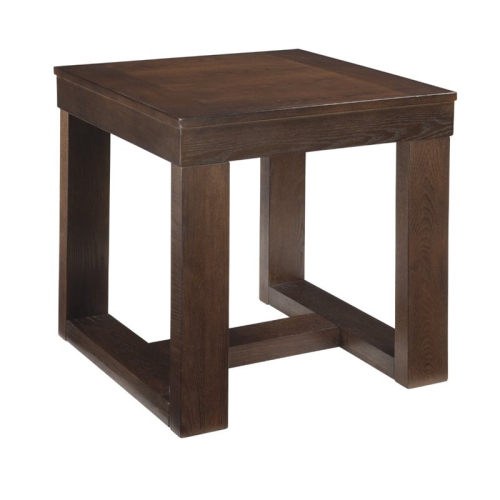 Your price for this item is $199
 -
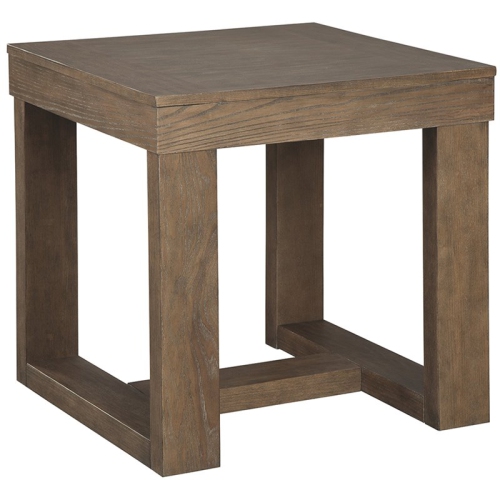 Your price for this item is $385.37
 -
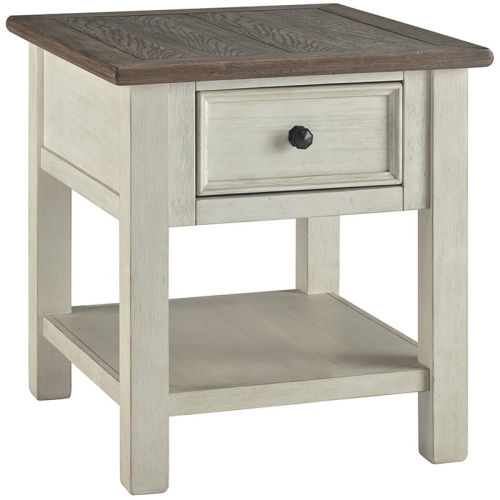 Your price for this item is $399
 -
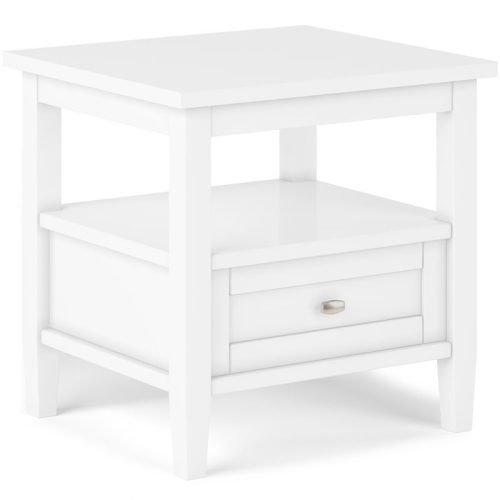 Your price for this item is $416.79
 -
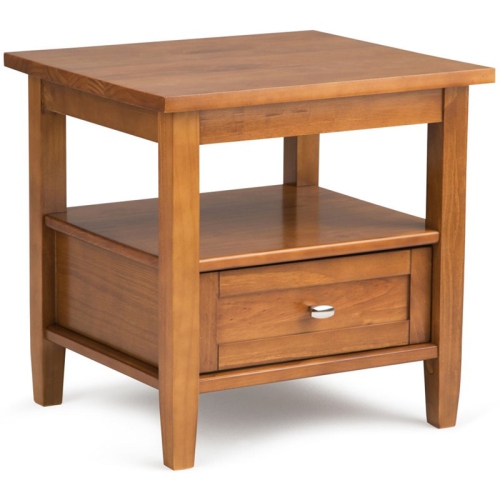 Your price for this item is $365.87
 -
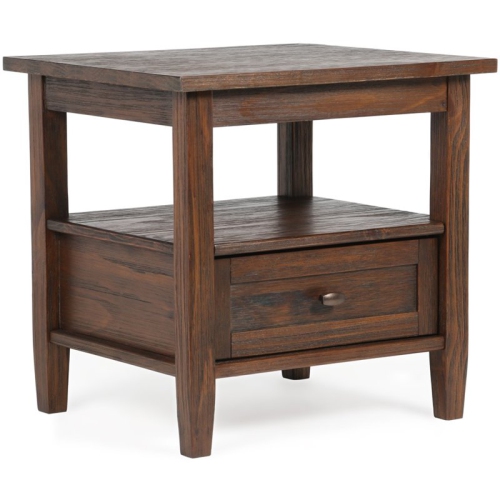 Your price for this item is $416.29
Discover more categories related to End Table Legs Wood
Top Collections:
Best Laptops for Video Editing, Pokemon Centers, Samsung Z Fold, Kindle Devices, Best Cell Phones Under $300, Best Laptops for Writers, Best Budget Office Chairs, Best Cell Phones Under $500, Best Laptop Computers for Students, iPhone 15 Apple
Some products may be subject to Environmental Handling Fees
(EHF) depending on your province.
Learn more about EHFs.