Equipment for Garages
Transform your garage into a functional and organized space with our selection of top-quality equipment for garages. Whether you're looking to optimize storage, enhance workspace efficiency, or simply tidy up the clutter, we have everything you need to create a well-equipped garage that meets your specific needs. From versatile shelving units and durable tool chests to innovative storage solutions and ergonomic workbenches, our range of garage equipment is designed to help you maximize productivity and keep your tools and supplies neatly arranged. Explore our collection today and take the first step towards transforming your garage into a well-organized and efficient workspace.
Sort
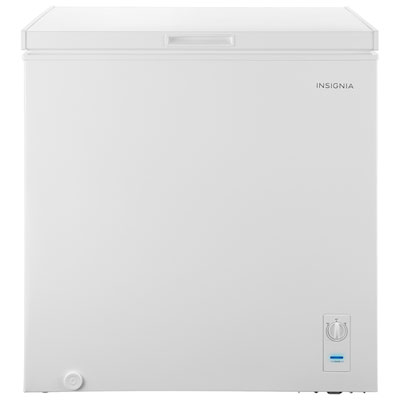


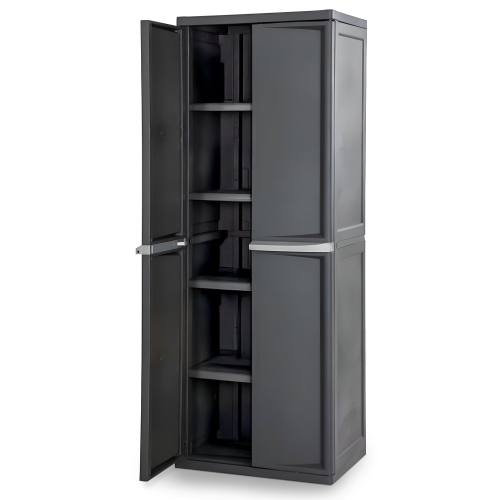
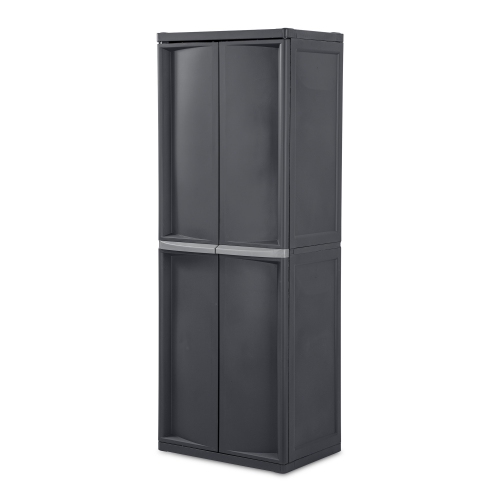
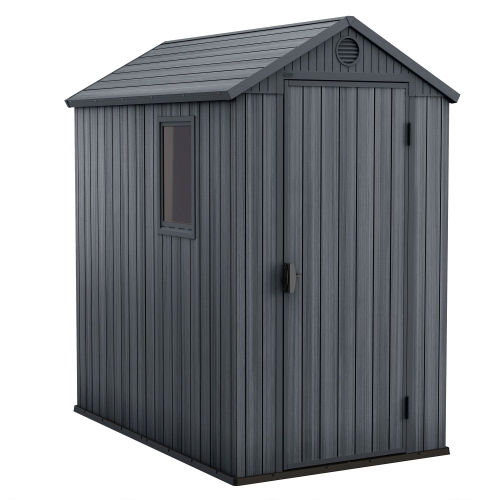
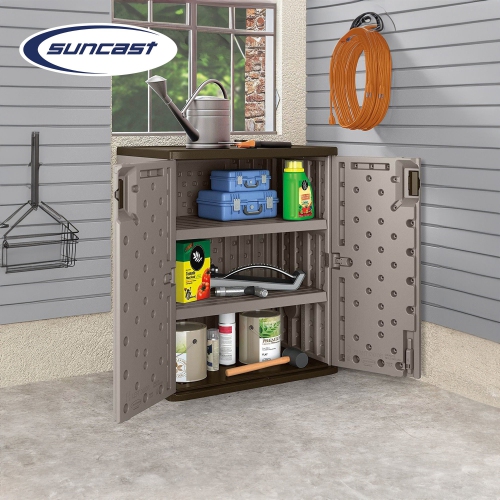
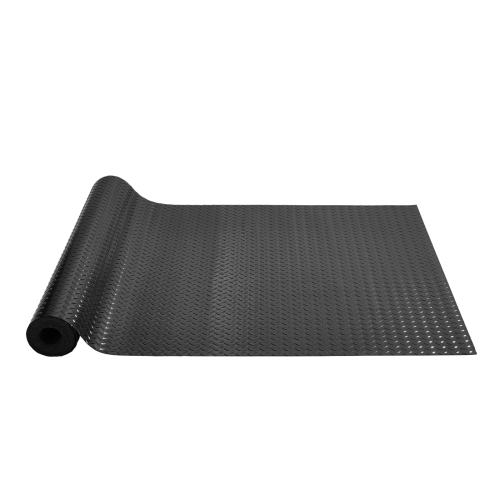
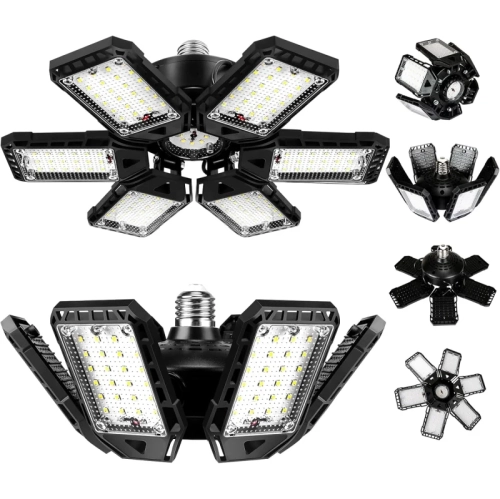

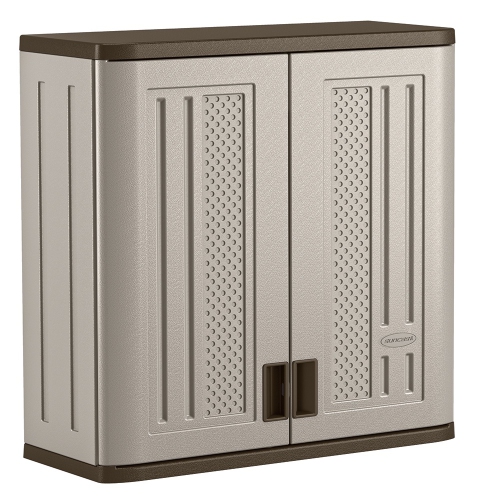


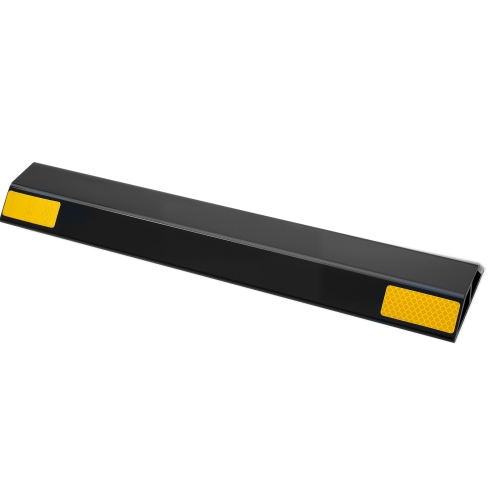
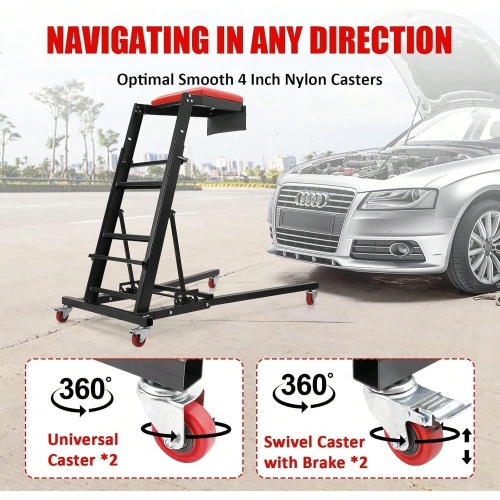
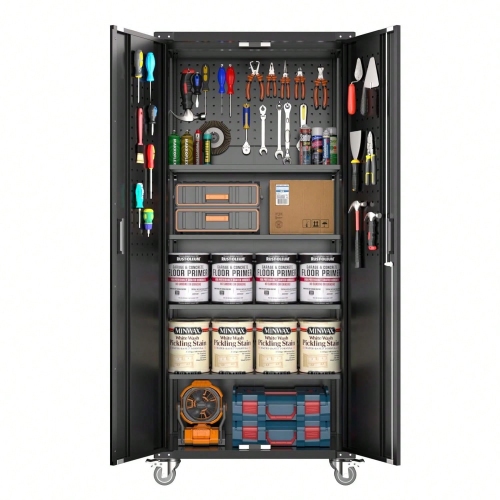
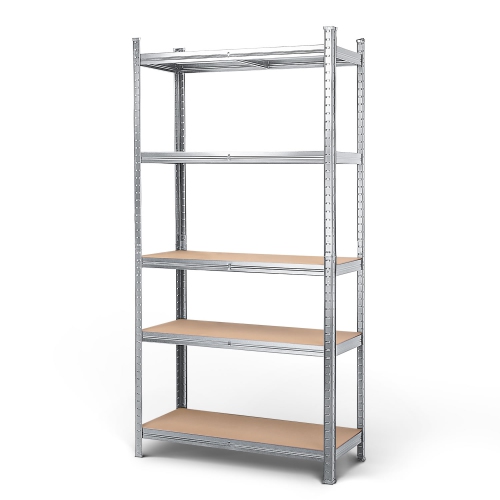

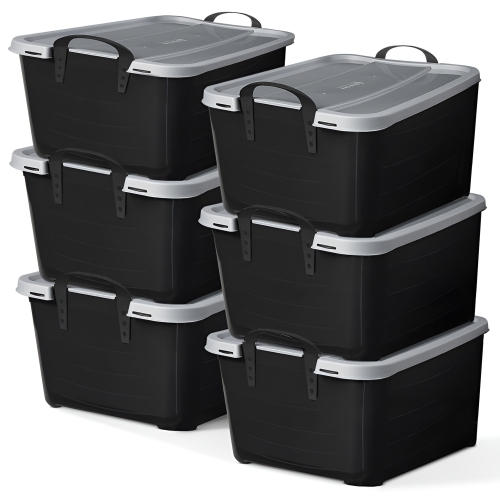

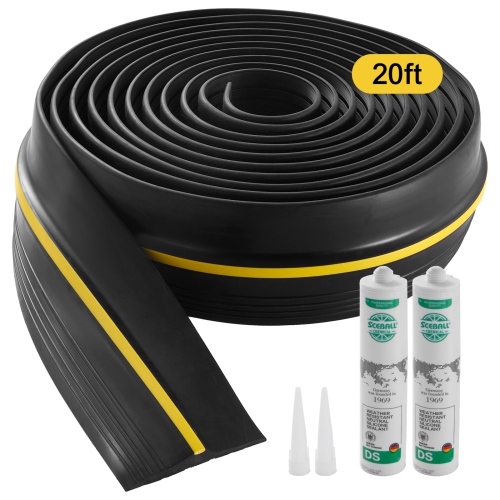
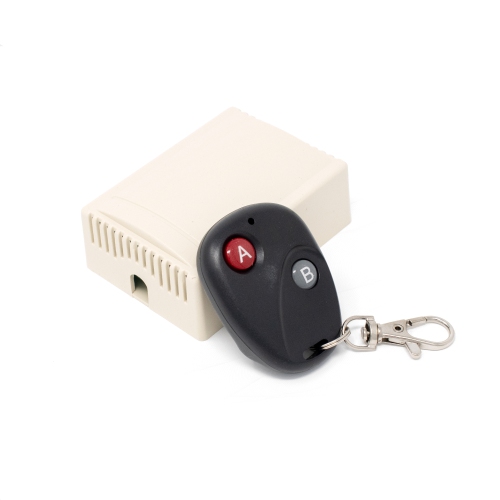

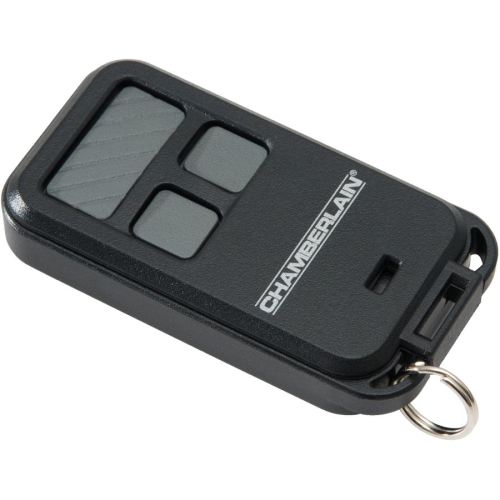

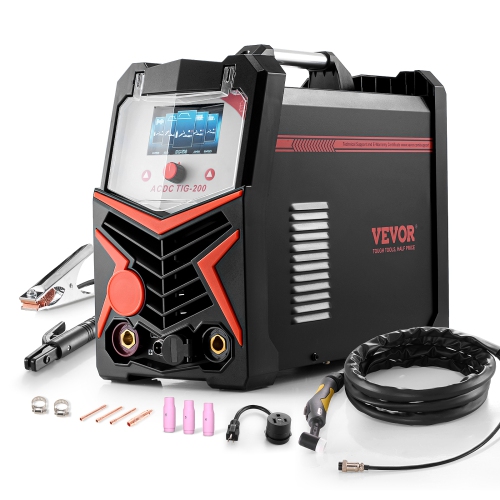
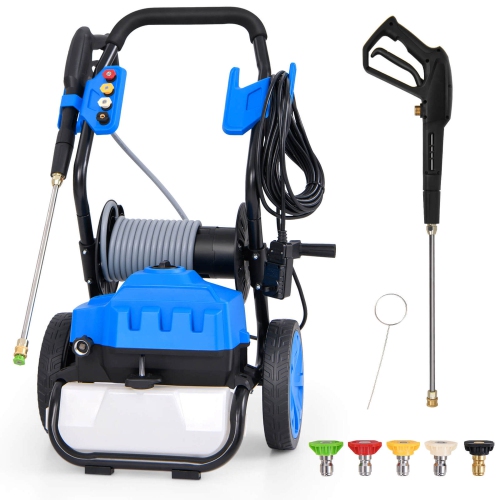


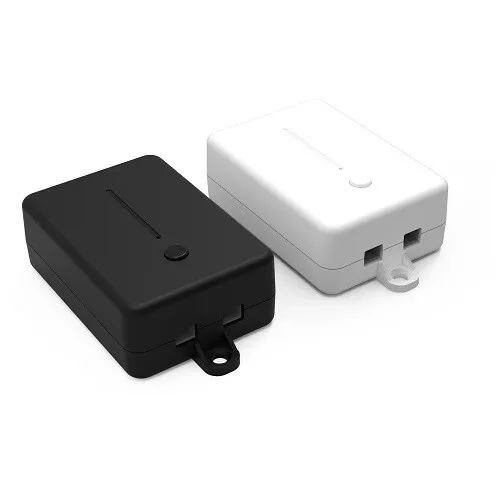
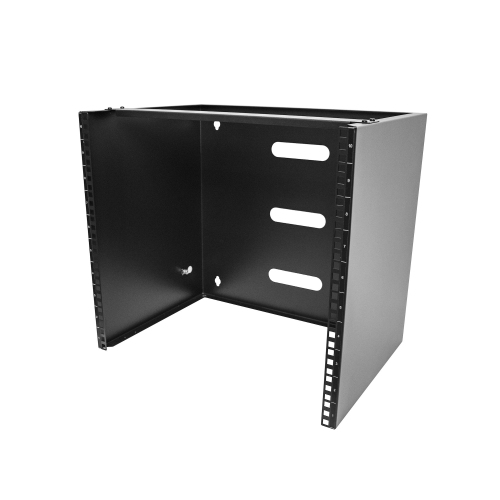


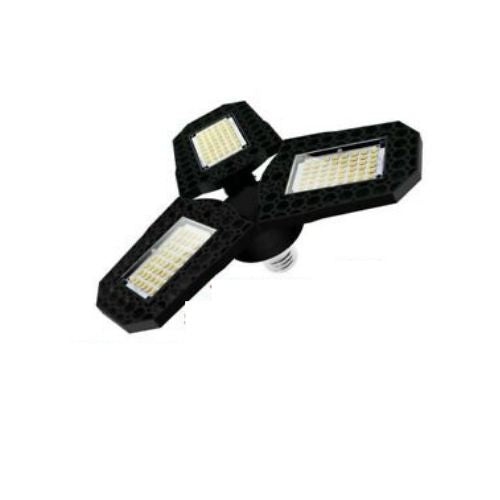
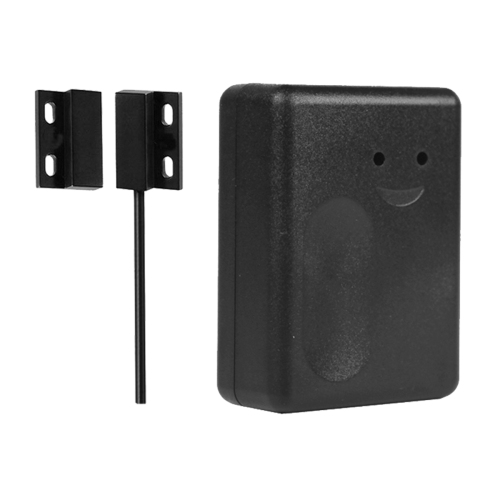
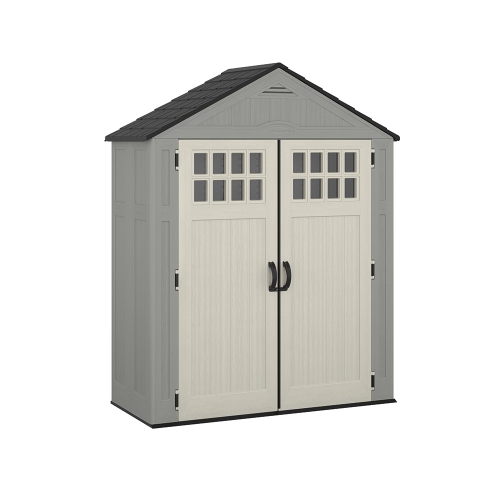
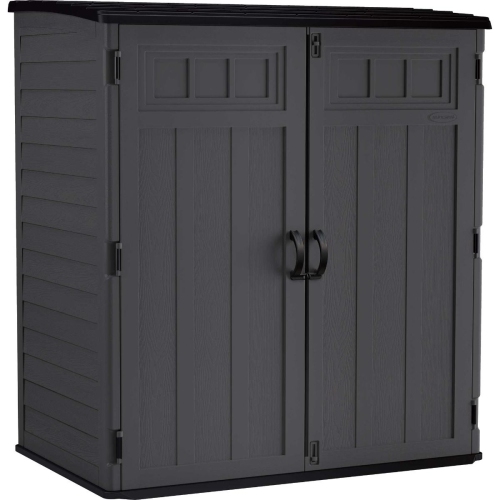






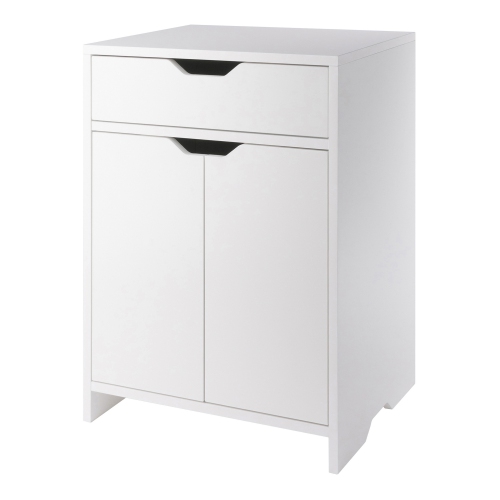
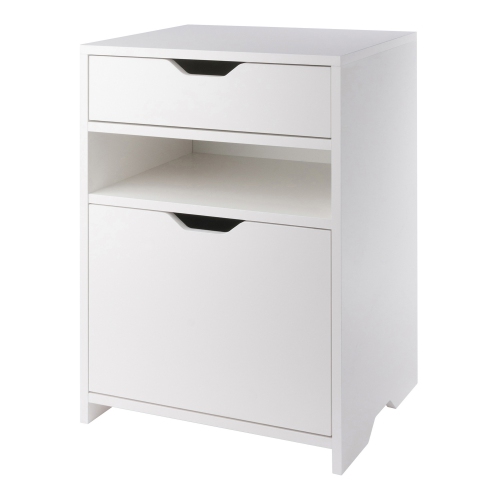
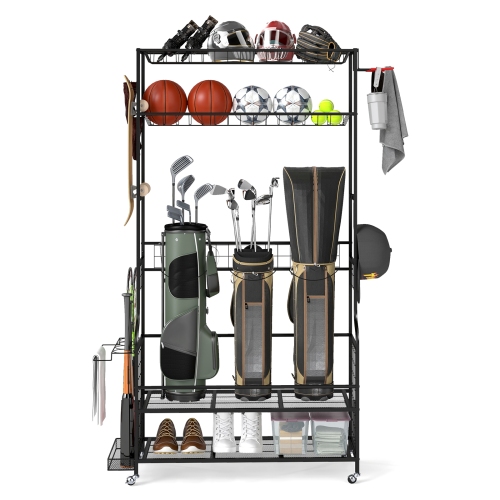
Room for parking and projects starts with smart storage
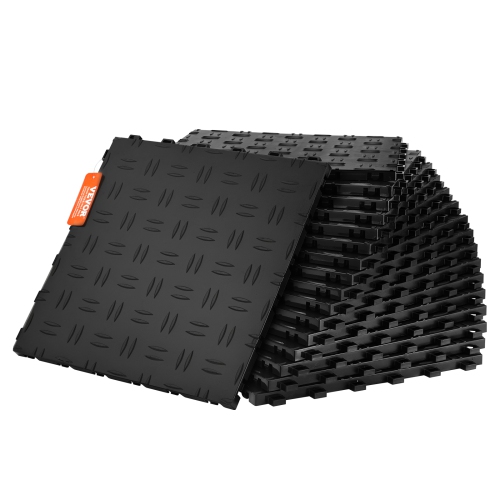
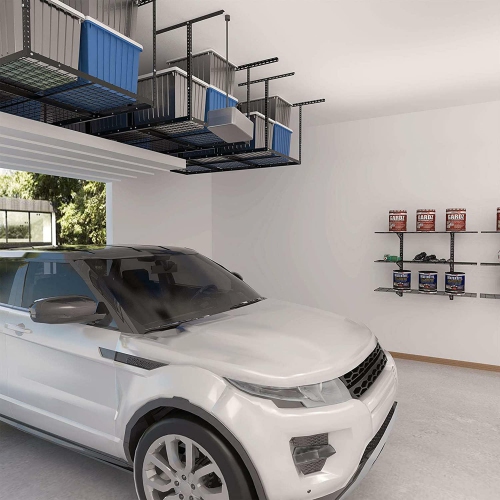
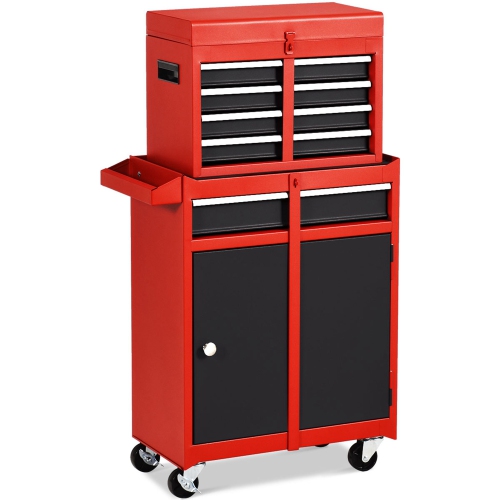
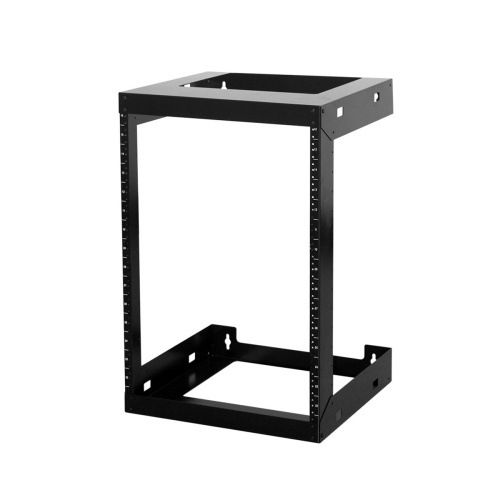
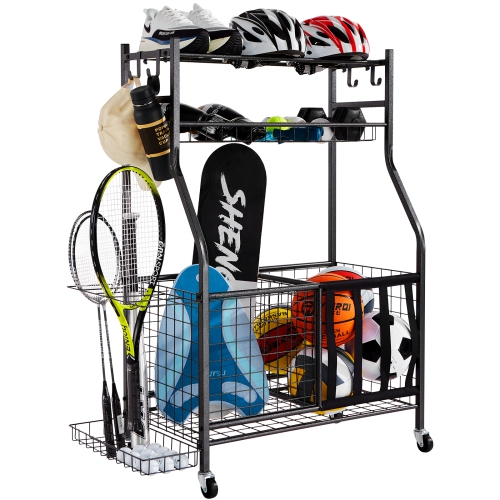
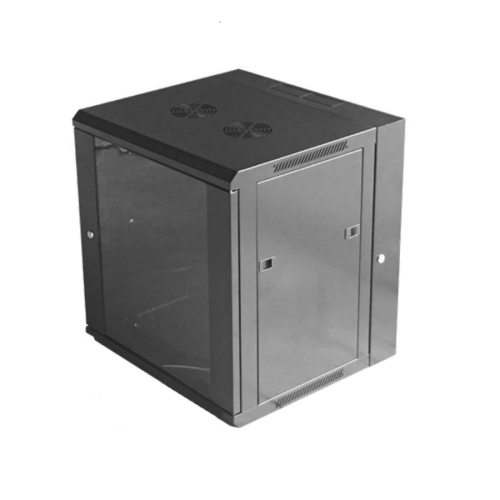
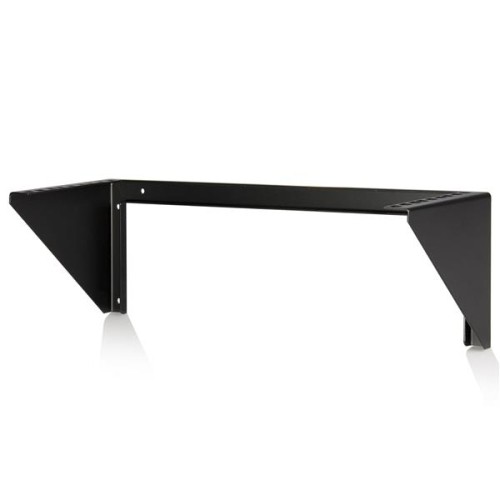
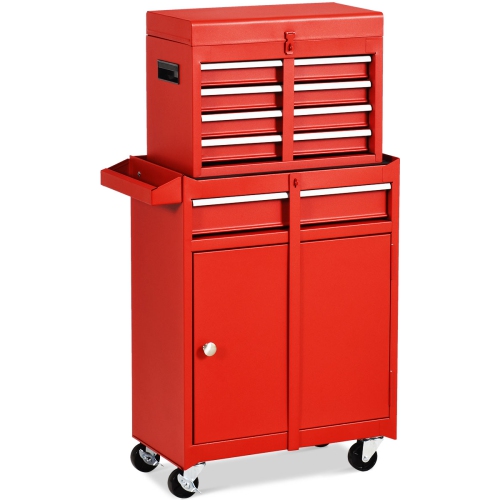
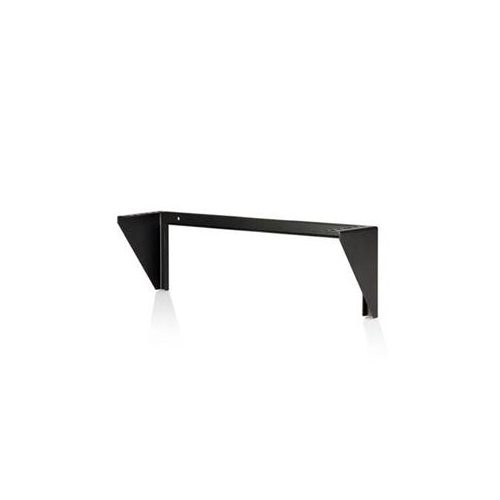
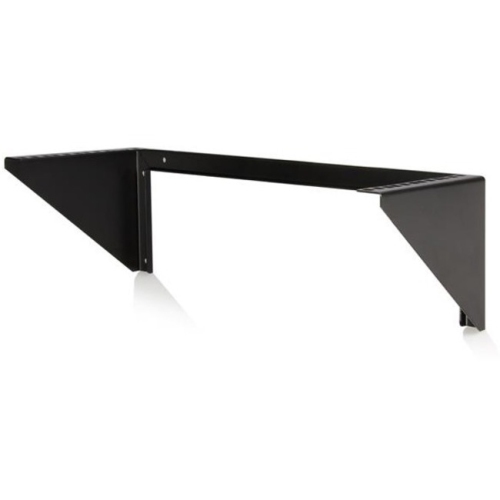
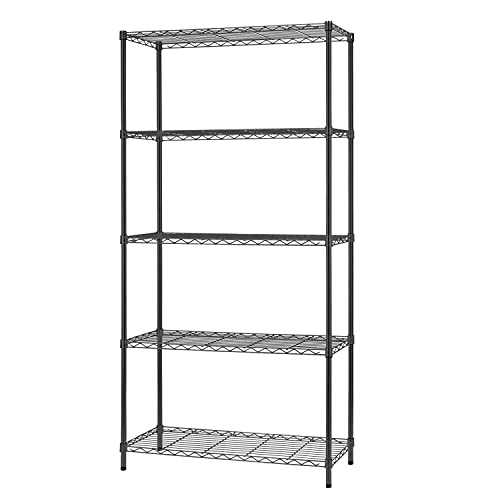
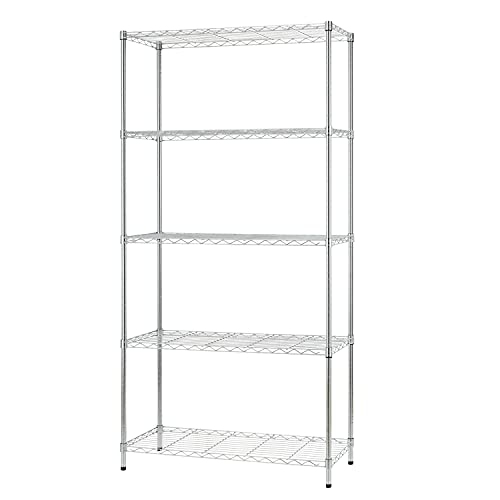
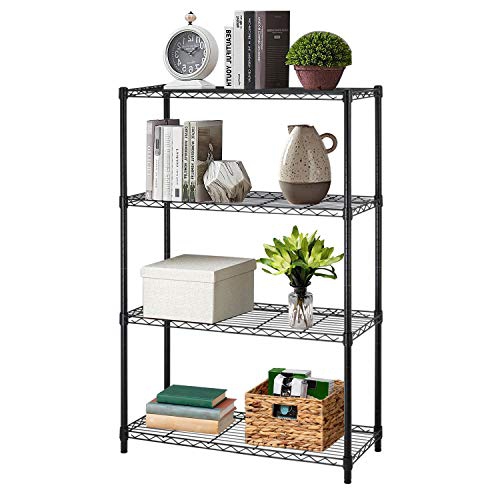
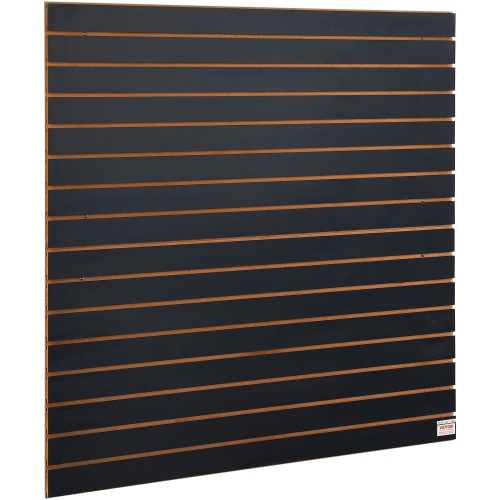
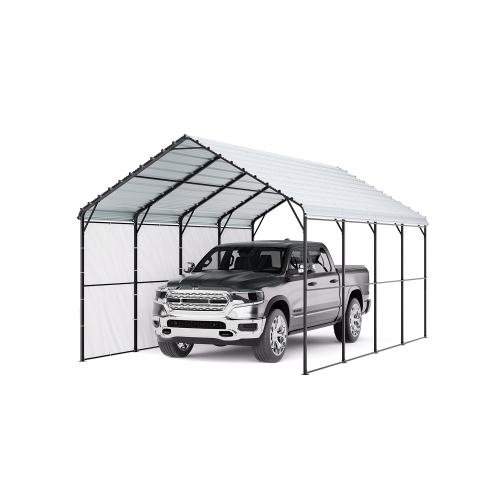
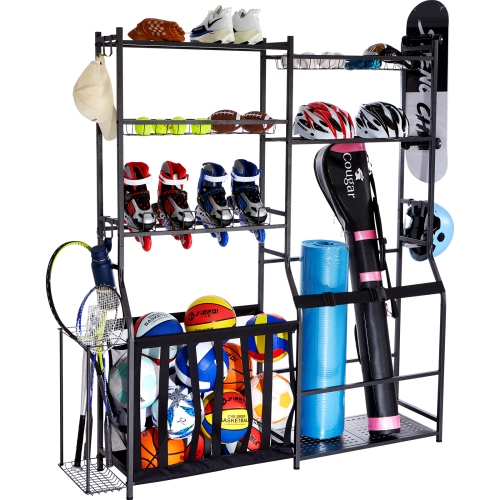
Equipment for garages includes storage systems, workbenches, tool organization, task lighting, and equipment for vehicle care and general repairs. Together, these categories support spaces that often serve several purposes: parking a vehicle, keeping household supplies organized, maintaining bicycles, and making room for hands-on projects. A garage used for occasional furniture assembly has different needs from one used for regular automotive work, but both benefit from clear floor space, accessible tools, and sturdy work surfaces. Heavy-duty shelving accommodates bulky containers and larger supplies, while enclosed cabinets help keep smaller belongings away from settling dust. Drawers with dividers make fasteners, sockets, and measuring tools easier to locate without emptying a whole compartment onto the bench. Wall-mounted storage puts frequently used equipment within reach and can leave more room for parking, provided the mounting hardware and wall structure suit the intended load. Storage capacity involves more than the overall weight rating: shelf spacing, drawer depth, door clearance, and the size of the objects being stored all affect day-to-day usefulness. A tall cabinet may fit against the wall yet interfere with an overhead garage door track, and a deep workbench may leave too little space beside an open vehicle door. In shared garages, separate areas for household maintenance supplies, sports gear, and workshop tools can reduce clutter without turning the entire room into a workshop. Rolling storage adds flexibility when a project moves from the bench to the driveway, although wheel size, floor condition, and locking casters influence how easily and securely it moves. For a broader mix of supporting categories, Garage Essentials complements the larger equipment that forms the foundation of a practical garage. The most useful setup reflects the space’s everyday jobs, whether that means a compact repair corner beside the family vehicle or a dedicated work area with room to leave a project in progress.
Materials and construction make a noticeable difference in how garage equipment feels after repeated use. Steel cabinets and frames offer strength for demanding storage and workshop tasks, while protective finishes help resist corrosion from moisture carried in on vehicles and footwear. Finish quality matters around joints, edges, and drawer openings, where regular handling can expose the underlying metal. Wood work surfaces provide a firm base for assembly and many general repairs, but standing water and spills can damage them if left unattended. Metal surfaces are often easier to wipe clean, though resistance to particular cleaners, oils, and other workshop substances depends on the material and finish. Plastic storage components can be useful for lightweight supplies and damp areas, but their load and temperature ratings still matter in an unheated garage. Workbench fit is equally important. A comfortable surface height depends on the user and the task, with detailed assembly requiring a different working position from heavier work that calls for downward pressure. Adjustable designs offer flexibility for shared spaces, while a rigid frame helps limit movement during tasks such as filing or tightening a clamped component. Published load capacities need to match the intended use, including whether weight must be distributed evenly across a shelf or surface. Hardware, drawer slides, hinges, and casters deserve as much attention as the main frame because these parts handle constant movement. A drawer full of hand tools should open smoothly, and a mobile bench should remain secure when its wheel locks are engaged. Care generally involves removing grit, wiping away moisture, inspecting fasteners, and following the manufacturer’s cleaning and maintenance directions. Road salt and slush during the cooler months make floor-level components especially vulnerable to wear. Keeping stored belongings off a damp floor, allowing wet equipment to dry, and promptly addressing damaged finishes can help preserve the usefulness of the space. Renters and people planning a move may favour freestanding or modular arrangements, while permanent installations require suitable mounting surfaces and permission where applicable.
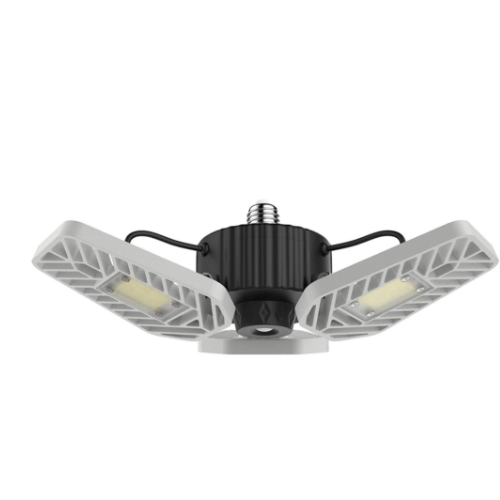
For vehicle maintenance and more involved workshop projects, garage equipment needs to match both the job and the conditions in which it will be used. Lifting equipment is not interchangeable: jacks, vehicle supports, and vehicle lifts have different functions, capacity limits, and installation requirements. Vehicle weight, approved lifting points, ground clearance, and the manufacturer’s instructions all affect compatibility. A jack raises a vehicle but is not a substitute for properly rated supports when work requires someone to go underneath. Larger lift installations also depend on ceiling height, door movement, electrical requirements, and the suitability of the concrete slab, with professional assessment and installation needed where specified. Compressed-air equipment brings another set of considerations, since tools require an appropriate combination of airflow and pressure rather than tank capacity alone. Noise, hose routing, and maintenance access also influence how well the setup works in a garage attached to a home. Lighting supports nearly every task, from reading a measurement to finding a dropped fastener beside a tyre. Broad overhead illumination helps with general visibility, while adjustable task lighting can reach into a cabinet, across a work surface, or around a vehicle without leaving the user working in their own shadow. Electrical equipment must be suitable for its location, particularly where moisture, dust, or low temperatures are expected, and power needs should stay within the circuit’s capacity. Ventilation is another practical consideration for activities that create dust or fumes; a vehicle or fuel-powered engine should never run inside a garage, even with the door open. For homeowners, hobbyists, cyclists, and people learning routine repairs, a well-matched workspace makes familiar jobs less awkward: a bicycle can sit beside an organized repair area, assembly hardware can remain sorted, and tools can return to a consistent place after use. Garage equipment can also make a thoughtful gift for someone who enjoys practical projects, especially when its dimensions and purpose suit their existing setup. Across these uses, dependable construction, appropriate safety features, and a layout that leaves room to move matter more than filling every available wall or corner.
Materials and construction make a noticeable difference in how garage equipment feels after repeated use. Steel cabinets and frames offer strength for demanding storage and workshop tasks, while protective finishes help resist corrosion from moisture carried in on vehicles and footwear. Finish quality matters around joints, edges, and drawer openings, where regular handling can expose the underlying metal. Wood work surfaces provide a firm base for assembly and many general repairs, but standing water and spills can damage them if left unattended. Metal surfaces are often easier to wipe clean, though resistance to particular cleaners, oils, and other workshop substances depends on the material and finish. Plastic storage components can be useful for lightweight supplies and damp areas, but their load and temperature ratings still matter in an unheated garage. Workbench fit is equally important. A comfortable surface height depends on the user and the task, with detailed assembly requiring a different working position from heavier work that calls for downward pressure. Adjustable designs offer flexibility for shared spaces, while a rigid frame helps limit movement during tasks such as filing or tightening a clamped component. Published load capacities need to match the intended use, including whether weight must be distributed evenly across a shelf or surface. Hardware, drawer slides, hinges, and casters deserve as much attention as the main frame because these parts handle constant movement. A drawer full of hand tools should open smoothly, and a mobile bench should remain secure when its wheel locks are engaged. Care generally involves removing grit, wiping away moisture, inspecting fasteners, and following the manufacturer’s cleaning and maintenance directions. Road salt and slush during the cooler months make floor-level components especially vulnerable to wear. Keeping stored belongings off a damp floor, allowing wet equipment to dry, and promptly addressing damaged finishes can help preserve the usefulness of the space. Renters and people planning a move may favour freestanding or modular arrangements, while permanent installations require suitable mounting surfaces and permission where applicable.
For vehicle maintenance and more involved workshop projects, garage equipment needs to match both the job and the conditions in which it will be used. Lifting equipment is not interchangeable: jacks, vehicle supports, and vehicle lifts have different functions, capacity limits, and installation requirements. Vehicle weight, approved lifting points, ground clearance, and the manufacturer’s instructions all affect compatibility. A jack raises a vehicle but is not a substitute for properly rated supports when work requires someone to go underneath. Larger lift installations also depend on ceiling height, door movement, electrical requirements, and the suitability of the concrete slab, with professional assessment and installation needed where specified. Compressed-air equipment brings another set of considerations, since tools require an appropriate combination of airflow and pressure rather than tank capacity alone. Noise, hose routing, and maintenance access also influence how well the setup works in a garage attached to a home. Lighting supports nearly every task, from reading a measurement to finding a dropped fastener beside a tyre. Broad overhead illumination helps with general visibility, while adjustable task lighting can reach into a cabinet, across a work surface, or around a vehicle without leaving the user working in their own shadow. Electrical equipment must be suitable for its location, particularly where moisture, dust, or low temperatures are expected, and power needs should stay within the circuit’s capacity. Ventilation is another practical consideration for activities that create dust or fumes; a vehicle or fuel-powered engine should never run inside a garage, even with the door open. For homeowners, hobbyists, cyclists, and people learning routine repairs, a well-matched workspace makes familiar jobs less awkward: a bicycle can sit beside an organized repair area, assembly hardware can remain sorted, and tools can return to a consistent place after use. Garage equipment can also make a thoughtful gift for someone who enjoys practical projects, especially when its dimensions and purpose suit their existing setup. Across these uses, dependable construction, appropriate safety features, and a layout that leaves room to move matter more than filling every available wall or corner.
Top selling and popular products
-
 Your price for this item is $305.99
 -
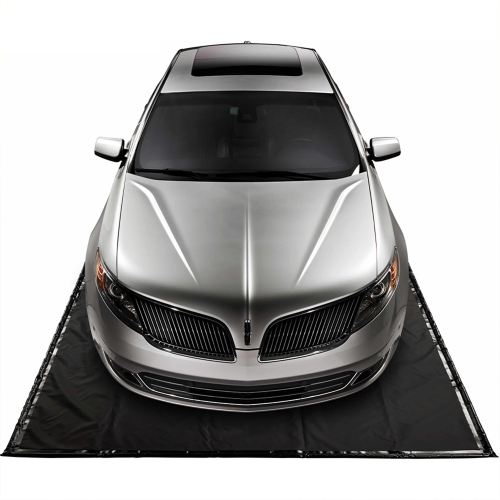 Your price for this item is $189.99
 -
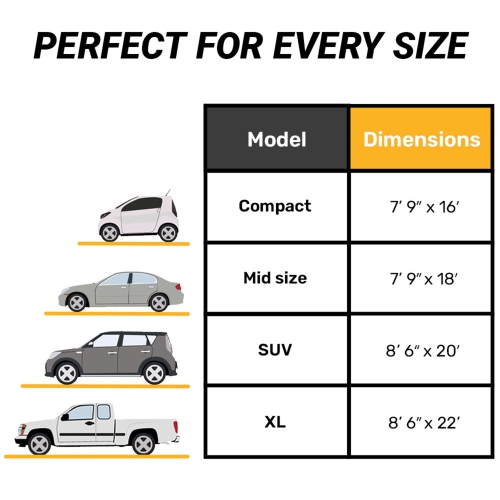 Your price for this item is $159.99
 -
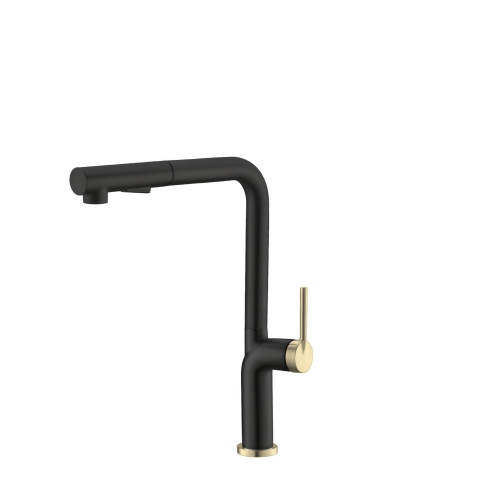 Your price for this item is $292
 -
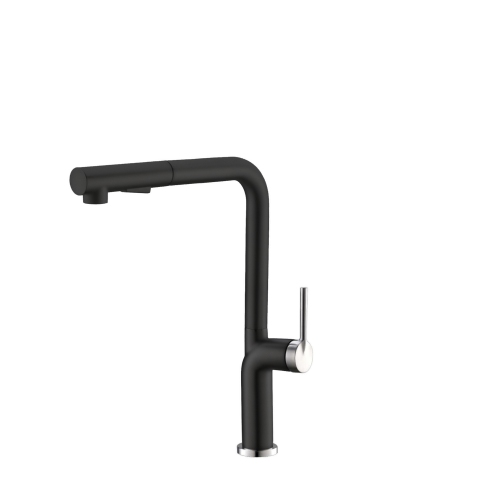 Your price for this item is $292
 -
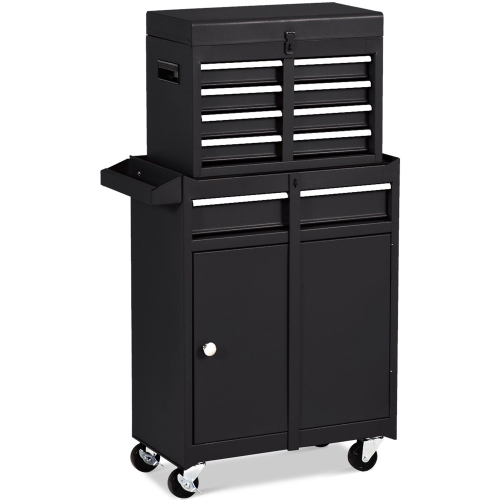 Your price for this item is $196.99
 -
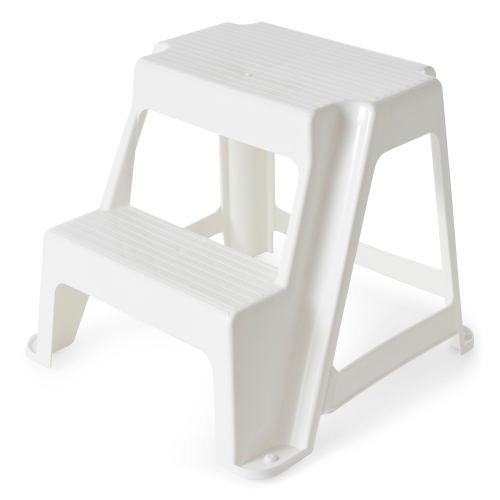 Your price for this item is $174.99
 -
 Your price for this item is $146.05
Discover more categories related to Equipment for Garages
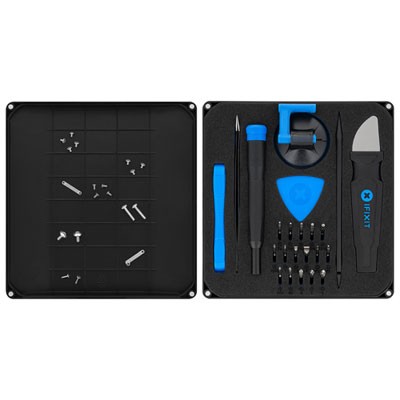
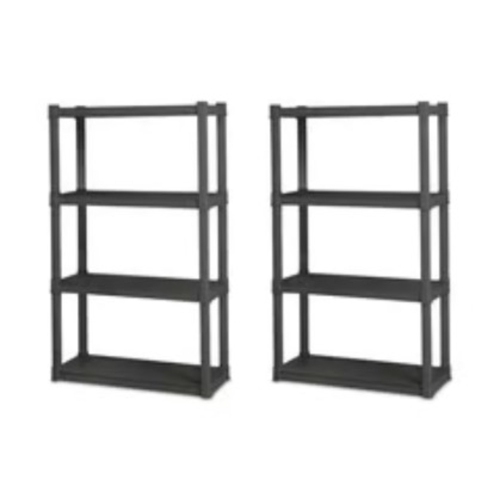
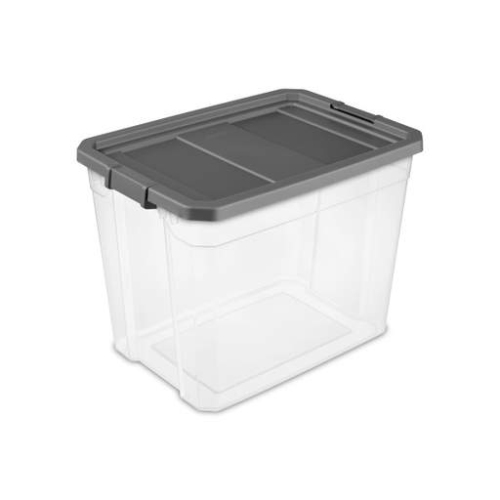
Top Collections:
Pokemon Centers, Kindle Devices, Best Budget Office Chairs, Apple iPhones 16, Best Laptops for Writers, iPhone 15 Apple, Canon G7X Cameras, Refurbished Apple Laptops, Alarm Clock, Motorola Razr Phones
Some products may be subject to Environmental Handling Fees
(EHF) depending on your province.
Learn more about EHFs.