Ergonomic Desk Chairs
Upgrade your home office setup with an ergonomic desk chair that combines style, comfort, and functionality. Whether you're working long hours or gaming into the night, a well-designed chair can make all the difference in maintaining good posture and reducing strain on your body. Discover a range of options that offer adjustable features, lumbar support, and breathable materials to ensure maximum comfort throughout the day. Say goodbye to backaches and hello to a more productive and enjoyable work environment with our selection of top-notch ergonomic desk chairs.
Sort


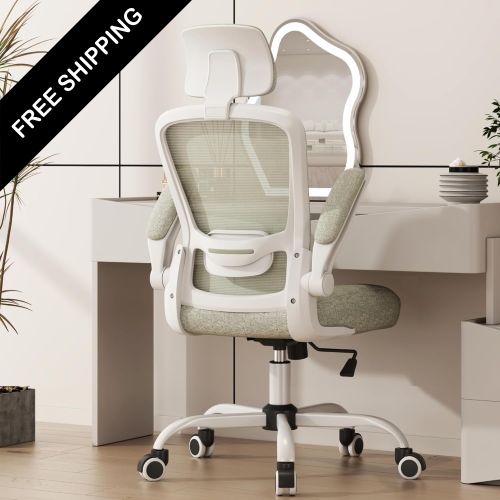
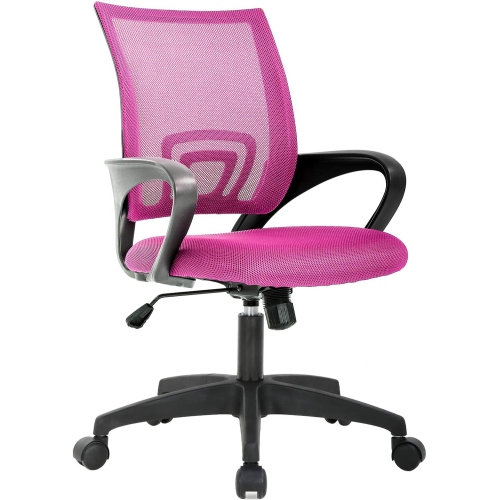
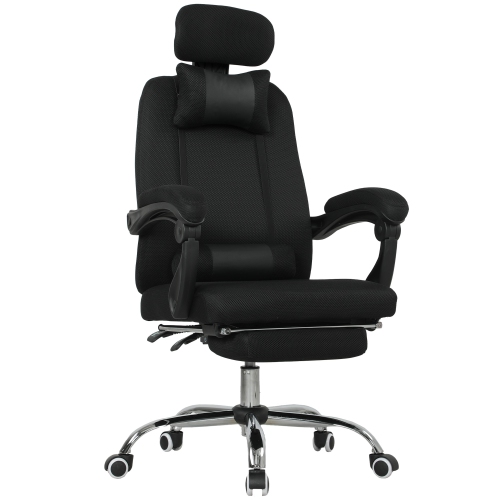
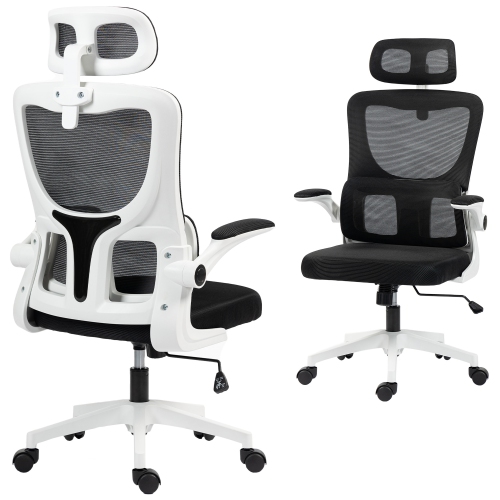









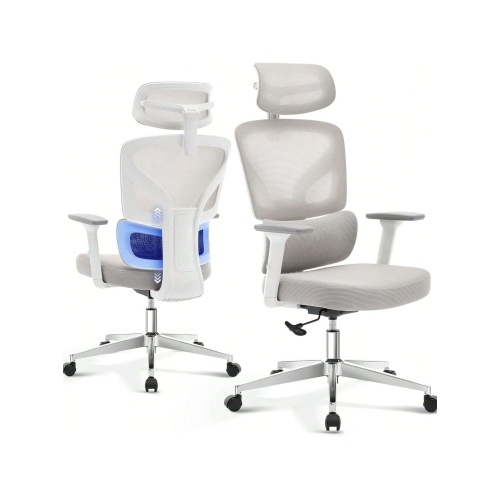
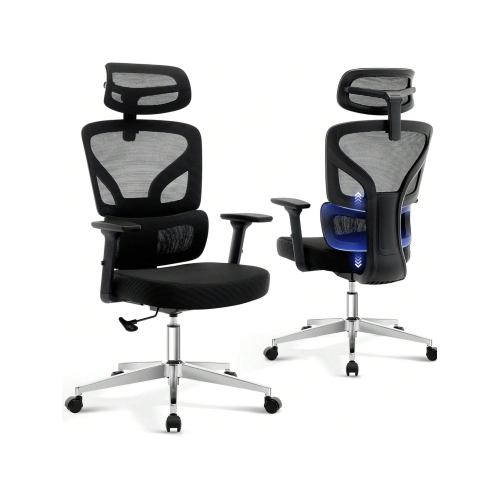
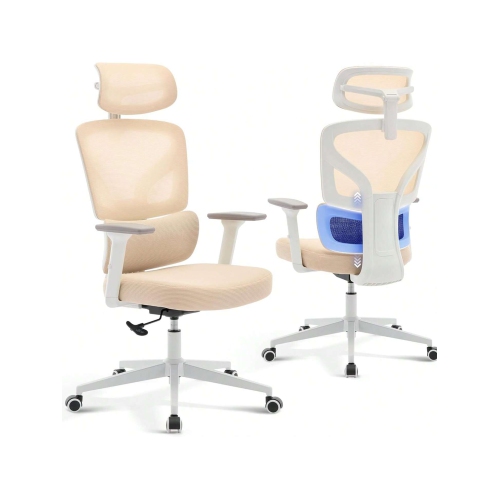
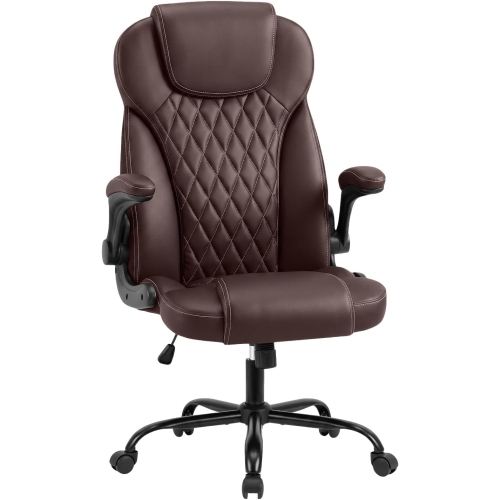
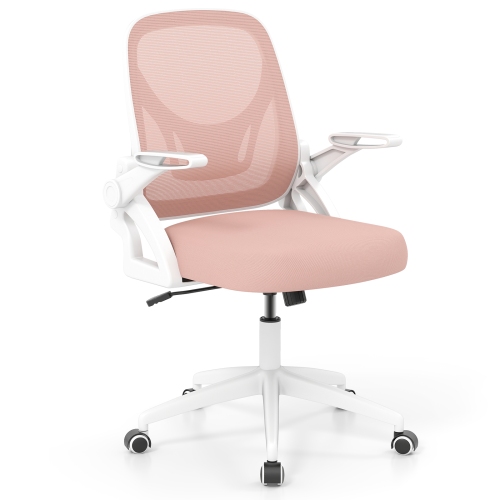
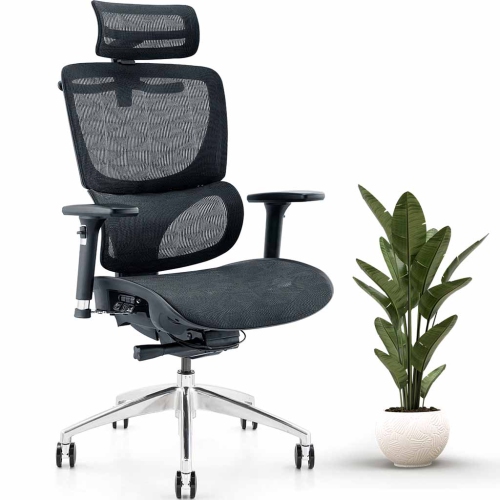
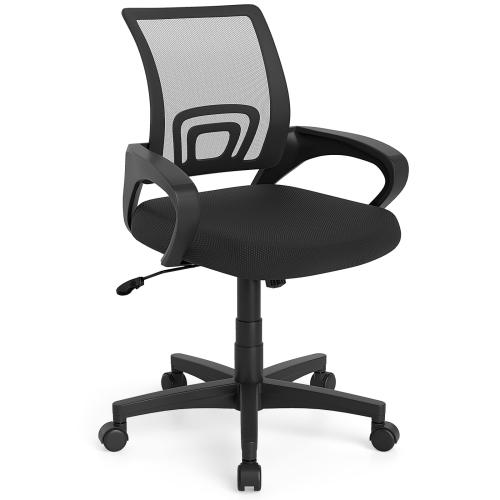
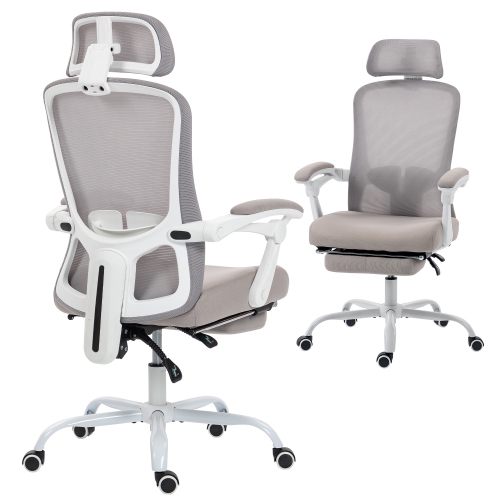






















Why seat depth matters as much as height
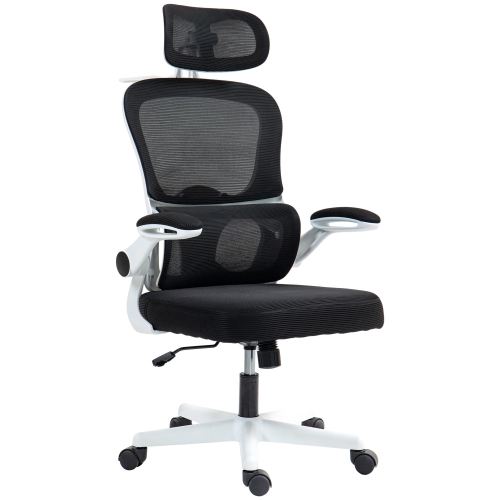
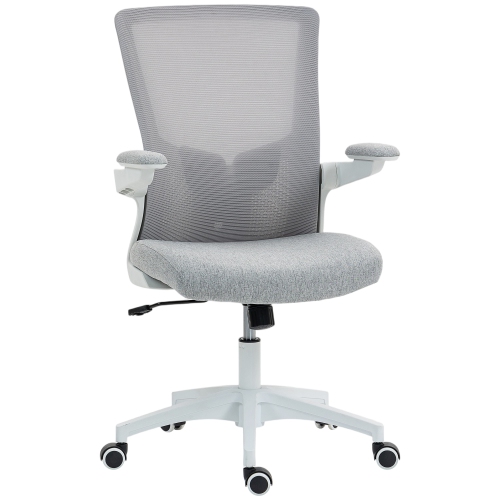
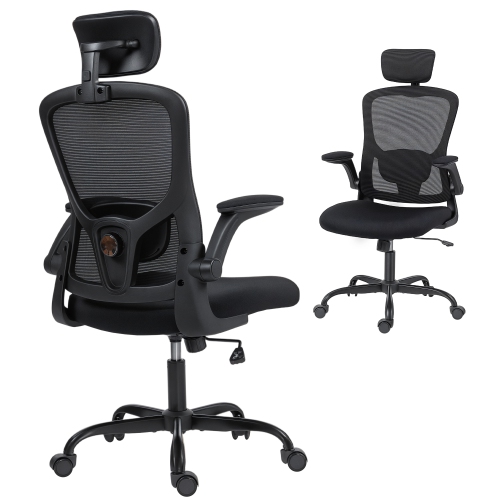
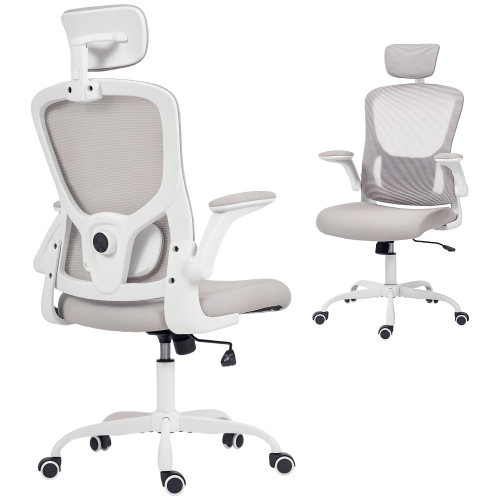
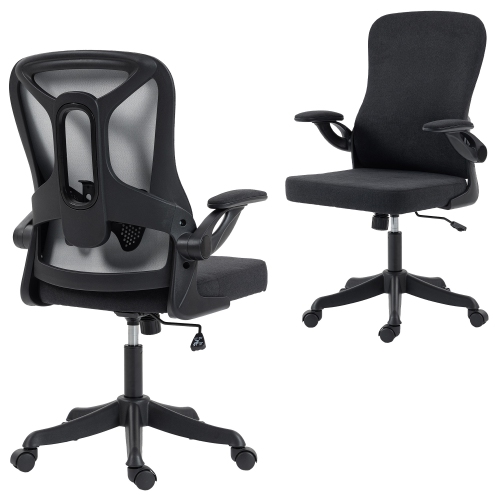
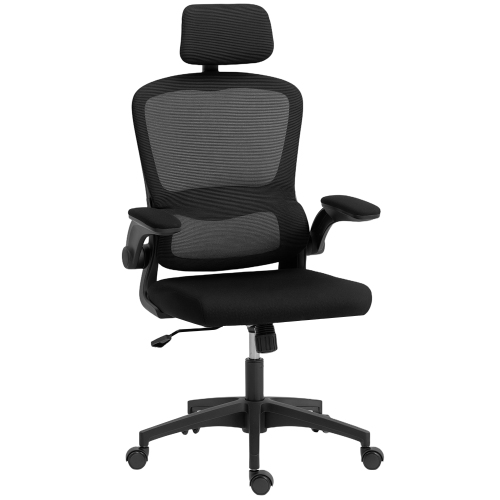
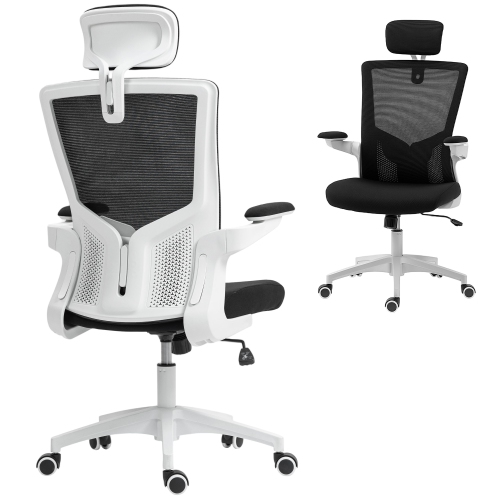
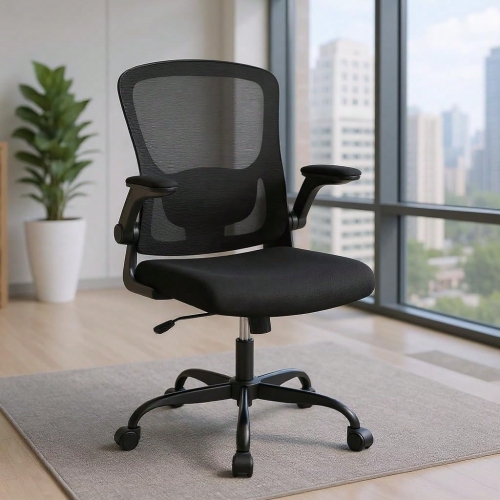
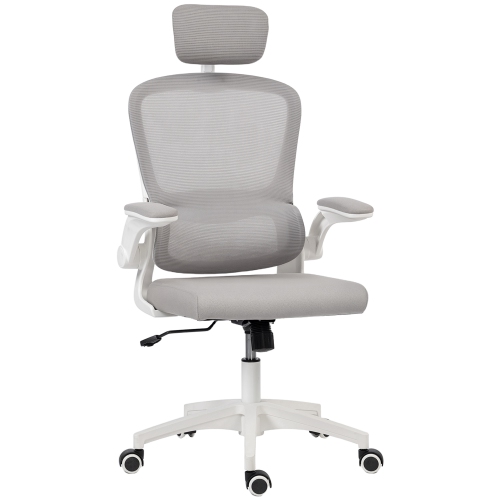
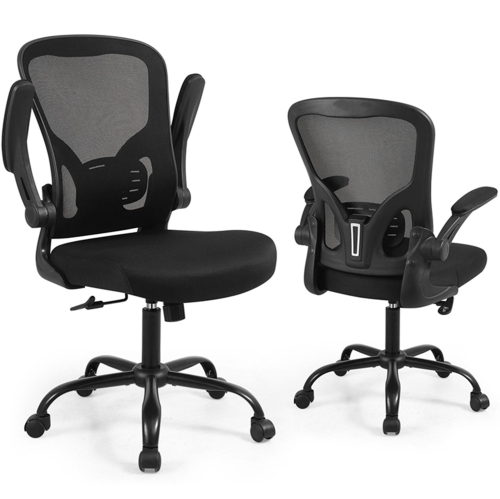
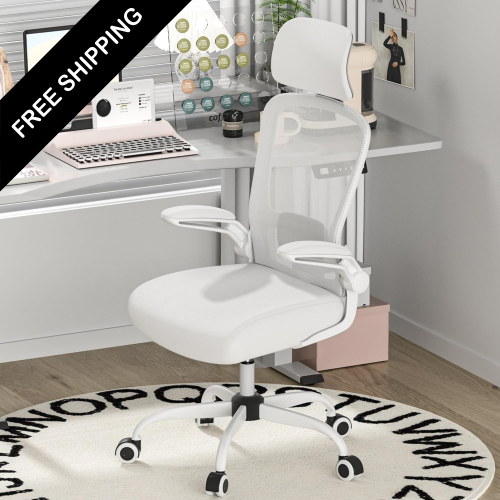
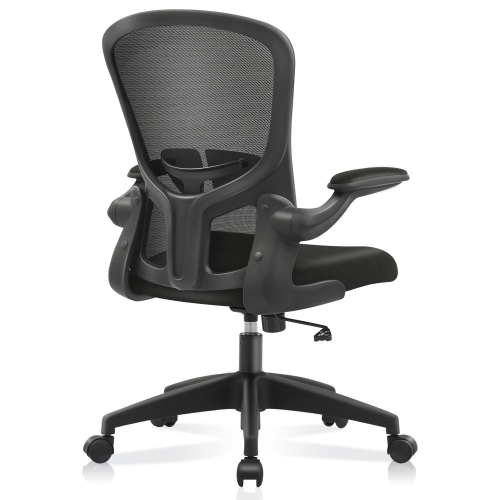
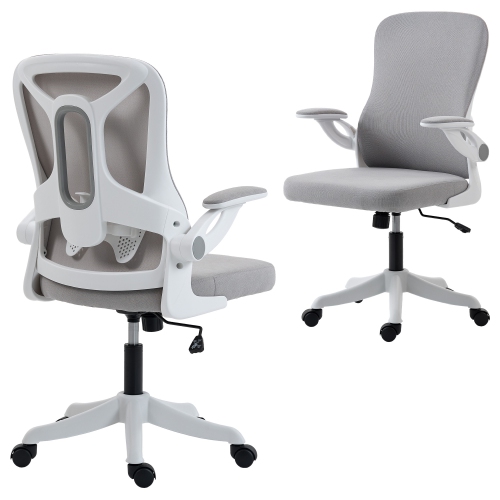
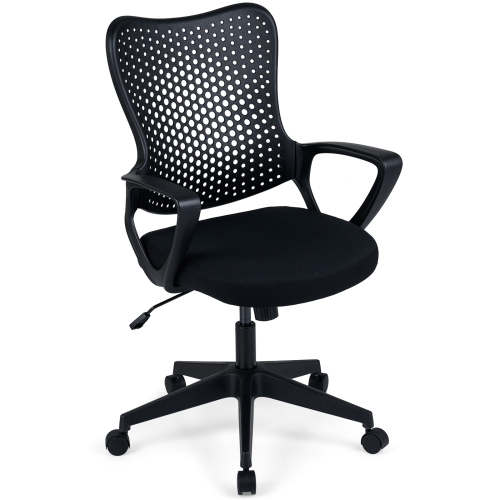
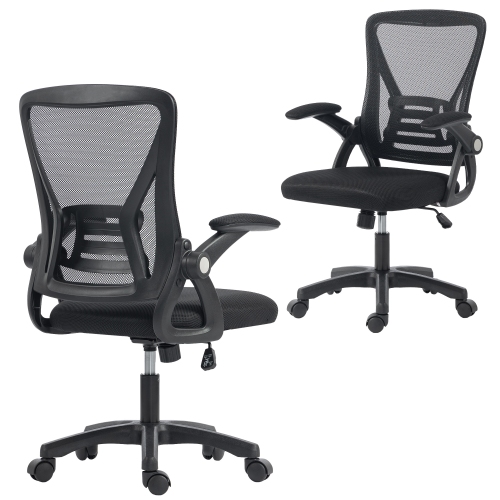
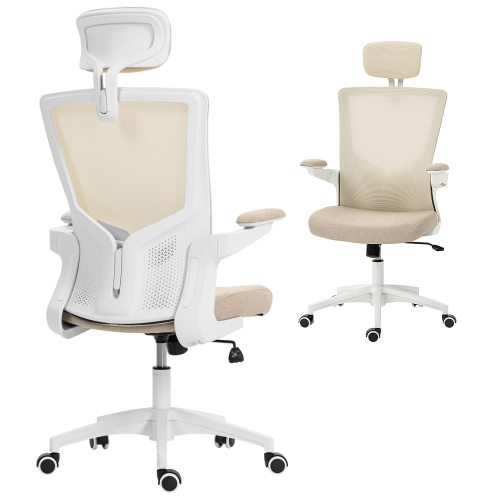
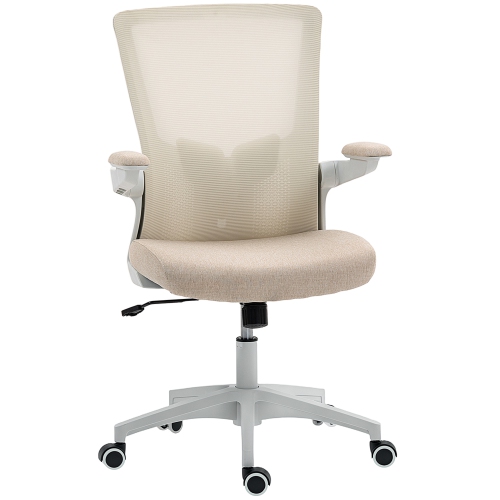
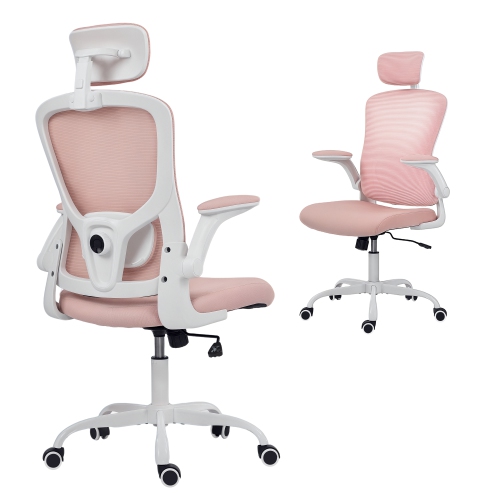
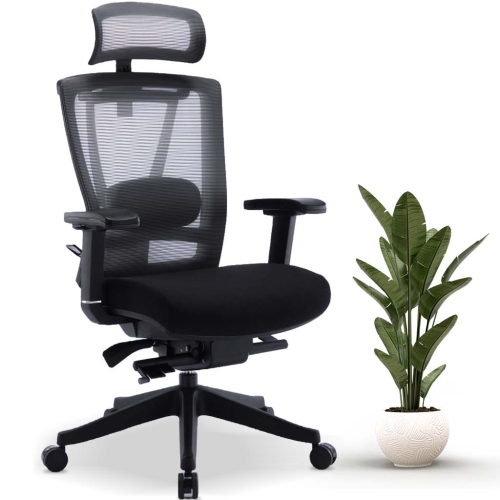
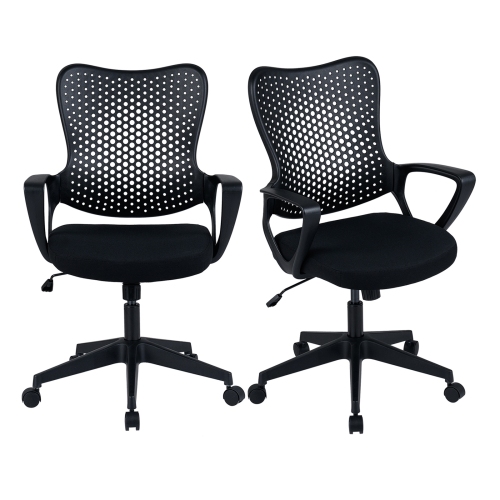
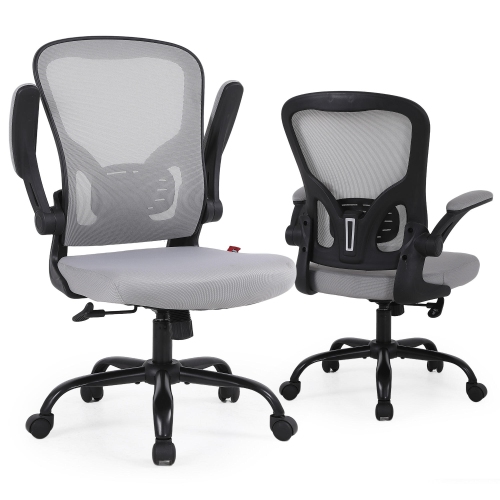
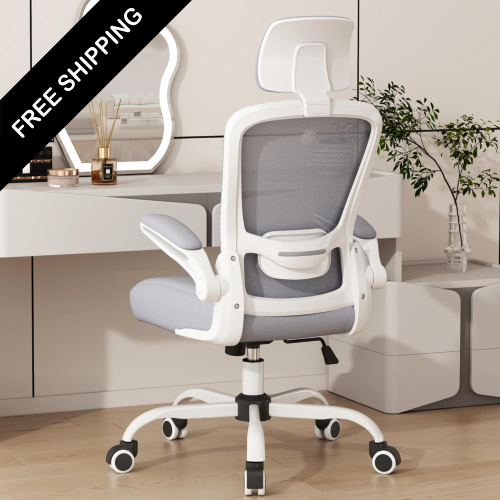
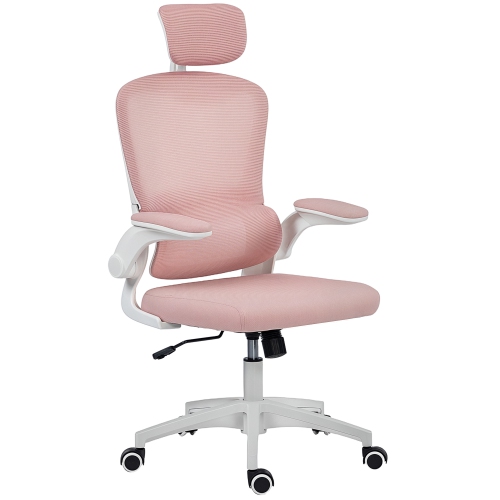
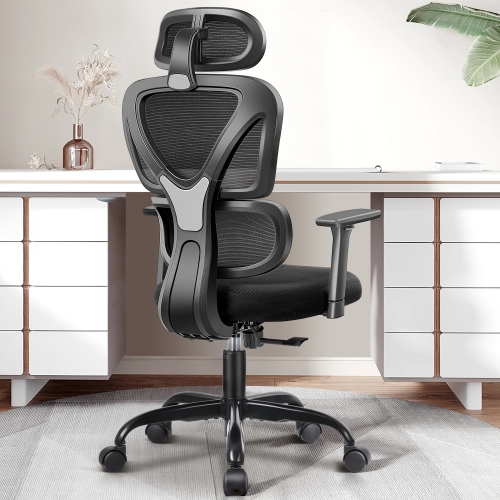
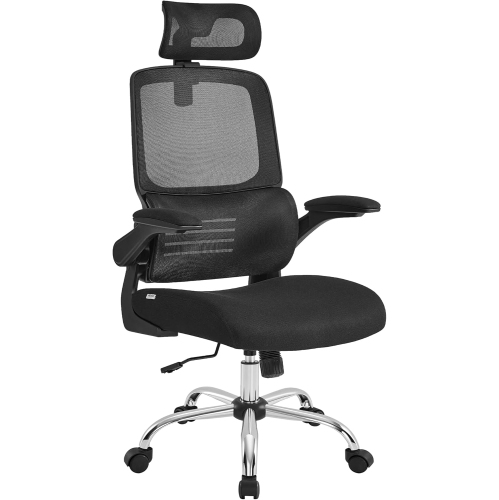
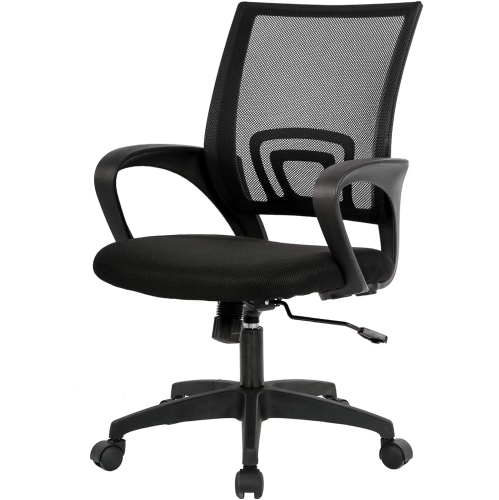
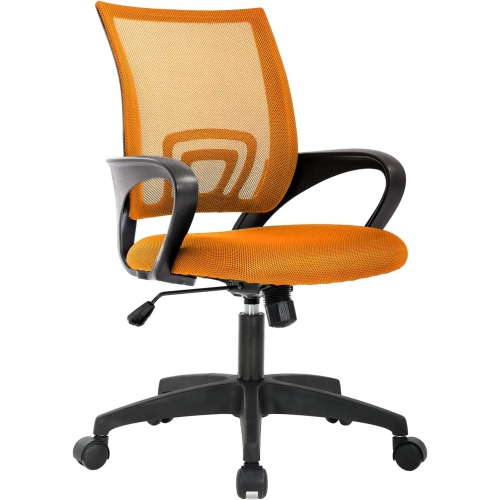
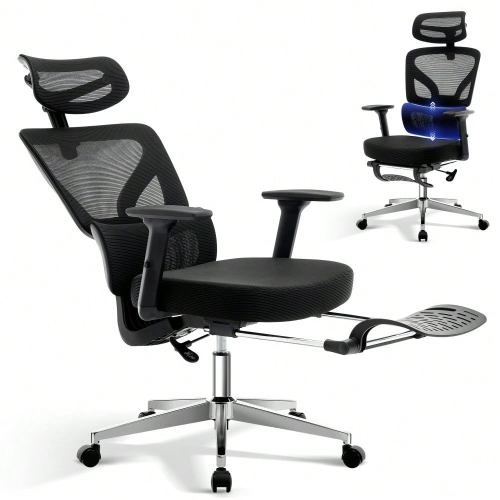
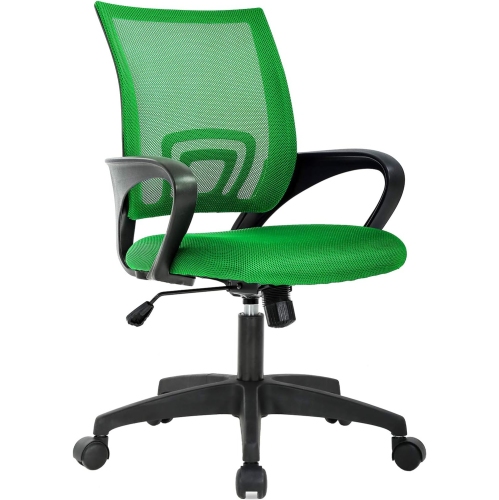
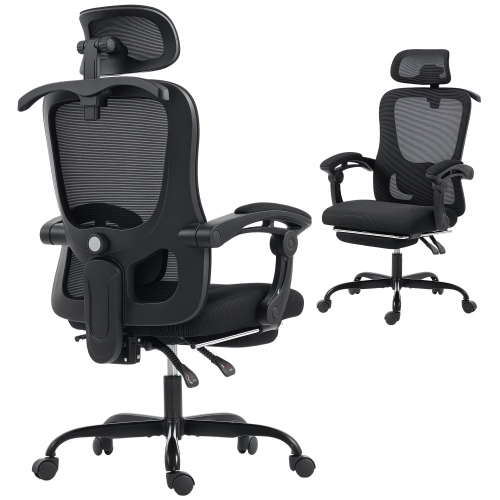
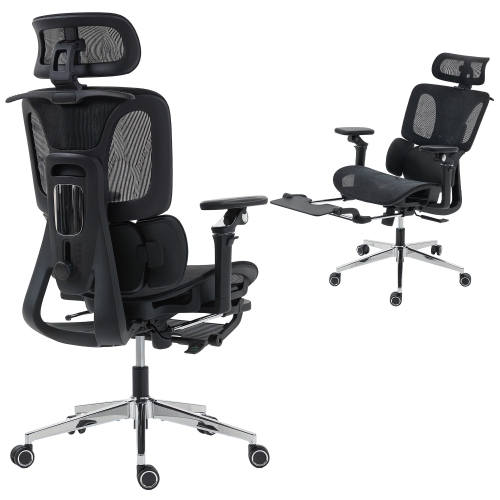
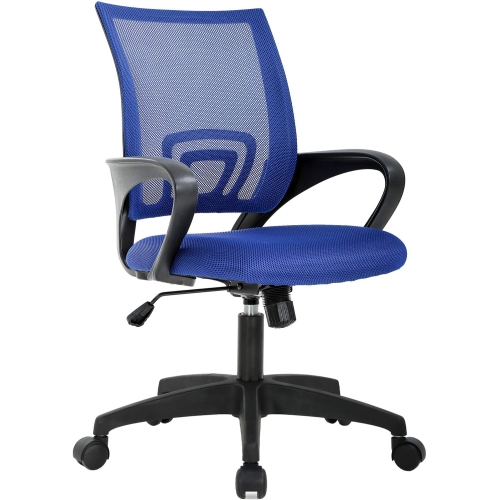
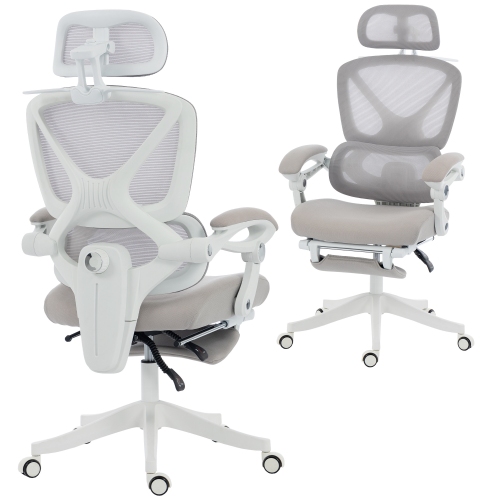
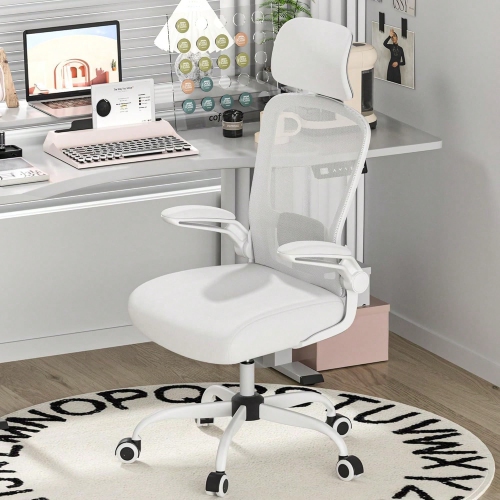
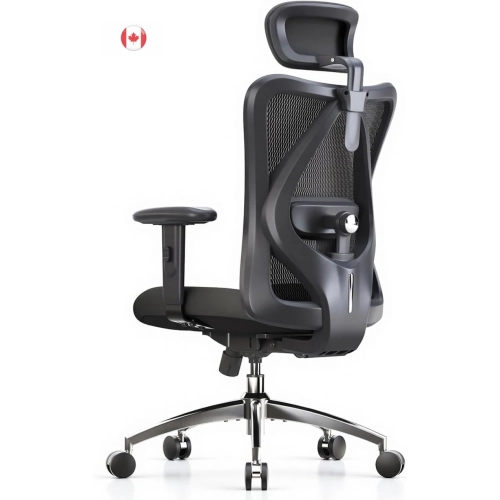
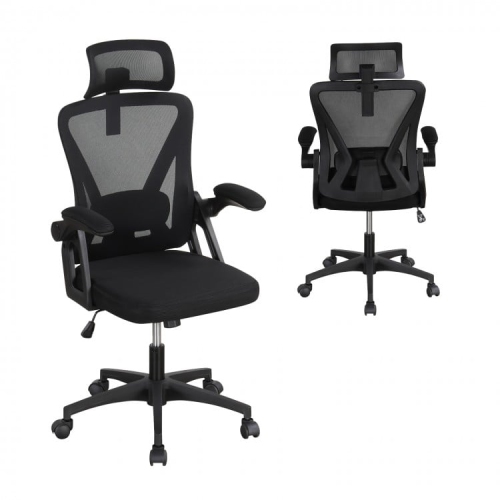
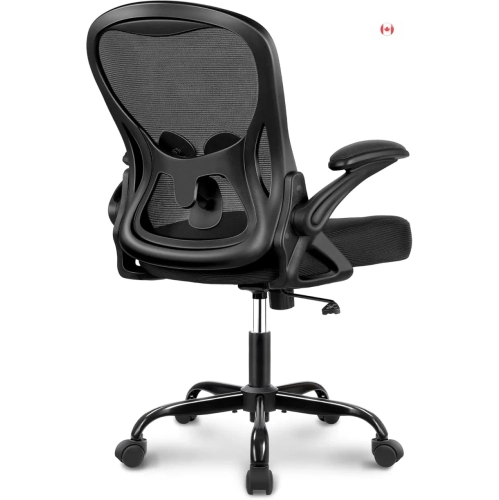
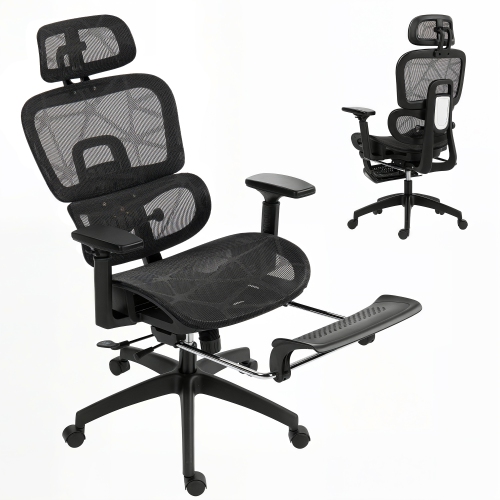
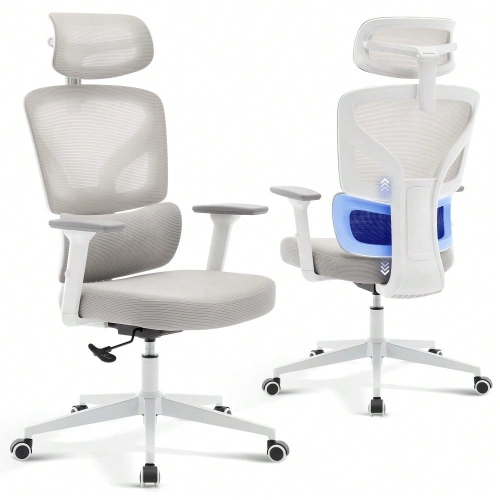
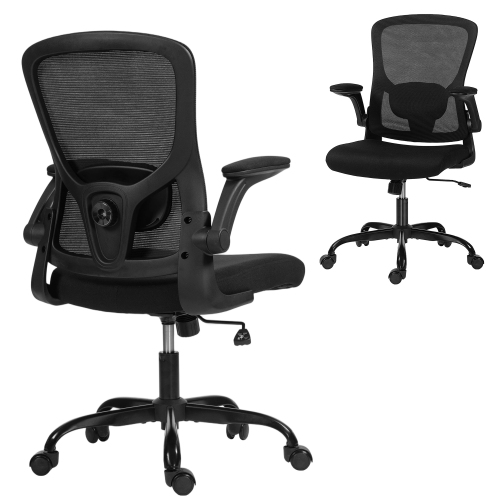
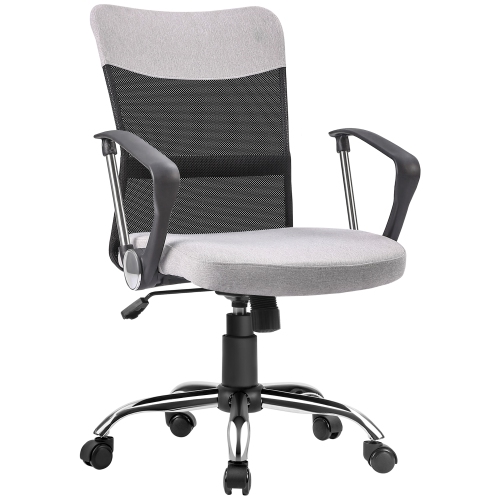
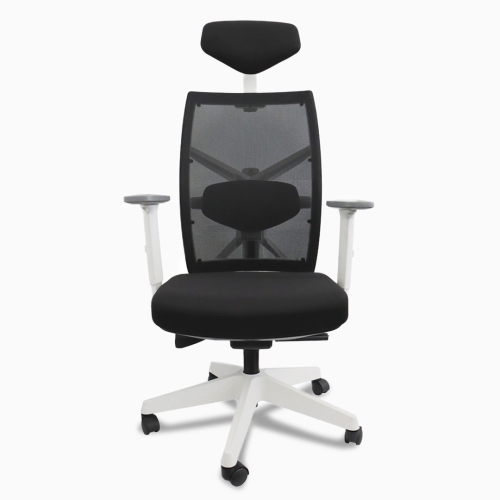
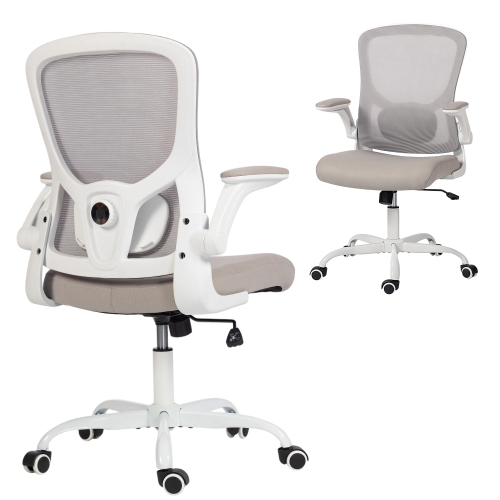
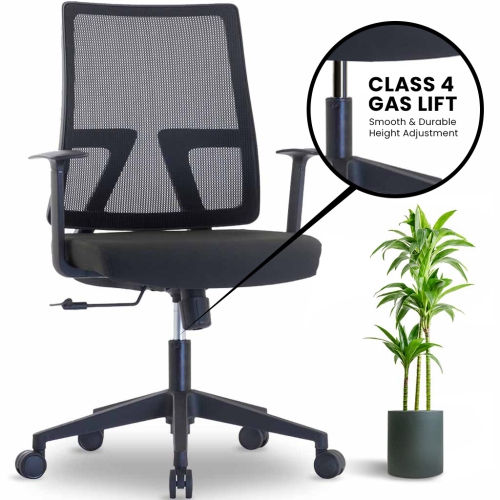
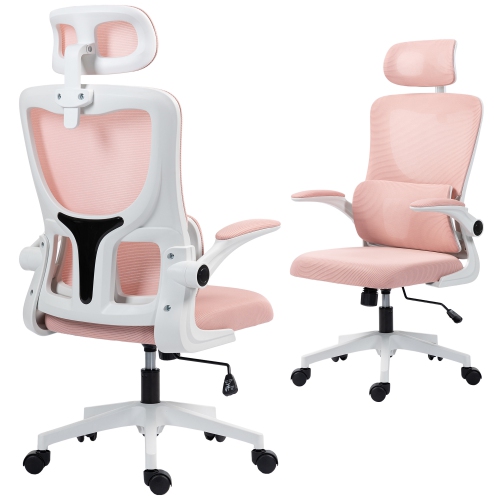
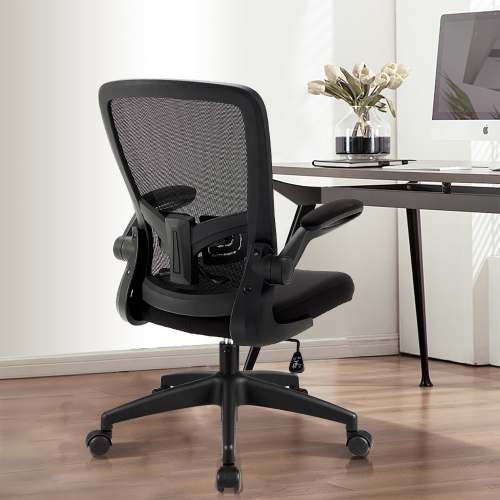
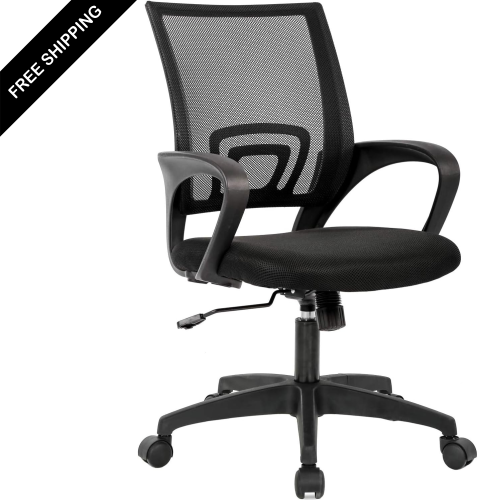
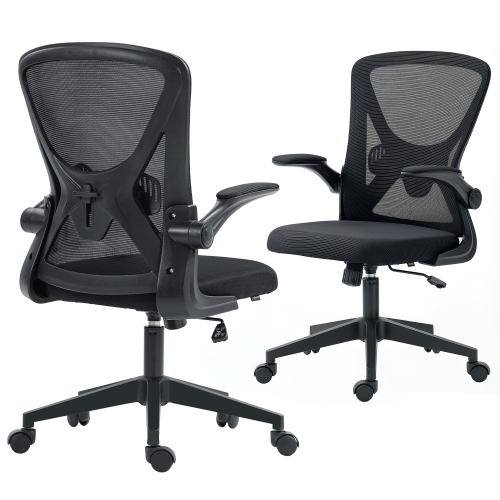
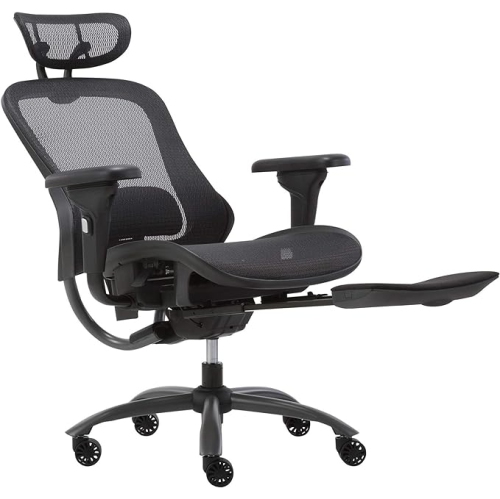
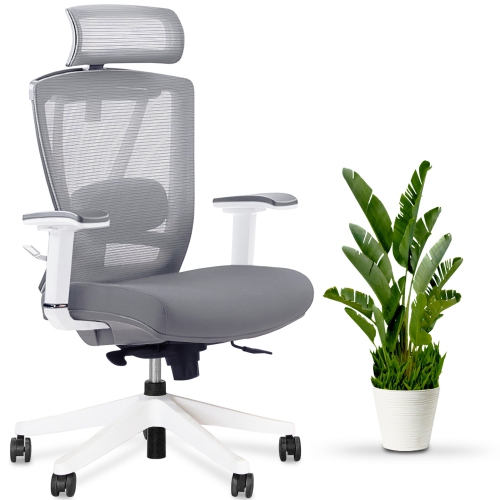
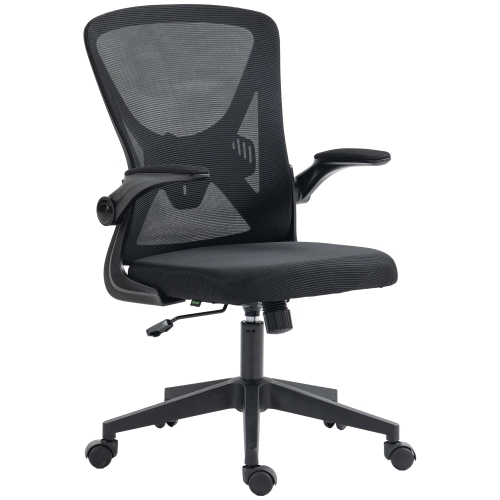
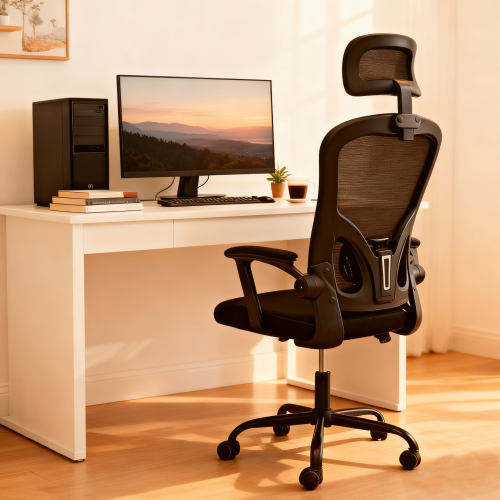
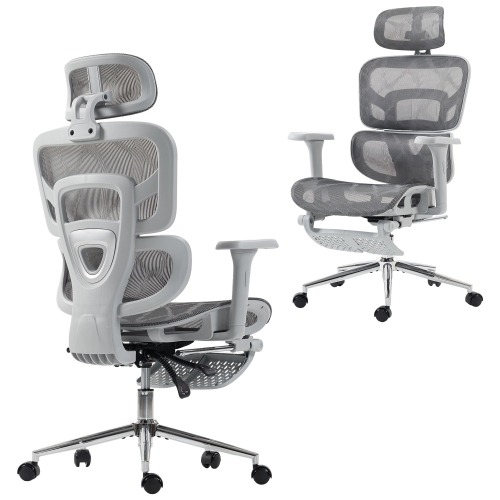
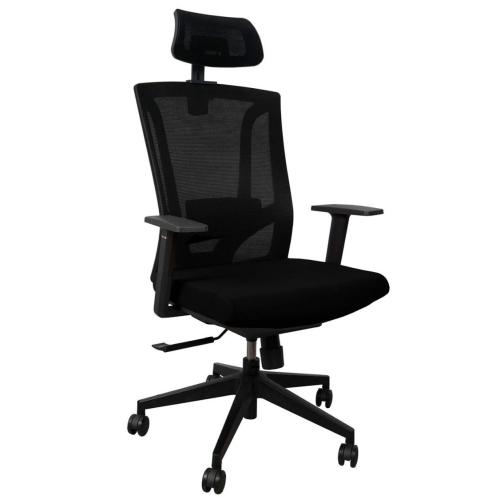
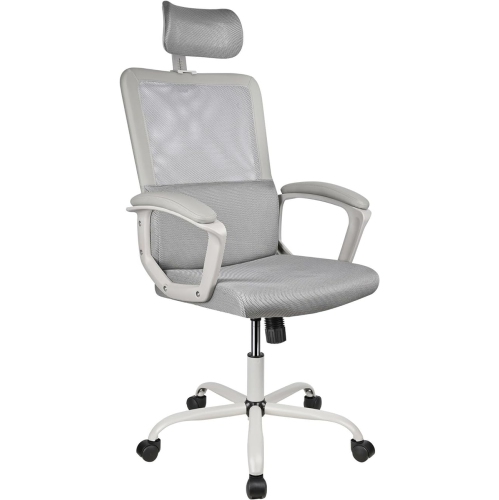
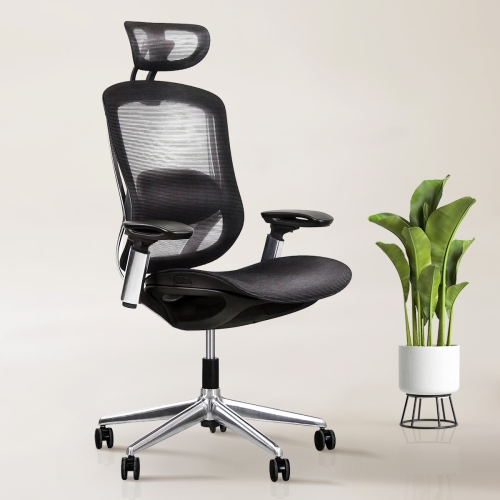
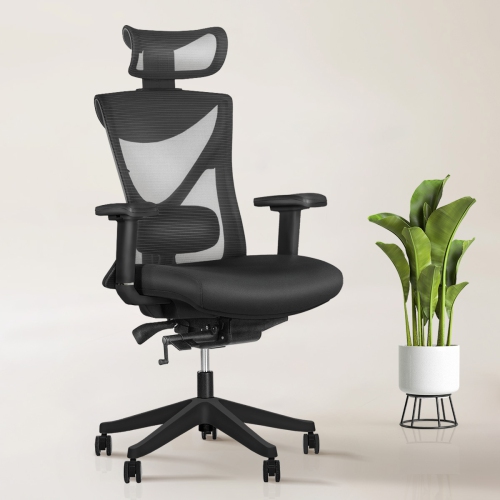
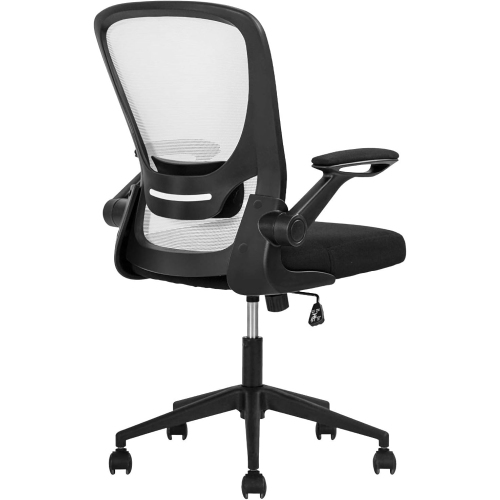
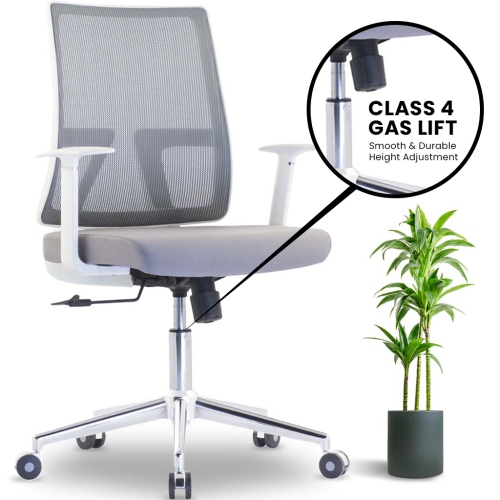
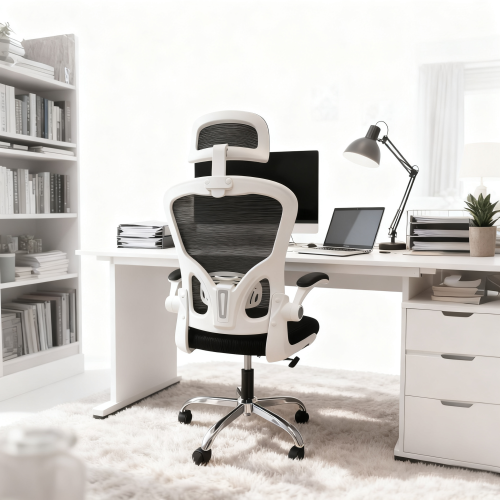
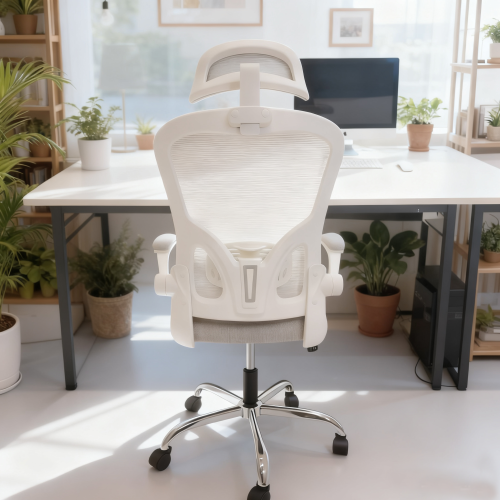
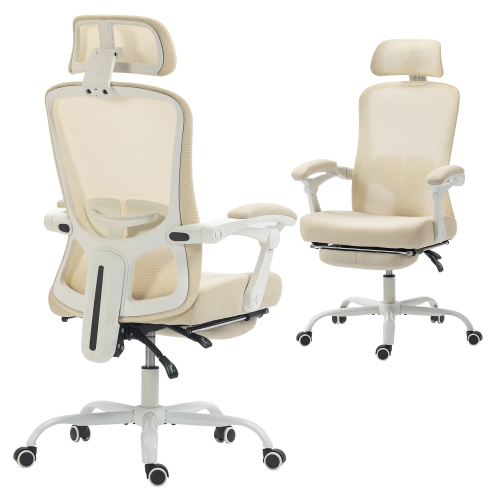
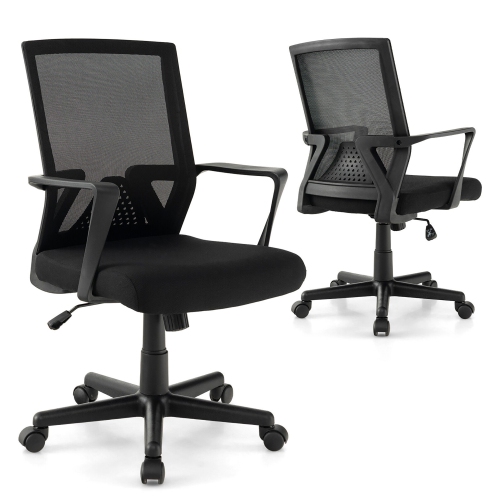
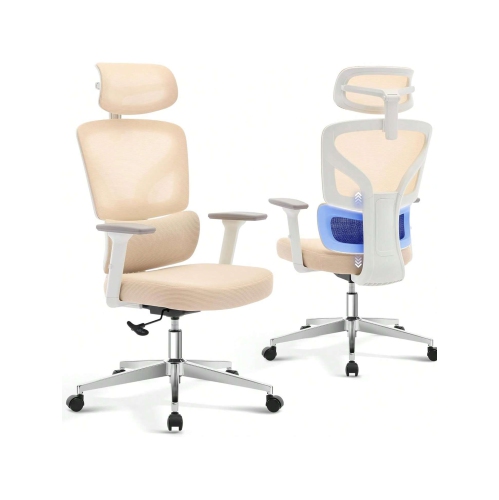
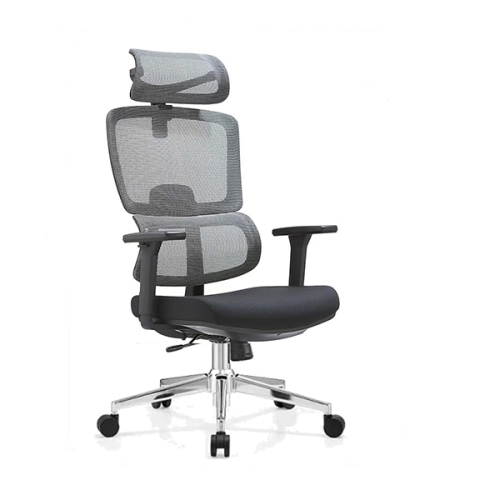
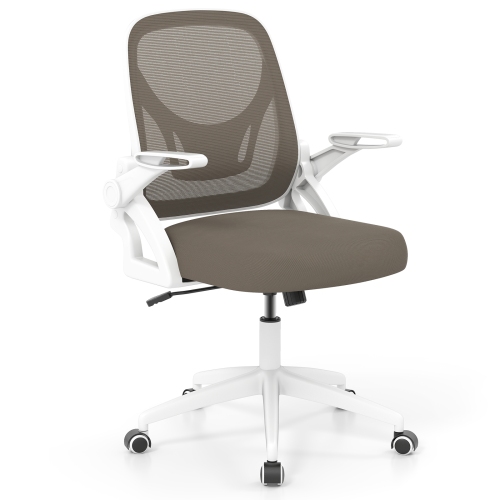
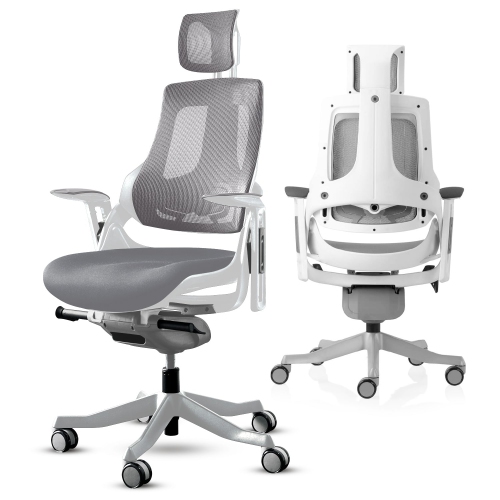
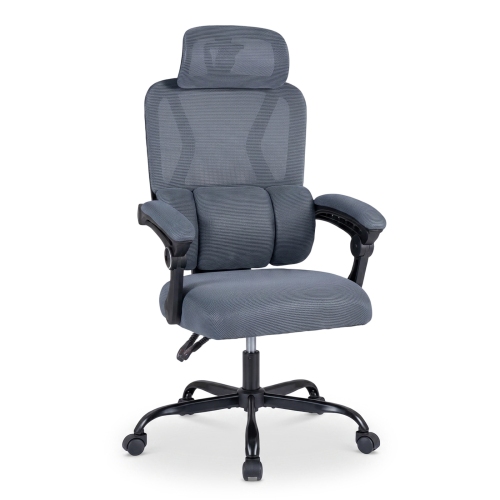
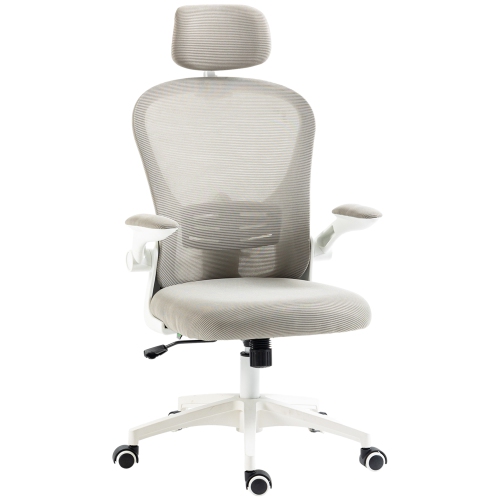
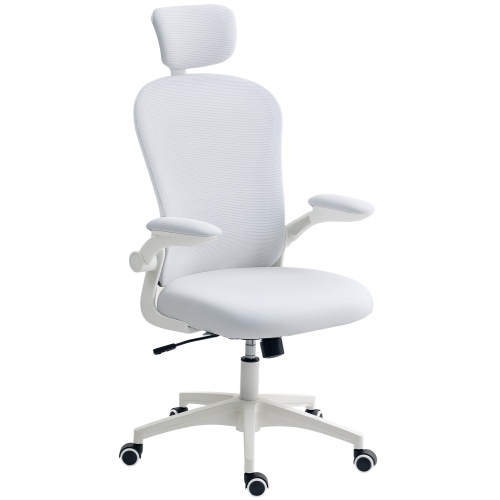
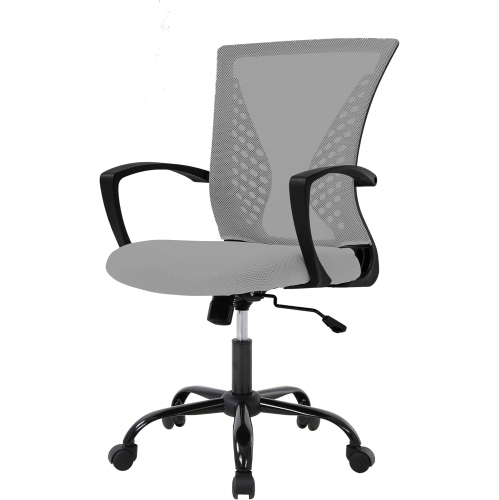
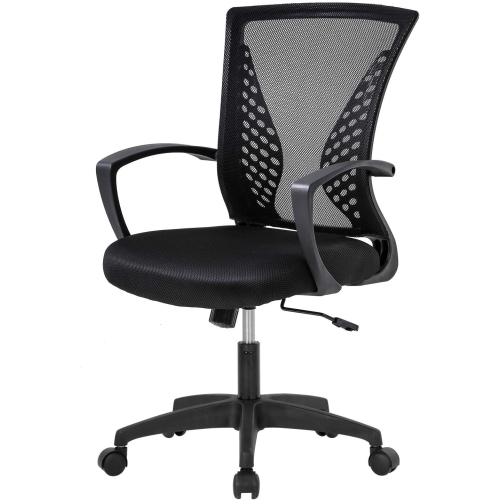
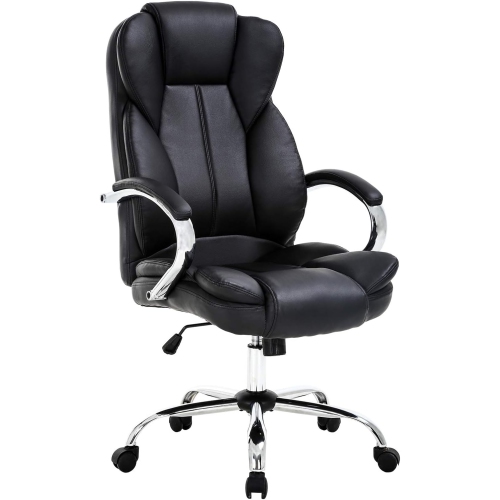
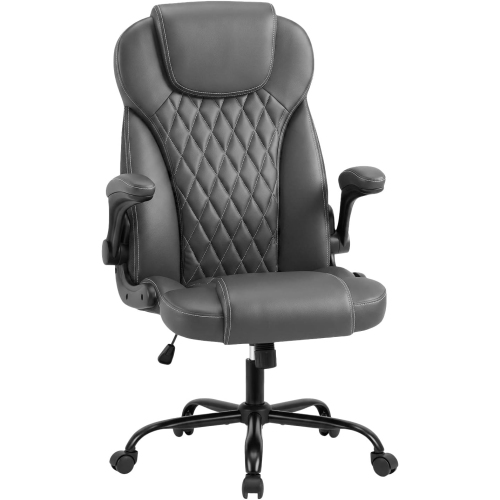
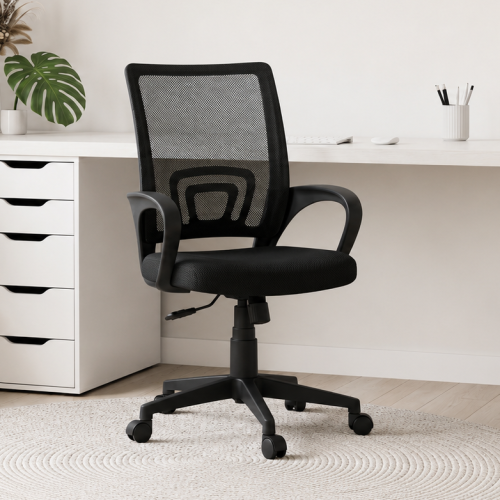
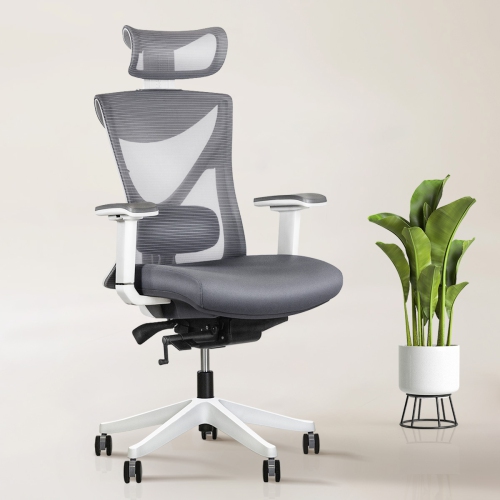
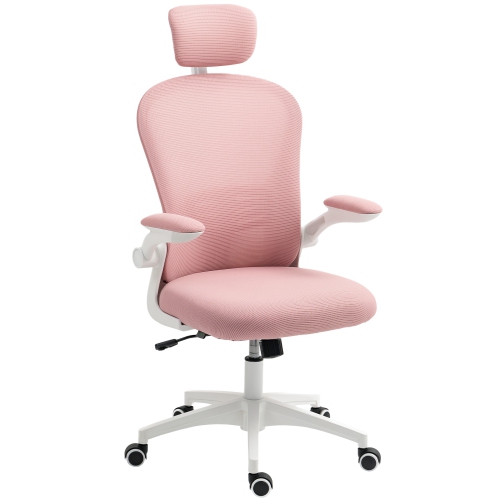
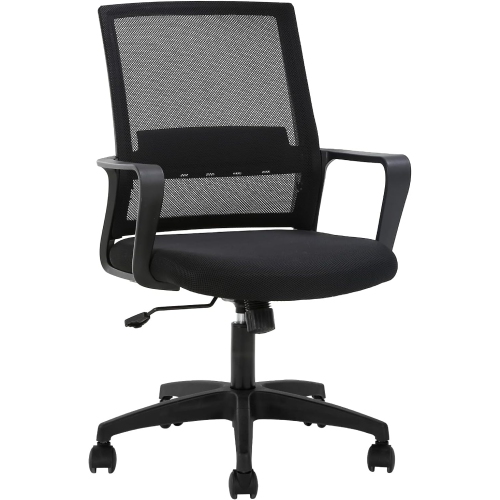
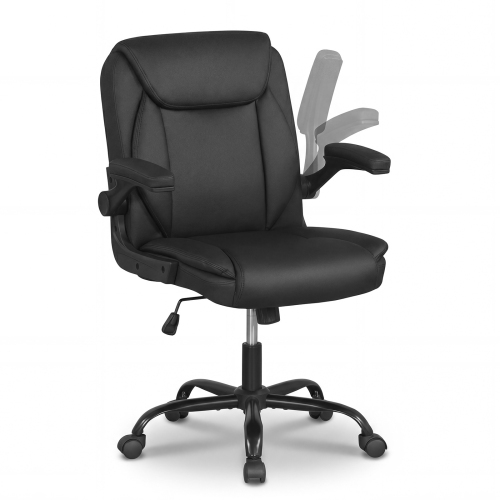
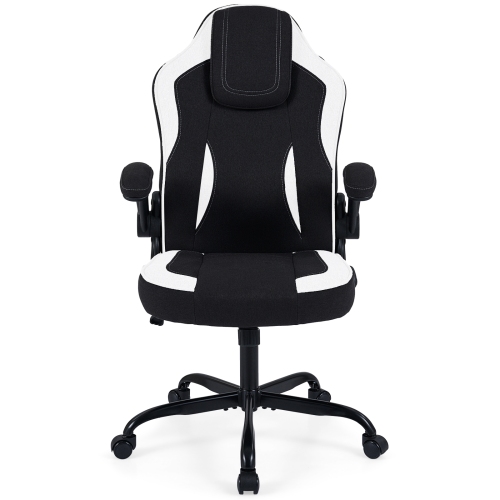
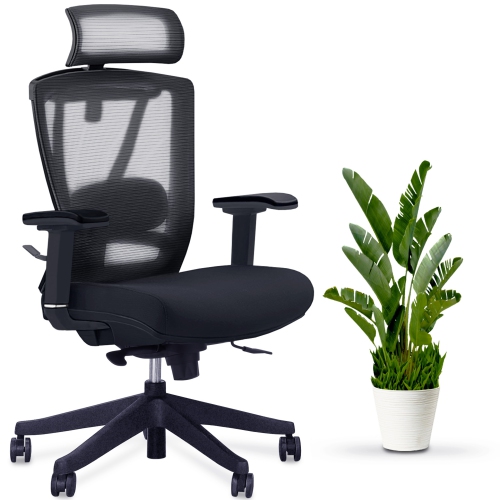
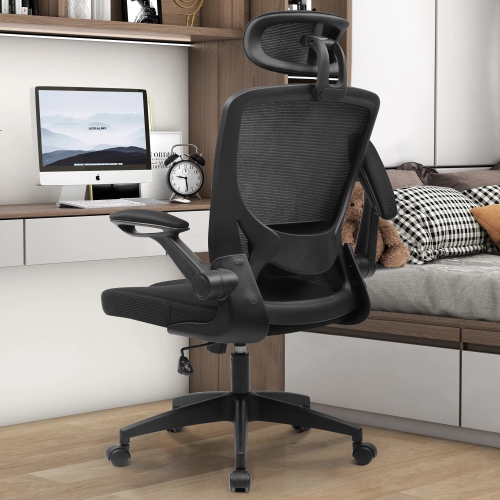
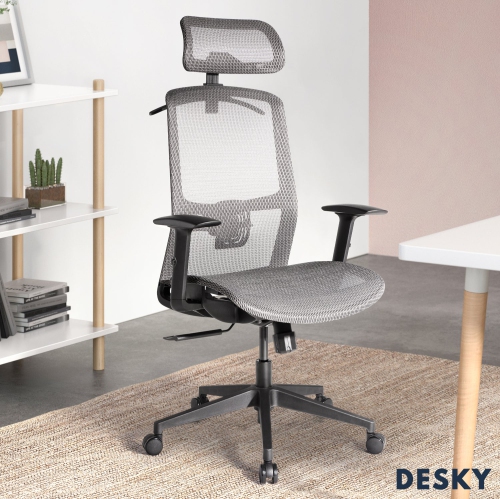
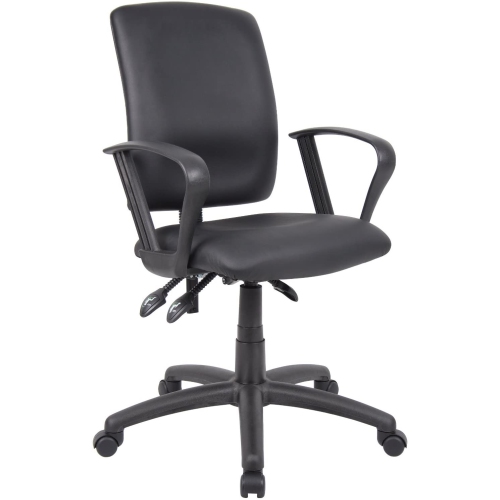
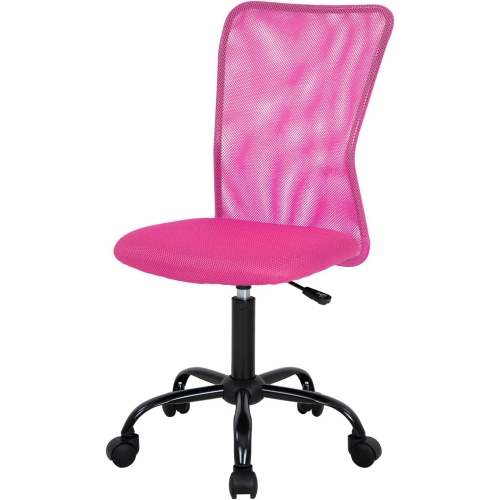
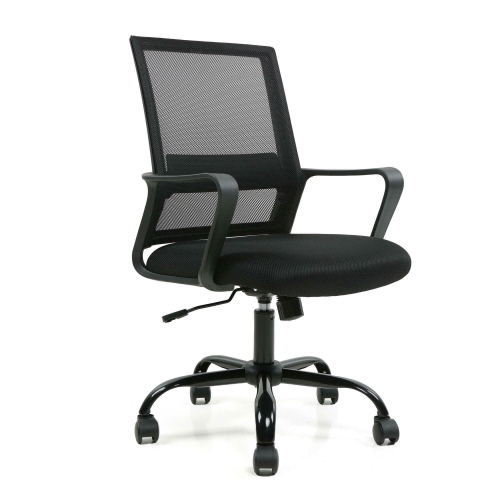
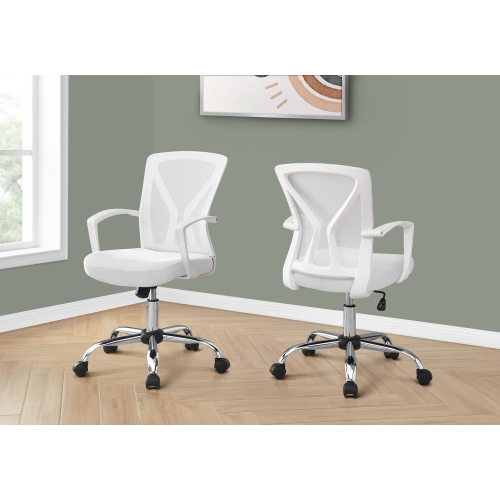
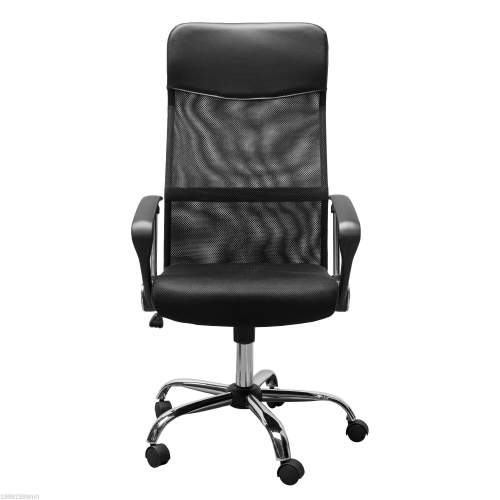
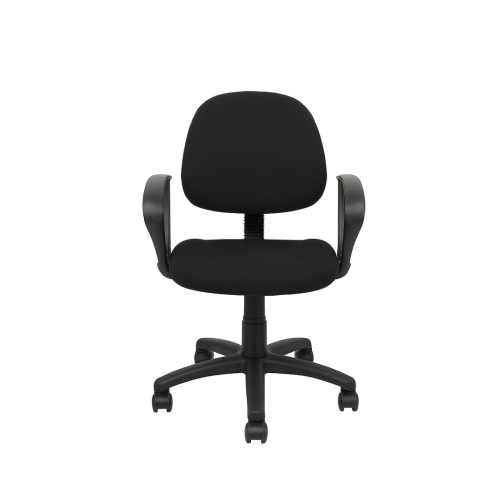
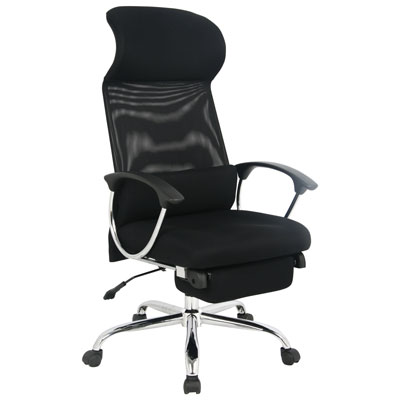
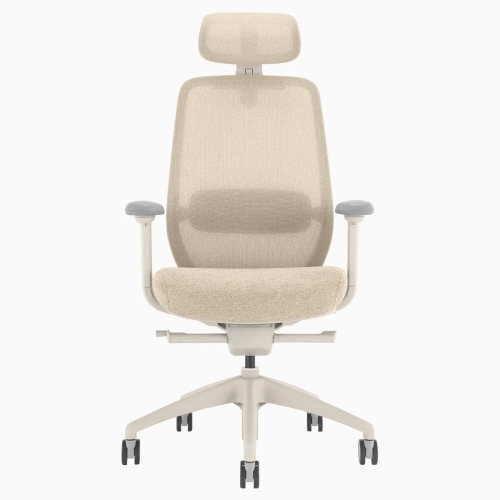
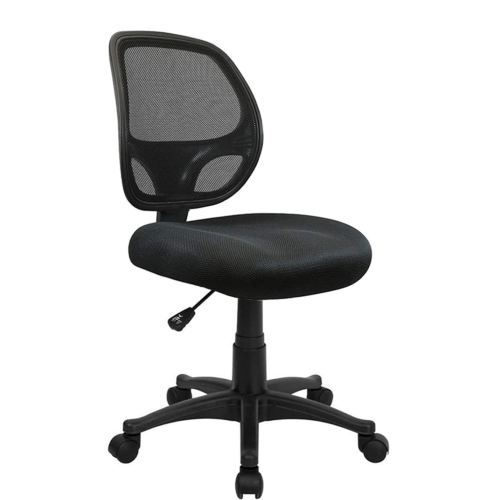
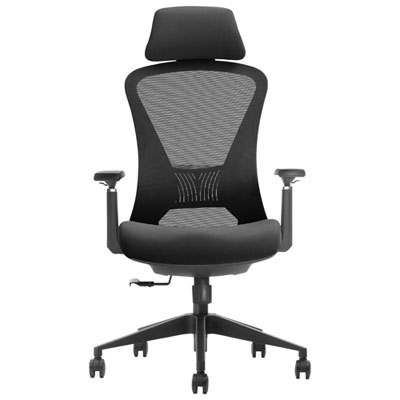
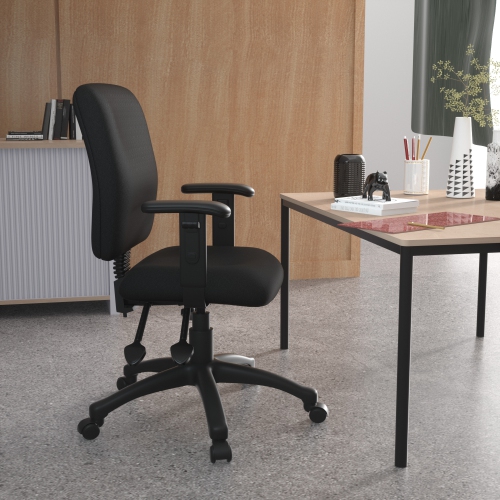
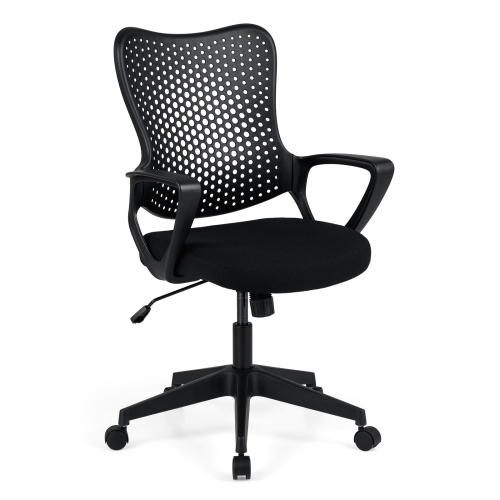
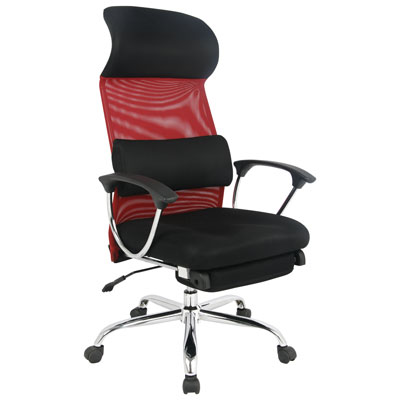
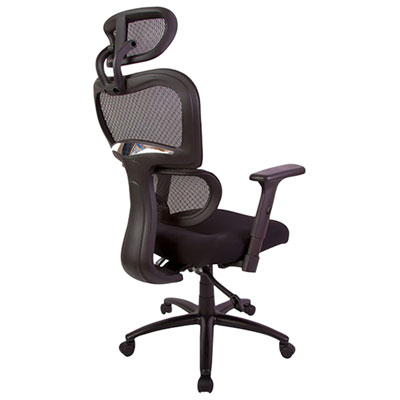
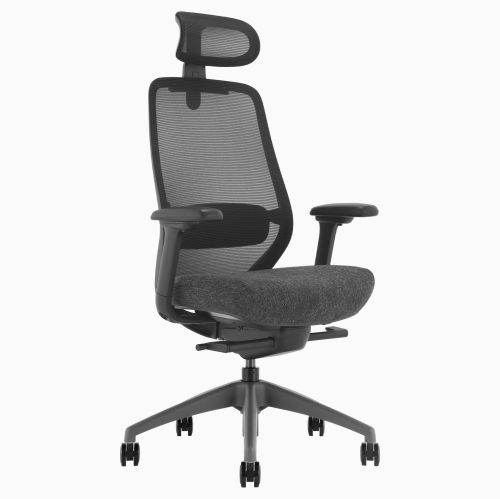
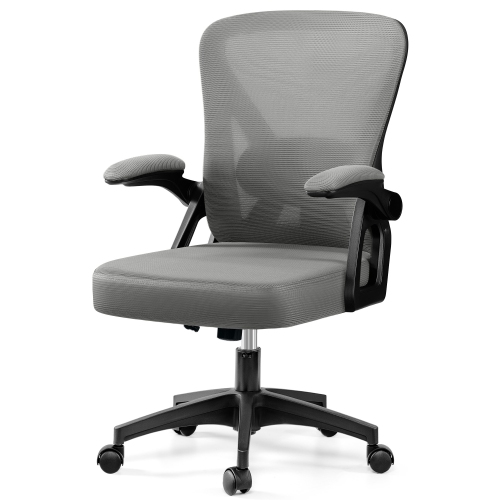
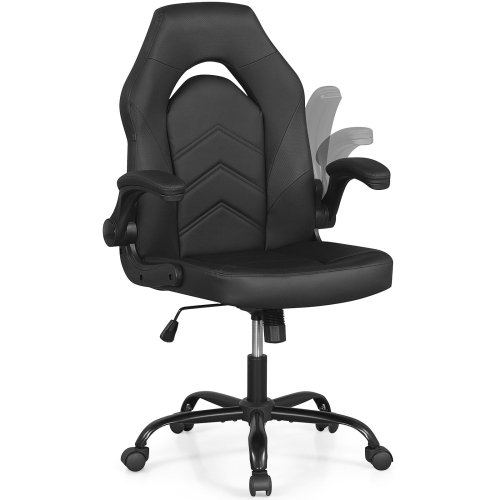
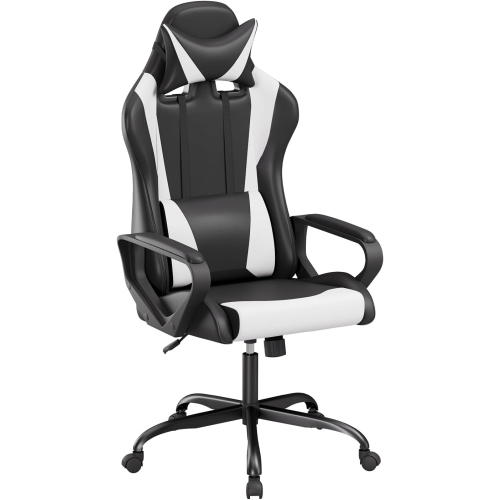
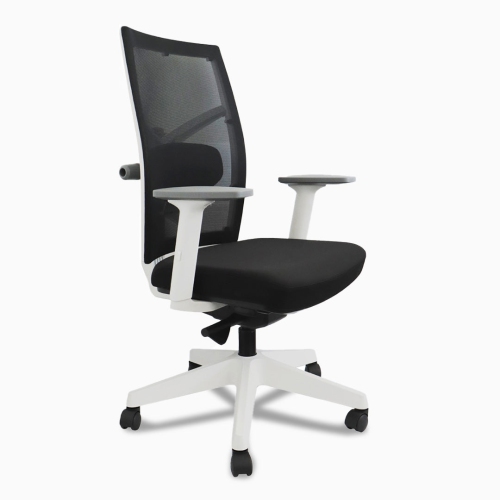
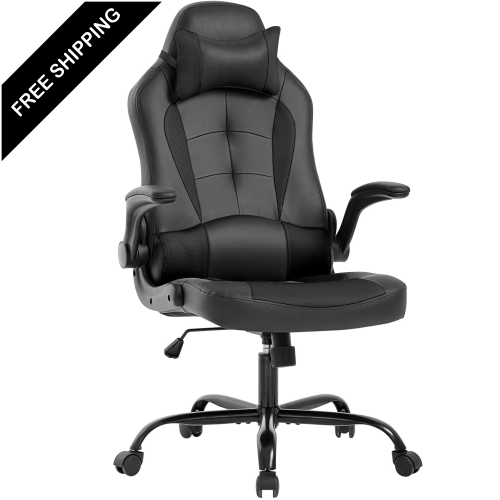
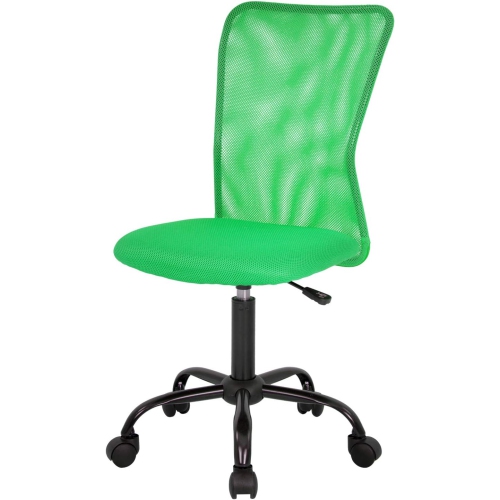
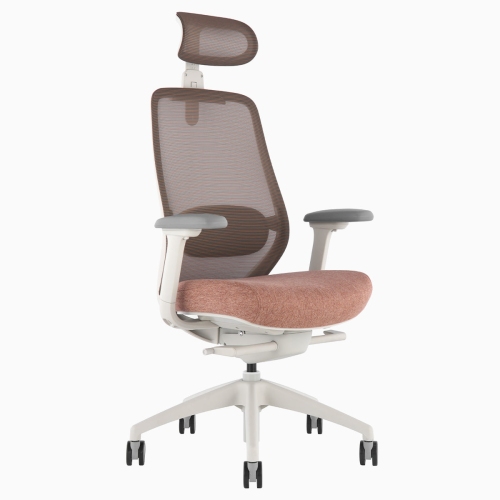
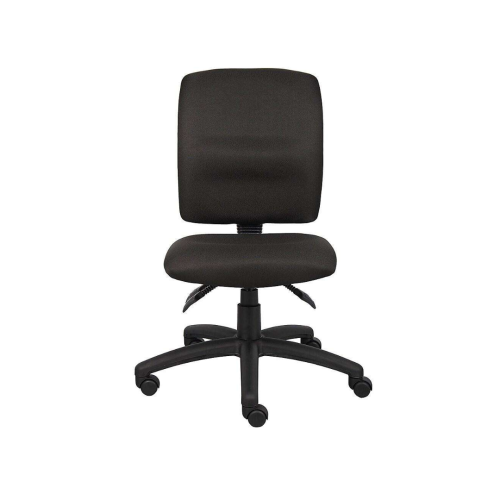
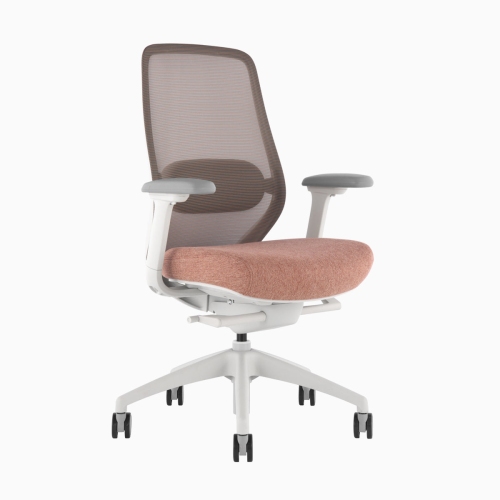
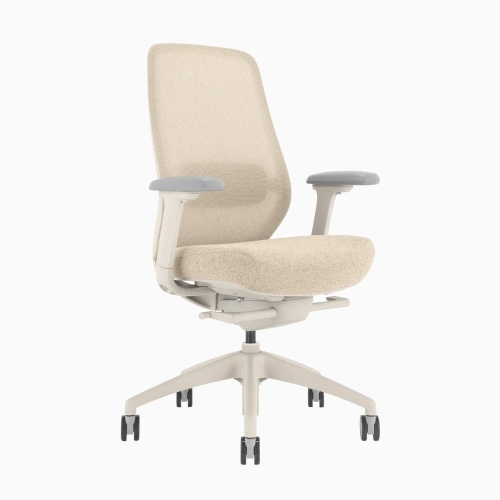
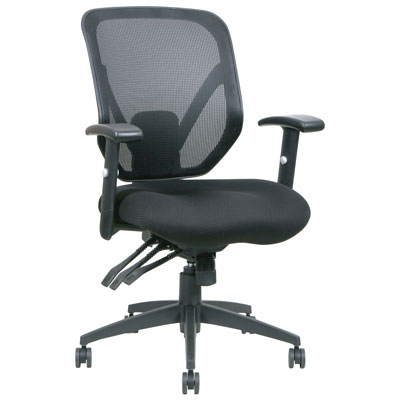
Ergonomic desk chairs are adjustable office seats designed to support a comfortable sitting position while allowing changes in posture throughout the day. Their defining features often include adjustable seat height, lower-back support, a reclining backrest, and armrests that can be positioned to suit the person using them. Unlike a fixed dining chair pulled up to a laptop, an ergonomic chair offers ways to bring the seat and support surfaces closer to the body’s proportions and the demands of the desk. That flexibility matters during everyday tasks, from typing reports and attending video calls to studying, drawing, or managing household paperwork. A suitable fit generally allows the feet to rest flat on the floor or a footrest, with the knees bent comfortably at roughly a right angle and the shoulders relaxed. Seat depth is just as important as height: there should be a small gap between the front edge of the cushion and the backs of the knees while the back remains supported. A seat that is too deep can make a shorter person perch forward, while one that is too shallow may leave a taller person without enough thigh support. Adjustable lumbar support helps position the chair’s lower-back contour where it feels supportive rather than intrusive. Depending on the design, that adjustment may change the support’s height, depth, or firmness. Armrests can support the forearms during desk work, but their position should also let the chair move close enough to the keyboard without forcing a forward reach. Height-adjustable arms are useful for matching elbow position, while width, pivot, and forward-backward adjustments offer further flexibility. These details make ergonomic office chairs relevant to a wide range of users rather than a single body type. The aim is not to hold someone rigidly in one supposedly perfect position, but to provide a supportive base that accommodates small movements and different activities. Even a well-fitted chair works best alongside regular standing, stretching, and walking breaks rather than uninterrupted hours of sitting.
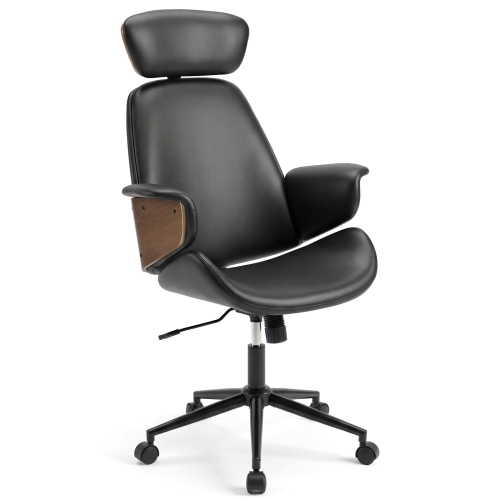
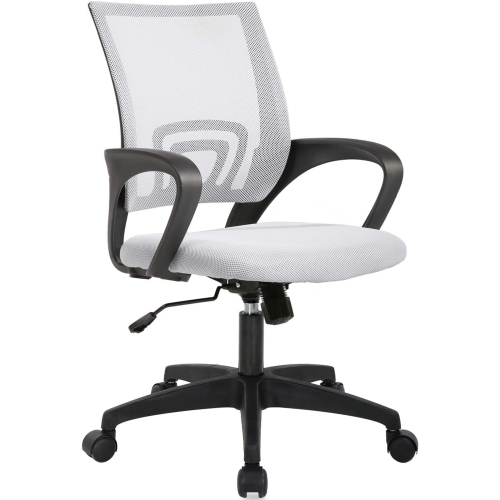
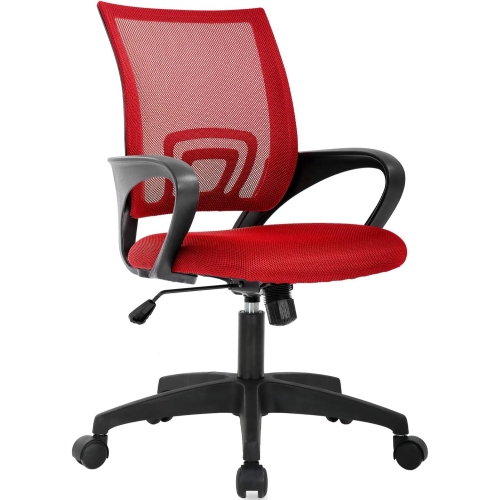
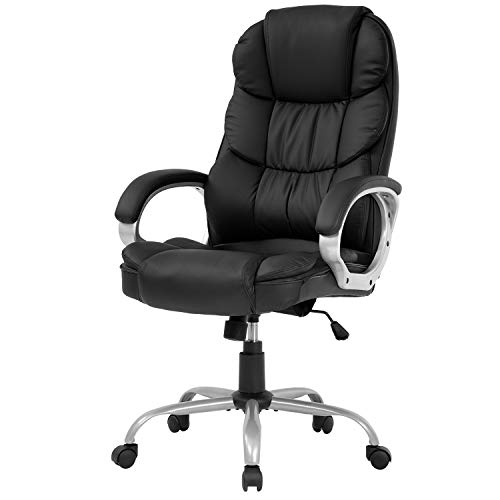
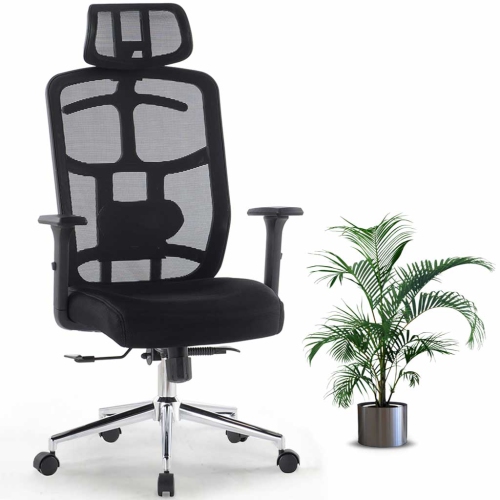
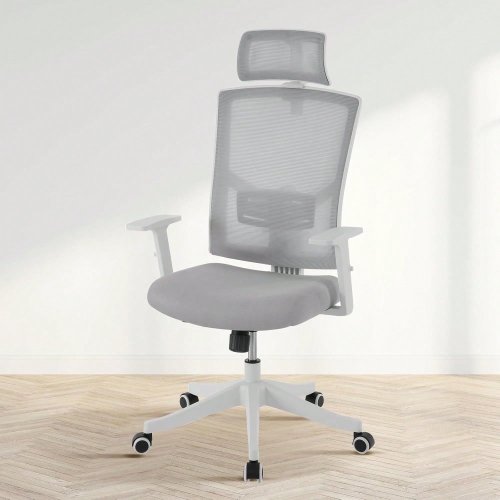
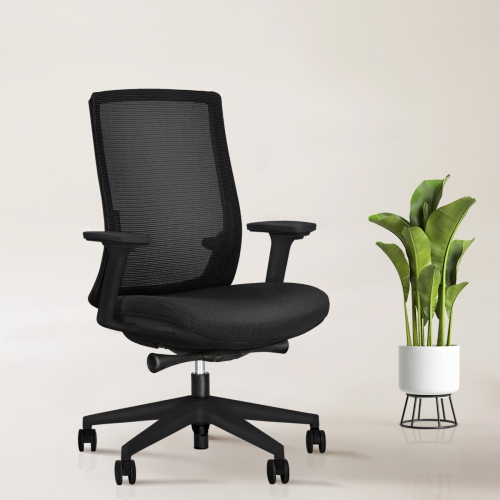
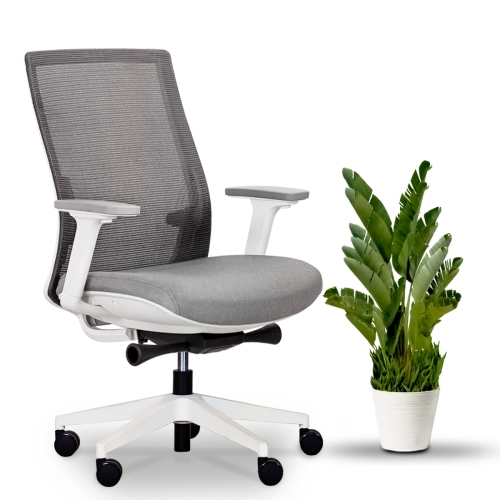
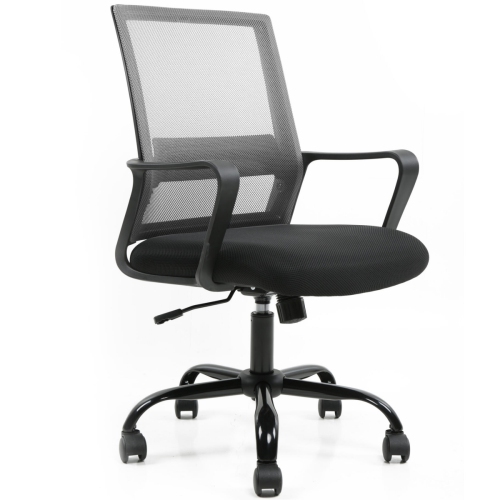
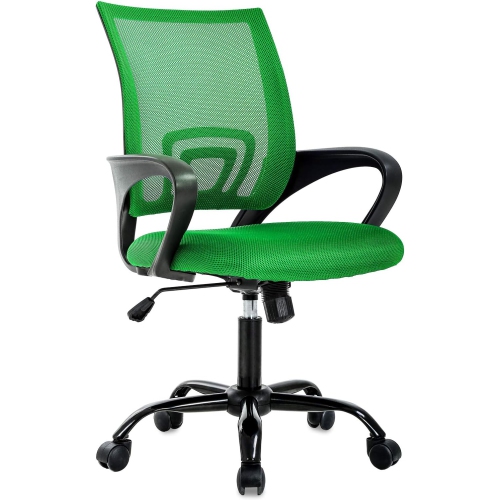
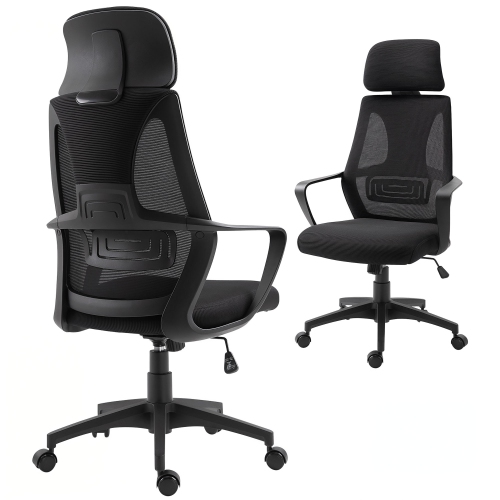
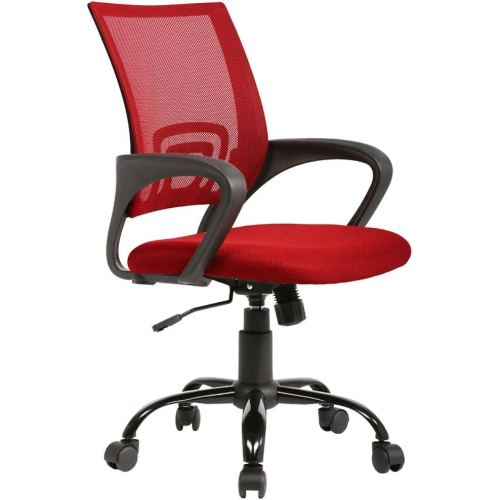
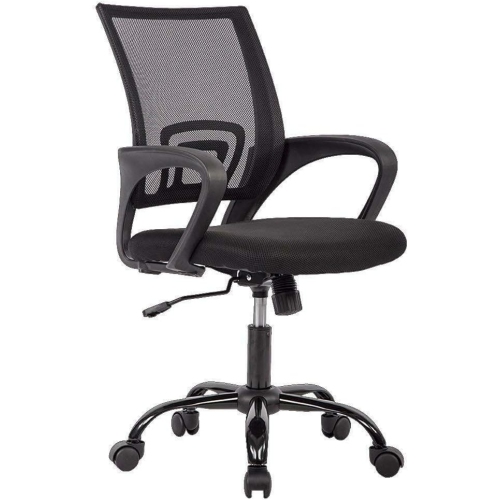
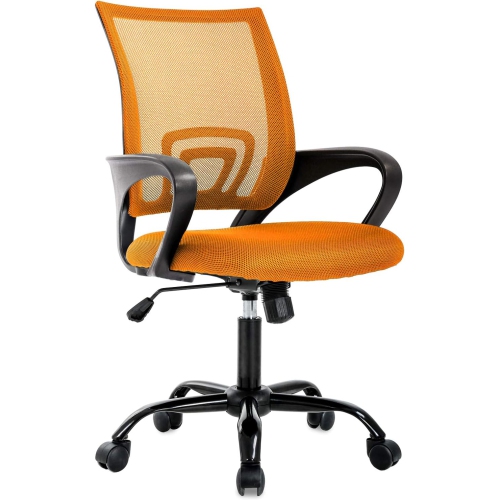
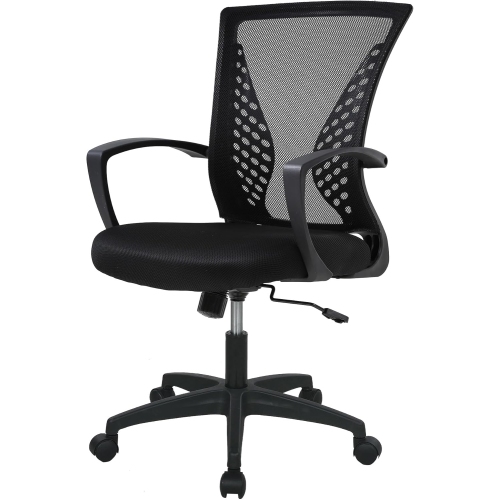
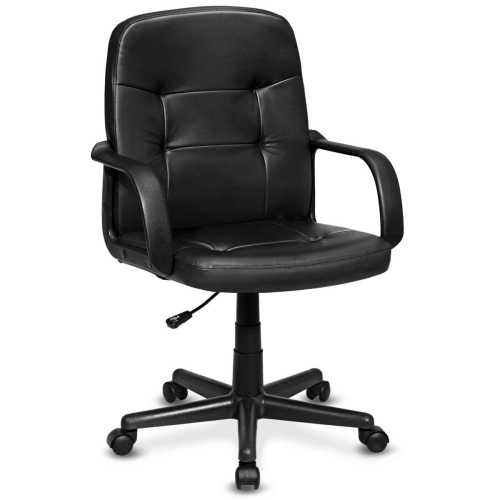
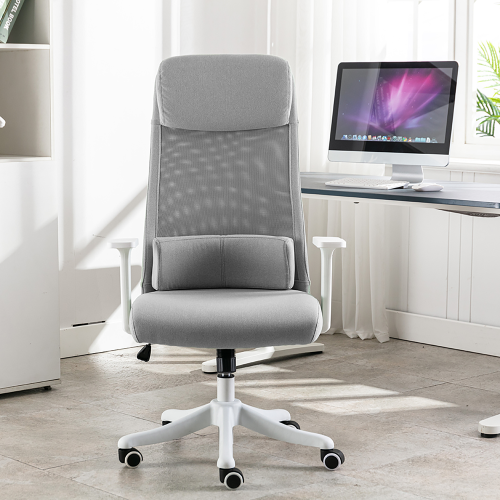
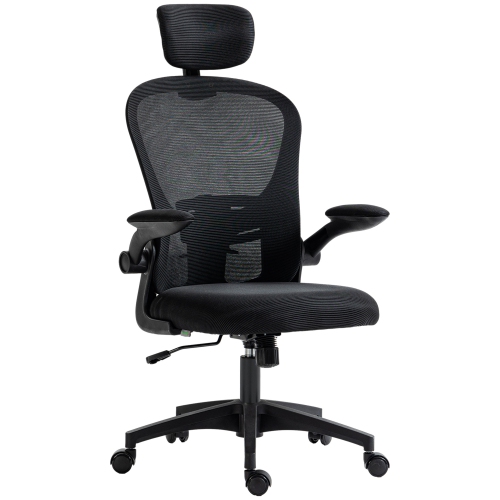
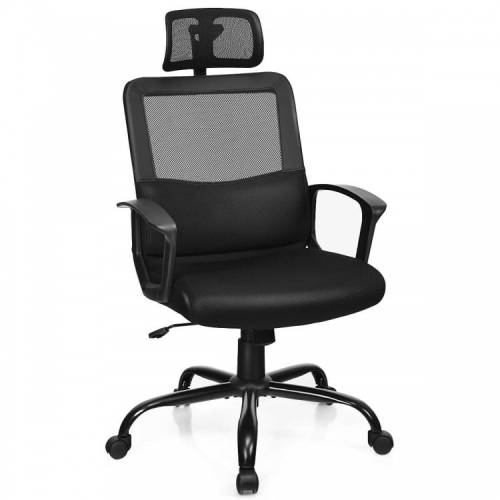
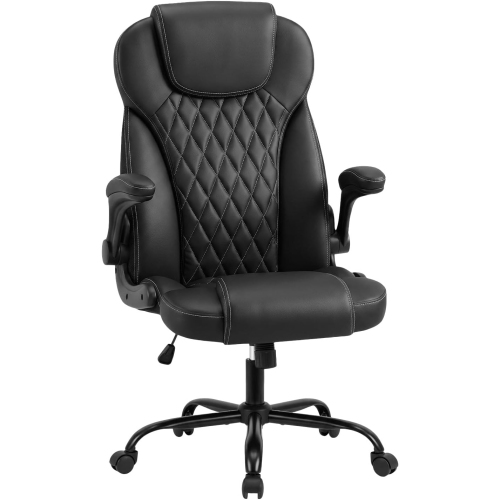
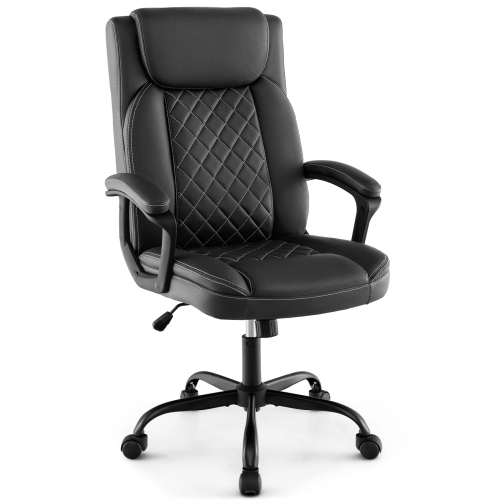
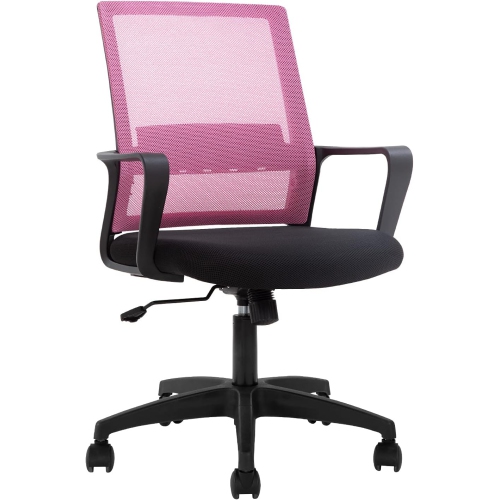
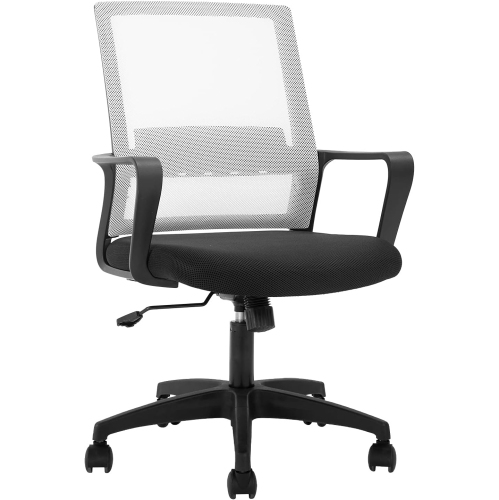
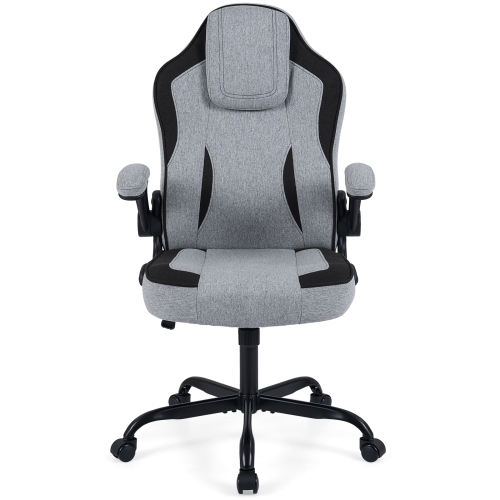
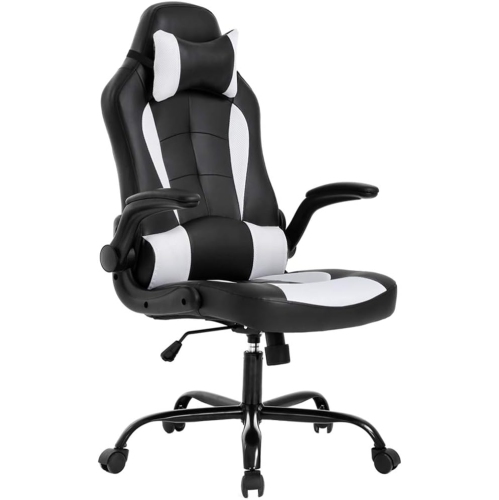
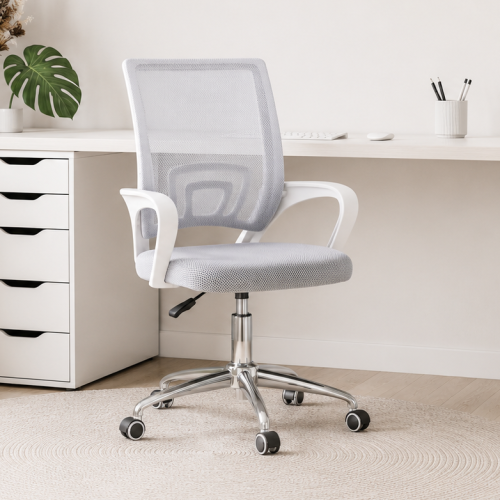
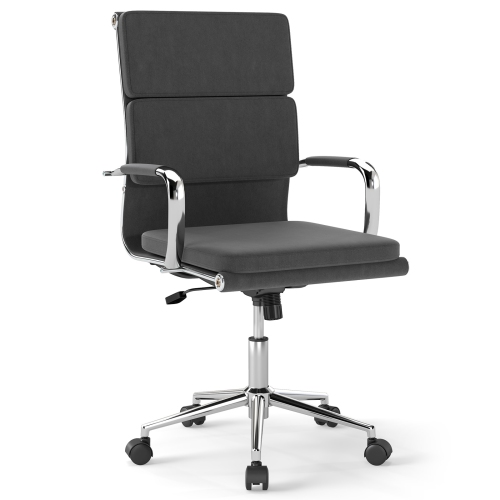
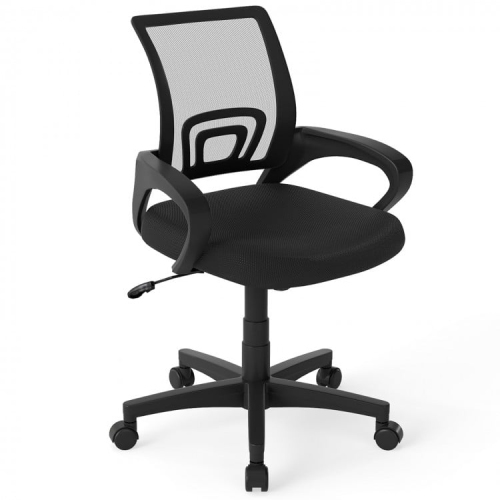
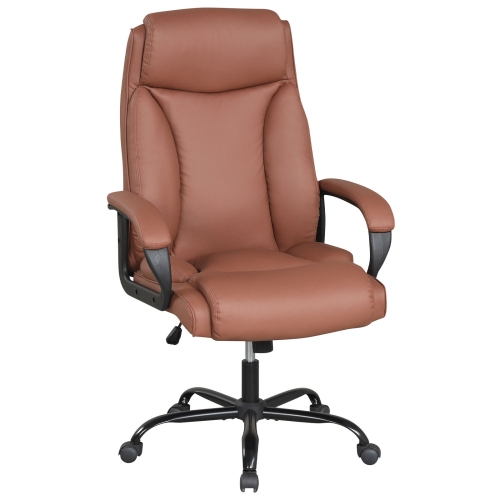
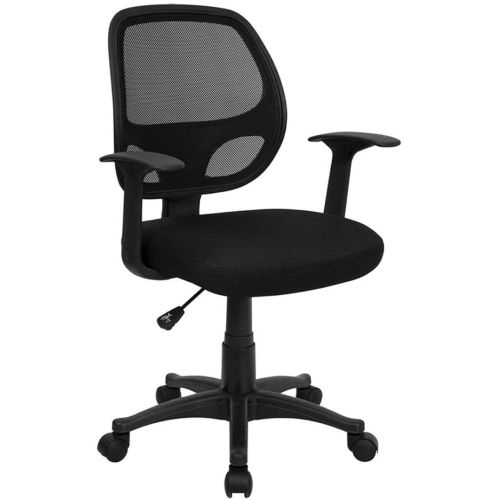
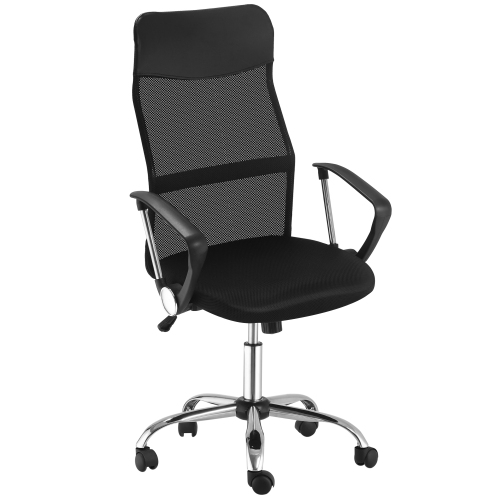
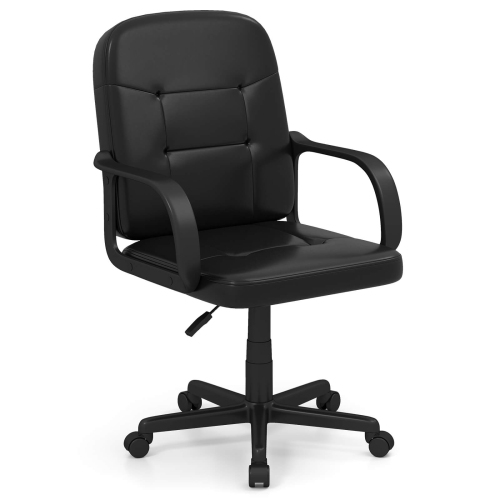
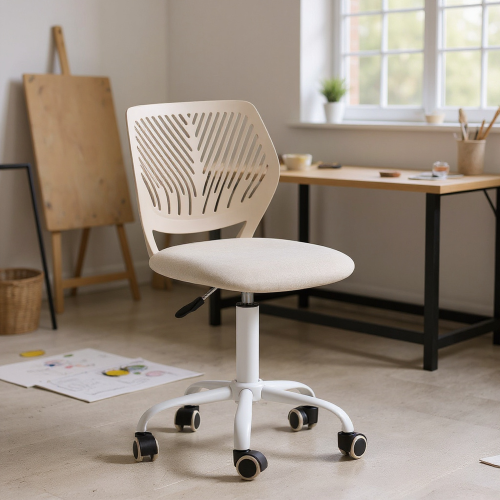
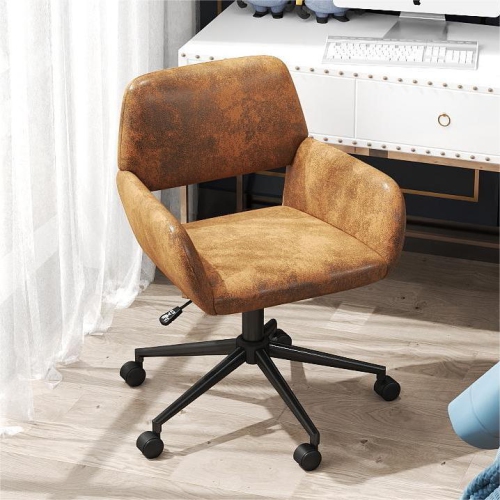
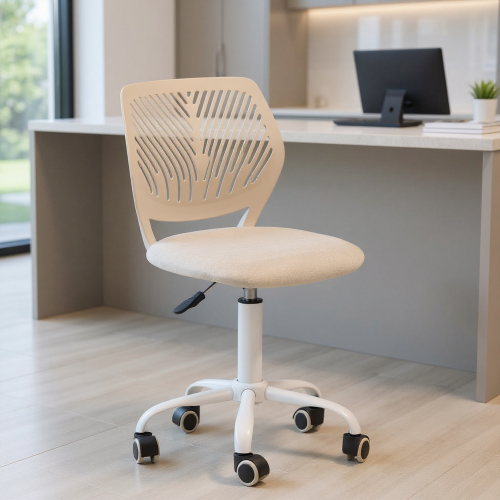
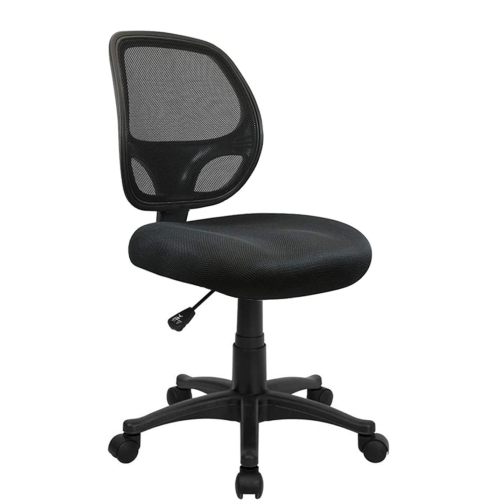
Materials shape how an ergonomic desk chair feels through a full working session, as well as how it looks beside the rest of the furniture. Mesh backrests allow airflow and often have a lighter visual presence, making them a natural fit for compact home offices or desks tucked into a living room. Their feel depends on the tension and structure of the mesh; some provide a firm, suspended surface, while others have more give. A mesh seat has a different feel from a padded cushion, so the frame shape and support beneath the thighs deserve attention. Fabric upholstery offers a softer texture, with woven finishes that can blend easily with curtains, rugs, and other upholstered furniture. Padded seats vary in firmness and construction, and a thick cushion is not automatically more supportive than a thinner, well-shaped one. Foam that compresses too far can leave the user feeling the structure underneath, while an overly firm seat may feel uncomfortable during longer sessions. Leather and synthetic leather create a smoother, more tailored appearance, although their care needs and resistance to wear differ. Synthetic finishes may show peeling or cracking over time, particularly with frequent friction or unsuitable cleaning methods. Beyond upholstery, durability depends on the frame, base, lift mechanism, adjustment controls, and moving joints. A stable base and clearly stated weight capacity are practical considerations for daily use, while the chair’s dimensions help establish whether it suits both the person and the room. Recline and tilt features also affect the experience. Tilt tension controls the resistance felt when leaning back, and some mechanisms coordinate the movement of the seat and backrest. A headrest may feel useful during a reclined pause, but its height and angle need to suit the user rather than push the head forward. Castors should match the flooring and the manufacturer’s intended use; a suitable chair mat can help protect a floor and make movement easier where carpeting creates resistance.
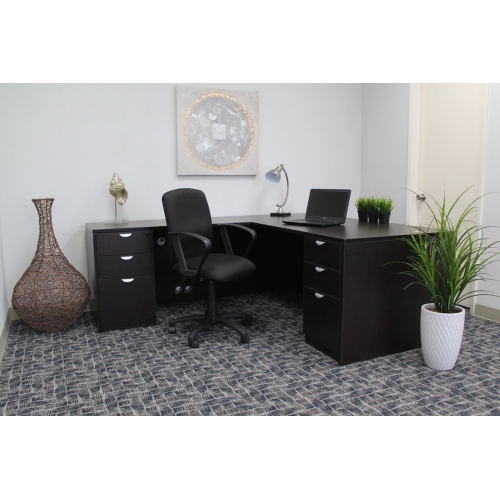
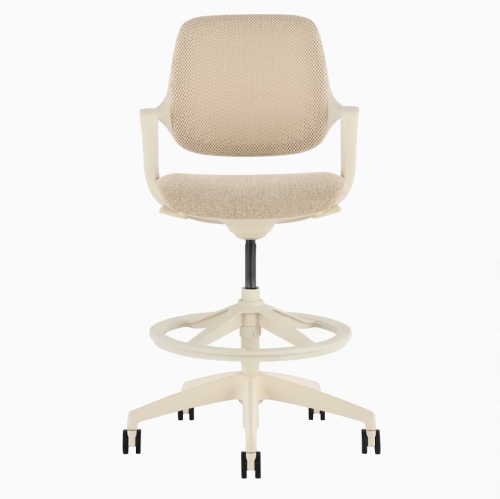
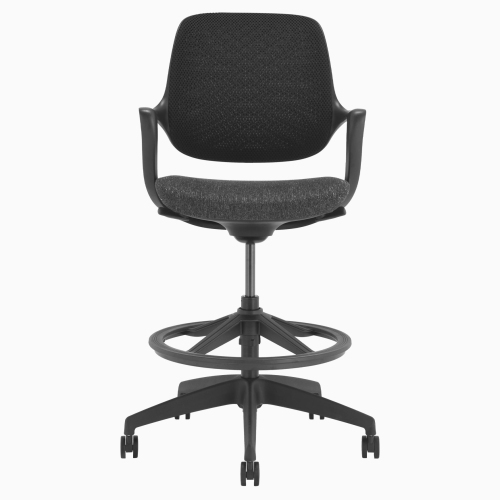
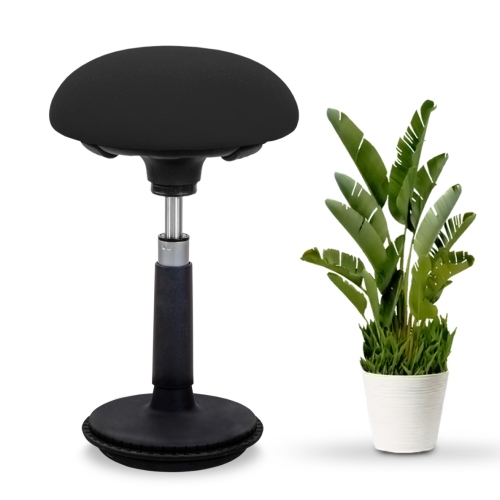
The intended workspace often determines which features will earn their place in daily use. At a shared family desk, easy-to-reach controls make it simpler to reset seat height, lumbar support, and arm position between users. For someone working from home for much of the day, seat-depth adjustment and a supportive recline may matter more than a compact silhouette. A student moving between handwritten notes and a computer may appreciate a chair that swivels smoothly and fits beneath the desk when study time is over. In a smaller room, the space needed behind the chair matters as much as its width: there should be room to roll back, stand up, and recline without hitting a wall or cabinet. Armrest height also affects whether the chair can tuck under the desktop. For an elevated work surface, ergonomic standing desk chairs offer a related seating category, though the seat-height range and foot support still need to match the setup. A standard desk chair should not be assumed to reach comfortably to a counter-height surface. Ergonomic seating can also make a thoughtful gift for someone establishing a home office or returning to study, provided their measurements, preferences, and workspace are known; chair comfort is highly personal. Everyday care helps preserve both appearance and function. Fabric generally benefits from routine vacuuming with an upholstery attachment, while mesh needs gentle cleaning that does not stretch or damage its weave. Spills are best addressed promptly using the manufacturer’s approved method, with harsh cleaners avoided unless specifically permitted. Smooth upholstery may allow wiping with a soft cloth, but leather and synthetic coverings should not automatically receive the same treatment. Hair and threads can collect around castors, and loose fasteners or changes in stability warrant attention according to the care instructions. With a suitable fit, appropriate materials, and straightforward upkeep, an ergonomic desk chair can serve as a comfortable, practical part of a workspace used for focused tasks, creative projects, and everyday routines.
Top selling and popular products
-
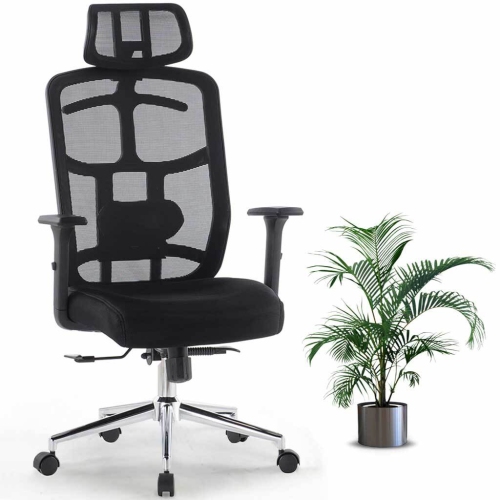 Your price for this item is $143.99
-
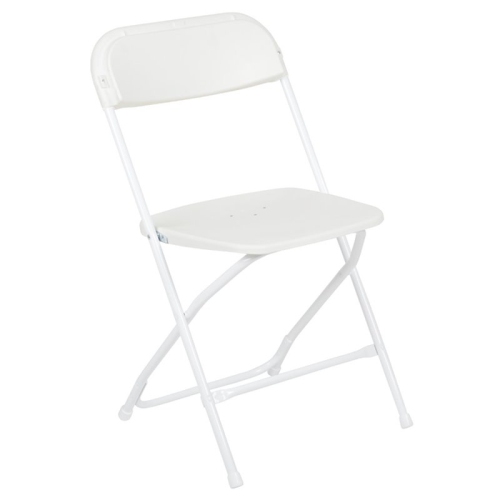 Your price for this item is $123
-
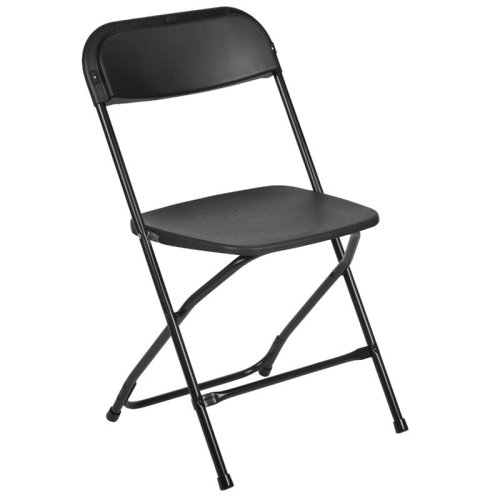 Your price for this item is $139.99
-
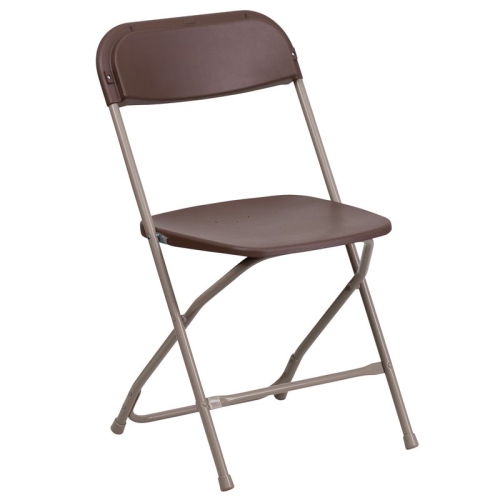 Your price for this item is $139.99
-
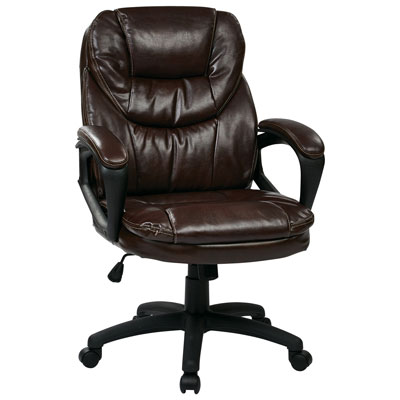 Your price for this item is $203.98
-
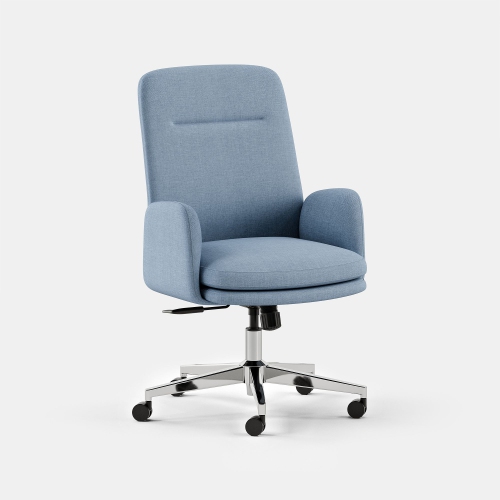 Your price for this item is $429
-
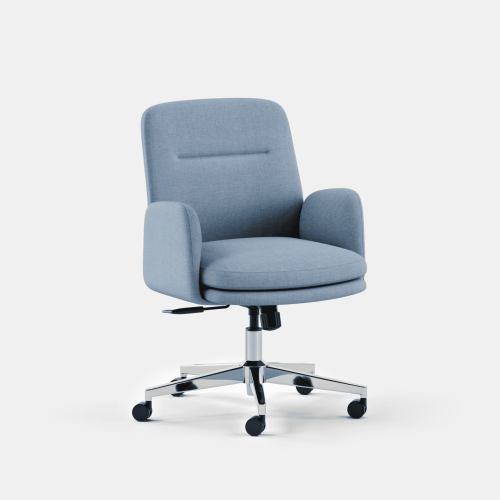 Your price for this item is $379
-
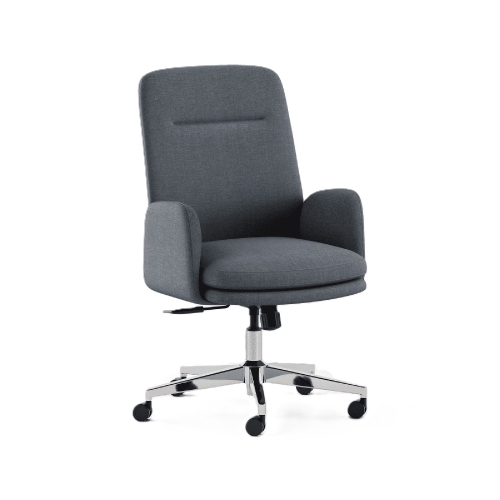 Your price for this item is $429
Discover more categories related to Ergonomic Desk Chairs

Top Collections:
Pokemon Centers, Best Cameras for Sports Photography, Kindle Devices, Samsung Galaxy Phones, Canon G7X Cameras, Pokémon 30th Celebration Cards, Refurbished Apple Laptops, iPhone 15 Apple, Laptops for Students, Budget Smartphones
Some products may be subject to Environmental Handling Fees
(EHF) depending on your province.
Learn more about EHFs.