Ergonomic Desks for Students
Ergonomic Desks For Students are designed to help create a comfortable and productive study space at home or in a dorm room. With a variety of sizes and styles available, these desks offer practical solutions for managing schoolwork, projects, and daily tasks. Whether you’re setting up a dedicated homework area or looking to upgrade your current workspace, finding the right desk can make all the difference in organization and focus. Explore options that fit your needs and support your learning goals.
Sort
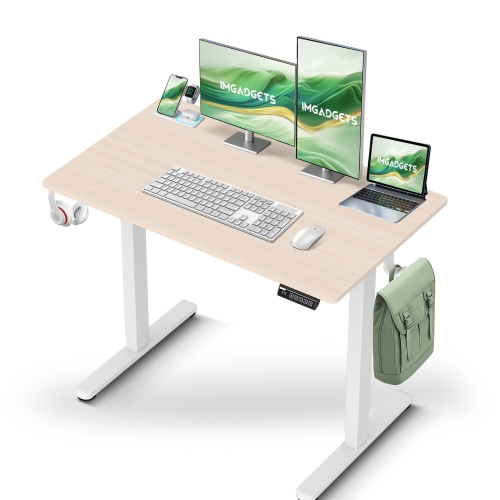
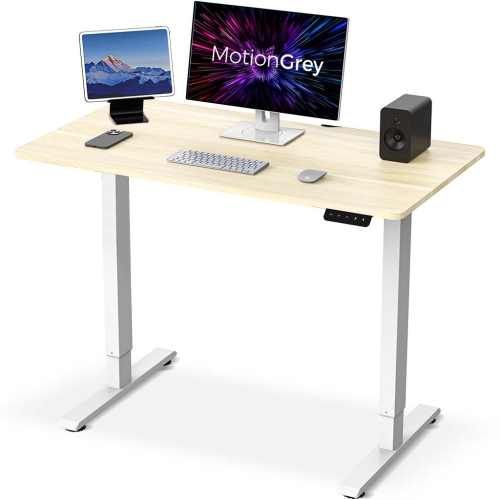
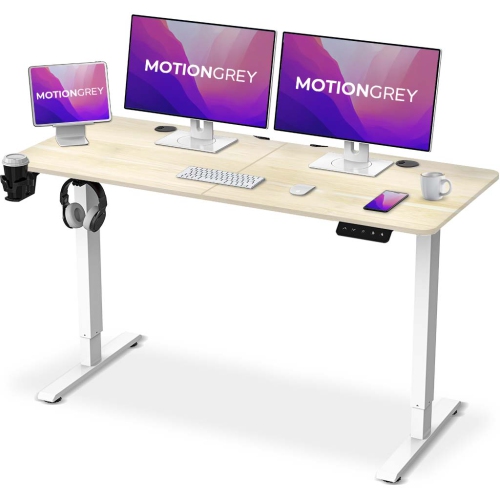
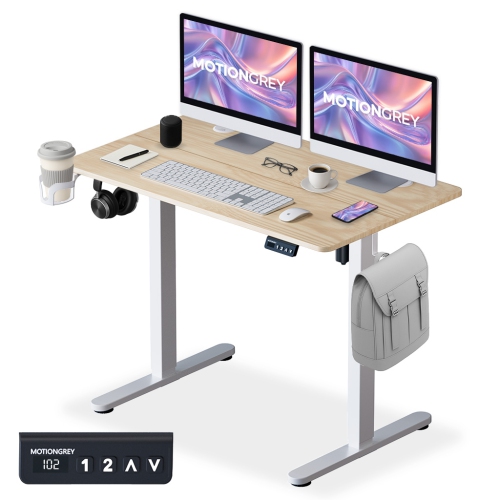
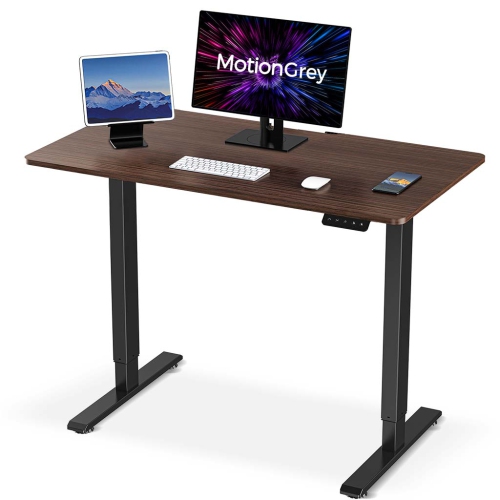
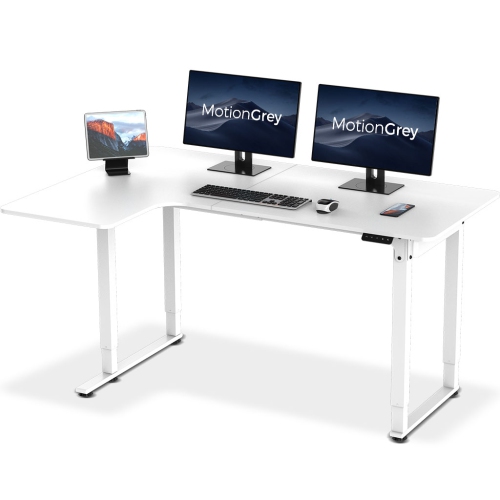
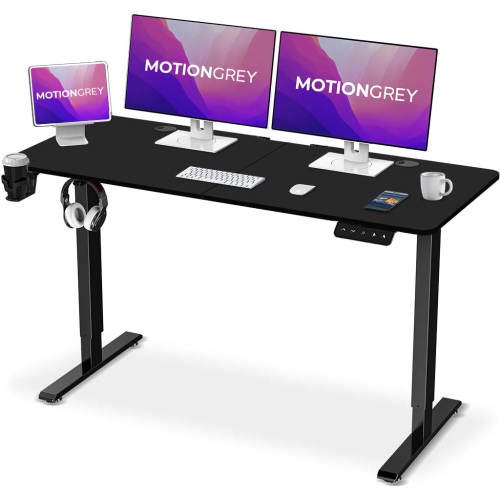
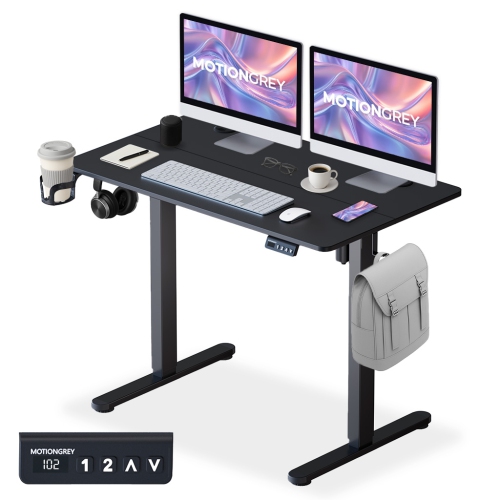
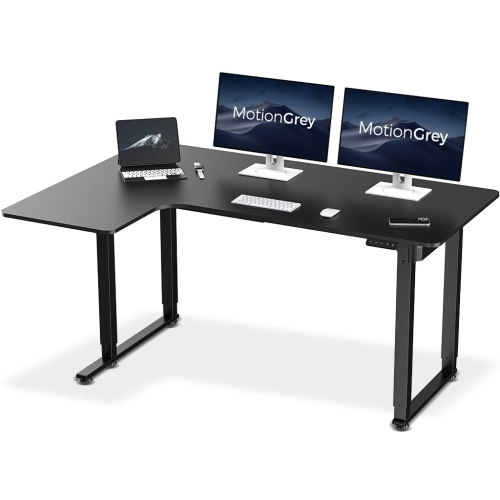
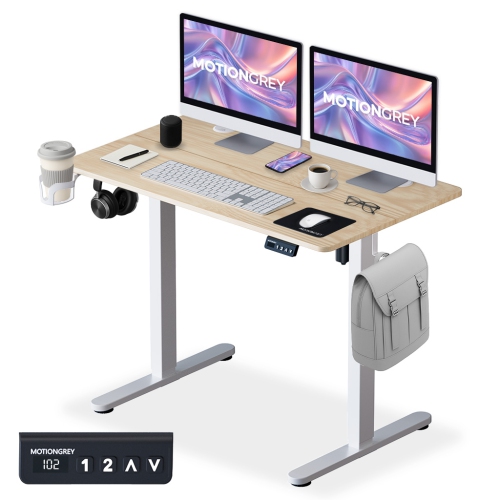
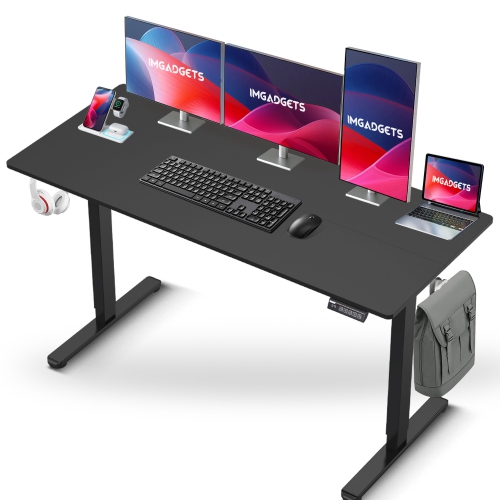
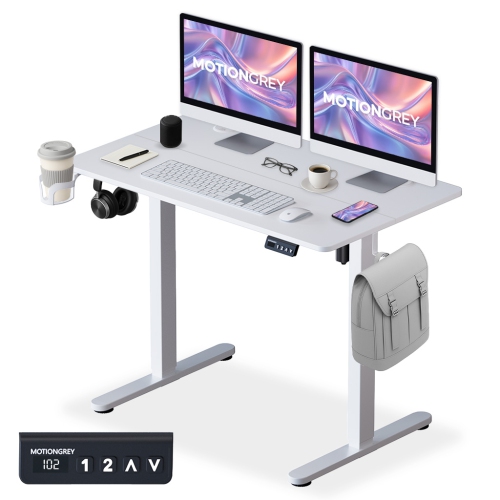
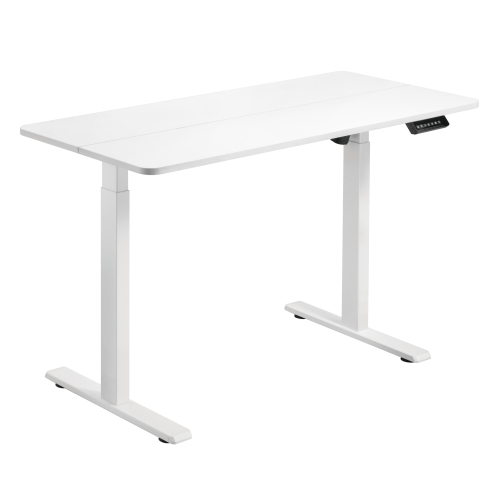
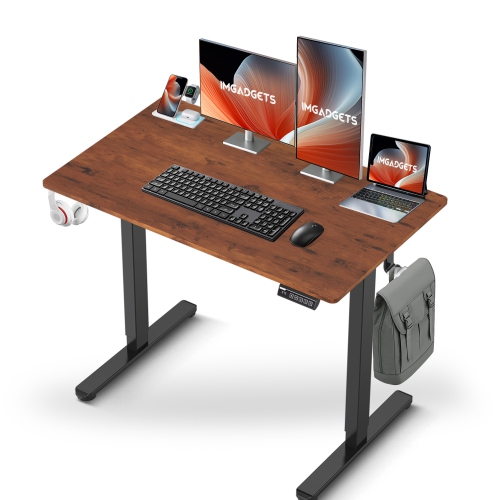
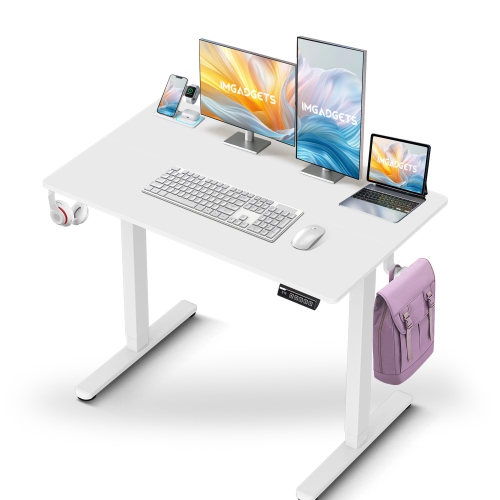
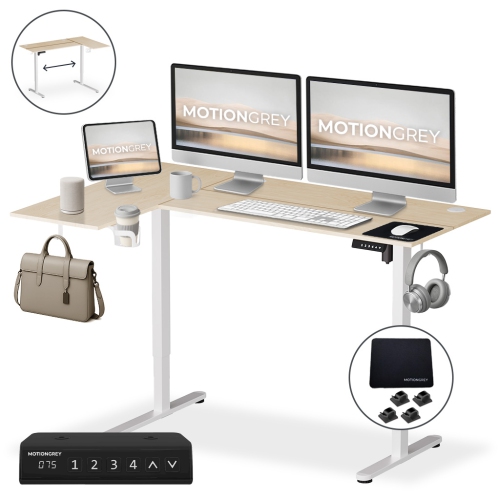
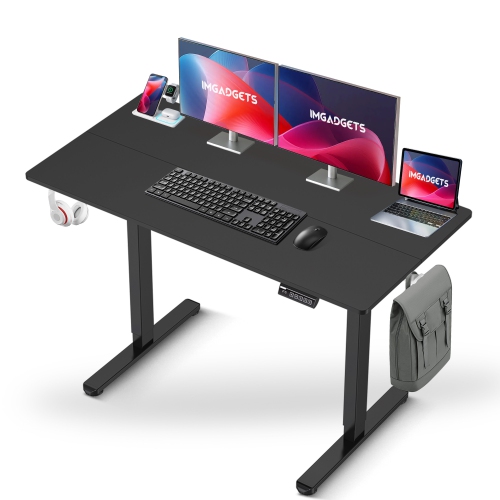
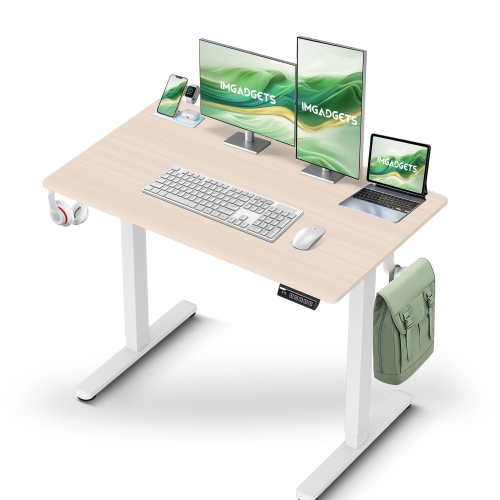
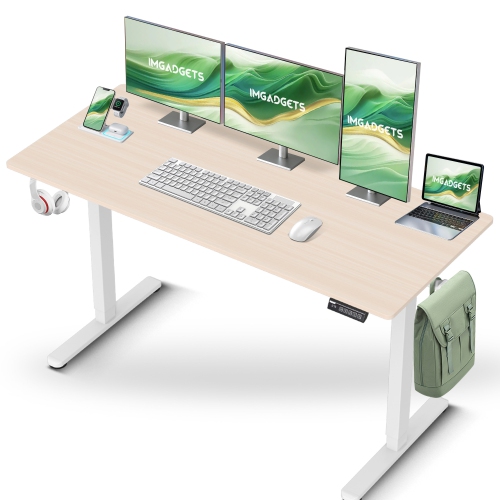
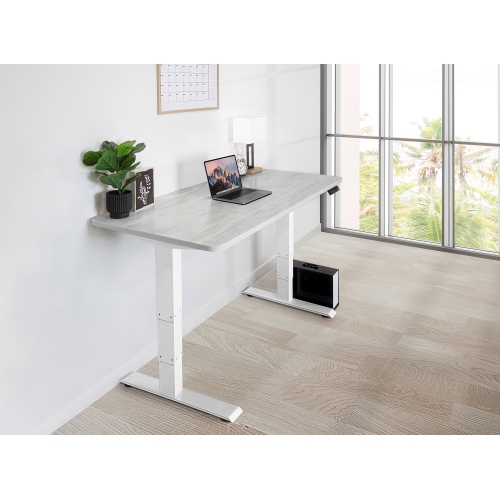
A desk that fits the student and the space
Ergonomic desks for students give everyday schoolwork a dedicated place, with proportions and features that can support a comfortable study setup. A student working through algebra on paper needs room to spread out differently from someone editing a video, attending an online lecture or sketching a design project. The most useful desktop accommodates those activities without pushing frequently used materials beyond easy reach. Enough depth for a screen, keyboard and open notebook can make the difference between a workable arrangement and a crowded surface where everything competes for space. Desk height matters just as much as surface area: a suitable fit allows relaxed shoulders, comfortable elbow positioning and room for the legs beneath the work surface. That fit depends on the student’s height, chair and equipment, rather than the desk alone. For younger learners, an adjustable-height design may accommodate growth within its stated adjustment range; for older students, it can help adapt a workspace to different tasks or users. Some height-adjustable desks also allow a change between seated and standing work, provided the desktop reaches a suitable position for both. Standing is another working position, not a requirement for every assignment, and neither position replaces regular movement breaks. A stable surface remains important at any height, especially when handwriting, using a mouse or reading from a raised screen. Rounded corners, accessible controls and an uncluttered area beneath the desk can be useful details in a busy bedroom or shared study space. A complete study area also pairs an appropriately sized desk with supportive seating, such as the options featured in Ergonomic Chairs for Student Study Desk, so both parts of the workspace can be considered together. The aim is a setup that fits the person and the work, with enough flexibility for an afternoon of research to become an evening of note-taking without an awkward rearrangement.
Materials and construction shape how a student desk looks, feels and stands up to daily use. Solid wood can bring visible grain and a substantial feel, while wood veneers offer a real-wood surface over an underlying structure. Laminated engineered wood often provides a smooth, uniform finish that suits writing and everyday computer work, and metal frames can provide a firm foundation without visually filling a small room. Durability depends on the whole construction, including joints, edge finishing, hardware and surface treatment, not simply the material name. A desk used for handwritten assignments benefits from a smooth desktop, while art projects may call for a protective mat to keep ink, paint or adhesive away from the finish. Textured surfaces can feel different beneath a single sheet of paper, and highly reflective finishes may catch light from a nearby lamp or window. Colour also affects how the desk sits within a room: a light finish can blend with pale shelving, while a darker surface may suit a study corner shared with other furniture. Everyday care is generally straightforward when it follows the manufacturer’s directions, with spills addressed promptly and cleaning products matched to the finish. Excess moisture can affect some wood-based surfaces, while abrasive cleaners may mark coatings or dull their appearance. Beyond the desktop, secure connections and a suitable load capacity matter when the setup includes a computer, several books or other equipment. Monitor arms require particular attention to mounting compatibility, desktop thickness and the weight limits of both the desk and the arm. Storage should be considered alongside structure. A shallow drawer can keep pens and charging cables close without occupying the main work surface, but a deep drawer unit may reduce knee room. Shelves, trays and other built-in features are most useful when their placement leaves a comfortable working position and clear access to the equipment used every day.
The right footprint depends on how the study space functions outside schoolwork, too. In a bedroom, a compact rectangular desk may fit along a wall while leaving a clear route to the bed, wardrobe and door. A corner configuration can make use of an otherwise awkward area, though its depth and shape still need to allow comfortable access to the main work zone. Skirting around a baseboard, accommodating a floor vent or leaving space for a chair to pull back can affect placement more than the desktop dimensions suggest. Adjustable desks also need clearance throughout their movement, with cables long enough to travel safely and no shelves or window ledges blocking the raised surface. Cable openings, trays and accessible outlets can help organize a laptop charger, lamp and other connections without leaving cords across a walking route. Students who move between handwritten work and computer tasks may appreciate a clear central area, with reference books and accessories stored nearby rather than permanently spread across the desktop. A laptop-based setup needs different space planning from one with a separate monitor and keyboard, and adding an external keyboard or screen support changes how much usable depth remains. Shared workspaces bring another consideration: controls and storage that suit more than one person can make transitions between users less cumbersome. For a student moving into a first apartment or setting up a dedicated place to study at home, a desk can also be a thoughtful gift when its dimensions, assembly needs and intended use are understood beforehand. Flat-packed furniture may need room for assembly and help with lifting, particularly where stairs or narrow doorways are involved. A desk that suits the room, accommodates the student’s equipment and leaves space to organize everyday materials can remain useful as courses and assignments change. Its value lies in those practical details: a steady place to write, room to think through a project and a comfortable arrangement for the work at hand.
Top selling and popular products
-
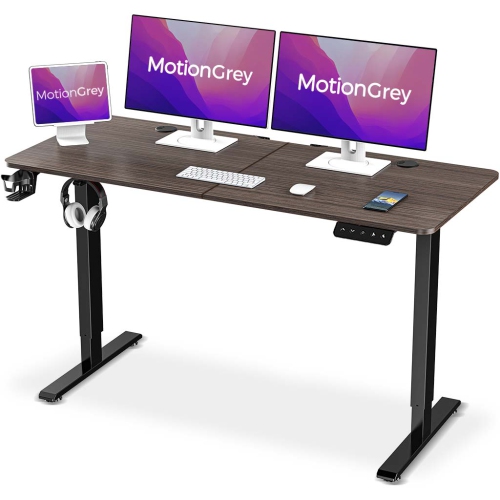 Your price for this item is $97.99
-
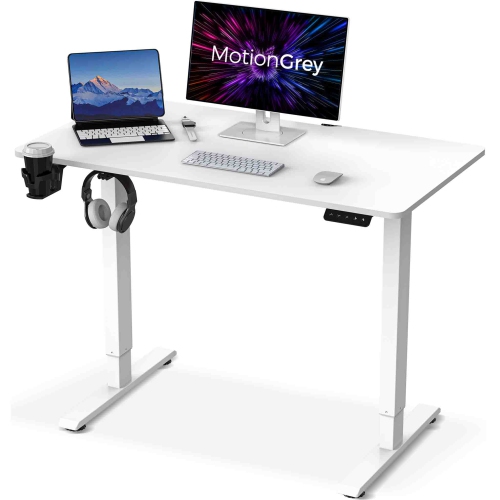 Your price for this item is $89.99
-
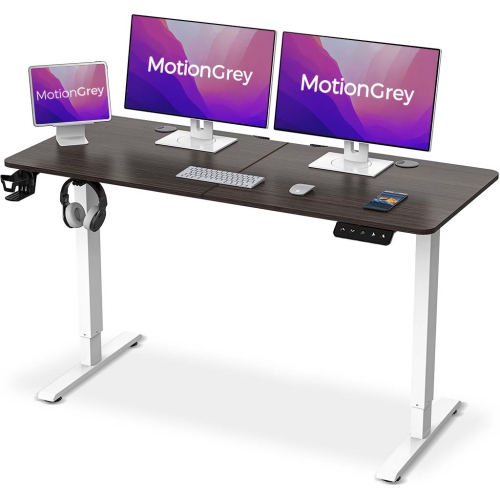 Your price for this item is $84.99
-
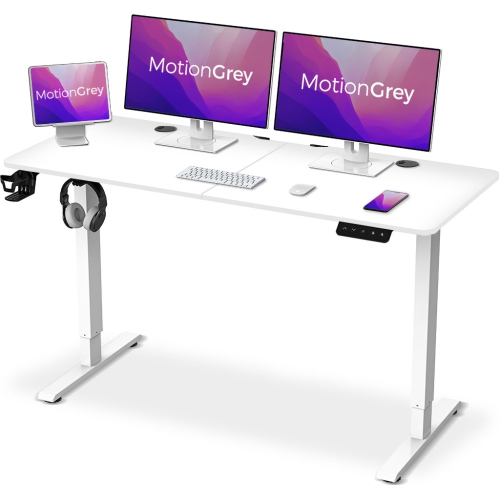 Your price for this item is $97.99
-
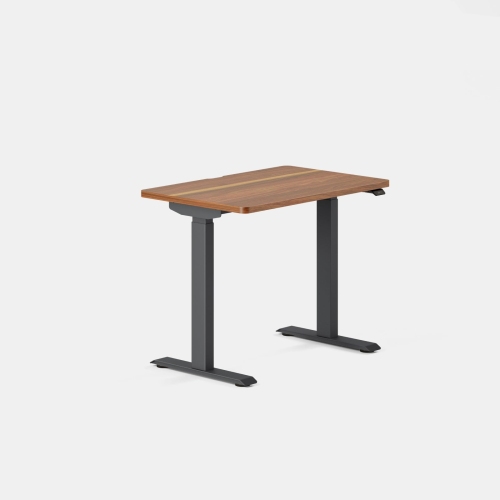 Your price for this item is $649
-
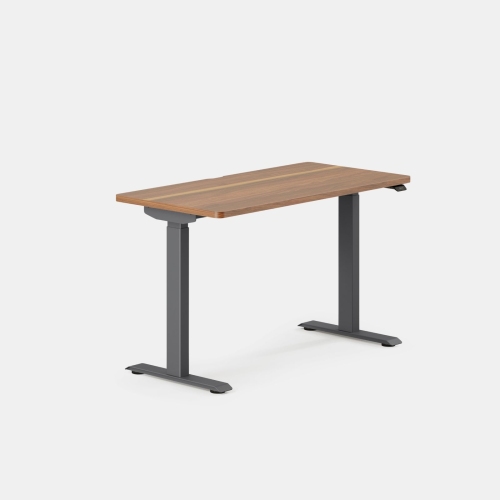 Your price for this item is $749
-
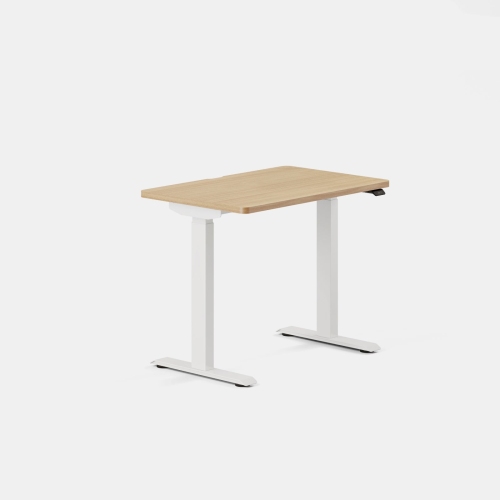 Your price for this item is $649
-
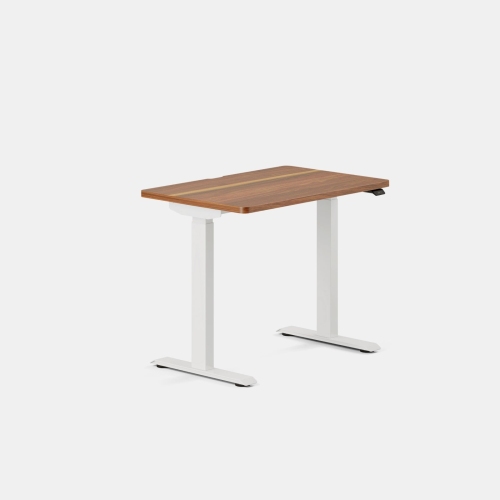 Your price for this item is $649
Discover more categories related to Ergonomic Desks for Students
Top Collections:
Best Black Friday Deals This Year, Best Black Friday Deals On Electronics, Kindle Devices, Pokemon Centers, Best Black Friday Deals On Apple Products, Best Cameras for Sports Photography, Dyson Airwrap, Pokémon 30th Celebration Cards, Apple iPhone 17 Pro, Canon G7X Cameras
Some products may be subject to Environmental Handling Fees
(EHF) depending on your province.
Learn more about EHFs.