Ergonomic Pillows
Discover the ultimate in sleep comfort with our range of ergonomic pillows, designed to support your head, neck, and spine for a restful night's sleep. Engineered with advanced materials and innovative designs, these pillows cater to various sleeping positions and preferences, ensuring you wake up refreshed and pain-free. Whether you're dealing with chronic neck pain or simply looking to enhance your sleep quality, our ergonomic pillows provide the perfect blend of comfort and support. Elevate your sleep experience and invest in your well-being with our selection of ergonomic pillows tailored to meet your unique needs.
Sort
Why pillow support depends on how you sleep
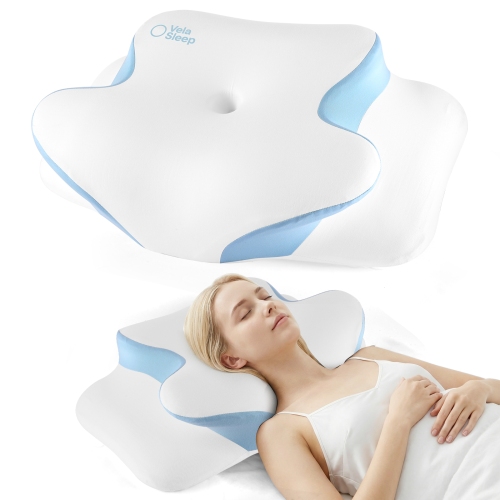
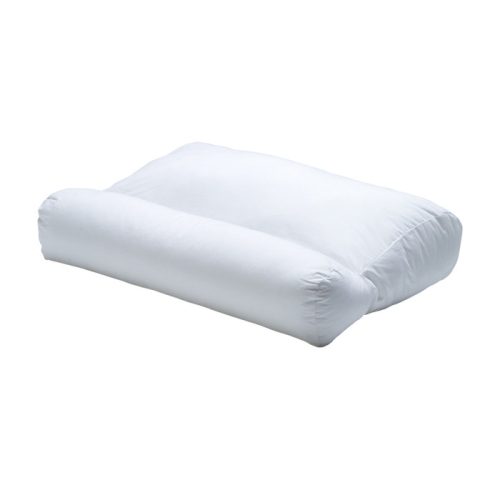
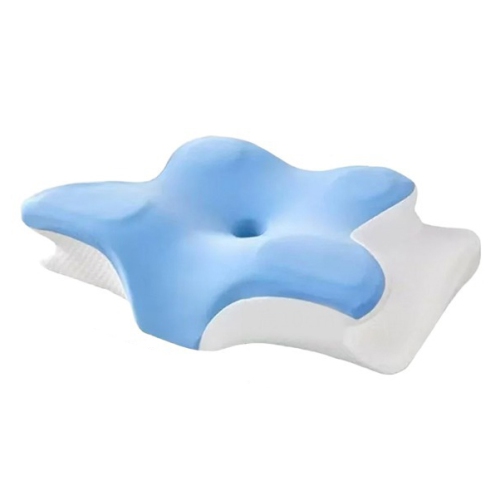
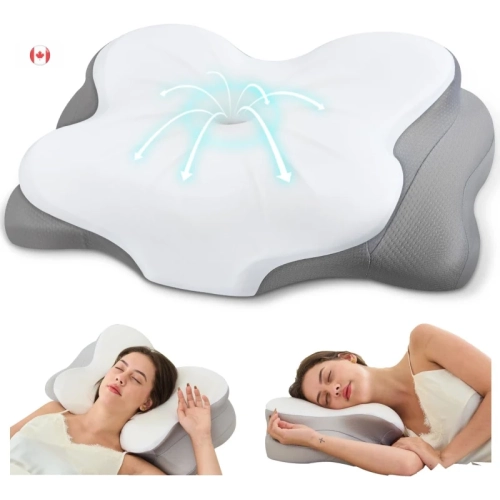
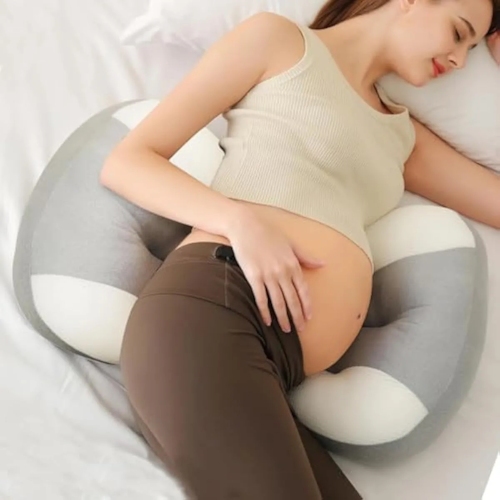
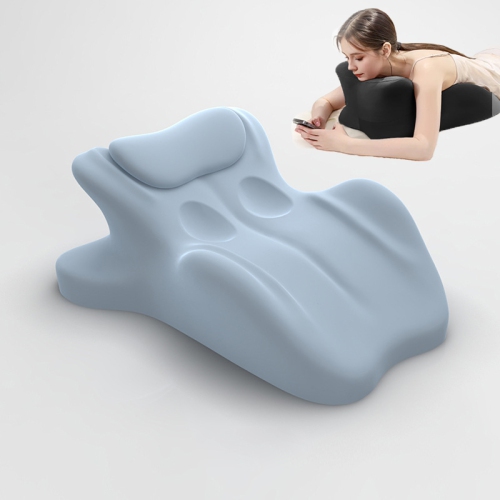
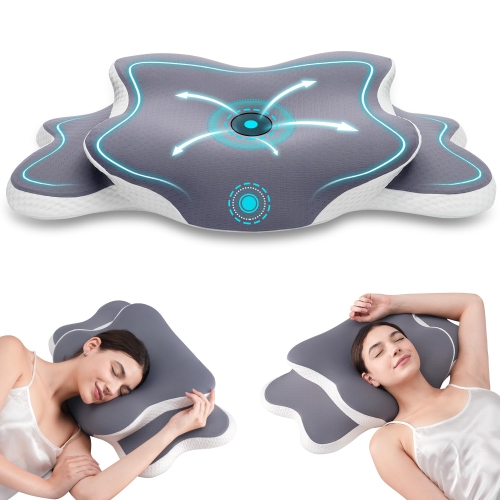
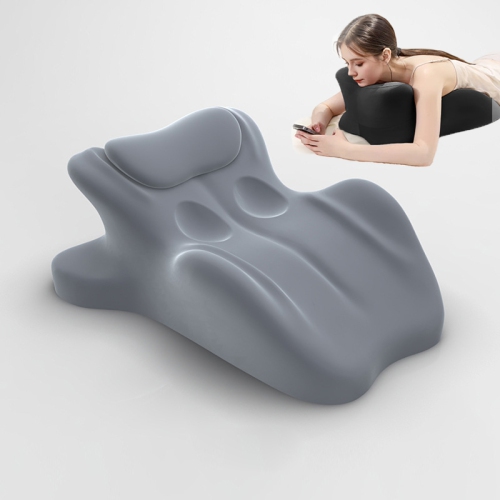
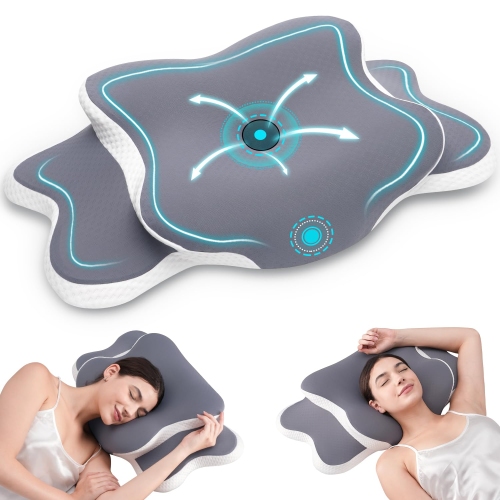
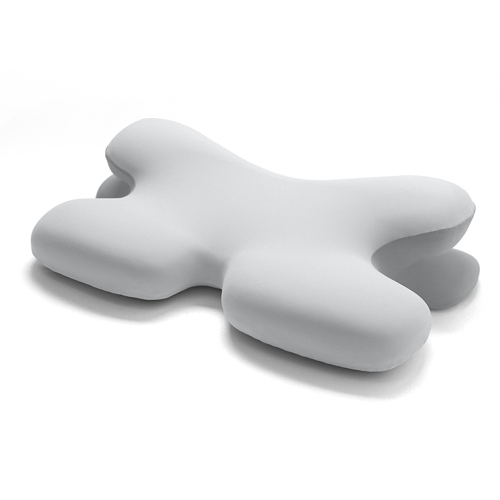
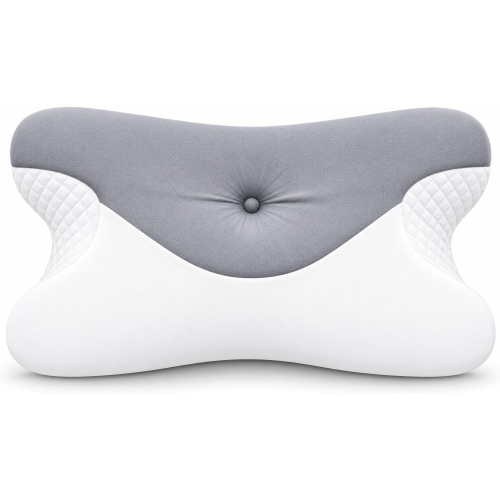
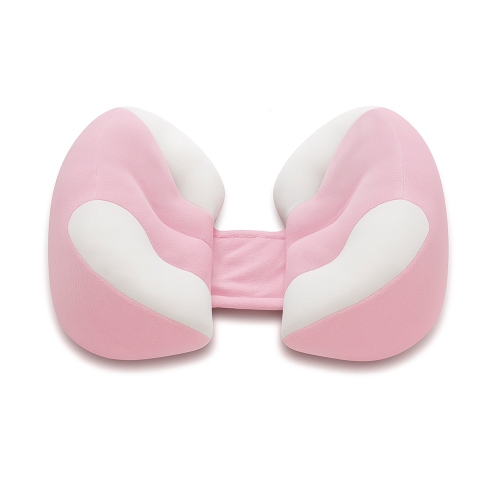
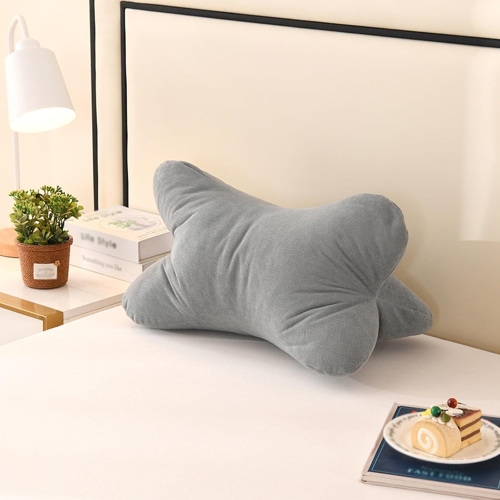
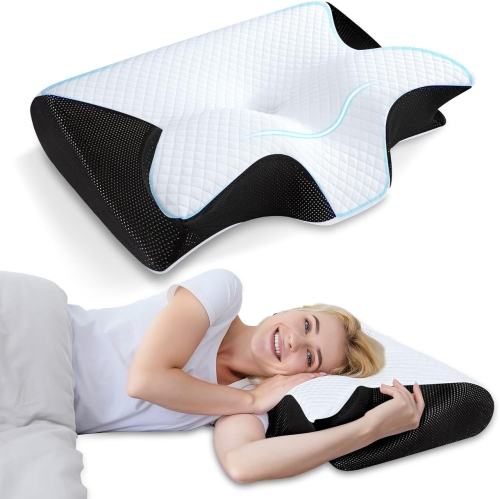
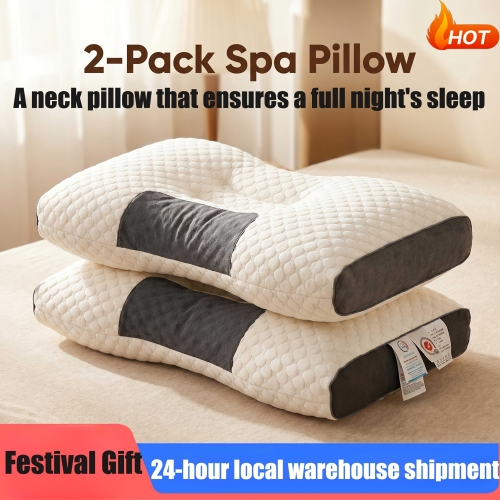
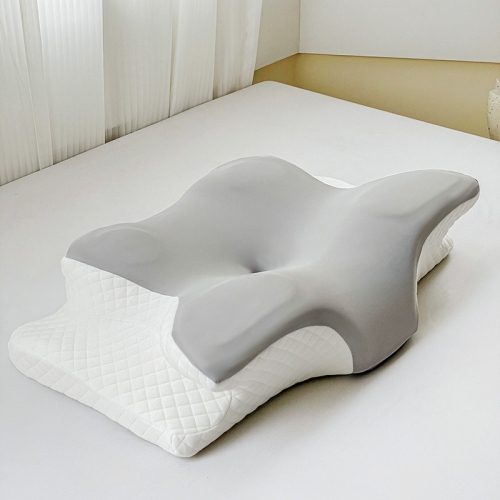
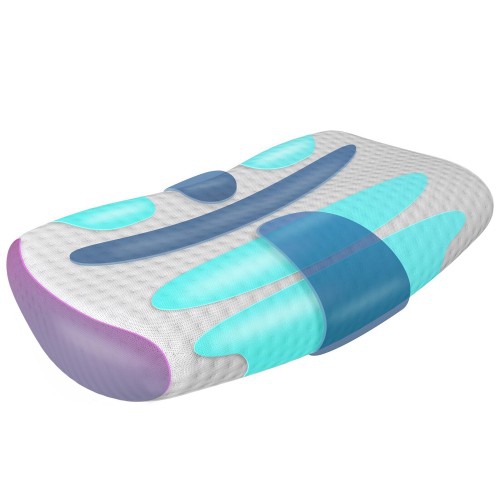
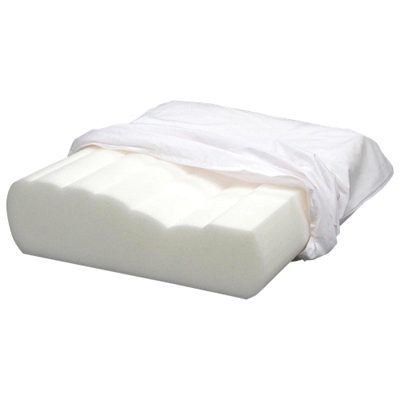
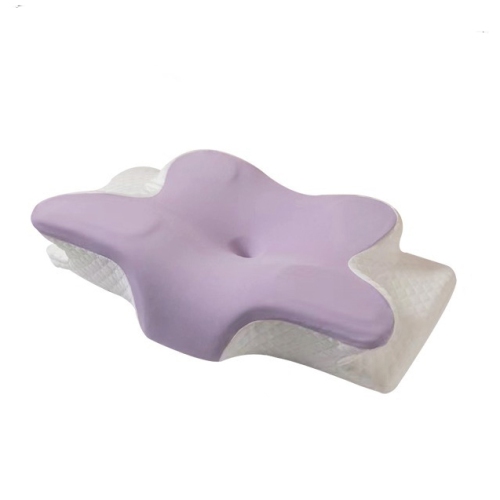
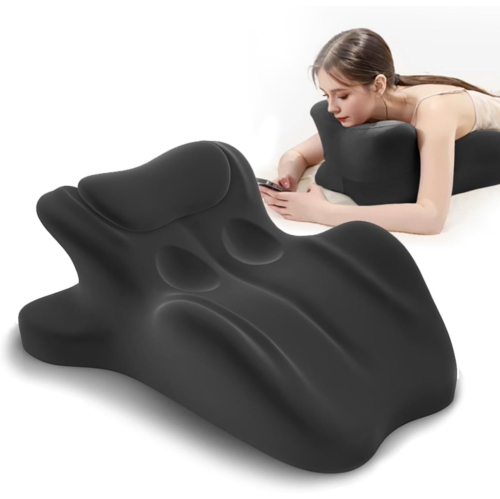
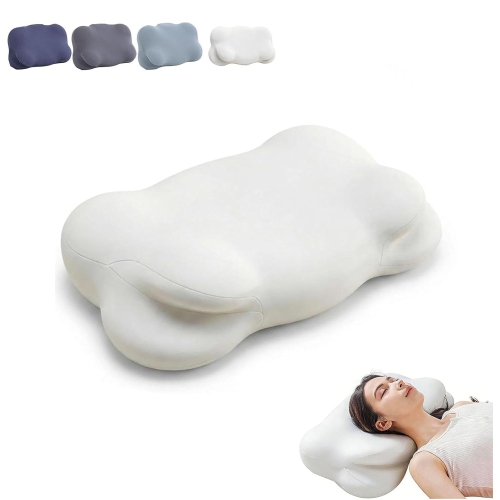
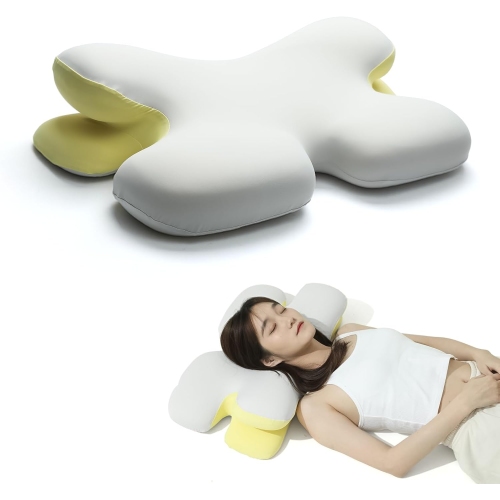
Ergonomic pillows are shaped or adjustable pillows designed to support the natural curve of the neck and help keep the head, neck, and spine in a neutral position during rest. Unlike a pillow chosen mainly for softness, an ergonomic design places particular emphasis on where support is needed and how the head settles into the surface. Contoured shapes often have a shallow centre for the head and a raised edge beneath the neck, while adjustable designs allow changes to the amount or arrangement of filling. The most suitable shape depends on sleeping position, body proportions, mattress firmness, and personal comfort. For side sleepers, a pillow generally needs enough height to fill the space between the head and mattress without pushing the head towards the upper shoulder. Broader shoulders or a firmer mattress may create a larger gap, while a softer mattress that lets the shoulder sink in may call for less height. Back sleepers often find that a lower centre with gentle neck support feels more natural than an evenly thick surface. Stomach sleepers typically need a much lower profile because extra height can tip the head backwards, although the neck remains turned in this position. A useful sign of a suitable fit is that the head feels supported rather than lifted or allowed to droop. Someone who moves between their back and side may appreciate a wider sleeping surface or different heights across the pillow, rather than a narrow contour that suits only one position. Overall dimensions matter, too: there should be enough room to turn comfortably without repeatedly slipping off the supportive area. Firmness and height are separate considerations, since a thick, very soft pillow may compress more than a thinner, firmer one. The goal is a comfortable resting position that works with the mattress and the sleeper, not the tallest profile or the most pronounced curve.
Materials influence how an ergonomic pillow responds to weight, how easily it changes shape, and how it feels through the night. Memory foam gradually conforms around the head and neck, creating a more settled sensation that may appeal to sleepers who prefer a defined resting spot. Its response can feel slower when changing position, so ease of movement is worth considering alongside softness. Latex usually has a springier feel and returns to shape more quickly, which can suit someone who turns frequently or prefers gentle resistance rather than a deep impression. Shredded foam and other loose-fill designs offer a different experience: the filling can shift, and some constructions allow portions to be removed or added to adjust height. That flexibility can be helpful when a pillow feels comfortable under the head but too full beneath the neck. Adjustment should follow the care and use information supplied with the pillow, especially when there are separate compartments or shaped inserts. Fibre-filled options can feel lighter and more familiar, although their ability to maintain a particular contour depends on the construction and how readily the filling compresses. A removable outer cover adds another point of difference. Cotton, blended fabrics, and textured knits vary in feel, moisture handling, and ease of washing, while mesh panels or perforated cores can allow air to move through the pillow. Fabric descriptions are useful, but they do not replace checking the composition of both the cover and inner filling, particularly for someone with a known material sensitivity. A soft cover also does not necessarily mean the supportive core beneath it is soft. For sleepers who are easily disturbed by small details, seams, zippers, surface texture, and the rustle of an added protector can all affect comfort. A pillowcase that fits without pulling tightly across a contour helps preserve the intended shape and leaves room for the surface to respond naturally.
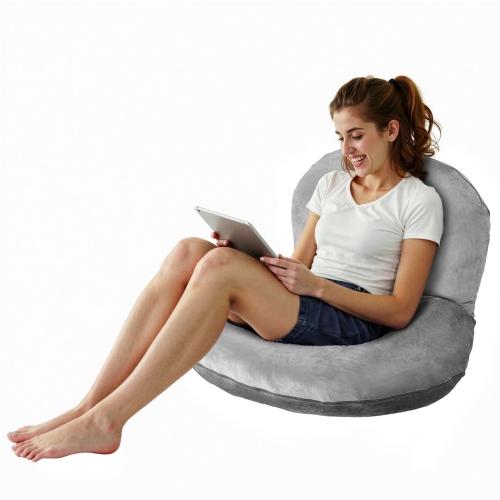
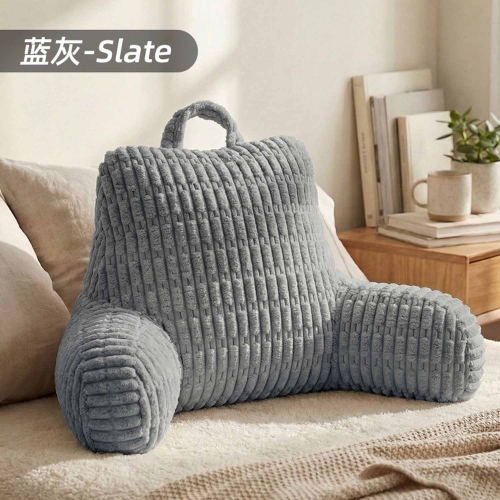
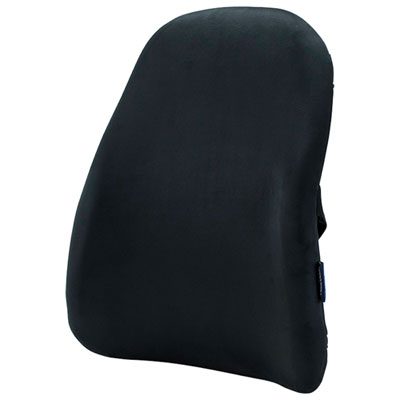
Care and construction play a large part in how an ergonomic pillow performs with repeated use. A removable, washable cover makes routine cleaning simpler, but that does not mean the inner core can go into the washing machine. Solid foam and latex often have different cleaning requirements from loose filling, and the care label should determine whether washing, spot cleaning, or another method is appropriate. Any washable component needs to dry completely before it is enclosed again. A suitably sized pillow protector can help manage everyday moisture and marks without placing unnecessary tension on the contours. Durability is reflected less in how substantial a pillow looks than in whether it continues to provide consistent support: lasting dents, uneven filling, damaged seams, or a noticeably flattened neck edge can change the original fit. Adjustable designs may need occasional redistribution of their filling, whereas a moulded core should retain its intended profile without regular fluffing. Ergonomic pillows can appeal to side sleepers seeking a better match for shoulder width, back sleepers who dislike a high stack of pillows, or people setting up a comfortable bedroom after changing mattresses. They can also make thoughtful housewarming gifts when the recipient’s preferred position, firmness, and material sensitivities are known; pillow comfort is personal, so an unfamiliar shape is not automatically a better choice. Support for sleep is distinct from support while sitting. Ergonomic Back Support Cushions are intended for seated use and may complement a workspace or reading chair, rather than replace a pillow designed for lying down. Likewise, a neck pillow intended for travel serves a different purpose from a full sleeping pillow. Matching the design to its intended use helps keep expectations realistic. An ergonomic pillow may make rest more comfortable, but it is not a treatment for an underlying condition; persistent neck pain, numbness, or sleep disruption warrants advice from a qualified healthcare professional.
Top selling and popular products
-
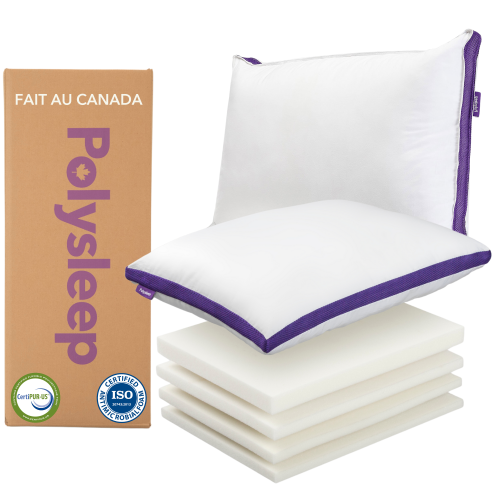 Your price for this item is $245
-
 Your price for this item is $210
-
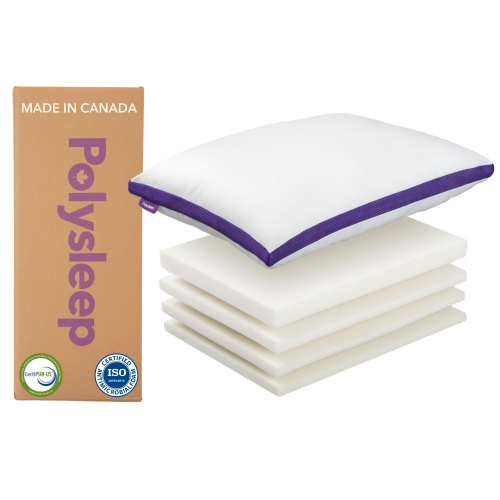 Your price for this item is $105
-
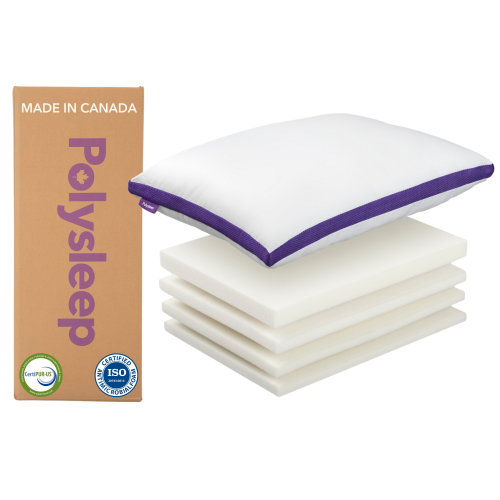 Your price for this item is $122.5
-
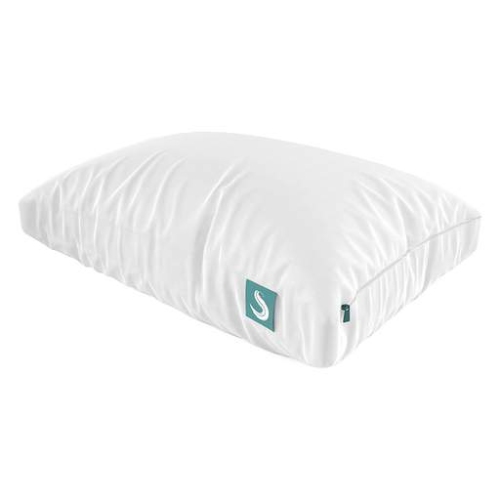 Your price for this item is $192.99
-
 Your price for this item is $206.5
-
 Your price for this item is $304.99
-
 Your price for this item is $296.99
Discover more categories related to Ergonomic Pillows
Top Collections:
Best Black Friday Deals This Year, Best Black Friday Deals On Electronics, Kindle Devices, Pokemon Centers, Best Black Friday Deals On Apple Products, Best Cameras for Sports Photography, Dyson Airwrap, Pokémon 30th Celebration Cards, Apple iPhone 17 Pro, Canon G7X Cameras
Some products may be subject to Environmental Handling Fees
(EHF) depending on your province.
Learn more about EHFs.