Ergonomic Stools
Looking for a comfortable seating solution that promotes good posture and reduces discomfort during long hours of work or study? Look no further than our collection of ergonomic stools. Designed with your well-being in mind, these stools offer the perfect blend of style, functionality, and comfort. Whether you're working from home, at the office, or in a classroom, our range of ergonomic stools will provide you with the support you need to stay focused and productive throughout the day. Say goodbye to backaches and hello to a more comfortable seating experience with our selection of ergonomic stools.
Sort



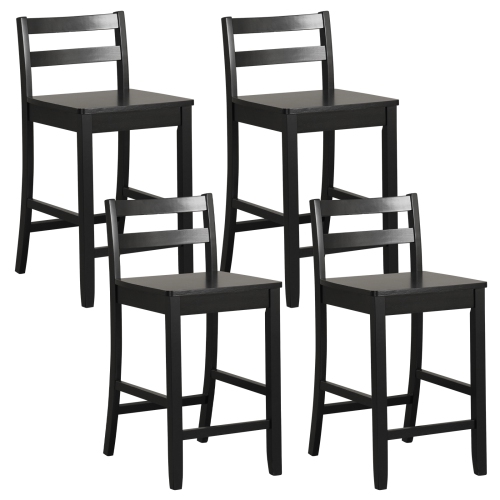
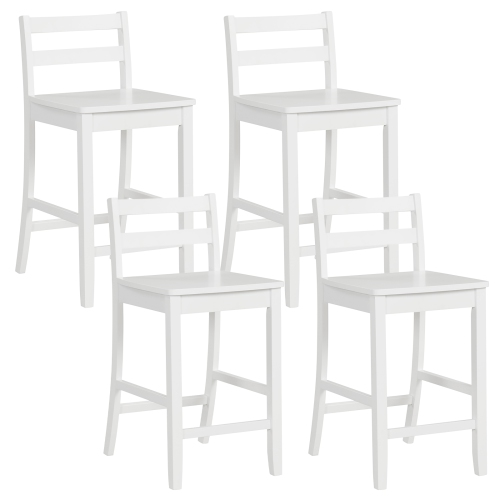
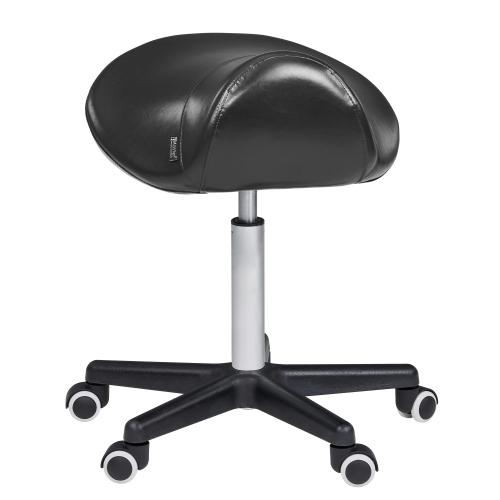
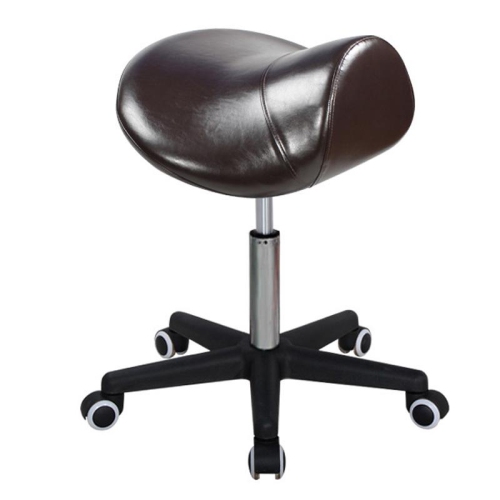

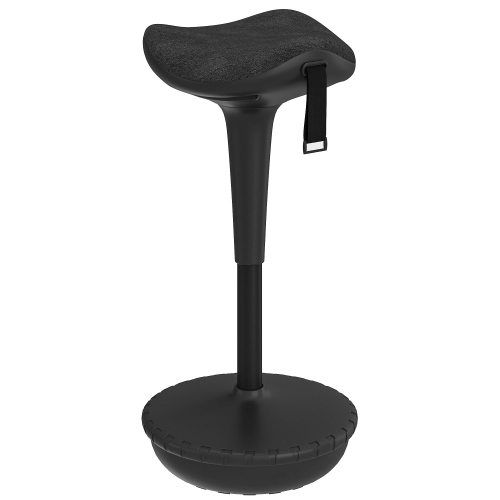
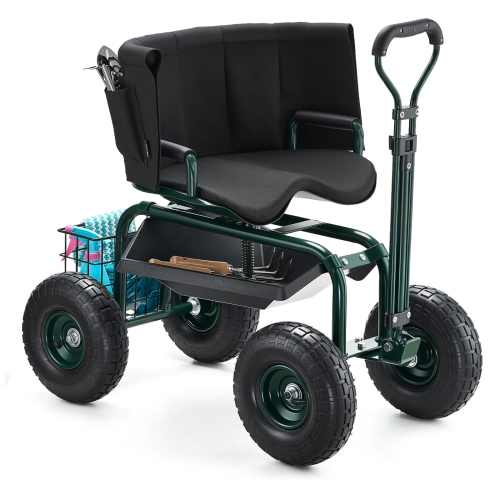
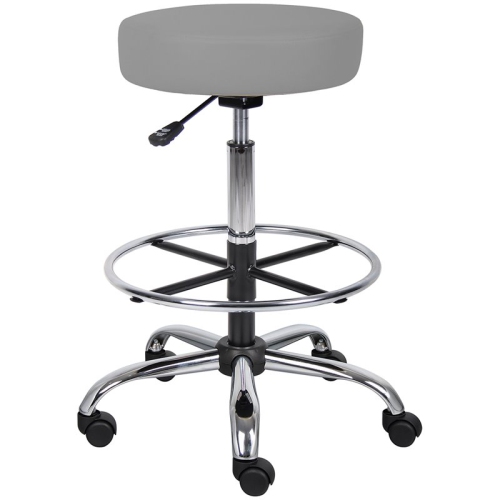
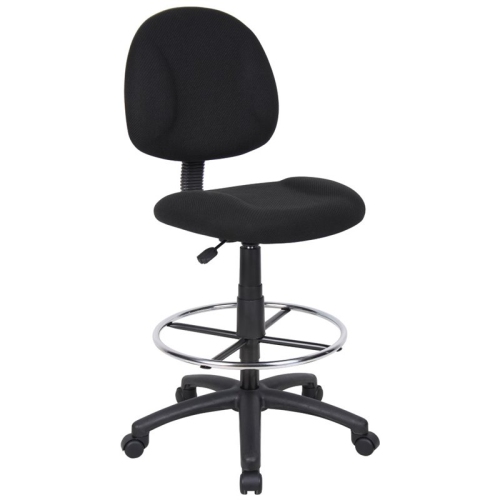

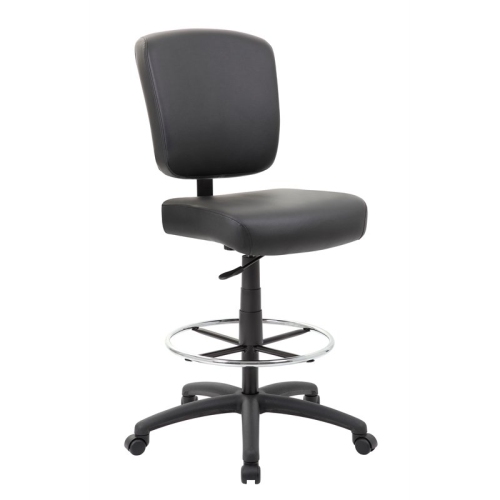
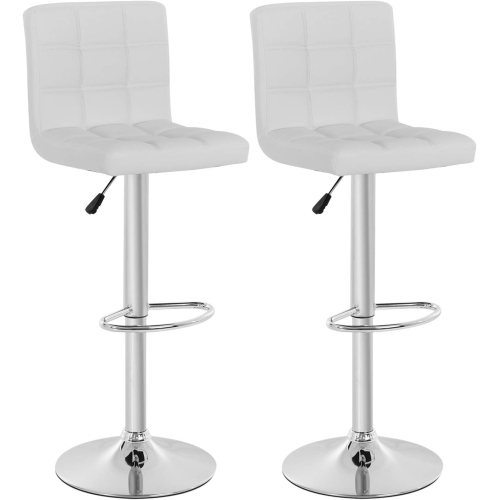
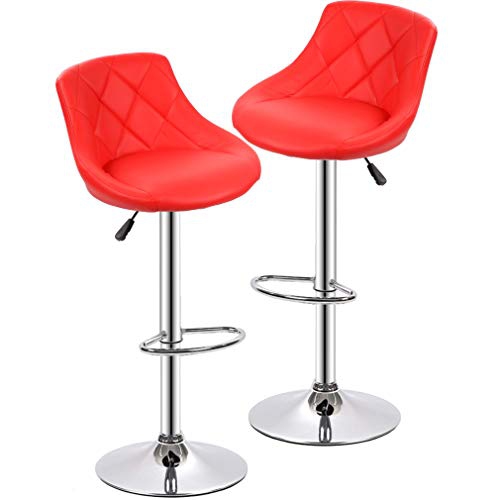
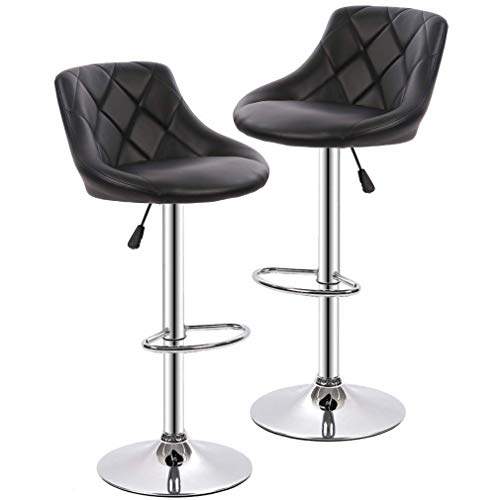
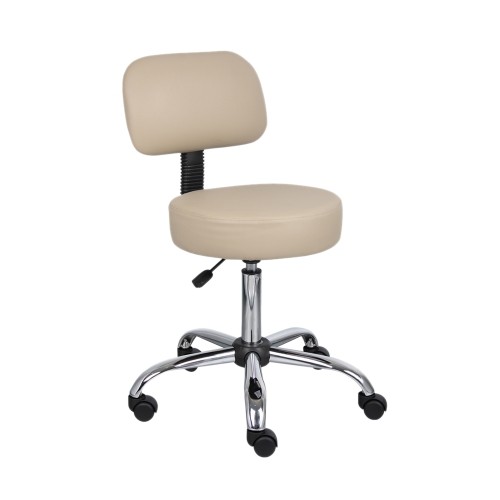
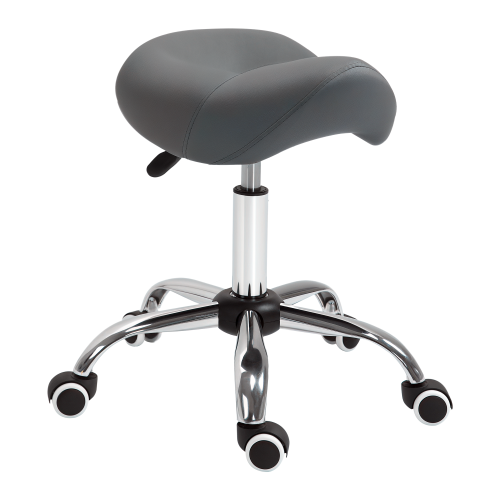
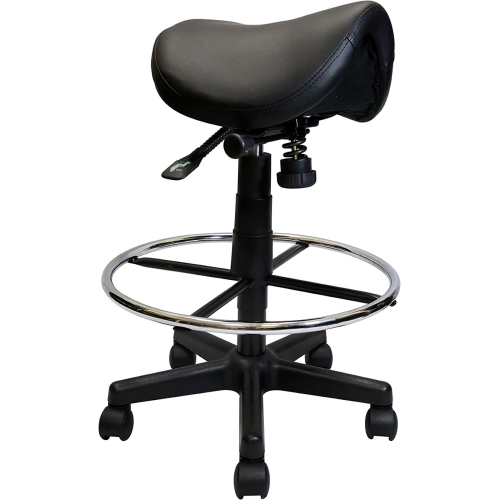
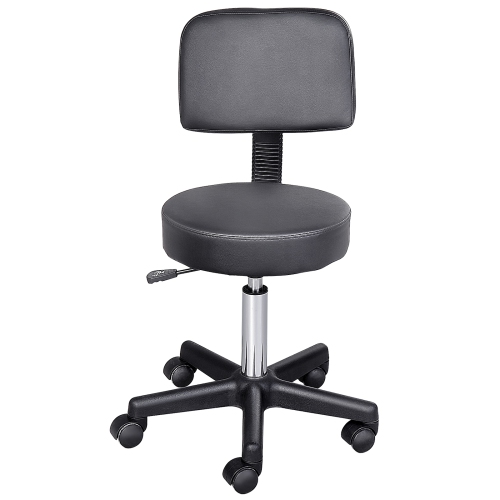
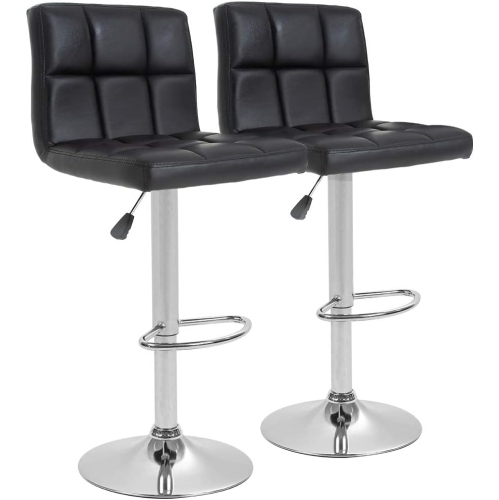
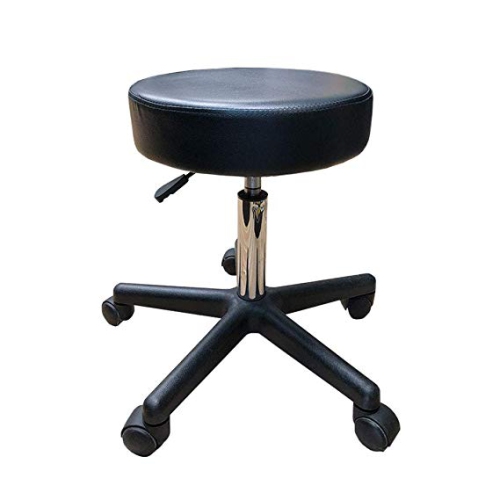
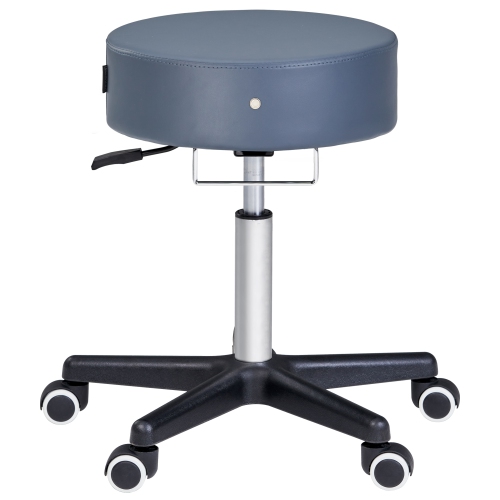
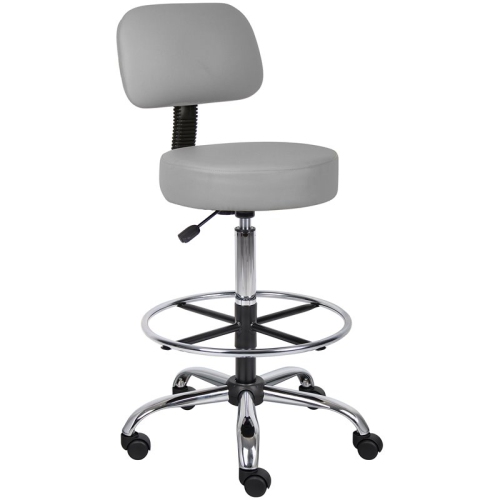

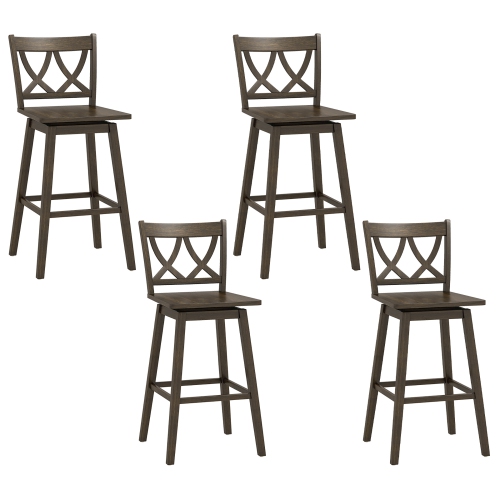
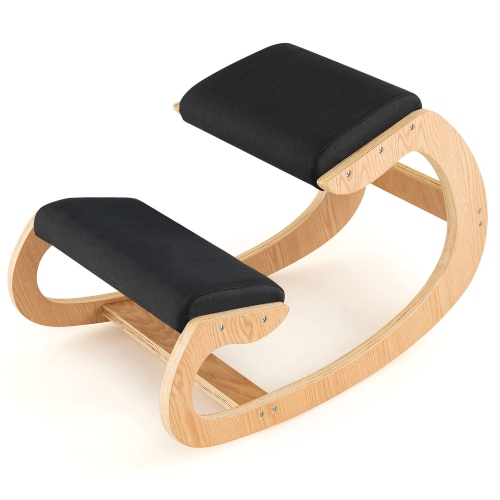
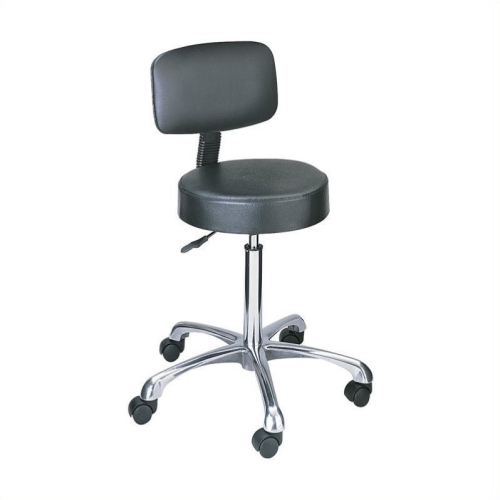
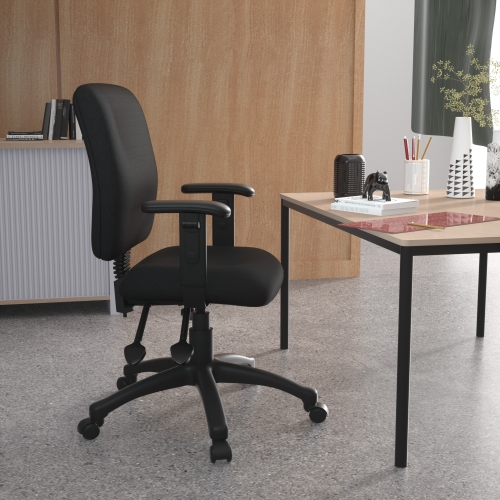
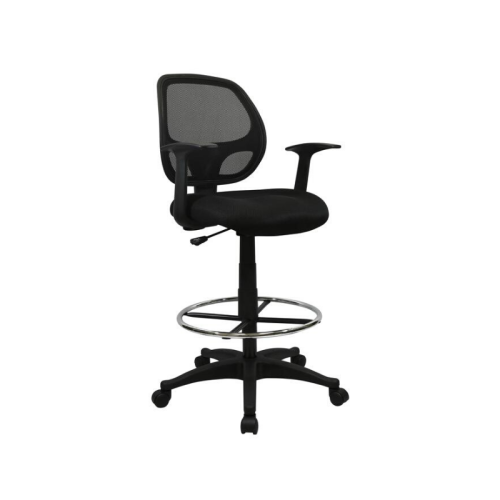
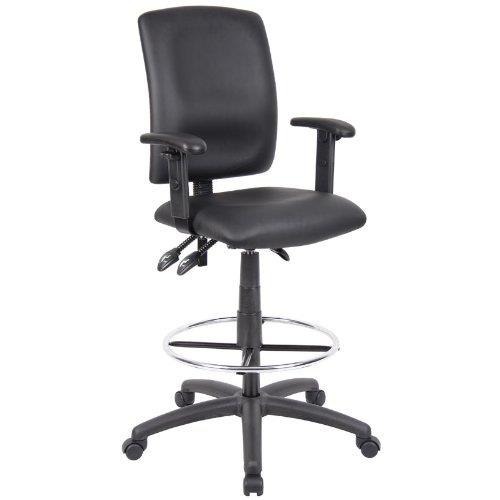
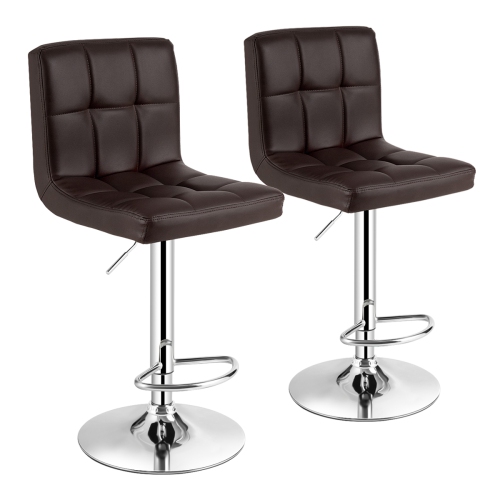
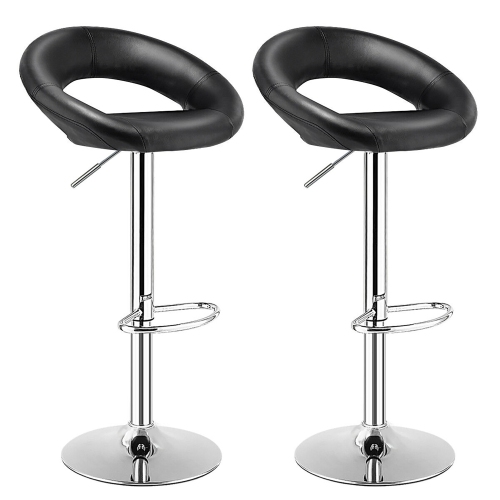
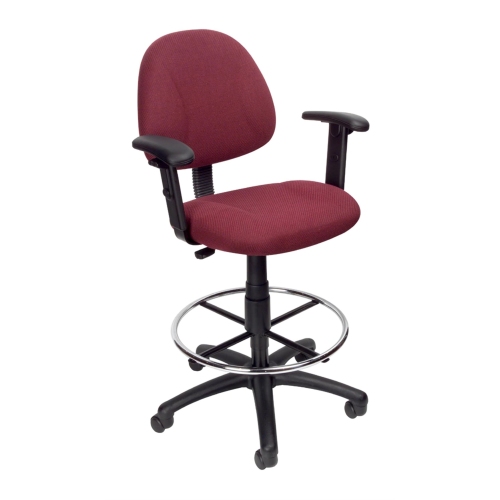
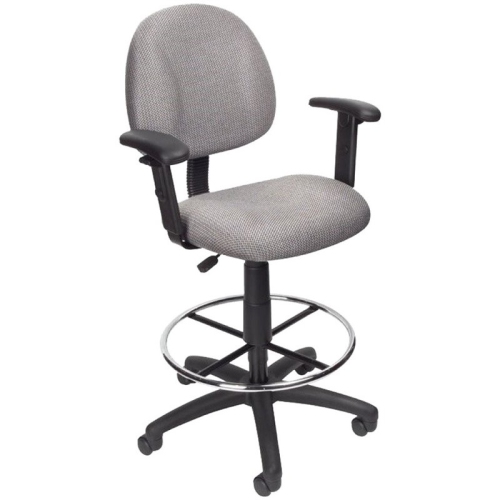
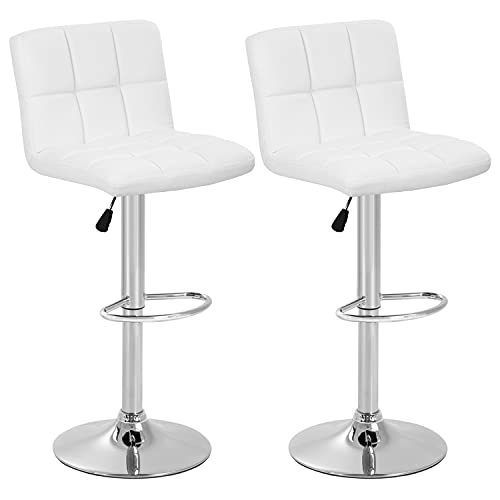
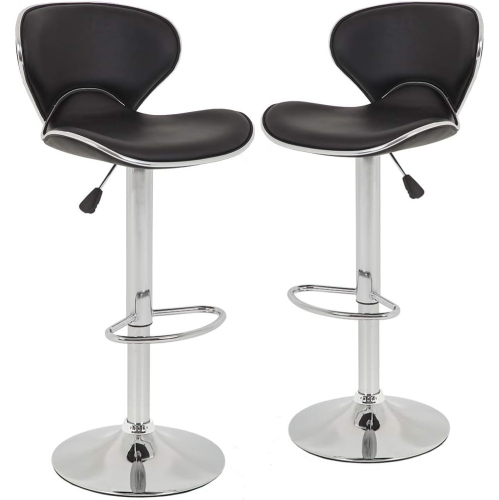

Support active sitting across changing work positions
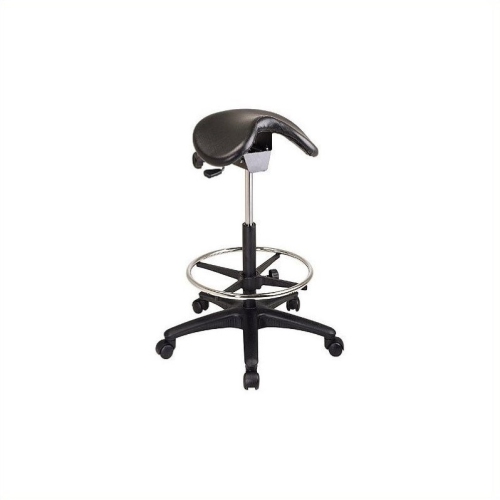
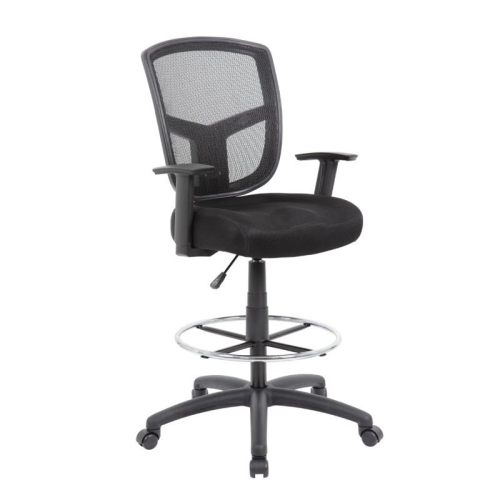
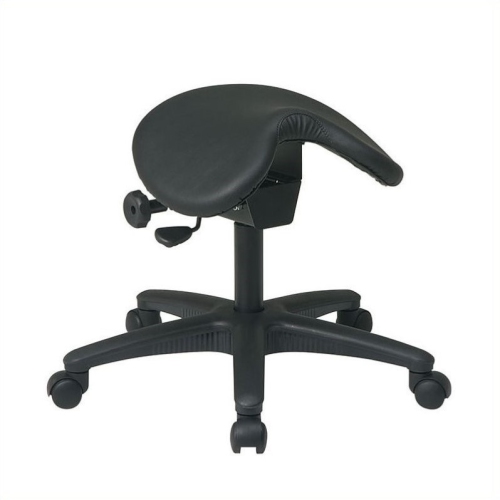
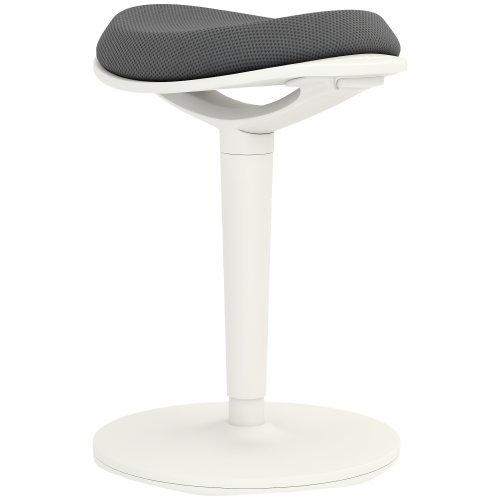
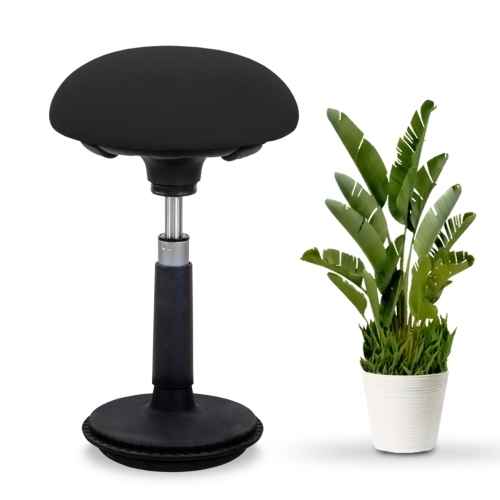
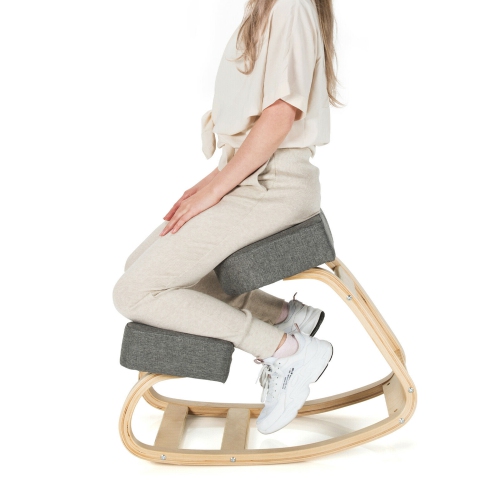
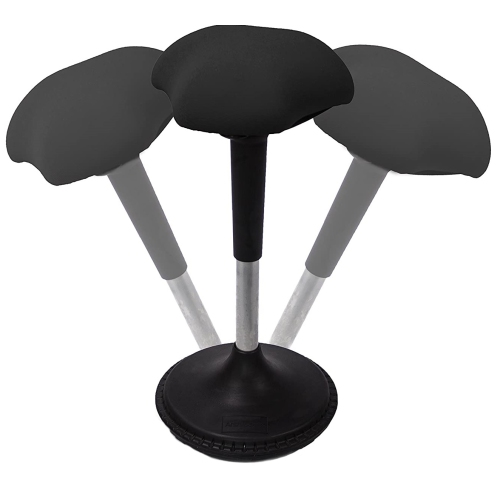
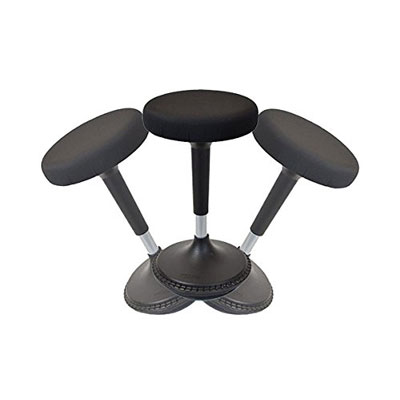
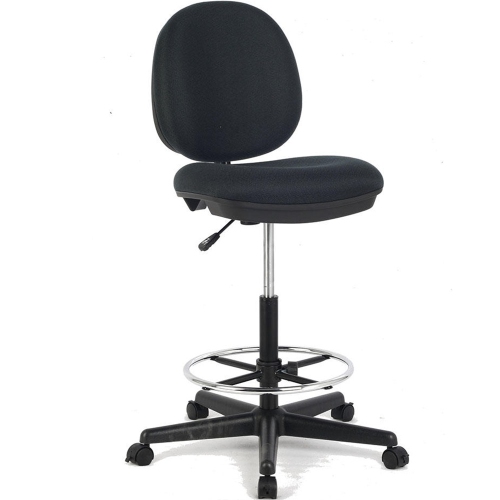
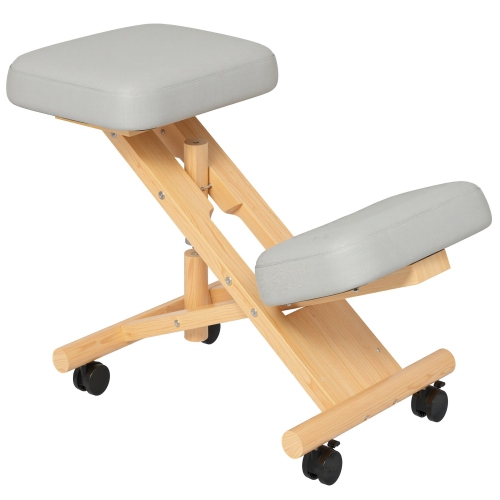
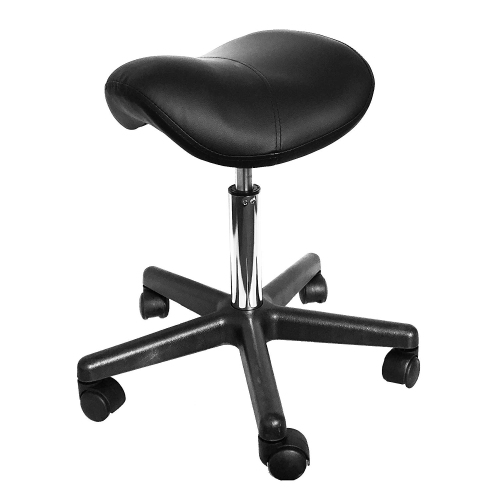
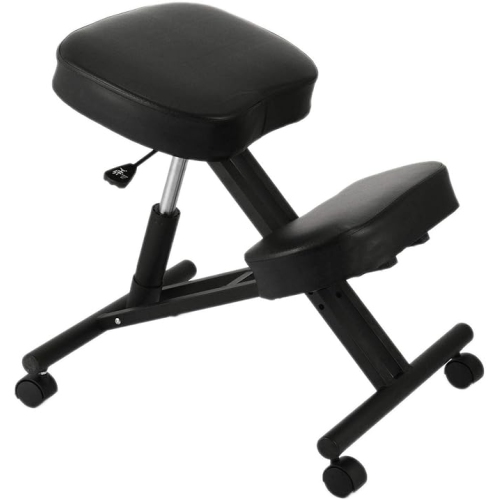
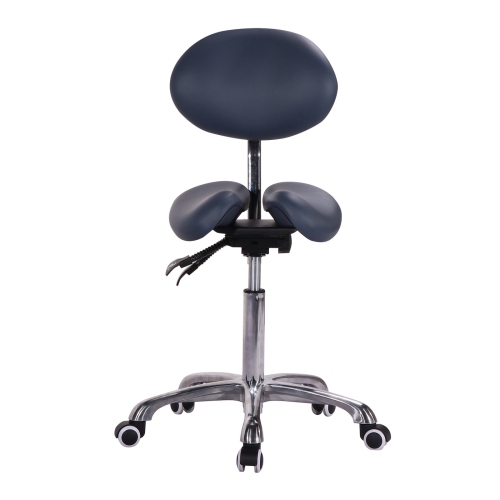
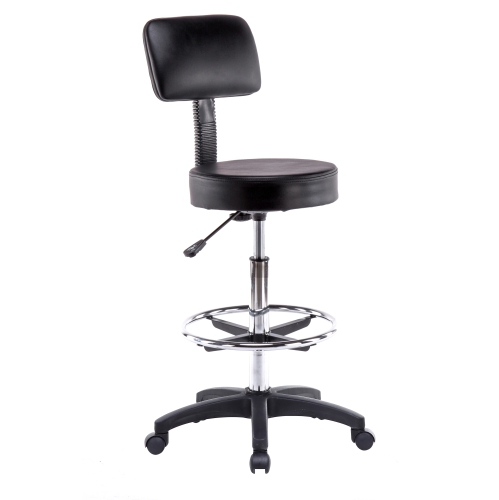
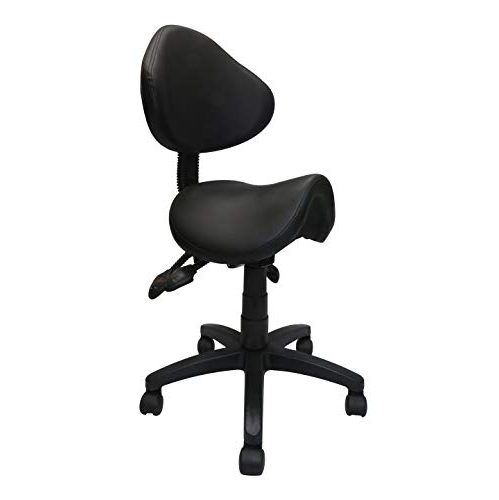
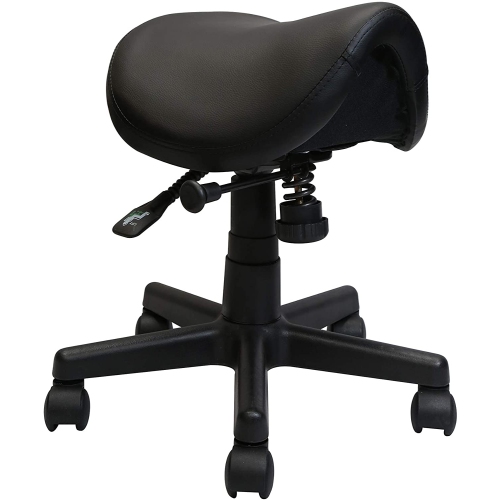
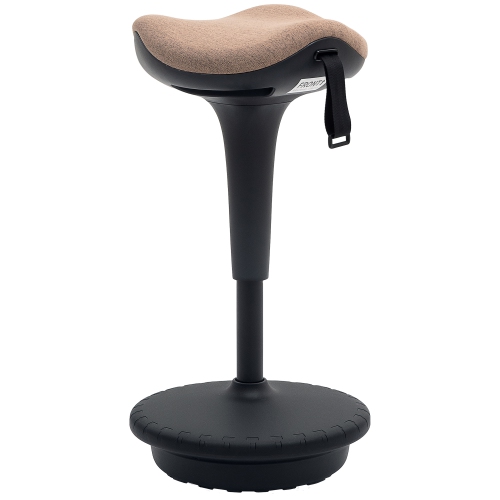
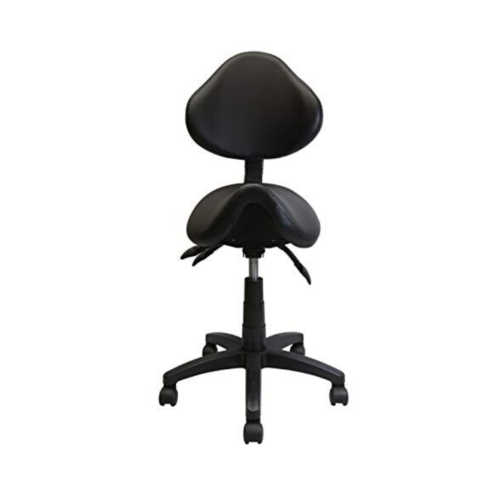
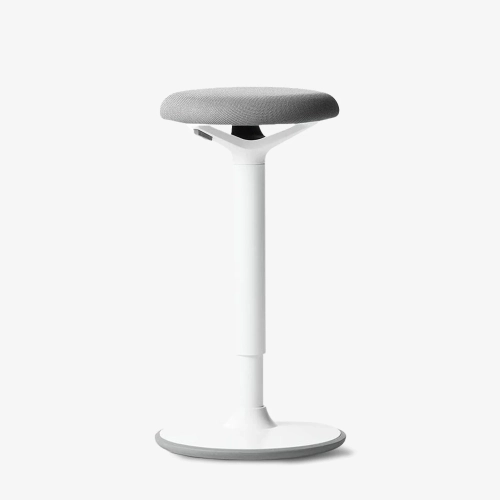
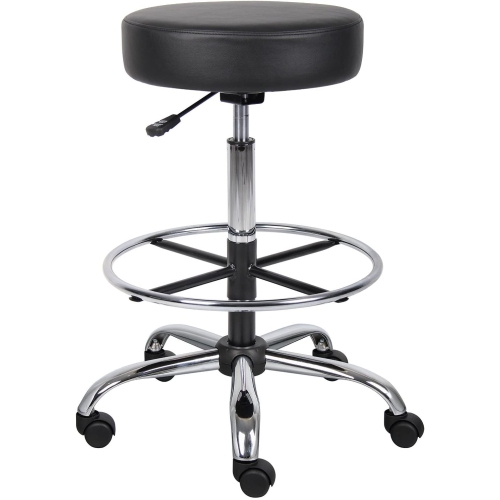
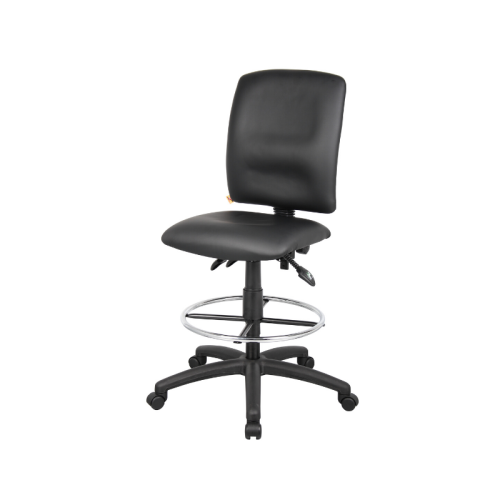
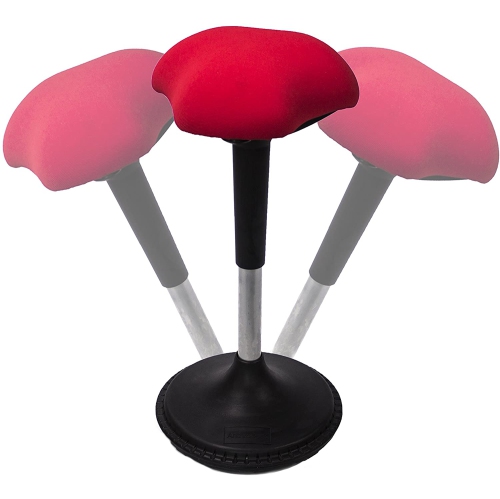
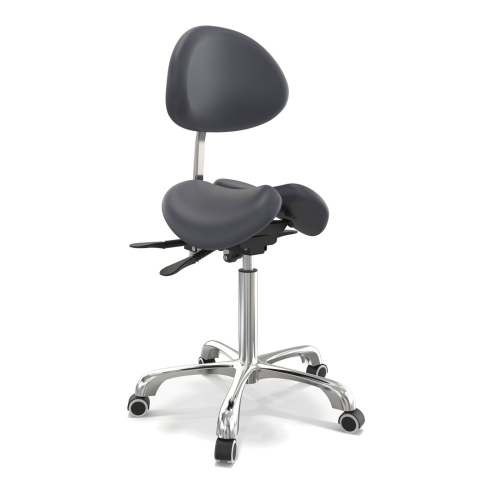
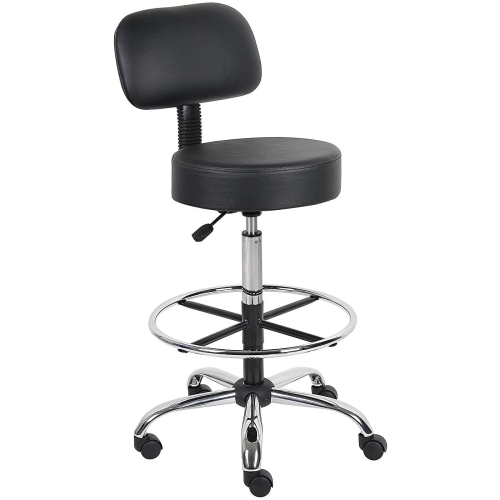
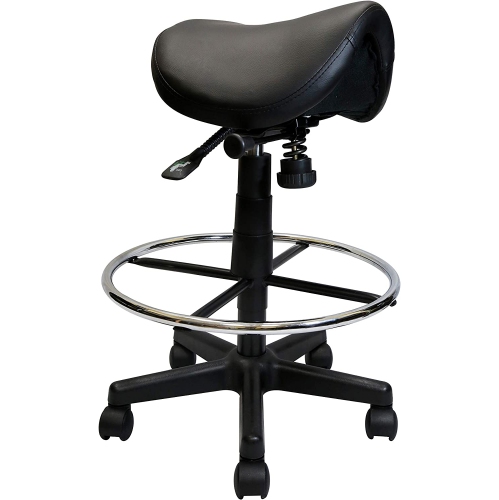
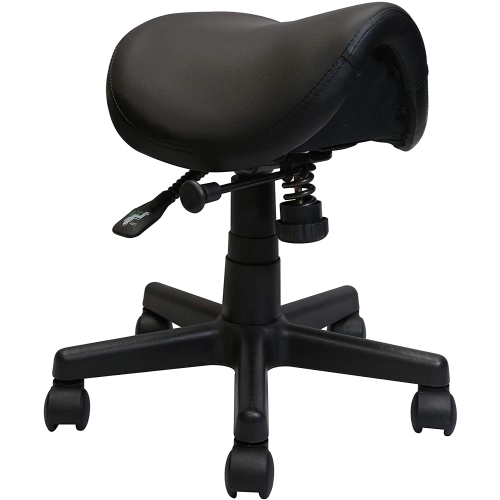
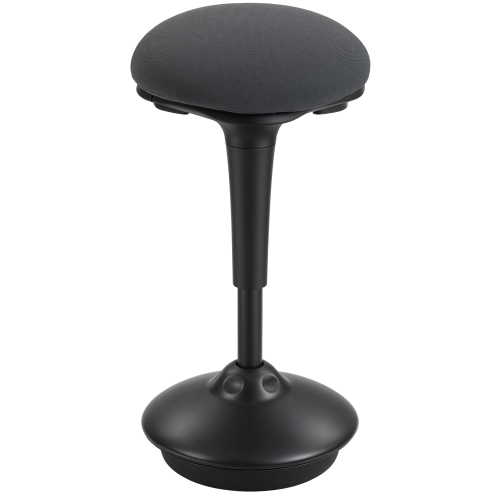
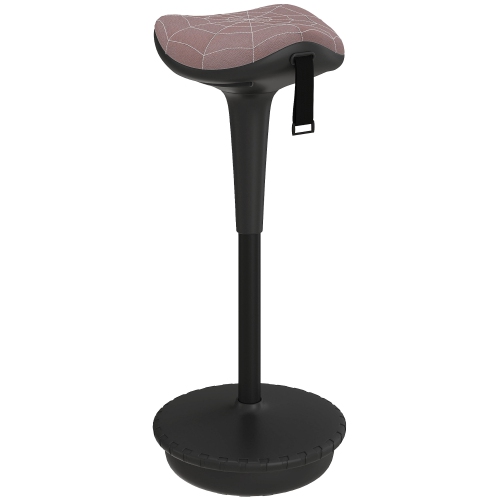
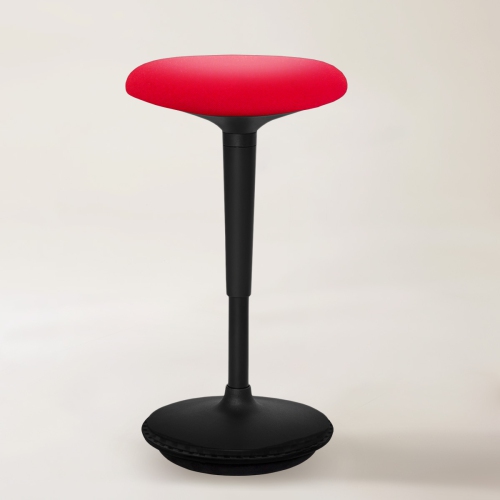
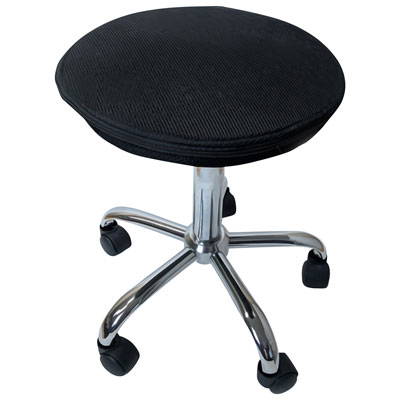
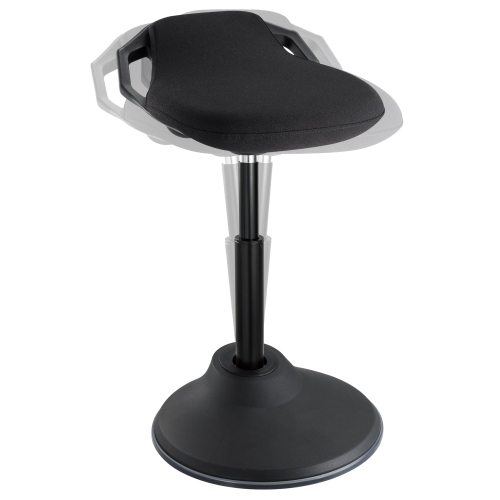
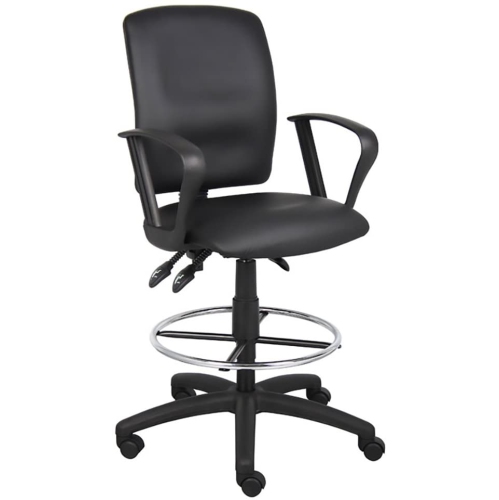
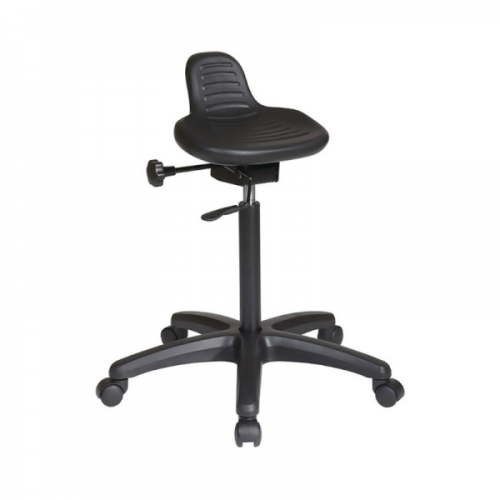
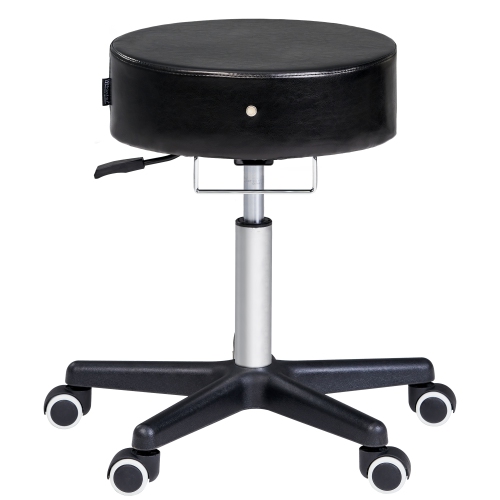
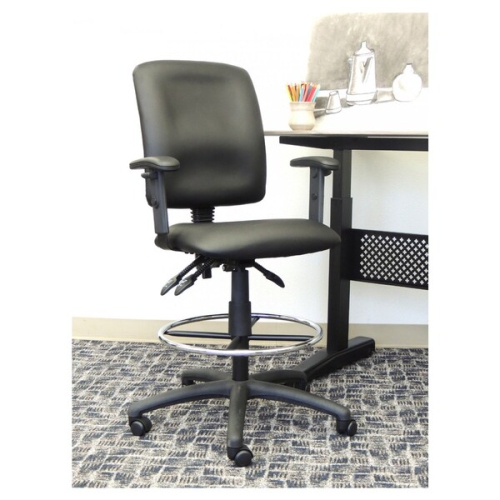
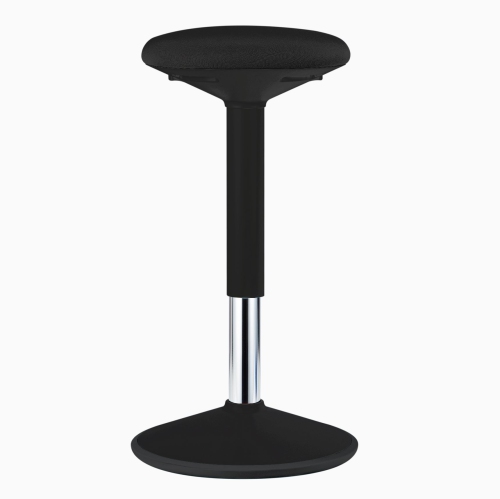
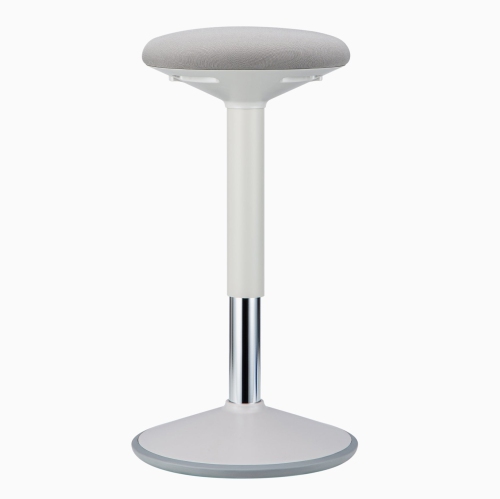
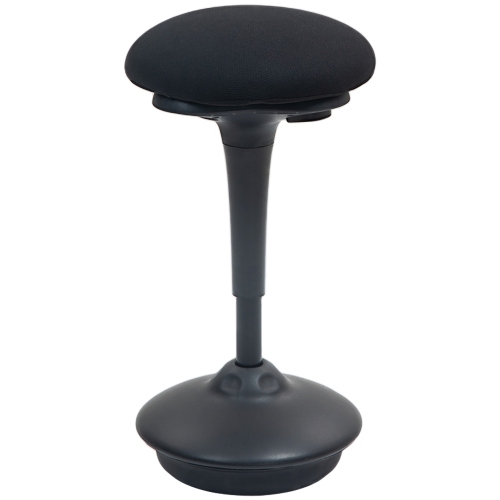
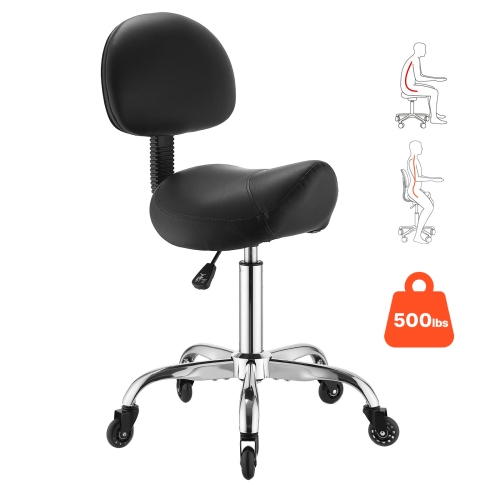
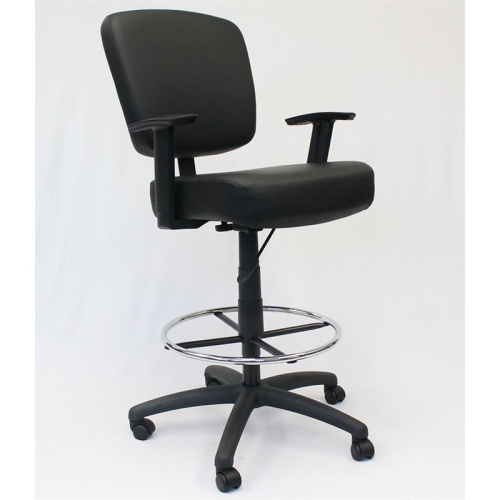
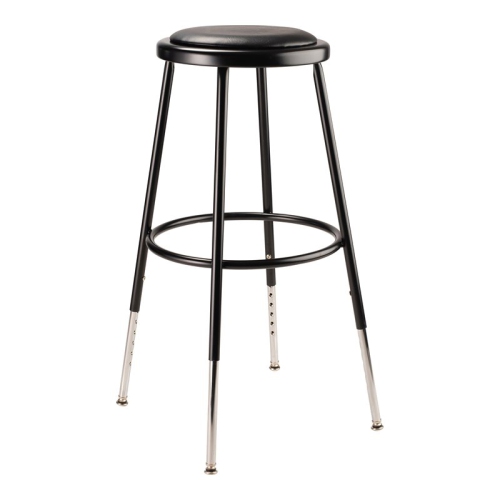
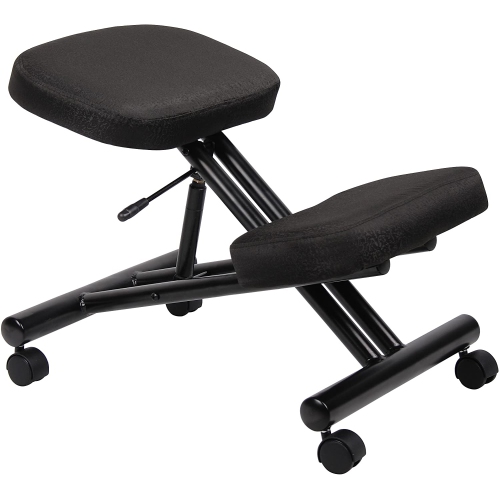
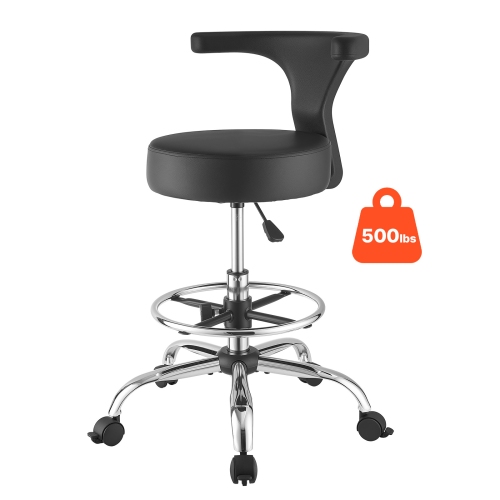
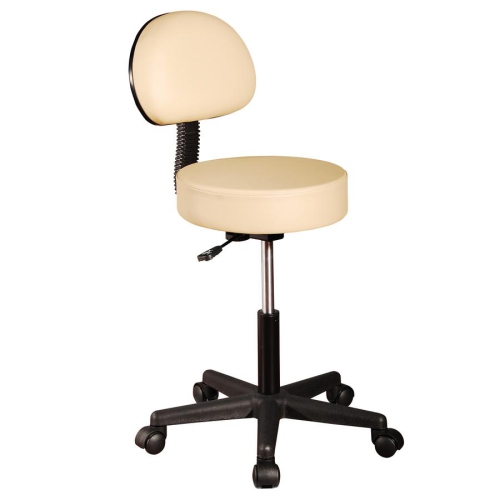
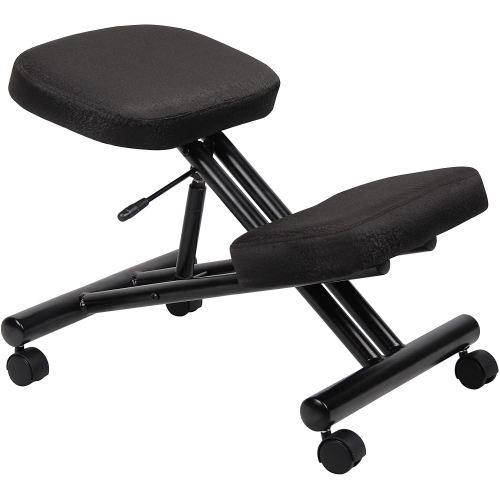
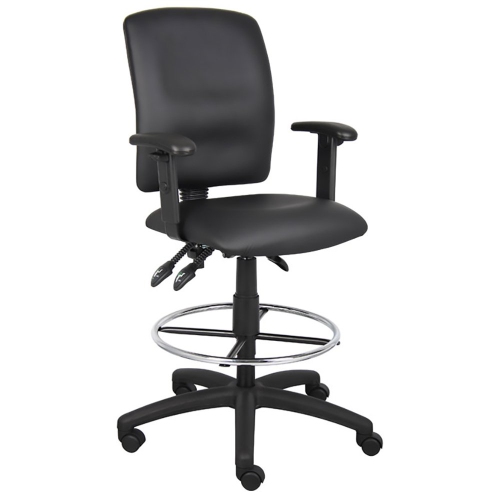
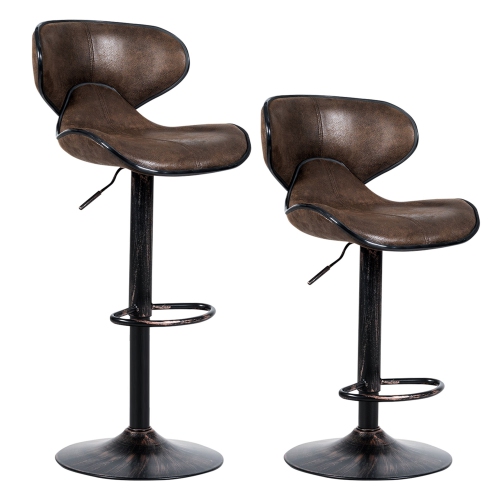
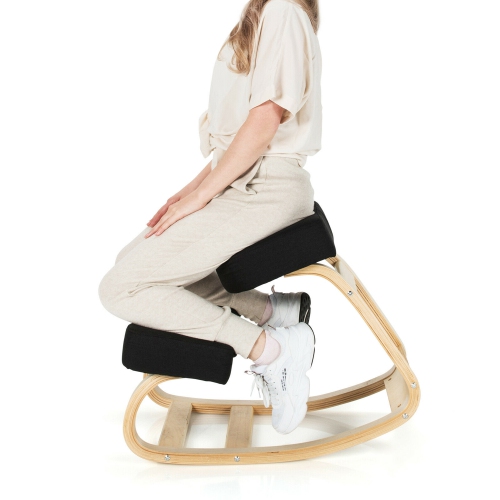
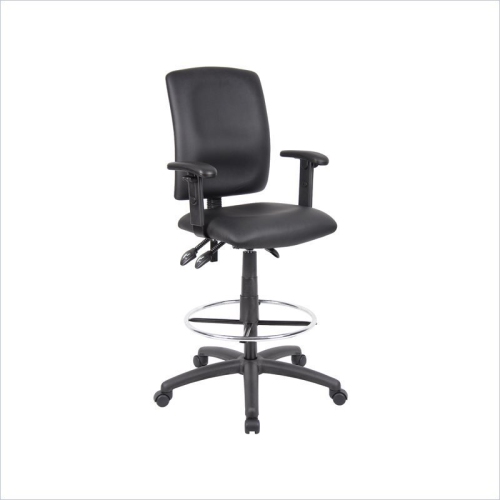
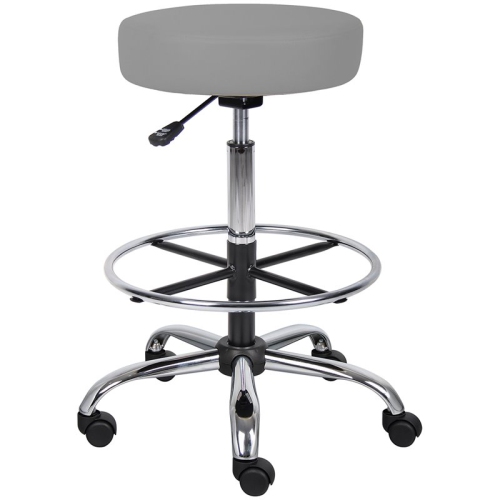
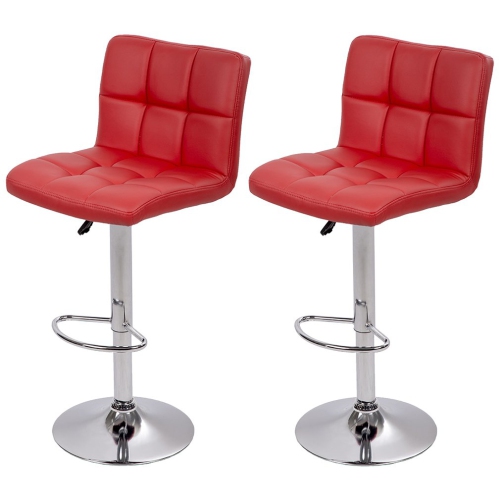
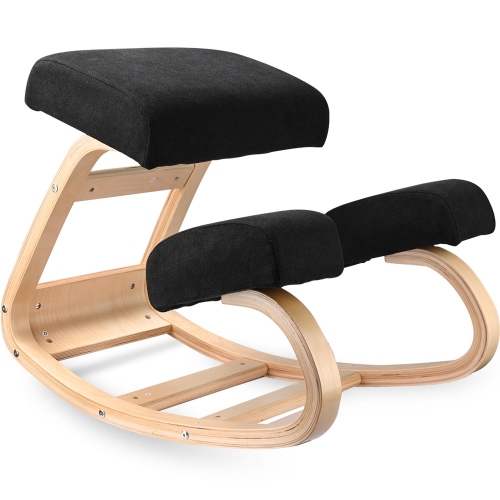
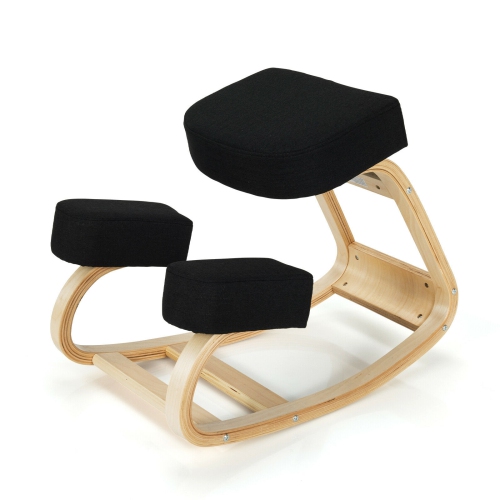
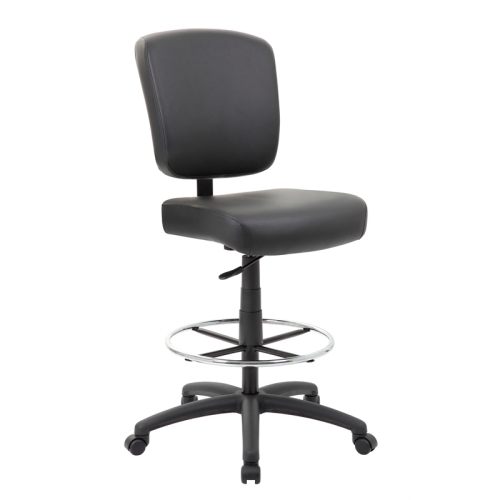
Ergonomic stools offer a flexible alternative to conventional office seating, particularly for people who divide their day between sitting, standing, and moving around their workspace. Rather than locking the body into one position, many ergonomic stools are designed for perching, leaning, rocking, or making small posture adjustments while you work. This active-sitting approach can help reduce the stiffness that comes from staying in a rigid chair for too long, while encouraging a more upright, engaged posture. They are especially well suited to standing desks, height-adjustable workstations, kitchen counters, studio benches, reception areas, and other raised surfaces where a standard chair may sit too low. A stool with a rounded or weighted base can let you gently tilt and shift your weight, while a leaning or sit-stand stool can support part of your body when your legs need a break without requiring you to settle into a fully seated position. Saddle-style seats are shaped to support a more open hip angle and a natural spinal curve, which some people find comfortable during detail-oriented tasks. Kneeling stools use a forward-sloped seat and padded knee supports to redistribute body weight and reduce pressure on the lower back, although they require enough room to position your legs comfortably. When comparing options, consider the height range first. Your feet should be able to rest securely on the floor or a suitable footrest, and your work surface should allow your shoulders to stay relaxed rather than lifted. A stool that adjusts easily is useful in shared spaces or for anyone who switches between surfaces throughout the day. Look for a stable base, smooth but controlled movement, supportive padding, and a seat edge that does not press sharply into the backs of your legs. Sloped seats and waterfall-style edges can help avoid restricting circulation, while a textured or contoured surface may make it easier to maintain a balanced position. If the stool has wheels or a pivoting base, check that its movement suits the floor and the type of work being done. A stable, grounded design may be preferable for writing, crafting, or using tools, while a more dynamic base can suit computer work or quick changes between tasks.
The best ergonomic stool depends on how you work, how often you change position, and the amount of support you prefer. Someone using a standing desk may appreciate a high-range sit-stand stool that allows them to lean back slightly and take weight off their legs while keeping the desk at a comfortable working height. A person who spends time at a counter may prefer a saddle-style design that provides support without the bulk of a traditional chair. For short computer sessions, video calls, sorting paperwork, or checking messages between other activities, an active or wobble stool can encourage gentle movement and help prevent the slouched feeling that often develops in a fixed seat. In a workshop, art room, music space, or home studio, a compact stool can make it easier to move between stations without repeatedly standing up and sitting down. Ergonomic stools can also be useful in shared home offices, where different users need to adjust the seat for their height and preferred posture. They may be a thoughtful gift for someone setting up a home workspace, renovating a craft room, or adding a standing desk, provided the recipient has a compatible work surface and enough space for the stool’s base or foot support. Before choosing one, measure the height of the desk or counter and leave enough clearance for knees, feet, and easy movement. Consider the user’s footwear as well: a design that feels comfortable in slippers may need a different height when used with shoes. It is also worth thinking about the length and character of each work session. Ergonomic stools encourage posture changes, but they are not necessarily intended to replace a fully supportive chair for eight hours of stationary sitting. Many have limited back support or no backrest at all, making them better for alternating between sitting, standing, and walking than for remaining in one position all day. A practical setup may include an ergonomic stool alongside a conventional chair, allowing you to choose the right support for focused work, meetings, reading, or breaks. Keep the stool at a height that lets your elbows rest naturally near the desk, and avoid leaning so far forward that your neck and shoulders tense. Small adjustments can make a noticeable difference, especially when the stool is used with a monitor positioned at eye level and a keyboard or work surface close enough to avoid reaching.
For more ways to compare seating styles, heights, materials, and workspace-friendly designs, browse Office Furniture Stools. As you explore ergonomic stools, pay attention to the details you will notice during everyday use: whether the adjustment lever is easy to reach, whether the base feels steady when you shift your weight, and whether the seat remains comfortable after several changes in posture. A stool should support movement without making you feel as though you are balancing constantly. If you are new to active sitting, begin with shorter periods and alternate with standing or using a traditional chair until your body becomes familiar with the design. Gentle movement is usually more useful than forcing a rigid “perfect” posture, so choose a model that lets you reposition naturally while keeping your feet and work surface well supported. People with existing back, hip, knee, or circulation concerns may also want advice from a qualified health professional before changing their seating arrangement, particularly when considering a kneeling design or a stool that places more weight through the legs. In a busy home, look for a finish that is simple to wipe clean and a footprint that will not interfere with nearby drawers, footrests, or chair mats. During the warmer seasons and into the cooler months, a flexible stool can make a workspace feel less confined by supporting quick transitions between focused desk work, household tasks, and creative projects. The right choice is one that fits the user, the surface, and the rhythm of the room—helping make regular posture changes feel natural rather than interruptive.
The best ergonomic stool depends on how you work, how often you change position, and the amount of support you prefer. Someone using a standing desk may appreciate a high-range sit-stand stool that allows them to lean back slightly and take weight off their legs while keeping the desk at a comfortable working height. A person who spends time at a counter may prefer a saddle-style design that provides support without the bulk of a traditional chair. For short computer sessions, video calls, sorting paperwork, or checking messages between other activities, an active or wobble stool can encourage gentle movement and help prevent the slouched feeling that often develops in a fixed seat. In a workshop, art room, music space, or home studio, a compact stool can make it easier to move between stations without repeatedly standing up and sitting down. Ergonomic stools can also be useful in shared home offices, where different users need to adjust the seat for their height and preferred posture. They may be a thoughtful gift for someone setting up a home workspace, renovating a craft room, or adding a standing desk, provided the recipient has a compatible work surface and enough space for the stool’s base or foot support. Before choosing one, measure the height of the desk or counter and leave enough clearance for knees, feet, and easy movement. Consider the user’s footwear as well: a design that feels comfortable in slippers may need a different height when used with shoes. It is also worth thinking about the length and character of each work session. Ergonomic stools encourage posture changes, but they are not necessarily intended to replace a fully supportive chair for eight hours of stationary sitting. Many have limited back support or no backrest at all, making them better for alternating between sitting, standing, and walking than for remaining in one position all day. A practical setup may include an ergonomic stool alongside a conventional chair, allowing you to choose the right support for focused work, meetings, reading, or breaks. Keep the stool at a height that lets your elbows rest naturally near the desk, and avoid leaning so far forward that your neck and shoulders tense. Small adjustments can make a noticeable difference, especially when the stool is used with a monitor positioned at eye level and a keyboard or work surface close enough to avoid reaching.
For more ways to compare seating styles, heights, materials, and workspace-friendly designs, browse Office Furniture Stools. As you explore ergonomic stools, pay attention to the details you will notice during everyday use: whether the adjustment lever is easy to reach, whether the base feels steady when you shift your weight, and whether the seat remains comfortable after several changes in posture. A stool should support movement without making you feel as though you are balancing constantly. If you are new to active sitting, begin with shorter periods and alternate with standing or using a traditional chair until your body becomes familiar with the design. Gentle movement is usually more useful than forcing a rigid “perfect” posture, so choose a model that lets you reposition naturally while keeping your feet and work surface well supported. People with existing back, hip, knee, or circulation concerns may also want advice from a qualified health professional before changing their seating arrangement, particularly when considering a kneeling design or a stool that places more weight through the legs. In a busy home, look for a finish that is simple to wipe clean and a footprint that will not interfere with nearby drawers, footrests, or chair mats. During the warmer seasons and into the cooler months, a flexible stool can make a workspace feel less confined by supporting quick transitions between focused desk work, household tasks, and creative projects. The right choice is one that fits the user, the surface, and the rhythm of the room—helping make regular posture changes feel natural rather than interruptive.
Top selling and popular products
-
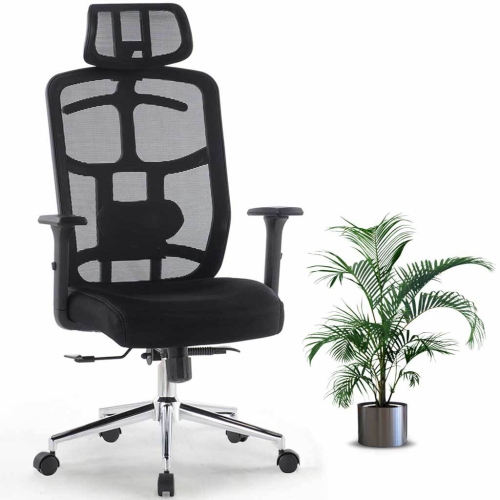 Your price for this item is $114.99
 -
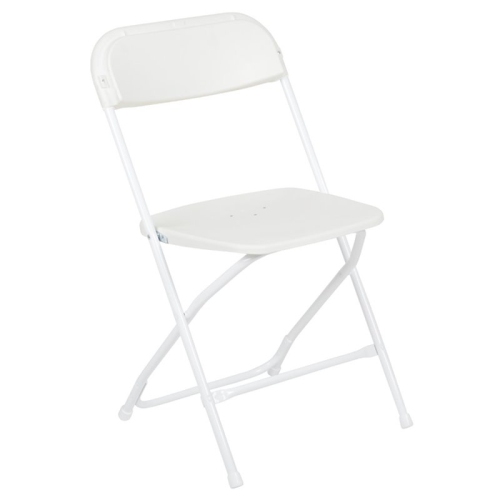 Your price for this item is $123
 -
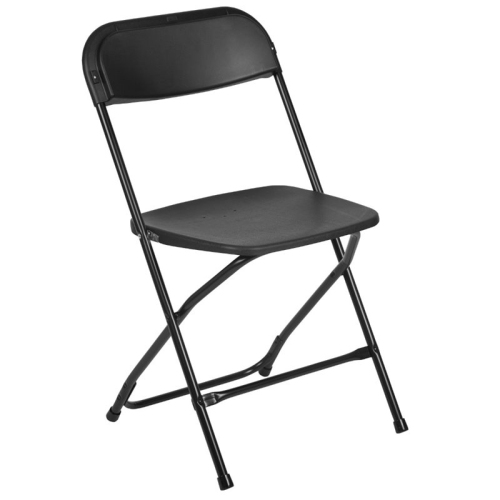 Your price for this item is $139.99
 -
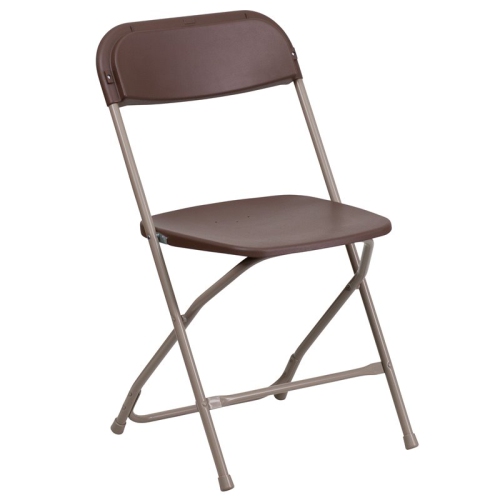 Your price for this item is $139.99
 -
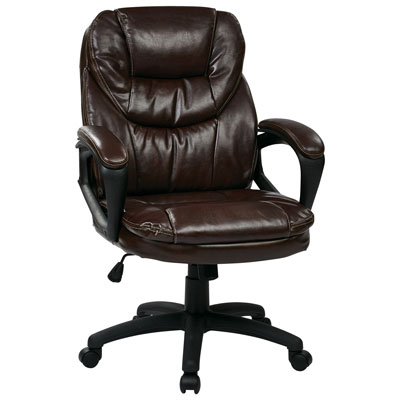 Your price for this item is $203.98
 -
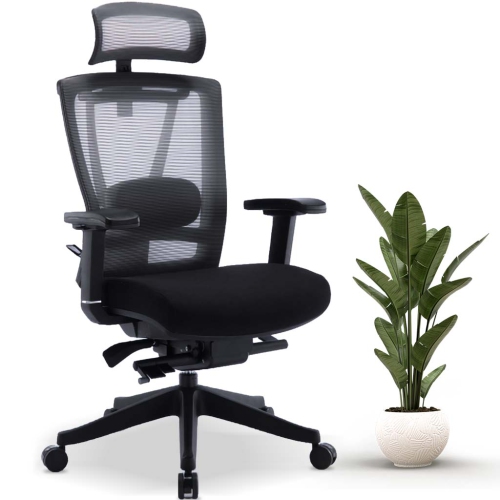 Your price for this item is $379.99
 -
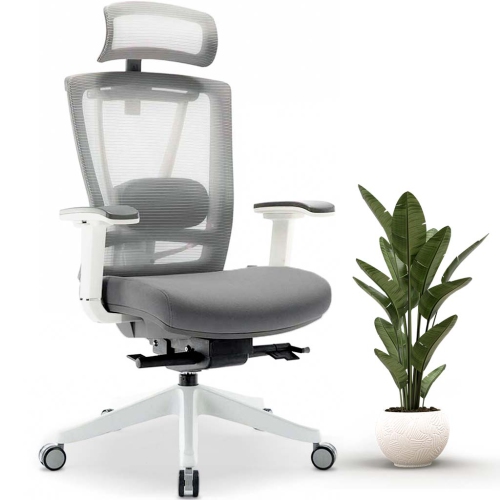 Your price for this item is $379.99
 -
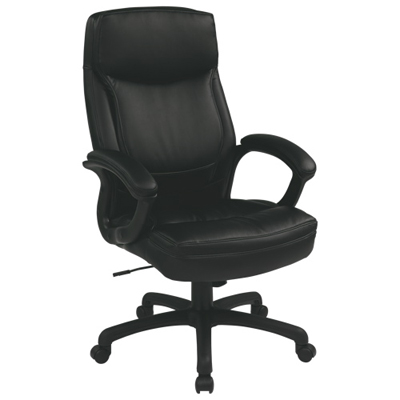 Your price for this item is $594.99
Discover more categories related to Ergonomic Stools
Top Collections:
Pokemon Centers, Kindle Devices, Best Budget Office Chairs, Apple iPhones 16, Best Laptops for Writers, iPhone 15 Apple, Canon G7X Cameras, Refurbished Apple Laptops, Alarm Clock, Motorola Razr Phones
Some products may be subject to Environmental Handling Fees
(EHF) depending on your province.
Learn more about EHFs.