Ergonomic Bar Stools
Elevate your home or office space with the perfect blend of style and comfort by exploring our selection of ergonomic bar stools. Designed to provide optimal support while seamlessly enhancing your décor, these bar stools are ideal for those who prioritize both aesthetics and well-being. Whether you're outfitting a kitchen island, home bar, or workspace, ergonomic bar stools offer a versatile seating solution that ensures you can relax and enjoy every moment. Discover how these thoughtfully crafted pieces can transform your environment into a haven of comfort and elegance.
Sort
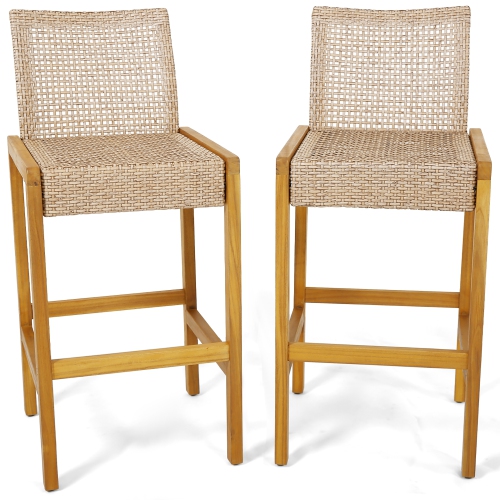
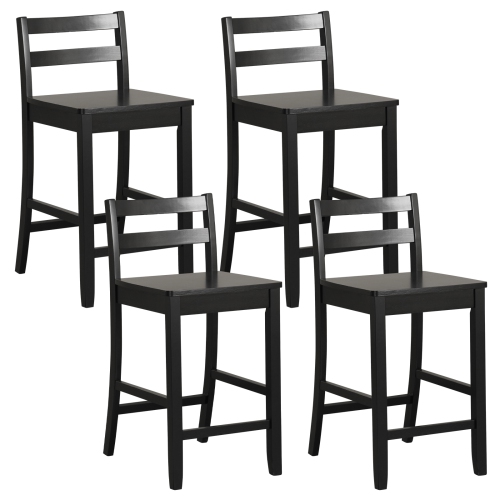
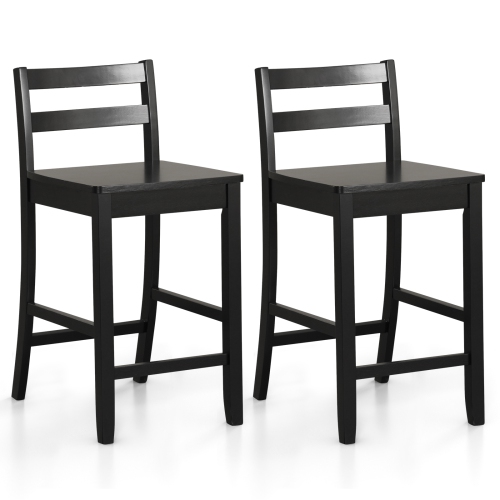
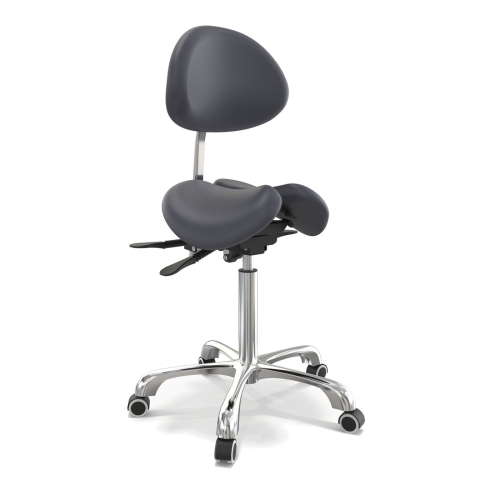
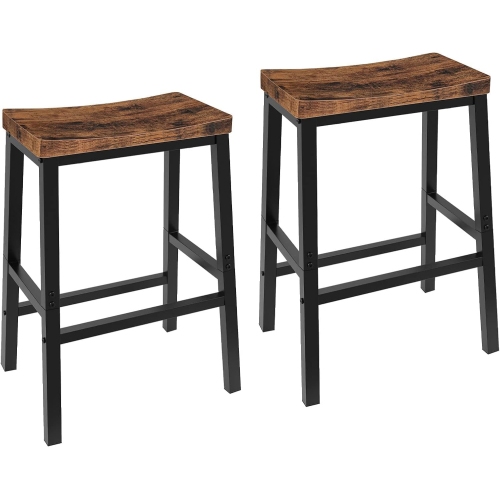
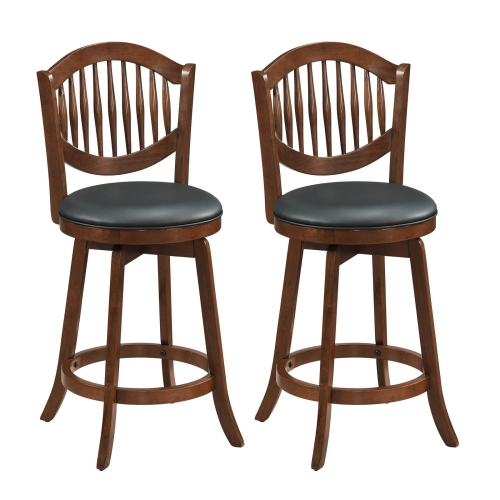
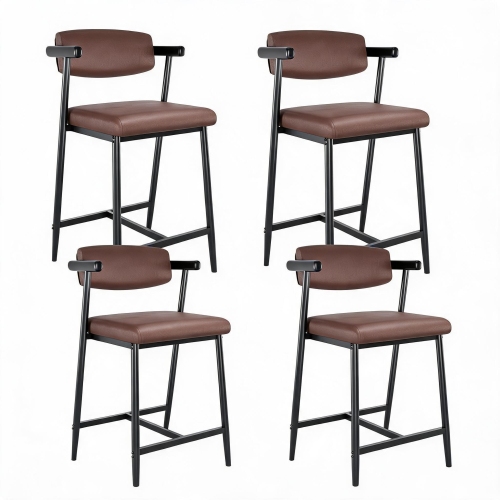
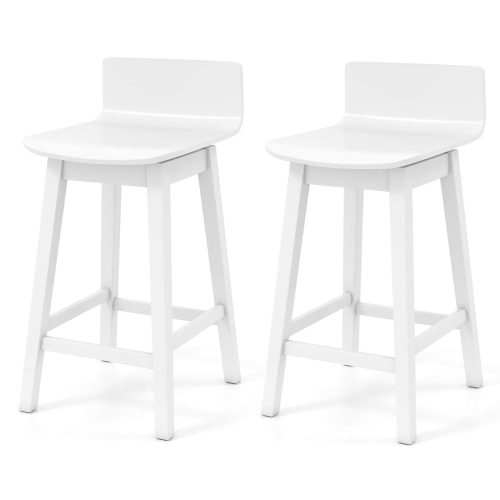
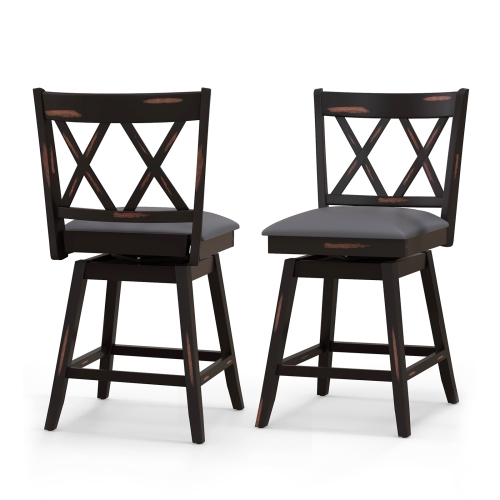
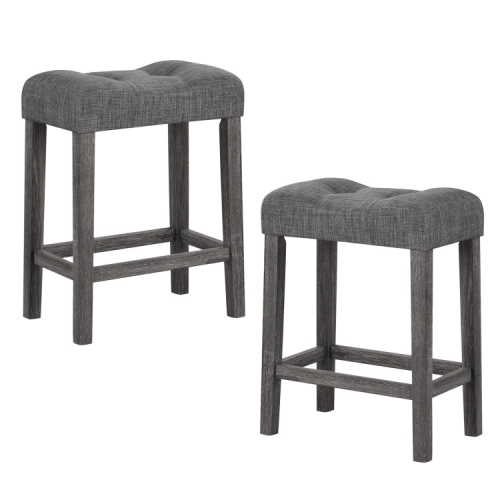
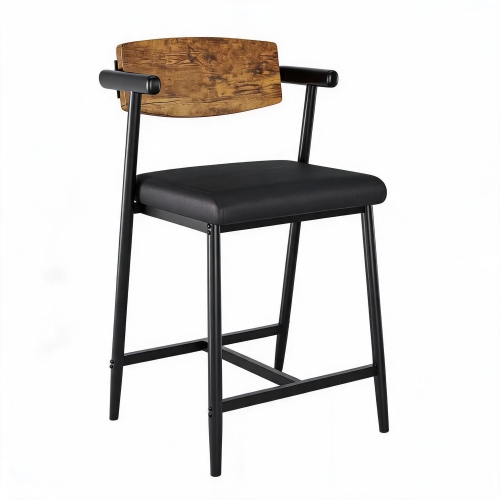
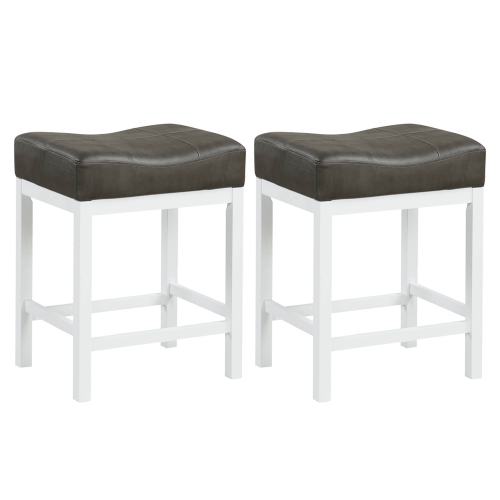
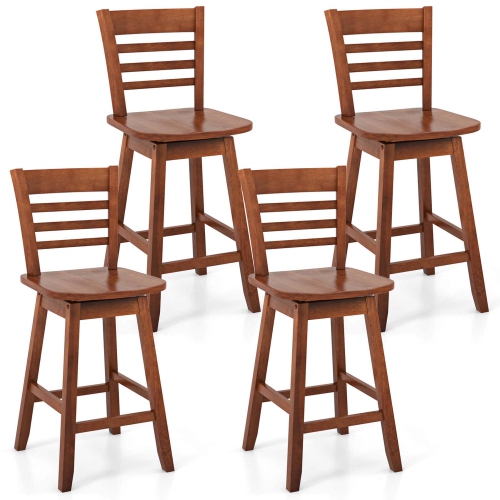
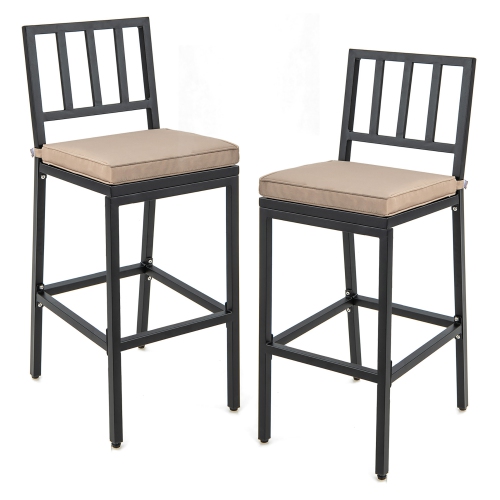
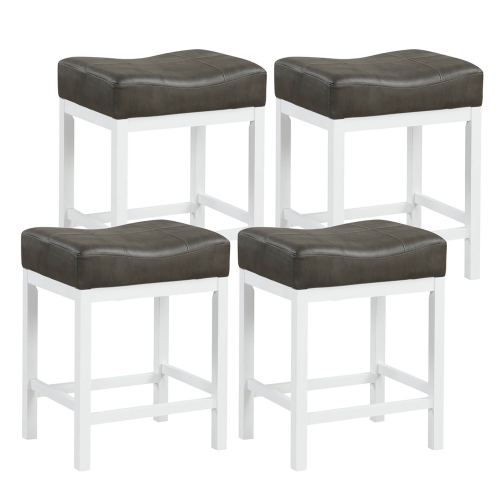
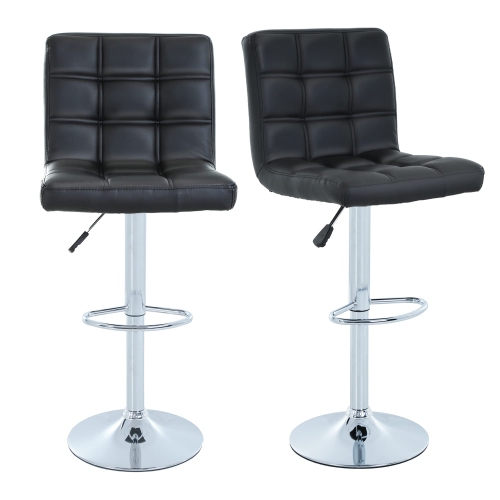

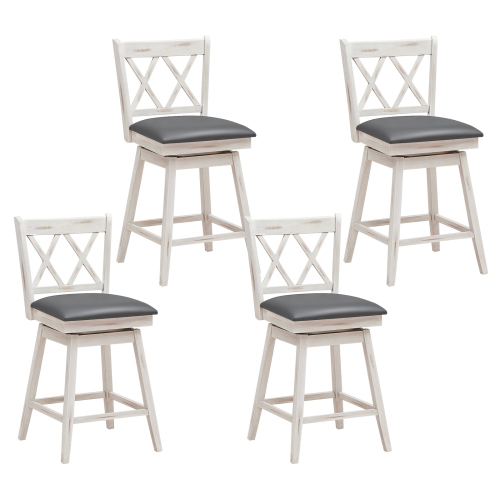
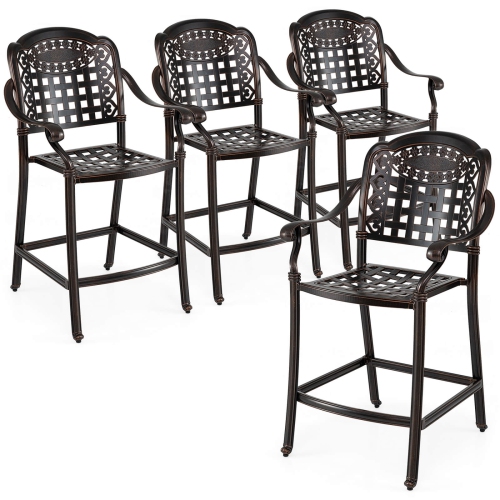
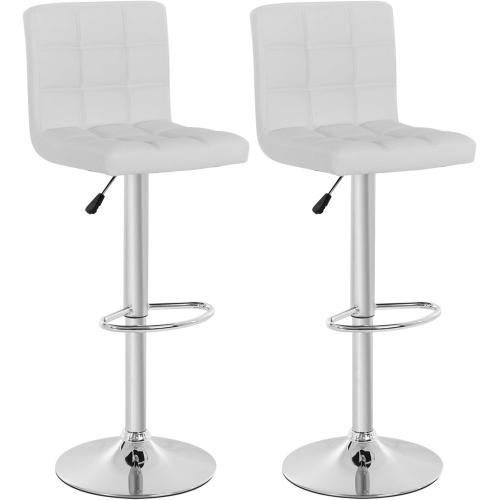
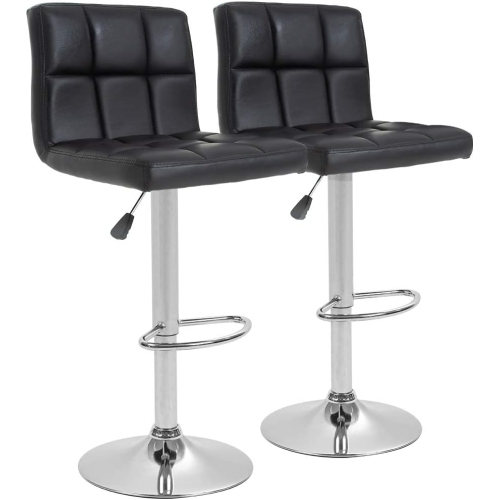
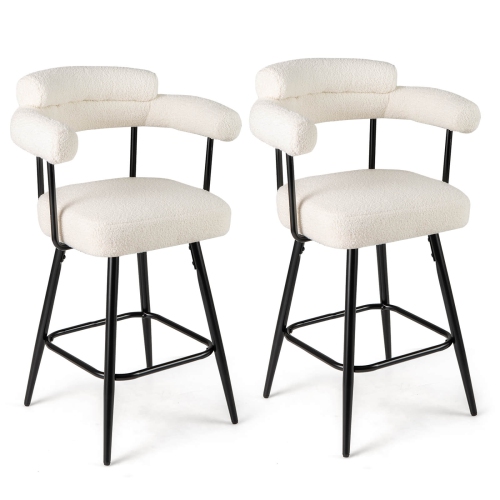
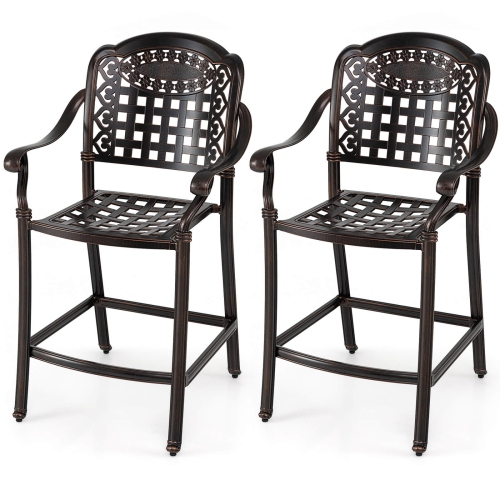
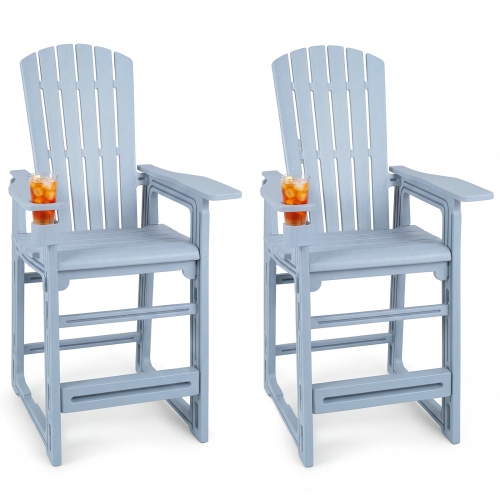
Comfort at the counter goes beyond cushioning
Ergonomic bar stools bring a more considered fit to elevated seating, whether the setting is a kitchen island, a breakfast counter or a home bar. Their appeal lies in the relationship between the seat, backrest and footrest: each plays a part in making a raised seat feel comfortable and easy to use. A contoured seat can provide a defined place to sit, while a gently curved backrest offers support without making the stool feel bulky. Padding adds softness, but its thickness alone does not determine comfort; seat depth, edge shape and the position of the footrest matter just as much. A rounded front edge can feel less intrusive behind the knees, especially when feet rest securely rather than hanging below the seat. The right height depends on the surface the stool will sit beneath. Counter-height and bar-height seating are not interchangeable, and an adjustable base only works well when its height range suits the space. A gap of roughly 10 to 12 inches between the seat and the underside of the countertop is a useful starting point, with room for thighs, clothing and any apron beneath the surface. Thick cushions and armrests can change that fit, so the full dimensions deserve attention. Width matters, too: neighbouring seats need enough separation for elbows, and a swivel stool needs clearance to turn without striking cabinetry. At a busy island, that extra movement can make it easier to join a conversation or step away from the counter. For households with adults of different heights, adjustable seating and a well-positioned footrest can offer greater flexibility. A low back may tuck neatly beneath an overhang, while a taller back provides more contact across the back of the body. Neither shape is automatically more comfortable for everyone; the most useful design supports a relaxed seated position without forcing the shoulders forward or leaving the feet unsupported. There should also be enough space behind the stool for someone to pass when it is occupied, particularly beside a kitchen walkway.
Materials influence how ergonomic bar stools feel in daily use as much as how they look. Upholstered seats offer a softer contact surface for meals, conversation and occasional laptop tasks, while wood or moulded seats tend to have a firmer feel and more exposed surfaces to wipe clean. Woven fabric brings texture and a less slippery finish, although crumbs and spills may need prompt attention around seams. Leather and leather-look upholstery have different care requirements, so their cleaning methods should not be treated as interchangeable. A damp cloth may be suitable for some finishes, while others need a cleaner specifically approved for that material. Manufacturer care directions are particularly important around stitching, coated surfaces and padded edges, where soaking or harsh cleaning agents can damage the finish. Wood frames can add warmth and visible grain, while metal frames offer a slimmer, more architectural appearance. Durability depends on more than the frame material: secure joints, a stable base, suitable weight capacity and well-finished contact points all contribute to everyday performance. Footrests deserve close attention because they receive repeated pressure from shoes, and their placement should allow a comfortable bend at the knees. On adjustable stools, the lift mechanism and height-locking function should operate as intended, with adjustments made according to the supplied directions. Swivel mechanisms should turn smoothly without leaving the seat feeling loose. Floor protection also makes a practical difference. Glides suited to the flooring can help limit marks and scraping sounds, while a broad, stable base needs a level surface to sit properly. Regular care can be straightforward: wipe away spills promptly, remove trapped grit from beneath the feet and check fasteners as directed. Fabric seats may benefit from gentle vacuuming with an appropriate attachment. In a household where the island doubles as a dining spot and a place to sort paperwork, these small construction and care details help seating stand up to frequent use without demanding an elaborate maintenance routine.
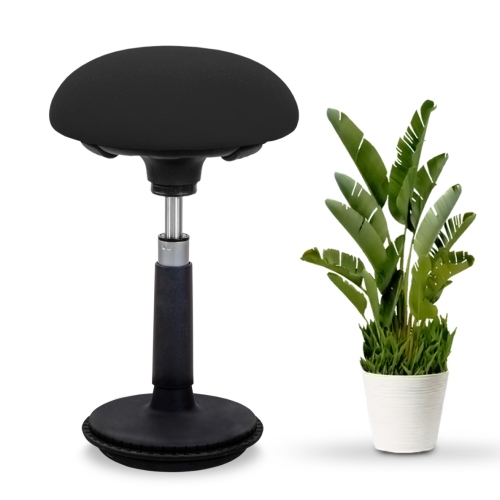
The intended use of ergonomic bar stools helps shape which features feel worthwhile. A seat used for a quick breakfast may call for a compact footprint and an easy-clean finish, while one used for lingering over dinner may benefit from a supportive backrest and more generous cushioning. Armrests offer a place to rest the forearms, but they also take up width and may prevent a stool from sliding fully under a counter. Armless designs can make it easier to sit from either side, especially along an island where people move between food preparation and conversation. In an open-plan room, a slim profile can keep sightlines clear between the kitchen and living area, while upholstered backs and textured finishes can connect the seating visually with nearby dining furniture. Colour also affects the overall impression: a close match to cabinetry creates a quieter look, whereas a contrasting seat can give the counter a distinct presence. Practical needs still come first, particularly where children use raised seating or guests may find a tall stool difficult to access. A bar stool is not a step stool, and any seat should be used within its stated limits. For a work surface, seating height should also allow relaxed shoulders and comfortable access to a keyboard rather than simply matching the look of the room. Where gentle movement is part of the intended setup, Ergonomic Active Sitting Stools offer another seating category to explore, with seat heights, movement features and support levels that need to suit the surface and the person using them. No stool replaces regular changes of position during longer seated tasks. Thoughtful proportions, dependable construction and materials suited to everyday habits give ergonomic bar stools their lasting usefulness, helping a raised counter serve comfortably as a place to eat, talk or spend a little time together.
Top selling and popular products
-
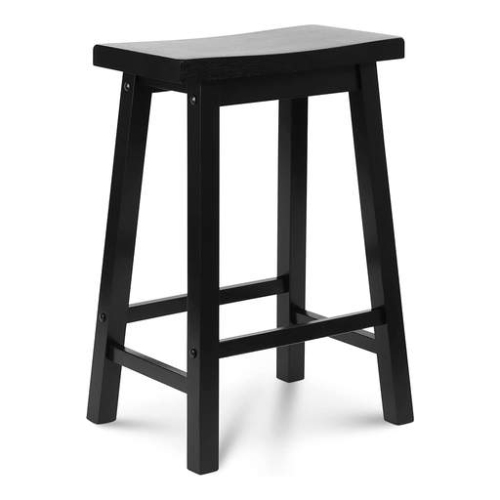 Your price for this item is $93.99
-
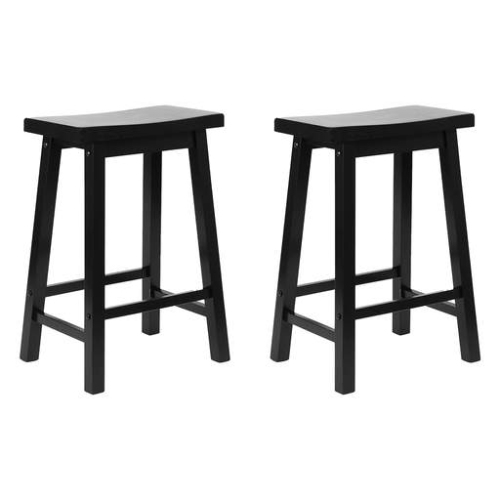 Your price for this item is $179.99
-
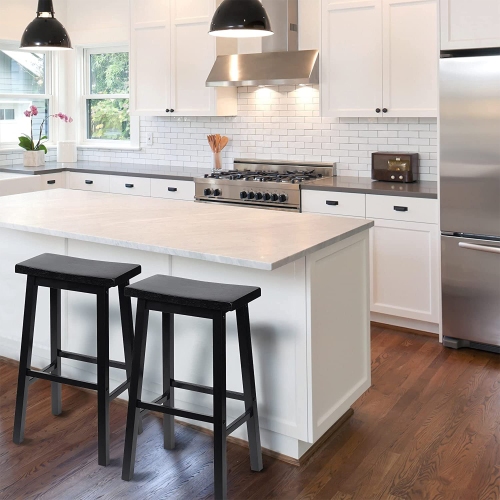 Your price for this item is $562.99
-
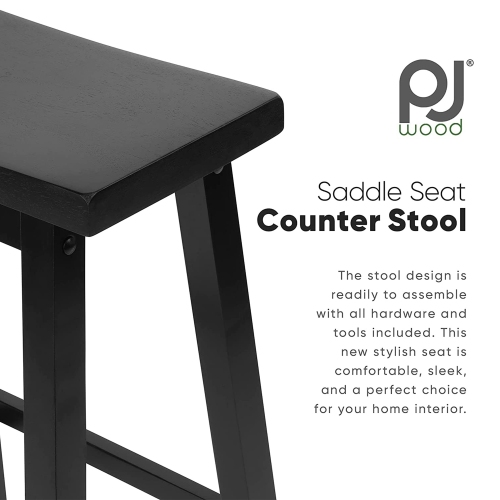 Your price for this item is $202.99
-
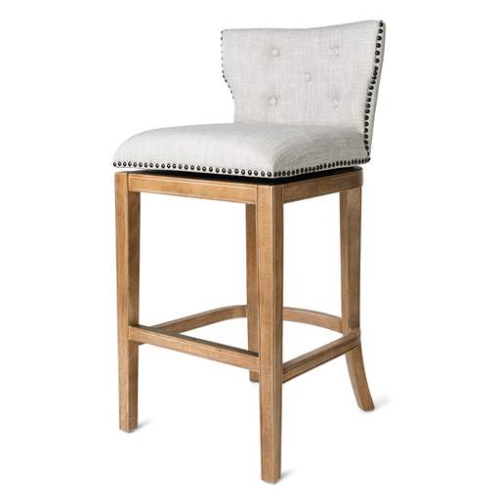 Your price for this item is $508.99
-
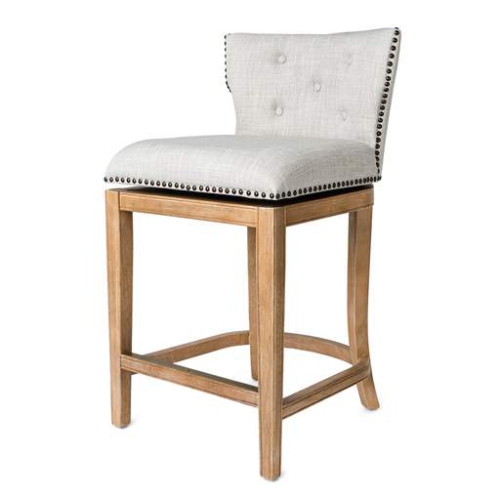 Your price for this item is $554.99
-
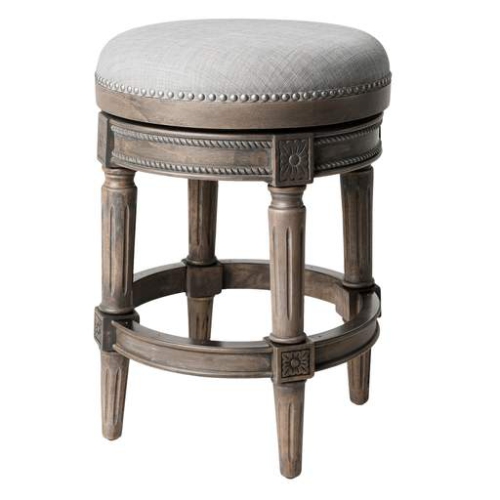 Your price for this item is $509.99
-
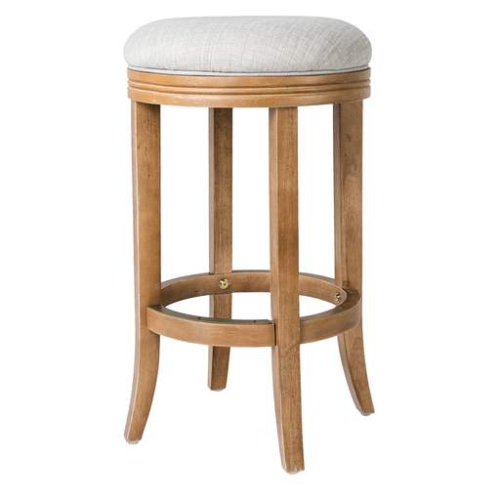 Your price for this item is $297.99
Discover more categories related to Ergonomic Bar Stools
Top Collections:
Best Black Friday Deals This Year, Best Black Friday Deals On Electronics, Kindle Devices, Best Black Friday Deals On Apple Products, Best Budget Office Chairs, Best Cameras for Sports Photography, Dyson Airwrap, Canon G7X Cameras, Best Laptops for Writers, Samsung Galaxy Phones
Some products may be subject to Environmental Handling Fees
(EHF) depending on your province.
Learn more about EHFs.