Ergonomic Standing Desk Chairs
Elevate your workspace experience with ergonomic standing desk chairs, designed to enhance comfort and promote better posture during long hours at the desk. Whether you're working from home or in an office, these innovative seating solutions provide the flexibility to switch between sitting and standing positions seamlessly. Explore a range of options that cater to style preferences and ergonomic needs, ensuring you find the perfect fit for your workspace. Discover how ergonomic standing desk chairs can transform your daily routine by offering support and adaptability, helping you stay focused and energized throughout the day.
Sort
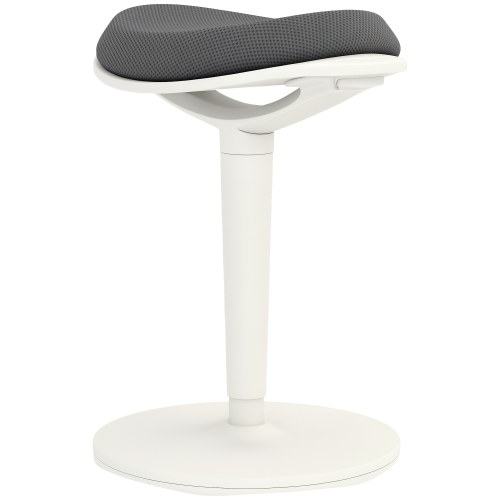
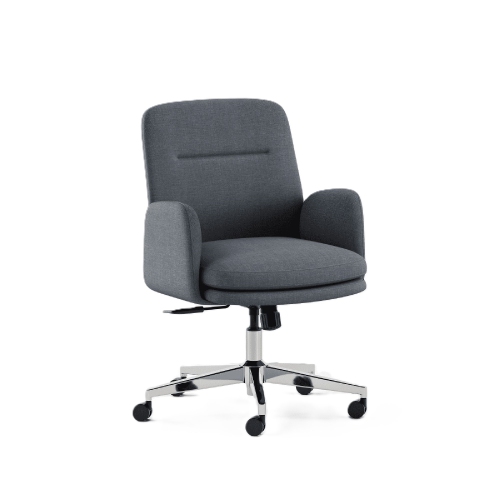
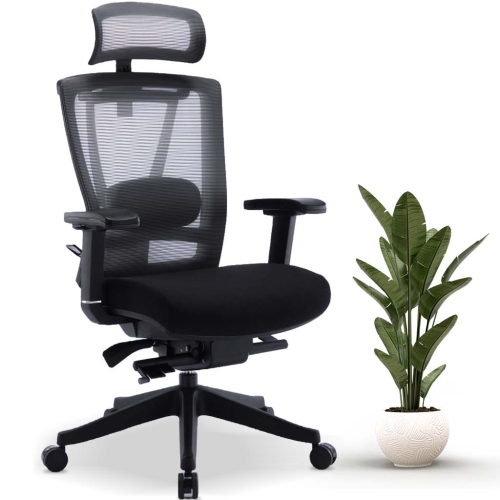
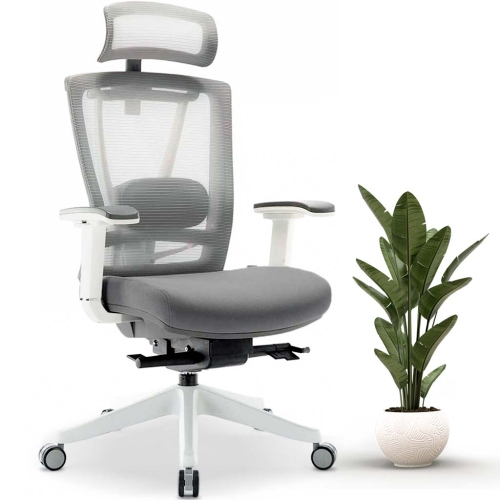


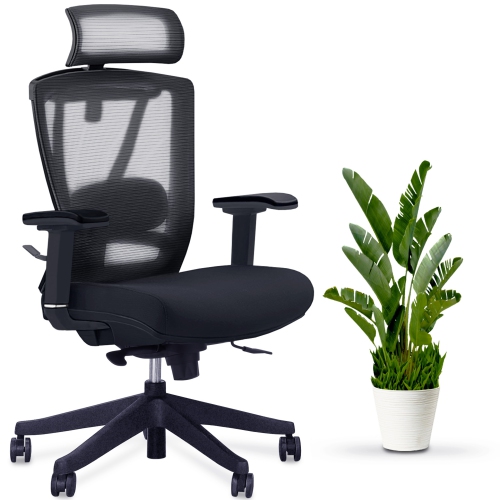
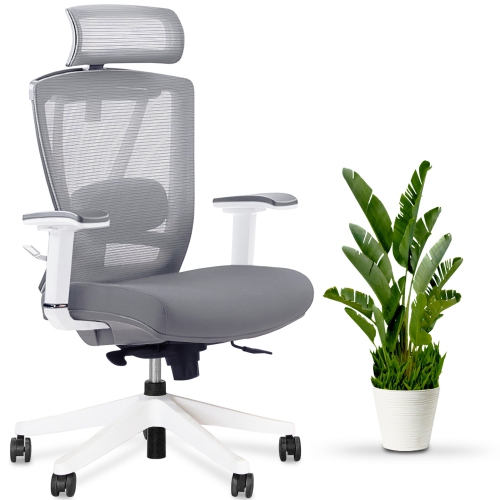
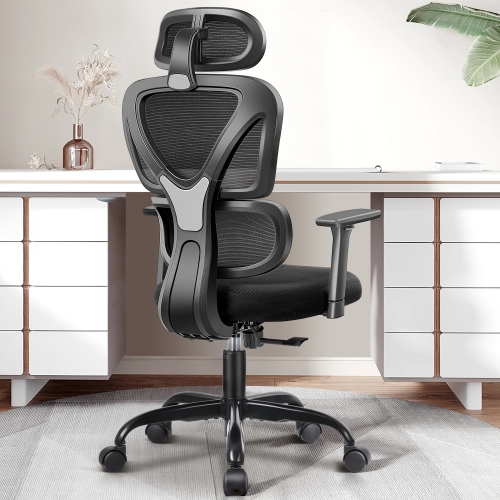
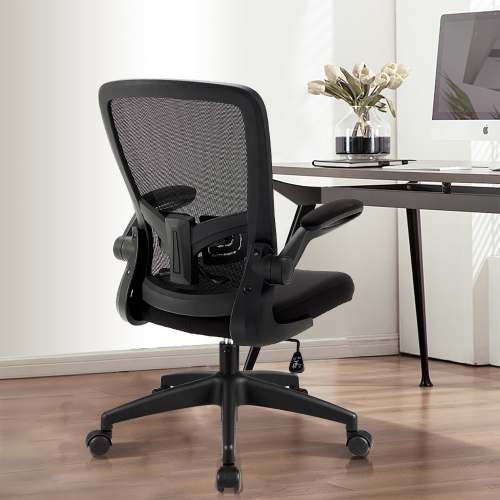
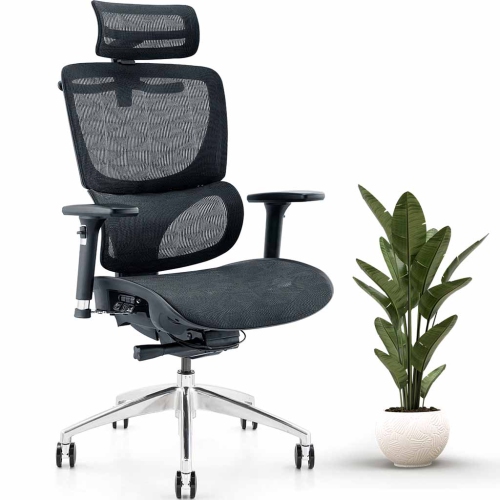
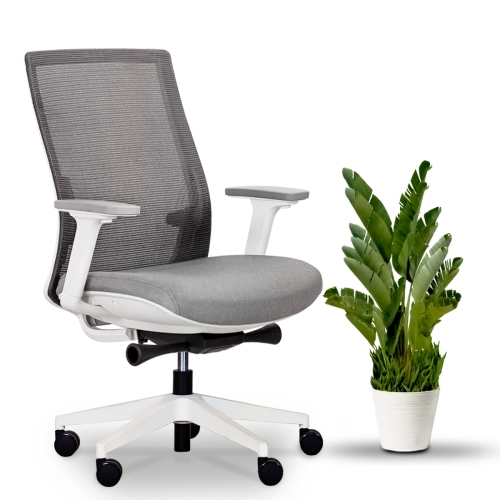
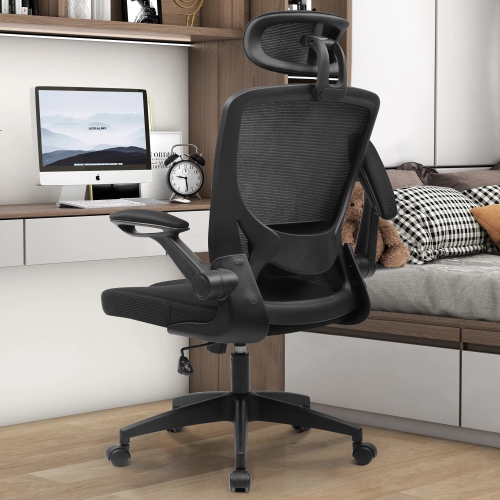
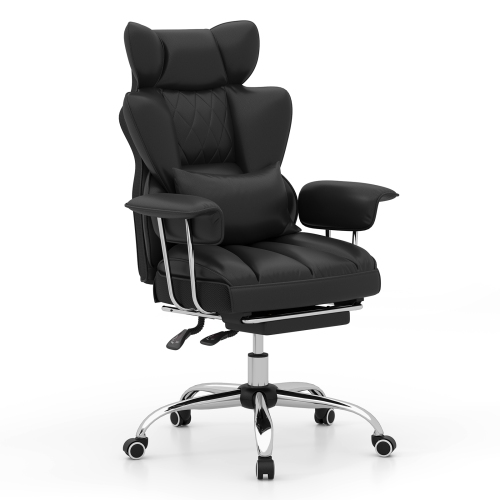
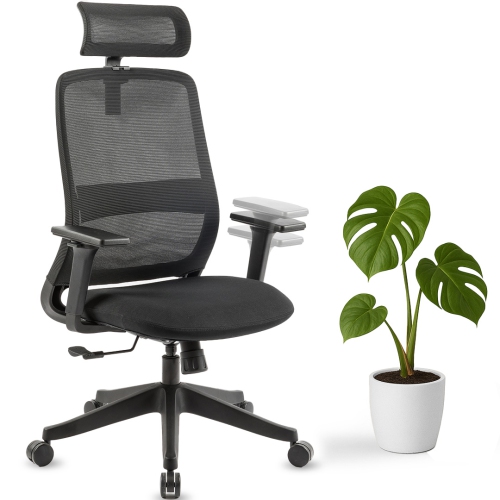
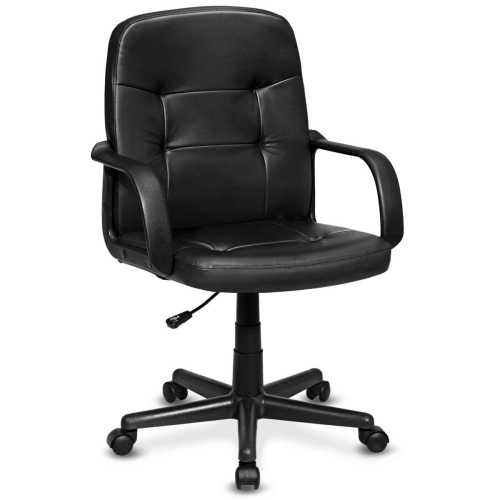
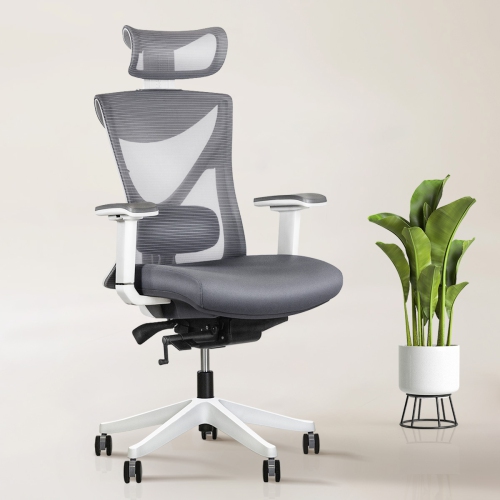
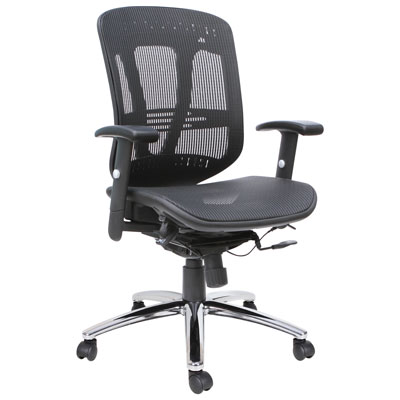
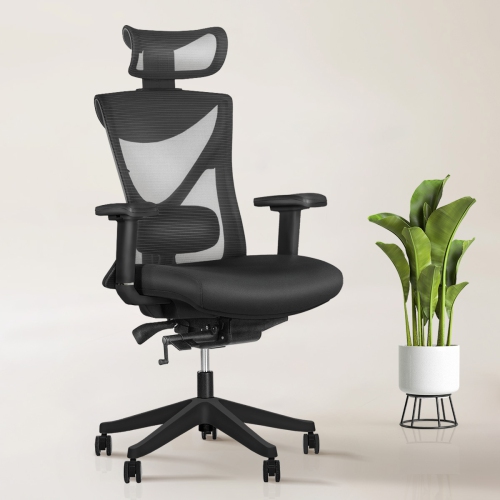
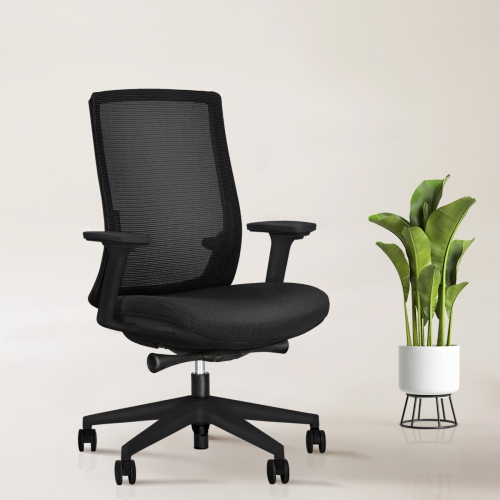
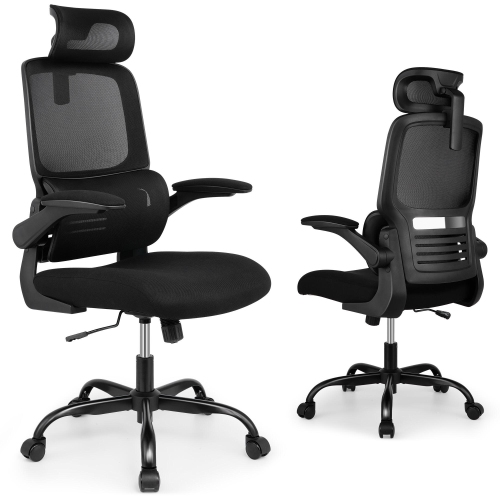
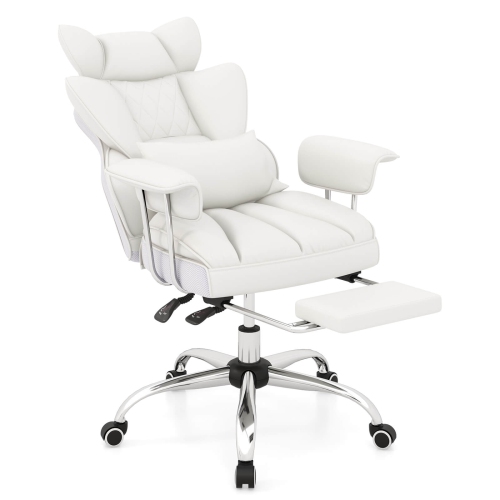
A place to perch without lowering your desk
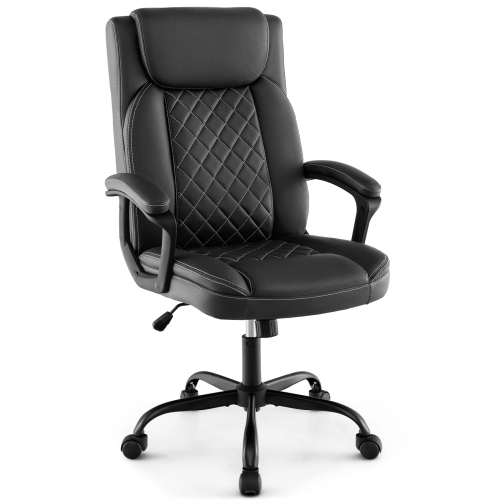
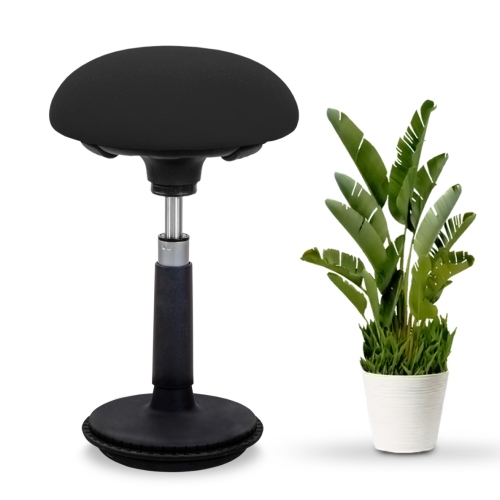
Ergonomic standing desk chairs are height-adjustable seats designed to support sitting, perching, or leaning at a raised work surface. Often described as sit-stand stools, leaning seats, or tall task chairs, they offer a place to rest between periods of standing without necessarily lowering the desk to a conventional seated height. The main styles serve different needs. Perching stools have elevated seats that support some of your weight while your feet remain planted on the floor, creating a position between sitting and standing. Active stools use a pivoting seat or a gently rocking base to allow small shifts in position rather than holding the body still. Drafting chairs provide a more familiar seated setup, typically combining an extended seat-height range with a backrest and a foot ring. These distinctions matter during an ordinary workday: a compact leaning stool can suit short pauses while reviewing documents, while a tall chair with a supportive backrest may be more comfortable for a longer video call or a detailed spreadsheet. No single style suits every task, and a seat described as ergonomic still needs to fit its user and workspace. For home offices, shared studios, reception counters, and elevated project tables, the useful feature is the ability to change position without losing easy access to the work surface. Someone who frequently moves between a keyboard and a nearby planning board may appreciate an unobtrusive perch, while someone doing sustained computer work may prefer fuller seated support. Standing desk seating is not a reason to stay in one position all day; its role is to make transitions more practical. A well-matched chair leaves room to step away, reposition the feet, and return to work without squeezing around a bulky base or reaching awkwardly across the desk. The result should be a workspace that accommodates the task, rather than one that requires the person using it to adapt constantly.
Fit starts with the relationship between seat height, desk height, and foot support. The maximum height alone does not tell the whole story: the lowest setting also matters, especially when a seat will be shared or used with a desk that moves between sitting and standing positions. Compare the stated seat-height range with the actual work surface, allowing enough clearance for thighs beneath the desktop and any drawer or support rail. At the keyboard, shoulders should feel relaxed, with elbows close to the body and wrists in a comfortable, neutral position. Raising a chair to reach a tall desk should not leave feet dangling. A drafting chair generally needs a suitably positioned foot ring or another stable foot support, while a leaning stool needs a height and seat angle that let the user maintain secure contact with the floor. Seat width, depth, and contour are equally important. A broad cushion can feel spacious, but a seat that is too deep may press behind the knees or make the backrest difficult to use. A smaller saddle-shaped or angled seat can allow more freedom around the hips and legs, although its feel differs noticeably from a traditional office chair. Backrests and lumbar adjustments may be useful for longer seated sessions; armrests can support the forearms during pauses but should not prevent the chair from approaching the desk. Easy-to-reach controls make adjustments less disruptive when switching tasks. Stability deserves particular attention with elevated seating, since getting on and off should feel controlled. A fixed base offers a different experience from a rocking platform or a wheeled drafting chair, and movement intended for active sitting may not suit someone who prefers firm, predictable support. Check the stated weight capacity, base dimensions, and intended flooring before choosing a style. Those comparing raised seating with conventional office seating can also explore Best Ergonomic Desk Chairs for a broader view of desk-chair features. The important distinction is whether the chair provides comfortable support at the height where the work actually happens.
Materials and construction influence how standing desk chairs feel after repeated use, as well as how much attention they need. Breathable mesh backrests allow airflow, while upholstered seats offer a softer surface that can feel welcoming during longer stretches at a desk. Foam density and cushion shape affect support; a deeply padded seat is not automatically a better fit than a firmer, carefully contoured one. Moulded seats and wipeable coverings can be practical near craft tables or shared work counters, where dust and occasional spills are more likely. Fabric brings texture to a home office but may hold crumbs or lint, while coated upholstery needs care suited to its finish to help prevent cracking or peeling. Follow the manufacturer’s cleaning directions, remove loose debris regularly, and avoid soaking cushions or allowing liquid into adjustment mechanisms. Frames, lift mechanisms, foot rings, and seat connections all contribute to durability. A foot ring should remain secure at its intended setting, and accessible fasteners may need periodic checks according to the care instructions. Casters should match the flooring and the chair’s intended use; a seat that rolls readily on hard flooring behaves differently from one on carpet. Rugs, floor mats, and uneven surfaces can also affect stability, particularly beneath a rocking base, so compatibility is worth checking rather than assuming. In a smaller room, the full footprint matters as much as the seat size: a compact-looking stool may still need space around its base to tilt safely. For remote workers, students using raised study surfaces, and people sharing a multipurpose workspace, practical details such as a carry handle, manageable weight, or a seat that tucks beneath the desk can make daily use easier. Standing desk seating can also be a thoughtful gift for someone setting up a home office, provided their measurements, work habits, and seating preferences are known. Whether used for quick perching breaks or supported seated tasks, the most suitable design balances fit, stability, straightforward care, and room to move throughout the day.
Top selling and popular products
-
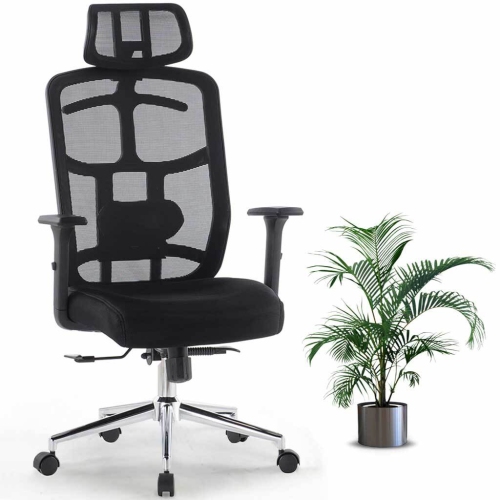 Your price for this item is $143.99
-
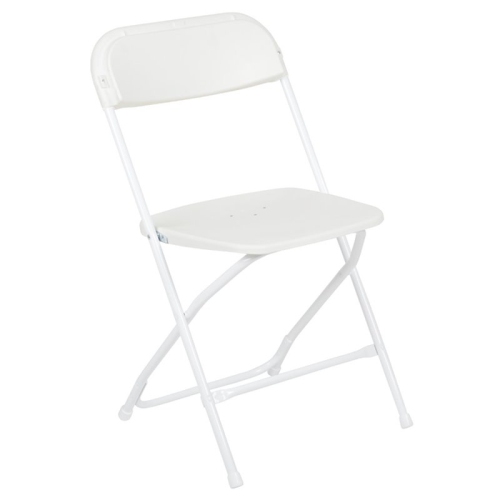 Your price for this item is $123
-
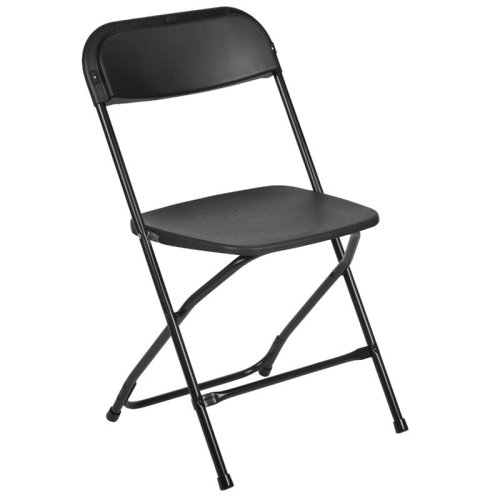 Your price for this item is $139.99
-
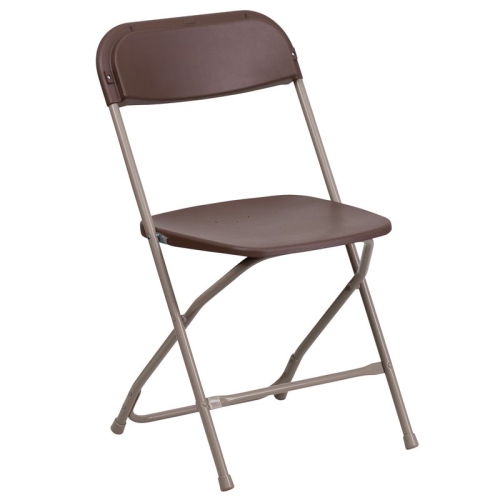 Your price for this item is $139.99
-
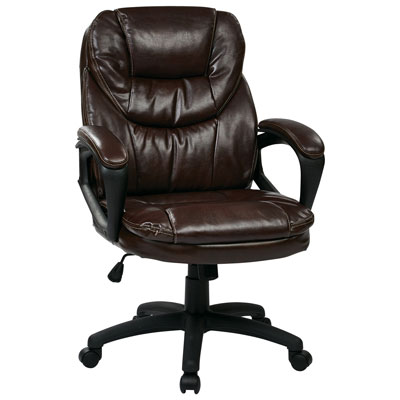 Your price for this item is $203.98
-
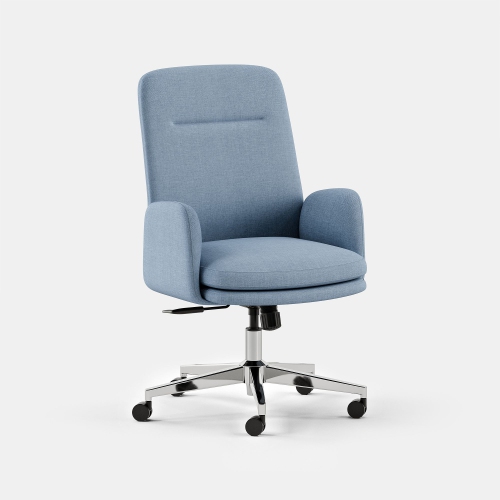 Your price for this item is $429
-
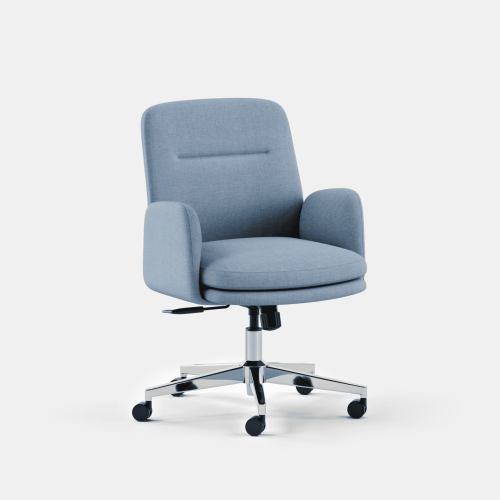 Your price for this item is $379
-
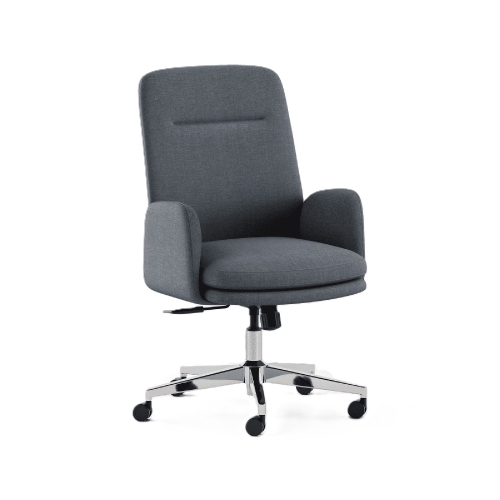 Your price for this item is $429
Discover more categories related to Ergonomic Standing Desk Chairs
Top Collections:
Pokemon Centers, Best Cameras for Sports Photography, Kindle Devices, Samsung Galaxy Phones, Canon G7X Cameras, Pokémon 30th Celebration Cards, Refurbished Apple Laptops, iPhone 15 Apple, Laptops for Students, Budget Smartphones
Some products may be subject to Environmental Handling Fees
(EHF) depending on your province.
Learn more about EHFs.