Ergonomic White Office Chairs
Ergonomic White Office Chairs add a fresh, modern touch to any workspace while supporting comfort throughout the workday. Whether outfitting a home office or upgrading a professional environment, these chairs blend sleek design with practical functionality. Discover a variety of options to complement your setup and enhance your productivity with Ergonomic White Office Chairs that suit your style and needs.
Sort
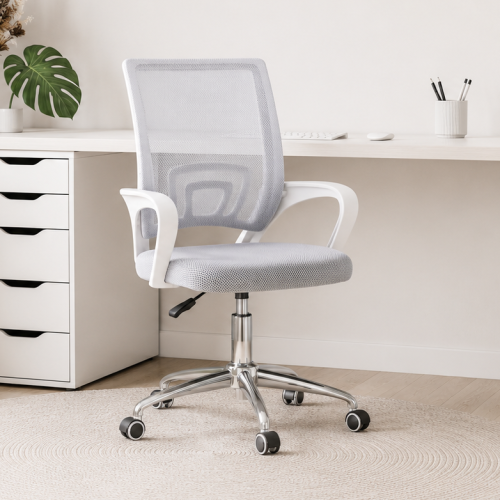
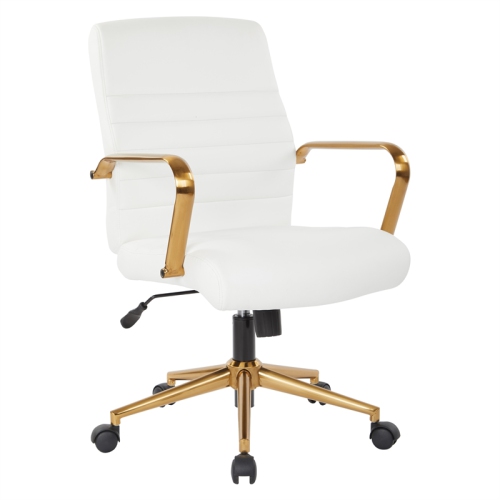
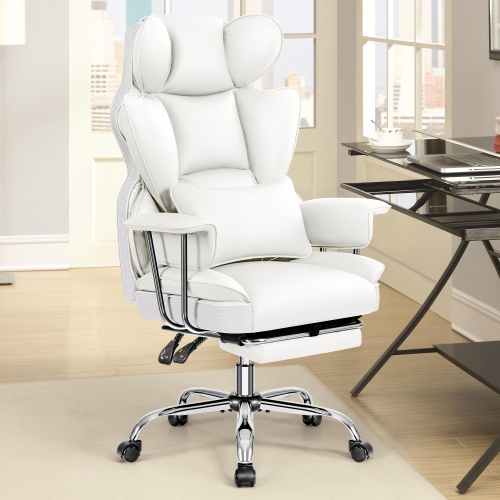
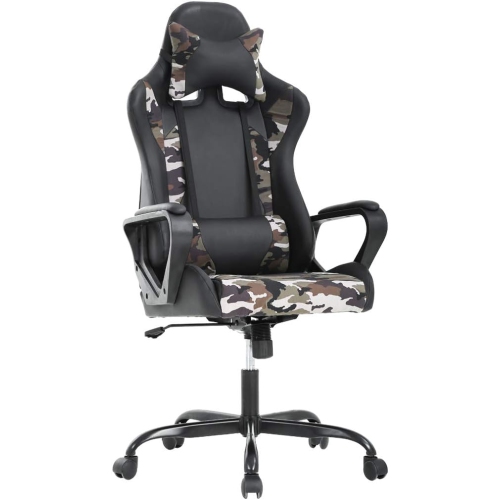
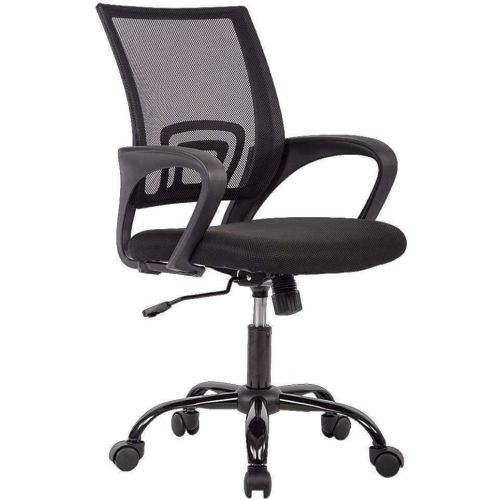
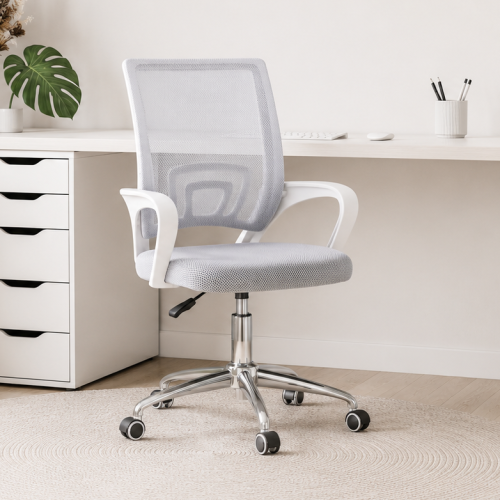
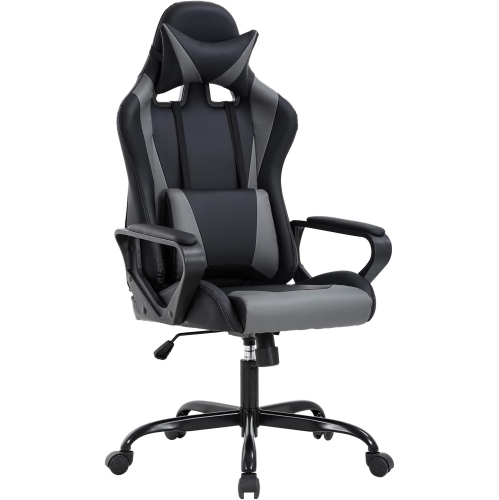
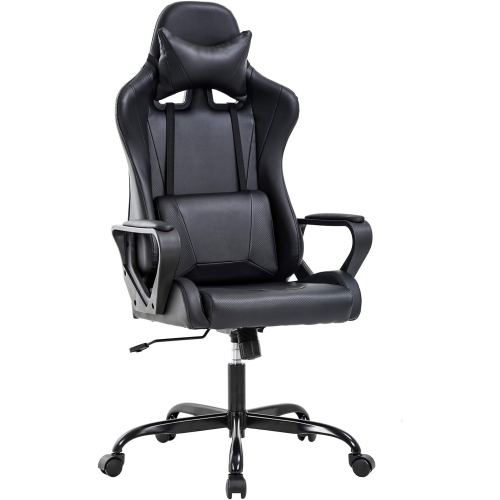
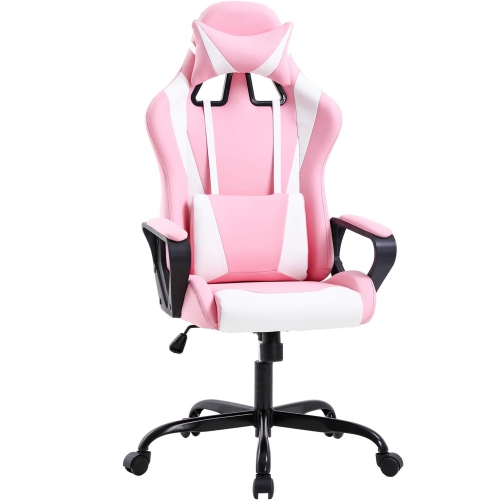
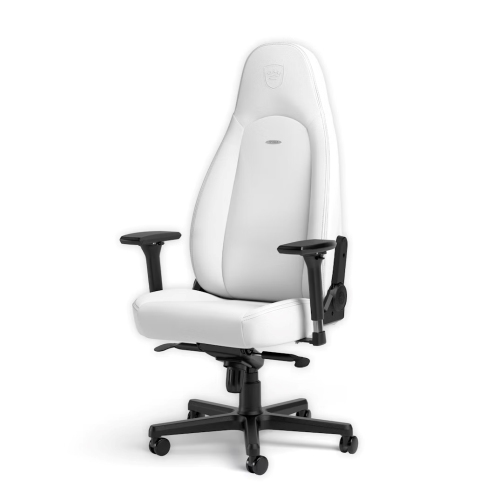
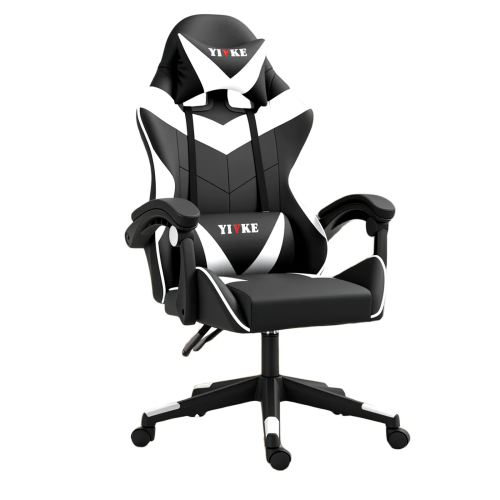
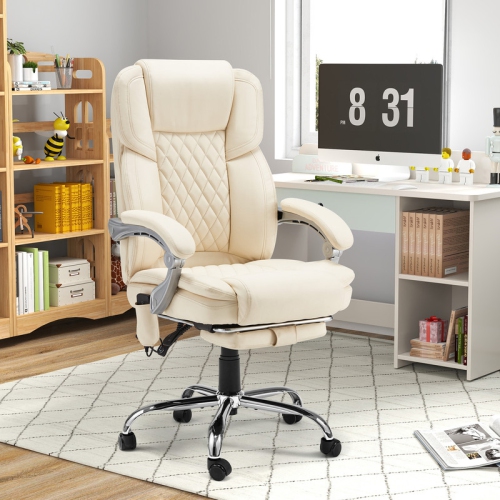
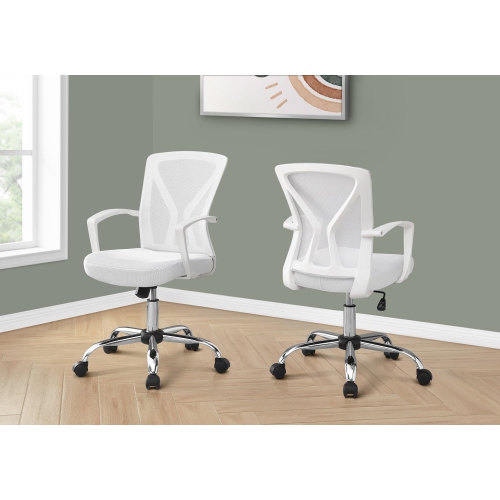
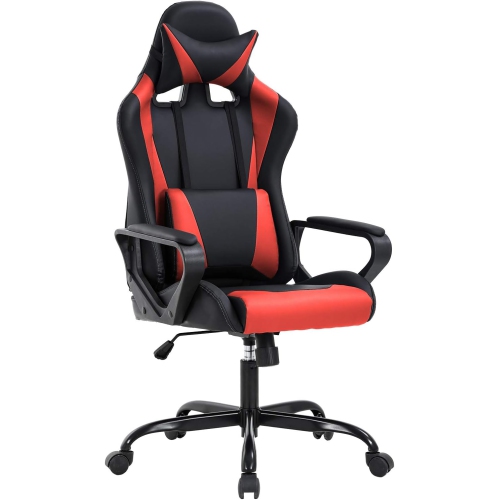
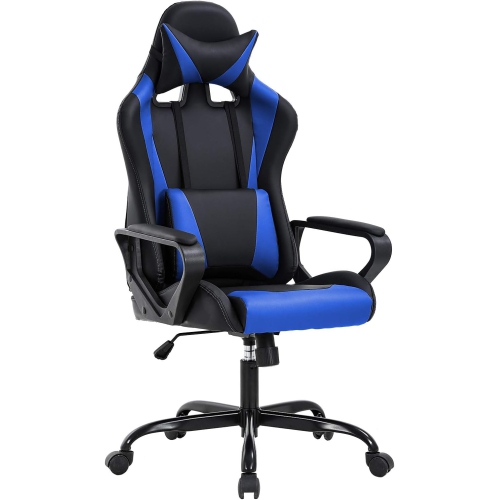
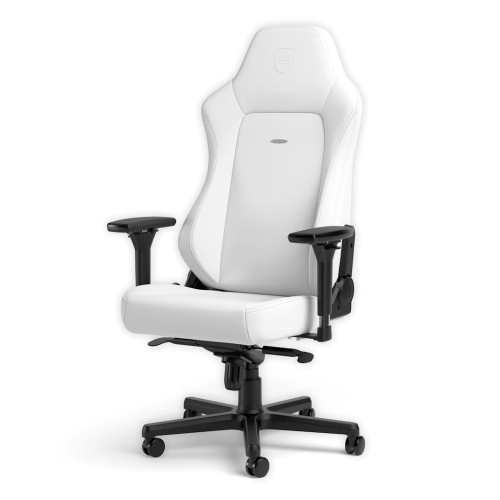
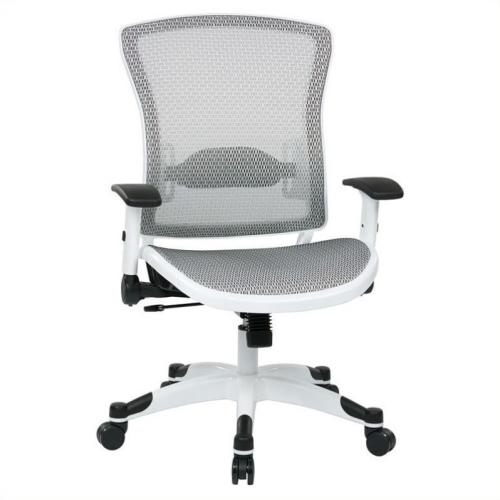
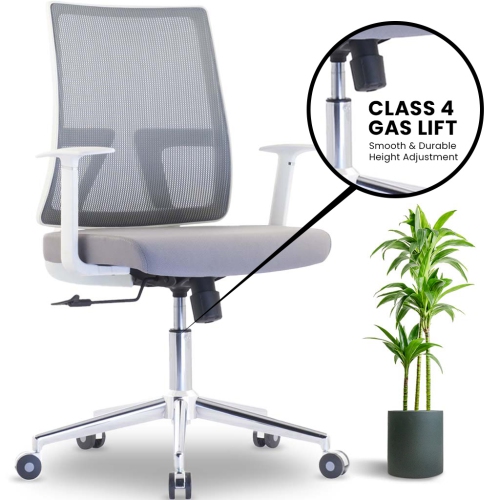
Light finishes meet adjustable support for everyday desk work
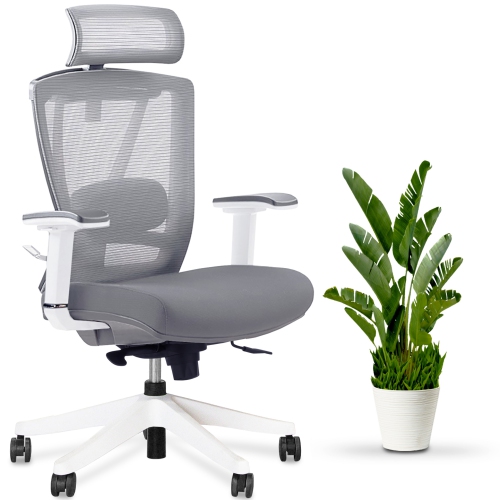
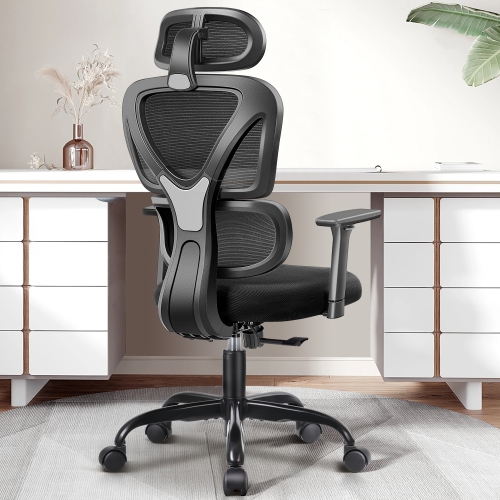
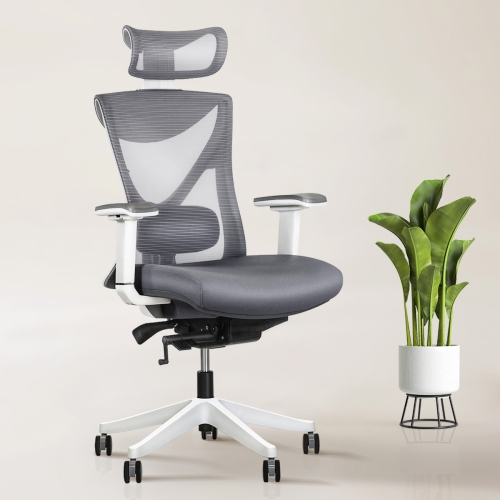
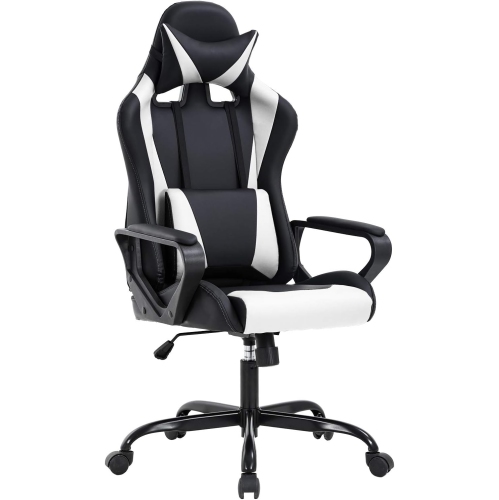
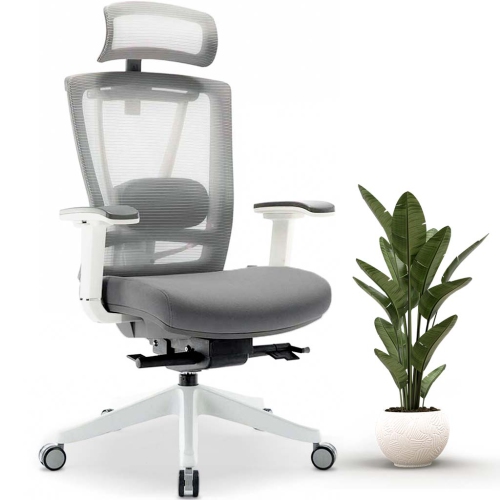
Ergonomic white office chairs pair a light, clean appearance with features designed to support a comfortable seated working position. Their defining qualities are not the colour or a heavily padded silhouette, but the way the seat, backrest, and armrests fit the person using them. Adjustable seat height, supportive lumbar shaping, and a backrest that allows controlled movement can make a chair better suited to typing, reading, video calls, and other desk tasks. A white finish brings these practical features into home offices, study areas, and shared workspaces without the visual weight of darker upholstery. Beside a pale wood desk, it creates a soft, coordinated look; against black shelving or a darker desktop, it provides a clear contrast. White can describe the upholstery, the frame, or both, so the overall effect varies considerably. A white frame with grey mesh has a different character from an upholstered chair with a white seat and back, while cream and off-white finishes introduce warmer tones. These differences matter in a room where the chair sits alongside existing furniture or remains visible from a living area. For remote workers, students, and people managing household paperwork, the appeal is a chair that looks at home in the room while accommodating regular desk use. Compact profiles can work well in a bedroom workspace, while taller backs and broader seats may suit a dedicated office with more room around the desk. Appearance alone does not establish ergonomic suitability, and a chair described as ergonomic will not necessarily fit every body equally well. The most useful features are those that adjust to the user’s proportions and tasks. White office seating can therefore range from a straightforward task chair for shorter sessions to a more adjustable design for a desk used throughout the working day. Across these styles, the strongest match combines an appropriate fit, accessible controls, suitable materials, and a finish that complements the space.
Fit begins with the relationship between the chair, the floor, and the work surface. A suitable seat-height range allows feet to rest flat on the floor or on a footrest while the shoulders stay relaxed at the keyboard. Seat depth matters just as much: with the back supported, there should be a small gap between the front edge of the seat and the backs of the knees. An adjustable seat-depth mechanism can help accommodate different thigh lengths, particularly when more than one person uses the workspace. A gently rounded or waterfall front edge may also reduce pressure behind the legs, although cushioning and seat dimensions still need to suit the user. Lumbar support is intended to follow the natural inward curve of the lower back rather than push the torso forward. Height-adjustable or depth-adjustable support offers more scope to position that contact comfortably, while a fixed curve depends more closely on the backrest matching the individual. Armrests affect both posture and how easily the chair fits beneath a desk. Height adjustment can support the forearms without lifting the shoulders, and width, pivot, or forward-and-back adjustment may help keep the elbows close during keyboard and mouse work. Labels such as 2D or 3D describe multiple adjustment directions, but the actual movements can differ between designs. Flip-up arms offer a different benefit, creating clearance when sliding the chair under a desktop or moving closer to the work surface. Backrest tilt, adjustable recline tension, and tilt locks provide options for changing position between focused typing and less upright tasks, such as reading a document. A headrest may feel useful while leaning back, but its height and angle need to match the user; it should not force the head forward during upright work. For a broader look at seating suited to dedicated rooms and shared household workspaces, Ergonomic Office Chairs for Home Office brings the focus to everyday desk use. No chair replaces regular movement, and changing position or taking brief standing breaks remains useful even with extensive adjustments.
Materials influence how an ergonomic white office chair feels, wears, and fits into a daily cleaning routine. Mesh backrests allow airflow and have a visually open appearance, which can be appealing in a smaller workspace. Their comfort depends on mesh tension, the shape of the supporting frame, and whether the edges contact the shoulders or back. A mesh seat feels different from a padded one, particularly over a longer sitting session, so the construction matters more than the material name alone. Foam cushioning provides a softer contact surface, but thickness does not automatically mean better support. Cushion resilience and the structure beneath it affect whether the seat maintains a comfortable shape with repeated use. Woven fabric adds texture and a less formal look, although spills may soak in more readily than on some coated surfaces. Leather and leather-look upholstery offer smoother finishes, but they require care suited to their particular composition; cleaning methods that work for one surface may damage another. White and pale upholstery can make ink marks, dust along seams, and colour transfer from dark clothing more noticeable. Prompt attention to spills, gentle cleaning according to the manufacturer’s directions, and testing any permitted cleaner on a hidden area can help preserve the finish. Mesh generally benefits from careful dust removal, while seams and the gaps around armrest pads need occasional attention. Durability also depends on the base, castors, adjustment mechanisms, and upholstery attachment, not just the visible seat covering. Stated weight capacity and dimensions help establish suitability, while castor compatibility matters for carpet, hardwood, and other flooring. A suitable chair mat may help protect the surface and improve rolling, depending on the floor and wheel type. Enough clearance behind the desk allows the chair to turn, recline, and move without catching nearby furniture. For shared workstations, controls that are easy to reach make readjustment less of a chore. The result is a white office chair that serves as working furniture rather than simply a decorative accent, with comfort, upkeep, and everyday usability given equal attention.
Fit begins with the relationship between the chair, the floor, and the work surface. A suitable seat-height range allows feet to rest flat on the floor or on a footrest while the shoulders stay relaxed at the keyboard. Seat depth matters just as much: with the back supported, there should be a small gap between the front edge of the seat and the backs of the knees. An adjustable seat-depth mechanism can help accommodate different thigh lengths, particularly when more than one person uses the workspace. A gently rounded or waterfall front edge may also reduce pressure behind the legs, although cushioning and seat dimensions still need to suit the user. Lumbar support is intended to follow the natural inward curve of the lower back rather than push the torso forward. Height-adjustable or depth-adjustable support offers more scope to position that contact comfortably, while a fixed curve depends more closely on the backrest matching the individual. Armrests affect both posture and how easily the chair fits beneath a desk. Height adjustment can support the forearms without lifting the shoulders, and width, pivot, or forward-and-back adjustment may help keep the elbows close during keyboard and mouse work. Labels such as 2D or 3D describe multiple adjustment directions, but the actual movements can differ between designs. Flip-up arms offer a different benefit, creating clearance when sliding the chair under a desktop or moving closer to the work surface. Backrest tilt, adjustable recline tension, and tilt locks provide options for changing position between focused typing and less upright tasks, such as reading a document. A headrest may feel useful while leaning back, but its height and angle need to match the user; it should not force the head forward during upright work. For a broader look at seating suited to dedicated rooms and shared household workspaces, Ergonomic Office Chairs for Home Office brings the focus to everyday desk use. No chair replaces regular movement, and changing position or taking brief standing breaks remains useful even with extensive adjustments.
Materials influence how an ergonomic white office chair feels, wears, and fits into a daily cleaning routine. Mesh backrests allow airflow and have a visually open appearance, which can be appealing in a smaller workspace. Their comfort depends on mesh tension, the shape of the supporting frame, and whether the edges contact the shoulders or back. A mesh seat feels different from a padded one, particularly over a longer sitting session, so the construction matters more than the material name alone. Foam cushioning provides a softer contact surface, but thickness does not automatically mean better support. Cushion resilience and the structure beneath it affect whether the seat maintains a comfortable shape with repeated use. Woven fabric adds texture and a less formal look, although spills may soak in more readily than on some coated surfaces. Leather and leather-look upholstery offer smoother finishes, but they require care suited to their particular composition; cleaning methods that work for one surface may damage another. White and pale upholstery can make ink marks, dust along seams, and colour transfer from dark clothing more noticeable. Prompt attention to spills, gentle cleaning according to the manufacturer’s directions, and testing any permitted cleaner on a hidden area can help preserve the finish. Mesh generally benefits from careful dust removal, while seams and the gaps around armrest pads need occasional attention. Durability also depends on the base, castors, adjustment mechanisms, and upholstery attachment, not just the visible seat covering. Stated weight capacity and dimensions help establish suitability, while castor compatibility matters for carpet, hardwood, and other flooring. A suitable chair mat may help protect the surface and improve rolling, depending on the floor and wheel type. Enough clearance behind the desk allows the chair to turn, recline, and move without catching nearby furniture. For shared workstations, controls that are easy to reach make readjustment less of a chore. The result is a white office chair that serves as working furniture rather than simply a decorative accent, with comfort, upkeep, and everyday usability given equal attention.
Top selling and popular products
-
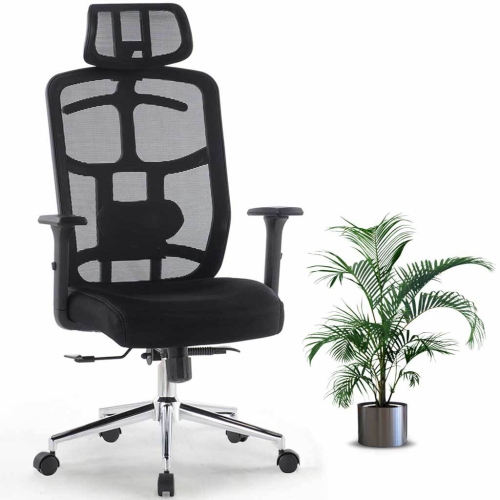 Your price for this item is $114.99
 -
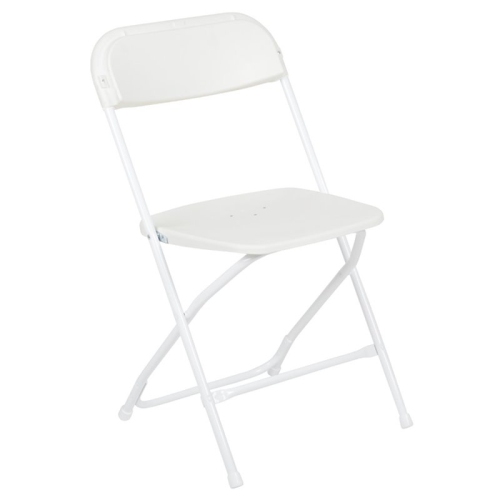 Your price for this item is $123
 -
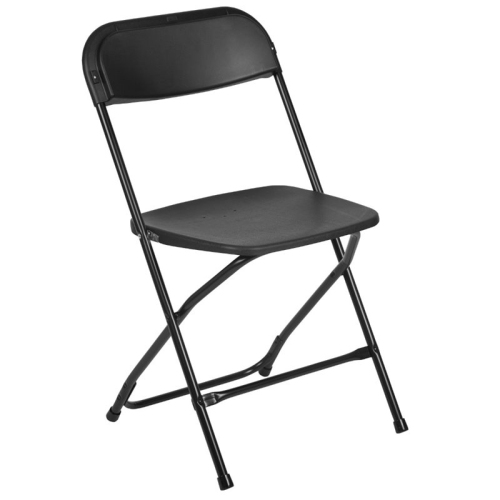 Your price for this item is $139.99
 -
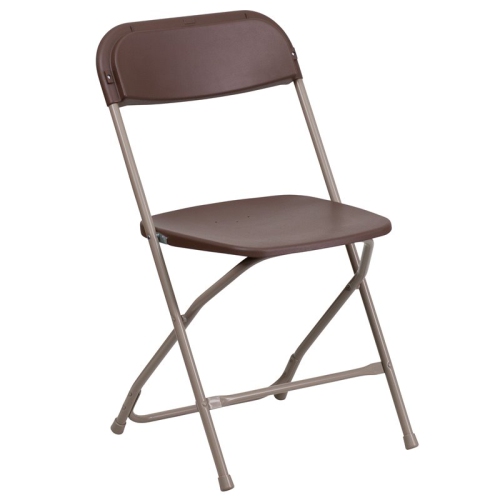 Your price for this item is $139.99
 -
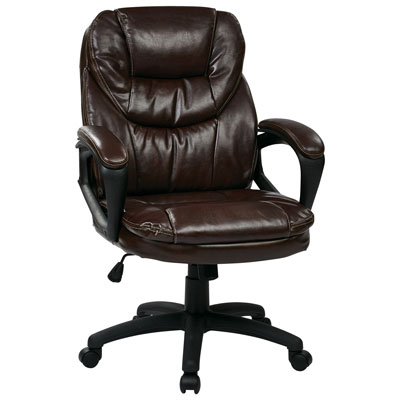 Your price for this item is $203.98
 -
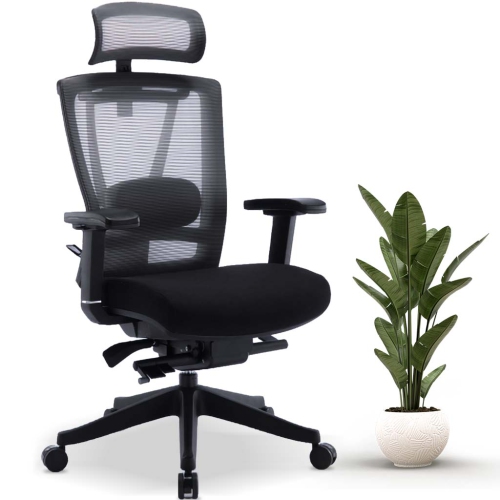 Your price for this item is $379.99
 -
 Your price for this item is $379.99
 -
 Your price for this item is $594.99
Discover more categories related to Ergonomic White Office Chairs
Top Collections:
Pokemon Centers, Kindle Devices, Best Budget Office Chairs, Apple iPhones 16, Best Laptops for Writers, iPhone 15 Apple, Canon G7X Cameras, Refurbished Apple Laptops, Alarm Clock, Motorola Razr Phones
Some products may be subject to Environmental Handling Fees
(EHF) depending on your province.
Learn more about EHFs.