Essential Items for Moving Into A New Home
Getting ready for a fresh start means having the right essentials on hand. Essential items for moving into a new home help make your transition smoother and more comfortable, whether you’re settling into your first apartment or upgrading to a larger space. From kitchen basics to cleaning tools, furniture, and smart gadgets, having these must-haves ensures you’re prepared from day one. Find everything you need to set up each room and enjoy a seamless move-in experience.
Sort

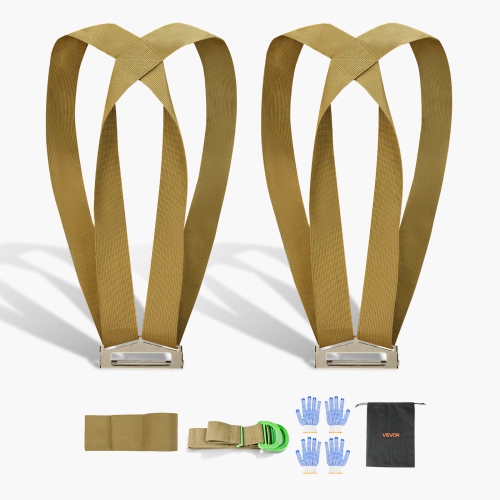
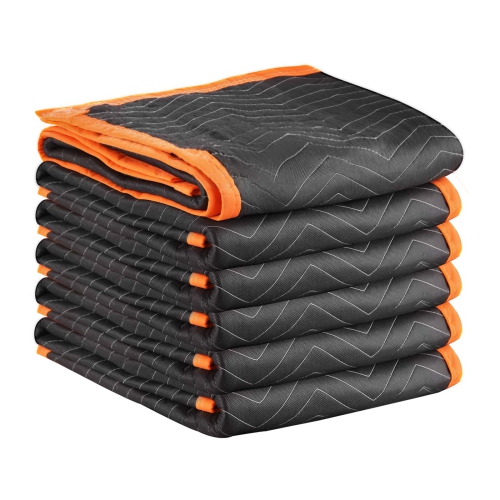
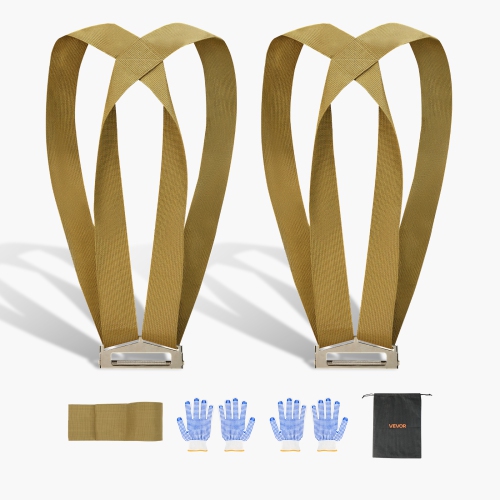


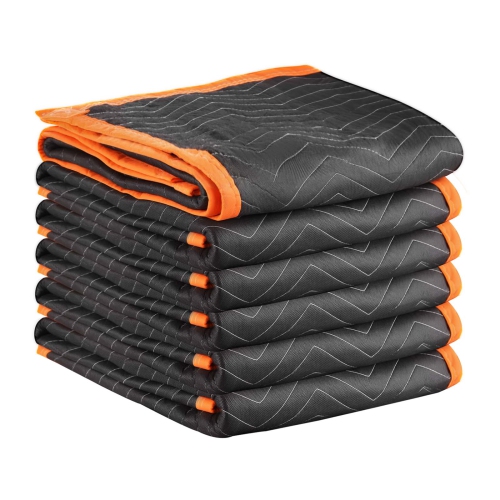
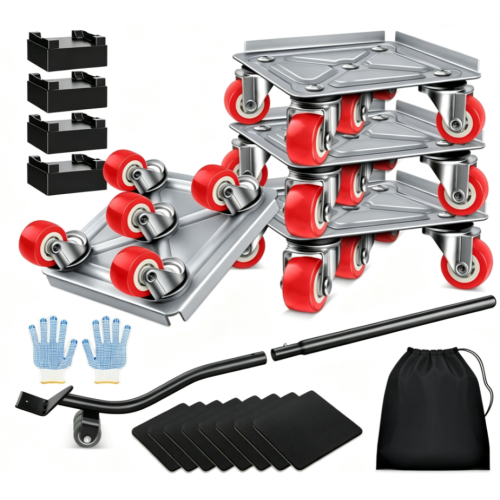
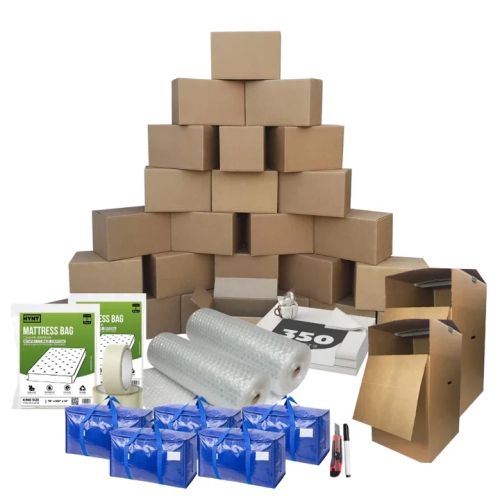
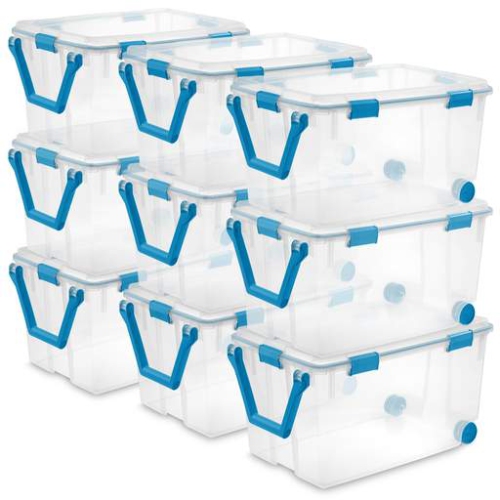
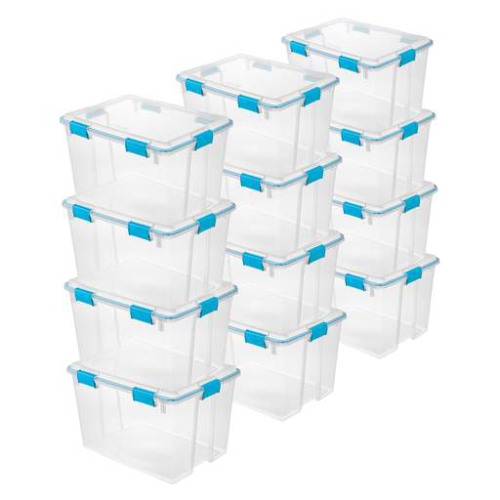
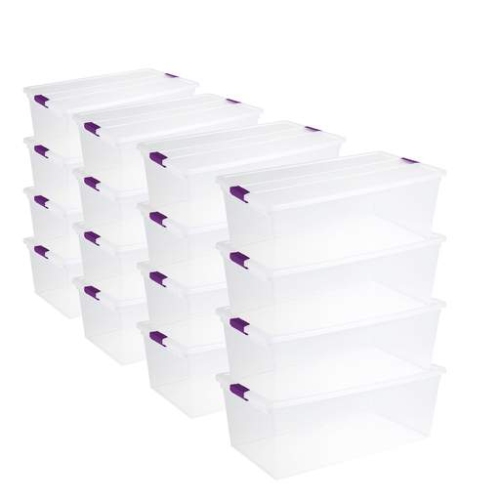
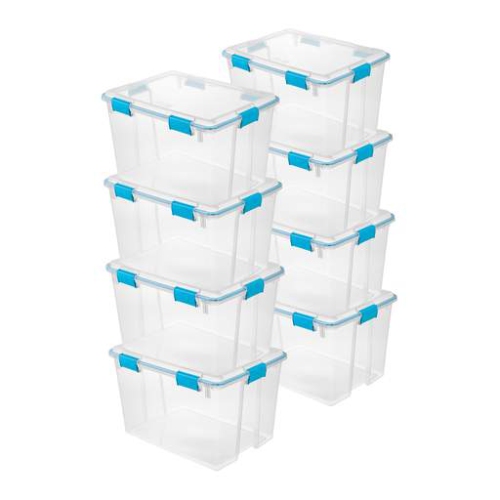
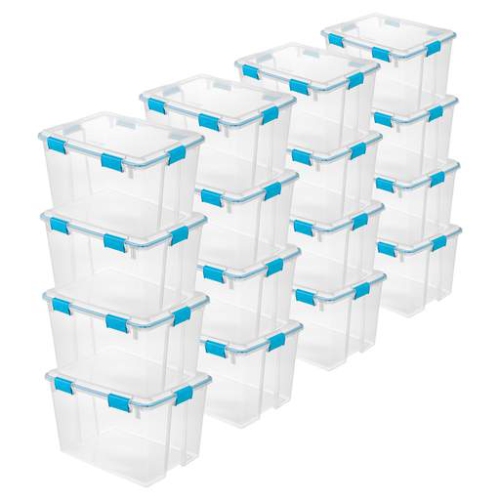

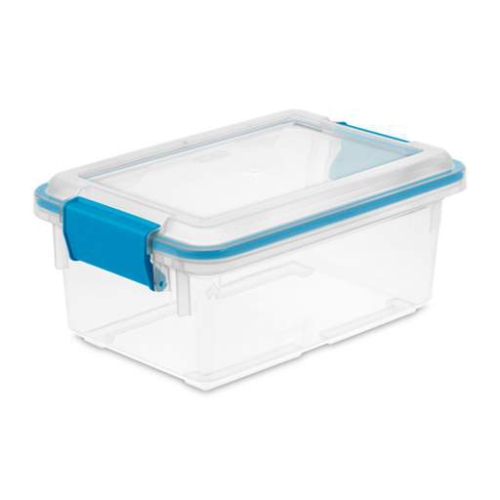
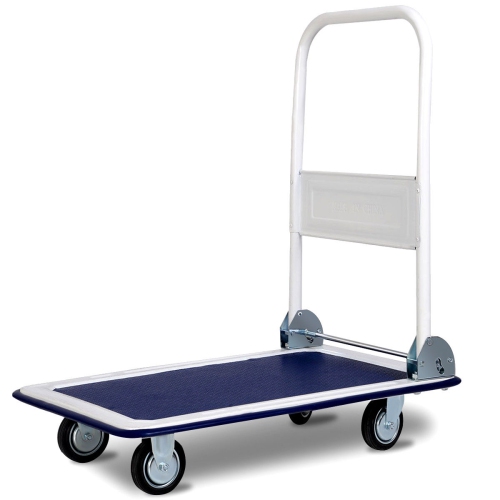
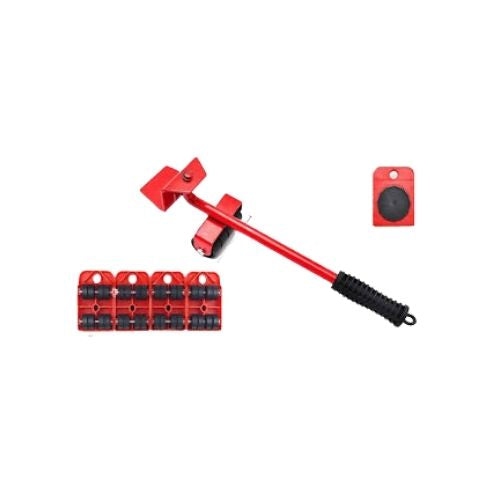

Everyday comfort starts with the first box you unpack
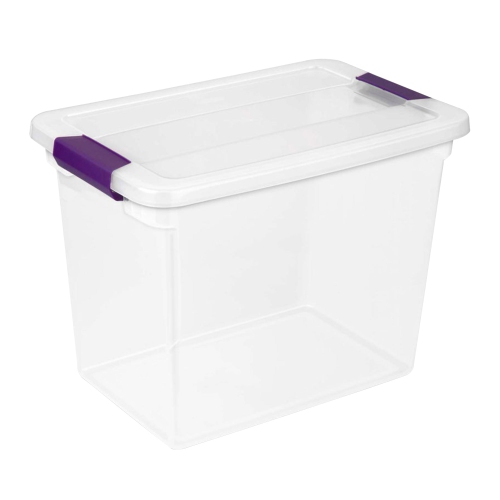
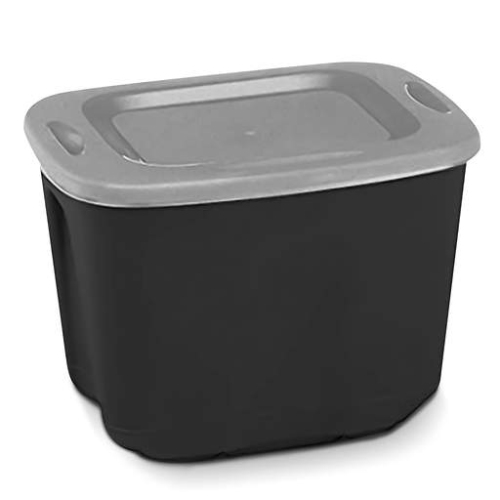
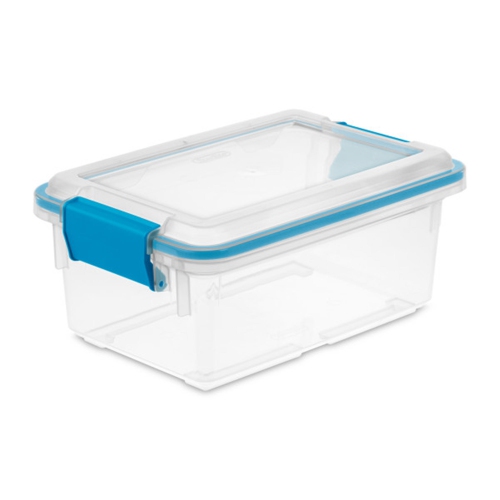
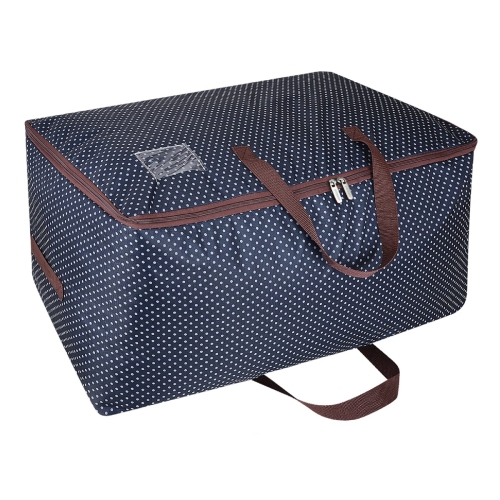
Essential items for moving into a new home generally include cleaning supplies, basic tools, a first-aid kit, bedding, bathroom necessities, kitchen basics, and everyday charging and lighting essentials. These categories support the first 24 to 48 hours, when familiar routines still need to happen even though most belongings are packed away. An essentials box keeps frequently needed belongings together, making it easier to wash up, prepare a simple meal, charge a phone, and settle in for the night without searching through every carton. For a household with children, accessibility may mean keeping familiar bedtime comforts close at hand; for someone moving alone, it may mean having basic setup supplies within reach before larger furniture is assembled. Cleaning supplies are particularly useful before cupboards, drawers, and floors fill up, but their suitability depends on the surfaces being cleaned. Wood finishes, natural stone, stainless steel, and upholstered furniture can have different care requirements, so labelled uses and manufacturer instructions matter more than an all-purpose claim. Basic tools support ordinary adjustments and furniture assembly, with comfortable grips and clearly marked sizes making them easier to use. A first-aid kit belongs somewhere easy to find rather than at the bottom of a moving box. The broader range of Moving Day Essentials can also help households consider the practical gap between arriving at a new address and having every room arranged. Compact storage, easy-to-clean materials, and belongings that serve more than one everyday purpose are especially useful during that transition. A small apartment may have little room for packaging or temporary piles, while a larger home may require essentials in more than one area. The most useful choices reflect how the household actually lives, including meal routines, work schedules, accessibility needs, and the amount of setup that can realistically happen on the first day. Even the location of the first opened box matters: essentials are most helpful when they remain accessible after the hallway fills with furniture and cartons.
Kitchen, bathroom, and bedroom essentials form the foundation of daily comfort, but materials and fit make a noticeable difference to how well they work in a new space. Kitchen basics need to suit the cooking facilities, storage dimensions, and number of people who will use them. Cookware compatibility matters when moving between different cooking surfaces, and heavier materials may feel sturdy but be less convenient for someone with limited grip strength. Dishwasher-safe construction can simplify everyday care, while hand-wash requirements deserve consideration in a busy household or a kitchen with limited cleanup space. Small appliances need suitable counter space, clearance, and an appropriate electrical connection; their footprint includes room to use them comfortably, not just room to set them down. In the bathroom, washable textiles, practical storage, and slip-resistant features can help make a compact room easier to use. Materials that tolerate frequent washing are useful in shared bathrooms, where belongings tend to see heavier daily use. Storage should leave plumbing, doors, and drawers accessible rather than crowding the space around them. Bedroom essentials call for equally careful measurements, particularly when bed sizes, mattress depth, or furniture layouts differ from the previous home. Bedding fit affects comfort as well as appearance: corners that pull loose or fabric that bunches can become a nightly annoyance. Cotton, linen, and blended fabrics offer different textures and care needs, while closures, seams, and care labels provide useful clues about everyday upkeep. A washable cover can be a practical feature for households with children or pets. Colour can help a room feel coordinated before the rest of the home is finished, but comfort and manageable care usually matter more than matching every piece. For shared households, clearly separated storage and enough space for each person’s daily belongings can prevent clutter from collecting around the sink or bedside. These are the details that make an unfamiliar room feel usable, even while an unopened box still occupies the corner.
Furniture, lighting, household technology, and larger appliances bring another set of considerations because they need to work with the home itself. Overall dimensions are only part of the fit: doorways, stair turns, lift access, baseboards, and the space needed to open a drawer or appliance door can all affect placement. A piece that fits along a wall may still interrupt the path between the entrance and the kitchen. Durable construction is valuable in high-use areas, particularly where furniture will support daily dining, studying, or working from home. Smooth, wipeable finishes can simplify cleanup, while removable upholstery covers may make ongoing care more manageable when their washing instructions suit the household. Adjustable seating and a desktop with enough usable space can support a more comfortable work area without taking over an entire room. Lighting needs vary between reading, food preparation, and general use, so brightness, placement, and accessible controls matter alongside appearance. Household technology is most useful when it connects reliably with existing devices and services. Wi-Fi coverage can differ considerably between homes because of layout, distance, and building materials, making connection needs worth considering before choosing where a workspace or entertainment area will go. Charging access and tidy cable placement also help keep frequently used spaces functional without creating obstacles across walking routes. Larger appliances need suitable capacity, connections, clearance, and access for routine cleaning or maintenance, with installation requirements confirmed before setup. For renters, portable furnishings and storage that does not require permanent alterations may be a better fit than fixed solutions. For new homeowners, adaptable pieces can leave room for layouts and routines to develop over time. Housewarming gifts are often most appreciated when they suit a genuine need, the recipient’s space, and their preferences for care and use. Whether the move involves a first apartment, a shared home, or a larger household, practical essentials earn their place by making ordinary tasks easier long after the last box has been unpacked.
Top selling and popular products
-
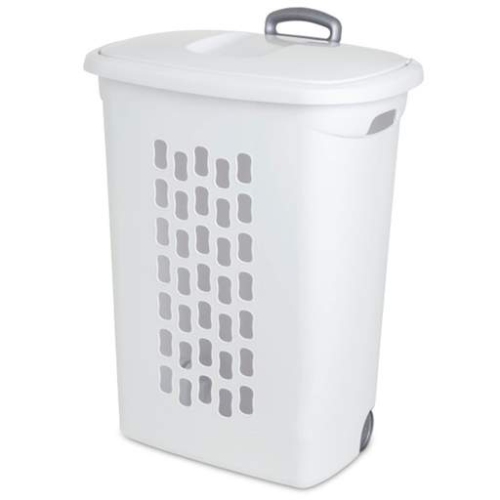 Your price for this item is $698.99
-
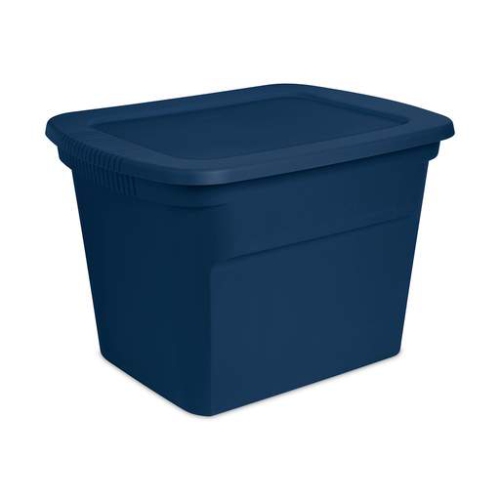 Your price for this item is $859.99
-
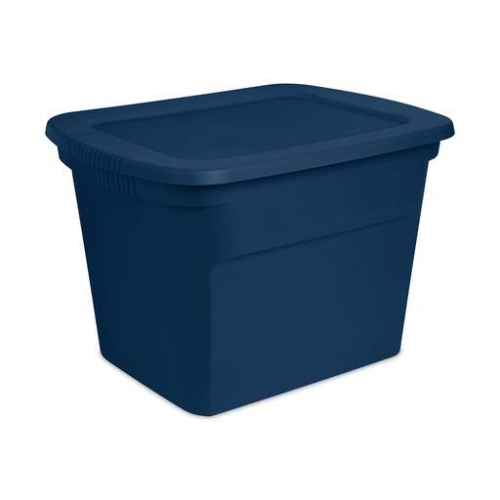 Your price for this item is $1197.99
-
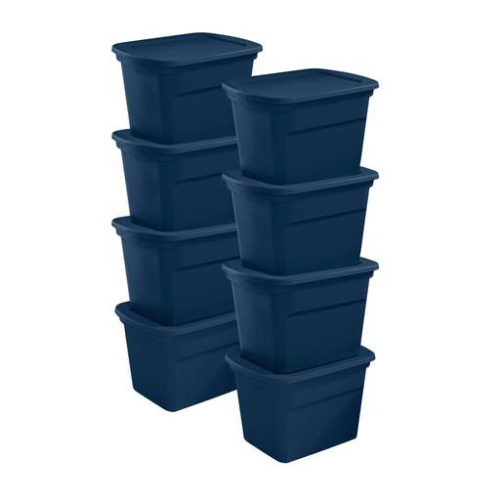 Your price for this item is $299.99
-
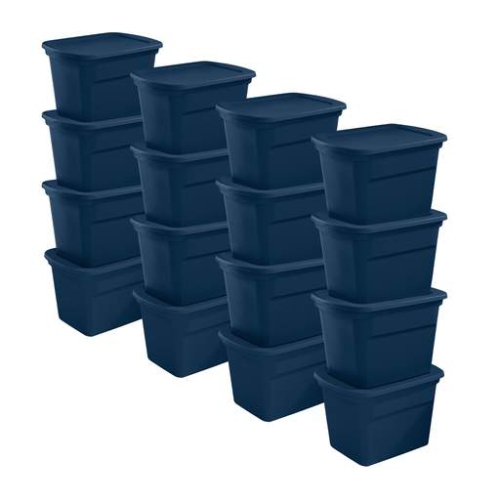 Your price for this item is $573.99
-
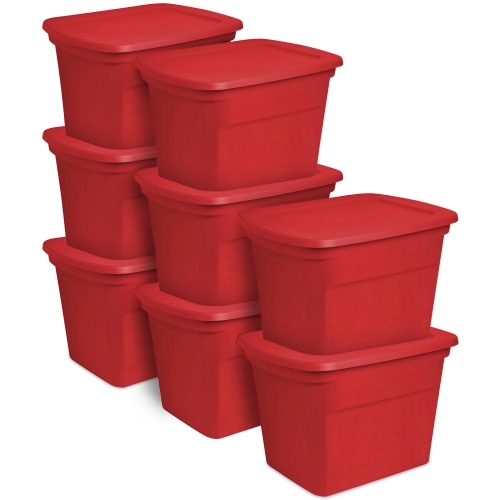 Your price for this item is $253.99
-
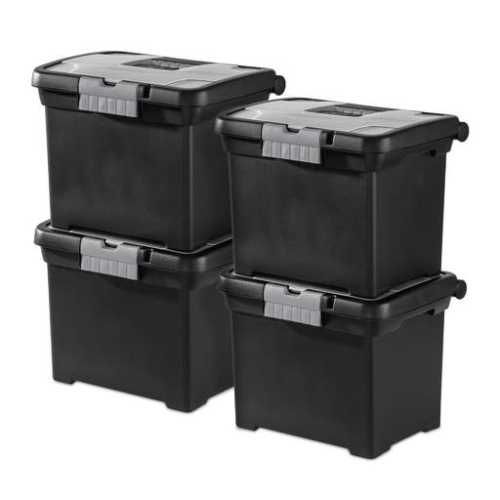 Your price for this item is $178.99
-
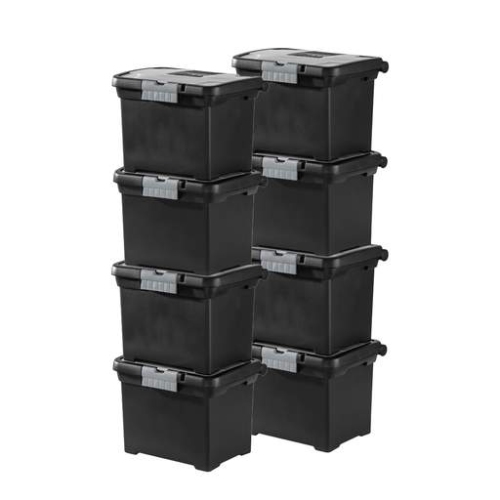 Your price for this item is $348.99
Discover more categories related to Essential Items for Moving Into A New Home


Top Collections:
Best Black Friday Deals This Year, Best Black Friday Deals On Electronics, Kindle Devices, Dyson Airwrap, Best Cameras for Sports Photography, Best Budget Office Chairs, Canon G7X Cameras, PS5 Pro Consoles, Best Black Friday Deals On Apple Products, XBOX One S Consoles
Some products may be subject to Environmental Handling Fees
(EHF) depending on your province.
Learn more about EHFs.