First Home Essentials
Setting up your first home is an exciting milestone, and having the right essentials can make the transition smoother and more enjoyable. From must-have kitchen gadgets to cozy bedding, this collection of home essentials has everything you need to create a comfortable and functional living space. Whether you're moving into a new place or looking to refresh your current home, these carefully curated items are designed to help you settle in and make your space uniquely yours. Explore our selection of first home essentials to start building the perfect foundation for your new abode.
Sort
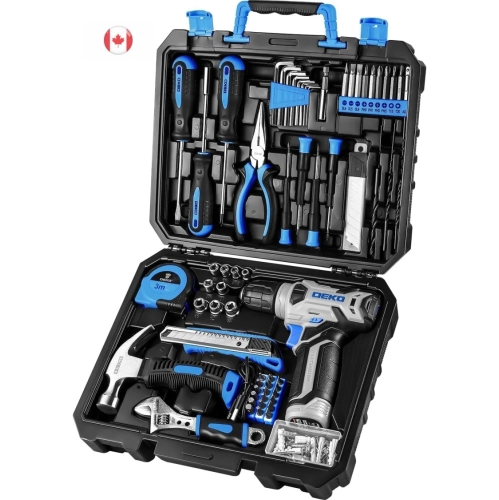
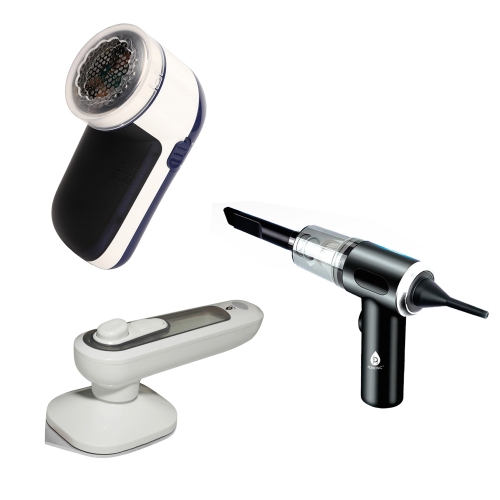

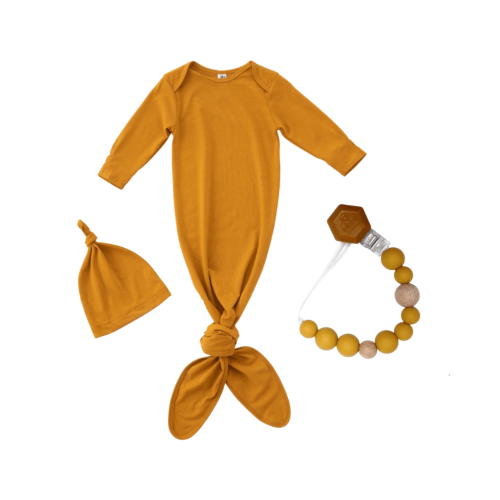
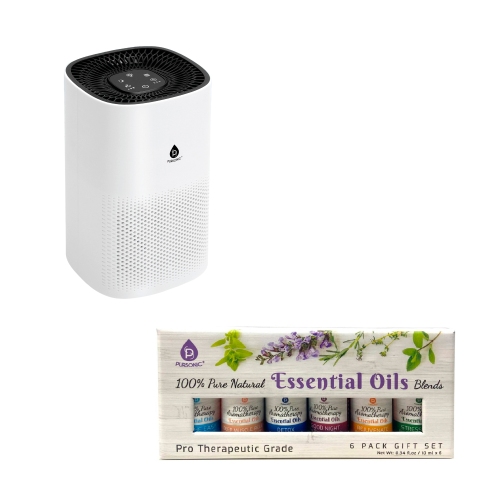










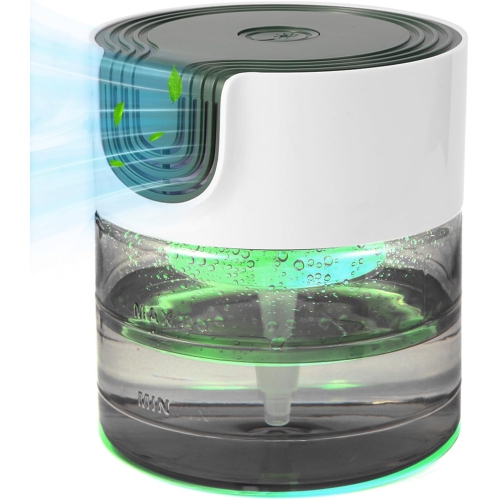
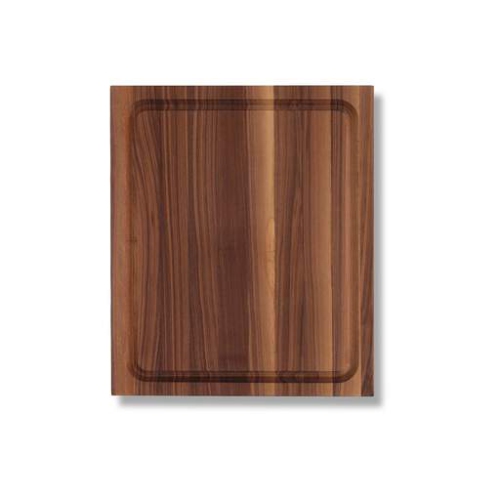
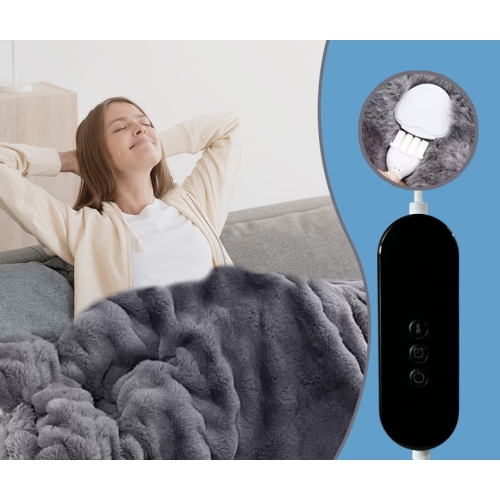

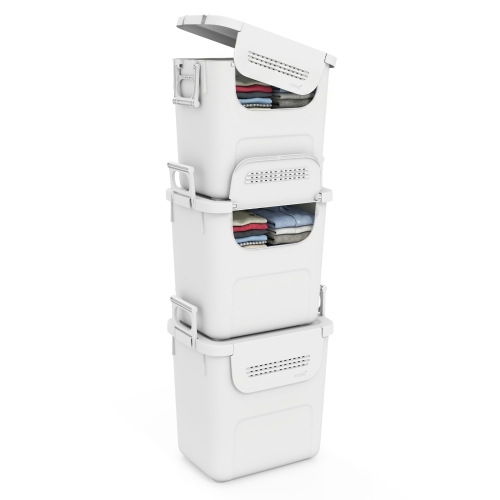










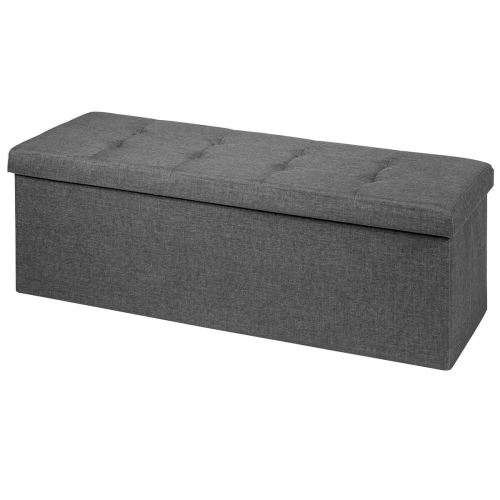
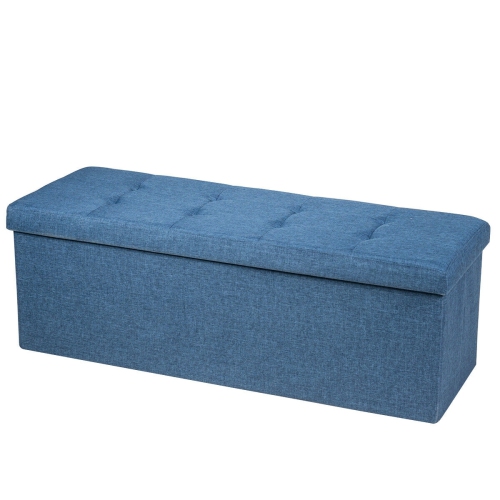

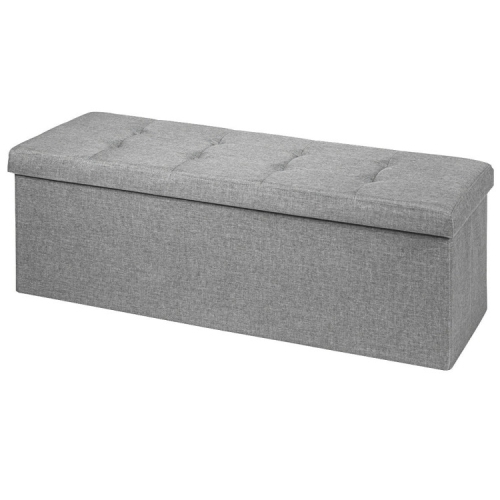
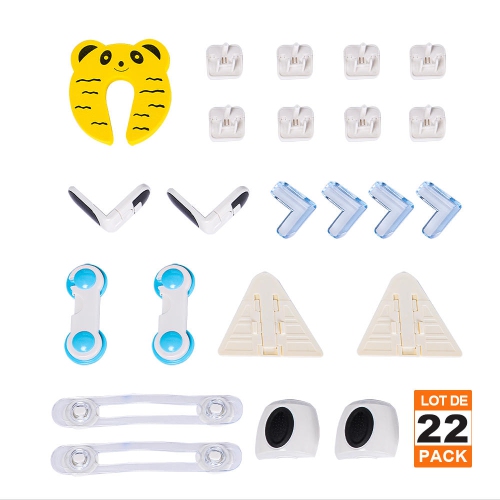
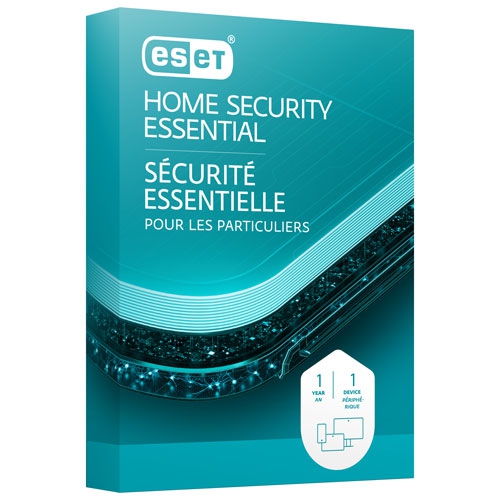

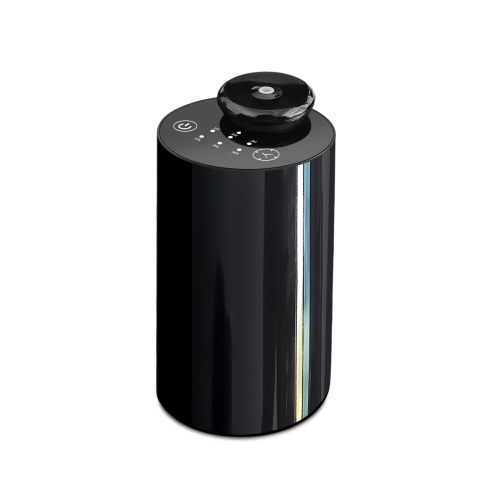
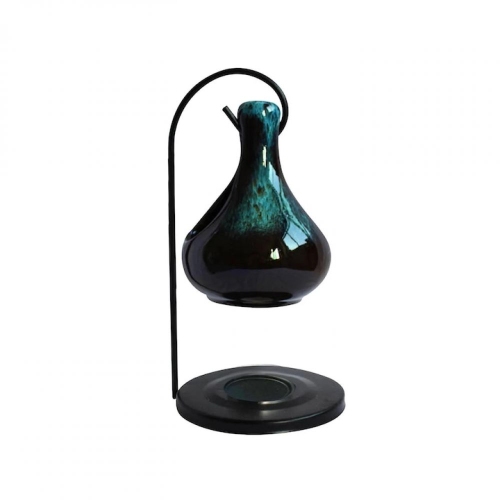
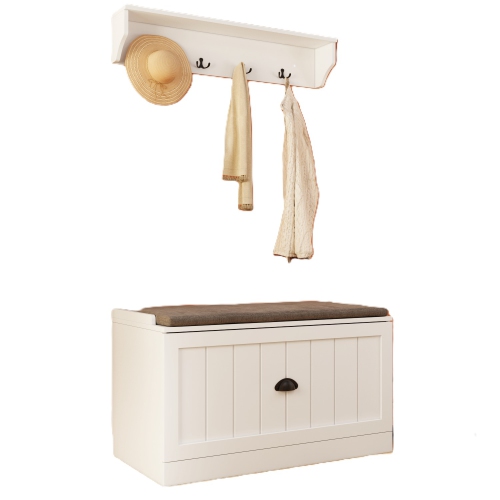

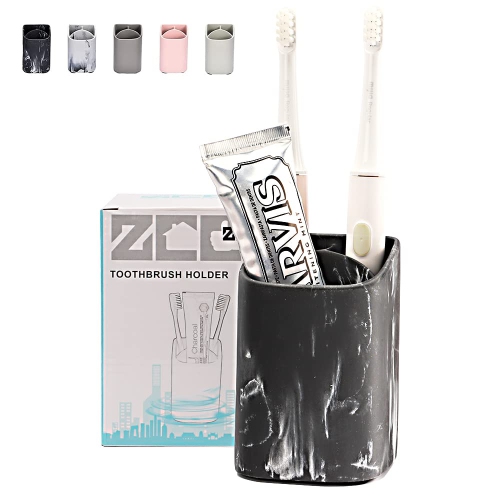
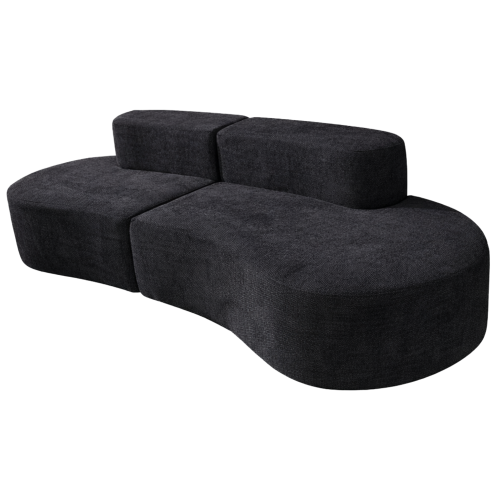
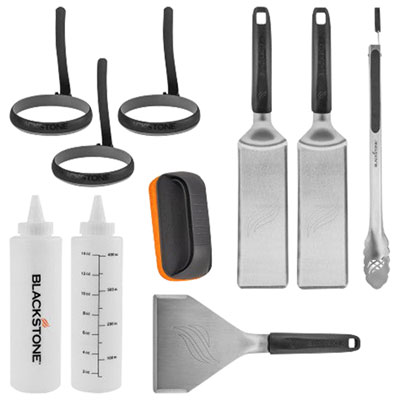
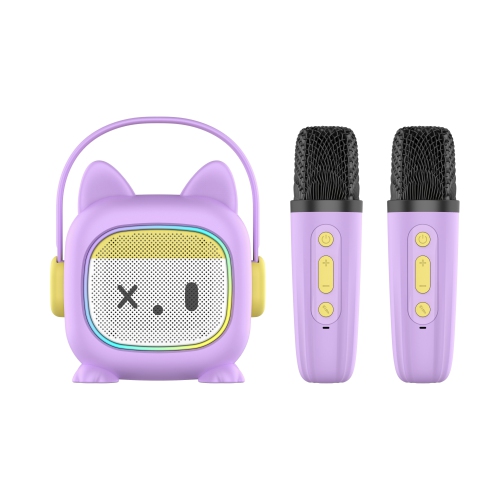


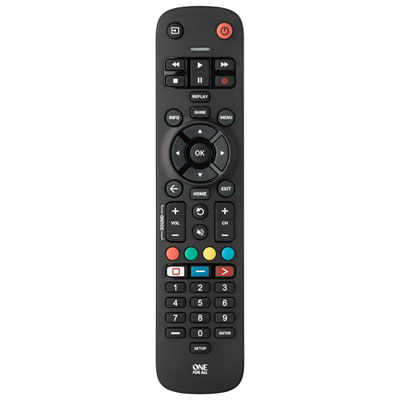
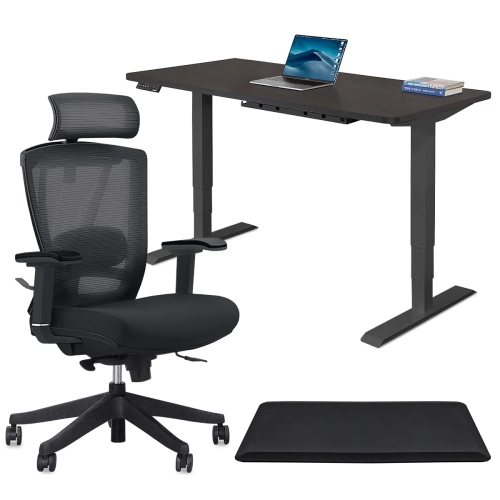
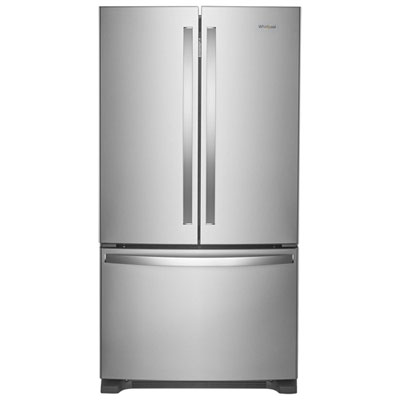

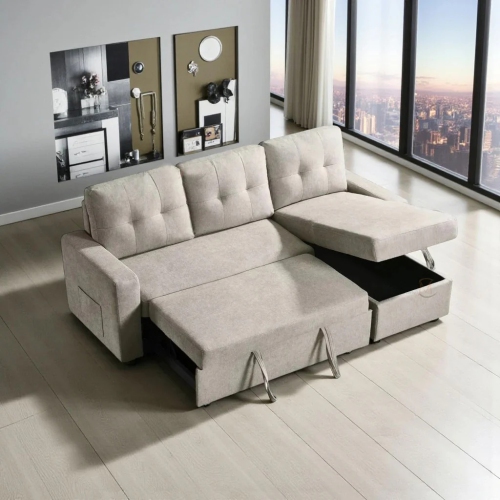

Everyday comfort starts with pieces that fit your space
First home essentials are the everyday furnishings, household supplies and practical equipment that make a new space ready for sleeping, cooking, cleaning and daily routines. They support the moments that make a place feel lived in: preparing breakfast before work, finding clean bedding after moving day and having somewhere comfortable to sit when the unpacking pauses. The right mix depends on the home itself, the number of people sharing it and what is already included. A compact condo with built-in storage has different needs from a house with several bedrooms, while a rental may place limits on wall mounting or permanent changes. Furniture proportions matter as much as appearance. A piece that looks comfortable in a large room can crowd a narrow living area, and generous storage is only useful when doors and drawers have space to open. Doorways, stair turns, lift dimensions and delivery access all affect whether furnishings will fit comfortably into the home. Materials also shape how well everyday purchases suit the household. Sealed wood and coated metal generally offer straightforward surface care, while upholstered finishes bring softness and may need more attention to spills, pet hair or frequent use. Removable covers and clearly stated cleaning instructions can make that upkeep easier. Durable construction, stable bases, secure fittings and appropriate weight capacities are worth considering wherever furniture will see regular use. For households with children or pets, rounded edges, accessible storage and furniture that can be secured according to the manufacturer’s instructions may be especially relevant. First home essentials do not need to create a fully finished interior at once. A useful assortment supports immediate needs while leaving room for personal taste to develop, whether the space belongs to a first-time homeowner, a couple moving in together or someone setting up an independent household after years of sharing.
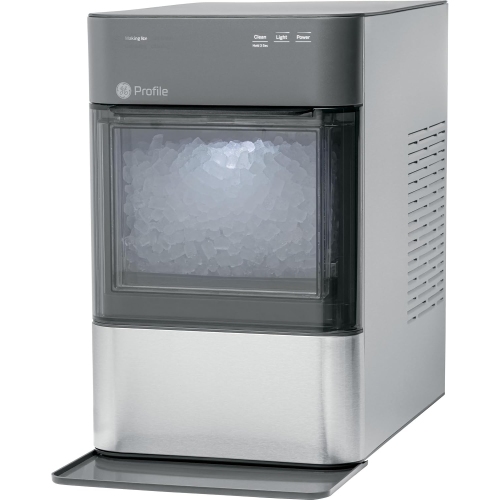
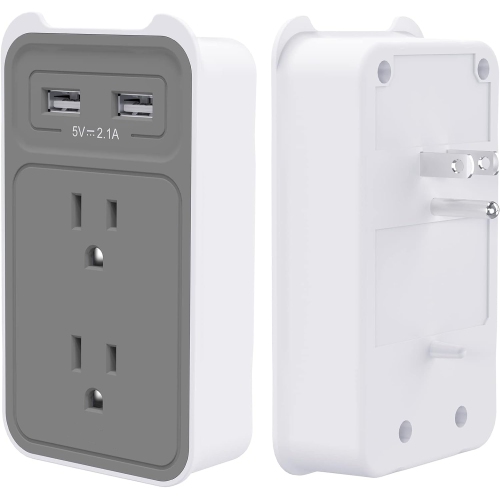
Kitchen, bathroom and cleaning essentials carry much of the daily workload in a new home. In the kitchen, intended use helps distinguish genuinely useful purchases from things that will spend most of their time tucked away. Someone who prepares most meals at home may value durable food-preparation equipment, flexible cookware and storage that keeps ingredients easy to reach. A household built around quick breakfasts and occasional entertaining may need a different balance of countertop appliances, tableware and serving pieces. Worktop space, cupboard depth and access to electrical outlets influence how comfortably these categories fit into everyday routines. Appliance dimensions also need to account for the clearance, ventilation and electrical requirements stated by the manufacturer, rather than just the footprint shown in a photograph. Cookware materials differ in weight, heat response and care requirements, and compatibility with the cooking surface matters, particularly with induction. Dishwasher-safe finishes can simplify cleanup, although care labels remain the best reference for preserving coatings, seals and surface appearance. Food storage works best when containers suit both typical portions and the available fridge or cupboard space. In bathrooms, absorbency, drying time and wash instructions help determine whether household textiles are suited to frequent use. Storage that keeps personal care supplies within reach without crowding shared surfaces can make a small bathroom feel more manageable. Cleaning equipment should match the surfaces throughout the home: hard flooring, rugs and upholstery can require different attachments or cleaning methods. Suitable floor-care tools and accessible household storage make routine tidying less of a production when everyday messes appear. Laundry arrangements matter too, especially in homes with shared facilities or limited space for drying and sorting. Across these practical categories, easy-to-clean surfaces, replaceable components where offered and manageable storage dimensions contribute to long-term usefulness. The result is a home that can handle ordinary demands, from a busy weekday breakfast to the cleanup after friends stay for dinner, without every task requiring an improvised solution.
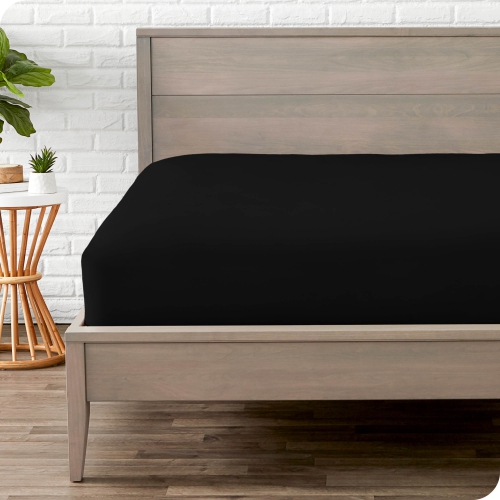
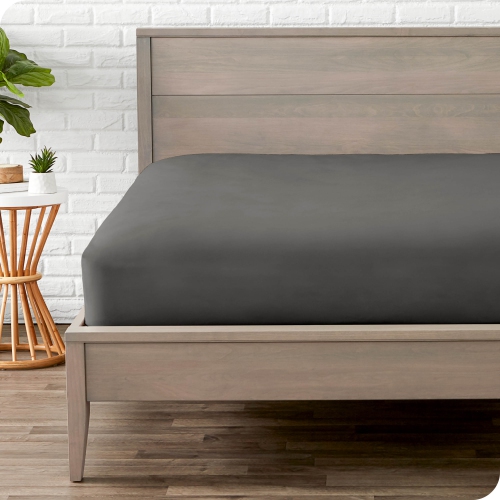
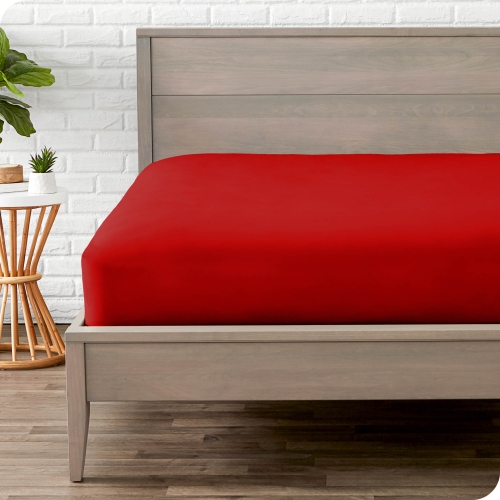
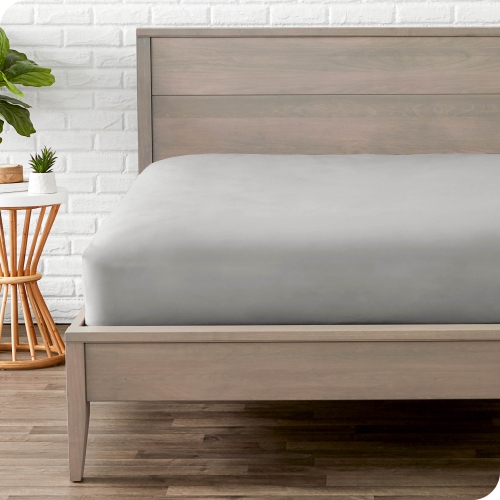
Bedrooms, living areas and workspaces add another layer of comfort and function to a first home. Sleep essentials need to suit the person using them as well as the room, with attention to dimensions, support preferences, textile feel and care requirements. Bedding sizes should match the actual sleep surface, and deeper mattresses may need a different fit from shallower ones. Washable fabrics and a manageable laundry routine can matter just as much as colour or pattern. In shared living areas, seating is most useful when its depth, height and firmness suit the people who use it regularly. A comfortable arrangement leaves clear walking routes and enough space for everyday activities rather than filling every available corner. Lighting can support different tasks within the same room, with focused illumination for reading or working and softer light for relaxing. For a home office, a well-proportioned desktop, supportive seating and accessible cable management help create a practical work area, even when it occupies part of a bedroom or living room. Technology needs depend on the household, but reliable Wi-Fi coverage and compatibility between connected devices are relevant when work, entertainment and communication share the same space. Safety essentials belong alongside these comfort-focused purchases. Working alarms, suitable household safety equipment and installation that follows manufacturer instructions and applicable local requirements help support everyday readiness. First home purchases also make thoughtful housewarming gifts when they reflect the recipient’s routines and available space. Practical household textiles or versatile kitchenware may be more useful than a large furnishing chosen without knowing the room dimensions or personal preferences. Gift choices are especially considerate when they are easy to care for and do not require permanent installation. For a broader view of related household categories, Essential Items for Moving Into A New Home brings together another perspective on settling into a new space. The most useful first home essentials earn their place through regular use, helping each room feel comfortable, organized and ready for the people who call it home.
Top selling and popular products
-
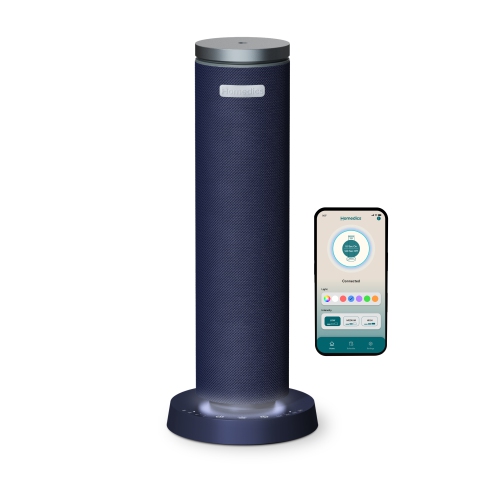 Your price for this item is $119.99
-
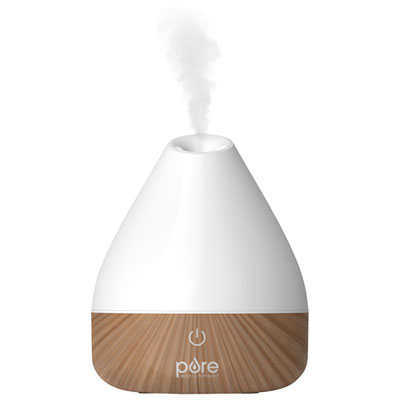 Your price for this item is $64.99
-
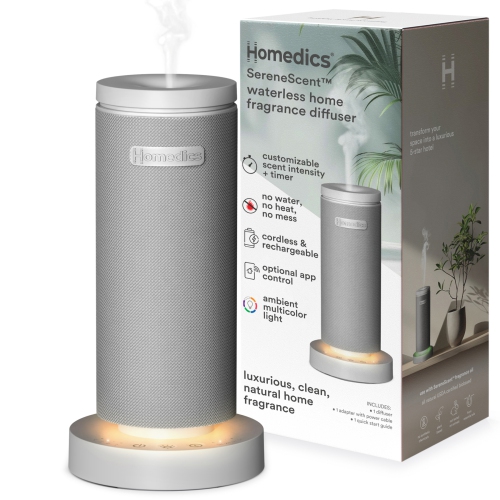 Your price for this item is $69.99
-
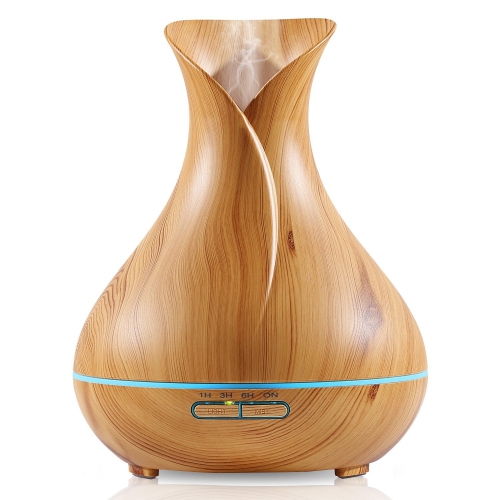 Your price for this item is $79.99
-
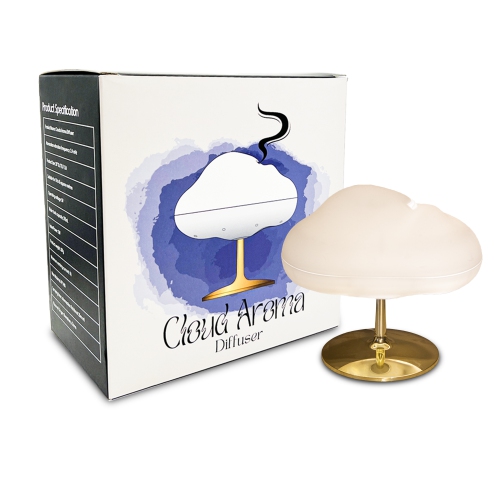 Your price for this item is $43.99
-
 Your price for this item is $89.99
-
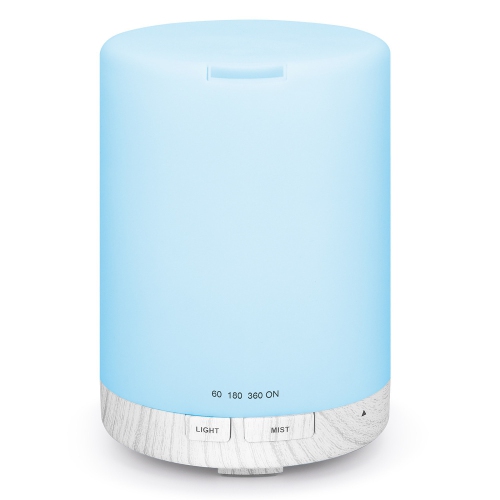 Your price for this item is $35.46
-
 Your price for this item is $129.99
Discover more categories related to First Home Essentials


Top Collections:
Best Black Friday Deals This Year, Best Black Friday Deals On Electronics, Kindle Devices, Dyson Airwrap, Best Cameras for Sports Photography, Best Budget Office Chairs, Canon G7X Cameras, PS5 Pro Consoles, Best Black Friday Deals On Apple Products, XBOX One S Consoles
Some products may be subject to Environmental Handling Fees
(EHF) depending on your province.
Learn more about EHFs.