Executive Office Chairs for Home Office
Elevate your workspace with executive office chairs for home office that combine style and comfort for a professional atmosphere. Whether you're setting up a dedicated office or upgrading your current setup, these chairs are designed to help you stay focused and productive throughout the day. Explore a variety of designs and finishes to find the perfect fit for your home office décor. With executive office chairs for home office, creating an inspiring and efficient work space is easier than ever.
Sort

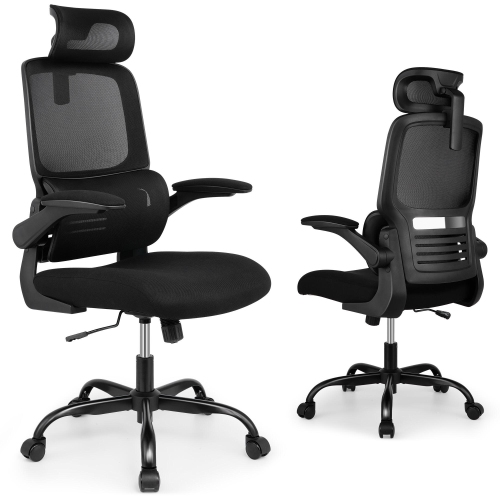
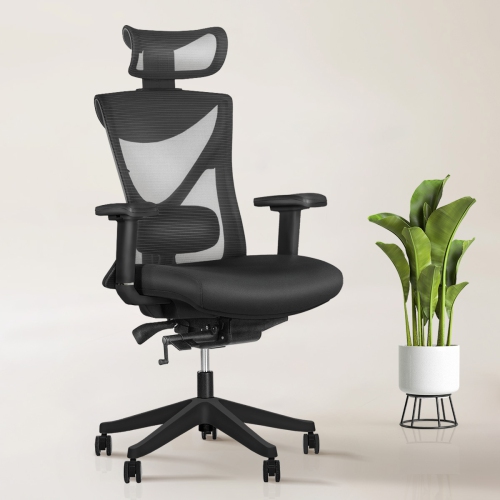
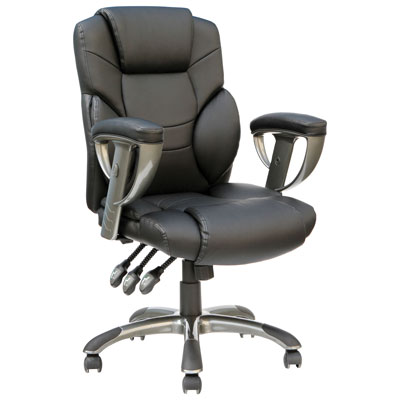
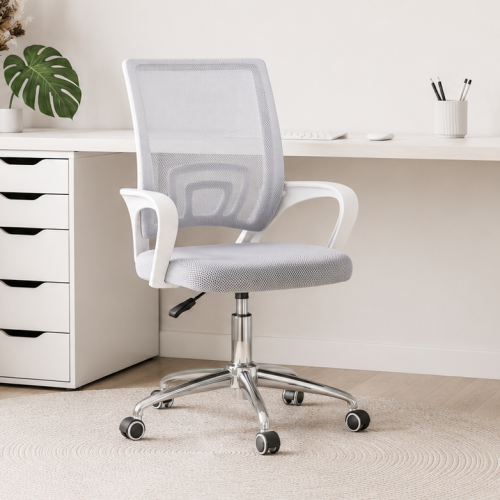
Why plush padding is only part of chair comfort
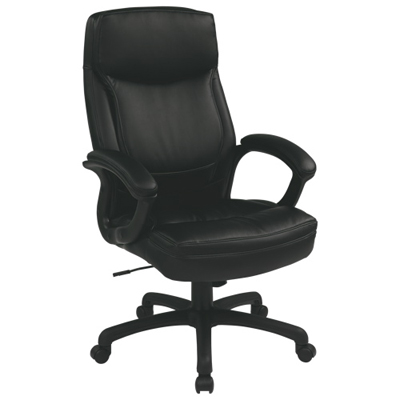
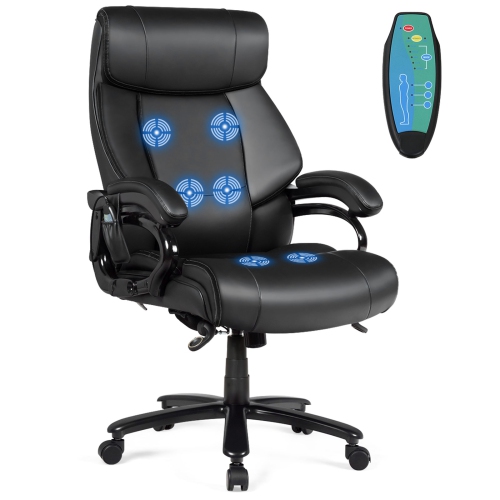
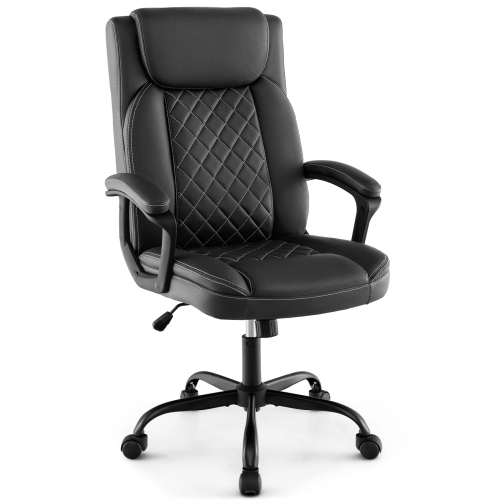
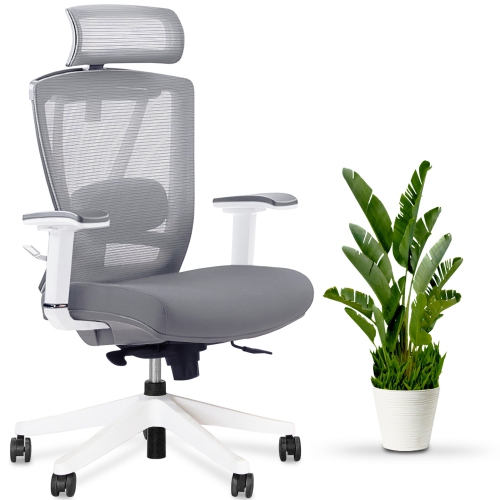
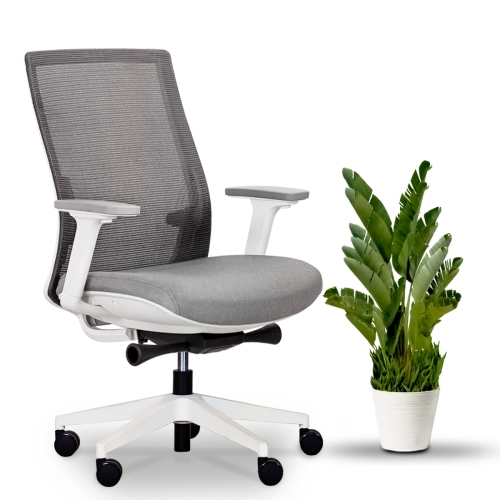
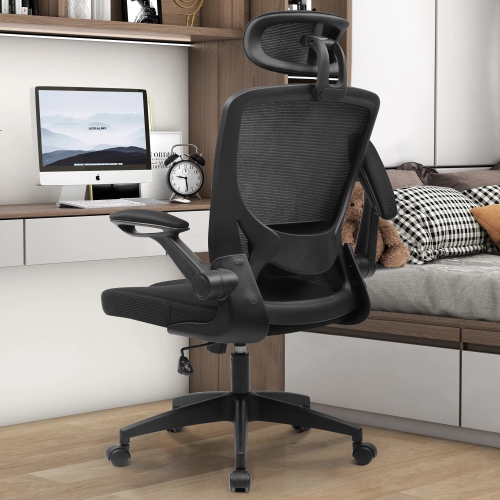
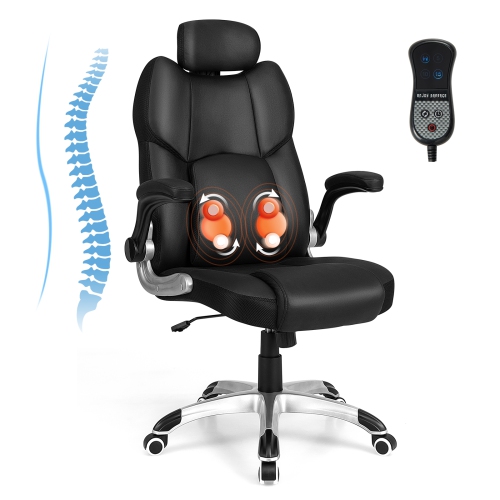
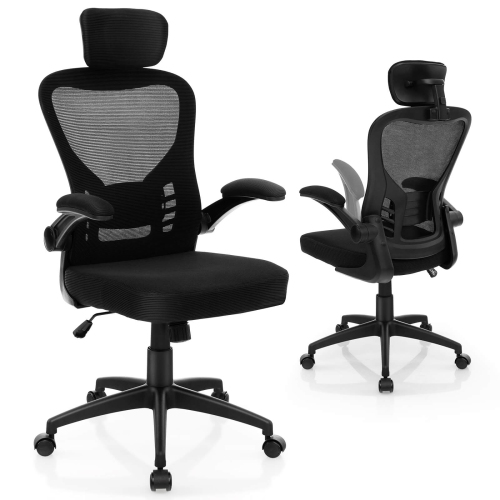
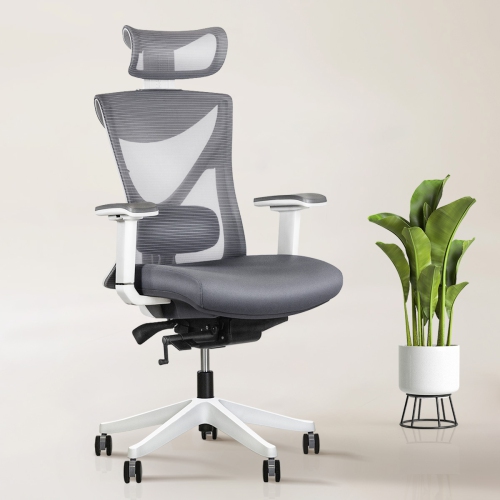
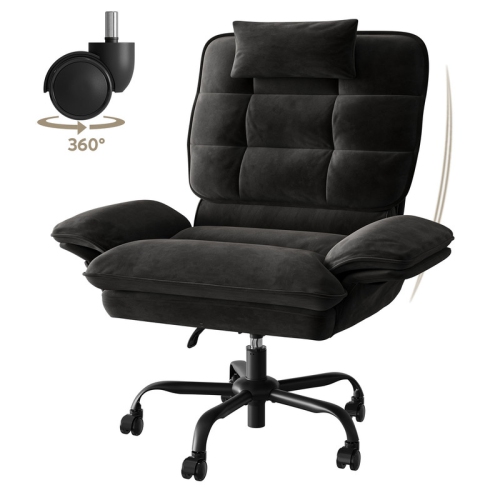
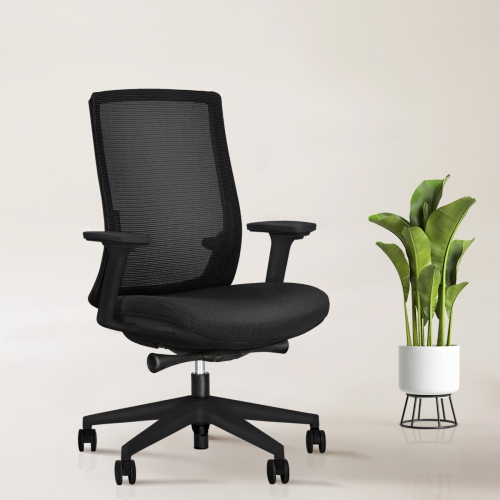
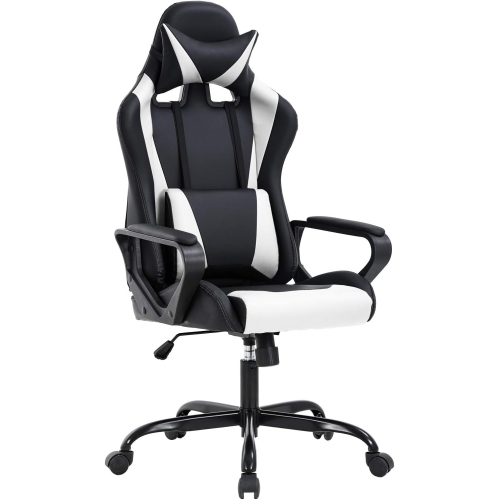
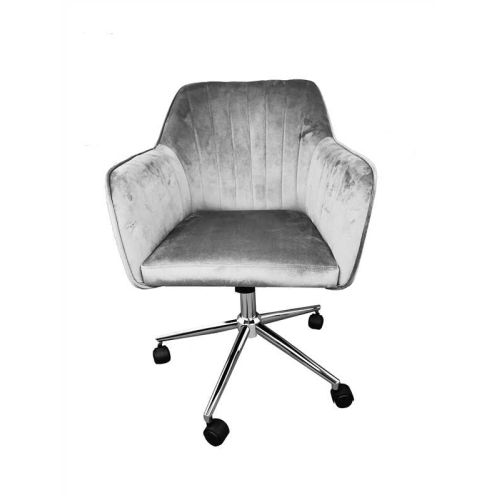
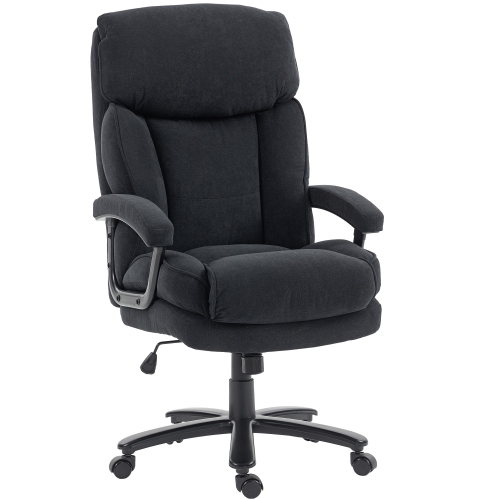
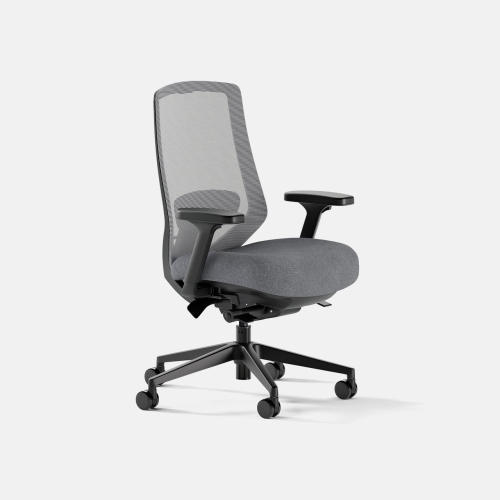
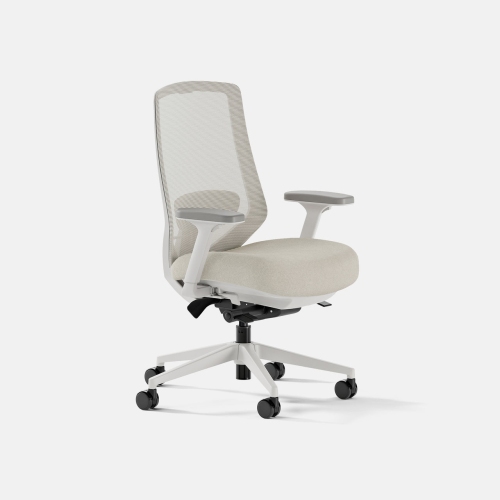
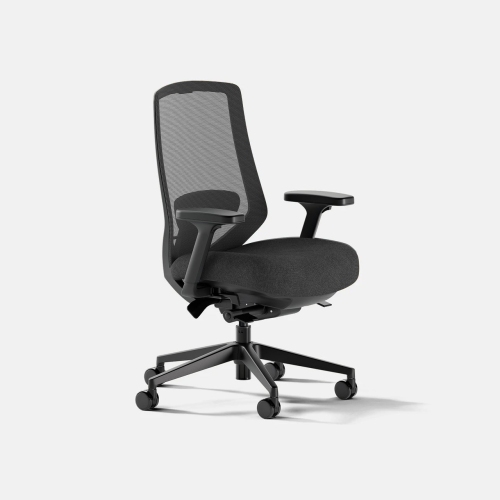
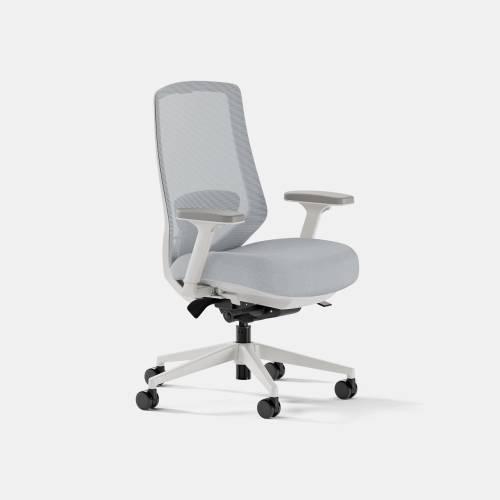
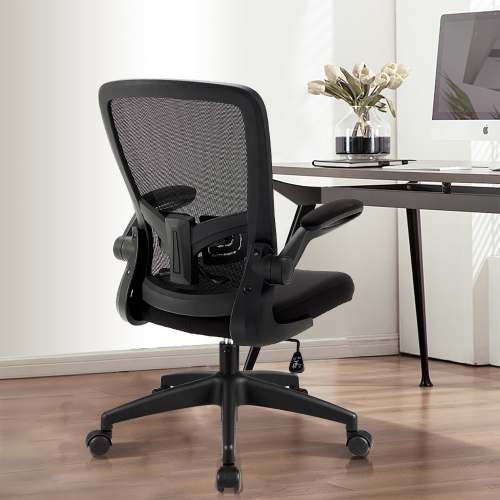
Executive office chairs for a home office combine a substantial, polished look with features suited to desk-based work. Often distinguished by a tall backrest, generous padding, and supportive armrests, these chairs can anchor a dedicated study or give a work corner in a living room a more defined purpose. Their appeal extends beyond appearance: a well-matched chair makes it easier to settle into everyday tasks, from reviewing spreadsheets and joining video calls to writing reports or managing household paperwork. The right fit depends on body proportions, desk height, and how the chair will be used. Seat height should allow feet to rest on the floor or a footrest, while seat depth should leave some space behind the knees when sitting against the backrest. A deep, broad seat may suit a taller person but feel oversized for someone with a smaller frame. Likewise, thick cushioning can feel inviting without necessarily providing the most suitable support for every user. Contoured backrests, adjustable lumbar support, and headrests offer different ways to accommodate posture, although the available adjustments vary by design. Armrest height is especially relevant at home, where a desk may have a drawer, apron, or keyboard tray beneath the desktop. Arms that slide underneath the work surface can make it easier to sit close enough for typing and tuck the chair away afterwards. Adjustable or flip-up arms may also suit a space that serves more than one purpose. Tilt tension and recline controls can accommodate a change from focused keyboard work to reading documents, while a tilt lock can hold the backrest at a supported angle where that function is included. An executive silhouette does not automatically mean a chair is fully adjustable, so the distinction between plush styling and adaptable support matters. For people who spend much of the day at a desk, these details are often more meaningful than the height of the backrest or the thickness of the seat alone.
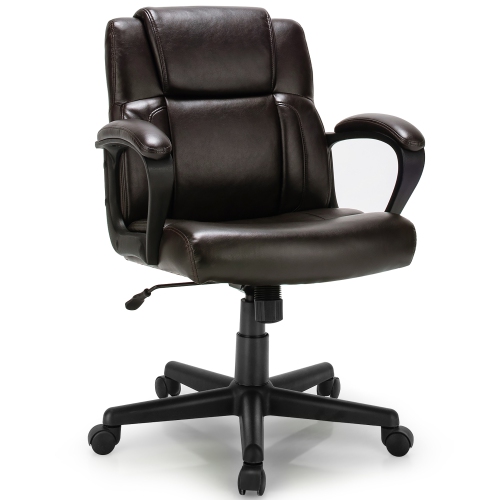
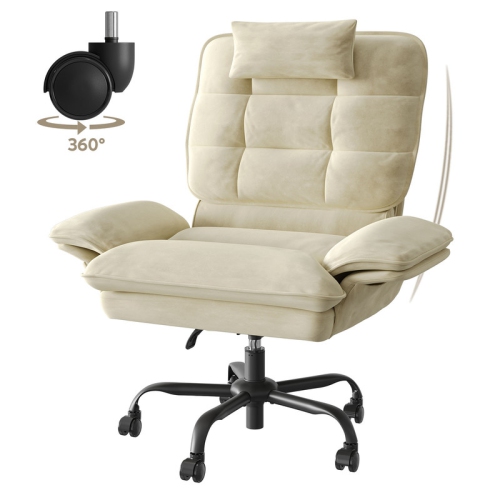
Upholstery affects how an executive chair looks, feels, and holds up to regular use. Genuine leather offers a distinctive grain and develops character with wear, though its care needs depend on the finish. Faux leather provides a similar visual effect with a different surface feel and maintenance routine; its resistance to peeling or cracking varies with construction, use, and care. Fabric upholstery brings texture to a home office and can coordinate naturally with curtains, rugs, and other furnishings, while mesh sections offer a more open construction across the back. Smooth surfaces may be easier to wipe after a small spill, whereas woven materials can need more attention to dust and crumbs caught around seams. Cleaning directions supplied with the chair remain important because a cleaner suitable for one covering may discolour or damage another. A soft cloth, prompt attention to spills, and gentle cleaning around stitching help keep everyday marks from building up. Direct sunlight and nearby heating vents can also affect some upholstery finishes over time, making placement part of routine care. Beneath the covering, padding density, stitching, the frame, and the base all contribute to how the chair handles repeated sitting, swivelling, and reclining. A stated weight capacity and any recommended user dimensions provide useful boundaries, particularly when several people share the same workspace. Casters deserve attention as well: wheels designed for carpet may behave differently on hardwood, laminate, or tile, and floor compatibility should be confirmed rather than assumed. A suitable chair mat can protect the surface and provide a more consistent rolling area when paired with the flooring beneath it. Regularly checking accessible fasteners according to the assembly instructions can help keep connections secure. These practical details are easy to overlook beside a striking design, but they influence how comfortably the chair fits into daily life and how well it retains its appearance. Clear space around the base also helps prevent wheels from catching on charging cables, rug edges, or stored bags.
The most suitable executive chair also feels proportionate to the room around it. A wide seat, substantial arms, and a high back can look balanced behind a large desk, yet feel crowded beside a compact writing surface. Overall width, base diameter, and the space needed to recline all matter, not just the seat measurements. In a spare bedroom that doubles as an office, enough clearance to roll back without blocking a wardrobe or doorway can make the room easier to use. In an open living area, upholstery colour and the shape of the chair’s back remain visible even when work is finished. Black, brown, grey, and lighter neutral finishes create different effects, from a traditional study to a softer workspace that blends with nearby furniture. Details such as contrasting stitching, curved arms, and a metal or upholstered base can reinforce that connection without requiring every furnishing to match. For remote workers who move between calls, concentrated tasks, and occasional reading, accessible adjustment controls make changes less disruptive. A shared household office may benefit from controls that are straightforward to reset between users, while someone who sketches, studies, or handles detailed administrative work may place greater value on getting close to the desktop. Those furnishing a separate business workspace can also explore Executive Office Chairs for Professional Offices for a related setting. At home, however, the chair needs to work with the actual room and routine rather than simply resemble a formal corner office. Delivery access and assembly space are practical considerations for larger designs, especially where stairways or narrow halls are involved. Once positioned, a chair should leave room for comfortable movement between the desk, storage, and nearby seating. Paired with a suitably placed monitor and keyboard, an appropriately fitted executive chair can create a cohesive place to work, while still allowing for standing, stretching, and other changes of position throughout the day.
Top selling and popular products
-
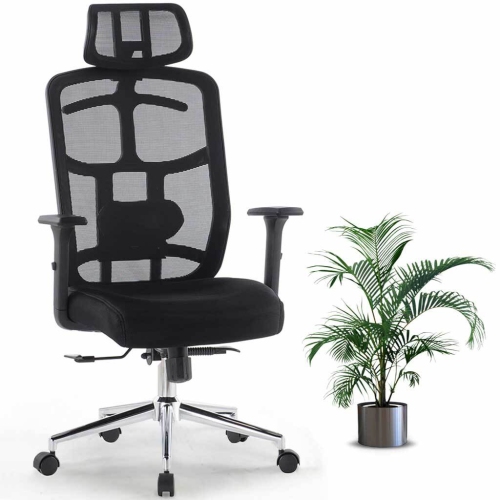 Your price for this item is $126.99
-
 Your price for this item is $599
-
 Your price for this item is $599
-
 Your price for this item is $599
-
 Your price for this item is $599
-
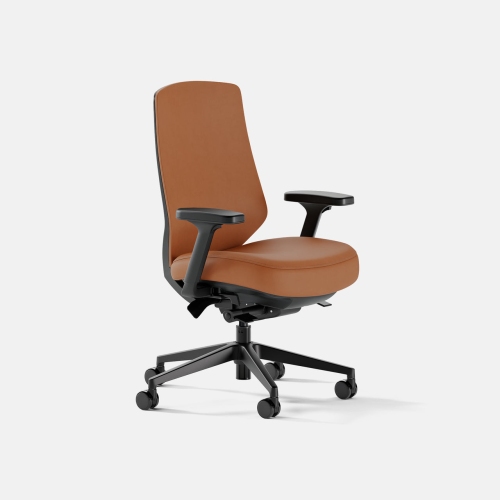 Your price for this item is $649
-
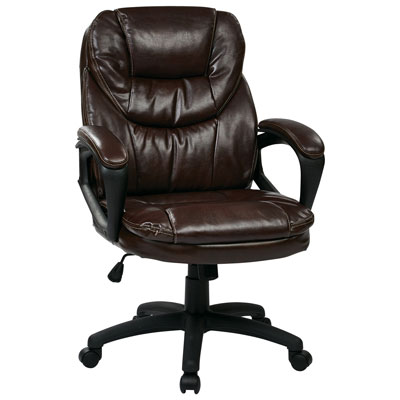 Your price for this item is $459.99
-
 Your price for this item is $429
Discover more categories related to Executive Office Chairs for Home Office
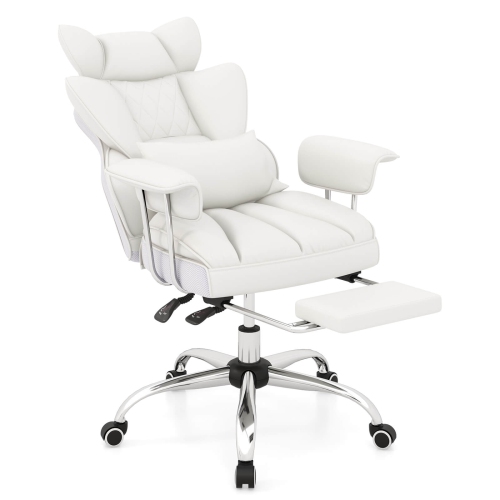
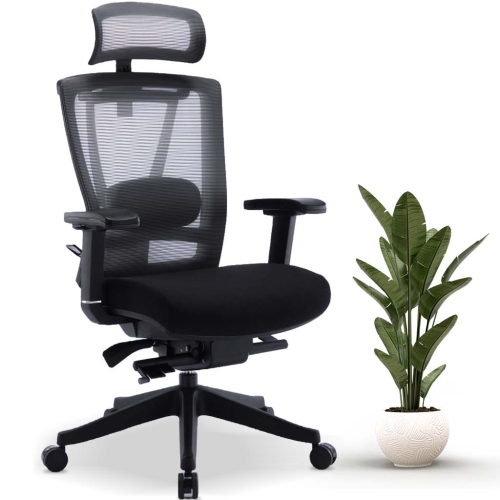
Top Collections:
Best Black Friday Deals This Year, Best Black Friday Deals On Electronics, Kindle Devices, Pokemon Centers, Best Black Friday Deals On Apple Products, Best Cameras for Sports Photography, Dyson Airwrap, Pokémon 30th Celebration Cards, Apple iPhone 17 Pro, Canon G7X Cameras
Some products may be subject to Environmental Handling Fees
(EHF) depending on your province.
Learn more about EHFs.