Exterior Storage Boxes
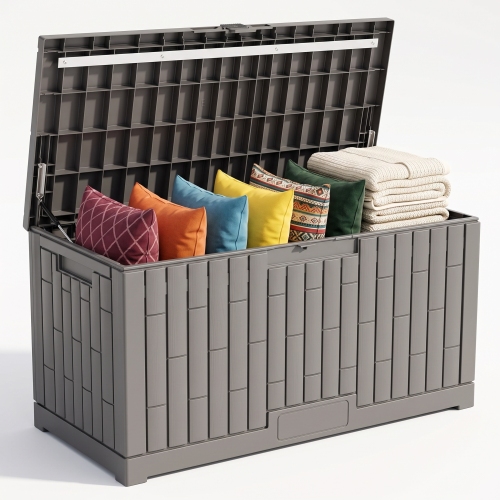
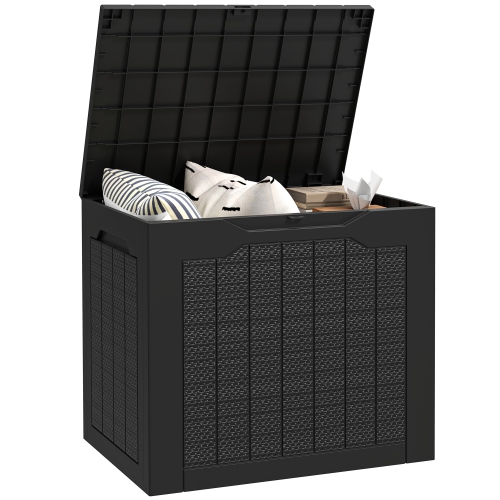
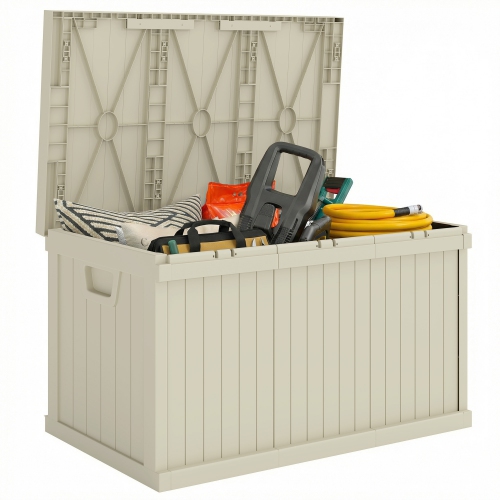
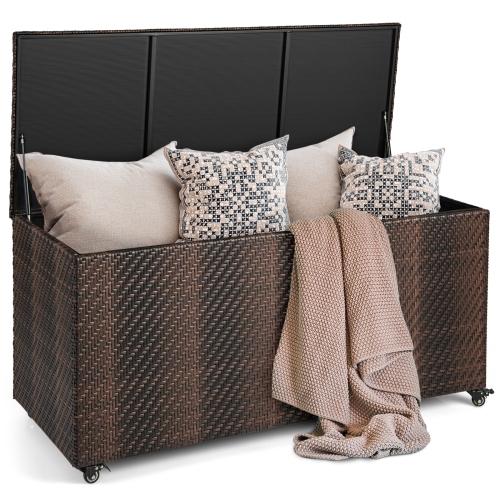
Organize your outdoor space with this selection of exterior storage boxes, designed to keep your belongings safe and secure in any weather. Whether you need a spacious container for gardening tools, patio cushions, or sports equipment, we have a variety of sizes and styles to suit your needs. From sleek and modern designs to classic wicker finishes, these storage boxes are not only practical but also add a touch of style to your outdoor decor.
Sort



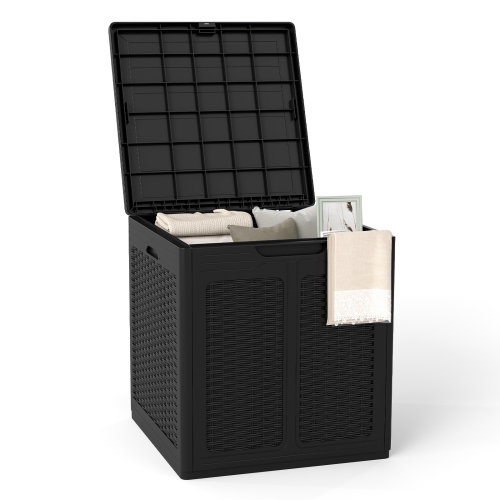
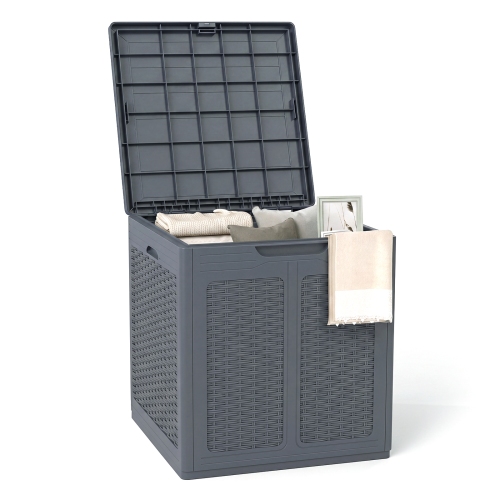
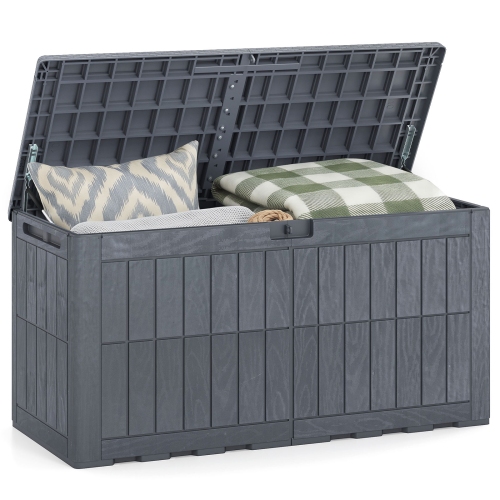
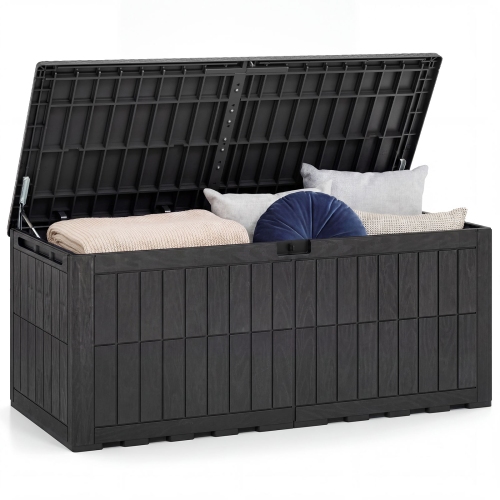








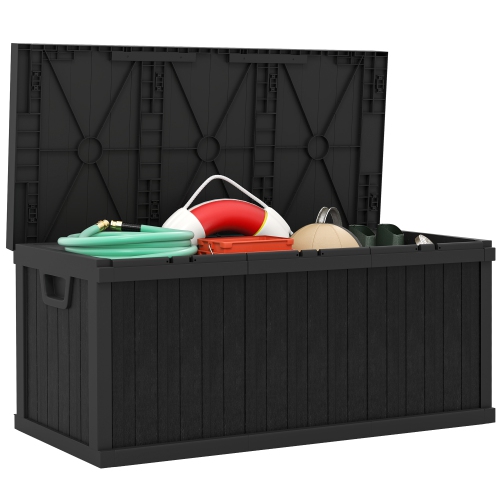

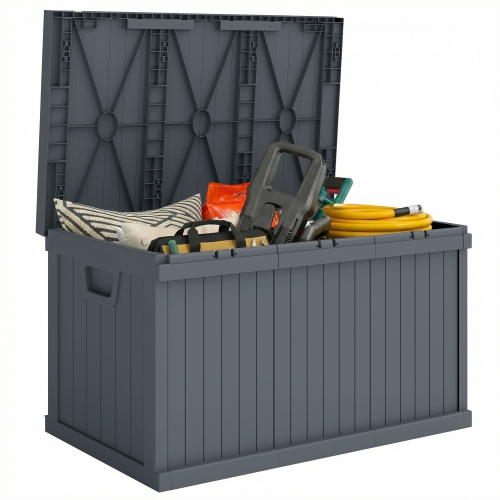
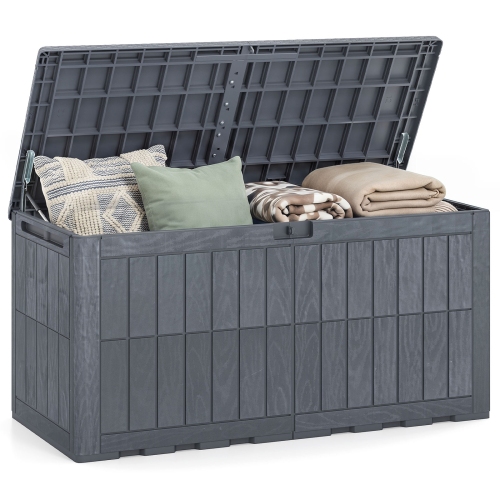
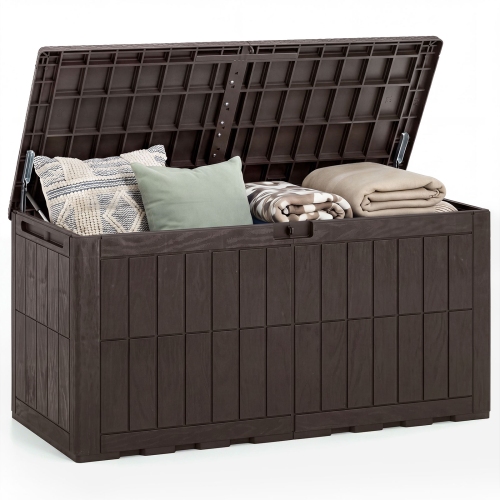


























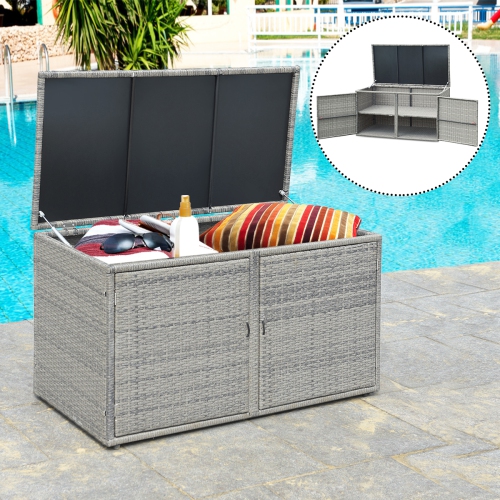
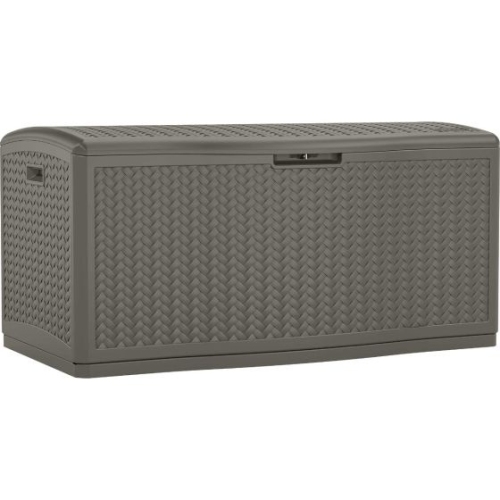
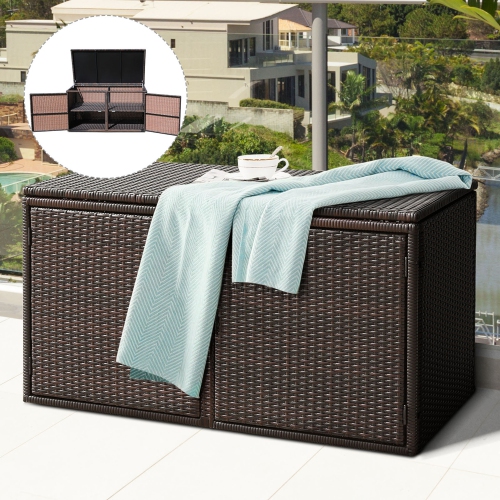
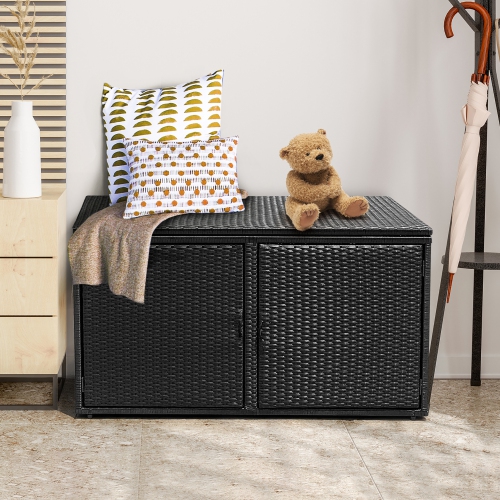














Why storage dimensions matter more than litres alone
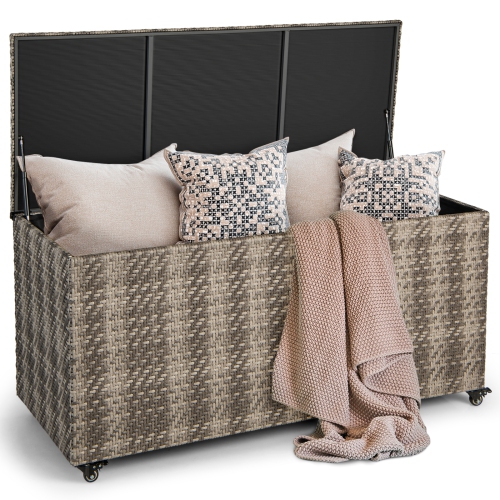
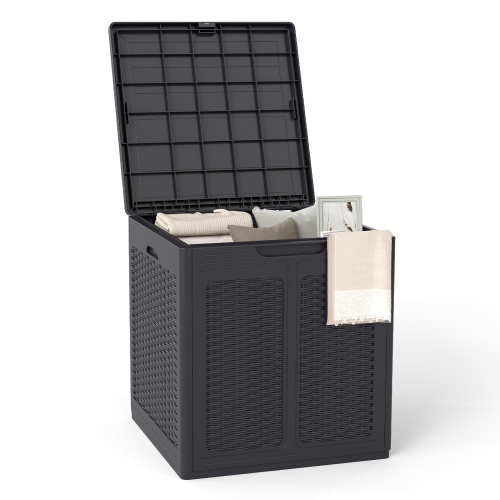
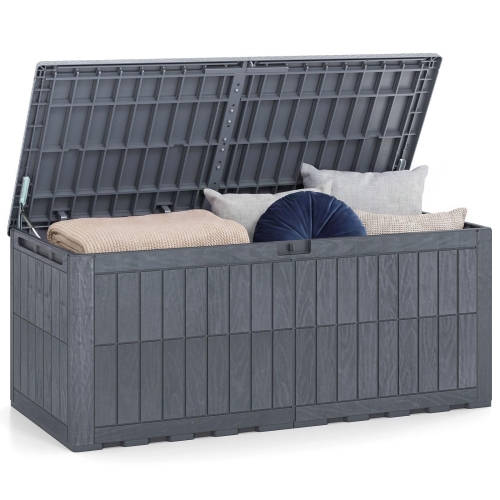
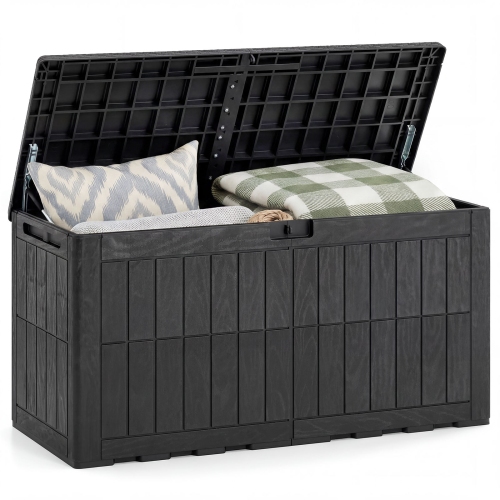
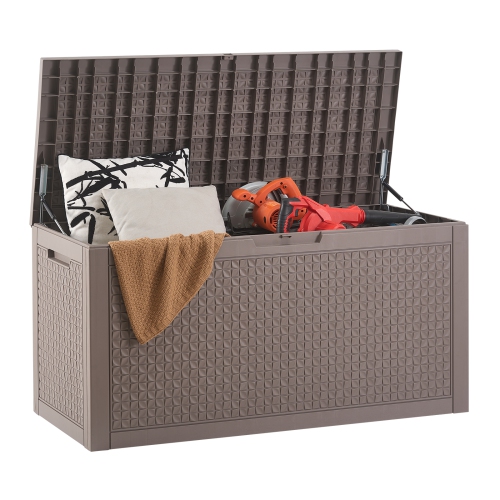
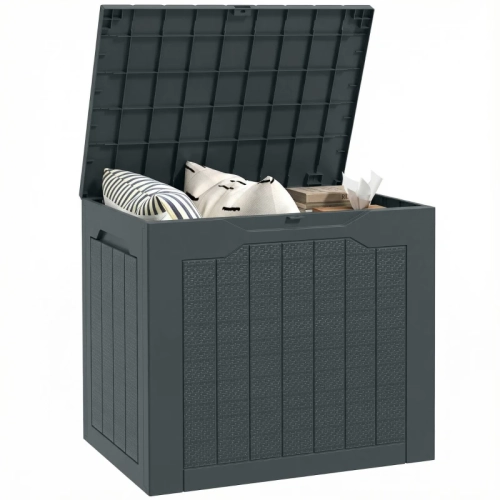
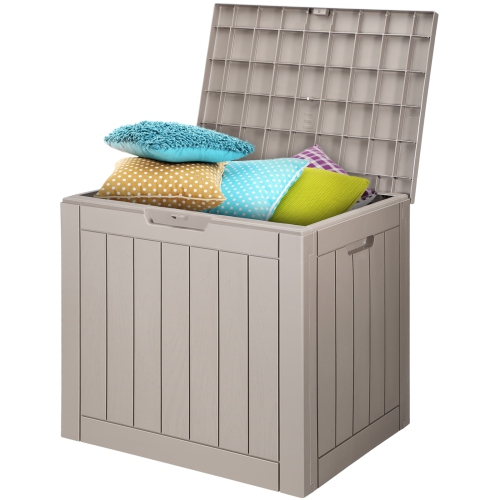
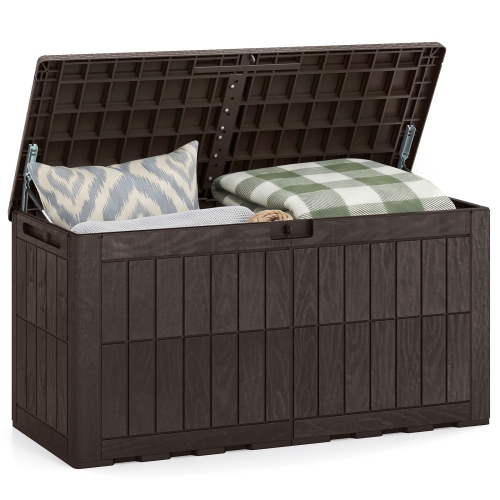
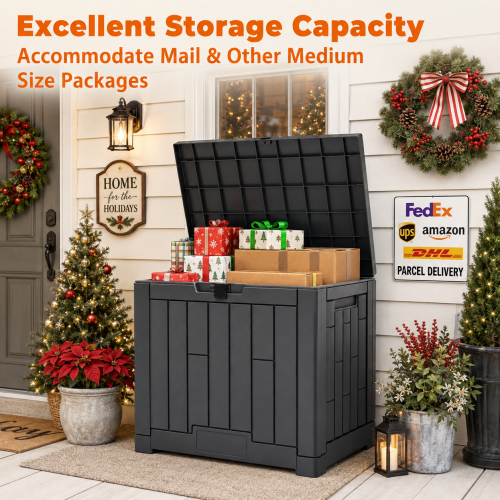
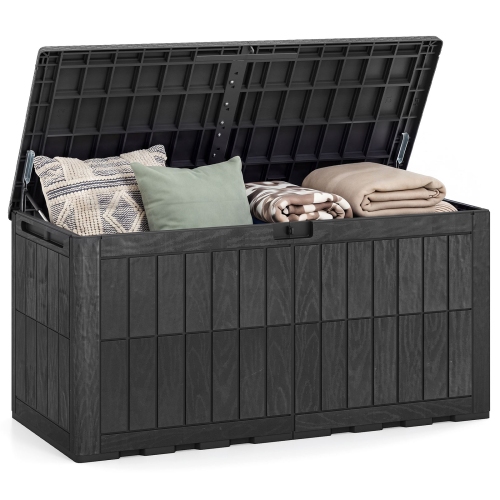
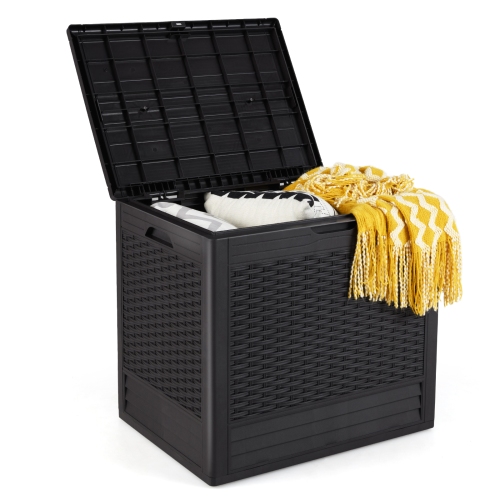
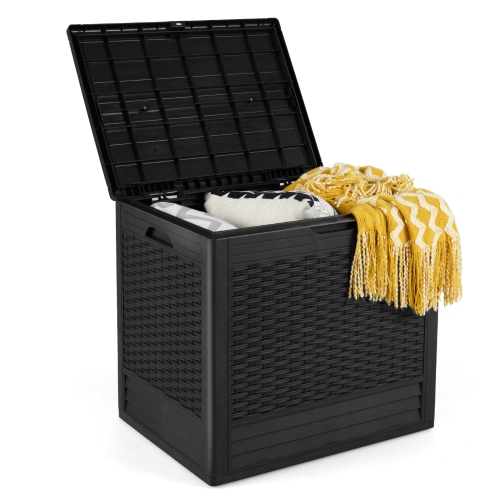
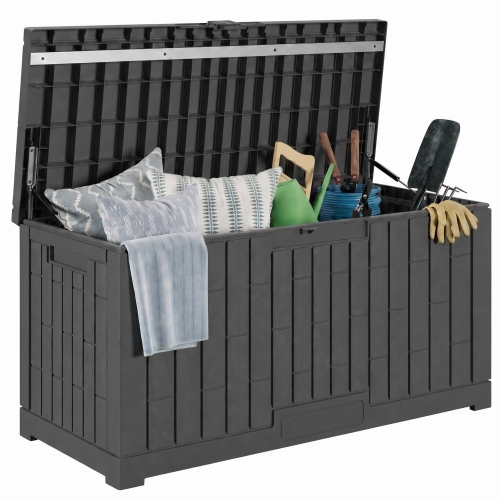
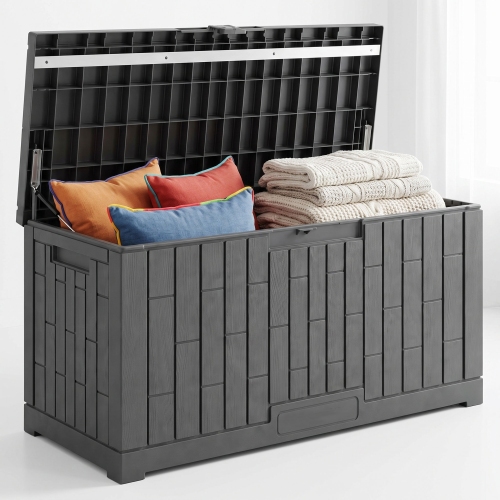
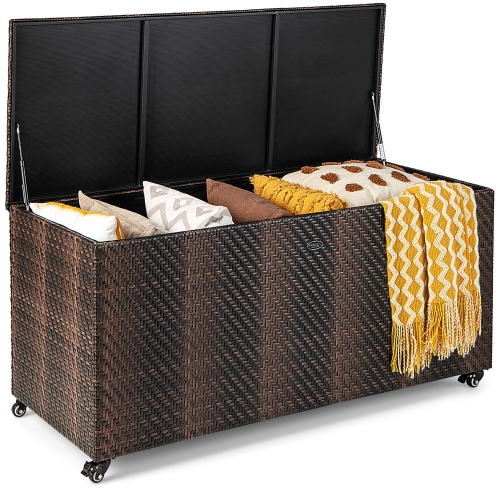
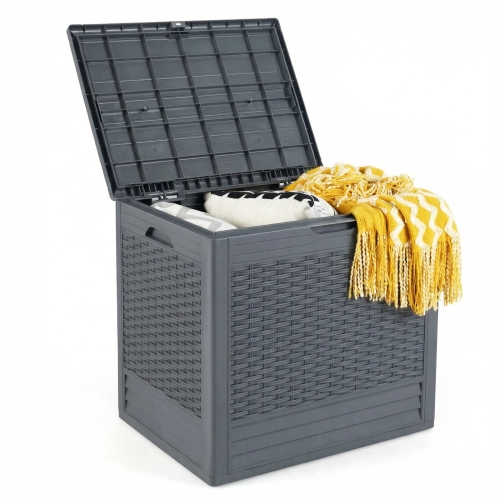
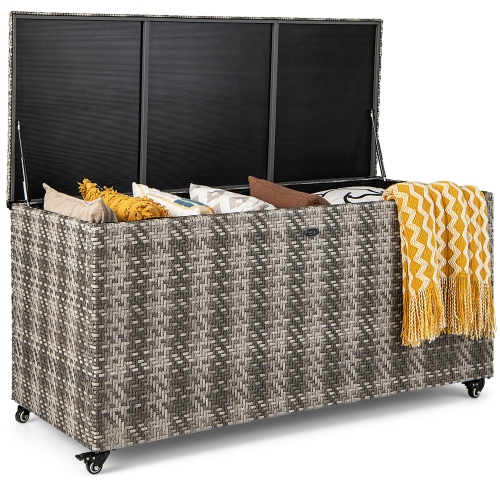
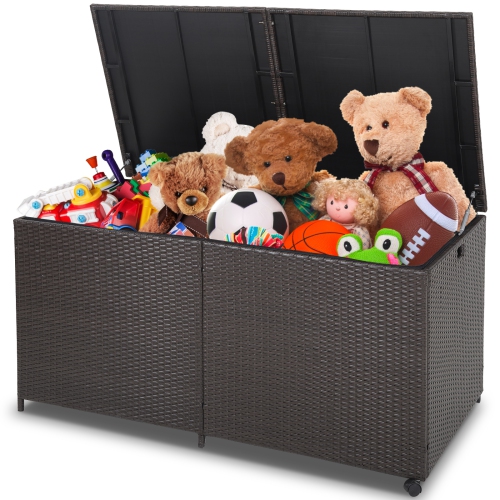
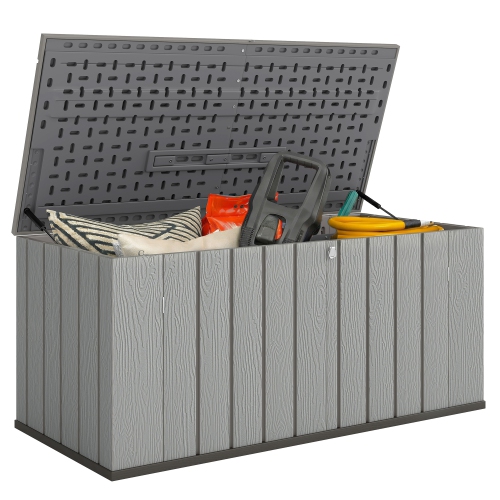
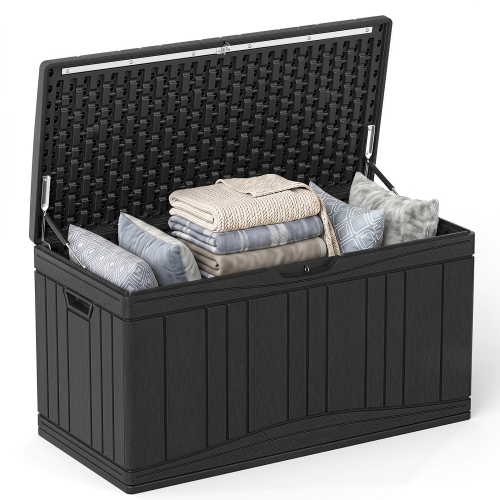
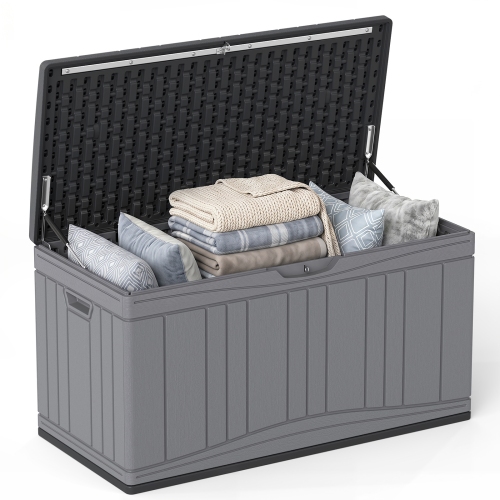
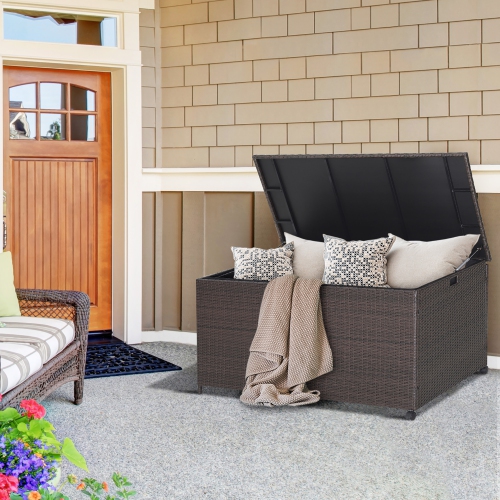
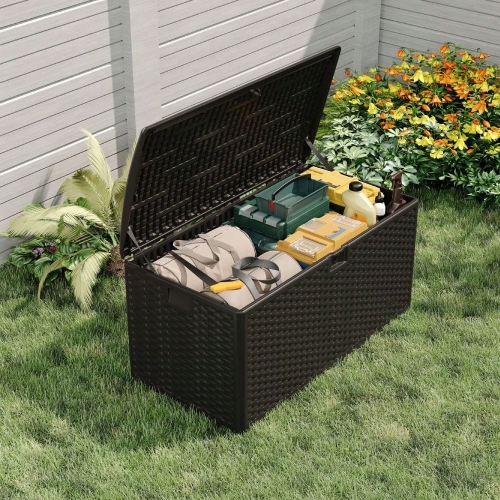
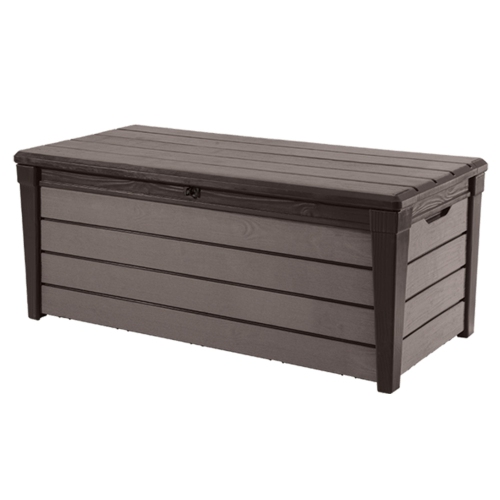
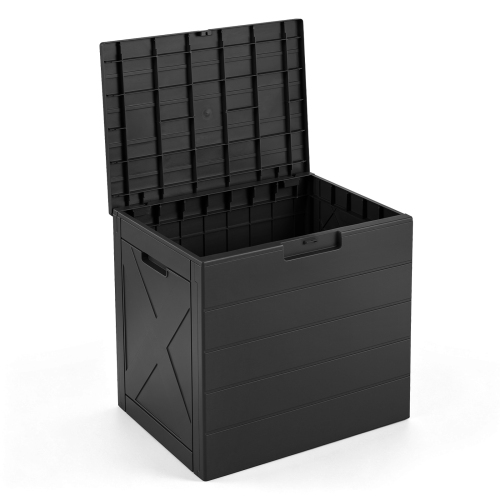
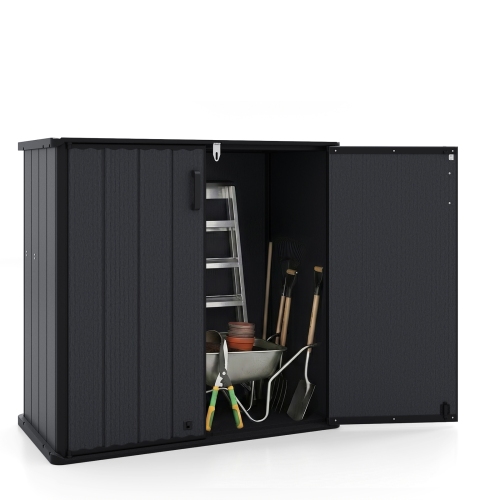
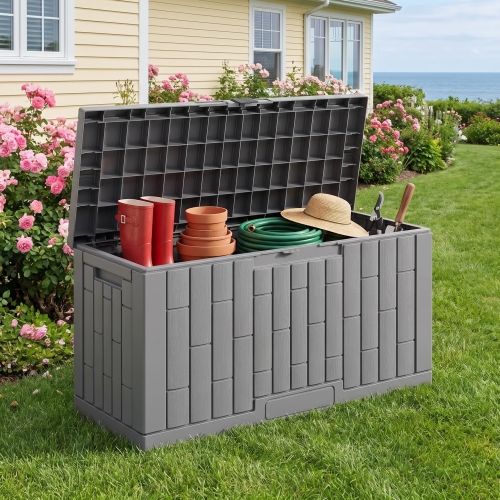
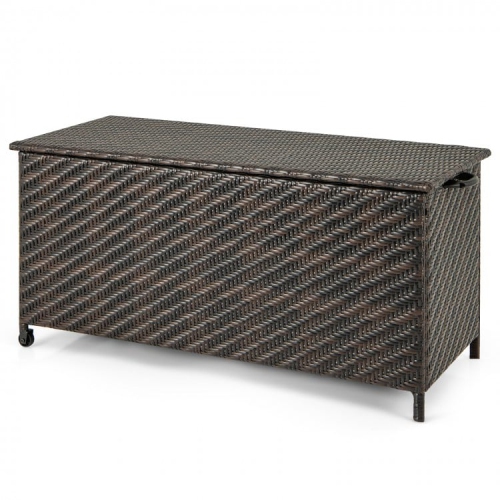
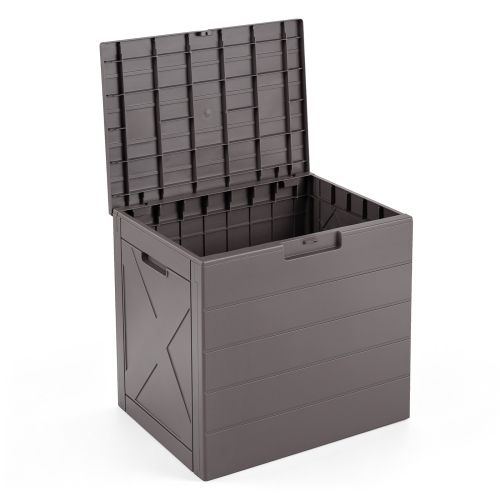
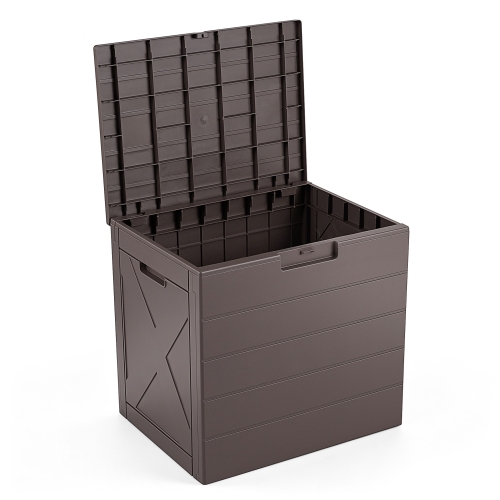
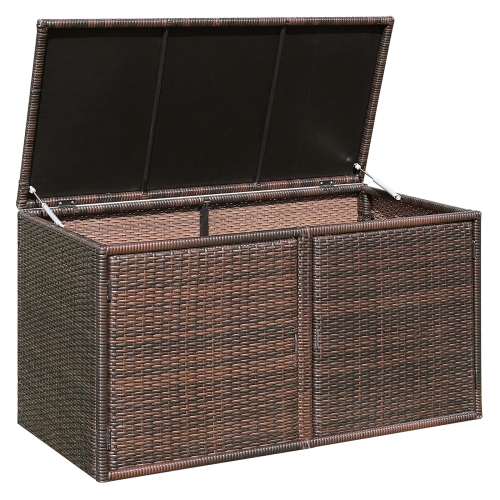
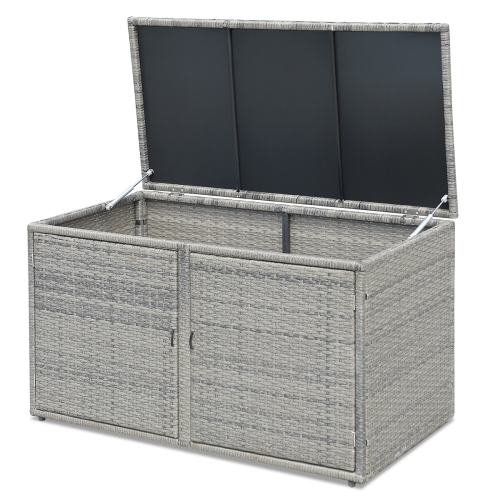
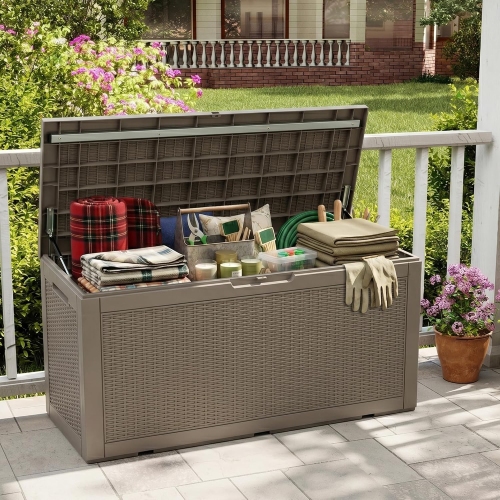
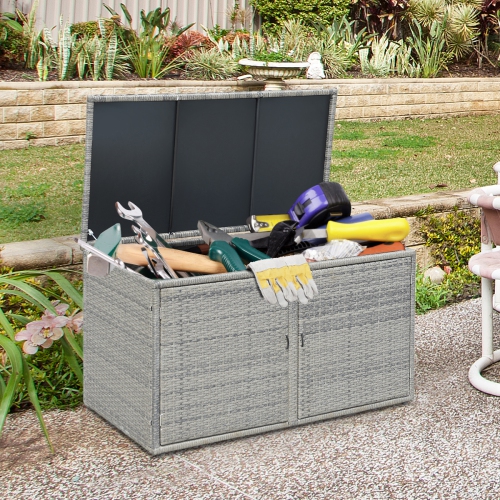
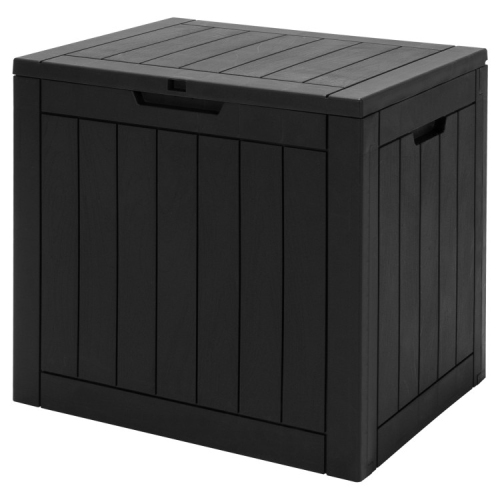
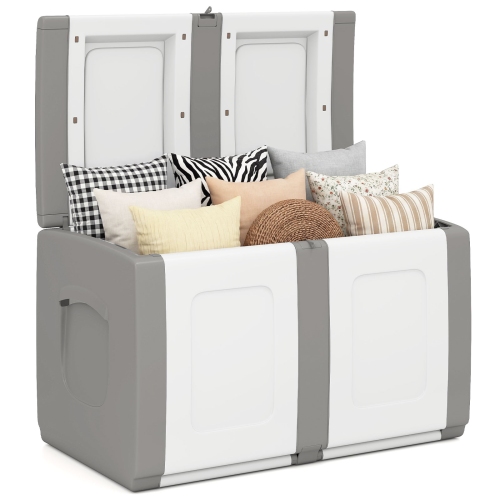
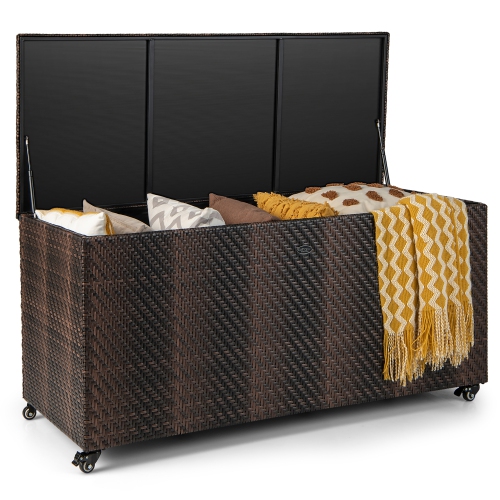
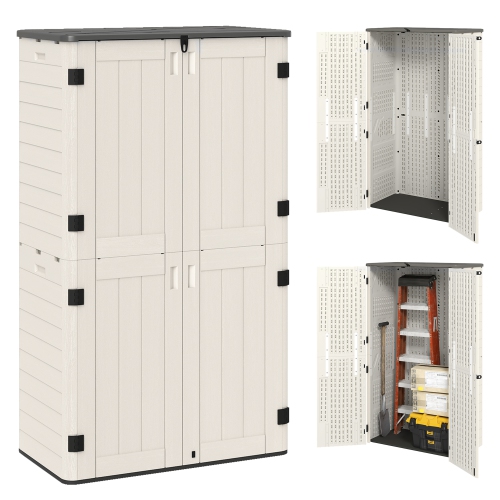
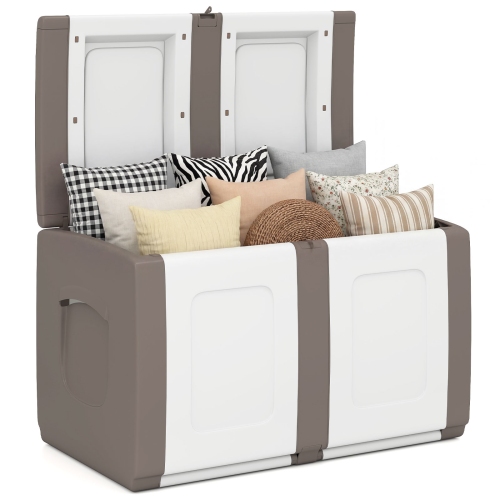
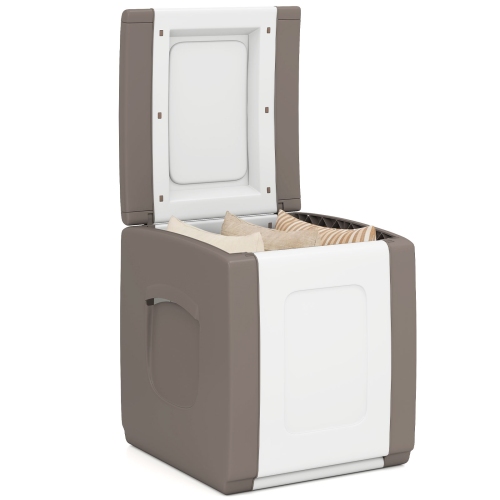
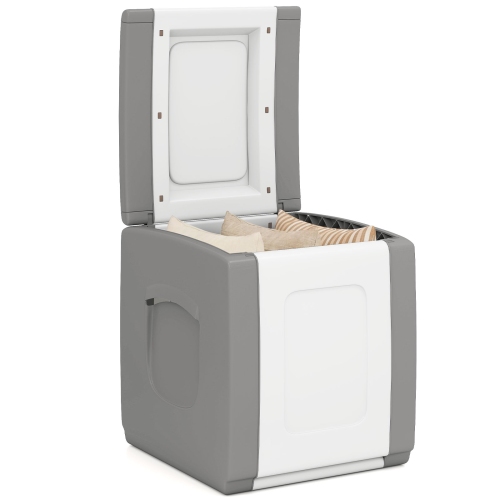
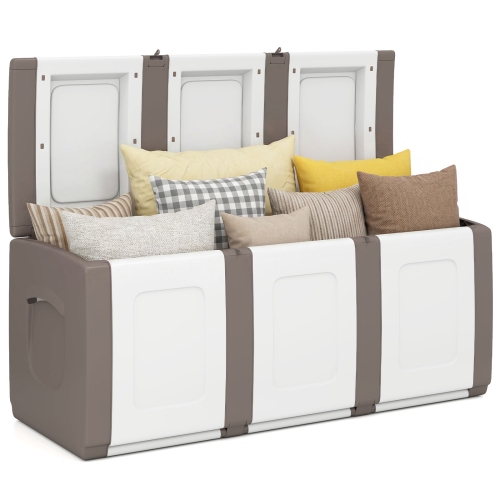
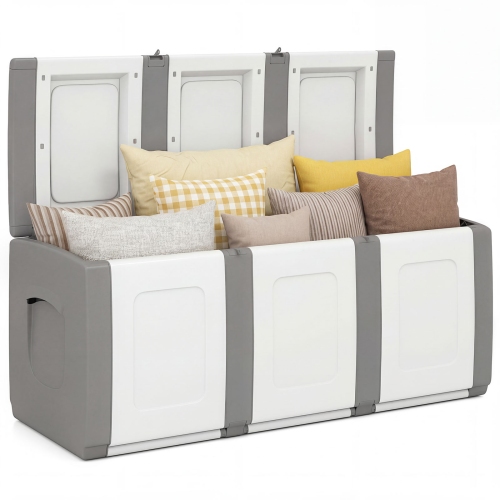
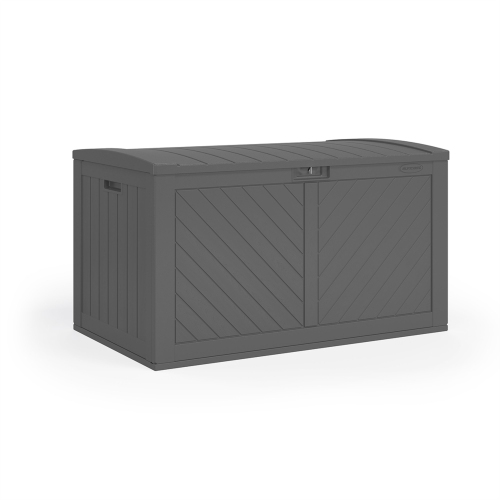
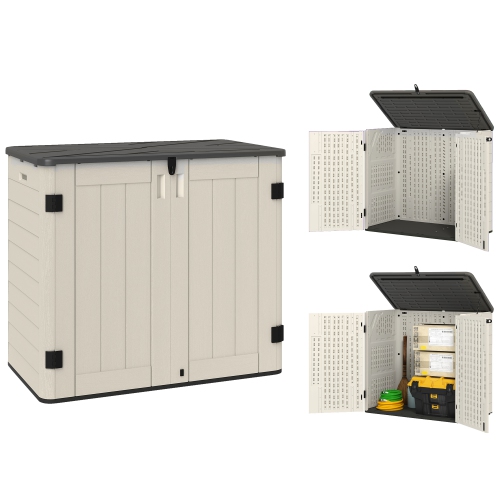
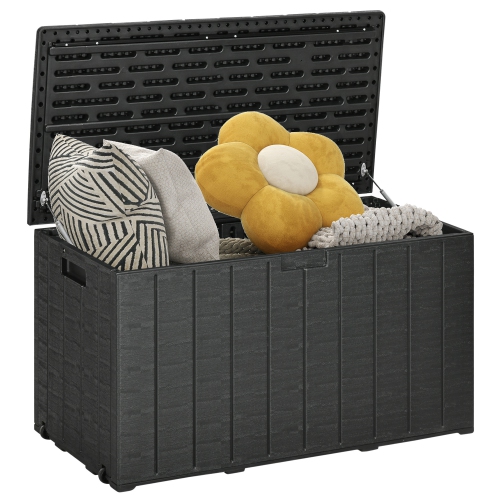
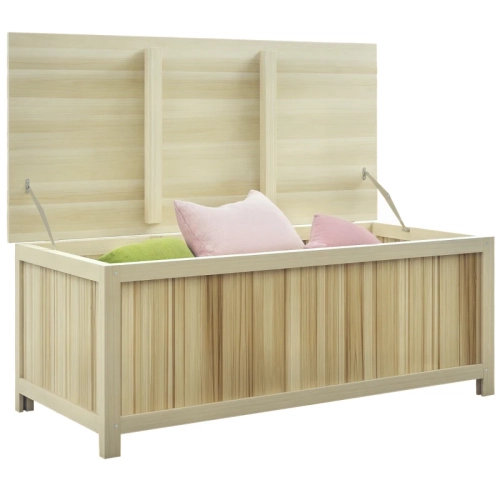
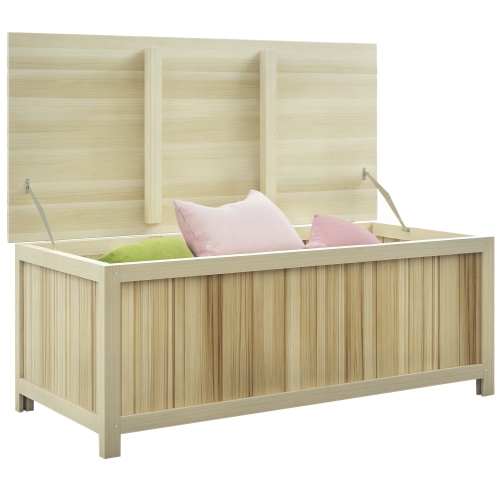
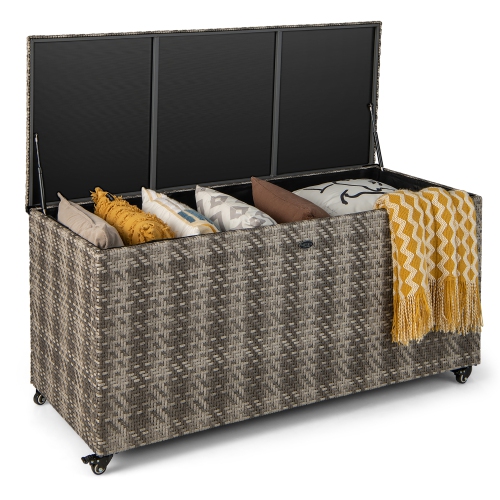
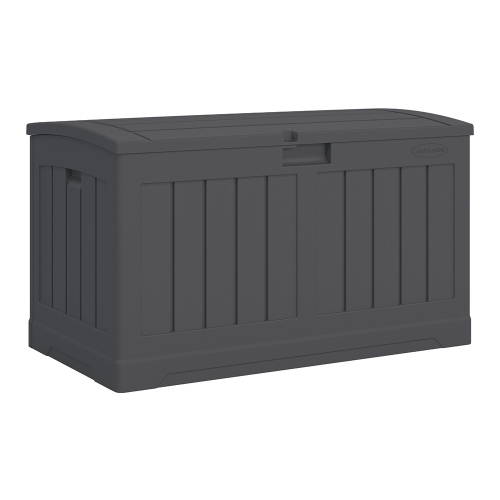
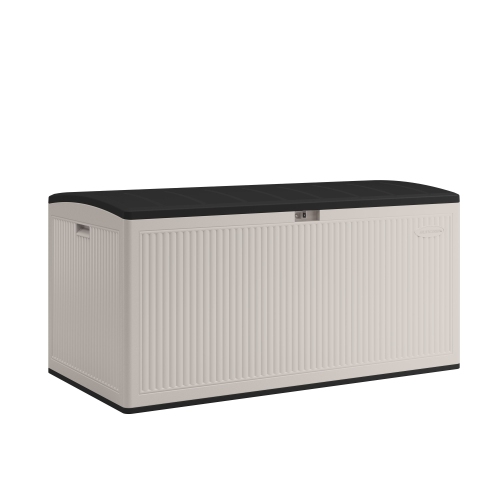
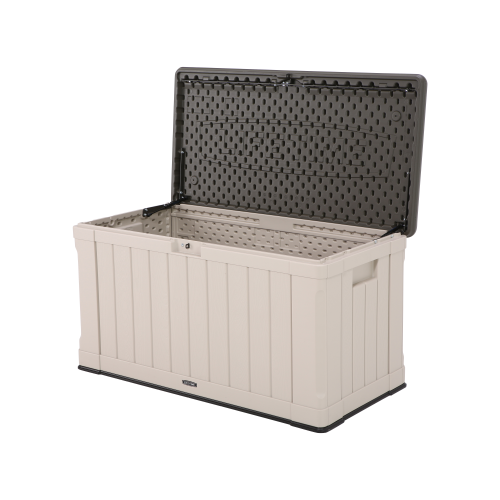
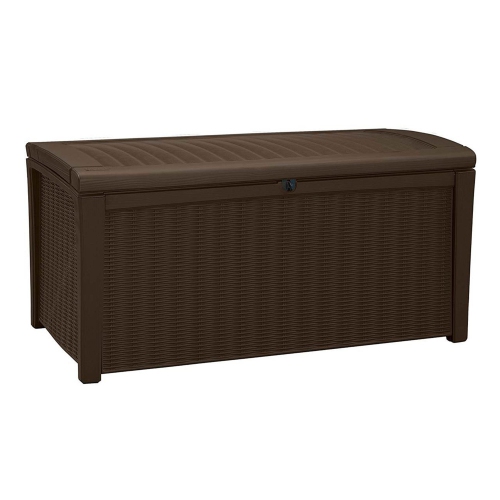
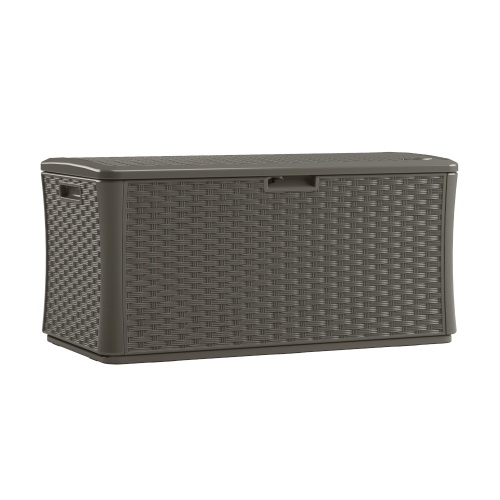
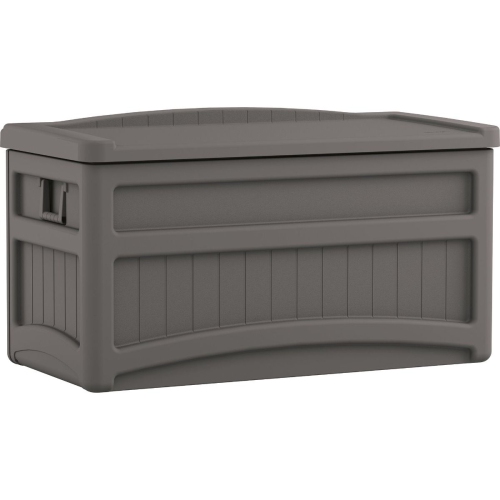
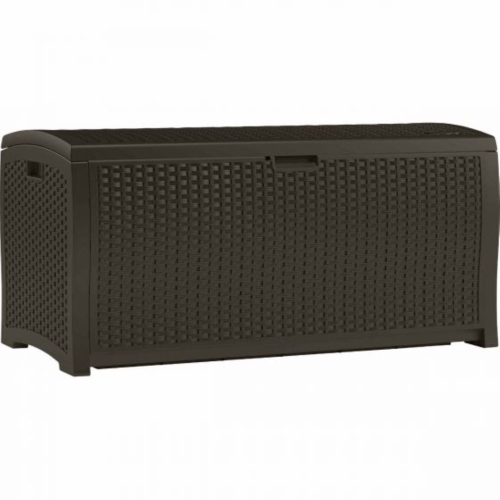
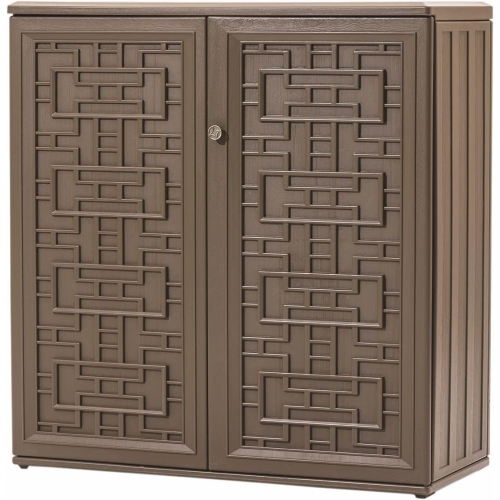
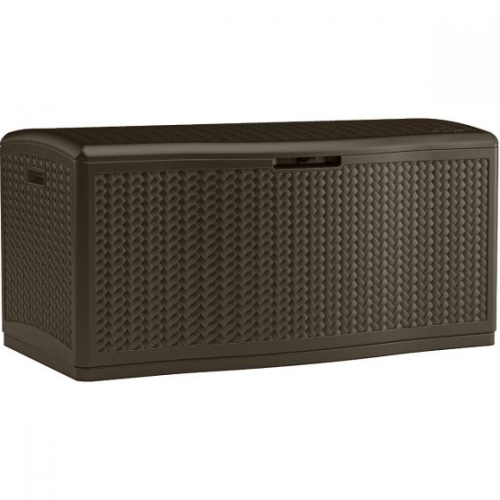
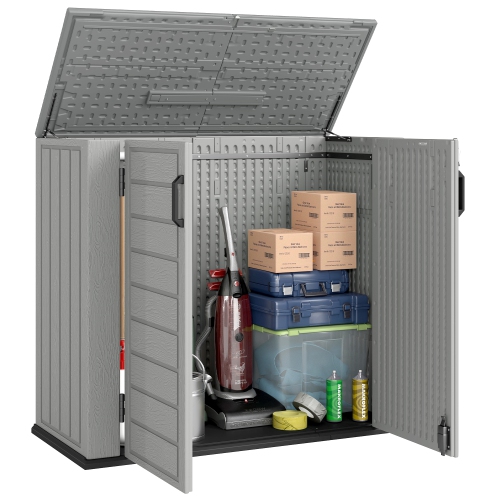
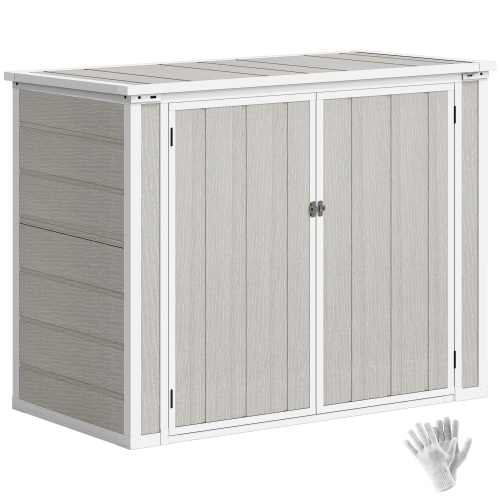
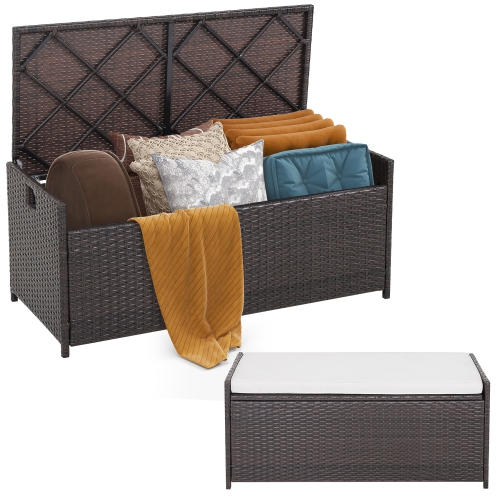
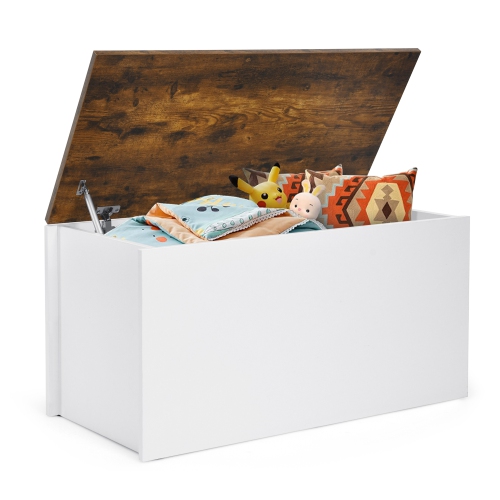
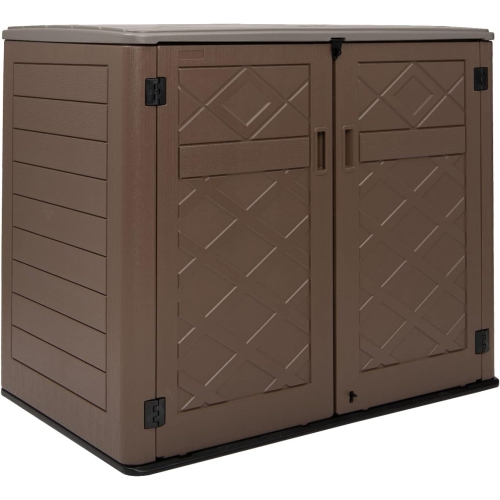
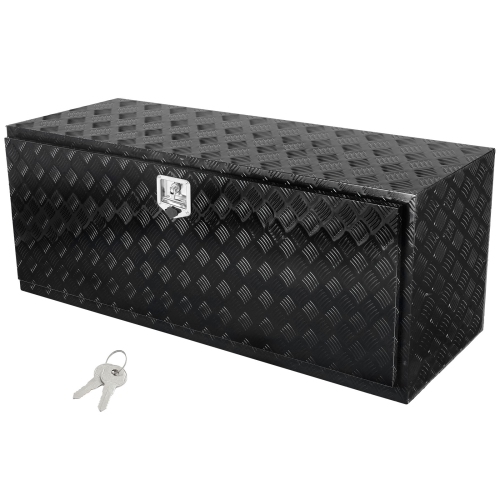
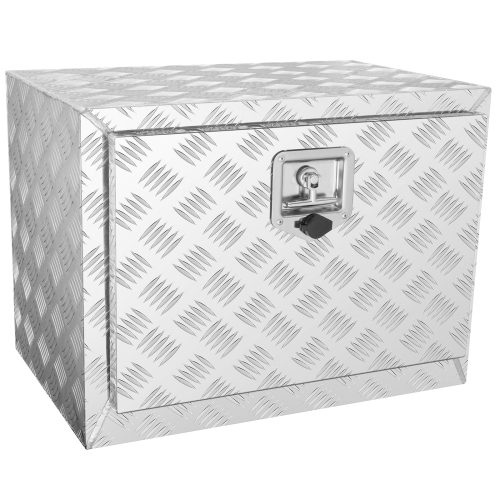
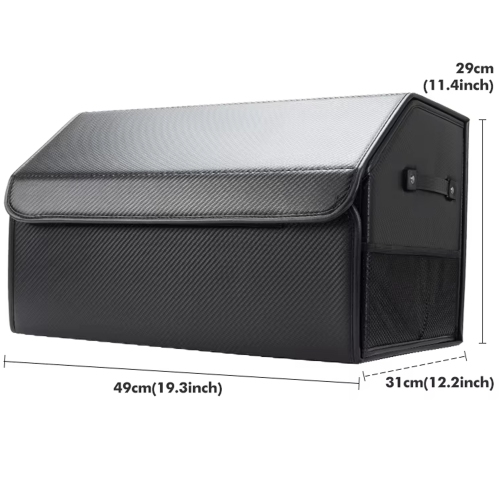
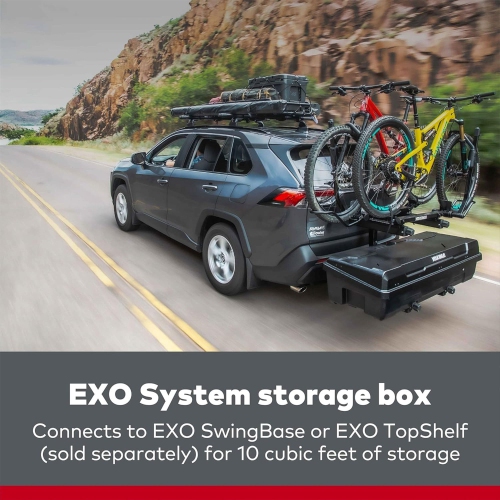
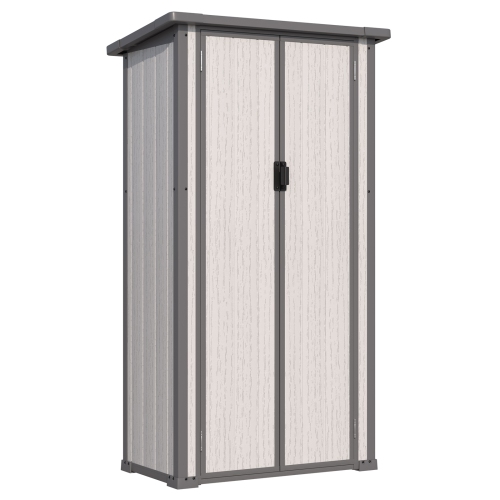
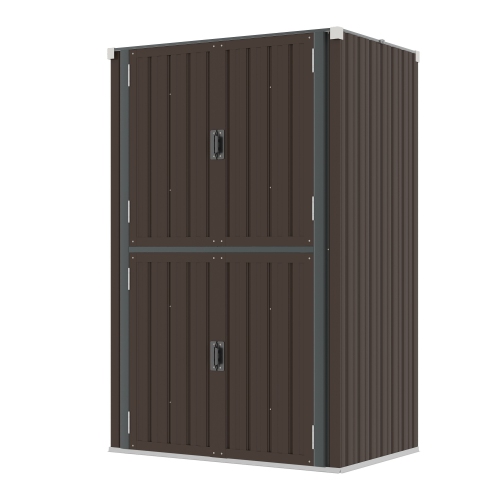
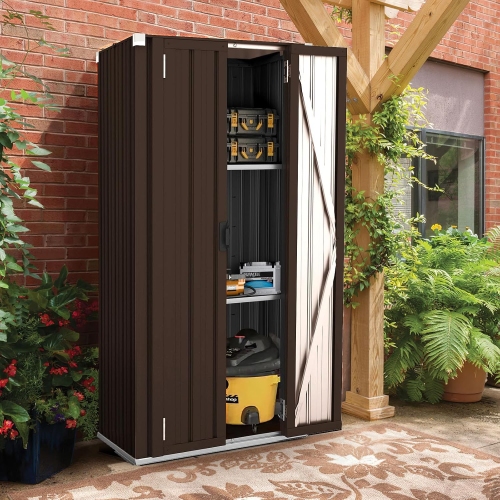
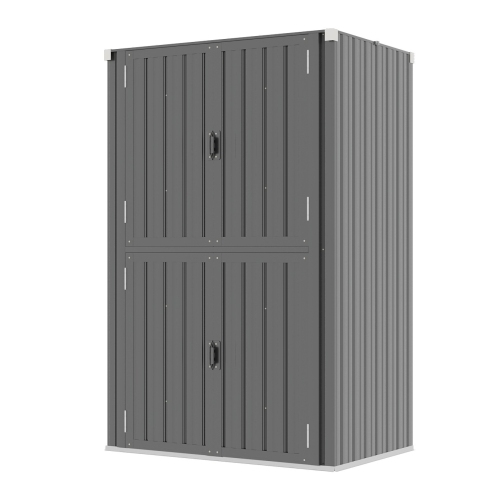
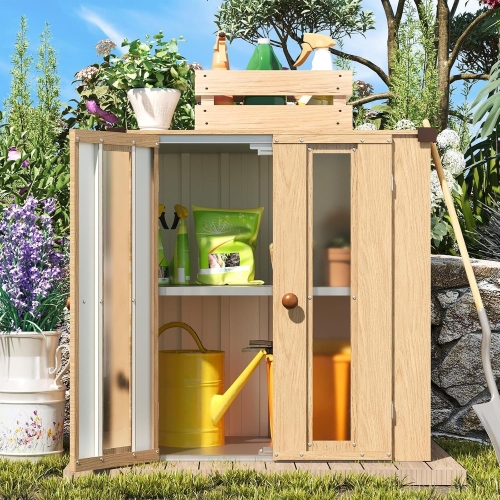
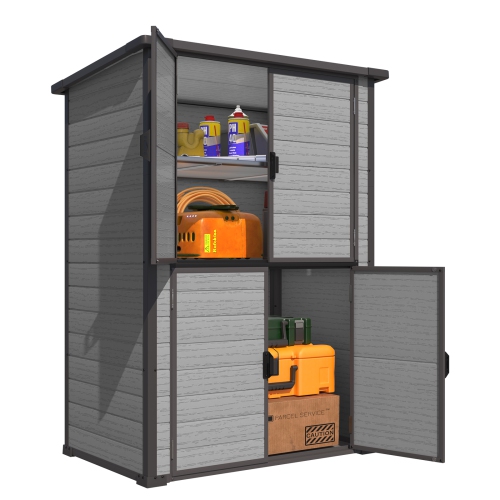
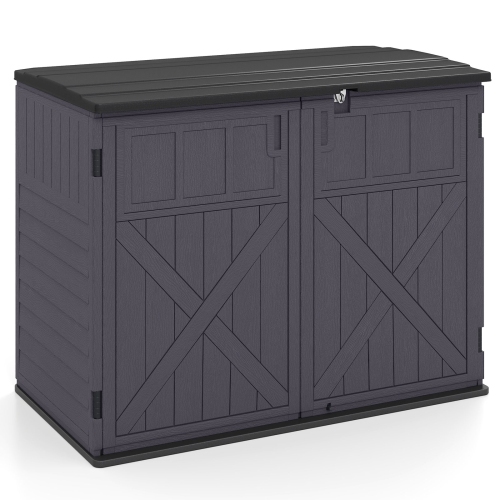
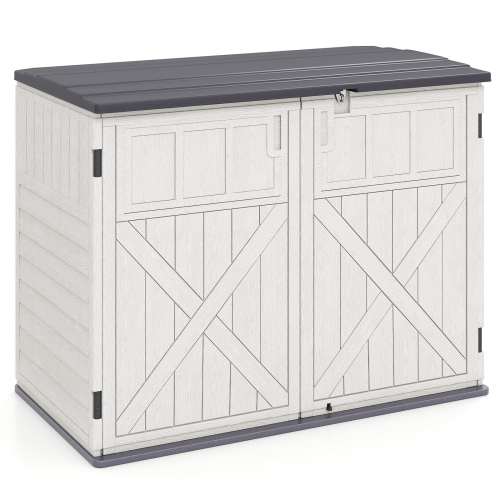
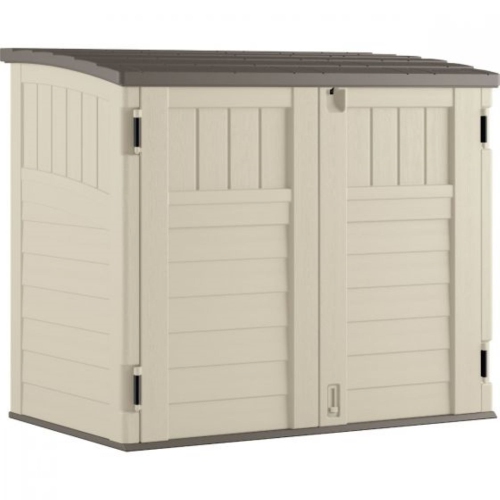
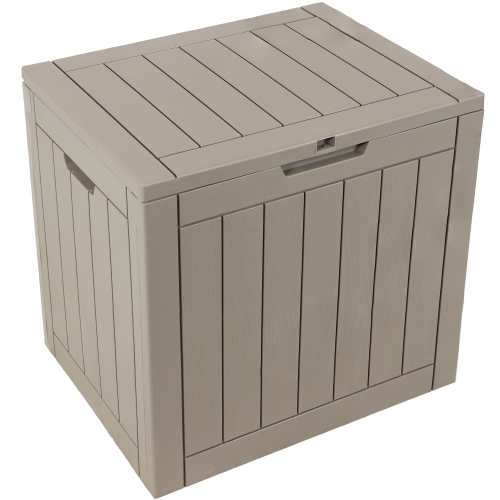
Exterior storage boxes provide enclosed storage for outdoor essentials on patios, decks, balconies, and in backyards. Often called outdoor storage boxes or patio storage chests, they help keep cushions, gardening supplies, outdoor toys, and other frequently used belongings together without taking up indoor cupboard space. Their usefulness comes down to how well their shape and capacity suit the things being stored. A long, low box can accommodate bench cushions that would need to be folded into a narrower container, while a compact upright design may suit hand tools and smaller accessories beside a potting table. Capacity in litres provides a useful comparison, but internal dimensions give a clearer picture of what will actually fit. Thick cushions, rigid watering cans, and bulky play equipment can leave unused gaps even in a generously sized chest. Measuring the largest belongings first helps avoid a box that looks spacious outside but falls short inside. Placement matters just as much: the footprint should leave room for walking, opening doors, pulling out chairs, and lifting the lid fully. On a balcony, a lid that opens against a wall or railing needs enough clearance to stay open safely. On a patio, keeping storage close to the seating area makes putting cushions away less of a chore. For storage beside an outdoor lounge or dining space, Deck Storage Boxes offer a closely related category to explore. Exterior storage can be especially useful for households with shared outdoor areas, gardeners who want everyday supplies close at hand, and families looking for a designated place for toys after playtime. The best fit is not necessarily the largest box; it is one that makes everyday belongings easy to reach, keeps pathways clear, and fits comfortably into the space. Separating frequently used accessories from larger stored belongings also helps prevent a neatly packed chest from becoming difficult to use.
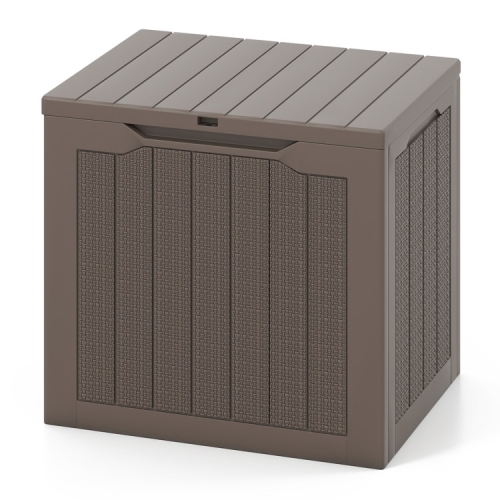
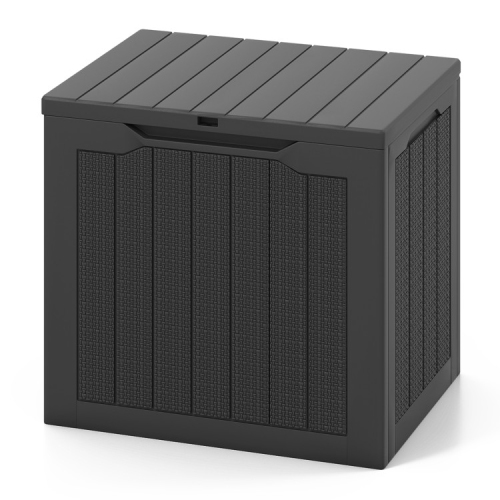
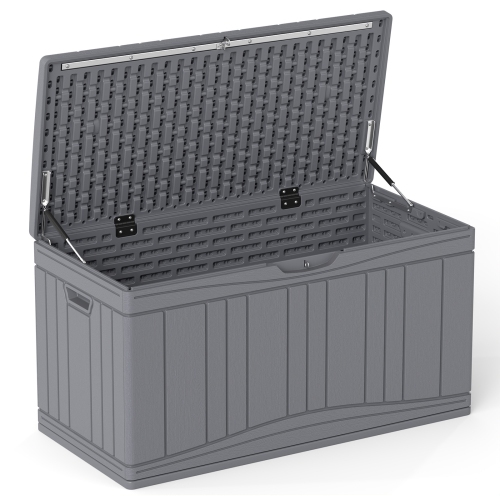
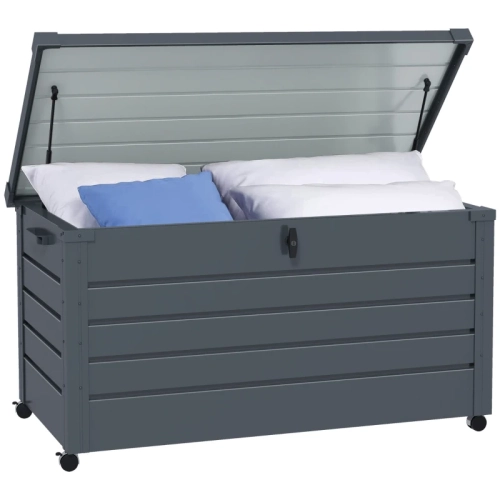
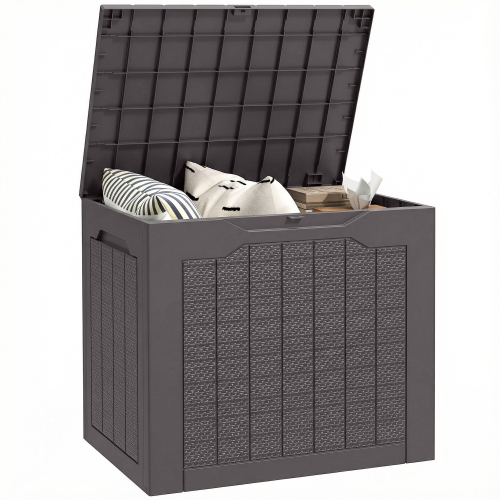
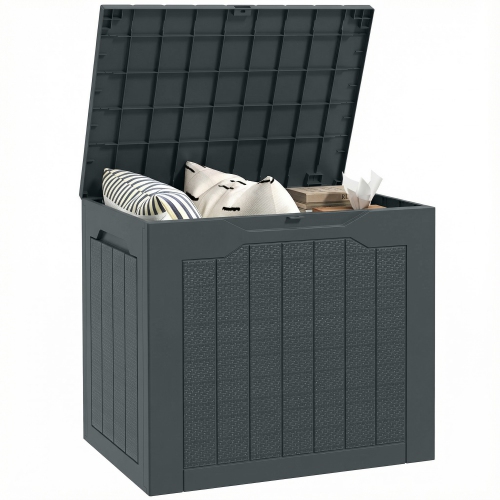
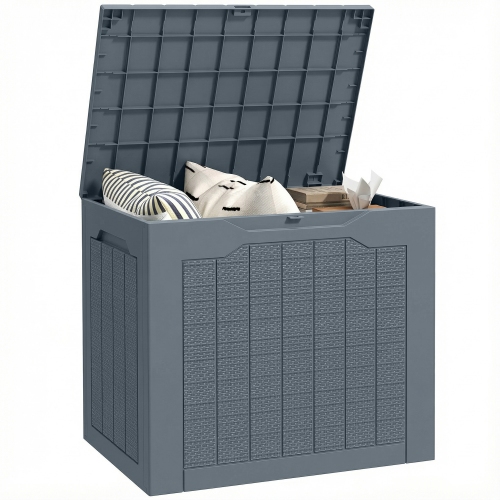
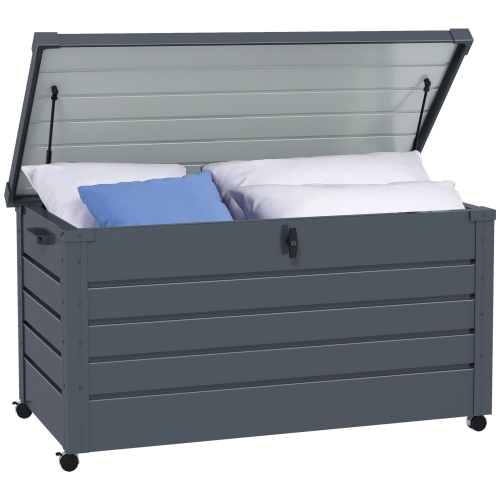
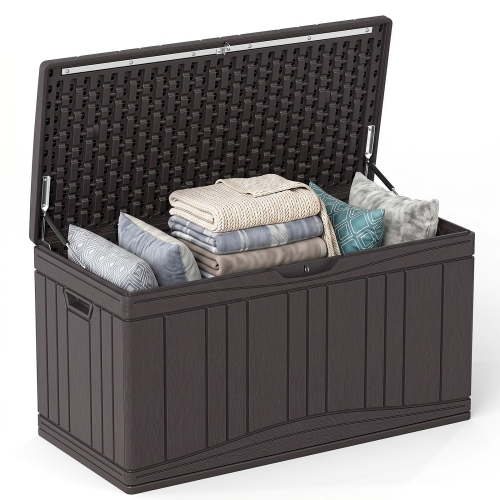
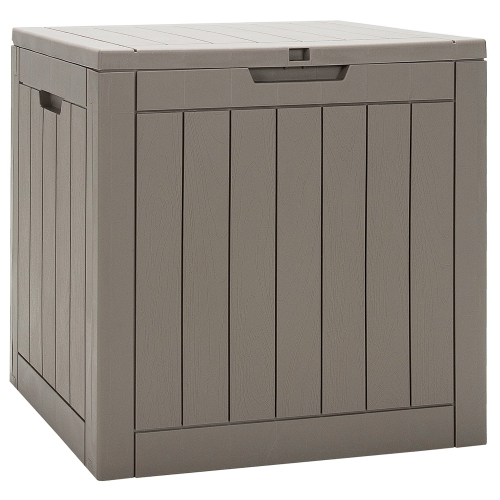
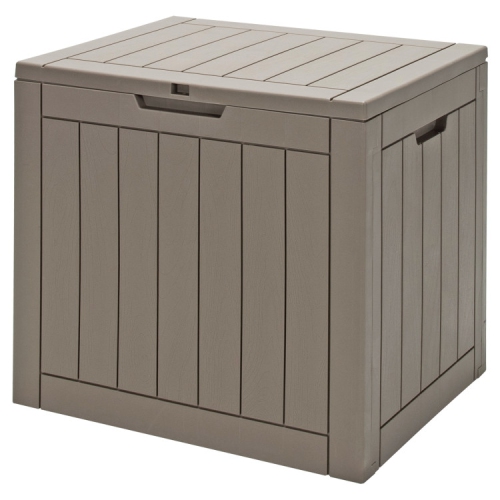
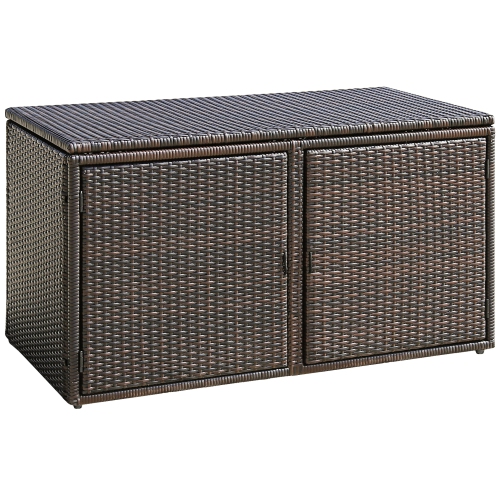
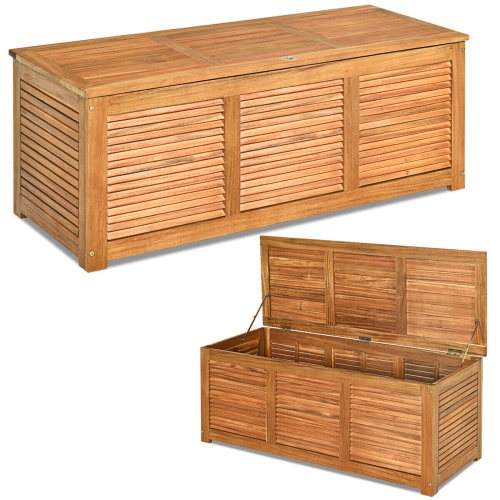
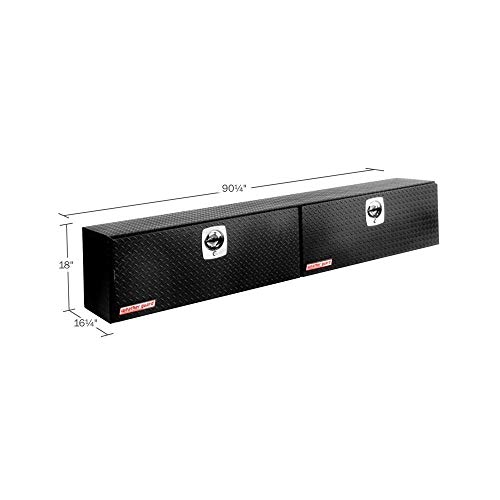
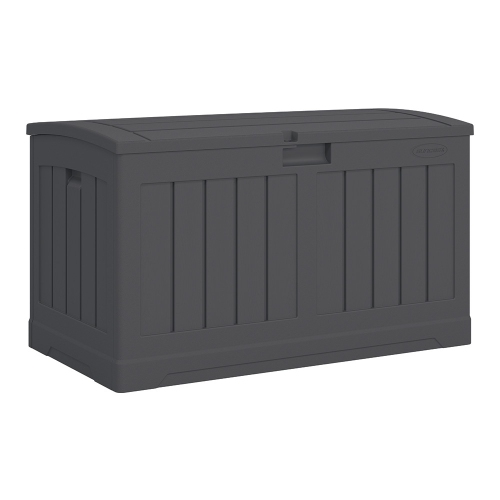
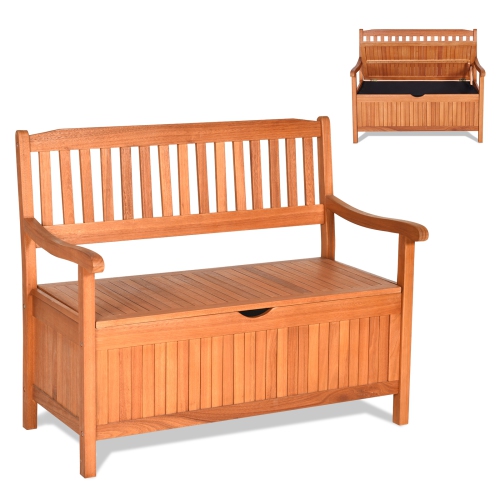
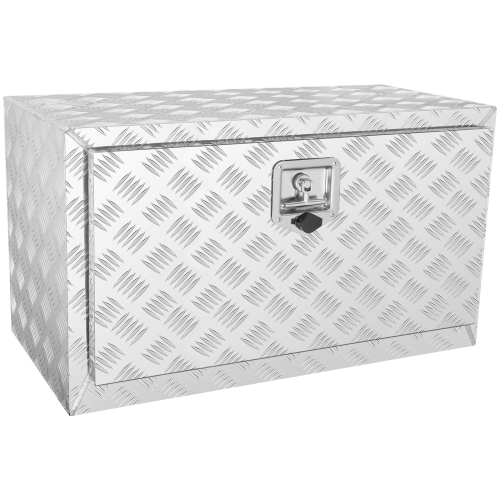
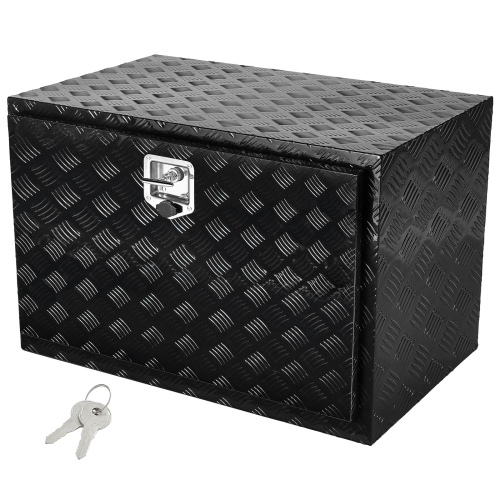
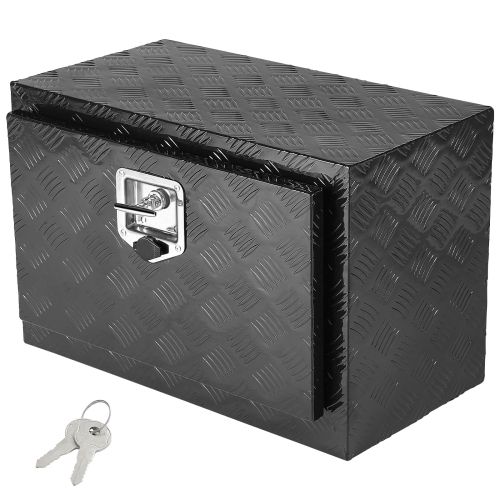
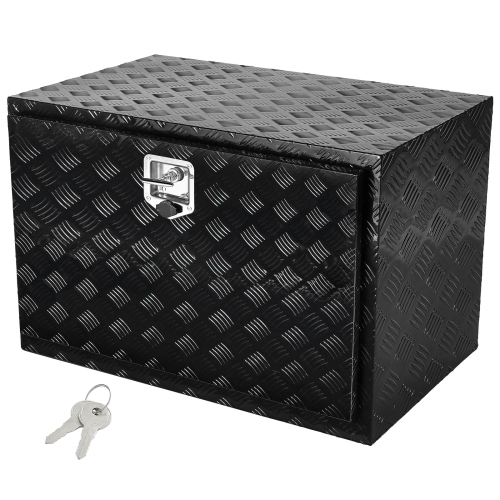
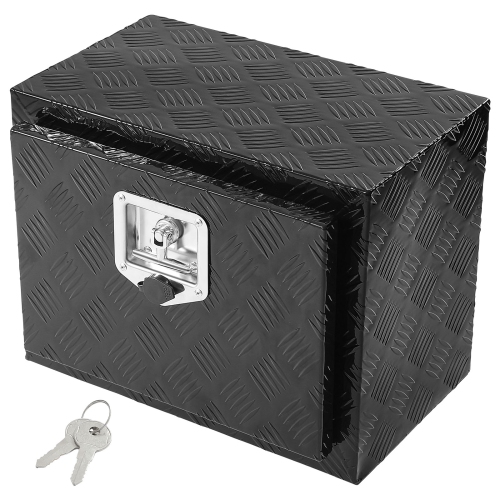
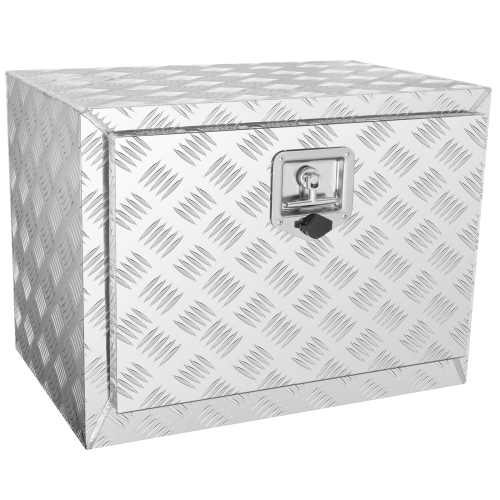
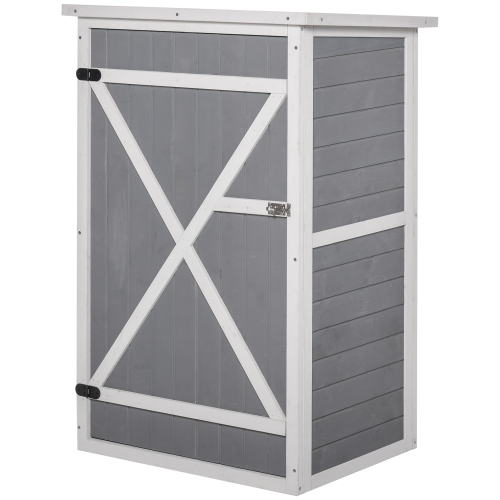
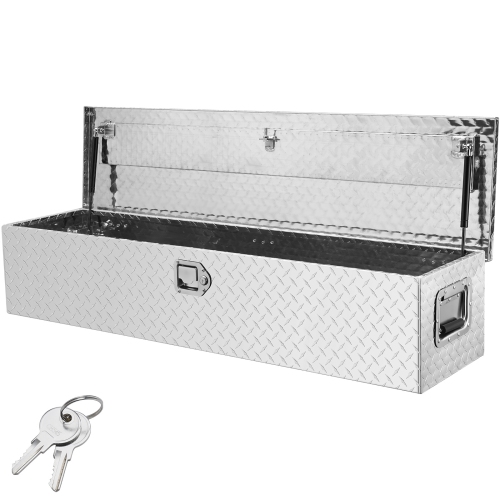
Materials influence an outdoor storage box’s appearance, maintenance needs, and ability to withstand exposure. Resin and plastic designs are popular because they generally need little routine upkeep and do not rust, although their strength and resistance to fading vary with the material and construction. UV-resistant materials can help limit damage from sunlight, while reinforced panels may provide greater rigidity than thin, unsupported walls. A moulded wicker-look surface adds texture without the same construction as woven furniture, and wood-look finishes can coordinate with timber decking without requiring the same care as natural wood. Wooden storage boxes bring visible grain and a furniture-like appearance to an outdoor seating area, but their performance depends on the wood species, finish, joints, and ongoing maintenance. Depending on the manufacturer’s directions, cleaning and periodic refinishing may be needed to help manage moisture exposure and surface wear. Metal boxes can provide a firm, structured enclosure, with durability influenced by the metal, protective coating, and quality of the hardware. Scratches or worn coatings may need attention to prevent corrosion where the underlying material is vulnerable. Across all materials, a sturdy base, well-fitted lid, dependable hinges, and secure panel connections matter more than appearance alone. Weather-resistant does not automatically mean waterproof: a box designed to shed rainfall may still admit moisture through joints, ventilation openings, or the base during heavy exposure. Raised feet or an elevated base can help separate stored belongings from damp surfaces, but they do not make a box suitable for standing water. Ventilation may reduce trapped humidity, though it cannot reliably dry wet cushions inside a closed chest. Textiles should be clean and completely dry before storage, and belongings that are sensitive to dampness may need an indoor location instead. For exposed Canadian outdoor spaces, checking the stated suitability for rain, snow, freezing temperatures, and sunlight helps establish whether a box belongs in an open yard or under a covered patio.
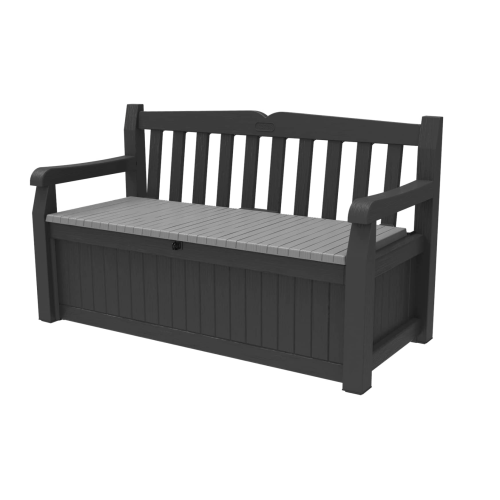
Practical details often determine how pleasant an exterior storage box is to use after the first few days. A lid with a controlled-opening mechanism can make loading bulky cushions easier, but it should operate smoothly and be used according to the manufacturer’s safety directions. Hinges and lid supports deserve particular attention in households with children, as heavy lids and pinch points require care; children should never climb inside a storage chest. Handles can help reposition an empty box, and wheels may be useful on a smooth, level surface, although neither feature means a fully loaded container can be moved safely. A level base supports proper lid alignment and helps prevent rocking, whether the box sits on paving stones, a deck, or a covered porch. If extra seating is part of the plan, only a design explicitly rated for sitting should be used as a bench. Its stated seating capacity and weight limit should be checked separately from its storage capacity, since a strong-looking lid is not proof that it can support someone. The same distinction applies when using the top as a surface for serving trays or other belongings: intended use and load limits still matter. A lockable lid can discourage casual access, but a basic storage chest is not a substitute for secure storage for valuables, hazardous substances, or sharp equipment. Inside, small removable containers can keep plant ties and gardening gloves from disappearing beneath larger belongings, provided they do not block ventilation or interfere with closing the lid. Care is usually easier when dirt and leaves are removed regularly, surfaces are cleaned using approved methods, and hinges, fasteners, and drainage openings are checked periodically. Harsh cleaners or abrasive tools can damage some finishes, so maintenance should match the material rather than follow a single approach for every box. For longer storage periods, inspecting the contents occasionally helps catch moisture before it becomes a bigger problem. Thoughtful sizing, suitable materials, and straightforward upkeep make exterior storage a useful extension of an outdoor living space, with everyday essentials close by and enough clear space left to enjoy the area.
Top selling and popular products
-
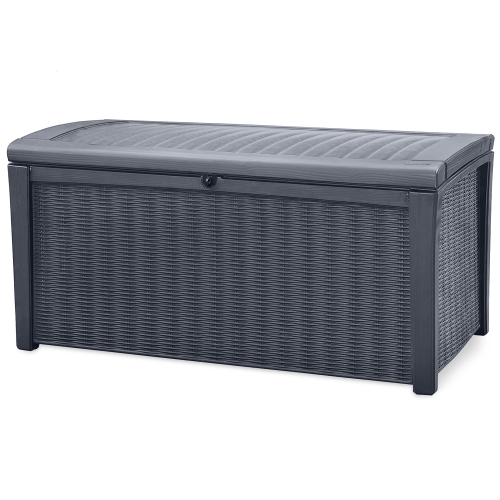 Your price for this item is $412.99
-
 Your price for this item is $299.99
-
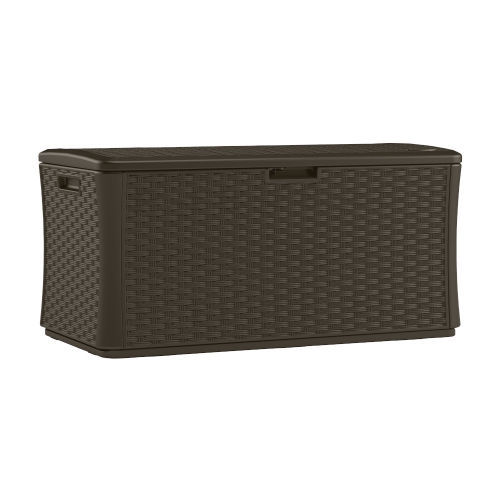 Your price for this item is $349.99
-
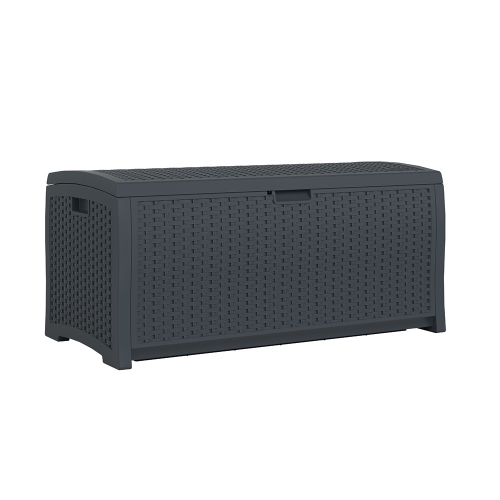 Your price for this item is $219.99
-
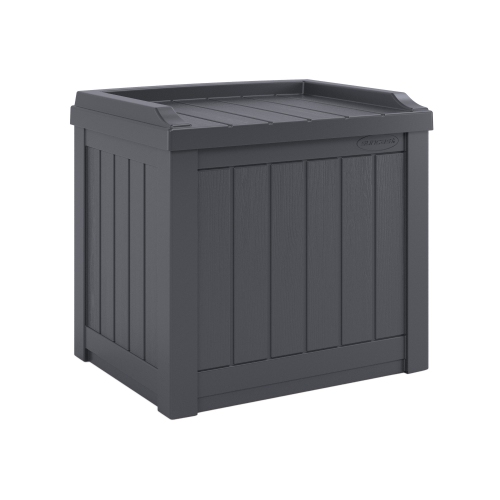 Your price for this item is $108.99
-
 Your price for this item is $134.95
-
 Your price for this item is $417.99
-
 Your price for this item is $233.99
Discover more categories related to Exterior Storage Boxes
Top Collections:
Pokemon Centers, Kindle Devices, Best Black Friday Deals This Year, Pokémon 30th Celebration Cards, Best Black Friday Deals On Electronics, Best Cameras for Sports Photography, Best Black Friday Deals On Apple Products, Canon G7X Cameras, iPhone 15 Apple, Candle Warmer Lights
Some products may be subject to Environmental Handling Fees
(EHF) depending on your province.
Learn more about EHFs.