Extra Large Wooden Chopping Boards
Elevate your kitchen prep with extra large wooden chopping boards, designed to offer ample space for slicing, dicing, and serving your favourite ingredients. Perfect for home cooks and culinary enthusiasts alike, these spacious boards provide a sturdy and stylish foundation for all your food preparation needs. Discover a range of extra large wooden chopping boards that blend natural beauty with everyday practicality, making them an essential addition to any kitchen setup.
Sort
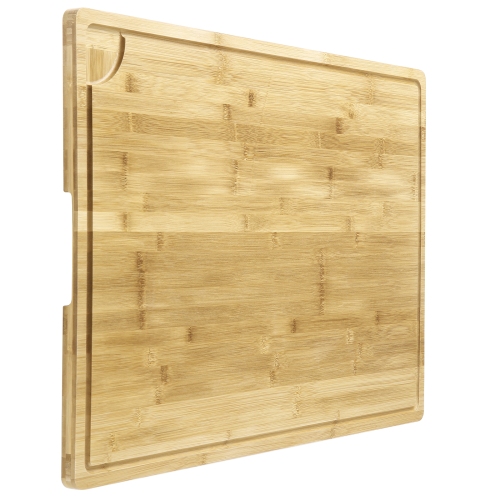
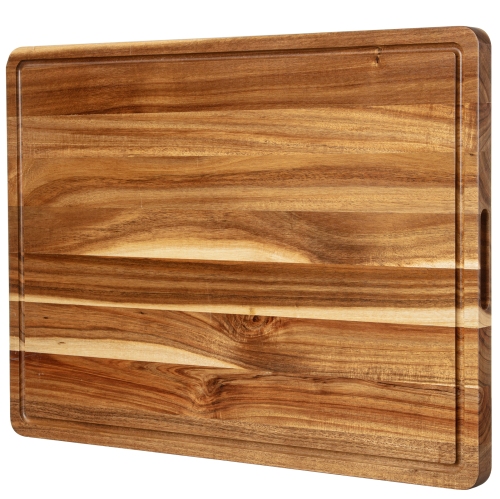
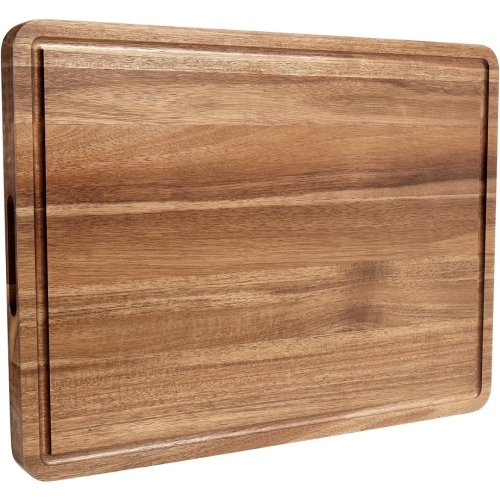
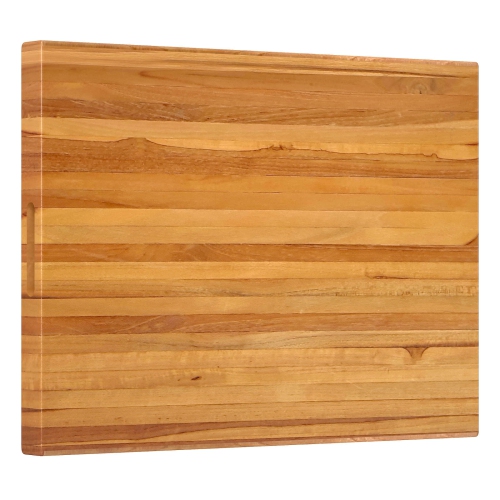


More room for ingredients without crowding your knife
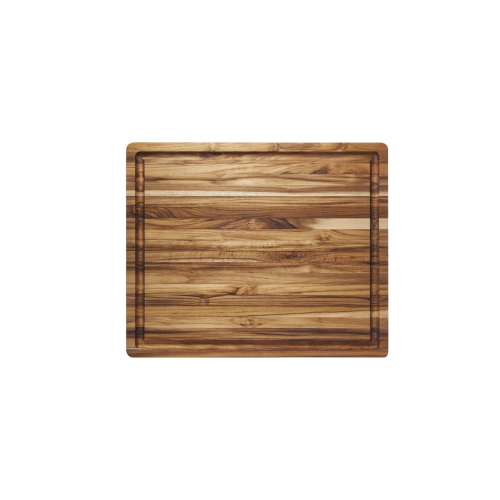
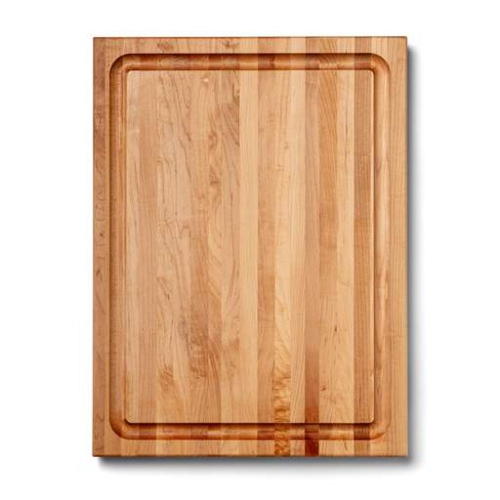
Extra large wooden chopping boards provide a generous work surface for slicing, dicing, carving, and arranging food without crowding the knife. Their main advantage is room to work: a whole cabbage can sit beside a pile of shredded leaves, chopped onions can stay clear of the next ingredient, and a loaf of bread can be sliced without scattering crumbs across the counter. There is no universal size standard for “extra large,” so the actual length and width matter more than the label. A 24-inch by 18-inch board, for example, offers substantial preparation space, but it also needs a counter deep enough to support it fully. Measuring the intended workspace, storage location, and sink opening helps establish whether an oversized board will fit comfortably into everyday routines. Enough clearance around the board is important, too, particularly near a cooktop or sink where handles, splashes, and other kitchen tasks compete for space. Thickness adds weight and can help a board feel substantial, although weight alone does not guarantee that it will stay in place. A flat underside and a suitable non-slip mat can help keep the surface steady during chopping. For someone who prepares several meals at once, a broad board offers room to organize ingredients in separate piles before transferring them to bowls or pans. For someone who regularly carves cooked poultry or roasts, the useful cutting area and capacity of the juice groove may matter more than the overall dimensions. An oversized board can also serve as a landing place for sliced bread, cheese, and prepared fruit when entertaining, provided it is clean and suitable for food contact. Within the wider range of Wooden Cutting Boards, extra large formats are especially useful when keeping ingredients contained and having an uninterrupted cutting surface are priorities. Their appeal is practical as much as visual: they create a defined workspace that can support everything from a quick sandwich to a larger shared meal.
Wood species and construction influence how an extra large chopping board feels under a knife, how much it weighs, and how it wears. Maple, walnut, acacia, and teak are common choices, each with its own grain pattern and colour variation. Species names alone do not establish quality; well-fitted joints, a smooth food-contact surface, and sound construction are just as important. Hardwoods suited to cutting boards generally provide a more forgiving surface for knife edges than glass or stone, but no wooden surface is immune to cuts or scratches. End-grain boards present the ends of the wood fibres at the cutting surface, often creating a block-like pattern. They can be gentle on knife edges and make some cutting marks less noticeable, though they still need regular care. Edge-grain boards expose the lengthwise edges of the wood strips and often have a more linear appearance. Both constructions can perform well for daily food preparation when properly made and maintained. A juice groove is useful for catching liquid from carved meat or ripe tomatoes, but it takes up part of the flat working area and has a limited capacity. A groove-free surface gives more room for moving chopped ingredients with a bench scraper or arranging bread and cheese. Reversible designs may offer different working surfaces, while boards with attached feet usually have one intended cutting side. Recessed side grips can make a heavy board easier to lift, particularly when it needs to be moved for cleaning. Raised handles may be convenient for carrying but require extra storage clearance. The best fit depends on the tasks that happen most often: preparing vegetables calls for open space, carving benefits from liquid containment, and serving favours a surface that can be carried safely. Natural wood variation also means that shades and grain markings may differ across a board. Those differences contribute to its appearance, while flatness, comfortable handling, and a finish intended for food contact remain the more important functional details.
Routine care makes a substantial difference to the useful life of an extra large wooden chopping board. Unless the manufacturer specifies otherwise, wash it by hand with warm water and mild dish soap after use, rinse without prolonged soaking, and dry it promptly with a clean towel. A dishwasher, a sink full of water, or a damp surface underneath can expose the wood to moisture conditions that encourage swelling, warping, or splitting. Once washed, allow air to circulate around both faces rather than leaving the board flat on a wet counter. The cleaning space deserves particular attention with oversized boards: there should be enough room to wash and rinse the entire surface without balancing a heavy, slippery piece of wood awkwardly over the sink. Periodic conditioning with food-grade mineral oil helps limit moisture absorption and drying; a food-contact-safe board wax containing beeswax may provide additional surface protection when used as directed. Apply care products according to the board maker’s instructions, including any guidance for the edges and underside, and wipe away excess before use. Ordinary cooking oils are generally unsuitable because they can turn rancid. A dry-looking or rough-feeling surface may indicate that conditioning is needed, but oiling does not clean or sanitize a board. Food safety still depends on thorough cleaning and separation of tasks. Use separate boards for raw meat, poultry, or seafood and foods that will be eaten without further cooking, and follow appropriate sanitizing guidance that is compatible with the wood and its finish. Deep cracks, loose joints, or grooves that cannot be cleaned thoroughly are reasons to stop using a board for food preparation. For a keen home cook, a household that prepares meals in batches, or someone setting up a kitchen, an oversized wooden board can make a thoughtful housewarming or wedding gift. Its usefulness depends on matching its size and weight to the recipient’s space and habits, including their willingness to hand wash and condition it. With that practical fit and consistent care, a large wooden board can become a dependable surface for everyday chopping, relaxed serving, and meals that call for a little more room.
Top selling and popular products
-
 Your price for this item is $39.99
-
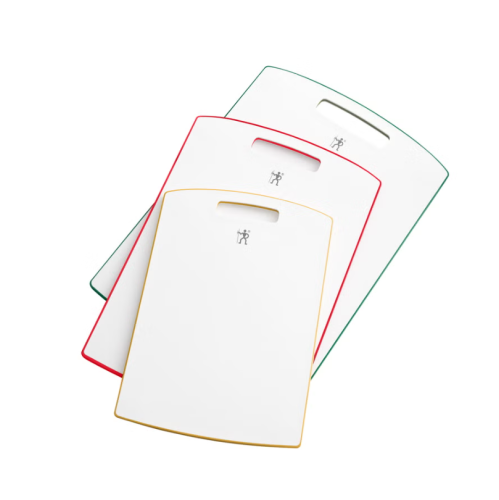 Your price for this item is $54.99
-
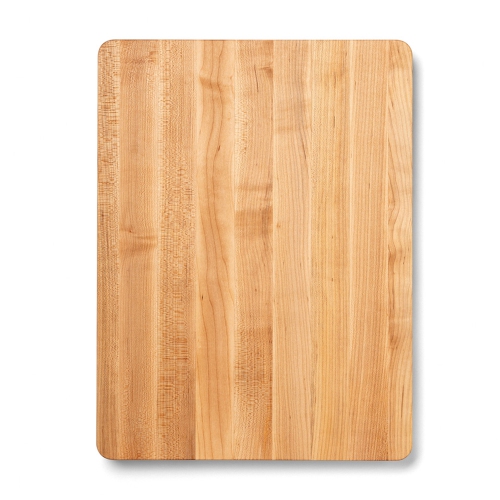 Your price for this item is $175.99
-
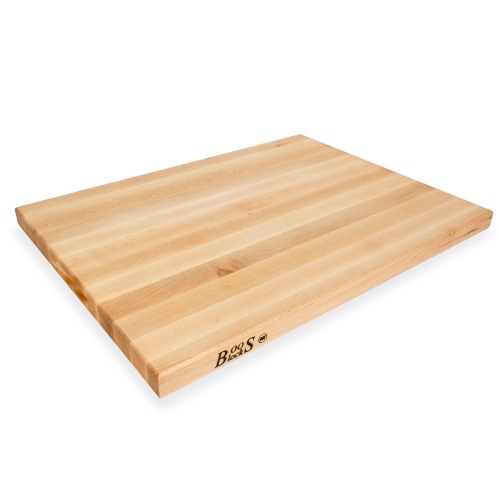 Your price for this item is $275.99
-
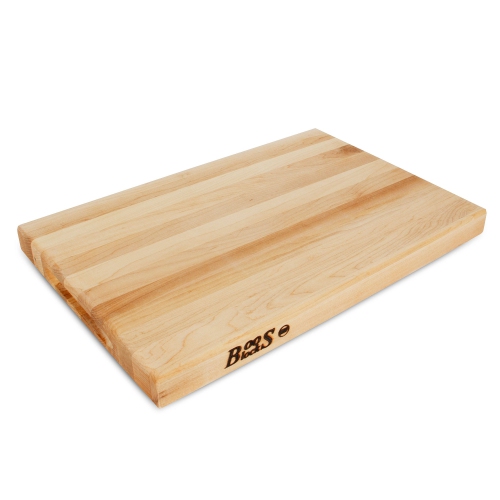 Your price for this item is $183.99
-
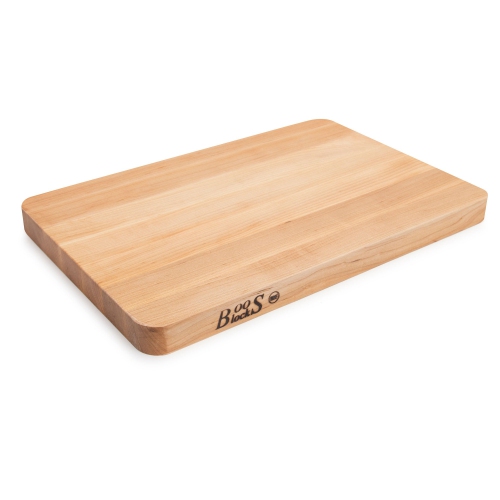 Your price for this item is $121.99
-
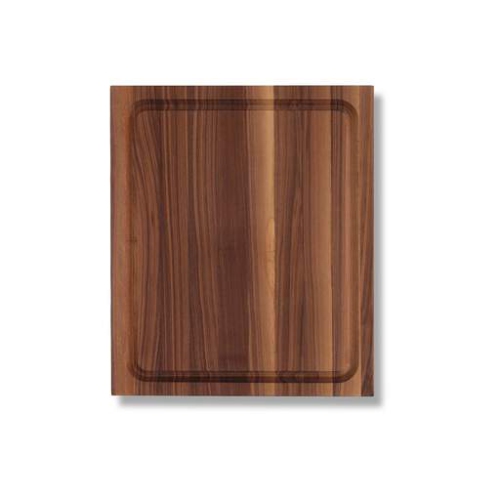 Your price for this item is $331.99
-
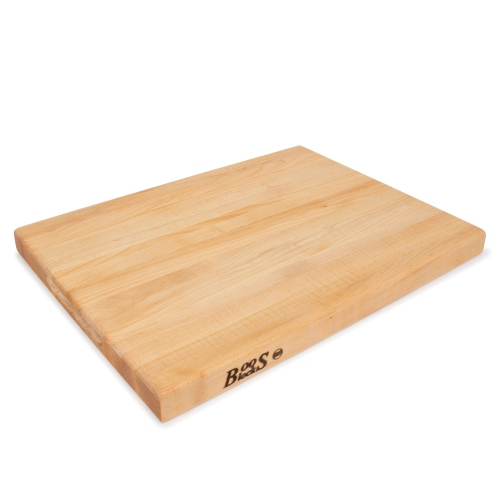 Your price for this item is $224.99
Discover more categories related to Extra Large Wooden Chopping Boards

Top Collections:
Pokemon Centers, Best Cameras for Sports Photography, Kindle Devices, Samsung Galaxy Phones, Canon G7X Cameras, Pokémon 30th Celebration Cards, Refurbished Apple Laptops, iPhone 15 Apple, Laptops for Students, Budget Smartphones
Some products may be subject to Environmental Handling Fees
(EHF) depending on your province.
Learn more about EHFs.