Thick Cutting Boards
Looking for durable and reliable cutting boards to elevate your culinary experience? Our selection of thick cutting boards offers the perfect blend of functionality and style for your kitchen. Crafted from high-quality materials, these cutting boards are designed to withstand daily use and provide a stable surface for all your meal prep needs. Whether you're chopping vegetables, slicing meats, or serving appetizers, these thick cutting boards are essential tools that bring both practicality and aesthetics to your cooking space.
Sort
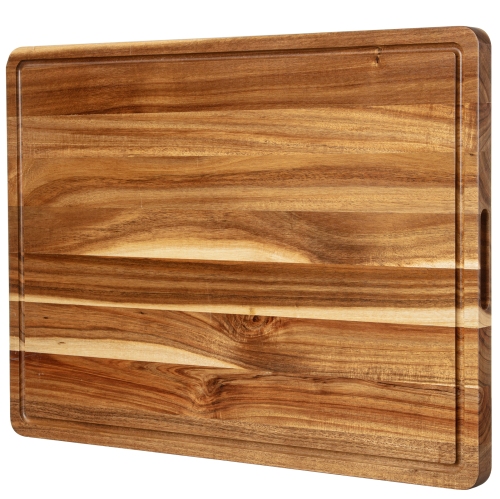
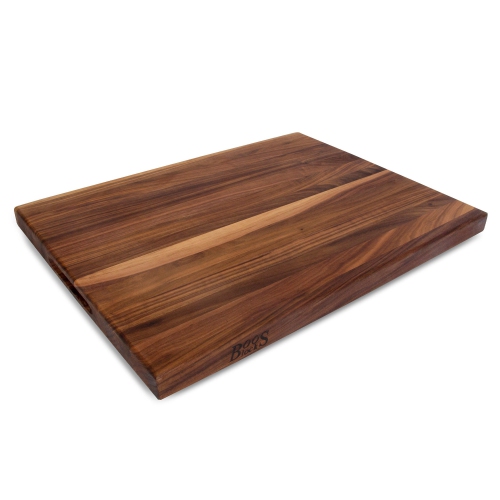
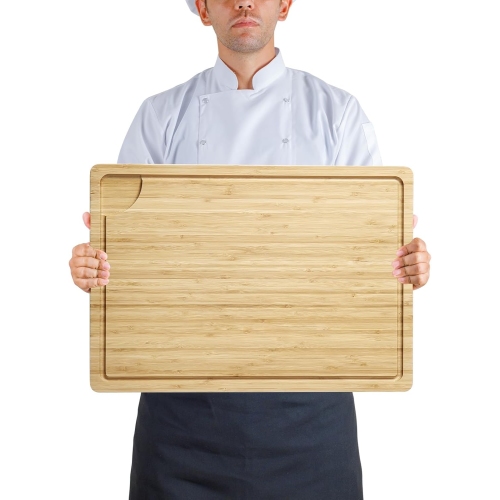
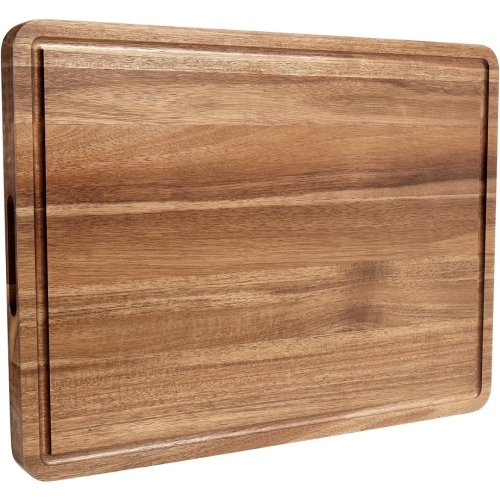



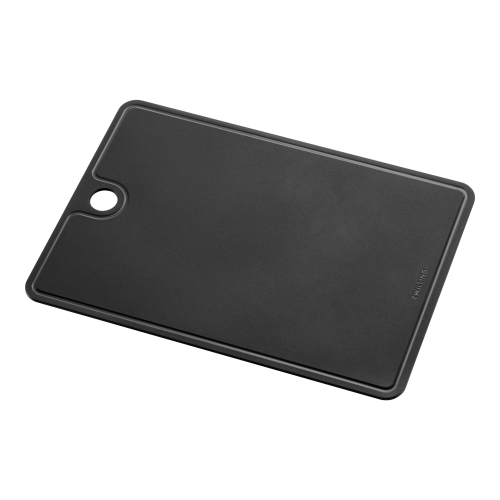
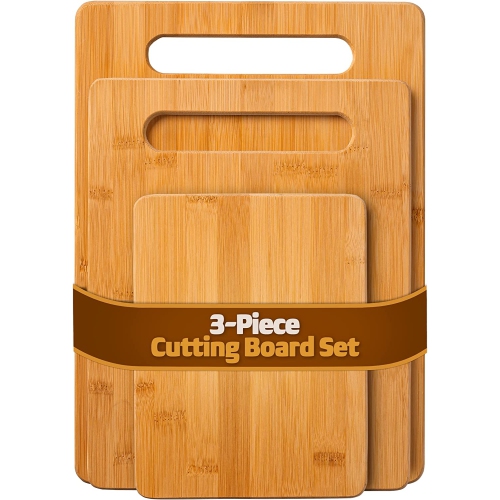
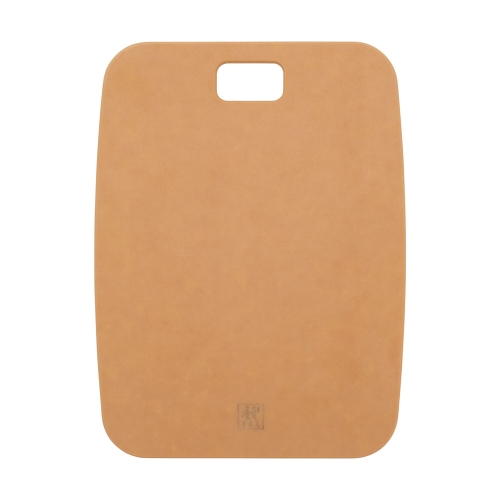
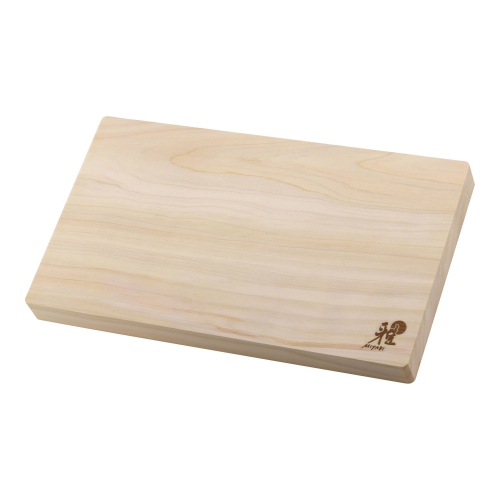
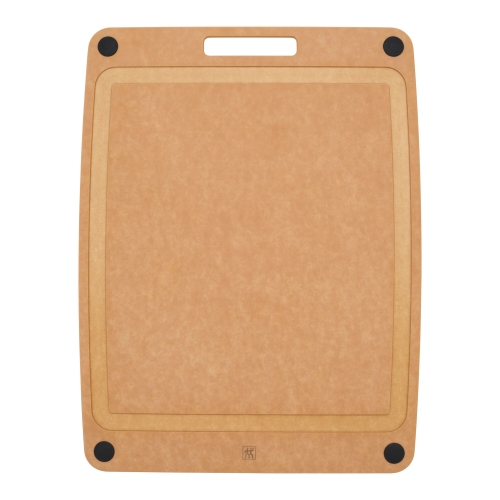
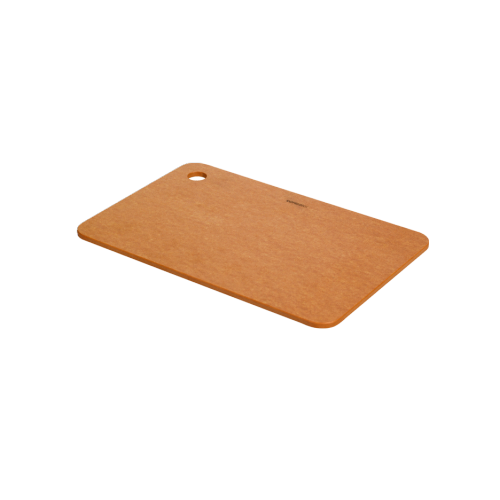
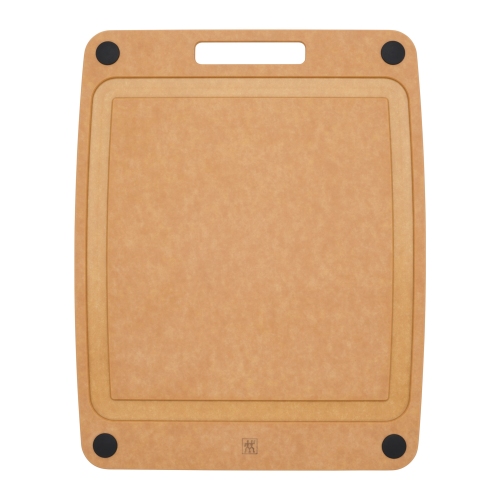
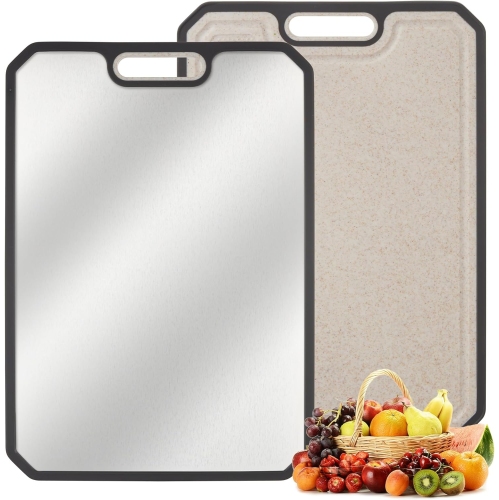
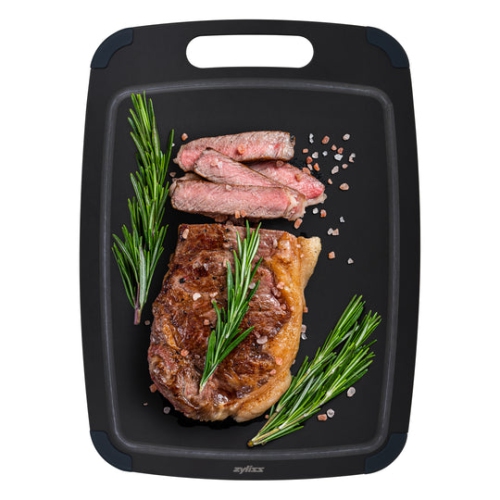
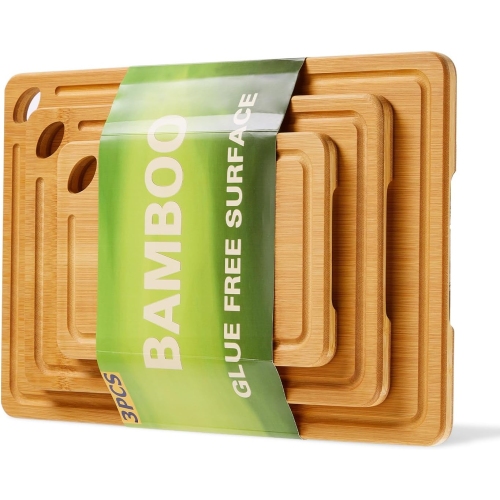
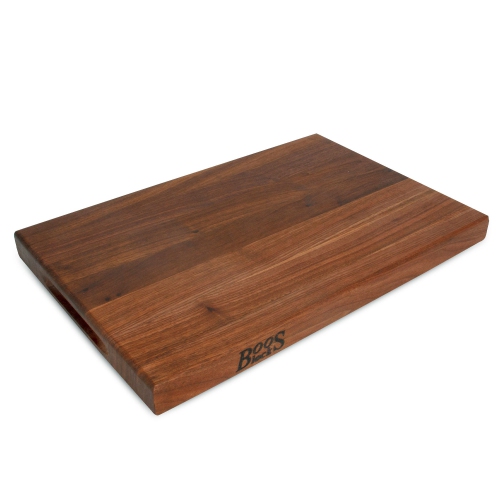
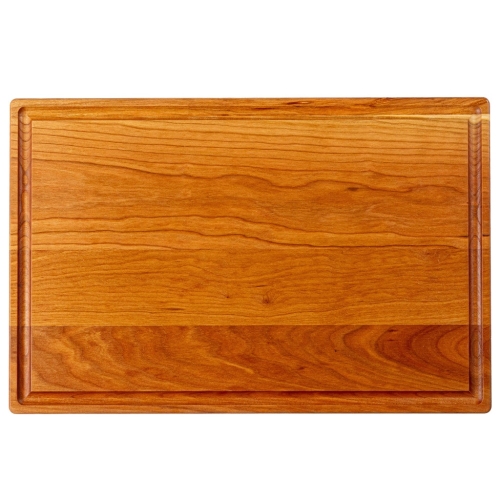
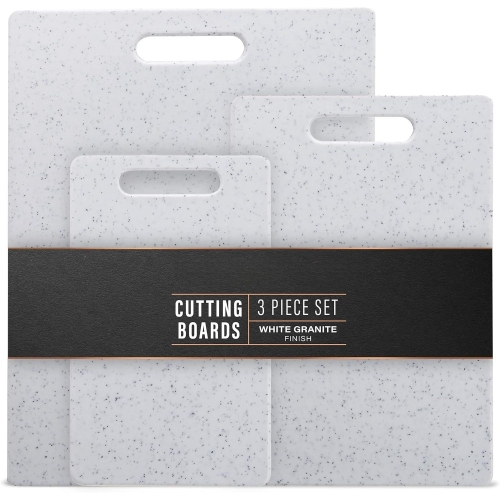
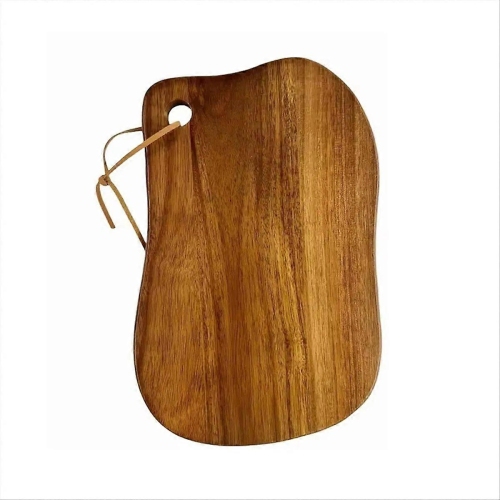
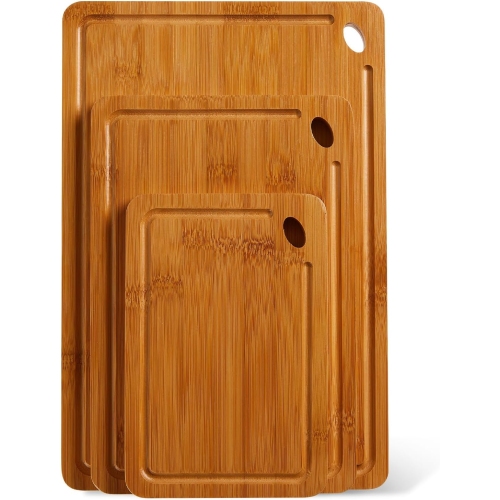
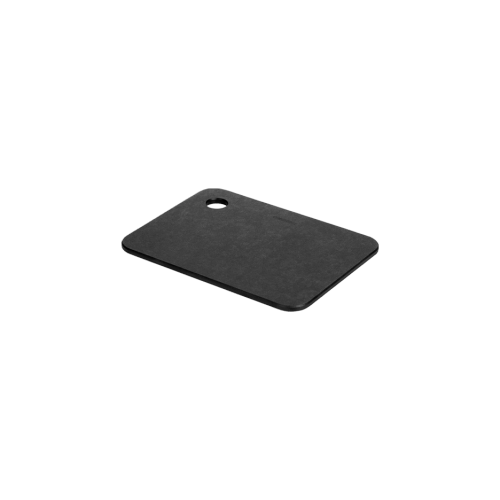
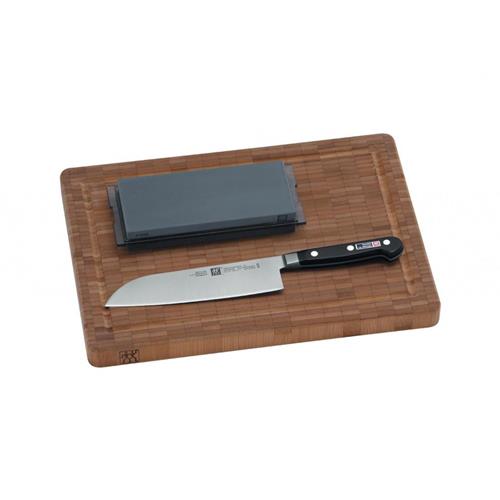
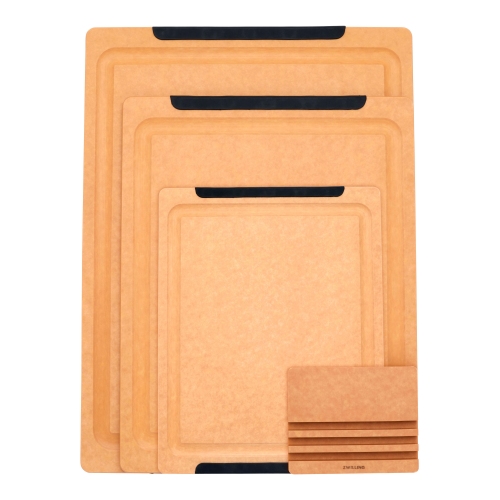
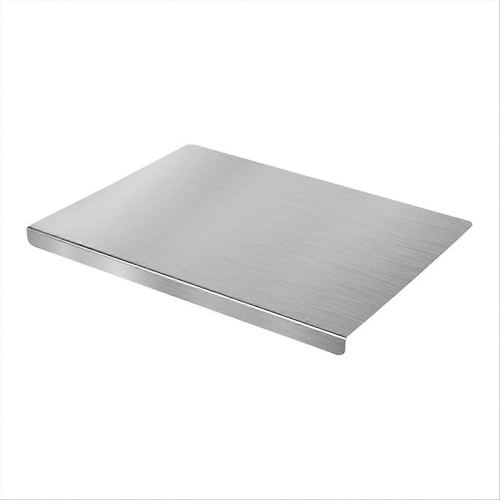
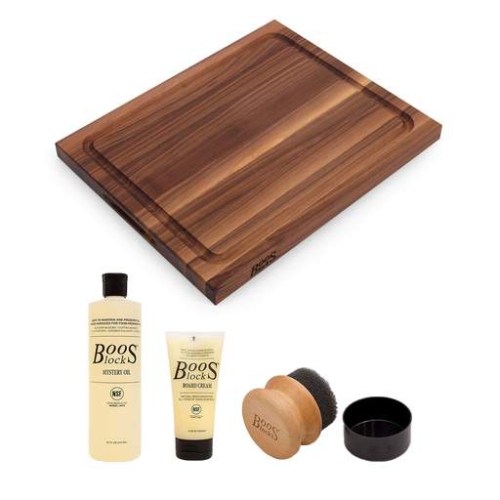
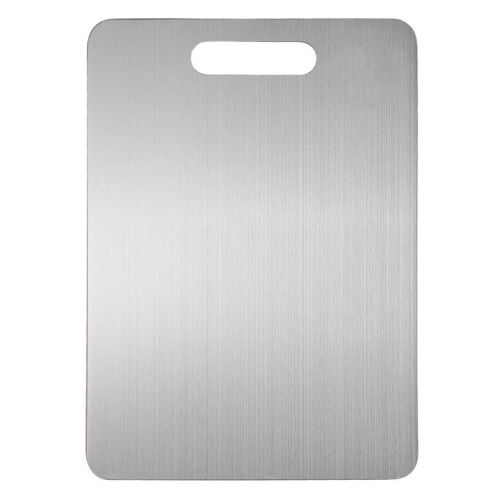
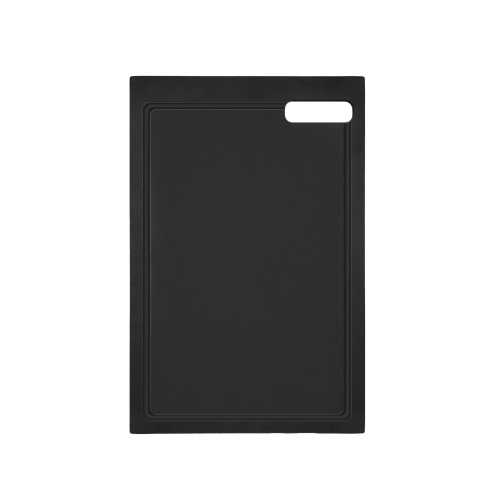
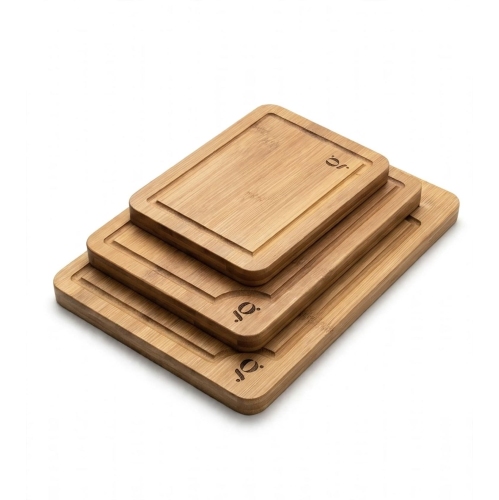
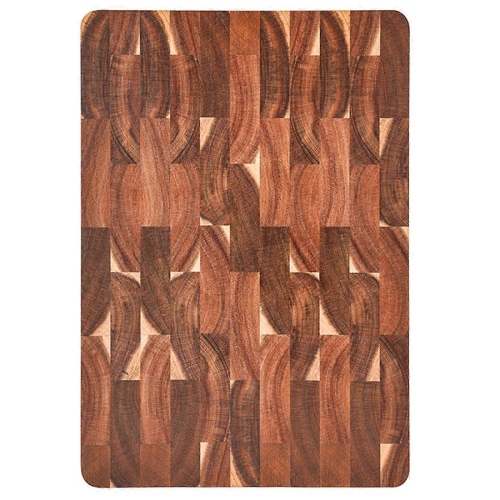
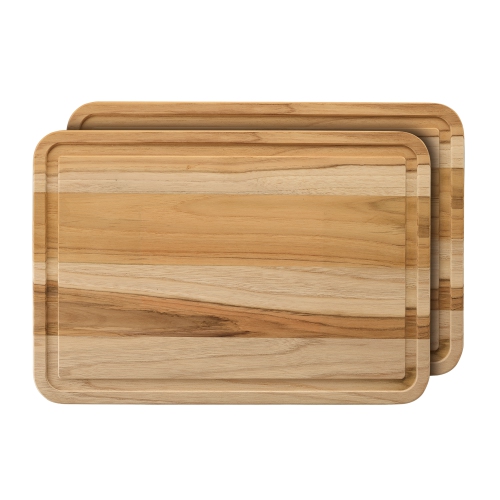
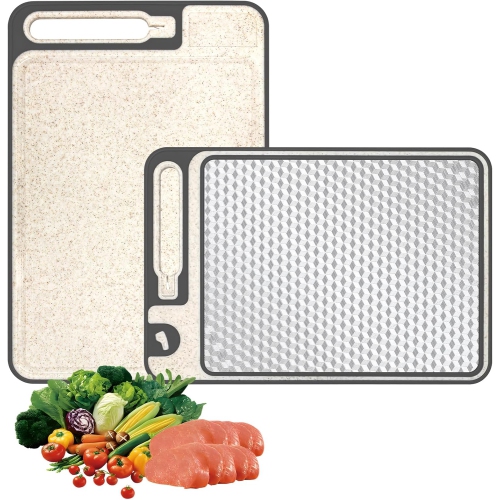
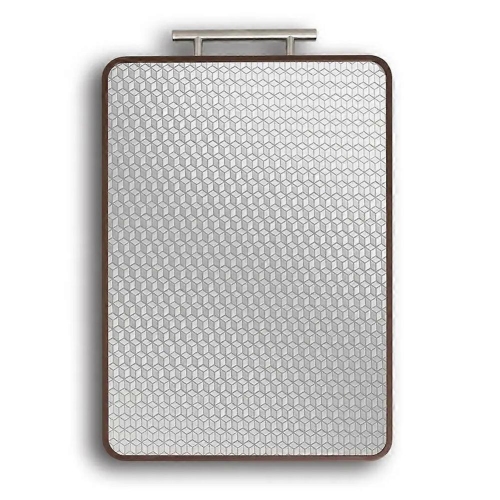
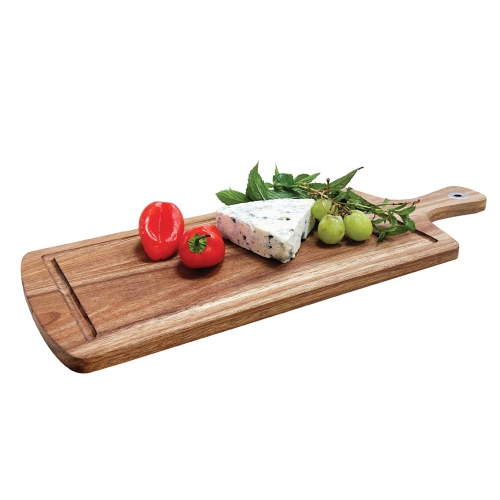
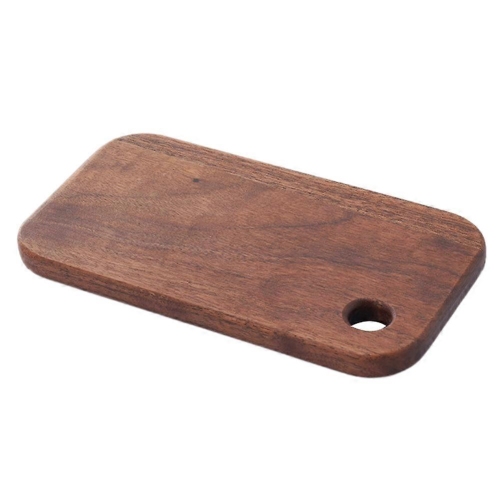
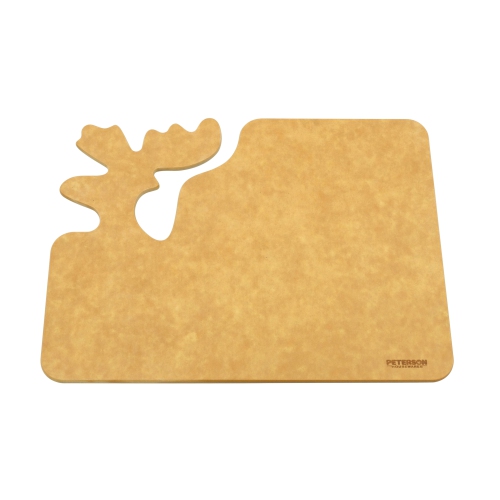
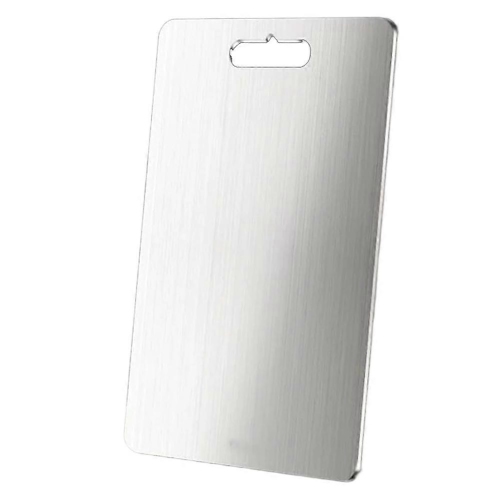
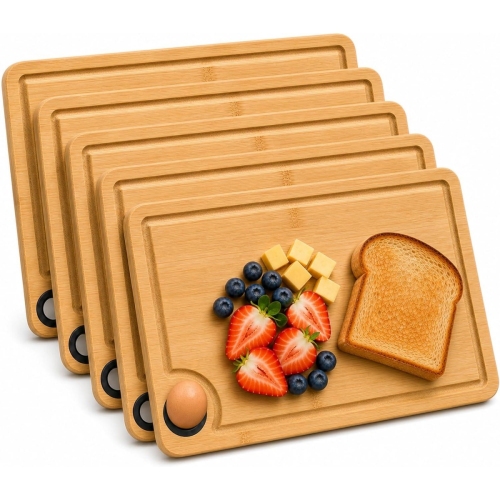
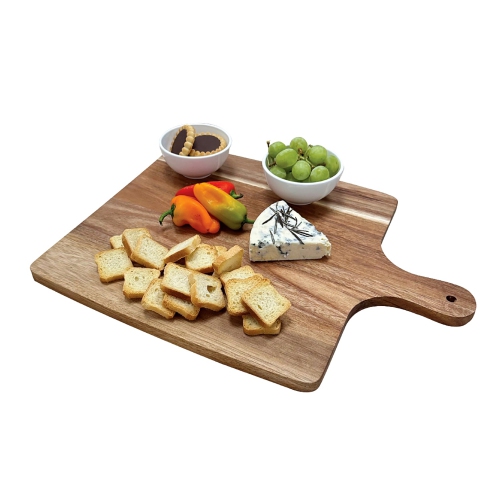
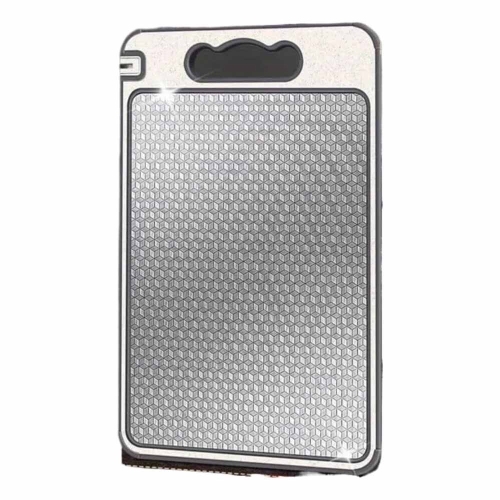
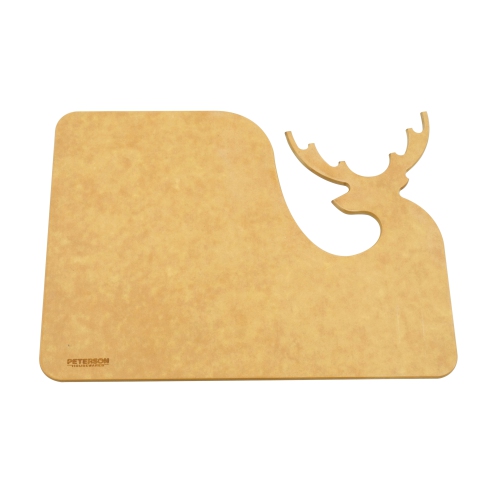
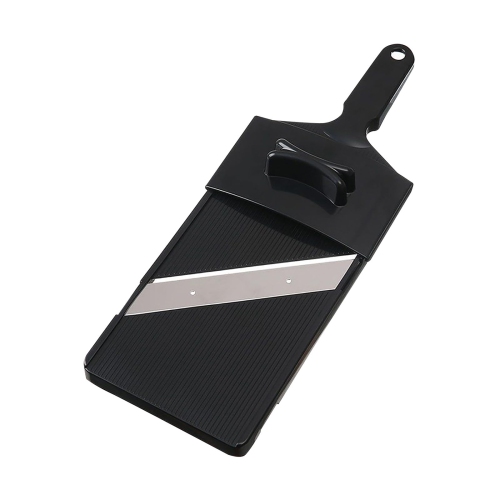
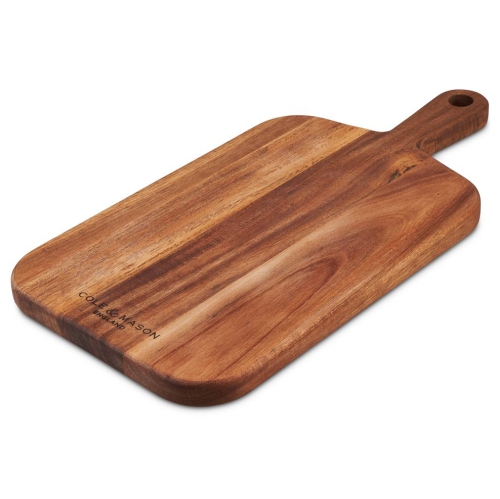
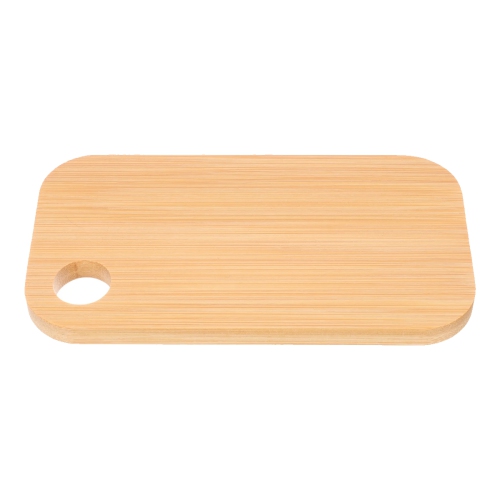
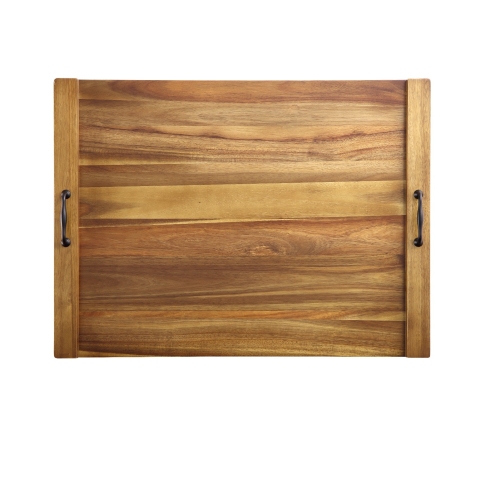
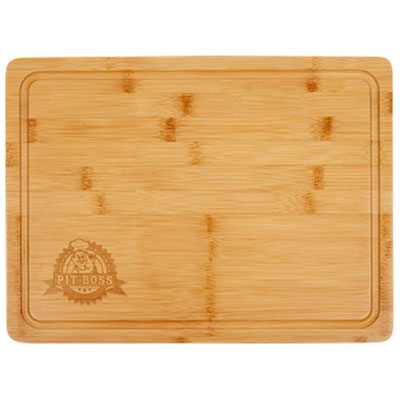
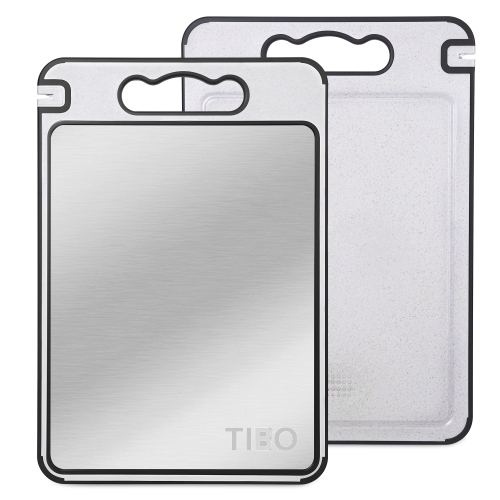
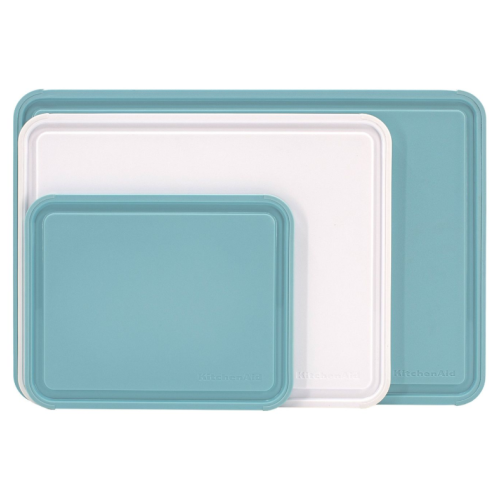
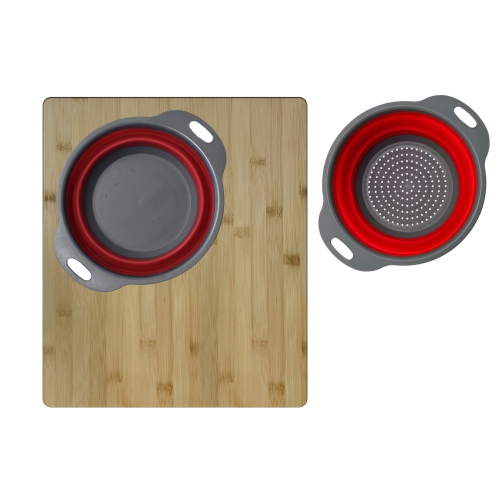
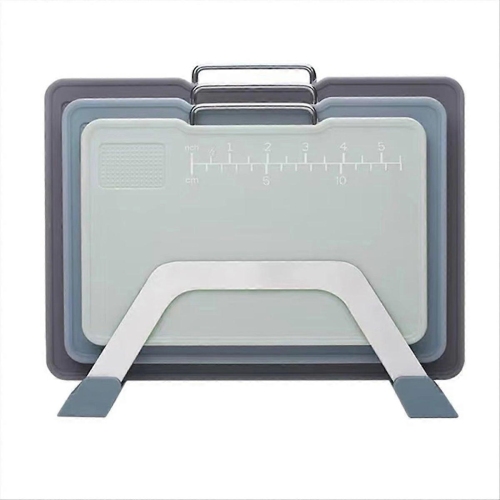
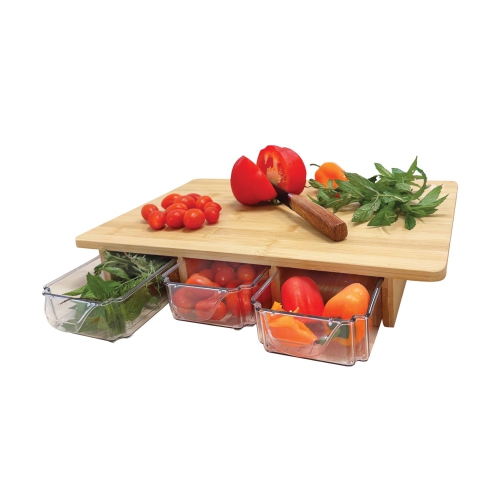

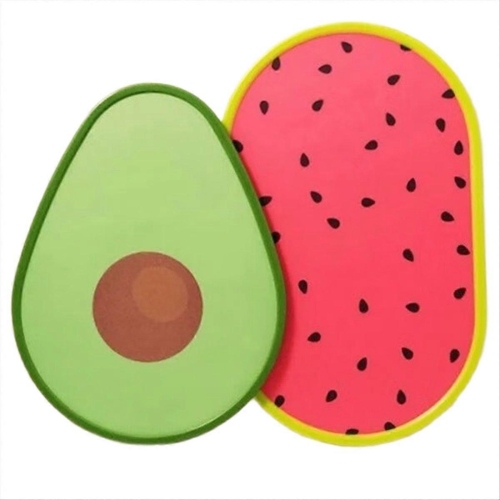
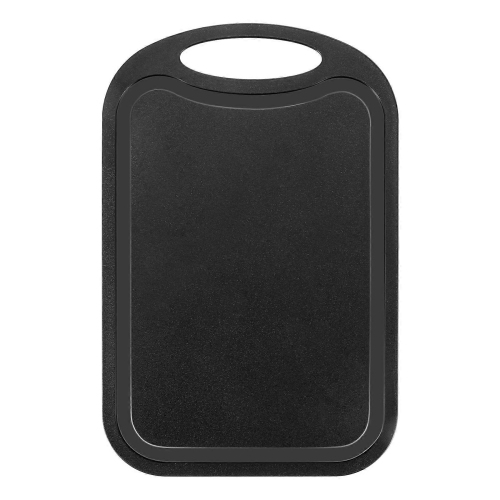
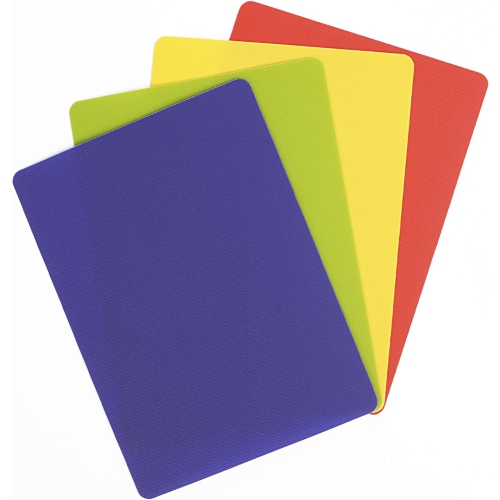
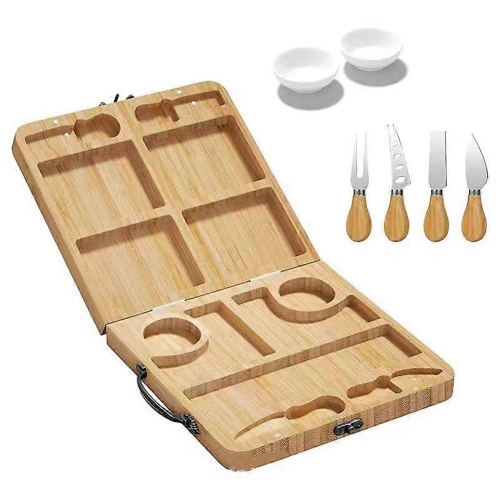
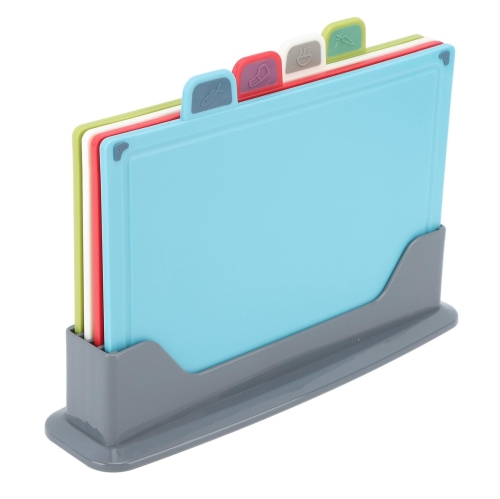
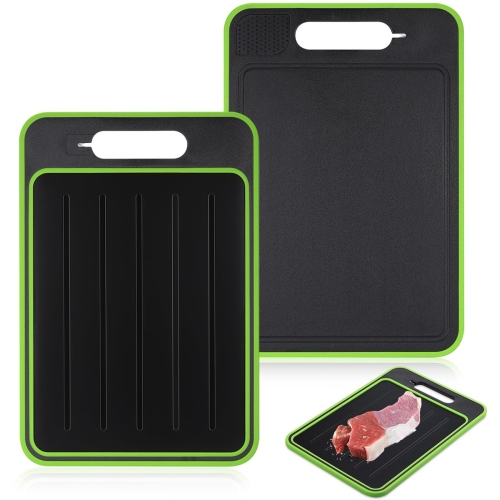
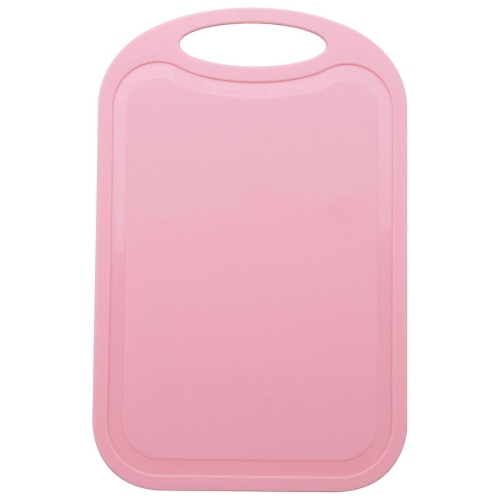

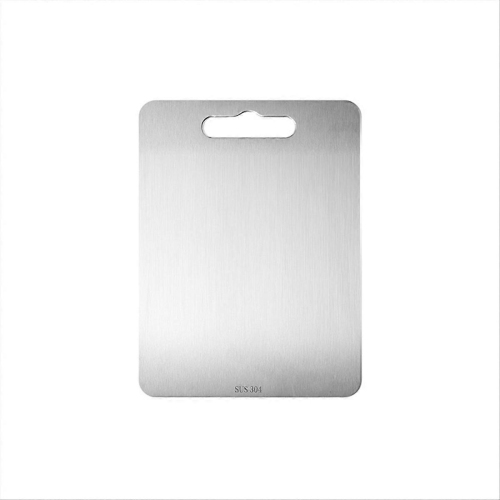
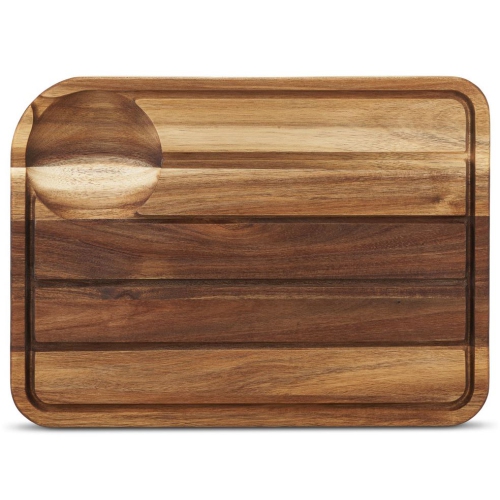
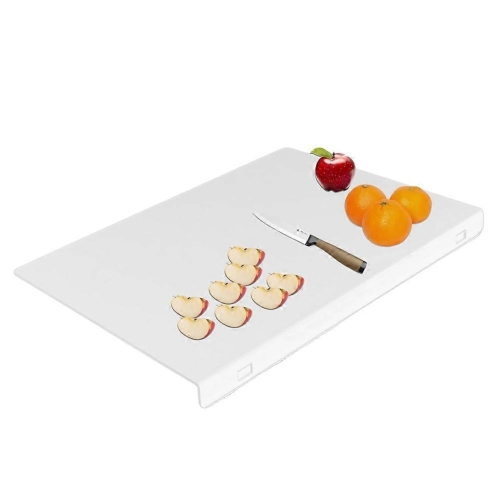


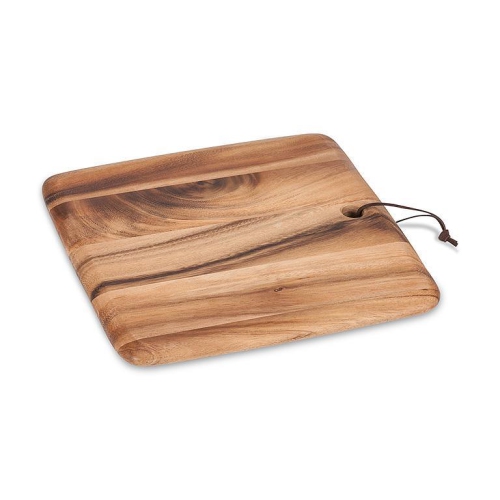
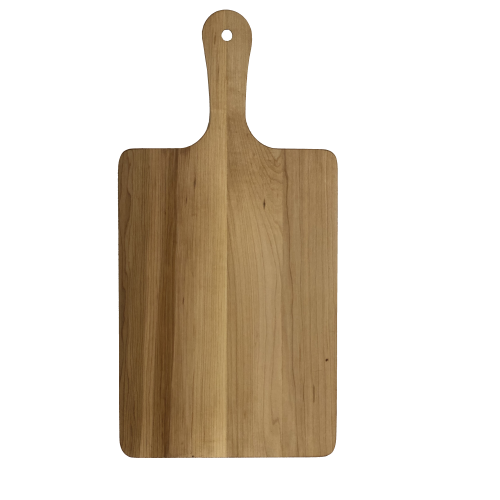
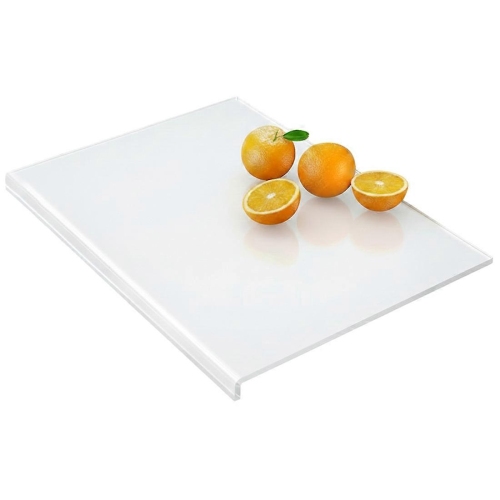

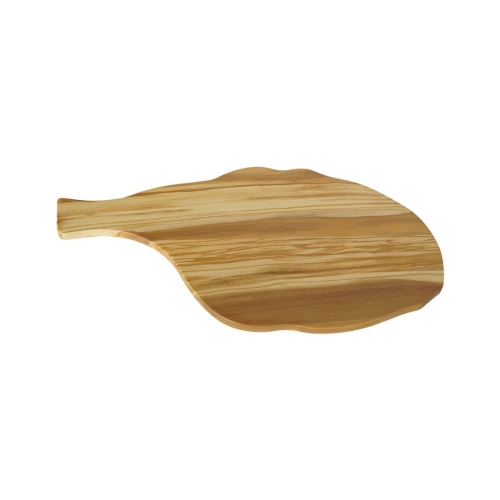
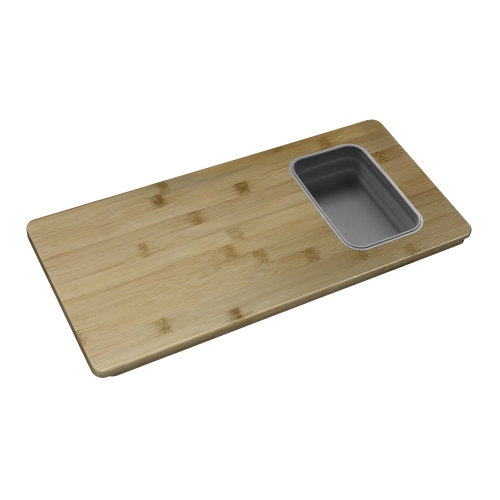
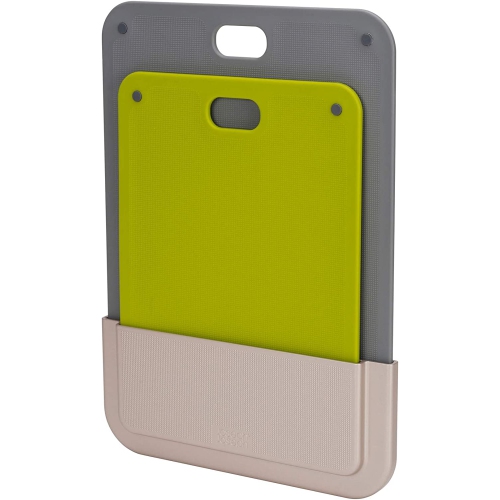

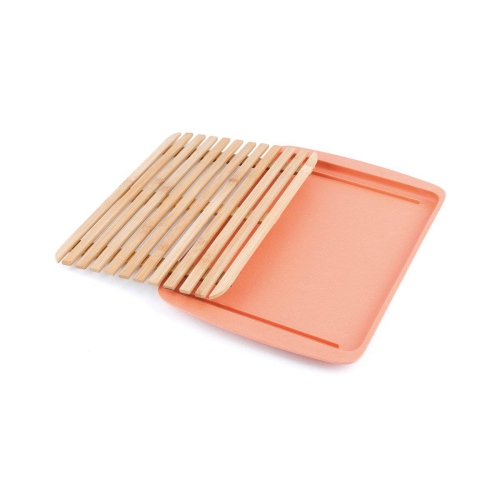
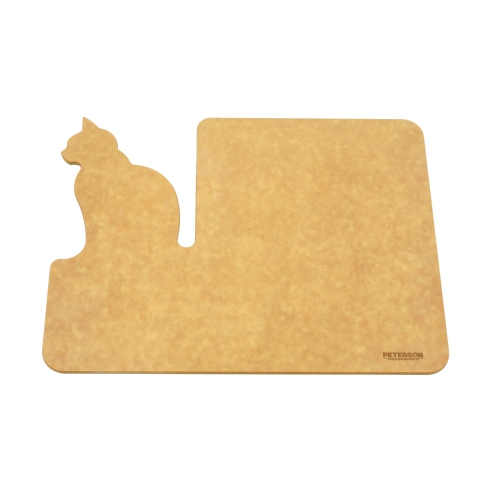
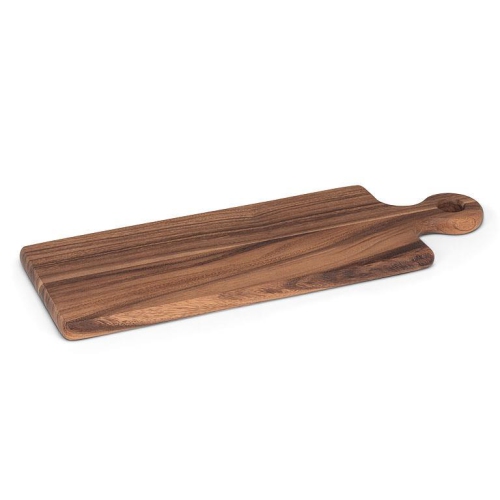

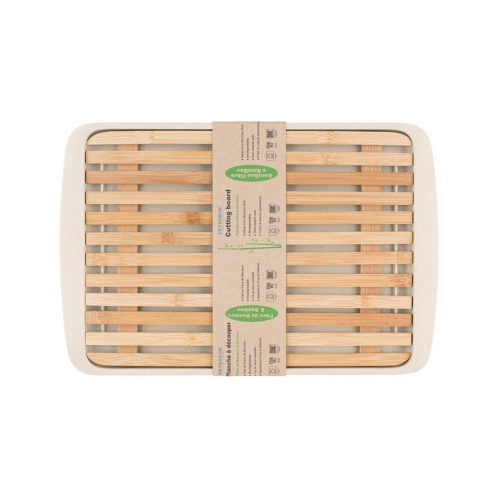
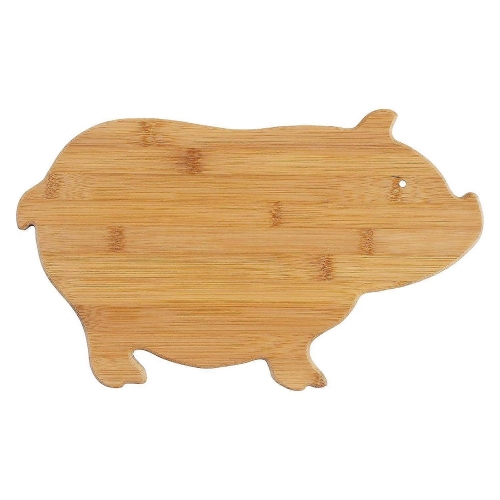
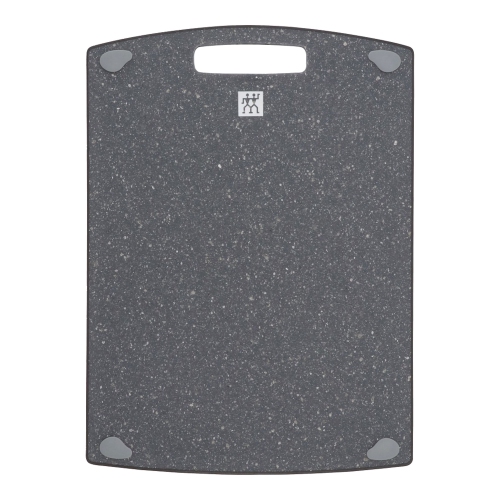
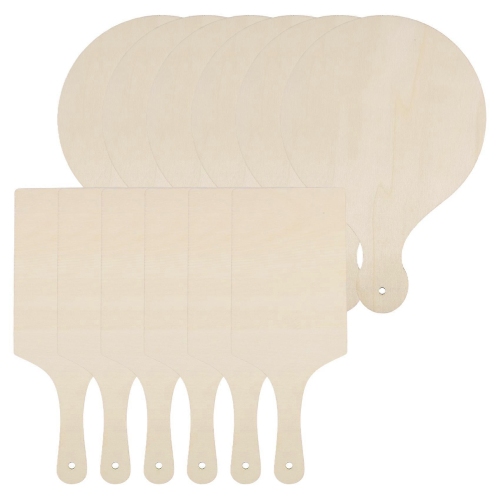
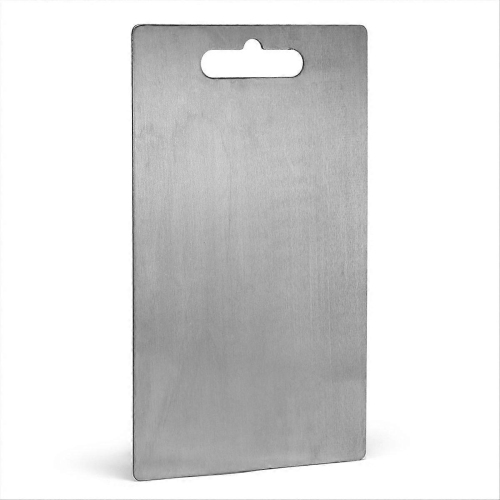
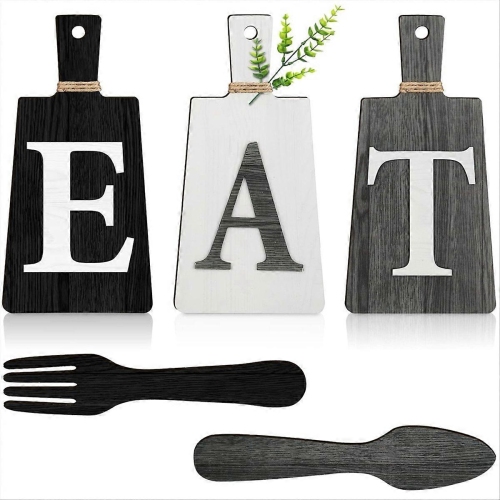
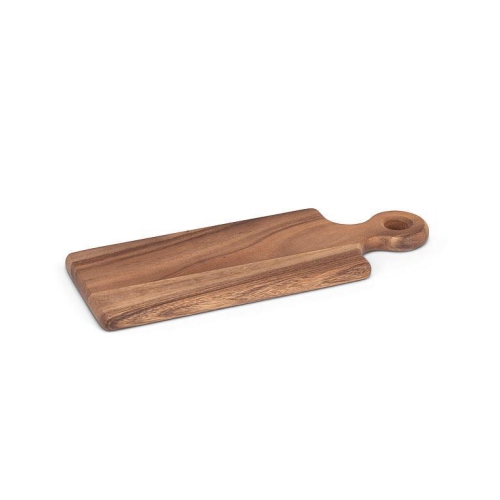
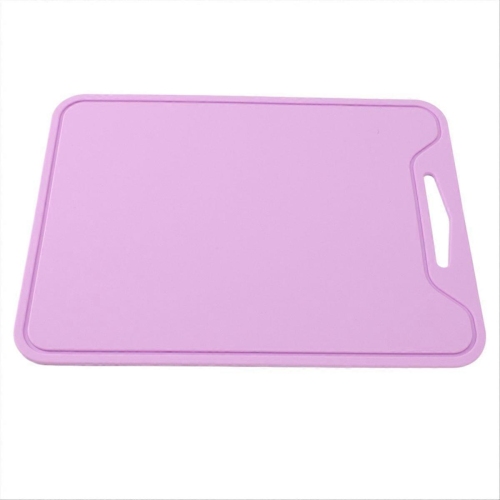
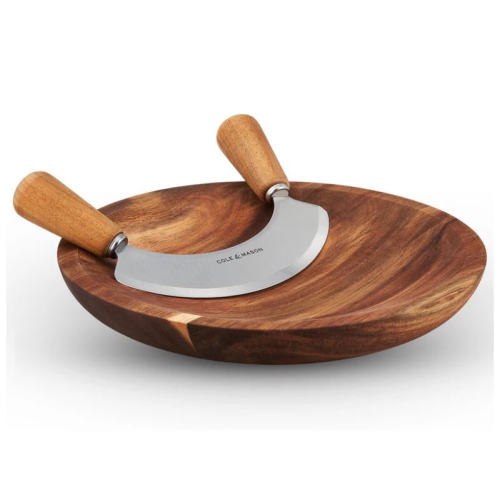
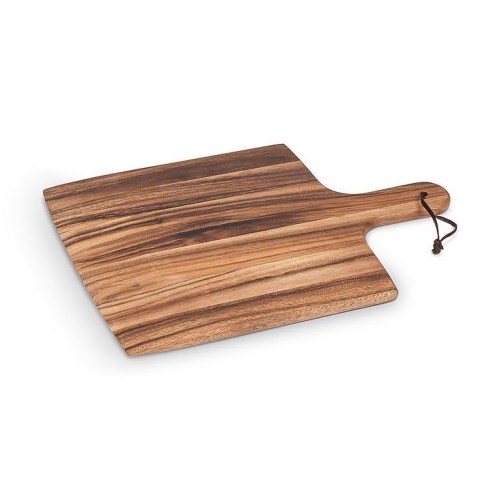
There’s more to a dependable cutting surface than thickness
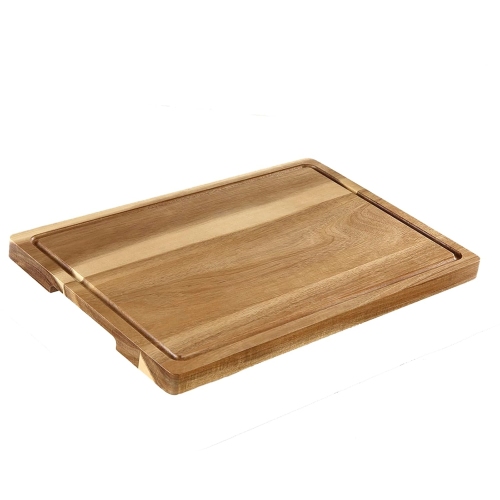
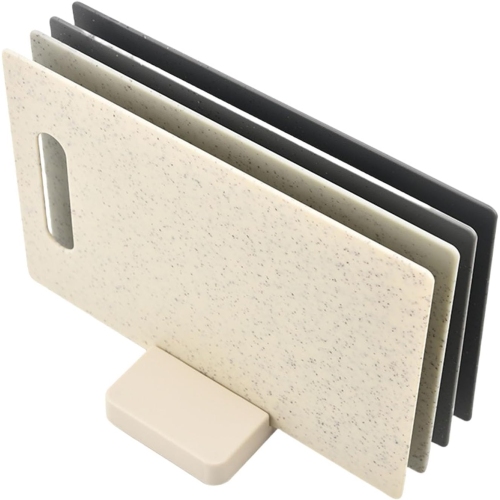
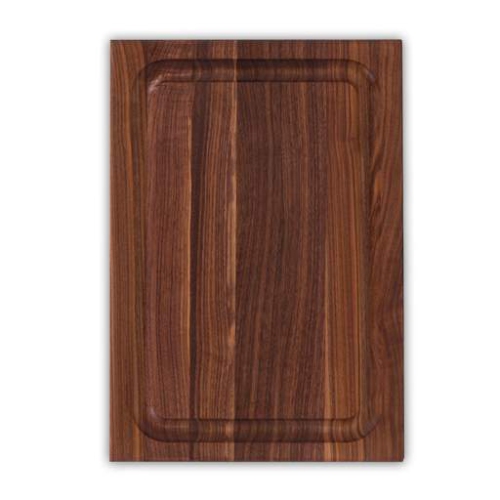
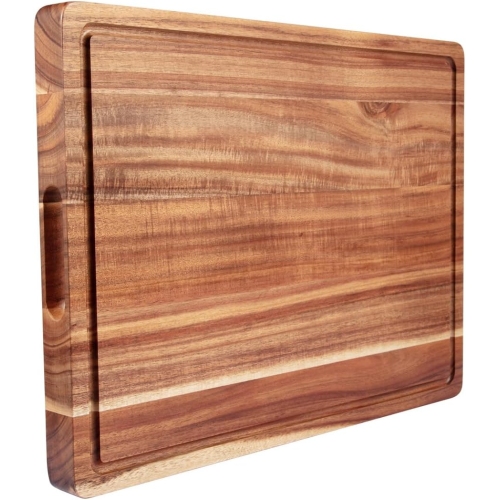
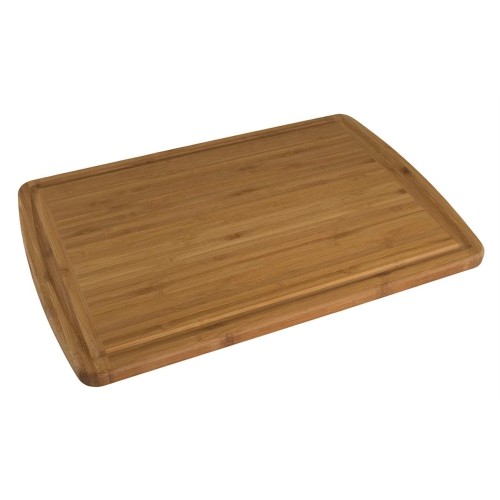
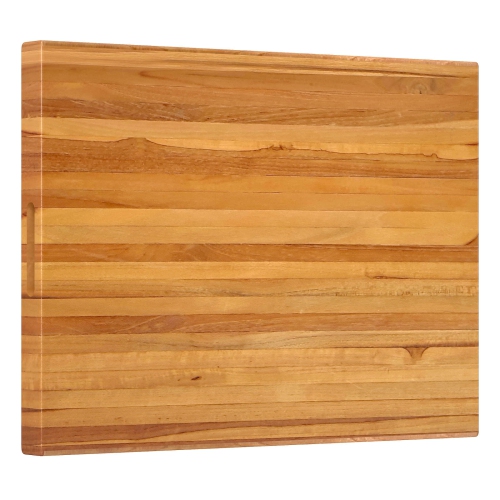
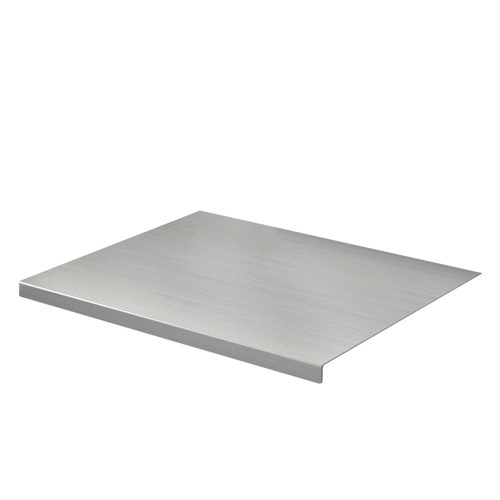
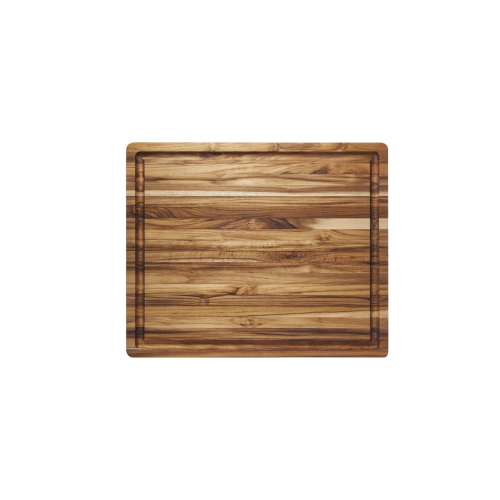
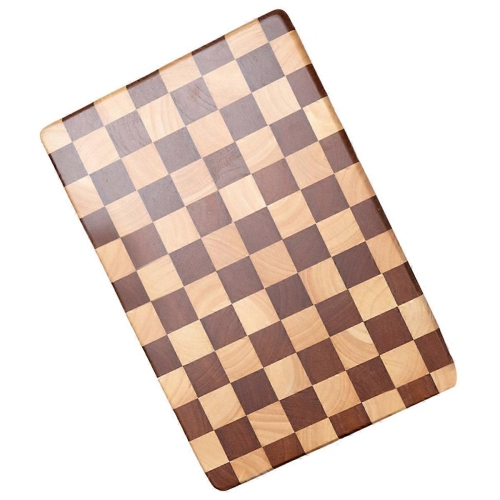
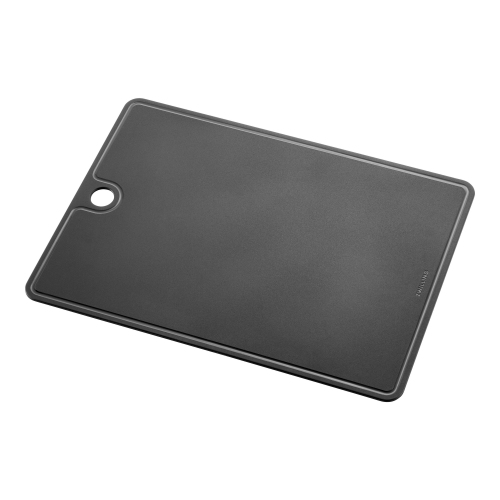
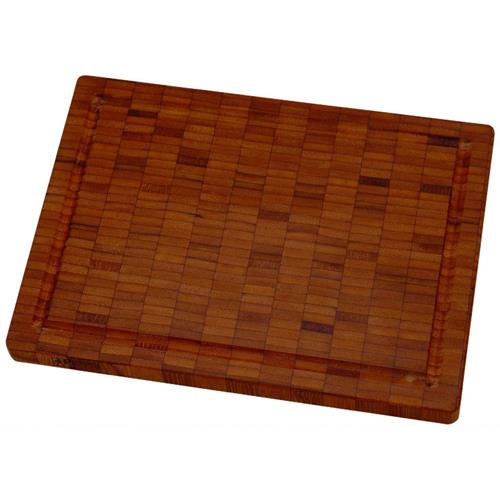
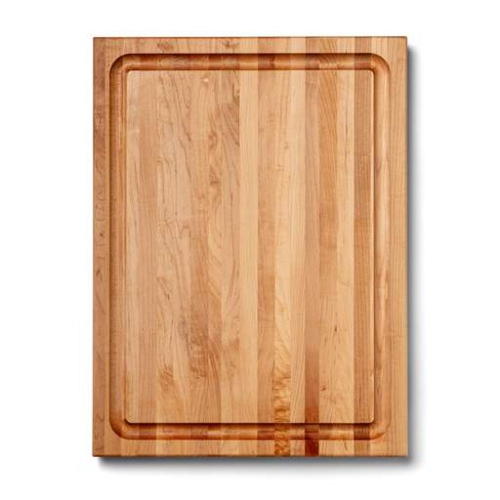
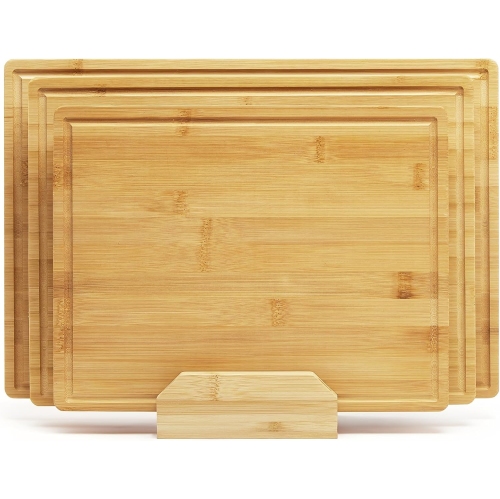
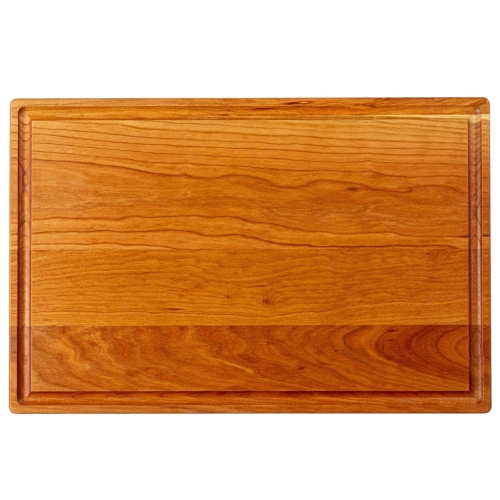
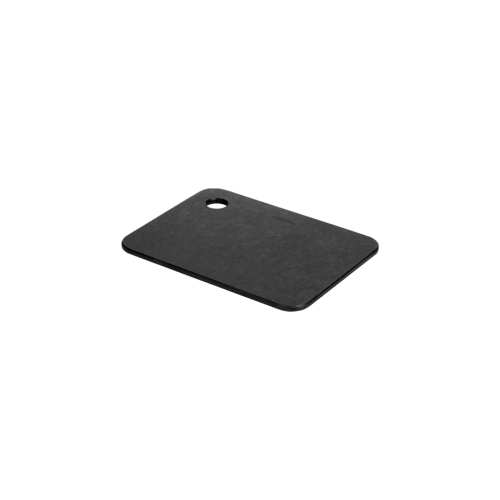
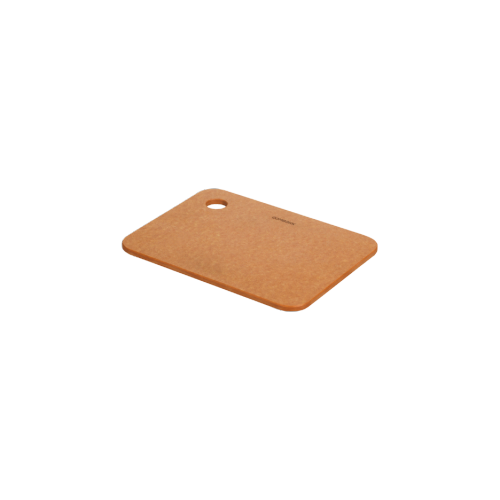
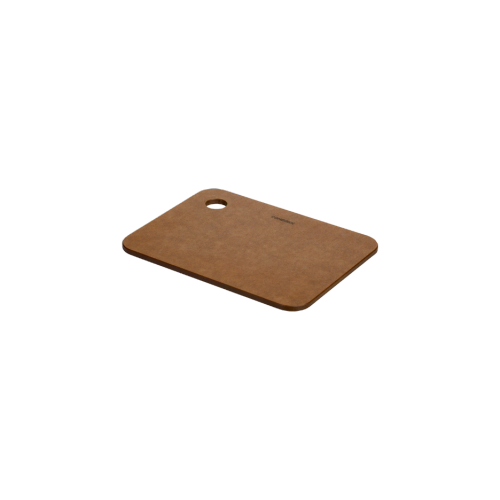
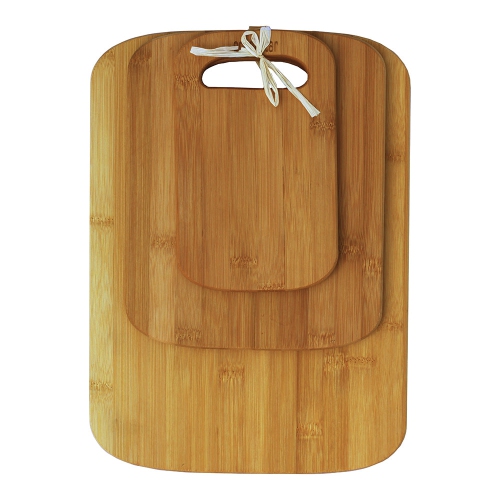
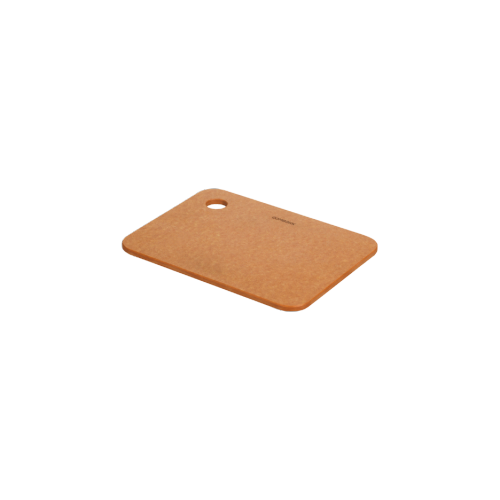
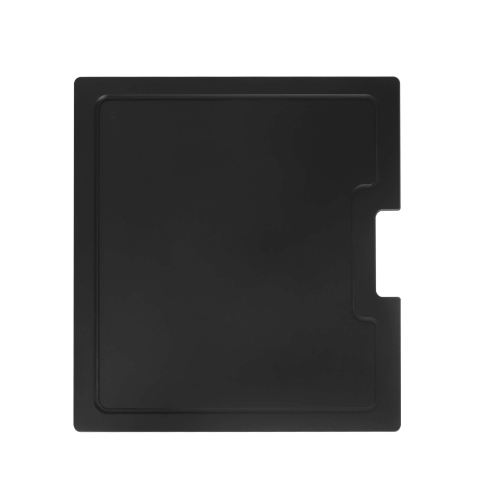
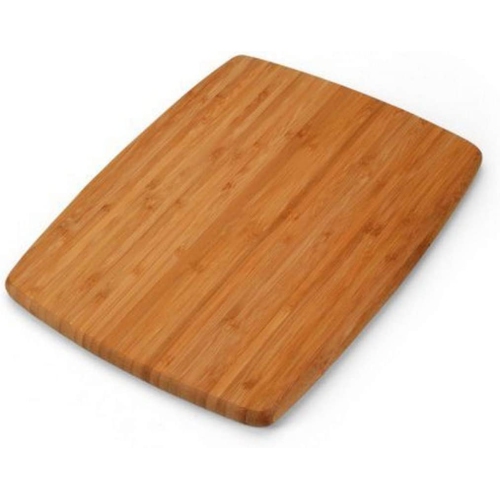
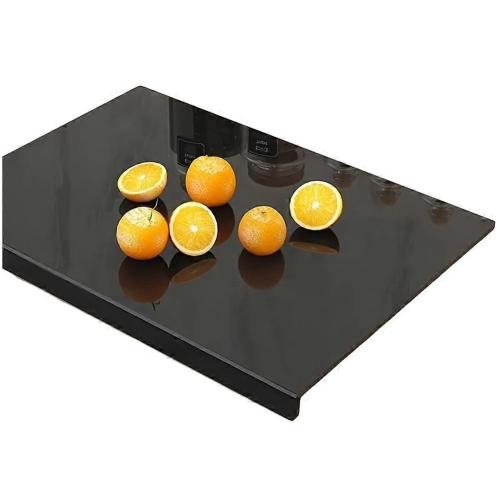
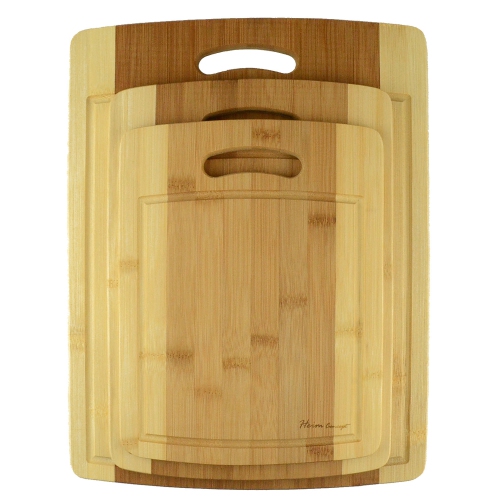
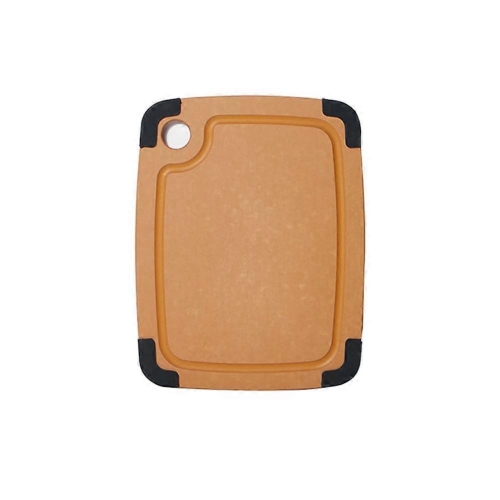
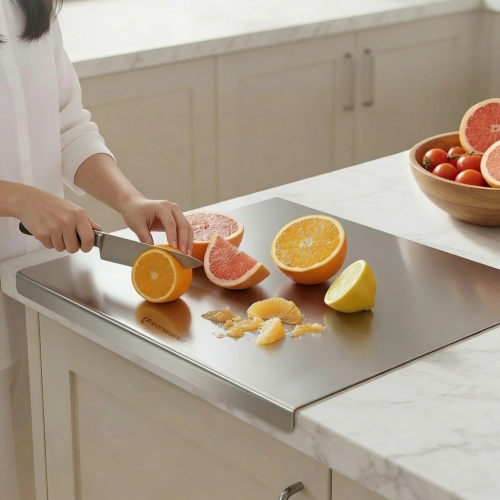
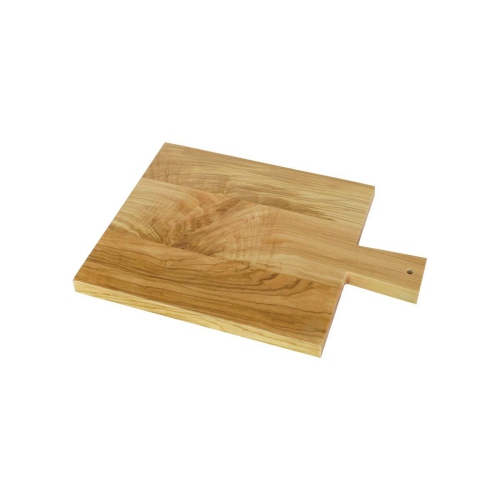
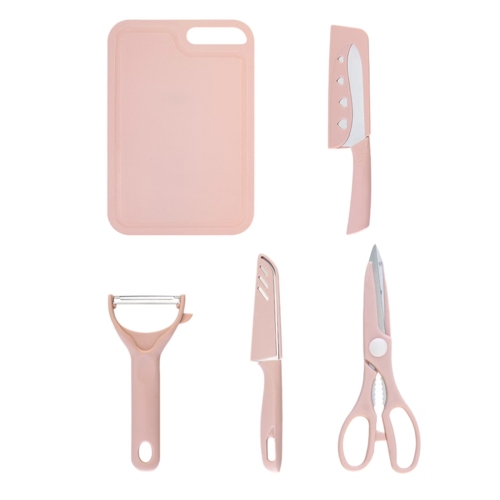
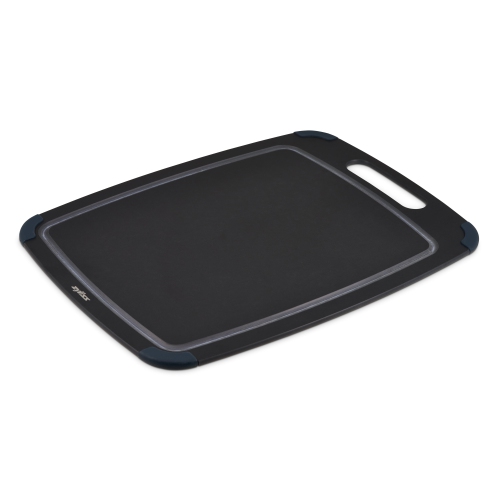
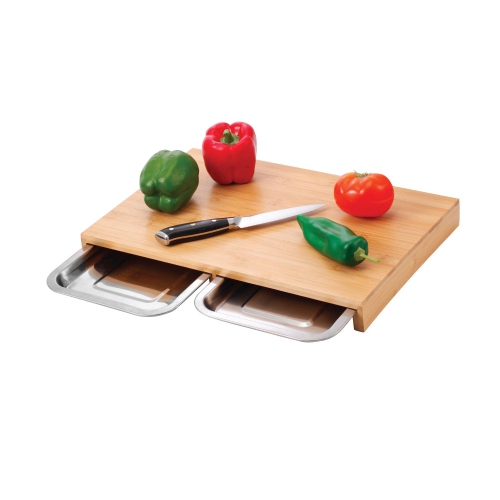
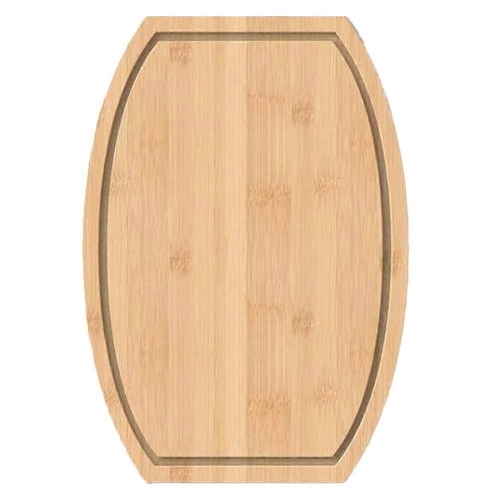
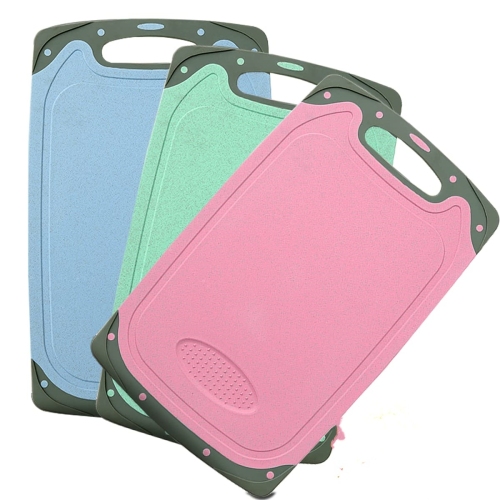
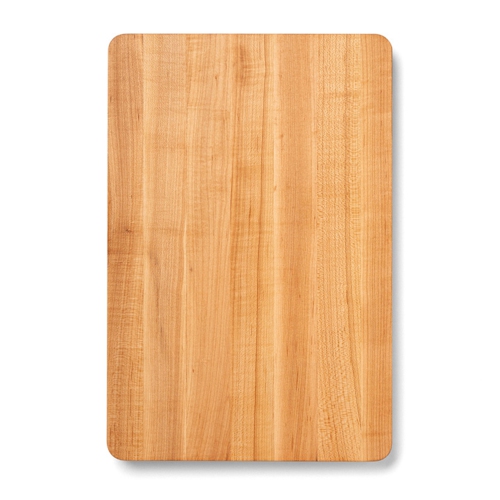
Thick cutting boards provide a substantial surface for everyday food preparation, from dicing onions and trimming vegetables to slicing a roast or portioning bread dough. Their depth adds weight and rigidity, giving them a different feel from thin boards that are easy to lift and tuck away. Many wooden butcher-block-style boards measure around 1.5 to 2 inches thick, while deeper blocks offer an even more substantial work surface. Thickness is only one part of performance, however: the material, construction, footprint, and underside all influence how a board handles on the counter. A heavy board may shift less during chopping, but weight alone does not make it slip-proof or prevent warping. Maple, walnut, acacia, and teak are common wood choices, each with a distinct grain pattern and colour. Maple typically has a lighter appearance, walnut brings rich brown tones, and acacia often shows pronounced variation between light and dark areas. Natural differences mean that two wooden boards can look noticeably different even when their dimensions match. Construction also affects the cutting experience. End-grain boards place the ends of the wood fibres at the cutting surface, creating the familiar patterned appearance often associated with butcher blocks. This arrangement can be forgiving on knife edges and make shallow cut marks less conspicuous, although it still needs regular cleaning and conditioning. Edge-grain boards expose the lengthwise edges of wood strips, producing a more linear pattern and a durable surface for routine slicing and chopping. Neither construction makes a board immune to damage, and a sharp knife, sensible cutting technique, and appropriate care remain important. Thick plastic boards offer another option, particularly where straightforward washing and separate preparation surfaces are priorities. Their cleaning requirements vary, so dishwasher suitability should always be confirmed rather than assumed. Within the wider selection of Cutting Boards, thicker designs are especially appealing to home cooks who prefer a substantial preparation surface over a lightweight board that moves frequently between tasks.
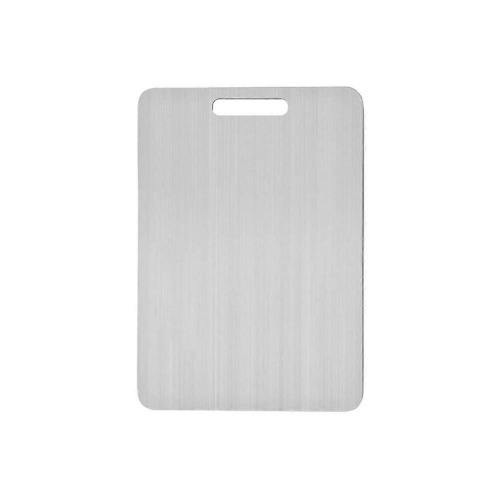
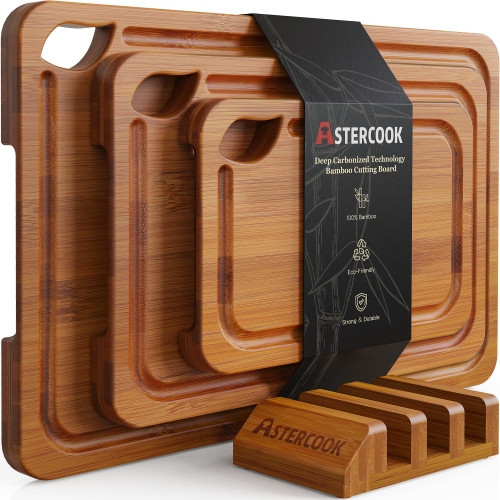
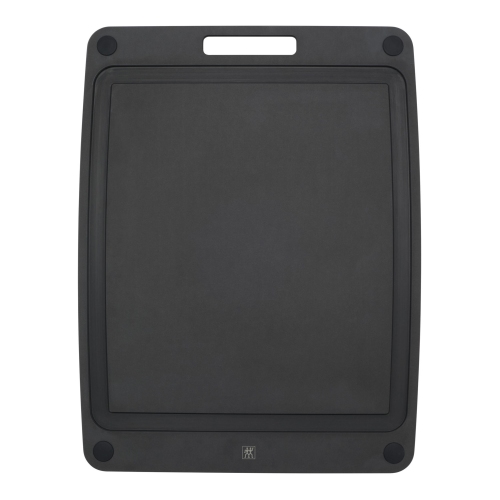
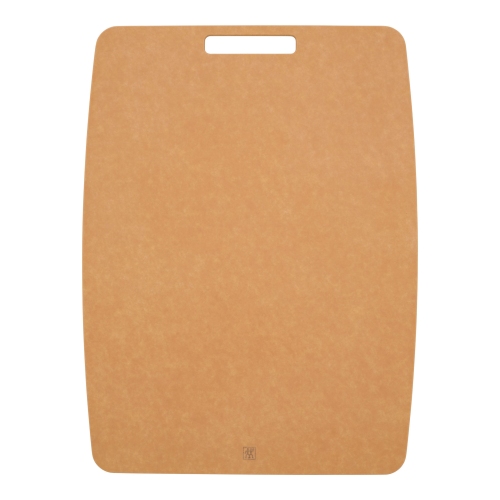
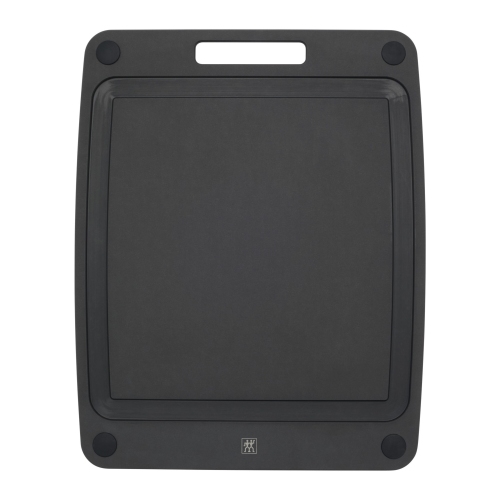
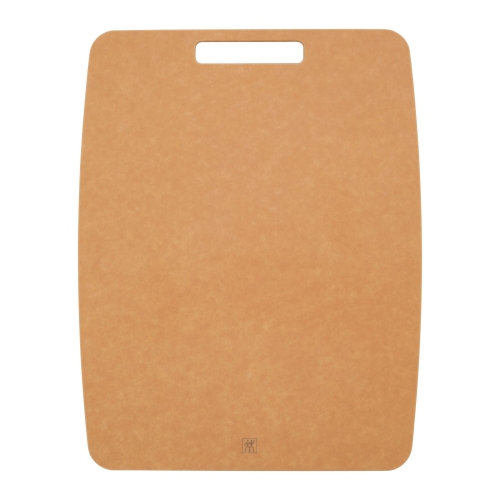
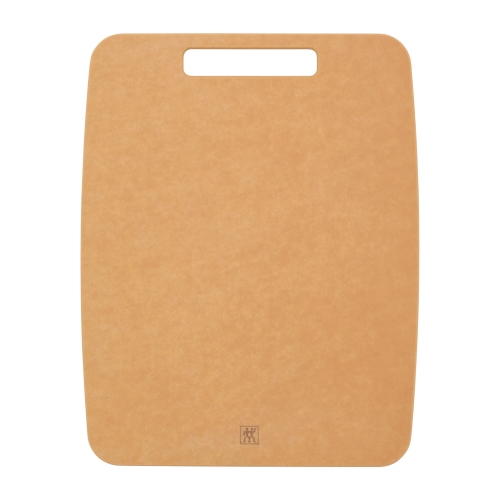
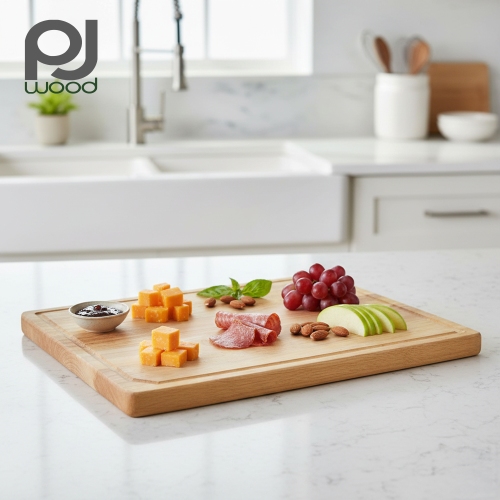
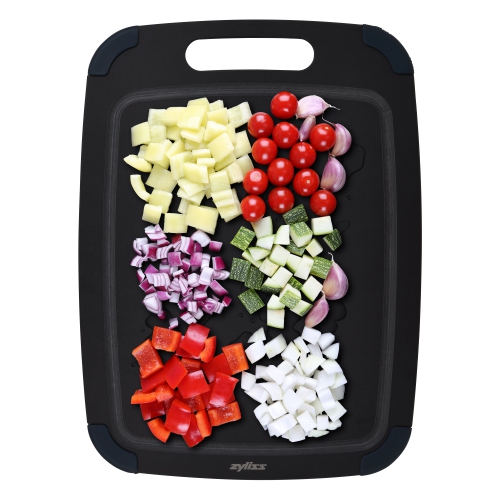
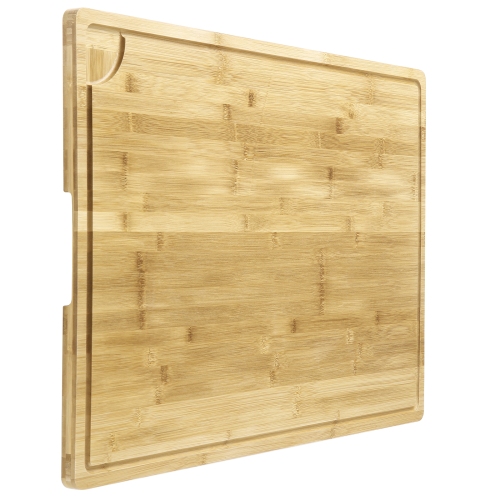
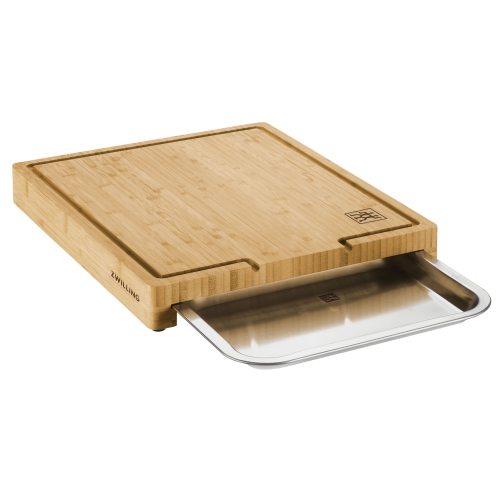
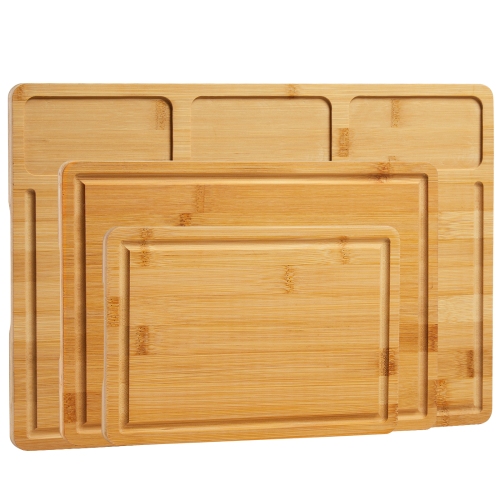
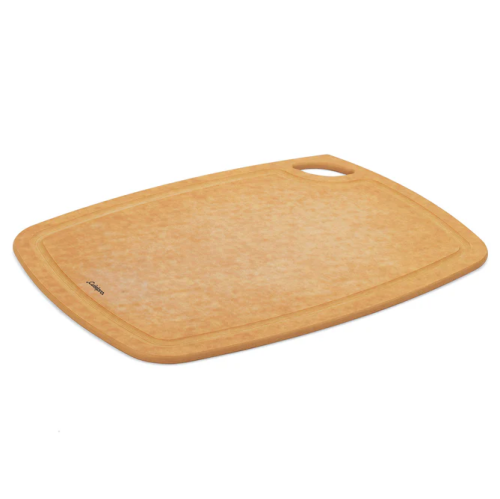
The best fit depends as much on usable surface area as on thickness. A board needs enough room for the food, the knife stroke, and the small piles that accumulate during preparation. Chopping a single apple takes little space; breaking down a large bunch of kale or carving a whole chicken requires more clearance. A broad surface can keep diced vegetables from spilling onto the counter, but a board that crowds the sink or overhangs the worktop can become awkward to clean and use safely. Overall dimensions, weight, and storage position are therefore worth considering together. A deep block left on the counter may suit a frequent cook, while someone who clears every surface after dinner may prefer a size that can be lifted comfortably and stored upright once dry. Added height matters, too, especially on an already tall worktop, where a very thick board can make the cutting position less comfortable. Flat undersides work well on suitable non-slip mats, while boards with fitted feet may provide clearance beneath the base and help limit movement. Feet generally create a designated underside, whereas a reversible board can offer two usable faces. Juice grooves help contain liquid from tomatoes, rested meat, or juicy fruit, but they also reduce the uninterrupted cutting area and need attention during washing. A flat face leaves more room for sweeping chopped ingredients into a pan or working with dough. Recessed handholds can make a heavy board easier to lift without adding protruding handles. These details become noticeable during ordinary kitchen routines: carrying a board to the sink, collecting onion pieces with a scraper, or clearing space beside a mixing bowl. Separate boards for raw meat and ready-to-eat foods help reduce cross-contamination, regardless of material or thickness. A carving board used to present cooked meat should not return to serving duty after contact with raw meat unless it has been properly cleaned and, where appropriate, sanitized according to its care instructions.
Care has a direct effect on how well a thick cutting board holds its shape and remains pleasant to use. Wooden boards generally need prompt handwashing with mild dish soap, followed by thorough rinsing and drying. Soaking can allow wood to take up excess moisture, and dishwasher cleaning can damage boards that are not specifically designed for it. Both faces and the edges need attention during cleaning; leaving one side wet against a counter can encourage uneven moisture absorption. After towel-drying, allowing air to circulate around the board helps it dry more evenly before storage. Periodic treatment with food-grade mineral oil or a conditioner recommended for cutting boards helps maintain the wood, particularly when the surface begins to look pale or feel dry. Ordinary cooking oils are not a suitable substitute because some can become rancid. End-grain surfaces may need conditioning more frequently, although the right interval depends on use, washing habits, and the maker’s instructions. A substantial wooden board may be suitable for resurfacing when shallow wear develops, but cracks, loose joints, and deep damage need closer assessment rather than being hidden under oil. Plastic surfaces also need inspection, since deep grooves can become difficult to clean thoroughly. A board used for daily meal preparation will naturally develop marks; the important distinction is between normal wear and damage that interferes with cleaning or stability. For frequent cooks, a thick board can become a dependable part of the kitchen setup, with enough space for repeated chopping and enough substance to stay comfortably positioned during careful knife work. It can also make a thoughtful housewarming or wedding gift for someone who enjoys cooking, provided its size and maintenance needs suit the recipient. A compact kitchen may benefit more from a manageable block than an oversized statement piece. Matching the material, dimensions, surface details, and care routine to the way someone actually prepares food makes thickness a practical feature rather than simply a visual one.
Top selling and popular products
-
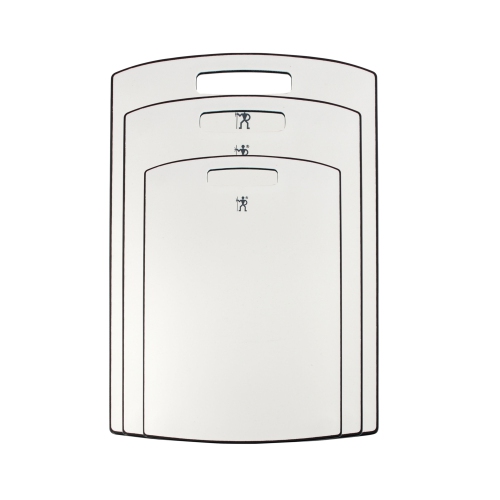 Your price for this item is $39.99
-
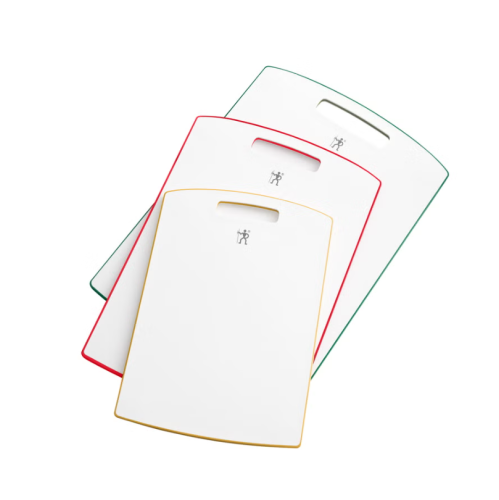 Your price for this item is $54.99
-
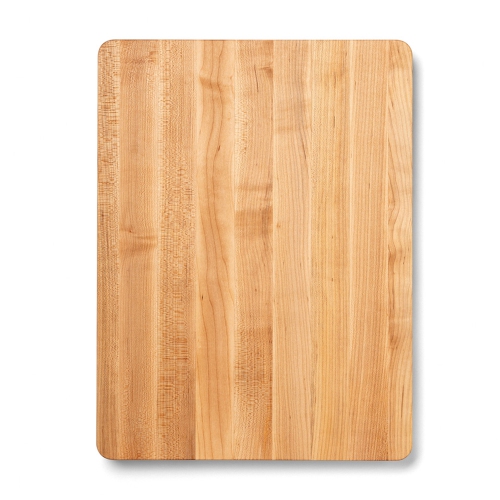 Your price for this item is $175.99
-
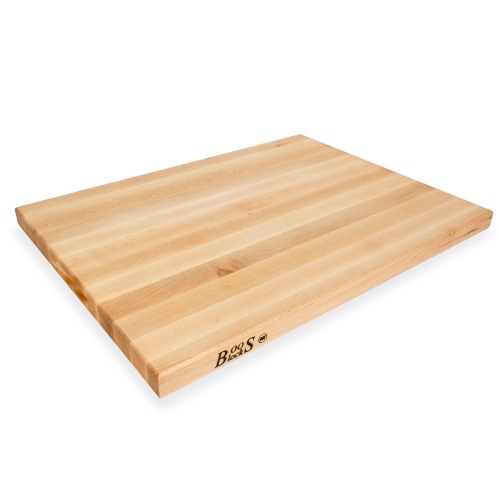 Your price for this item is $275.99
-
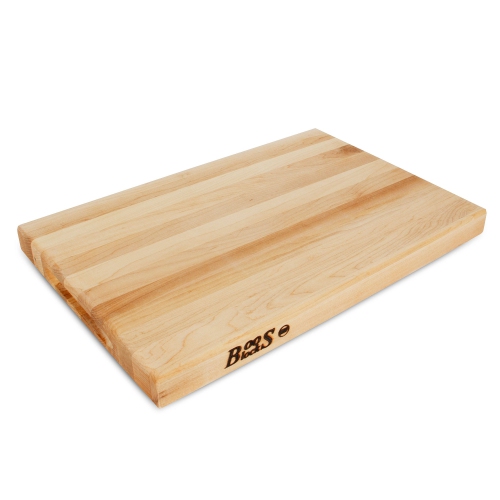 Your price for this item is $183.99
-
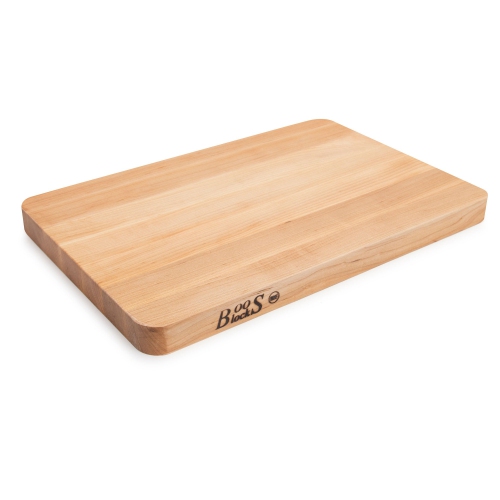 Your price for this item is $121.99
-
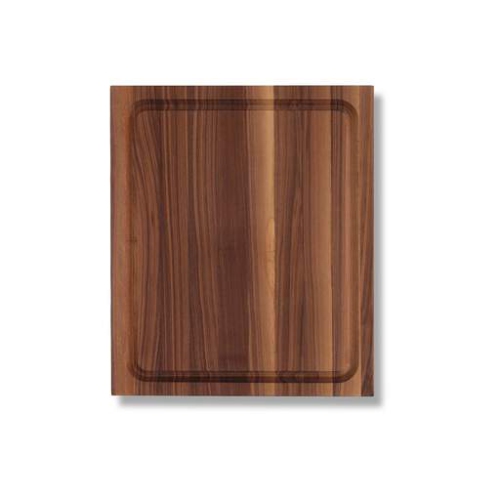 Your price for this item is $295.99
-
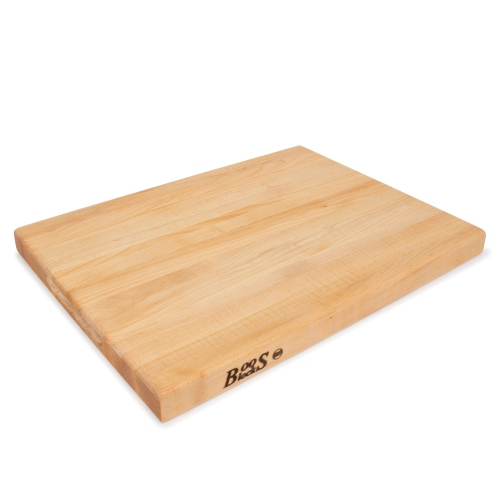 Your price for this item is $224.99
Discover more categories related to Thick Cutting Boards
Top Collections:
Pokemon Centers, Kindle Devices, Best Budget Office Chairs, Canon G7X Cameras, Apple iPhones 16, Samsung Galaxy Phones, Refurbished Apple Laptops, Laptops for Students, iPhone 15 Apple, Budget Smartphones
Some products may be subject to Environmental Handling Fees
(EHF) depending on your province.
Learn more about EHFs.