Fabric Room Dividers
Create stylish and functional spaces with our collection of fabric room dividers. Whether you're looking to add privacy to a shared living area, create separate zones in an open-concept space, or simply enhance the overall aesthetic of your home, these versatile dividers are the perfect solution. These lightweight dividers can be easily moved around and adjusted to suit your needs, allowing you to quickly and easily change up the look and feel of your home.
Sort
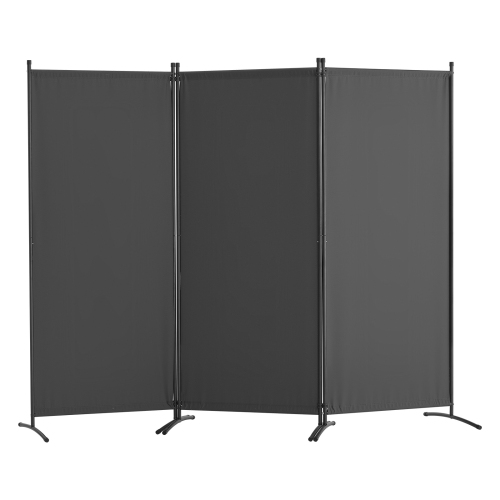
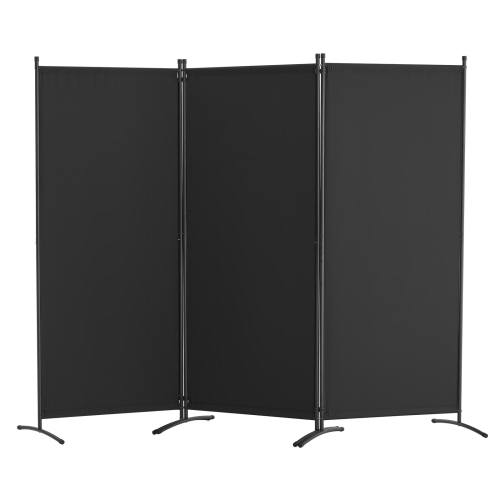

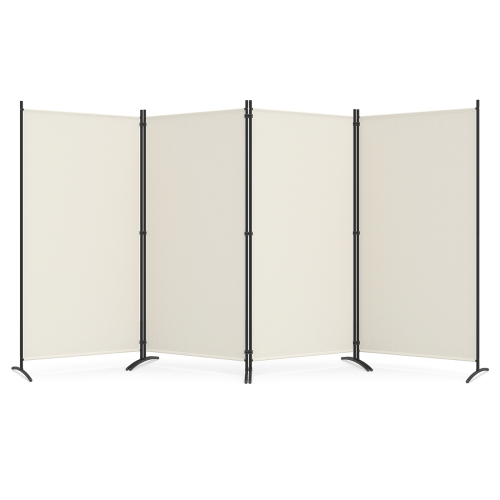

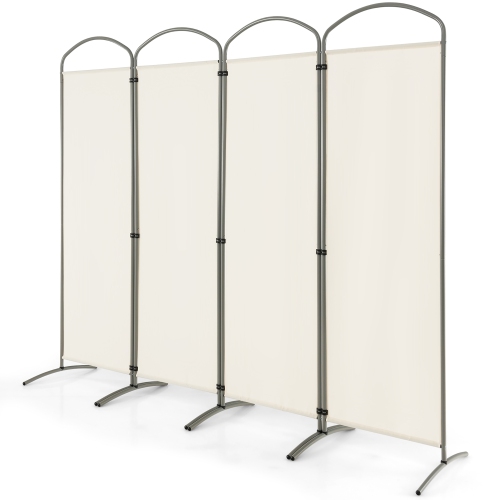

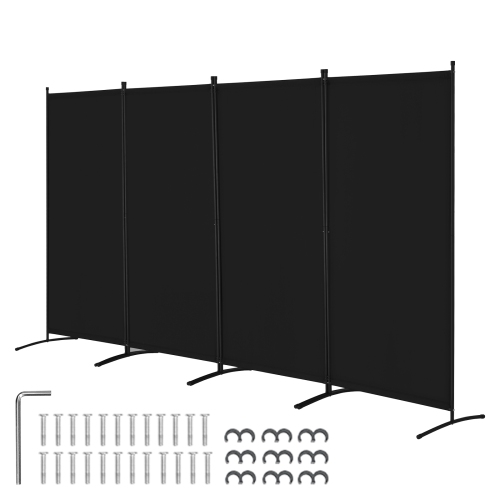
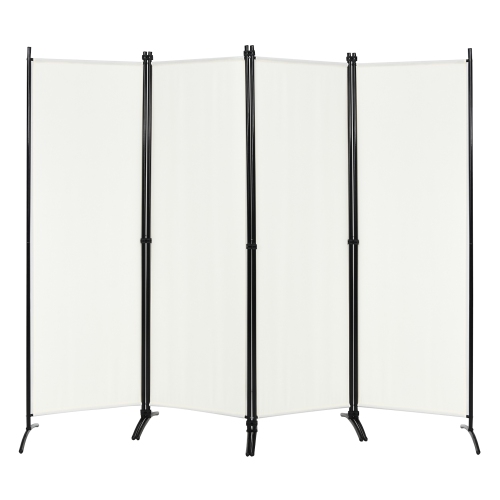
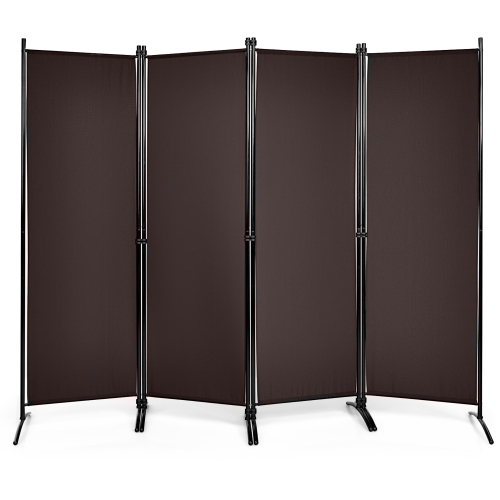
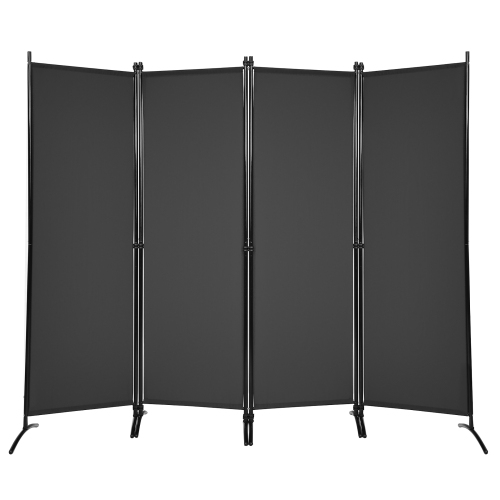
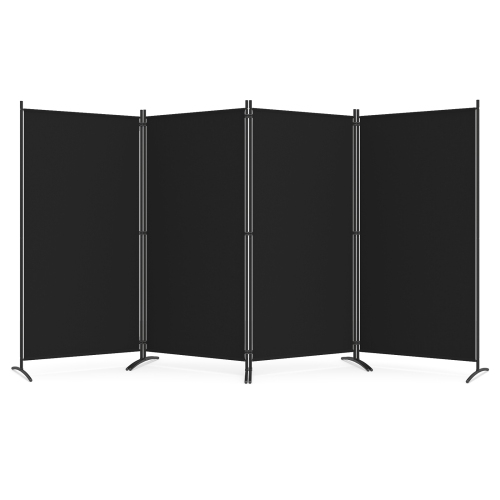
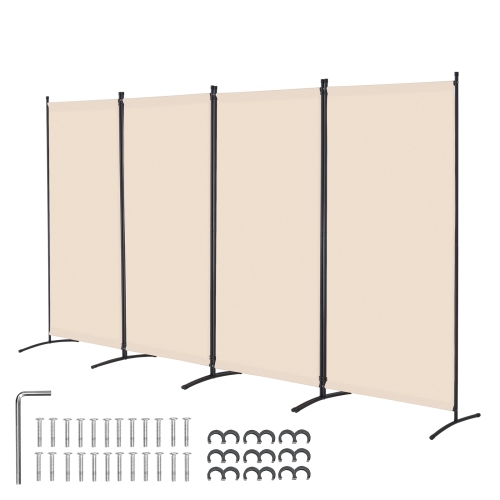
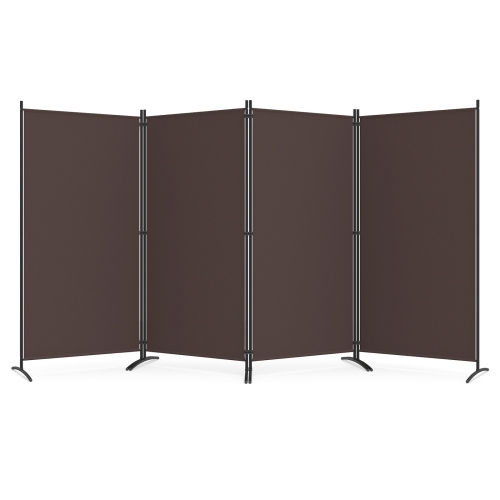
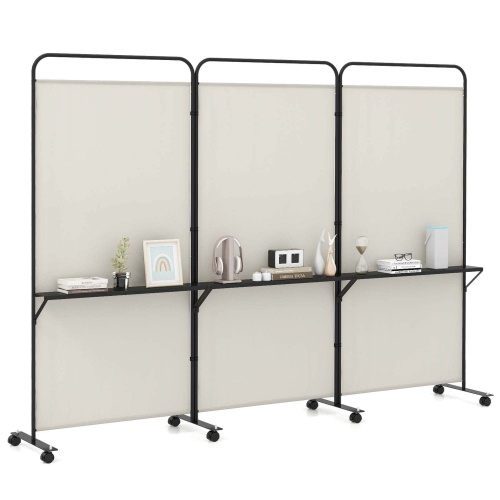
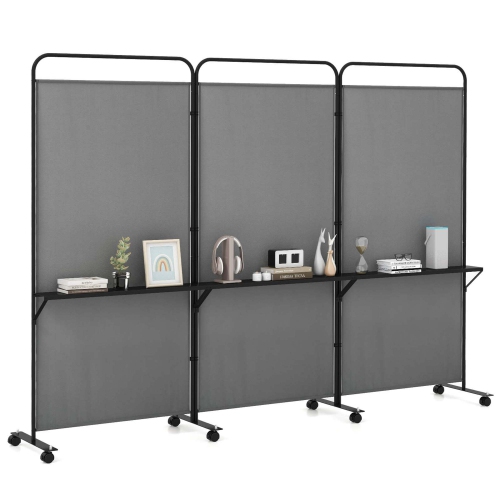
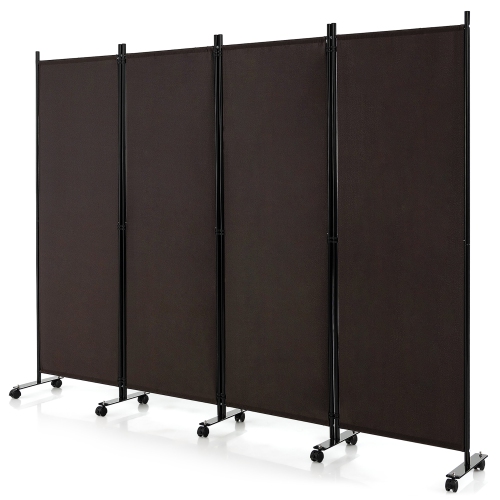
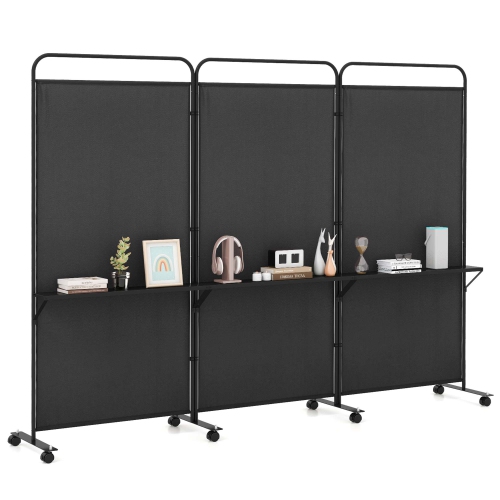
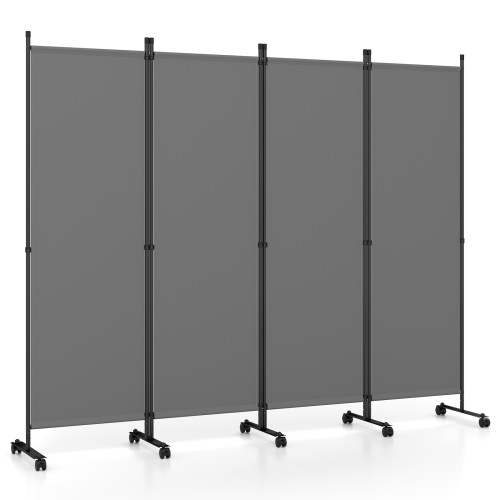
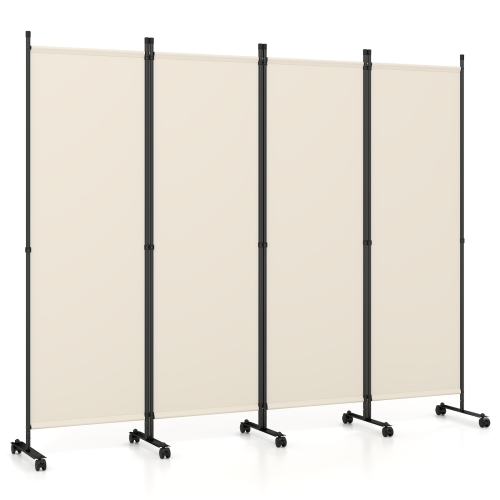
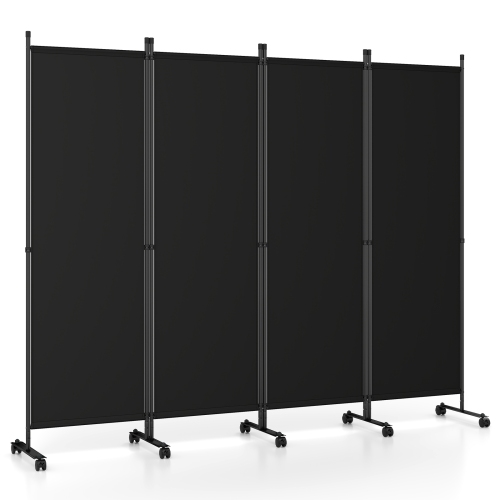
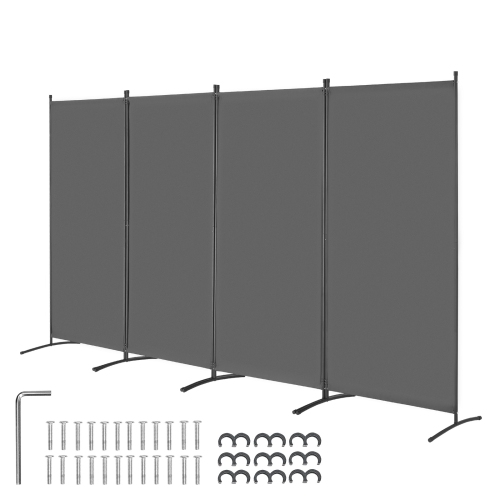
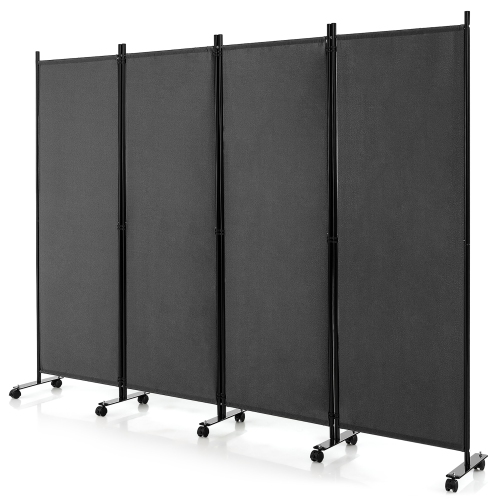
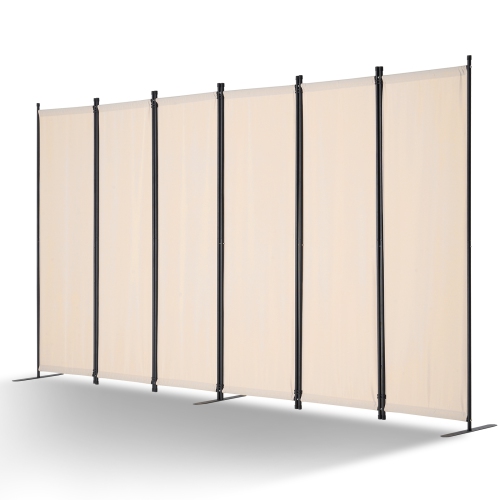
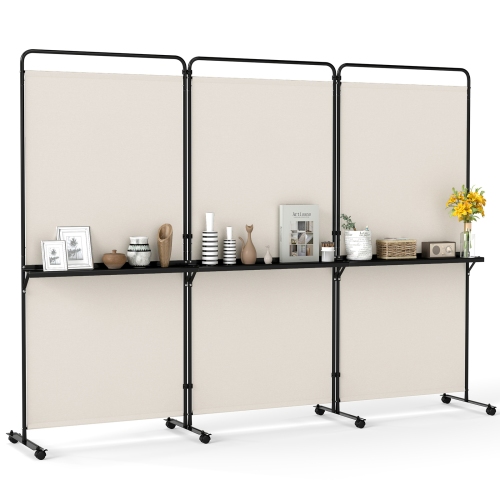

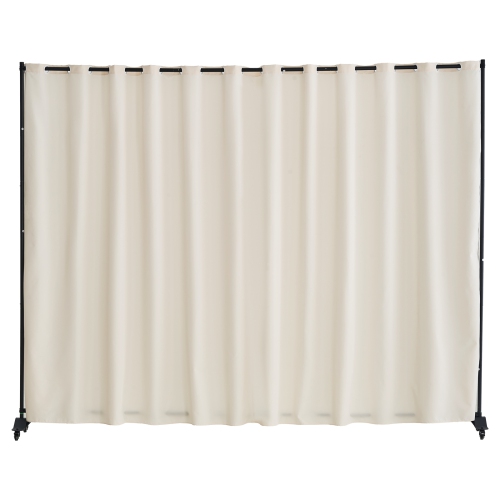
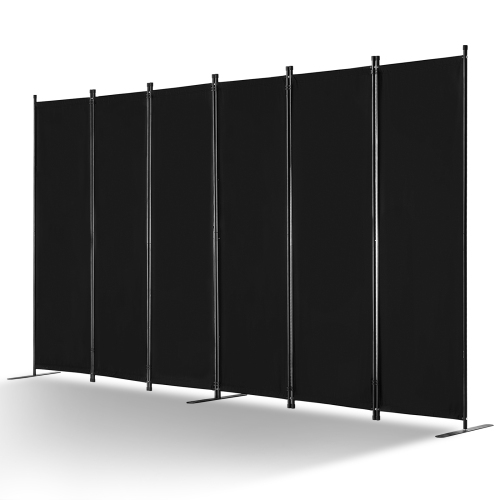
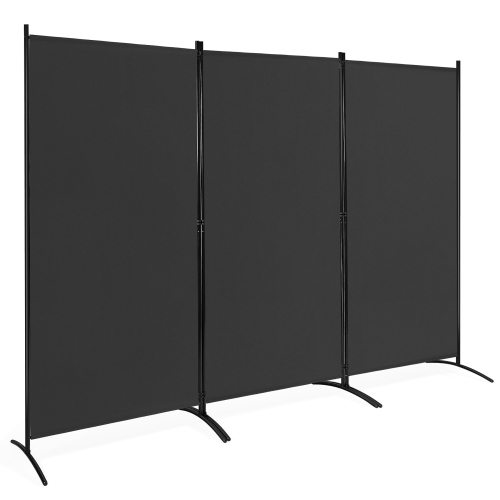
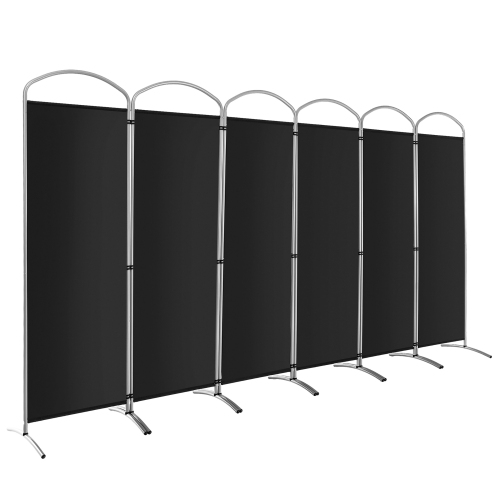
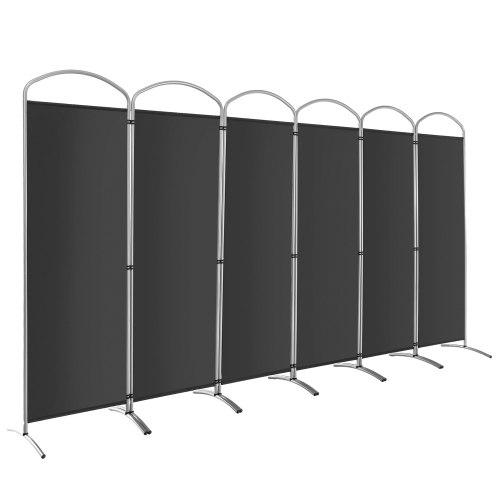
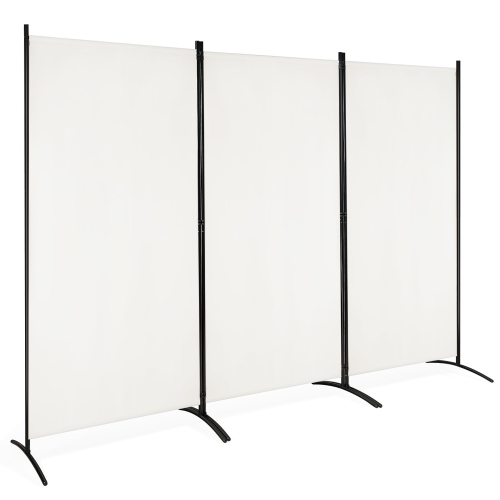
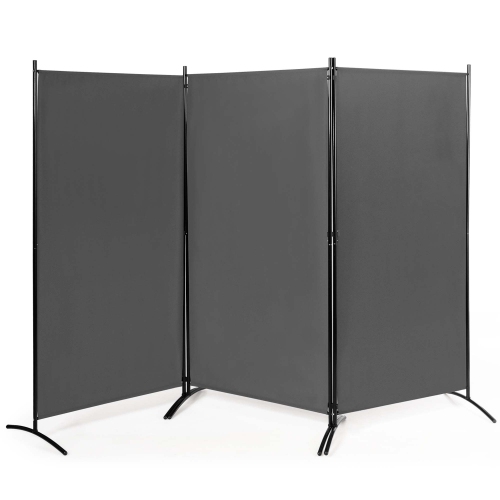
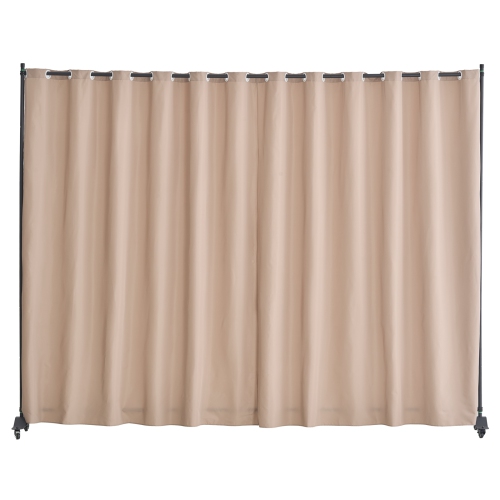
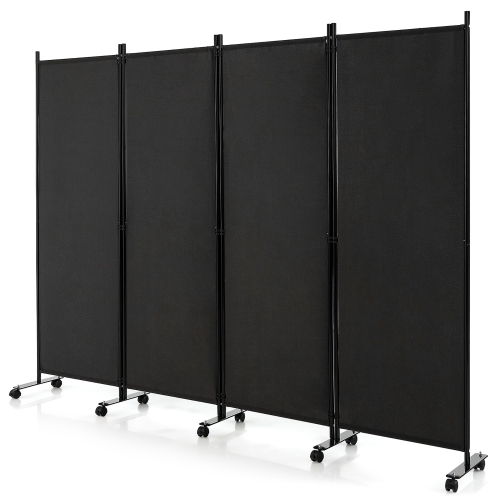
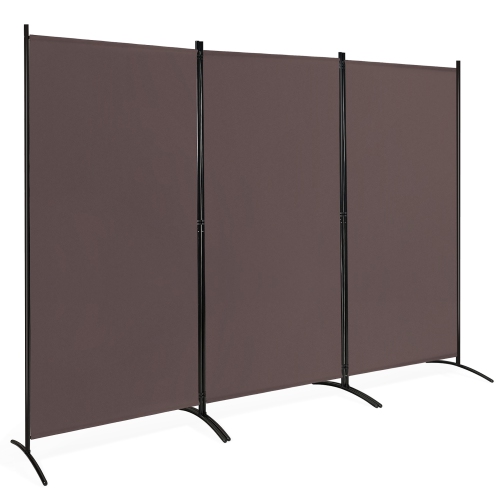
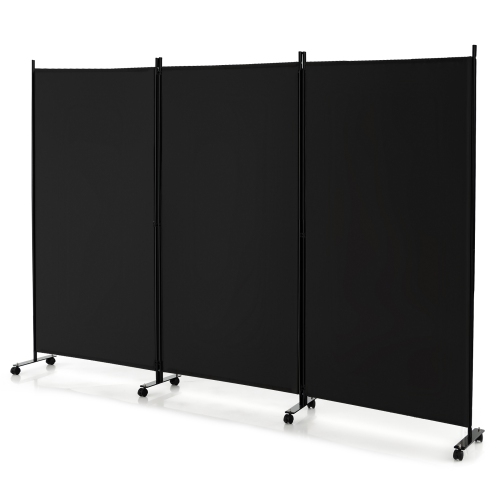

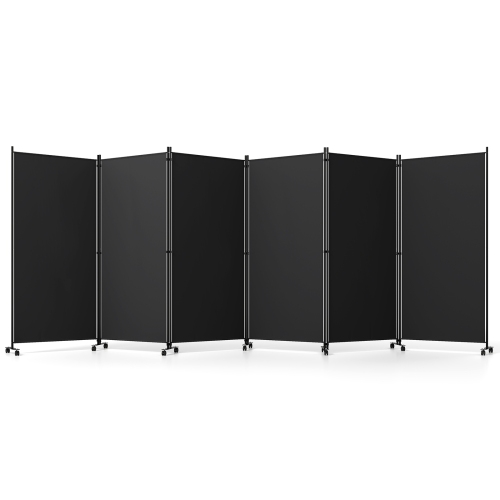
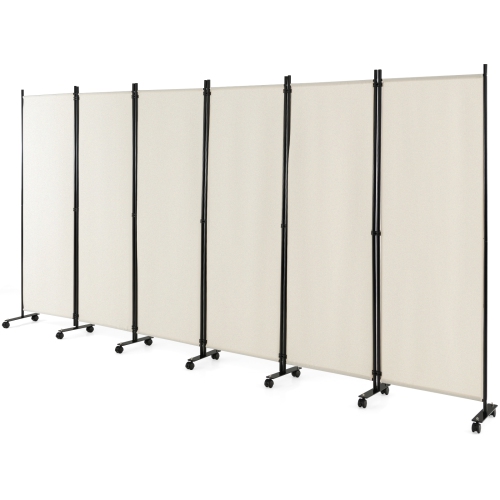
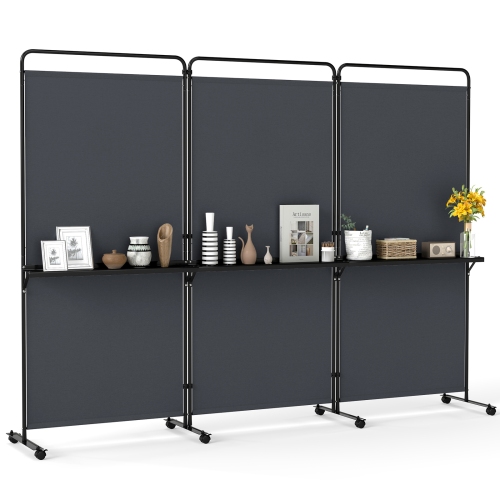
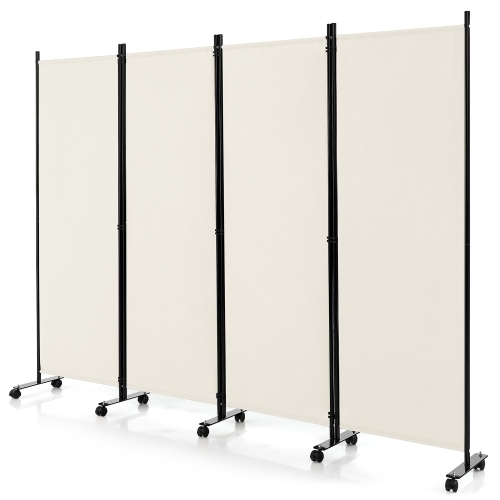
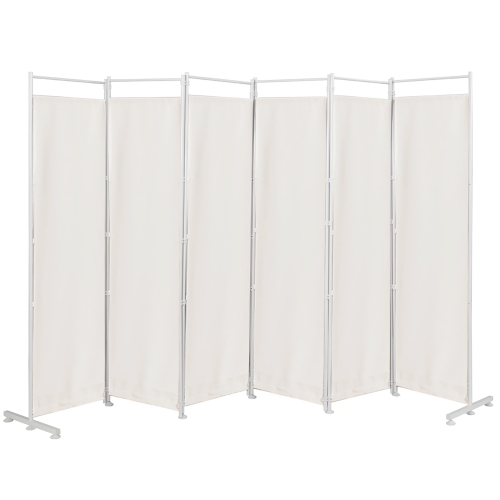
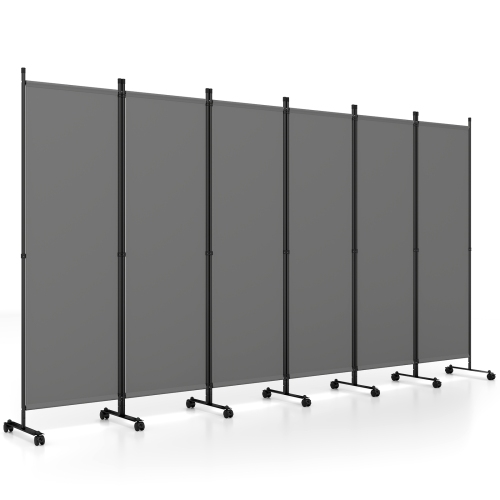
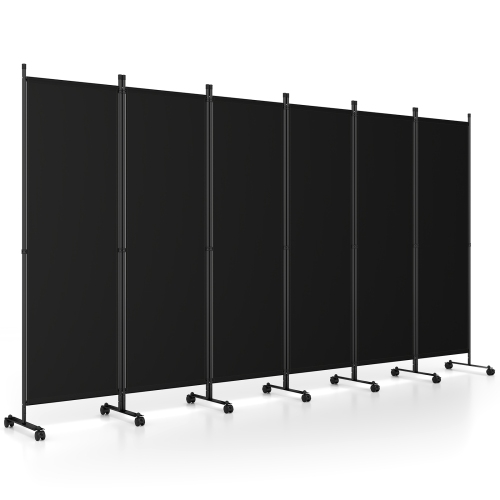
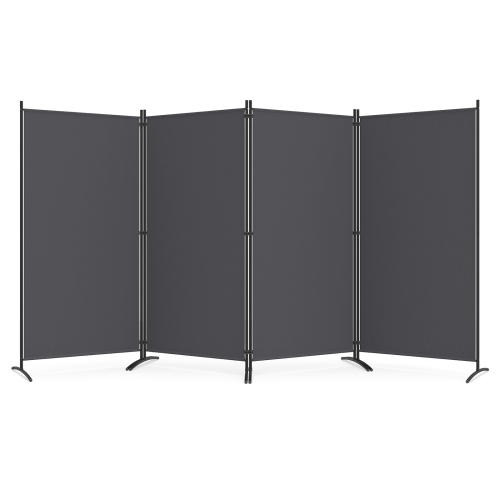

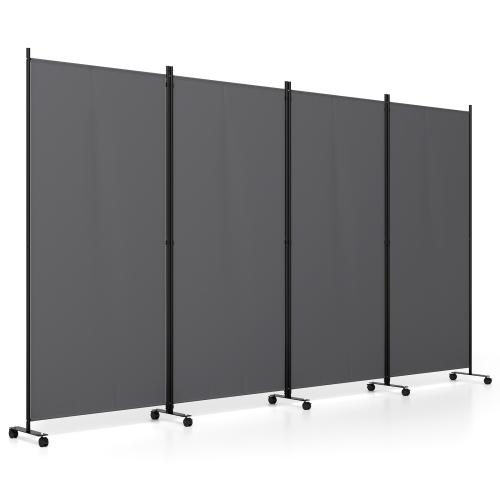
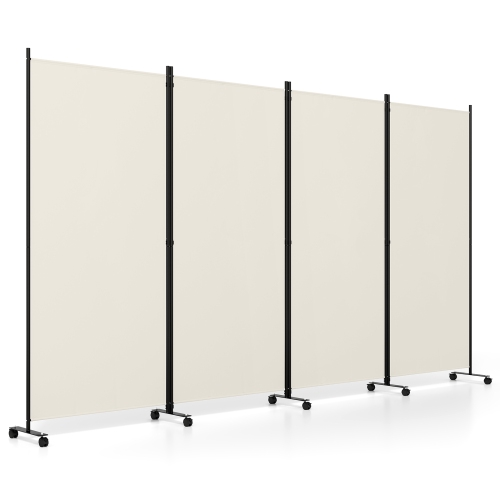
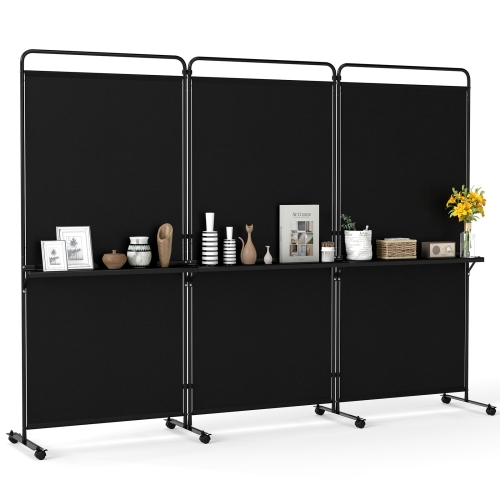

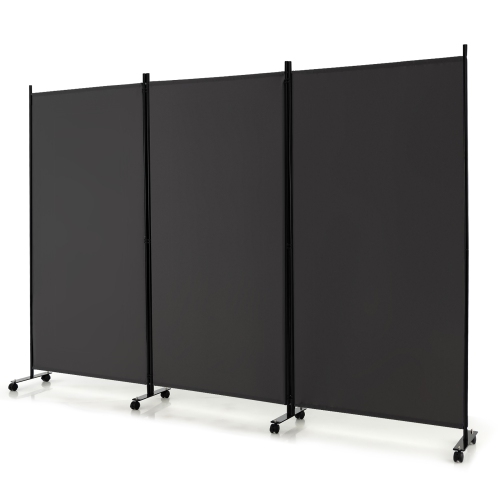
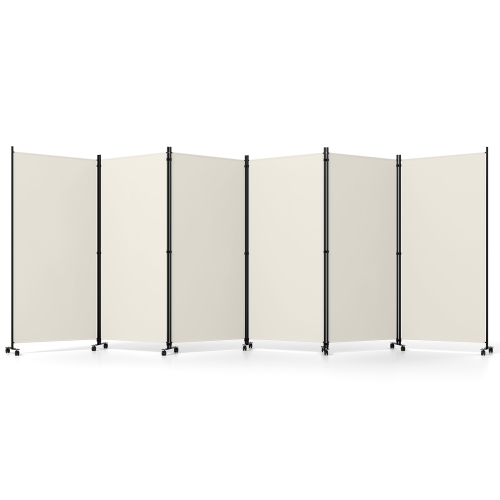


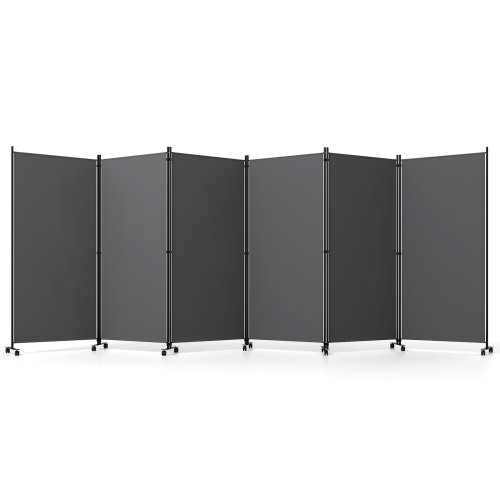
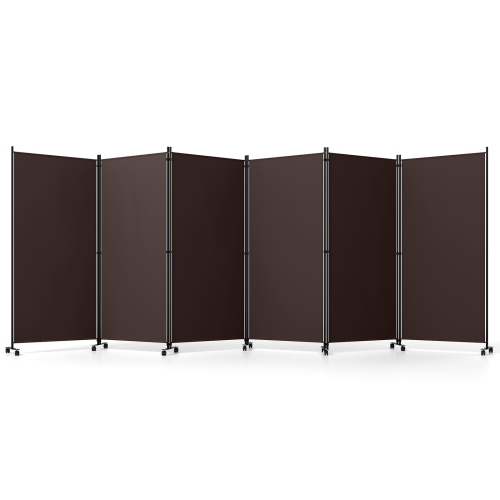
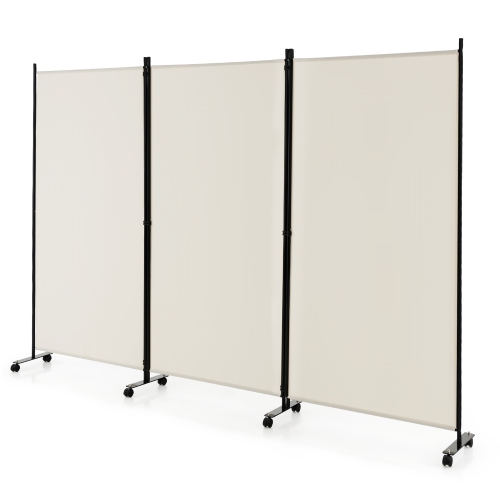


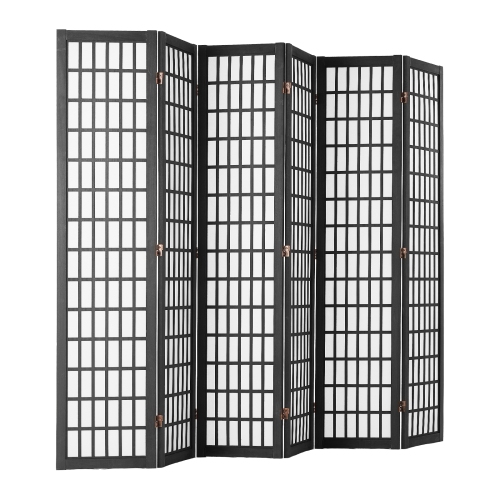
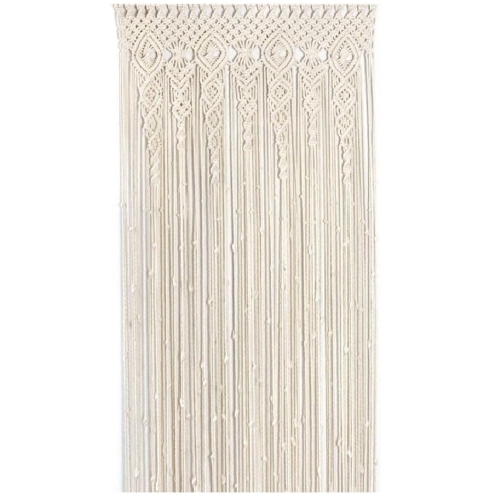

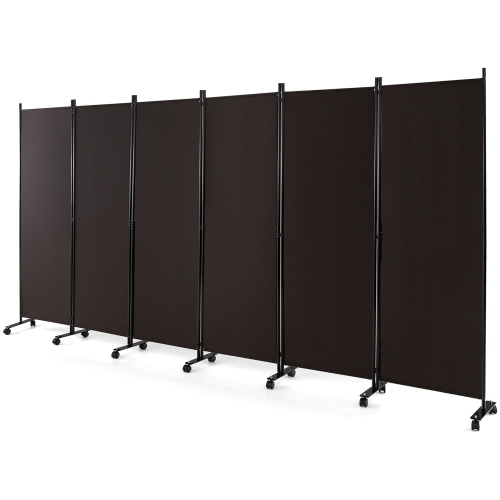
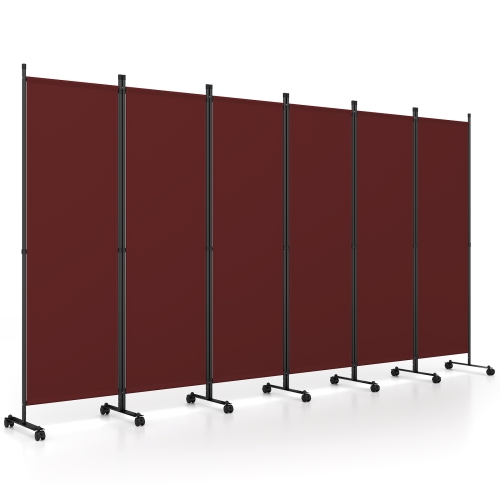
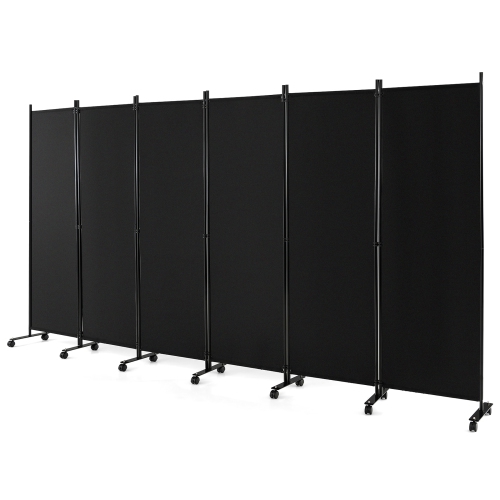
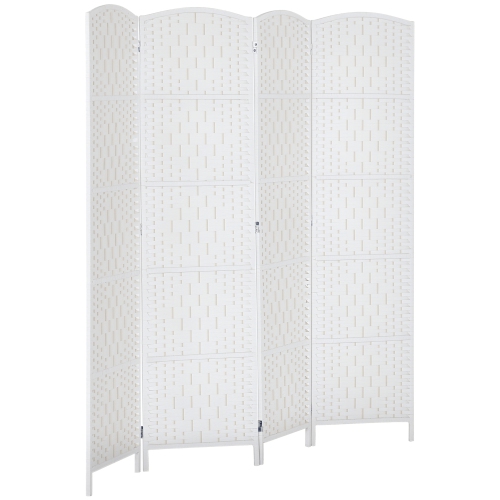
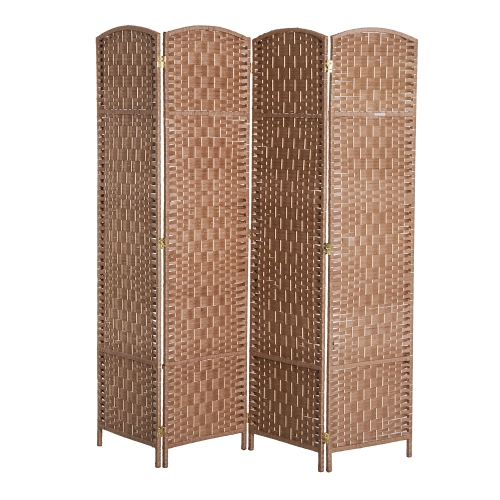
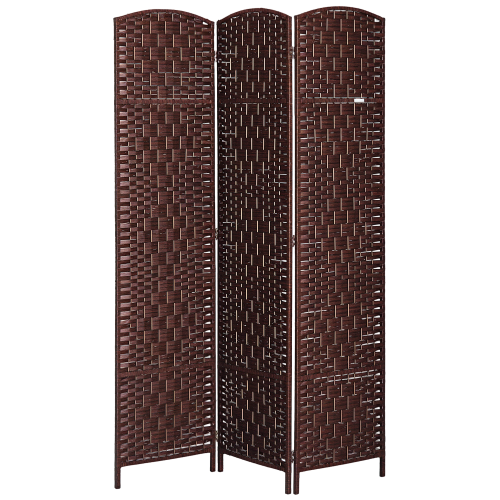
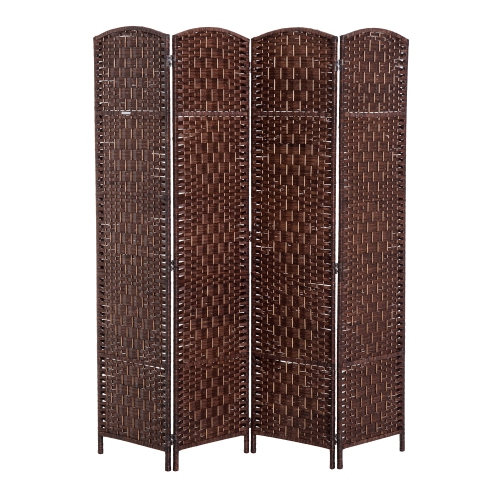
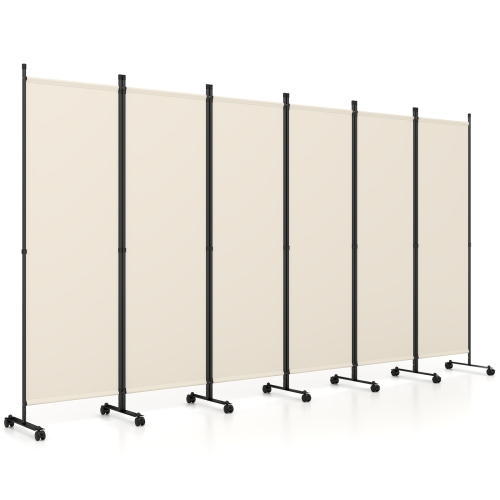
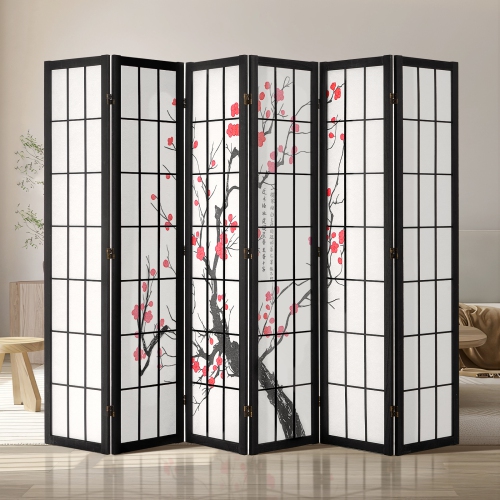
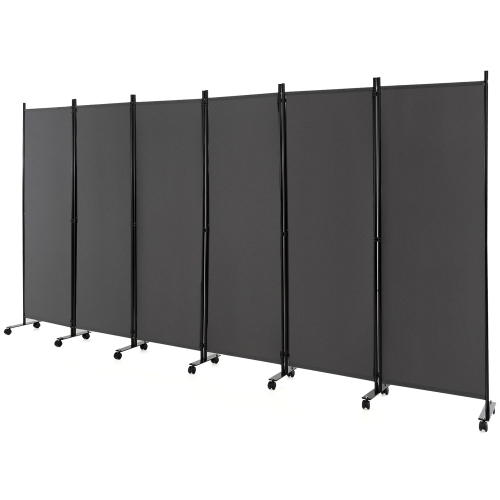
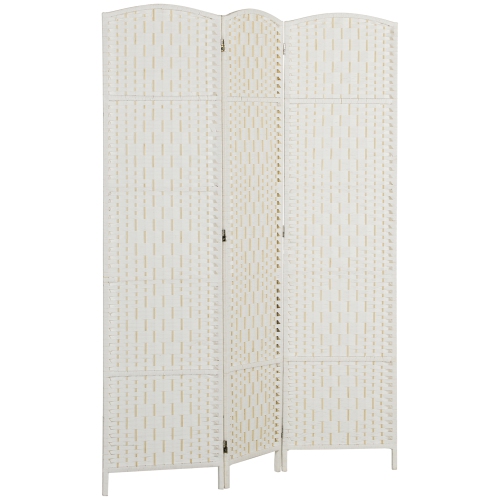
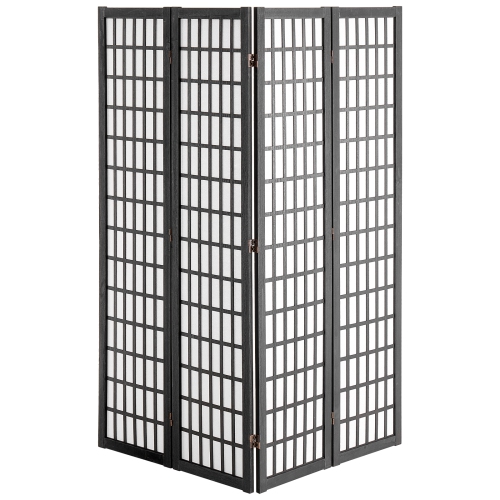
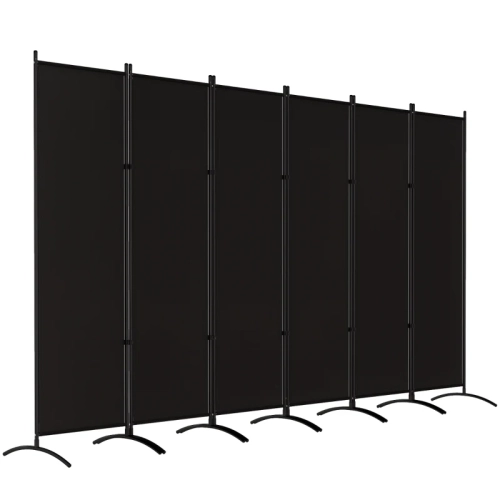
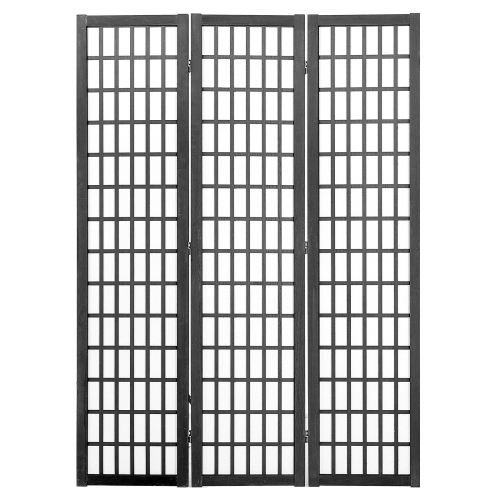
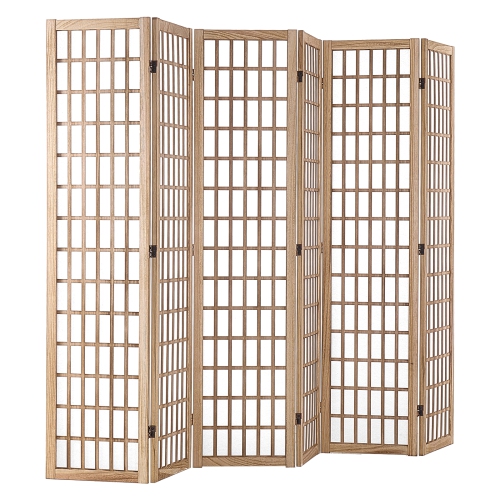
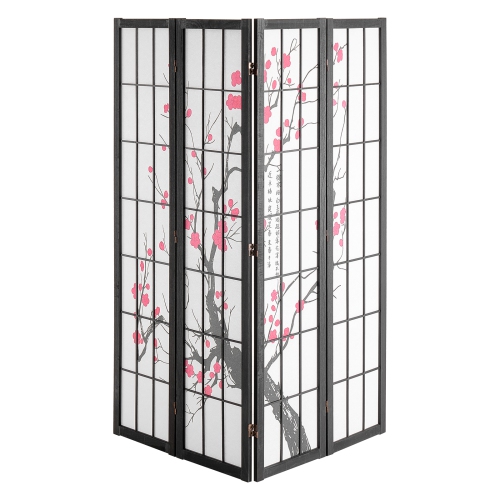
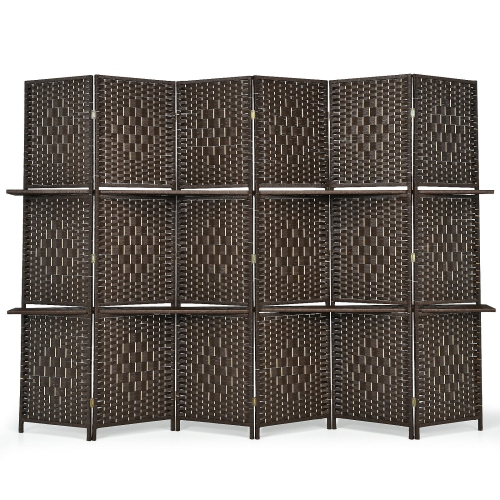
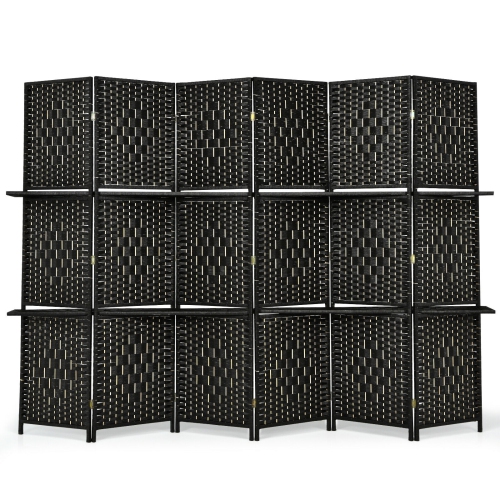
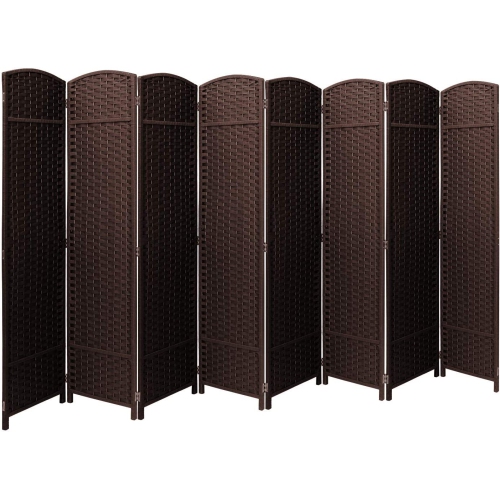
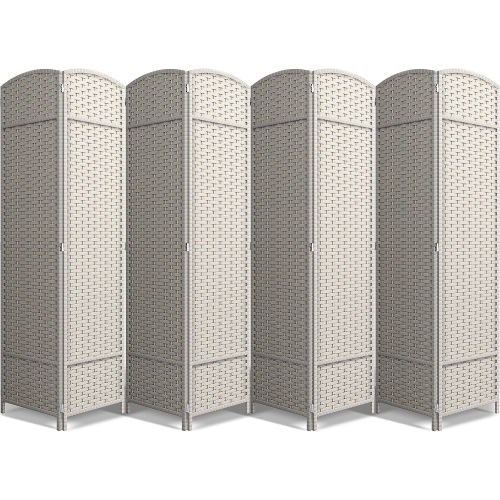
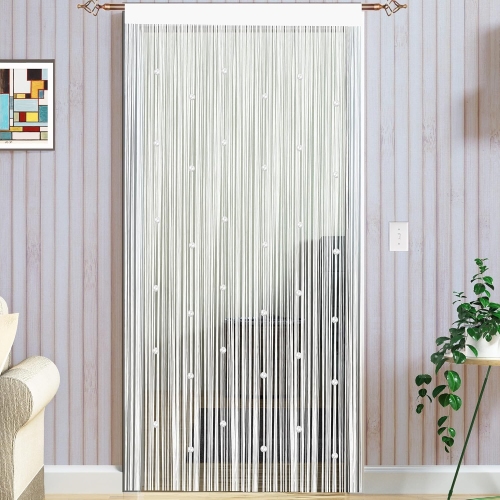
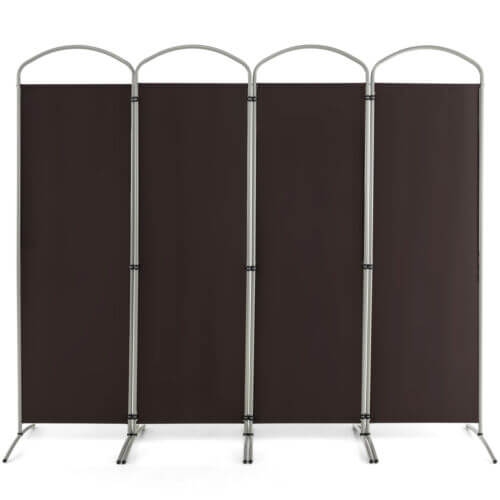
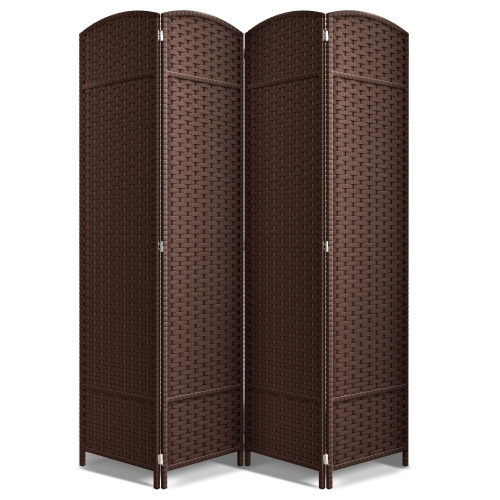

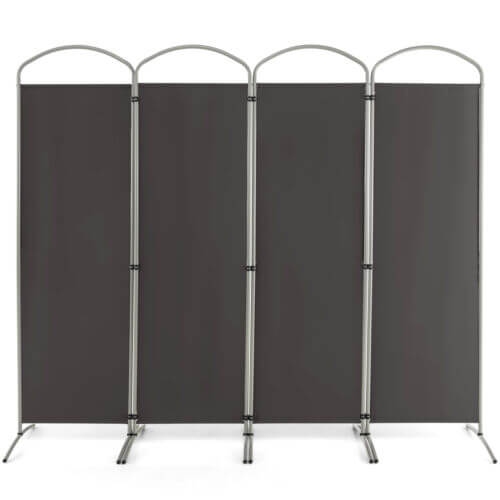

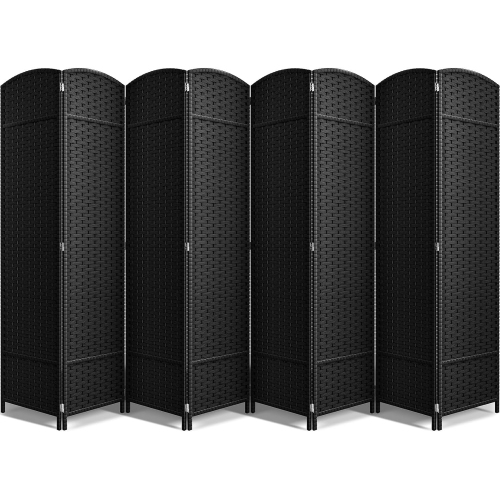


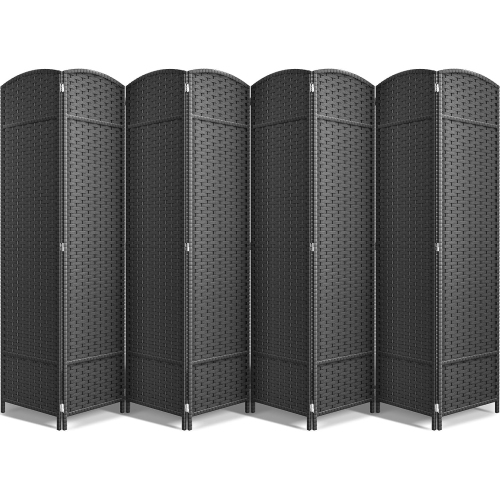
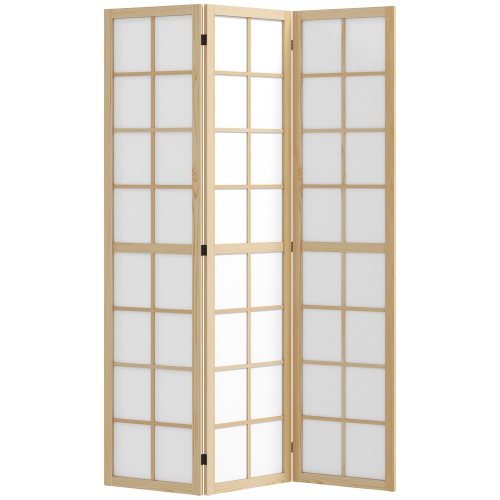

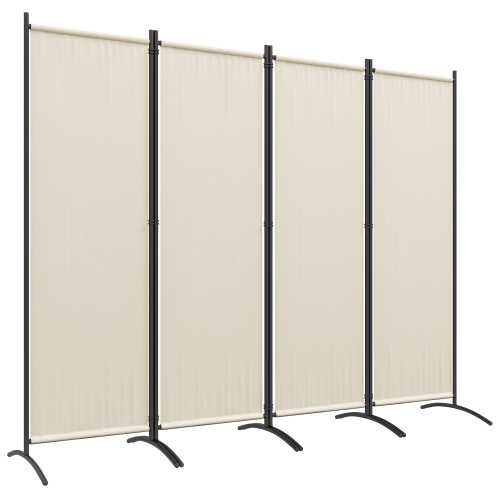
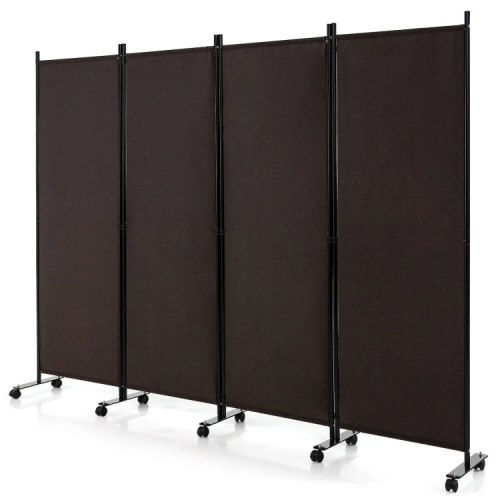
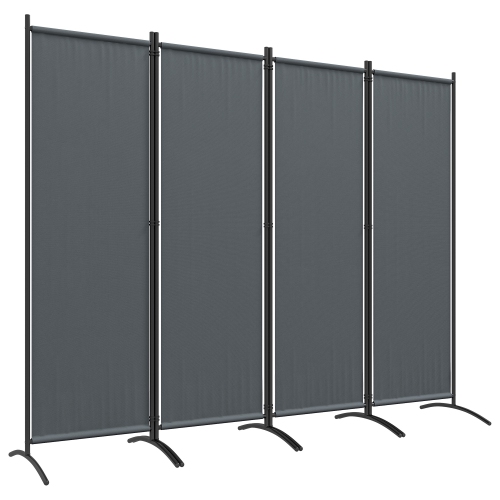

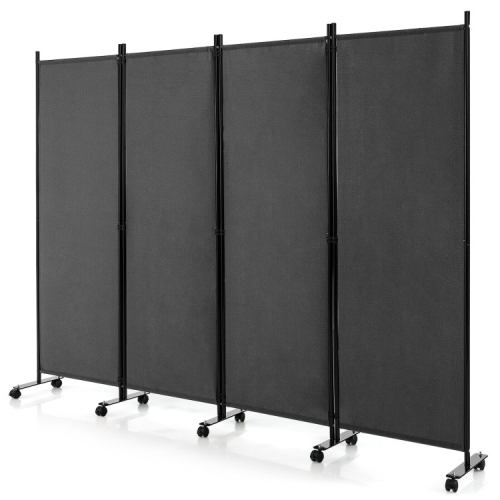
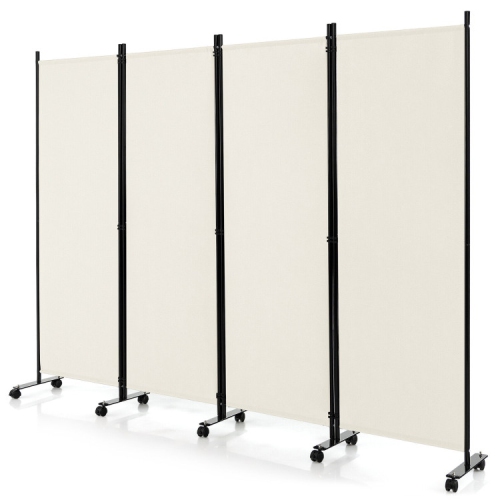
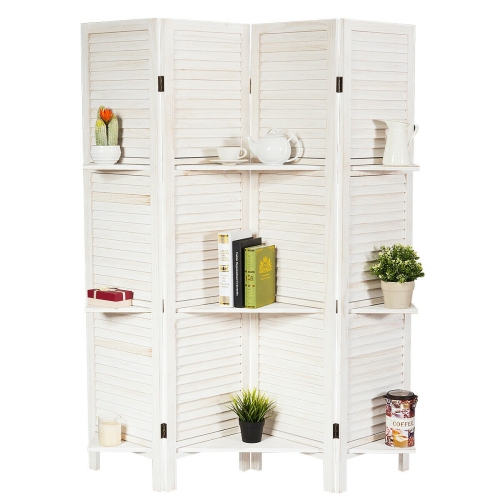
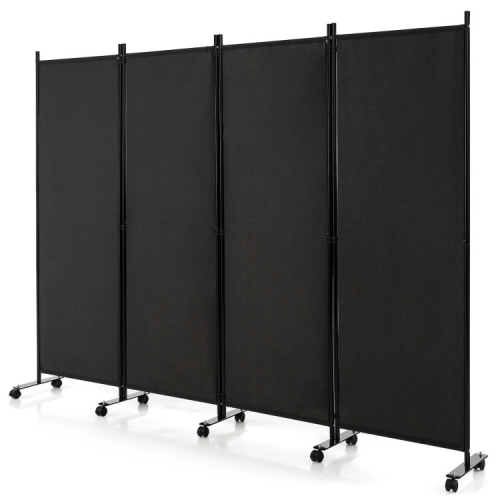


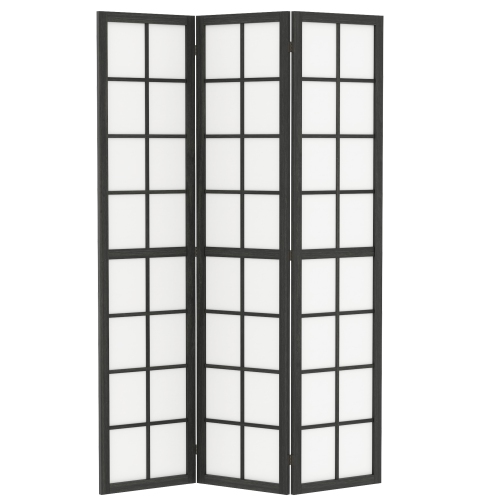
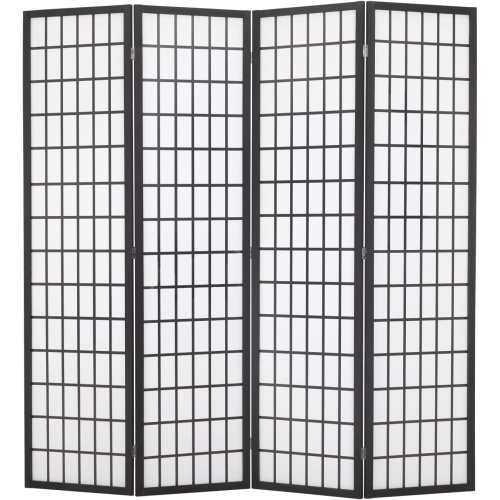
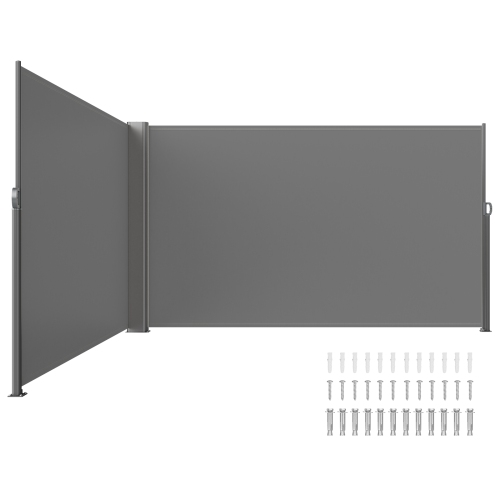

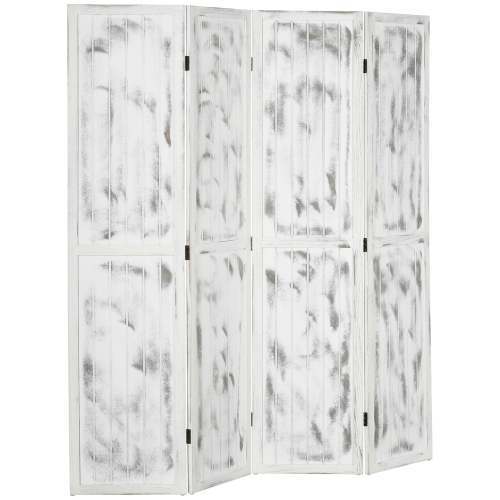
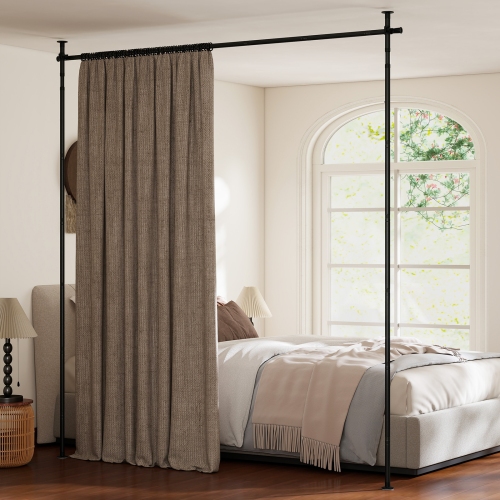


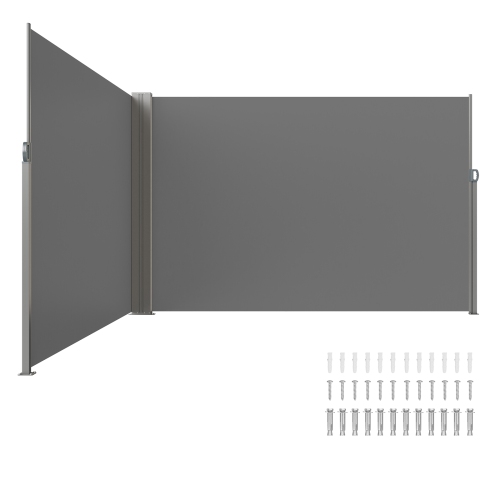
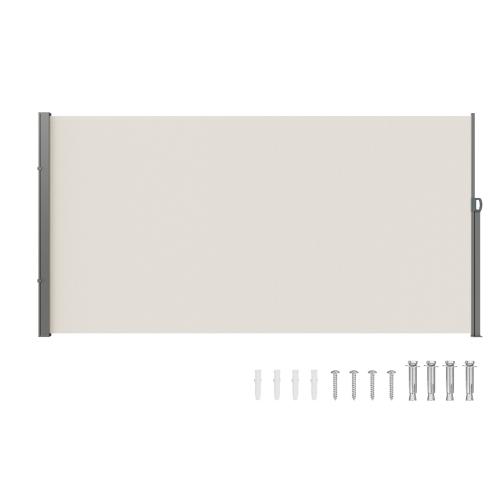


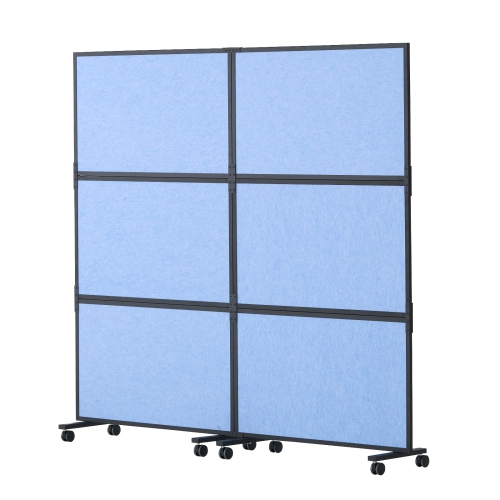
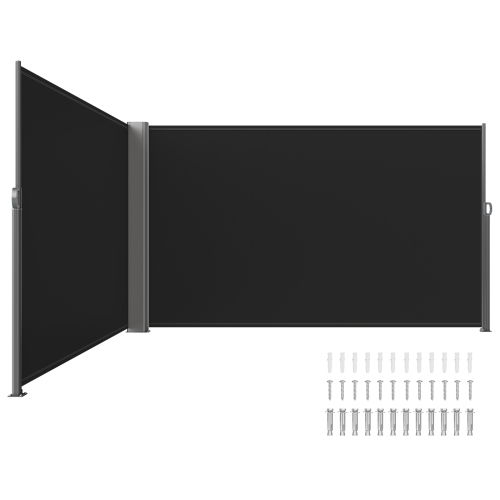

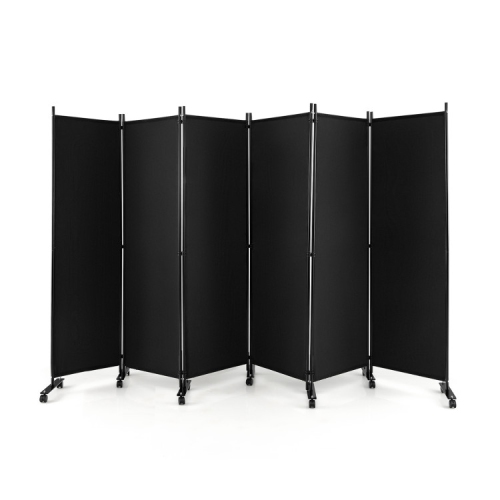
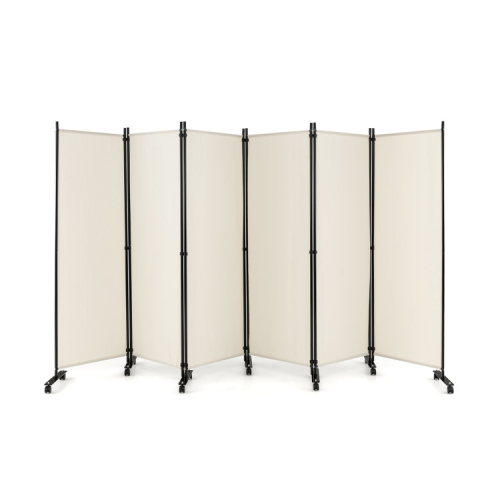
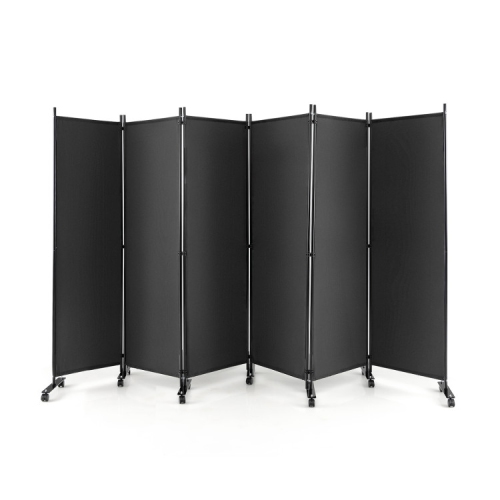
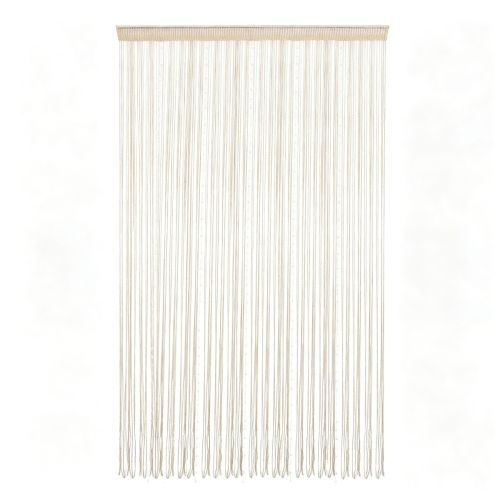

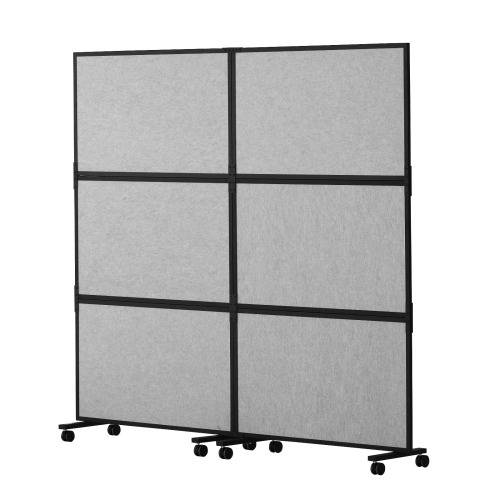
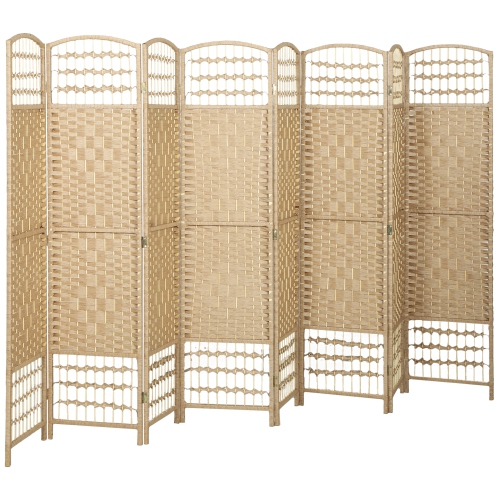
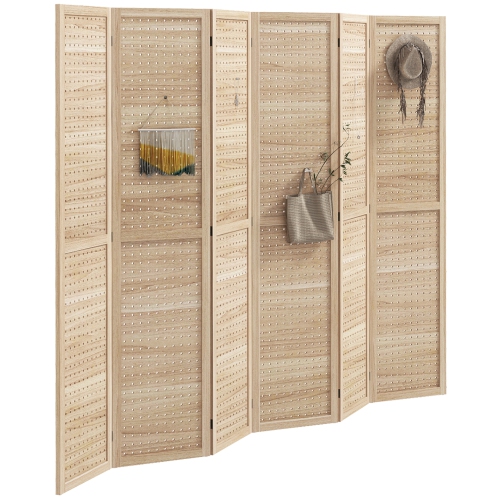
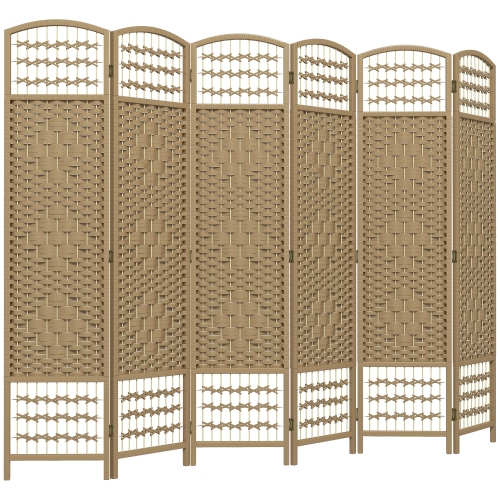
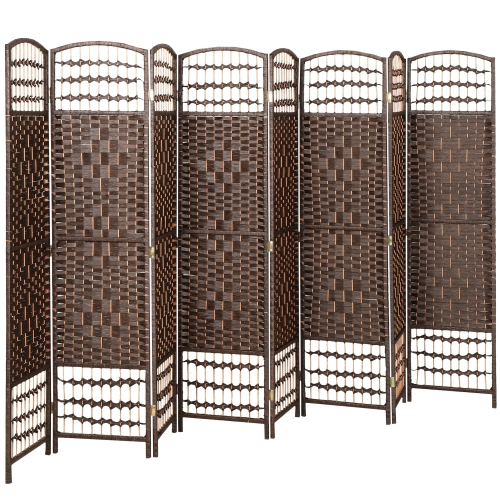
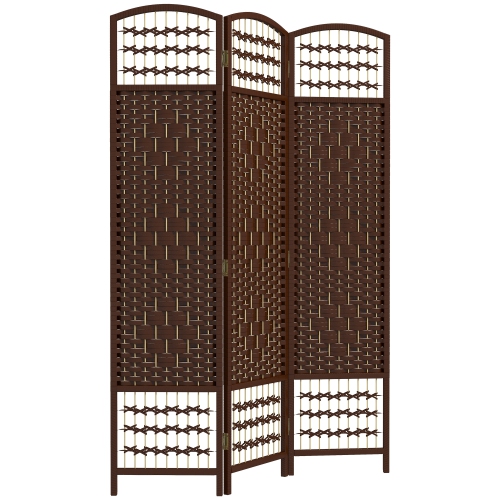
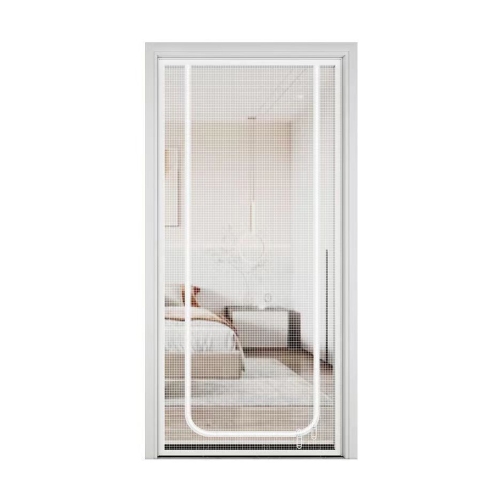
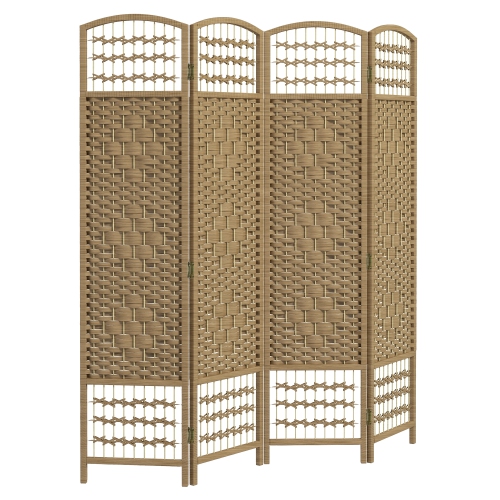
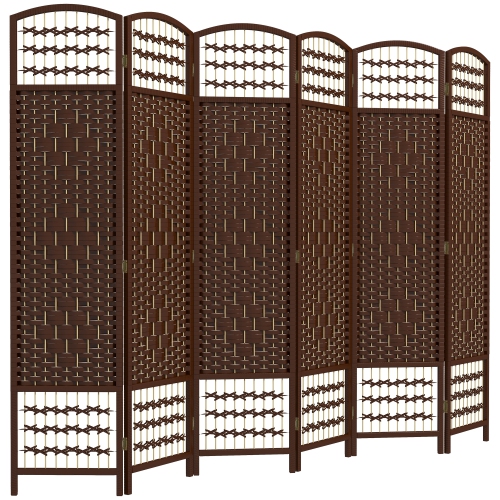
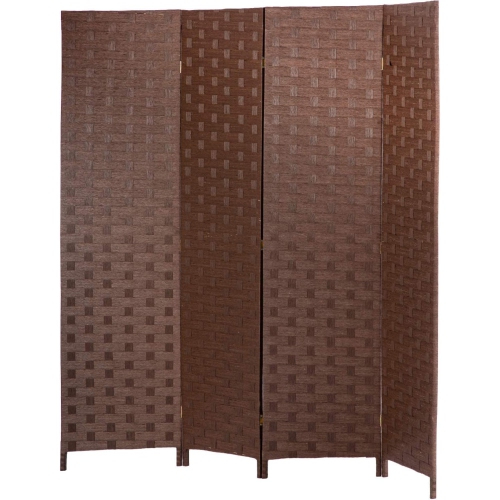
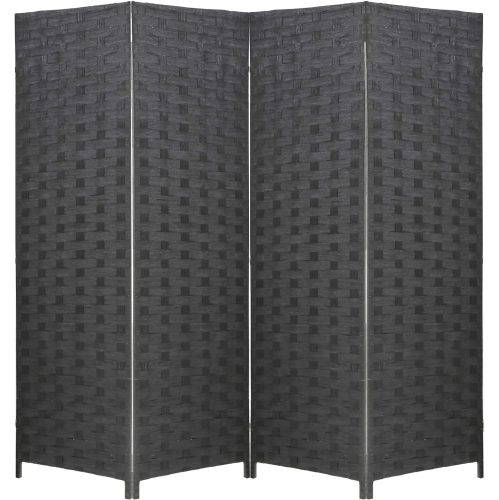
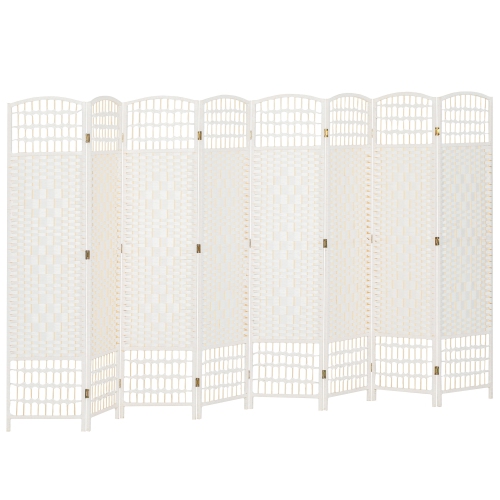
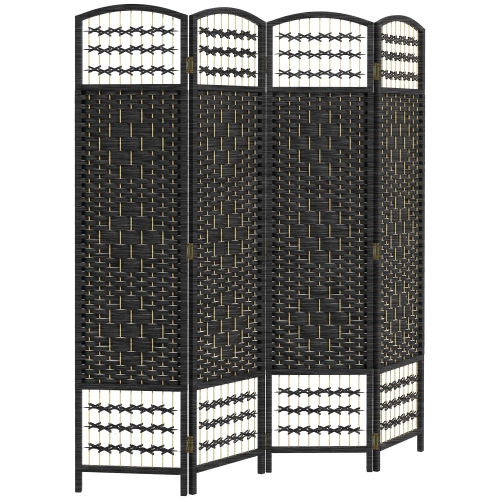
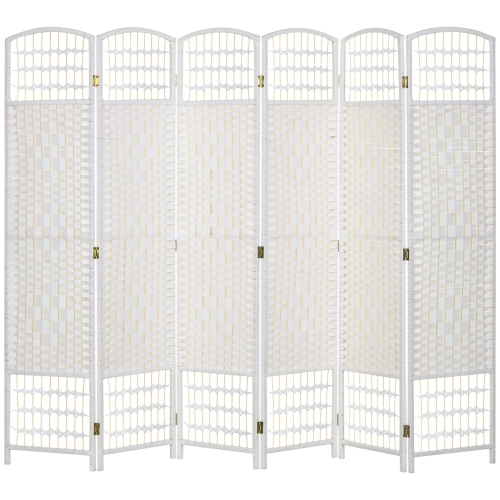
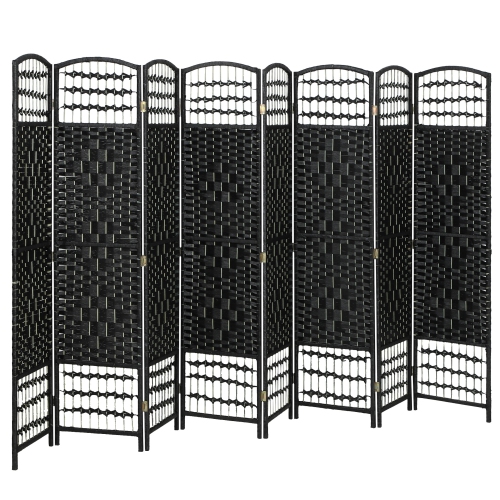
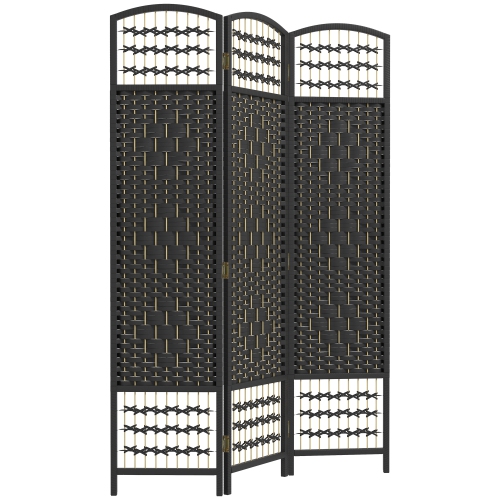
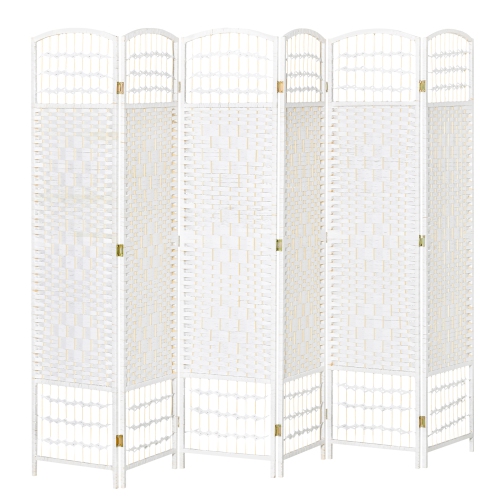
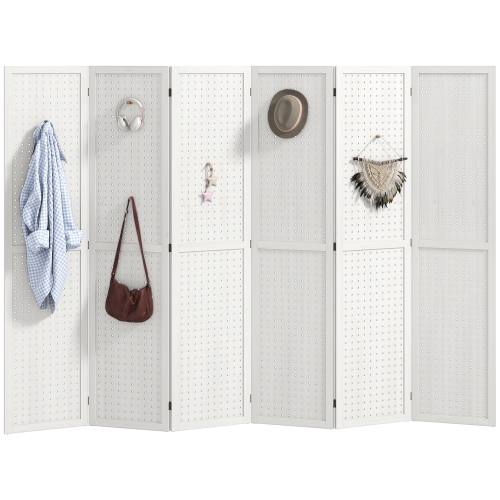
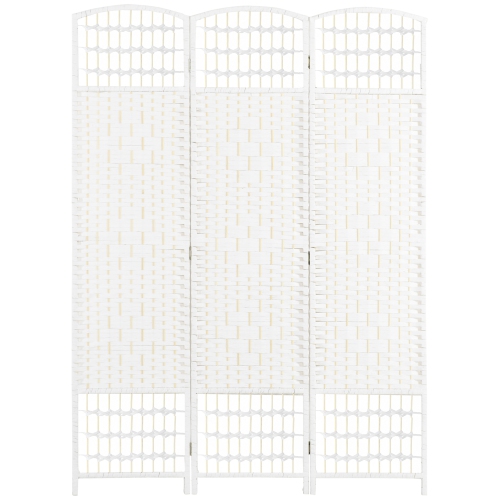
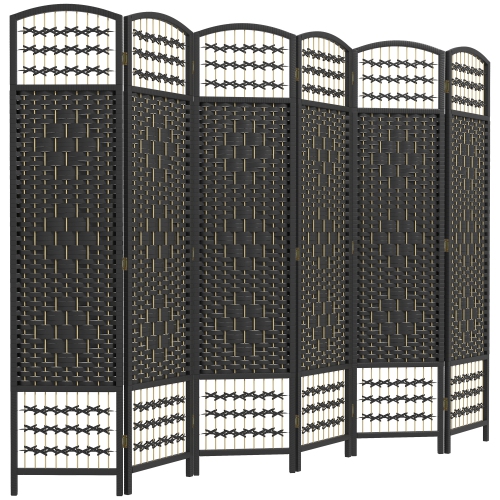
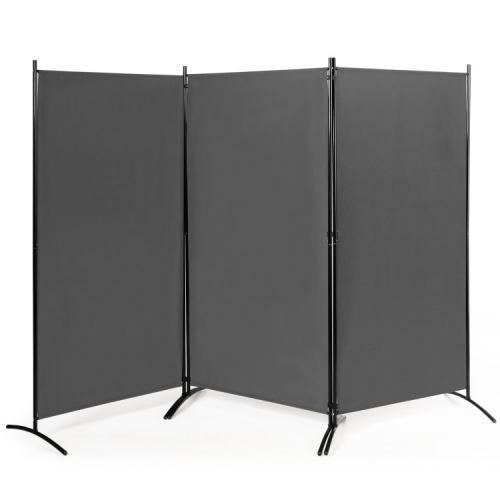
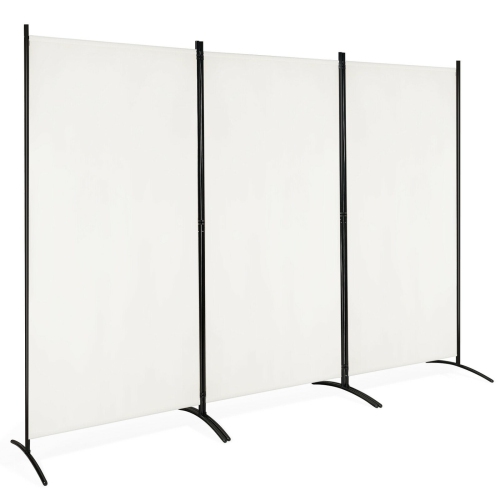
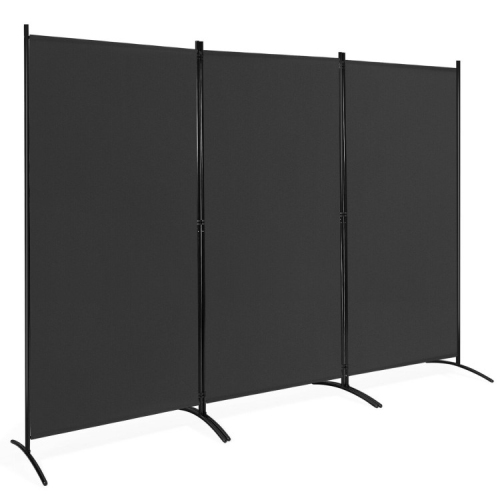
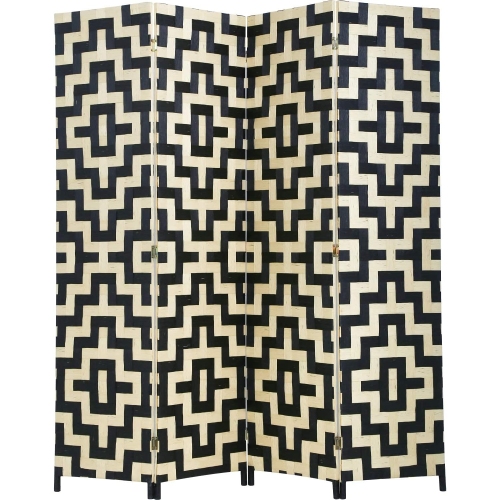
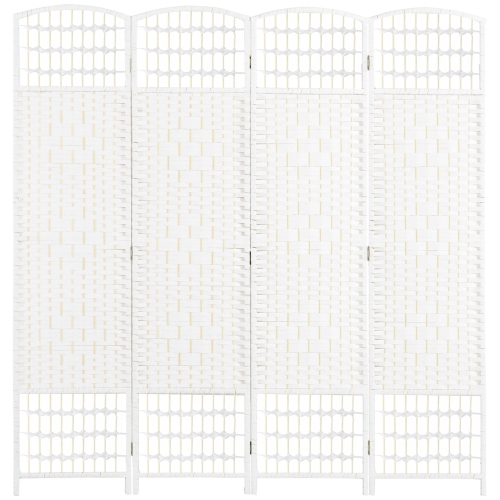
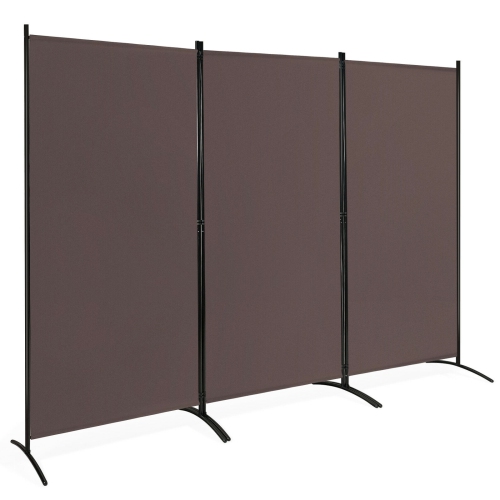


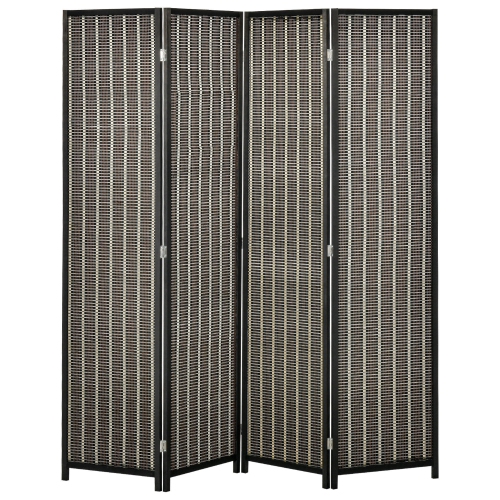

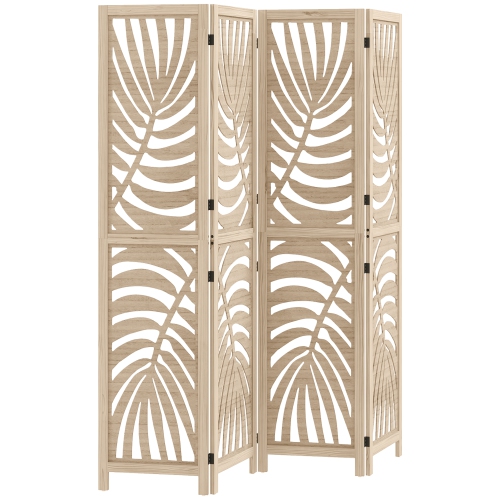
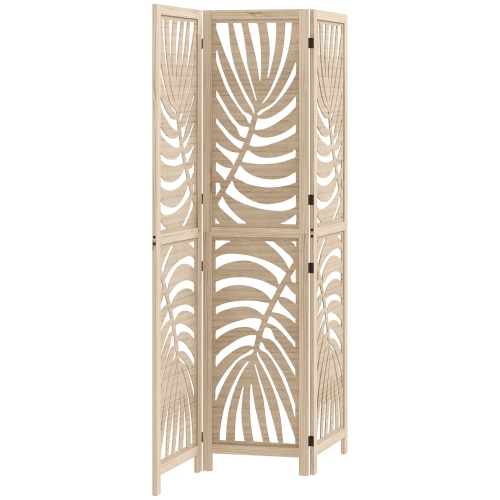
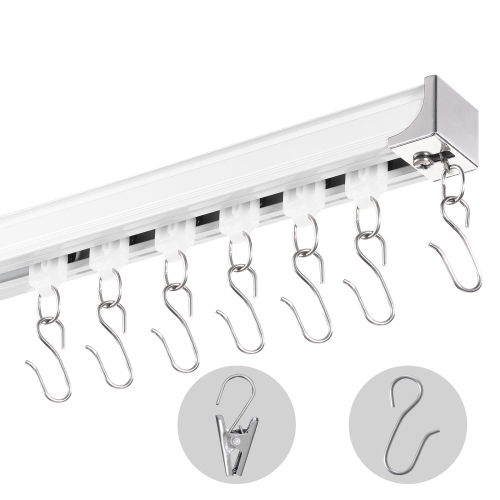


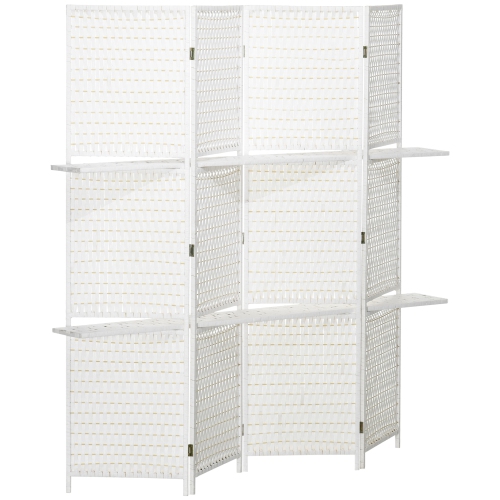

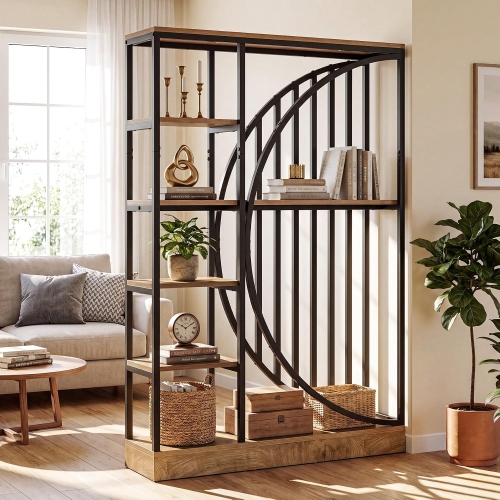
Visual privacy without the permanence of a wall
Fabric room dividers create separate areas within a room without the permanence of a built wall. A fabric screen can give a sleeping area more privacy in a studio apartment, define a work corner beside a living room, or conceal open shelving when a tidier backdrop is needed. Their appeal comes from the combination of a textile surface and a structure that can suit different layouts. Freestanding folding screens usually have connected panels with wood or metal frames, while hanging dividers use fabric suspended from a rod, rail, or ceiling track. Folding designs can be repositioned or tucked away when the floor needs to serve another purpose; hanging styles can draw across an opening and gather to one side. The fabric determines much of the effect. Sheer panels offer a gentle visual boundary while allowing light through, making them suitable for separating a reading chair from a dining area without closing either space off completely. More densely woven fabrics provide stronger visual screening for dressing areas, shared bedrooms, or home office backgrounds. Privacy depends on the weave, colour, lighting, and coverage, rather than the appearance of the fabric alone. A panel that looks opaque from the front may reveal silhouettes when a bright lamp sits behind it. Blackout fabric can limit light passing through the textile, although gaps around the sides, top, or bottom can still admit light. Fabric dividers are primarily visual partitions, not substitutes for walls or doors. Some textiles may soften reflected sound, but a standard fabric screen does not make a conversation private or block household noise. For a shared living room, that distinction matters: a divider can hide a desk and its cables from view while leaving the room acoustically connected. The result is a more defined layout that still feels like part of the same home, particularly where a full-height partition would make the floor plan feel cramped.
Materials influence how fabric room dividers look, feel, and stand up to everyday handling. Cotton can bring a soft, matte finish, while linen and linen blends often have visible texture that works well beside upholstered furniture or wood shelving. Polyester fabrics can offer good shape retention and resistance to wrinkling, though performance varies with the weave and finish. Heavier textiles create a more substantial visual boundary, whereas lightweight cloth tends to feel less imposing in a compact room. Texture also changes the character of a divider: a smooth, taut panel has a cleaner outline, while a softly gathered curtain adds folds and depth. Neutral shades can blend into surrounding walls, and richer colours can make the partition a deliberate feature rather than something to disguise. Frame construction is equally important. Wood frames contribute warmth and may have a thicker profile; metal frames can provide a slimmer outline, with the finish and joint quality affecting their appearance over time. On folding screens, secure hinges, well-fitted fabric, and a stable footprint matter more than decorative details alone. A frequently moved divider benefits from a manageable weight and hardware suited to repeated folding. Care requirements deserve attention because fabric panels collect dust much like curtains and upholstered furnishings. Removable covers may be washable, but removable does not automatically mean machine washable; the care label determines the appropriate cleaning method. Fixed panels may call for gentle vacuuming with an upholstery attachment or careful spot cleaning. Some fabrics can shrink, lose their shape, or develop water marks with unsuitable treatment, so cleaning requirements affect their practicality near dining areas or in busy family rooms. Homes with pets may benefit from closely woven fabric that is less likely to catch claws, along with a frame that remains steady during ordinary activity. A screen beside a sofa may need little handling, while one moved between a desk and a guest bed will place greater demands on its hinges, fabric attachments, and finish.
The fit of a fabric room divider involves more than its listed width and height. Folding screens generally need their panels arranged at an angle to stand securely, so their usable span can be narrower than their fully extended measurement. Feet and angled panels also occupy floor space, which matters beside a narrow walkway or behind a dining chair. Height affects what the divider conceals: a lower screen can hide a seated workspace while preserving an open view across the room, whereas a taller design offers more coverage around a bed or dressing area. For wider layouts, Large Room Dividers provide another way to consider the scale of the partition in relation to the room. A broad screen needs enough supporting depth to remain stable, not just enough width to reach between two pieces of furniture. Hanging fabric has different space requirements, including room for the panels to gather when open and enough fullness to avoid looking stretched across the opening. Rods and tracks must be suitable for the fabric’s weight and installed on appropriate supporting surfaces; tension-mounted designs also depend on a compatible opening and their stated load limits. In rental homes, a freestanding screen can offer separation without wall fixings, provided there is adequate room for its base. In a multipurpose room, folding storage dimensions may be just as important as open dimensions, especially when the divider needs to fit beside a wardrobe or inside a cupboard. Placement should leave doors, exits, vents, and everyday walking routes clear, with fabric kept away from heaters and other heat sources. A divider used near children or pets also needs a stable position where it is unlikely to be pulled or knocked over. Whether it provides a discreet dressing corner, separates a guest bed from a sitting area, or gives a home office a calmer backdrop, a well-proportioned fabric divider adds definition while allowing the room to remain adaptable.
Top selling and popular products
-
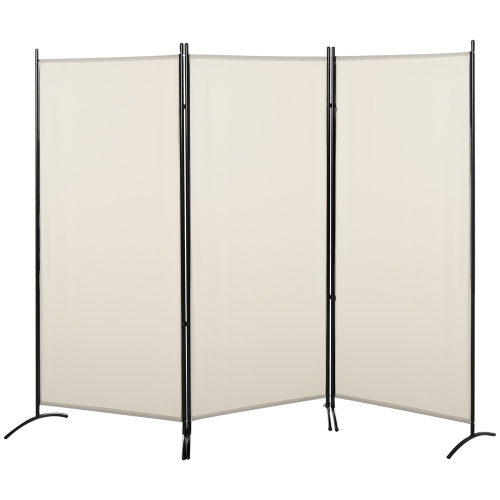 Your price for this item is $80.99
-
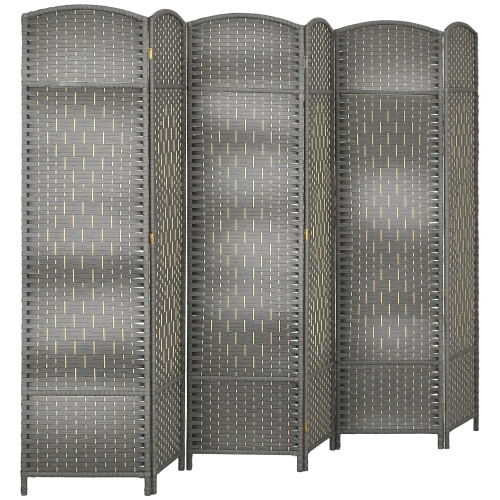 Your price for this item is $154.99
-
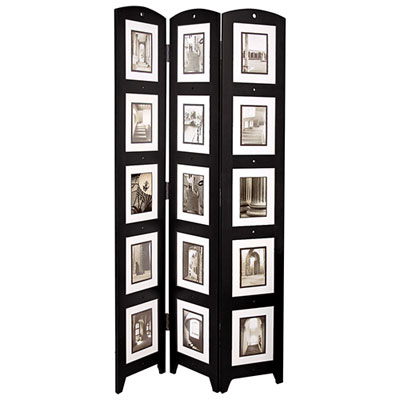 Your price for this item is $179.98
-
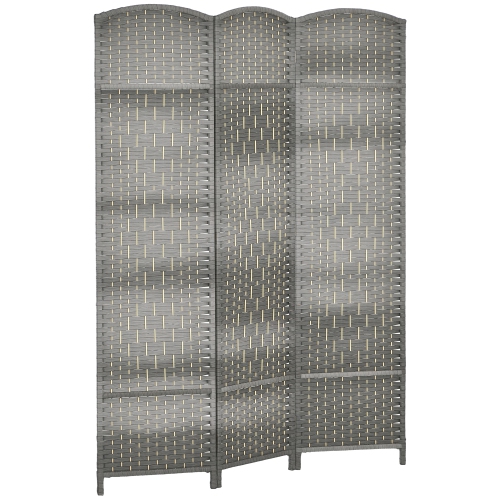 Your price for this item is $94.99
-
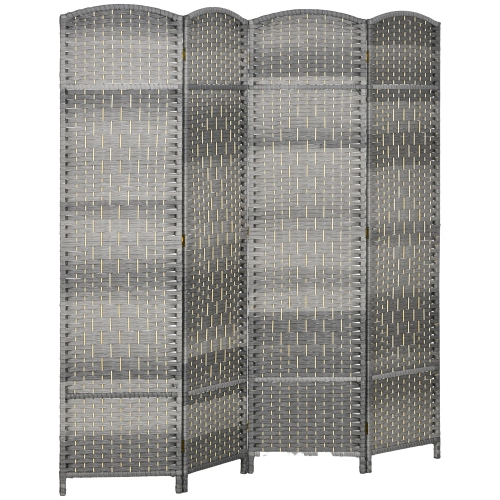 Your price for this item is $106.69
-
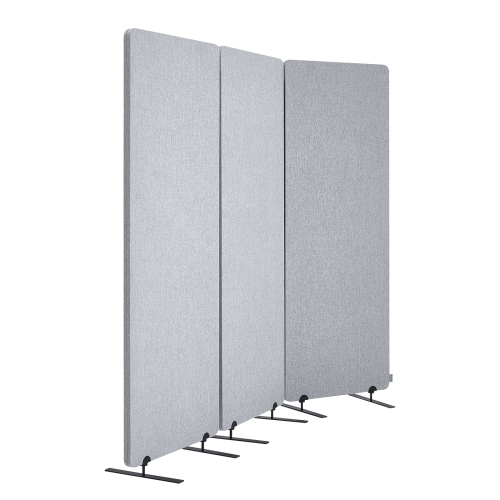 Your price for this item is $589.99
-
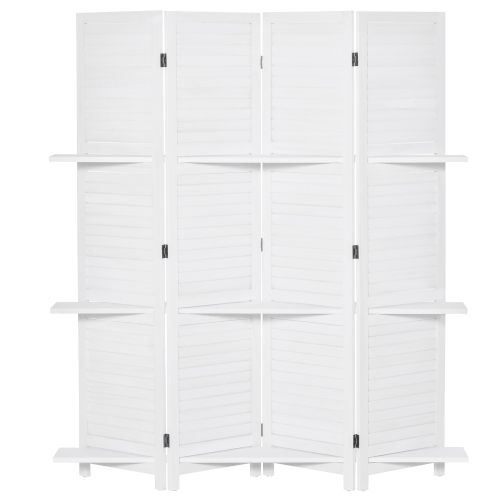 Your price for this item is $156.99
-
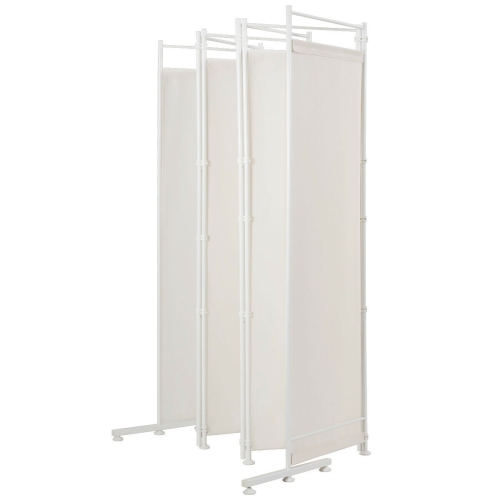 Your price for this item is $236.99
Discover more categories related to Fabric Room Dividers
Top Collections:
Pokemon Centers, Best Cameras for Sports Photography, Kindle Devices, Samsung Galaxy Phones, Canon G7X Cameras, Pokémon 30th Celebration Cards, Refurbished Apple Laptops, iPhone 15 Apple, Laptops for Students, Budget Smartphones
Some products may be subject to Environmental Handling Fees
(EHF) depending on your province.
Learn more about EHFs.