Fabric Sofa Couches
If you're looking for a comfortable and stylish way to furnish your home, a fabric sofa couch is an excellent option. Fabric sofas are available in a range of styles, colors, and fabrics, allowing you to find the perfect piece to match your décor. Fabric sofas are also comfortable and durable, making them a great choice for almost any home. Here are some of the great options.
Sort
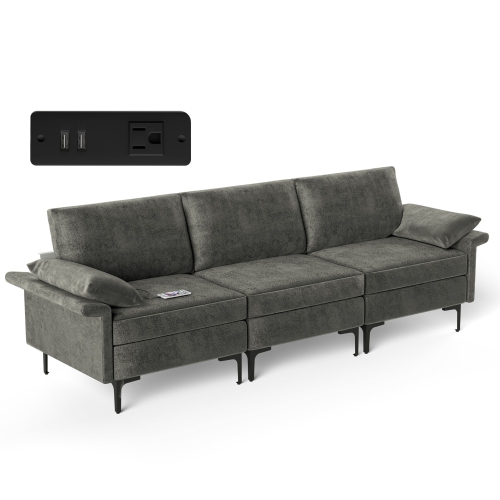
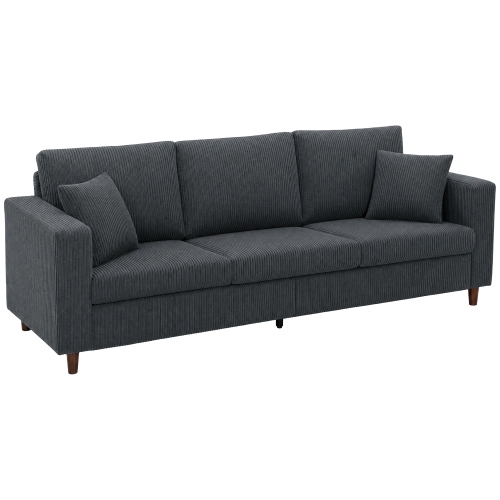
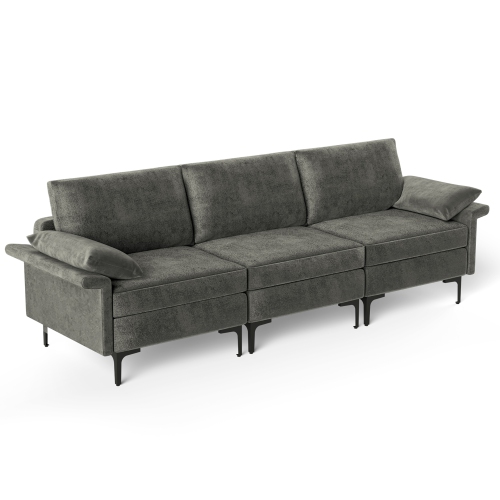

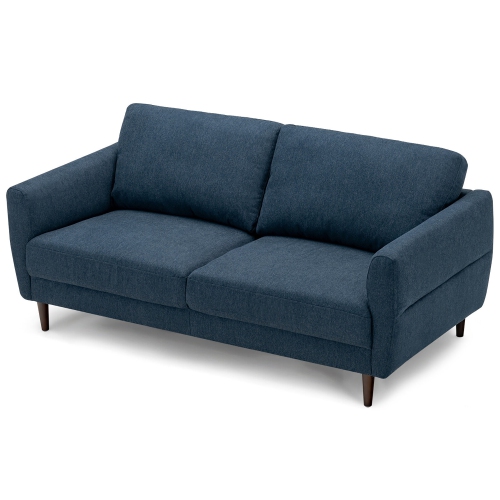
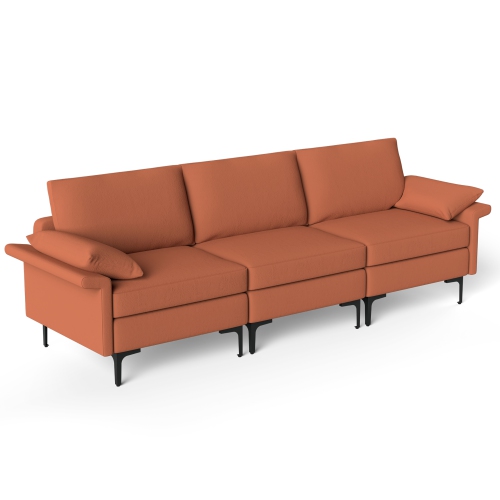
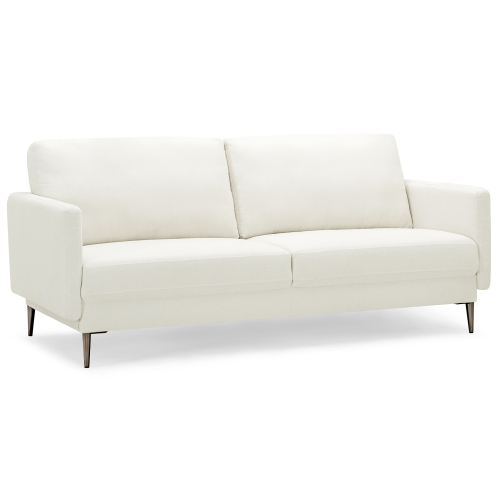
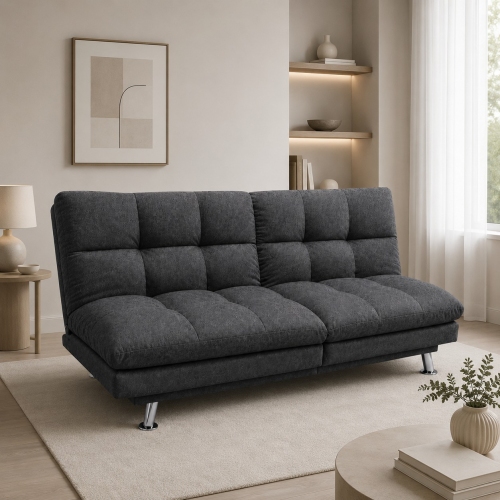

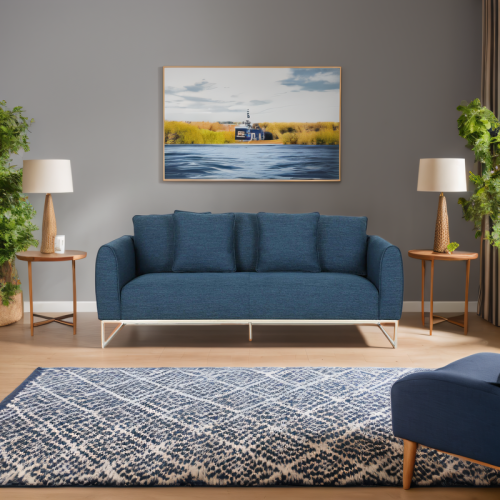

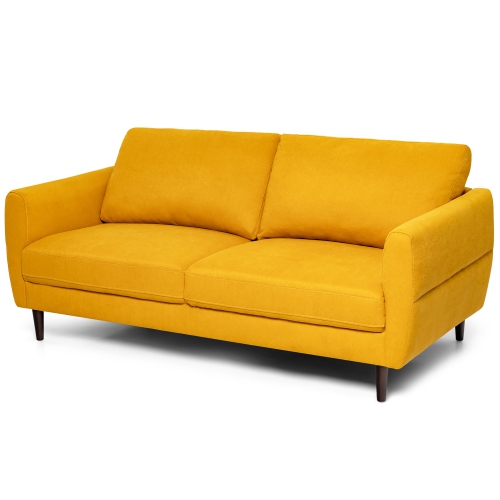

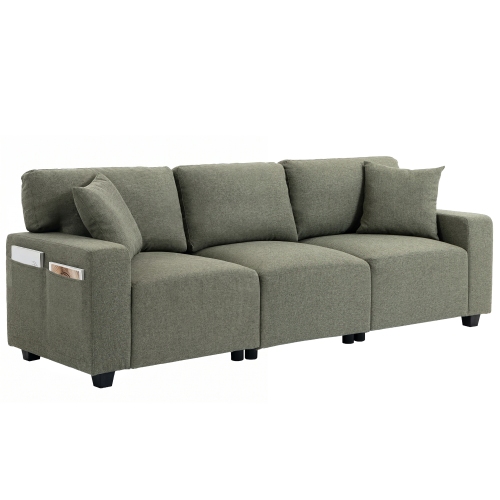


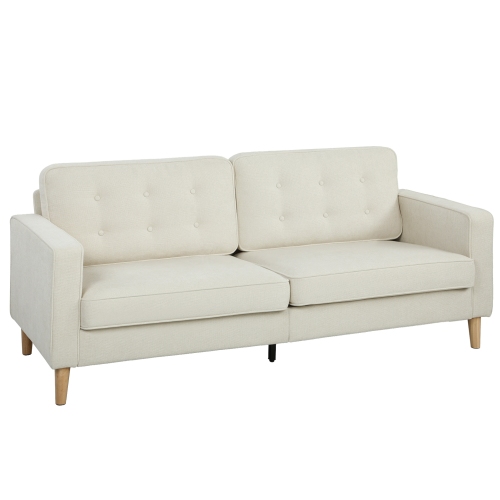

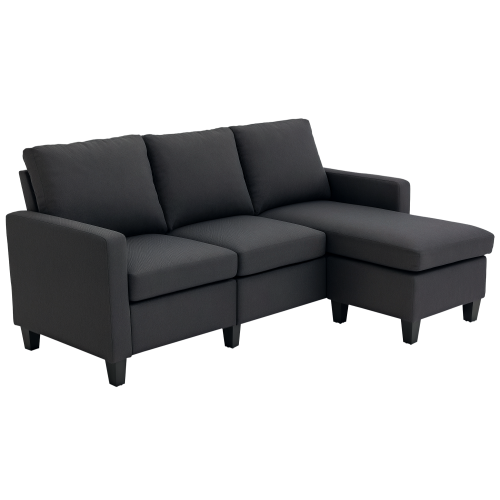



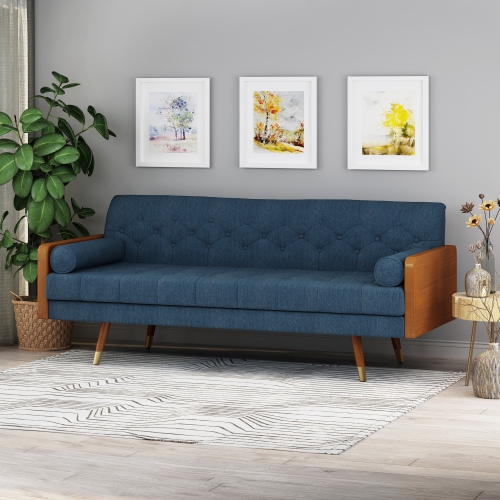
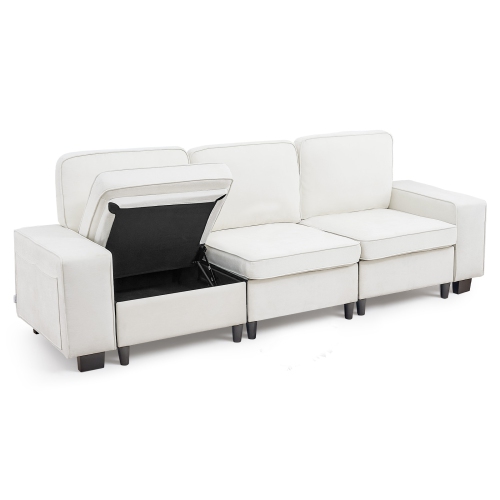
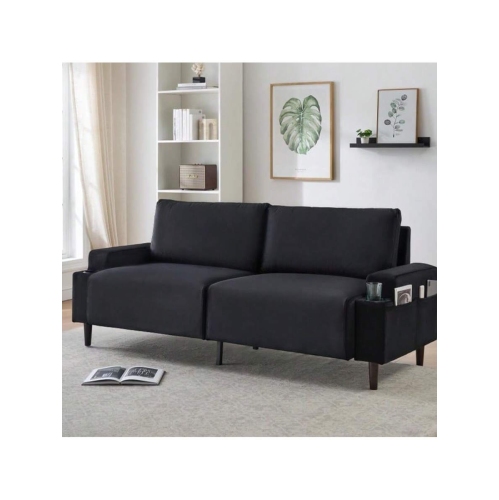
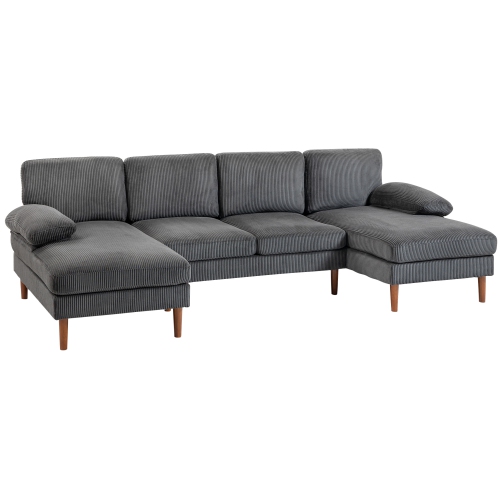




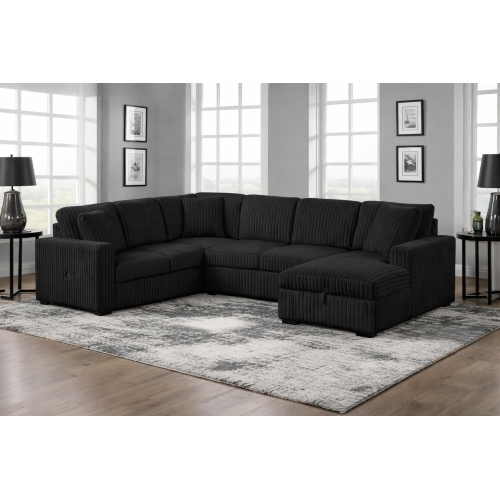
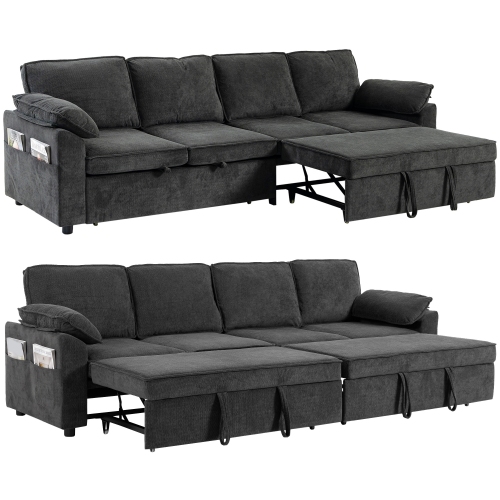
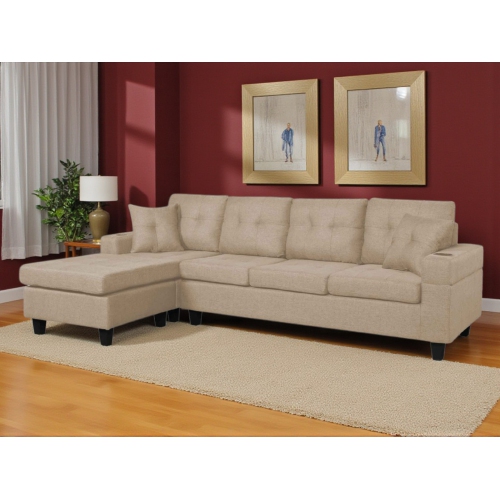
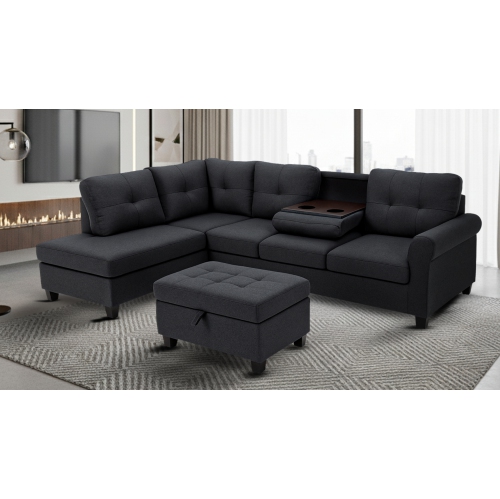
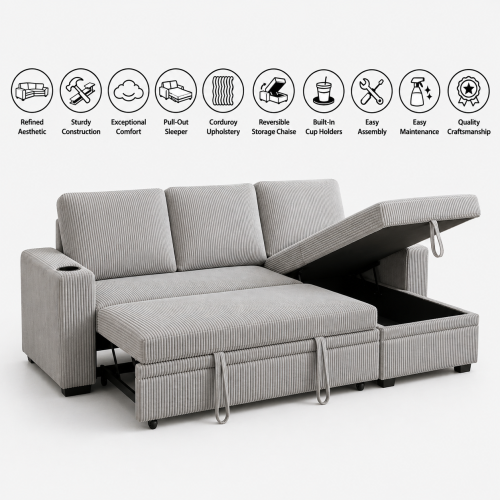


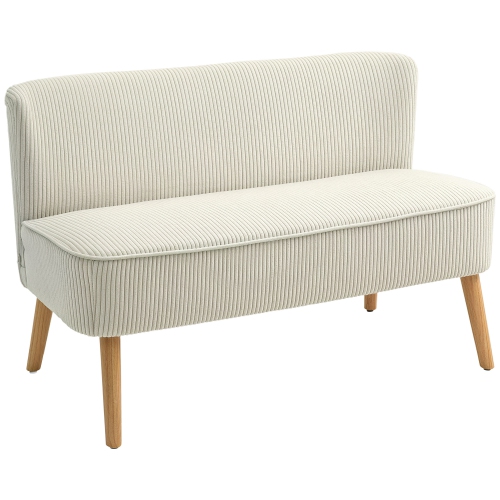
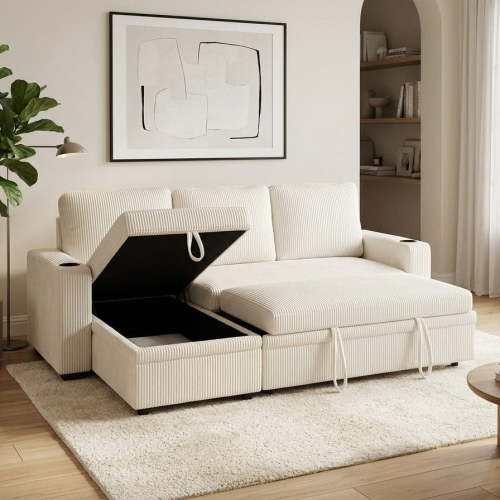
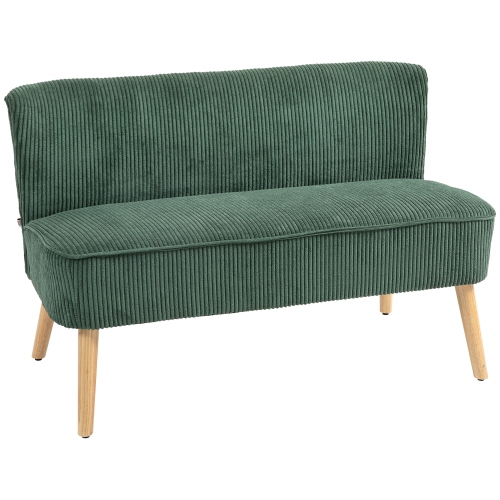
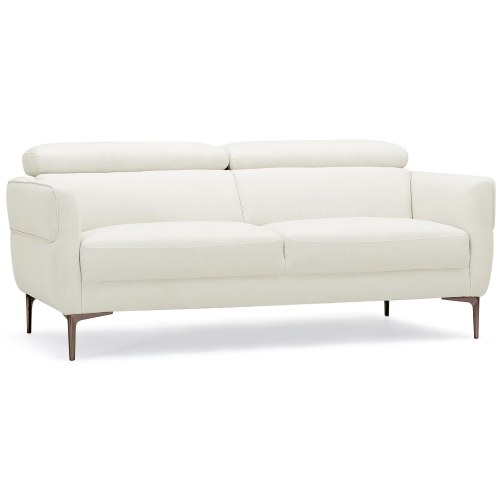
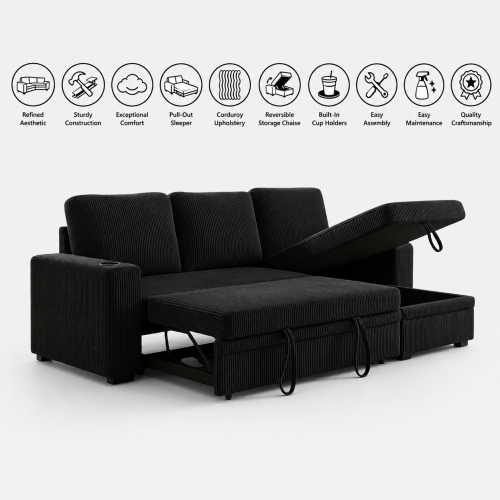
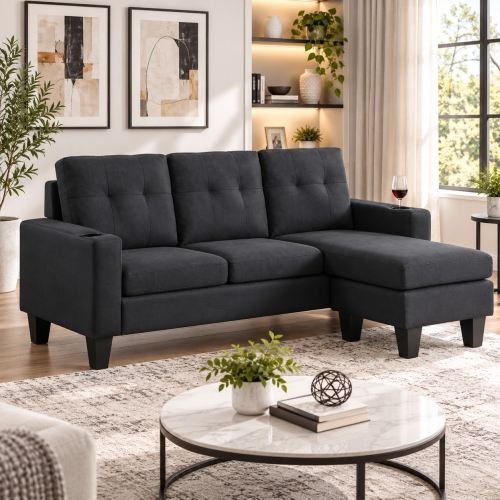
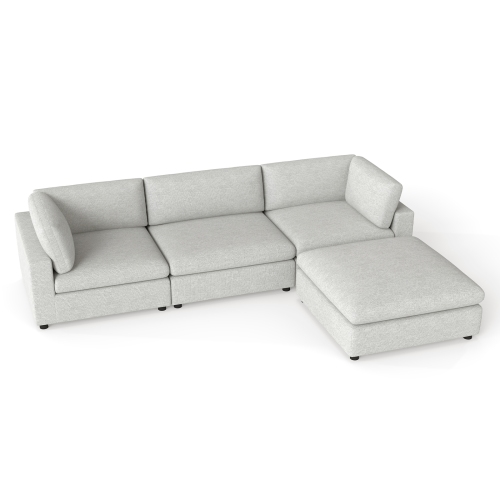






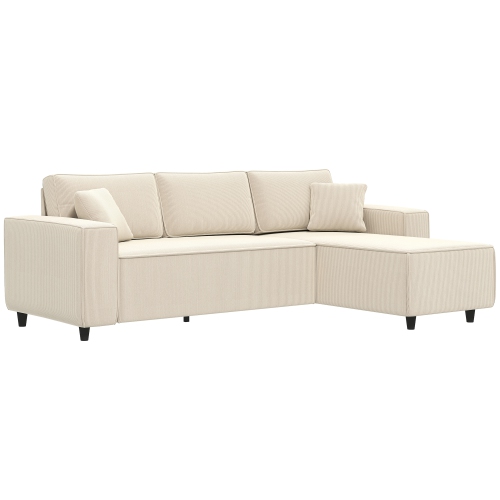
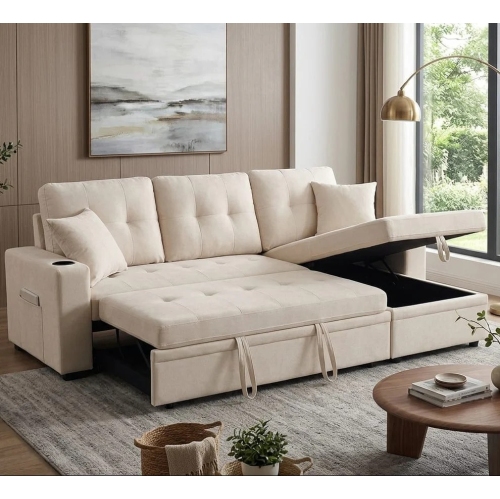

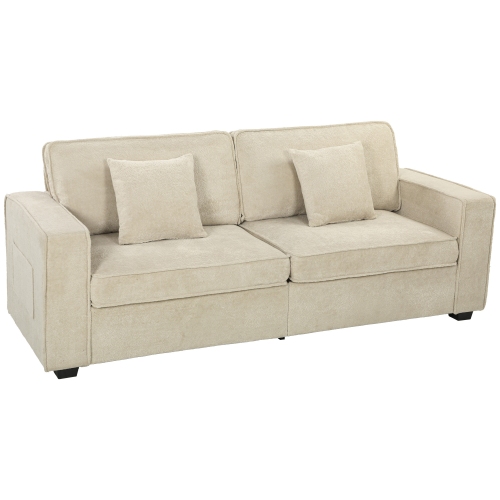


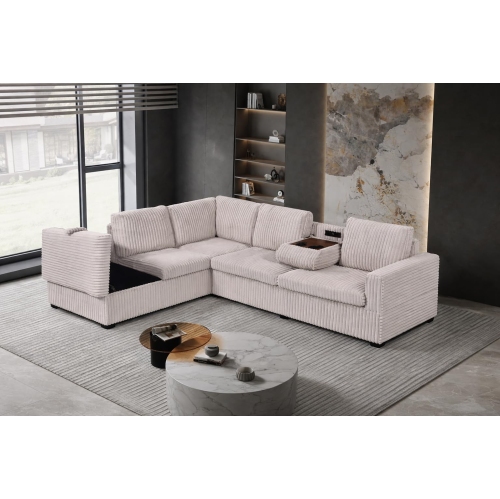
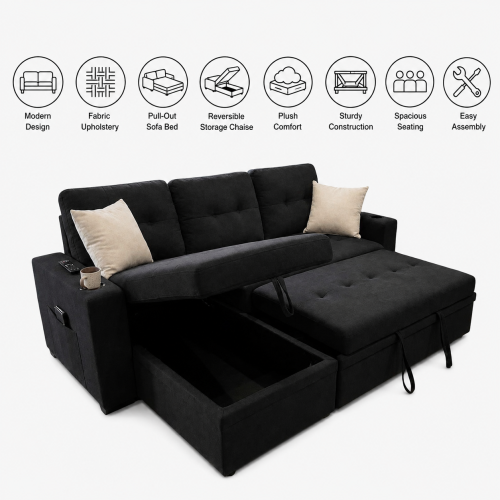
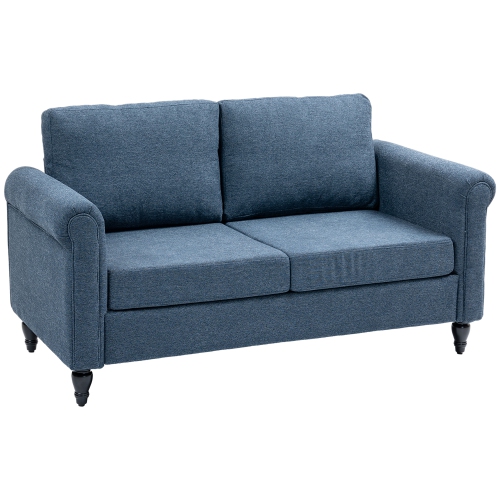
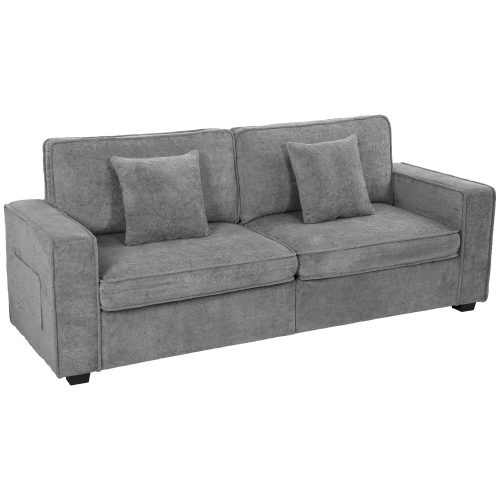
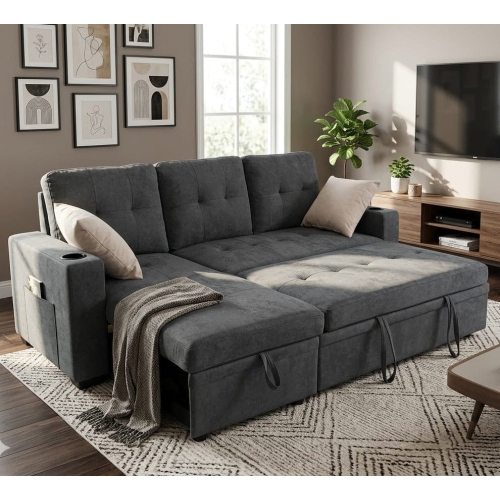






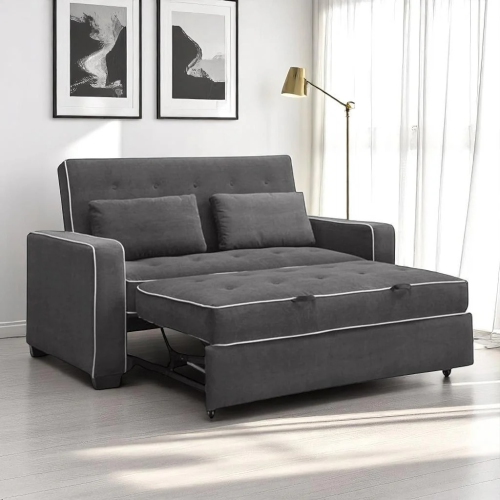


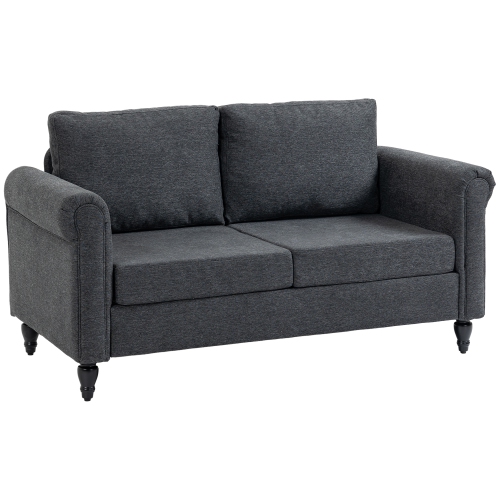
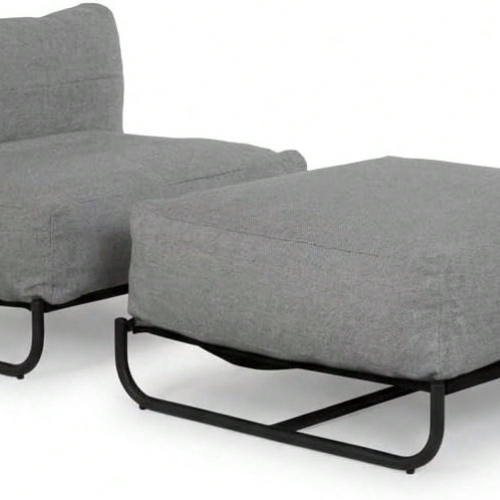


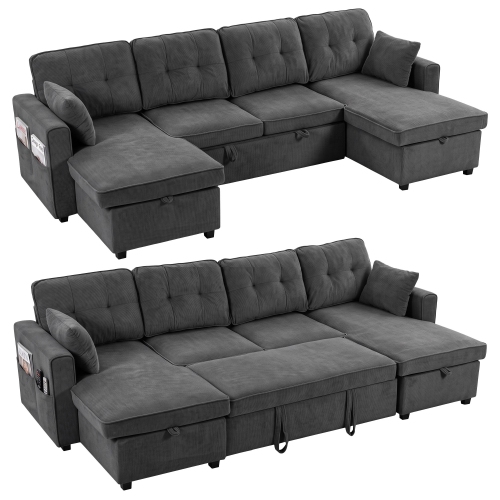
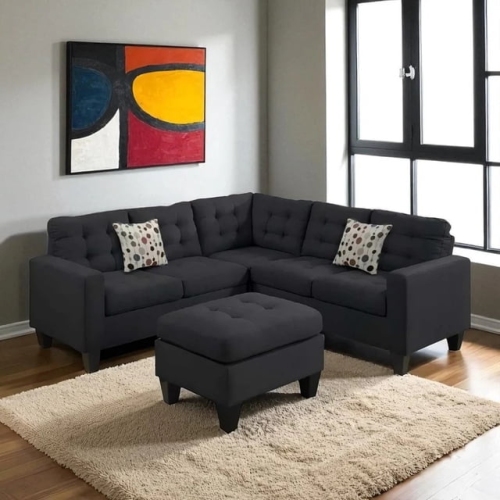
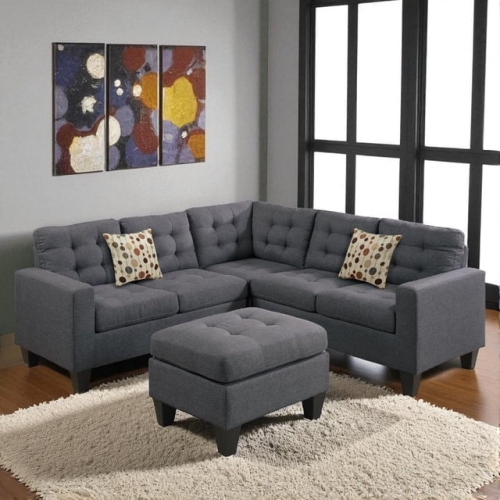
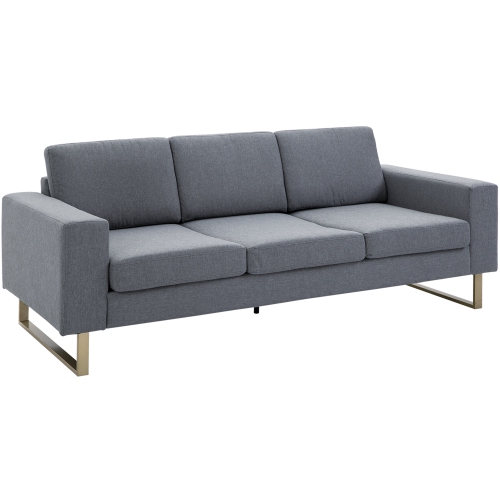
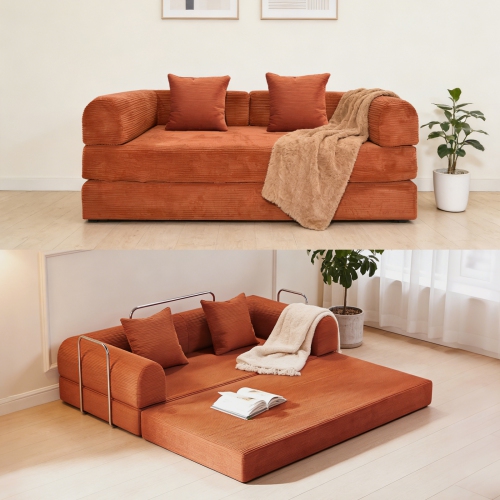


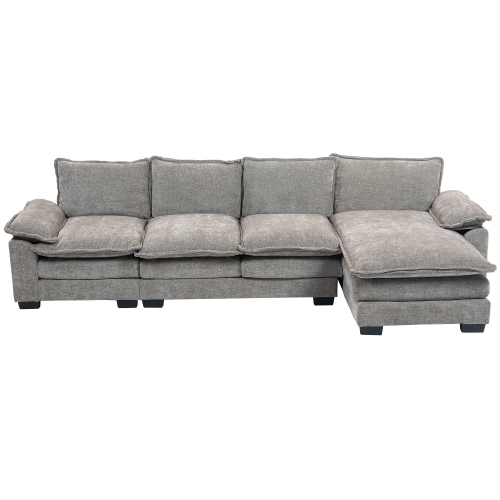
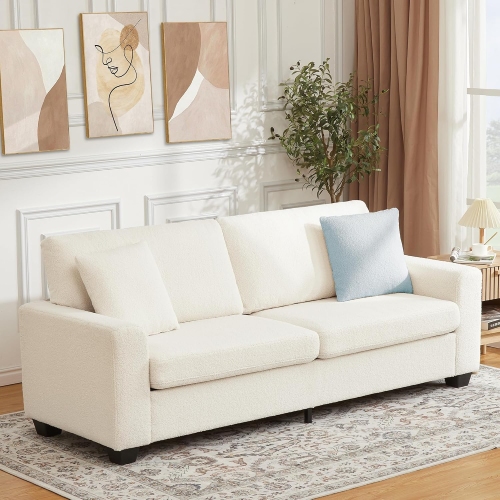
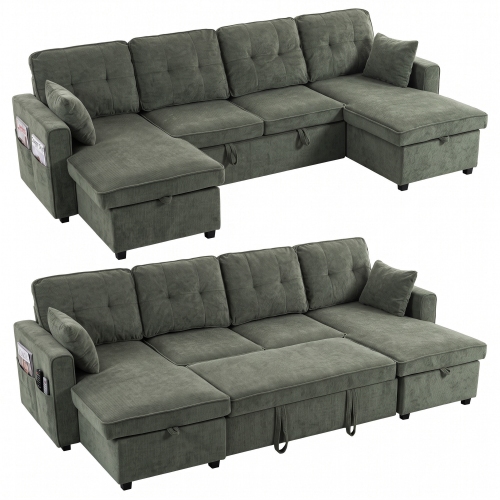


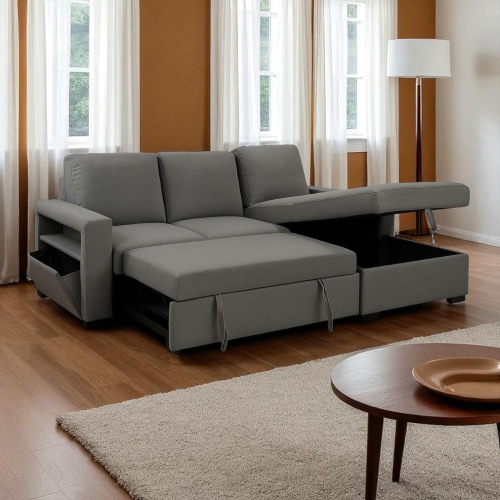
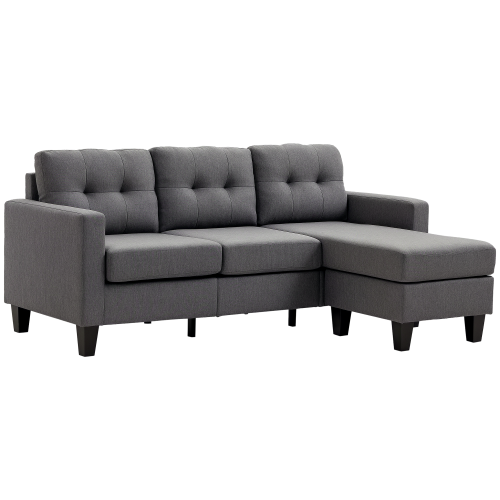
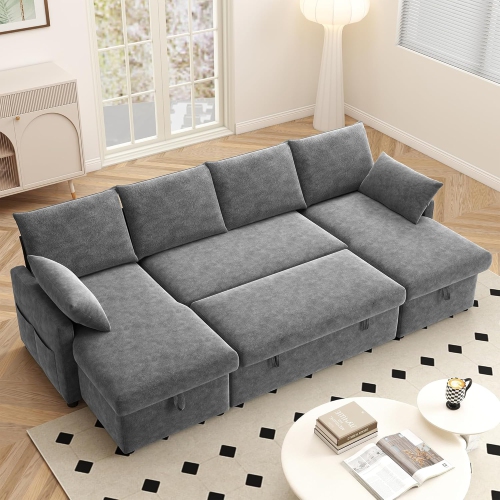
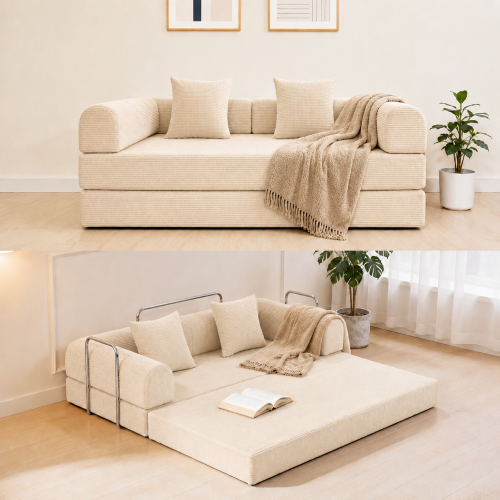
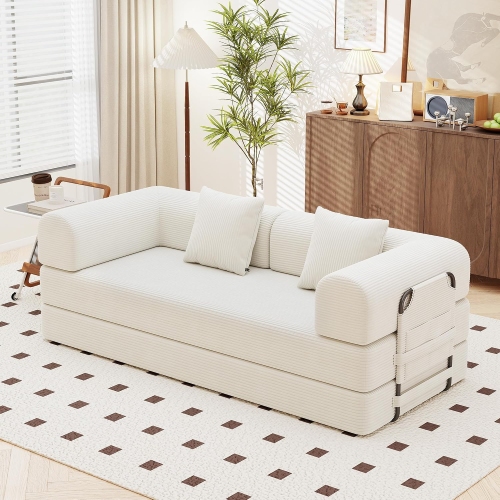






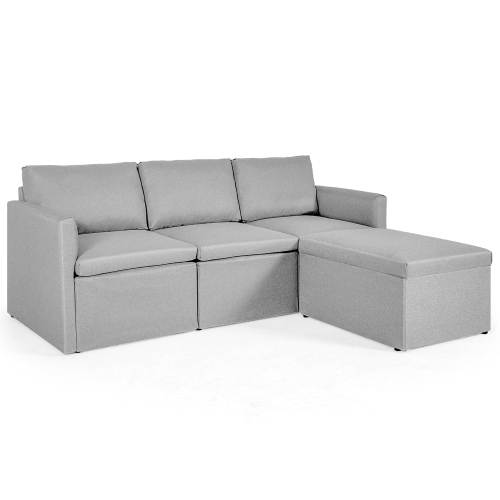
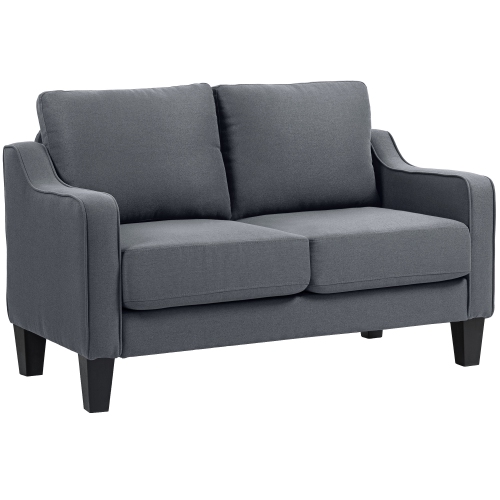

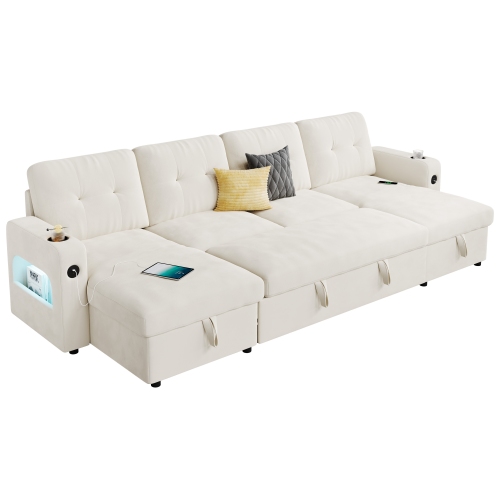

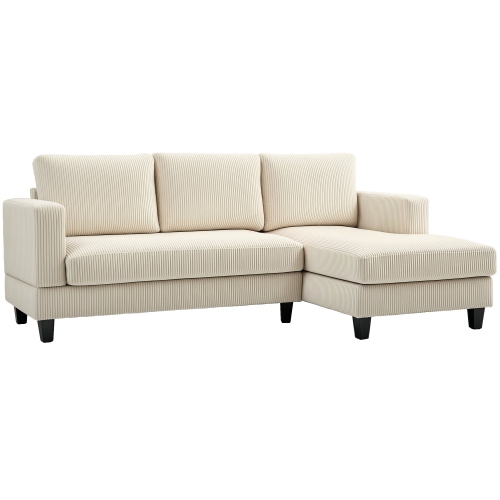













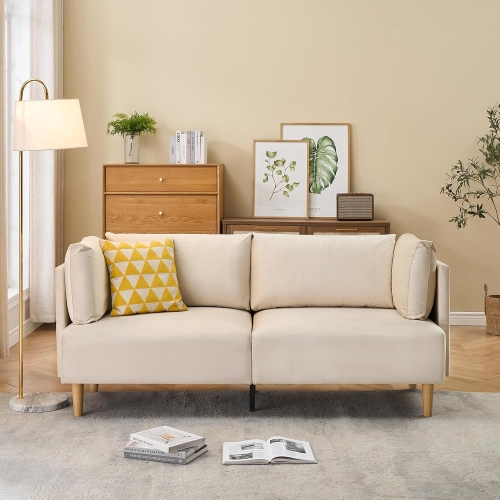
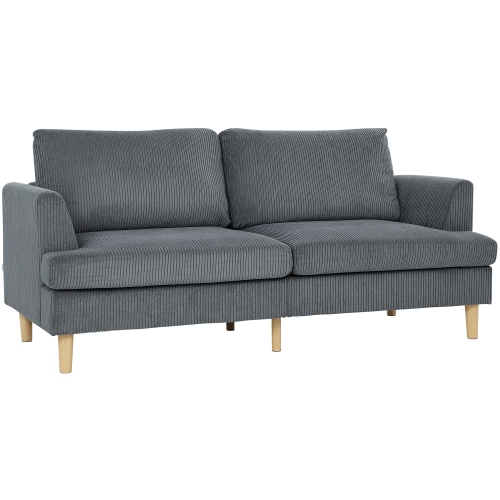

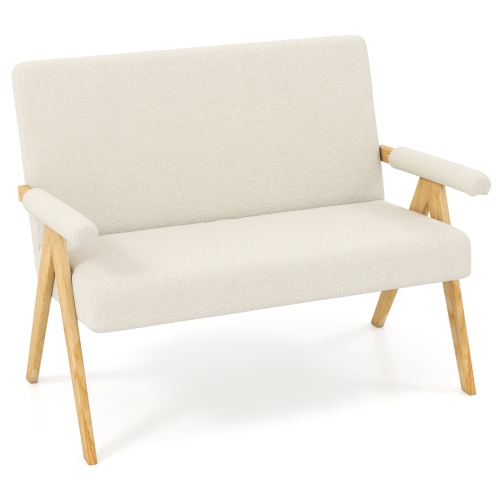
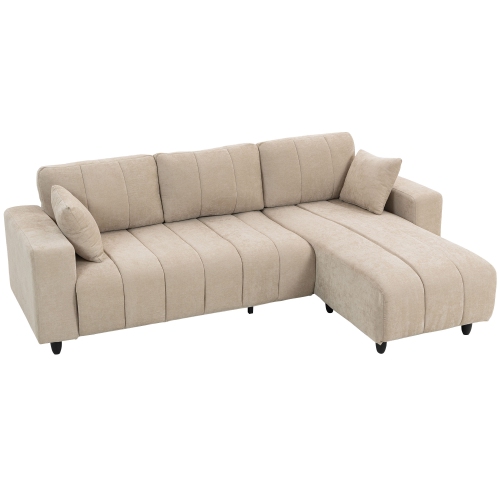
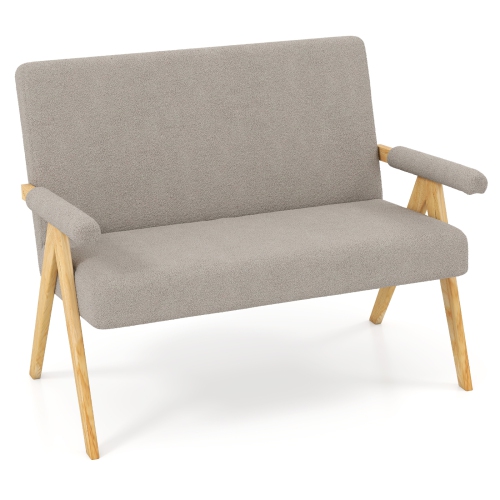
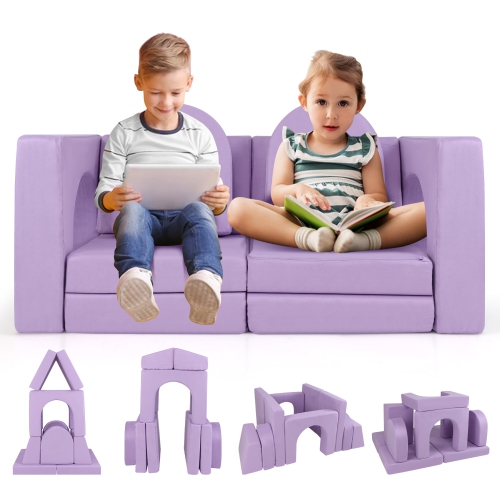


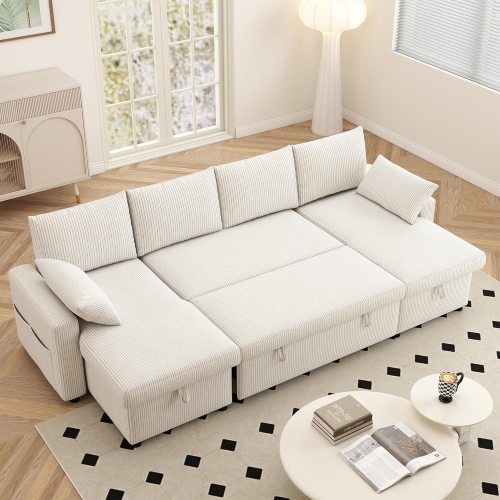
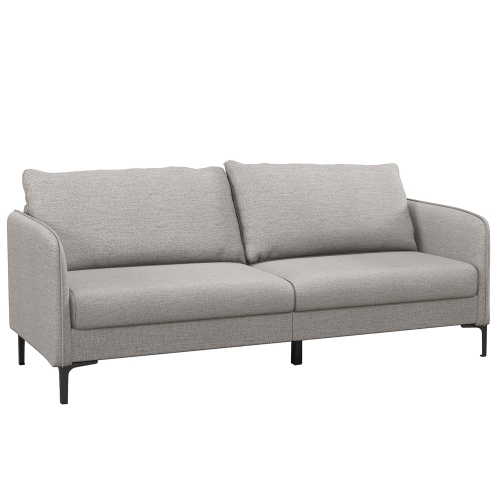


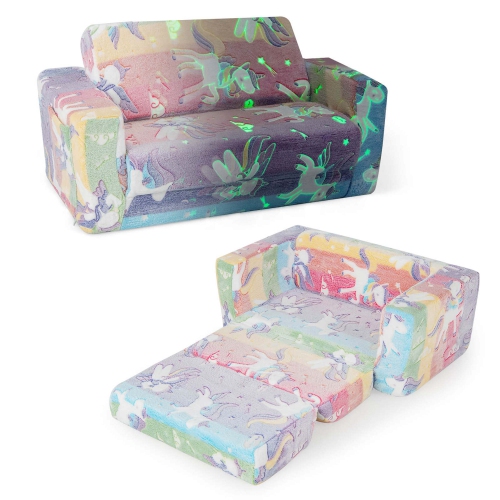
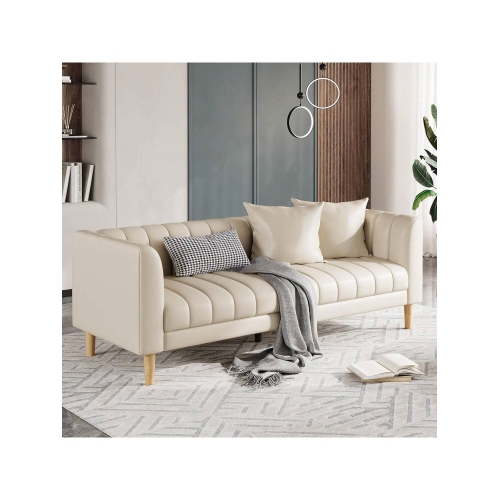
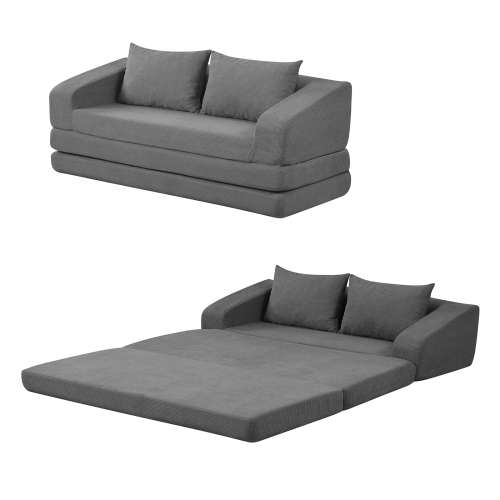
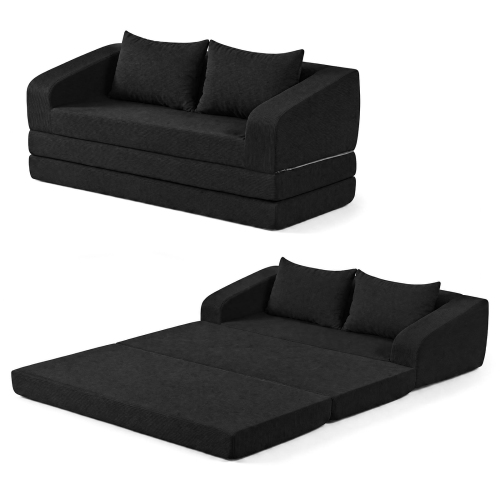

There’s more to sofa comfort than soft fabric
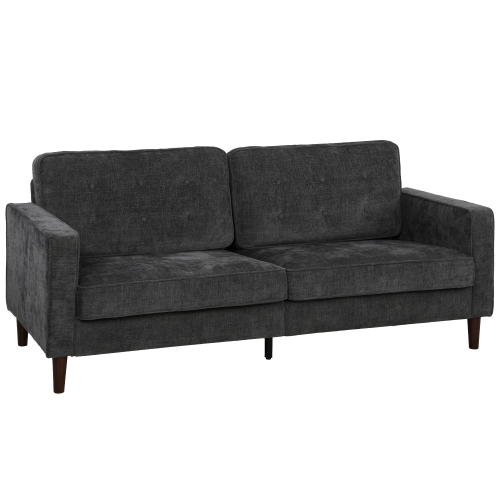
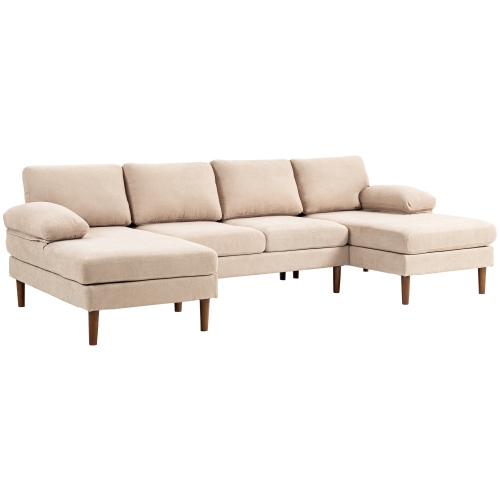
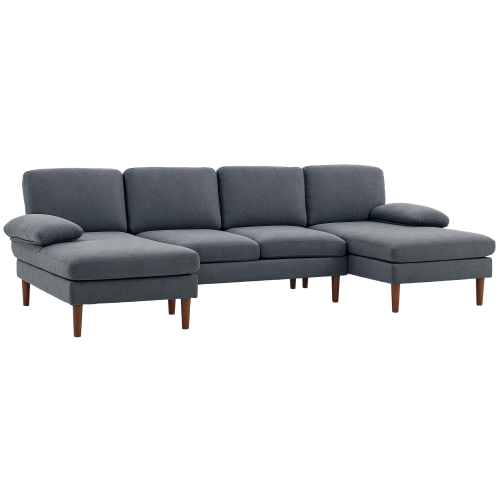
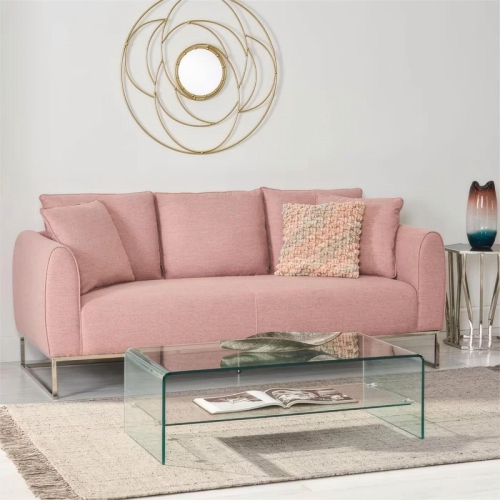
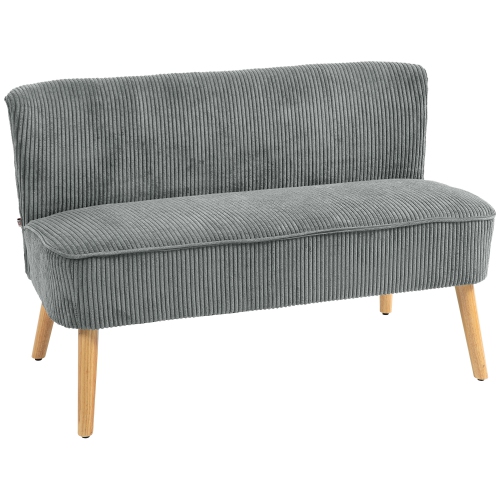
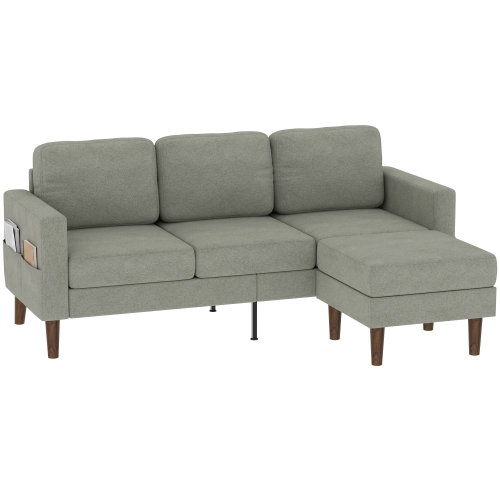
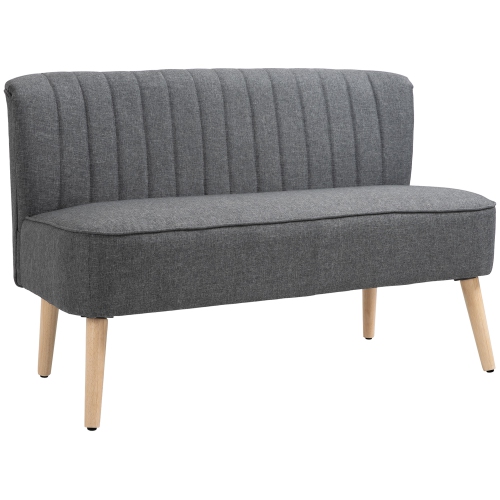
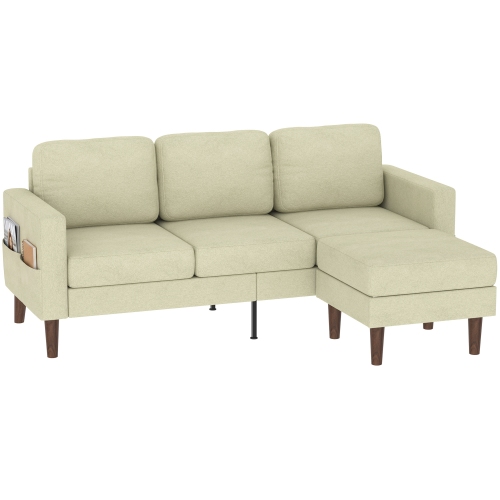
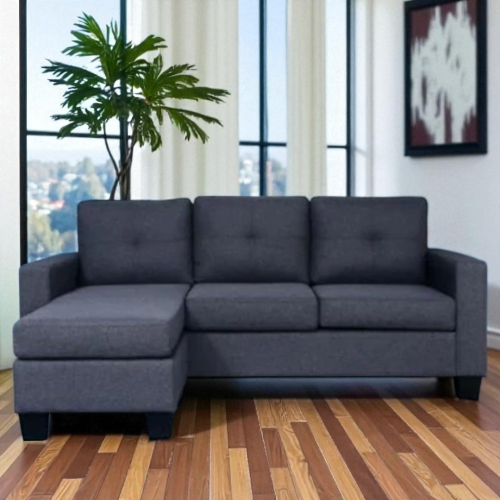
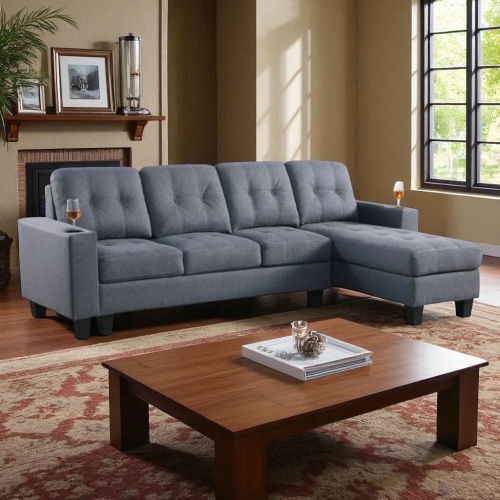
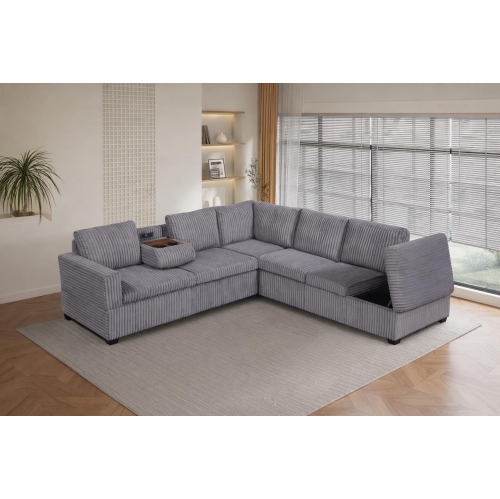
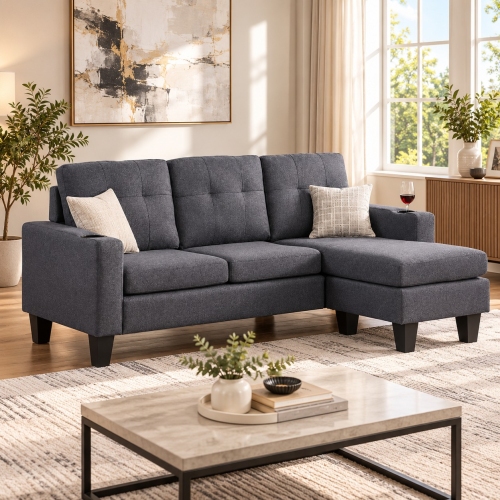
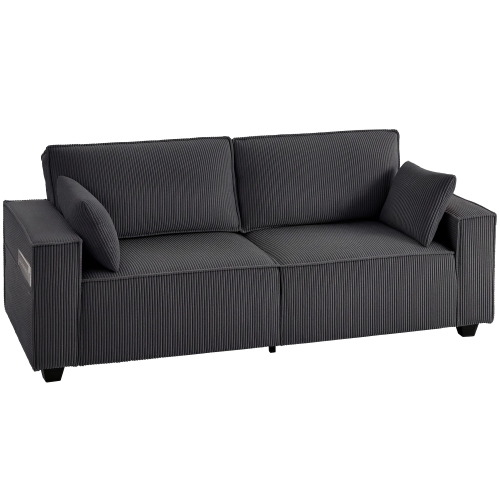
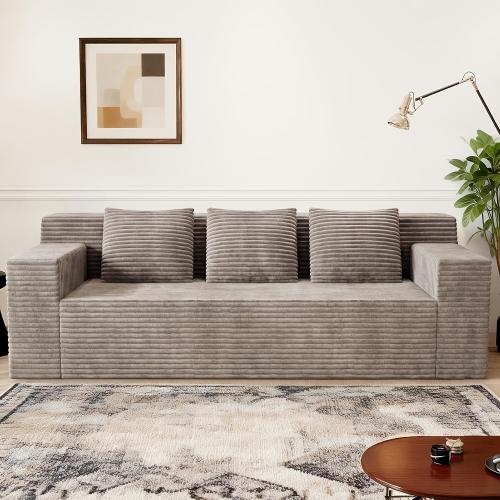
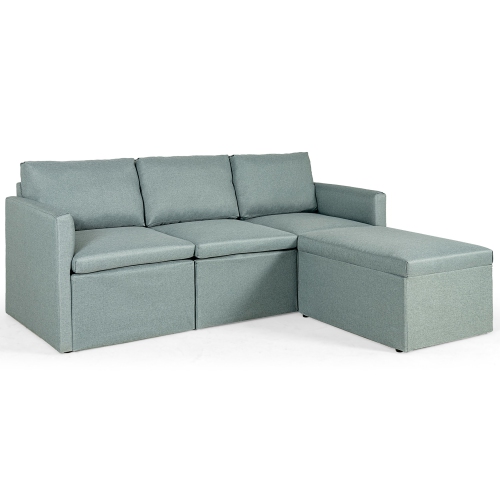
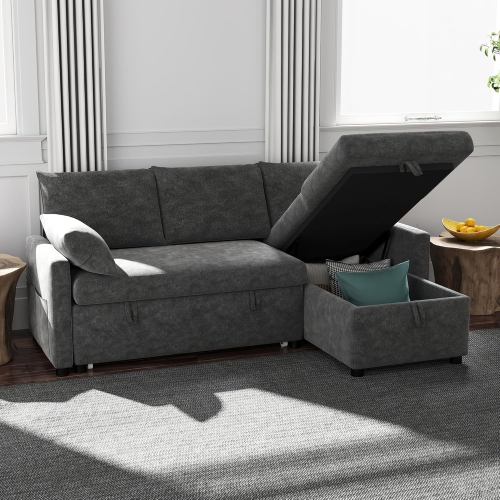
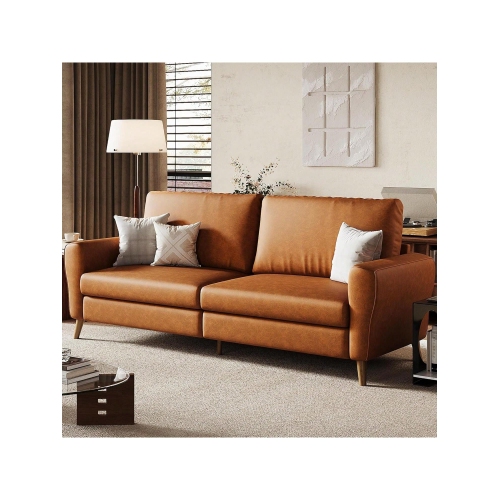
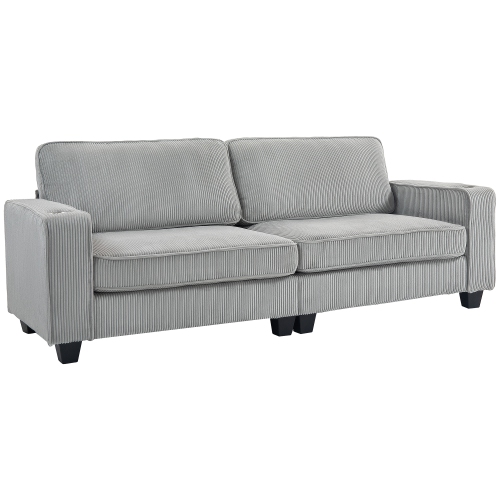
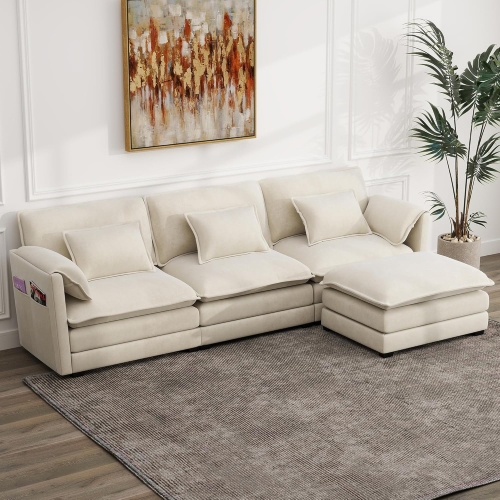
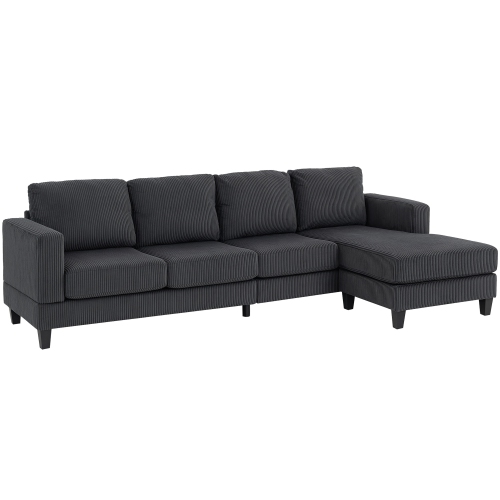
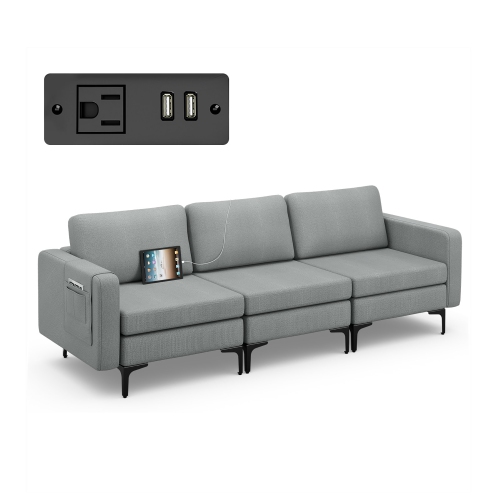
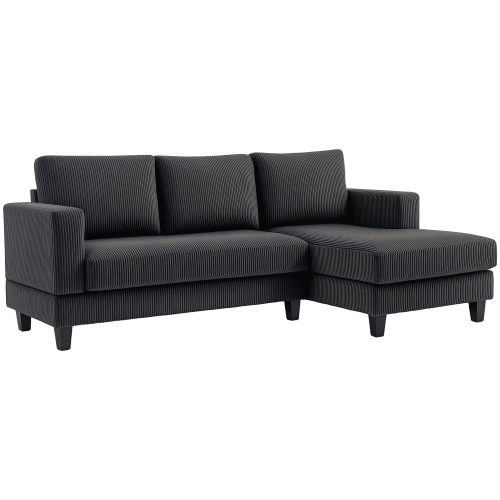
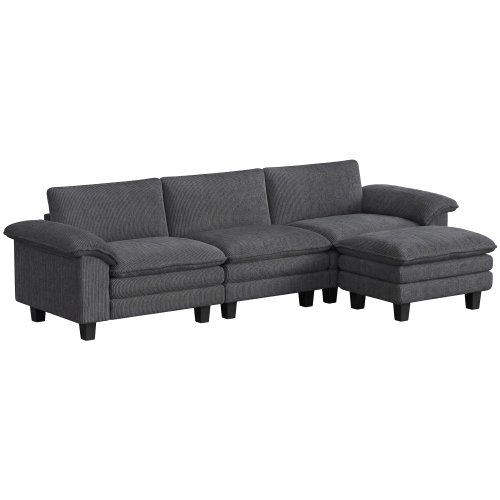
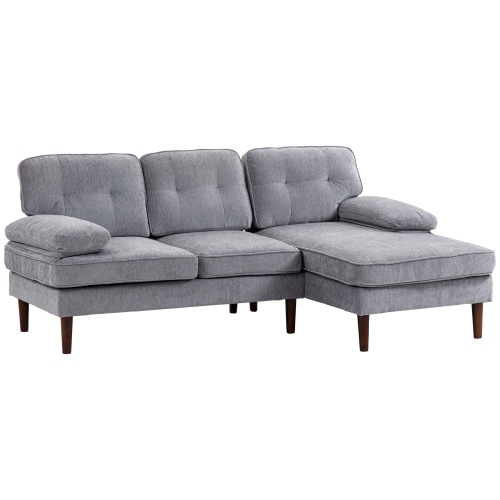
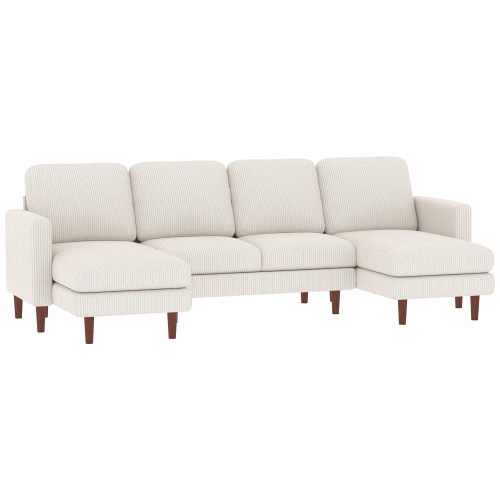
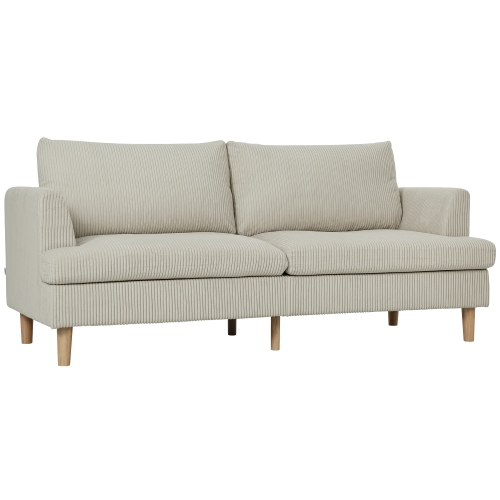
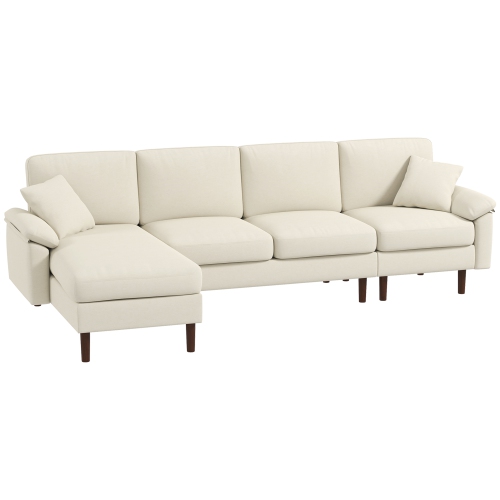
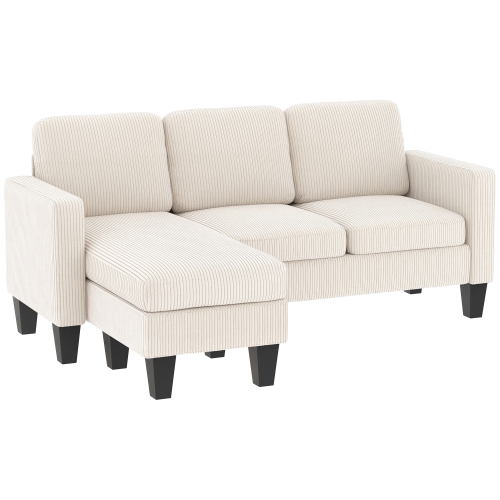
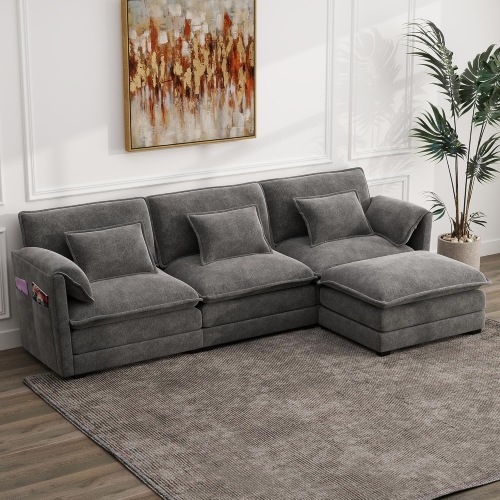
Fabric sofas and couches are upholstered seating pieces finished with textile rather than leather, with styles suited to everything from compact sitting areas to spacious family rooms. The terms sofa and couch are often used interchangeably; the more useful distinctions are seating capacity, shape, upholstery, and construction. Fabric brings texture and colour into a room, whether that means a softly woven neutral beside a wood coffee table or a richly coloured velvet sofa against a simple wall. Cotton upholstery can have a soft, familiar feel, while linen often has a relaxed appearance with visible variation in the weave. Polyester and blended textiles can offer practical everyday performance, although resistance to wear, staining, and fading depends on the particular fabric and finish. Fibre content alone does not tell the whole story: a tightly woven blend can feel and behave quite differently from a loosely woven fabric made with similar fibres. Velvet has a directional pile that catches the light and may show shading or pressure marks, giving its surface a changing appearance. Chenille offers a plush texture, while bouclé creates a more pronounced, looped surface. Those textures affect everyday use as well as appearance, particularly in homes where jewellery, pet claws, or clothing fasteners might catch on raised yarns. Upholstery described as performance fabric should still be assessed according to its stated properties and cleaning requirements rather than treated as automatically stain-proof. Colour and pattern also influence how a sofa lives in a space. Mid-tone shades and subtle patterns can make small marks less noticeable, while pale, solid upholstery may show spills more clearly. A fabric swatch, when provided, helps reveal texture and colour under the room’s lighting. The silhouette completes the effect: slim arms and visible legs tend to look lighter, while deep cushions and fuller arms create a more substantial presence. Tufting, piping, and stitched panels add detail, but they also introduce seams and recesses that may need attention during cleaning.
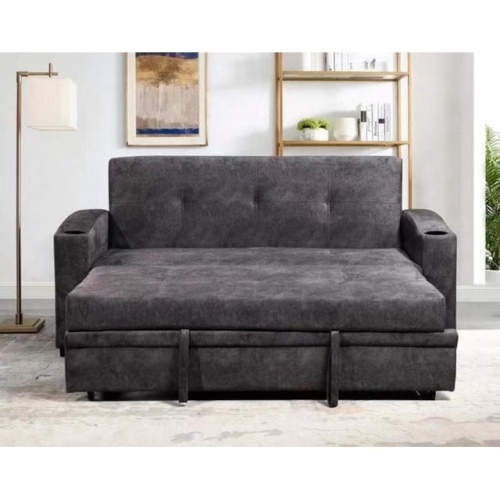
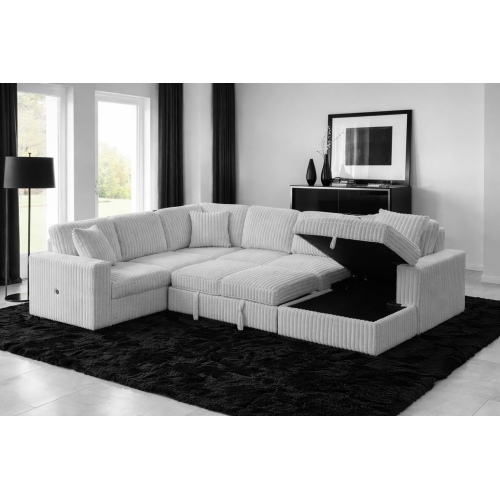
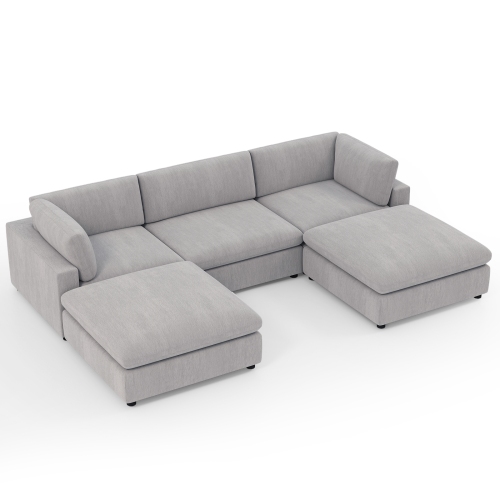
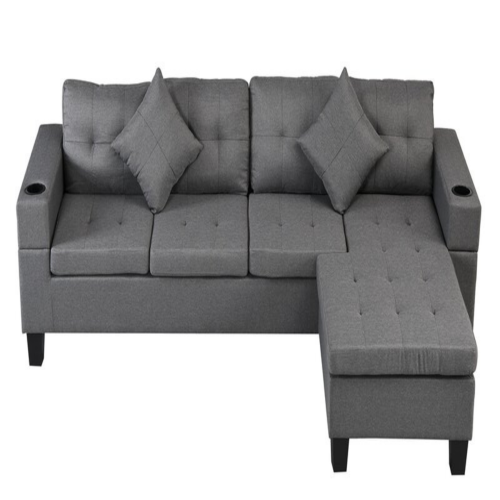
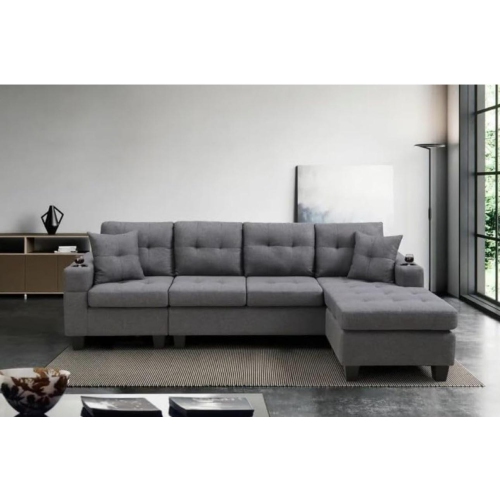
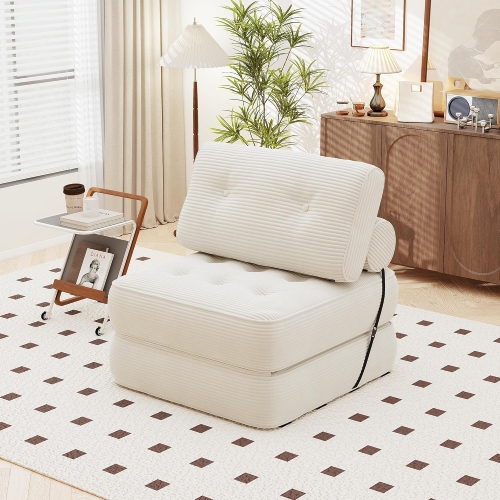
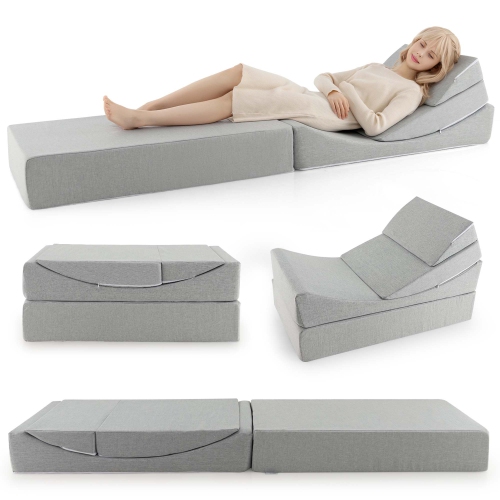
The right fit involves more than finding an empty stretch of wall. When comparing living room sofa couches, overall width, depth, and height help establish how much space the seating occupies, while usable seat dimensions reveal how it may feel to sit on. Wide arms can take up a surprising share of a sofa’s total width, so two pieces with similar outside measurements may provide different amounts of seating. A deeper seat can suit someone who likes to curl up with a book, whereas a shallower seat may make it easier to sit upright with feet supported on the floor. Seat height and cushion firmness matter for anyone who finds low, soft seating difficult to get out of, although comfort remains personal and depends on body proportions. Back height is another consideration: a low profile keeps sightlines open, while a taller back may offer more support when sitting upright. In a smaller room, a compact fabric sofa with narrow arms can preserve useful seating space without dominating the layout. In a larger room, a sectional can define a conversation area, but its chaise direction and overall footprint need to match the room’s entrances and walking routes. Modular seating allows for different arrangements where the design permits, though connectors and module dimensions still determine what is practical. A fabric sofa bed can support occasional overnight visits, with enough clear floor space needed for its fully opened dimensions. Tape on the floor can make these footprints easier to judge alongside a coffee table, media unit, and nearby doors. Delivery access deserves the same attention as room size, including stair turns, lift dimensions, hallway width, and doorway clearance. Packaged dimensions may differ from assembled dimensions, and removable legs or detachable sections should only be assumed when specified. These details are particularly important for condos, apartments, and rooms reached through narrow passages, where an otherwise suitable sofa can be difficult to bring inside.
Durability comes from the whole sofa, not just the fabric visible on the outside. Frame materials, joints, seat support, cushion construction, and upholstery all contribute to how well seating holds its shape through everyday use. A fabric couch used for daily family lounging faces different demands from one in a quieter sitting room, so construction details are worth considering alongside appearance. Foam density and firmness describe different characteristics; a cushion that feels firm is not necessarily made from higher-density foam. Fibre-filled cushions often need regular reshaping, while feather or down blends may require more frequent fluffing to maintain an even appearance. Loose, reversible cushions can help distribute wear when their design allows rotation, but attached cushions should be cared for according to the manufacturer’s instructions. Removable covers are not necessarily machine washable, and a zipper may be intended for assembly rather than routine laundering. Cleaning directions should always take priority over general upholstery advice. Some fabrics permit water-based spot cleaning, while others need different treatment or professional attention. For spills, prompt blotting with a clean, absorbent cloth is generally preferable to rubbing, which can spread the mark or disturb the surface. Any permitted cleaning solution should first be tested in an inconspicuous area. Regular vacuuming with a suitable upholstery attachment helps remove crumbs, dust, and loose hair before they settle into seams. Textured fabrics and tufted areas may need more careful attention, while direct sunlight can gradually affect colour. In homes with children or pets, closely woven upholstery and clearly stated cleaning requirements can be more useful than a fabric’s appearance alone; no upholstery should be assumed to resist every stain or snag. An approved, properly fitted cover may add a washable layer where appropriate. Whether the sofa anchors a shared living room, provides a comfortable place for video calls, or creates a reading spot in a smaller home, the most suitable fabric seating balances the desired feel with room dimensions, daily habits, and a realistic care routine.
Top selling and popular products
-
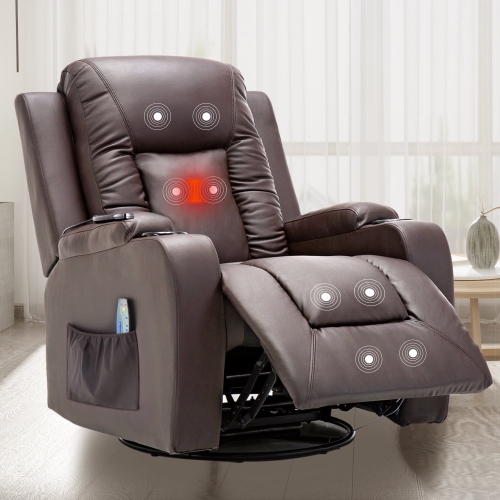 Your price for this item is $599.99
-
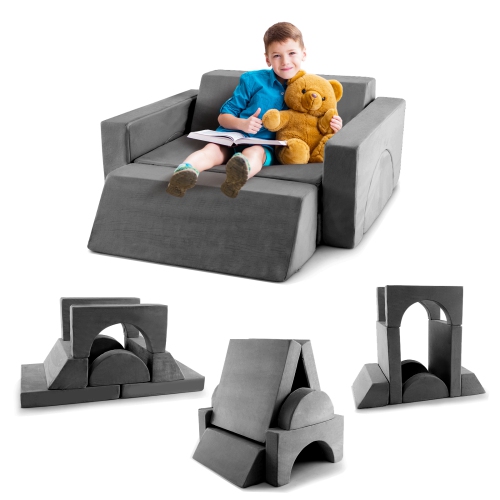 Your price for this item is $167.99
-
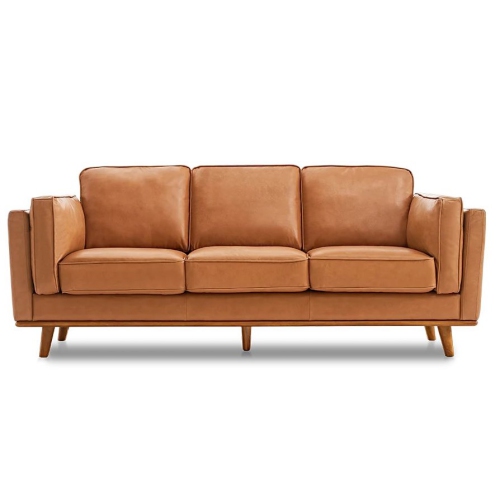 Your price for this item is $2399.99
-
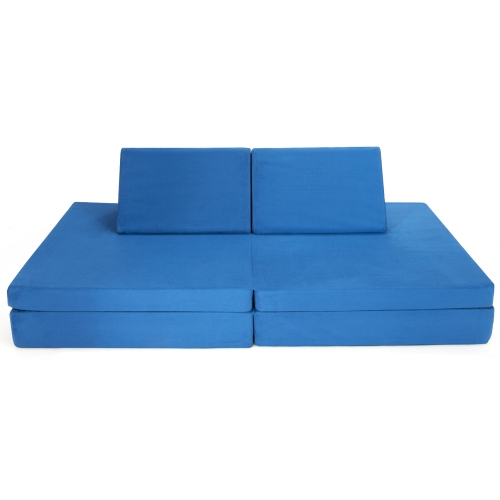 Your price for this item is $167.99
-
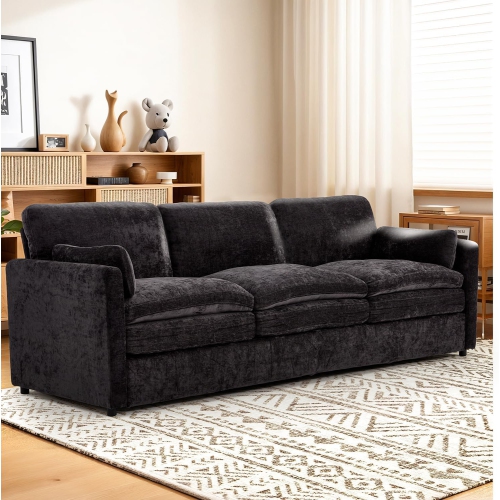 Your price for this item is $559.99
-
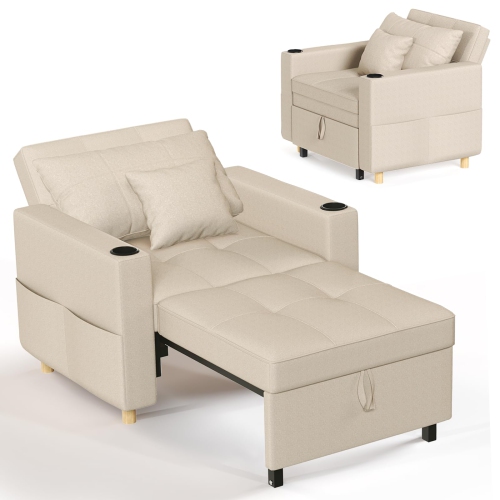 Your price for this item is $329.99
-
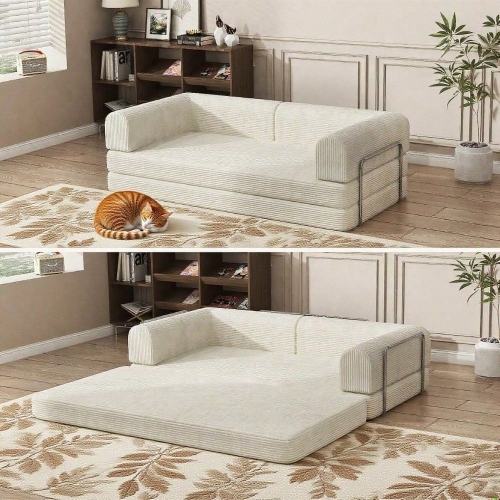 Your price for this item is $515.99
-
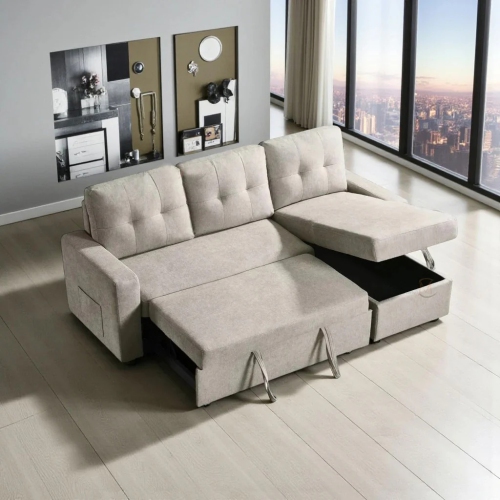 Your price for this item is $999
Discover more categories related to Fabric Sofa Couches

Top Collections:
Pokemon Centers, Kindle Devices, Best Cameras for Sports Photography, Pokémon 30th Celebration Cards, Apple iPhones 16, Canon G7X Cameras, iPhone 15 Apple, Flip Phones, Samsung Galaxy Phones, Alarm Clock
Some products may be subject to Environmental Handling Fees
(EHF) depending on your province.
Learn more about EHFs.