Farmers Equipment
Equip yourself for a successful harvest with our wide selection of farmers' equipment. From tools to machinery, we have everything you need to optimize your farming operations and boost productivity. Whether you're a seasoned farmer or just starting out, our range of equipment is designed to meet the demands of modern agriculture. Explore our collection and find the right tools to take your farming endeavors to the next level.
Sort
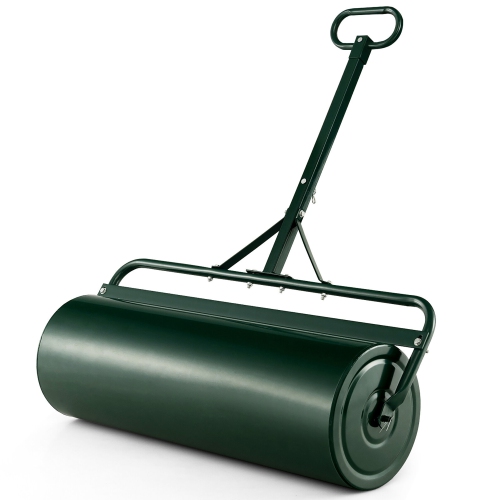
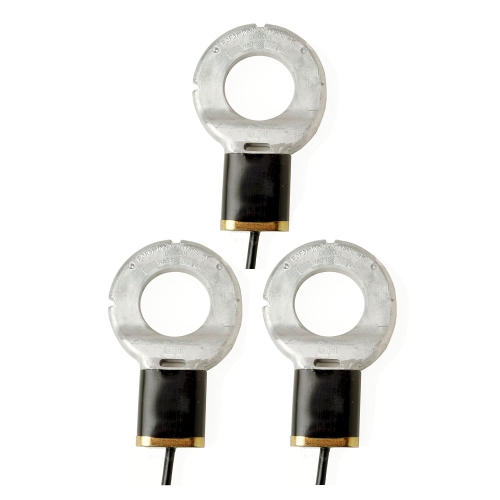
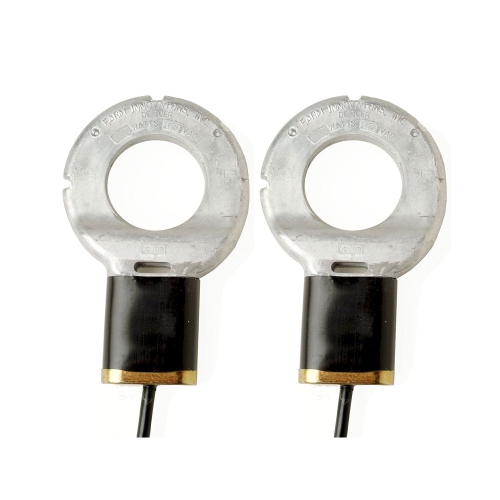
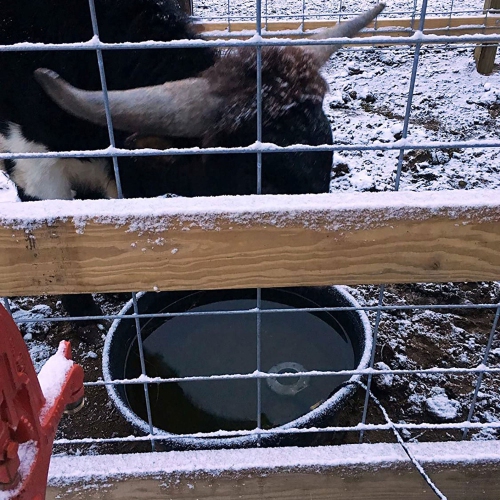
Reliable tools and attachments for productive work all season
Farmers equipment brings together the tools and machinery used to prepare land, manage crops, care for livestock, move materials, and keep daily farm work organised. The right equipment can make demanding jobs more manageable, whether it is being used on a large working farm, a small acreage, a hobby farm, or a rural property with gardens, outbuildings, and animals. Common categories include tractors and power units, tillage equipment, seeding tools, hay and forage equipment, tractor attachments, material-handling solutions, and practical hand tools. Each category serves a different stage of farm work. Tillage equipment helps break up and prepare soil, cultivators can support weed control between rows, and seeding equipment helps place seed at a consistent depth and spacing. Hay and forage tools are designed for cutting, gathering, and managing feed, while attachments can extend the usefulness of a compatible tractor for tasks such as lifting, digging, grading, clearing, or handling posts and materials. Material-handling equipment can be especially helpful around barns, storage areas, feed rooms, and work yards, where moving heavy or awkward loads is part of the everyday routine. Even when the work is smaller in scale, dependable equipment can save time and reduce unnecessary strain during long days outdoors. As the weather warms, farmers may focus on soil preparation, planting, fencing, and pasture maintenance; during the cooler months, attention often shifts towards storage, repairs, livestock care, snow management, and preparing tools for the next season.
Choosing farmers equipment starts with matching the item to the property, the task, and the machine that will power it. For tractor-related equipment, check the required horsepower, attachment method, hydraulic connections, lift capacity, operating width, and available clearance before making a purchase. A compact tractor used on a small acreage may need a different size and attachment system than a larger machine working broad fields. The weight of the equipment matters as well, particularly when it will be transported, lifted, or stored in a building with limited space. Consider the surface where it will be used, including cultivated soil, grass, gravel, packed earth, slopes, or muddy areas, since ground conditions can influence traction, manoeuvrability, and performance. For seeding and tillage tasks, working width and adjustability can affect how efficiently an area is covered, while hay and forage equipment should be assessed according to the crop, moisture conditions, storage plans, and available handling space. Livestock operations may place greater importance on durable material-handling tools, fencing support, feed management, and equipment that can be cleaned and maintained easily. It is also wise to think about power sources, replacement parts, attachments, storage requirements, operator comfort, and the availability of suitable safety gear. Someone purchasing equipment for a rural property may value compact dimensions and straightforward controls, while an experienced operator may be looking for greater capacity, adjustable settings, or compatibility with equipment already in use. Reading specifications carefully and measuring gates, sheds, trailers, and storage areas can prevent frustrating surprises when the equipment arrives.
Farmers equipment can be useful for professional growers, acreage owners, market gardeners, farm students, rural contractors, and anyone responsible for maintaining land or livestock areas. It can also make a thoughtful gift for someone setting up a new property, expanding a small operation, or taking on more responsibility around a family farm, although the best choice depends on the recipient’s machinery, working conditions, and experience. For a gift, practical accessories and compact tools may be easier to select than large equipment because they generally require less information about horsepower, attachment compatibility, and storage. Families looking for a farm-themed present for a child can also explore Toy Farm Machinery, which can encourage imaginative play and introduce familiar ideas such as tractors, fields, barns, and harvest work in an age-appropriate way. For working equipment, make a simple list of the jobs that take the most time and note the tools already available before comparing options. Think about whether the equipment will be used daily, seasonally, or only for occasional property maintenance, and choose a design that suits that pattern of use. Routine care is another important consideration: cleaning after muddy work, checking fasteners, inspecting blades or moving parts, and storing equipment in a dry, accessible location can help keep it ready for the next task. With the right match between equipment and application, farm tools can support smoother field preparation, more organised material handling, and dependable care of the land throughout changing conditions.
Choosing farmers equipment starts with matching the item to the property, the task, and the machine that will power it. For tractor-related equipment, check the required horsepower, attachment method, hydraulic connections, lift capacity, operating width, and available clearance before making a purchase. A compact tractor used on a small acreage may need a different size and attachment system than a larger machine working broad fields. The weight of the equipment matters as well, particularly when it will be transported, lifted, or stored in a building with limited space. Consider the surface where it will be used, including cultivated soil, grass, gravel, packed earth, slopes, or muddy areas, since ground conditions can influence traction, manoeuvrability, and performance. For seeding and tillage tasks, working width and adjustability can affect how efficiently an area is covered, while hay and forage equipment should be assessed according to the crop, moisture conditions, storage plans, and available handling space. Livestock operations may place greater importance on durable material-handling tools, fencing support, feed management, and equipment that can be cleaned and maintained easily. It is also wise to think about power sources, replacement parts, attachments, storage requirements, operator comfort, and the availability of suitable safety gear. Someone purchasing equipment for a rural property may value compact dimensions and straightforward controls, while an experienced operator may be looking for greater capacity, adjustable settings, or compatibility with equipment already in use. Reading specifications carefully and measuring gates, sheds, trailers, and storage areas can prevent frustrating surprises when the equipment arrives.
Farmers equipment can be useful for professional growers, acreage owners, market gardeners, farm students, rural contractors, and anyone responsible for maintaining land or livestock areas. It can also make a thoughtful gift for someone setting up a new property, expanding a small operation, or taking on more responsibility around a family farm, although the best choice depends on the recipient’s machinery, working conditions, and experience. For a gift, practical accessories and compact tools may be easier to select than large equipment because they generally require less information about horsepower, attachment compatibility, and storage. Families looking for a farm-themed present for a child can also explore Toy Farm Machinery, which can encourage imaginative play and introduce familiar ideas such as tractors, fields, barns, and harvest work in an age-appropriate way. For working equipment, make a simple list of the jobs that take the most time and note the tools already available before comparing options. Think about whether the equipment will be used daily, seasonally, or only for occasional property maintenance, and choose a design that suits that pattern of use. Routine care is another important consideration: cleaning after muddy work, checking fasteners, inspecting blades or moving parts, and storing equipment in a dry, accessible location can help keep it ready for the next task. With the right match between equipment and application, farm tools can support smoother field preparation, more organised material handling, and dependable care of the land throughout changing conditions.
Top selling and popular products
-
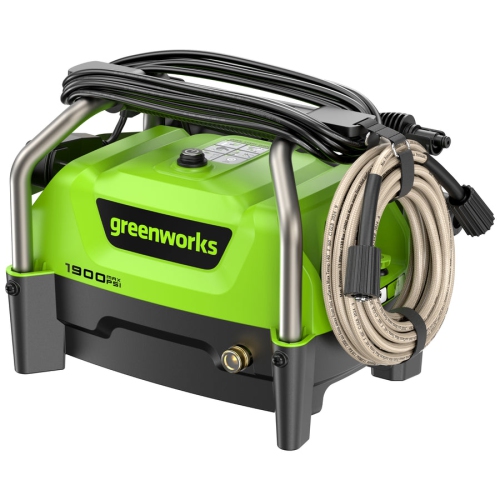 Your price for this item is $219.99
 -
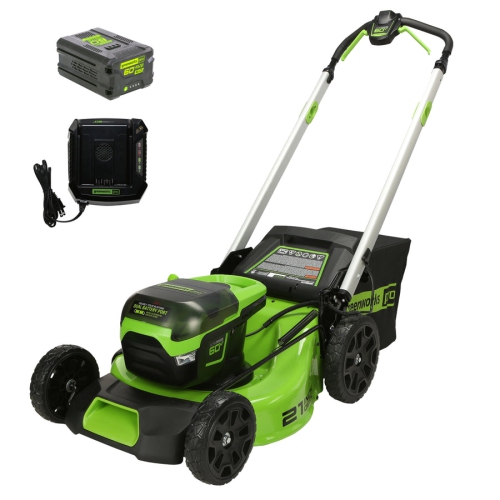 Your price for this item is $839.99
 -
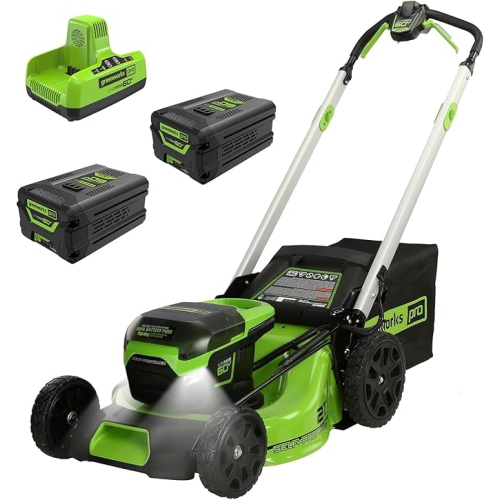 Your price for this item is $939.99
 -
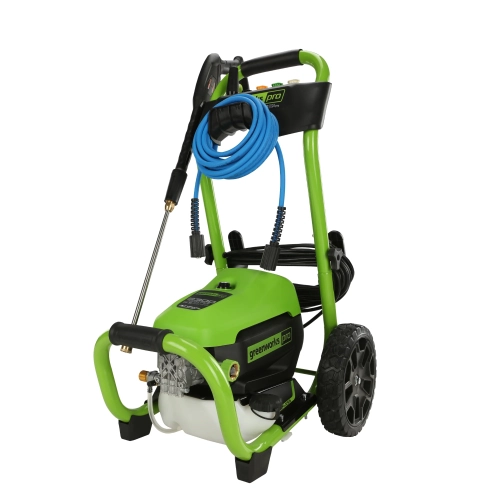 Your price for this item is $459.99
 -
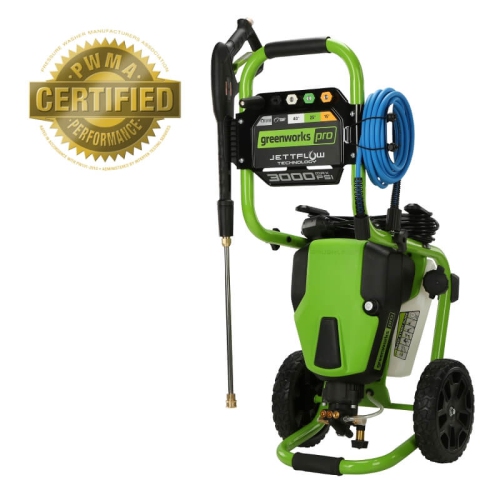 Your price for this item is $539.99
 -
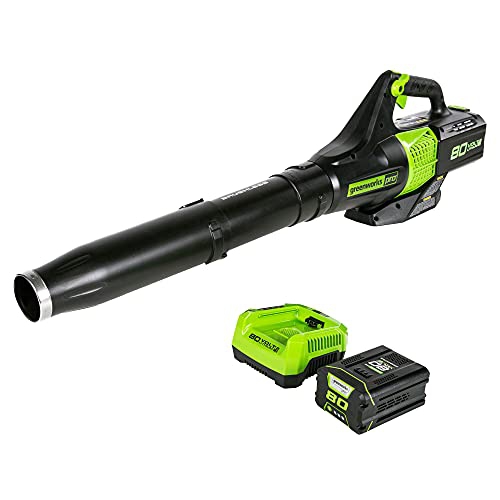 Your price for this item is $289.99
 -
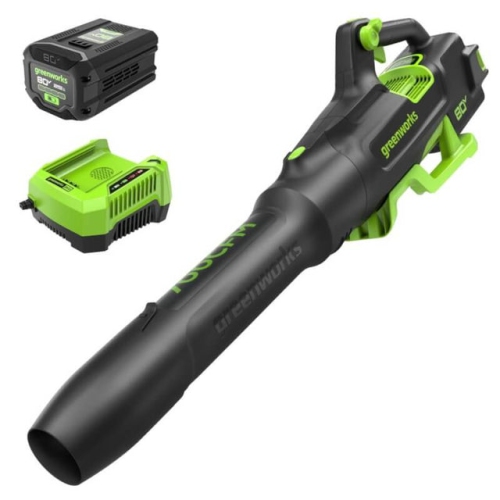 Your price for this item is $272
 -
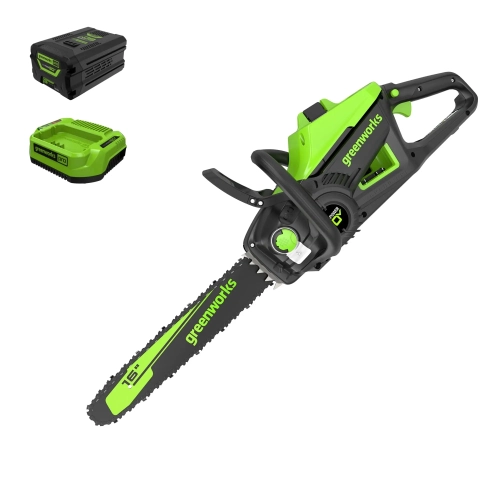 Your price for this item is $339.99
Discover more categories related to Farmers Equipment
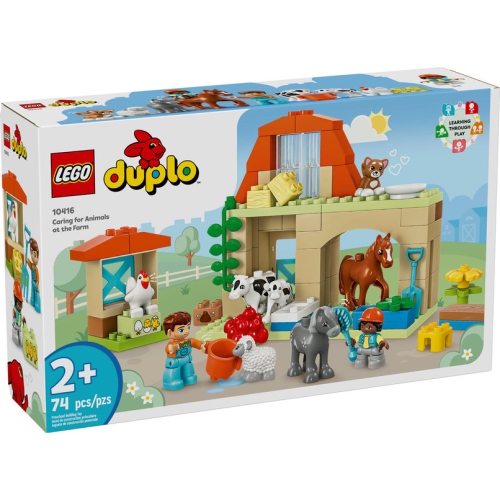
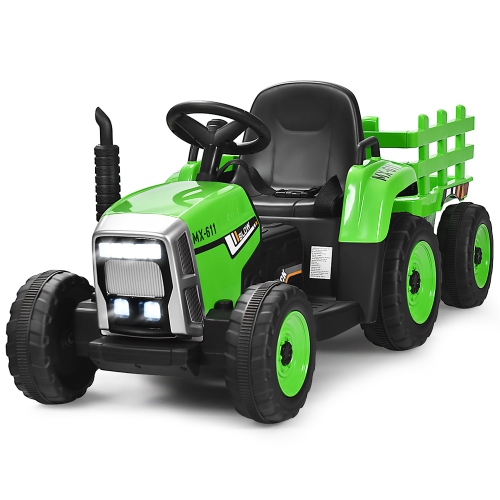
Top Collections:
Pokemon Centers, Best Cameras for Sports Photography, Kindle Devices, Samsung Galaxy Phones, Canon G7X Cameras, Pokémon 30th Celebration Cards, Refurbished Apple Laptops, iPhone 15 Apple, Laptops for Students, Budget Smartphones
Some products may be subject to Environmental Handling Fees
(EHF) depending on your province.
Learn more about EHFs.