Toy Farming Equipment
Transform your child's playtime into a fun-filled farming adventure with this wide selection of toy farming equipment. From tractors and combine harvesters to barns and animal figurines, we have everything your little one needs to create their own miniature farm. Watch as their imagination blossoms and they learn about the wonders of agriculture through creative play. Whether they dream of tending to crops, herding animals, or driving a tractor, this range of toy farming equipment is sure to ignite their curiosity and provide endless hours of entertainment.
Sort


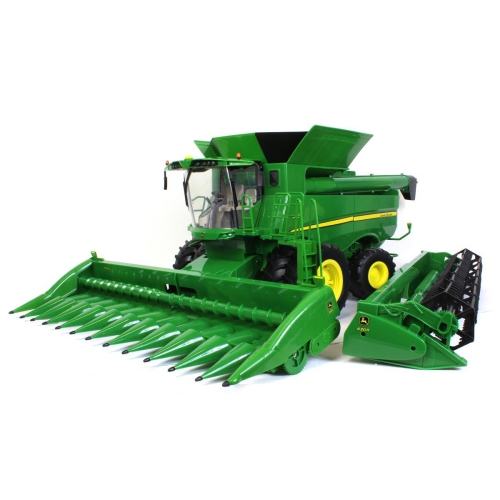


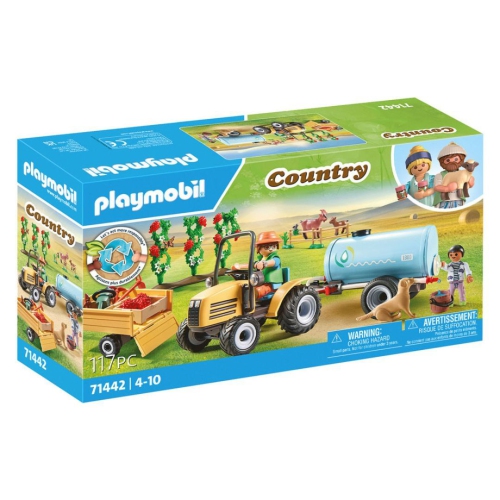

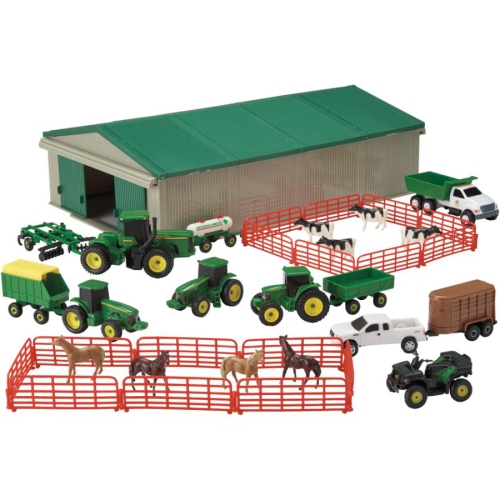
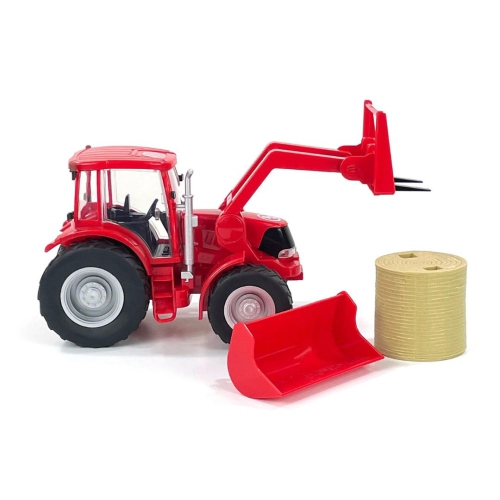


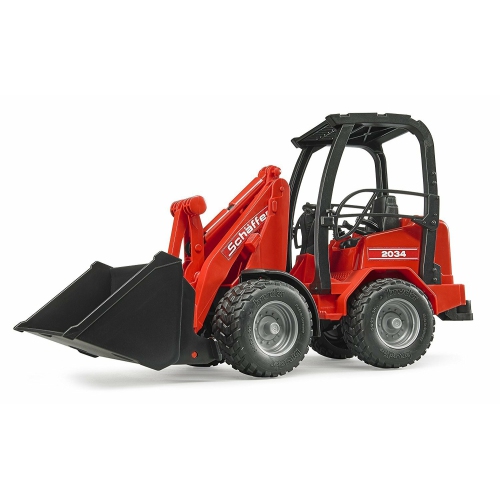


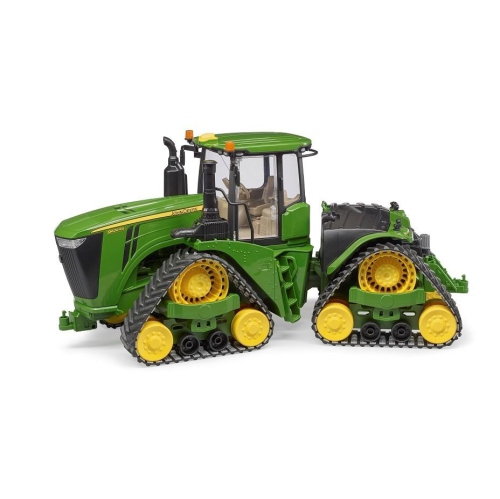


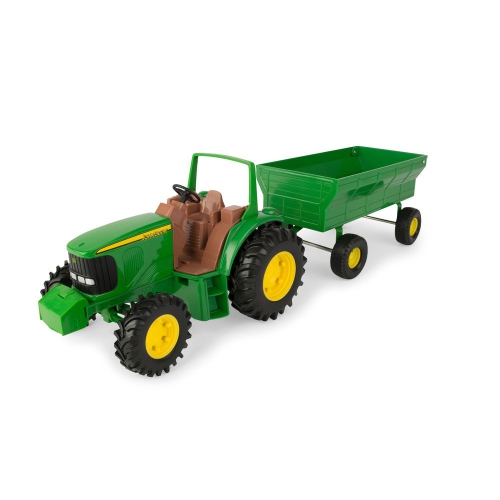

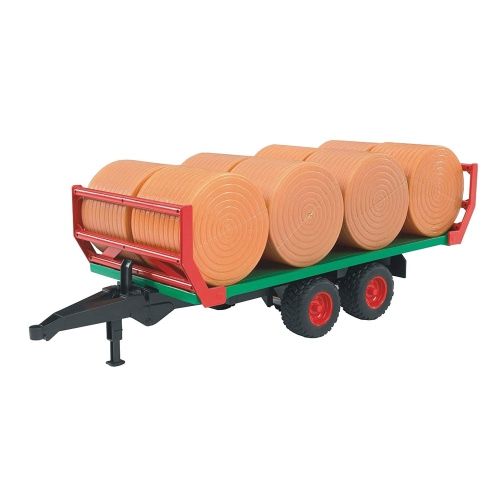

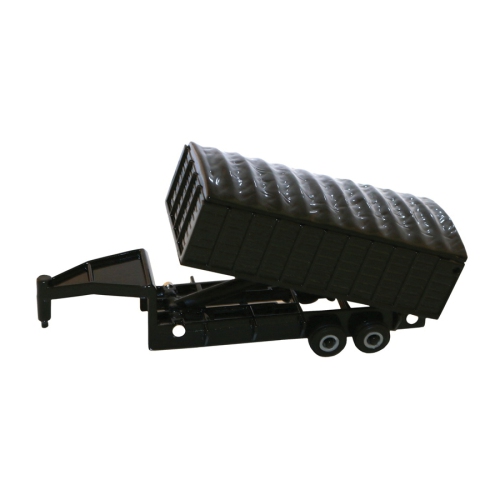


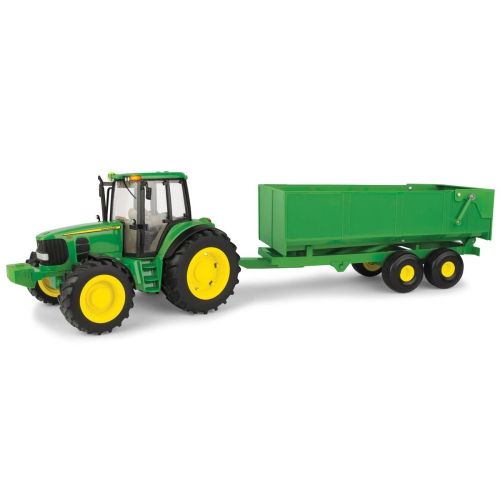


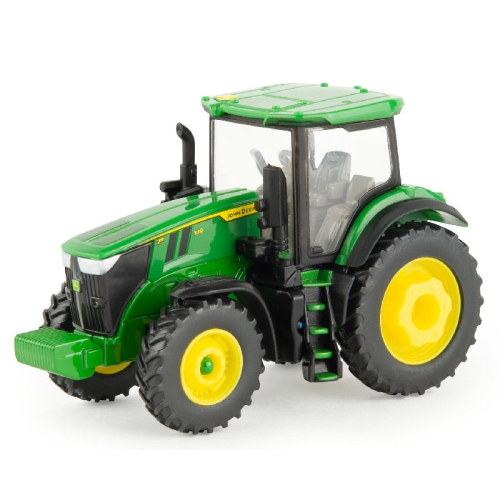


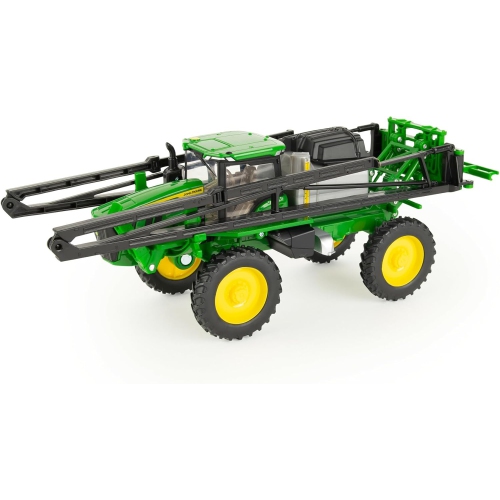
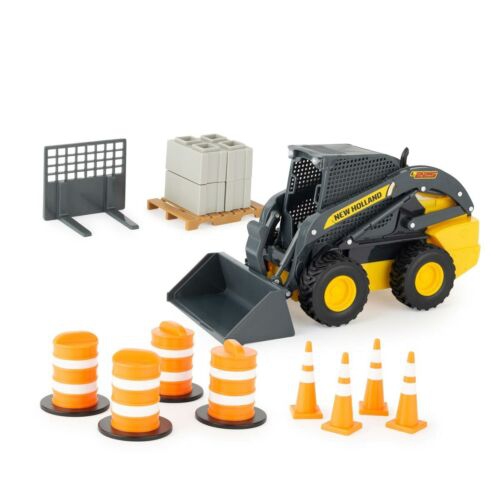
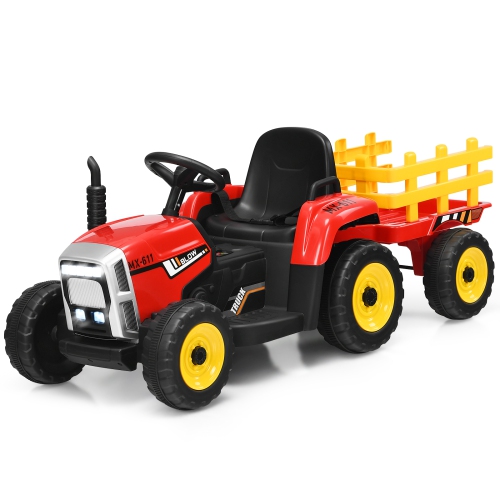
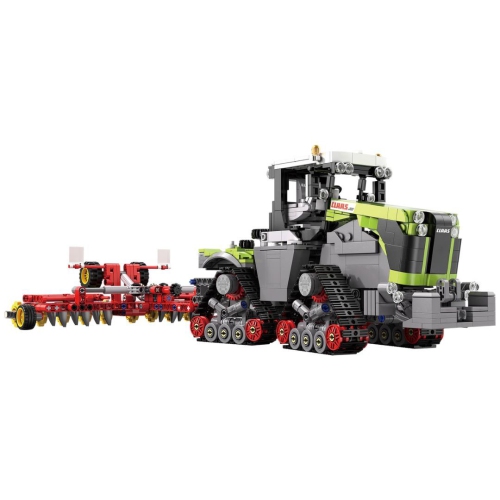


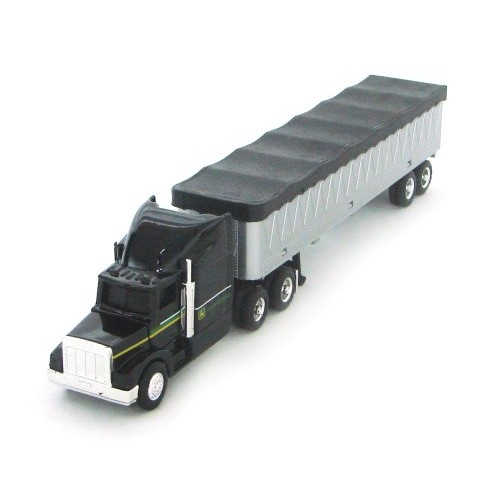

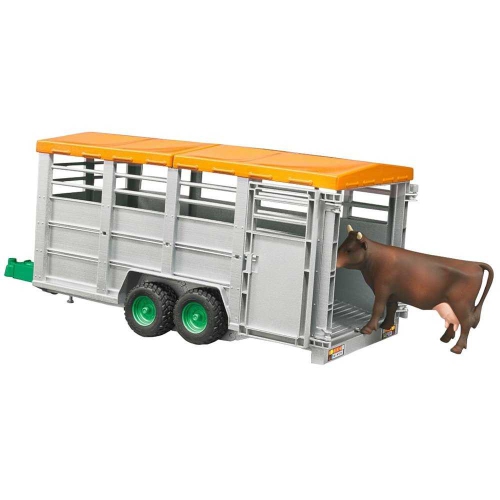

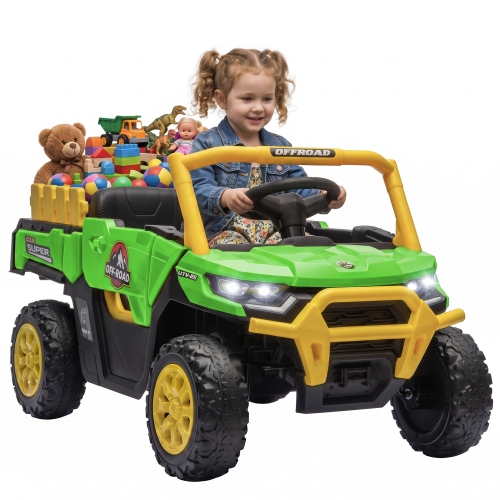


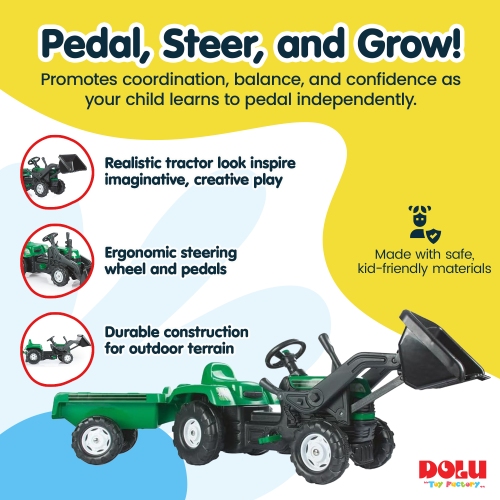


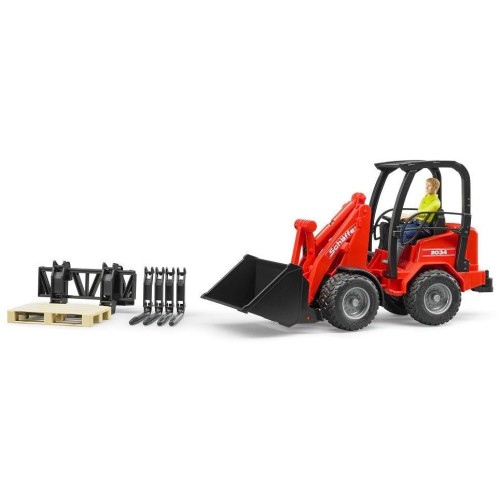


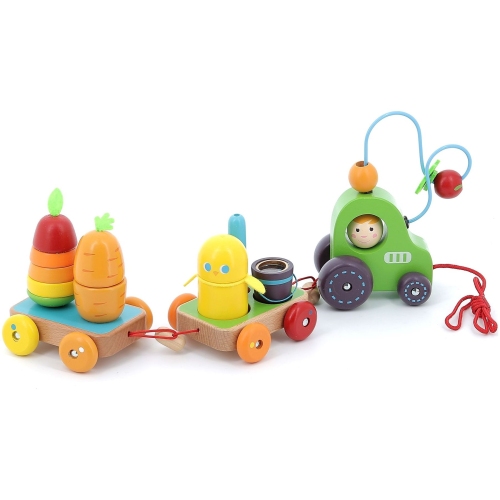

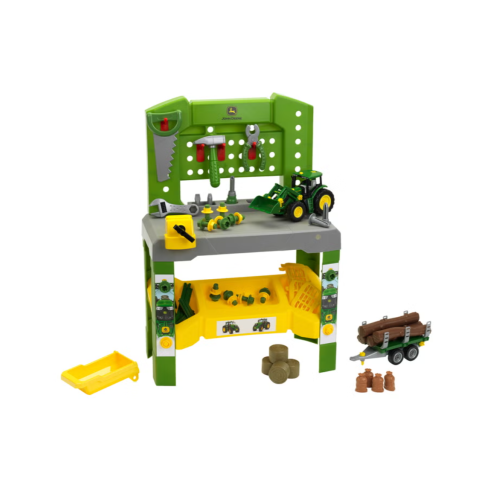
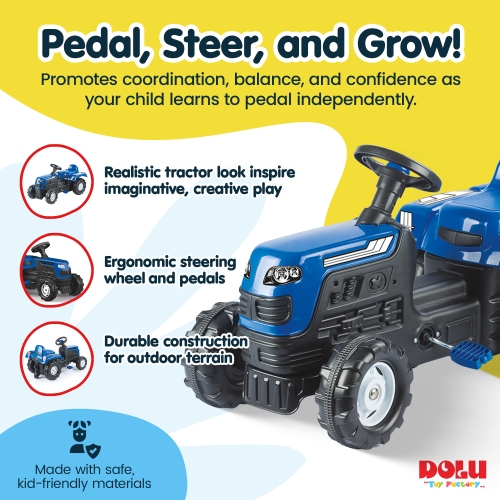


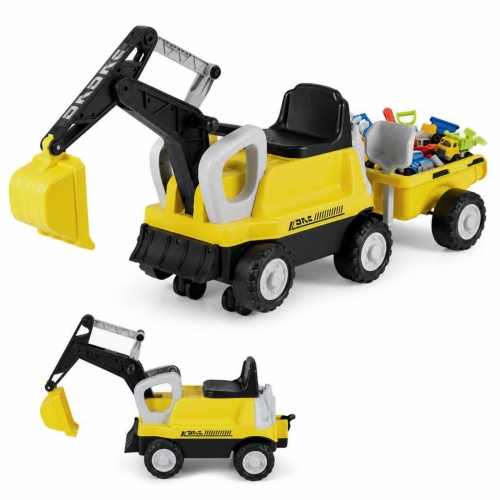
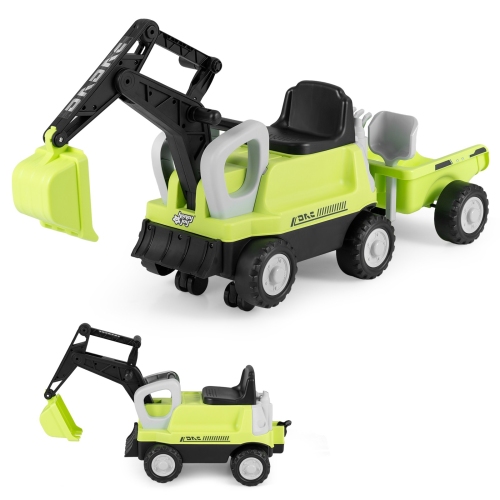

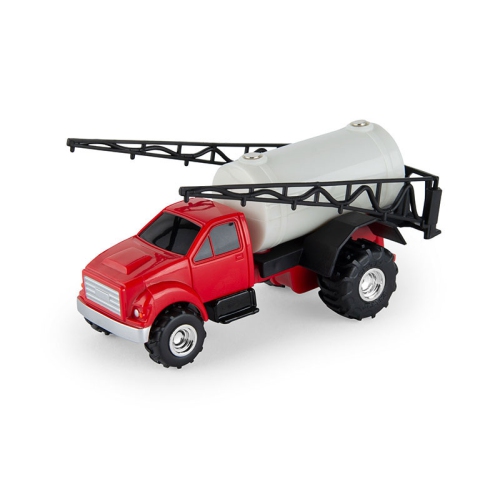


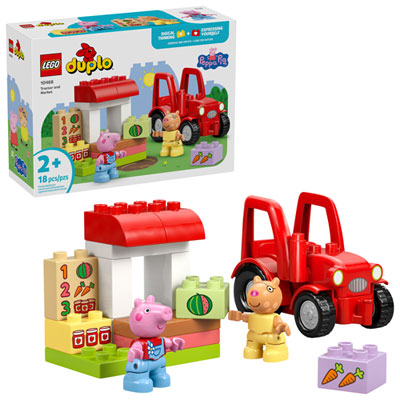
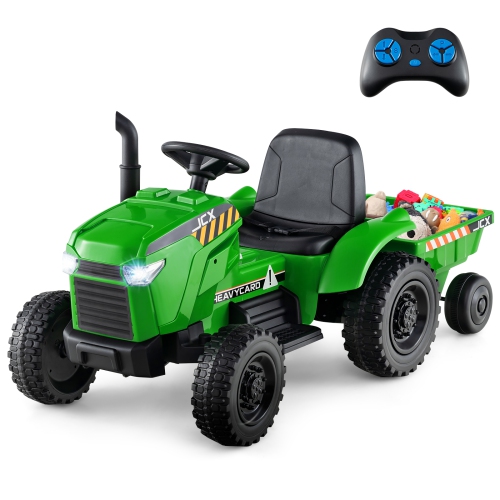
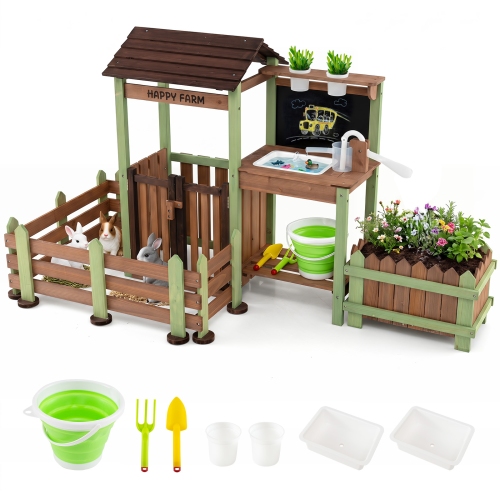


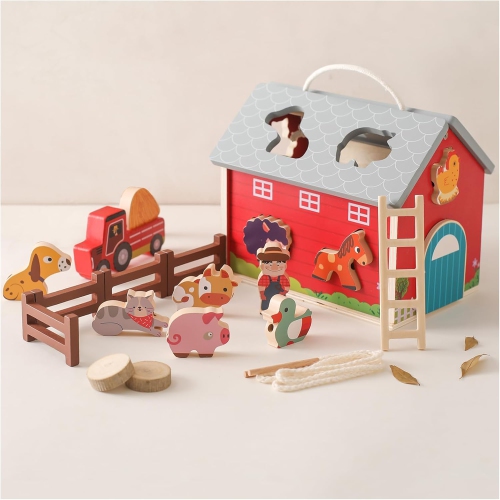
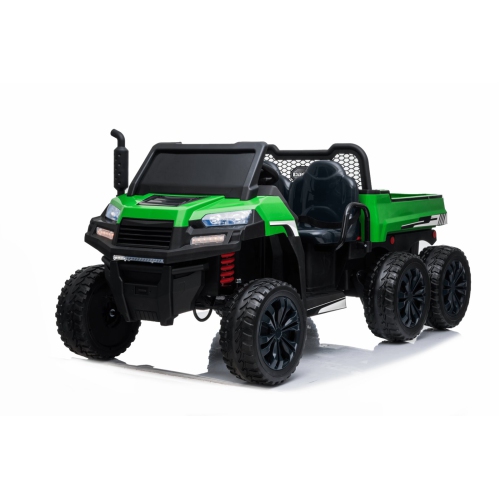
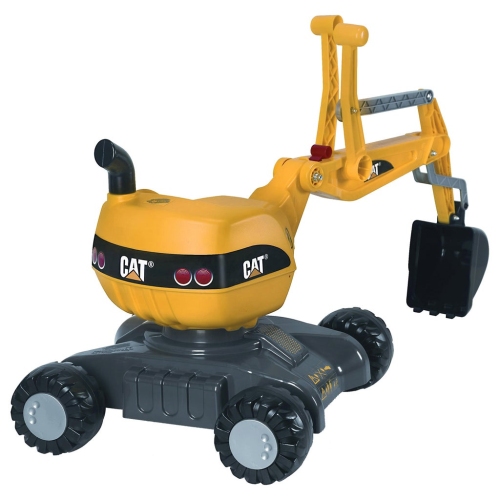


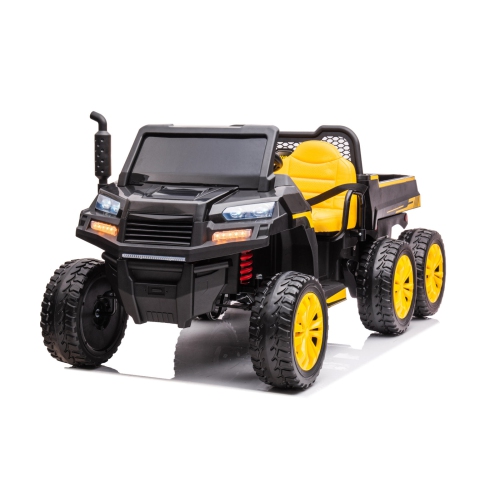
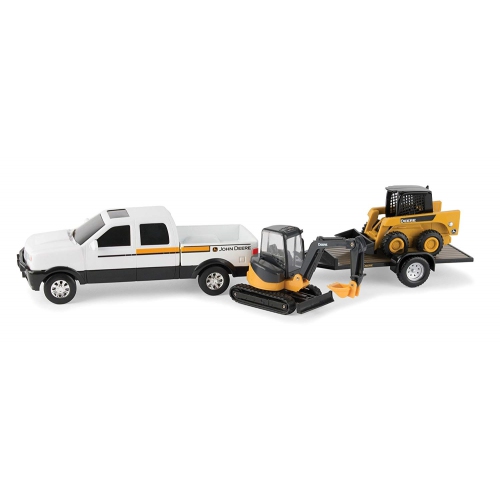


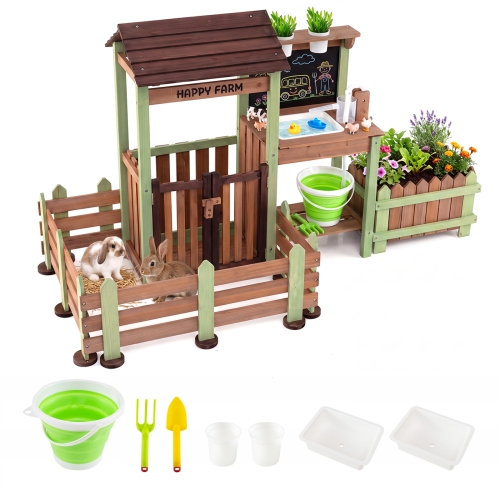
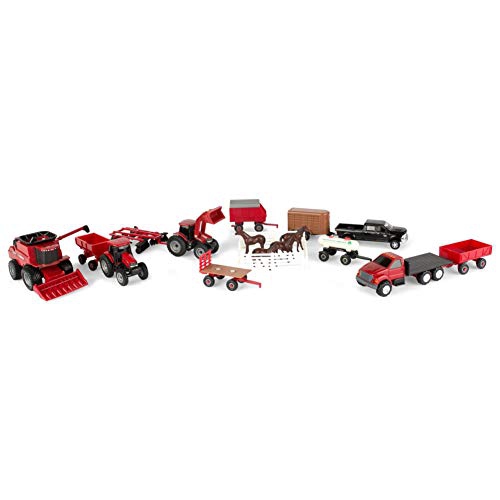


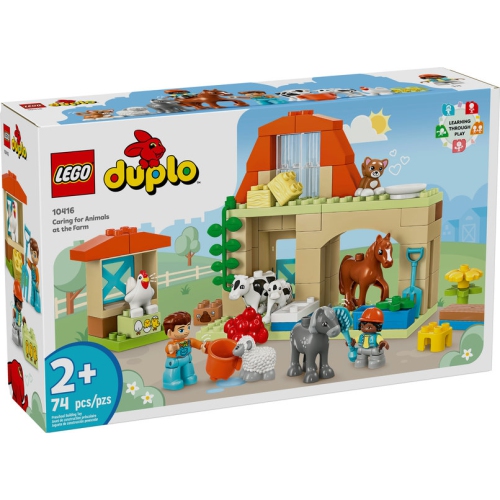
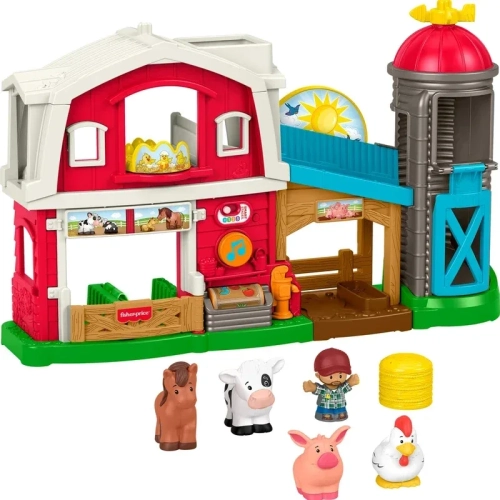
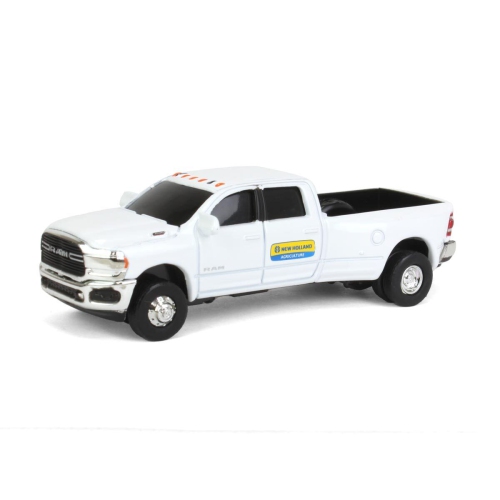
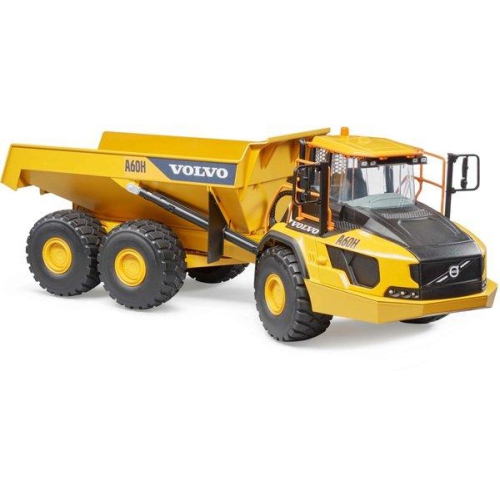






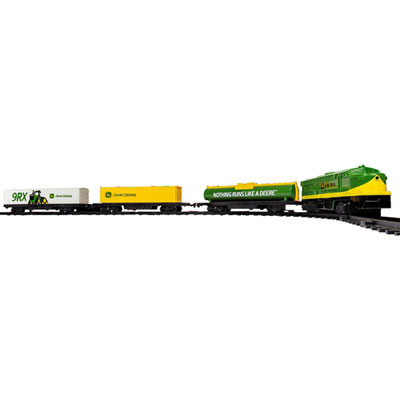
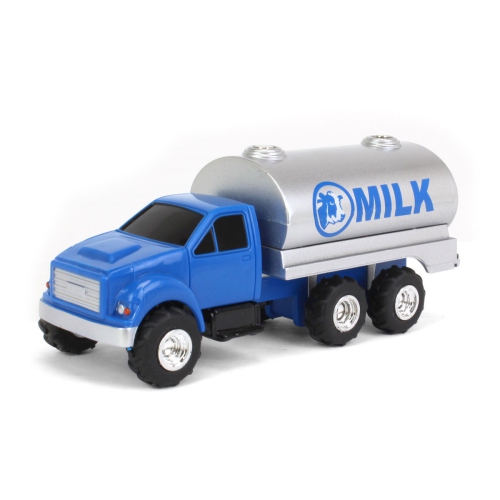
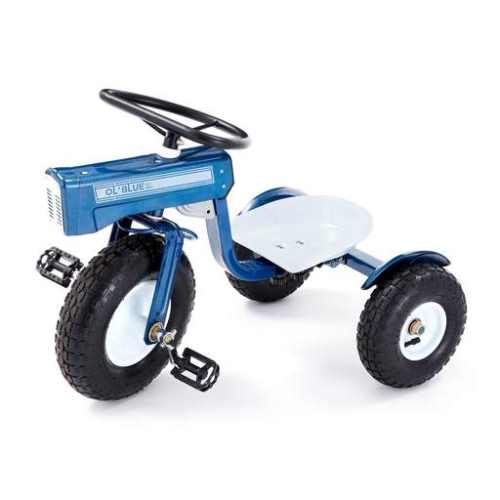
Miniature machines turn farm chores into purposeful play
Toy farming equipment brings the machinery of a working farm into miniature, from tractors and trailers to combines, balers, loaders, and field implements. These toys range from chunky vehicles designed for simple pushing and pulling to detailed scale replicas with articulated steering, opening panels, and movable attachments. Each type represents a different job: a tractor pulls equipment, a loader lifts and moves materials, a combine harvests crops, and a baler gathers cut plant material into bales. Those differences give farm play a sense of purpose beyond rolling a vehicle across the floor. A child might hitch a trailer to a tractor, carry toy bales to a barn, then switch to a loader to rearrange the yard. A combine with a turning unloading auger can become the centre of a pretend harvest, while a tipping trailer adds another step to the trip between field and storage shed. Working features vary by design, so a realistic appearance does not necessarily mean every part moves. For younger children, broad wheels, easy-to-grasp bodies, and straightforward actions can make the experience more satisfying than intricate detailing. Older children may enjoy matching machinery to tasks, planning routes through a farm layout, or operating several vehicles as part of the same story. Farm machinery can also appeal to adults who appreciate agricultural history, mechanical design, or the familiar shapes of equipment seen on family farms. Alongside barns, animal figures, and fences, toy farming equipment helps give a miniature farm its daily activity. The wider world of Farming Toys provides context for those scenes, whether the focus is a busy livestock yard, a row of parked tractors, or a carefully arranged display of agricultural machinery.
Scale, construction, and intended age help distinguish equipment made for hands-on play from models better suited to careful handling. Common farm toy scales include 1:16, 1:32, and 1:64; the smaller the second number, the larger the replica in relation to the real machine. A 1:16 tractor generally offers more room for substantial controls and visible details, while 1:64 equipment makes it easier to build a larger farm scene within a modest display area. Actual dimensions still depend on the machine being represented, so scale alone does not tell the full story of how much space a toy needs. Matching scales can make vehicles, buildings, and figures look proportionate, but it does not guarantee that trailers or implements will connect. Hitch shape, attachment height, and coupling design matter, especially when mixing pieces from different toy ranges. Materials also affect how equipment feels and performs. Moulded plastic allows for complex shapes and can keep larger toys relatively light, while die-cast metal adds weight and a solid feel to smaller replicas. Many designs combine metal bodies with plastic cabs, attachments, wheels, or detailing. Neither material is automatically more durable in every situation: axle construction, wheel mounting, hinge strength, and the thickness of projecting parts all influence how a toy stands up to repeated use. A broad loader arm with a simple pivot may tolerate enthusiastic play better than a finely detailed assembly with narrow joints. Rubber or flexible tyres can change rolling feel and grip, although their suitability for different surfaces depends on the design. Manufacturer age recommendations remain important, particularly where removable wheels, miniature bales, detachable hitches, or other small accessories are involved. Detailed collector models should not be treated as children’s toys unless they are specifically intended for that use. For children, controls that suit their hand size and strength can make connecting a trailer or raising a bucket an enjoyable part of play rather than a repeated source of frustration.
Everyday use often comes down to the space around the equipment and how naturally its features fit into play. A compact tractor and trailer can support a complete farm story on a play mat, while a larger loader needs room to turn, lower its bucket, and approach a pretend loading area. Long trailers and wide implements need extra clearance around table legs, toy barns, and storage shelves. A low-pile rug or smooth, level surface may suit rolling vehicles better than deep carpet, where small wheels and low attachments can catch. Outdoor use should depend on the manufacturer’s guidance rather than the rugged appearance of the toy; sand, soil, and moisture can affect axles, joints, decals, and enclosed mechanisms. Care is usually simplest when dirt is removed before it settles into moving parts. A soft cloth and gentle brush can help reach wheel treads and recessed details, with cleaning methods guided by the materials and any electronic components. Immersion, harsh cleaners, and added lubricants are best avoided unless the instructions specifically permit them. Storage matters just as much as cleaning: a separate compartment for detachable implements helps keep hitches from bending, while a shelf or divided bin can prevent loader arms and unloading augers from being trapped beneath heavier toys. Toy farming equipment can make a thoughtful birthday gift for a child interested in construction vehicles, animals, or life on a farm, and a detailed replica may hold particular meaning for someone with a personal connection to agriculture. For shared play, equipment with complementary jobs gives each participant something useful to do, such as loading, hauling, or tending the yard. For a collector, consistent scale, accurate proportions, and display space may matter more than the number of moving features. Across these different uses, the strongest fit comes from balancing recognisable machinery with practical handling, appropriate detail, and room to enjoy the small routines that make a miniature farm feel busy and believable.
Top selling and popular products
-
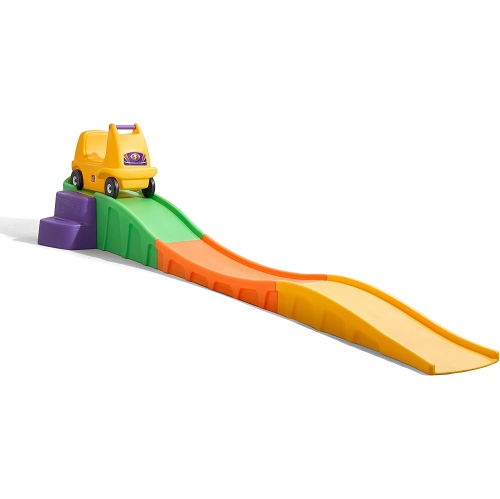 Your price for this item is $599.49
-
 Your price for this item is $58.99
-
 Your price for this item is $38.99
-
 Your price for this item is $32.79
-
 Your price for this item is $29.19
-
 Your price for this item is $41.19
-
 Your price for this item is $68.99
-
 Your price for this item is $63.24
Discover more categories related to Toy Farming Equipment

Top Collections:
Pokemon Centers, Best Cameras for Sports Photography, Kindle Devices, Samsung Galaxy Phones, Canon G7X Cameras, Pokémon 30th Celebration Cards, Refurbished Apple Laptops, iPhone 15 Apple, Laptops for Students, Budget Smartphones
Some products may be subject to Environmental Handling Fees
(EHF) depending on your province.
Learn more about EHFs.