Farmhouse Kitchen Cupboards
Create a charming and rustic atmosphere in your kitchen with our collection of farmhouse kitchen cupboards. These beautifully crafted storage solutions are designed to bring warmth and character to any home. With their timeless appeal and functional design, farmhouse kitchen cupboards are the perfect addition to create a cozy and inviting space for cooking and entertaining. Explore our wide range of options to find the perfect farmhouse kitchen cupboards that suit your style and needs.
Sort
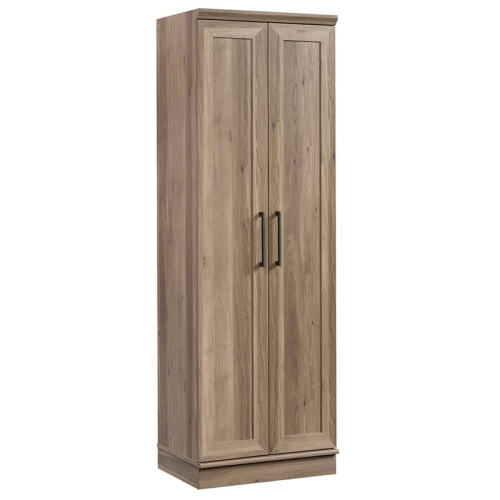
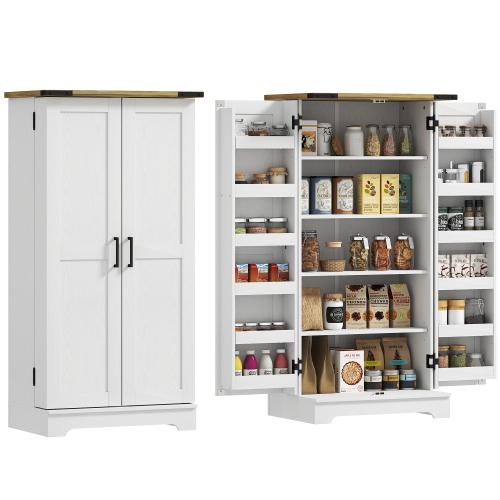
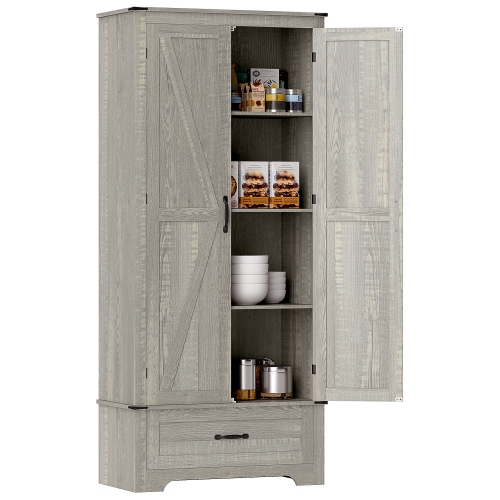
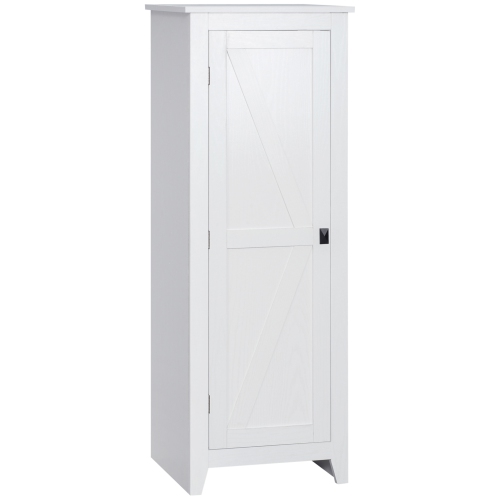
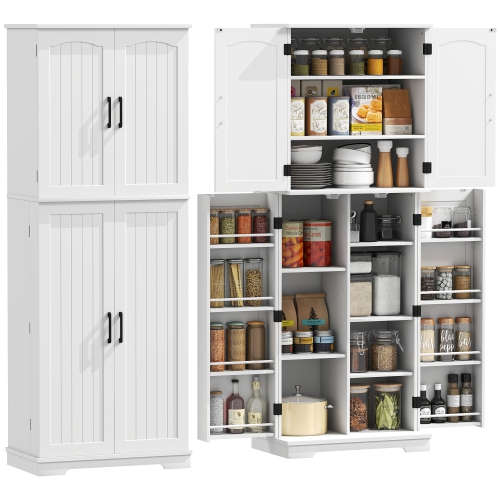
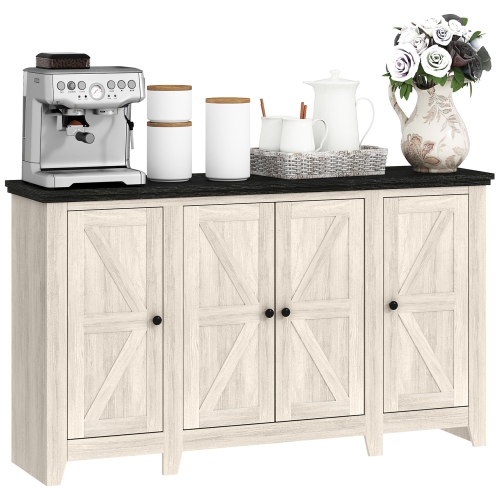
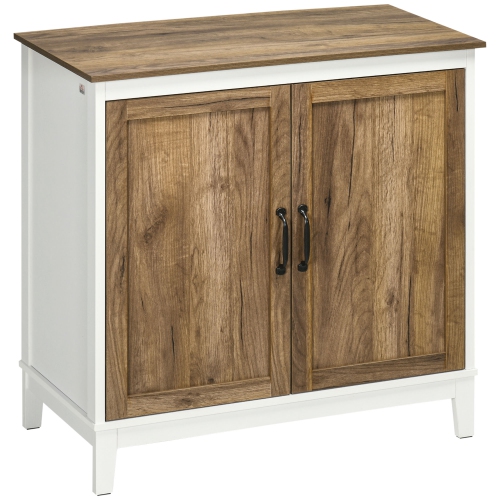

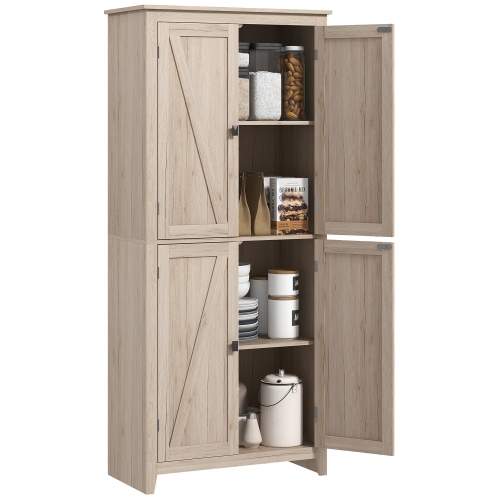
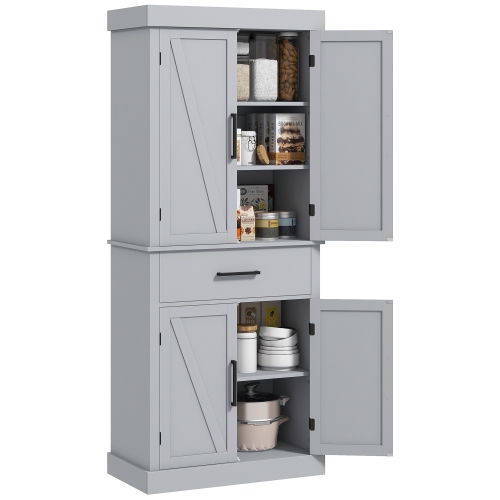
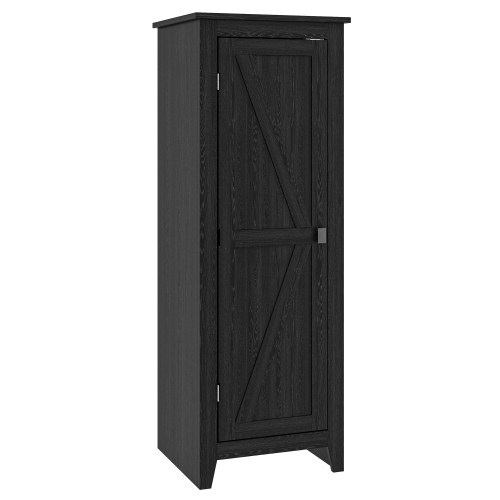
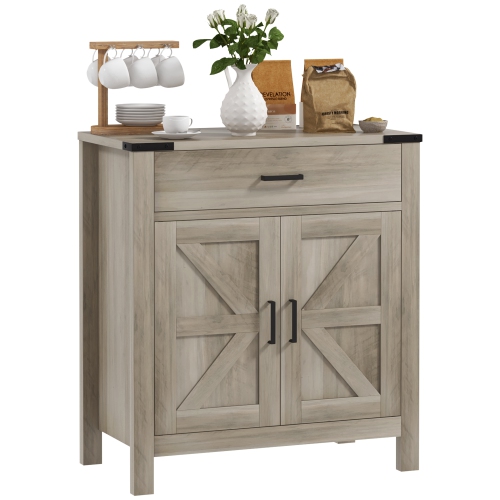
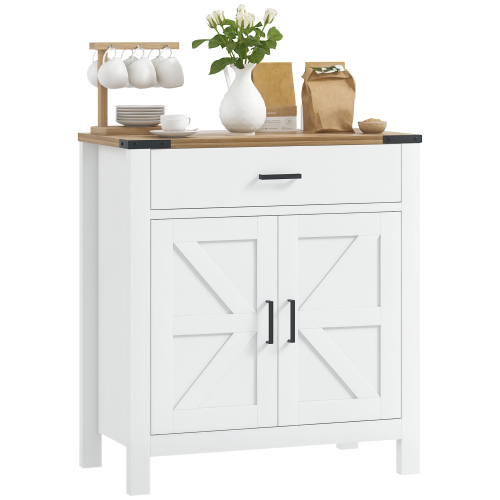
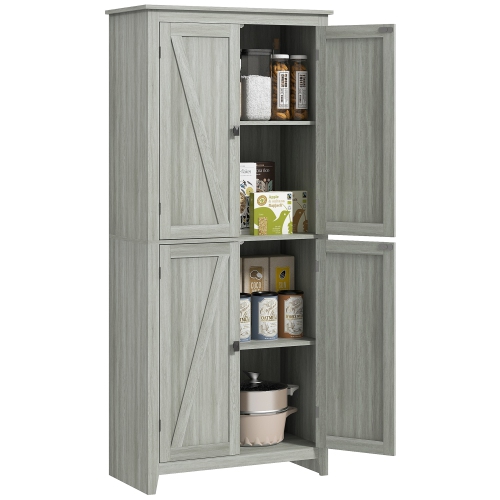

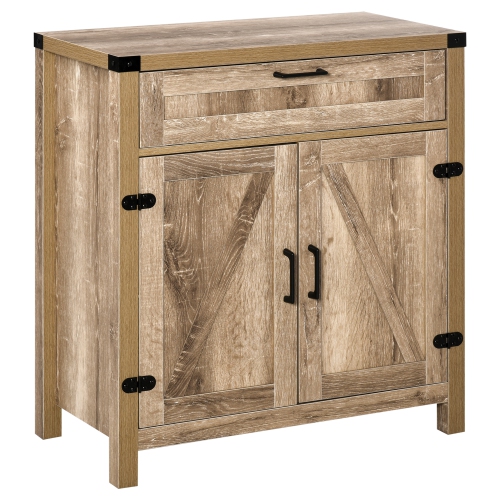
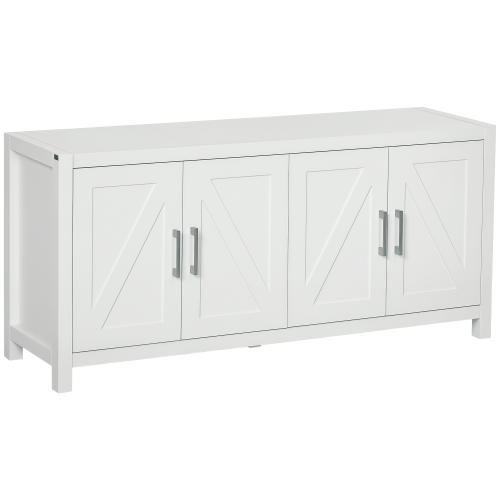
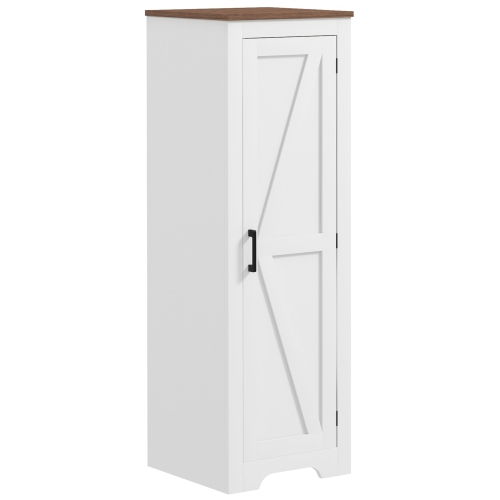
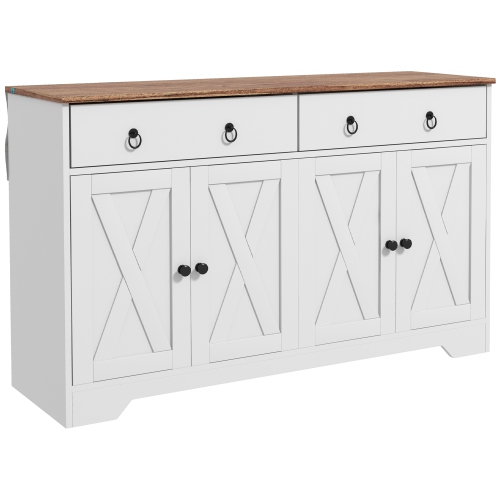
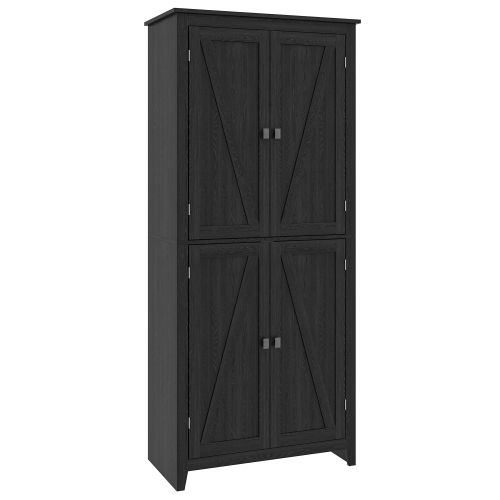
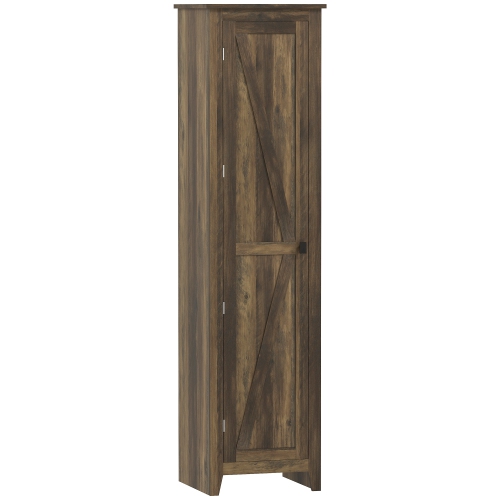
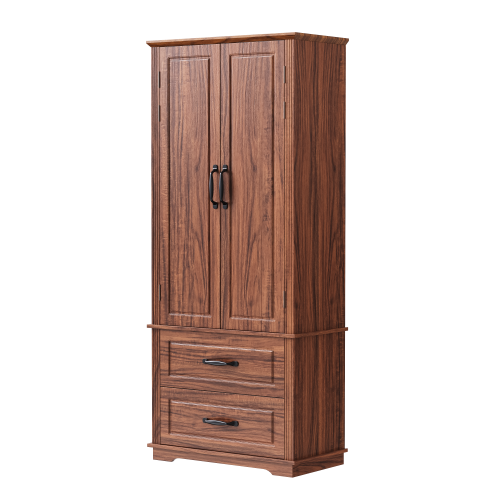
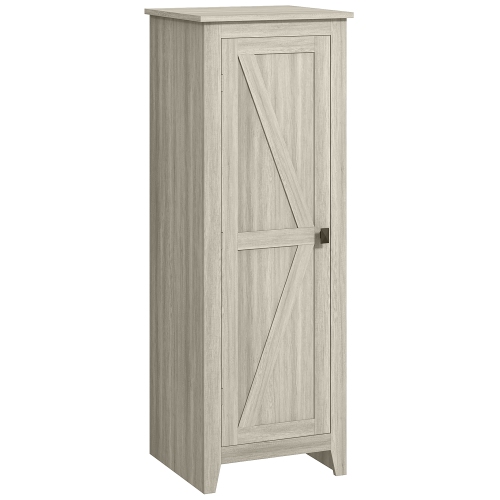
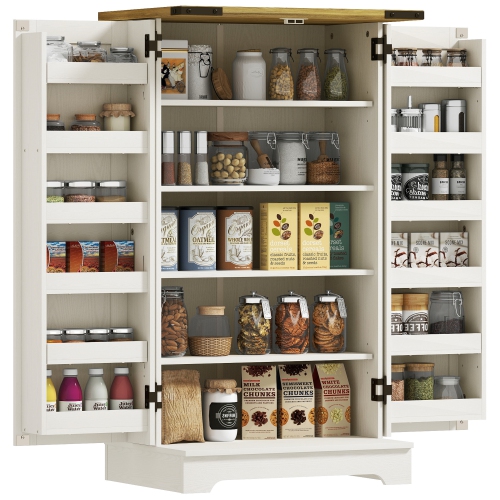
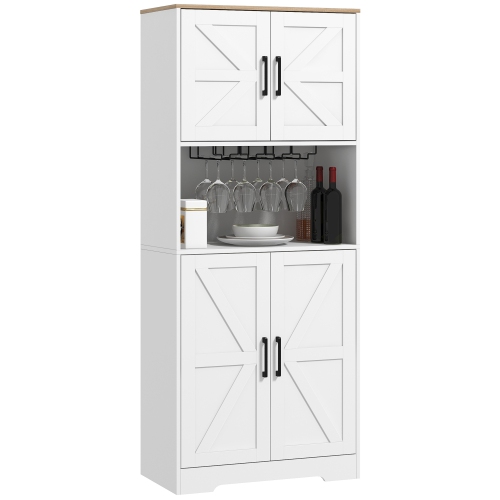
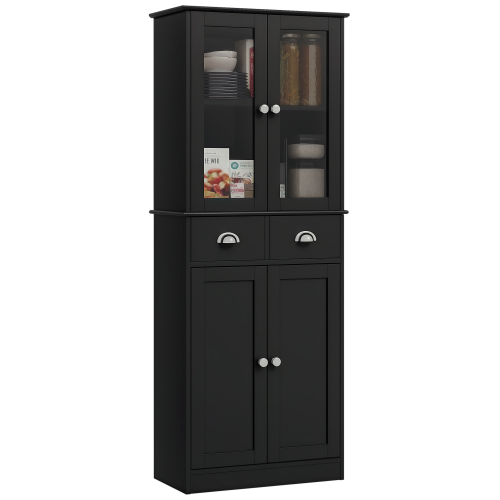
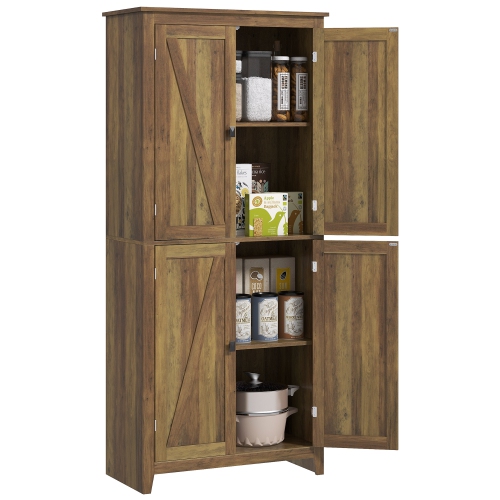
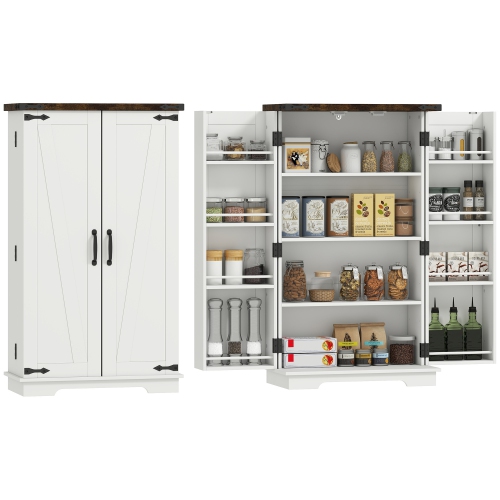
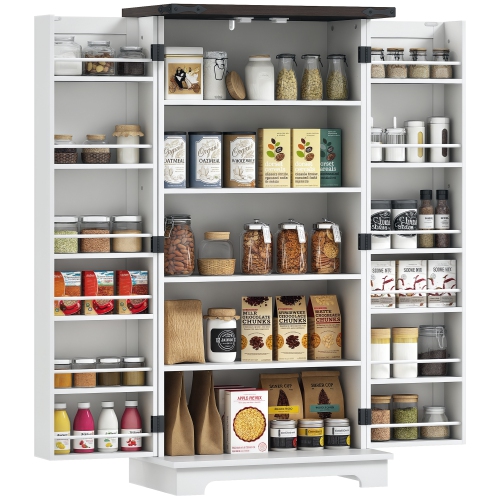
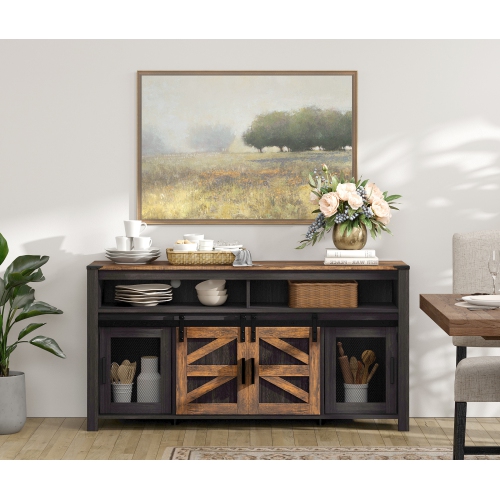
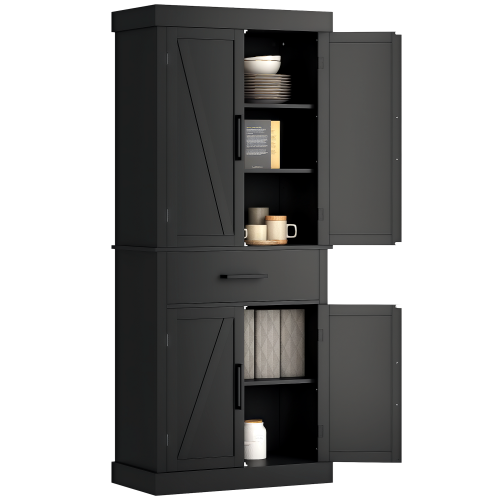
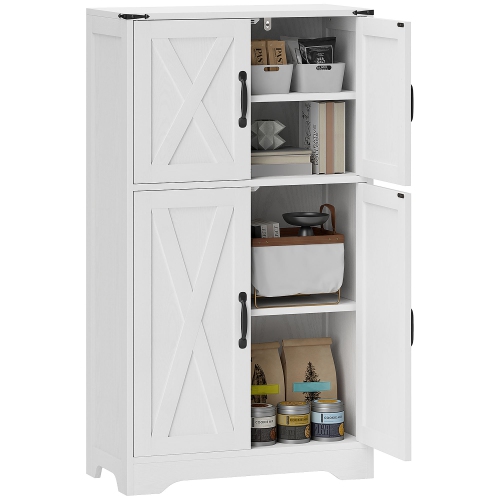

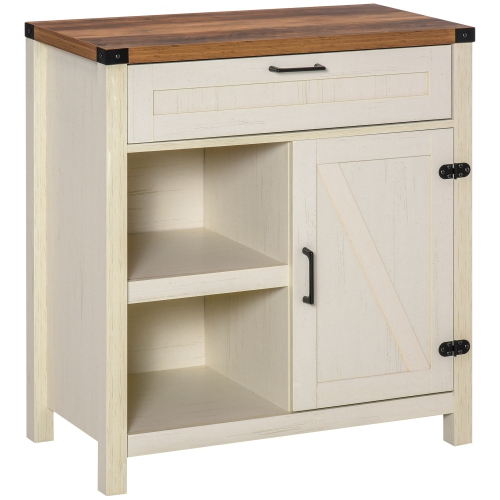
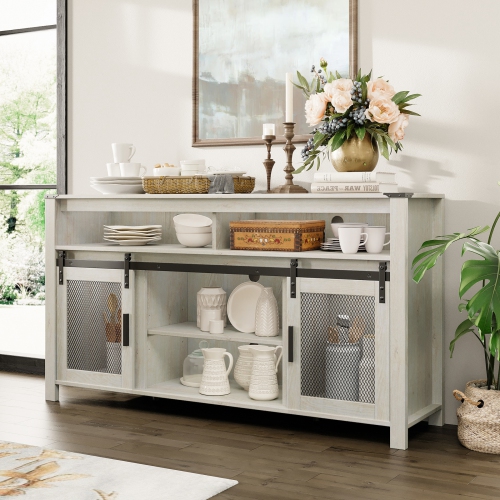
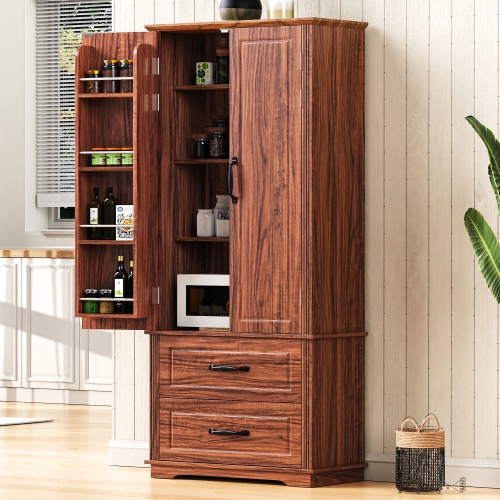
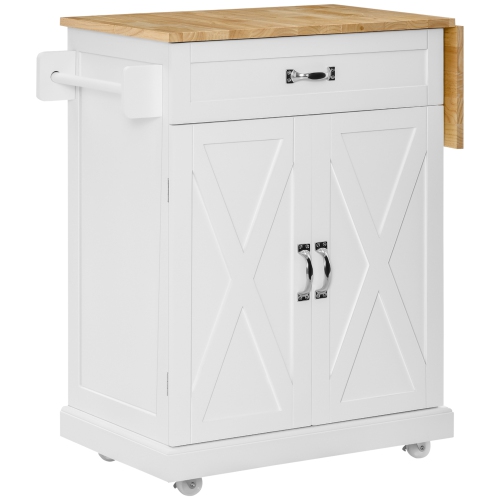
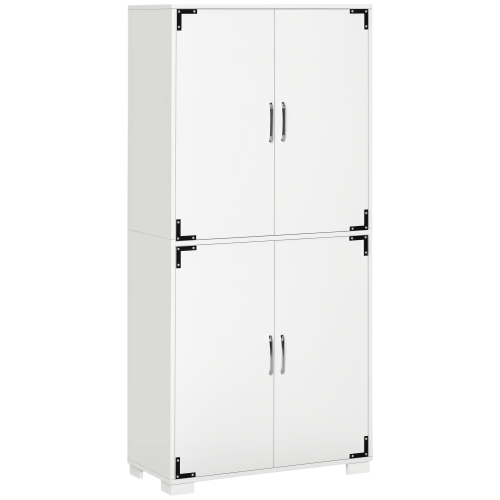
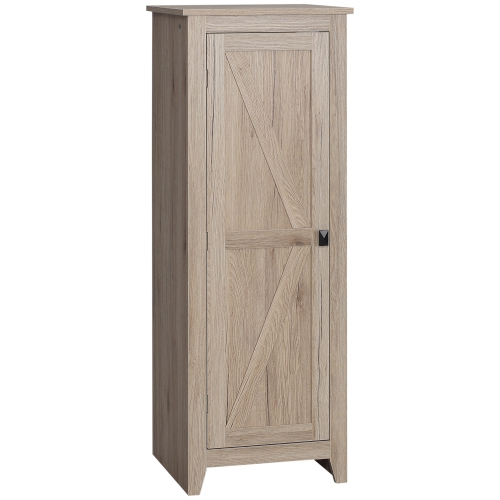
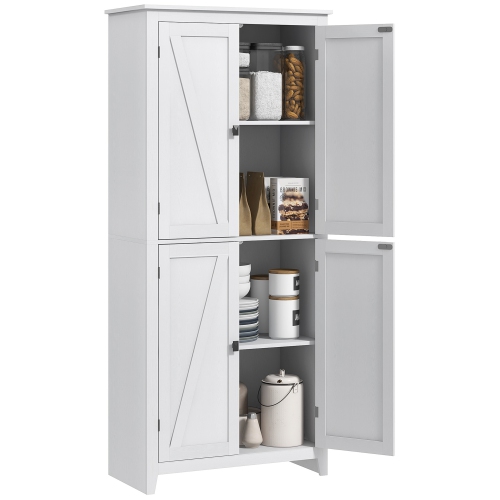
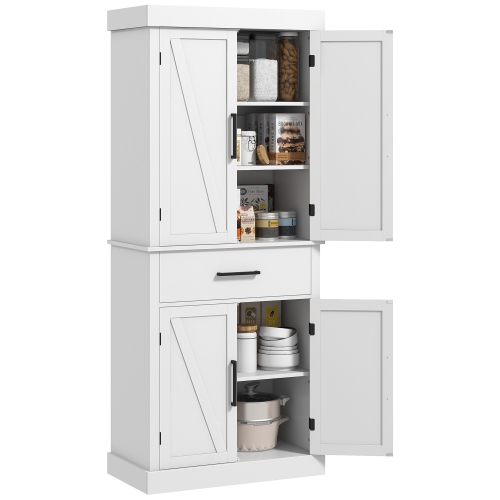
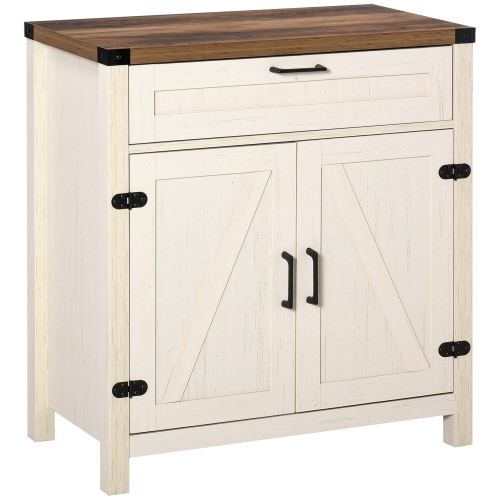
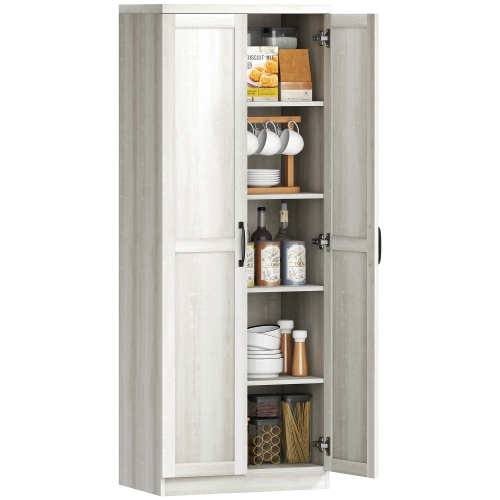
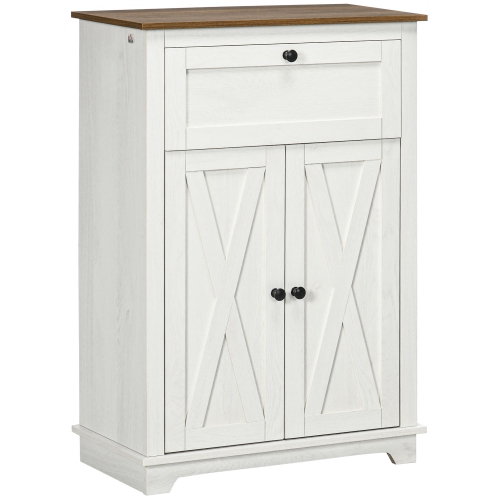
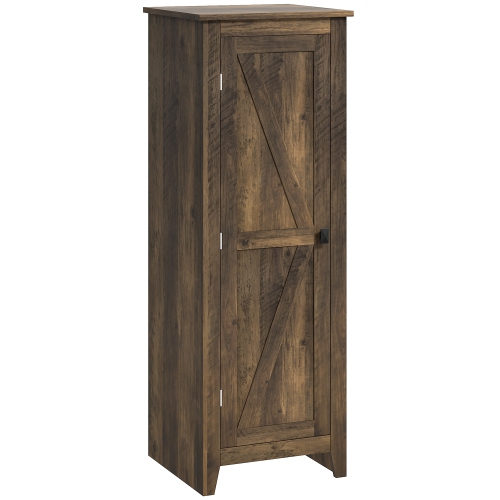
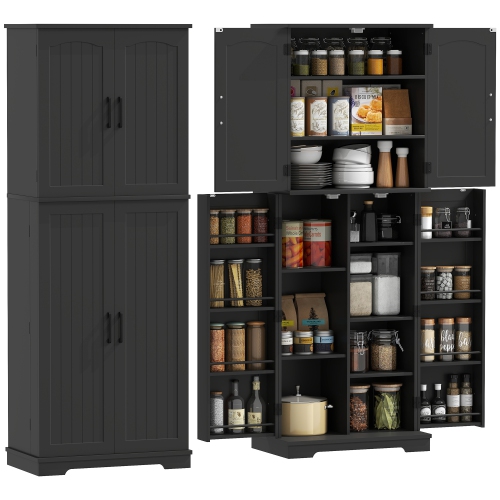
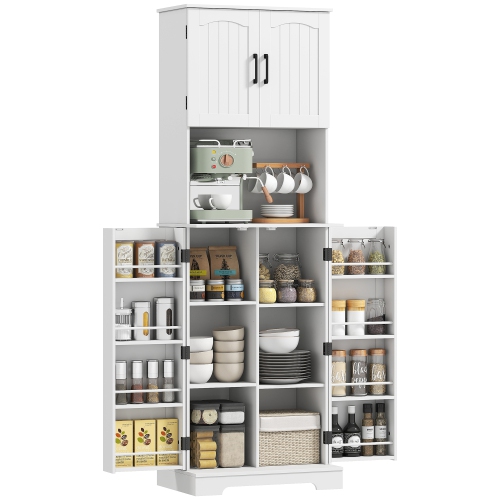
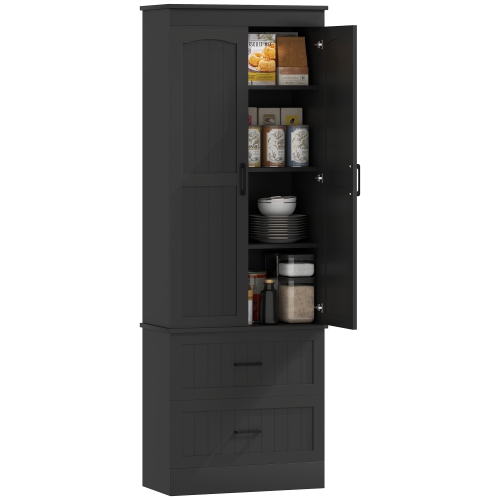
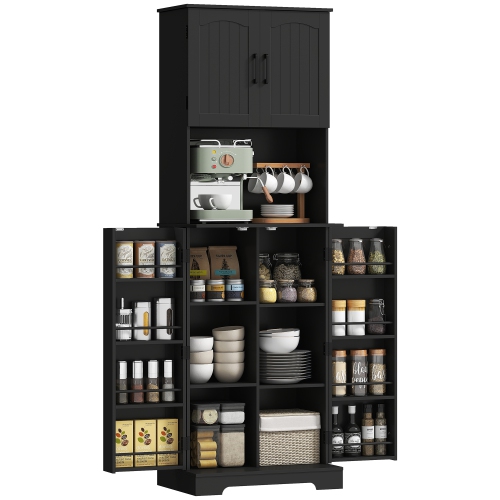
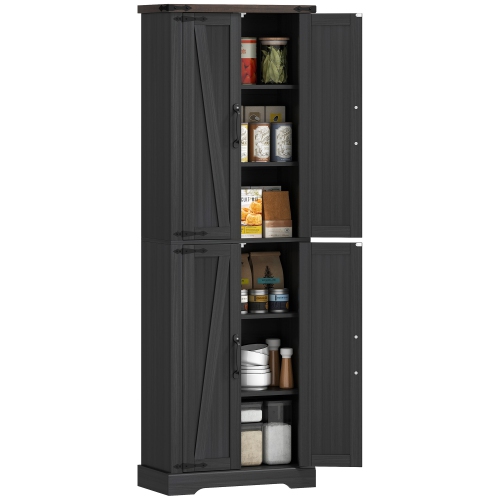
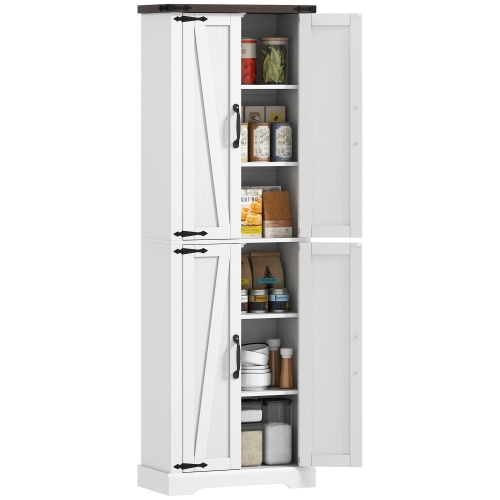
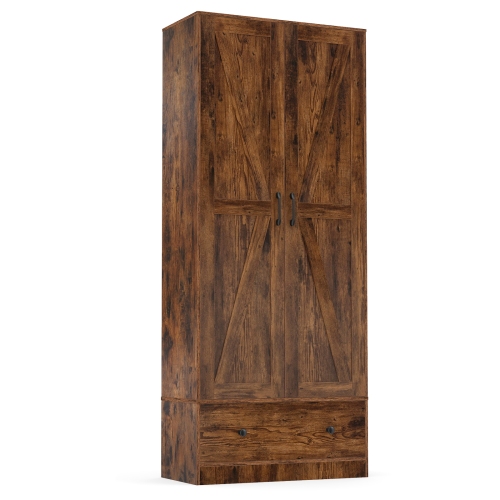
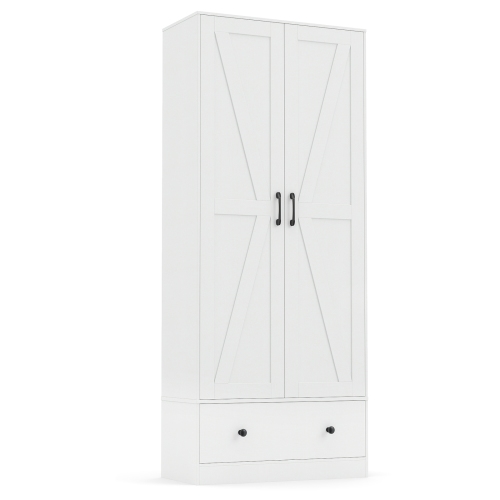
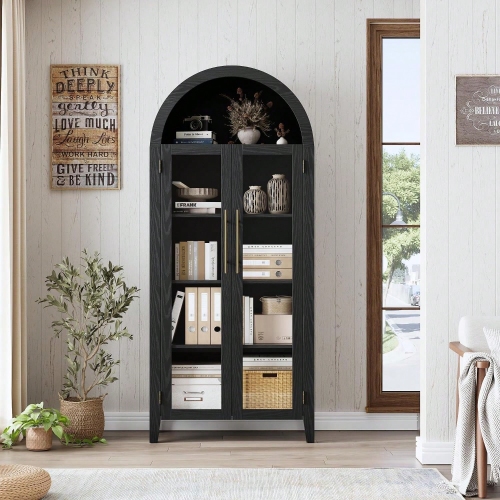
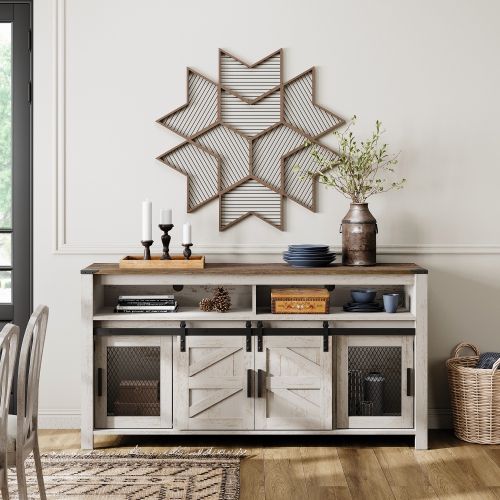
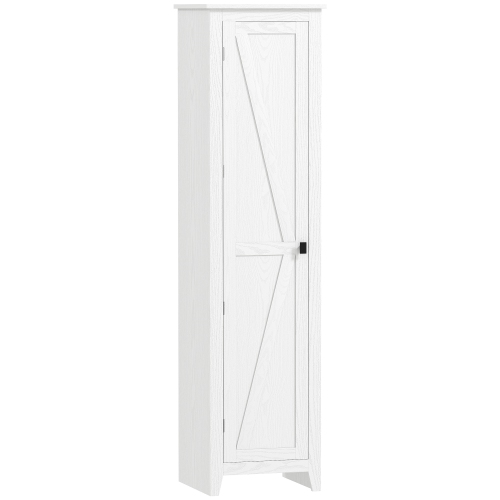
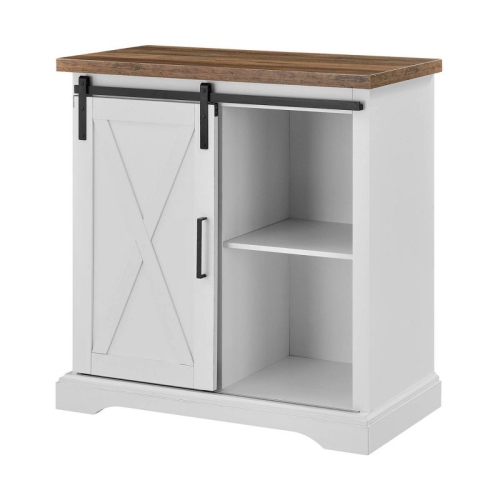
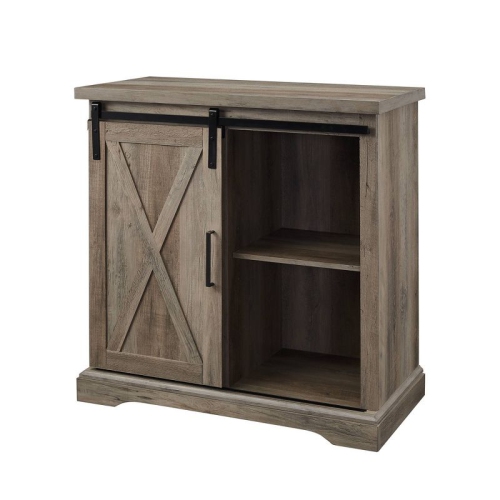
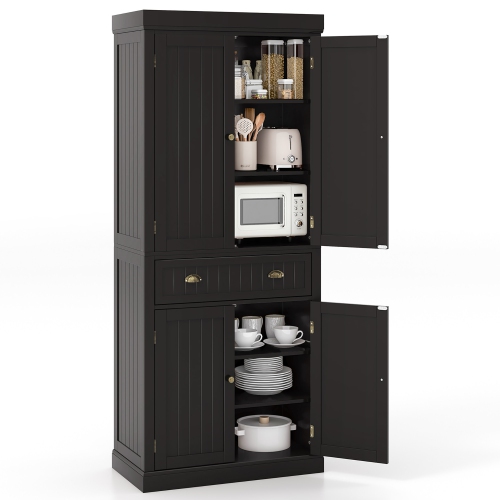
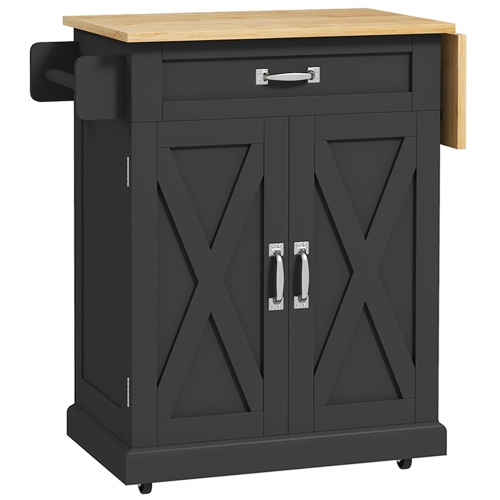
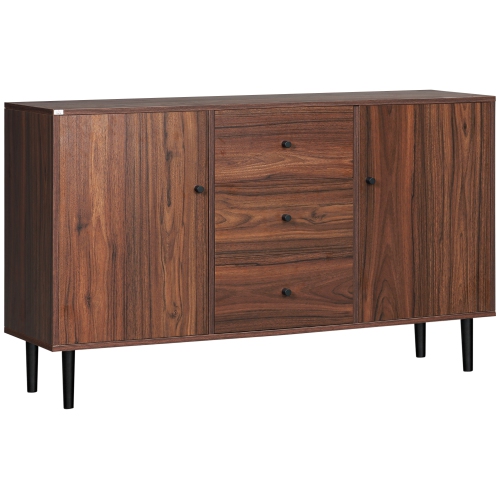
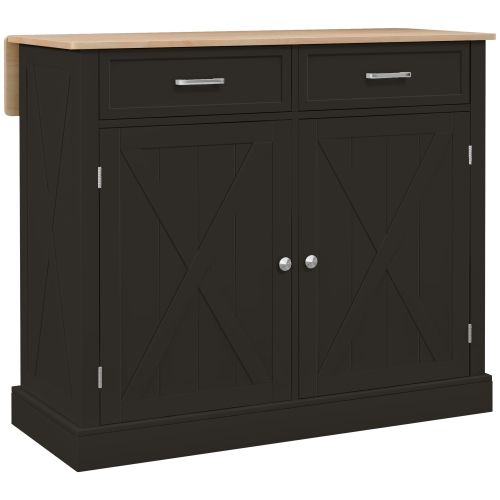
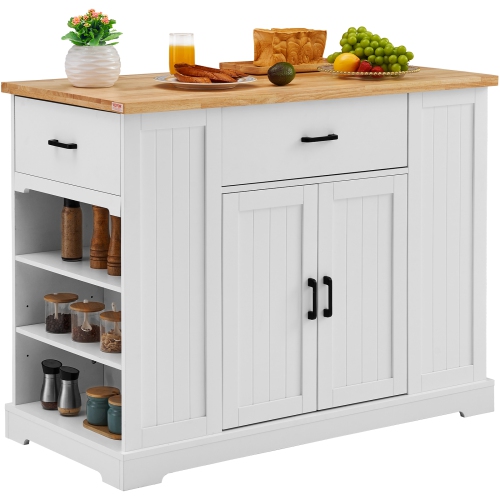
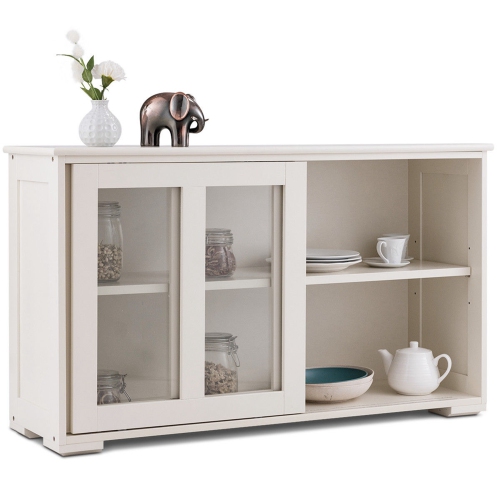
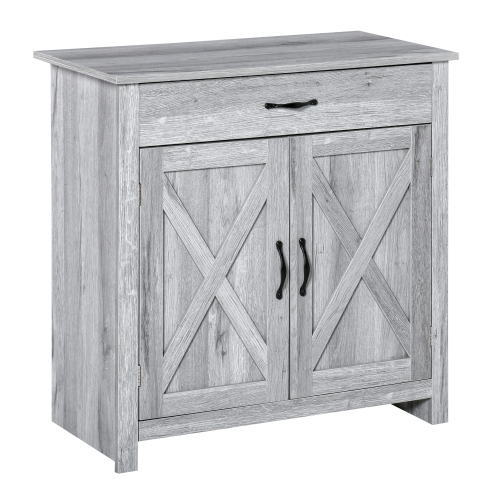
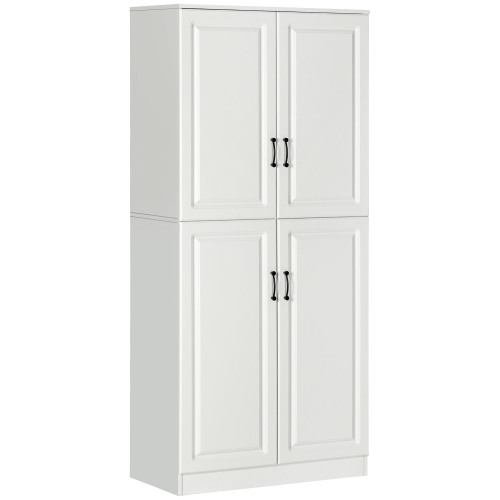
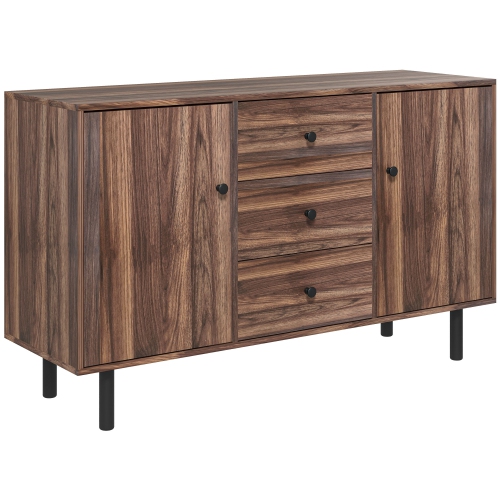

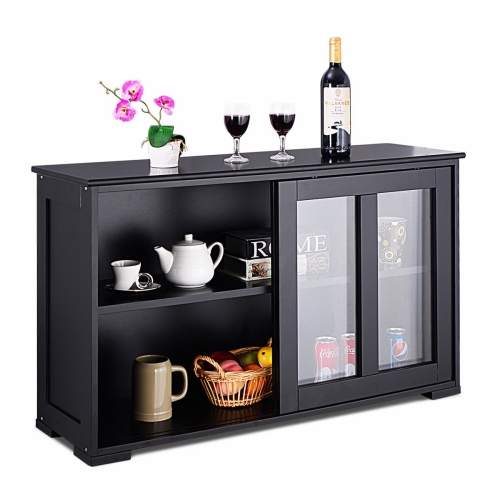
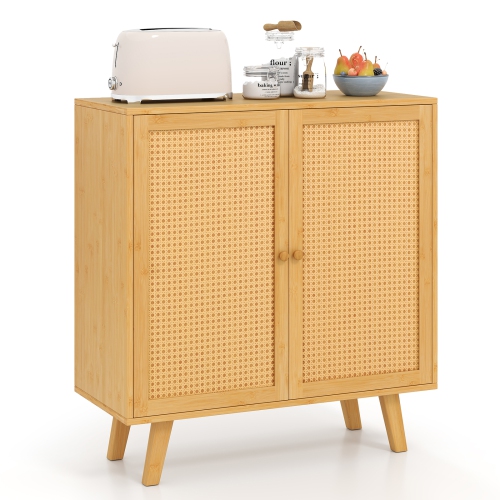
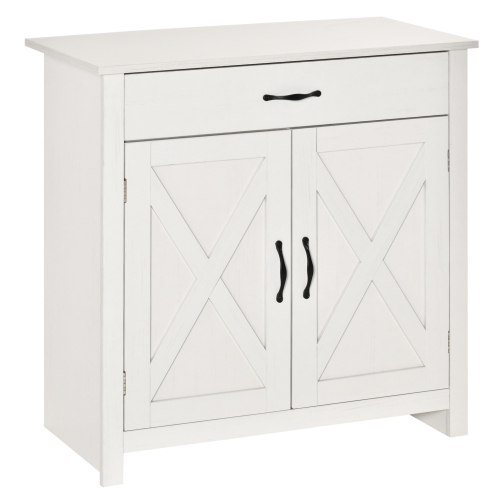
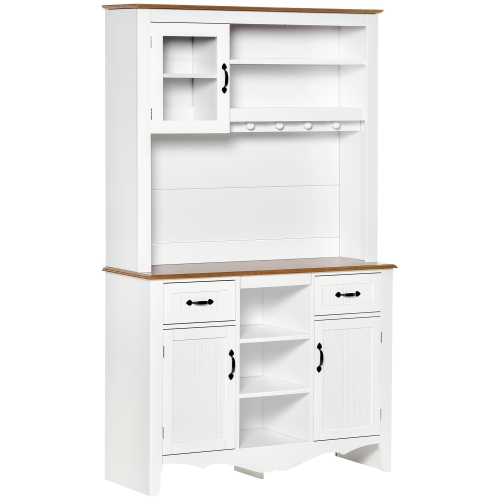
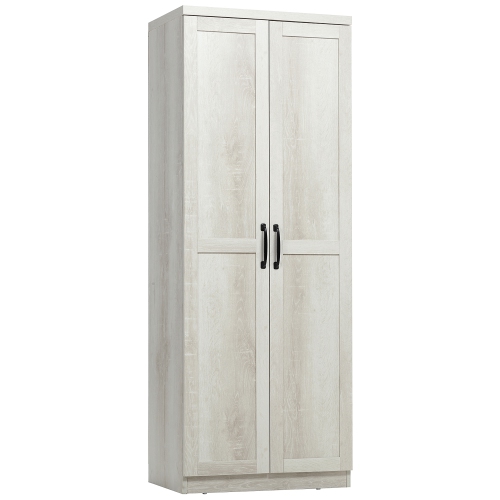
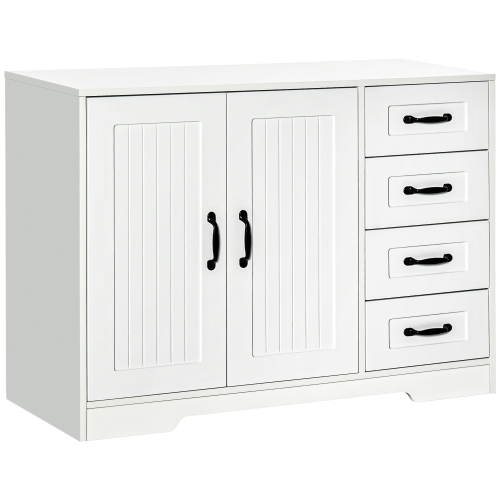
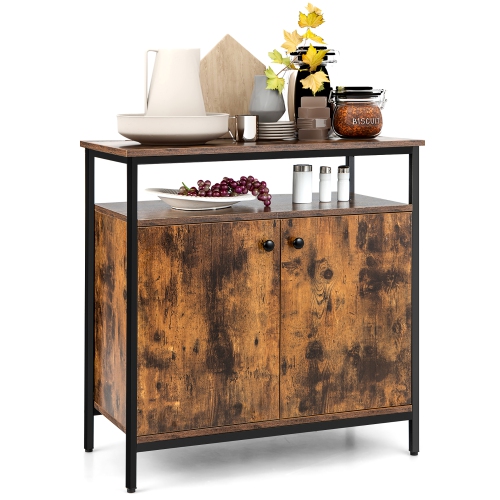
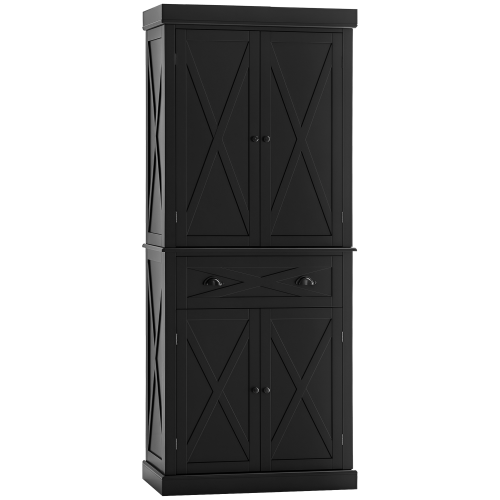
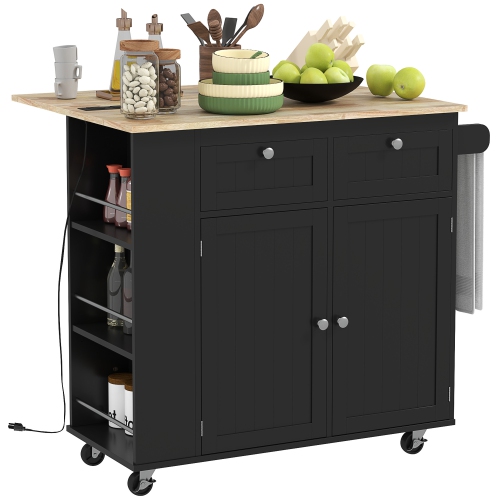
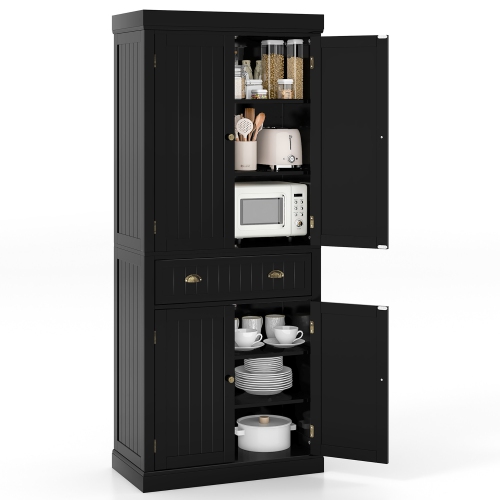
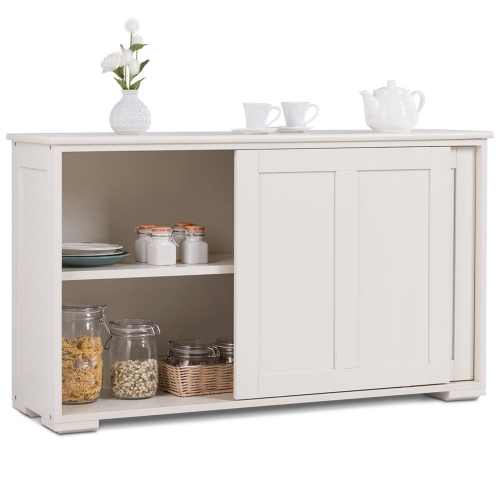
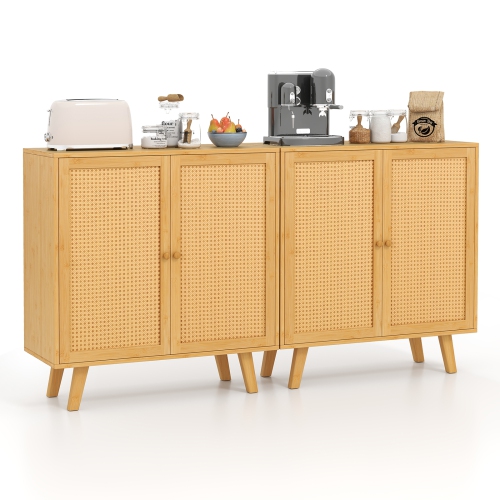
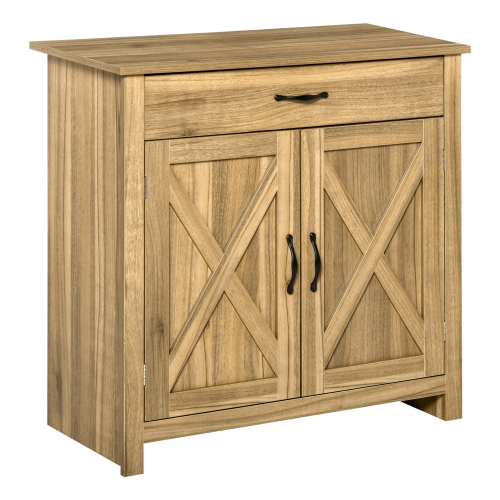

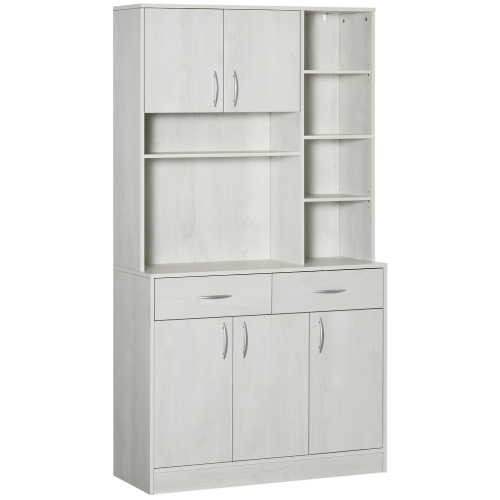
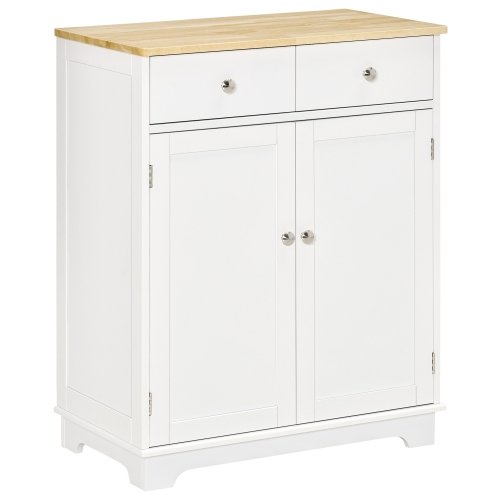
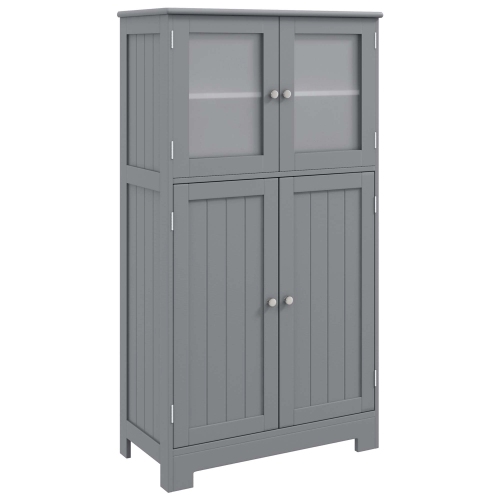
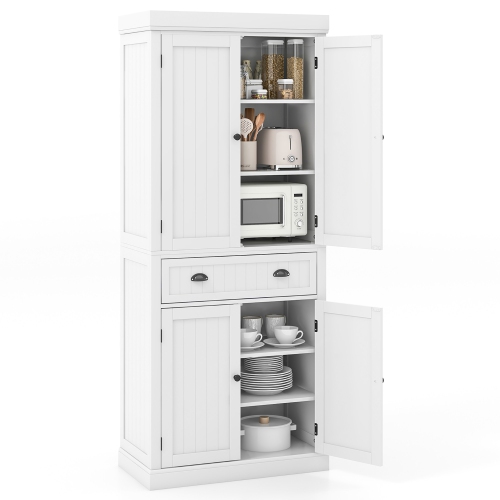
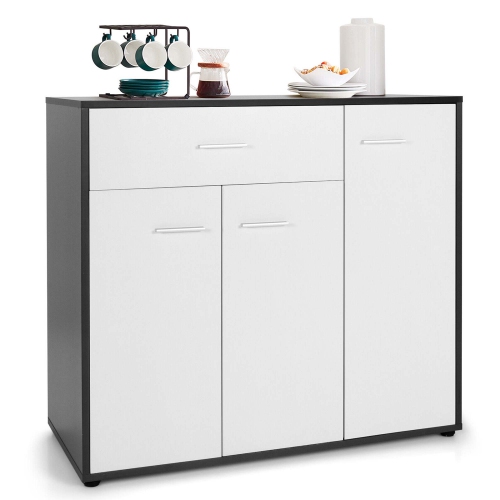
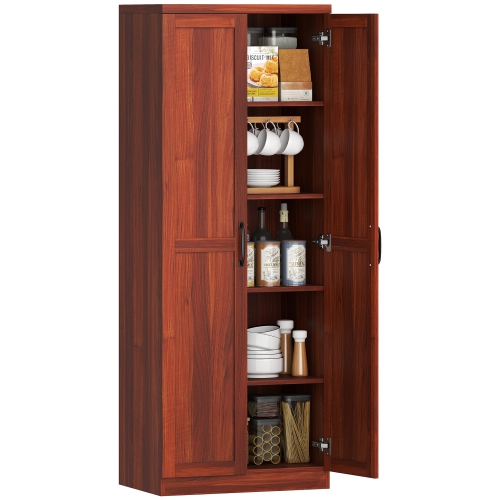
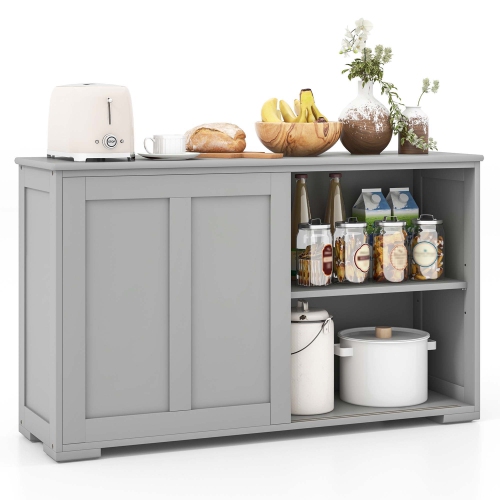
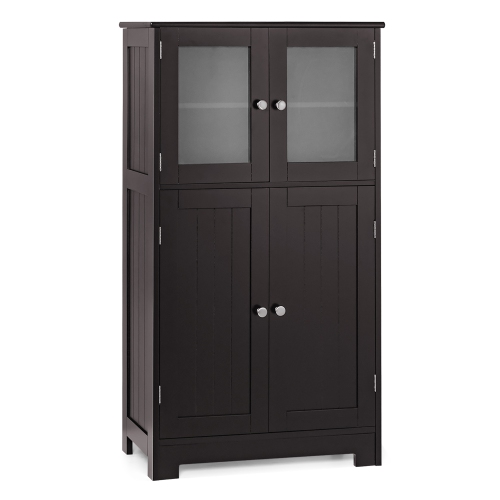
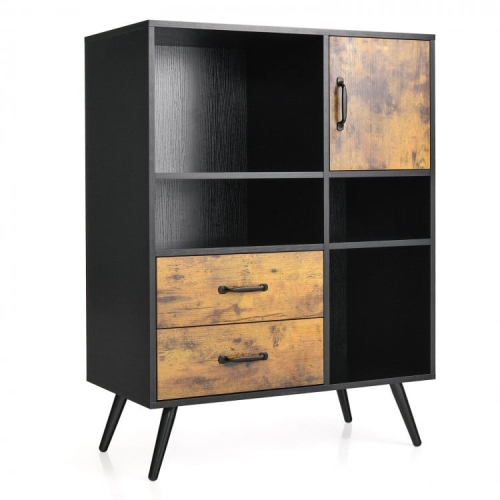
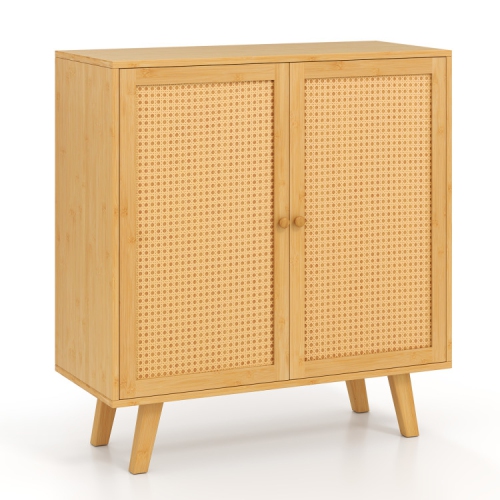
Country kitchen character with storage for everyday routines
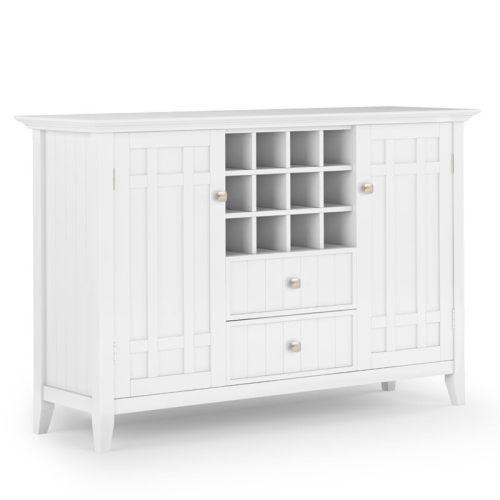
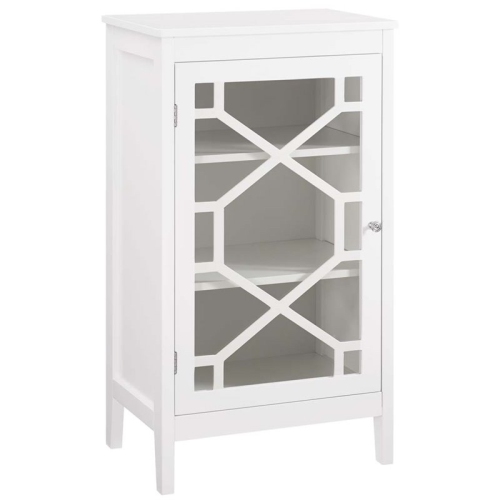
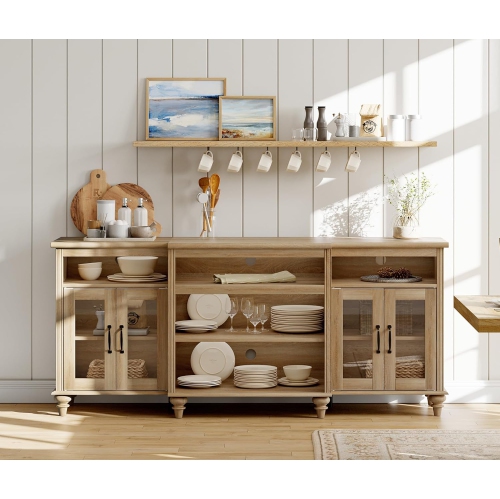
Farmhouse kitchen cupboards bring the familiar character of a country kitchen into spaces that still need to work hard every day. Their appeal often comes from straightforward shapes and tactile details: a framed door, a beadboard panel, a visible wood grain, or a dark metal handle against a softly painted finish. Rather than relying on elaborate ornament, this style uses proportion, texture, and practical storage to create a room that feels welcoming and lived in. A tall cupboard can give dry goods and serving dishes a dedicated home, while a lower cabinet can keep everyday crockery close to the dining table without dominating the room. Closed doors keep mismatched mugs, food containers, and pantry staples out of sight; glass-fronted sections let neatly stacked plates become part of the kitchen’s appearance. Open shelves offer easy access to frequently used pieces, although they also leave their contents exposed to cooking residue and dust. Farmhouse styling can lean rustic, with pronounced grain and deliberately distressed finishes, or feel more restrained through smooth paint, simple door profiles, and understated hardware. For a brighter interpretation, White Farmhouse Cabinets pair naturally with wood surfaces, stone-look counters, and both light and dark flooring. Cream, grey, and natural wood tones can also sit comfortably within this look, depending on the surrounding finishes. Matching every surface is not necessary; a shared handle finish or a similar door profile can connect a freestanding cupboard with existing cabinetry. In a compact kitchen, a piece with modest trim and a shallow profile may feel less imposing than one with a projecting cornice and deep base. In a larger kitchen or adjoining dining area, a more substantial cupboard can anchor a wall and bring scattered storage into one place. The most useful interpretation of farmhouse style leaves enough room for the ordinary routines of preparing breakfast, putting away dishes, and setting the table.
Materials and construction influence how farmhouse kitchen cupboards look, feel, and stand up to regular use. Solid wood can offer distinctive grain and, depending on its finish and construction, opportunities for refinishing later. Wood veneer provides a real wood surface over a supporting core, while engineered wood panels can create consistent surfaces suited to painted, laminated, or wood-look finishes. None of these descriptions alone determines quality: the thickness of shelves, support beneath wide spans, strength of joints, and protection around exposed edges all matter. A cupboard holding a few tea towels faces different demands from one carrying stacks of dinner plates or several small appliances. Shelf weight limits deserve particular attention when storing heavy crockery, and adjustable shelving makes it easier to accommodate cereal containers, mixing bowls, or tall serving pieces without wasting vertical space. Drawer construction matters too, especially when cutlery and utensils will be pulled out several times a day. Smooth runners, secure handles, and well-aligned hinges contribute more to everyday comfort than decorative details alone. Soft-close hardware can reduce abrupt movement, but its presence should be checked rather than assumed from the cupboard’s appearance. Fit involves more than measuring an empty section of wall. Overall height, width, and depth need to account for baseboards, projecting trim, handles, nearby outlets, and enough clearance for doors and drawers to open fully. A cupboard that fits beside a refrigerator when everything is closed may still interfere with access once both doors are open. Narrow walkways need space for someone to pass while another person reaches for dishes, and overhead sections should remain comfortably accessible for their intended users. Delivery access also matters, including doorways, stairs, and corners between the entrance and kitchen. Freestanding furniture and cabinetry designed for permanent installation are not interchangeable, so the intended setup, assembly requirements, and fixing instructions should be clear before choosing a piece. Tall units may require wall anchoring, and wall-mounted cupboards need suitable supports and fasteners for the wall construction and intended load. Proper installation is especially important in homes with children, where an unsecured cupboard can present a tipping hazard.
The way a cupboard is organized often determines whether it becomes a useful part of the kitchen or simply another place where things accumulate. Keeping plates near the dishwasher can make unloading easier, while grouping breakfast bowls, mugs, and dry goods together can reduce trips across the room. A lower shelf may suit heavier cookware better than an overhead compartment, provided its stated capacity is sufficient. Frequently used pieces belong within easy reach, with occasional serving ware higher up or farther back. For a shared household, separate shelves for different food staples can make the kitchen easier to navigate without requiring matching containers or elaborate labels. Families may appreciate enclosed storage that keeps fragile dishes away from busy work surfaces, while someone furnishing a smaller home may value a cupboard that serves both the kitchen and dining area. A cabinet top can provide a convenient place to set down a serving tray, but it should not be treated as a chopping surface or appliance station unless its materials and intended use support that purpose. Where an appliance is permitted, ventilation requirements, cord routing, and access to a suitable outlet still need attention. Care is usually simplest when spills are dealt with promptly using a soft cloth and a cleaner approved for the finish. Excess water can work into seams or unprotected edges, so surfaces should be dried rather than left damp. Abrasive pads and harsh cleaning agents can dull paint, scratch clear coatings, or damage laminated surfaces. Grooved doors, turned details, and glass panels may take more cleaning than flat fronts, particularly near food preparation areas. Handles and hinges benefit from occasional checks for looseness, and shelf supports should remain properly seated after adjustments. Felt pads or suitable liners can help limit scuffs from dishes, as long as they are compatible with the surface beneath them. With thoughtful placement and routine care, farmhouse kitchen cupboards can balance the warmth of furniture with the practical demands of kitchen storage, keeping everyday essentials close at hand without leaving every working detail on display.
Materials and construction influence how farmhouse kitchen cupboards look, feel, and stand up to regular use. Solid wood can offer distinctive grain and, depending on its finish and construction, opportunities for refinishing later. Wood veneer provides a real wood surface over a supporting core, while engineered wood panels can create consistent surfaces suited to painted, laminated, or wood-look finishes. None of these descriptions alone determines quality: the thickness of shelves, support beneath wide spans, strength of joints, and protection around exposed edges all matter. A cupboard holding a few tea towels faces different demands from one carrying stacks of dinner plates or several small appliances. Shelf weight limits deserve particular attention when storing heavy crockery, and adjustable shelving makes it easier to accommodate cereal containers, mixing bowls, or tall serving pieces without wasting vertical space. Drawer construction matters too, especially when cutlery and utensils will be pulled out several times a day. Smooth runners, secure handles, and well-aligned hinges contribute more to everyday comfort than decorative details alone. Soft-close hardware can reduce abrupt movement, but its presence should be checked rather than assumed from the cupboard’s appearance. Fit involves more than measuring an empty section of wall. Overall height, width, and depth need to account for baseboards, projecting trim, handles, nearby outlets, and enough clearance for doors and drawers to open fully. A cupboard that fits beside a refrigerator when everything is closed may still interfere with access once both doors are open. Narrow walkways need space for someone to pass while another person reaches for dishes, and overhead sections should remain comfortably accessible for their intended users. Delivery access also matters, including doorways, stairs, and corners between the entrance and kitchen. Freestanding furniture and cabinetry designed for permanent installation are not interchangeable, so the intended setup, assembly requirements, and fixing instructions should be clear before choosing a piece. Tall units may require wall anchoring, and wall-mounted cupboards need suitable supports and fasteners for the wall construction and intended load. Proper installation is especially important in homes with children, where an unsecured cupboard can present a tipping hazard.
The way a cupboard is organized often determines whether it becomes a useful part of the kitchen or simply another place where things accumulate. Keeping plates near the dishwasher can make unloading easier, while grouping breakfast bowls, mugs, and dry goods together can reduce trips across the room. A lower shelf may suit heavier cookware better than an overhead compartment, provided its stated capacity is sufficient. Frequently used pieces belong within easy reach, with occasional serving ware higher up or farther back. For a shared household, separate shelves for different food staples can make the kitchen easier to navigate without requiring matching containers or elaborate labels. Families may appreciate enclosed storage that keeps fragile dishes away from busy work surfaces, while someone furnishing a smaller home may value a cupboard that serves both the kitchen and dining area. A cabinet top can provide a convenient place to set down a serving tray, but it should not be treated as a chopping surface or appliance station unless its materials and intended use support that purpose. Where an appliance is permitted, ventilation requirements, cord routing, and access to a suitable outlet still need attention. Care is usually simplest when spills are dealt with promptly using a soft cloth and a cleaner approved for the finish. Excess water can work into seams or unprotected edges, so surfaces should be dried rather than left damp. Abrasive pads and harsh cleaning agents can dull paint, scratch clear coatings, or damage laminated surfaces. Grooved doors, turned details, and glass panels may take more cleaning than flat fronts, particularly near food preparation areas. Handles and hinges benefit from occasional checks for looseness, and shelf supports should remain properly seated after adjustments. Felt pads or suitable liners can help limit scuffs from dishes, as long as they are compatible with the surface beneath them. With thoughtful placement and routine care, farmhouse kitchen cupboards can balance the warmth of furniture with the practical demands of kitchen storage, keeping everyday essentials close at hand without leaving every working detail on display.
Top selling and popular products
-
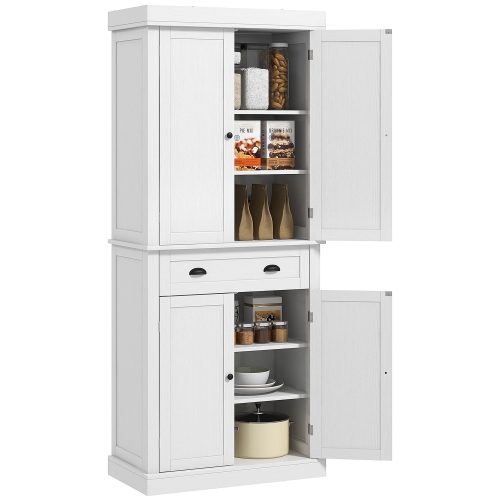 Your price for this item is $267.79
 -
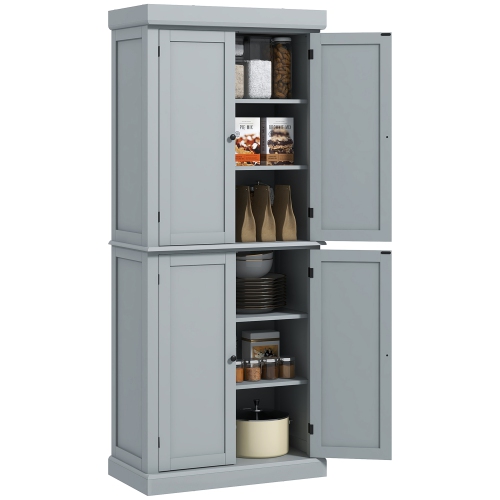 Your price for this item is $299.99
 -
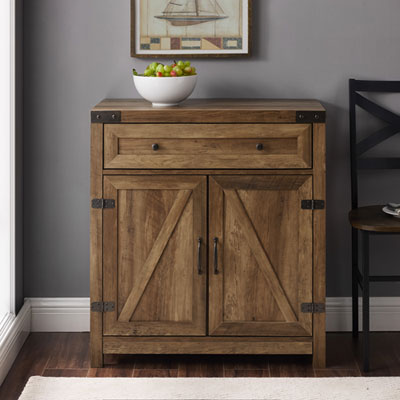 Your price for this item is $401.99
 -
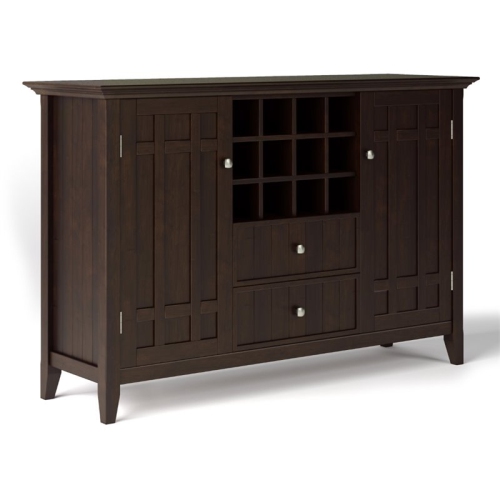 Your price for this item is $1449.04
 -
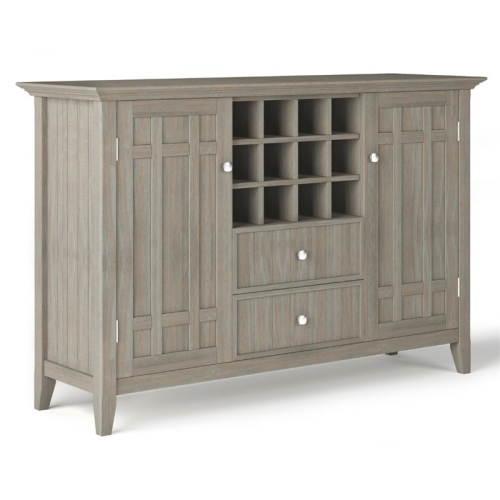 Your price for this item is $1463.19
 -
 Your price for this item is $1454.75
 -
 Your price for this item is $593.99
 -
 Your price for this item is $382.68
Discover more categories related to Farmhouse Kitchen Cupboards
Top Collections:
Pokemon Centers, Kindle Devices, Best Budget Office Chairs, Apple iPhones 16, Best Laptops for Writers, iPhone 15 Apple, Canon G7X Cameras, Refurbished Apple Laptops, Alarm Clock, Motorola Razr Phones
Some products may be subject to Environmental Handling Fees
(EHF) depending on your province.
Learn more about EHFs.