White Farmhouse Cabinets
Add a touch of rustic charm to your home with our white farmhouse cabinets. Whether you're looking to display your favorite decor pieces or keep your essentials organized, these cabinets are sure to elevate the look of almost any room in your home. Here are some great options for you.
Sort
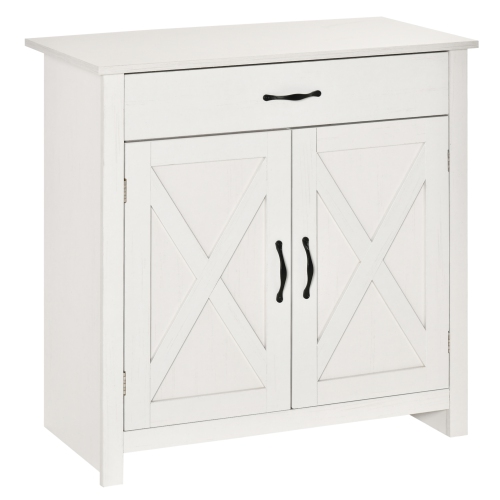
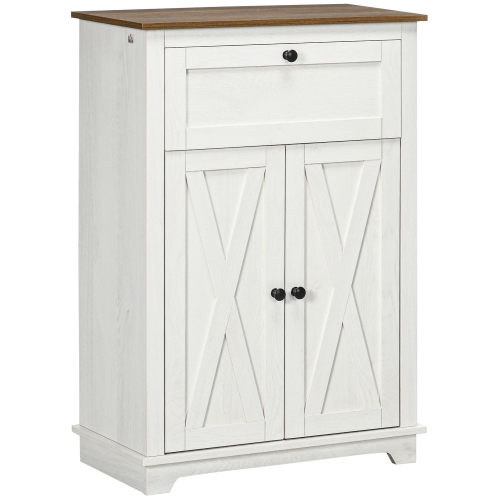
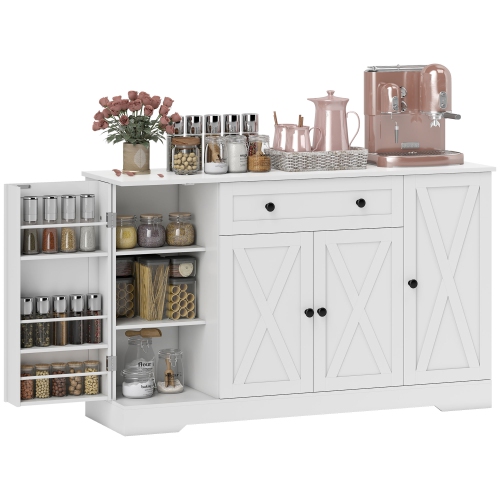
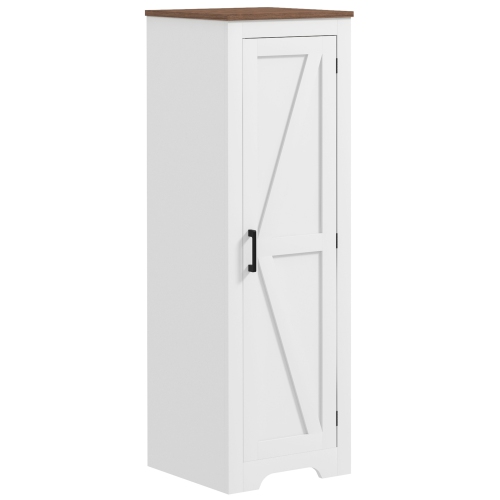
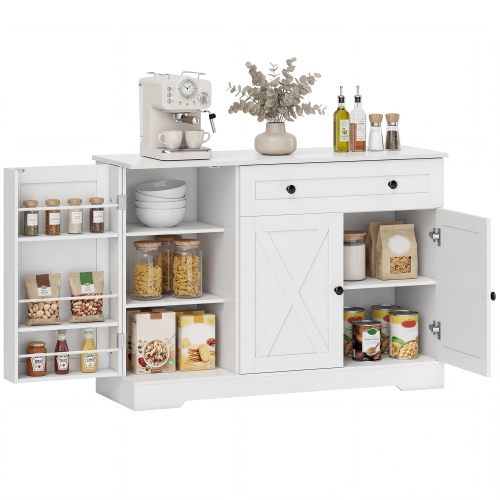
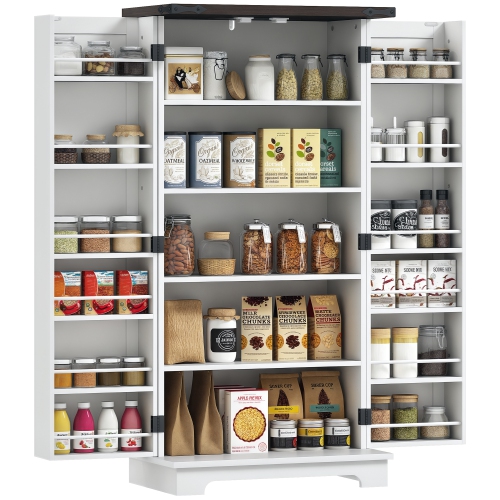
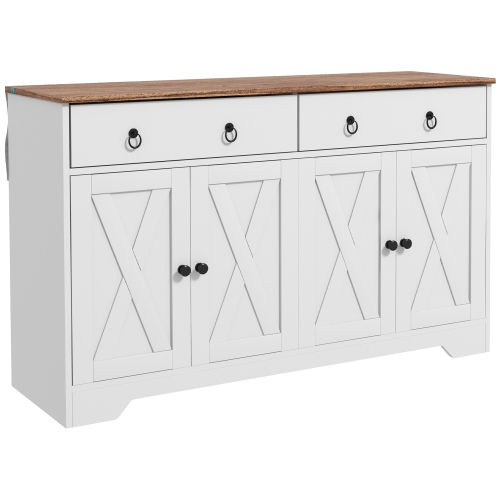
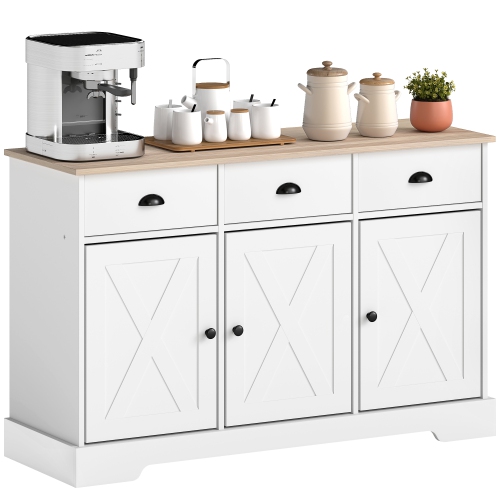
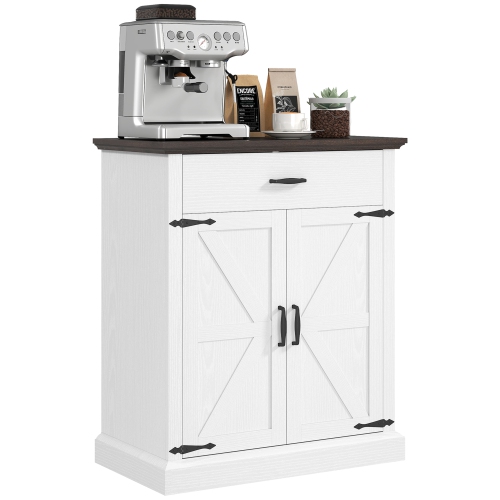
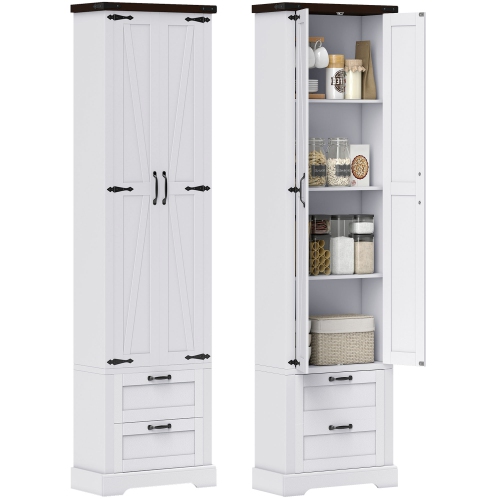
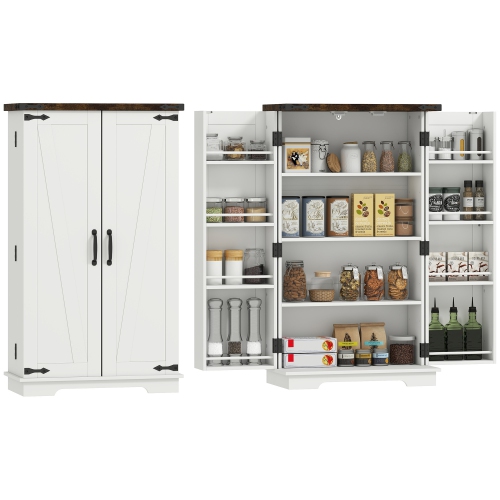
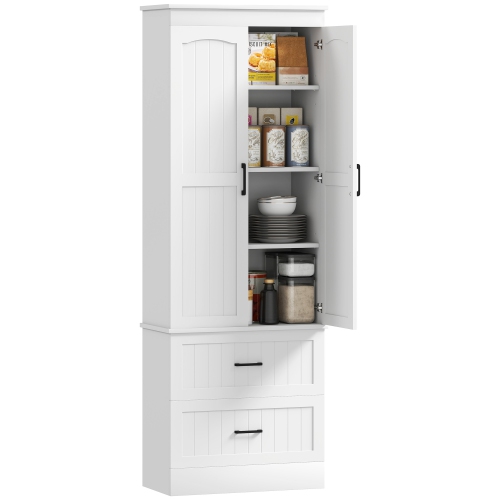
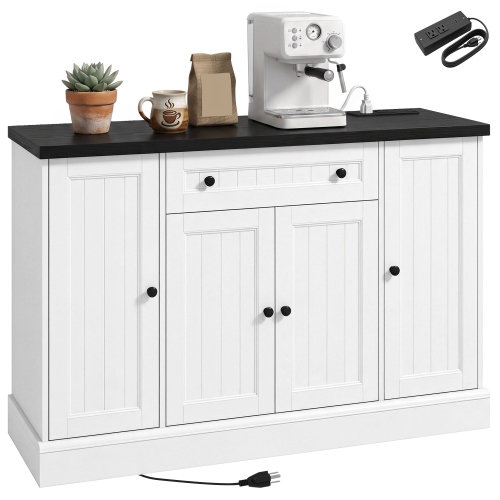
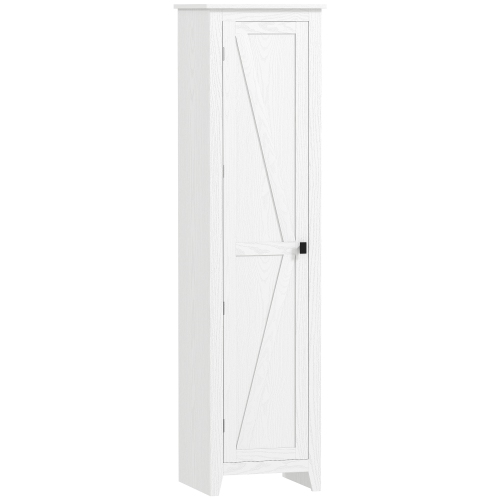
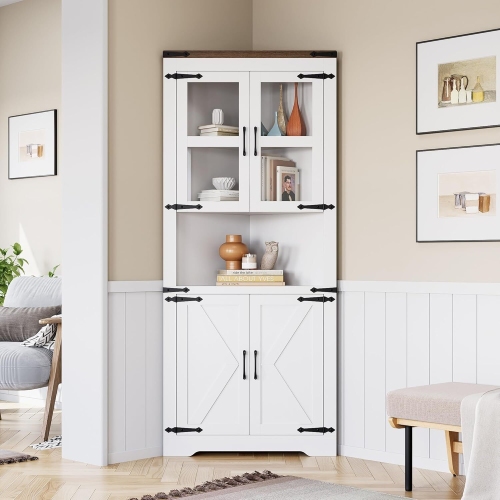
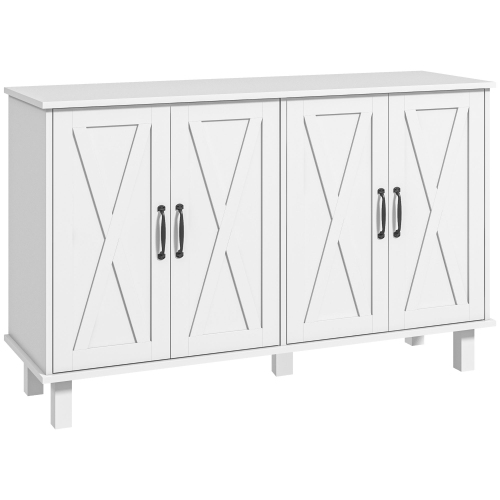
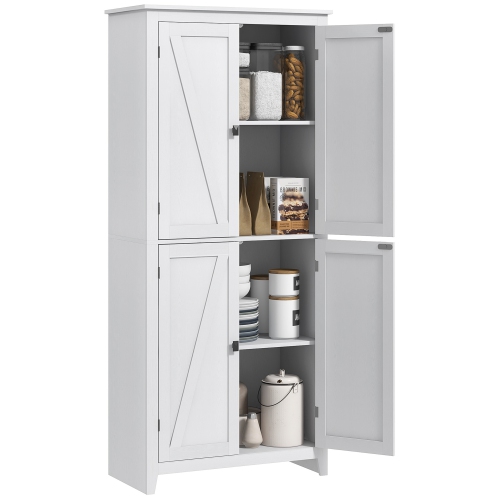
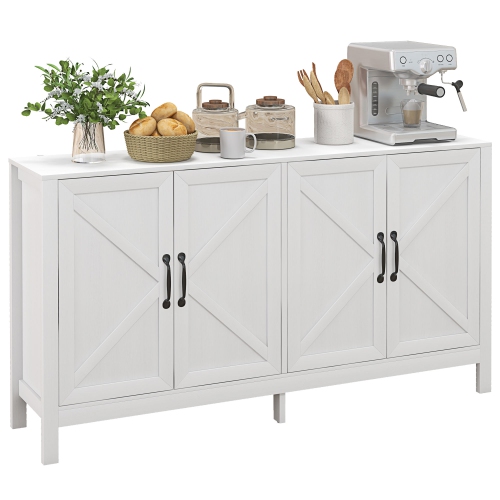
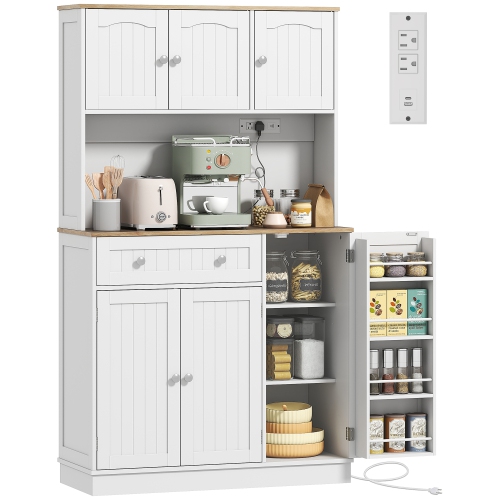
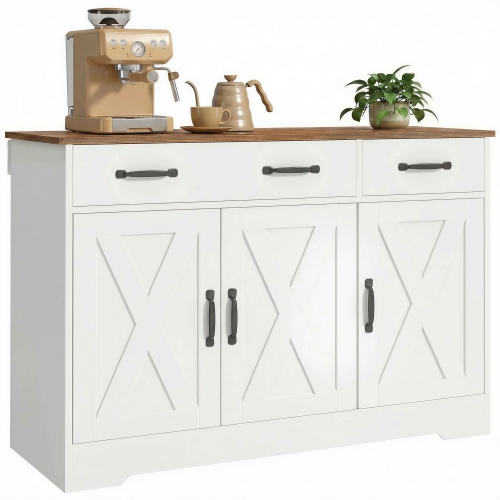
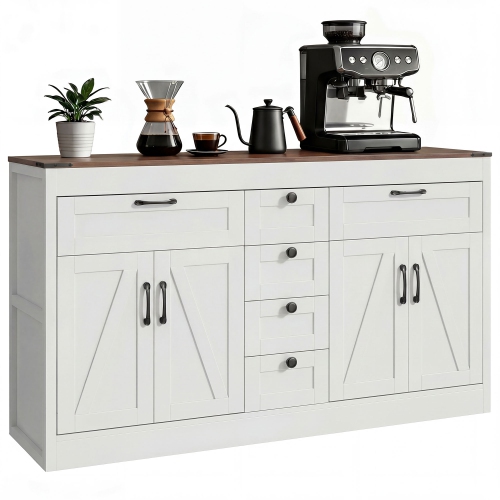
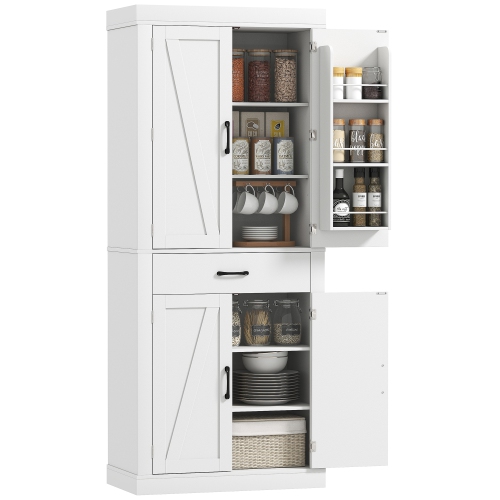
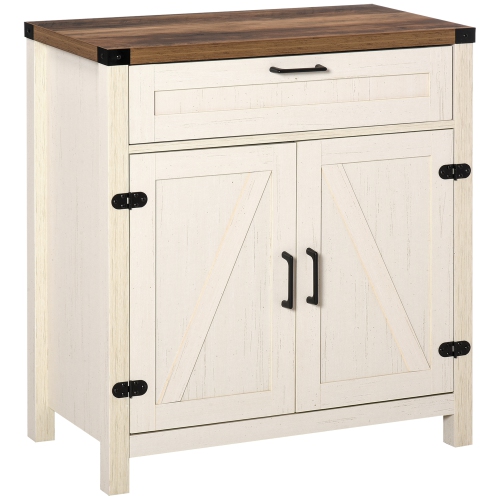
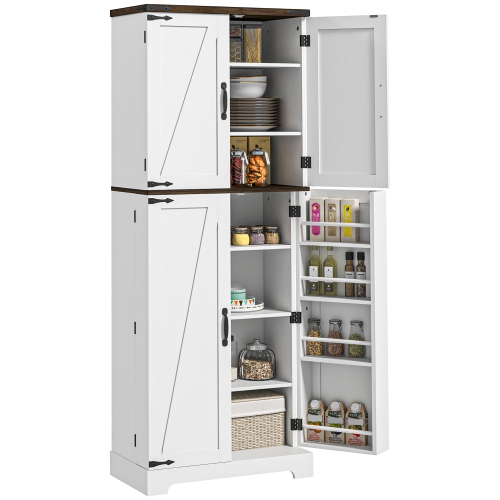
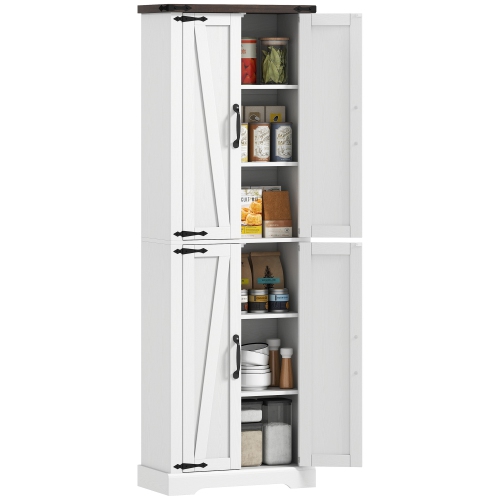


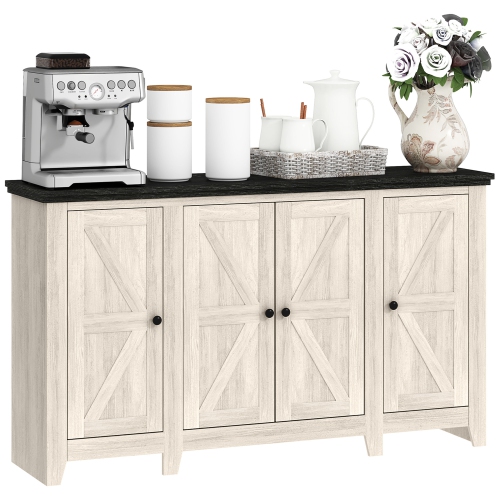
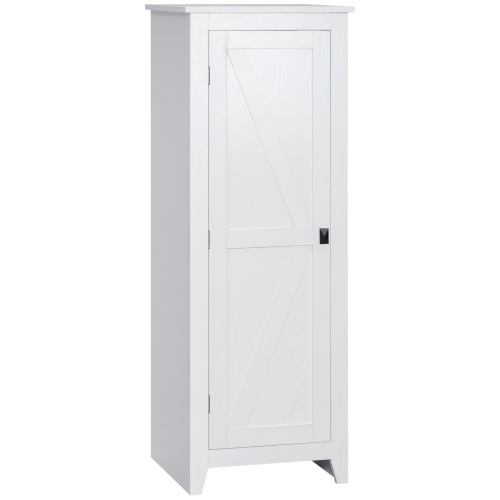
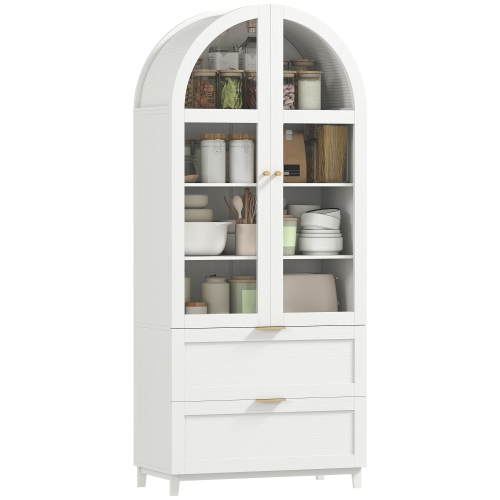
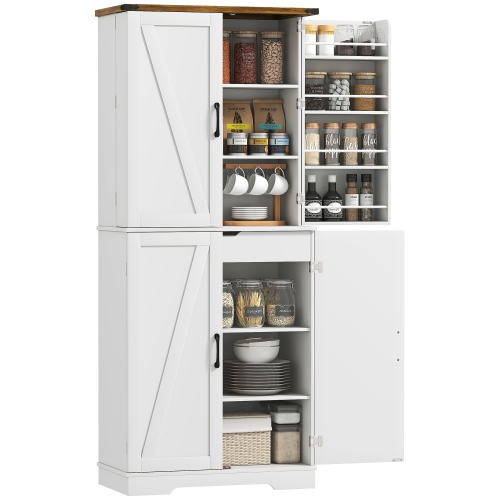
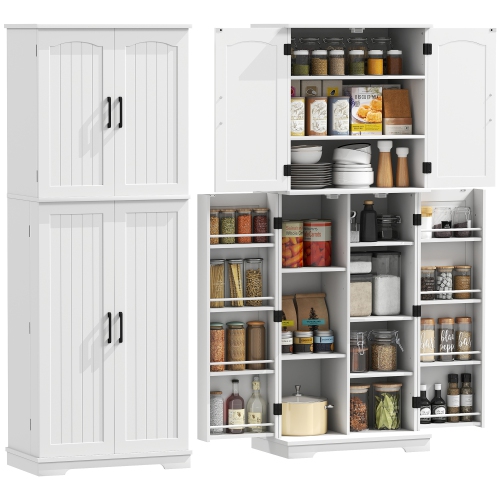
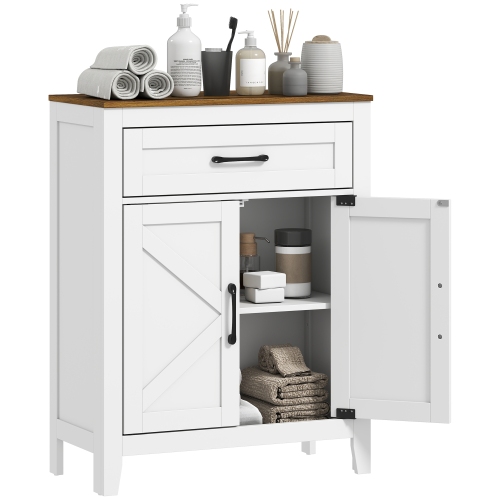
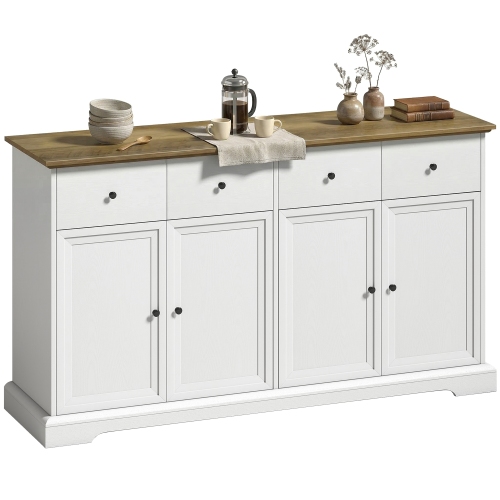
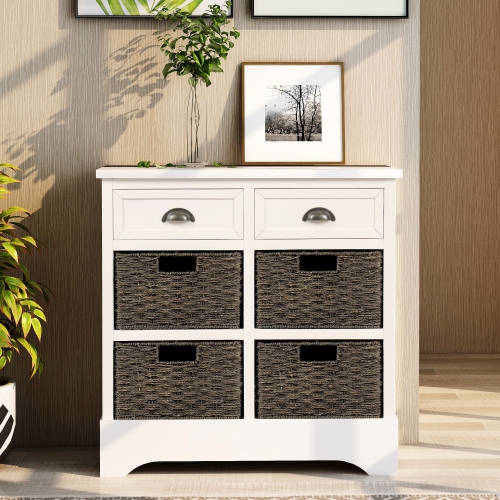
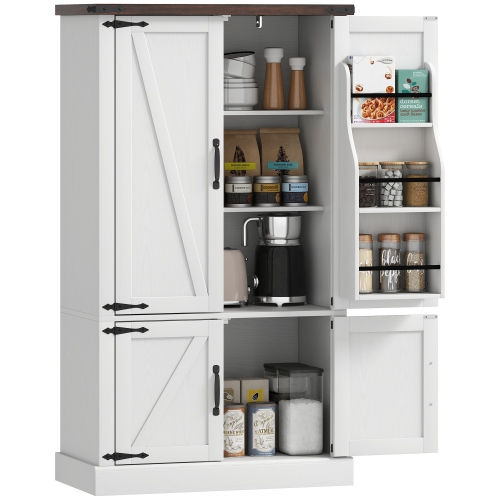
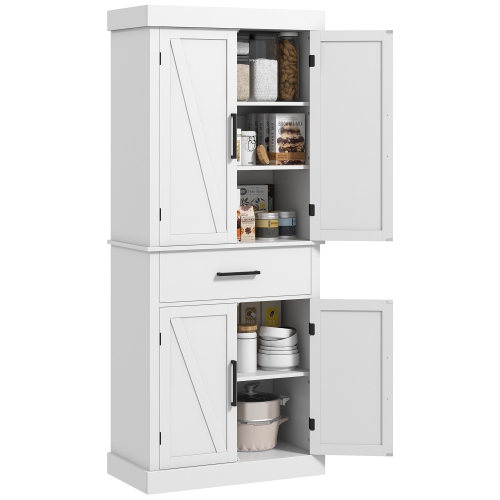
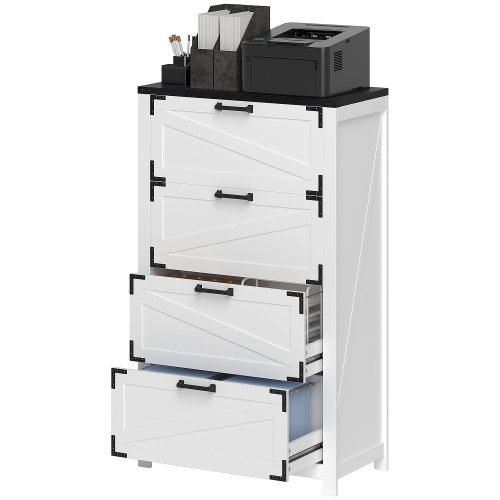
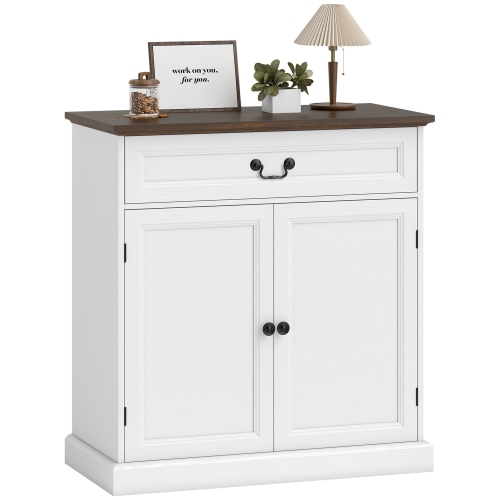
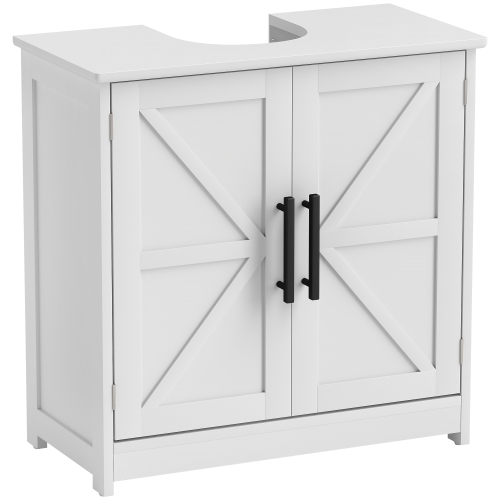
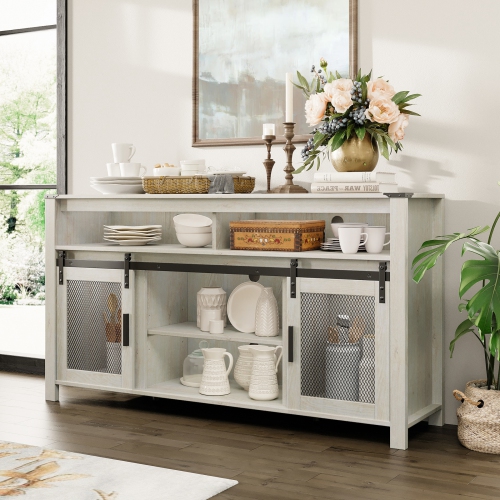
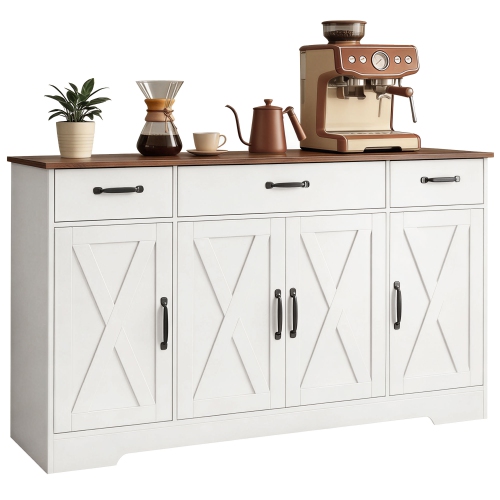
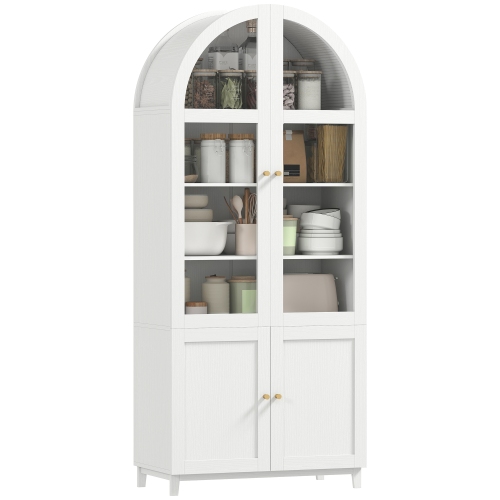
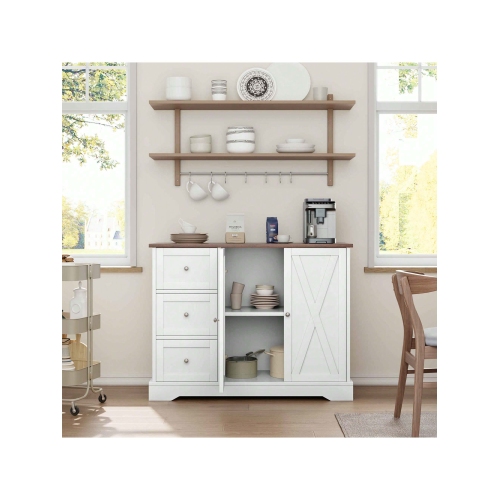
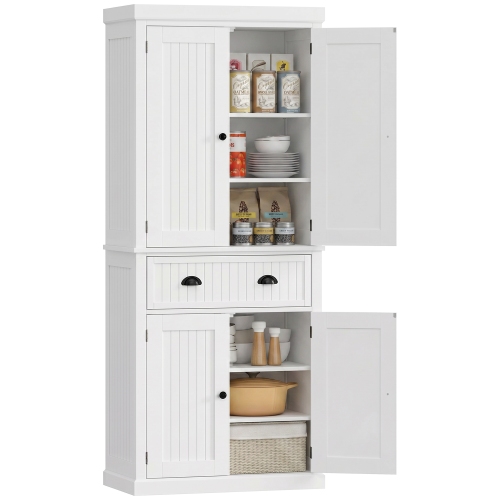
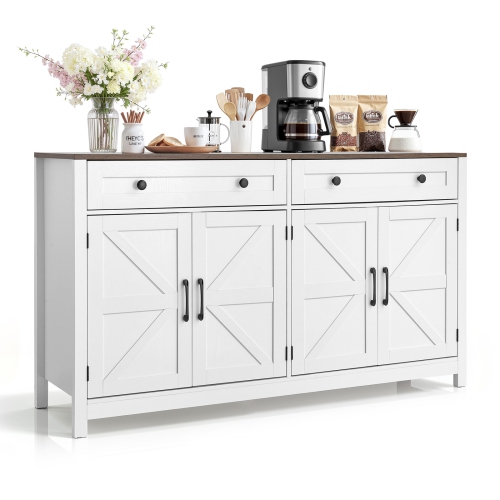
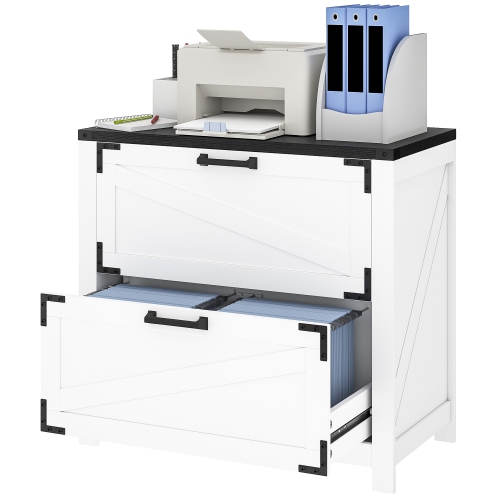
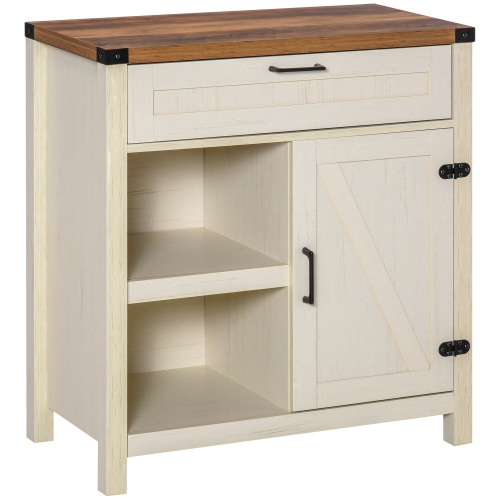
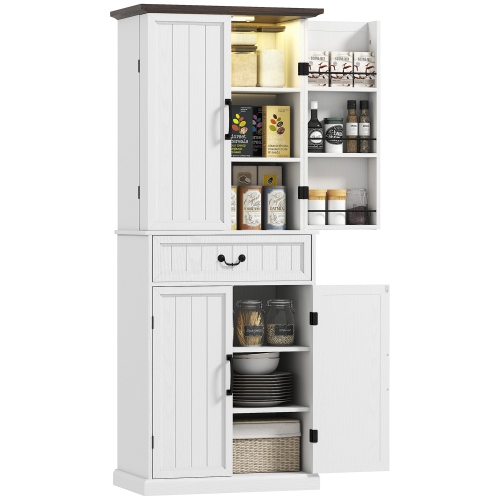
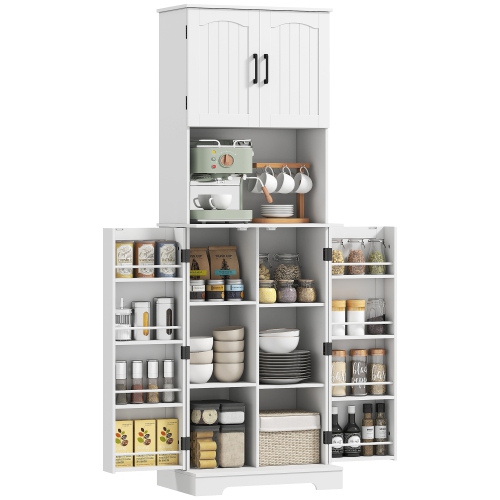
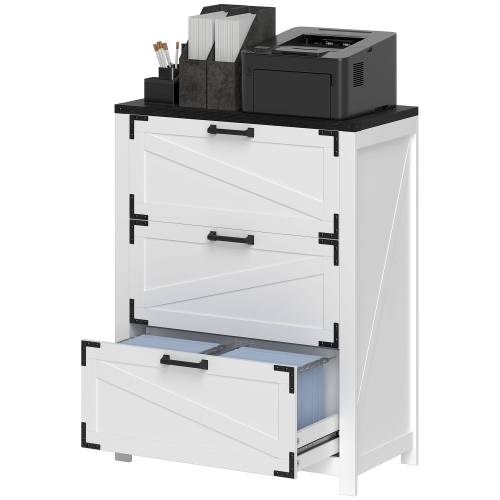
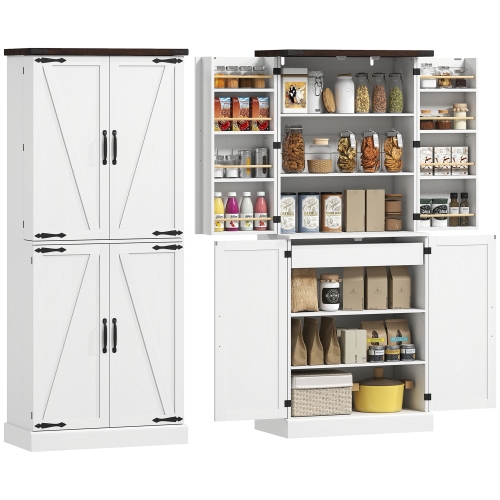
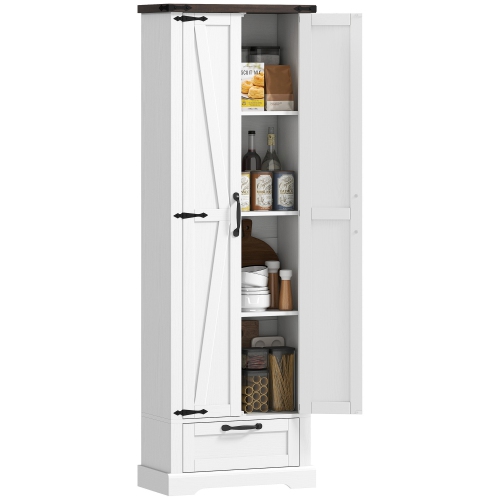
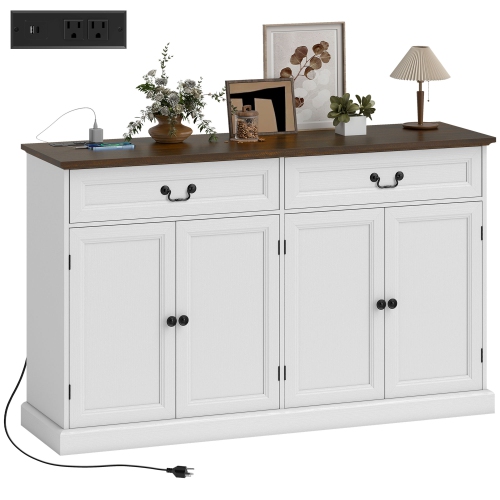
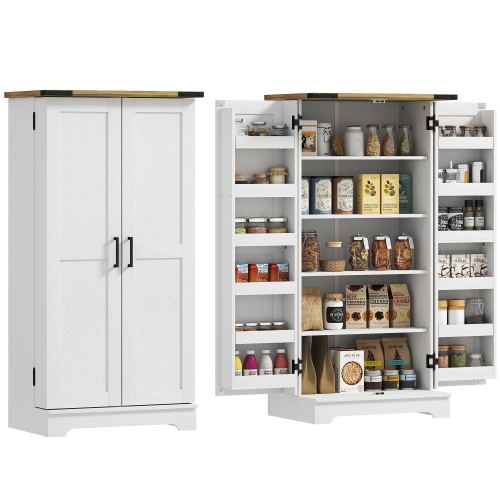
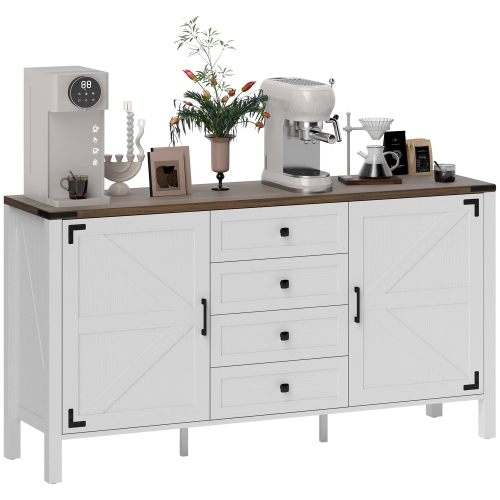
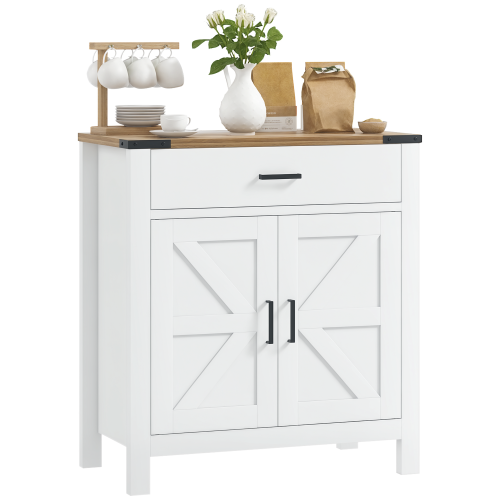

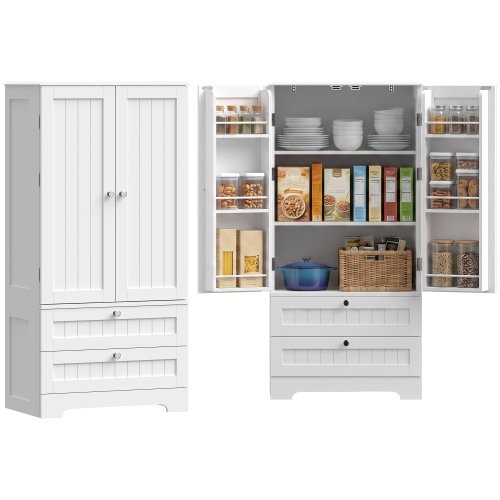
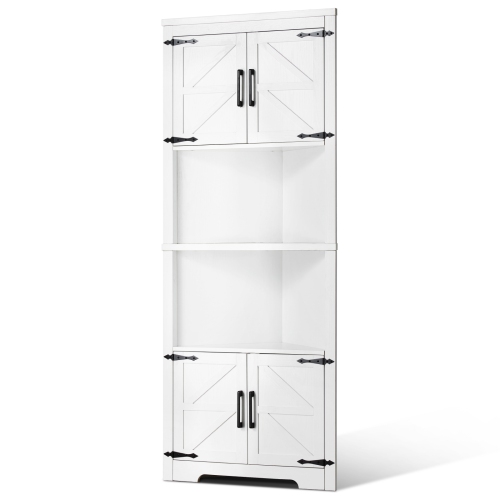
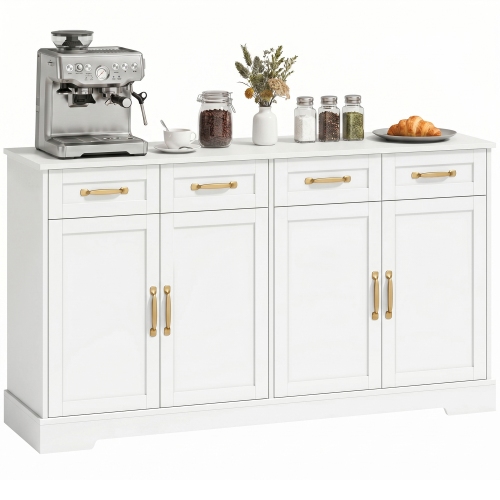
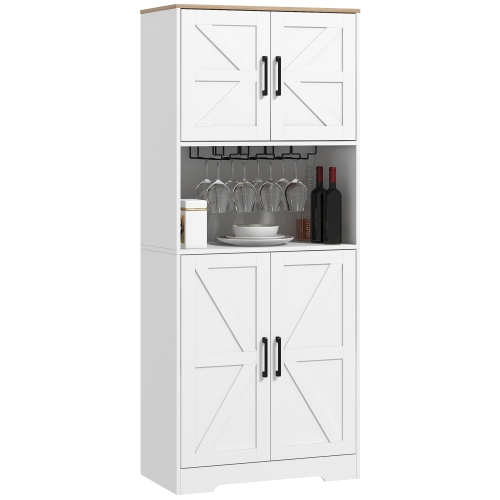
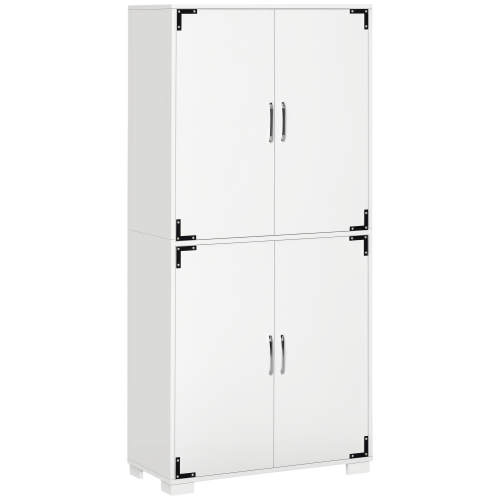

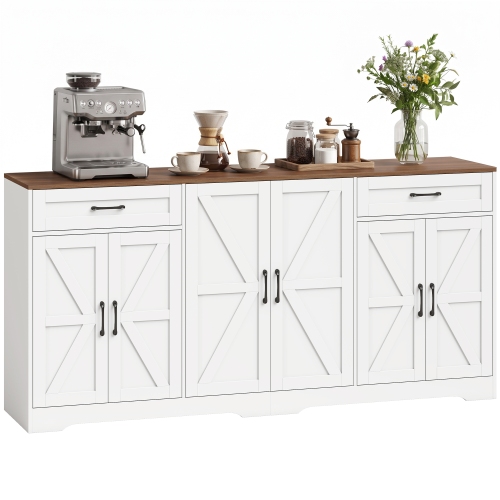
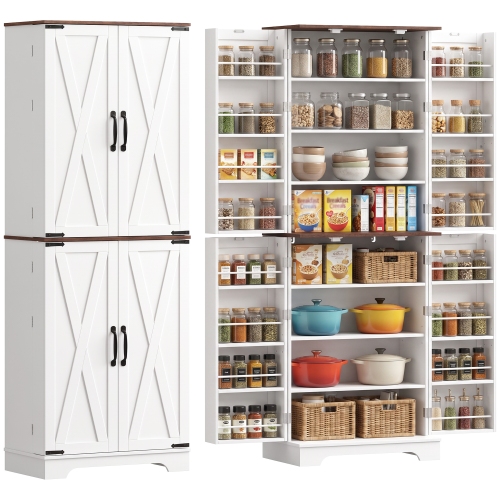
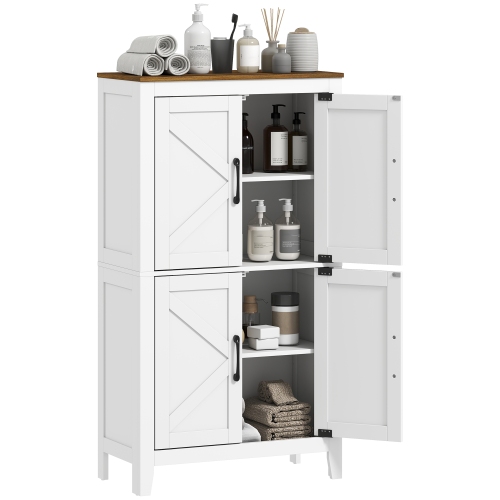
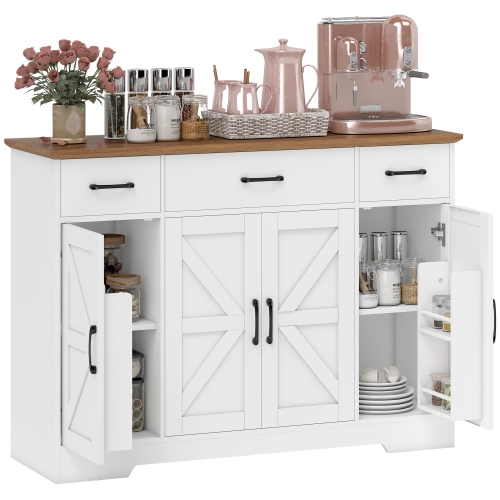
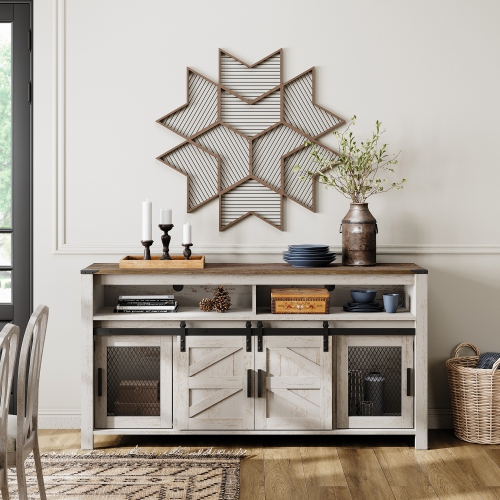
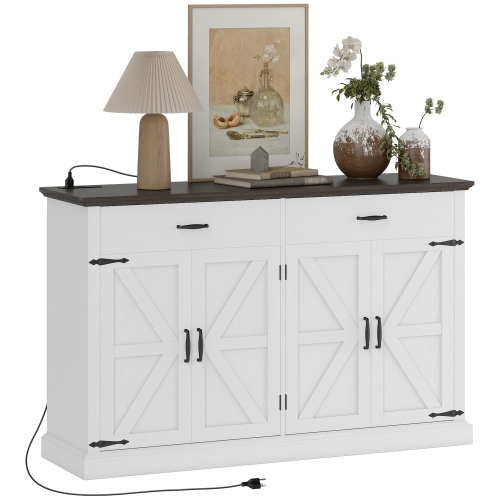
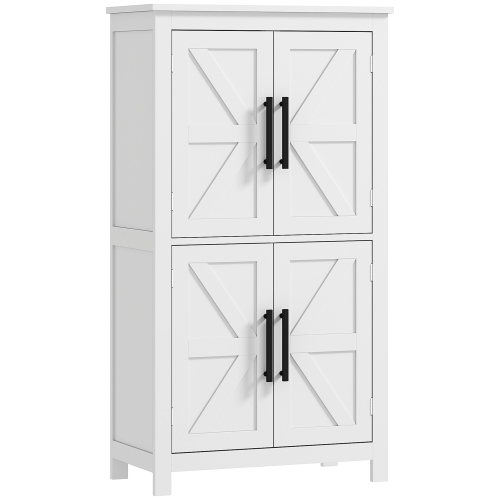
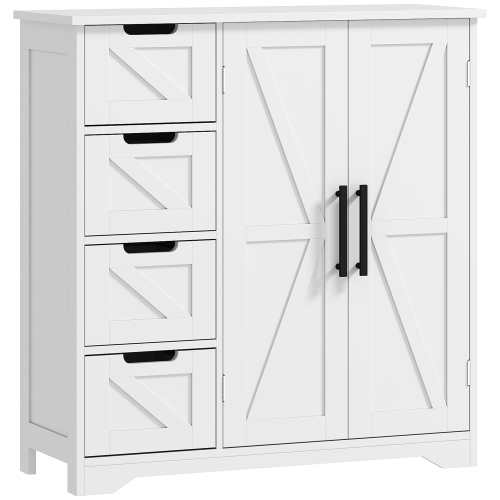
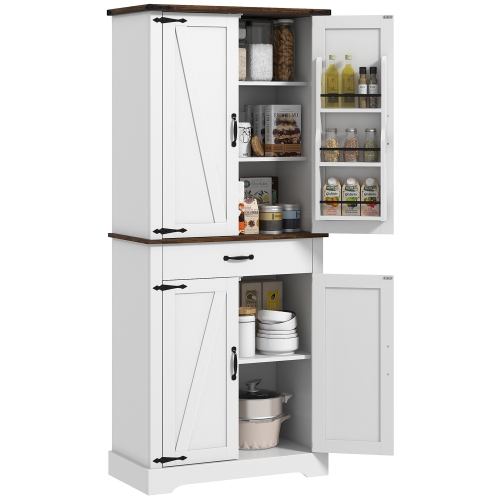
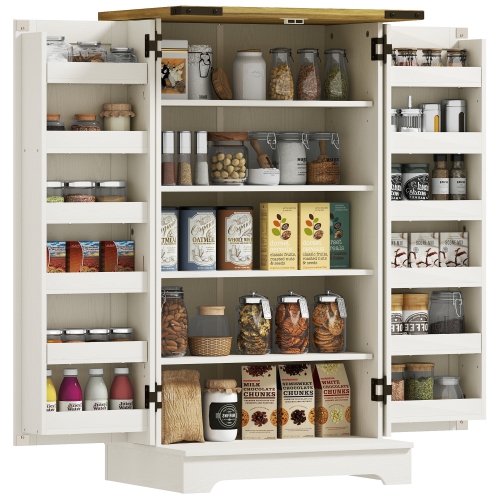
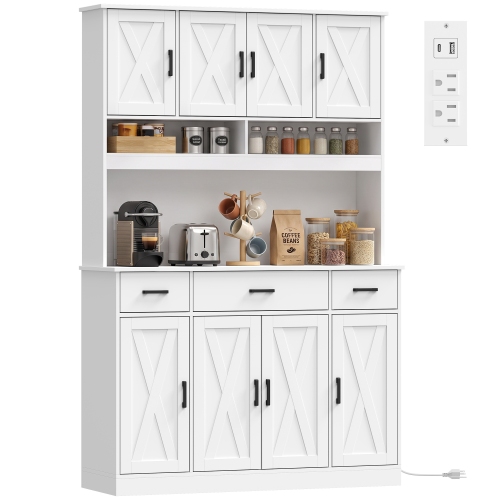
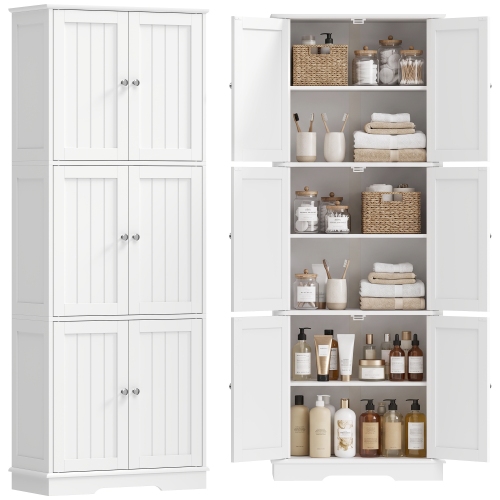
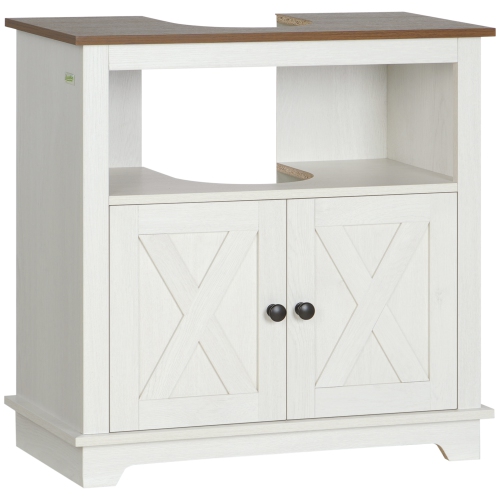
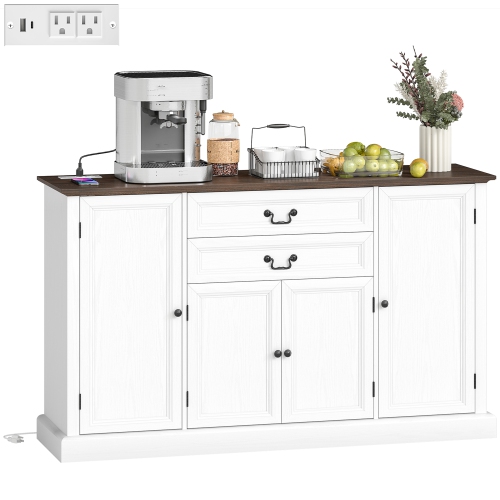
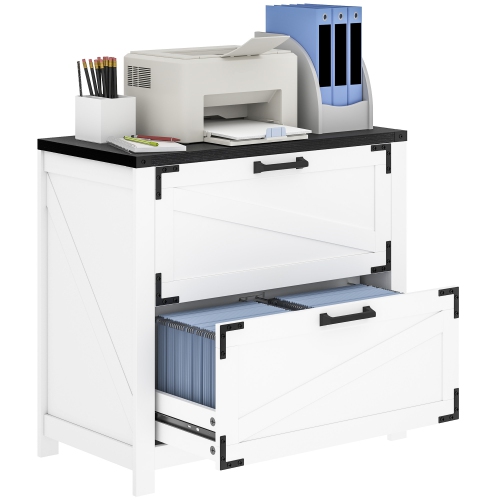
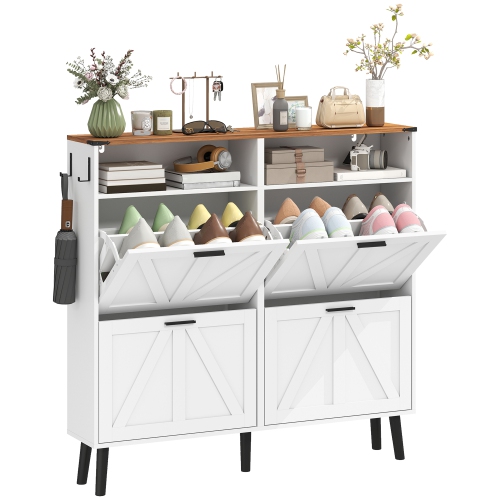
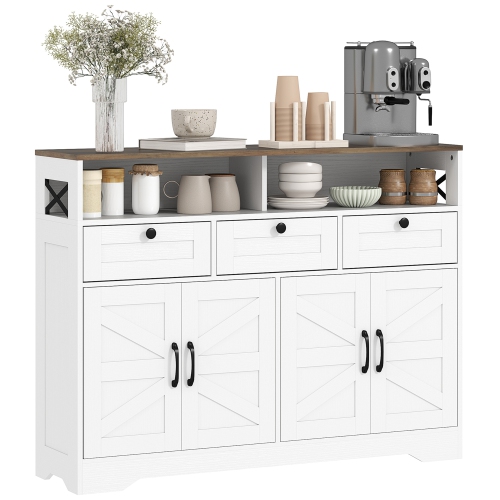

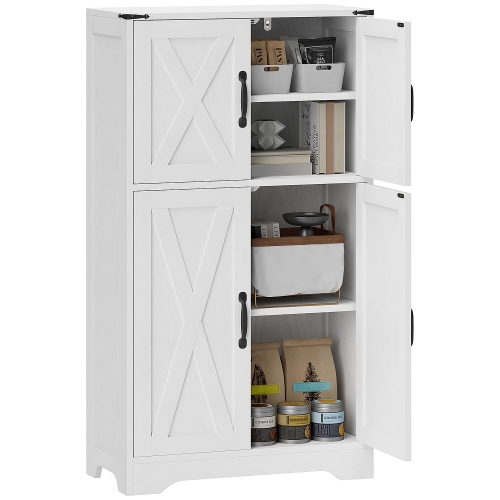
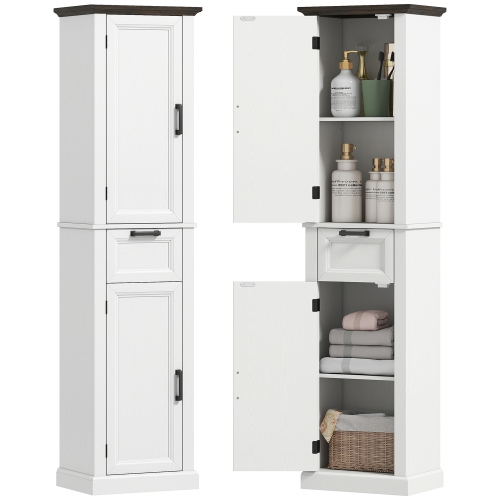
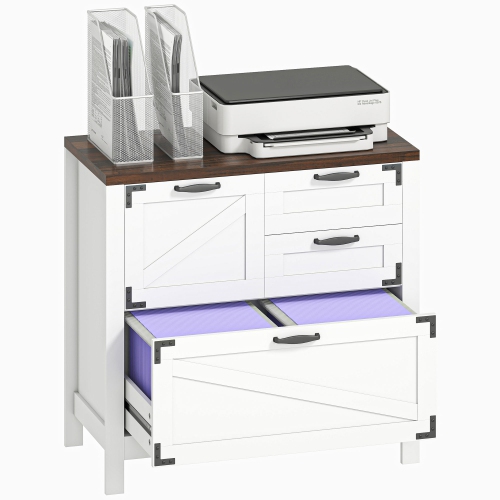
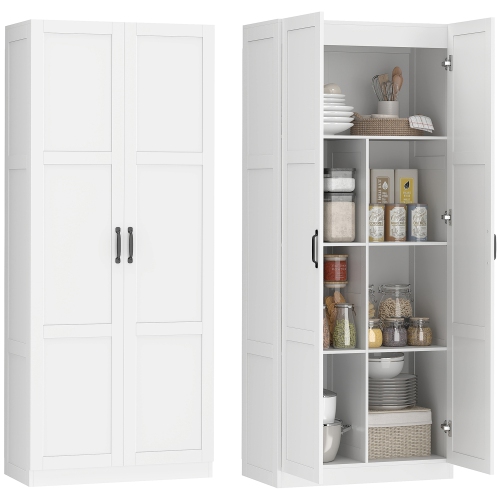
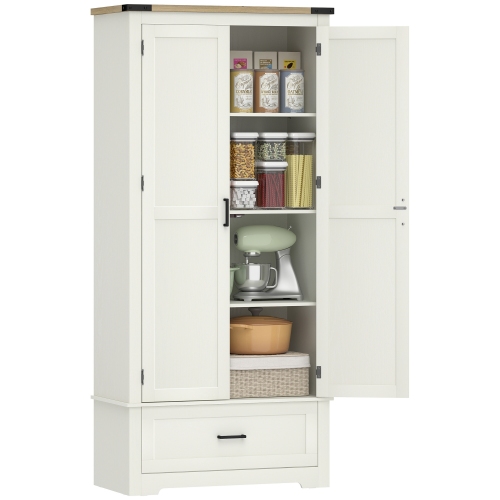
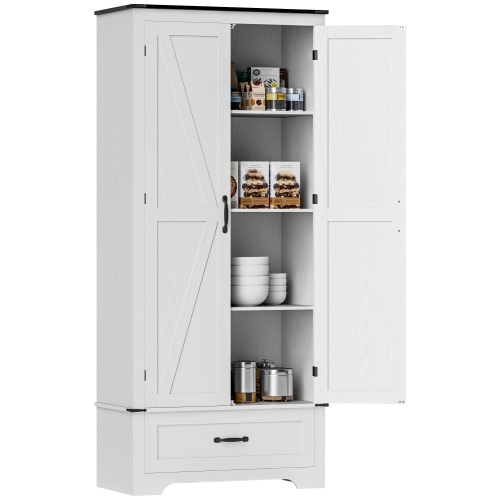
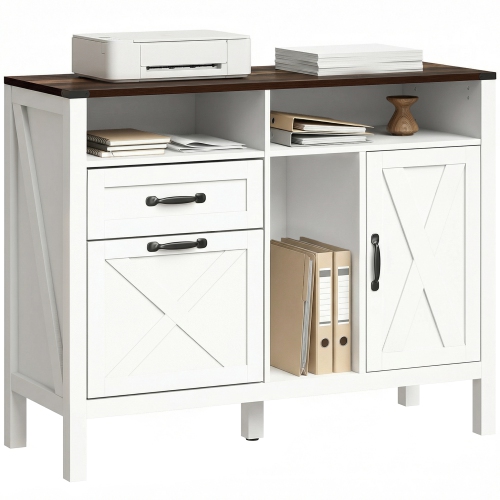
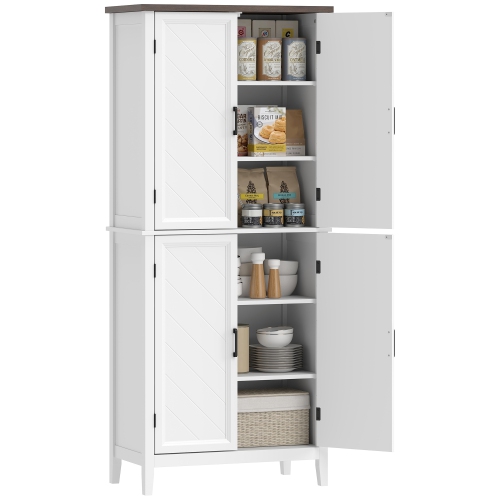
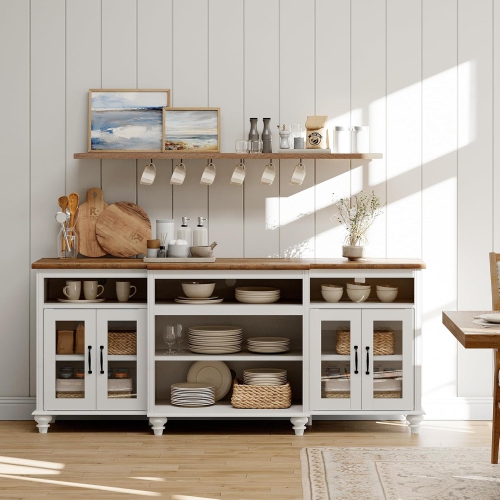
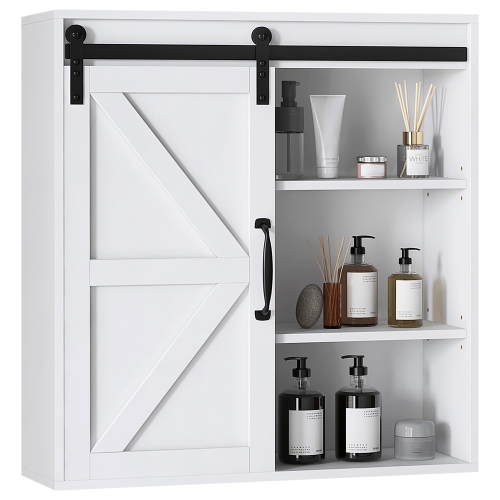
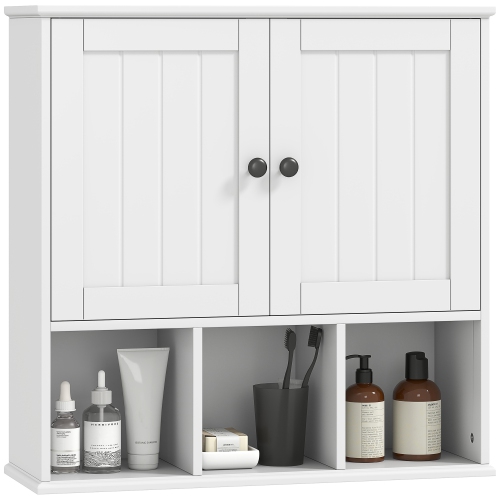
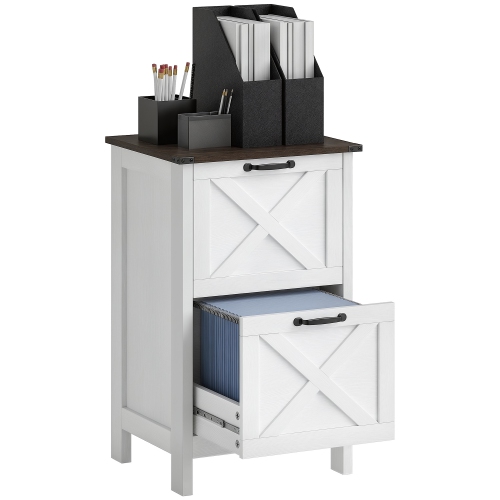
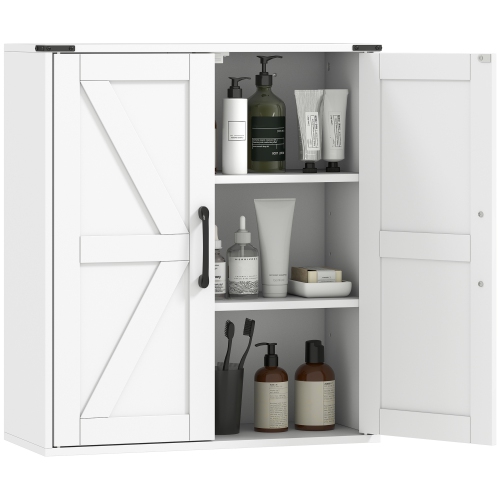
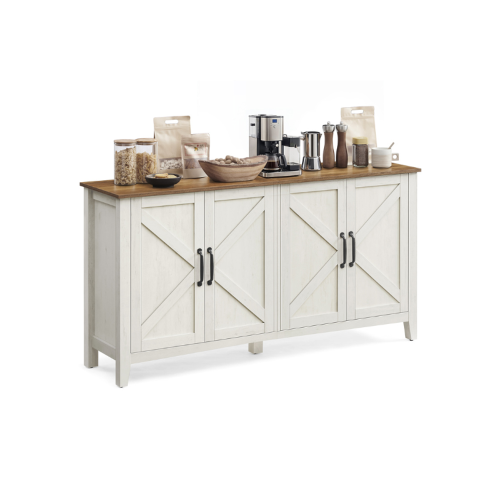
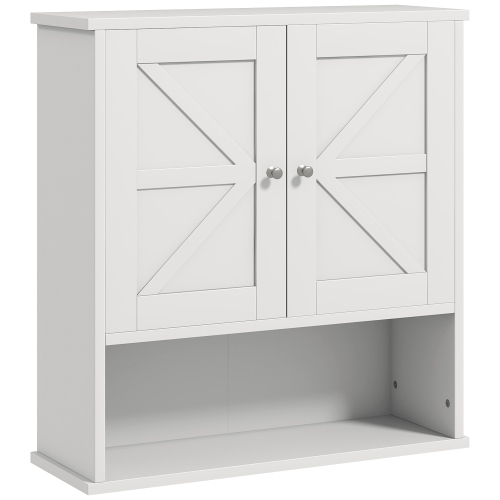
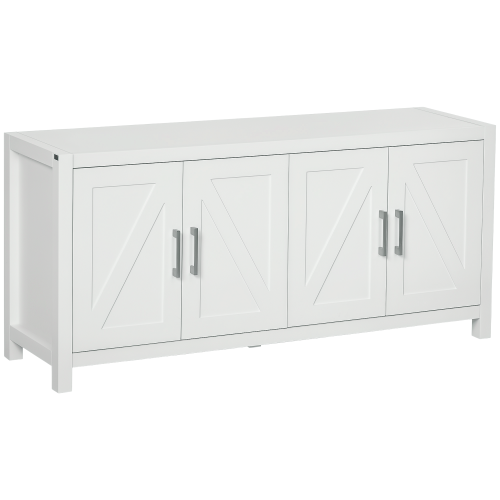
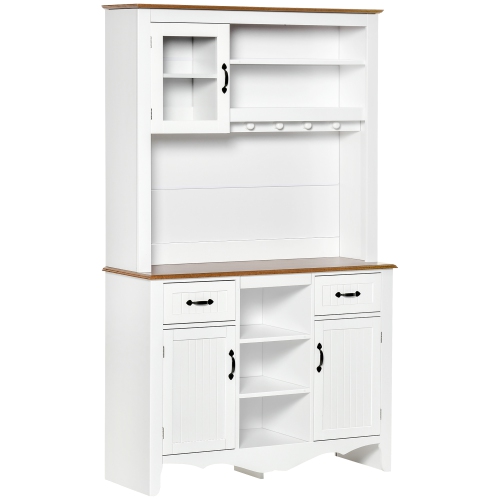
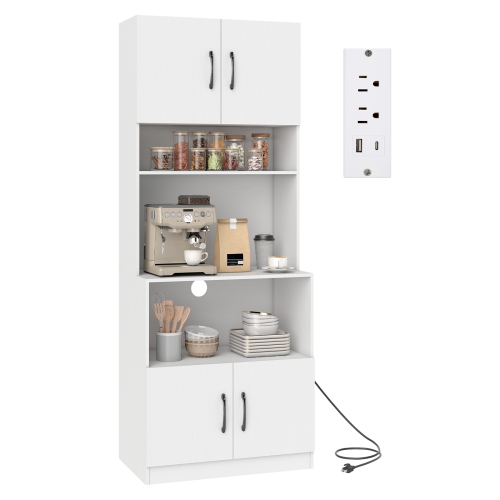
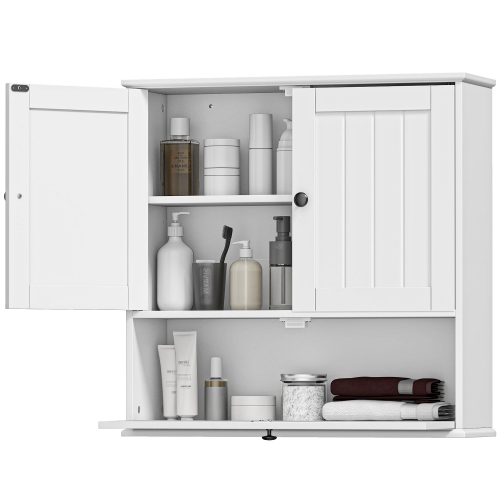
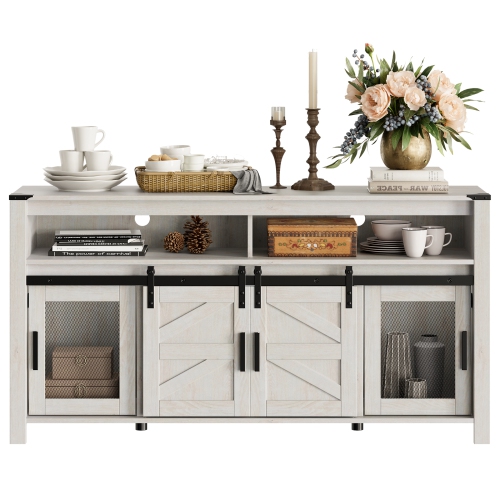

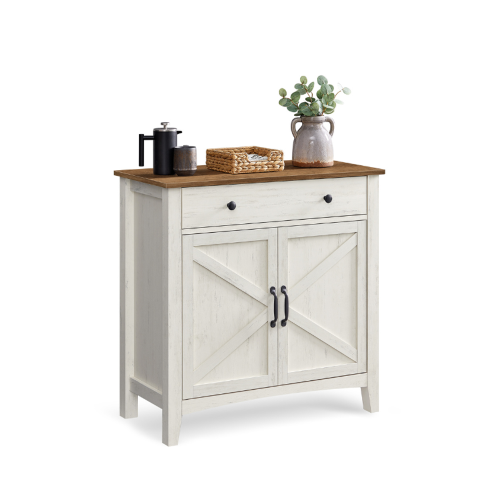
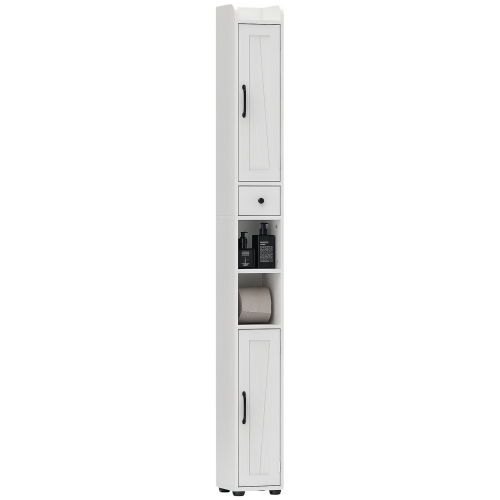
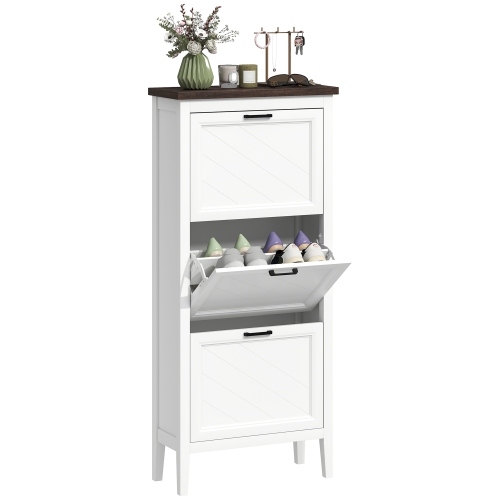
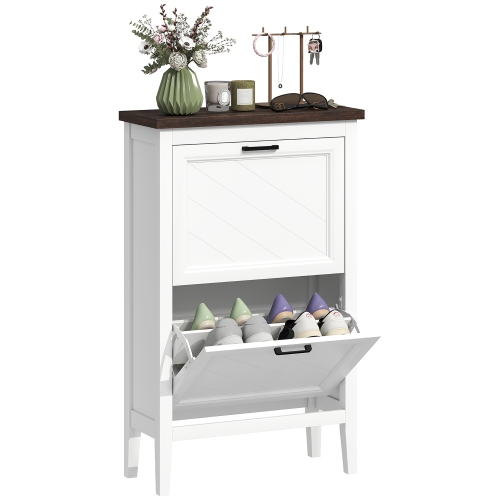
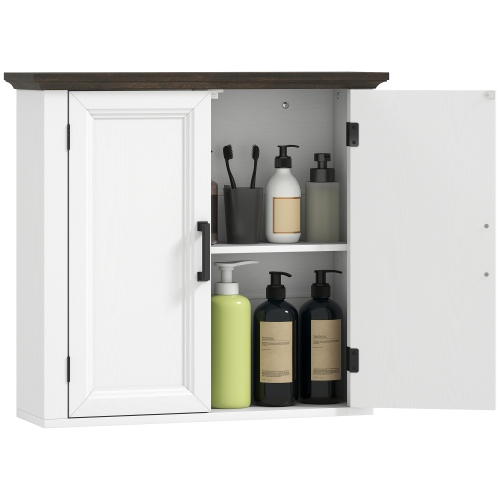

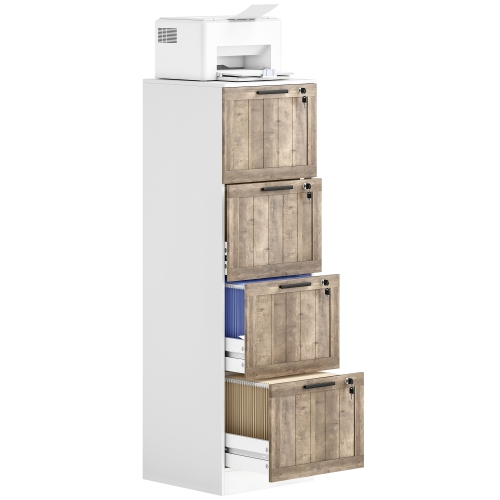
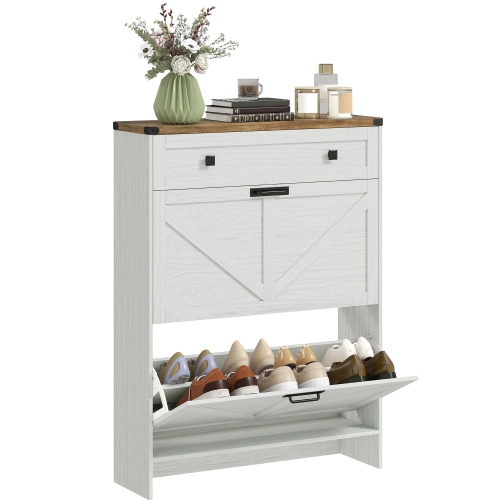
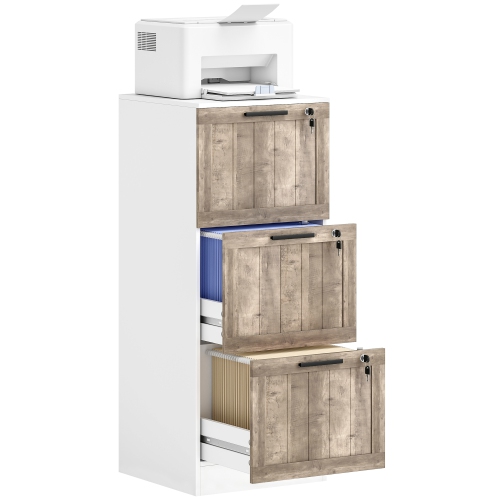
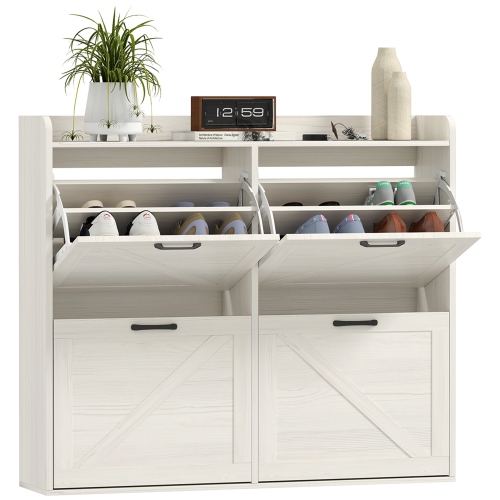
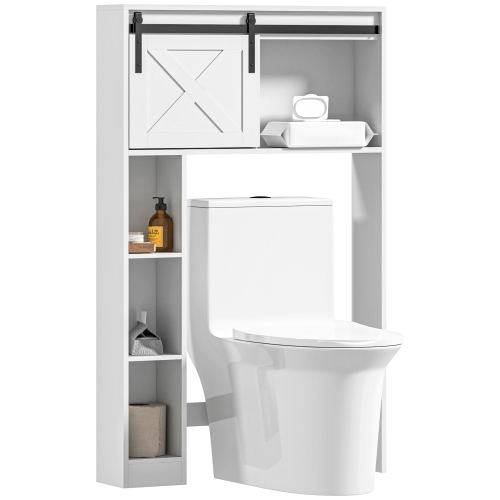
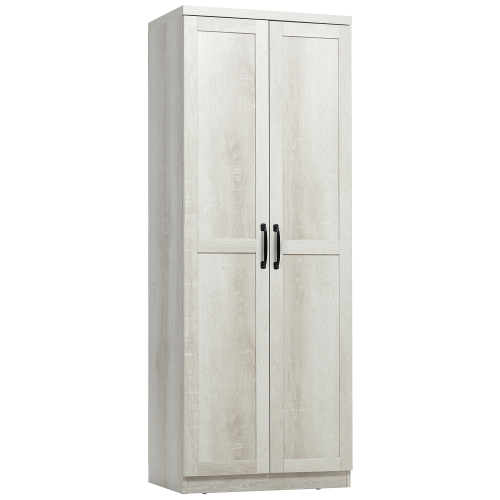
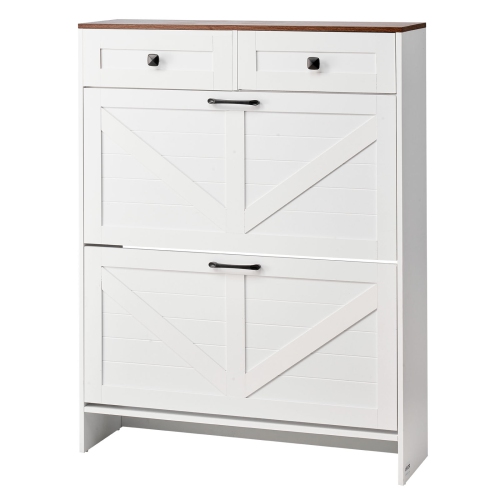
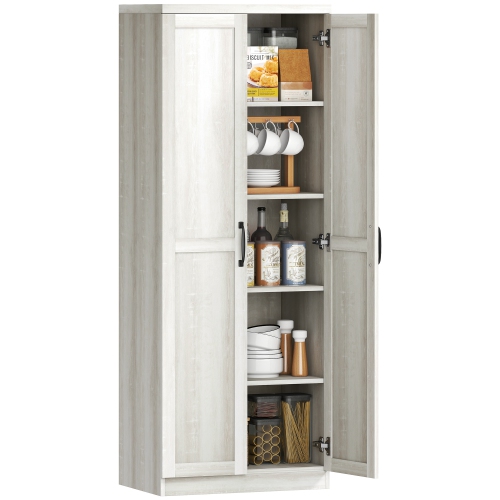
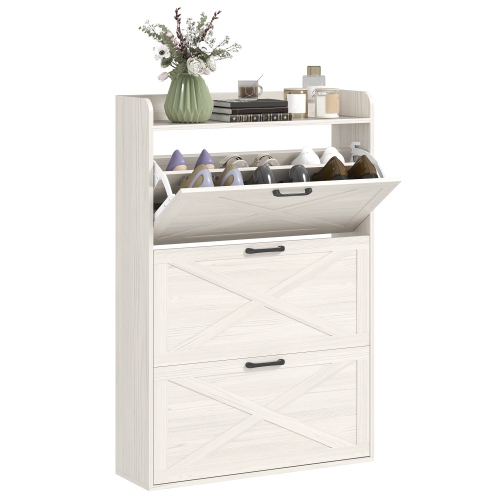
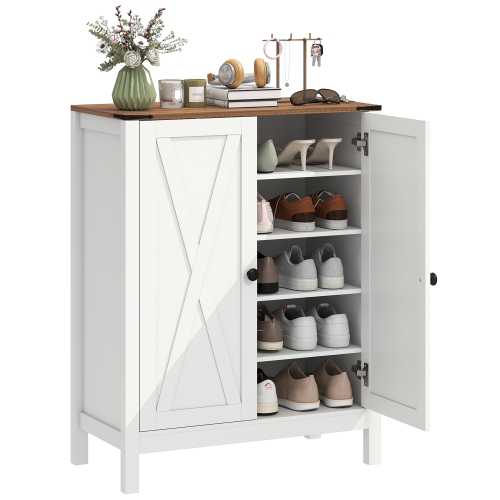
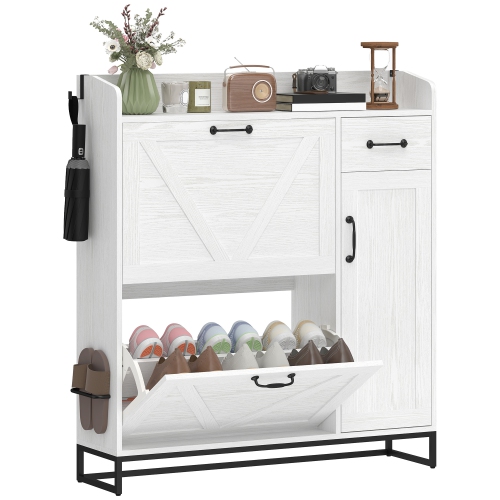
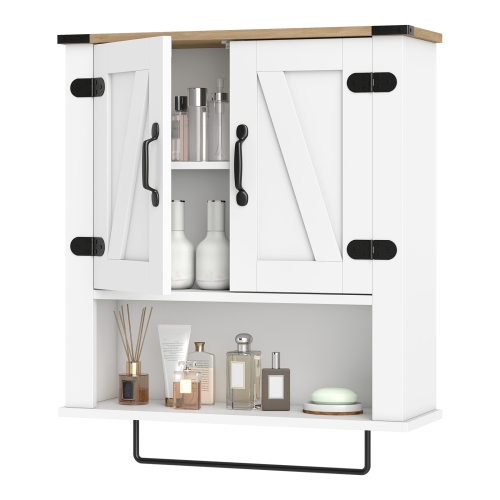
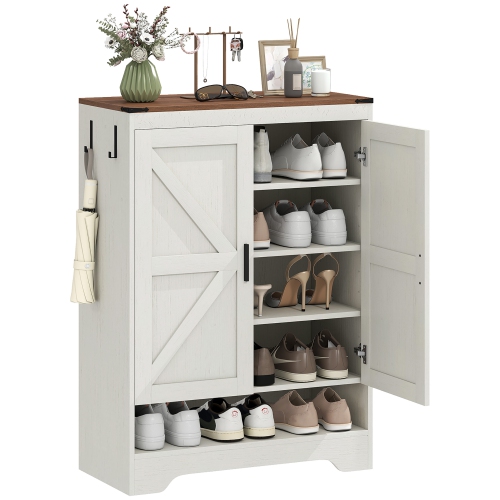
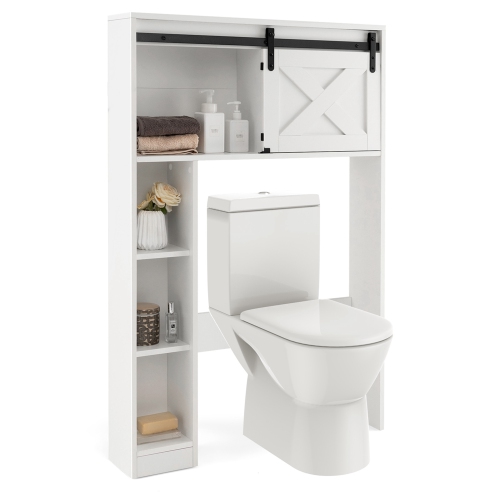
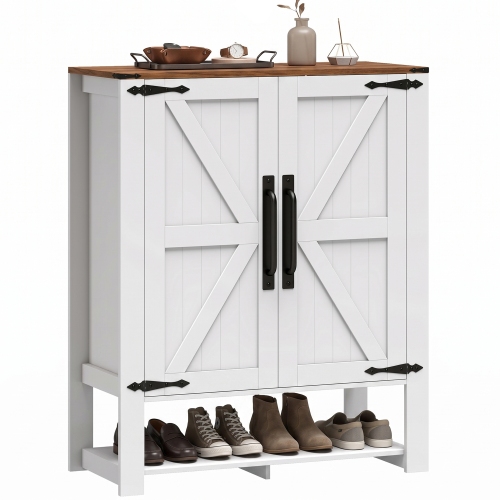
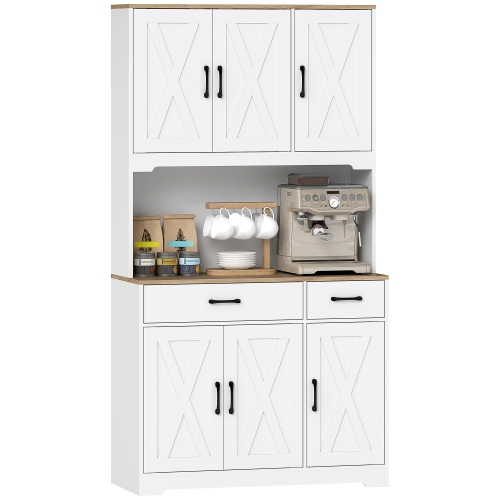
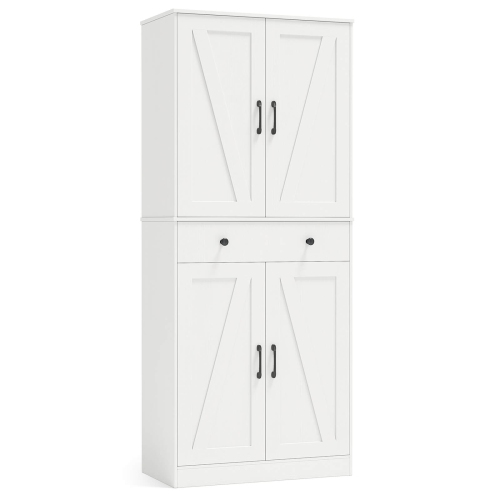
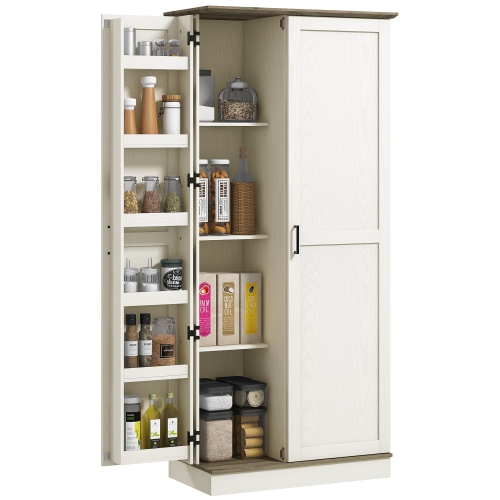
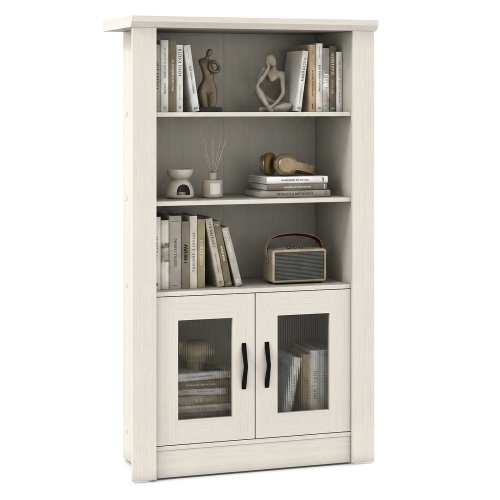
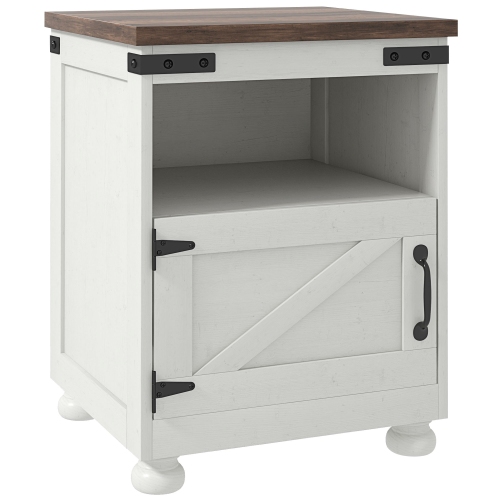


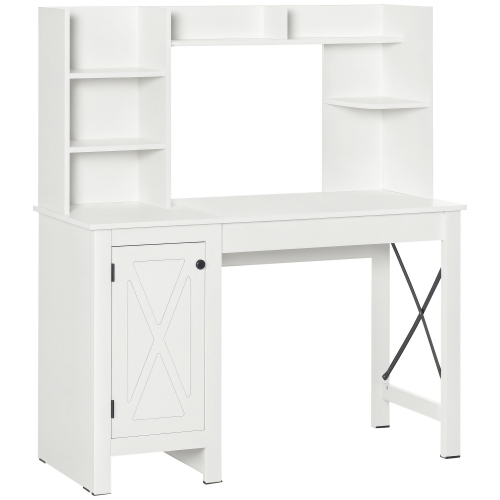
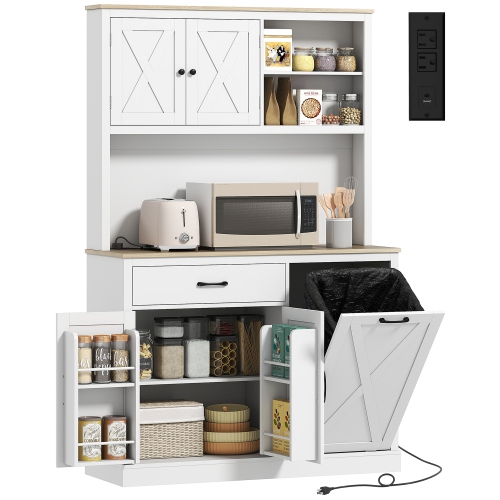
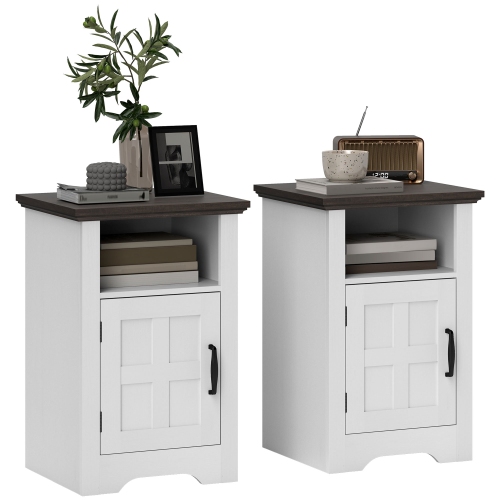
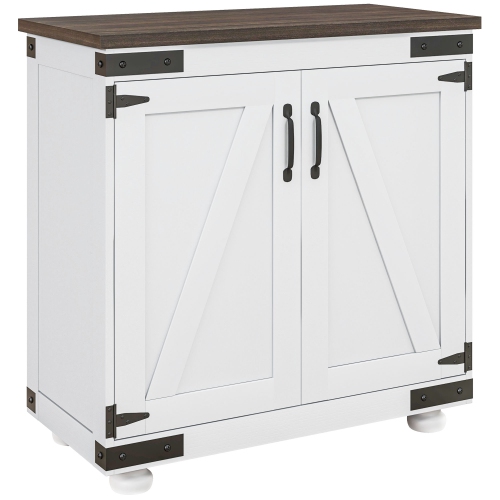
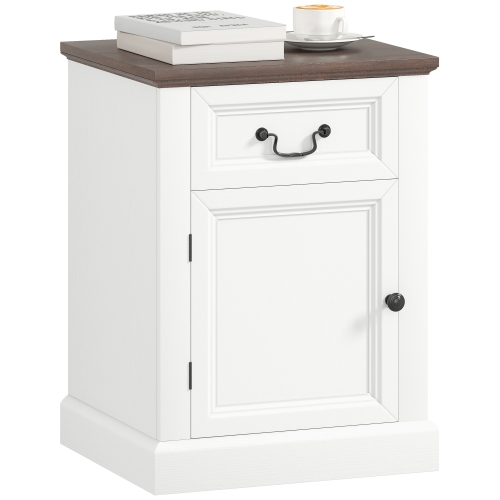


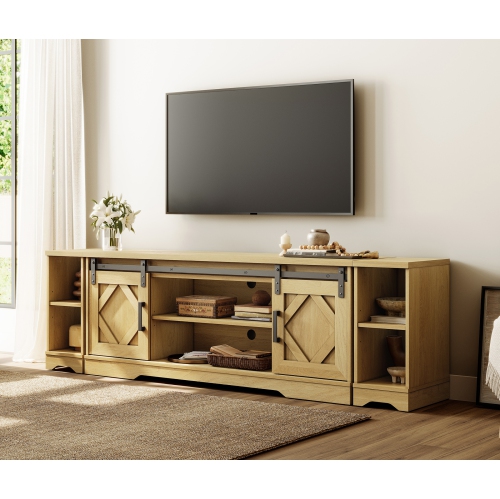
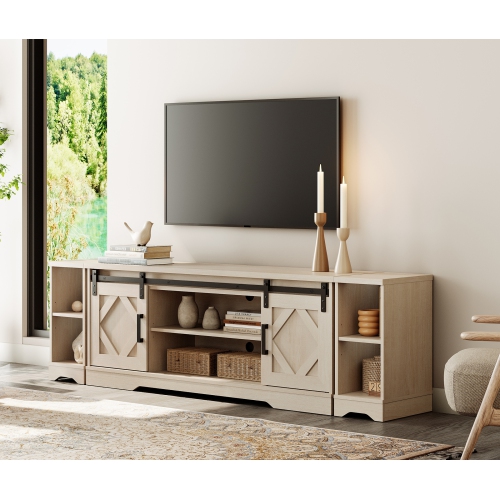
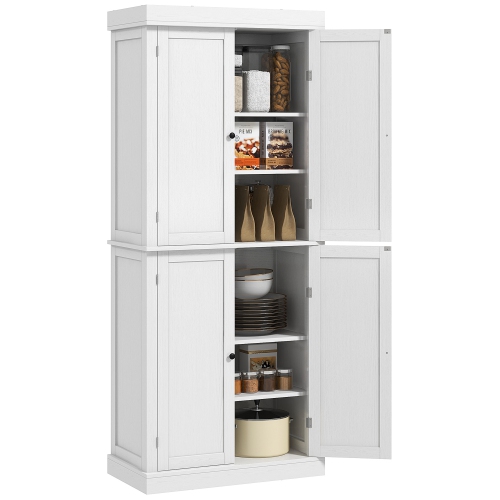

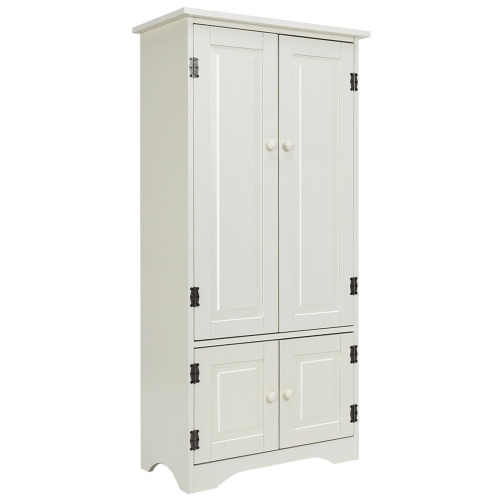
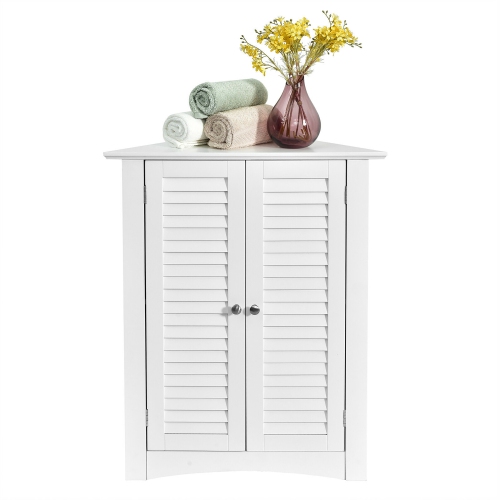
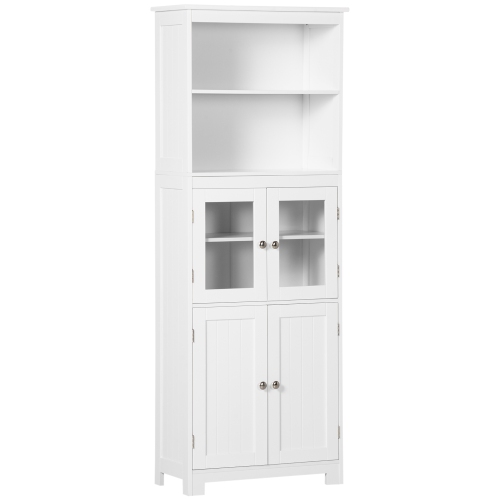

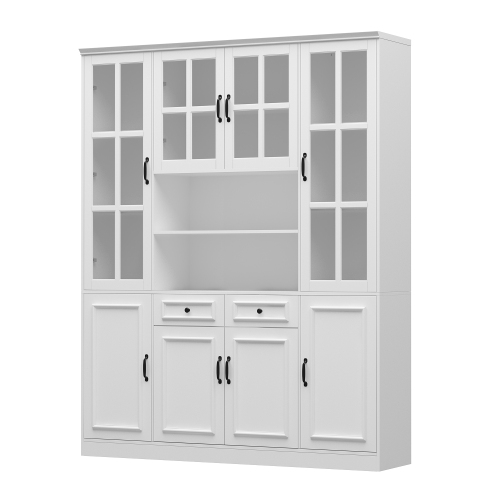
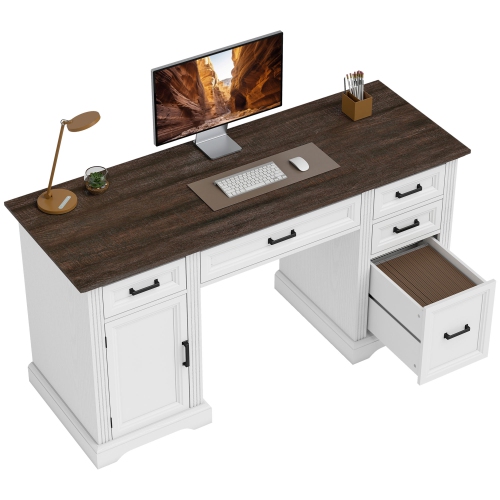
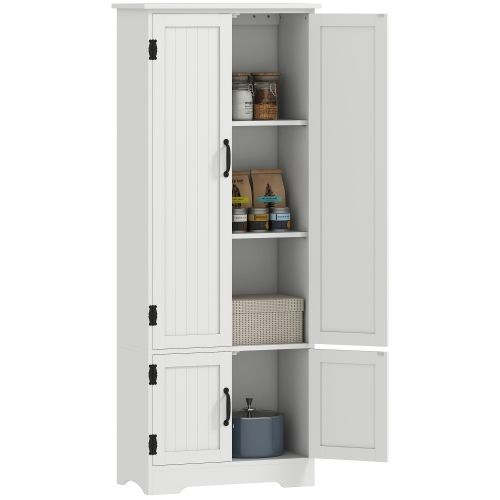
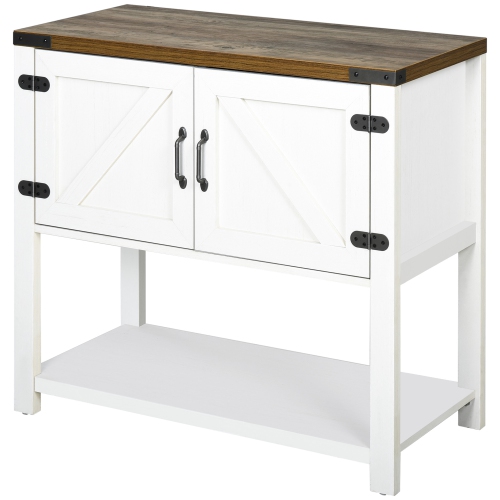
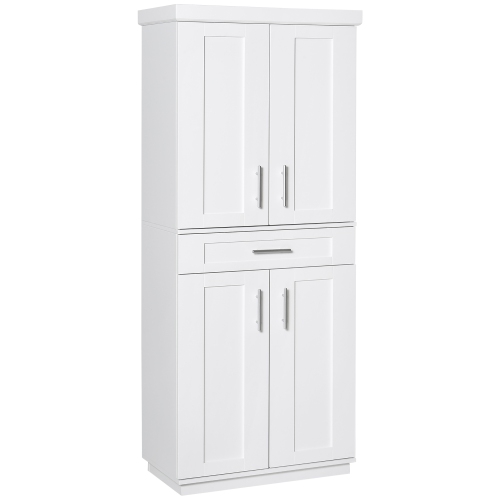
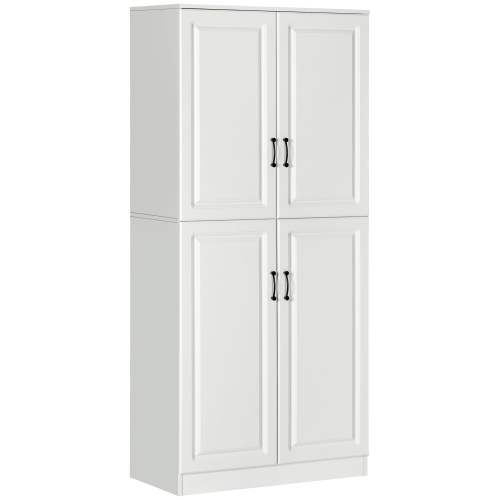
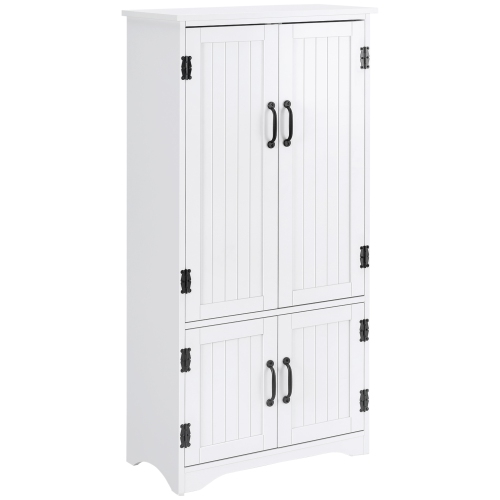
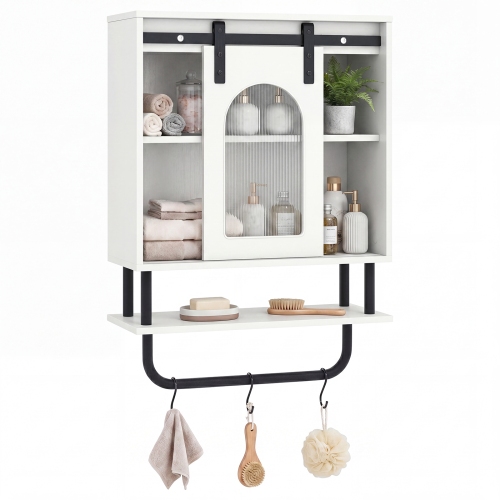
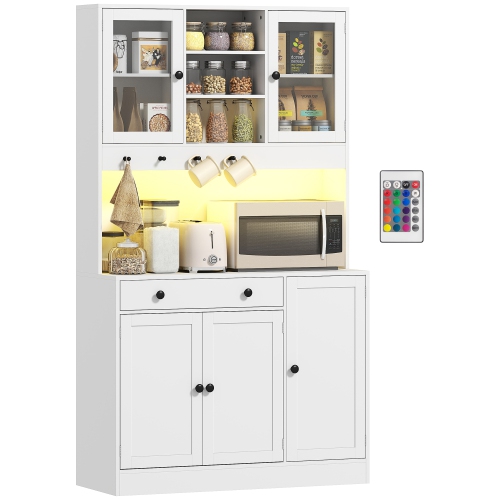
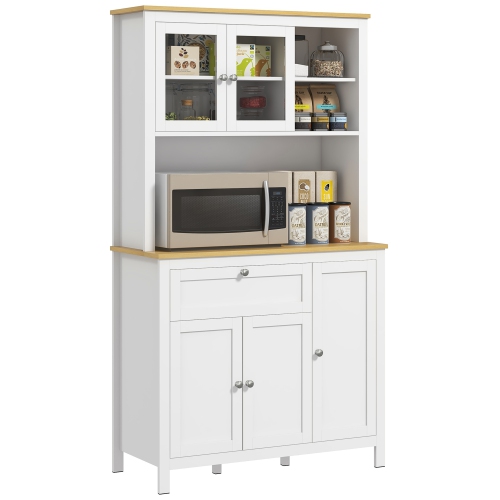
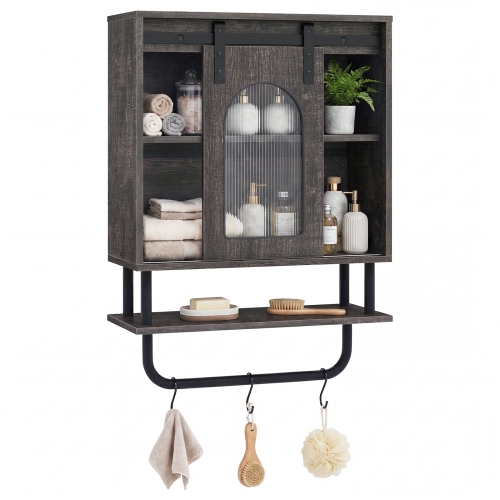
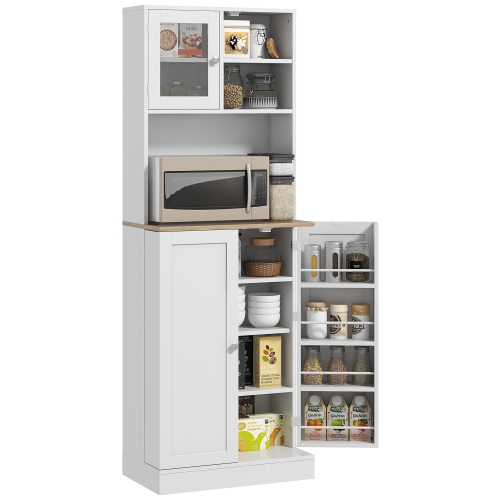
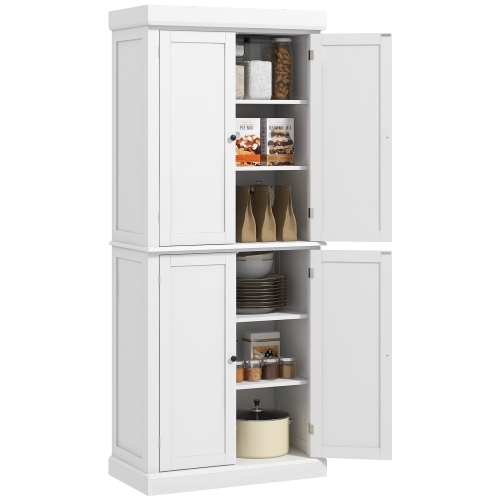
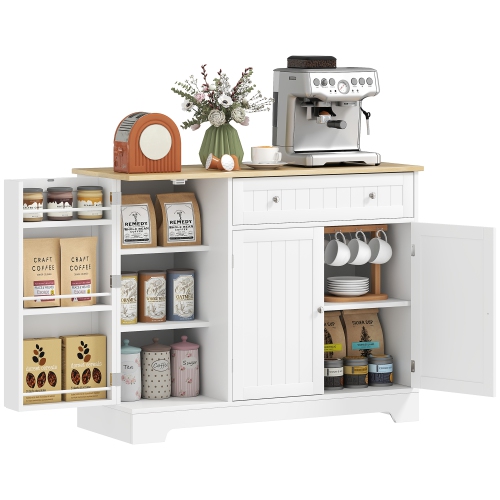

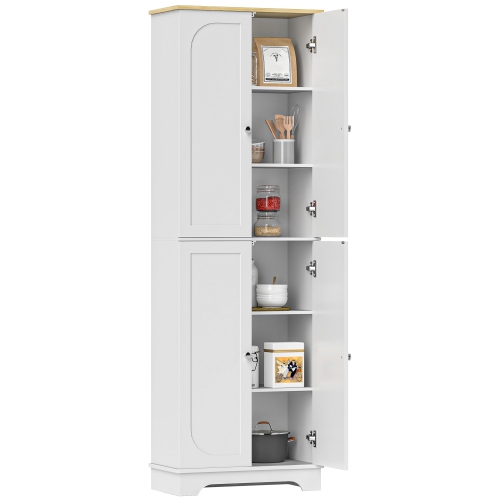
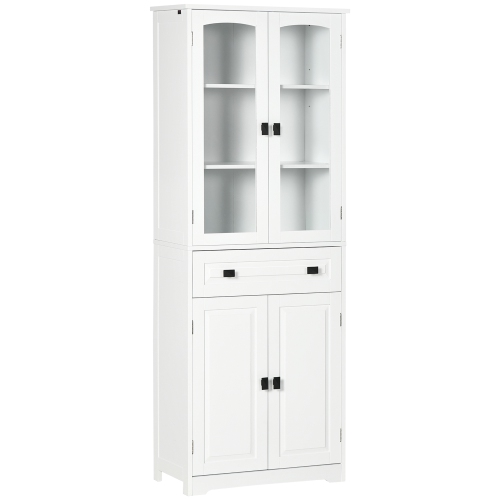
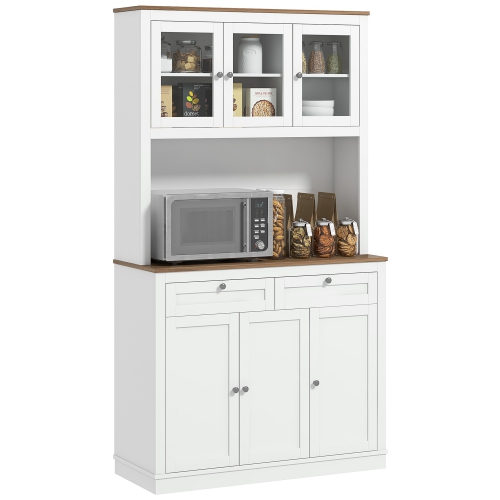
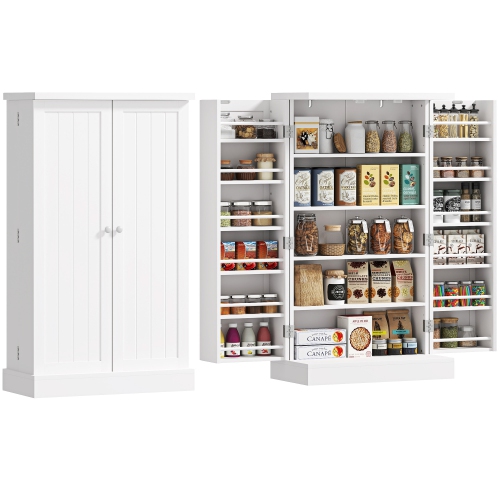
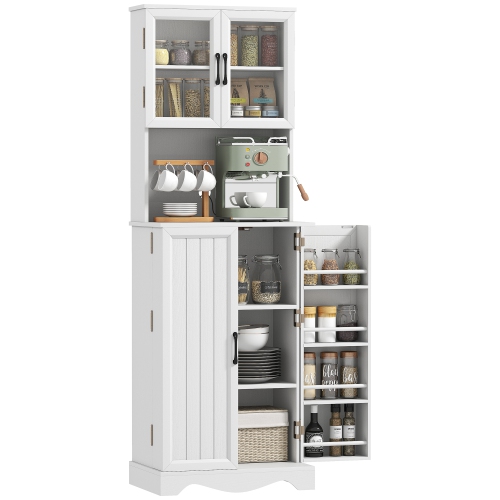
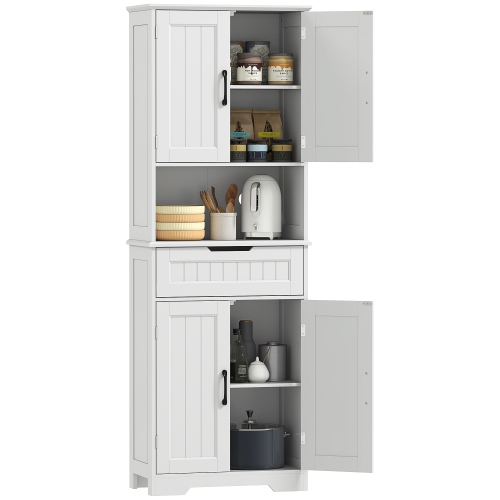
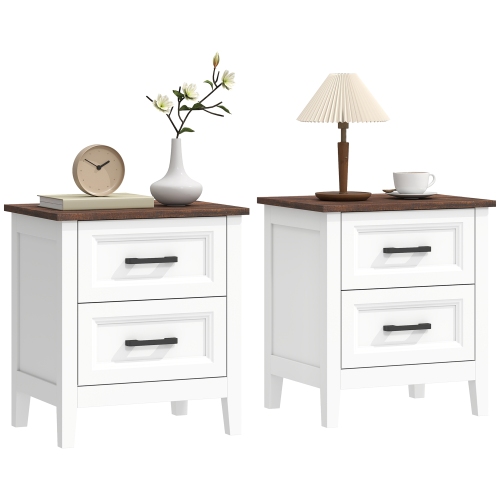
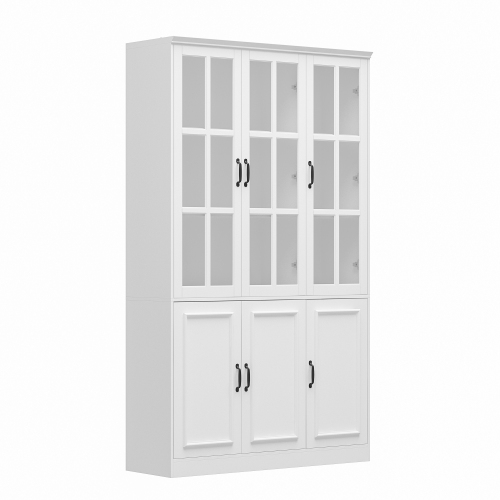
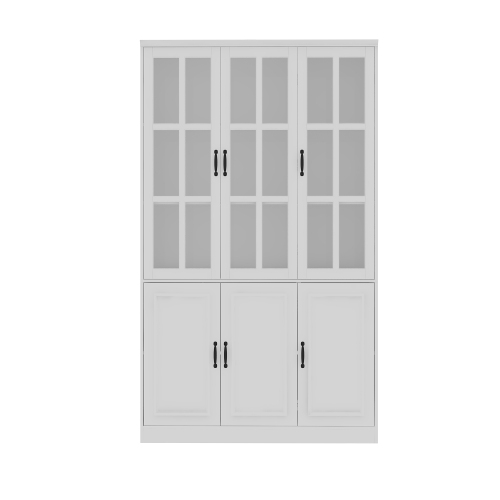
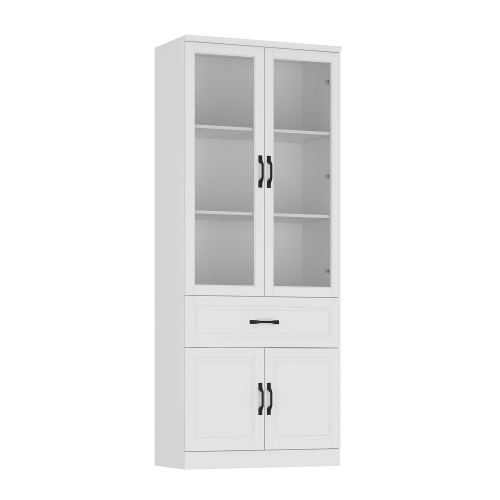
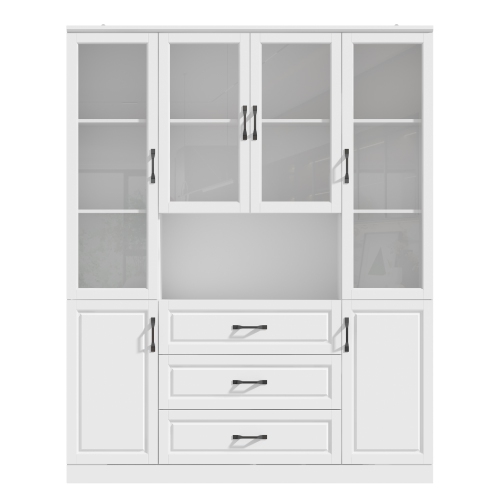
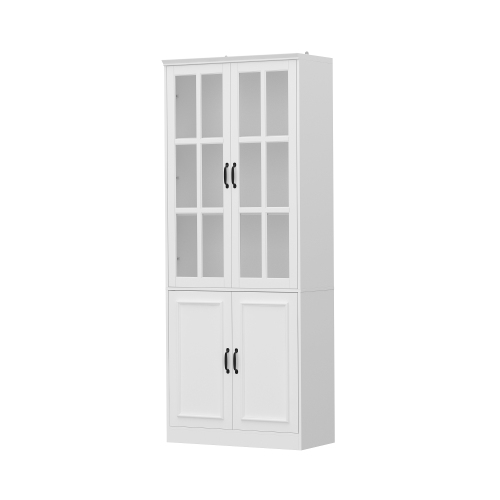
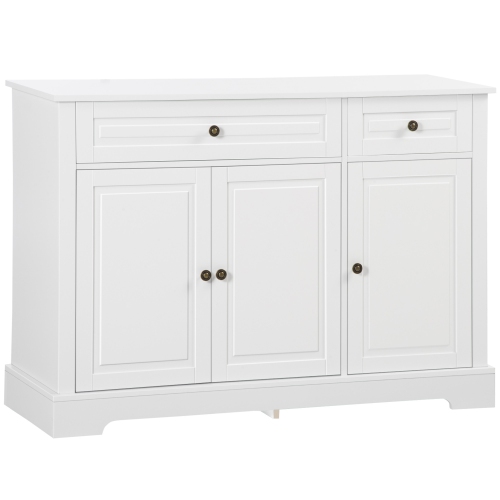
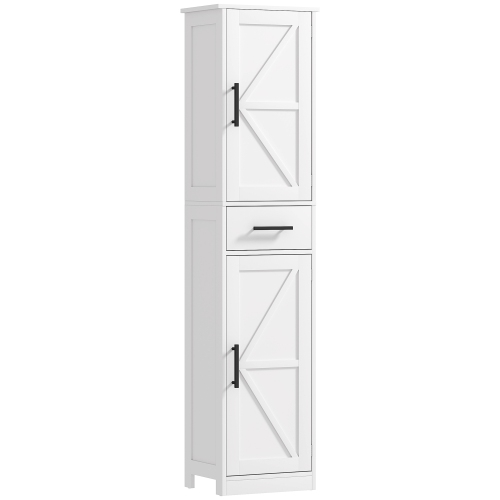
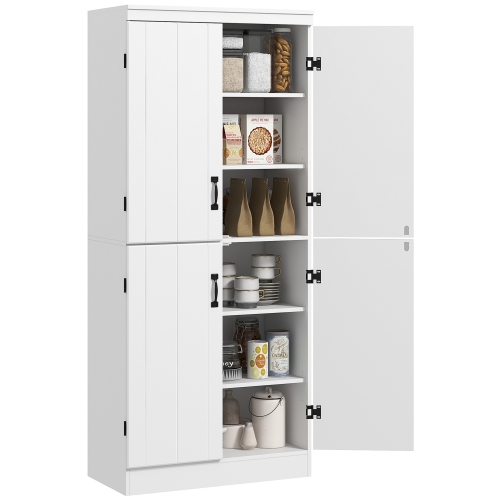
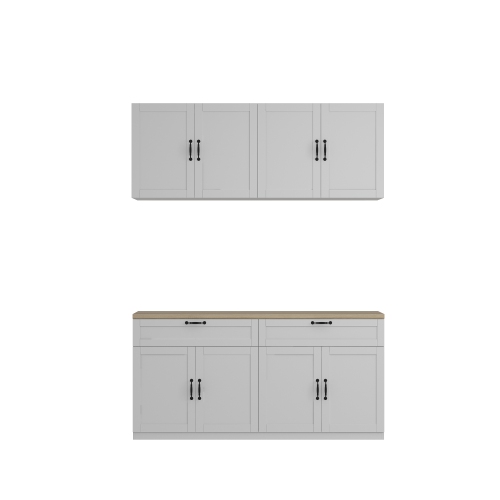
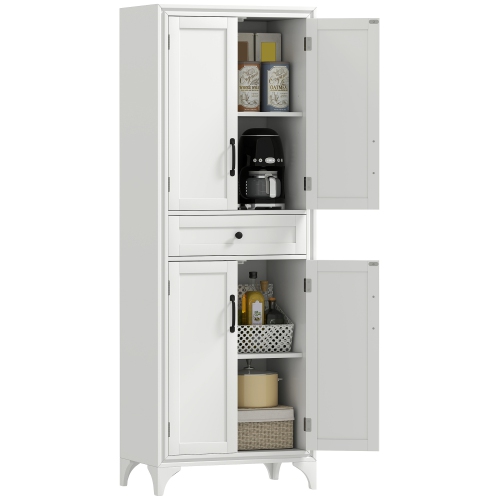
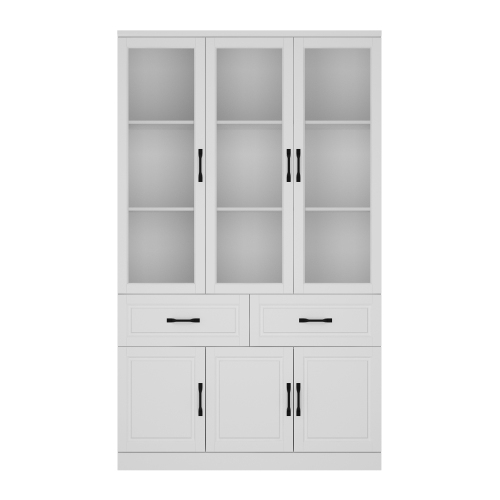
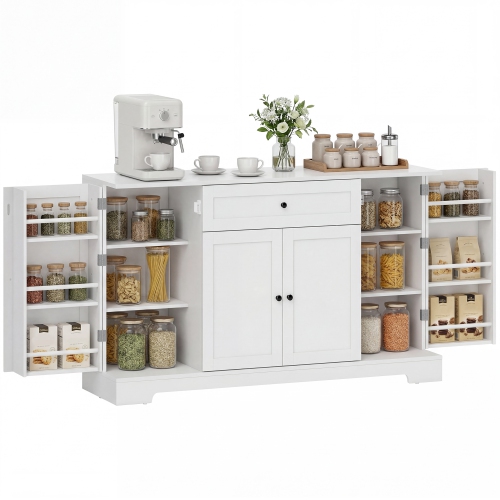
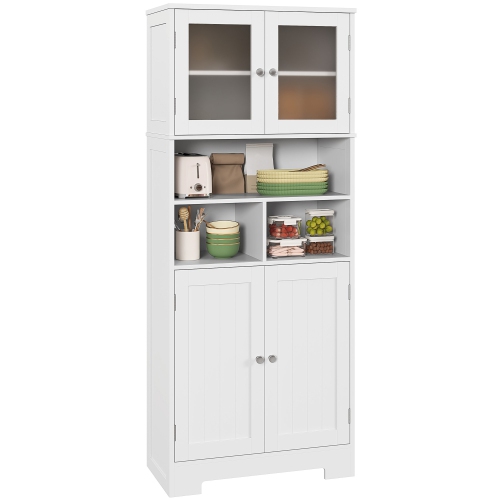
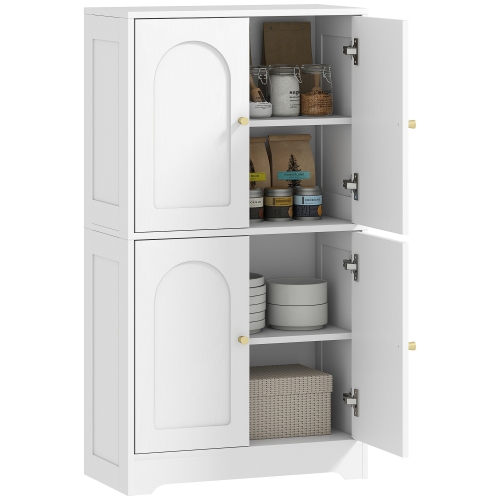
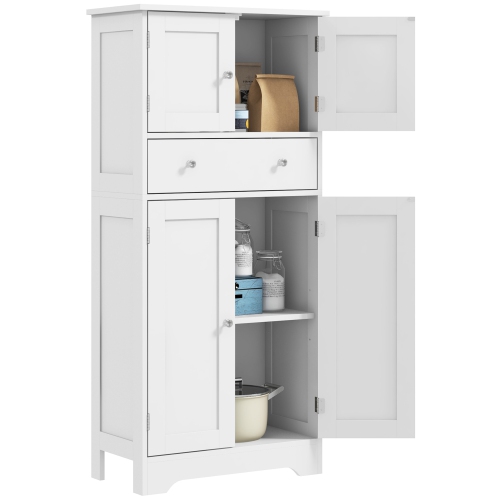
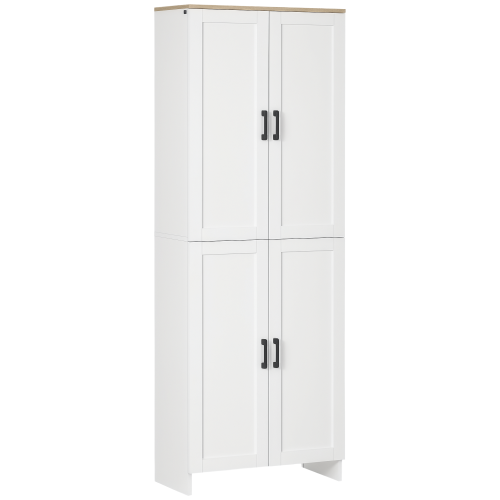
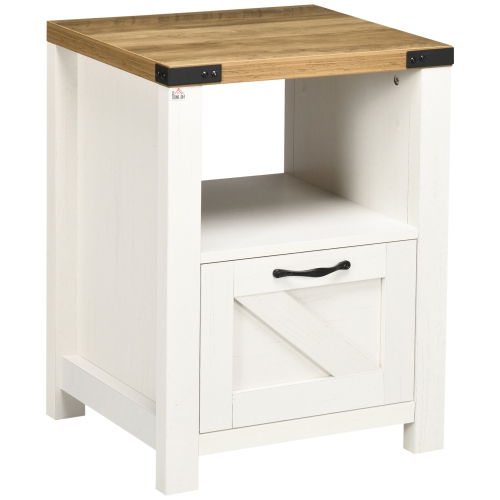
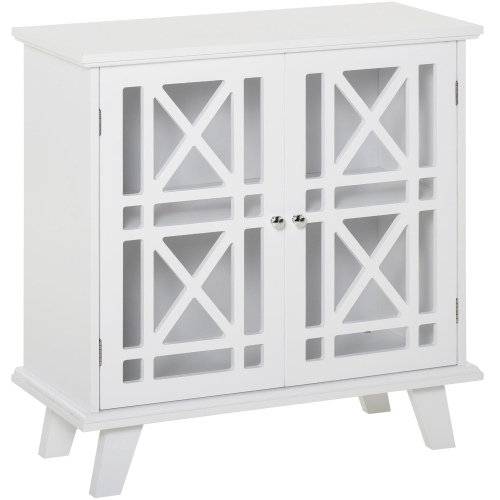
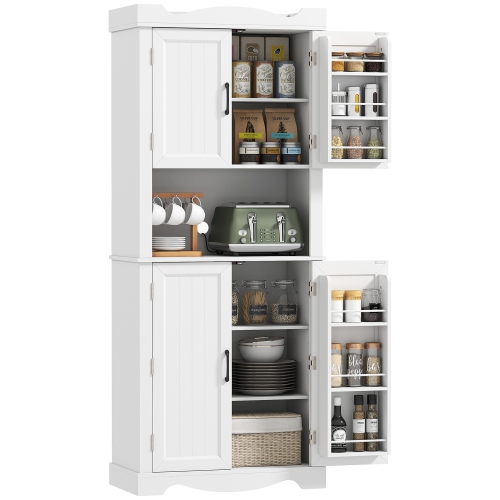
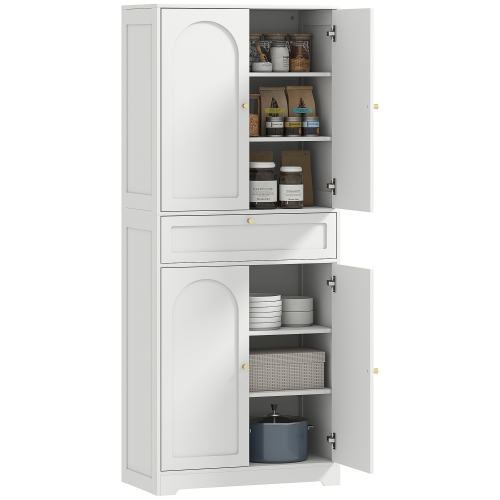
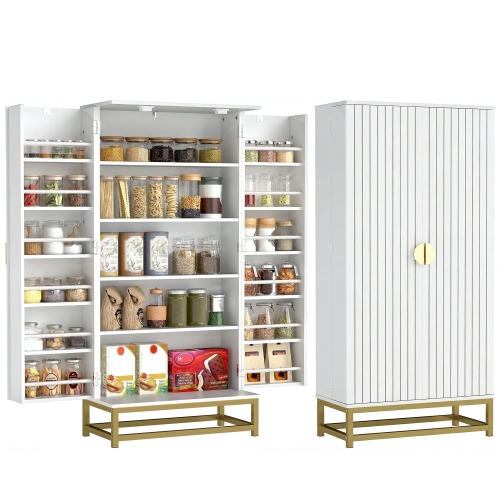
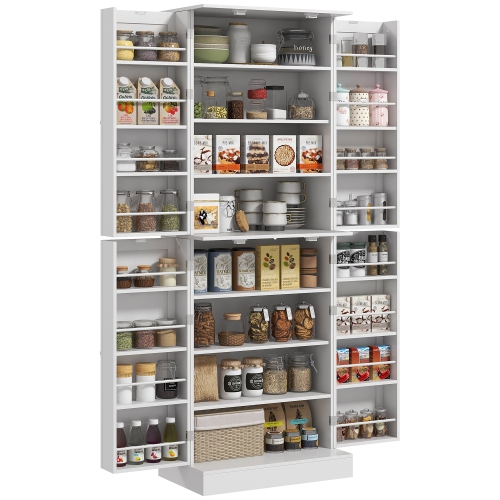
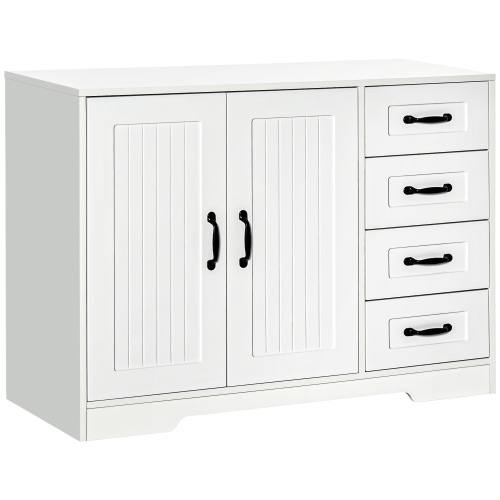
Country character meets practical storage for everyday living
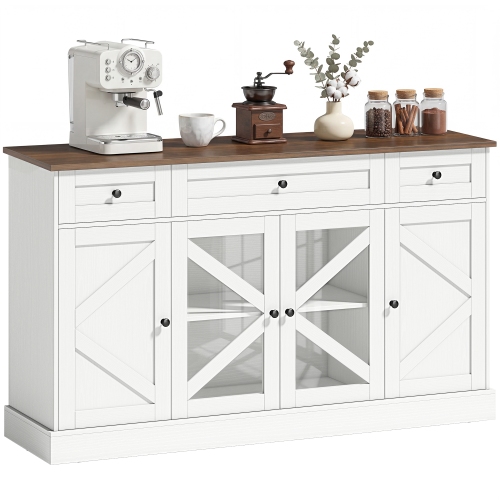
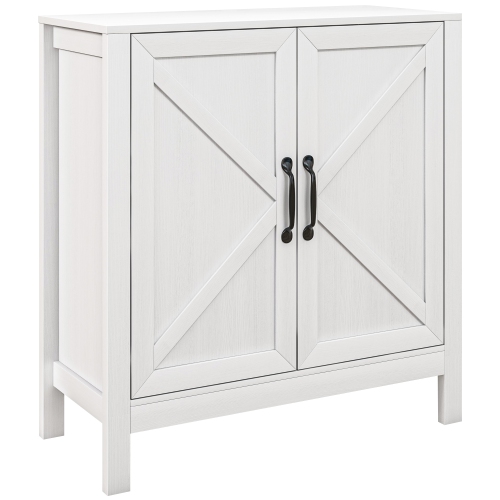
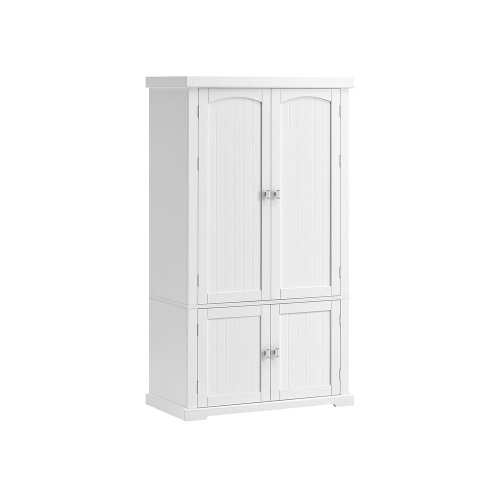
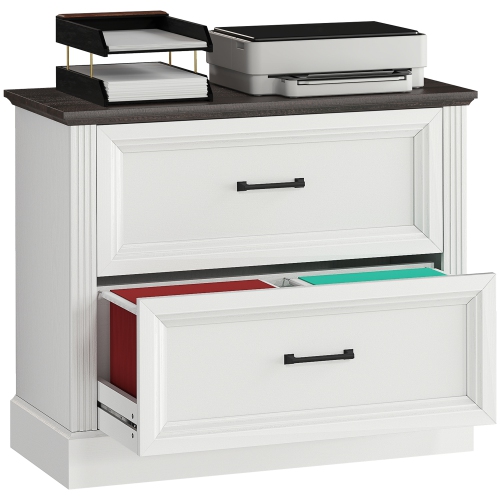
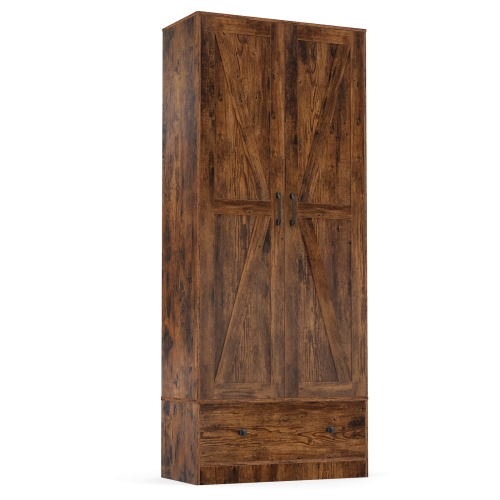
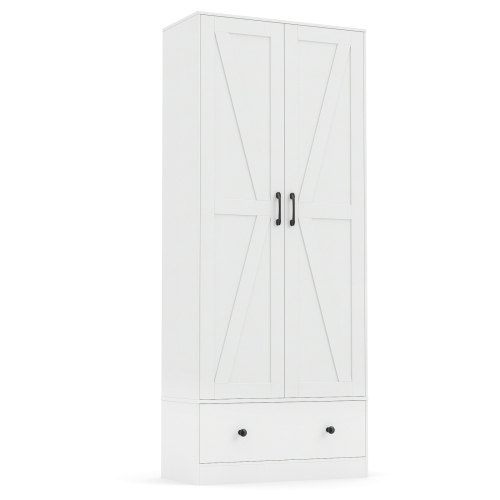
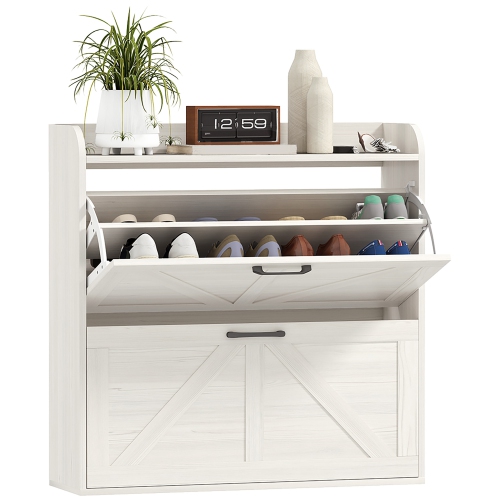
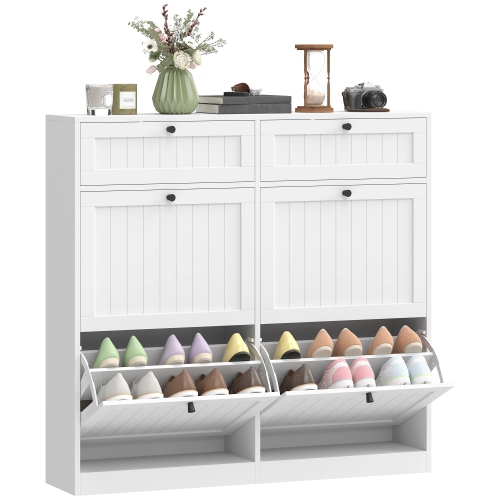
White farmhouse cabinets bring together the familiar character of country furniture and the practical storage needs of a modern home. Their appeal often comes from simple proportions, framed doors, visible wood grain, and a white finish that works comfortably alongside other materials. Some designs lean towards traditional farmhouse styling with beadboard panels, turned feet, or distressed edges; others take a cleaner approach with flat surfaces, slim handles, and restrained detailing. Barn-style door fronts and cross-braced panels add a more rustic note, while Shaker-inspired doors suit rooms where the furniture needs to blend into the background. White is not a single, uniform colour: a creamy finish can sit naturally beside oak flooring and woven textures, while a brighter white may pair more closely with painted trim or contemporary furnishings. The combination of a white cabinet body and a wood-toned top creates a useful visual link between painted furniture and existing wooden tables, chairs, or shelving. Hardware also shapes the overall impression. Dark knobs and pulls create contrast, brushed metal offers a quieter finish, and cup handles can reinforce a traditional look. In a dining room, a farmhouse cabinet can keep serving dishes close to the table without leaving everything on display. In a living room, it can hold board games, photo albums, and the everyday belongings that otherwise gather on open shelves. An entryway cabinet gives bags and household essentials a defined home, provided its depth leaves a comfortable route through the space. For smaller storage needs, White Farmhouse Accent Cabinets offer a related furniture style suited to an unused wall, a landing, or the space beside a larger piece. The most natural fit depends as much on proportions as on decorative details: a low, broad cabinet has a different presence from a tall, narrow cupboard, even when both share the same colour and door style. That flexibility makes the farmhouse look adaptable rather than tied to a fully rustic room.
Materials and construction influence how a white farmhouse cabinet feels in daily use, how much maintenance it needs, and where it belongs. Solid wood can provide substantial construction and distinctive grain, although its appearance and movement depend on the wood species and finish. Wood veneer offers a real wood surface over a supporting core, while engineered wood can provide a smooth base for painted or laminated finishes. Many cabinets combine materials, using different construction for the frame, doors, shelves, and back panel. A painted surface may have a soft, furniture-like appearance, while a laminate or other applied finish has its own cleaning requirements and resistance to wear. No white finish is automatically stainproof or scratchproof, so the surface specifications matter in busy spaces where keys, serving dishes, or children's belongings are handled frequently. Shelf thickness, support points, and stated weight limits are especially relevant for stacks of dinnerware, books, or small appliances. Adjustable shelves make it easier to accommodate taller pitchers and storage baskets, whereas fixed shelves may help define separate sections for predictable storage needs. Door hinges, drawer runners, and handle placement also affect everyday comfort, particularly when a cabinet is opened repeatedly. Fit involves more than the width of an empty wall. The cabinet's depth, the room needed for doors and drawers to open, and nearby baseboards all affect placement. A cabinet beside a dining table needs enough clearance for chairs to move; one near a doorway should not narrow the walking route or interfere with the door swing. Interior measurements are just as useful as exterior dimensions when the intended contents include large platters or tall containers. Delivery access, assembly requirements, and the dimensions of stairs or tight corners can also shape the choice. On an uneven floor, adjustable feet may help level a cabinet when included in its design. Manufacturer-specified wall restraints are an important part of installation, especially in homes with children or pets, and should be secured using hardware appropriate for the wall.
The most useful cabinet layout reflects what will actually go inside it. Closed doors keep mixed belongings visually contained, making them practical for craft supplies, paperwork, spare table linens, or a collection of mismatched serving pieces. Glass-front doors provide a view of neatly arranged dishes or keepsakes, though they also leave the contents visible and add another surface to clean. A combination of drawers and cupboards separates smaller objects from bulkier storage, while an open shelf offers easy access to frequently used belongings. In a dining space, drawers can hold napkins and cutlery, with heavier dishes stored lower down for easier lifting. In a home office, enclosed storage can keep stationery and cables together without making the room feel like a workspace after the day is done. A cabinet used as a coffee station needs a surface suited to its intended purpose, protection from drips, and any clearances required by the appliance manufacturer; electrical cords should never be pinched behind furniture or routed through doors. Similarly, a farmhouse cabinet intended for general living spaces should not be assumed suitable for a bathroom unless its materials and finish are rated for that setting. Everyday care is usually straightforward but should follow the manufacturer's directions. Dusting with a soft cloth helps keep panel edges, handles, and decorative grooves clean, and spills are best wiped up promptly rather than left around seams or along the bottom of a door. Harsh abrasives can damage painted finishes, while excess water may affect joints or exposed edges. Felt pads beneath decorative objects and protective mats under containers can reduce marks on the top. White surfaces can make scuffs noticeable, but detailed door profiles and contrasting hardware give the furniture character beyond its colour alone. Whether furnishing a first apartment, organizing a shared family room, or making a smaller home easier to manage, a well-proportioned farmhouse cabinet offers a balance of concealed storage, accessible surfaces, and familiar furniture detailing that can work with both traditional and contemporary interiors.
Top selling and popular products
-
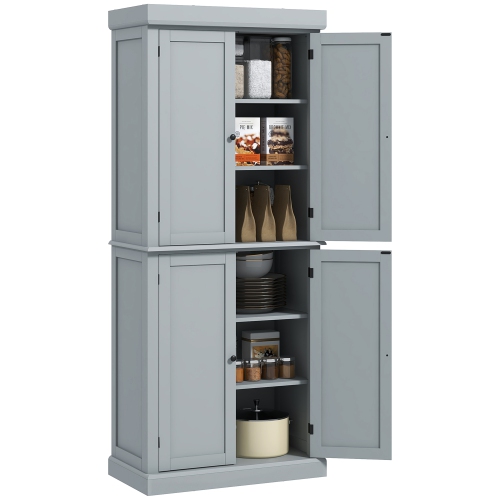 Your price for this item is $285
-
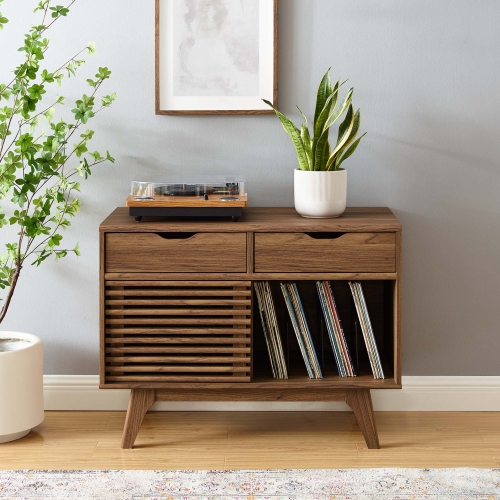 Your price for this item is $452.93
-
 Your price for this item is $155.99
-
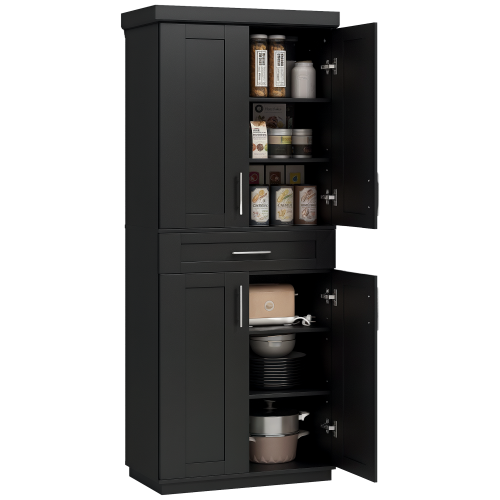 Your price for this item is $269.99
-
 Your price for this item is $12.97
-
 Your price for this item is $155.99
-
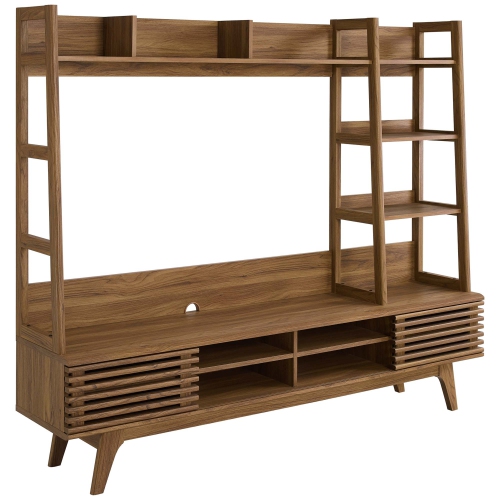 Your price for this item is $885.06
-
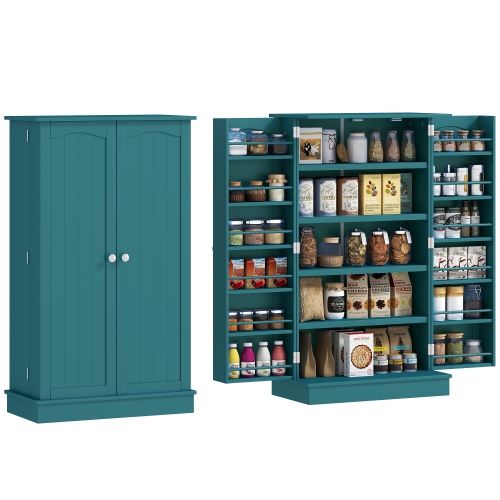 Your price for this item is $132.99
Discover more categories related to White Farmhouse Cabinets

Top Collections:
Best Black Friday Deals This Year, Best Black Friday Deals On Electronics, Kindle Devices, Dyson Airwrap, Best Cameras for Sports Photography, Best Budget Office Chairs, Canon G7X Cameras, PS5 Pro Consoles, Best Black Friday Deals On Apple Products, XBOX One S Consoles
Some products may be subject to Environmental Handling Fees
(EHF) depending on your province.
Learn more about EHFs.