Farmhouse Storage Cabinets
Create a charming and organized space with these farmhouse storage cabinets. These versatile pieces effortlessly blend rustic charm with modern functionality, making them the perfect addition to almost any home decor. Whether you're looking to declutter your living room, upgrade your kitchen storage, or add a touch of farmhouse elegance to your bedroom, these storage cabinets offer a variety of sizes, styles, and finishes to suit your needs.
Sort
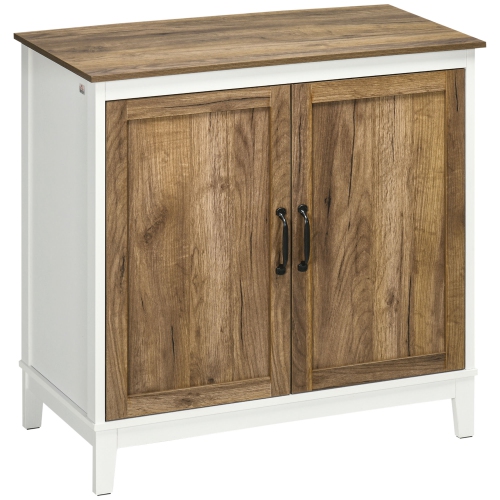
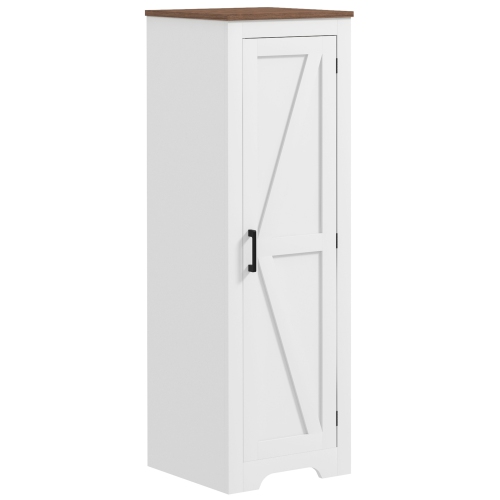
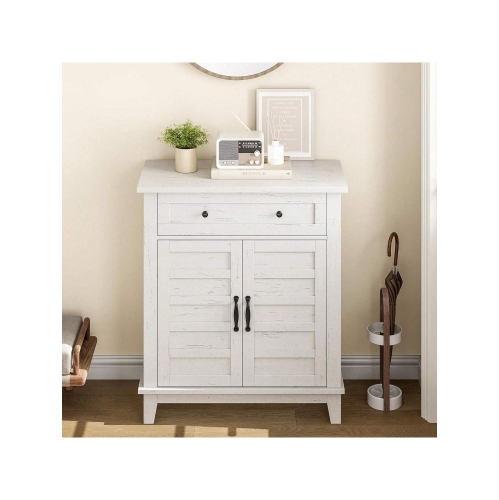
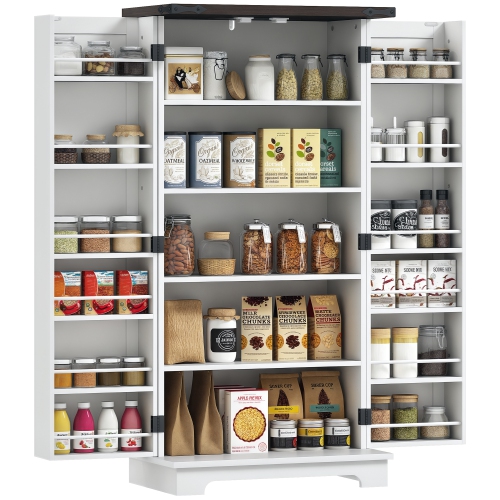
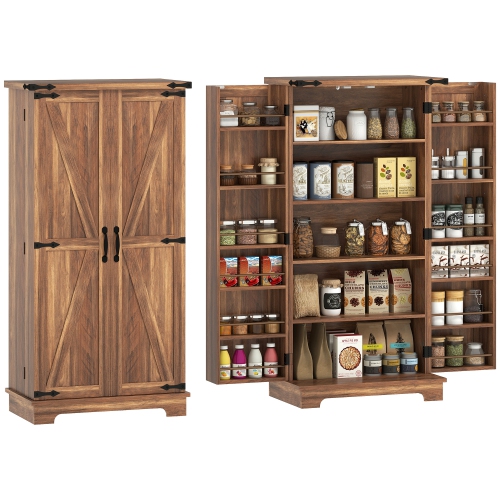
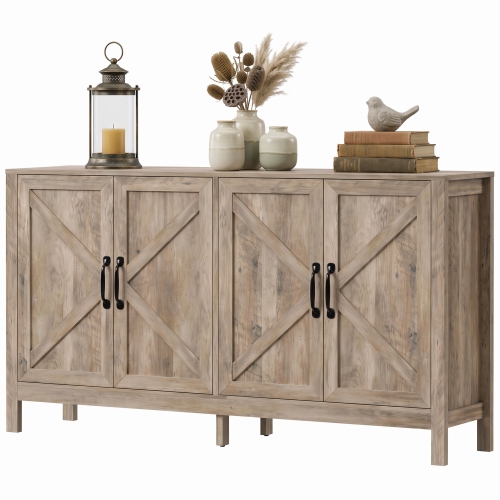
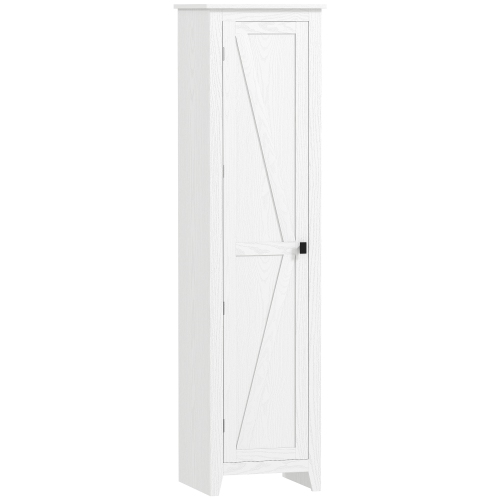
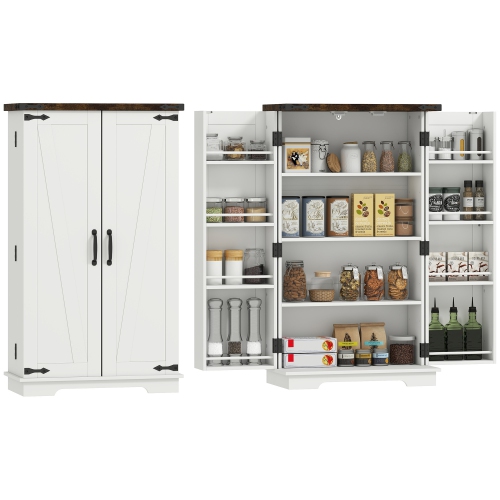
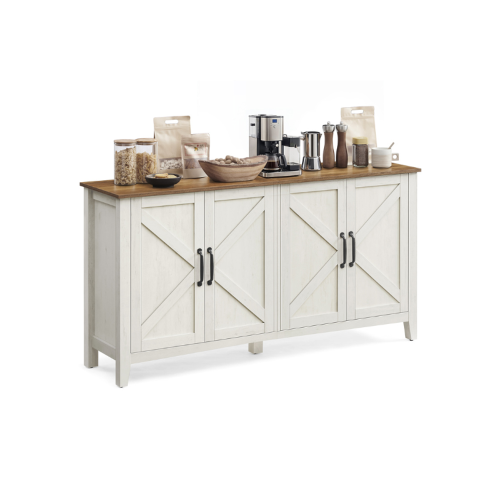

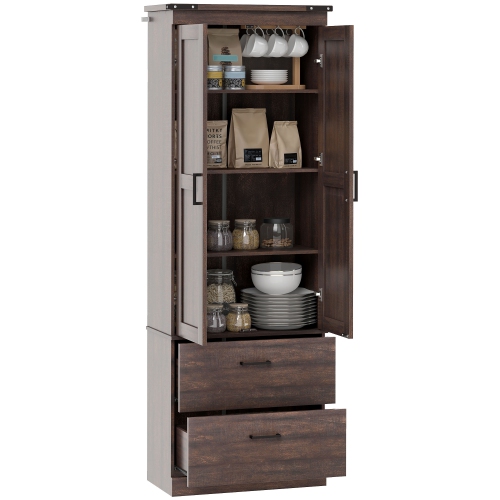
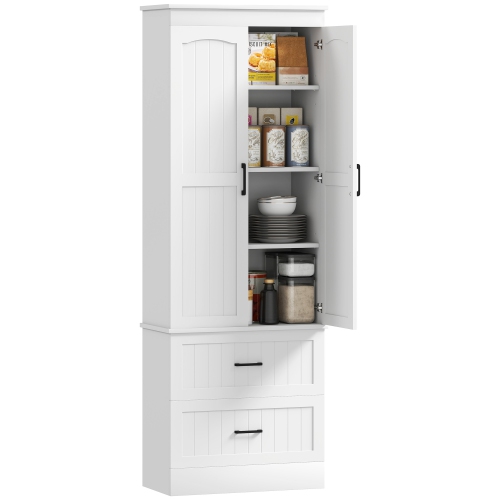


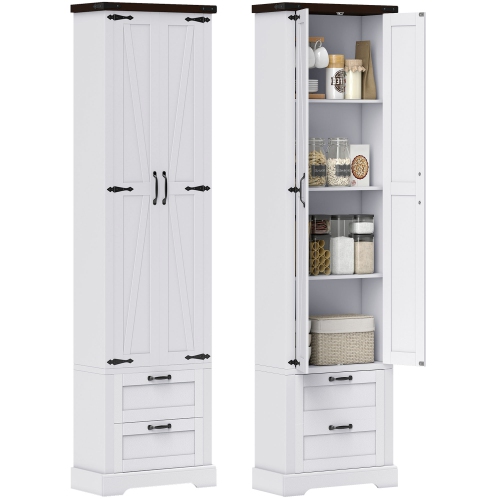
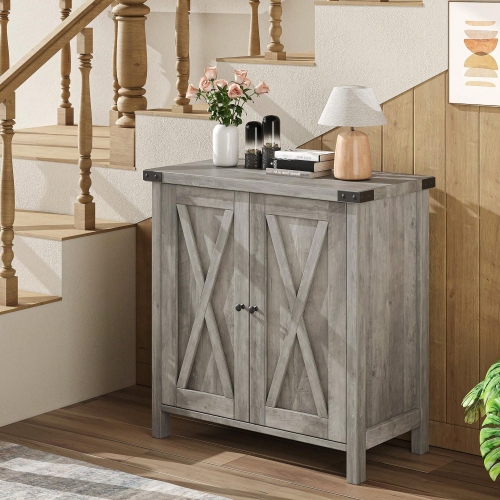
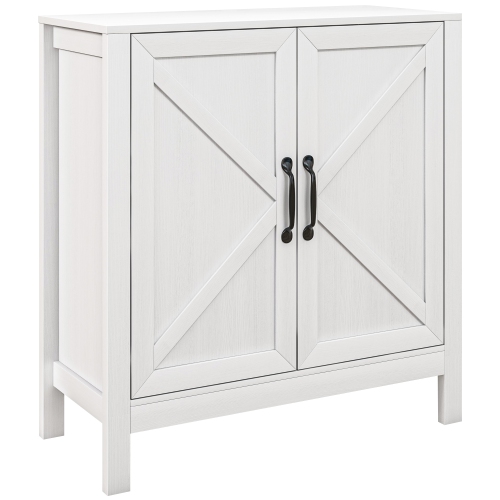
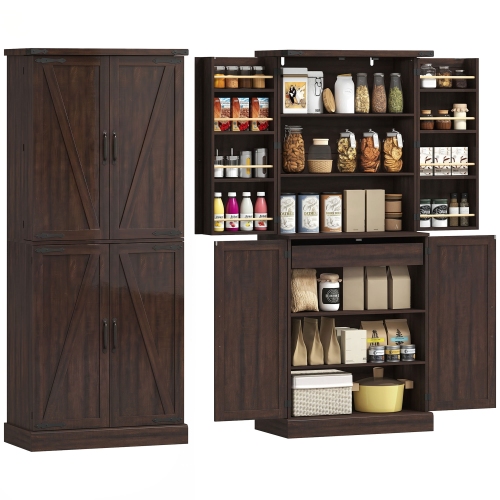
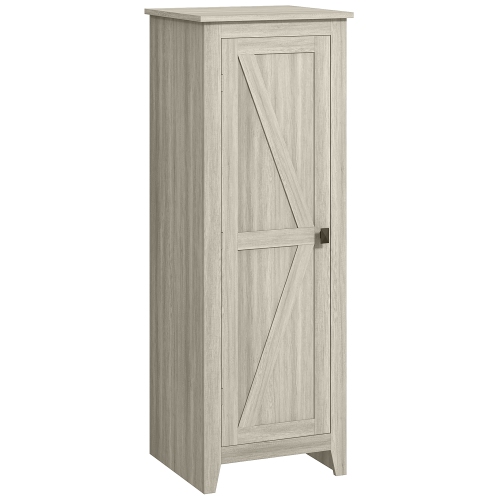
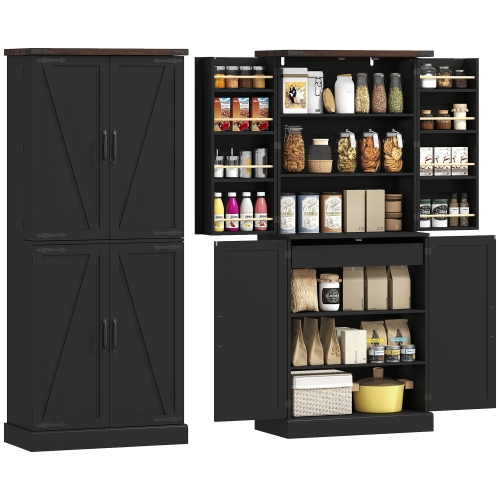
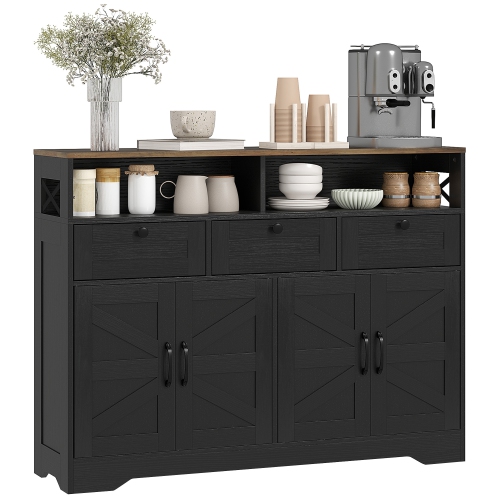
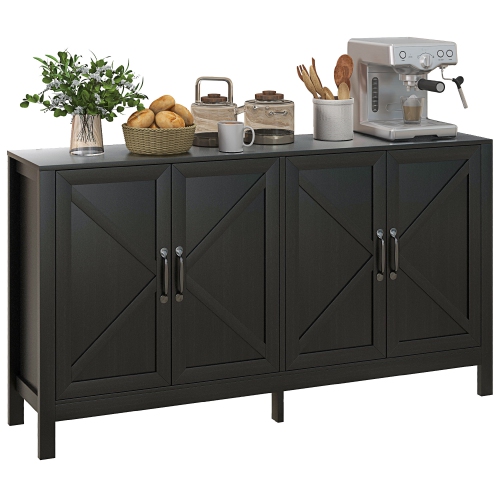
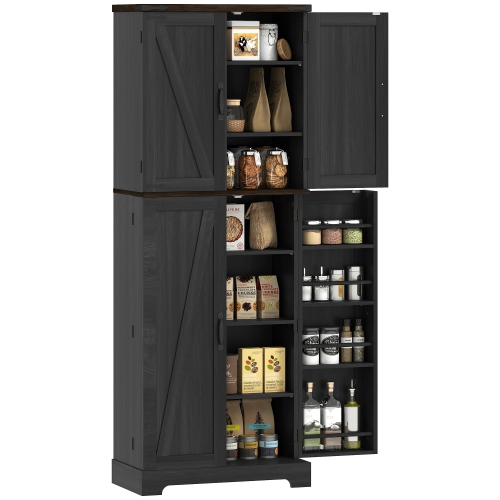
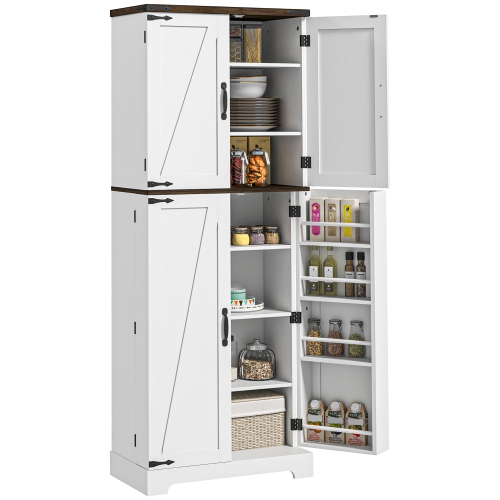
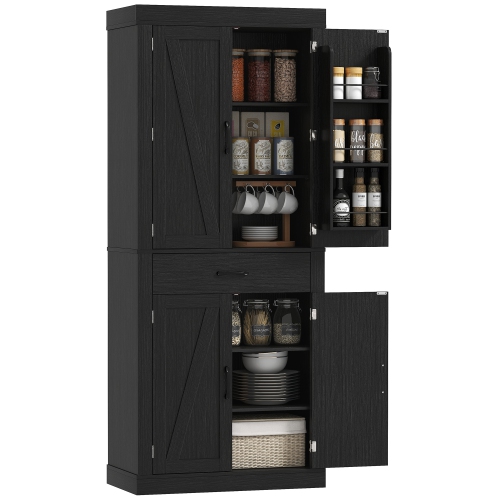
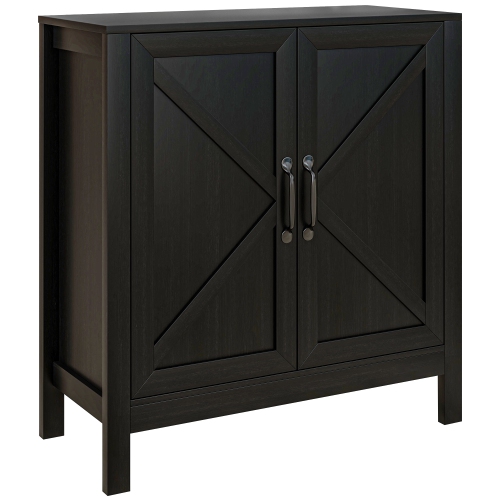
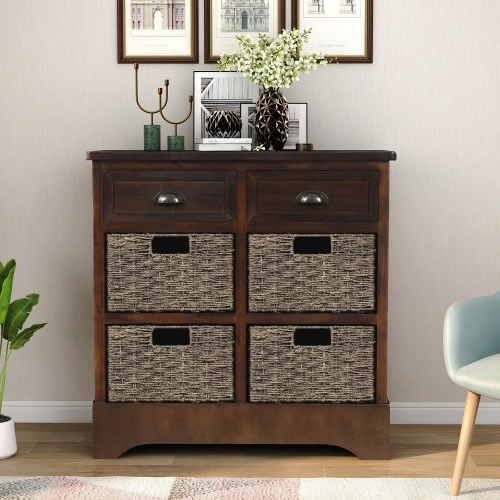
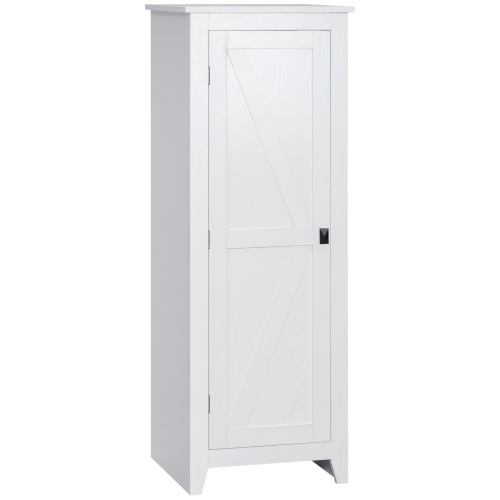

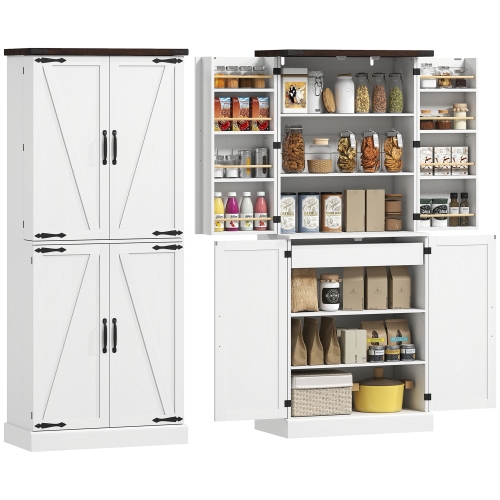
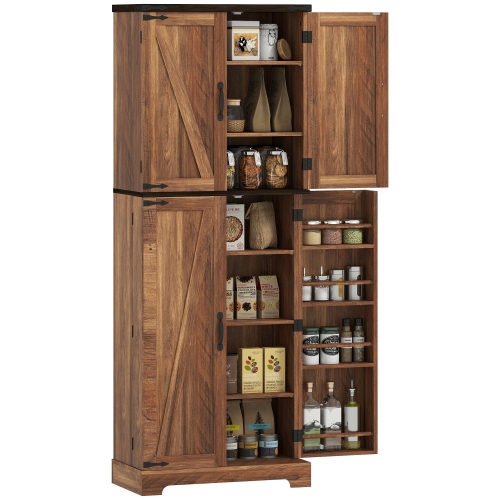
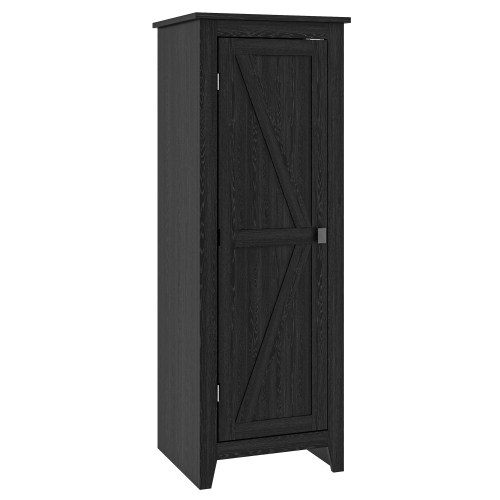
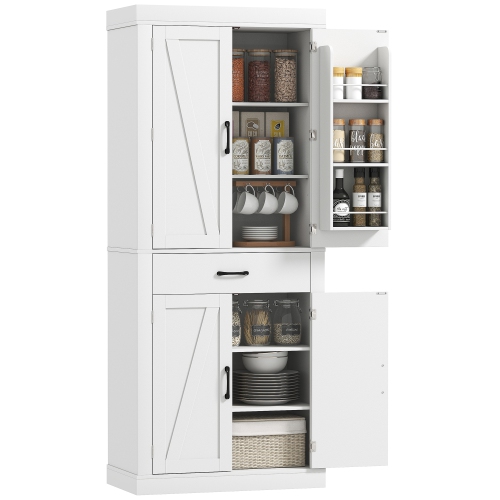
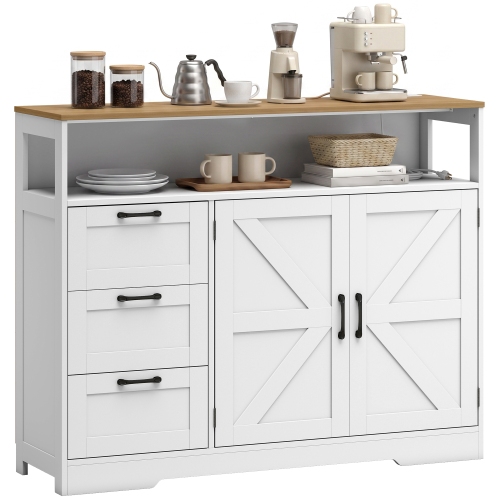
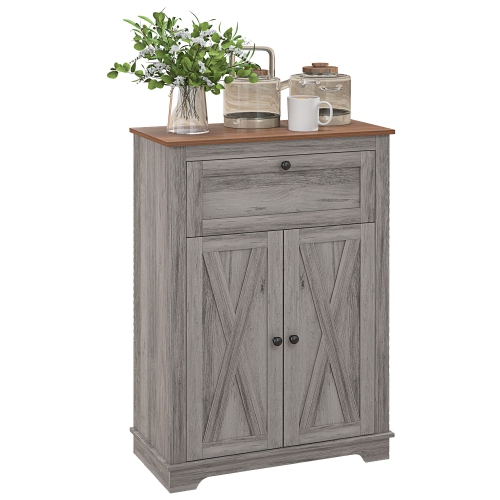
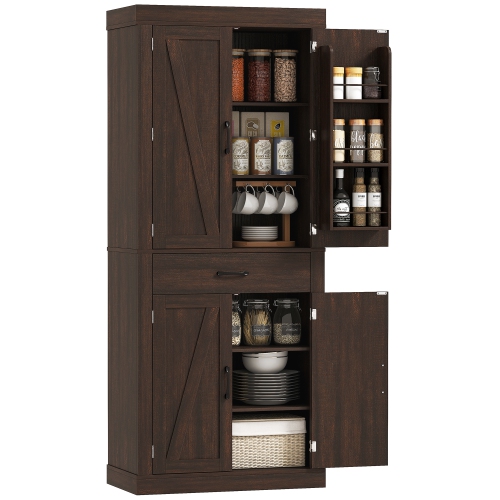
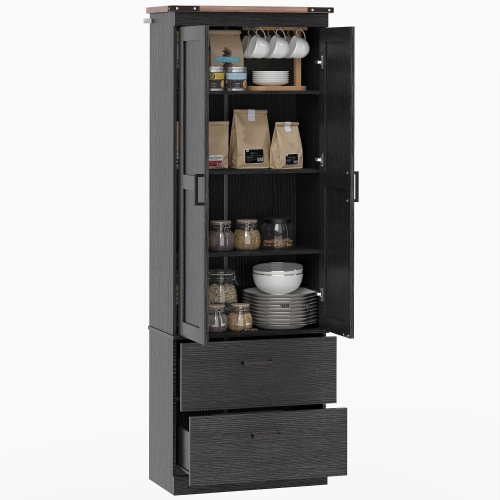
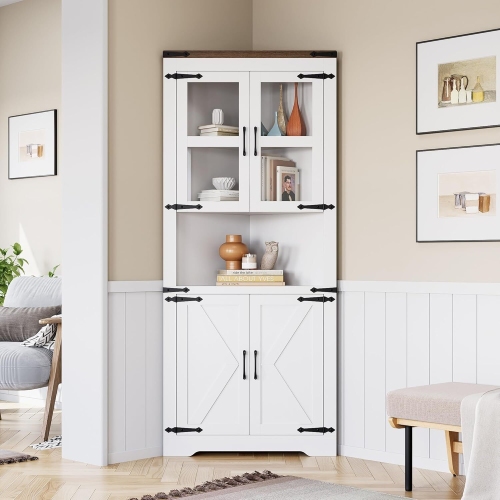
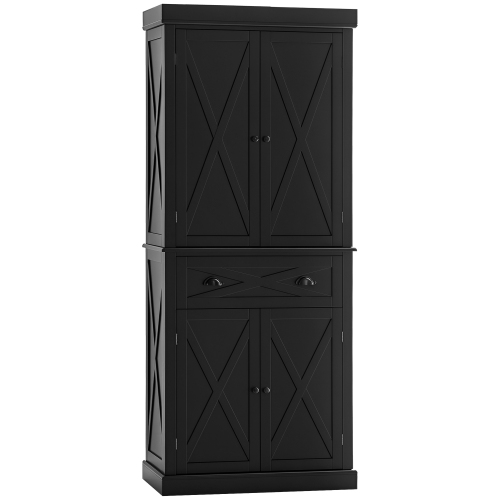
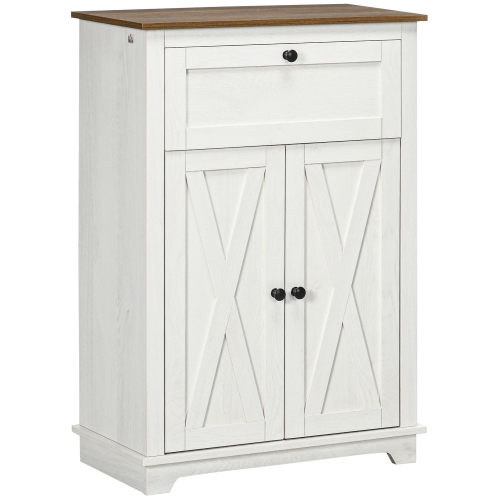
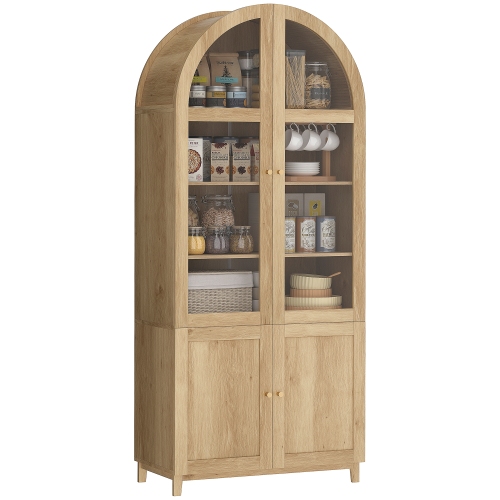
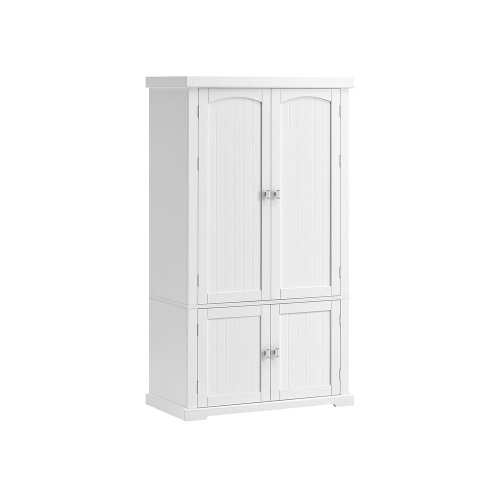
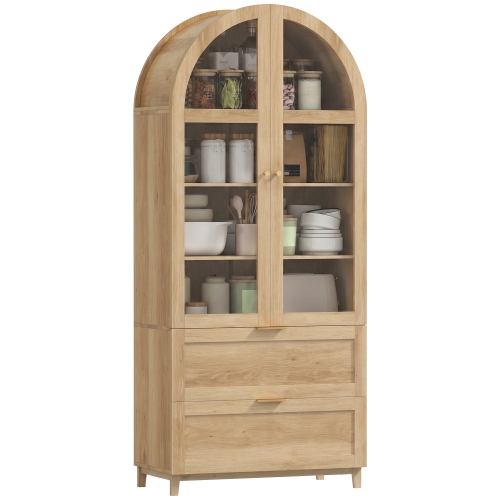
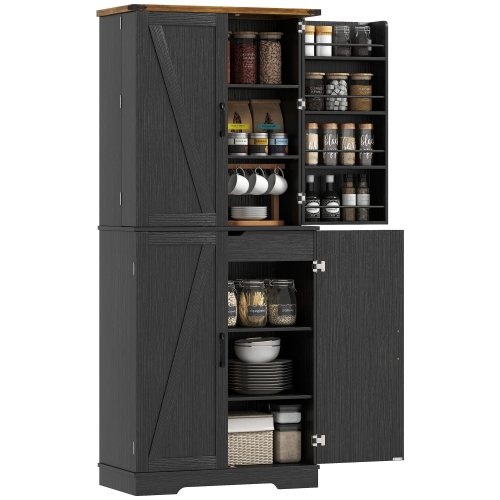
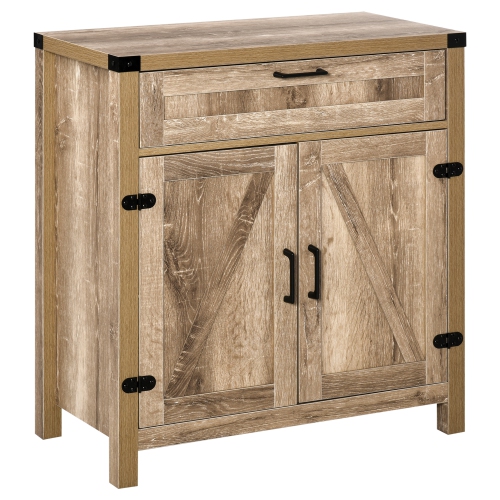
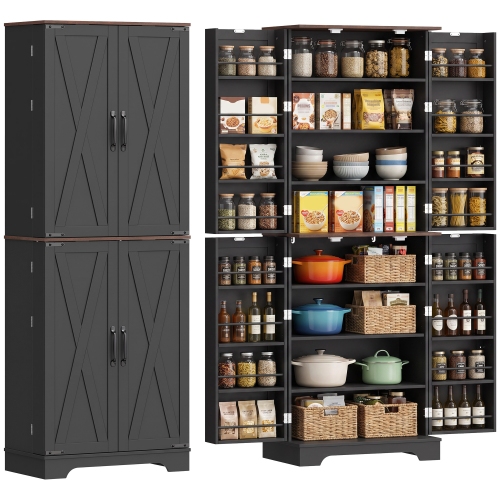
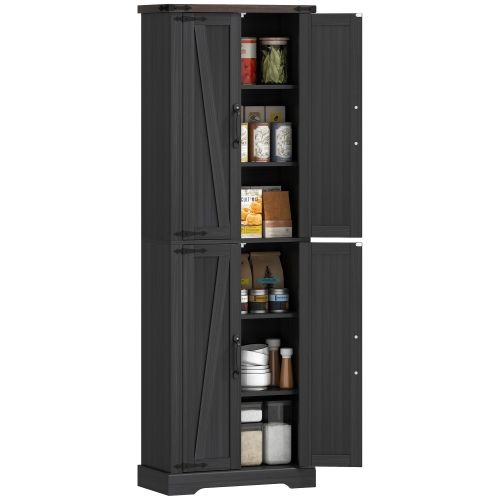
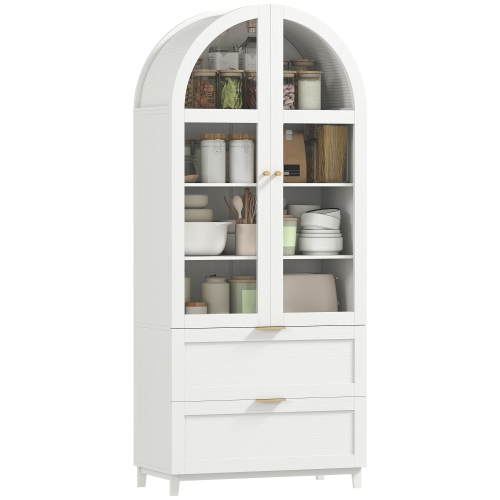
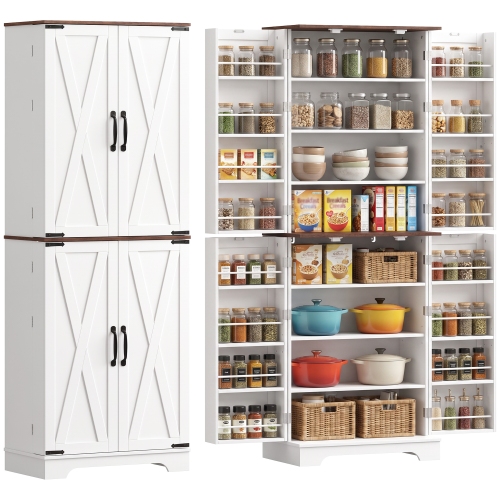
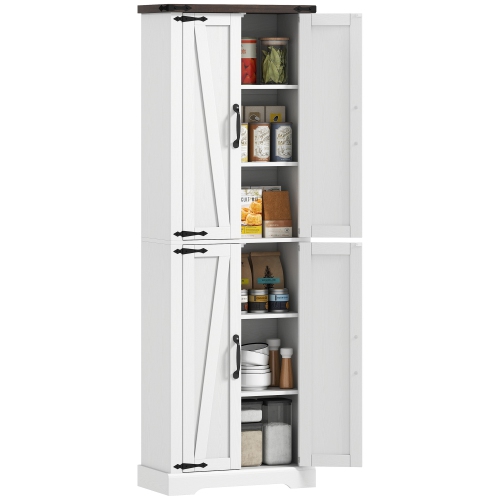
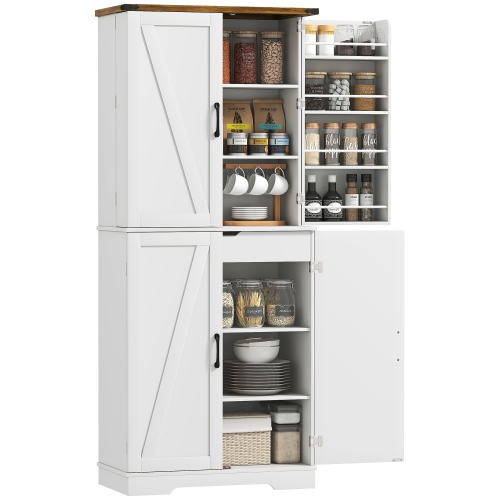
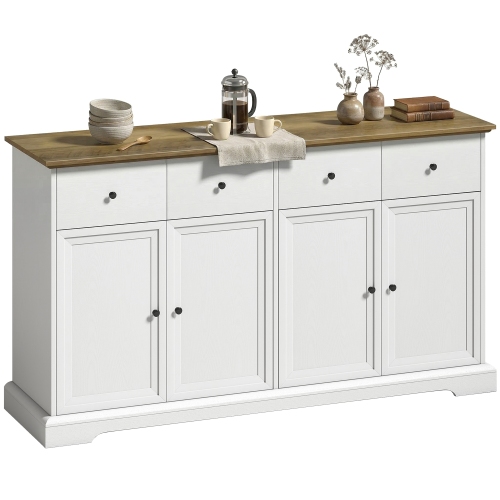
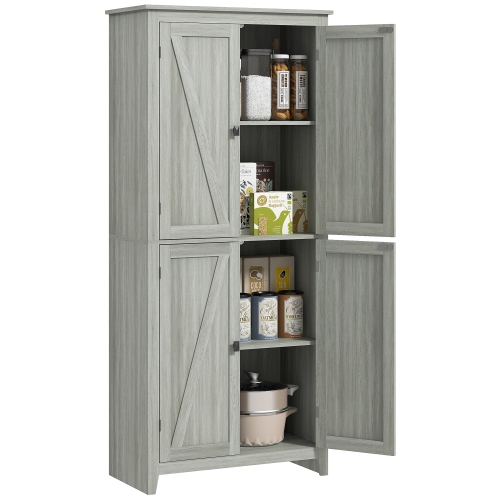
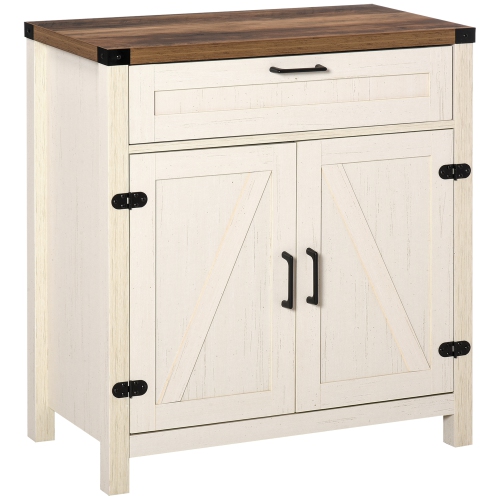
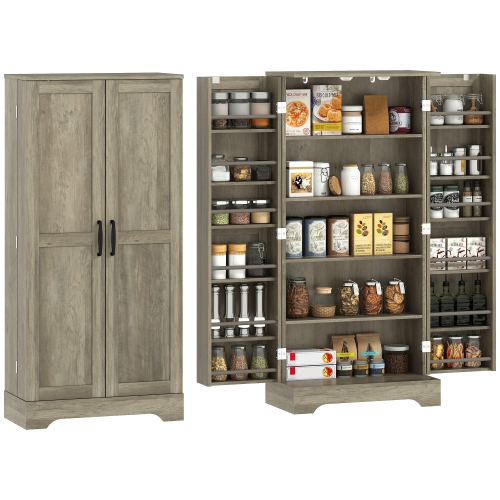
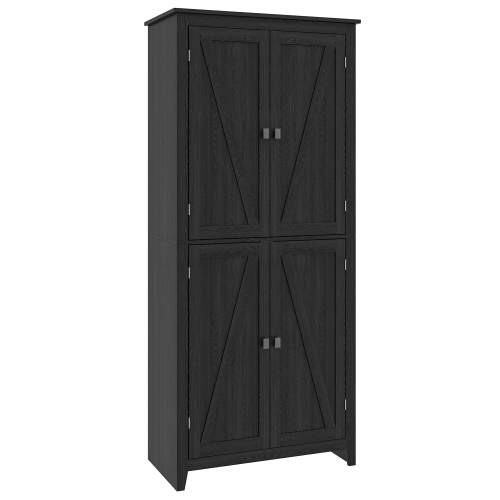
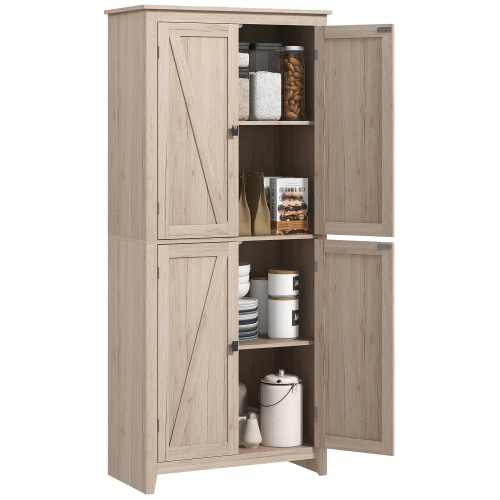
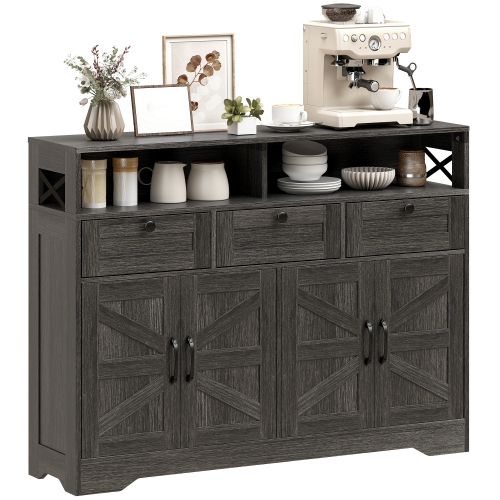
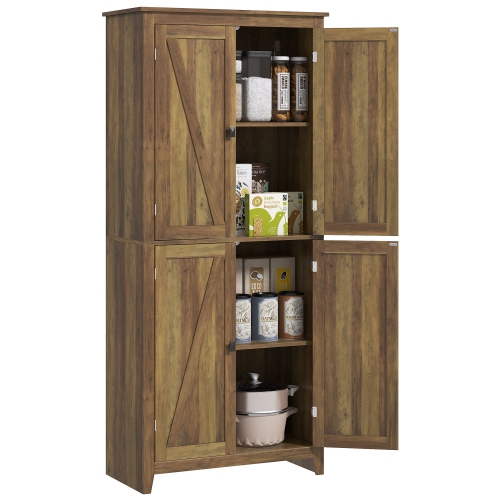
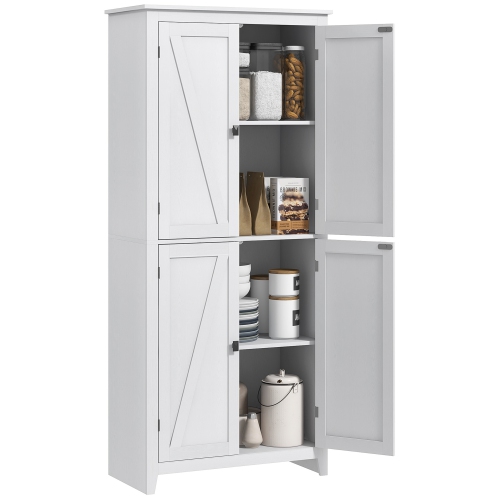
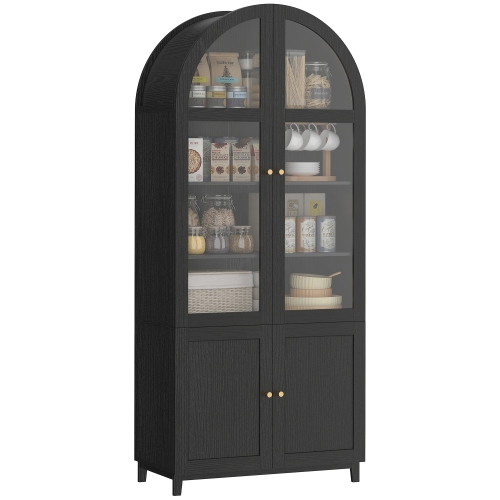
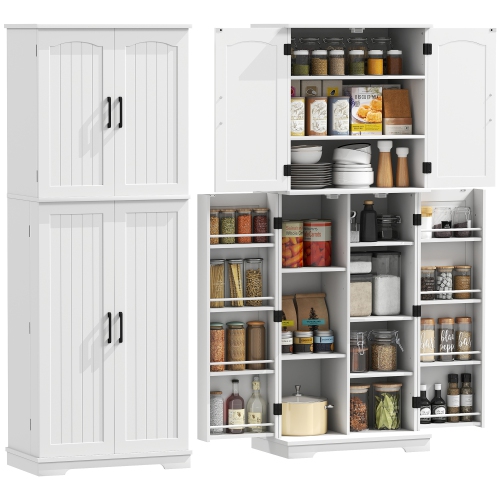
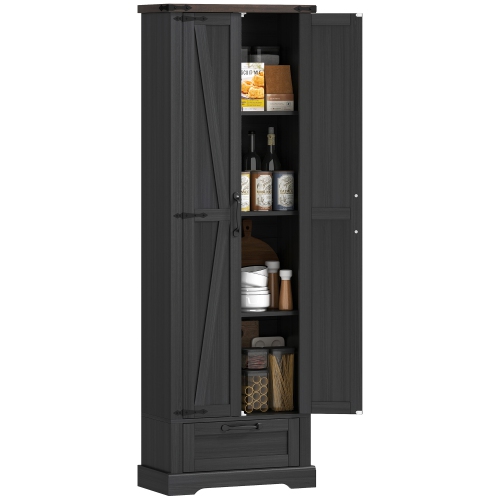
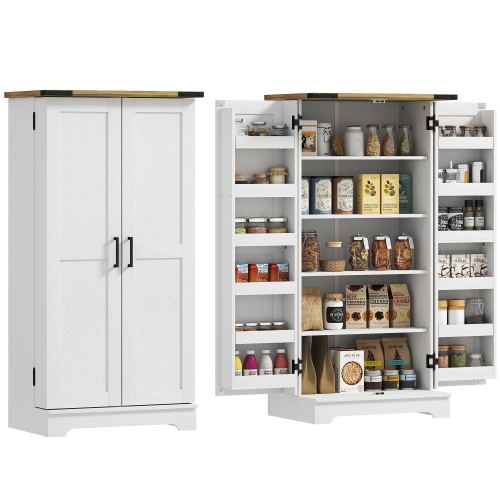
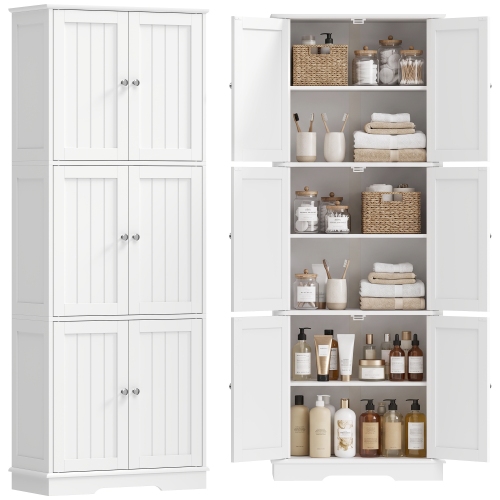
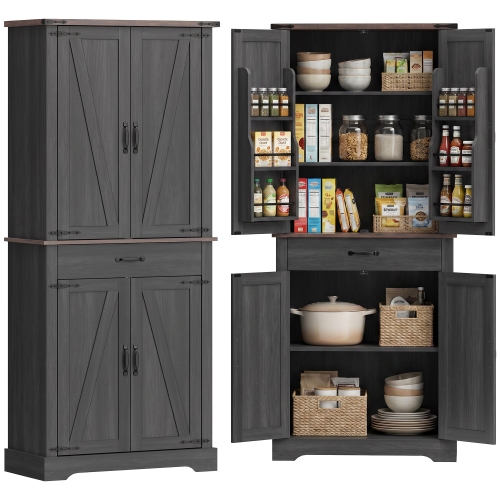
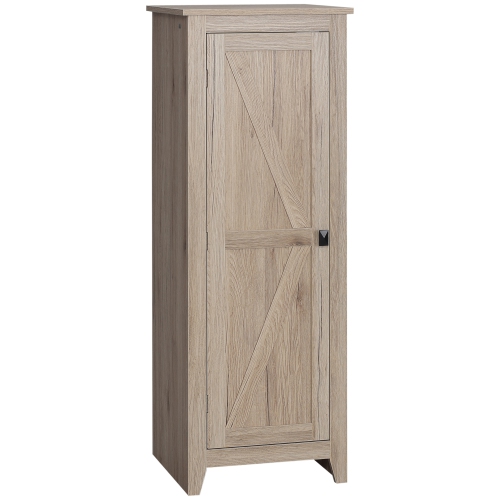
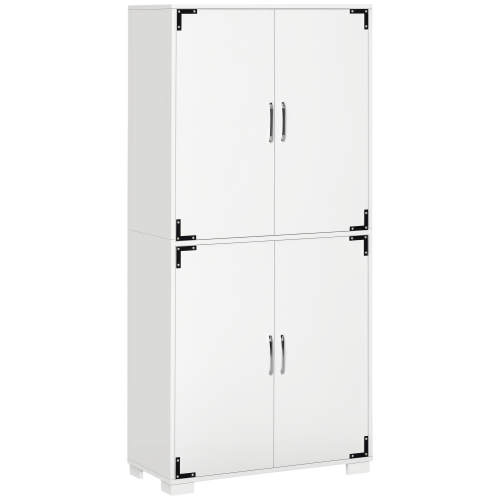
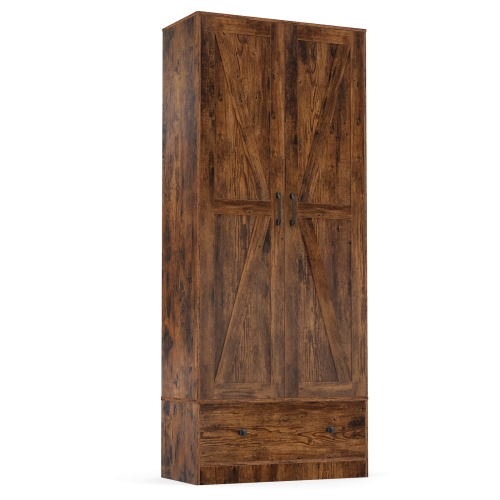
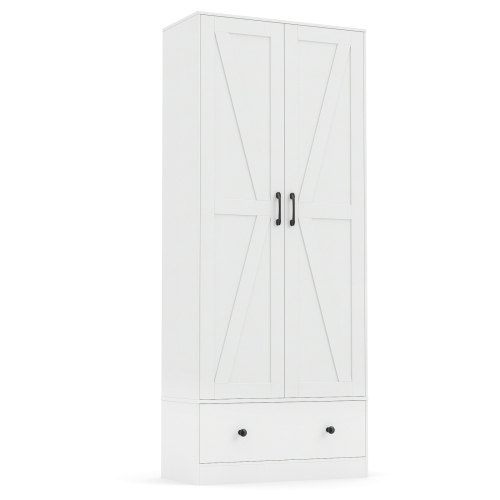
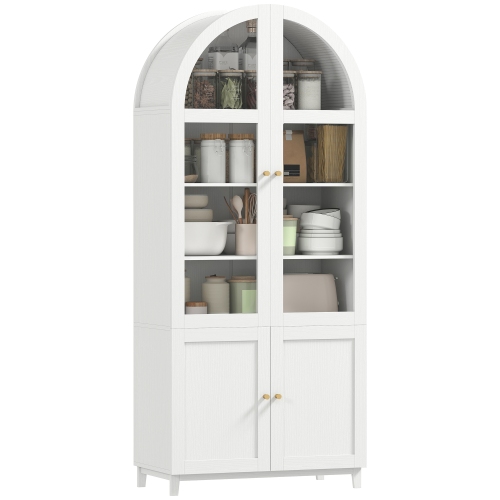
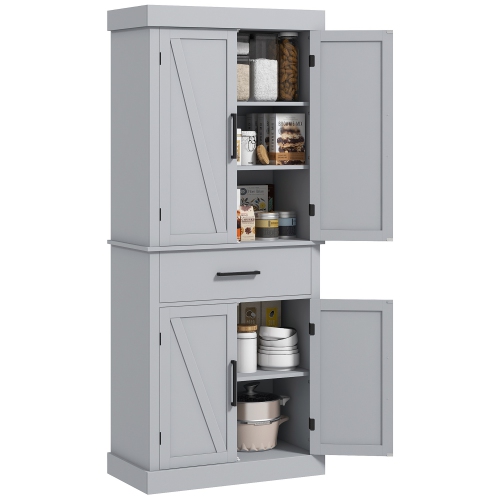
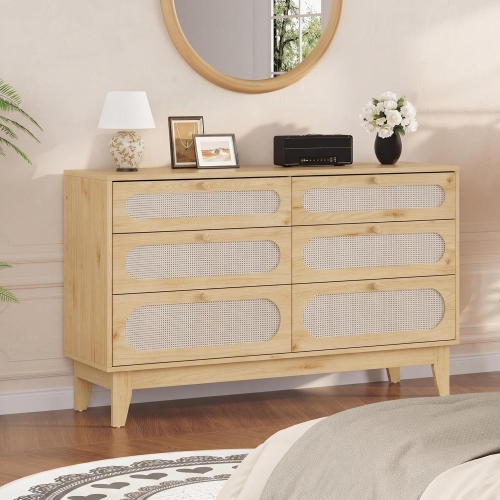
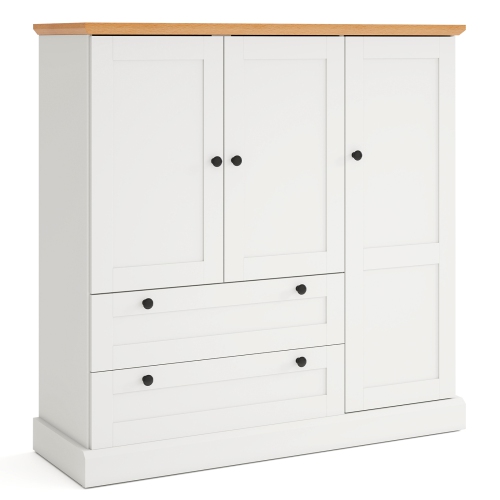
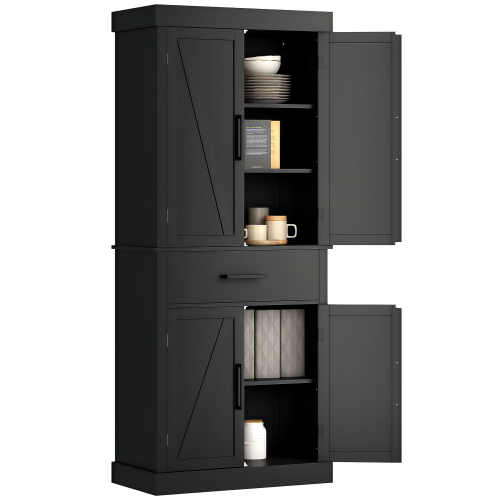
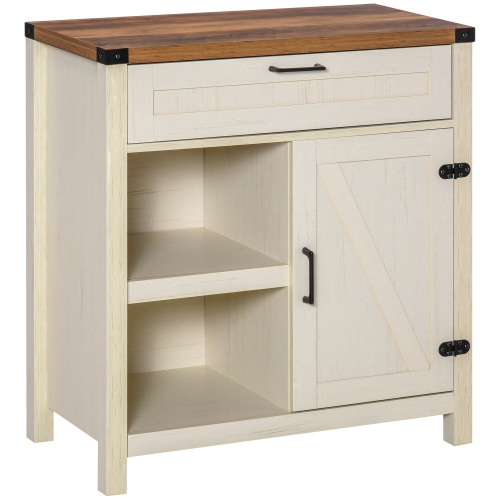
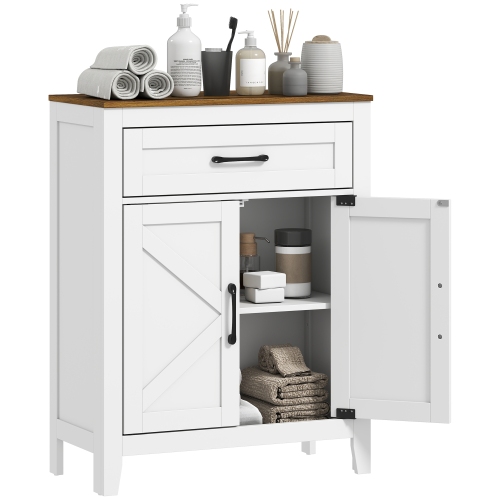
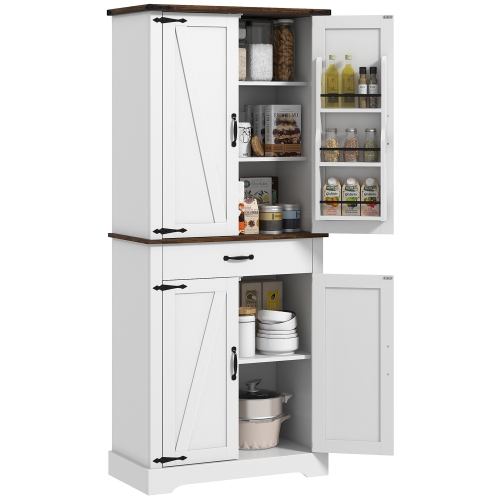
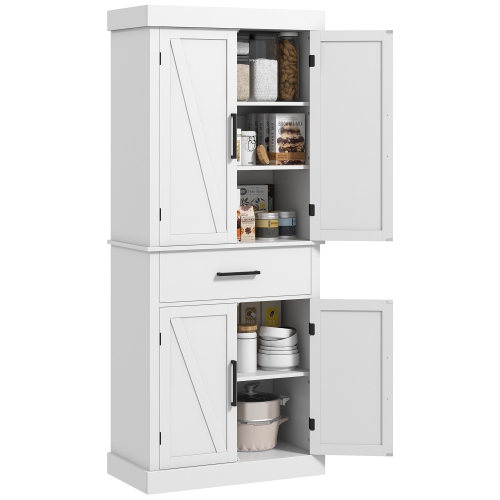
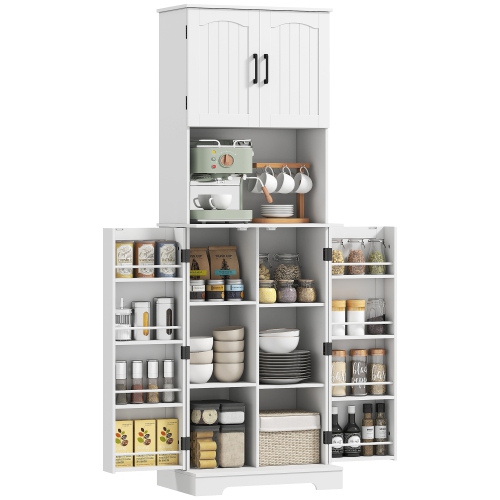
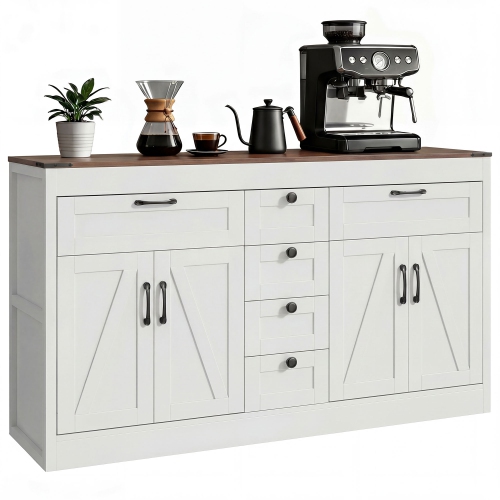
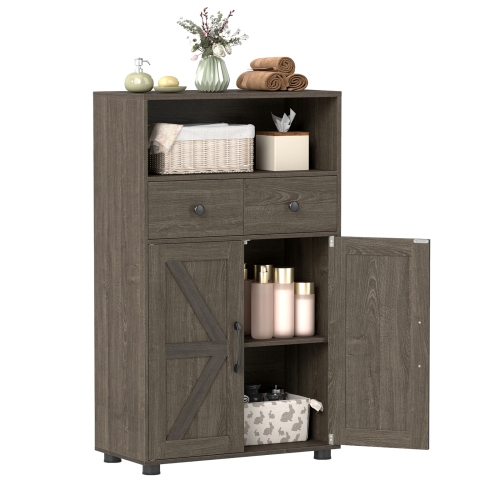
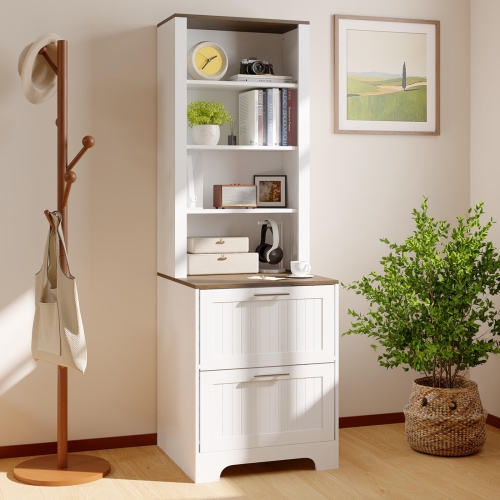
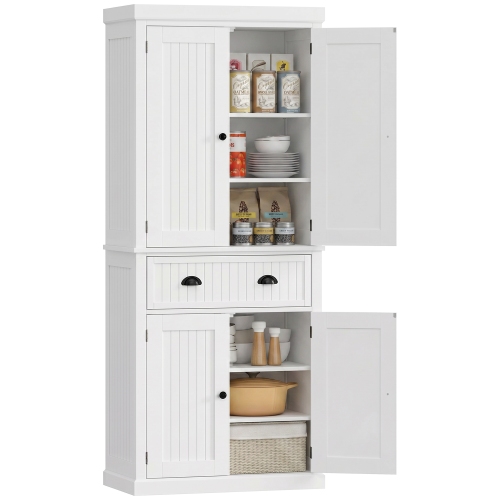
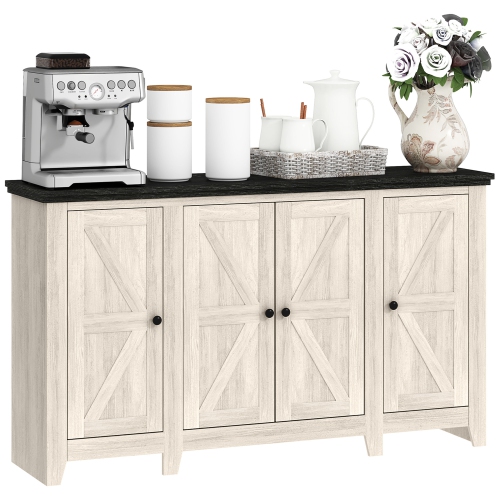
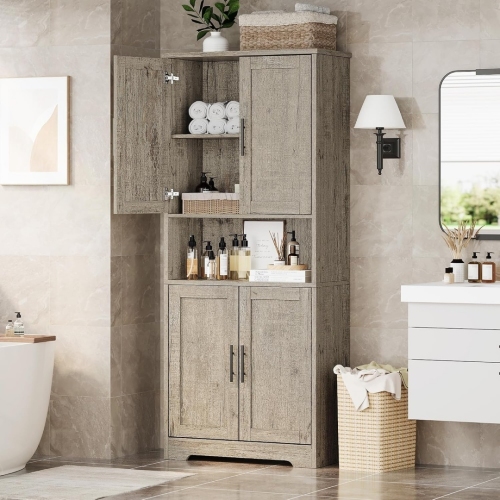
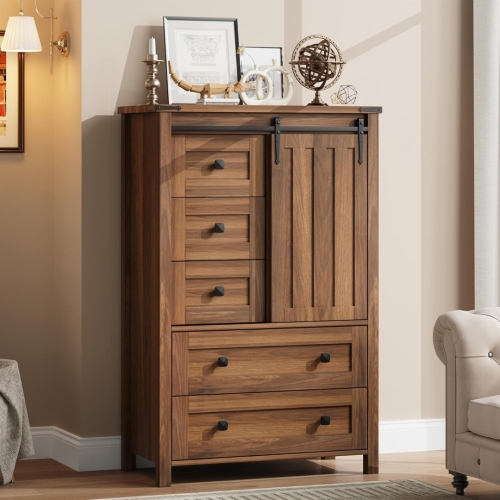
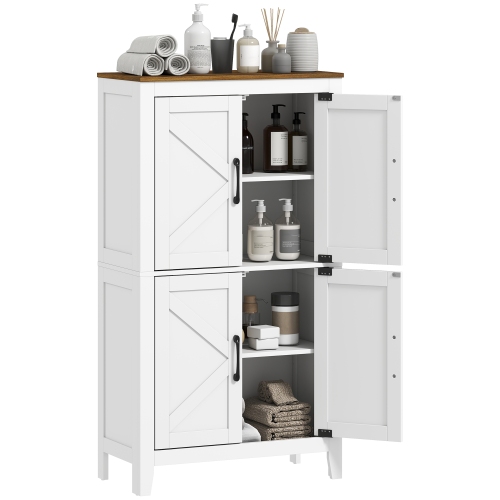
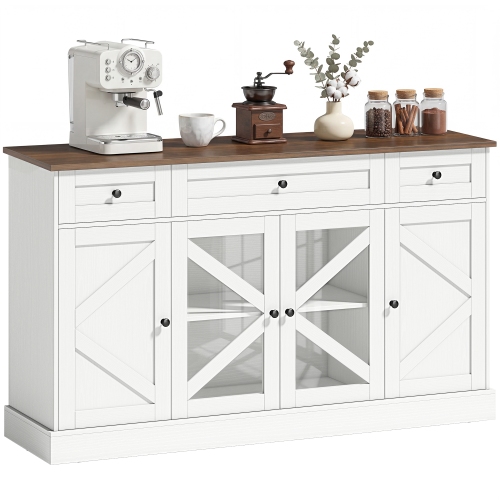
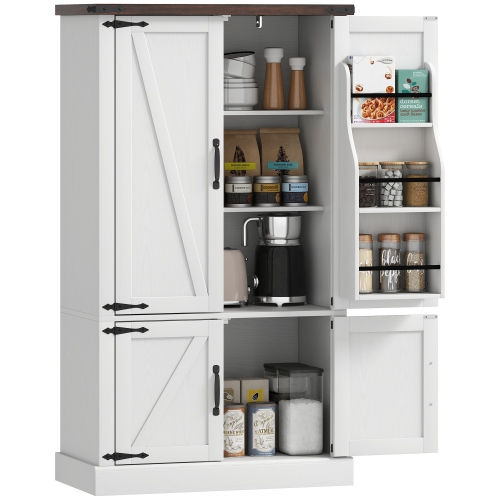
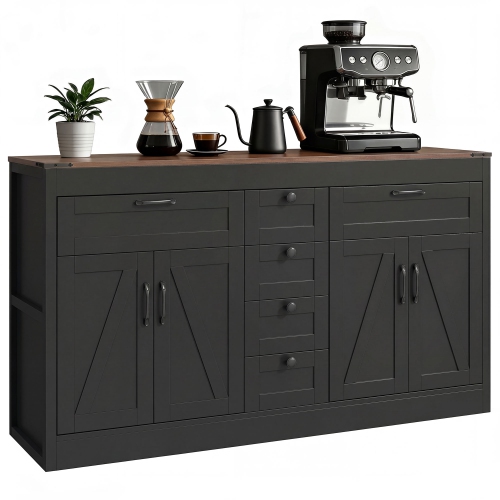
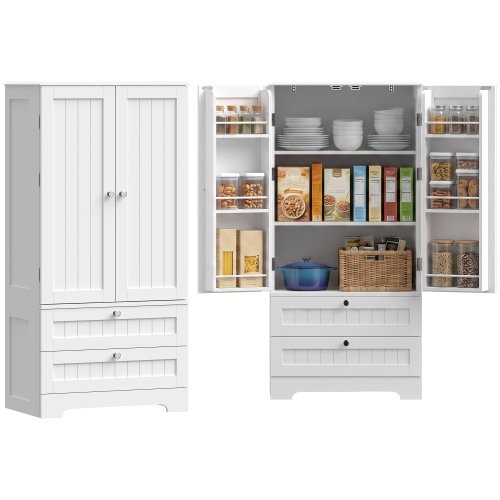
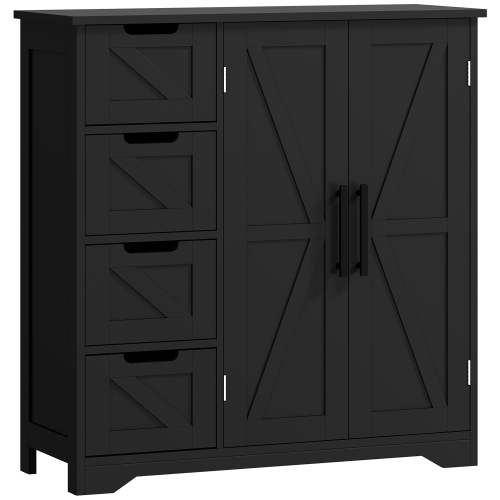
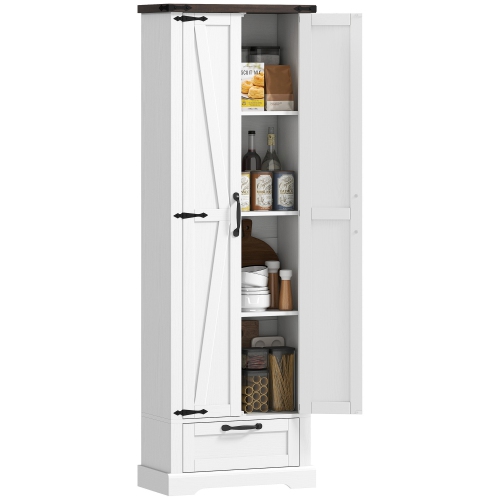
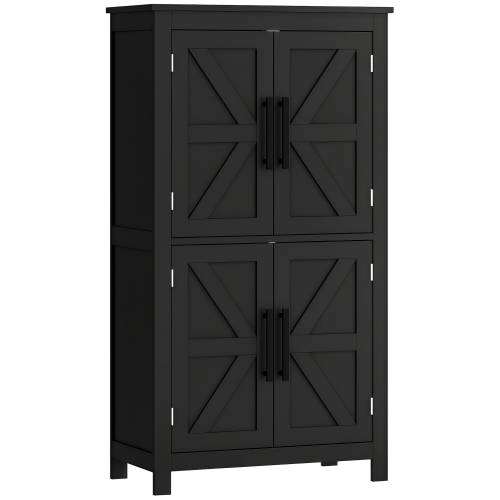
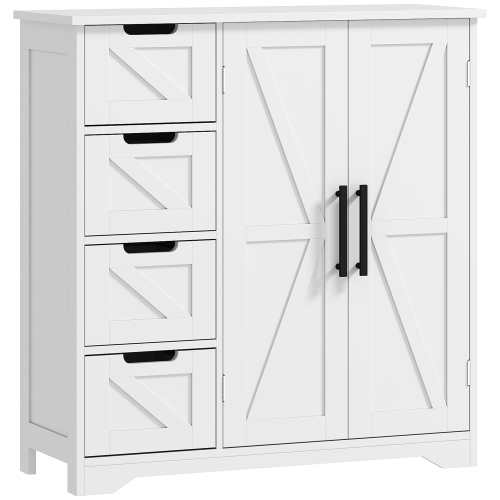
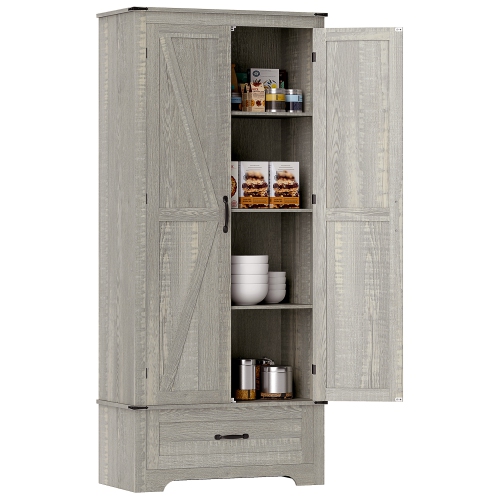
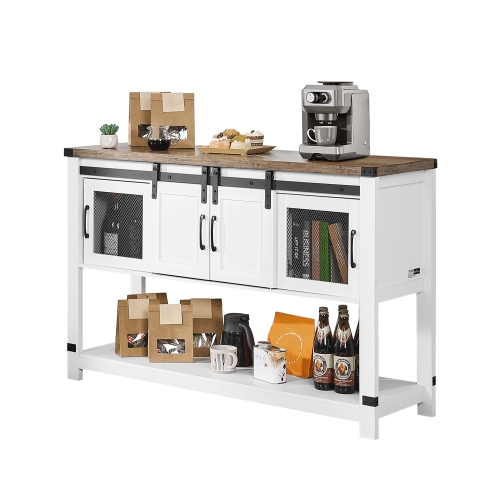
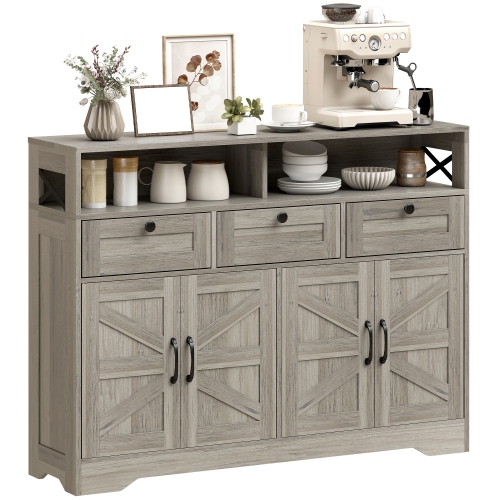
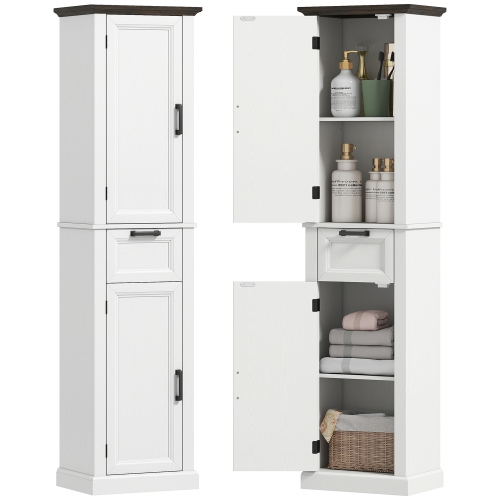
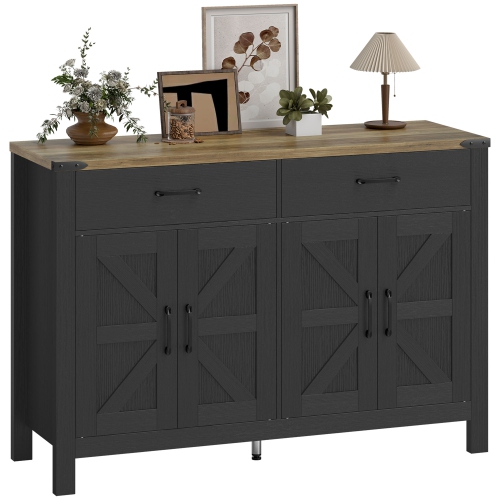
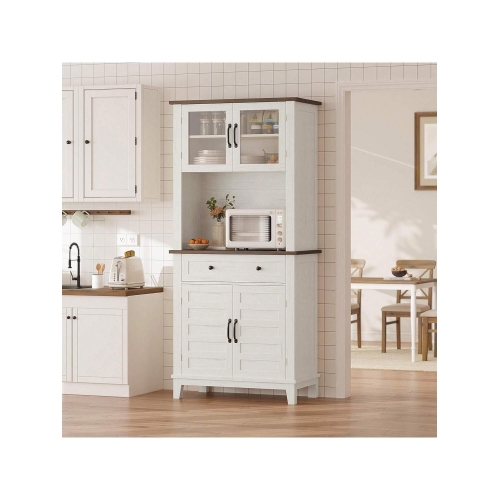

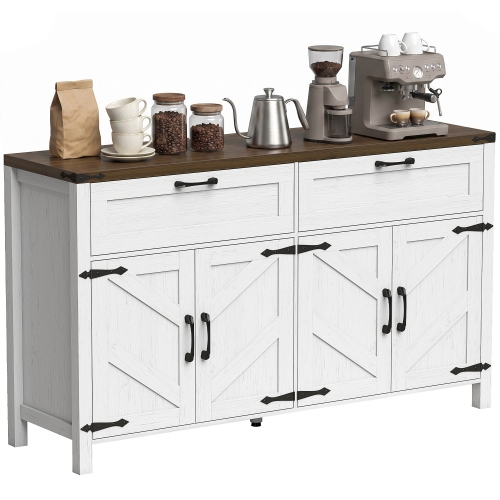
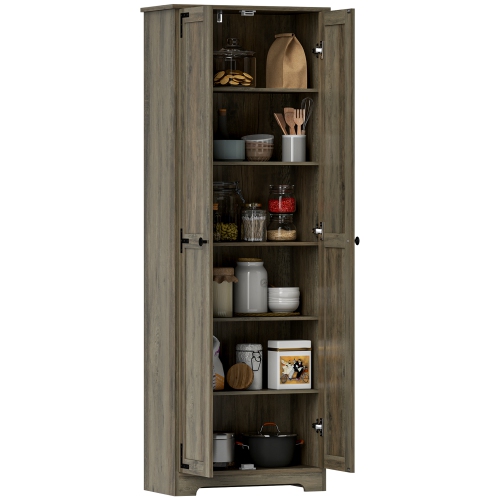
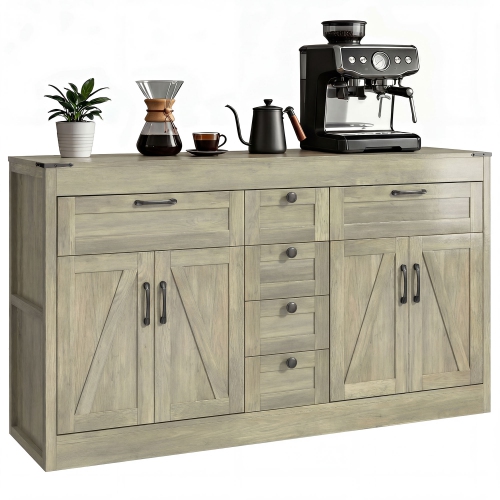
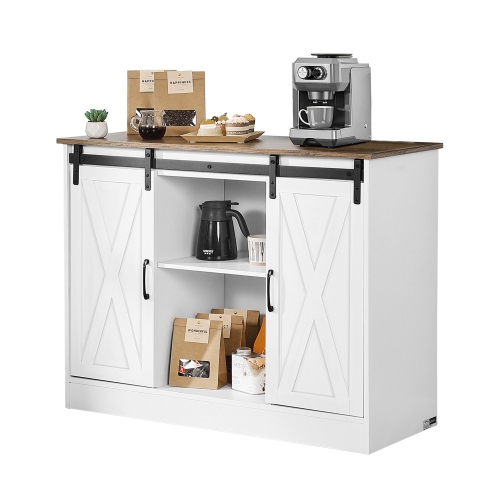
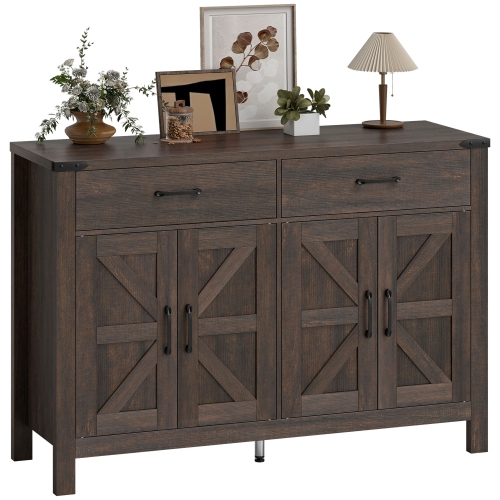

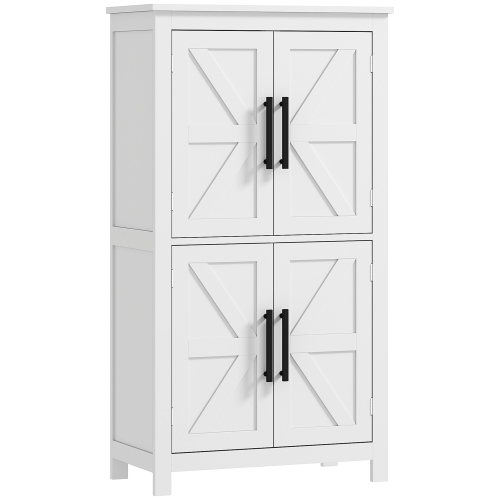
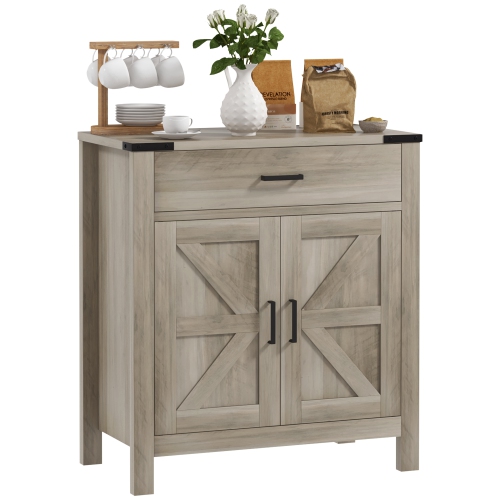
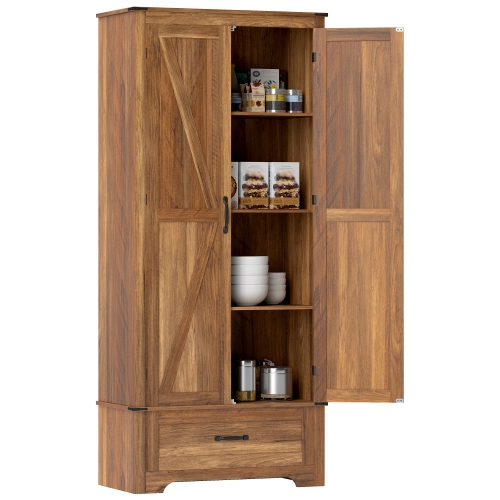
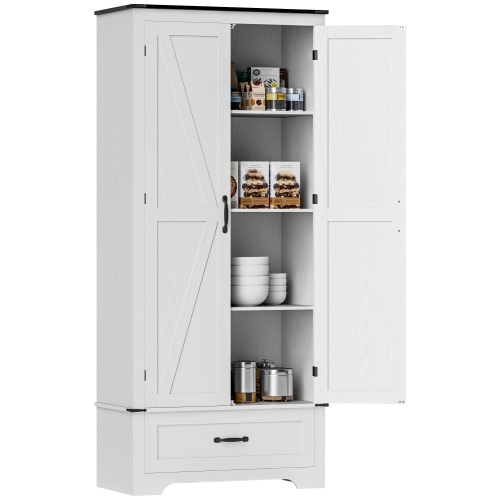
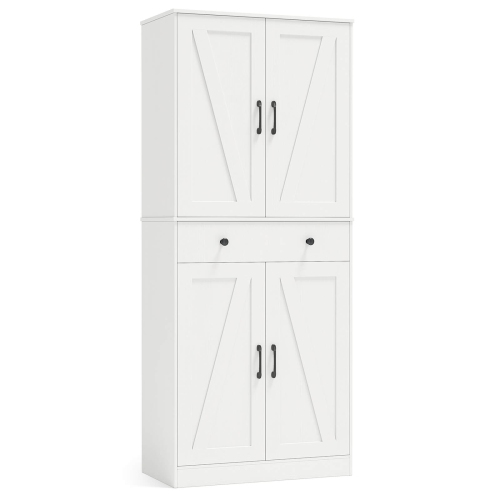
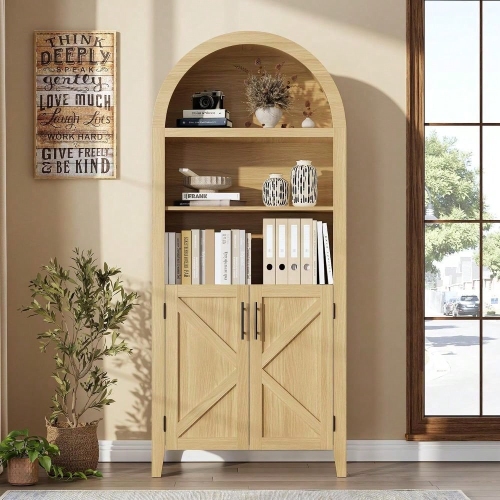
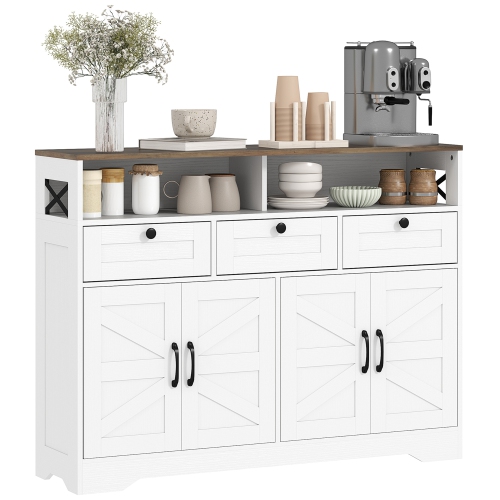
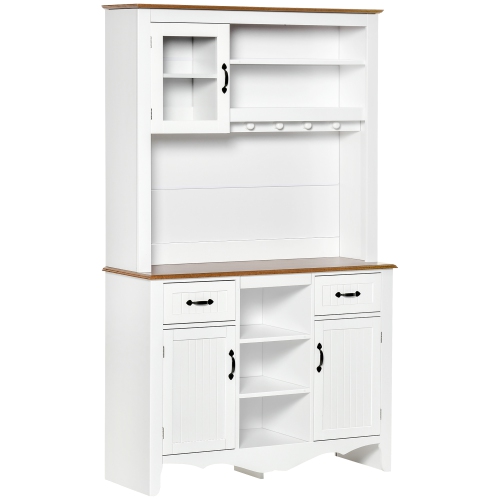
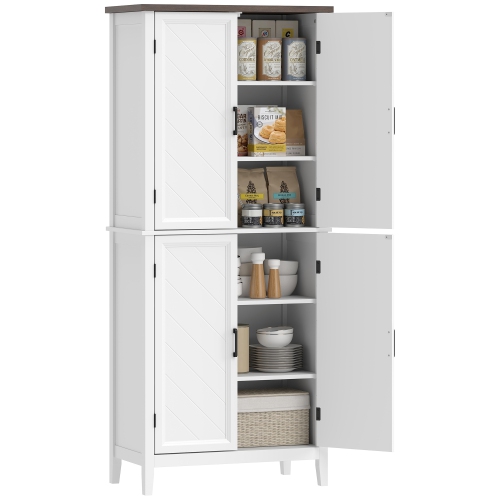

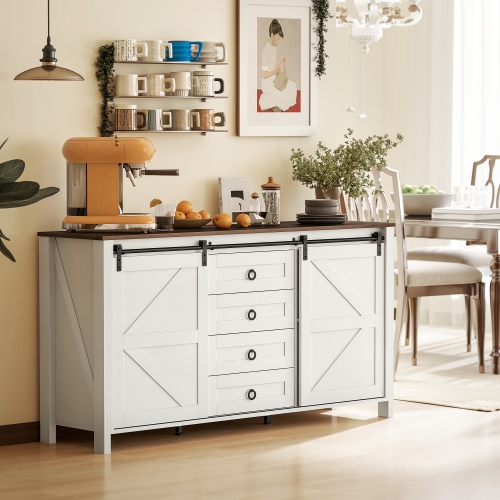
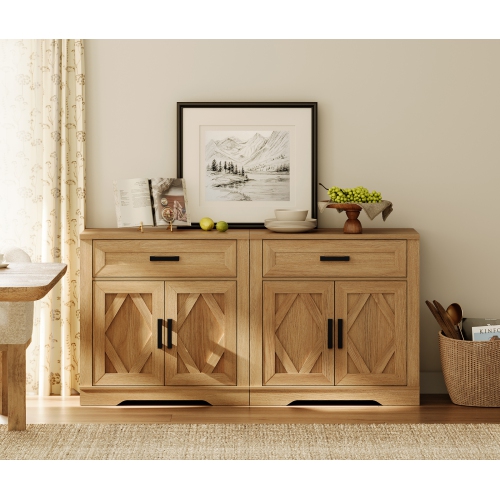
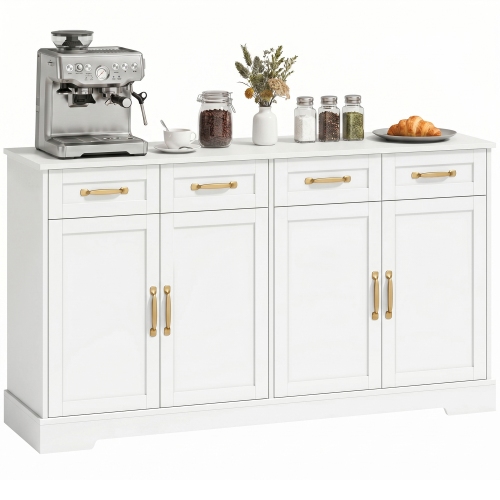
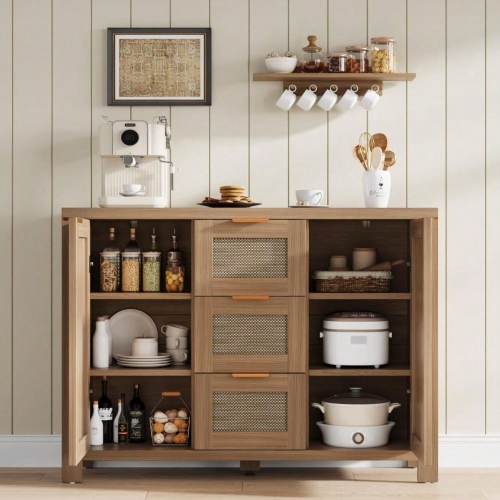
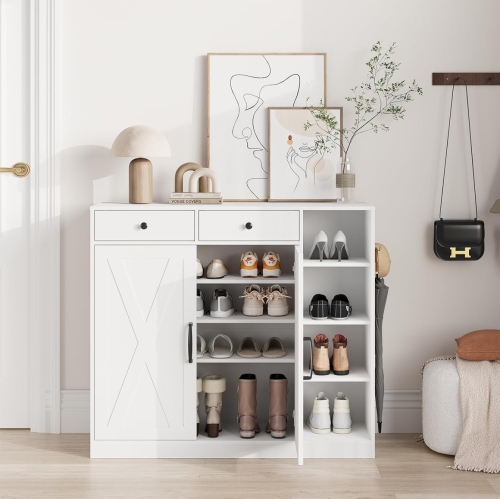
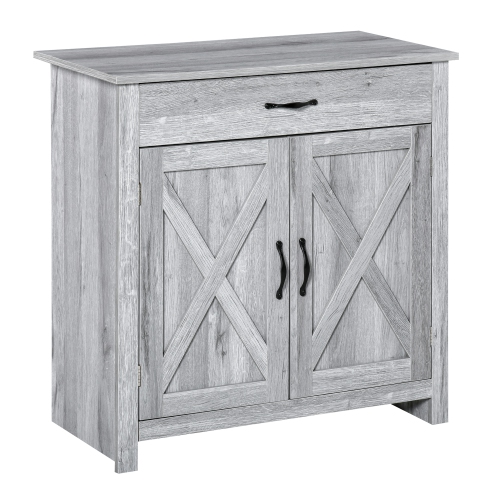
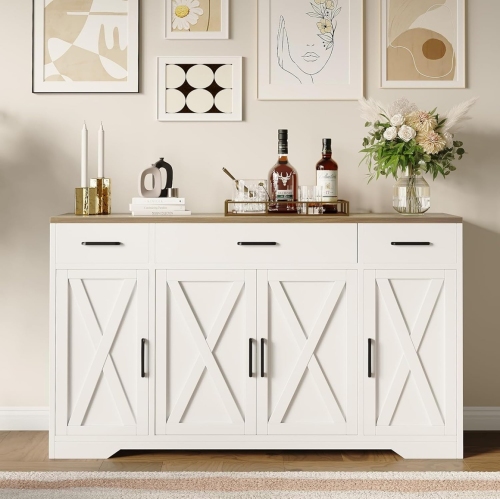
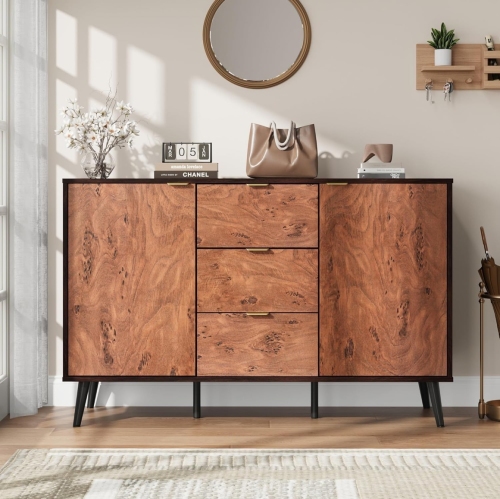
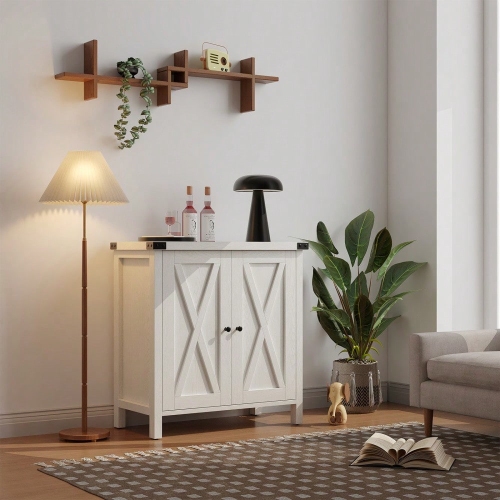
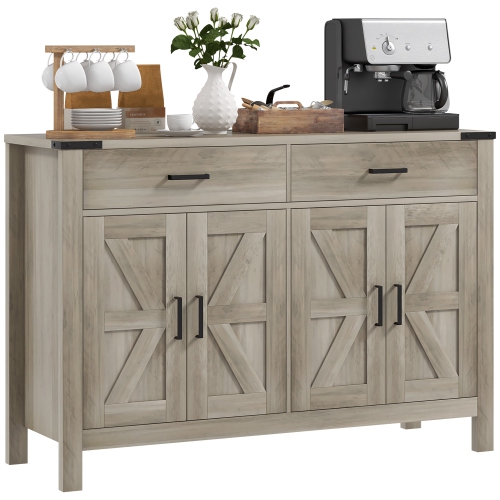
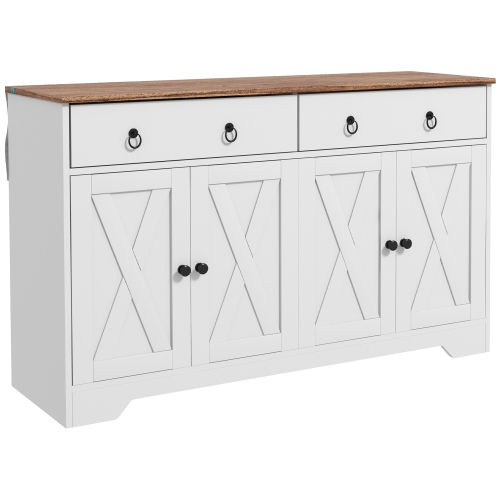
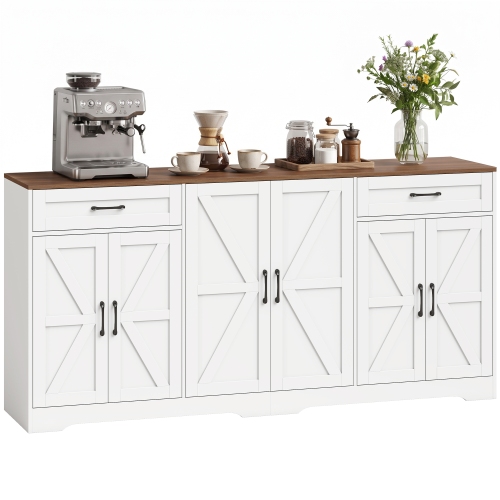
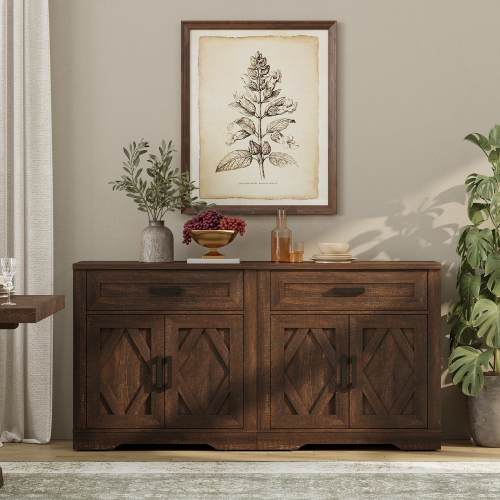
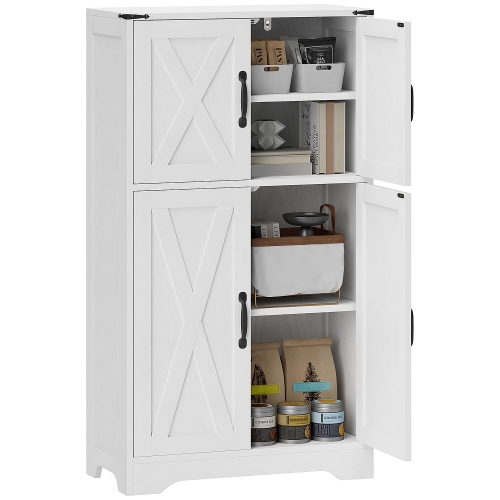
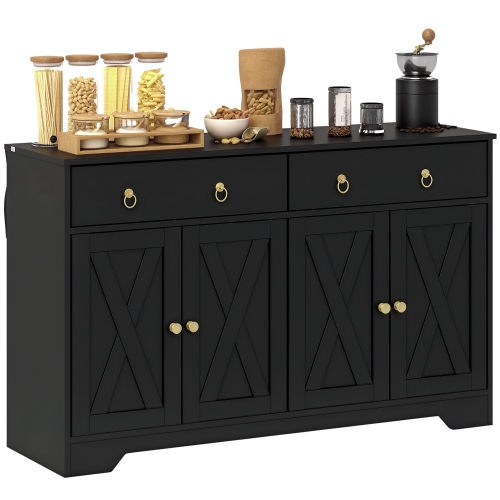
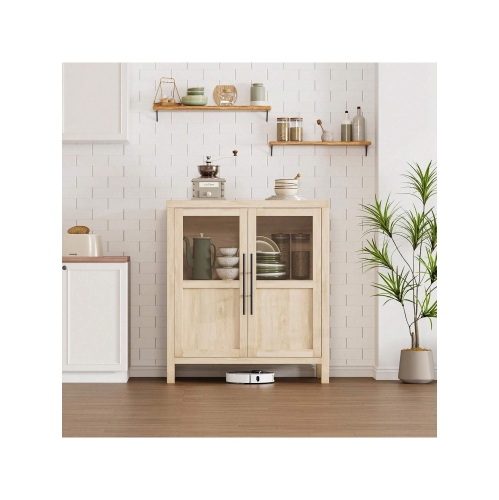
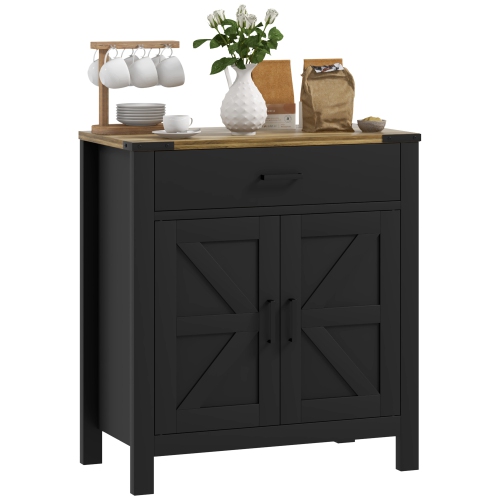
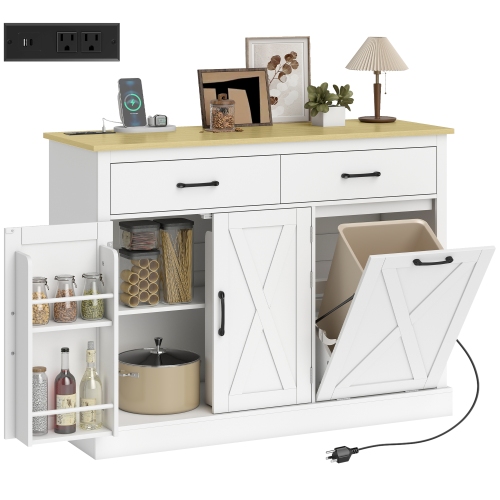
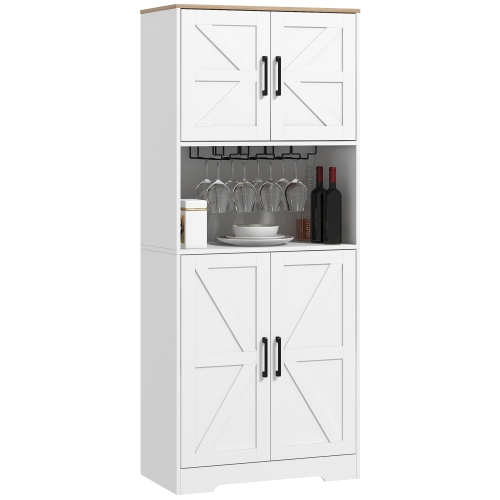
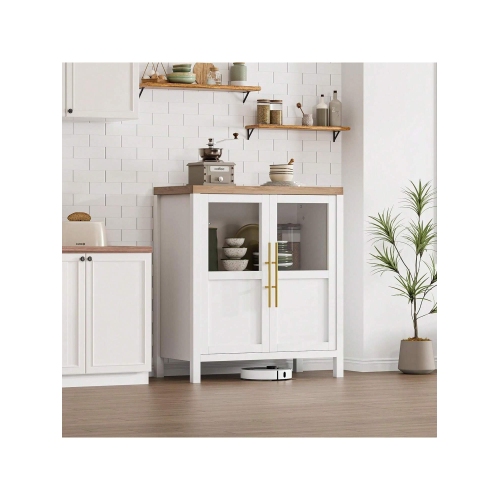
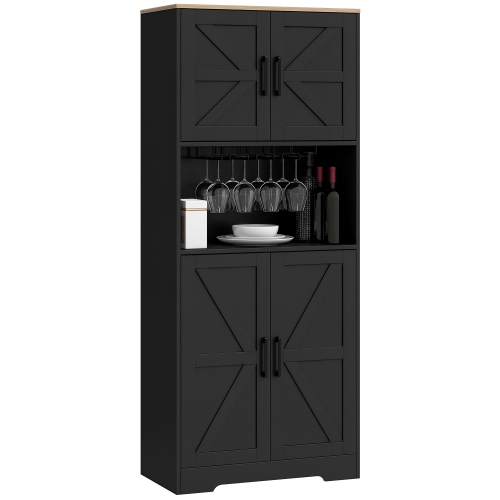
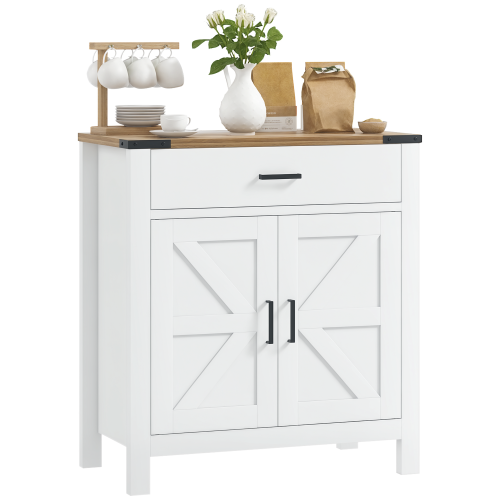
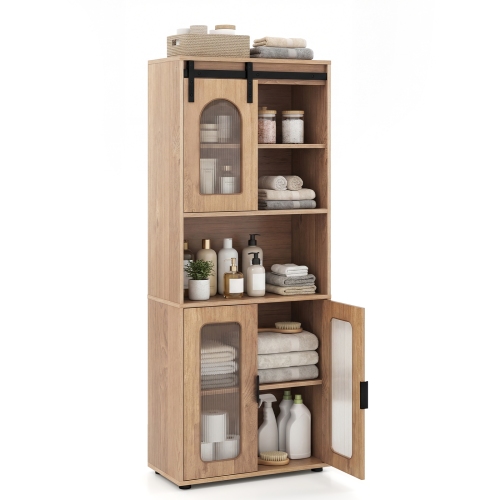
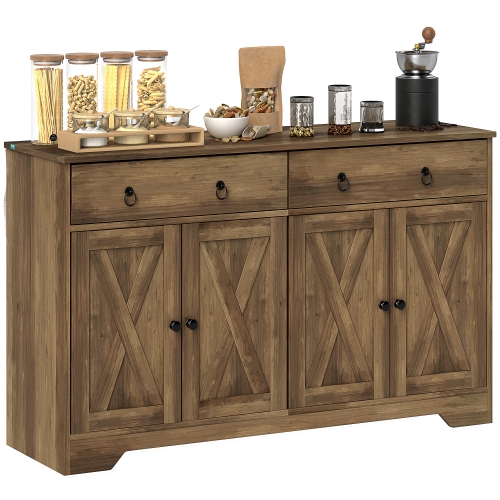
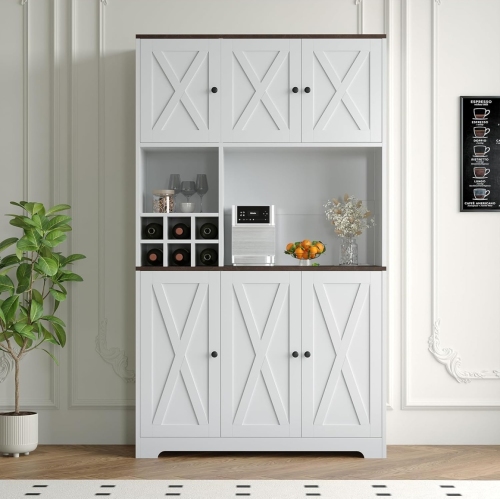
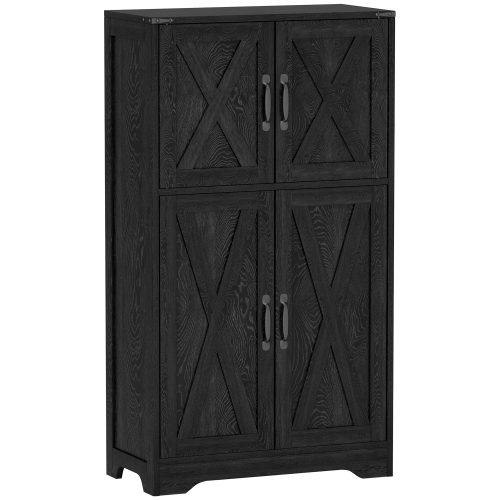
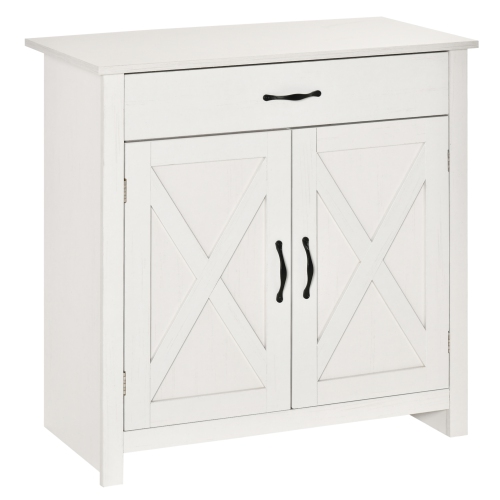
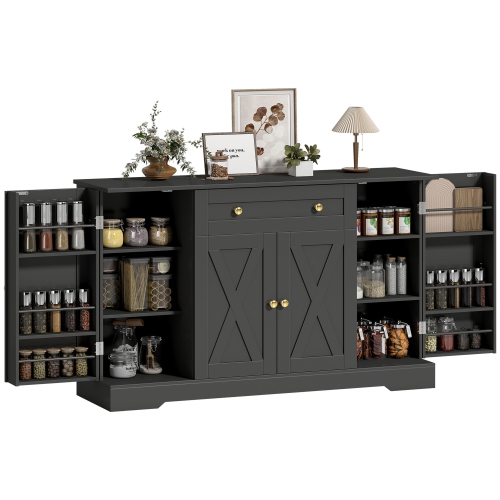
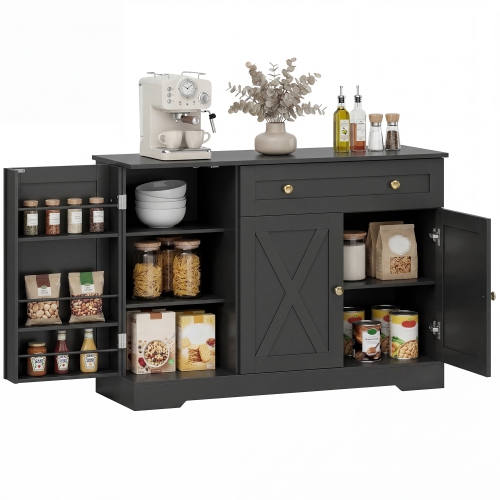
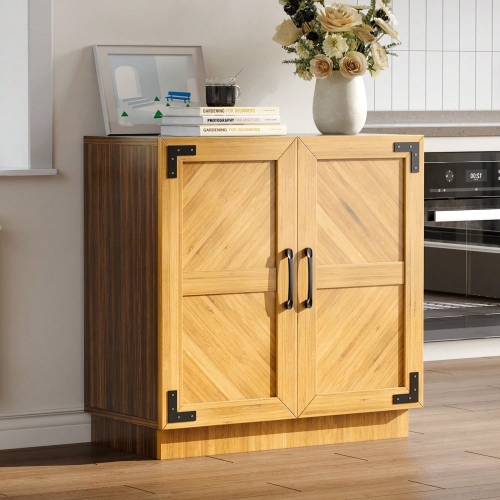
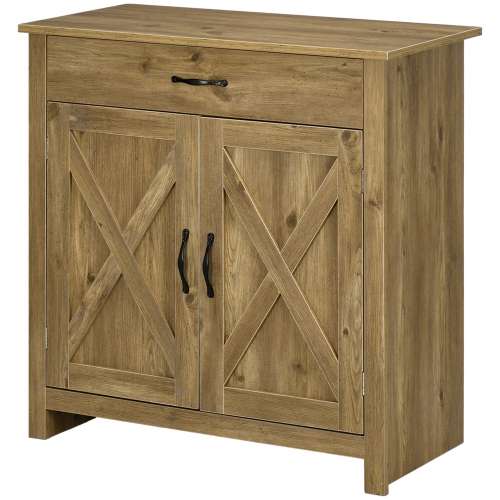
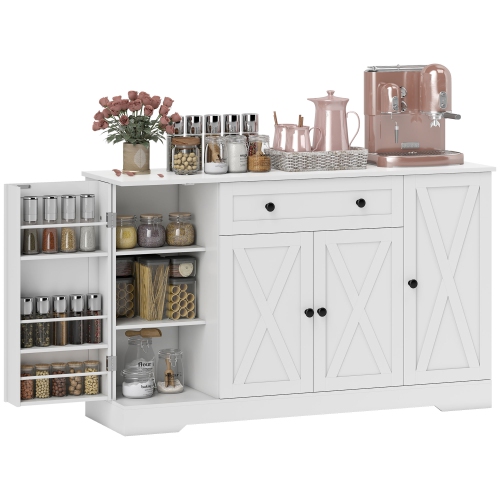
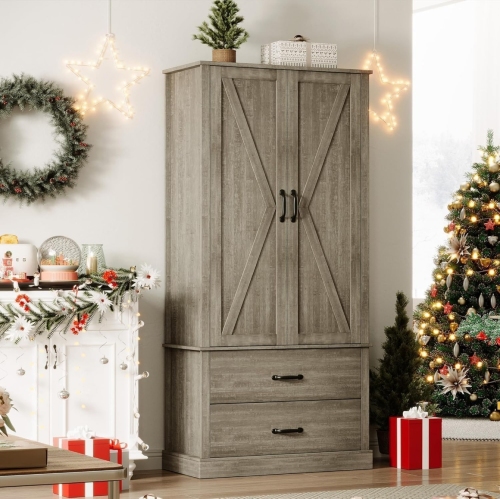
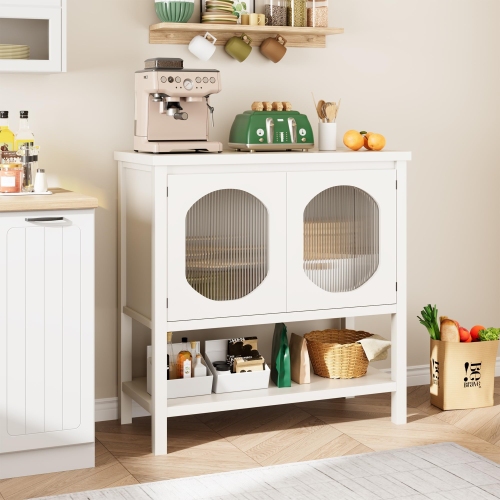
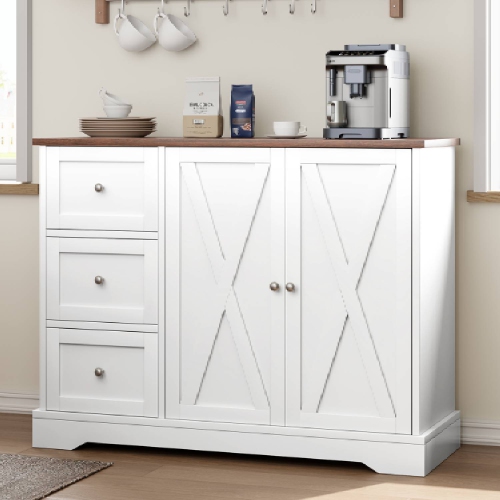
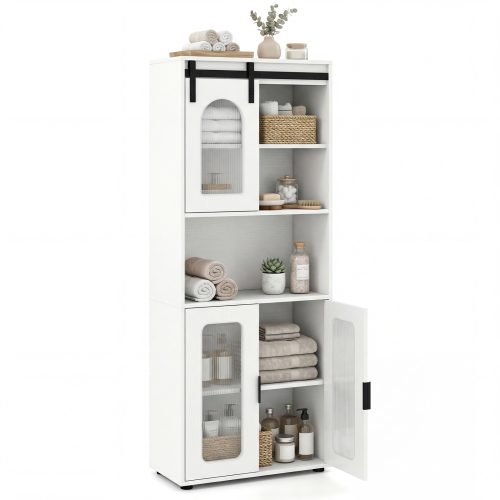
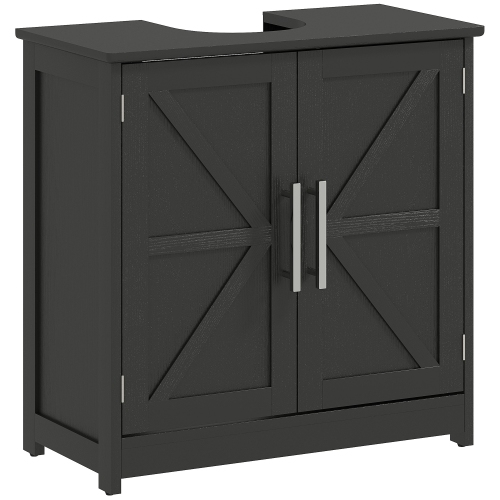
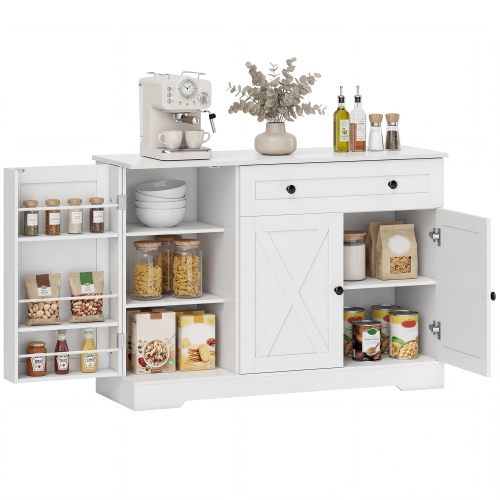
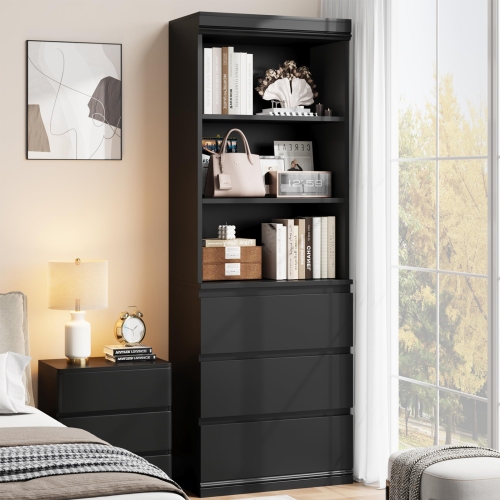
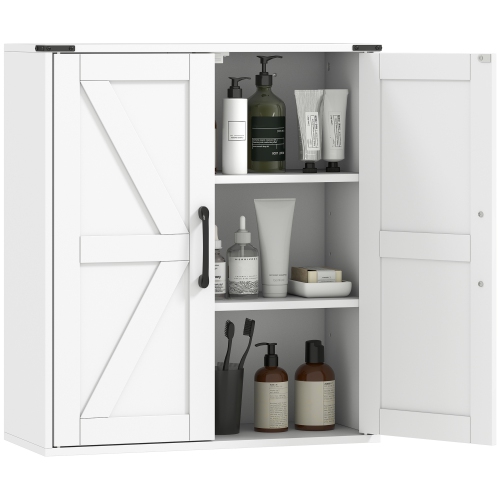
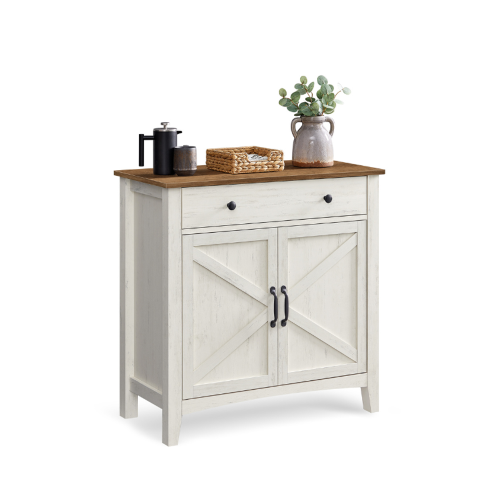
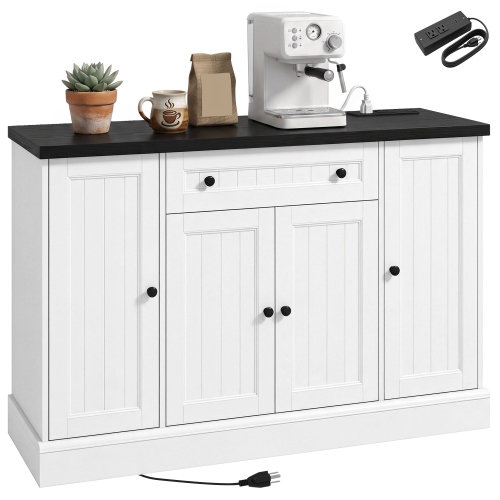
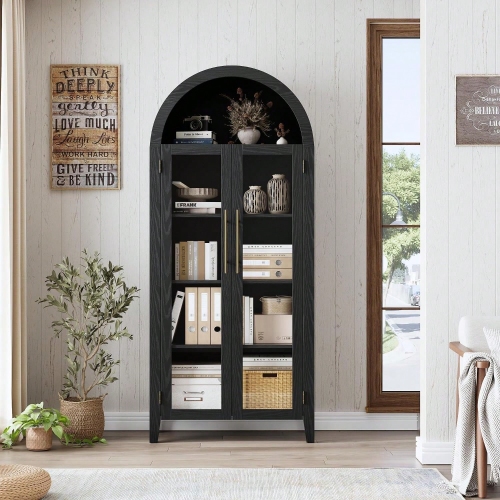
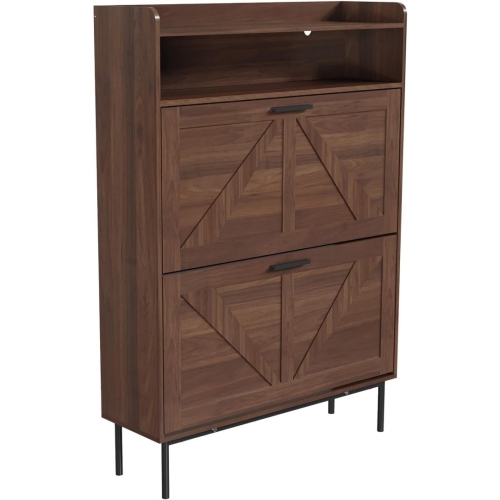
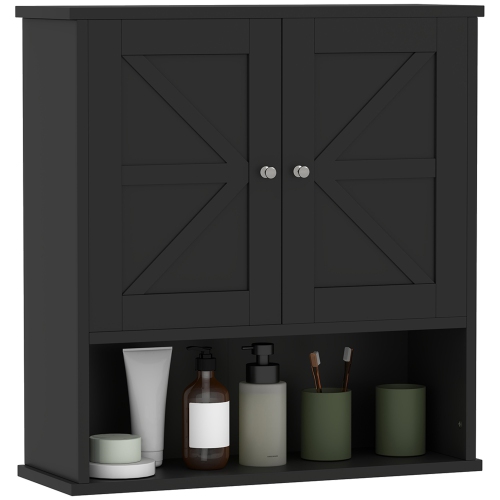
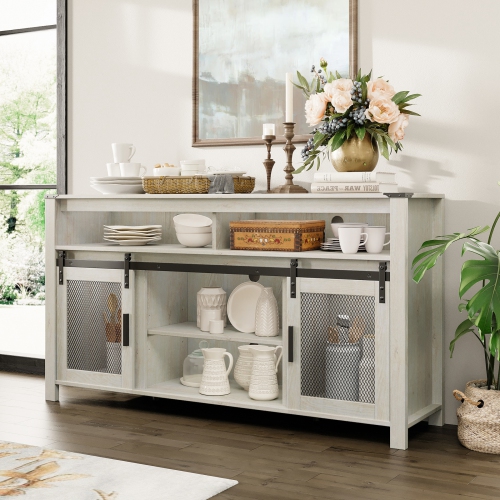
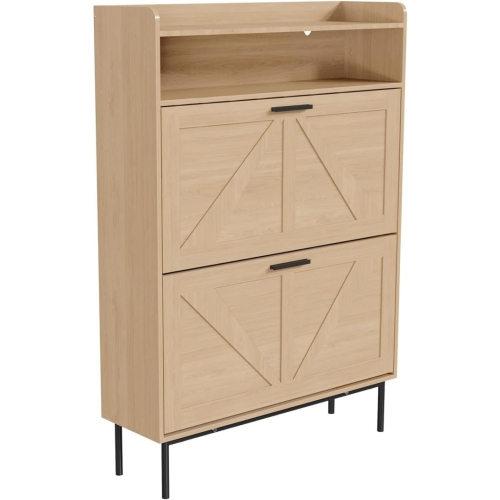
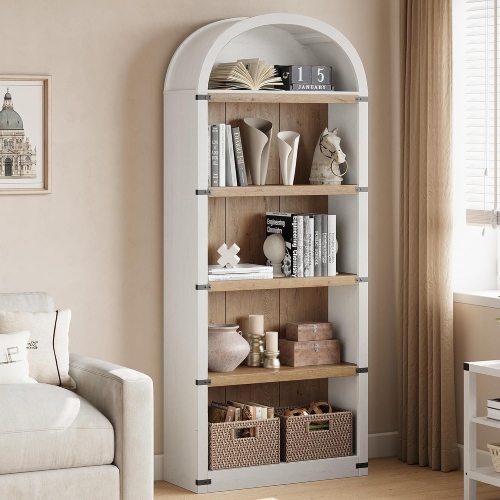
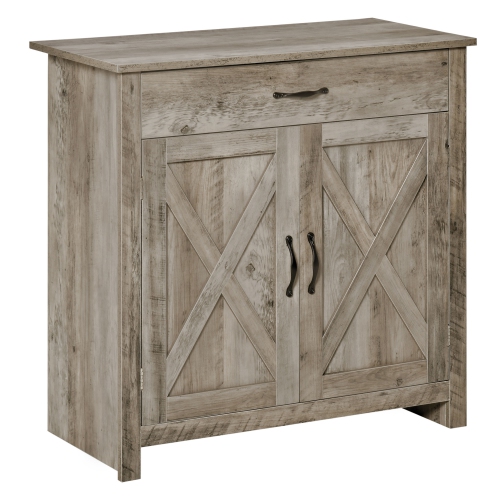
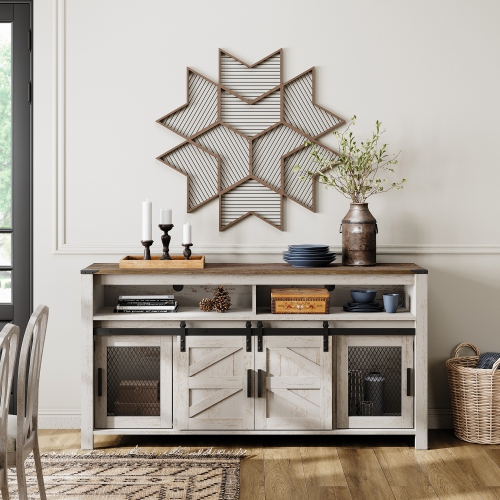
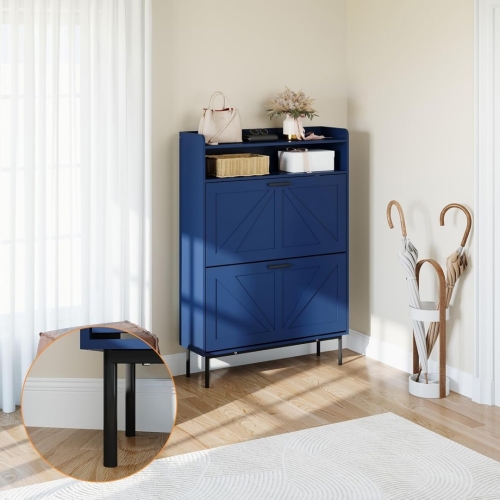
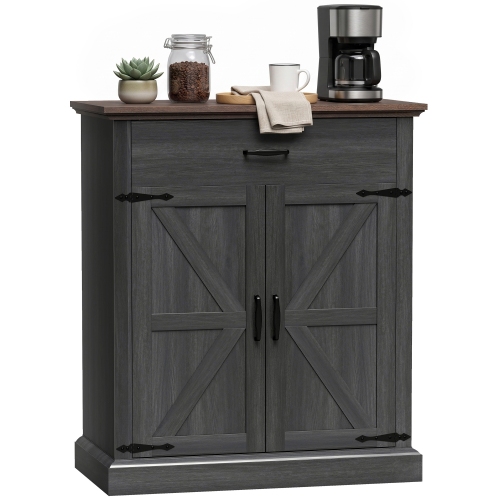
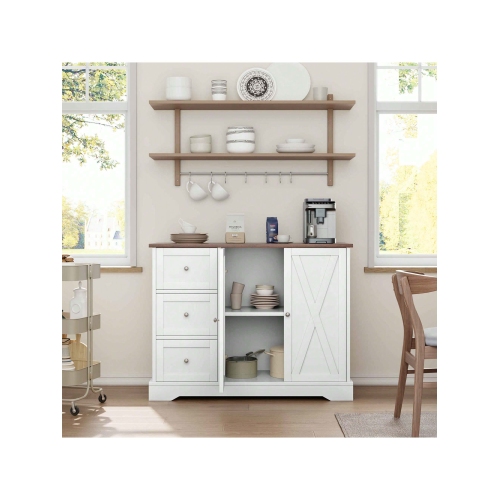
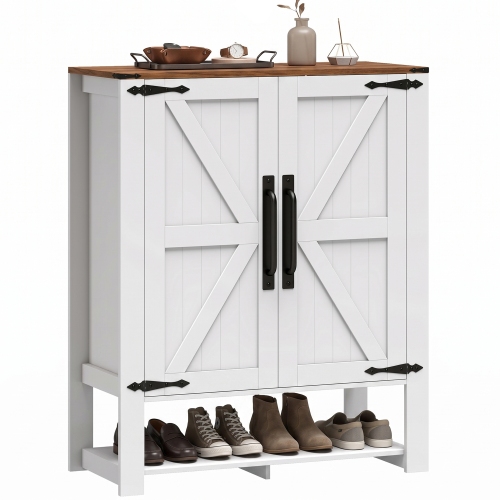
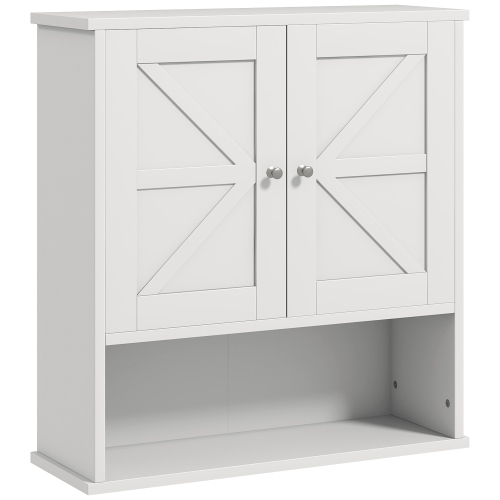
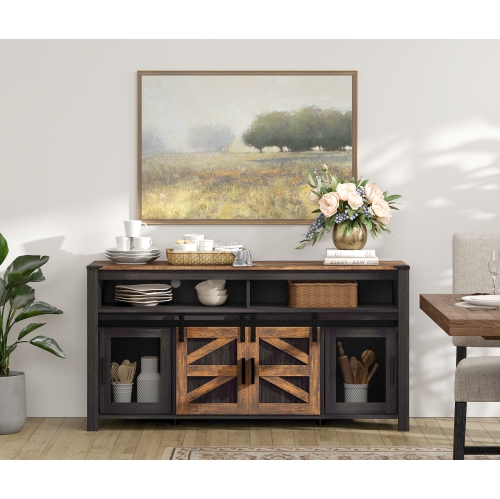
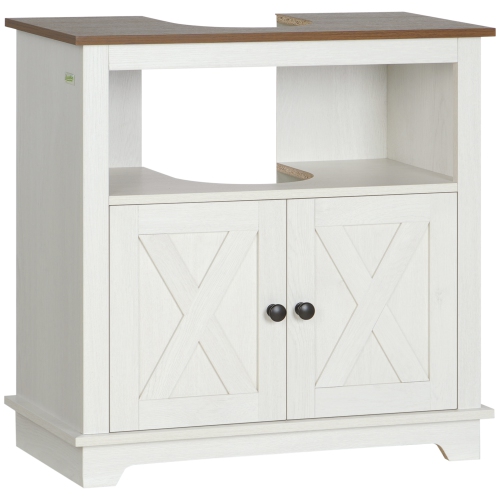
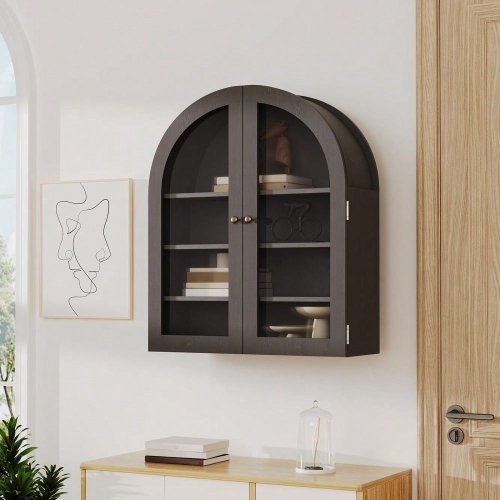
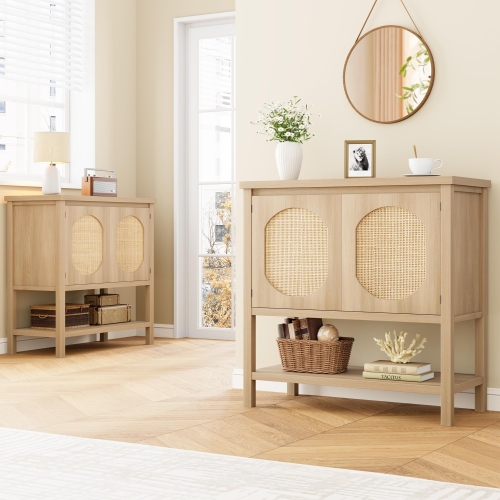
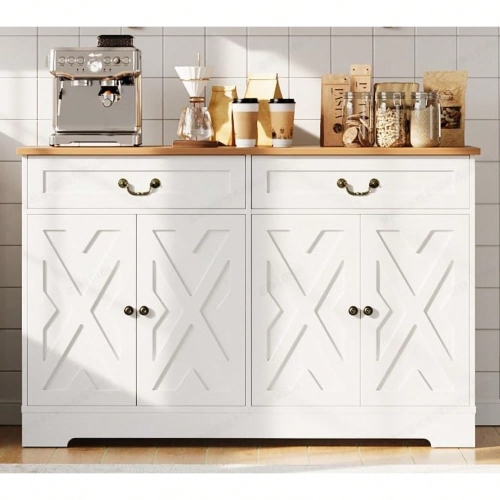
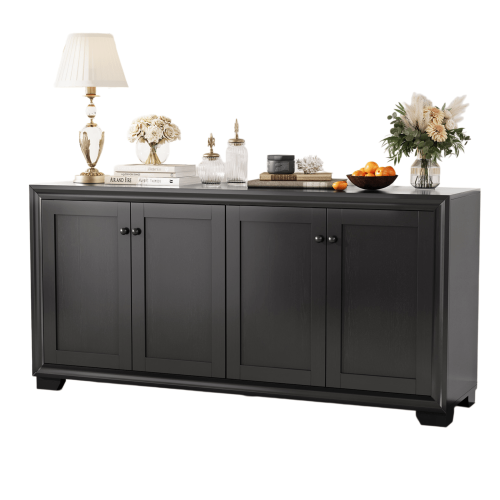
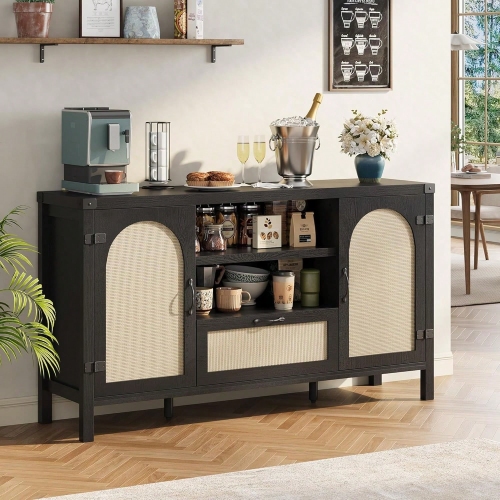
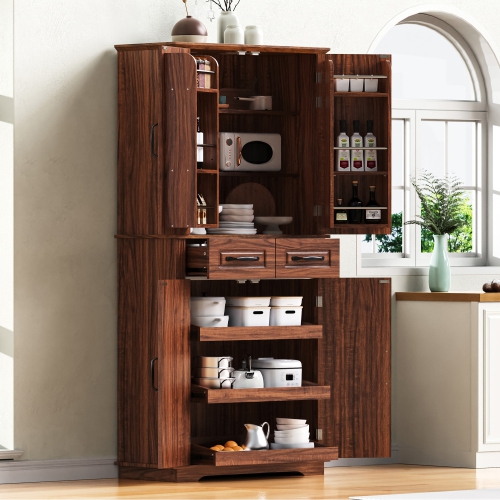
Rustic character meets storage that fits daily life
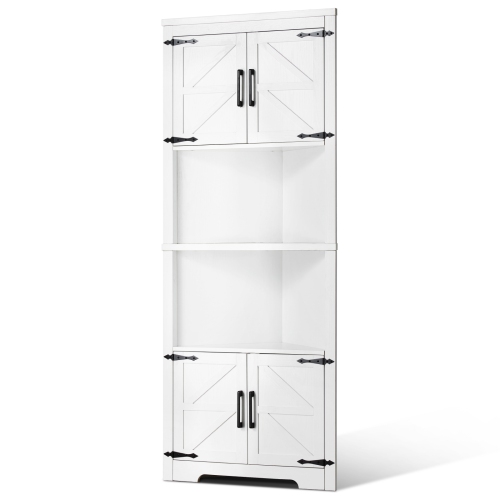
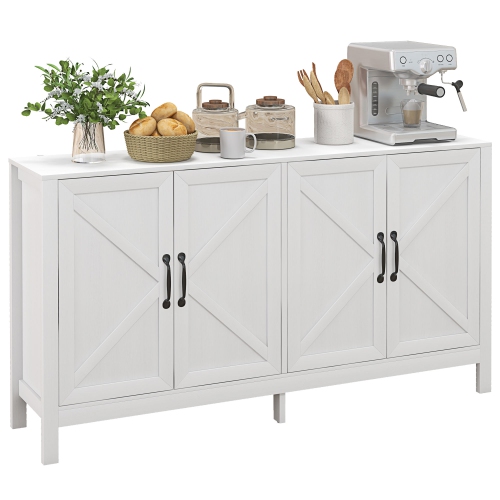
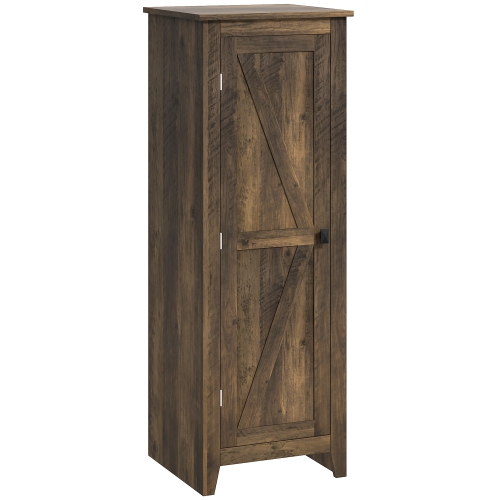
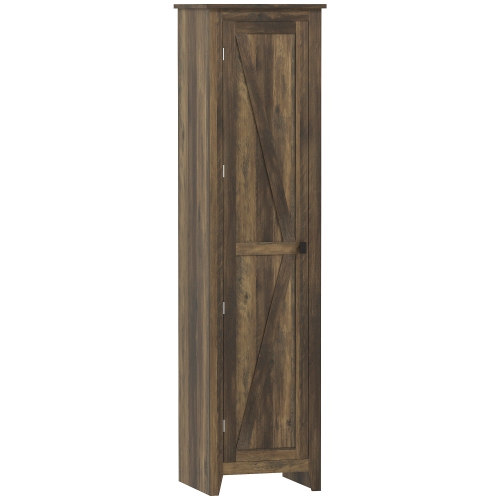
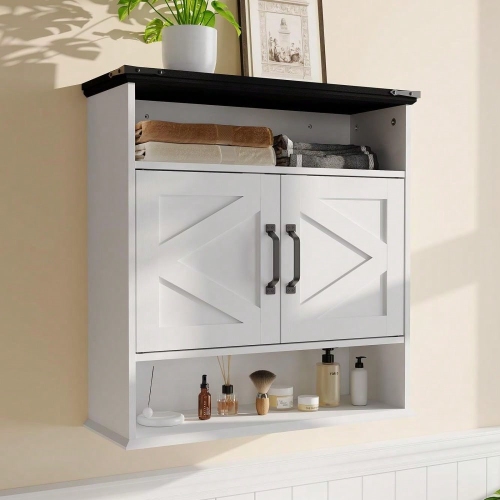
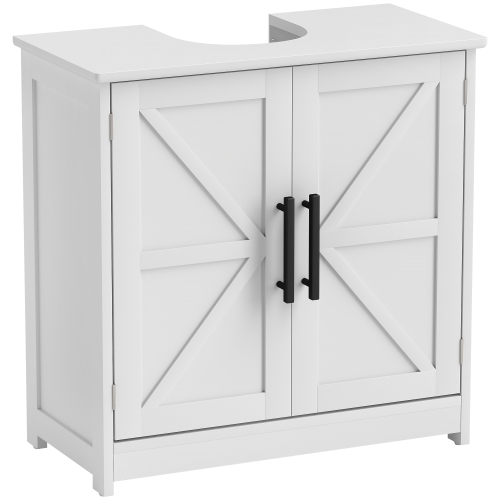
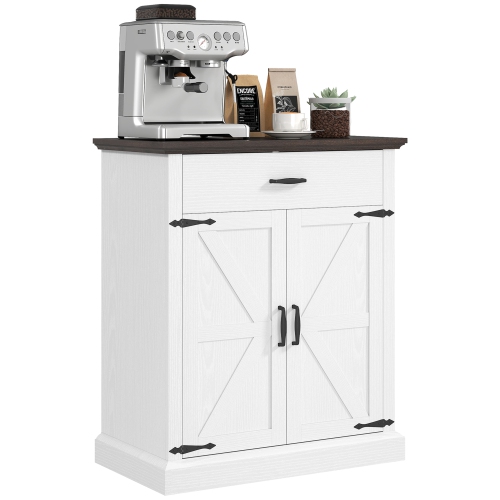
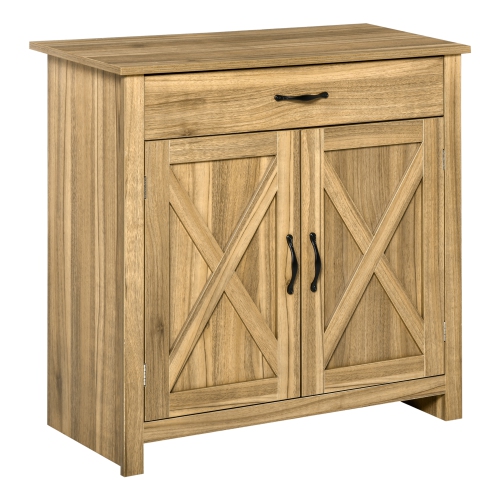
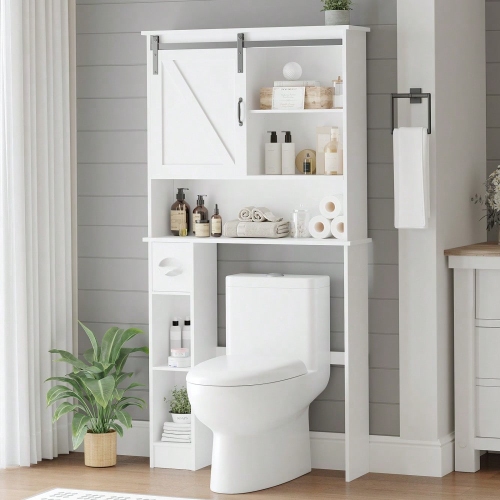
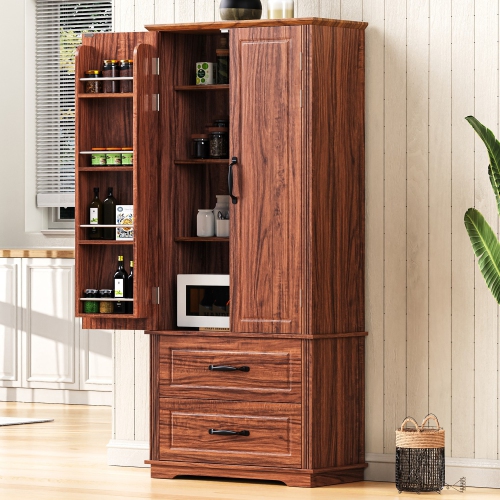
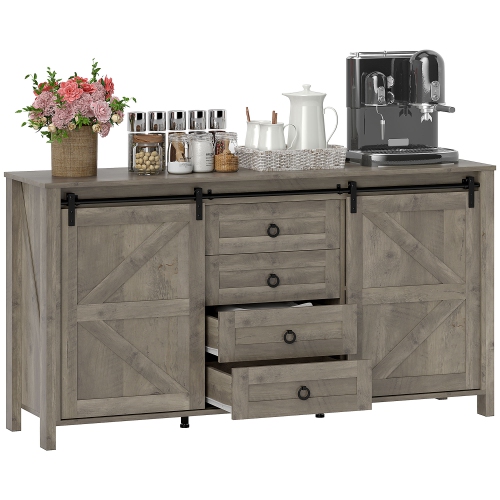
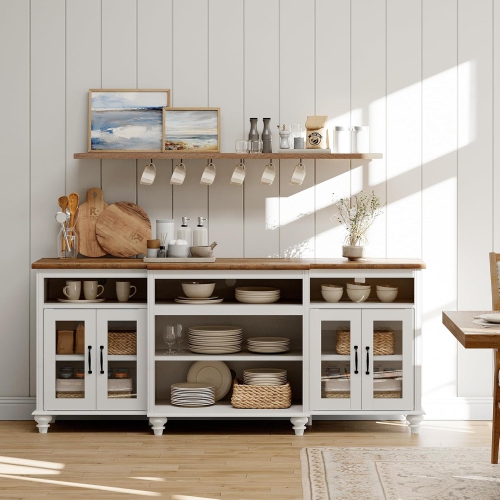
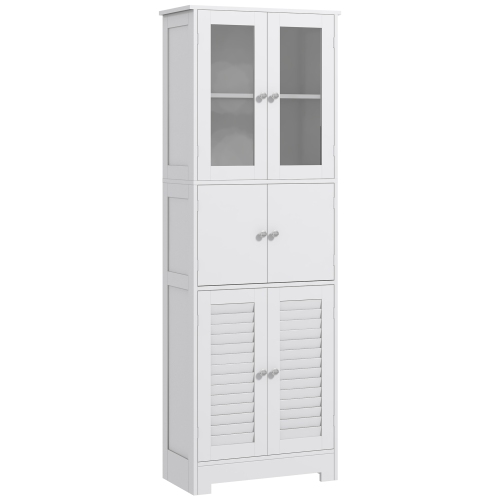
Farmhouse storage cabinets combine practical enclosed storage with rustic design details such as barn-style doors, X-shaped accents, panelled fronts, and natural or distressed wood finishes. Their appeal comes from the balance between a relaxed appearance and an orderly interior: everyday belongings stay close at hand without becoming the main feature of the room. Painted white, cream, grey, and muted darker finishes can sit comfortably beside exposed wood grain, while metal pulls and hinges add contrast. Some designs lean towards a traditional country look, with moulded edges and turned feet; others use clean lines and simple hardware for a more modern farmhouse feel. The right proportions make the style work in spaces beyond a large kitchen or dining room. A low cabinet can hold table linens and serving dishes near a dining table, while a taller cupboard can bring useful vertical storage to a compact breakfast nook. In a living room, closed doors keep board games, spare cables, and craft supplies out of sight, leaving open shelves for books or a few favourite objects. An entryway cabinet can provide a home for bags and small daily essentials, provided its depth leaves a comfortable passage through the space. In a home office, shelves behind panelled doors can keep paper, notebooks, and supplies from spilling into the rest of the room. For spaces where dishes, pantry staples, and meal preparation supplies are the main focus, Farmhouse Kitchen Cupboards offer a closely related storage style. Across these uses, the most useful cabinet is one whose interior matches what it needs to hold. A stack of dinner plates needs different shelf spacing from a tall cereal container, and a collection of small craft supplies benefits from a different layout than folded tablecloths. Farmhouse styling provides the visual character, but usable shelf space, accessible doors, and a suitable footprint determine how naturally the cabinet fits into daily life.
Materials and construction influence both the appearance of farmhouse storage cabinets and how they handle regular use. Solid wood brings visible grain and natural variation, and it can develop small marks over time that suit a rustic finish. It can also expand and contract with changes in indoor humidity, so placement and care still matter. Engineered wood, including MDF and particleboard, is commonly used beneath painted, laminated, or veneered surfaces. A wood veneer provides a thin layer of real wood over a supporting core, while a laminate creates a finished surface with its own cleaning requirements. These materials should not be judged by the exterior alone: shelf thickness, joinery, backing, hardware, and the quality of exposed edges all contribute to how a cabinet performs. A distressed finish describes an appearance rather than resistance to damage, and a substantial-looking top does not automatically indicate a high weight capacity. Shelf and top load limits are especially important when storing dinnerware, books, or countertop appliances. Adjustable shelves make room for belongings of different heights, while fixed shelves can provide a straightforward layout for consistent storage needs. Door construction affects access as well. Hinged doors need clear space in front of the cabinet and beside nearby furniture. Sliding barn-style doors avoid an outward swing, although they may leave only part of the interior accessible at one time. Glass-front sections keep contents visible, whereas solid fronts conceal a busier assortment of belongings. Fit involves more than finding an empty stretch of wall. Cabinet width, depth, and height need to work with baseboards, nearby doorways, electrical outlets, and the route used to bring the furniture into the room. In a narrow dining area, a shallower cabinet may be more comfortable than a deeper design, even if the deeper option holds more. Drawer extension, door travel, and space to stand comfortably in front of the cabinet all deserve room in the layout.
A well-organized interior helps a farmhouse storage cabinet remain useful after the room has been tidied. Frequently used belongings are easiest to reach at a comfortable height, while heavier pieces are generally better placed on lower shelves, within the stated weight limits. Small baskets or trays can group loose supplies, but they work best when their dimensions leave enough clearance to lift them out easily. In a dining space, keeping napkins beside placemats and serving utensils makes setting the table more straightforward. In a shared living area, a dedicated shelf for games or art supplies makes putting things away less of a search for spare space. Open sections benefit from a little breathing room rather than being filled edge to edge, while enclosed sections can handle the less coordinated necessities of everyday life. Cabinet tops can provide a place for a lamp or a serving tray, subject to the furniture’s intended use and load rating. Heat-producing appliances, wet plant pots, and hot dishes need particular care; a cabinet surface should not be treated as a heat-resistant worktop unless it is designed for that purpose. Routine cleaning is usually simplest with a soft cloth and the method recommended for the specific finish. Spills should be wiped up promptly, especially around seams and edges, and abrasive cleaners or excess water can damage painted, veneered, or laminated surfaces. Hinges, handles, and sliding tracks may also need occasional attention according to the manufacturer’s directions. Tall furniture should be secured using the specified anti-tip hardware and suitable wall fixings, particularly in homes with children or pets. For a cohesive room, cabinet finishes can repeat an existing wood tone or metal accent without matching every piece of furniture exactly. A painted cabinet beside a wood dining table, for example, can feel more relaxed than an entirely matched set while still looking intentional. The result is storage that supports the room’s routines and carries farmhouse character through its texture, proportions, and everyday usefulness.
Top selling and popular products
-
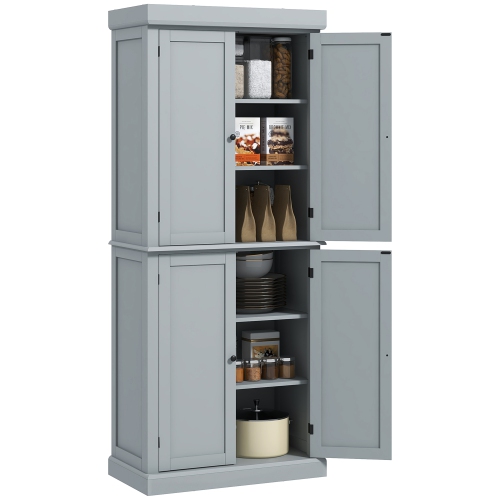 Your price for this item is $285
-
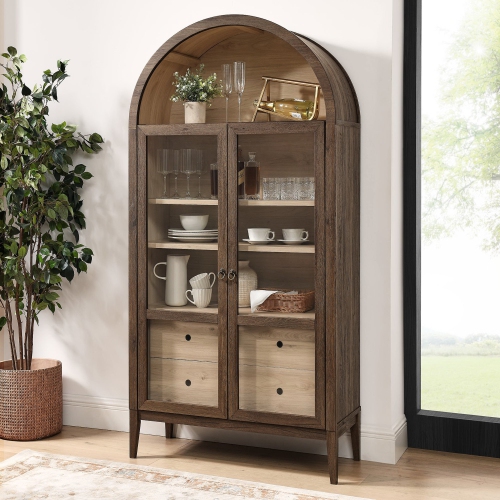 Your price for this item is $1155.71
-
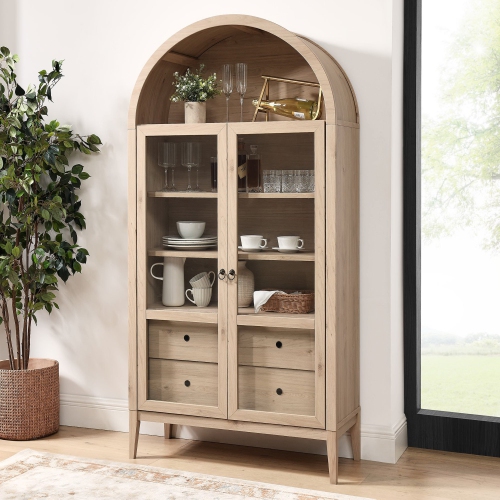 Your price for this item is $1155.71
-
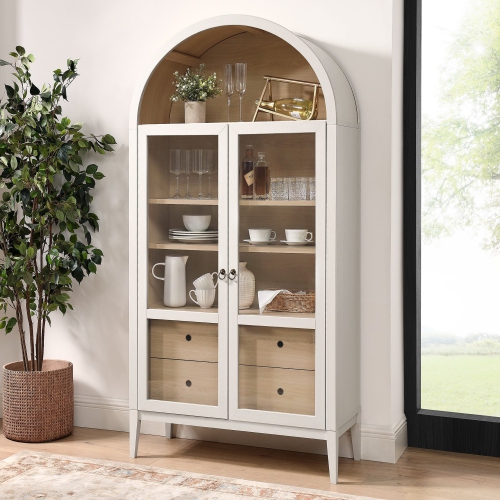 Your price for this item is $1155.71
-
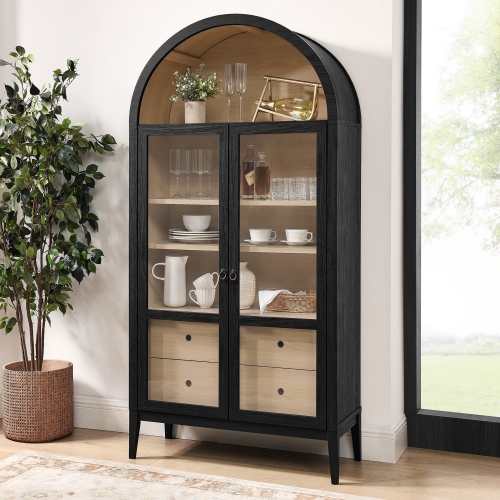 Your price for this item is $1155.71
-
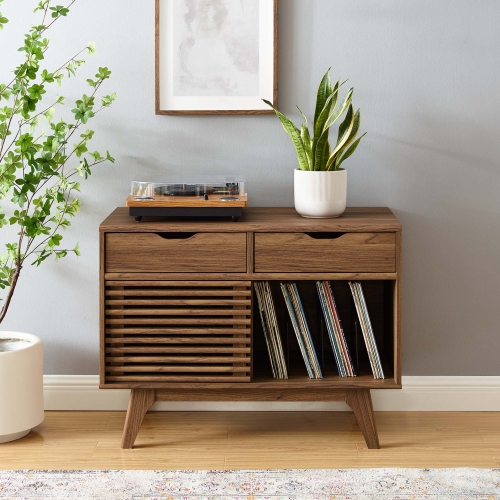 Your price for this item is $452.93
-
 Your price for this item is $155.99
-
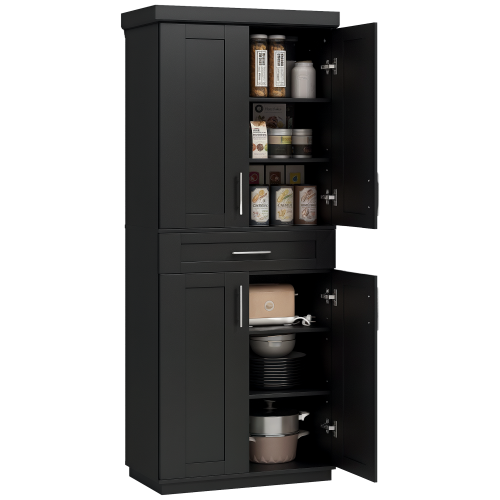 Your price for this item is $266.99
Discover more categories related to Farmhouse Storage Cabinets
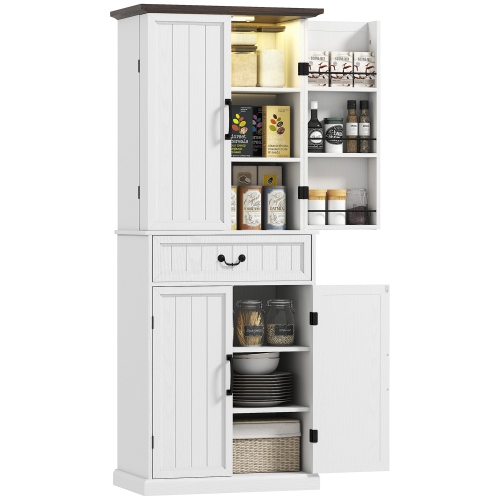
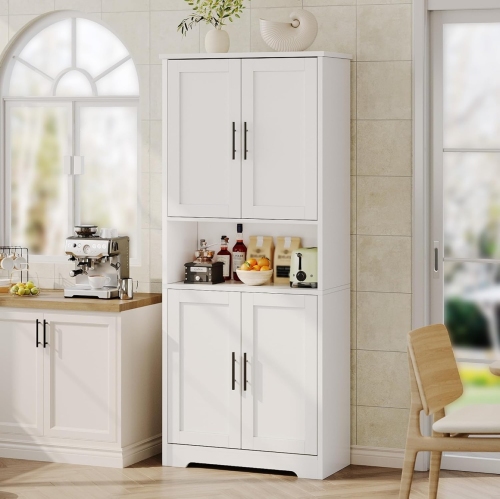
Top Collections:
Best Black Friday Deals This Year, Best Black Friday Deals On Electronics, Kindle Devices, Dyson Airwrap, Best Cameras for Sports Photography, Best Black Friday Deals On Apple Products, PS5 Pro Consoles, Portable Snow Blowers, Canon G7X Cameras, Pokémon 30th Celebration Cards
Some products may be subject to Environmental Handling Fees
(EHF) depending on your province.
Learn more about EHFs.