Flashlights for Mechanics
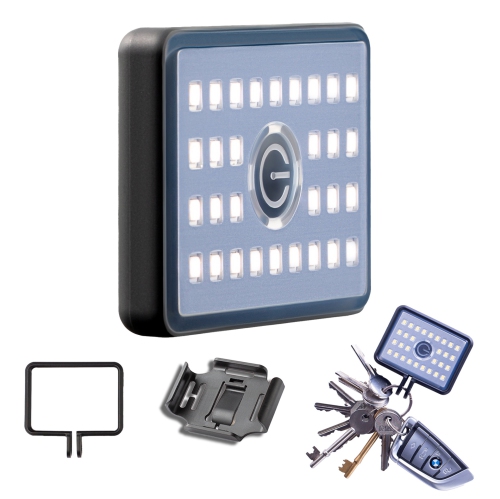
Whether you're a professional mechanic or an avid DIY enthusiast, having a reliable flashlight is essential for working in dimly lit spaces. From inspecting hard-to-reach areas under the hood to troubleshooting electrical issues, a good flashlight can make all the difference in getting the job done efficiently and safely. At Best Buy, we understand the importance of having a flashlight that meets the specific needs of mechanics. That's why we offer a wide selection of high-quality flashlights designed to withstand the demands of automotive repair work. Explore our range of powerful and durable flashlights that will illuminate your way through any task, helping you tackle every project with confidence.

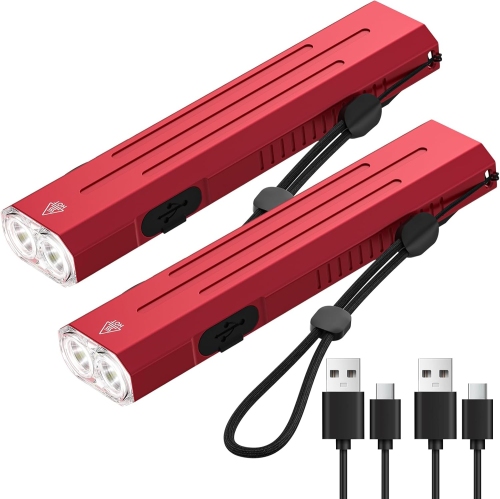

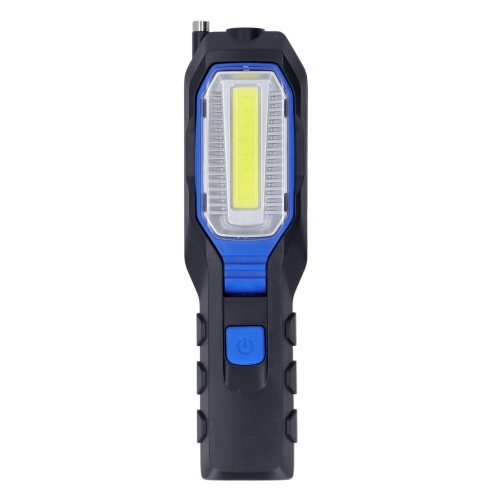

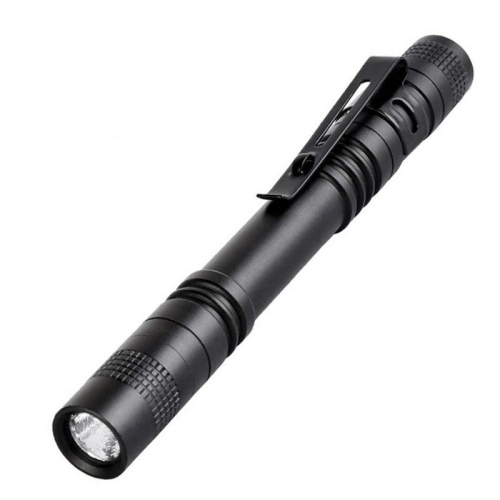
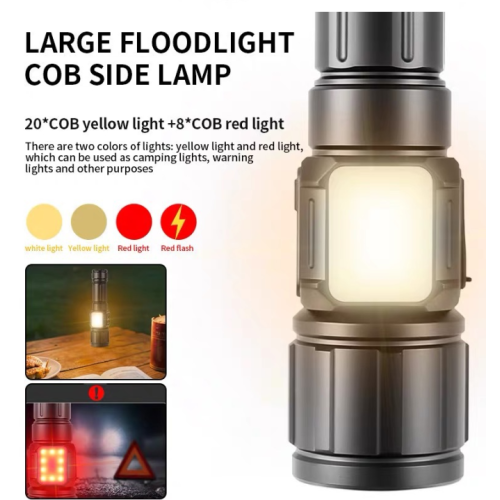

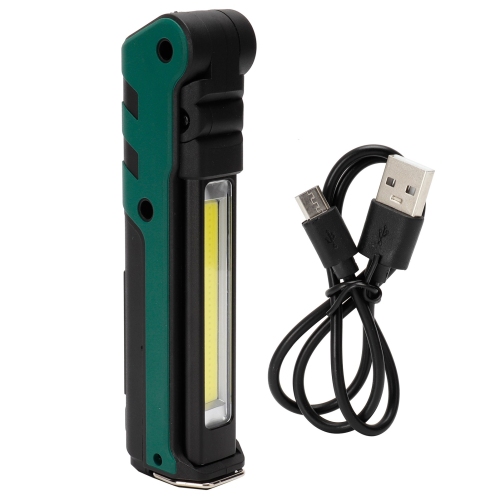

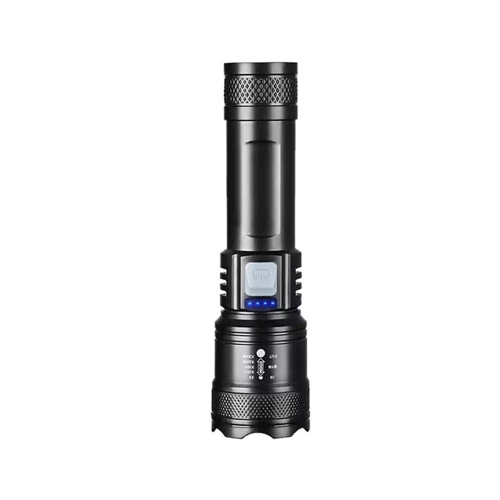


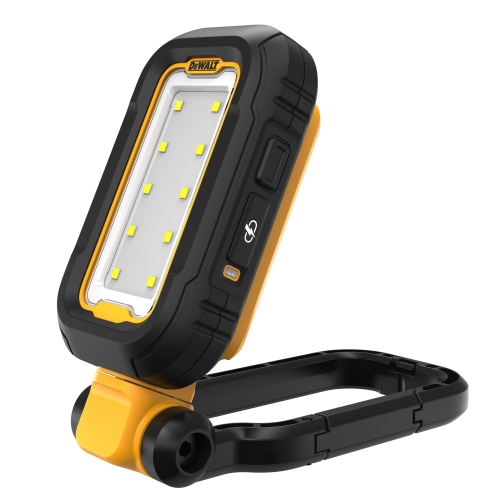
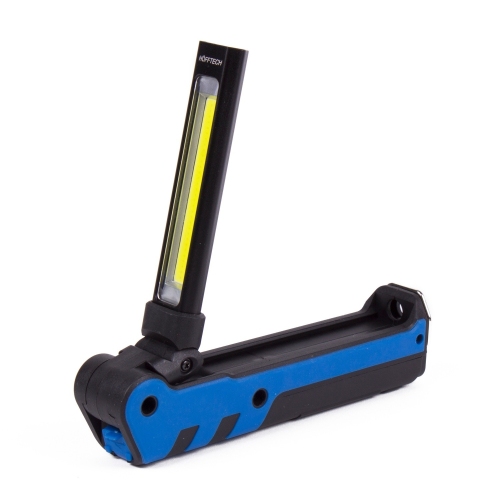
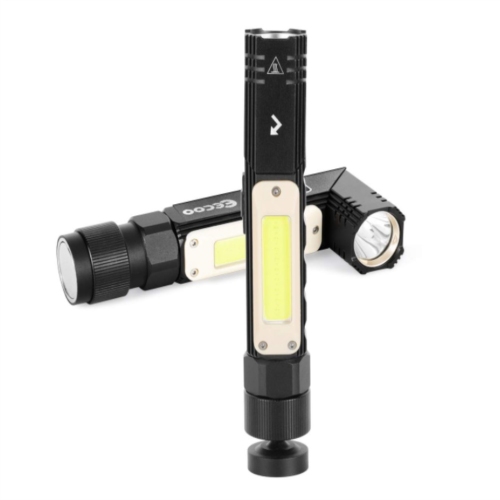
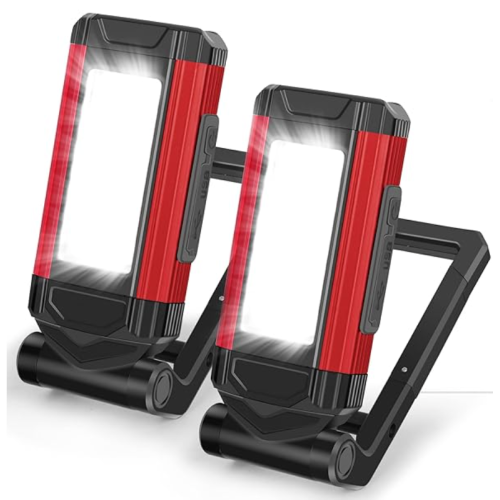

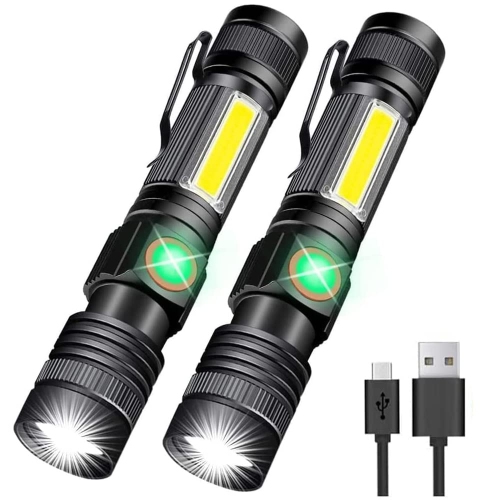

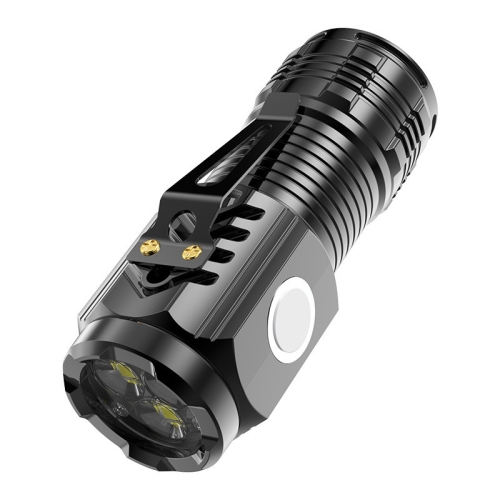
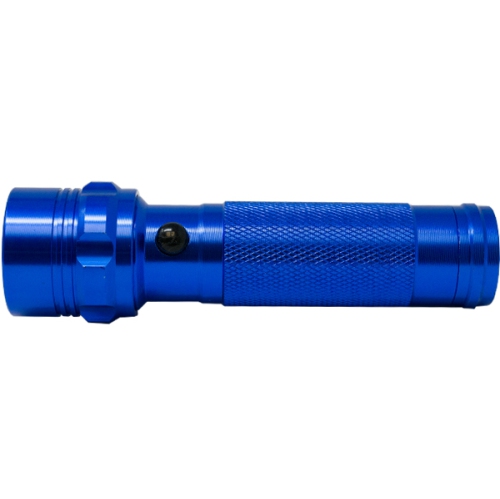
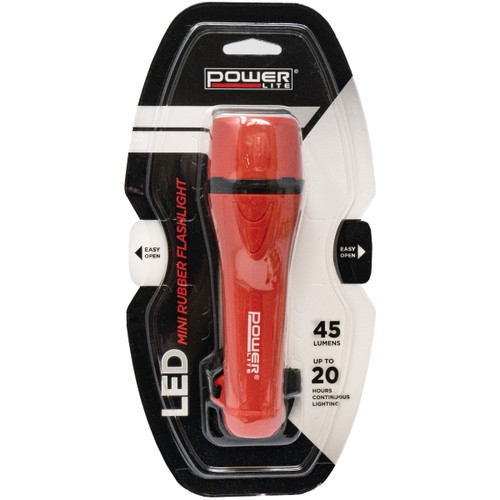


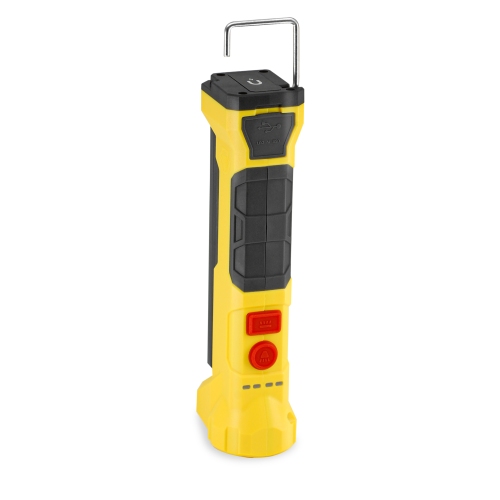
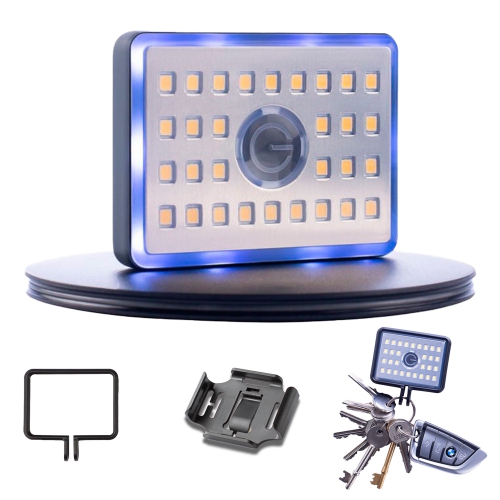

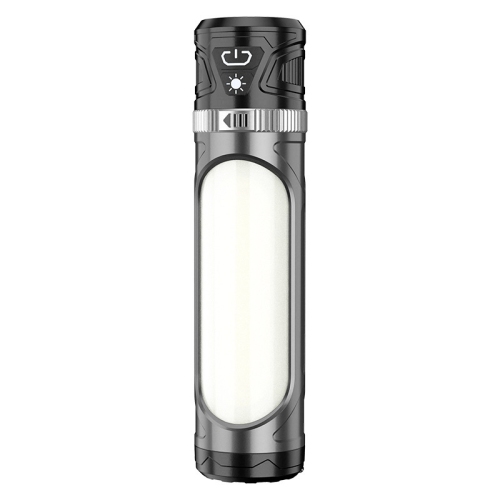
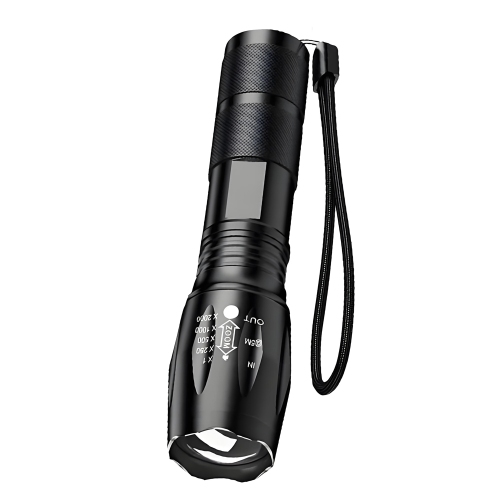
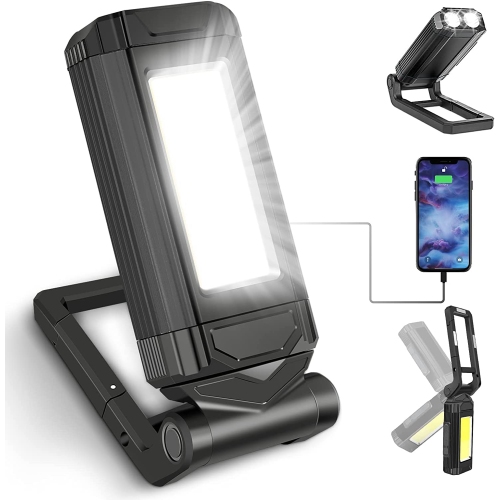

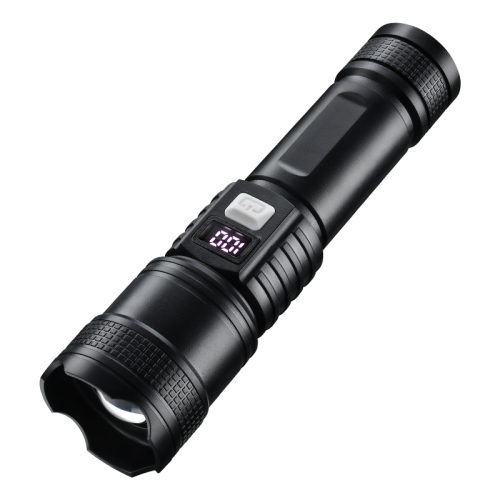
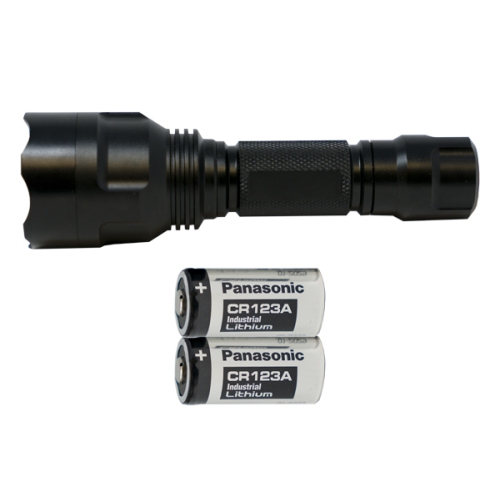
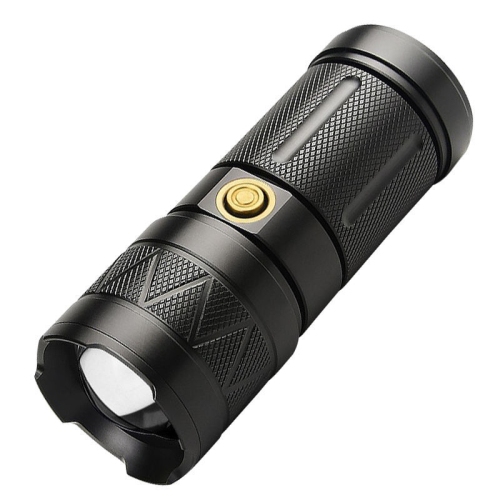
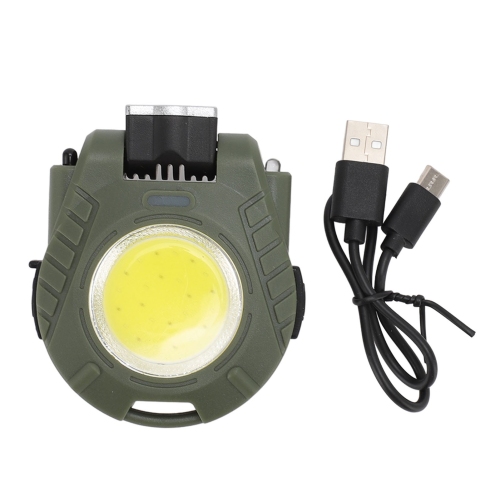
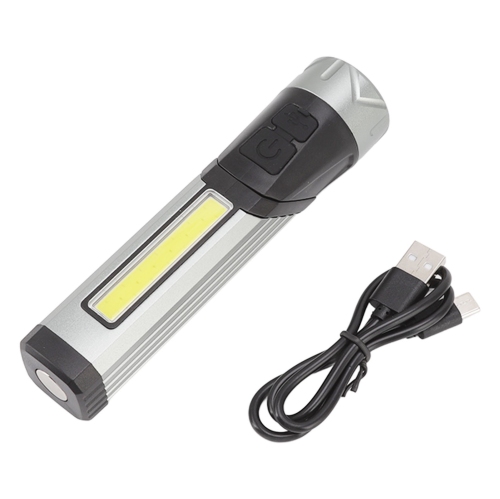
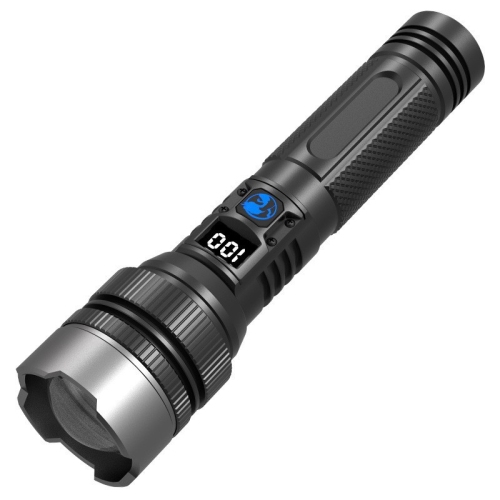

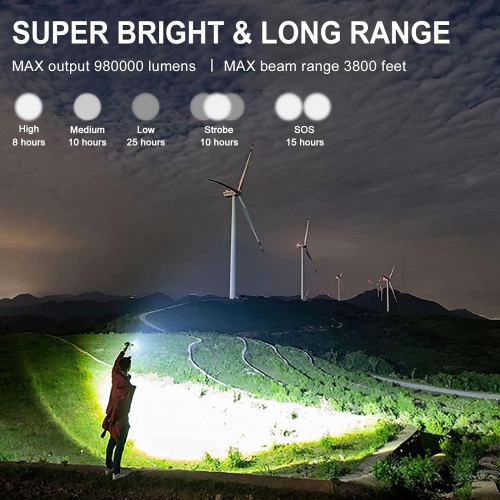
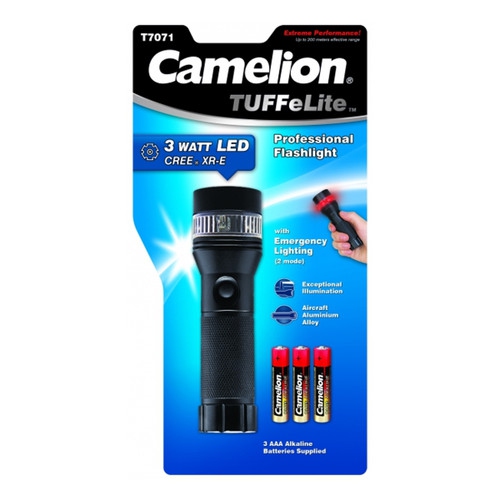

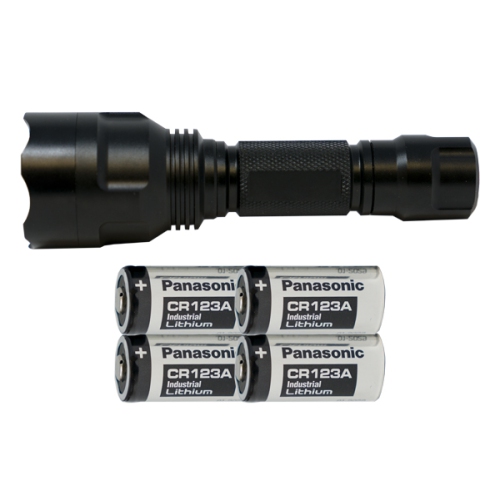

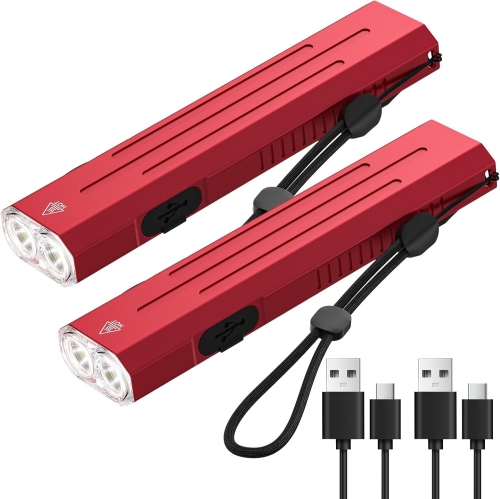
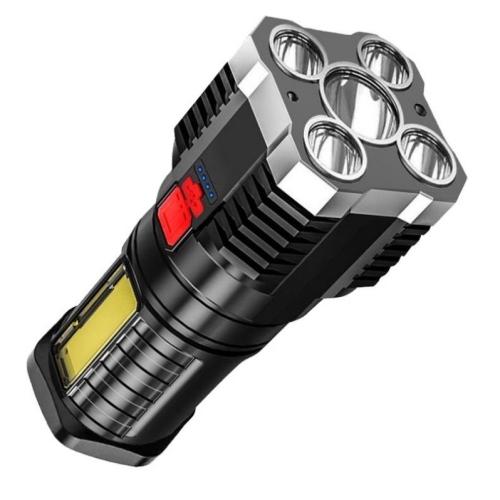
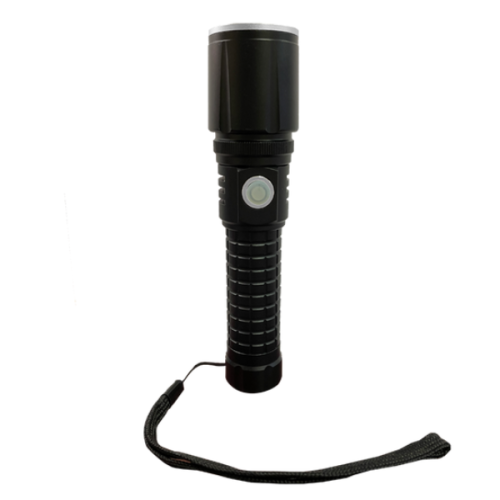
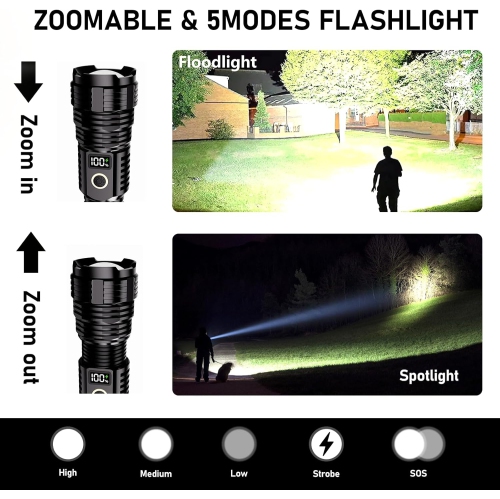

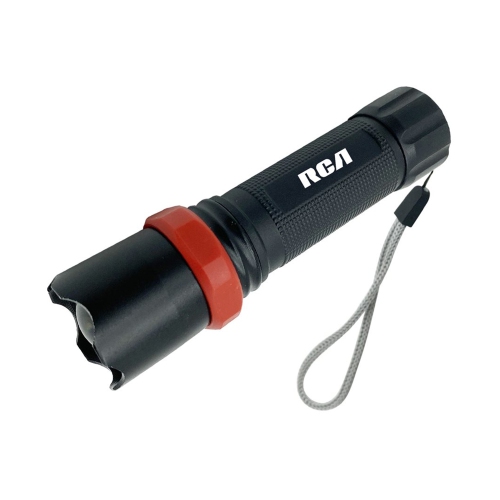
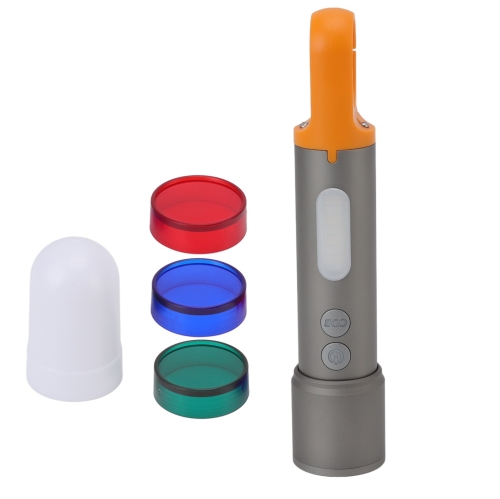

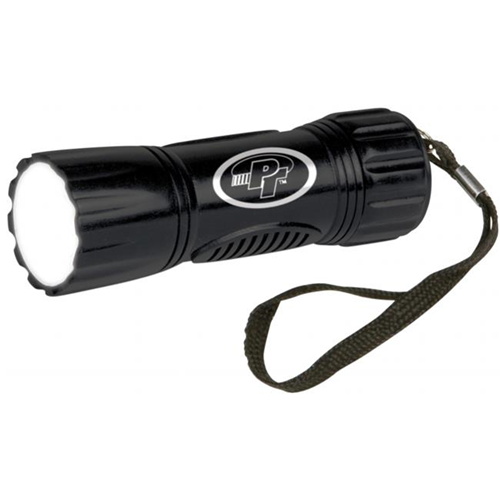
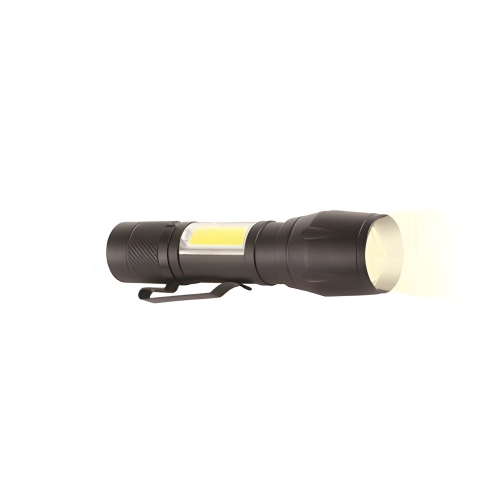
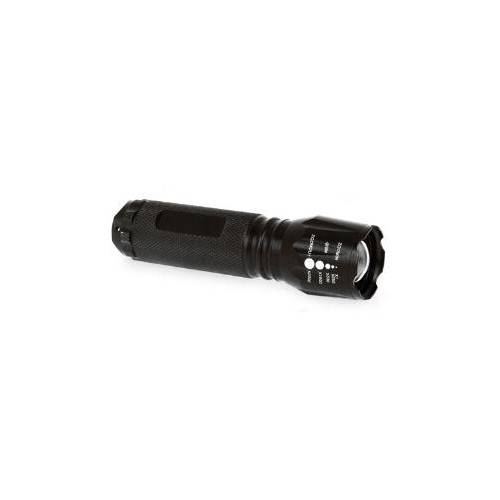


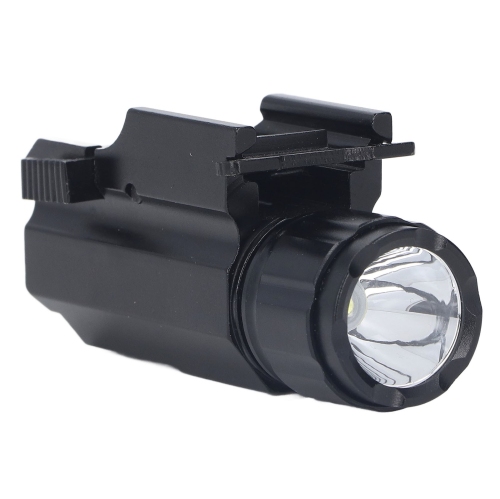


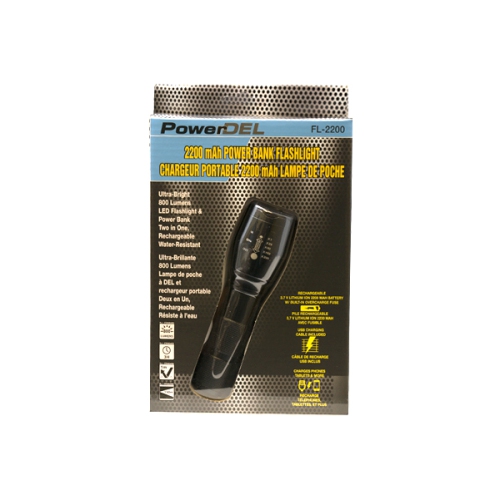
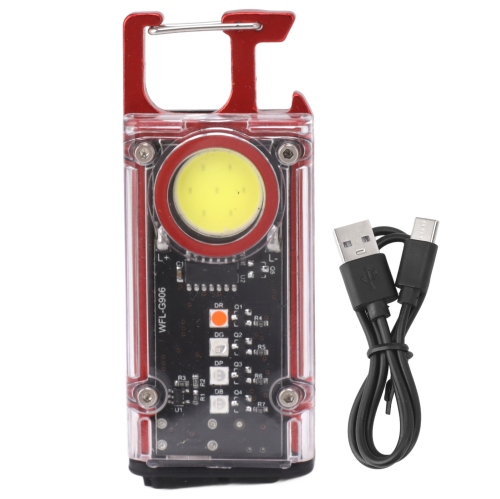
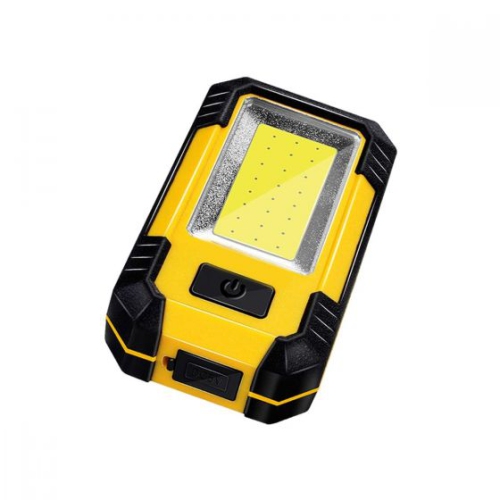
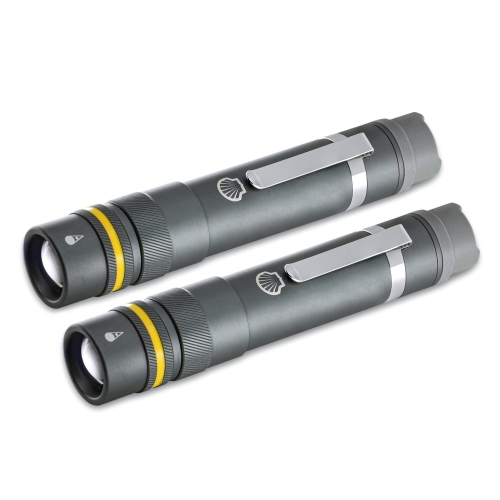
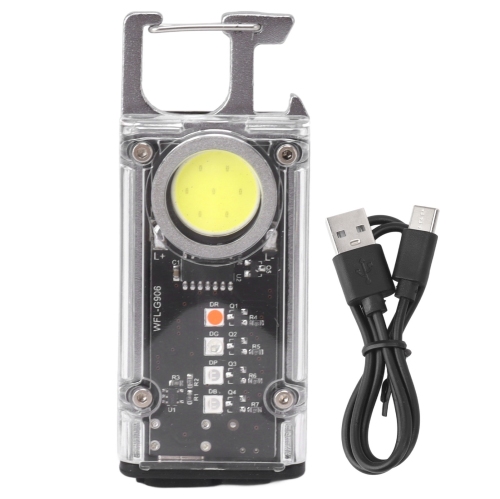
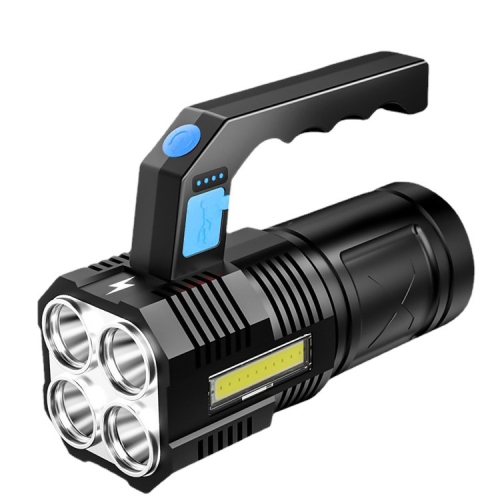


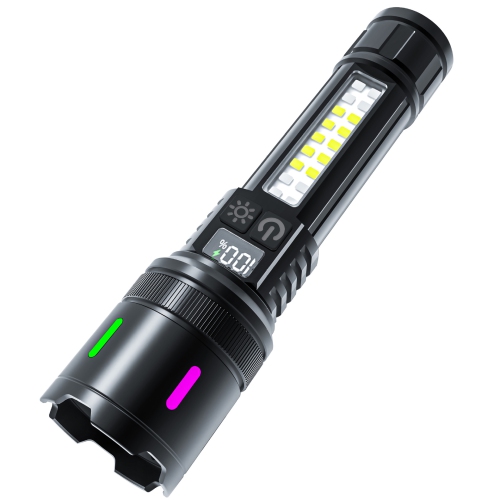
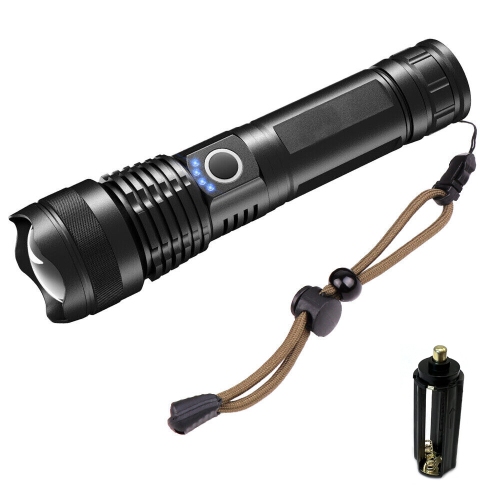
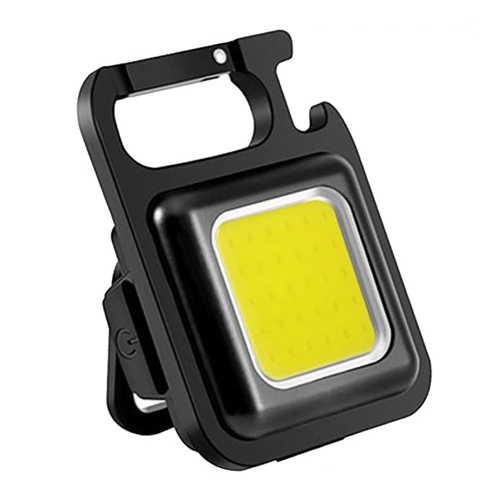
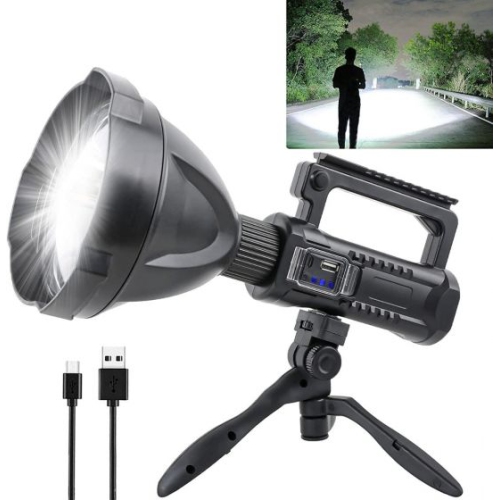

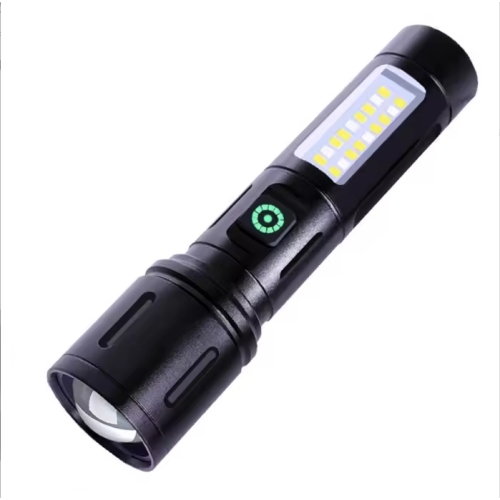
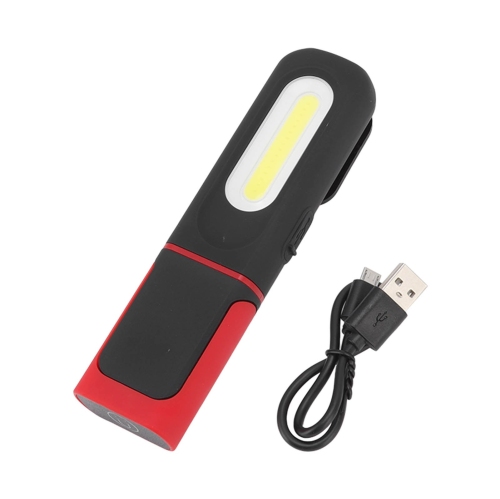
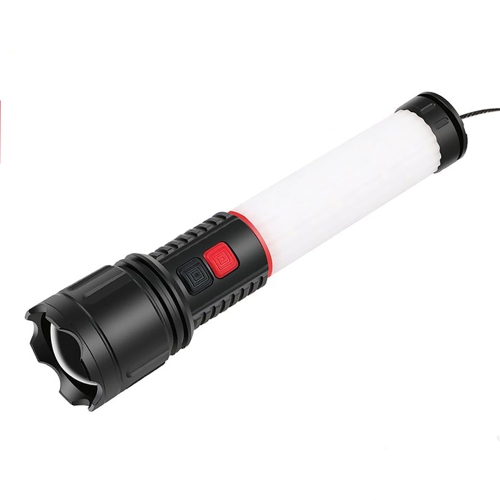
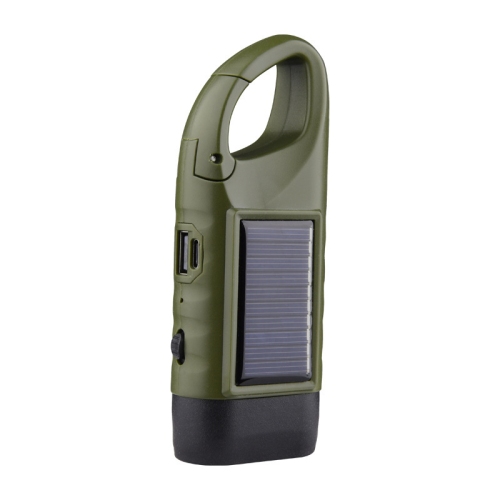
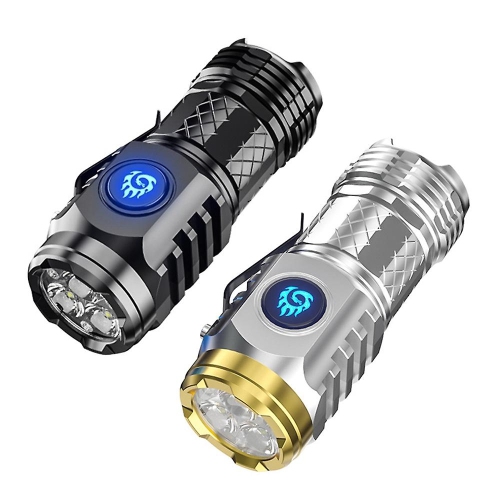
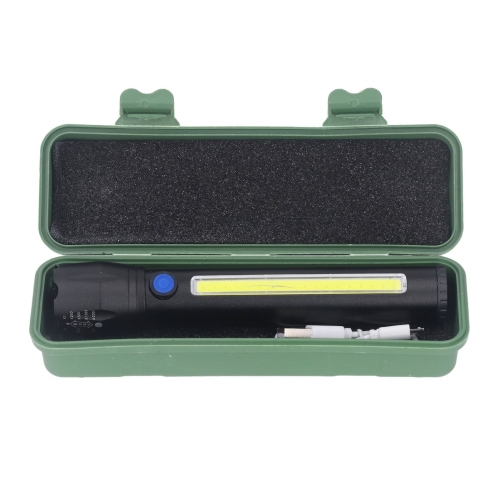
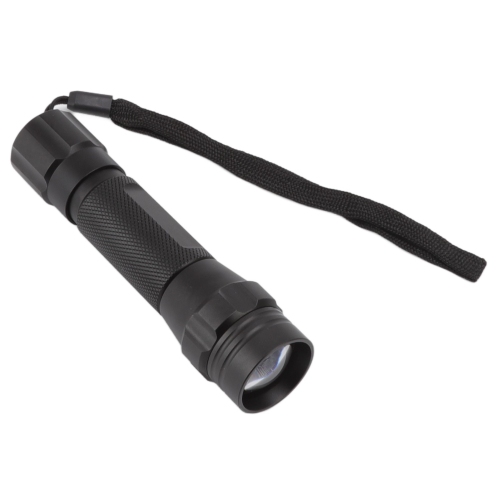


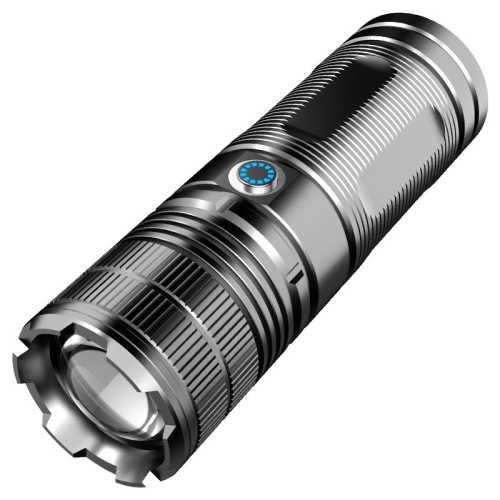
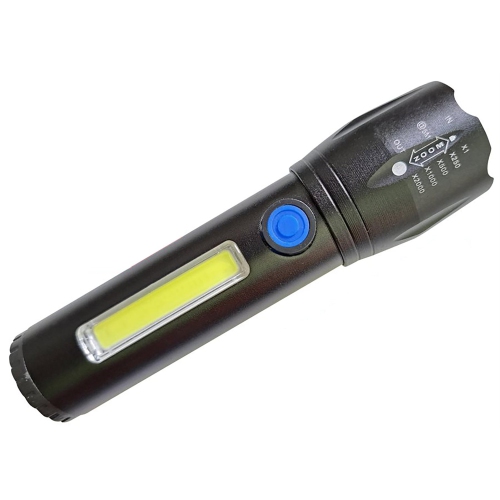
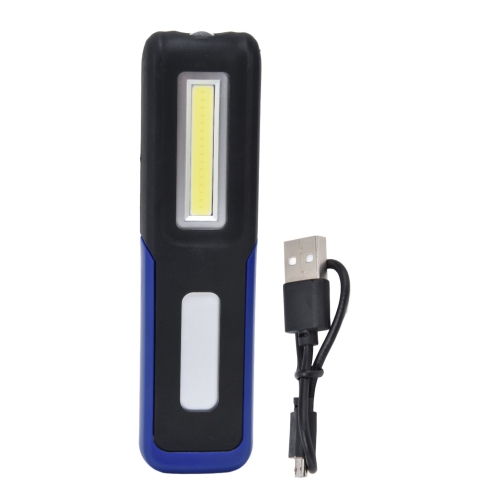
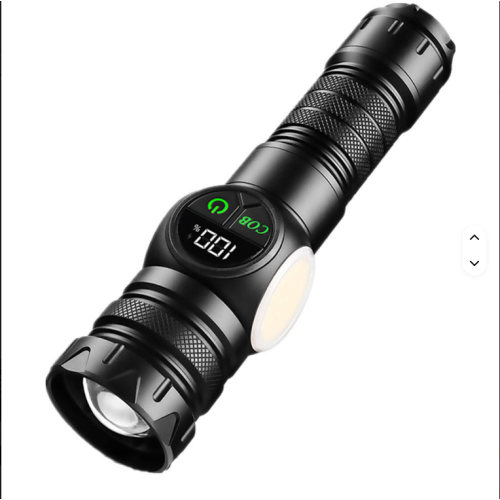
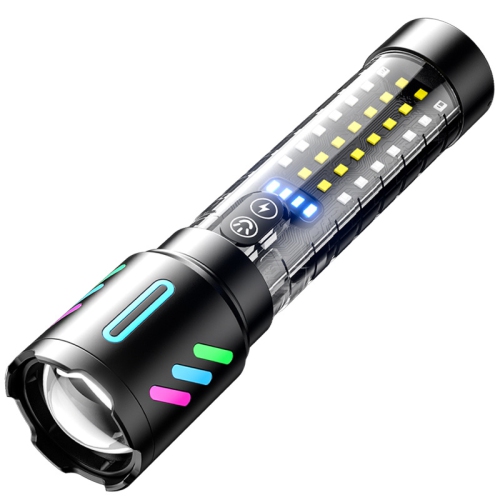

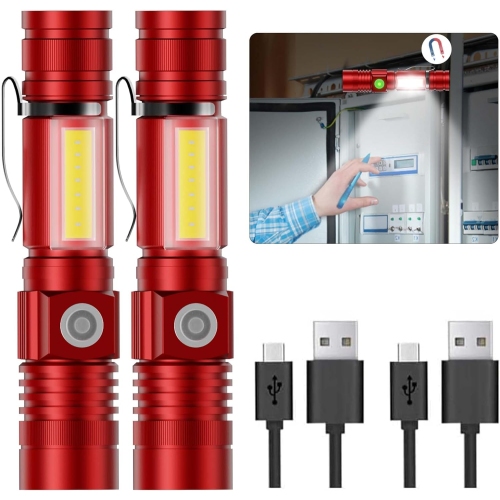


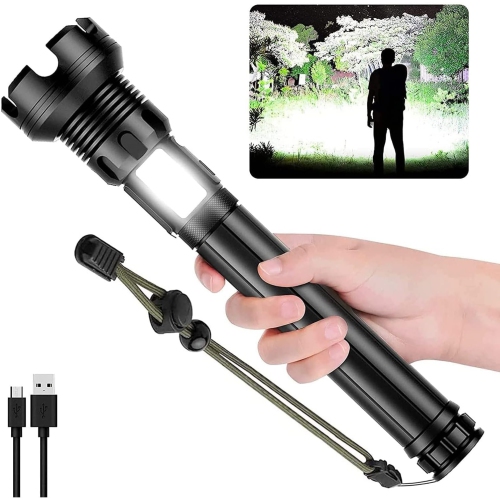

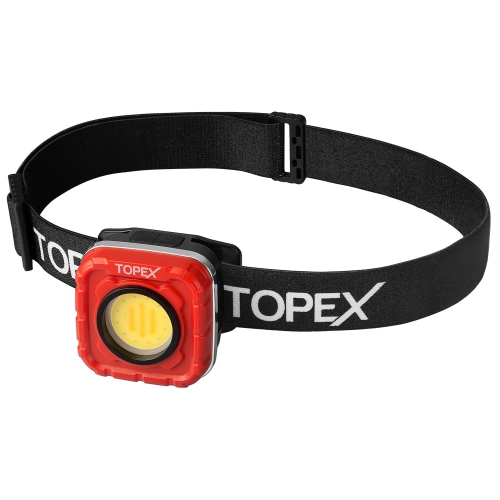
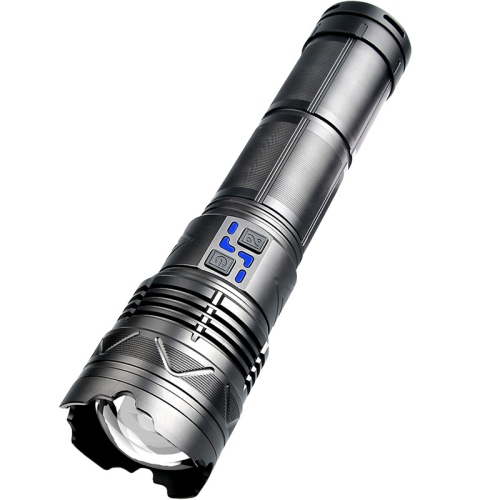

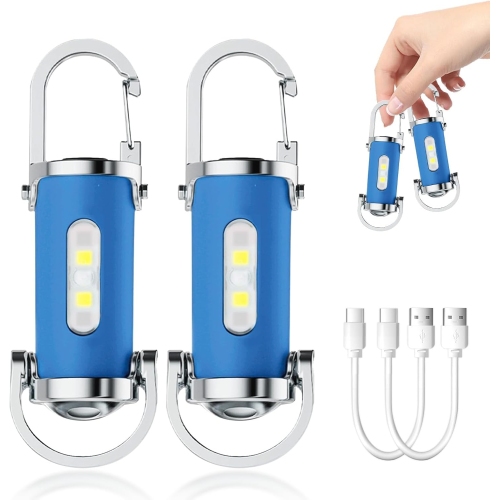
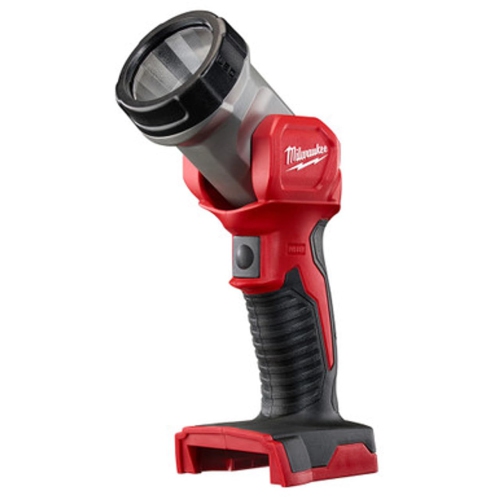
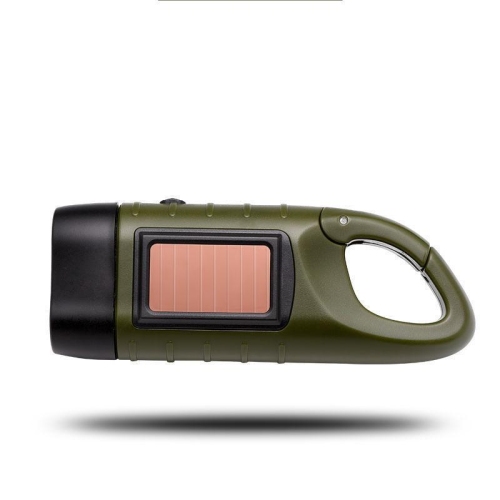

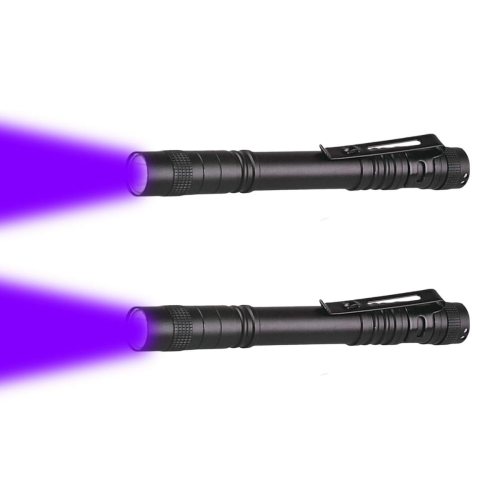

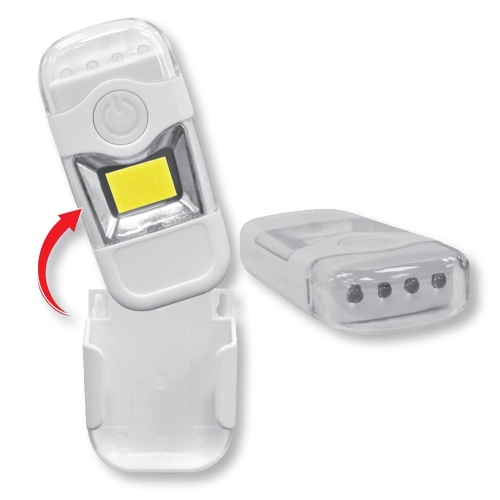
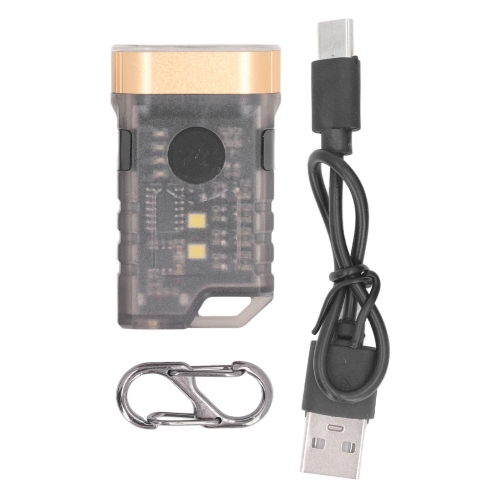

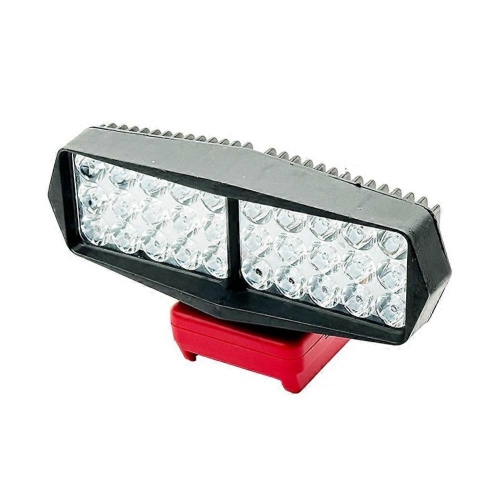
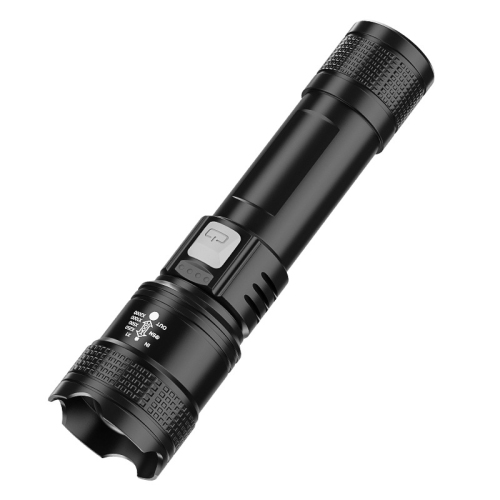
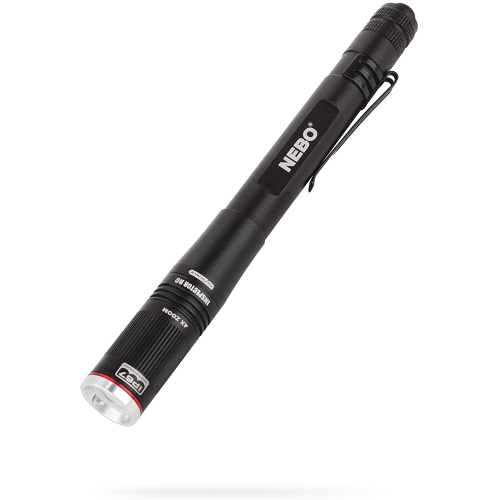
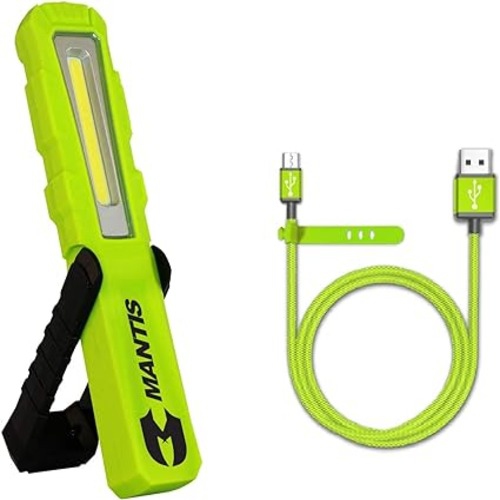
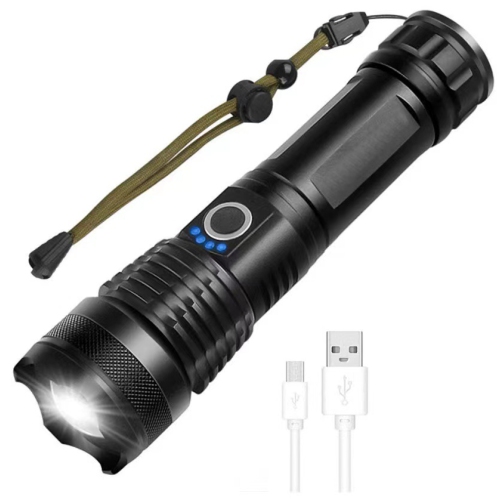

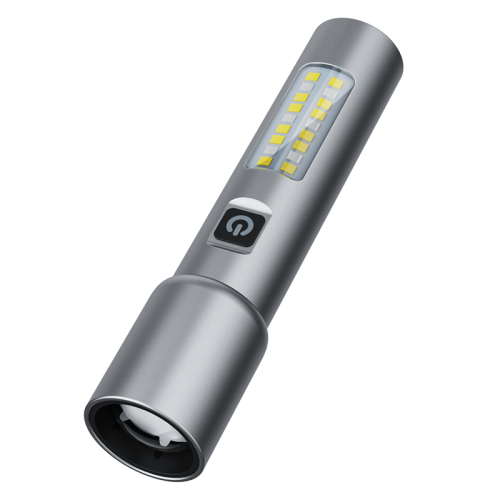
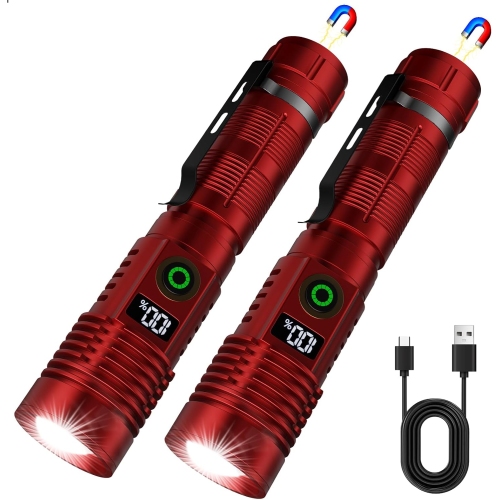
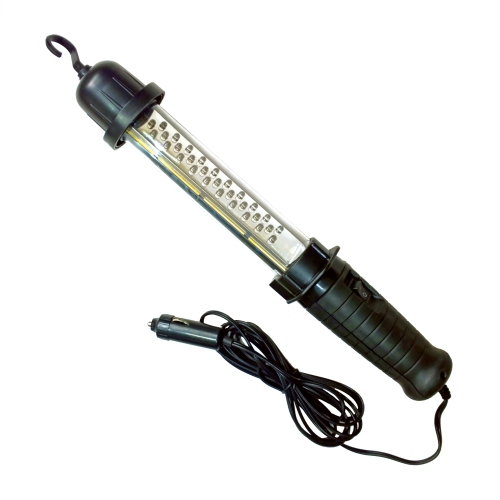

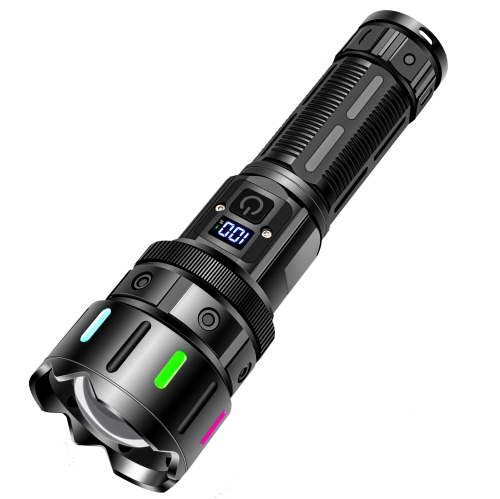
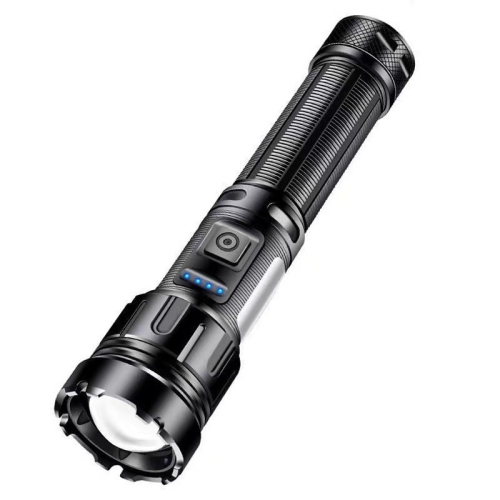
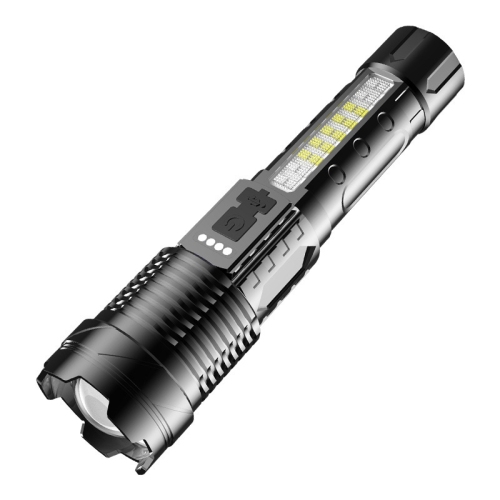
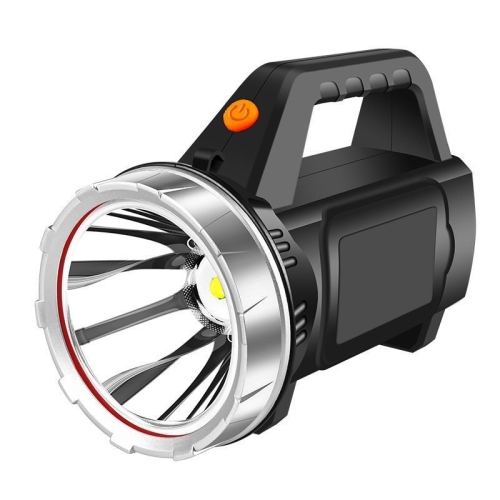


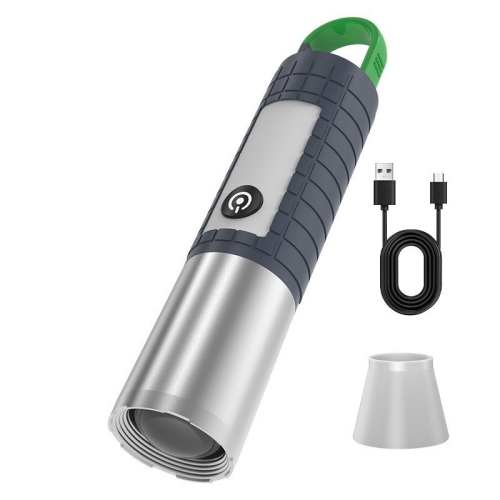
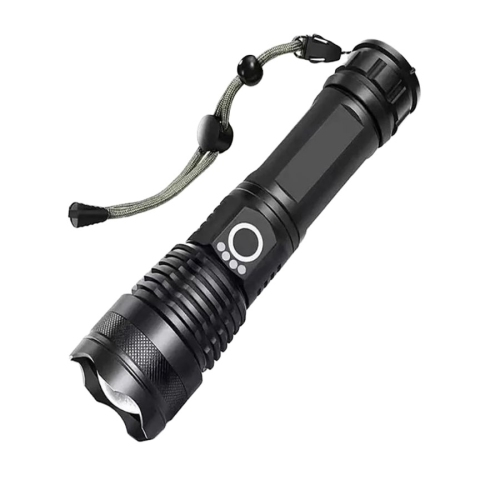
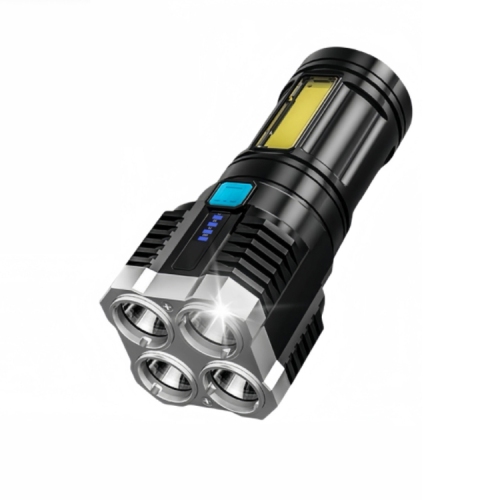

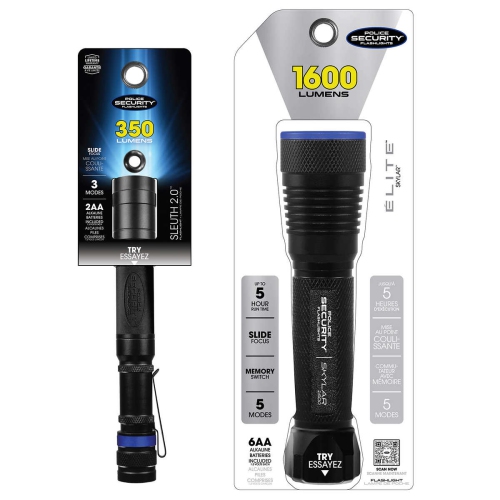

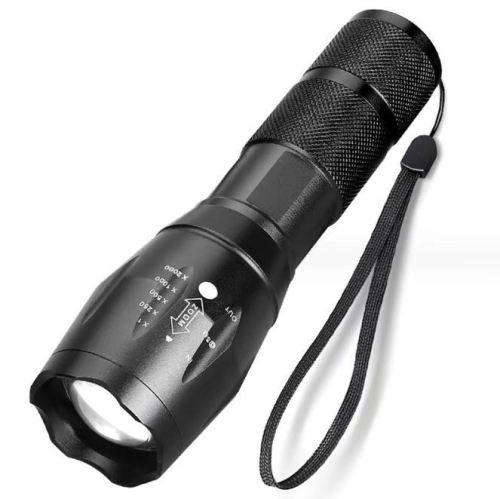

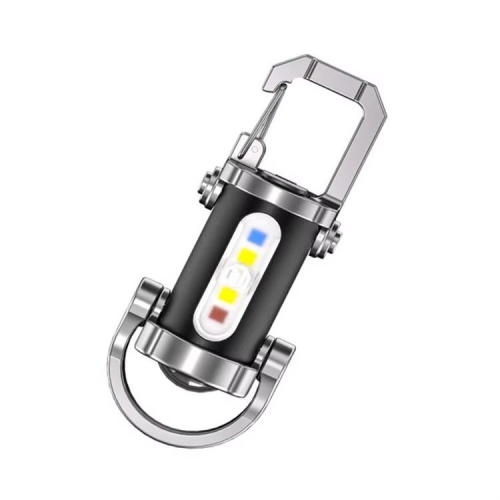


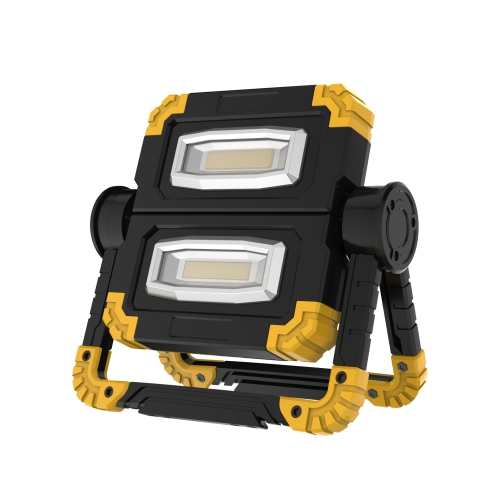


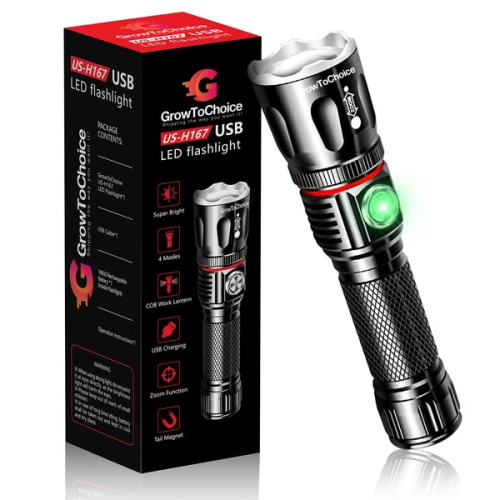

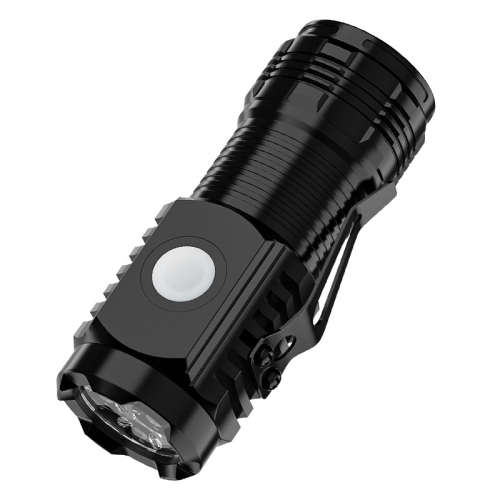
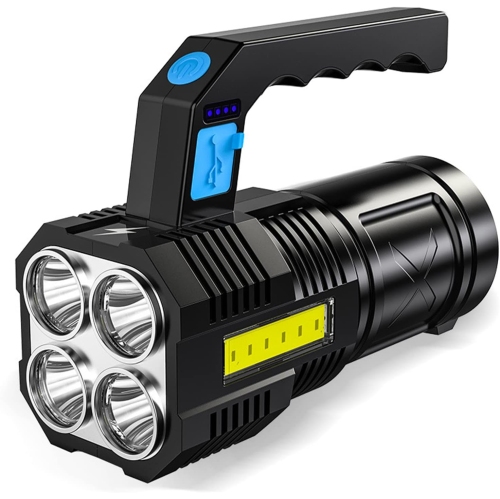
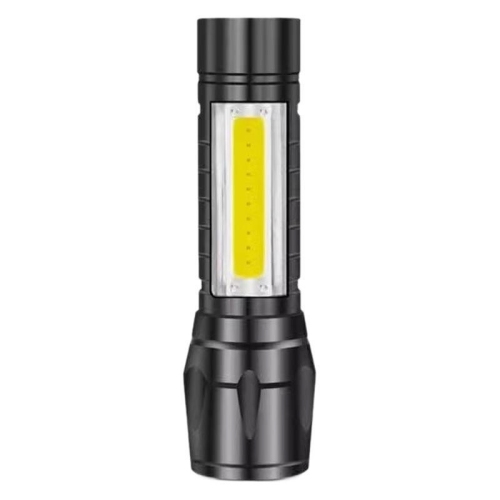


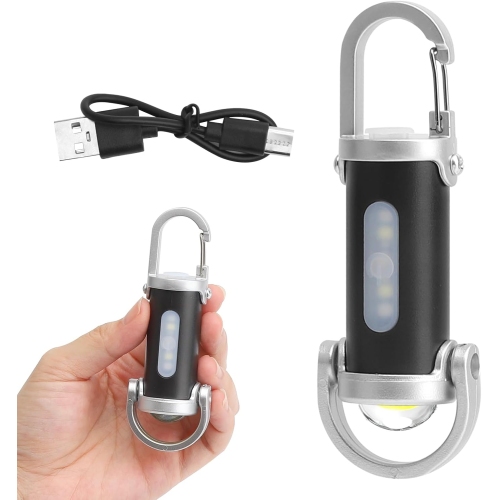
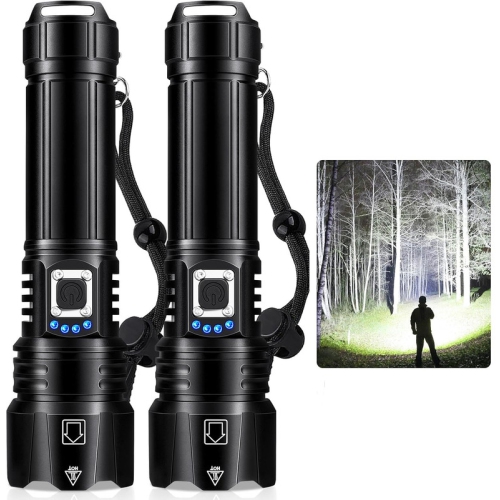

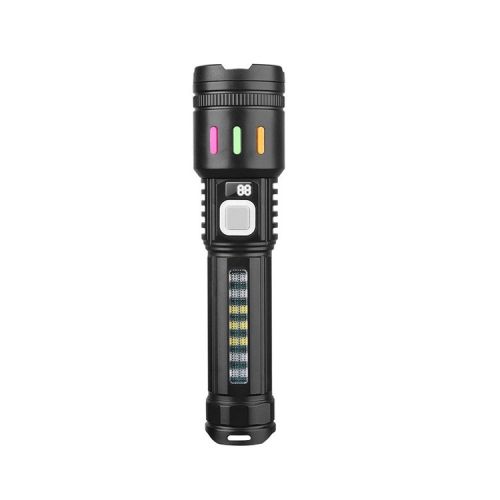
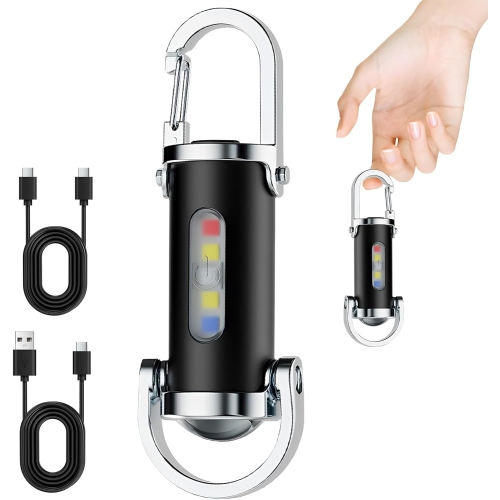


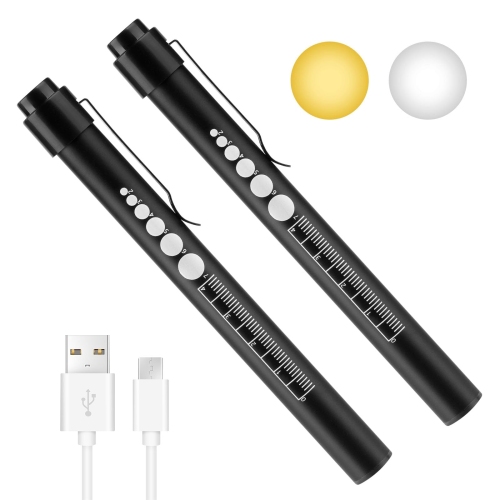
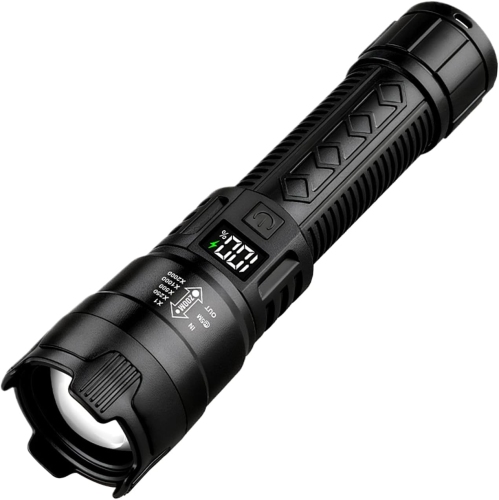


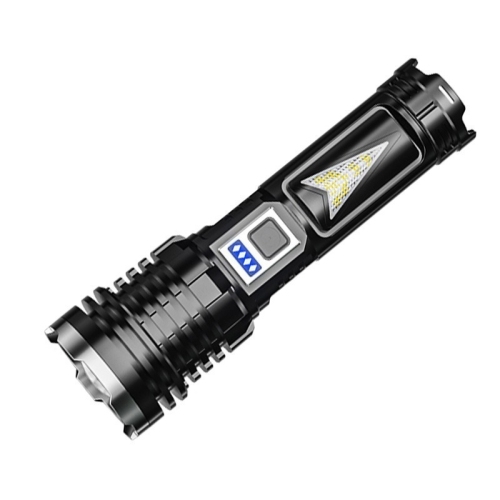

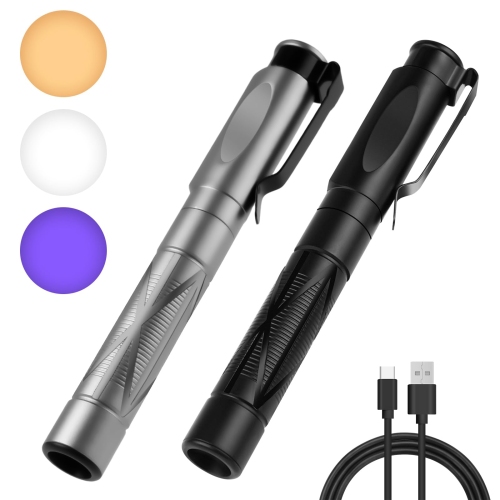

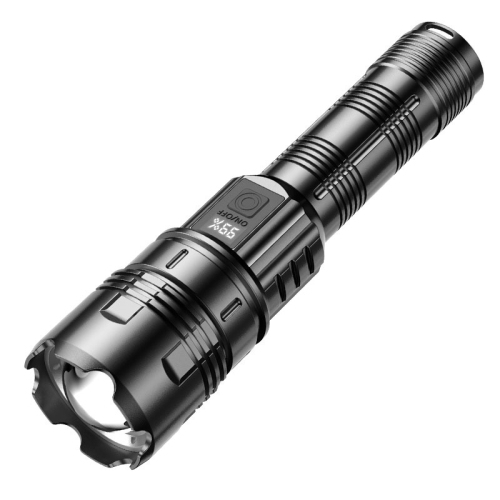
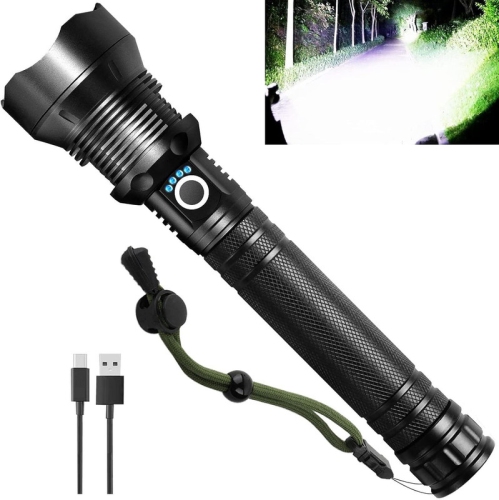
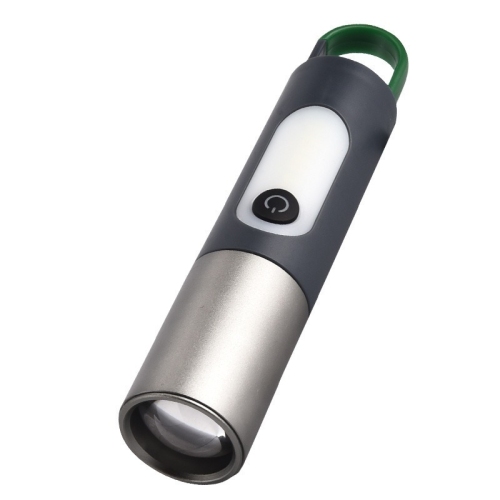
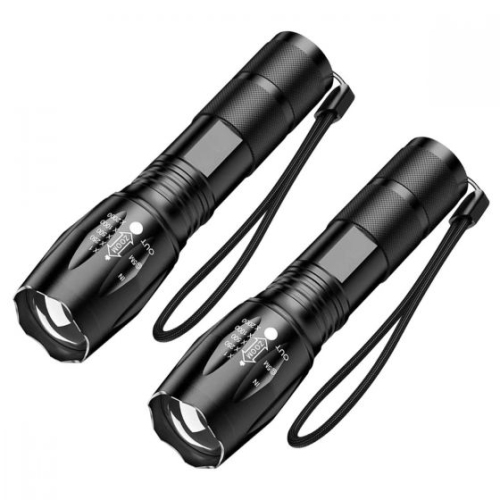


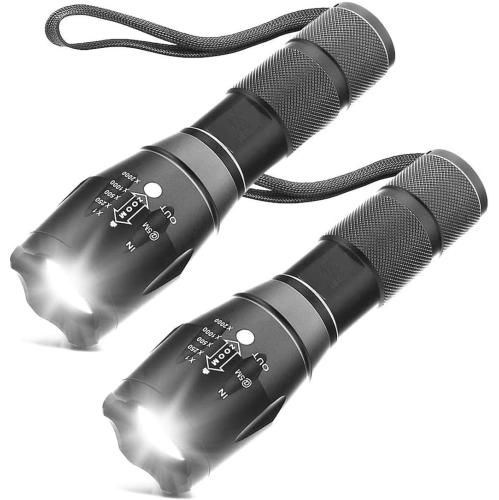
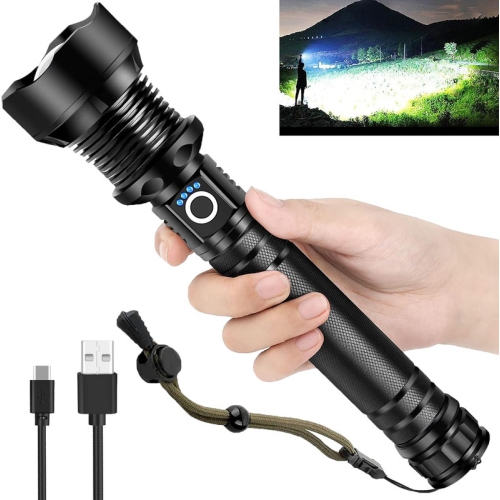


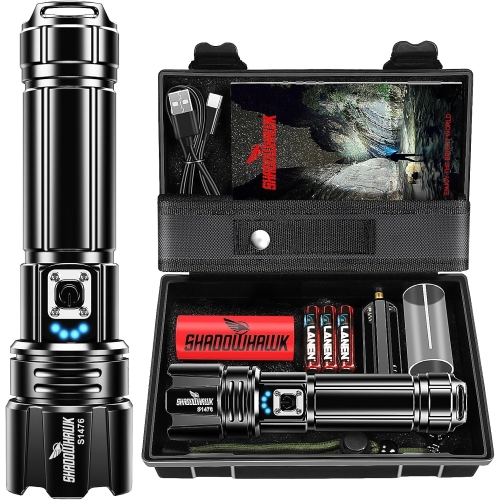

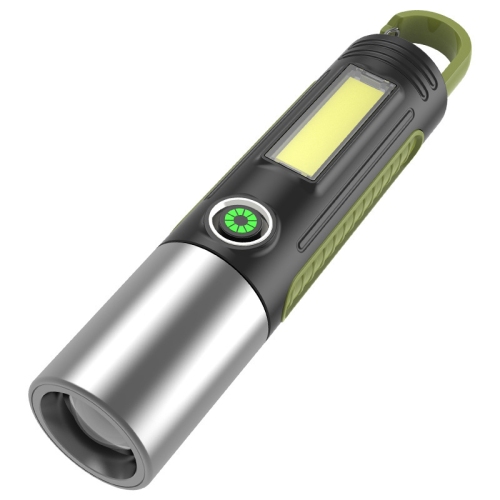
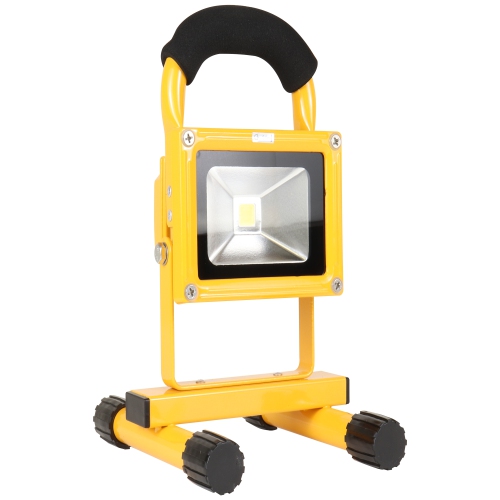
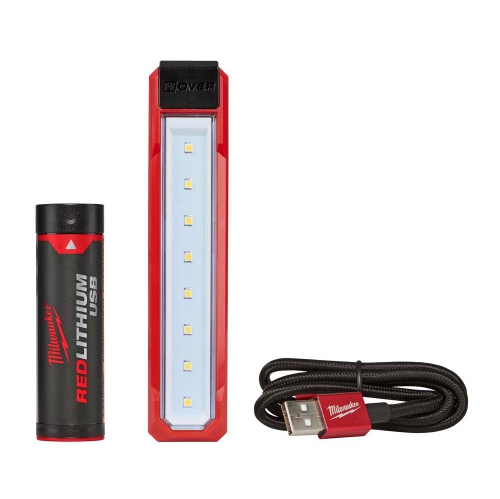


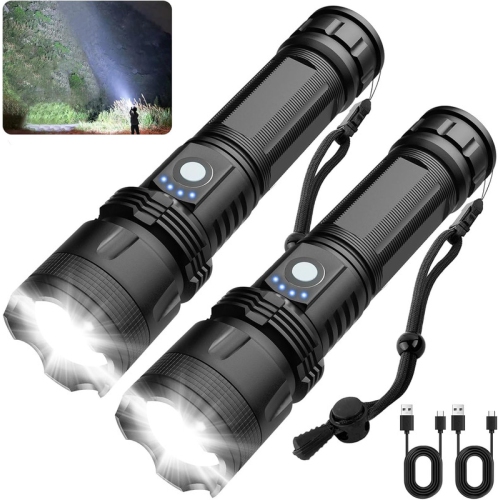

Dependable light where overhead shop lighting falls short
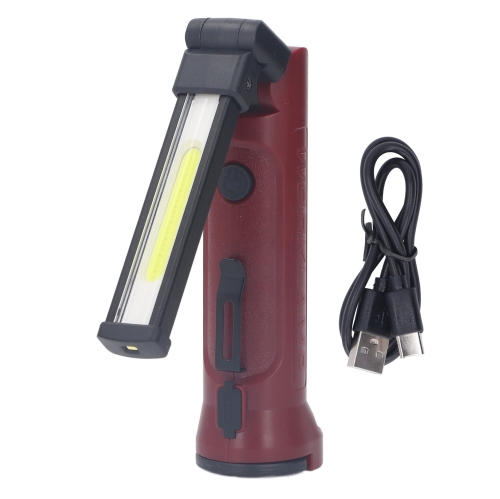
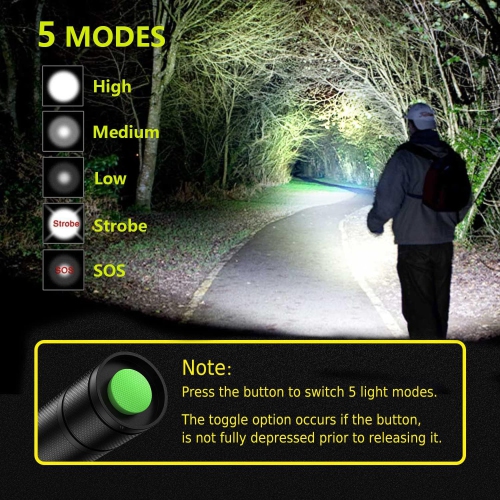
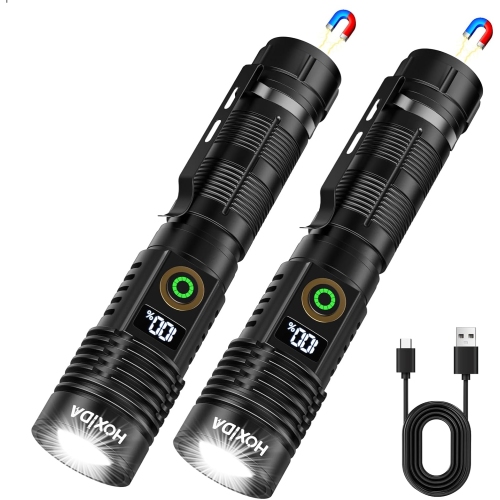
Durability matters in a workshop, where a flashlight may share space with sockets, scrape against brackets, or take an accidental knock from a bench. Aluminium housings offer rigidity in a compact form, while impact-resistant polymer bodies can provide a comfortable grip and help keep weight manageable. Textured surfaces, rubberized sections, and well-shaped handles are useful when hands are gloved or slightly greasy. Oil-resistant construction is valuable for automotive work, but resistance to oil does not automatically mean a light can tolerate every solvent, degreaser, or automotive fluid. Housing materials, seals, lens covers, and switch surrounds all contribute to how a flashlight handles regular shop use. Stated impact ratings offer more useful information than appearance alone, and a rugged-looking body is not a guarantee against damage from a fall onto concrete. Similarly, an ingress protection rating describes a tested level of resistance to dust or water; it does not establish resistance to fuel, brake cleaner, or prolonged chemical exposure. Rechargeable flashlights suit repeated use at a workbench or service bay, particularly when charging fits naturally into the routine between jobs. USB charging can be convenient, while a charging dock gives the light a dedicated resting place. Port covers help keep debris away from connections when properly closed. Removable batteries offer a different approach, allowing a compatible charged spare to replace a depleted battery without waiting for the flashlight to recharge. Actual runtime depends on the selected brightness, battery condition, and the light’s power management. Maximum output may be intended for shorter periods, with the light reducing brightness as heat builds or the battery drains. For longer tasks, a steady medium setting can be more useful than a brief burst of very high output. Battery indicators make it easier to judge remaining charge before starting an extended inspection. Controls that are easy to find by touch, and mode settings that do not require cycling through unnecessary flashing patterns, also help keep attention on the work rather than on operating the flashlight.
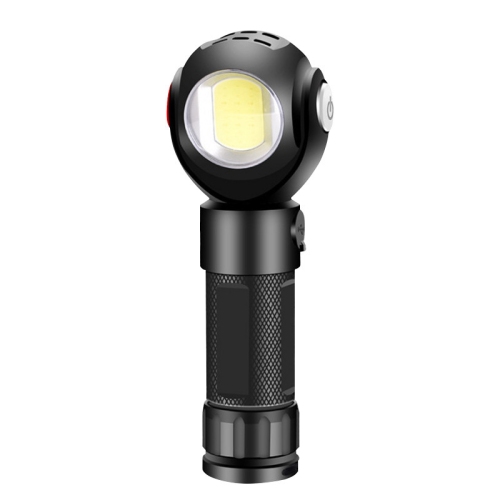
The right shape and handling can be just as important as the light source. A pocket-sized flashlight is easy to carry between a tool chest and a vehicle, while a longer inspection light can illuminate a broader section of an engine compartment. A secure pocket clip keeps a compact light within reach, and a balanced body is easier to hold steady when checking a small connector or reading a stamped part number. For mechanics who distinguish closely coloured wires, inspect fluid appearance, or examine surface marks, high colour rendering index LEDs can make colours look more natural than they do under a light with poorer colour rendering. This is a separate quality from brightness: a higher lumen figure does not necessarily make similar wire colours easier to tell apart. Ultraviolet modes serve a more specialized purpose, helping reveal compatible fluorescent leak-detection dyes in applications such as air-conditioning or certain fluid systems. A UV light does not reveal every leak on its own; its usefulness depends on the dye, fluid system, and inspection conditions, with suitable eye protection and the equipment’s safety directions remaining important. Professional automotive technicians, apprentices, mobile mechanics, and people maintaining their own vehicles may each favour different combinations of beam shape, mounting, and portability. A practical flashlight can also make a thoughtful gift for someone who spends time repairing cars, motorcycles, or other machinery, especially when its size suits their existing tool setup. For demanding tasks beyond vehicle repair, Heavy Duty Flashlights offer a related category to explore. Routine care helps preserve useful performance: a clean lens keeps the beam clear, clean magnetic contact surfaces improve mounting, and intact port covers help protect charging connections. A soft cloth and cleaning methods suitable for the housing are preferable to exposing the light to harsh shop chemicals. Keeping a flashlight in a dedicated drawer, pouch, or charging location also helps protect its lens and makes it easier to find when a small, hard-to-see detail brings a repair to a stop.
Top selling and popular products
-
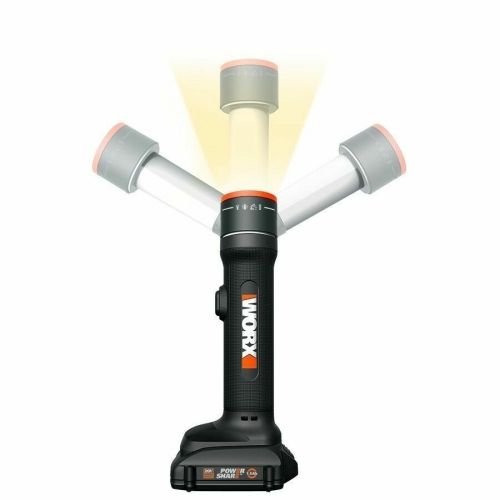 Your price for this item is $129.99
-
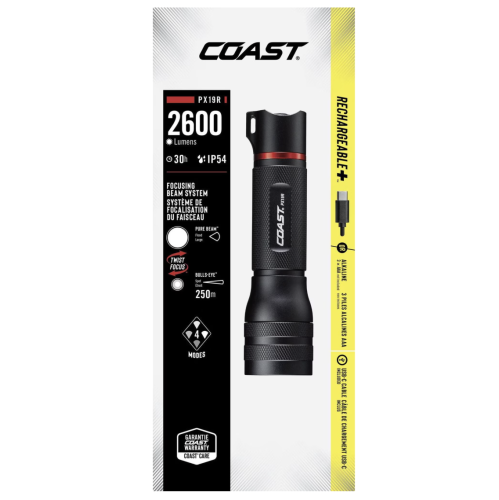 Your price for this item is $39.99
-
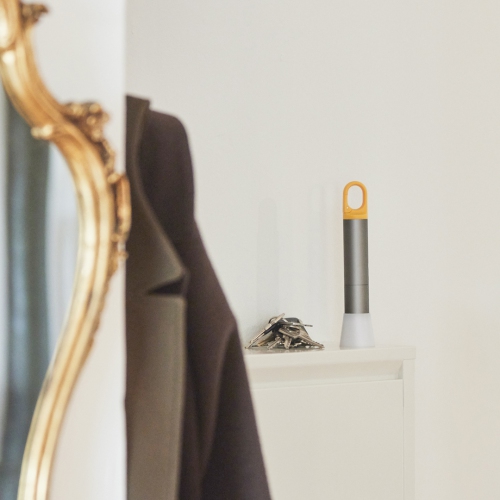 Your price for this item is $51.99
-
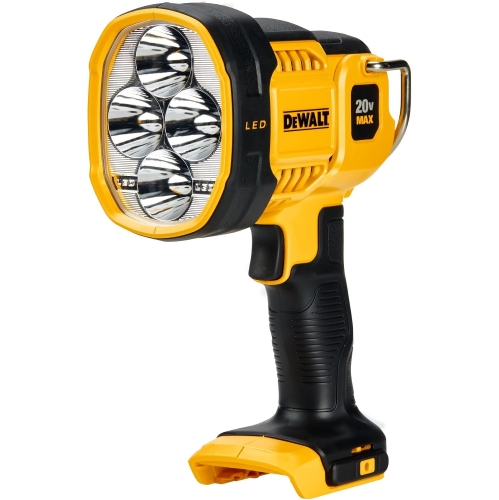 Your price for this item is $108.99
-
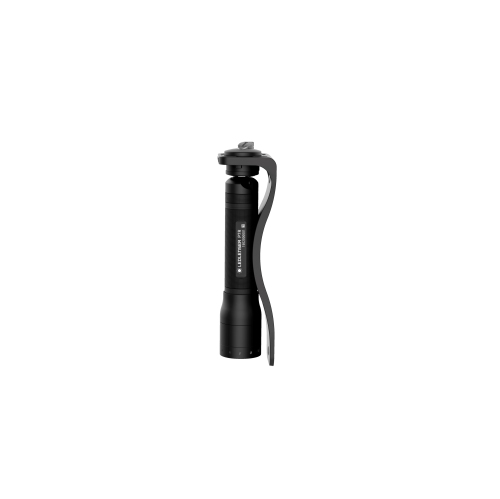 Your price for this item is $107.99
-
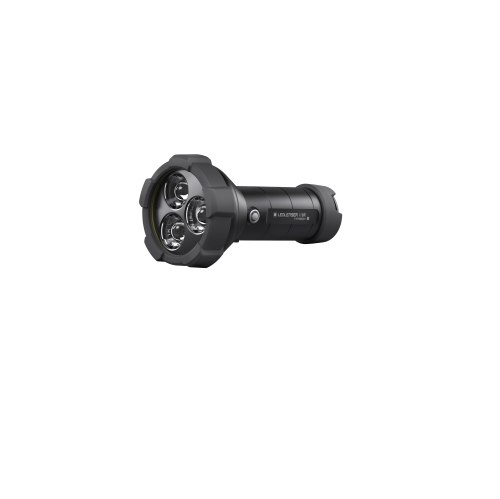 Your price for this item is $287.93
-
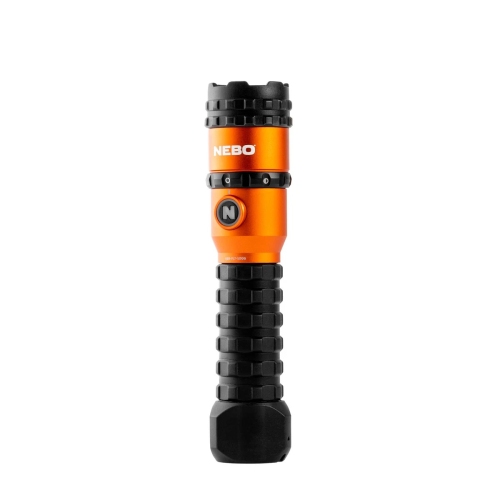 Your price for this item is $124.99
-
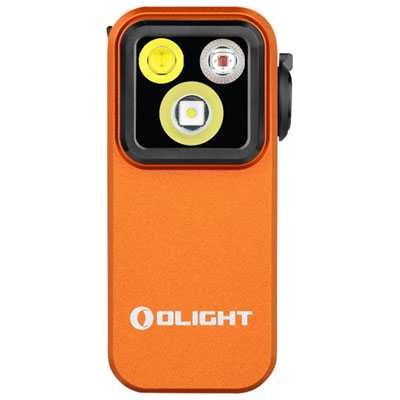 Your price for this item is $49.99