Specialty Tools for Mechanics
Whether you're a professional mechanic or a DIY enthusiast, having the right specialty tools can make all the difference when working on your vehicle. From precision torque wrenches to specialized socket sets, this collection of tools is designed to help you tackle automotive projects with ease and confidence. Explore our range of high-quality specialty tools that are built to withstand tough jobs and provide you with the precision and durability you need to get the job done right the first time.
Sort
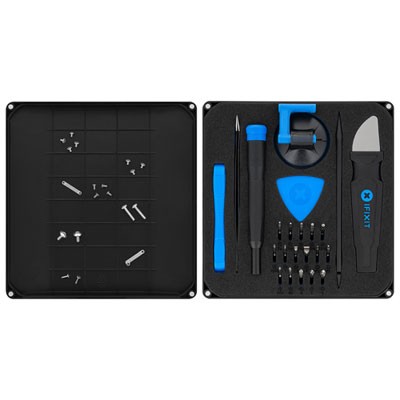
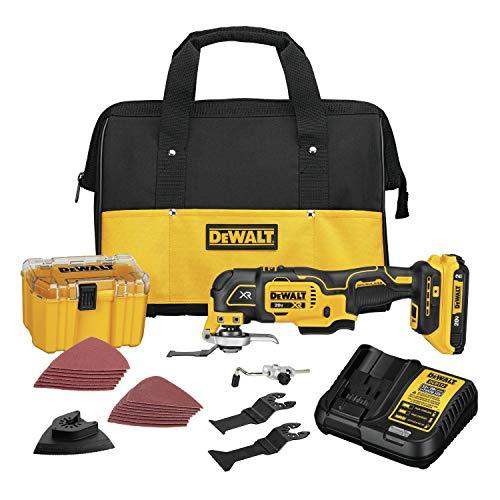
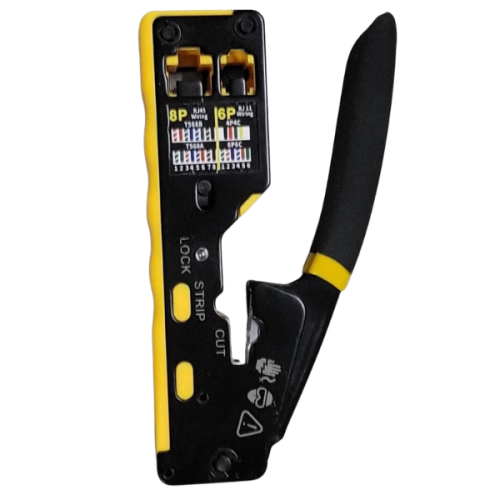
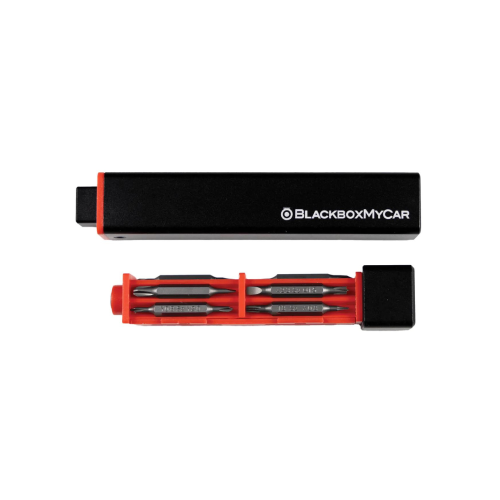
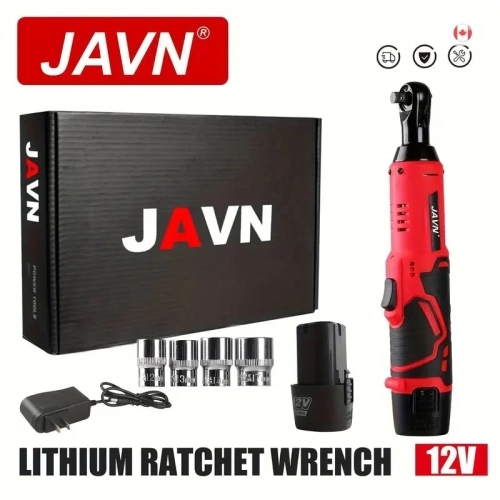
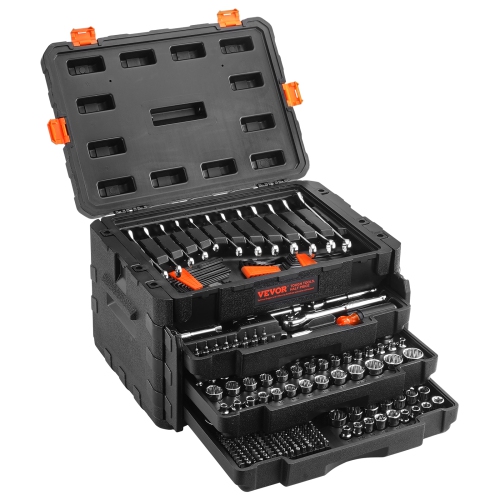
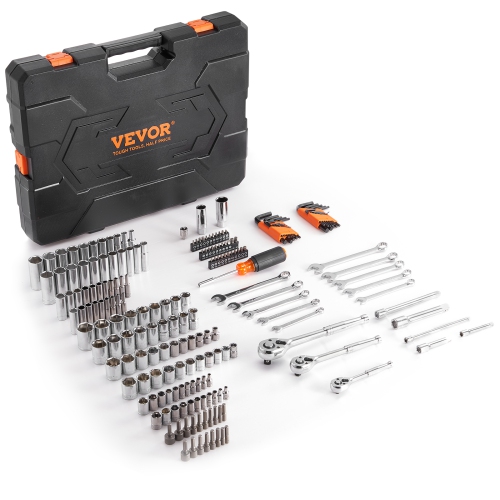
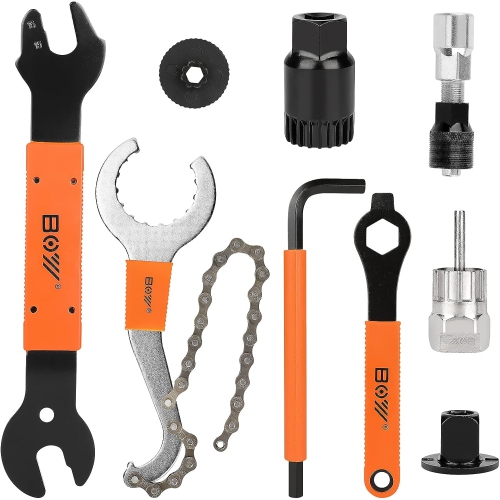
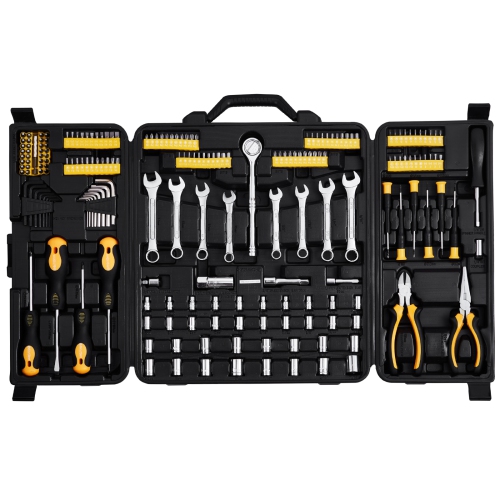
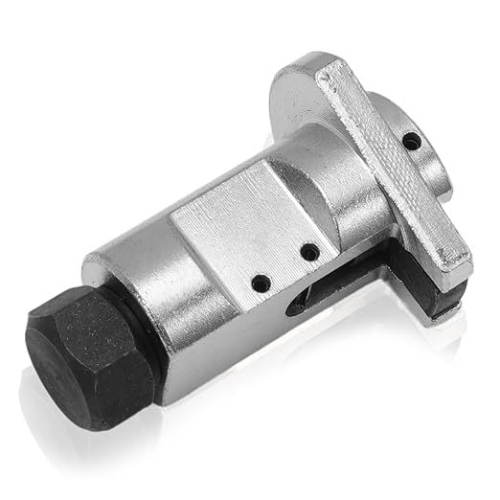
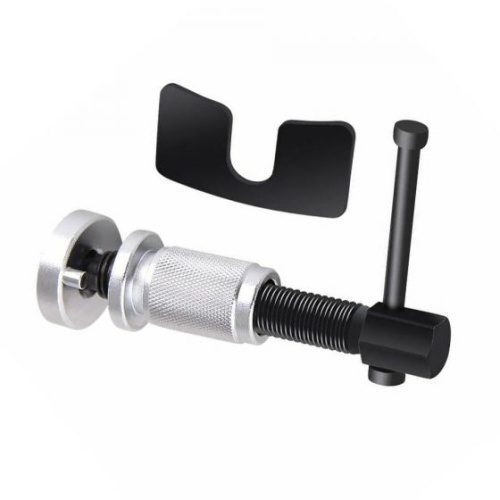
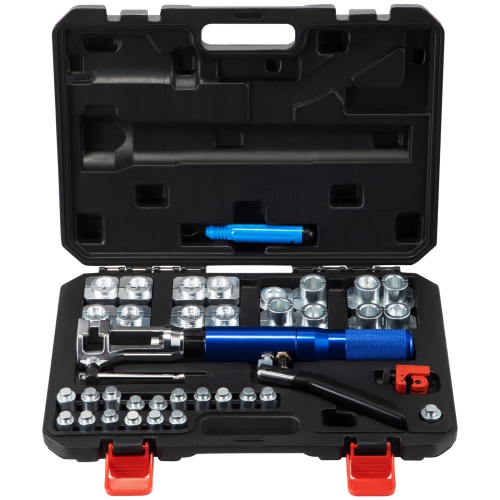
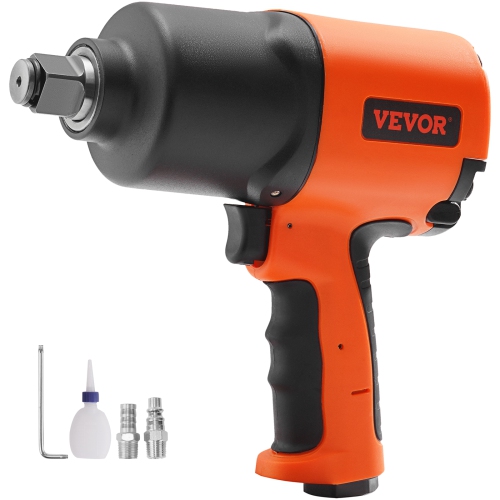
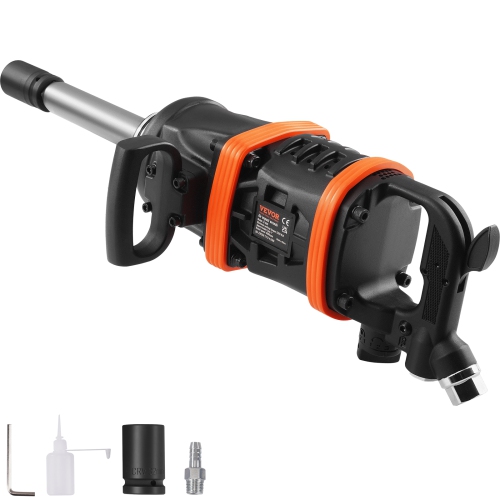
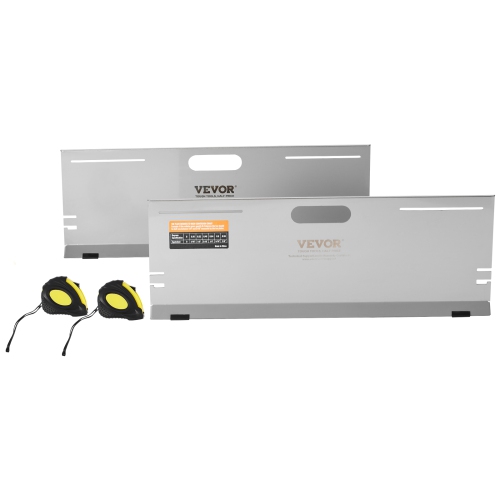
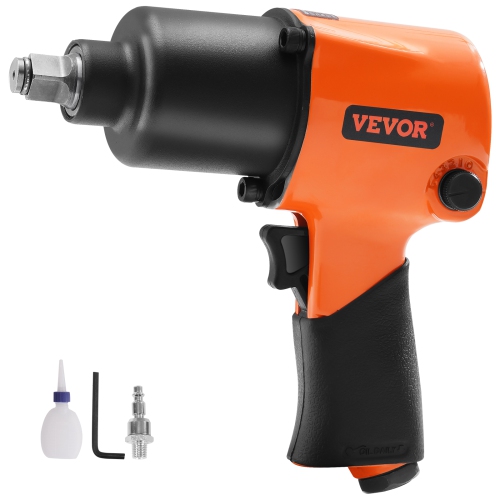
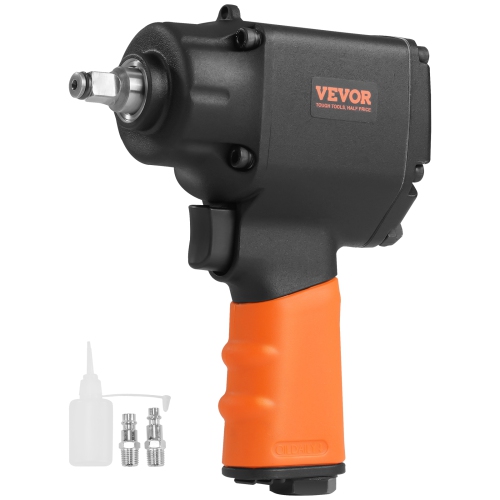
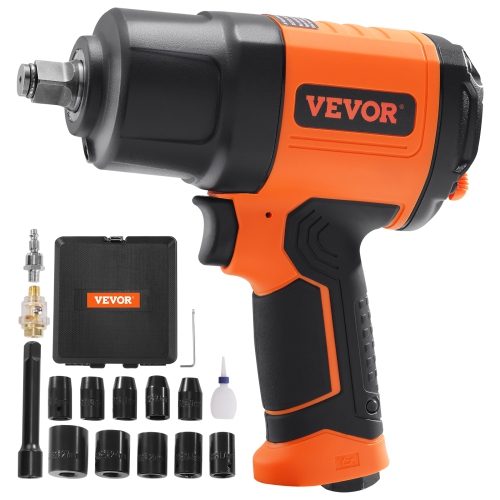
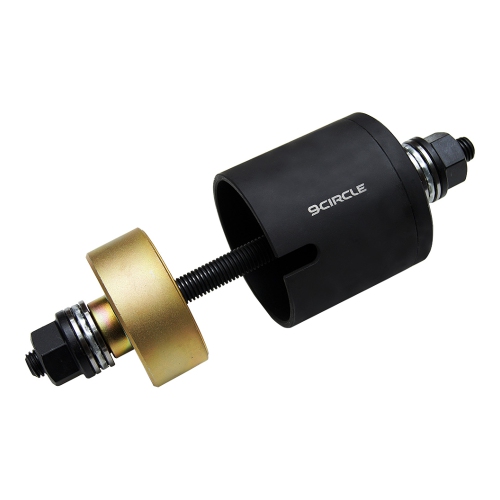
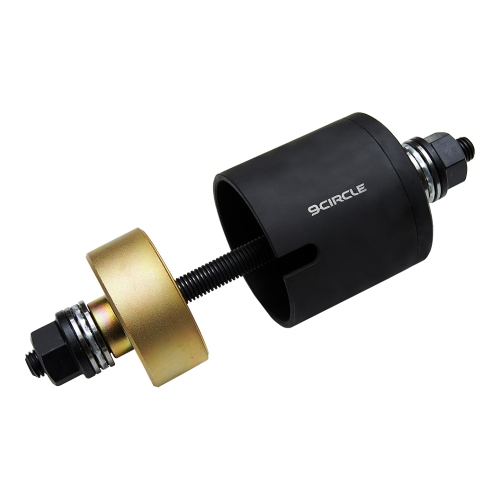
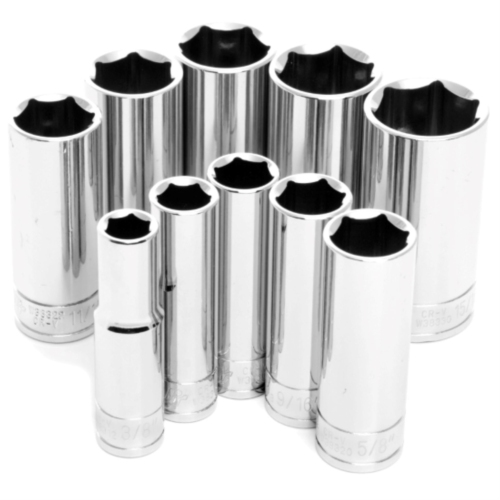
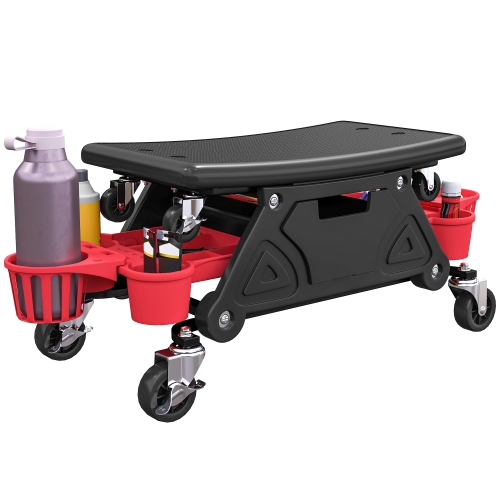
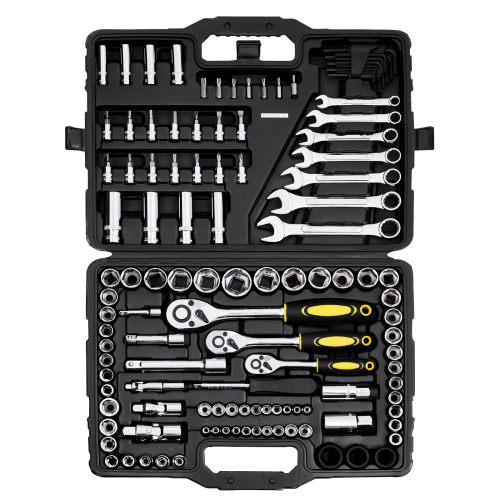
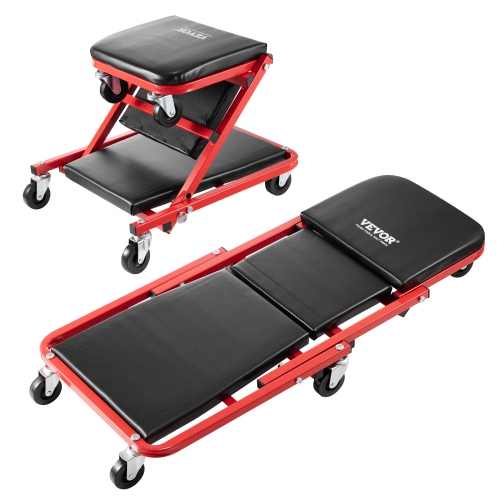
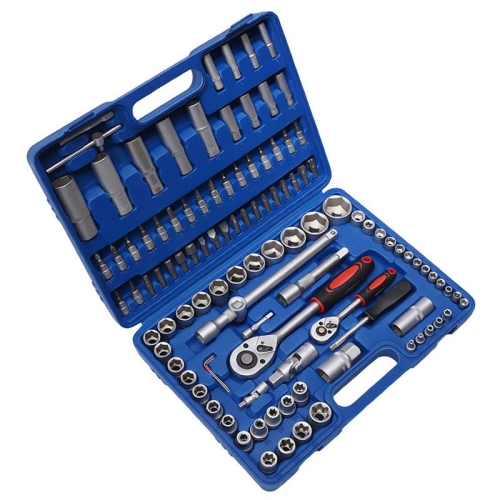
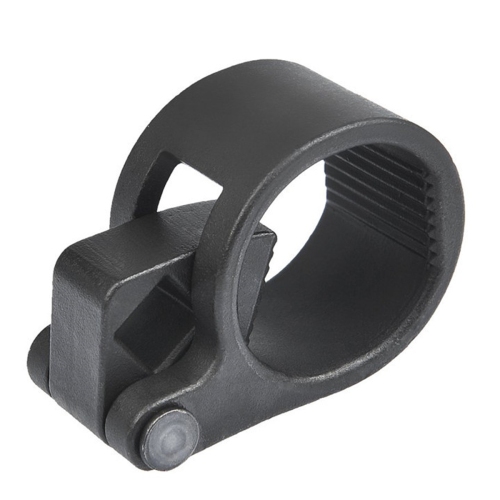
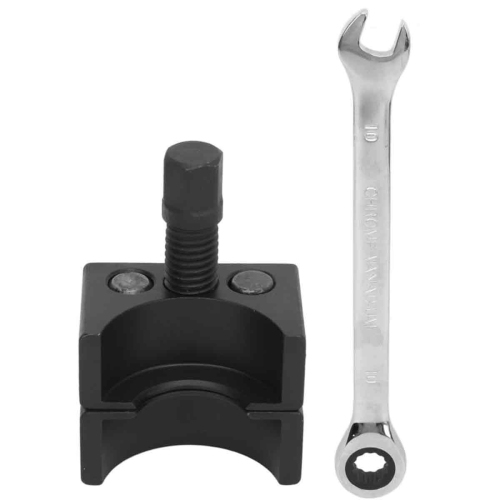
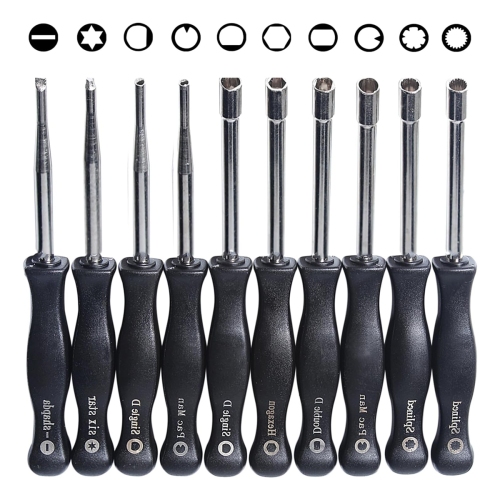
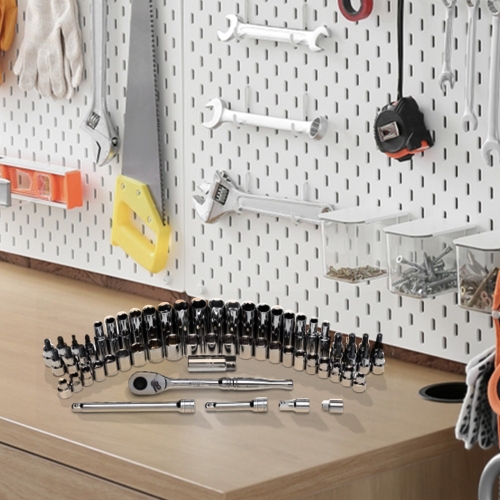
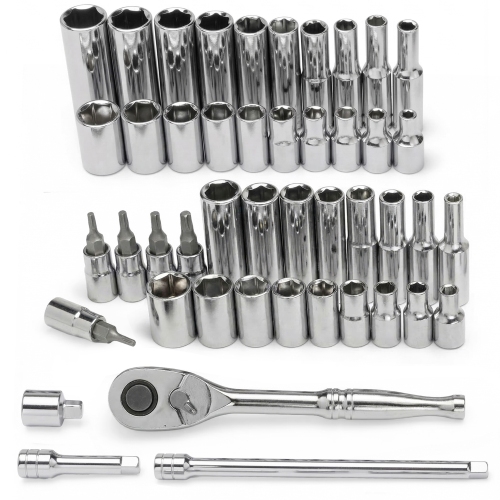
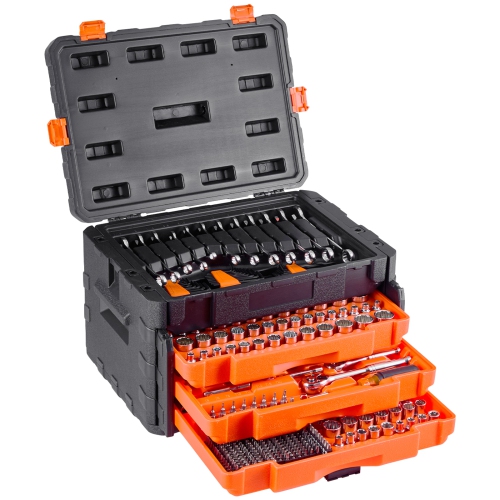
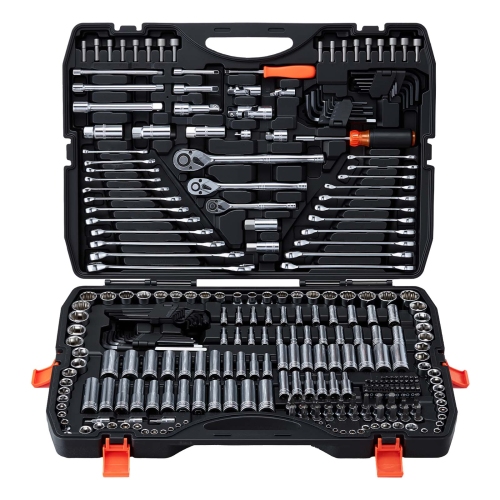
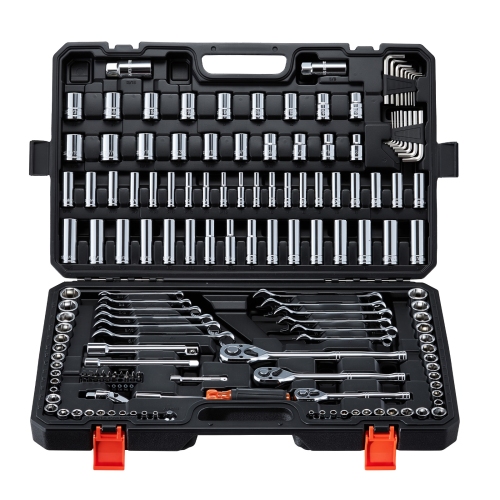
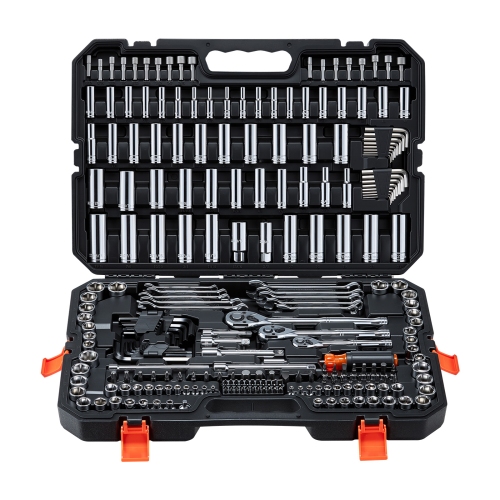
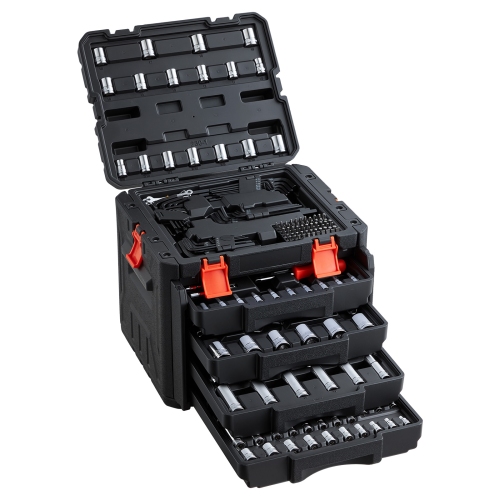
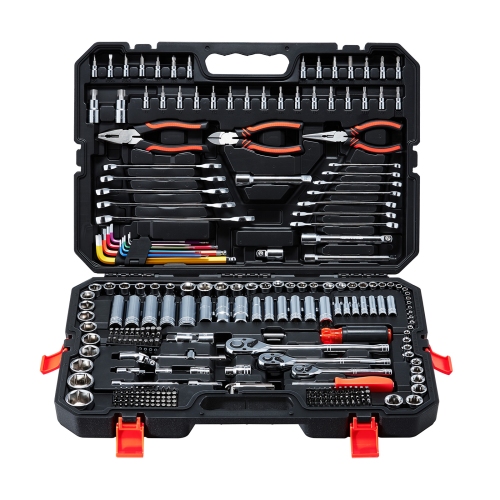
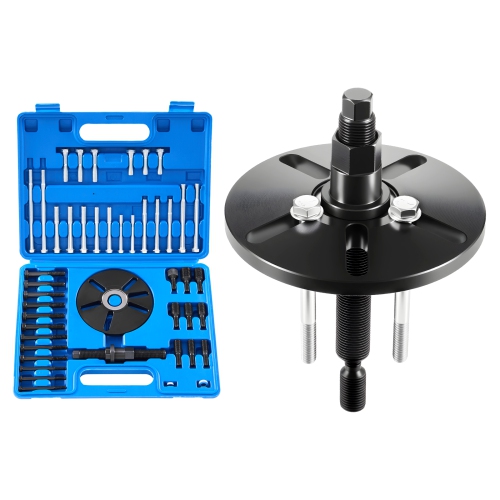
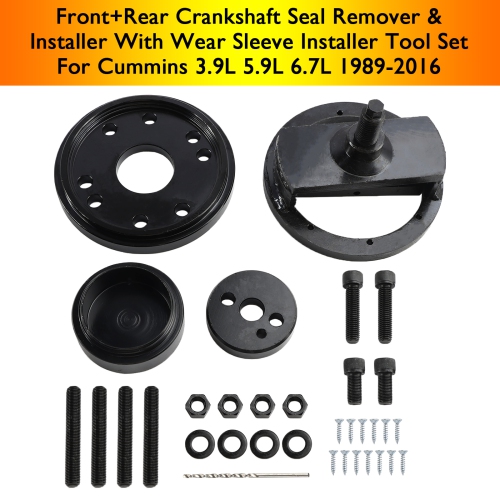
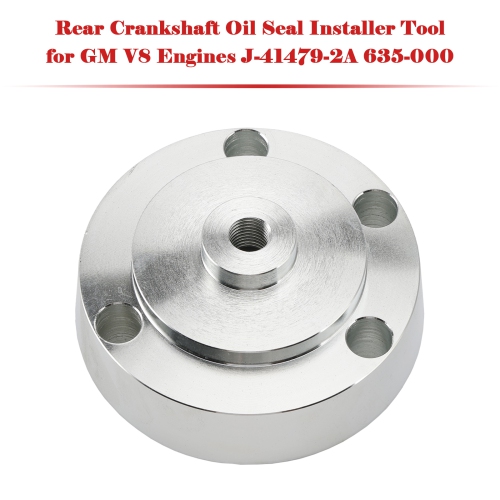
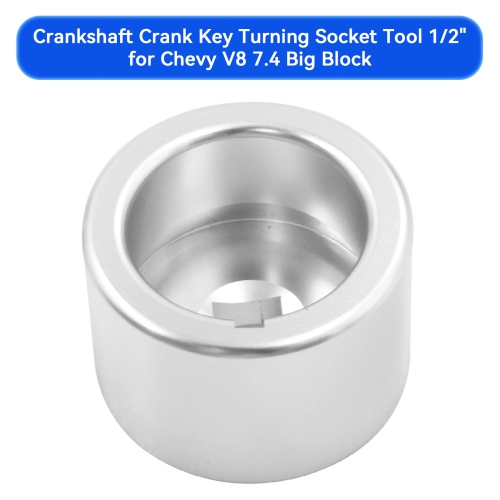
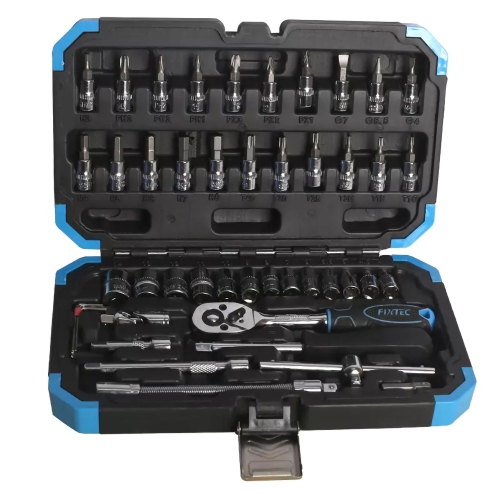
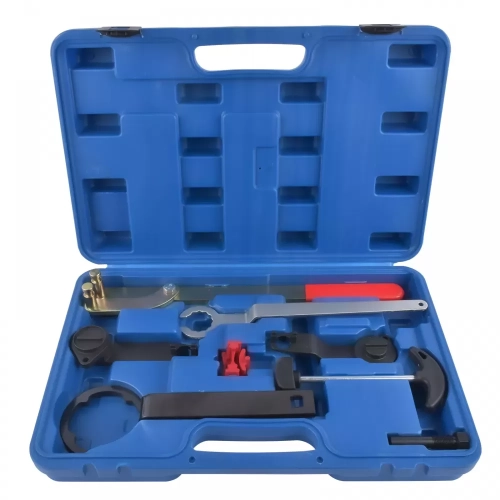
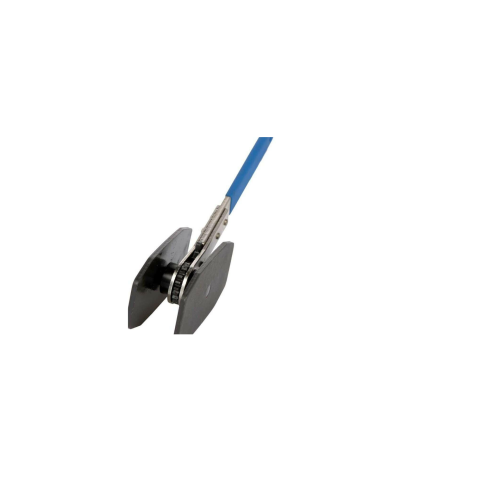
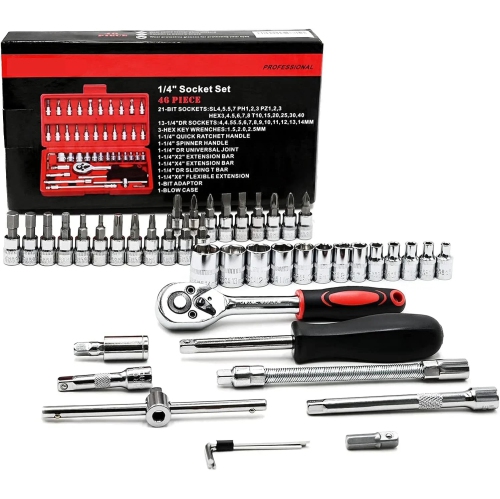
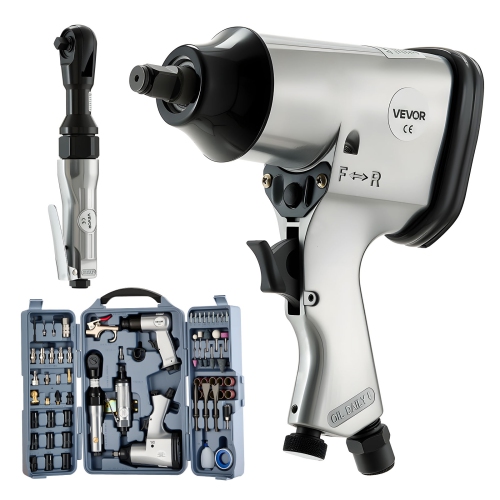
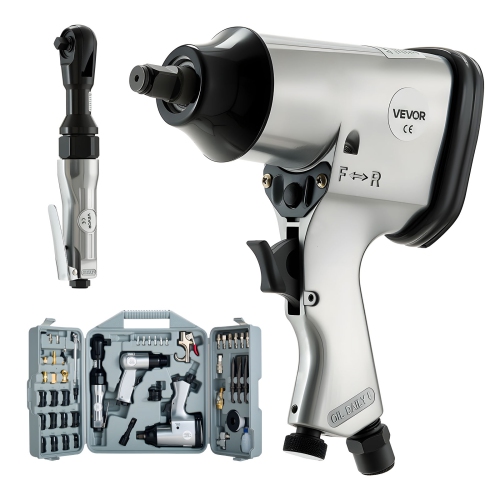
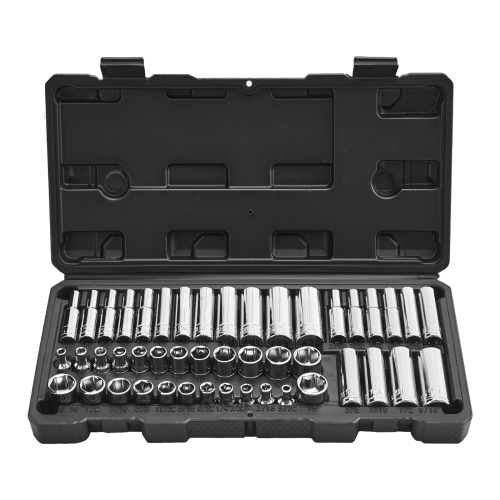
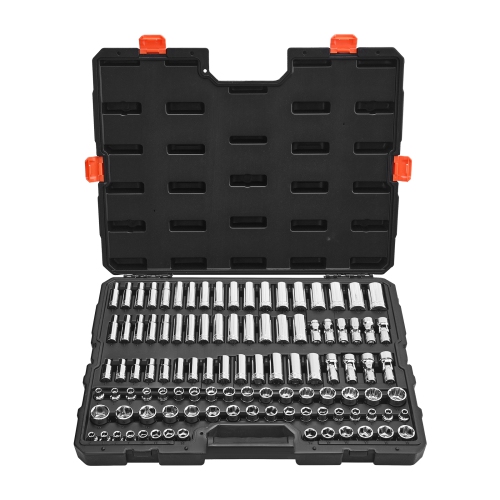
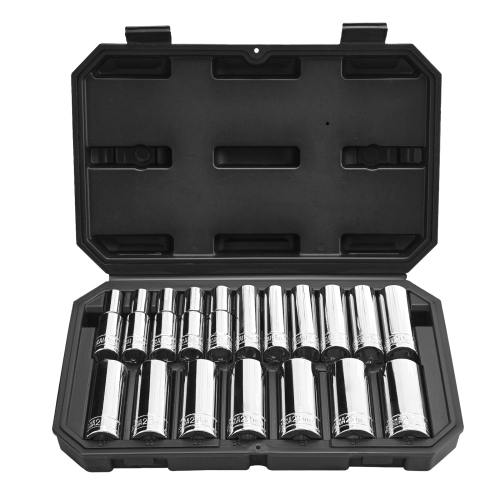
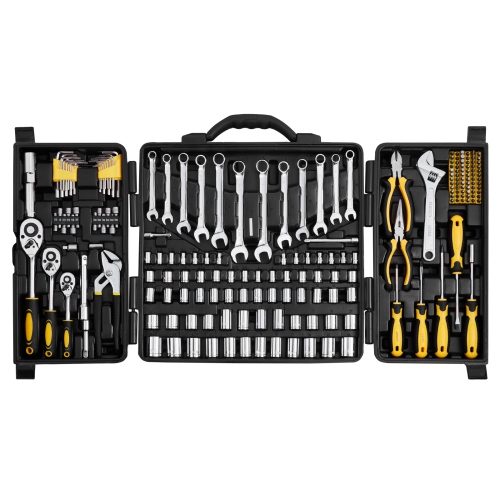
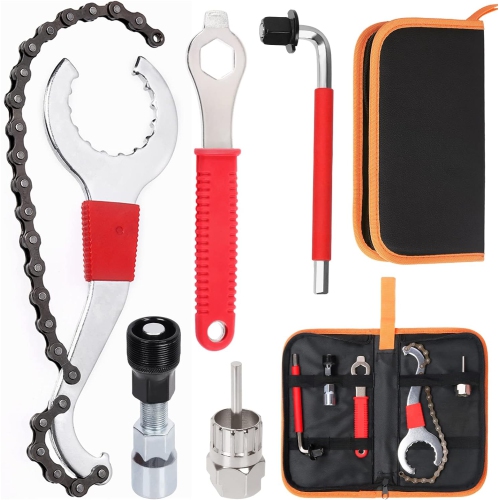
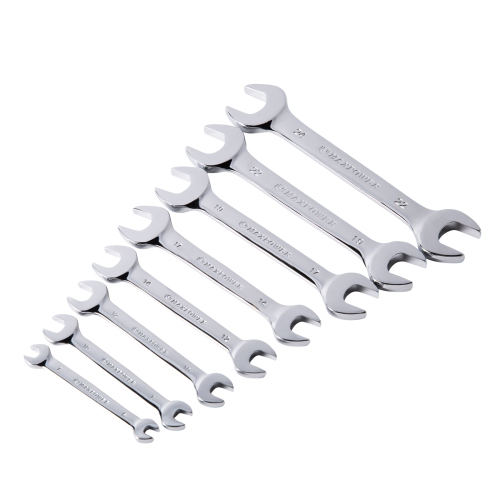
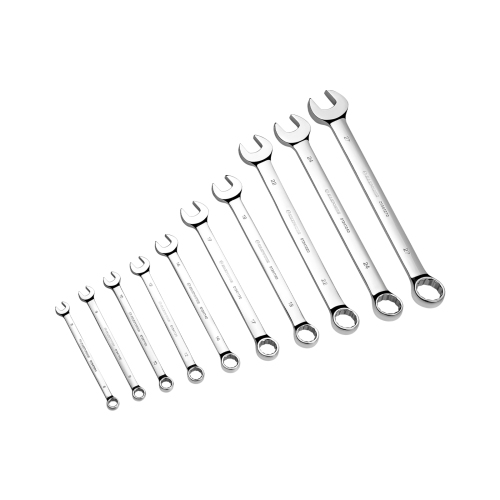
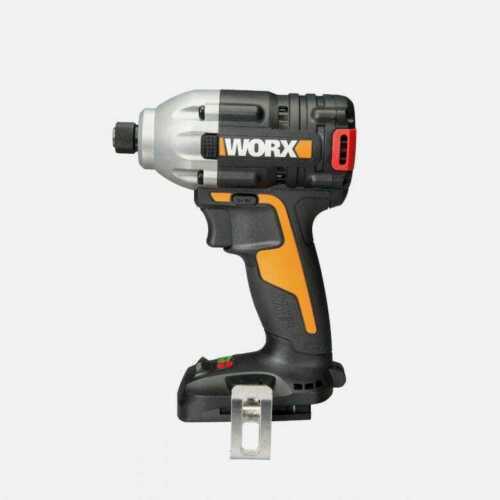
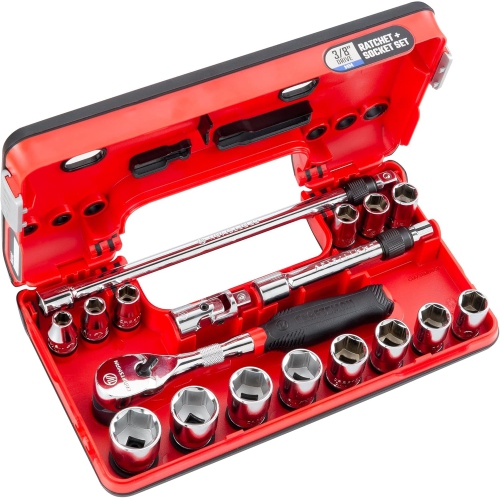
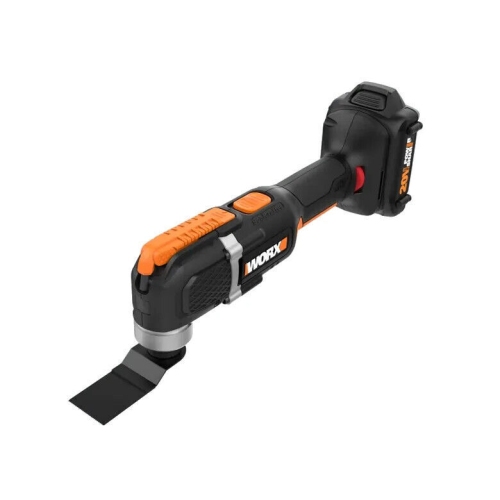
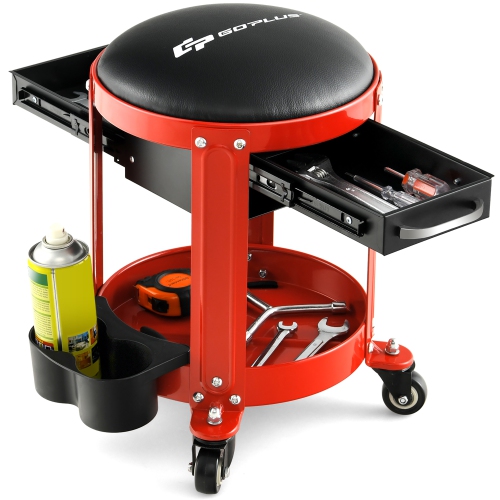
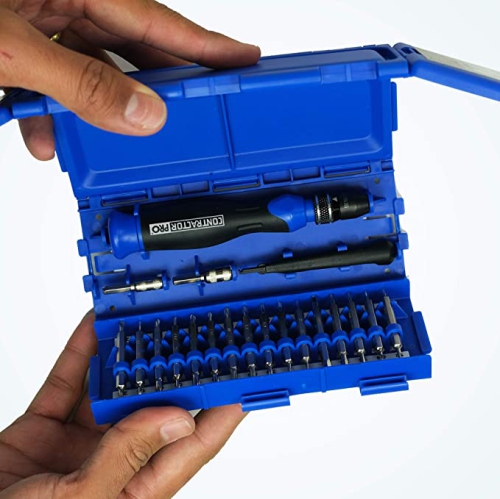
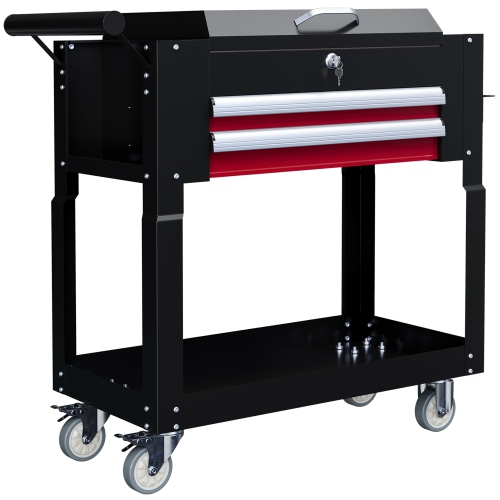
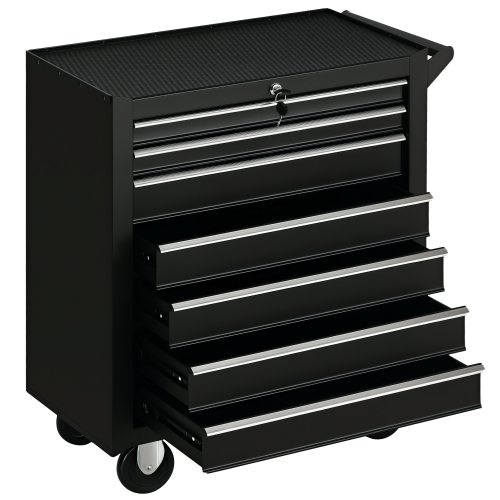
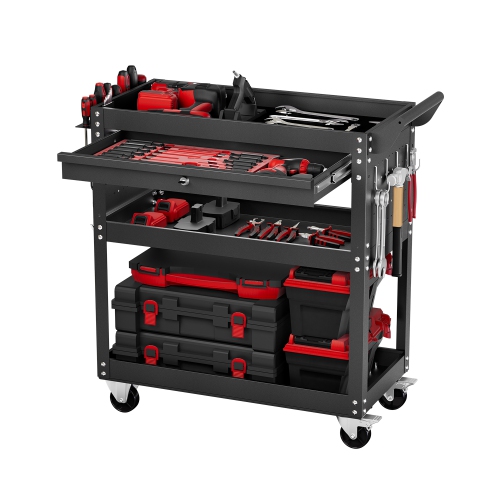
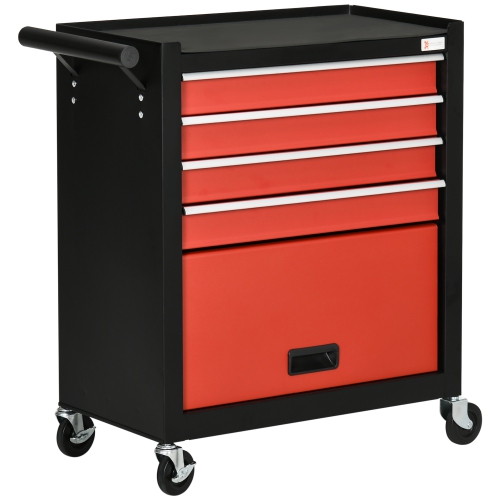
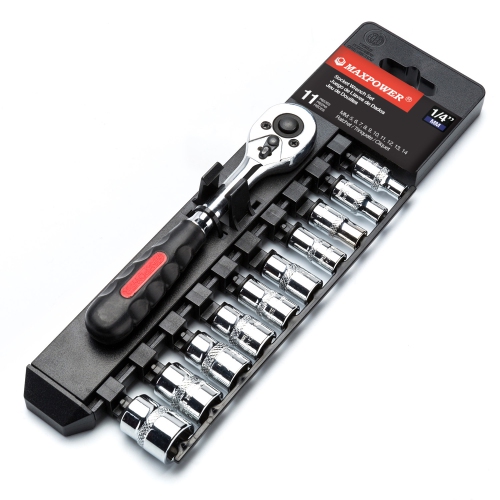
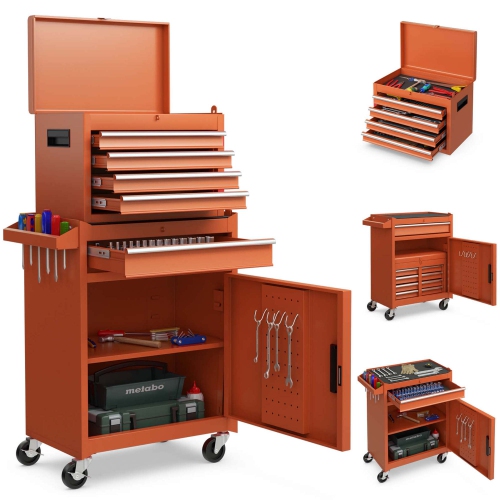
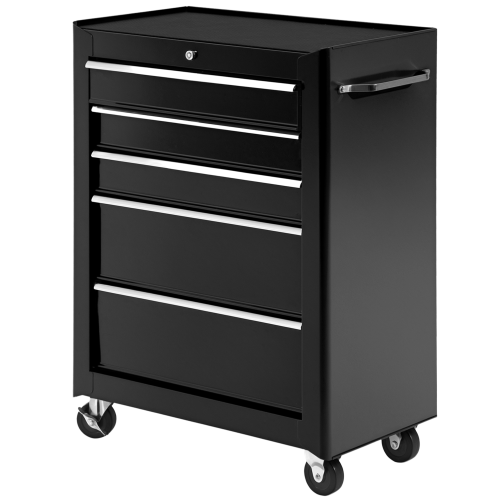
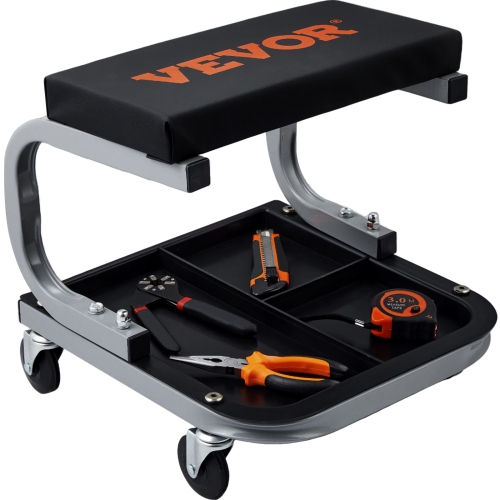
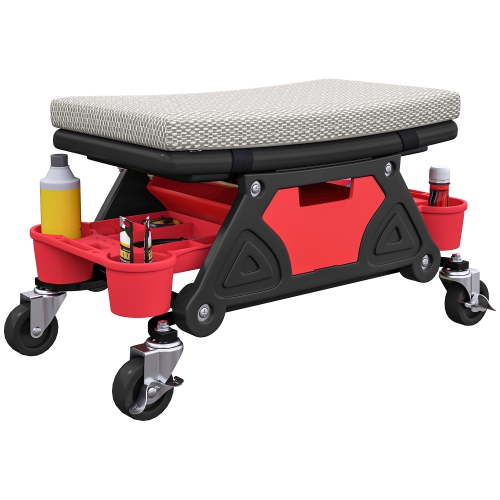
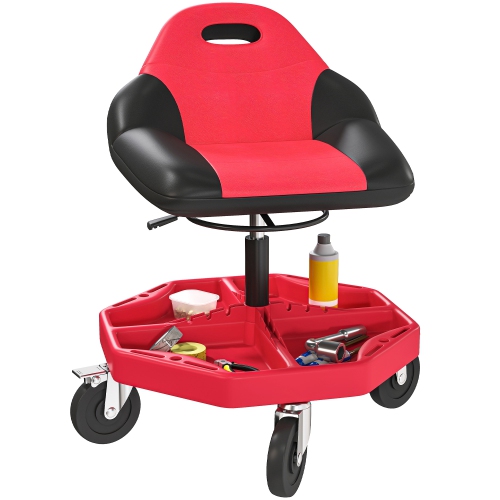
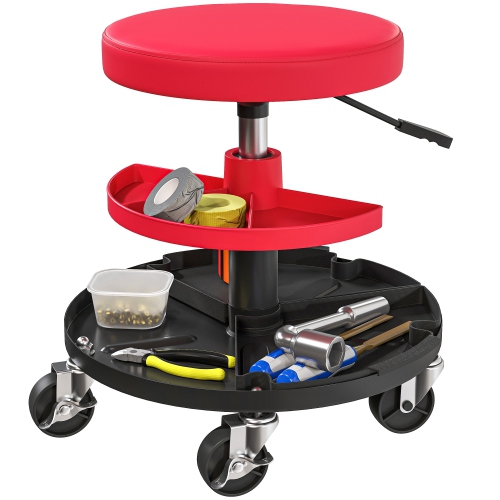
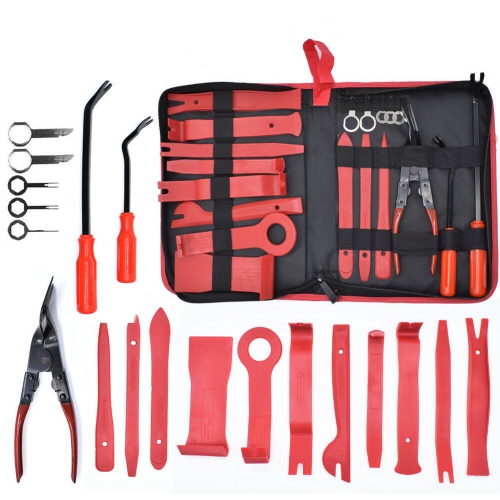
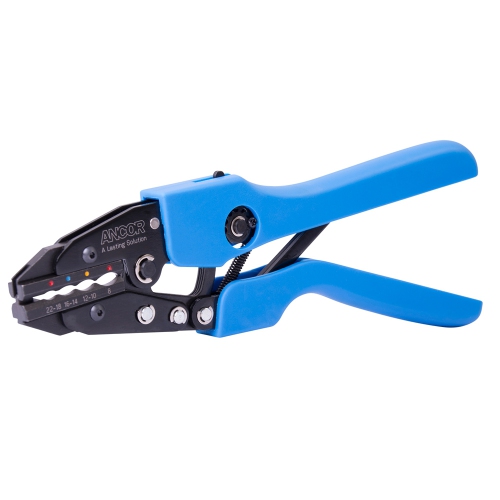
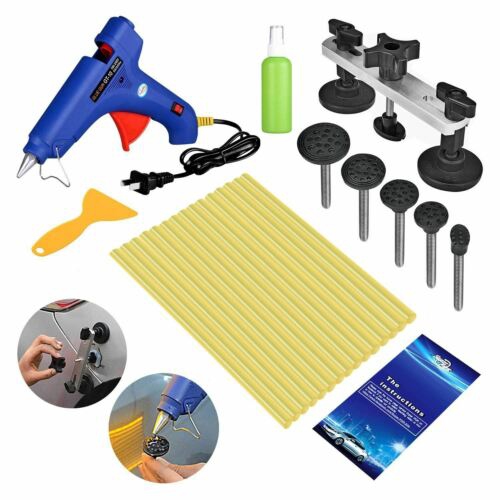
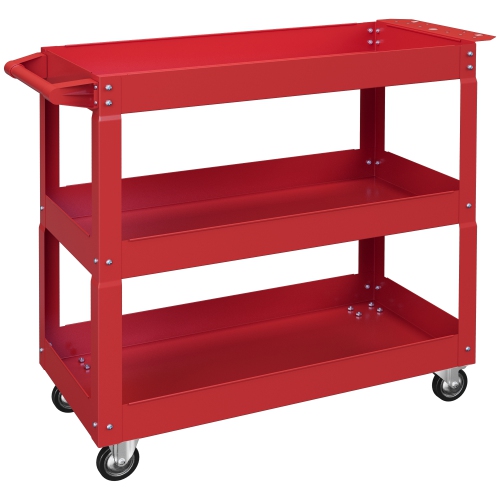
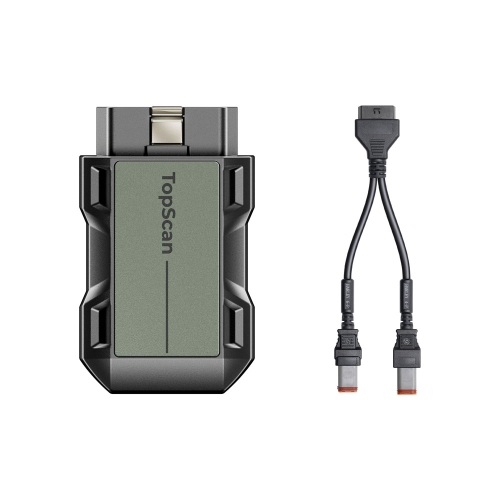
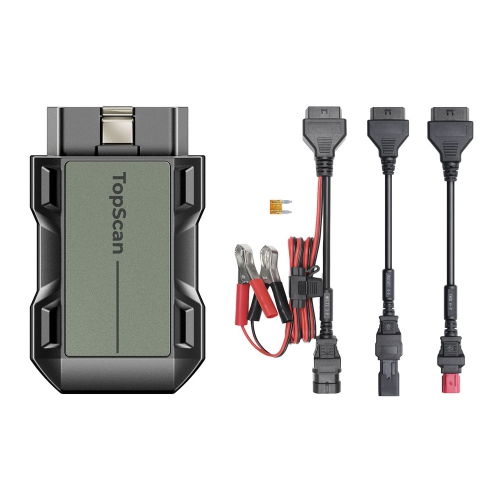
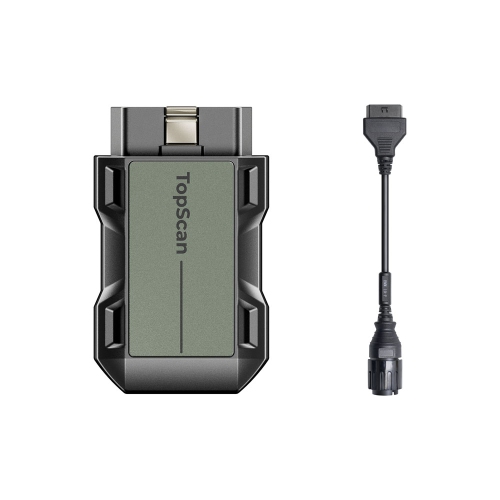
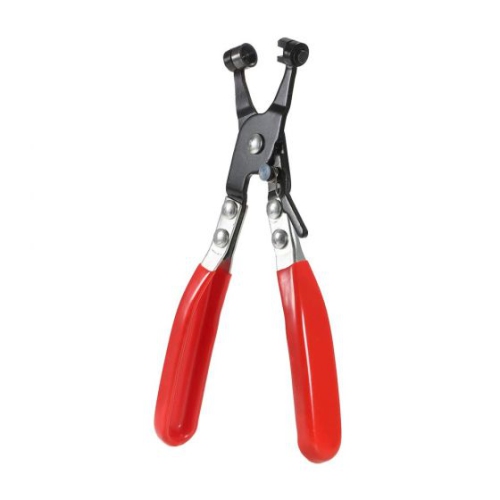
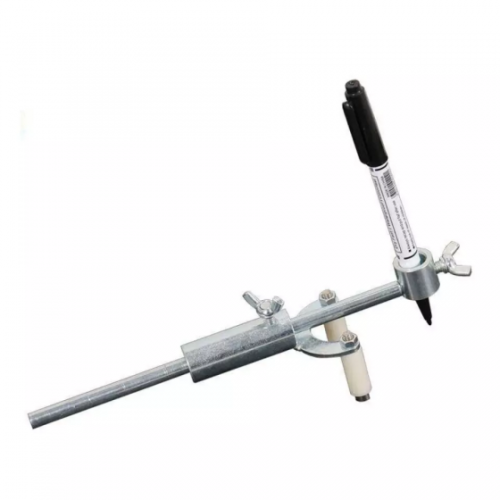
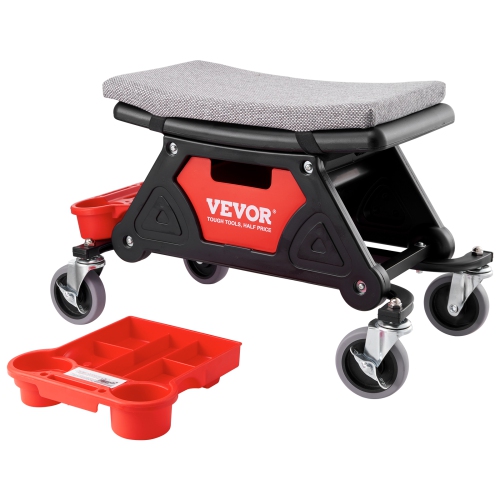
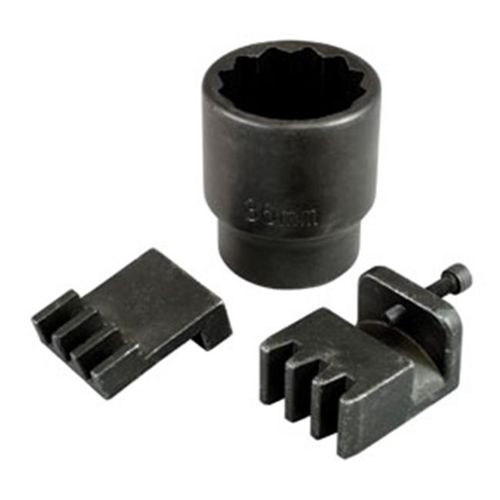
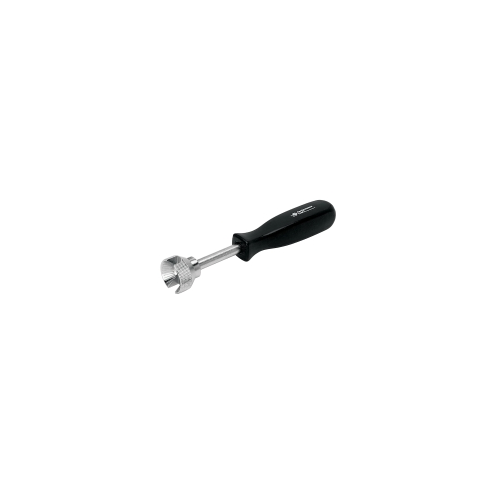
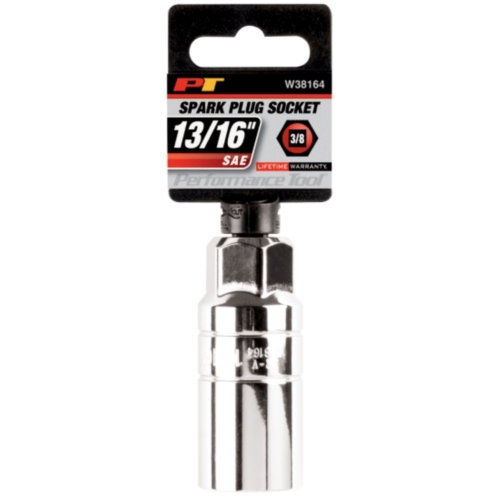
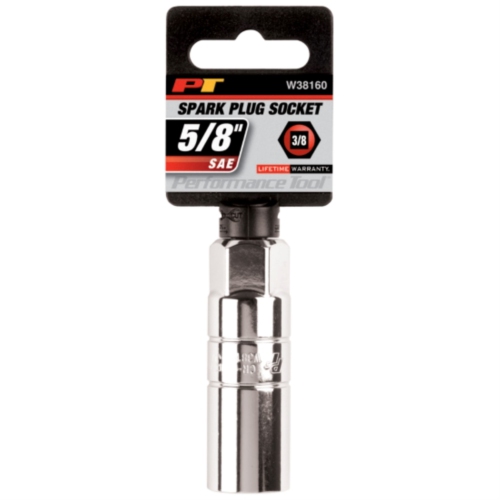
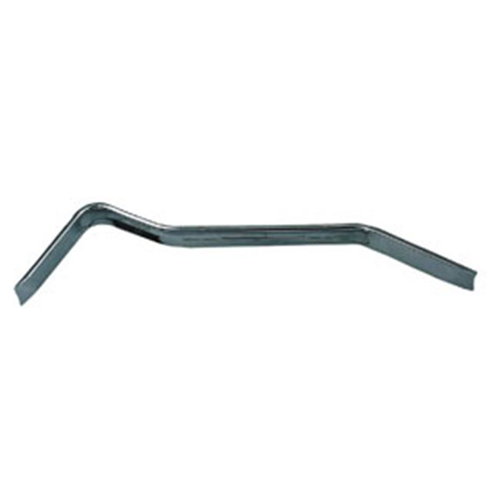

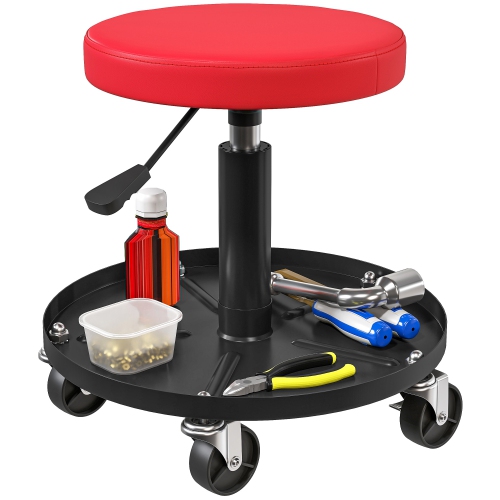
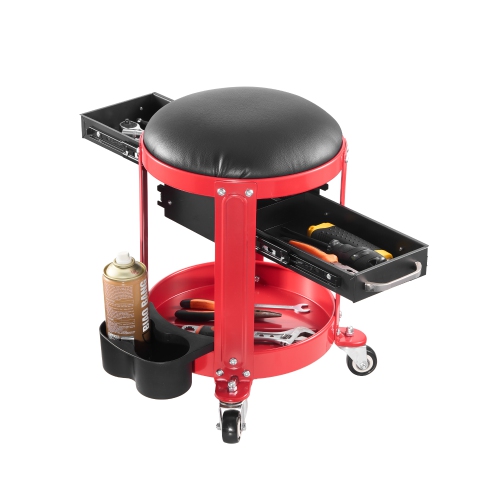
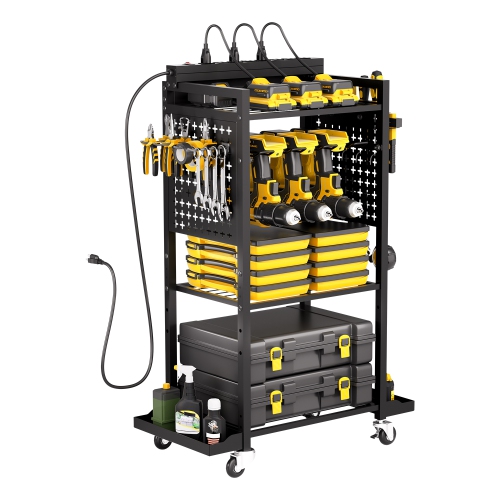
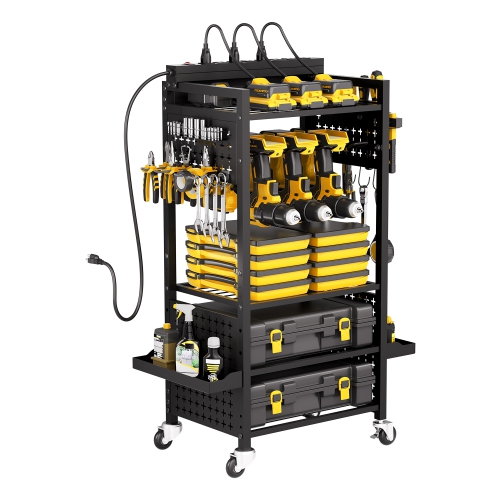
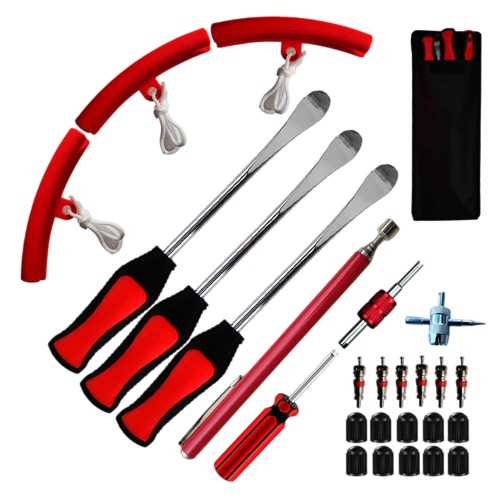
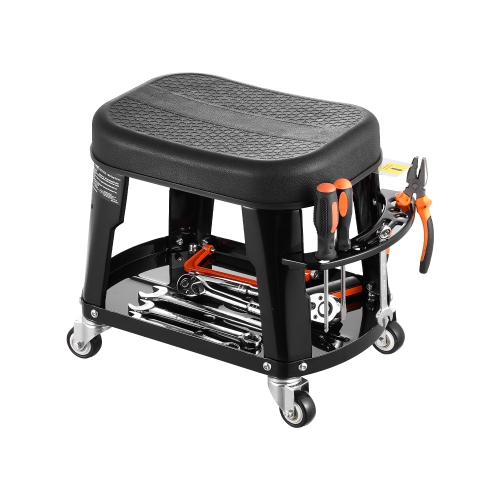
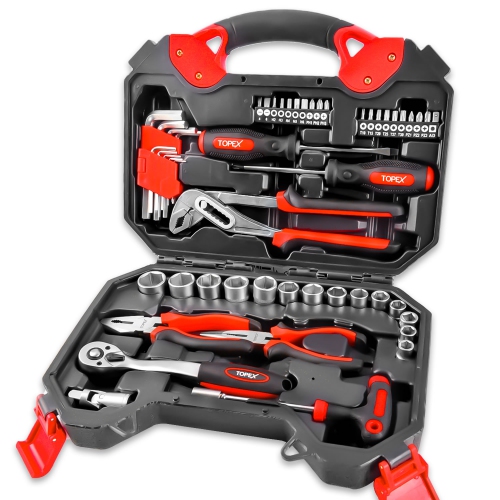
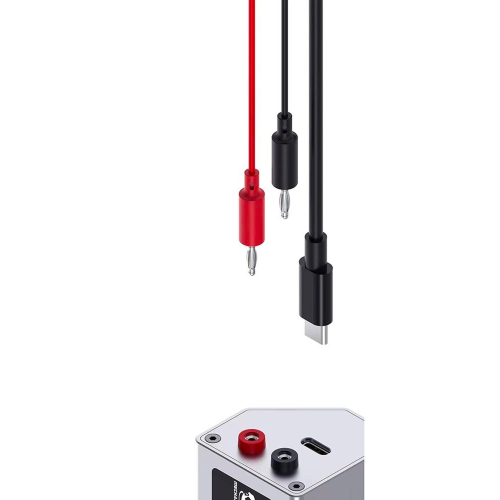
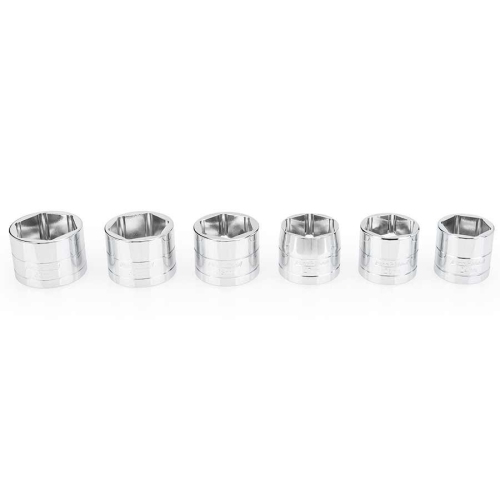
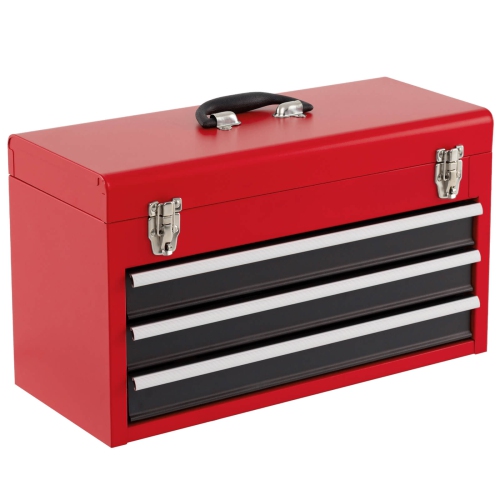
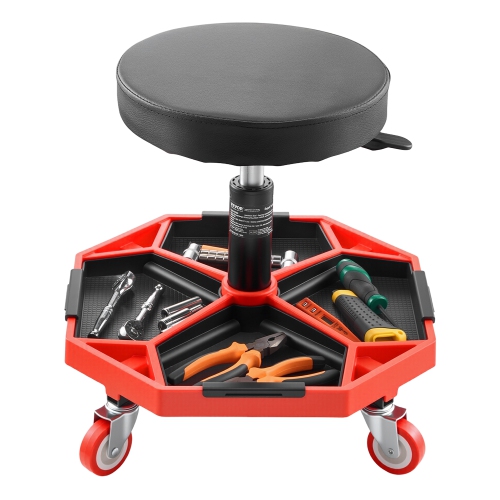
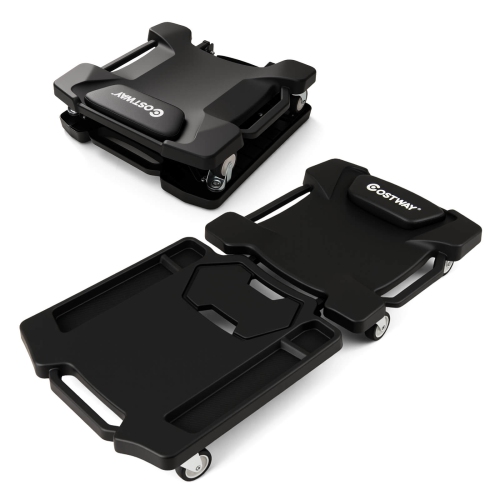
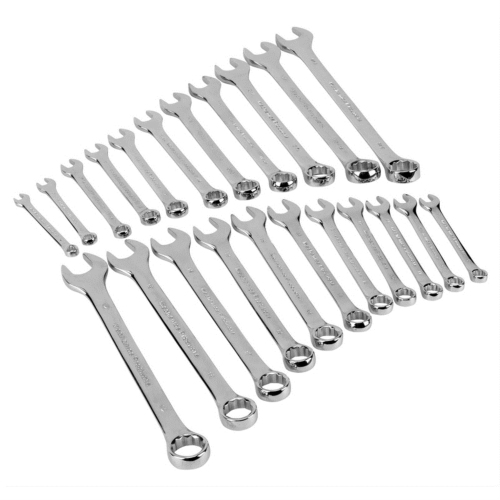
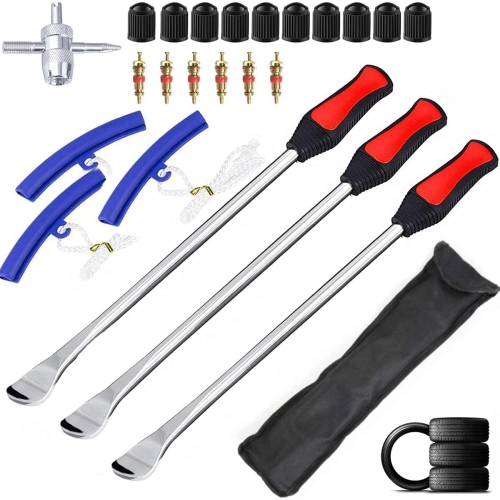
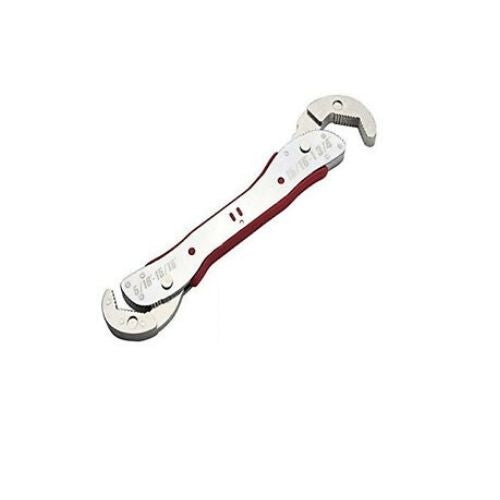
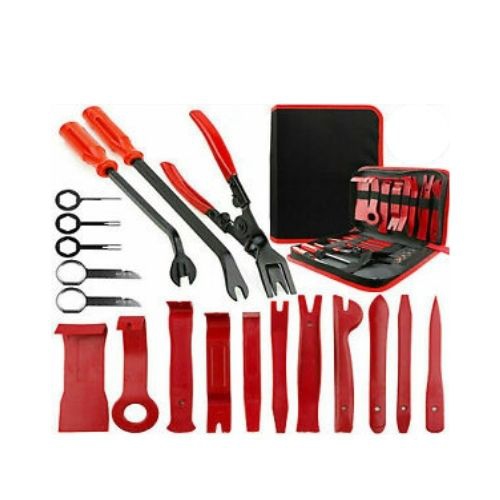
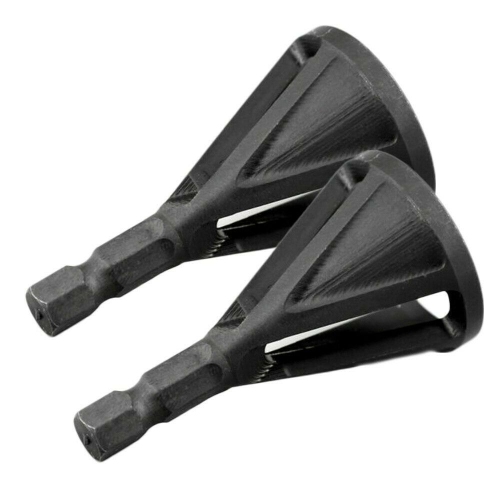
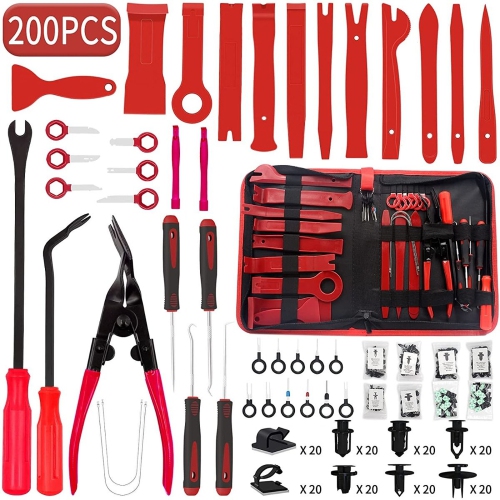
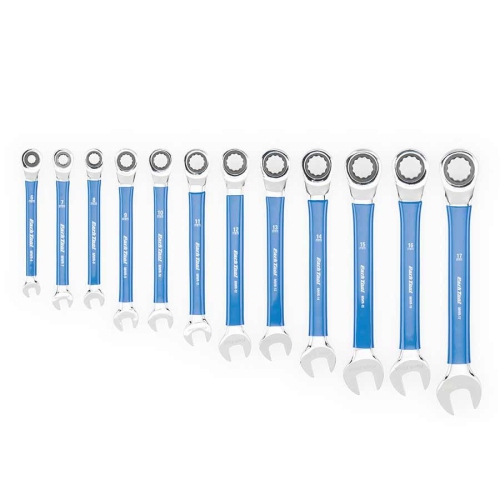
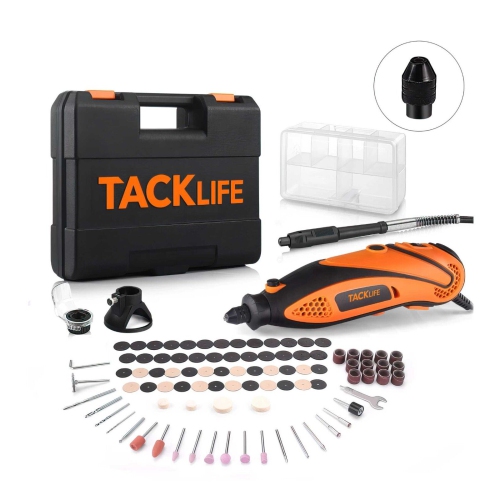
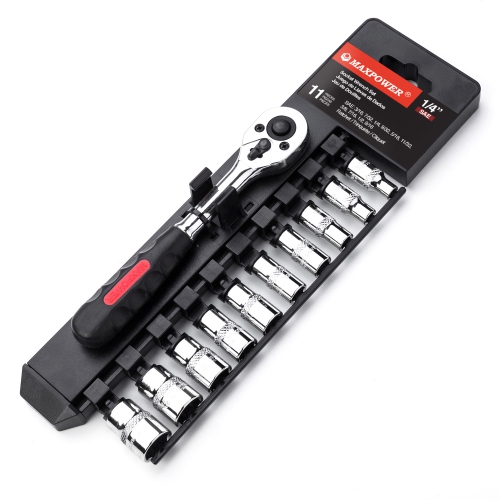
Precision tools for jobs standard wrenches cannot handle
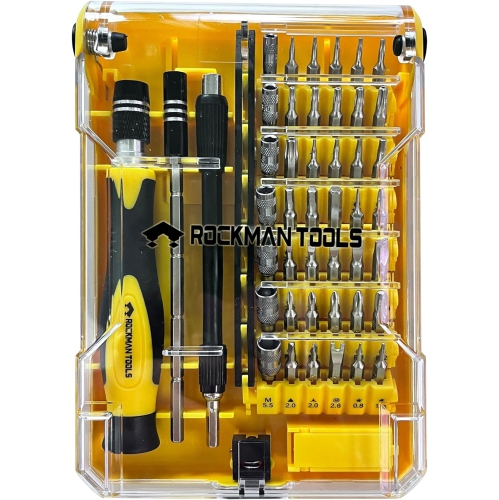
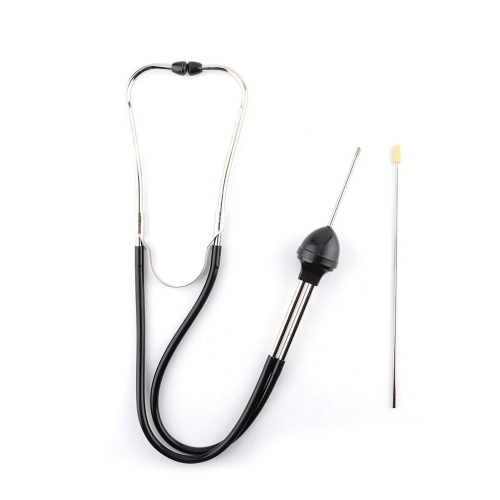
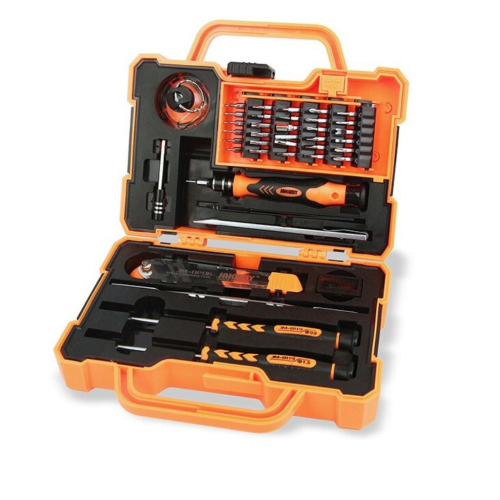
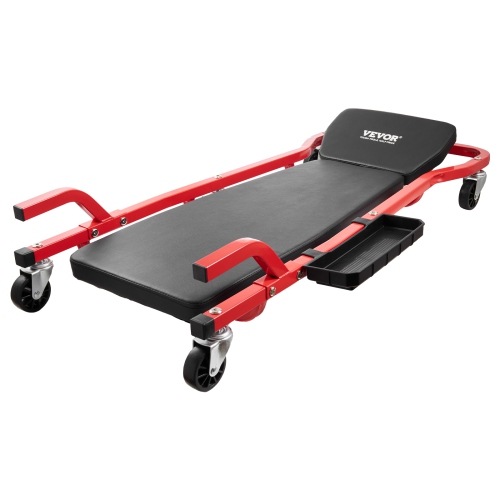
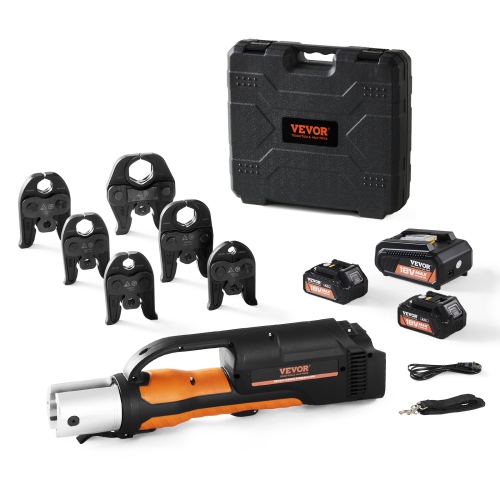
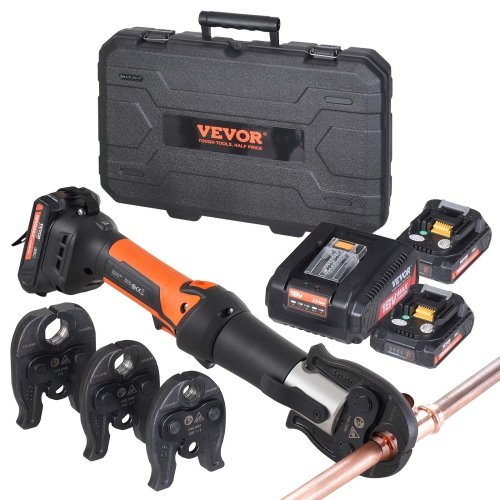
Specialty tools for mechanics are purpose-built instruments for automotive repair, inspection, and diagnostic tasks that standard wrenches and screwdrivers cannot easily handle. Their value comes from matching a particular job: reaching a recessed fastener, applying controlled force to a pressed-on component, checking an electrical circuit, or measuring engine pressure. For professional technicians, apprentices, and experienced home mechanics, that precision can make work more manageable while helping protect surrounding parts. These tools generally fall into several overlapping groups, including diagnostic and electrical equipment, brake and suspension tools, engine and drivetrain tools, and compact tools for restricted access. Diagnostic equipment helps narrow down a fault before parts are removed. An OBD-II scanner, for example, communicates with a compatible vehicle’s onboard systems to retrieve diagnostic trouble codes and, depending on its capabilities, display live operating data. A code identifies a detected condition rather than proving that a particular component needs replacement, so useful diagnostic work often involves additional testing. Coverage matters as much as the connector: basic engine-code access is different from support for anti-lock braking systems, airbags, or manufacturer-specific service functions. Electrical testing instruments serve another role, helping assess voltage, resistance, or continuity when used within their ratings and according to the vehicle’s service information. Inspection cameras bring otherwise hidden spaces into view, such as an area behind an engine or inside a housing, while mechanical listening instruments can help locate the source of an unfamiliar sound. Clear displays, readable scales, flexible leads, and manageable probe sizes all influence how practical these tools feel beside a vehicle. A technician tracing an intermittent wiring fault needs dependable measurements and suitable access, not simply a long feature list. Likewise, someone inspecting a hard-to-see cavity benefits from a camera head and cable that suit the opening. Across these categories, specialty equipment complements the broader range of Automotive Tools used for routine maintenance and more involved repairs.
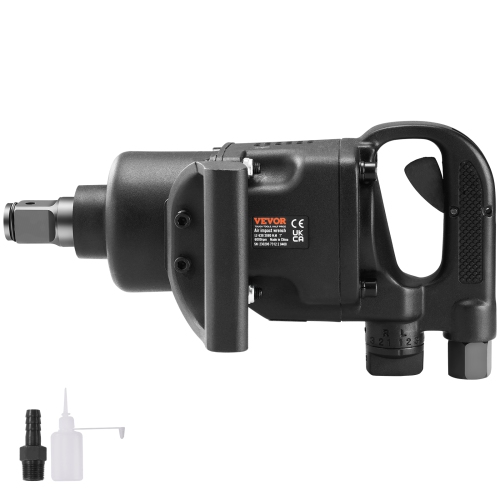
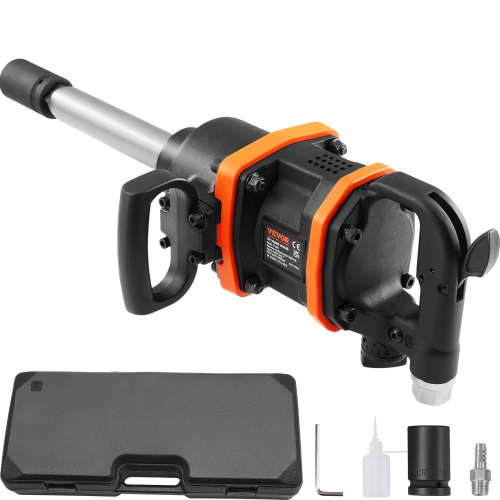
Mechanical specialty tools are defined just as strongly by how they contact the workpiece. Brake service equipment may be designed to retract or rotate caliper pistons, shape tubing, or form specified brake-line flares. The correct design depends on the brake system, tubing dimensions, and required flare profile; a tool that appears close in size is not necessarily suitable. Vehicles with electronic parking brakes may also require a prescribed service mode before mechanical work begins. Bearing separators, pullers, and installation tools address a different challenge: moving tightly fitted components with force applied at the intended contact points. Jaw reach, opening capacity, adapter dimensions, and load ratings help determine whether that force can be applied securely. Engine and drivetrain tools can include equipment for checking cylinder compression, holding components in position, or accessing belt-drive hardware where a conventional handle has little room to move. A shallow space between an engine and the bodywork illustrates why head thickness and handle geometry can matter as much as overall strength. Fit should be assessed against the vehicle’s year, make, model, engine, and relevant service procedure rather than broad descriptions alone. Metric and imperial dimensions, thread pitch, connector shape, and clearance can all affect compatibility. Materials and construction also deserve attention. Heat-treated alloy steel is common in load-bearing hand tools, while suitable surface finishes help resist rust and make grime easier to remove. Smoothly machined threads, well-fitting adapters, and secure joints contribute to controlled operation, particularly when a tool is under tension. Non-marring polymer contact surfaces can be useful around trim and finished panels, although they still need the right shape and stiffness for the task. Grip texture, handle balance, and edges that sit comfortably in the hand become noticeable during repeated use. Where powered impact use is intended, tools and accessories need an explicit rating for that purpose; a similar appearance does not establish suitability. Durability is therefore about more than weight or a substantial finish. It depends on sound construction, a proper match to the application, and use within the stated limits.
The most useful specialty tools fit both the repair and the person doing it. A professional workshop may place particular value on repeatable measurements, replaceable wear parts, durable storage, and equipment that stands up to frequent handling. An apprentice may benefit from clearly marked sizes and organized sets that make it easier to identify the correct adapter without trial and error. For a home mechanic maintaining one or two vehicles, verified compatibility with those vehicles can be more useful than a large assortment of fittings that will rarely be used. Kits are especially practical when a procedure requires several matched components, but their usefulness depends on what each fitting actually supports. A labelled case with dedicated spaces makes missing pieces easier to notice before work begins and keeps small seals, extensions, and adapters from disappearing into a crowded drawer. Care requirements vary with the tool’s construction and function. Removing dirt and fluid residue after use, drying metal surfaces before storage, and following the maker’s lubrication instructions can help preserve moving parts and finishes. Measuring instruments need protection from knocks, damaged leads, and contamination; some also require periodic accuracy checks or calibration. Hoses, seals, puller jaws, and threaded parts should remain free of damage that could affect a reading or compromise secure engagement. Storage matters particularly for equipment used only occasionally, since a tool should be ready for inspection when the next relevant repair comes along. Intended use also sets important safety boundaries. Vehicle support, pressurized systems, loaded suspension components, and high-voltage electrical systems each involve hazards that a specialty tool alone does not address. Appropriate training, protective equipment, and vehicle-specific service information remain essential, and hybrid or electric vehicle work may require dedicated qualifications and rated equipment. As gifts, specialty tools are best suited to recipients whose vehicle interests, experience, and existing equipment are known. A thoughtfully matched addition to a mechanic’s setup can support a familiar type of work without duplicating what is already in the drawer. Whether used at a busy service bay or a carefully organized home workbench, the strongest fit is equipment that answers a genuine task with suitable access, reliable control, and clear compatibility.
Mechanical specialty tools are defined just as strongly by how they contact the workpiece. Brake service equipment may be designed to retract or rotate caliper pistons, shape tubing, or form specified brake-line flares. The correct design depends on the brake system, tubing dimensions, and required flare profile; a tool that appears close in size is not necessarily suitable. Vehicles with electronic parking brakes may also require a prescribed service mode before mechanical work begins. Bearing separators, pullers, and installation tools address a different challenge: moving tightly fitted components with force applied at the intended contact points. Jaw reach, opening capacity, adapter dimensions, and load ratings help determine whether that force can be applied securely. Engine and drivetrain tools can include equipment for checking cylinder compression, holding components in position, or accessing belt-drive hardware where a conventional handle has little room to move. A shallow space between an engine and the bodywork illustrates why head thickness and handle geometry can matter as much as overall strength. Fit should be assessed against the vehicle’s year, make, model, engine, and relevant service procedure rather than broad descriptions alone. Metric and imperial dimensions, thread pitch, connector shape, and clearance can all affect compatibility. Materials and construction also deserve attention. Heat-treated alloy steel is common in load-bearing hand tools, while suitable surface finishes help resist rust and make grime easier to remove. Smoothly machined threads, well-fitting adapters, and secure joints contribute to controlled operation, particularly when a tool is under tension. Non-marring polymer contact surfaces can be useful around trim and finished panels, although they still need the right shape and stiffness for the task. Grip texture, handle balance, and edges that sit comfortably in the hand become noticeable during repeated use. Where powered impact use is intended, tools and accessories need an explicit rating for that purpose; a similar appearance does not establish suitability. Durability is therefore about more than weight or a substantial finish. It depends on sound construction, a proper match to the application, and use within the stated limits.
The most useful specialty tools fit both the repair and the person doing it. A professional workshop may place particular value on repeatable measurements, replaceable wear parts, durable storage, and equipment that stands up to frequent handling. An apprentice may benefit from clearly marked sizes and organized sets that make it easier to identify the correct adapter without trial and error. For a home mechanic maintaining one or two vehicles, verified compatibility with those vehicles can be more useful than a large assortment of fittings that will rarely be used. Kits are especially practical when a procedure requires several matched components, but their usefulness depends on what each fitting actually supports. A labelled case with dedicated spaces makes missing pieces easier to notice before work begins and keeps small seals, extensions, and adapters from disappearing into a crowded drawer. Care requirements vary with the tool’s construction and function. Removing dirt and fluid residue after use, drying metal surfaces before storage, and following the maker’s lubrication instructions can help preserve moving parts and finishes. Measuring instruments need protection from knocks, damaged leads, and contamination; some also require periodic accuracy checks or calibration. Hoses, seals, puller jaws, and threaded parts should remain free of damage that could affect a reading or compromise secure engagement. Storage matters particularly for equipment used only occasionally, since a tool should be ready for inspection when the next relevant repair comes along. Intended use also sets important safety boundaries. Vehicle support, pressurized systems, loaded suspension components, and high-voltage electrical systems each involve hazards that a specialty tool alone does not address. Appropriate training, protective equipment, and vehicle-specific service information remain essential, and hybrid or electric vehicle work may require dedicated qualifications and rated equipment. As gifts, specialty tools are best suited to recipients whose vehicle interests, experience, and existing equipment are known. A thoughtfully matched addition to a mechanic’s setup can support a familiar type of work without duplicating what is already in the drawer. Whether used at a busy service bay or a carefully organized home workbench, the strongest fit is equipment that answers a genuine task with suitable access, reliable control, and clear compatibility.
Top selling and popular products
-
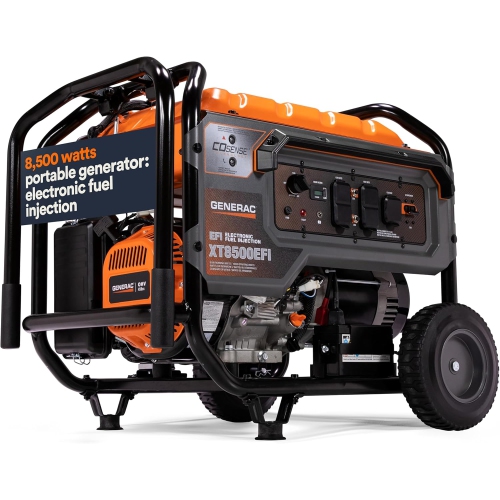 Your price for this item is $3000
 -
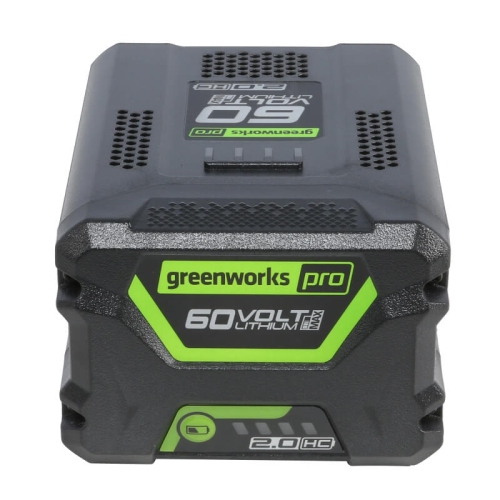 Your price for this item is $124.45
 -
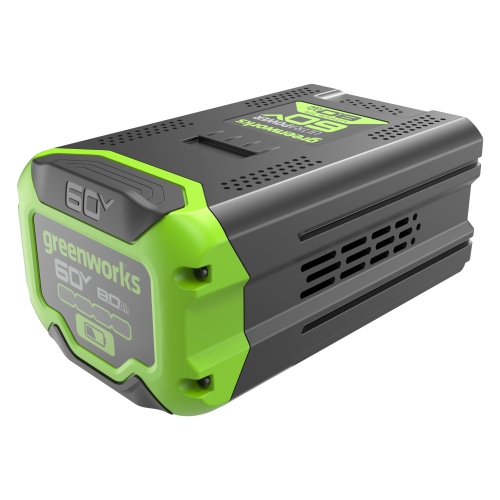 Your price for this item is $329.99
 -
 Your price for this item is $139.99
 -
 Your price for this item is $264
 -
 Your price for this item is $217.55
 -
 Your price for this item is $739.99
 -
 Your price for this item is $599.99
Discover more categories related to Specialty Tools for Mechanics
Top Collections:
Pokemon Centers, Kindle Devices, Best Budget Office Chairs, Apple iPhones 16, Best Laptops for Writers, iPhone 15 Apple, Canon G7X Cameras, Refurbished Apple Laptops, Alarm Clock, Motorola Razr Phones
Some products may be subject to Environmental Handling Fees
(EHF) depending on your province.
Learn more about EHFs.